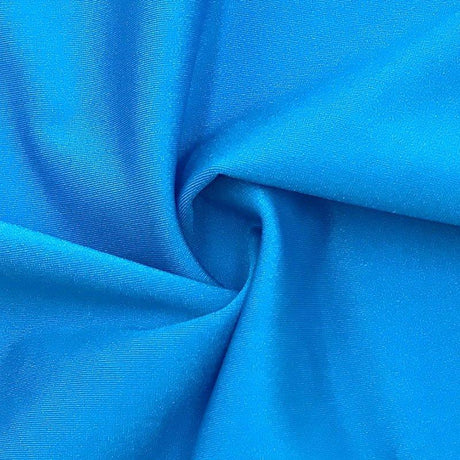
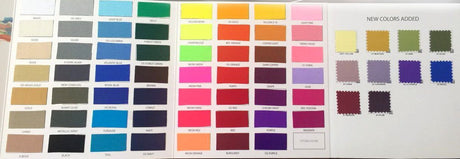
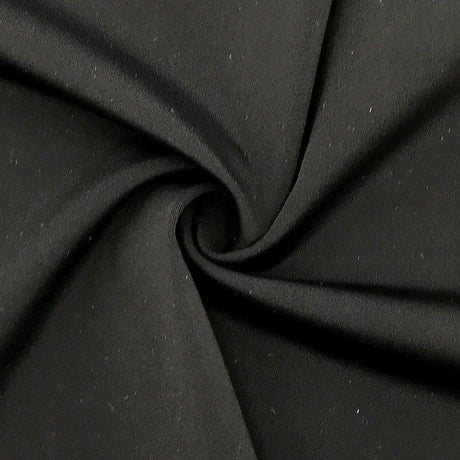
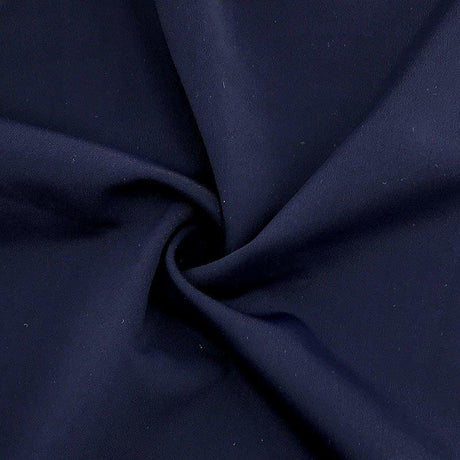
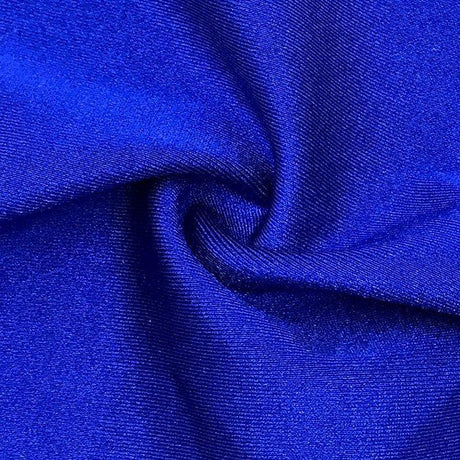
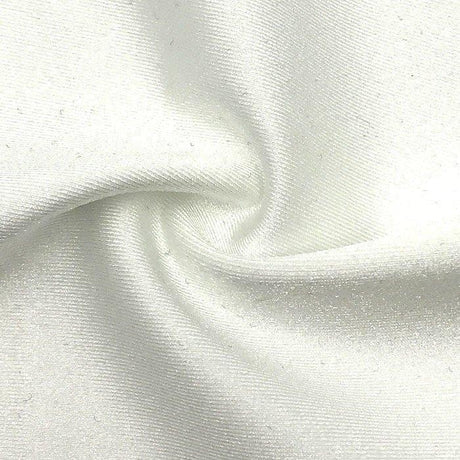
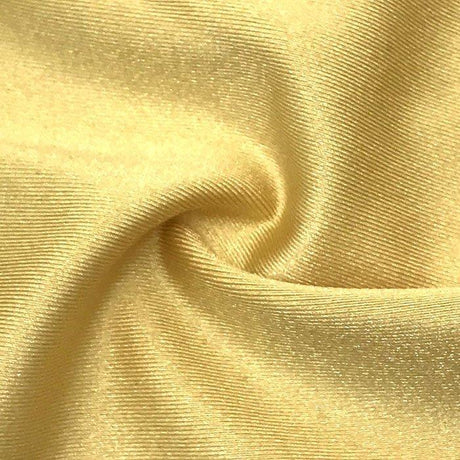
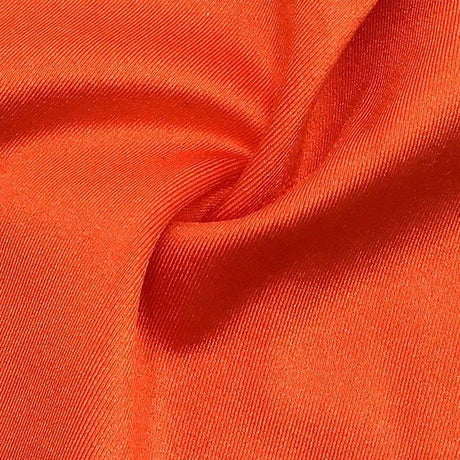
Teams face a unique textile challenge: uniforms must be comfortable, durable, and visually striking for team branding.
Advances in custom printed sports fabric mean even small clubs can get professional-quality prints, but selecting the right material is crucial. For a broader foundation before diving in, explore our activewear fabric guide or browse our full fabric guides hub.
What Is Printed Fabric for Team Uniforms?
Definition & Context: Printed team uniform fabric refers to textiles (often synthetic blends) engineered to accept vivid prints (logos, names, patterns) while withstanding athletic use.
Common Fabric Types: Most jerseys use polyester or poly-spandex blends for their vibrant sublimation prints and moisture-wicking properties. Natural fibers (like cotton) are used more in casual team apparel due to lower print vibrancy and sweat management. Our nylon-spandex fabric guide and cotton-spandex fabric guide cover how these two popular blends differ in performance, stretch, and print reception.
Printing Methods Impact Choice: Dye-sublimation requires high-polyester content for permanent, vibrant colors; screen printing or heat transfers can work on cotton or blends but may crack if the fabric stretches. Our sublimation guide covers the full dye-sublimation process, and our sublimation paper and sublimation transfer paper pages walk through the consumables needed for professional results.
Why It Matters: The right material prevents issues like faded colors, torn seams, or heavy, uncomfortable jerseys. Modern printed stretch fabrics for uniforms marry bright designs with athletic performance, ensuring teams look professional without sacrificing mobility.
Technical Specifications to Consider
Fabric Weight (GSM): Fabric weight in grams per square meter affects feel and longevity. Medium-weight (≈180–220 GSM) textiles strike a balance between durability and comfort – common for game jerseys. Lighter fabrics (<150 GSM) breathe well for hot weather but can wear out faster, while heavy fabrics (>250 GSM) are very durable but might run hot. Our fabric weight guide provides a full breakdown of GSM ranges and how weight affects performance, durability, and breathability across all common uniform fabric types.
Stretch Type & Recovery: Check if the fabric is 2-way or 4-way stretch. Four-way stretch (extends in both width and length) offers maximum flexibility – ideal for high-mobility sports. Two-way stretch (usually widthwise only) is acceptable for lower-intensity use but may restrict movement. Strong recovery (elastic "snap back") prevents uniforms from becoming baggy over time. Our stretch fabric types page explains how to compare stretch percentages and recovery ratings across all common uniform fabric constructions.
Fiber Composition: Look at the fiber blend. Polyester-spandex blends (e.g. 90/10) are popular for uniforms because polyester provides strength and vivid print results, while spandex gives the needed stretch. Cotton-spandex (e.g. 95/5) feels soft and is easy to screen print, but isn't as moisture-wicking or vibrant in color. Our how to choose fabric guide walks through fiber comparison systematically for uniform and team apparel applications.
Print Durability: Ensure the fabric and ink are compatible. Sublimation prints bond into poly fibers for excellent longevity; screen prints on stretch fabric require special stretchable inks to avoid cracking. High-poly fabrics with smooth surfaces yield sharp, long-lasting designs. Our fabric finishes guide covers surface treatments and coatings that affect print adhesion and longevity across different fabric types.
Moisture Management: Athletic uniforms benefit from moisture-wicking knits that pull sweat off the body. Many performance fabrics have technical coatings or fiber structures to keep athletes dry and comfortable. Our activewear fabric guide covers moisture management ratings and breathability across common uniform fabric constructions.
Fabric Comparison
| Fabric Type | Composition | Typical GSM | Stretch % | Common Uses & Notes |
|---|---|---|---|---|
| Polyester–Spandex Jersey | ~88% Polyester / 12% Spandex | ~180 GSM | 4-way stretch (~150% elongation) | Core uniform fabric. Excellent flexibility and recovery, highly durable, ideal for bright sublimated graphics and frequent wear. |
| Cotton–Spandex Knit | ~95% Cotton / 5% Spandex | ~200 GSM | 2-way stretch (~20% elongation, widthwise) | Warm-ups, casual jerseys, eSports. Soft and breathable but absorbs sweat; best for screen printing, not sublimation. |
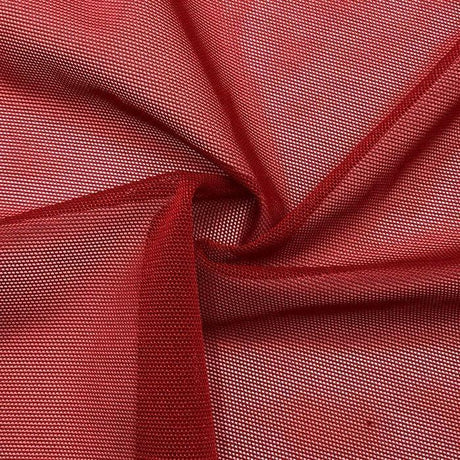
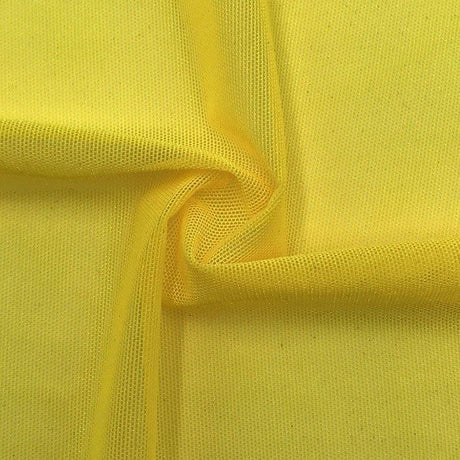
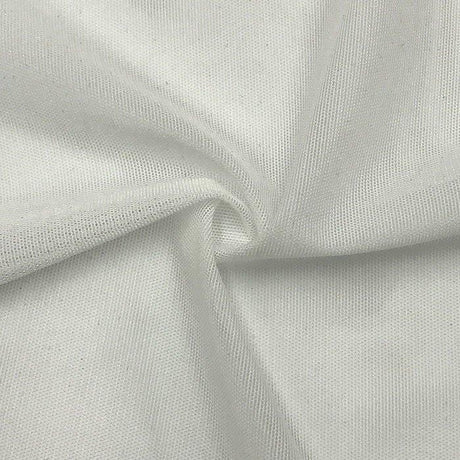
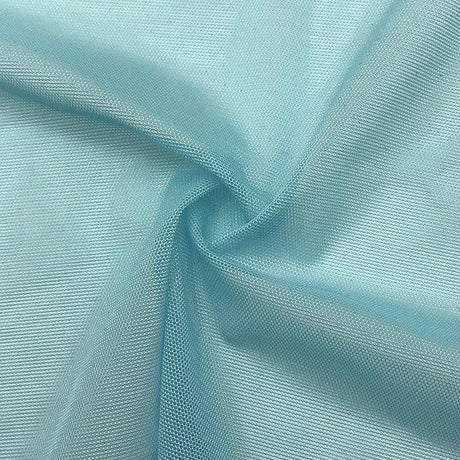
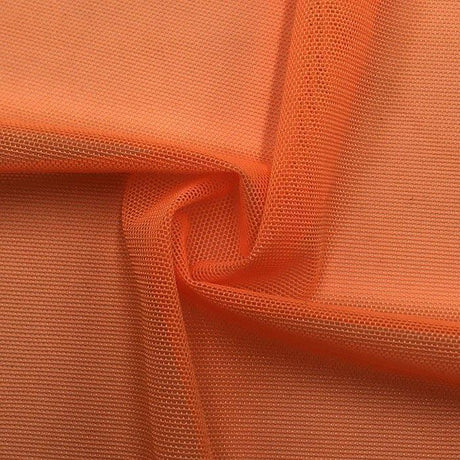
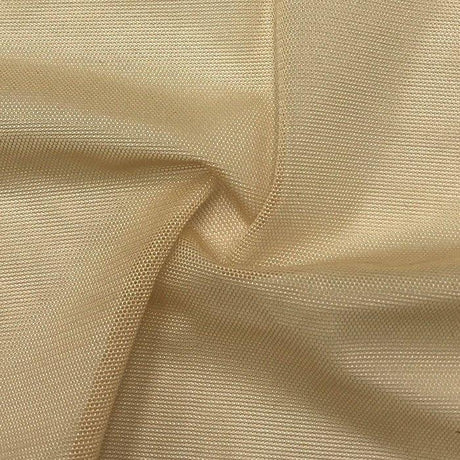
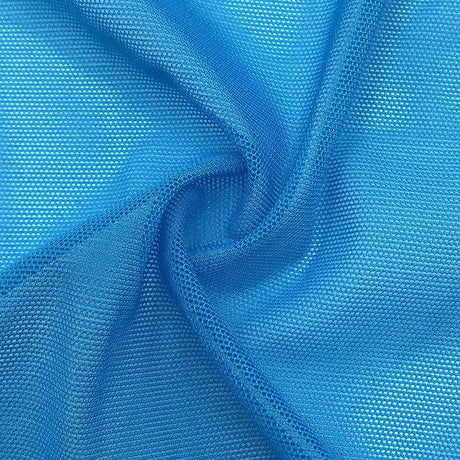
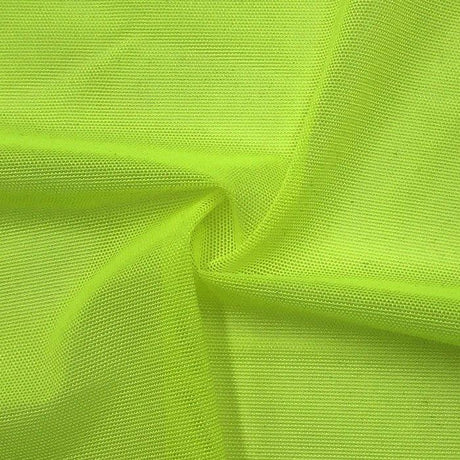
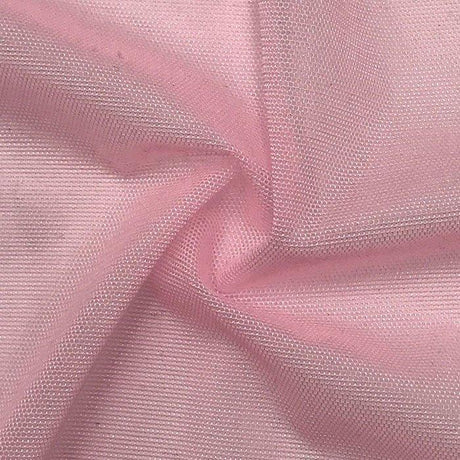
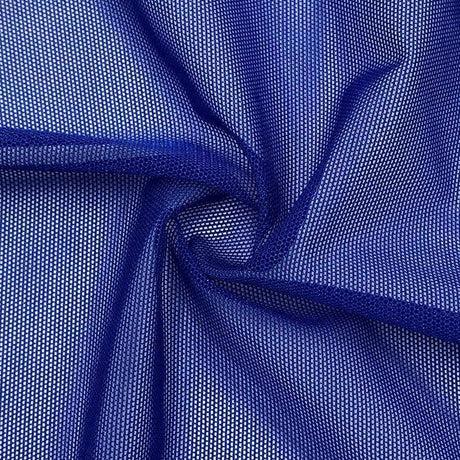
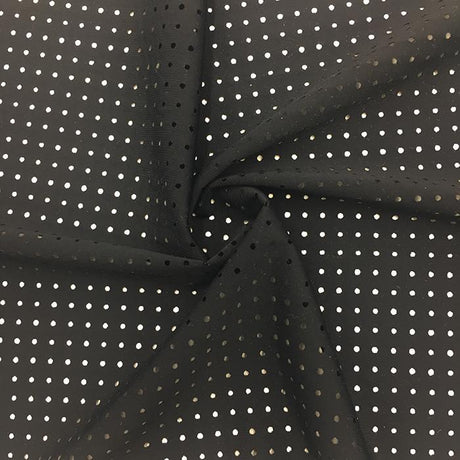
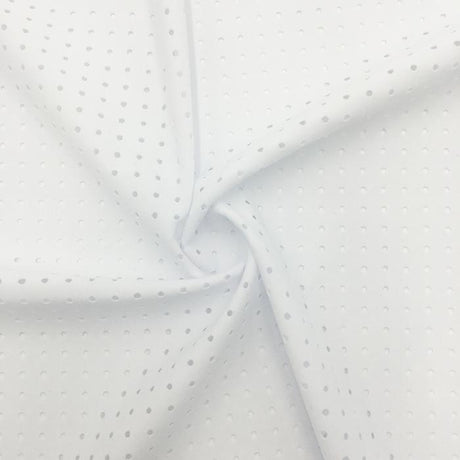
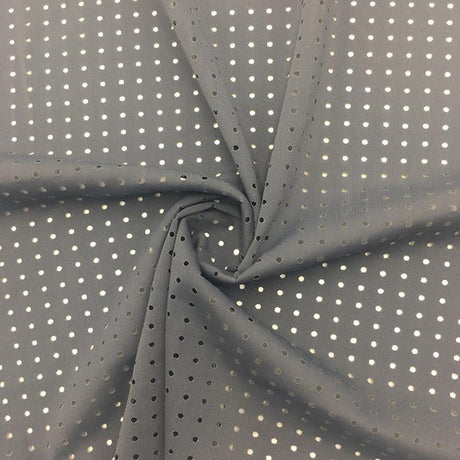
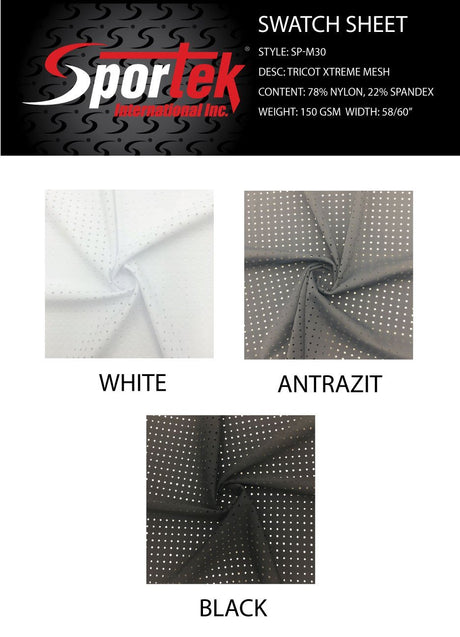
| Athletic Mesh (Pinhole Mesh) | 100% Polyester or 90% Poly / 10% Spandex | ~150 GSM | 2-way mechanical stretch (limited give) | Ventilation panels or summer jerseys. Very breathable and lightweight; prints well on solid zones but less durable due to open holes. |
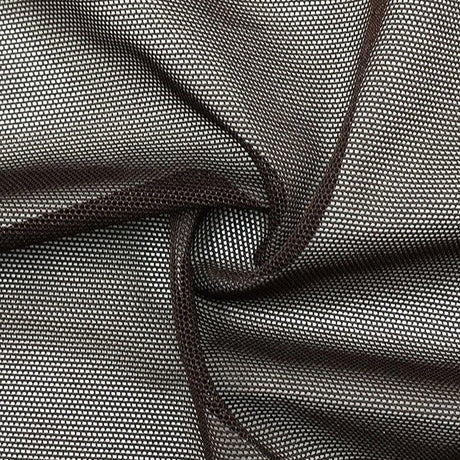
| Power Net (Compression Mesh) | ~85% Nylon / 15% Spandex | ~180 GSM | 4-way stretch (high recovery) | Compression zones, undershorts, contact sports. Adds support and opacity; suitable for small printed elements (logos, numbers). |
For a full breakdown of how GSM, stretch, and fiber composition interact across these fabric types, visit our fabric weight guide and stretch fabric types page. Our nylon-spandex fabric guide covers power net and compression mesh constructions in detail.
How to Choose the Right Fabric by Sport/Use-Case
Football (American): Prioritize heavy-duty, abrasion-resistant fabric. Look for a higher GSM poly-spandex that withstands tackles and frequent contact. 4-way stretch is important so jerseys fit over pads and allow motion. Many football uniforms integrate sturdy stretch knits with mesh underarm or side panels for breathability. Our fabric weight guide can help you identify the right GSM range for contact sport durability.
Cheerleading: Opt for maximum flexibility and recovery. Cheer uniforms and dance team outfits often use sport Lycra or high-spandex blends that move freely during jumps and stunts. A glossy 4-way stretch fabric (200–240 GSM) ensures no ripping during splits and retains its shape. Vibrant prints or sequin overlays must stretch equally – our dancewear fabric guide covers high-stretch fabric options for cheer and performance costuming in detail.
Track & Field / Running: Choose ultra-lightweight, sweat-wicking fabrics. CoolDry mesh or lightweight technical knits (around 140–160 GSM) help athletes stay cool in hot weather. These fabrics offer enough stretch for sprinting or jumping, but their main benefit is breathability and quick drying. Our activewear fabric guide covers lightweight performance knits and moisture management ratings for running and track applications.
Esports Team Jerseys: With minimal physical exertion, focus on comfort and branding. Esports jerseys can use softer, less technical fabric – e.g. a poly-cotton blend or light poly knit – since moisture control is less critical. The key is vibrant printing for logos and player names. Our sublimation guide and sublimation transfer paper resources cover how to achieve professional-quality graphics on polyester jersey fabrics.
Other Sports:
- Basketball & Soccer: Typically use mid-weight polyester-spandex fabrics for a balance of stretch and durability. A 4-way stretch fabric around 180–200 GSM is common, often with slight texturing for airflow. Our activewear fabric guide covers specific fabric recommendations for court and field sports.
- Baseball & Softball: Uniforms can be a bit heavier (for sliding durability) and often include double-knit poly fabrics. Some stretch is needed for batting and pitching motion, but breathability is also addressed via mesh vents. Our fabric weight guide covers GSM recommendations for durability-focused uniform applications.
Common Mistakes to Avoid
Choosing Insufficient Stretch: Using a 2-way stretch fabric where 4-way stretch is required can restrict athletes. A non-stretchy polyester for a soccer jersey may tear or limit motion. Always match stretch capability to the sport's range of movement. Our stretch fabric types page explains how to identify and compare stretch ratings before purchasing.
Overlooking GSM for Climate: A very heavy uniform (high GSM) in a hot climate will exhaust players, while an ultra-light fabric in a contact sport might rip or wear out mid-season. Balance durability vs. breathability based on use conditions. Our fabric weight guide makes it easy to cross-reference GSM with climate and sport demands.
Print Cracking or Peeling: This often happens when the printing method isn't matched to fabric. Using standard screen printing ink on a very stretchy fabric causes the design to crack when the garment stretches. Use inks formulated for stretch and perform a stretch test after curing. Avoid low-poly content if doing dye-sublimation – the print will not bind well and may fade. Our sublimation guide covers polyester content requirements and curing best practices for durable sublimated graphics.
Sewing Errors on Stretch Fabric: Common mistakes include using a straight stitch (instead of zigzag or serger) on seams that need to stretch, or not using ballpoint needles (which can snag knit fibers). These errors can cause jerseys to split when players move. Always use stretch stitches and appropriate needle/thread when assembling uniforms. Our how to sew stretch fabric guide covers needle selection, stitch settings, and seam reinforcement techniques for uniform construction.
Misaligning Grain or Print Orientation: Performance fabrics often have specific stretch directions. Cutting panels off-grain can result in the uniform twisting or the print looking distorted once worn. Ensure the greatest stretch runs horizontally around the body (chest circumference) for optimum comfort and that printed patterns line up correctly at seams. Our how to sew stretch fabric guide covers grain alignment and cutting techniques for printed stretch fabrics.
Alternatives and Special Fabrics (and When to Use Them)
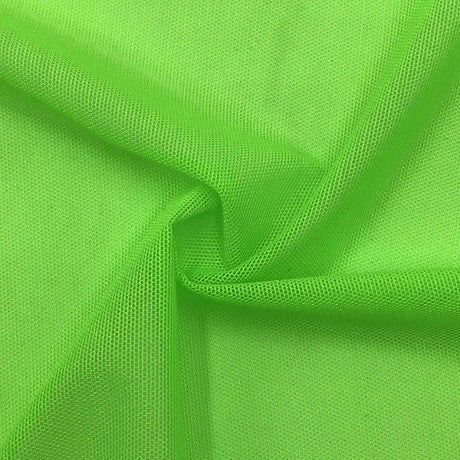
Mesh for Ventilation: Incorporating mesh for breathable panels is a smart way to boost airflow. Mesh fabrics (like pinhole or bird's-eye mesh) are often added in high-sweat zones (side panels, back, underarms) to keep athletes cool. Use mesh inserts when a full solid fabric jersey feels too warm – e.g. summer league basketball or soccer in tropical climates. Our stretch fabric types page covers mesh constructions and how they compare to solid knits for panel and ventilation applications.
Power Net / Compression Fabric: This is a strong, elastic mesh with significant spandex content, used for support or compression. Power net panels might appear in football or rugby jerseys (for strength) or in cheer uniforms (for partial see-through designs that need durability). It provides excellent 4-way stretch and snaps back into shape, making it ideal for high-impact sports where uniforms get grabbed or pulled. Our nylon-spandex fabric guide covers power net construction and its compression and recovery characteristics in detail.
Cotton-Spandex (Stretch Cotton): While not common for pro on-field uniforms, stretch cotton blends have their place. They are comfortable and breathable in a casual sense, though they hold moisture. Use them for team travel gear, warm-up hoodies, or eSports jerseys where comfort is a priority and intense sweating is not expected. Cotton blends also take well to screen printing and HTV (heat transfer vinyl), making them suitable for small runs of fan apparel. Our cotton-spandex fabric guide covers when cotton blends are appropriate and what construction and care adjustments they require.
"Dazzle" and Specialty Synthetics: Dazzle fabric is a shiny polyester often seen in vintage basketball and football jerseys. It has a smooth, almost reflective face and is quite durable. Modern teams sometimes use dazzle or other specialty knits for style accents (shoulder yokes, side stripes) to stand out. These fabrics are still printable (usually via sublimation or twill applique) but can be heavier and less breathable. Our fabric finishes guide covers specialty surface treatments and finishes used in accent and throwback uniform applications.
For any questions about fabric selection, sourcing, or specifications for your team uniform project, our expert help and advice page connects you with knowledgeable staff, and our FAQ page answers common ordering questions.
Conclusion
Choosing the right fabric for team uniforms is about balancing performance and appearance. A well-chosen stretch print fabric for jerseys ensures athletes can move freely, stay comfortable, and showcase team colors proudly.
In summary, prioritize a fabric that meets the sport's demands: consider weight (GSM) for durability vs. cooling, ensure adequate stretch (especially 4-way for high-mobility sports), and opt for material that holds print designs without fading. The goal is a uniform that looks professional all season and withstands the rigors of games and washes.
Pro Tip: Always order sample yardage or blank jerseys to test print and stretch before full production. A little prototyping can prevent costly mistakes – you'll see how the colors turn out and how the fabric feels in action.
Ready to get started? Explore our activewear fabric guide for curated uniform fabric recommendations, use our fabric weight guide and stretch fabric types page to compare your options, and visit our sublimation guide to plan your custom print process. Our how to sew stretch fabric guide covers construction techniques for professional uniform assembly, and our fabric care guide will keep finished uniforms looking sharp game after game. Sign up for SpandexByYard Rewards to earn points on every purchase – because every winning team deserves winning fabric.