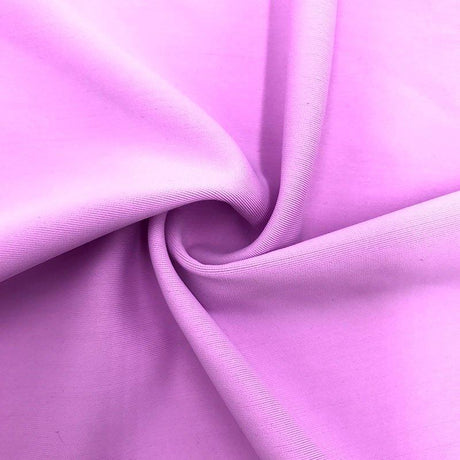
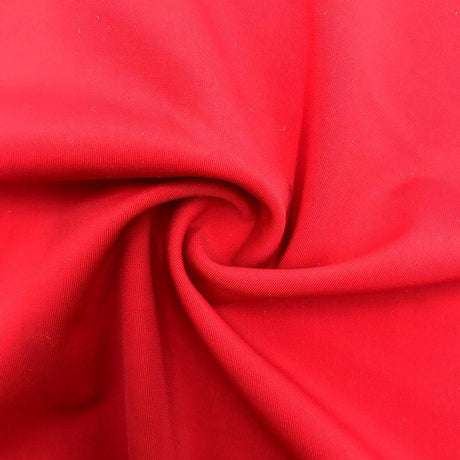
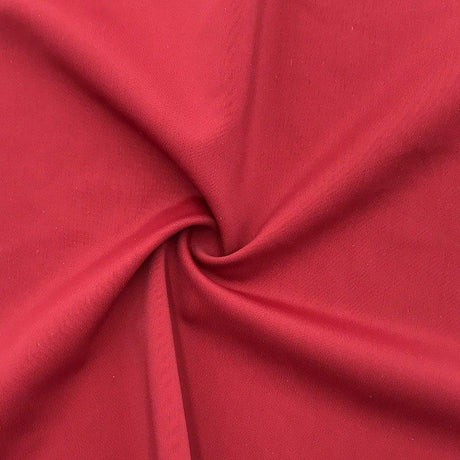
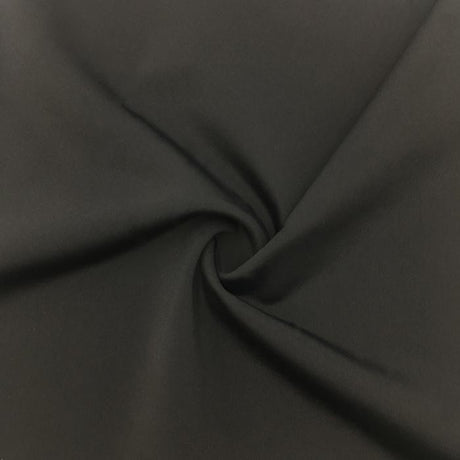
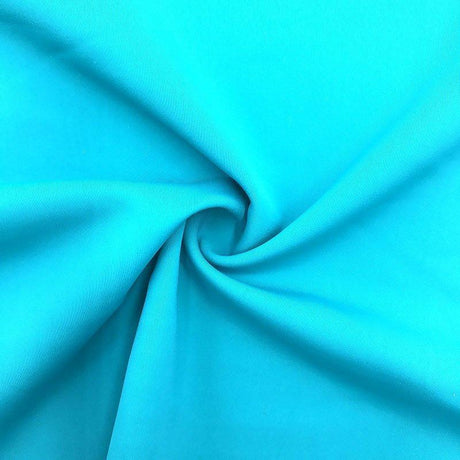
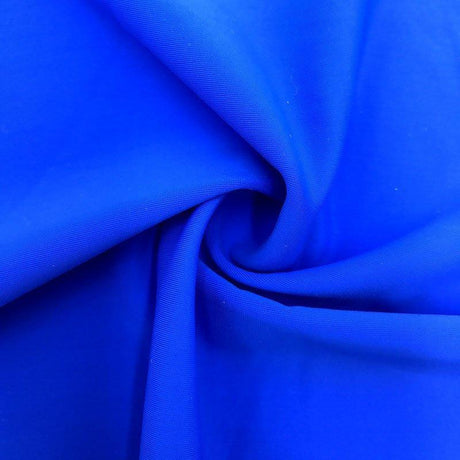
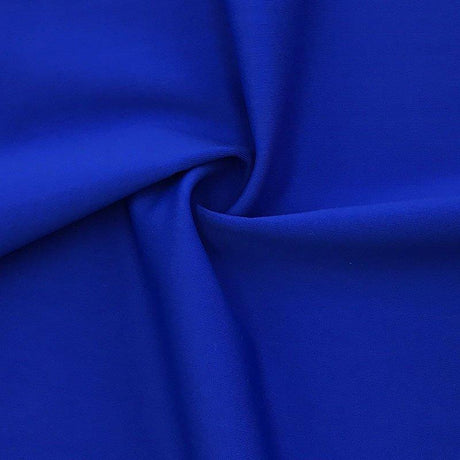
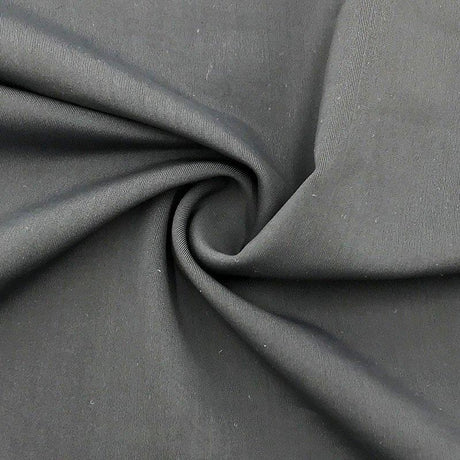
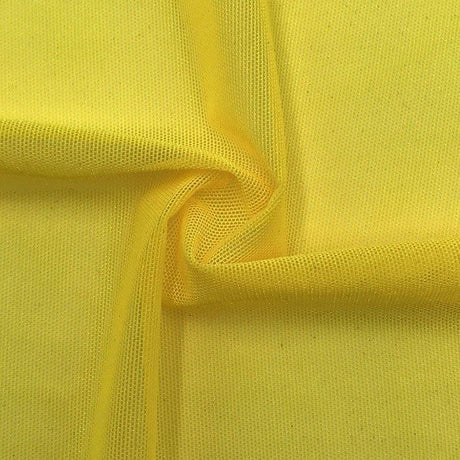
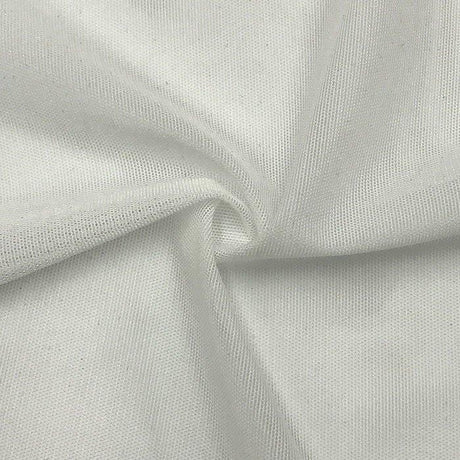
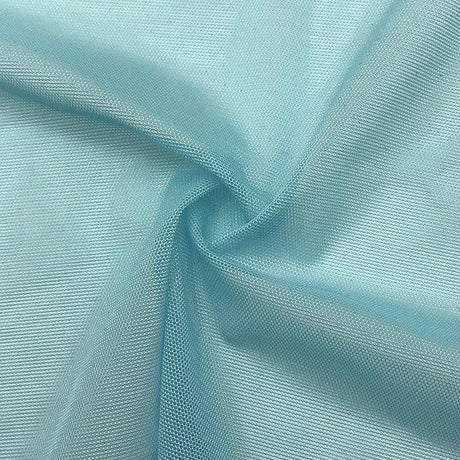
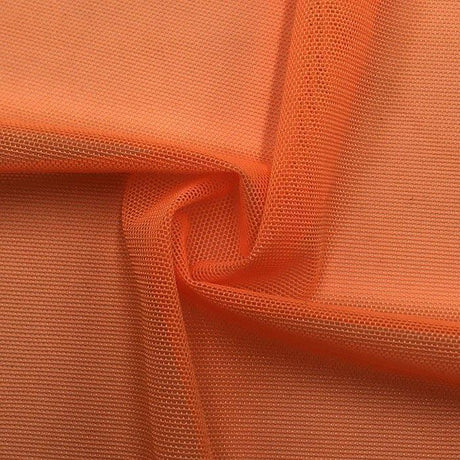
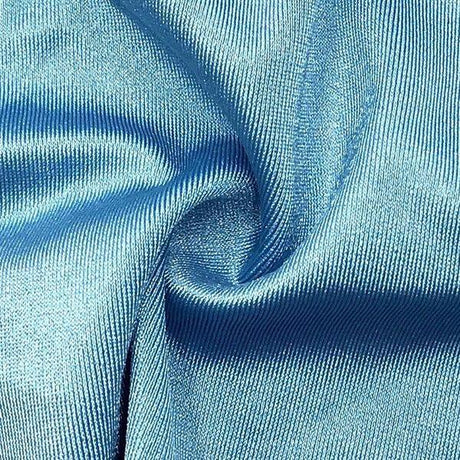
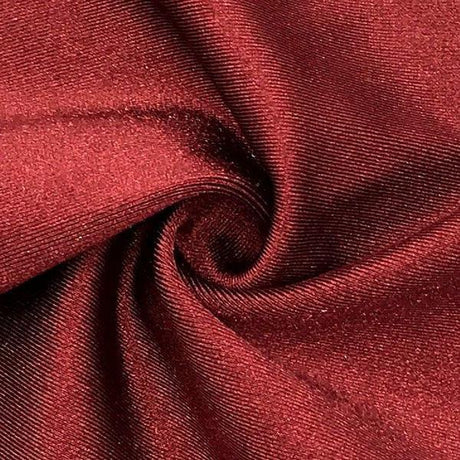
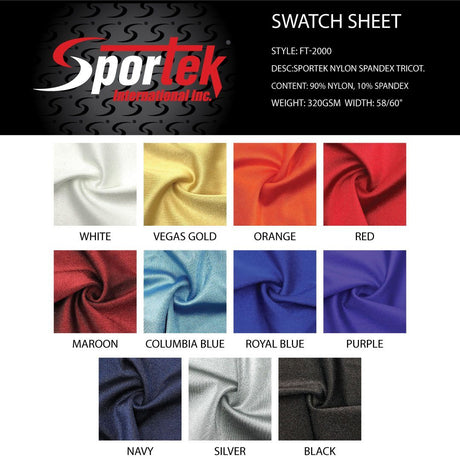
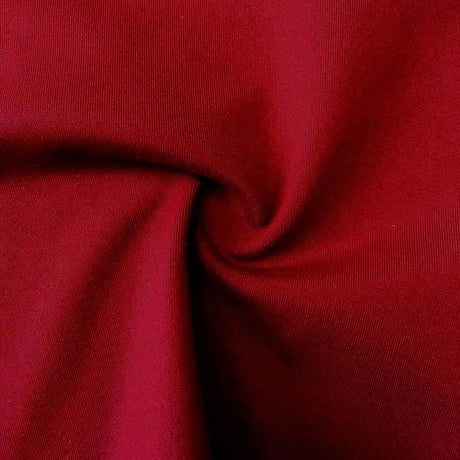
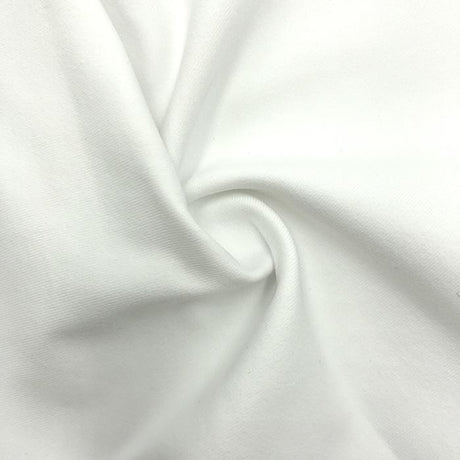
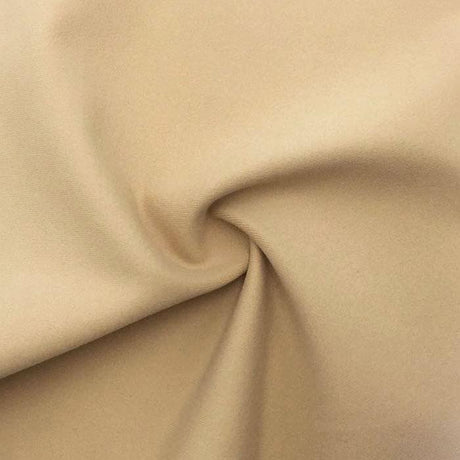
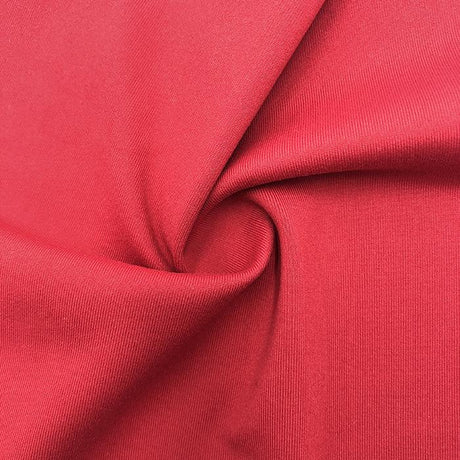
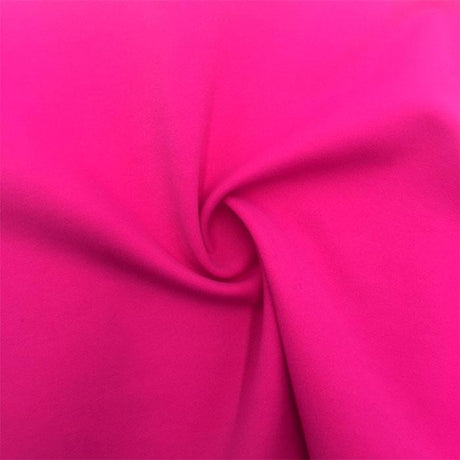
Conventional cotton towels often become heavy and slow-drying during intense sports use, staying damp and uncomfortable. In high-performance environments, a soaked terry towel can lead to discomfort, chafing, and even odors or mildew from prolonged dampness.
Quick-dry sports towels are engineered to solve these issues. By using modern moisture-wicking materials, they shed moisture fast instead of holding it. The result is a towel that remains lightweight, dries rapidly, and retains a soft feel even through back-to-back workouts.
This guide explains why traditional towels underperform for athletics and how to make your own fast-drying, soft sports towel, covering everything from fabric science to DIY sewing steps. For a broader foundation on performance textiles before diving in, explore our activewear fabric guide or browse our full fabric guides hub.
Educational Foundation
Importance of Moisture Wicking and Quick-Dry Materials
Moisture-wicking fabrics actively pull sweat away from the skin and spread it out to evaporate quickly. This keeps athletes drier and helps regulate body temperature during workouts. Microfiber towels can absorb up to 7x their weight in water while still drying much faster than cotton. Our activewear fabric guide covers moisture management ratings and fiber behavior across the most common performance fabric types.
Quick evaporation is crucial for hygiene and comfort. A towel that dries in half the time of a cotton towel prevents the growth of mildew and bacteria that cause bad odors. This fast-dry property means the towel is ready to use again sooner – a big advantage in tournaments or daily gym sessions.
By staying drier and lighter, these towels also reduce skin irritation. Athletes avoid the abrasive feel of a soggy towel and the risk of chafing from prolonged wet fabric. Overall, moisture management in towel fabric directly impacts performance and comfort in athletic settings.
Traditional Terry Cloth vs. Modern Blends
Traditional cotton terry cloth: Known for its plush loops and high absorbency. It soaks up a lot of water but also retains that water, becoming heavy and taking a long time to dry. In sports, a thick cotton towel can feel waterlogged and may stay wet for hours. Its softness is excellent initially, but once saturated, it loses effectiveness.
Modern fiber blends (microfiber, poly/spandex, etc.): Engineered for fast drying and lightweight performance. Microfiber (usually polyester/polyamide) has split fibers that create capillary action to quickly disperse moisture. These towels can be much lighter (up to 50% lighter than cotton alternatives) and still very absorbent, making them easy to carry and reuse during training. Our fabric finishes guide covers the surface treatments and fiber engineering that give modern quick-dry fabrics their moisture management capabilities.
Softness retention: Newer quick-dry fabrics aim to balance performance with a soft touch. Many microfiber towels are finely woven to feel smooth. Blends that include a bit of cotton or rayon can improve hand-feel, while a small percentage of spandex can add flexibility without sacrificing softness. Unlike old-school cotton towels that might get rough after many washes, quality synthetic blends often stay soft over time with proper care. Our fabric care guide covers laundering best practices that preserve softness and moisture management performance through repeated washing.
Summary: Terry cotton offers classic comfort but struggles in athletic use due to slow drying. Modern quick-dry blends provide a high-tech solution – they stay light, dry fast, and still provide adequate softness and absorbency, which is why they're favored for sports and travel towels today.
Technical Specifications
Key Performance Metrics: When evaluating or designing a sports towel fabric, pay attention to:
Weight (GSM): Stands for grams per square meter – indicates how heavy/thick the fabric is. Lower GSM towels (200–350) are thin and quick-drying, great for gym or travel, while higher GSM (600+) are plush but dry slowly (better for luxury comfort). Balance GSM with your needs: a moderate ~300 GSM can absorb sweat without excessive dry time. Our fabric weight guide provides a full breakdown of GSM ranges and how weight affects absorbency, dry time, and packability across all common towel fabric types.
Stretch & Recovery: Measures the fabric's elasticity and ability to return to shape. A slight stretch (via spandex content or knit structure) in the towel or its edging helps it withstand pulling and shape distortion. Good recovery means the towel won't sag or lose form after repeated use. Our stretch fabric types page explains how spandex content and knit construction affect stretch and recovery in towel and edging applications.
Breathability: The ability for air and moisture to pass through the fabric. Higher breathability aids quick drying – it lets moisture escape instead of trapping it. Waffle weaves or mesh-integrated designs increase airflow. Our fabric finishes guide covers breathability-enhancing surface structures and treatments used in quick-dry performance fabrics.
Durability: Sports towels must endure frequent washing and rough use. Synthetic fibers (polyester, nylon) tend to be more durable than pure cotton, resisting wear and tearing even when wet. Look for fabrics with strong fibers or reinforced weaves. Also consider colorfastness if printing designs. Our nylon-spandex fabric guide covers how nylon-based fabrics compare to polyester in durability and wear resistance for high-use applications.
| Fabric Type | Typical GSM (Weight) | Stretch % | Composition | Performance Characteristics |
|---|---|---|---|---|
| Cotton Terry | ~450–700 GSM | None (0%) | 100% Cotton | Very absorbent, plush feel, heavy, breathable, slow to dry |
| Microfiber Polyester Towel | ~250–350 GSM | None (0%) | 100% Polyester (microfiber) | Lightweight, high moisture-wicking, fast-drying, compact, less plush feel |
| Poly / Cotton / Spandex Blend | ~300–450 GSM | Slight stretch (~10–20%, usually widthwise) | Poly/Cotton with 3–8% Spandex | Balanced absorbency, quicker drying than cotton, lighter weight, added flexibility |
For a full breakdown of how GSM, fiber content, and stretch interact in these constructions, visit our fabric weight guide and stretch fabric types page.
How to Choose the Right Fabric for Sports Towels
Consider the Use-Case: Different activities demand different towel characteristics:
Gym Workouts: Go for lightweight, quick-dry fabrics that handle sweat efficiently. A compact microfiber or poly-spandex towel in the 250–350 GSM range works well – it won't get too heavy during a single gym session and dries rapidly afterward. Smaller dimensions (hand-towel size) are common for portability. Our activewear fabric guide covers moisture management and quick-dry ratings for gym-use performance fabrics.
Beach & Pool: Emphasize absorbency and sand release. Microfiber towels are popular here for being sand-resistant and fast-drying. A slightly larger size is needed to lie on, but keep the fabric mid-weight (e.g., ~300 GSM) so it dries in the sun quickly. Our swimwear fabric guide covers chlorine-resistant and UV-stable fabric options suited to pool and beach environments.
Travel & Camping: Packability and drying speed are top priorities. Choose an ultra-light, low GSM towel (even ~200 GSM) that can fold into a small space. Quick-dry microfiber travel towels or thin waffle-weave knits are ideal – they dry in hours and won't mildew in your backpack. Our fabric weight guide helps you identify the minimum GSM needed for adequate absorbency at travel-pack weight.
Team Sports & Outdoor Sports: Durability and branding are key for sports teams (football, soccer, etc.). A medium-weight, durable fabric that can handle repeated washes is essential. Also consider a material that takes printing or sublimation well for team logos. Many teams opt for microfiber rally towels which are light, absorbent, and easy to print on in bulk. Our sublimation guide and sublimation transfer paper resources cover how to achieve professional-quality graphics on polyester towel fabrics.
Softness vs. Drying Time Trade-offs: 100% cotton towels offer a familiar softness and can be quite absorbent, but they stay wet much longer and are heavier. Pure synthetics (like a nylon/poly microfiber) dry lightning-fast but have a different texture. If you need a balance, consider blends: a poly-cotton blend towel might dry faster than pure cotton while feeling softer than pure poly. Our how to choose fabric guide walks through this trade-off framework systematically for towel and accessory applications.
Edging & Stretch: Don't overlook the fabric used for the towel's edges or binding. Using a stretch fabric for towel edging provides flexibility and prevents the edges from puckering or fraying. This could be a bias binding made from a spandex-blend material that moves with the towel. A non-stretch cotton binding on a highly absorbent towel might tear or restrict the towel's natural give, especially when the towel is pulled or wrung out. Our stretch fabric types page covers spandex-blend edging options that maintain consistent performance across the entire towel.
DIY Guide: Making Your Own Custom Quick-Dry Towels
Step 1 – Cut the Towel Fabric to Size: Start with your chosen quick-dry fabric (microfiber yardage, waffle knit, or poly-spandex terry). Decide on dimensions (e.g., 16" x 30" for a gym towel or 30" x 60" for a beach towel) and use sharp fabric scissors or a rotary cutter to get clean edges. Leave a 1/2-inch margin on all sides for seam/hem allowance if you plan to hem the edges.
Step 2 – Prepare the Edges (Binding or Hemming): Finish the raw edges to prevent fraying and add durability. You have two options:
- Hemming: Fold over a narrow hem (double fold ~1/4") on each side and pin or clip it in place. Use a zigzag stitch or stretch stitch to sew the hem, which allows a bit of give.
- Binding: For a professional look, attach a stretchy binding along the edges. Cut strips of a matching stretch fabric (like a nylon/spandex jersey) or use premade stretch bias tape. Wrap it around the towel's edge and stitch it down with a stretch stitch. This encases the edge and adds a pop of color or contrast while ensuring the edges can stretch slightly so they won't tear if the towel is pulled.
Our how to sew stretch fabric guide covers stitch settings, needle selection, and binding techniques for sewing stretch edging onto towel fabrics cleanly and durably.
Step 3 – Add Personalization (Printing or Patches): Make your towel unique and team-friendly by adding custom designs. If your base fabric is sublimation-ready (polyester), you can print graphics or logos directly before or after sewing. Our sublimation guide covers the full process, and our sublimation paper and sublimation transfer paper pages walk through the consumables needed for professional results. Alternatively, sew a strip of printed spandex fabric as an accent border or applique a printed logo panel onto the towel. Ensure any added fabric is also quick-dry and colorfast.
Step 4 – Final Stitching and Inspection: Once edges and any decorative elements are attached, reinforce the towel. Top-stitch around the perimeter if you used binding. Check all seams for durability – sports towels will get tugged and twisted. Trim any loose threads. If you included loops or attachments (like a hanging loop or snap strap for gym bags), double-stitch those for strength.
Step 5 – Test and Care: Give your new towel a test run. Dampen it and time how fast it air-dries. Do a wash/dry cycle to see how it holds up. Avoid high heat in the dryer to keep that quick-dry fabric in top shape. Our fabric care guide covers low-heat and air-dry protocols for all common quick-dry towel fabric types, and our spandex care guide addresses heat sensitivity in elastane-blend edging fabrics.
Common Mistakes to Avoid
Using non-stretch edging: Finishing a stretchy or quick-dry towel with a rigid, non-stretch trim (like a regular cotton bias tape) is a common error. This can cause the edges to rip or the towel to warp when pulled. Always use a matching stretch or give in your edging so the towel can flex and lay flat. Our stretch fabric types page covers compatible stretch edging options for quick-dry towel construction.
Overheating during washing or drying: Excessive dryer heat or hot water wash can damage the fibers of quick-dry towels. High heat is especially harmful to spandex/elastane components, reducing elasticity, and can also shrink or roughen fibers. Use low-heat or air-dry for synthetic blends, and never use fabric softener on microfibers (it coats fibers and impairs absorbency). Our fabric care guide and spandex care guide cover heat-safe laundering protocols for all common quick-dry towel fabrics.
Misjudging GSM for the intended use: Choosing the wrong fabric weight can defeat the towel's purpose. Using a high GSM (heavy) fabric for a travel or gym towel will make it slow to dry and bulky to carry. Conversely, a very thin low-GSM fabric for a beach towel might not provide enough absorbency or comfort. Always match the towel's weight and thickness to its use-case. Our fabric weight guide makes it straightforward to cross-reference GSM with activity type and performance requirements.
Ignoring fabric finish and care instructions: Some quick-dry fabrics come with special finishes (antimicrobial, sublimation-coated, etc.). Failing to follow care instructions – like bleaching, ironing, or using harsh detergents – can strip these finishes or weaken the material. Our fabric finishes guide explains how to identify and preserve specialty surface treatments through repeated laundering.
When to Use Microfiber Instead
Ultra-Light Travel & Backpacking: If your priority is packing light and drying fast above all else, microfiber towels are ideal. They are often up to 50% lighter than equivalent cotton towels and compress tightly in a backpack. For multi-day hikes or travel, a microfiber towel's quick-dry nature means you can use it repeatedly without waiting long for it to dry out. Our fabric weight guide covers ultra-low GSM microfiber options suited to travel and backpacking applications.
Beach and Outdoor Adventures: Microfiber shines at the beach or pool. It doesn't hold sand like cotton does – you can shake it and most sand falls right off. It also dries incredibly quickly in the sun, so you're not lugging a sopping towel around. Our swimwear fabric guide covers microfiber and other quick-dry fabrics used in beach and aquatic environments, including UV-stability considerations for outdoor use.
High-Sweat, Short-Interval Workouts: For activities like circuit training or sports tournaments with short breaks, microfiber towels can be reused multiple times in a day. Since they dry so fast, a single towel can serve through several sessions. They also absorb sweat efficiently to keep you from getting slick without becoming dripping wet themselves. Our activewear fabric guide covers microfiber performance characteristics and moisture management ratings for high-intensity athletic applications.
When performance outranks plush feel: When you need maximum performance – quick drying, high absorbency per weight, and easy care – microfiber is the go-to choice. It's also very durable through frequent washes and less prone to odor buildup if properly hung to dry. Our fabric care guide covers microfiber-specific laundering best practices that maintain absorbency and softness over time.
When not to use microfiber: If your situation allows for a bit more luxury or you value a classic soft touch (e.g., a spa or at-home lounging towel), you might opt for a cotton or cotton-blend for that plush comfort. Our how to choose fabric guide walks through the decision framework for choosing between microfiber and cotton-blend towel fabrics based on end use.
Conclusion
Choose Materials Wisely: The key to a great quick-dry sports towel is selecting the right fabric. By understanding metrics like GSM and fiber content, you can pick a material that balances fast drying with softness. Remember to also consider details like stretch edging and durable stitching – these ensure your towel performs well over time.
DIY with Confidence: Whether you're a DIY enthusiast making one towel or a small business crafting many, you now have the foundational knowledge to do it expertly. From moisture-wicking fabric choices to proper sewing techniques, you can create a towel that rivals any store-bought option in performance and comfort.
Bulk Ordering & Professional Use: For coaches, gym owners, or apparel manufacturers, these insights help in making informed decisions when ordering in bulk. You can confidently specify the ideal fabric and construction for quick-dry towels that meet your needs, whether it's outfitting a team or adding a new product line. Our expert help and advice page connects you with knowledgeable staff for personalized sourcing guidance, and our FAQ page answers common ordering and specification questions.
Final Thoughts: Quick-dry sports towels prove that with the right materials, you don't have to sacrifice softness for performance. By applying the tips in this guide – choosing advanced fabrics, paying attention to GSM, using stretch where needed, and avoiding common pitfalls – you'll end up with towels that are lightweight, fast-drying, durable, and a pleasure to use. Explore our fabric weight guide and activewear fabric guide for curated fabric recommendations, use our sublimation guide for custom branding, and keep our fabric care guide handy to make your towels last. Sign up for SpandexByYard Rewards to earn points on every purchase – here's to staying dry and comfortable, no matter how intense the workout or adventure!