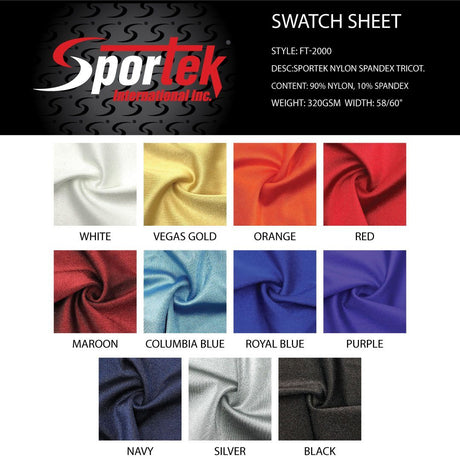
Sublimation printing has become one of the most effective methods for producing high-quality graphics on gym and team accessories. Because sublimation dyes bond directly with the fabric fibers, the final result is a vibrant, durable print that withstands repeated washing, sweat, and daily use. For sports accessories that represent teams, clubs, or fitness brands, this durability and color clarity are essential.
The success of sublimation printing is closely tied to fabric selection. The type of fiber, fabric weight, stretch, and recovery all influence how well a design transfers and how the final product performs in real-world use. Whether producing large volumes of team gear or creating small custom projects, understanding these fabric properties helps ensure consistent and professional results, reinforcing trust and expertise throughout the production process.
This article provides a structured overview of the best fabrics for sublimated sports accessories. It moves from foundational concepts to technical specifications, then into practical fabric selection by project type. Along the way, it addresses common mistakes, highlights alternative fabric options, and explains how informed material choices lead to long-lasting and visually striking prints for team gear.
Understanding Sublimated Sports Accessories
What Is Sublimation Printing?
Sublimation printing is a heat-based process in which solid dye is converted into gas and permanently bonded to polyester fibers. Unlike surface-level printing methods, sublimation embeds the design into the fabric itself. This results in graphics that do not crack, peel, or fade, making sublimation particularly suitable for gym and team accessories that experience frequent washing and physical stress.
Why Fabric Choice Matters
Not all fabrics react to sublimation ink in the same way. Polyester is the most effective fiber for this process because its molecular structure opens under heat and locks in the dye. Fabrics with low polyester content or natural fibers such as cotton do not bond fully with sublimation ink, often producing muted colors and reduced durability. Selecting the appropriate fabric ensures that prints for team gear remain sharp and vibrant throughout their lifespan.
Comfort Versus Performance
While 100% polyester offers the strongest color saturation, it may feel less soft than blended fabrics. Poly-blends that include cotton or spandex improve comfort and flexibility but slightly reduce color intensity. This balance between visual impact and wearer comfort is a key consideration when selecting fabrics for sublimated sports accessories.
Common Sublimated Accessories
Sublimation is widely used for items such as sports towels, gym towels, arm sleeves, headbands, wristbands, jerseys, banners, and event flags. These products benefit from all-over printing and durable graphics, making fabric choice a central factor in both appearance and performance.
Key Fabric Types Suited for Sublimation

100% Polyester
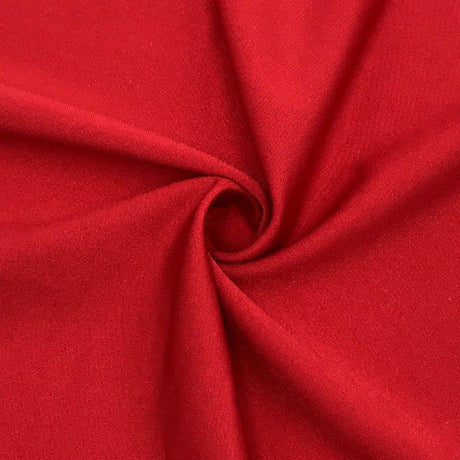
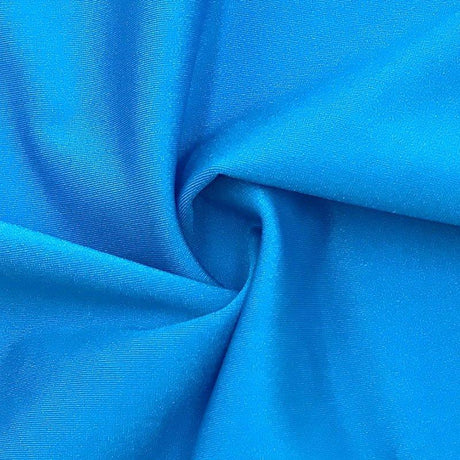
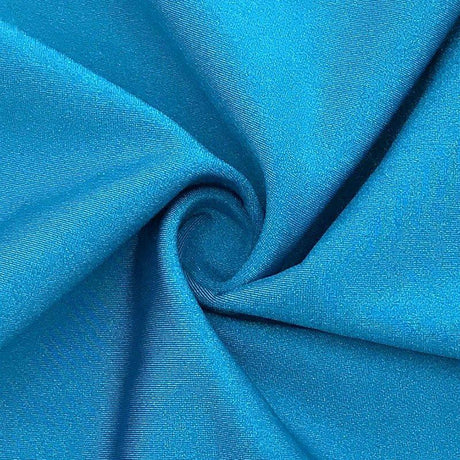
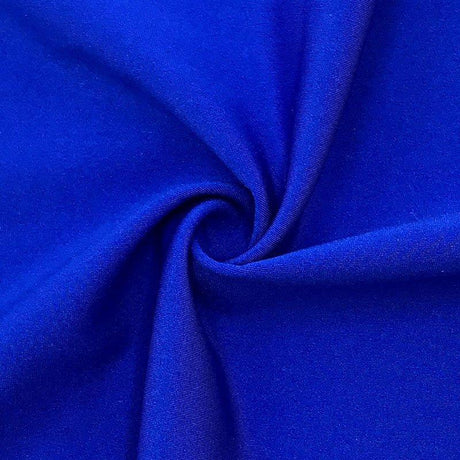
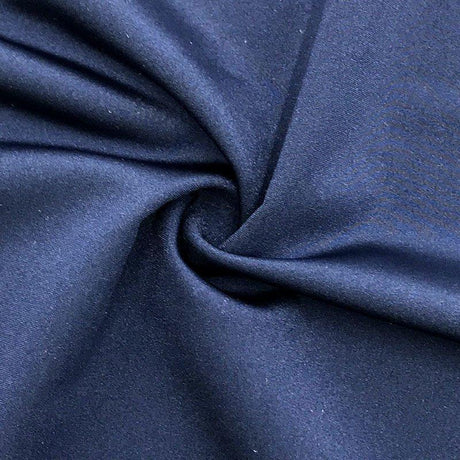
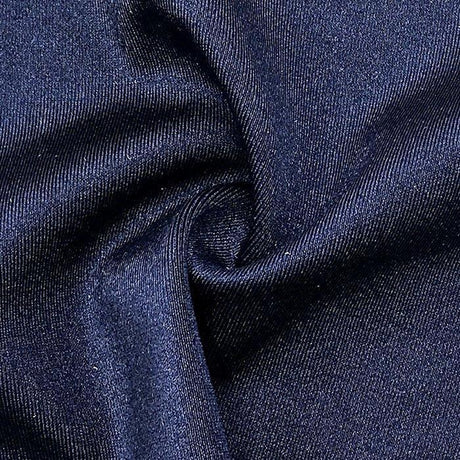
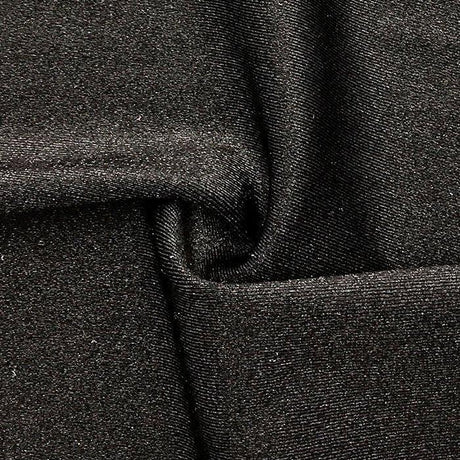
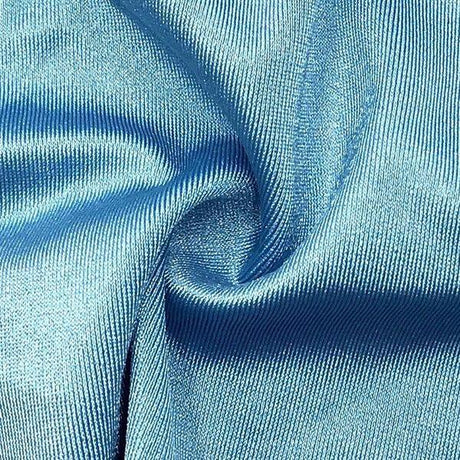
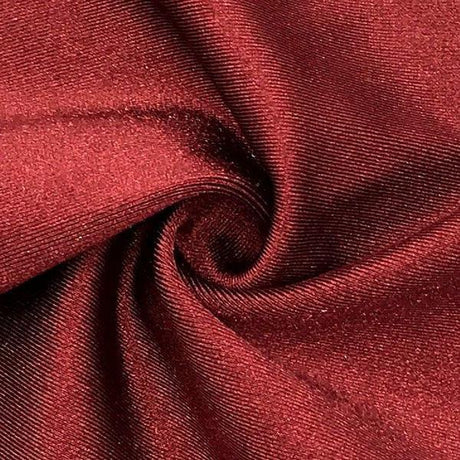
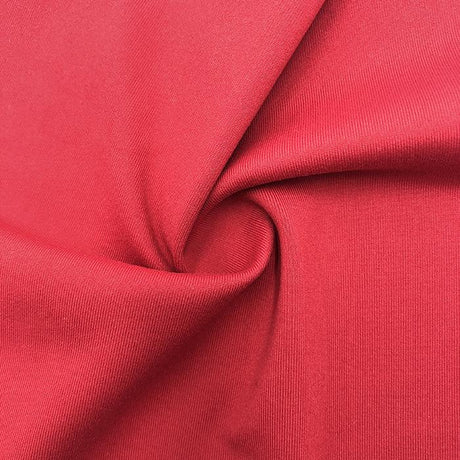
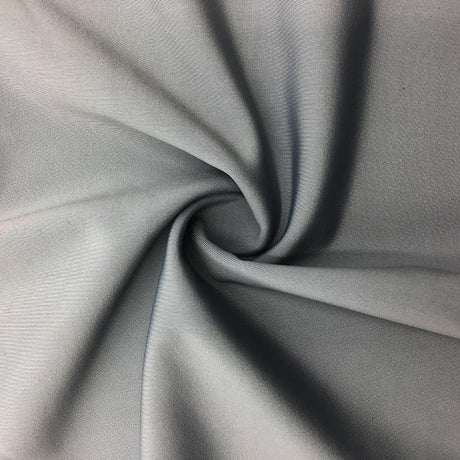
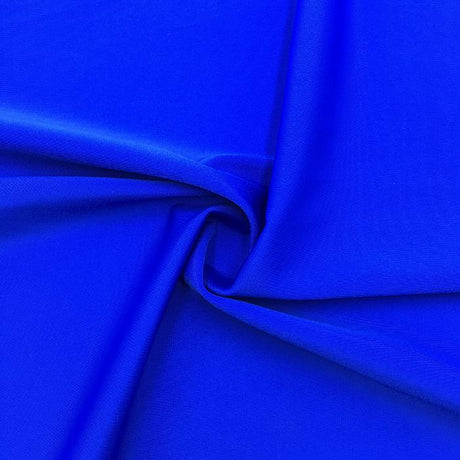
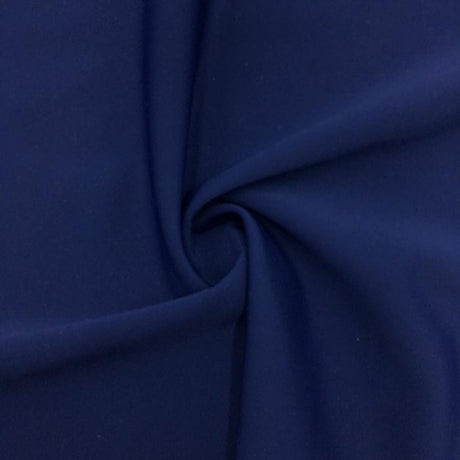
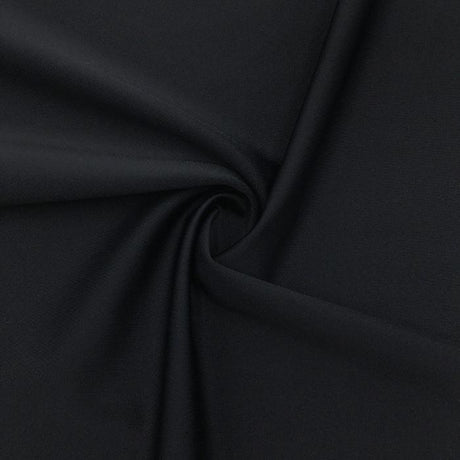
Pure polyester knits and wovens are the standard choice for high-definition sublimation. The dye bonds completely with the fibers, producing the most vibrant and accurate colors. These fabrics are commonly used for jerseys, banners, and display items. Higher-quality polyester knits with moisture-wicking finishes are preferred for wearable gear to improve comfort and durability.
Poly-Spandex Blends
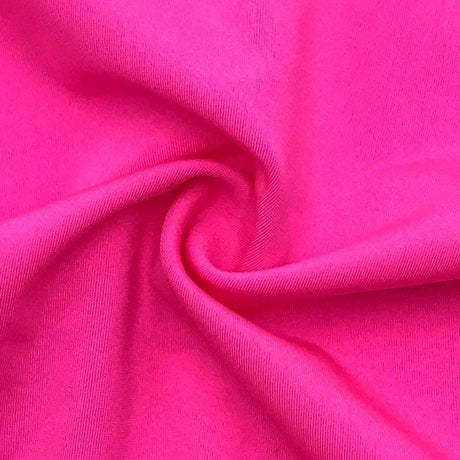
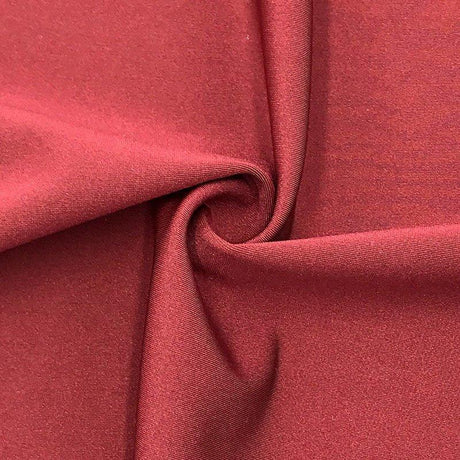
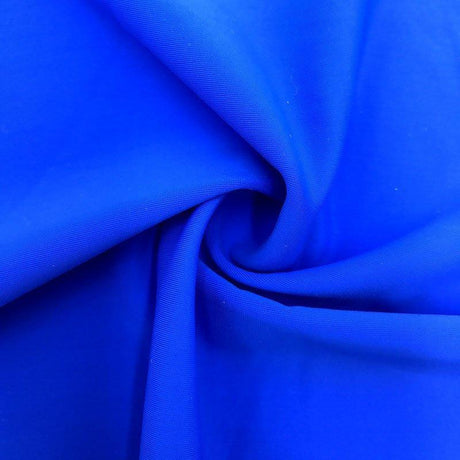
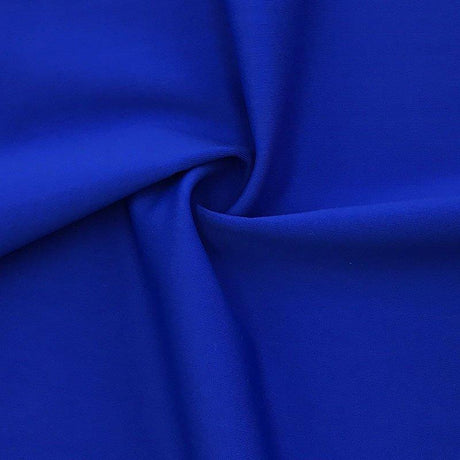
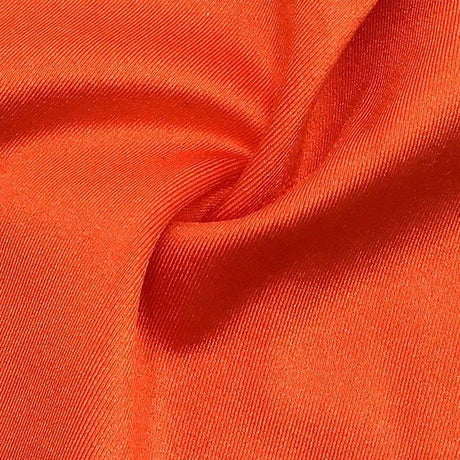
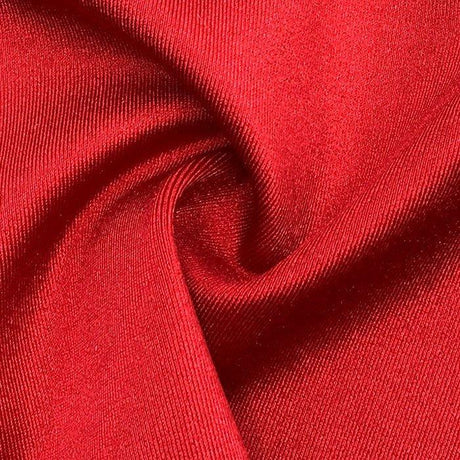
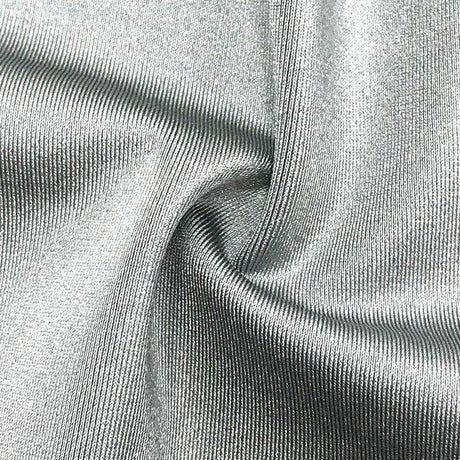
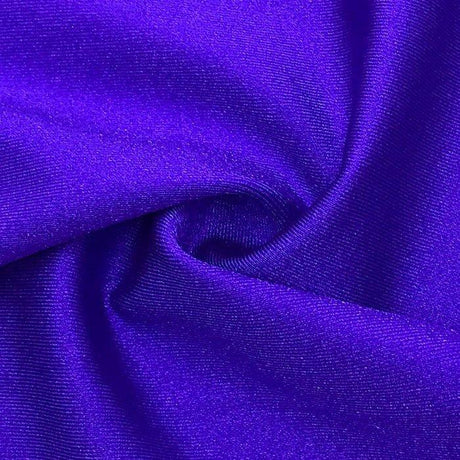
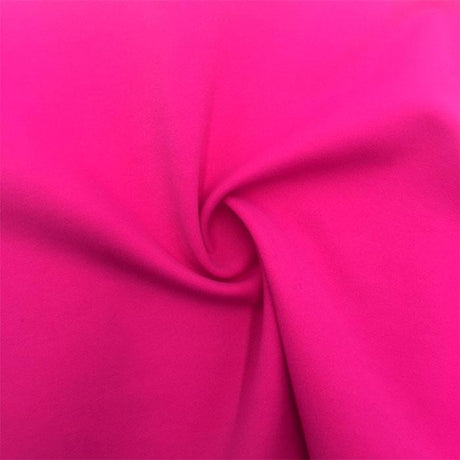
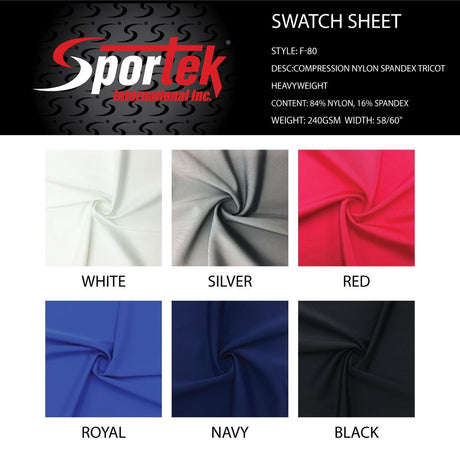
Polyester-spandex blends typically contain 85–90% polyester and 10–15% spandex. These fabrics combine strong print quality with stretch and recovery, making them suitable for compression sleeves, fitted headbands, and performance accessories. While color saturation is slightly reduced compared to 100% polyester, the added flexibility improves functionality for athletic use.
Poly-Cotton Blends
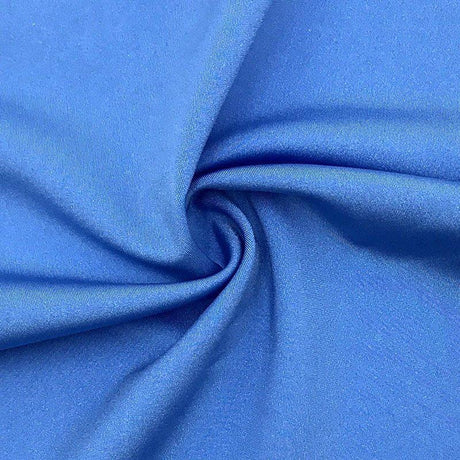
Poly-cotton fabrics provide a softer hand feel and increased breathability. When polyester content remains above approximately 40%, sublimation is possible, though the resulting print has a more muted or vintage appearance. These blends are often used for lifestyle or fan-oriented items where comfort takes priority over maximum color vibrancy.
Microfiber Polyester
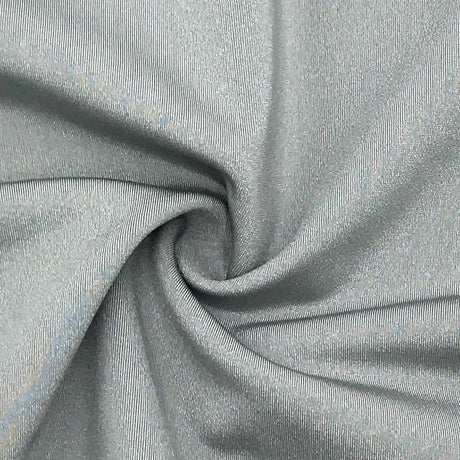
Microfiber polyester fabrics are widely used for sublimated sports towels and gym towels. Their fine fibers create a smooth surface that captures detailed graphics while maintaining excellent absorbency. A well-selected sports towel material typically falls between 200 and 350 GSM, balancing moisture absorption with quick drying and print clarity.
Polyester Fleece
Polyester fleece is a heavier, insulating fabric that accepts sublimation well. It is commonly used for blankets, warm-up layers, and winter team accessories. Due to its brushed surface, designs tend to appear slightly softer, making bold graphics the most effective choice.
Other Synthetic Fabrics
Fibers such as nylon and rayon can be more challenging to sublimate due to heat sensitivity. While some blends may work with adjusted temperatures, polyester-dominant fabrics remain the most reliable option for consistent results.
Technical Specifications of Sublimation Fabrics
Fabric Weight (GSM)
Fabric weight, measured in grams per square meter, indicates thickness and density. Heavier fabrics are generally more durable and opaque, while lighter fabrics offer better breathability and drape. Compression sleeves and performance wear often use mid-weight fabrics around 180–240 GSM, whereas towels and banners may range from 200 to 300 GSM depending on their function.
Stretch and Recovery
Stretch percentage and direction are critical for wearable accessories. Four-way stretch fabrics provide mobility and comfort, especially in fitted gear. Recovery describes how well the fabric returns to its original shape after stretching, which is essential for maintaining both fit and print alignment over time.
Moisture Management
Many sports accessories require moisture-wicking properties for comfort and hygiene. Polyester fibers naturally support wicking, and engineered knits enhance airflow without compromising print quality.
Choosing the Right Fabric for Each Project
Different sublimated accessories demand different fabric characteristics. Towels and gym towels prioritize absorbency and print clarity, making microfiber polyester a reliable sports towel material. Stretchable wearables such as arm sleeves and headbands rely on poly-spandex blends that combine elasticity with durability. Supportive gear benefits from slightly heavier fabrics that resist tearing while maintaining compression.
Static items such as banners and flags typically use 100% polyester, where print vibrancy takes precedence over comfort. Everyday accessories like lanyards or backpacks often incorporate woven polyester panels that sublimate cleanly when light-colored bases are used.
Matching the fabric’s properties to the intended use ensures that the final product performs as expected. This approach allows manufacturers and creators to select the most suitable fabric option for gear projects, whether the focus is athletic performance, promotional visibility, or everyday comfort.
Common Mistakes to Avoid
Problems often arise when fabrics with insufficient polyester content are used, leading to faded or unstable prints. Dark-colored fabrics also limit sublimation effectiveness due to the transparent nature of the inks. Excessive heat during pressing can scorch polyester or damage spandex, while poor fabric quality may result in pilling or ink bleed-through.
Design placement is another consideration, particularly on highly stretchable areas. Without adequate recovery, graphics may distort during wear. Consistent testing and material evaluation help minimize these risks and support reliable production outcomes.
When Alternative Fabrics Are Appropriate
Blended fabrics can be suitable when comfort or aesthetics outweigh the need for maximum vibrancy. Poly-cotton blends offer a softer feel for lifestyle or fan merchandise, producing a more subdued print effect. Specialty blends such as bamboo-poly provide added comfort and odor resistance for low-impact gear, though with reduced color intensity.
In cases where a product requires a predominantly natural fiber, alternative decoration methods may be more appropriate than sublimation. Understanding these limitations allows for informed decisions that balance design goals with material capabilities.
Conclusion
Fabric selection is a defining factor in the success of sublimated sports accessories. High-polyester fabrics ensure vibrant, durable graphics, while considerations such as GSM, stretch, recovery, and moisture management determine how well the product performs in use. By aligning fabric properties with the intended application, both manufacturers and individual creators can produce professional-quality results.
A thoughtful approach to fabric choice supports consistent print quality, long-term durability, and user satisfaction. With a clear understanding of material behavior and performance requirements, sublimation projects can achieve both visual impact and functional excellence across a wide range of gym and team gear.