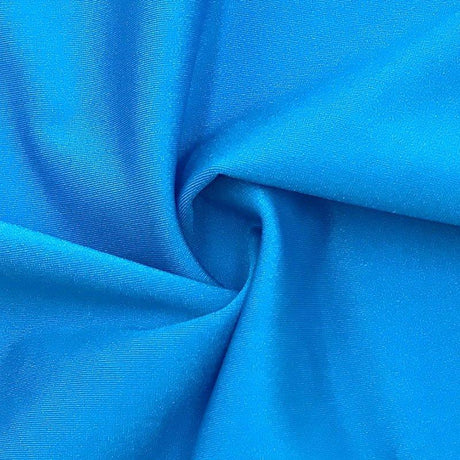
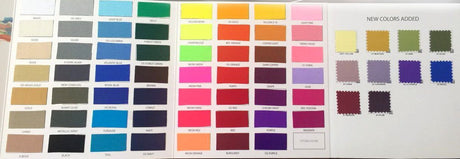
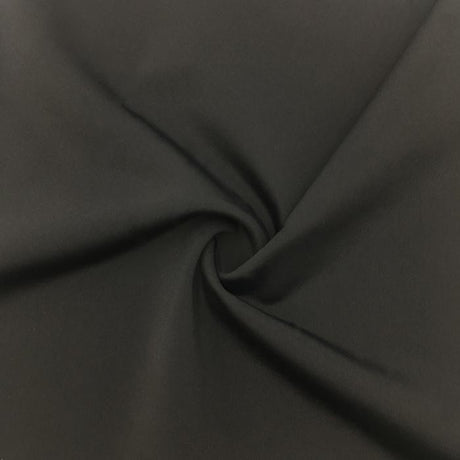
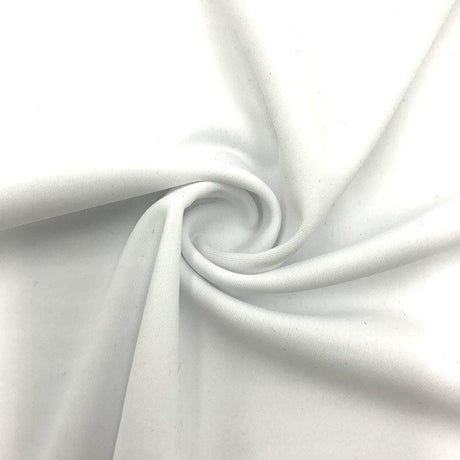
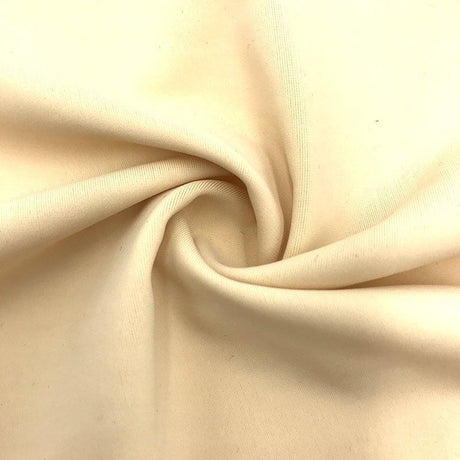
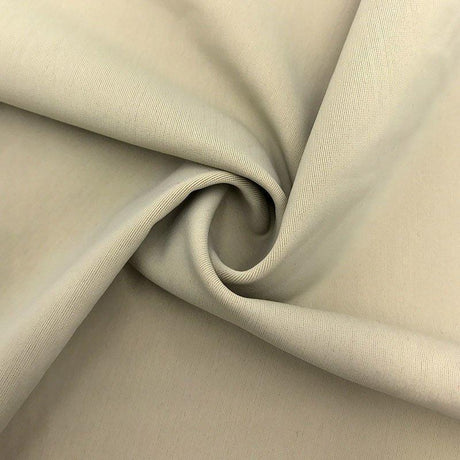
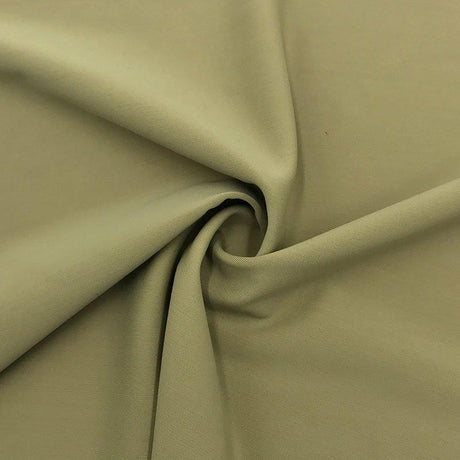
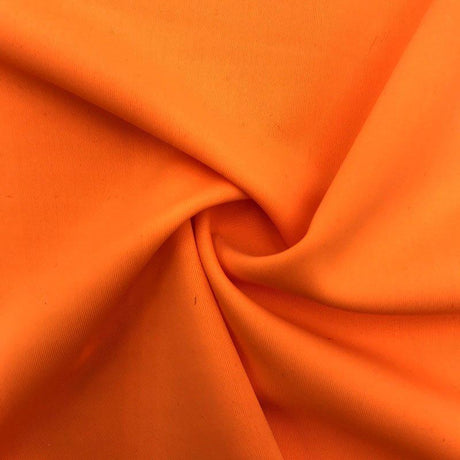
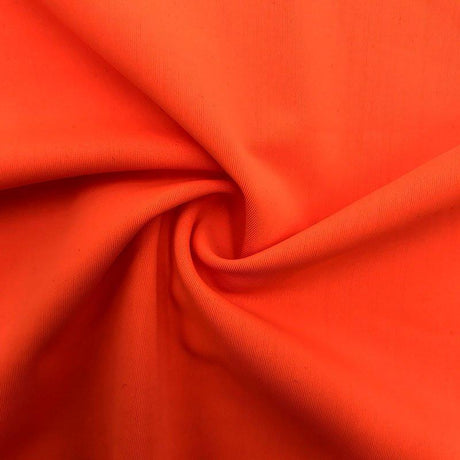
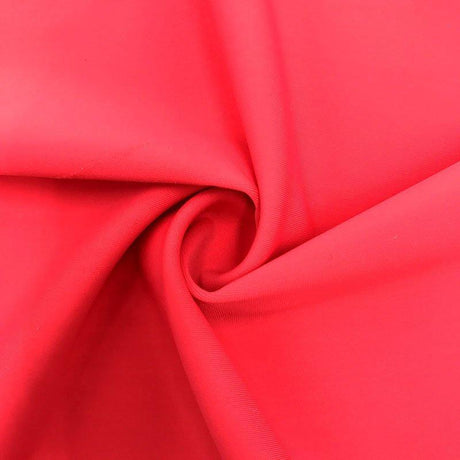
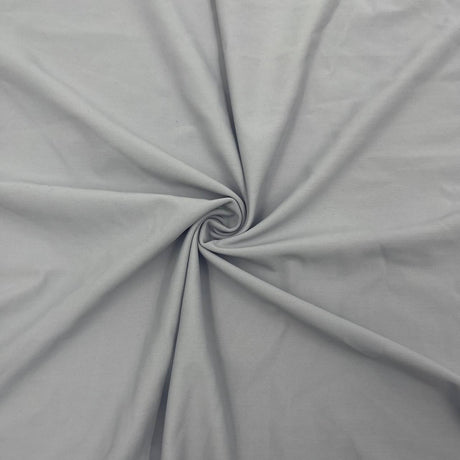
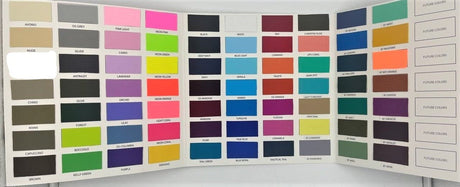
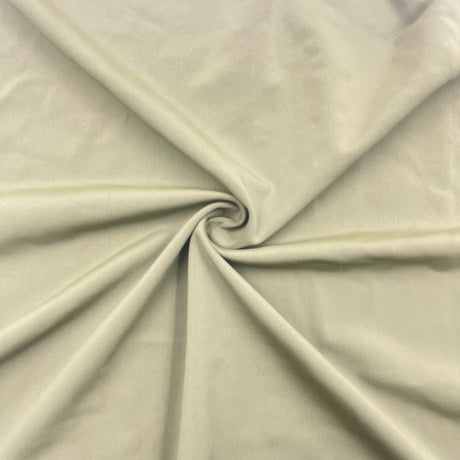
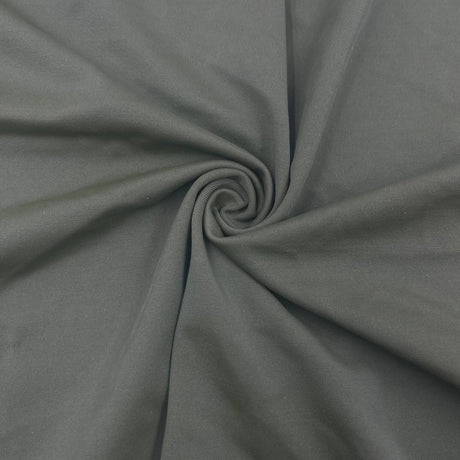
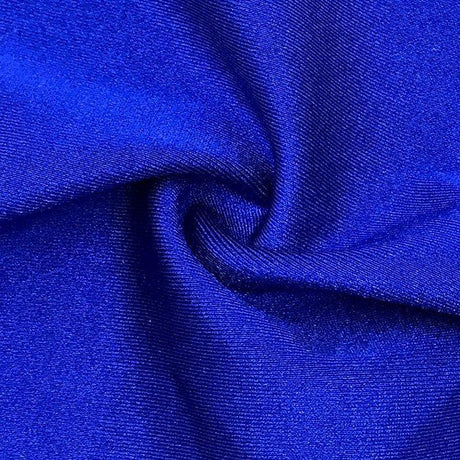
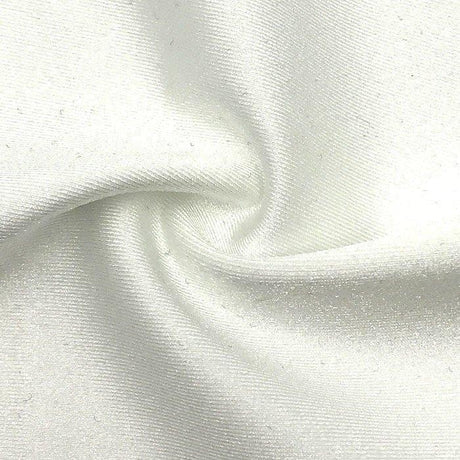
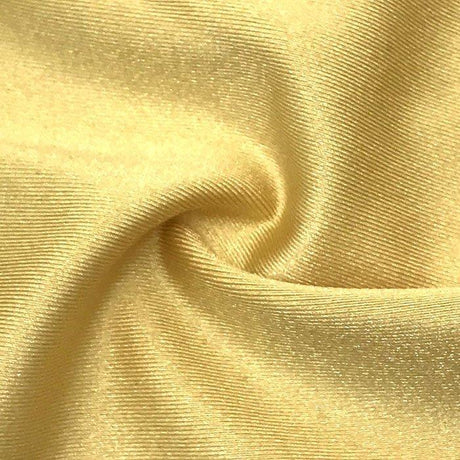
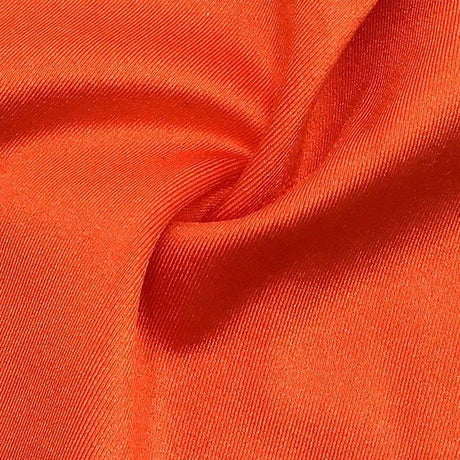
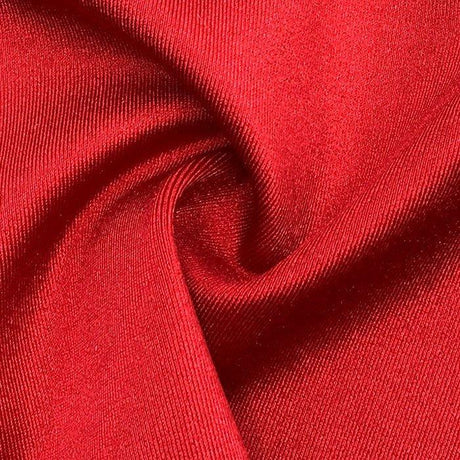
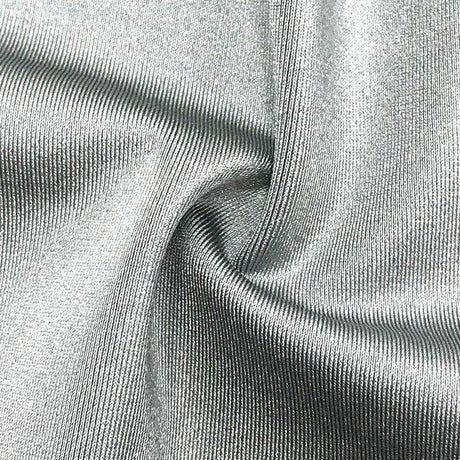
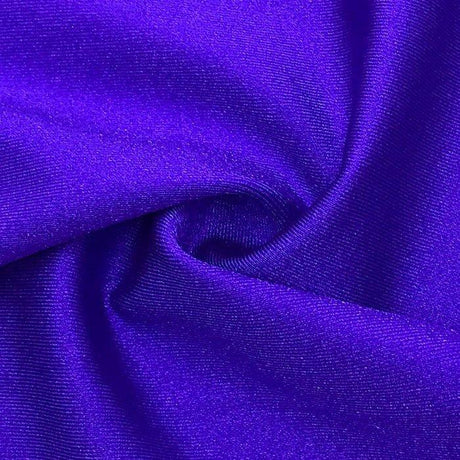
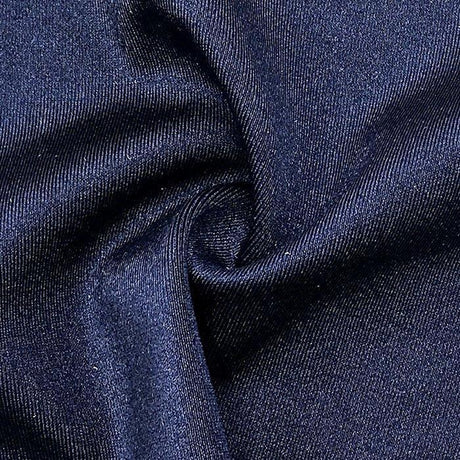
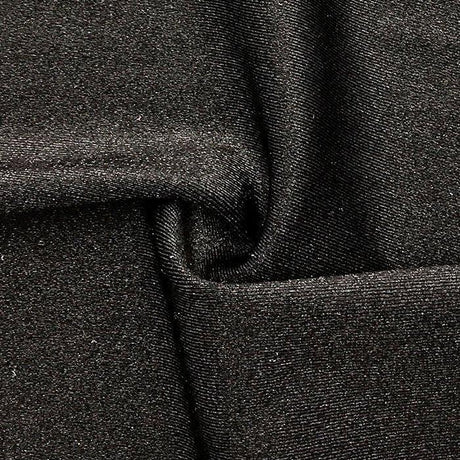
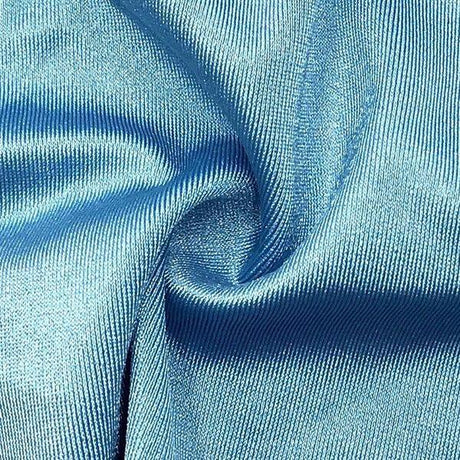
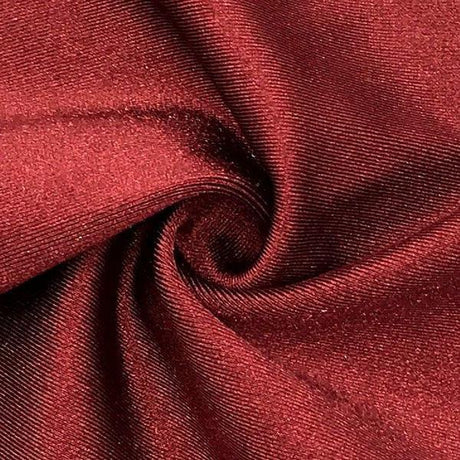
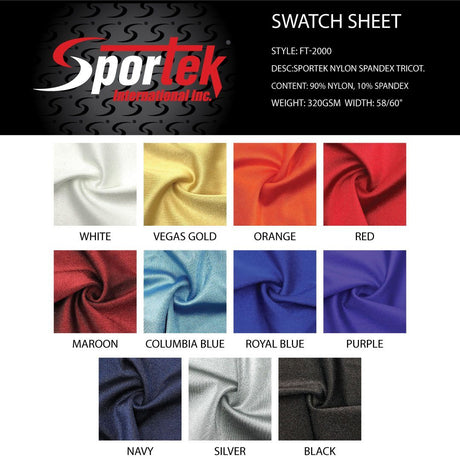
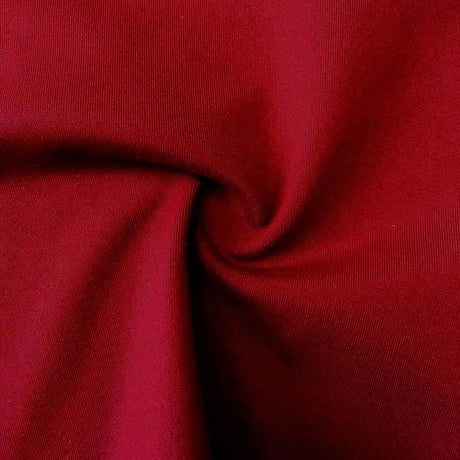
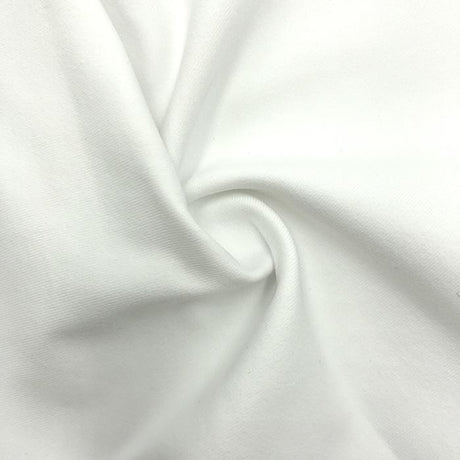
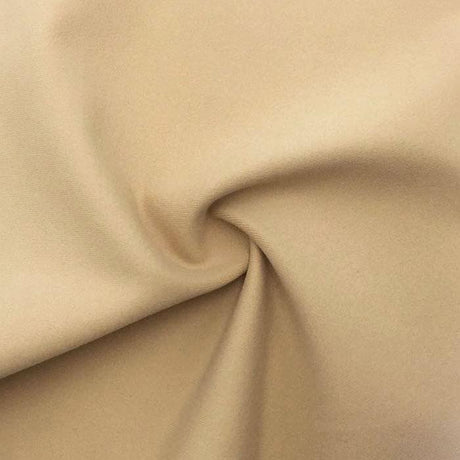
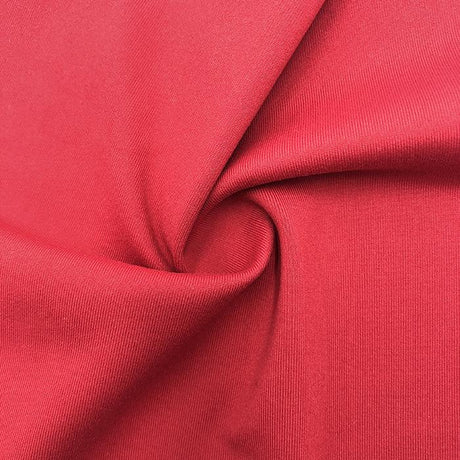
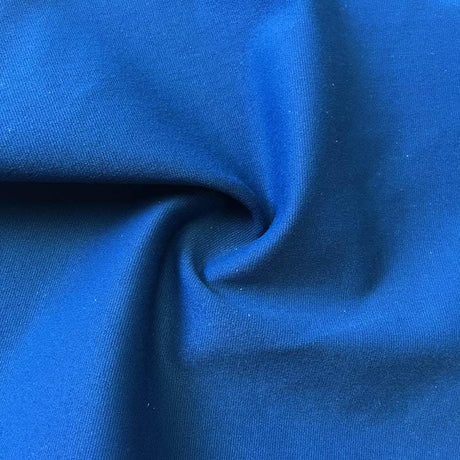
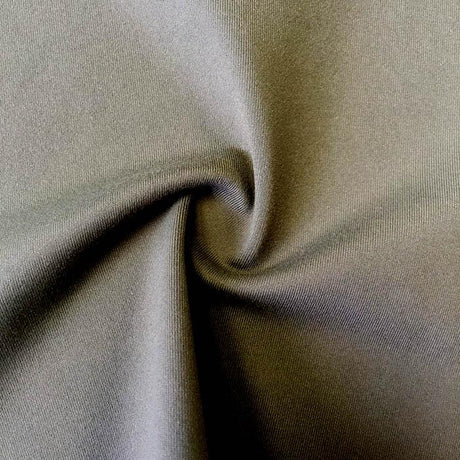
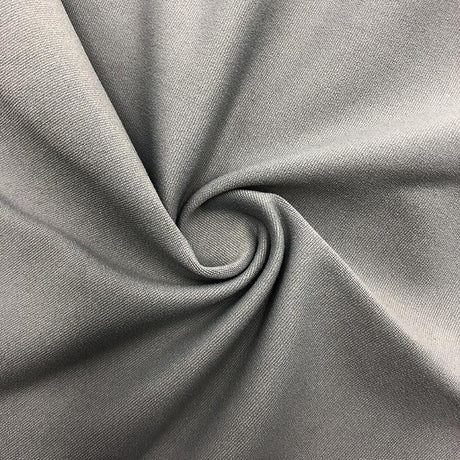
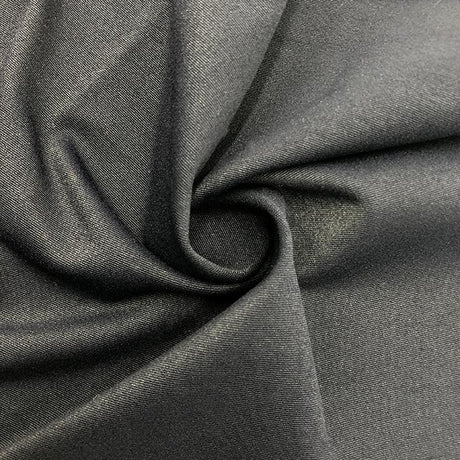
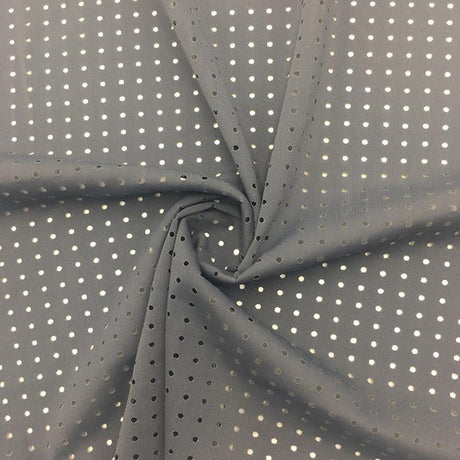
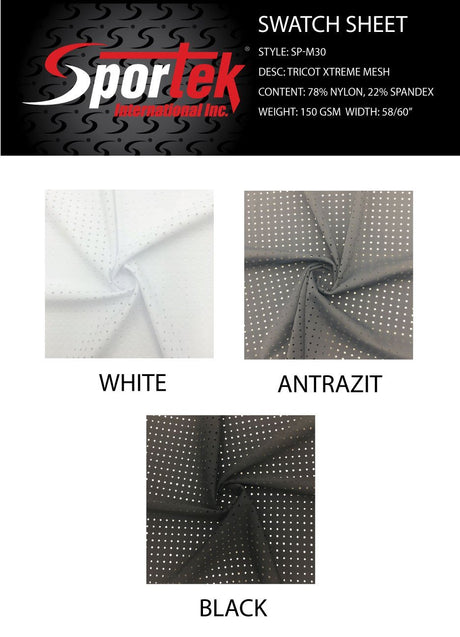
Color-blocking in activewear isn't just a design choice – it's a technical challenge. Pairing two or more fabrics in one garment (like leggings with contrast panels or multi-color sports bras) means each fabric must perform in unison. The goal is a clean seam where the pieces join: no puckering, no uneven stretching, and no weak points. Achieving this starts with choosing fabrics that are compatible in stretch and weight. Experts note it's critical to match weight and stretch of fabrics used together. Mismatched materials can lead to seams that ripple or panels that distort the fit. For a broader foundation before diving in, explore our activewear fabric guide or browse our full fabric guides hub.
Why Fabric Pairing Matters in Color-Blocked Activewear
When combining fabrics in a single activewear piece, the wrong pairing can spell disaster. Stress and stretch distribution are key: all sections of the garment will be pulled and strained during wear. If one fabric has significantly less elasticity or poor recovery, it becomes the weakest link. For example, sewing a low-stretch woven patch into a stretchy knit will concentrate stress at the seam – often leading to popped threads or even tears. Conversely, using two fabrics with similar extensibility means the strain is evenly shared across the seam. Our stretch fabric types page explains how to compare stretch percentages and recovery ratings across common activewear knits before you begin pairing.
Friction and durability are also considerations. Activewear sees a lot of friction – think of thighs rubbing or seams chafing during exercise. If one fabric is much lighter or less abrasion-resistant than the other, it might wear out or pill faster at the junction. Even fiber composition differences can affect long-term performance – polyester-spandex blends typically have weaker recovery and lose elasticity quicker than nylon-spandex blends. Mixing a nylon/spandex main fabric with a poly/spandex accent could mean the accent panel bags out or fades sooner. Our nylon-spandex fabric guide covers how nylon-spandex compares to polyester-spandex in stretch, recovery, and long-term durability.
Seam integrity and appearance are also affected by fabric pairing. Mismatched stretch can cause either wavy, ruffled seams (if one fabric stretches more during sewing) or strained, puckered seams (if one fabric doesn't stretch enough to keep up). A well-paired fabric set will produce flat, smooth junctions, and sewing is easier too – pieces feed evenly through the machine without one being unintentionally gathered into the seam. Our how to sew stretch fabric guide covers feeding techniques, stitch selection, and differential feed settings that help manage stretch mismatches during construction.
Compression vs. accent is the final consideration. In activewear, some panels provide structural compression while others are purely decorative or for ventilation. If you color-block a high-compression area (like a waistband or sports bra cup) with a drastically lighter or stretchier fabric, you might lose needed support. The bottom line is that each fabric must be suitable for its role – and often this means choosing two performance fabrics with comparable stretch %, weight (thickness), and recovery. Our how to choose fabric guide provides a structured framework for evaluating these properties before committing to a pairing.
Technical Specifications of Common Activewear Fabrics
To pair fabrics successfully, it helps to compare their technical characteristics. Key factors include GSM (fabric weight), stretch percentage, fiber composition, and recovery. GSM (grams per square meter) measures how heavy/thick a fabric is – as a rule, matching weights is important so that one panel isn't significantly heavier or stiffer than the other. For context, lightweight 120–180 GSM fabrics are used for airy tops or linings, mid-weight 180–250 GSM suits most activewear, and heavy 250–400 GSM fabrics provide high compression and support. Our fabric weight guide provides a full breakdown of GSM ranges and what they mean for construction and performance.
| Fabric Type | GSM (Weight) | Stretch (%) | Composition | Recovery |
|---|---|---|---|---|
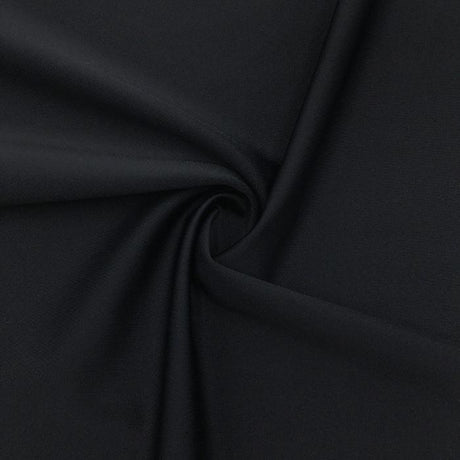
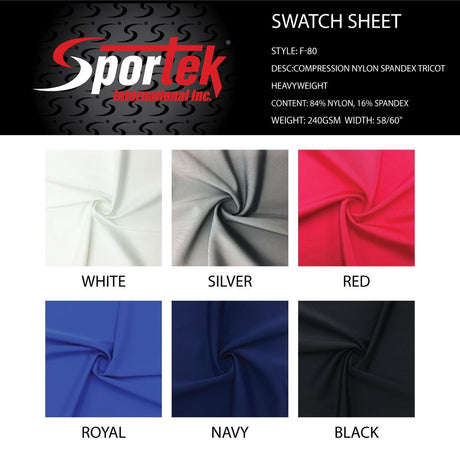
| Nylon-Spandex Knit (Tricot or interlock) – Main fabric for structure | ~250 (mid-heavy) | ~70% (4-way) | ~80% Nylon / 20% Spandex | Excellent (high snap-back) |
| Polyester-Spandex Knit (Jersey or interlock) – Often printed accent | ~200 (medium) | ~50–60% (4-way) | ~85% Poly / 15% Spandex | Good (moderate recovery) |
| Cotton-Spandex Jersey – Natural fiber blend option | ~180 (light-medium) | ~40–50% (mostly 2-way) | ~95% Cotton / 5% Spandex | Fair (can bag out) |
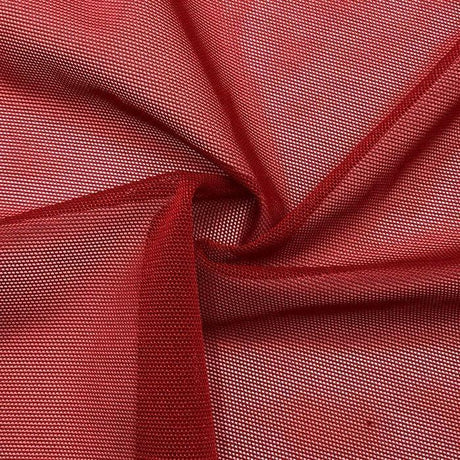
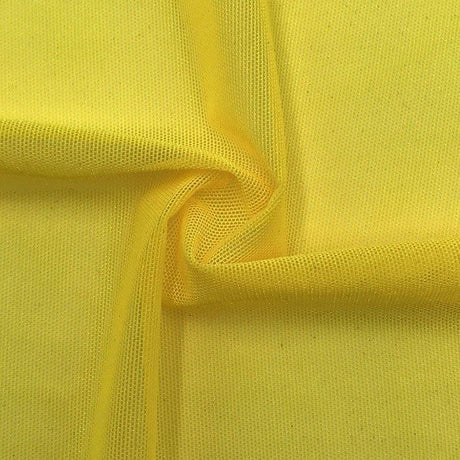
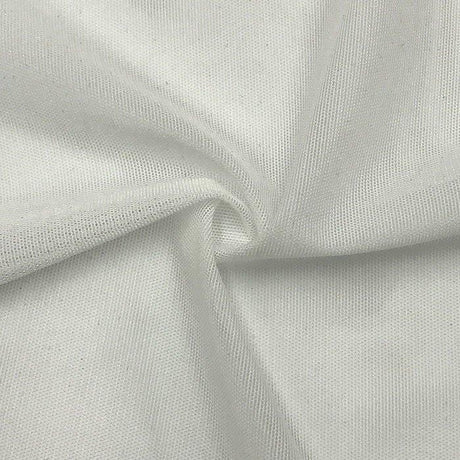
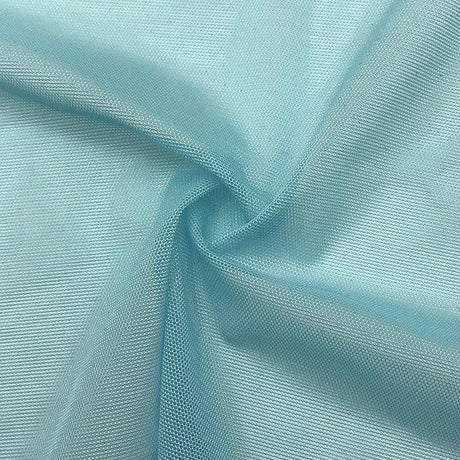
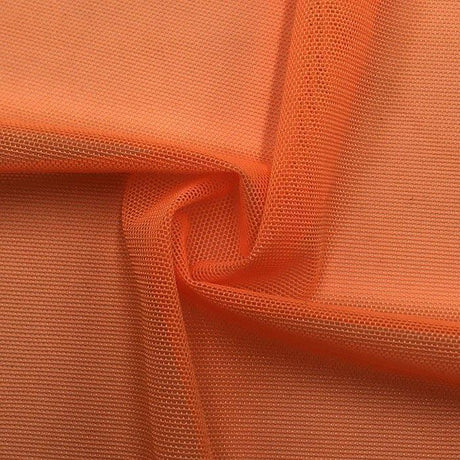
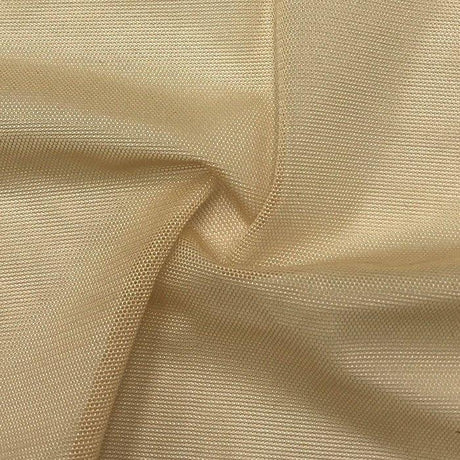
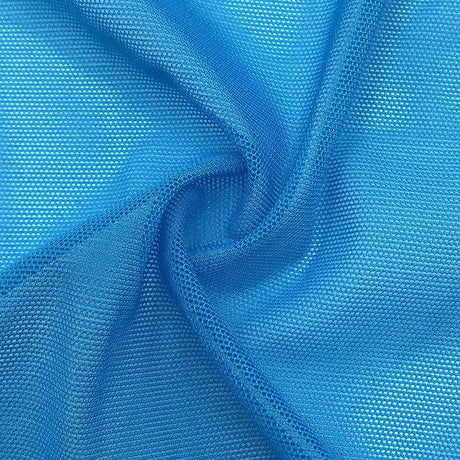
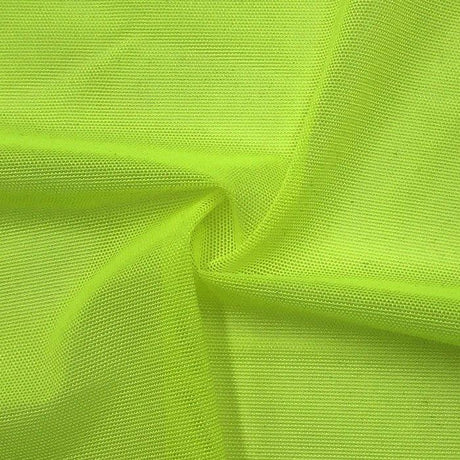
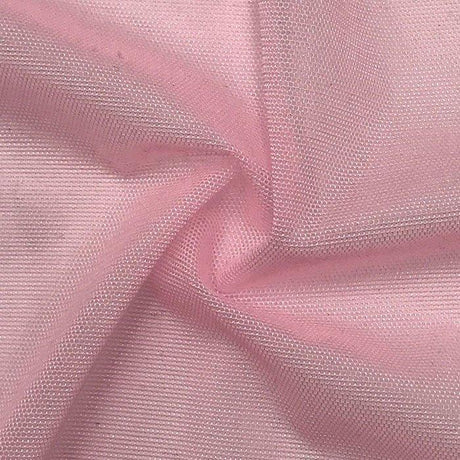
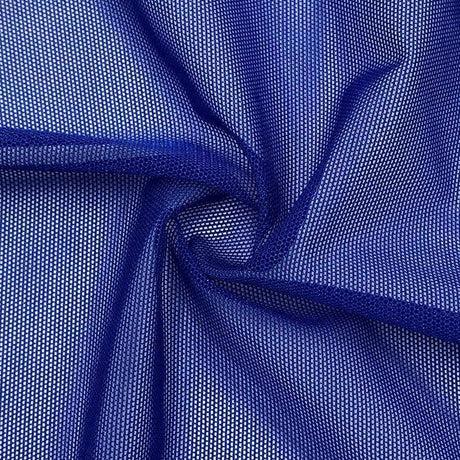
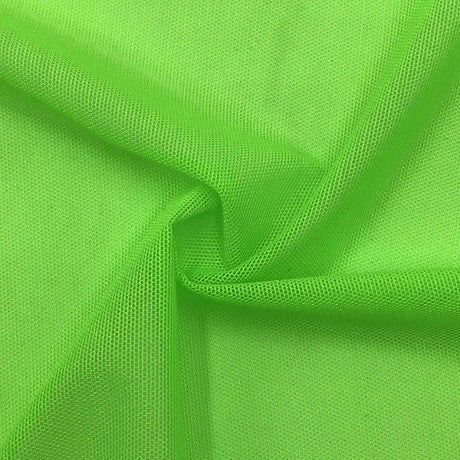
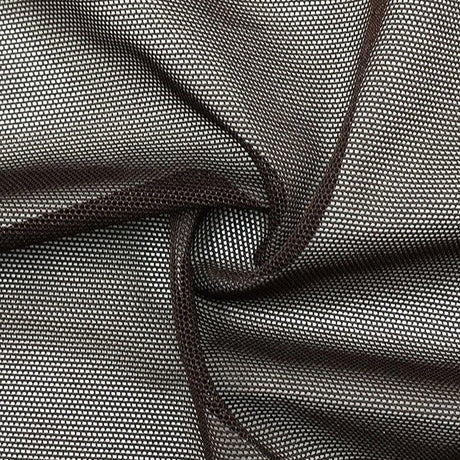
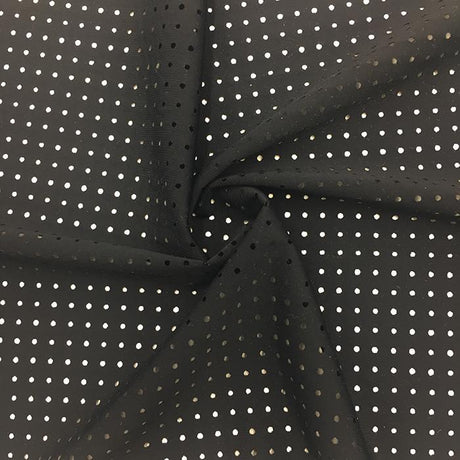
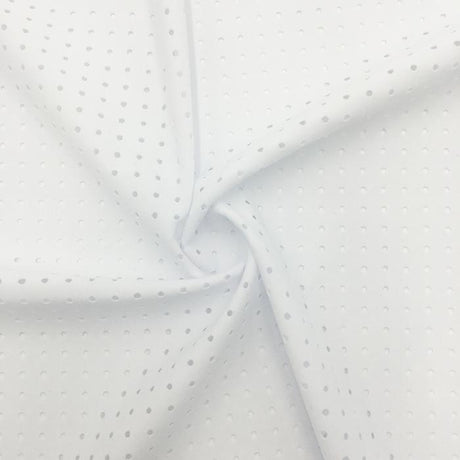
| Power Mesh (Stretch mesh/net) – For contrast panels | ~90 (light) | ~30–50% (4-way) | ~90% Nylon / 10% Spandex | Moderate (some give) |
| Stretch Woven (e.g. poly weave with elastane) – Occasional accent | ~150–200 (medium) | ~15–25% (2-way) | e.g. 90% Poly / 10% Spandex | Limited (low, holds shape) |
The nylon-spandex knit often serves as the primary "workhorse" fabric – a medium-to-heavy weight knit with high 4-way stretch and outstanding recovery. Our nylon-spandex fabric guide covers this blend's performance characteristics in full detail, while our cotton-spandex fabric guide explains the trade-offs of cotton-blend panels in performance applications.
The cotton-spandex jersey is quite different: it's included here as an alternative for low-impact or athleisure projects. Its stretch comes mostly from the spandex content (often only 5–10%), and it's usually 2-way stretch rather than truly 4-way. Cotton blends are extremely comfortable and breathable, but cotton has less elastic recovery and tends to bag out with wear. If you pair a cotton-blend panel with a high-recovery synthetic, the cotton part may sag or loosen sooner. Our cotton-spandex fabric guide explains when cotton blends are a smart choice and what construction adjustments they require.
Power mesh and stretch wovens represent specialty panel fabrics. Power mesh is a lightweight, net-like knit used for ventilation or style overlays – many are nylon-based to give them good recovery, but they should be paired only with fabrics that won't overwhelm them. Stretch wovens have very limited stretch (often only 10–20%), so they must be placed in low-stress areas or attached in ways that don't require them to stretch. Our stretch fabric types page covers all of these constructions side by side and explains how to read stretch percentage and recovery ratings when comparing options.
Recovery and elongation compatibility: The general rule for clean color-blocking is pair like with like. Ensure the fabrics share a similar stretch percentage (e.g. both around 50% stretch, or both super-stretchy around 75%). Likewise, choose fabrics with comparable recovery power. As one fabric guide put it, a garment is only as good as its recovery. Matching high-quality fabrics means your color-blocked leggings or top will retain a uniform fit, with all sections recovering evenly after each wash and wear.
How to Choose Fabrics Based on Project Type
Leggings and Compressionwear
For high-stretch, tight-fitting garments like leggings, fabric pairing becomes especially critical. Most performance leggings use a robust knit as the base – often a nylon-spandex or poly/spandex with 4-way stretch. Many athletic legging patterns specify needing at least 50–70% stretch in both directions. Our stretch fabric types page explains how to verify stretch percentage and recovery ratings before sourcing fabric for a legging project.
When pairing fabrics for leggings, match the weight and compression level. Both panels should have similar GSM and thickness so the leggings feel uniform on the body. If the main section is a heavy compression knit (say 280 GSM), inserting a very thin lightweight knit could lead to uneven support – the thinner fabric might even become see-through under tension. Our fabric weight guide makes it straightforward to cross-reference GSM across different fabric options so you can identify a compatible pairing quickly.
Some advanced designs intentionally use different fabrics for function – an extra stretchy or breathable fabric in certain zones like side stripe inserts or knee-back panels. One experienced sewist notes that activewear designs might deliberately put stretchier fabric in side panels of a fitted garment to increase comfort and range of motion. If you try this, ensure the placement makes sense: a slight boost in stretch is fine, but don't pair a super stretchy mesh directly against a non-stretch woven in a way that both are equally required to stretch.
Finally, remember that leggings require clean, strong seams due to the constant pulling. Our how to sew stretch fabric guide covers stretch stitches, serger setup, differential feed adjustment, and reinforcement techniques that ensure color-block seams hold up under repeated wear.
Sports Bras and Tops
For sports bras, crop tops, and activewear shirts, fabric pairing decisions center on support and breathability. A sports bra must hold its shape against movement and tension. The main portions that provide support (like the front panels or band) should be made of something with strong stretch and recovery. If you're adding an accent fabric, a good strategy is to use it in areas where shaping and support are less critical, such as the upper back, neckline, or along a style line that doesn't bear a lot of stress. Our activewear fabric guide covers compression ratings and fabric constructions for sports bra and crop top applications in detail.
One popular option for tops and bra accents is power mesh or stretch mesh. Incorporating mesh can dramatically increase breathability and visual interest – a solid high-neck crop top might have a mesh insert across the chest or shoulders for airflow. Always check the stretch: many meshes stretch a lot widthwise but less vertically. Our stretch fabric types page covers power mesh constructions and how they compare to standard performance knits for compatibility in color-block applications.
Beware of mixing vastly different support levels. Inserting a cotton-spandex panel for color interest in an otherwise synthetic bra could lead to that panel stretching out or not drying as fast. If you do use an accent with less strength – for example, a mesh racerback on a bra – you might compensate by doubling the mesh or backing it with a lining of power net. Our dancewear fabric guide covers similar lining and support layering strategies used in performance costuming that translate directly to sports bra construction.
For activewear tops and jackets, you have more leeway since these aren't always under compression. A common pairing is using a lighter, more breathable knit for areas prone to sweat (underarms, back panels) and a slightly thicker knit for the rest. For tops: focus on breathability and shaping. Use mesh or lighter knits to enhance airflow and style, but ensure the primary structure uses a fabric with equal or only slightly different stretch/recovery. Our fabric weight guide helps you identify compatible GSM ranges for mixed-fabric top constructions.
Accent Work (Side Panels, Waistbands, Trim)
When adding side panels or stripes, these usually run the length of a garment and still experience a lot of stretch. A side accent that doesn't stretch enough will cause the entire garment to feel tighter or could restrict you mid-exercise. Aim for consistency. If using an accent with a different fiber or finish (like a shiny printed lycra or a textured knit), test its stretch against the main fabric before cutting. Our how to choose fabric guide walks through the stretch-testing process and what to look for when comparing fabric behavior side by side.
Waistbands present another scenario. Some color-block designs use a contrast color or fabric for the waistband of leggings or the band of a sports bra. A sturdy rib knit or a heavier compression fabric can work as a waistband even if the legging legs are a lighter fabric – this can even aid support. But don't use a non-stretch woven for a waistband on stretch leggings. A good practice is to use fabrics of equal recovery in waist areas, so that after stretching over hips or moving, both the band and body bounce back to the same degree.
For trim and small pieces, you have slightly more freedom in fabric choice. Small accents can sometimes be non-stretch (e.g. a reflective tape or a logo patch) because they don't encircle the body. Mixing prints and solids is a fun color-blocking strategy – for example, solid black leggings with a printed floral calf section. As long as that printed fabric has similar weight/stretch, it will sew up cleanly with the solid. Our sublimation guide and sublimation transfer paper resources cover how to create custom printed panels on stretch bases that work seamlessly in color-block applications.
One word of caution on accents: avoid mixing fabric types that have different care needs or shrink rates. Always pre-wash fabrics and, if possible, stick to similar fiber content for color-blocking. Our fabric care guide covers pre-washing protocols for all common activewear fabric types, and our spandex care guide addresses elastane-specific care requirements that affect how your panels behave after repeated laundering.
Sewing and Care Mistakes to Avoid with Color Blocking
Mismatched Grain or Stretch Orientation: When cutting your pattern pieces, ensure the stretch direction (grainline on knits) is correctly aligned for each fabric. Always cut each fabric according to how it stretches best for the pattern – usually greatest stretch goes around the body. Our how to sew stretch fabric guide covers grain alignment and cutting techniques for stretch fabrics in detail.
Not Pre-washing or Pre-treating Fabrics: Skipping the prewash is risky, especially if pairing different fabric types. One fabric might shrink or release excess dye. A cotton-blend panel could shrink a bit and cause puckering next to a stable synthetic. Wash (or at least steam) each fabric before sewing to eliminate surprises. Our fabric care guide covers pre-washing protocols for all common activewear fabric types.
Using the Wrong Stitch or Thread: A common error is sewing stretchy fabrics with a straight stitch or non-stretch thread. The seam will inevitably pop open the moment the garment is worn. Use a zigzag, stretch stitch, or serger for construction, and choose polyester or nylon thread with some give rather than a completely rigid cotton thread. Our how to sew stretch fabric guide covers stitch selection, thread pairing, and tension adjustment for every common activewear fabric type.
Pulling or Stretching the Fabric while Sewing: With knits, tugging the fabric as it feeds can distort the seam. Let the machine feed at its own pace, and use tools like a walking foot or differential feed on a serger to handle the differing stretch of two fabrics. A properly sewn color-block seam should lie smooth without needing to be stretched or eased. Our how to sew stretch fabric guide covers differential feed adjustment and presser foot recommendations for clean color-block seam results.
Ignoring Stabilization in Key Areas: Shoulder seams, necklines, and waist seams on color-blocked garments benefit from stay tape or clear elastic sewn into the seam to prevent stretching out over time. Use a flexible seam tape or interfacing strip on one side of the seam before sewing if needed. Our fabric finishes guide covers stabilization treatments and interfacings that work with stretch fabrics without removing necessary elasticity.
Poor Pressing and Finish: After sewing your color-block seams, press them using the appropriate heat setting for your fabric content and a pressing cloth for delicate or synthetic fabrics. Many color-block designs intentionally topstitch the seam allowance down with a twin needle or coverstitch to keep it flat. Skipping the pressing can leave a ridge or slight bubble at the contrast line. Our spandex care guide covers heat sensitivity across different spandex blends so you can press with confidence without risking damage to the elastane fibers.
When to Use an Alternative Fabric Instead
Low-impact or casual activewear: If you're sewing lounge leggings, an athleisure hoodie, or a yoga top for gentle practice, you might prioritize comfort over maximum stretch. Natural fiber blends like cotton-spandex or bamboo blends excel in softness and breathability. However, cotton has drawbacks in an active context: it's slower to dry, can lose shape, and is less durable under strain. Use these fabrics when a little loss of compression isn't a big issue. Our cotton-spandex fabric guide covers when cotton blends are appropriate and what construction adjustments they require.
When 4-way stretch isn't needed: Not all "activewear-style" projects are skin-tight. A color-blocked windbreaker or loose training shorts might use stretch-wovens or even non-stretch materials, as long as the garment design accounts for it (e.g. has ease or a relaxed fit). In such cases, ensure seam compatibility – woven parts will need seam finishing to prevent fraying, since active knits don't fray but wovens do. Our how to choose fabric guide walks through the decision framework for matching fabric type to garment fit and end use.
Natural fibers for comfort or aesthetic reasons: Some people simply prefer the feel of cotton or viscose, even in activewear styles. You can still color-block cotton fabrics – for example, combine a heathered grey and a black cotton jersey for a workout tank. It won't perform like a sweat-wicking compression top, but it will be breathable and comfy for light activities. Just keep in mind the maintenance: our fabric care guide covers how cotton and natural fiber blends need gentler care to avoid excessive shrinkage or deterioration.
Upcycling or creative design: If you have some sturdy woven fabric with a great print, you might incorporate a piece into an activewear garment as decoration – typically as an applique or overlay rather than a structural panel. This way the stretch of the leggings remains uncompromised. For custom sublimated panels, our sublimation guide and sublimation transfer paper resources show how to create vibrant printed stretch fabrics that integrate seamlessly into color-block designs.
Specialty environments: For activities like swimming or outdoor sports, choose specialty fabrics (like UV-protective swim lycra in contrasting colors) and ensure any two fabrics you join share the needed qualities – both should be chlorine-resistant for swim applications. Our swimwear fabric guide covers chlorine-resistant fabric options and compatibility considerations for color-blocked swimwear construction.
Conclusion
Color-blocking can transform activewear from plain to eye-catching, but it's the science behind the art that ensures those garments perform. By carefully pairing fabrics that share stretch, weight, and recovery characteristics, you set yourself up for success. The seams where different fabrics meet will lie flat and strong, because neither side is fighting the other. As one source wisely put it, "A garment is only as good as its recovery." If one panel bags out or a seam starts puckering, the whole piece suffers.
To achieve the best results, use the technical specs (GSM, stretch %, composition) as your guide and don't hesitate to do a few stretch tests at home. Pull your fabric swatches – do they stretch to a similar length? Do they both snap back without much difference? If yes, they'll likely sew together well and wear evenly.
Ready to get started? Explore our activewear fabric guide for curated fabric recommendations, use our stretch fabric types page and fabric weight guide to compare your options, and visit our how to sew stretch fabric guide for step-by-step construction techniques. Our fabric care guide and spandex care guide will keep your finished pieces performing beautifully wash after wash. Have questions about fabric pairing or sourcing? Our expert help and advice page and FAQ are always available. Sign up for SpandexByYard Rewards to earn points on every purchase – because perfectly matched fabrics deserve perfectly matched results.