Wavy seams are one of the most common quality issues in knit sewing. They appear as stretched, rippled stitching lines that refuse to lie flat, creating a distorted "ocean wave" effect along seams, hems, or edges. This problem affects both home sewists and professional production teams because knit fabrics behave differently than wovens under a presser foot and feed system.
Knit fabrics naturally stretch, and during stitching the machine's feeding action can elongate one layer more than the other. When the fabric is stretched as it passes under the needle – whether from presser foot pressure, differential feed imbalance, tension settings, or handling – the seam may be sewn longer than the fabric's relaxed state. The result is a seam that looks rippled and unprofessional.
Wavy seams impact both appearance and fit. A garment can lose its clean silhouette, and edges that should sit smoothly against the body may flare or distort. The good news is that flat, smooth knit seams are achievable. When fabric behavior is understood and machine setup is aligned with that behavior, knit seams can look polished and stable even on highly elastic materials. For a broader foundation on working with stretch fabrics, visit our how to sew stretch fabric guide or browse our full fabric guides hub before diving in.
Understanding the Fabric Behavior
Stretch Direction (DOGS)
Most knit fabrics have a Direction of Greatest Stretch (DOGS), typically running across the width (cross-grain). Seams that run along or interact heavily with this direction are more likely to distort because the fabric has more capacity to elongate under the machine's feed. Patterns often indicate the DOGS so fabric can be aligned correctly. Knowing where the fabric stretches most helps predict where waviness is most likely to occur and informs stabilization and seam technique. Our stretch fabric types page explains how stretch direction varies across different knit constructions and spandex percentages.
Recovery Rate
Recovery refers to how well a fabric returns to its original shape after stretching. Low-recovery knits may remain stretched out after sewing, leaving a permanent wave in the seam. Some cotton jerseys behave this way, especially if they are loosely knit or lack elastane. High-recovery fabrics, especially those containing elastane, snap back quickly – ideal in wear, but meaning that any stretching during sewing can cause the seam area to contract unevenly and pucker. Our spandex care guide covers how elastane content affects recovery behavior and how to preserve it through laundering and construction.
Knit Structure
Knit construction strongly influences seam stability. Interlock and ponte knits are firmer, curl less, and resist distortion, which makes them easier to sew smoothly. Lightweight jersey and rib knits are more fluid and can stretch readily under the presser foot. Fiber content also shapes behavior: rayon blends are typically drapier and more stretch-prone than cotton knits of the same weight, and spandex blends amplify elasticity and recovery. Our stretch fabric types page covers how different knit structures behave under construction conditions and what seam strategies suit each.
Stable Stretch Fabrics
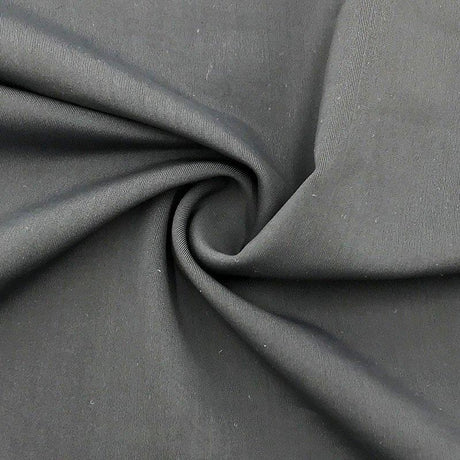
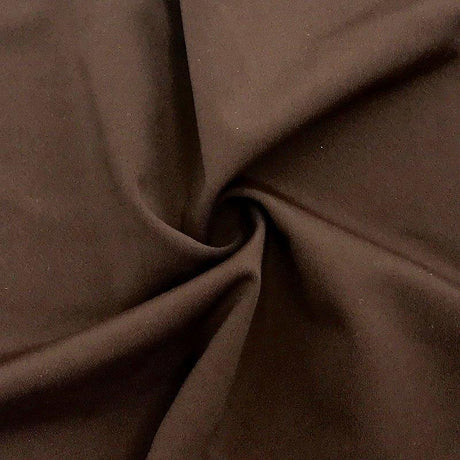
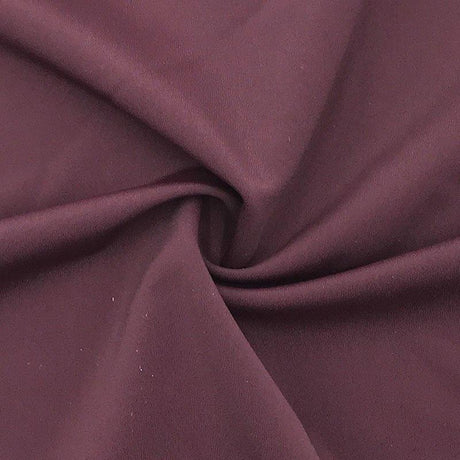
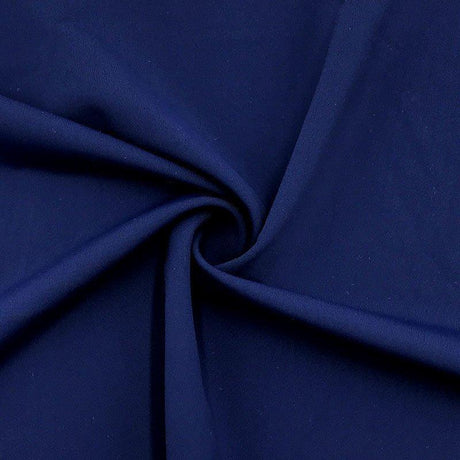
Some knits are considered stable because their stretch is moderate – often around 15–20% – and their structure resists excessive elongation. These fabrics tend to feed more predictably and are less likely to ripple. Ponte, scuba, and other thicker stable knits fall into this category. Using stable stretch fabrics to practice on supports skill-building because they allow a clear focus on stitch choice, tension, and feeding behavior without extreme distortion.
High-Recovery Stretch Materials
Athleticwear and swimwear fabrics often contain significant elastane and can stretch 50–100% or more, snapping back instantly. These high-recovery stretch materials deliver excellent performance on the body, but they demand precision during construction. Seams often require stronger stretch stitches, better feeding control, and stabilization that supports the seam without removing necessary elasticity. Our activewear fabric guide and swimwear fabric guide both cover construction considerations specific to high-recovery performance fabrics.
Technical Specifications: Weight, Stretch, Recovery, Stabilization
Fabric Weight (GSM)
Fabric weight, measured in grams per square meter (GSM), influences how readily a knit distorts during sewing. Lightweight knits can flutter, shift, and stretch easily, increasing the risk of waviness. Heavier knits hold their shape better under the presser foot and tend to feed more steadily, although they can still stretch if handled improperly. Our fabric weight guide provides a full breakdown of GSM ranges across common knit types and what those ranges mean for construction behavior.
Needle selection connects directly to weight. Finer needles are better suited to lighter knits to prevent holes or runs that distort seams, while heavier knits often require a slightly larger needle to form clean stitches without skipped sections.
Stretch Percentage
Stretch percentage describes how far the fabric extends relative to its original length. A common measurement method uses a 10 cm swatch: if it stretches to 15 cm, it has 50% stretch. Stable knits often sit around 20%, moderate knits around 30–50%, and super-stretch fabrics around 75% or more. Higher stretch increases seam distortion risk because the fabric can be unintentionally elongated as it feeds. Our stretch fabric types page explains how to evaluate and compare stretch percentages across different knit constructions before you begin sewing.
Recovery Percentage
Recovery can be described as the degree to which fabric returns to its original length after being stretched. A fabric with 95% recovery nearly returns to its starting measurement, while one with low recovery remains extended. High recovery supports garment fit and shape retention, but it can cause puckering if a seam was stretched during sewing and then the fabric snaps back. Low recovery tends to leave long, wavy seams that do not relax.
Professional-looking seams depend on balance. The goal is a seam that retains elasticity without being sewn in a stretched-out state, and without being constrained by stabilizers that fight the fabric's natural movement. Our nylon-spandex fabric guide and cotton-spandex fabric guide both cover how spandex content affects recovery behavior in the two most common stretch fabric blends.
Stabilization as a Technical Strategy
Stabilization provides support during stitching, helping prevent the machine's feeding action from stretching the knit. The need for stabilization increases with lighter weights, higher stretch, and more fragile structures. The most effective stabilizer is chosen based on the fabric's technical behavior and on whether the seam must remain elastic.
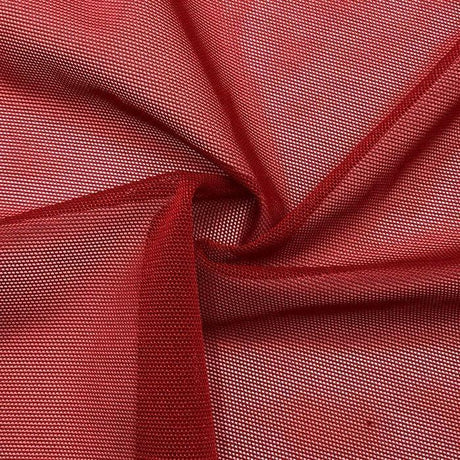
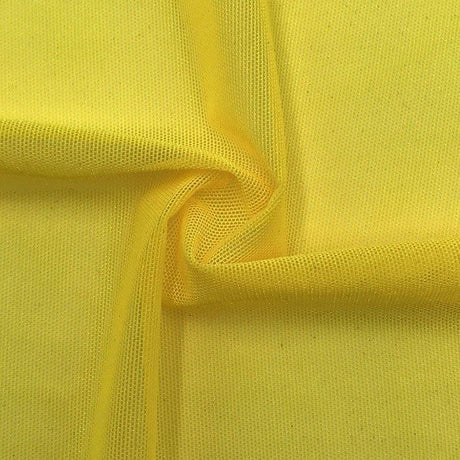
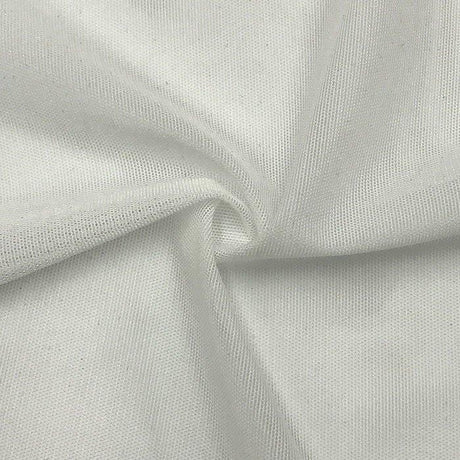
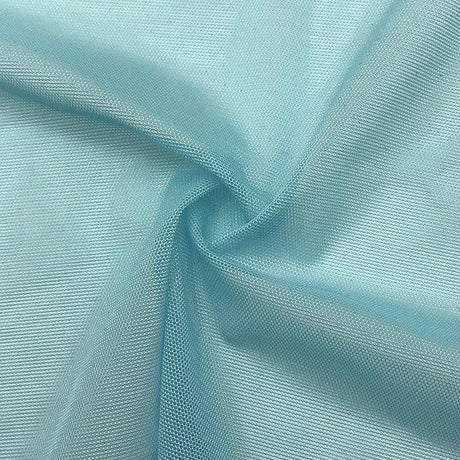
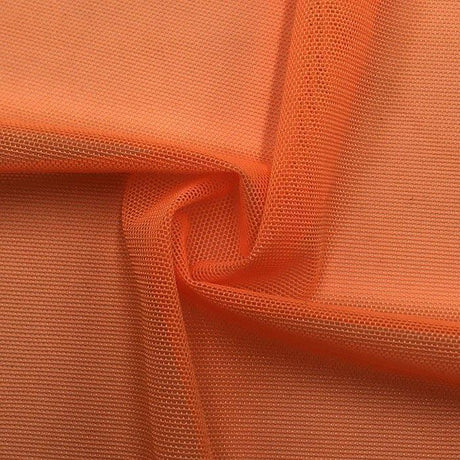
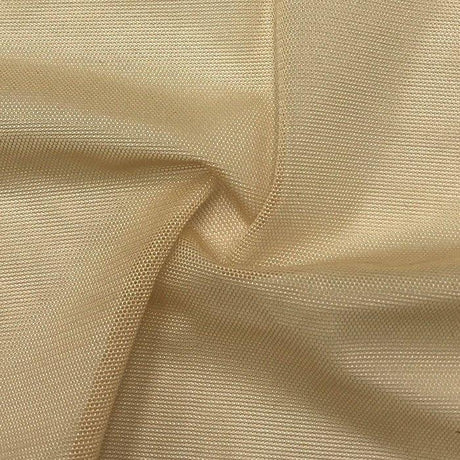
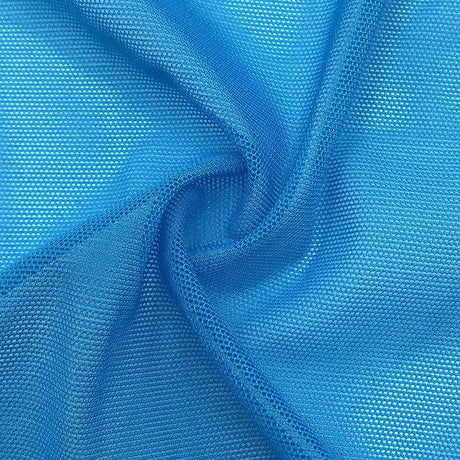
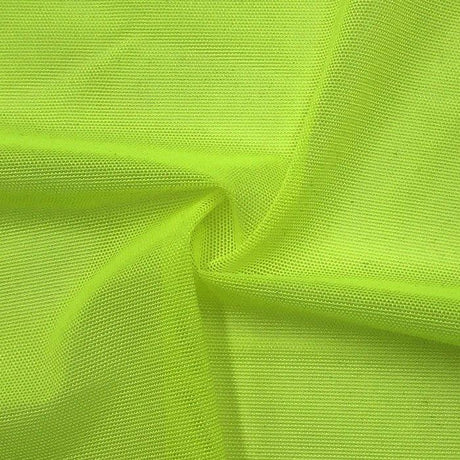
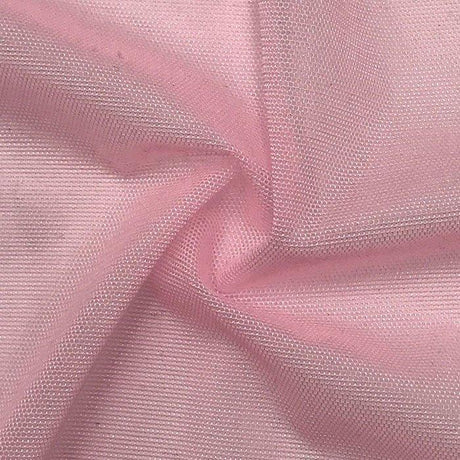
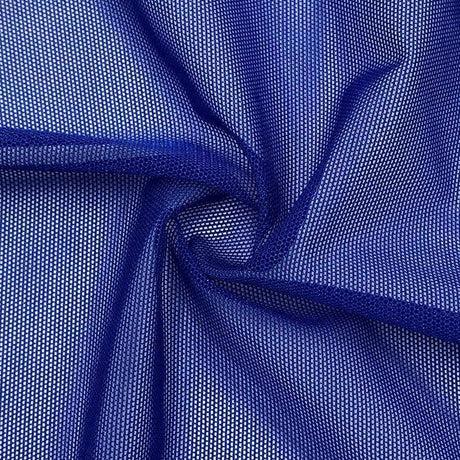
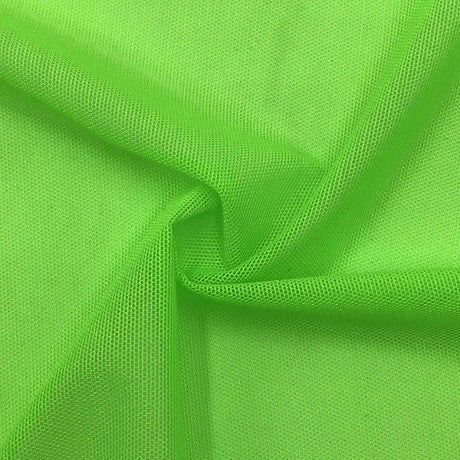
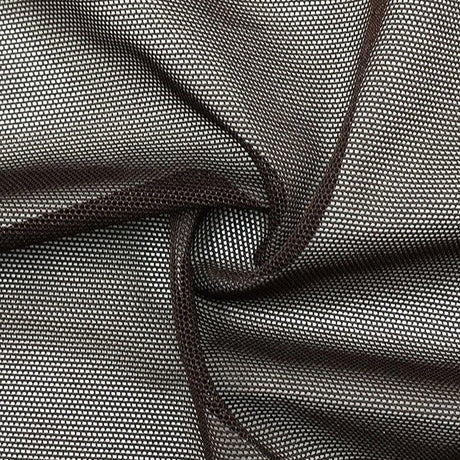
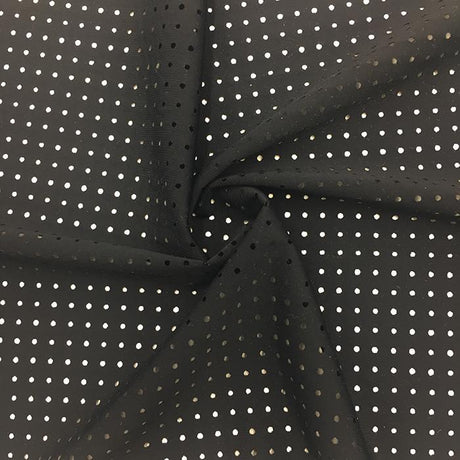
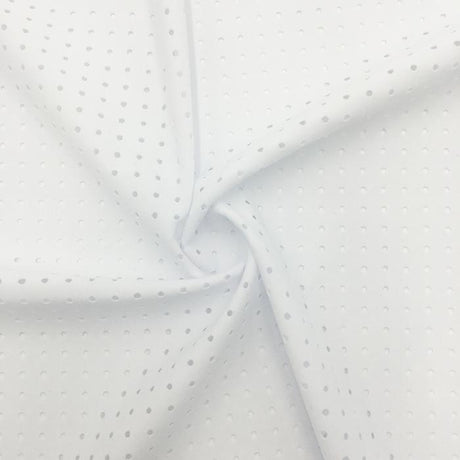
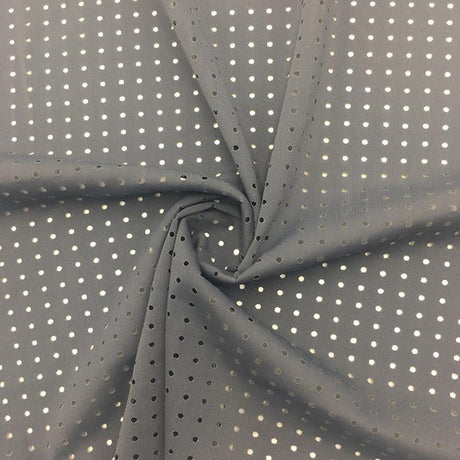
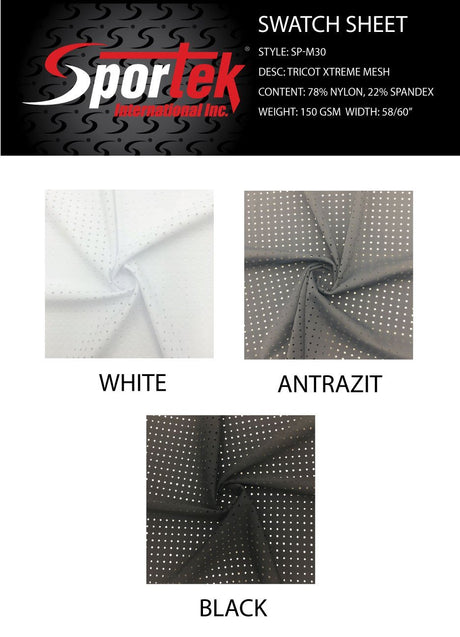
Wash-away stabilizers work well for sheer, lightweight fabrics. Permanent supports such as clear elastic, knit stay tape, or knit interfacing help prevent stretching in structural seams. A flexible reinforcement option used in many professional applications is fine power mesh used as stabilization. It adds support while maintaining stretch, making it useful in shoulder seams, waist seams, and other areas where sagging and waviness are common. Our fabric finishes guide covers how various stabilization treatments and interfacings interact with different knit structures.
Fabric Behavior Comparison
| Fabric Type | Typical GSM | Stretch % | Recovery % | Stabilizer Compatibility |
|---|---|---|---|---|
| Stable Ponte / Scuba | 260–320 | 15–25 | 70–90 | Often none; light stay tape for structure |
| Jersey Knit (Medium) | 160–220 | 30–60 | 60–90 | Tissue/wash-away for light jerseys; stay tape for shoulders |
| Swim / Activewear Lycra | 180–240 | 75–100+ | 90–100 | Clear elastic, knit elastic, mesh for stabilization |
For a full explanation of GSM ranges and their construction implications, visit our fabric weight guide. For stretch and recovery comparisons across knit types, see our stretch fabric types page.
Tools and Setup: Getting the Machine Ready
Needle Choice
Ballpoint and stretch needles are designed to slide between knit loops rather than cutting through them. This reduces skipped stitches, prevents runs, and improves feeding consistency. Light knits commonly pair well with a 75/11 needle, while medium knits often suit 90/14 sizes. High-lycra fabrics frequently benefit from stretch needles because they reduce skipped stitches and help prevent overstretching during stitch formation. Our how to sew stretch fabric guide covers needle selection across the full range of knit types and spandex percentages.
Thread Selection
Polyester thread is widely preferred for knit sewing because it has slight give and resists breaking when seams stretch. Cotton thread lacks elasticity and can contribute to seam failure or visible distortion. Woolly nylon is often used in serger loopers to increase seam elasticity and create a smoother finish. For swimwear and activewear projects, chlorine-resistant polyester thread adds an additional layer of durability – our swimwear fabric guide covers thread requirements for performance applications.
Stitch Type and Settings
Knit seams require stitches that can stretch without breaking. Narrow zigzag stitches and lightning-bolt stretch stitches accommodate movement on standard machines. Sergers naturally create elastic seams and are especially effective when differential feed is adjusted correctly.
Differential feed changes how quickly the fabric layers move under the presser foot relative to each other. Increasing differential feed above 1.0 helps prevent stretching and waviness by feeding the fabric more evenly and reducing elongation. Our how to sew stretch fabric guide walks through differential feed adjustment and stitch settings for every common knit type.
Presser Foot Pressure and Feeding
Presser foot pressure can stretch knits as they feed. When pressure is too high, the fabric may be pulled taut and sewn in an elongated state. Reducing pressure (when the machine allows) helps the fabric feed naturally. Walking feet and dual-feed systems further reduce waviness by moving the top and bottom layers in sync, preventing one layer from advancing faster and stretching the seam line.
Stabilizers and Notions
Temporary and permanent stabilizers both play important roles. Temporary support methods include tissue paper and wash-away stabilizer films that prevent lightweight knits from stretching or being pulled into the throat plate. Permanent stabilizers include clear elastic, knit stay tape, and lightweight fusible tricot interfacing for structural edges.
Fine power mesh used as backing or interlining adds support where reinforcement is needed without sacrificing stretch. It is commonly applied to shoulder seams and waist seams to prevent growth while maintaining flexibility. Our fabric finishes guide explains how to identify and select the right stabilization product for your specific fabric and project type.
Machine Type Considerations
A serger is not required, but it simplifies knit construction by creating strong, stretchy seams with built-in edge finishing. A standard sewing machine can achieve professional results with correct stitch choice and supportive setup. Coverstitch machines excel for hems, and twin needles provide an accessible hem option that can reduce waviness when paired with stabilization. Our how to sew stretch fabric guide covers machine setup recommendations across all three machine types.
Choosing the Right Technique Based on Project Type
Lightweight Versus Heavy Knits
Lightweight knits and meshes are more prone to distortion, especially at long seams and hems. Their low mass and flexible loop structure allow them to stretch easily under pressure, making stabilization and controlled feeding particularly important. Heavy knits such as ponte and sweatshirt fleece resist distortion and may require less stabilization, although incorrect feeding or handling can still cause seam waviness. Our fabric weight guide helps map GSM to the appropriate level of stabilization and feeding control.
High-Stress Activewear and Swimwear
Leggings, swimwear, and performance garments often use fabrics with extreme stretch and strong recovery. In these cases, reinforced seam construction becomes part of seam stability. Four-thread serger seams and reinforced stretch stitches handle strain effectively. Clear elastic is frequently integrated into leg openings, waist seams, and underbust seams to stabilize and strengthen edges while preserving stretch.
Differential feed adjustment is especially relevant here because even small changes can eliminate waviness. Our activewear fabric guide and swimwear fabric guide both include seam construction guidance specific to high-recovery performance fabrics, including clear elastic application and reinforced stitch recommendations.
Delicate and Open Knit Projects
Sweater knits, lace knits, and drapey rayons can grow easily under their own weight. Slower sewing speed and careful fabric support reduce distortion during stitching. Temporary stabilizers help maintain seam stability until stitches are set, and fine mesh used as backing can add reinforcement in strategic areas without creating stiffness. Our dancewear fabric guide covers delicate and open knit construction in the context of performance costuming, where seam quality is especially critical.
Bands, Bindings, and Elastic Applications
Attaching bands or elastic often involves joining a smaller piece to a larger opening. When the main garment piece is stretched during attachment, waviness becomes likely. Techniques such as quarter-marking distribute stretch evenly, reducing uneven elongation. Elastic is typically stretched while being sewn, while the fabric is allowed to feed naturally, producing a controlled, flat finish rather than an over-stretched seam line. Our how to sew stretch fabric guide covers band and binding techniques with step-by-step guidance for clean, flat results.
Structural Seams Versus Hems
Not all seams in knit garments have the same purpose. Structural seams – such as shoulders and waist seams – benefit from stabilization because they should not permanently stretch out. Hems and edges must retain stretch for wearability while still lying flat when relaxed. Twin needles, coverstitching, and stabilization strategies reduce "lettuce edge" waviness and create professional hems. Our how to sew stretch fabric guide covers both structural and hem construction techniques for knit garments.
Common Mistakes to Avoid
Pulling or stretching fabric during sewing is the most frequent cause of wavy seams. When the feed dogs are forced or fabric is tugged, the seam is sewn longer than the fabric's relaxed shape. Let the machine do the feeding work and focus on guiding fabric without tension.
Incorrect needle choice can cause skipped stitches and uneven feeding, while dull needles may push fabric into the throat plate, distorting the seam start. Change your needle at the start of every project. Our how to sew stretch fabric guide includes a needle selection chart matched to fabric weight and spandex content.
Skipping test seams is another common error. Knits vary widely, and settings that work on one fabric may cause waviness on another. Always sew a test seam on a scrap of your actual project fabric and stretch it before committing to final construction.
Leaving machine settings at woven defaults – forgetting to reduce presser foot pressure, skipping a walking foot when available, or leaving serger differential feed unchanged – can all contribute to distortion. Check all settings before beginning a knit project.
Very narrow seam allowances can worsen waviness on standard machines because the edge stretches more easily and provides less stability during stitching. Wider seam allowances give more fabric to grip and feed evenly.
Mishandling stabilization – either omitting it when needed or removing it too aggressively and re-stretching the seam – is also a frequent problem. Our fabric finishes guide covers stabilizer selection and removal techniques for different knit types.
Skipping steam pressing is often underestimated. Knit seams frequently improve with steam pressing, which can relax minor rippling and reveal a cleaner final seam. Always press with steam rather than dry heat, and avoid stretching the seam while pressing.
When Wovens or Blends Make More Sense
Some garments do not truly require knit stretch, and in these cases using a woven fabric or a stable knit can prevent waviness entirely. Certain patterns can be adapted for wovens by adjusting ease and closures, and this choice can simplify construction when seam flatness is a priority. Our how to choose fabric guide walks through the decision framework for matching fabric type to garment end use.
Hybrid approaches also appear in professional sewing. Woven stay strips may stabilize shoulder seams, and woven interfacing may support facings and hems on knit garments. These techniques preserve comfort while improving structure.
Stable knit blends such as ponte and scuba provide another alternative. They behave more like wovens while retaining some knit characteristics, reducing the likelihood of wavy seams without completely removing stretch. Our stretch fabric types page covers stable knit constructions and how they compare to more elastic options for construction ease.
Conclusion
Flat knit seams depend on a combination of fabric understanding and machine control. Fabric stretch direction, recovery, weight, and knit structure explain why seams become wavy, while practical adjustments – needle choice, thread selection, stitch type, feeding control, and stabilization – resolve the problem.
When techniques are matched to fabric behavior, seams can remain smooth and professional even on highly elastic knits. Stabilization becomes most valuable on lightweight fabrics and on high-recovery stretch materials, where precise feeding and reinforcement prevent distortion. Starting with stable stretch fabrics to practice on builds confidence and skill, and incorporating fine mesh backing in key areas provides long-term seam integrity without sacrificing stretch.
With the right combination of preparation, testing, and controlled handling, wavy seams become a solvable technical issue rather than a persistent frustration. Ready to put this into practice? Visit our how to sew stretch fabric guide for step-by-step construction techniques, use our stretch fabric types page and fabric weight guide to understand your material before you sew, and check our fabric care guide and spandex care guide to keep finished garments looking their best. If you need personalized guidance on fabric selection or construction, our expert help and advice page is always available, and our FAQ covers common ordering questions. Sign up for SpandexByYard Rewards to earn points on every purchase – because great seams start with great fabric.