Pilates and barre have a fabric problem all their own. Unlike high-impact training, these are precise, controlled disciplines where the instructor needs to see your alignment, your clothing has to move through deep extension without shifting, and — on the reformer or at the barre — the fabric can't snag, pill, or slide. Choosing the right material makes the difference between gear that supports your practice and gear that distracts from it. This guide covers exactly what to look for in Pilates and barre fabric, the best materials, and how to sew pieces built for the studio.
What Makes Pilates & Barre Fabric Different?
These disciplines place demands that ordinary activewear doesn't. First, form-fitting clarity matters: Pilates and barre instructors watch your body's alignment closely, so fitted, opaque fabric that shows the line of the body (without going sheer) helps them correct your form. Second, the fabric must handle deep, controlled extension — long stretches, leg extensions, and slow holds — without rolling, sliding down, or losing shape mid-movement.
Third, equipment-friendliness is unique to these workouts. On a reformer, against the barre, or on a mat, fabric rubs against surfaces constantly, so it needs to resist snagging and pilling. Finally, because the pace is controlled rather than sweat-drenched, comfort and a soft hand often matter more than maximum moisture-wicking — though breathability is still welcome in a warm studio.
The Best Materials for Pilates & Barre
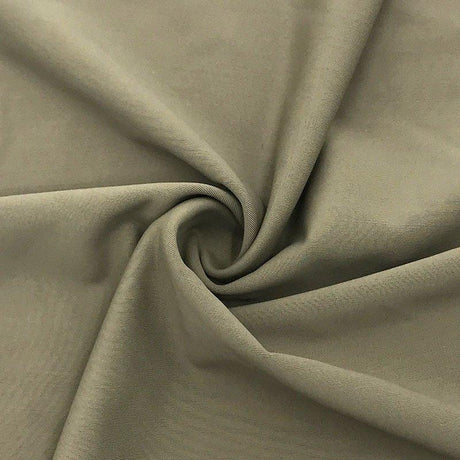
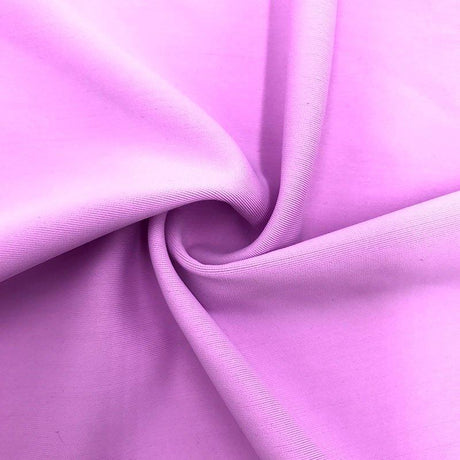
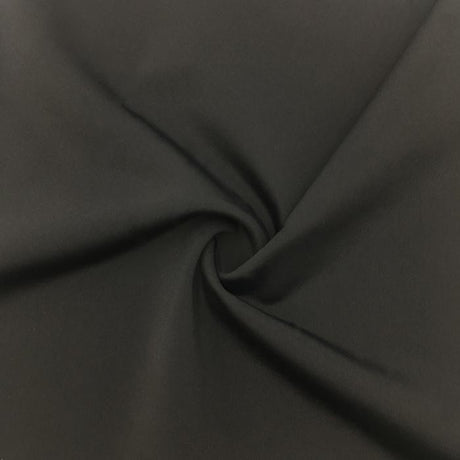
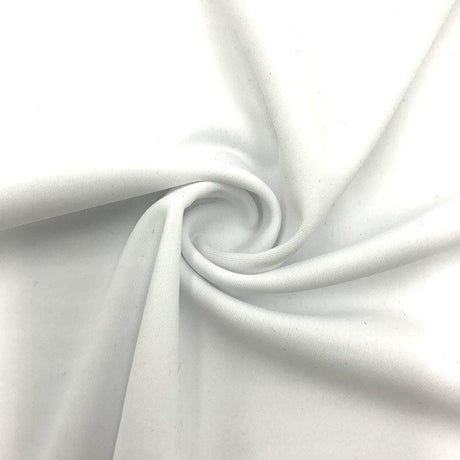
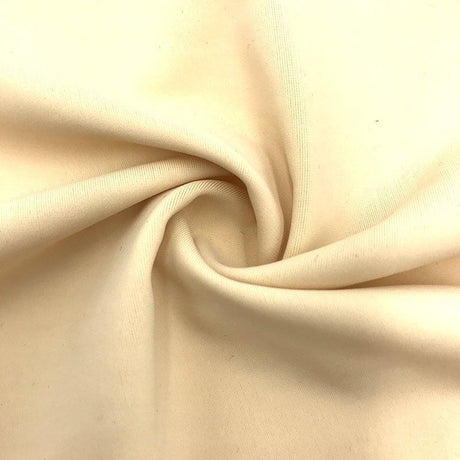
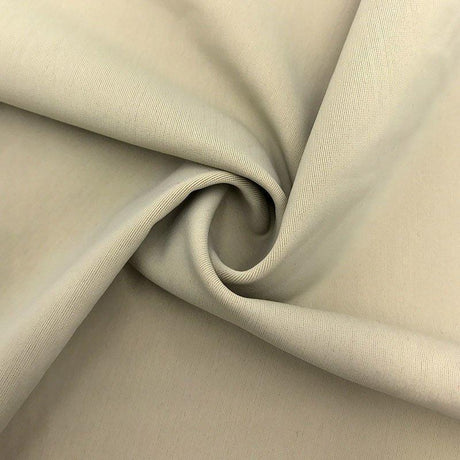
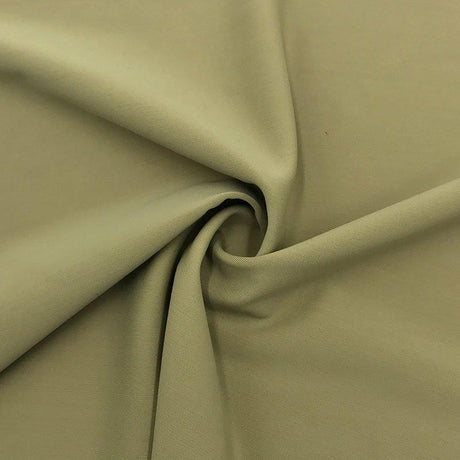
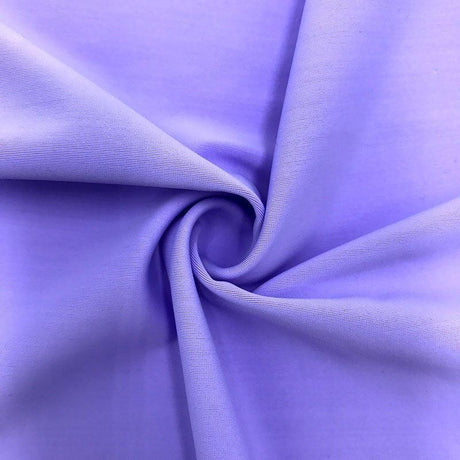
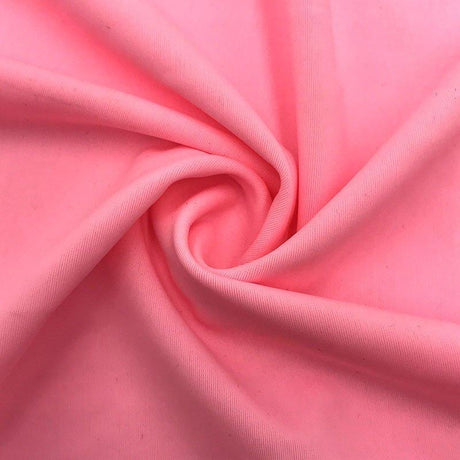
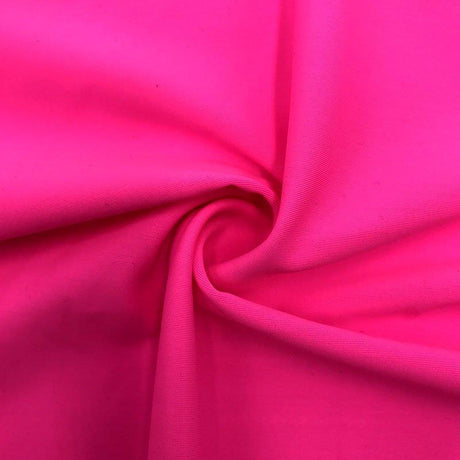
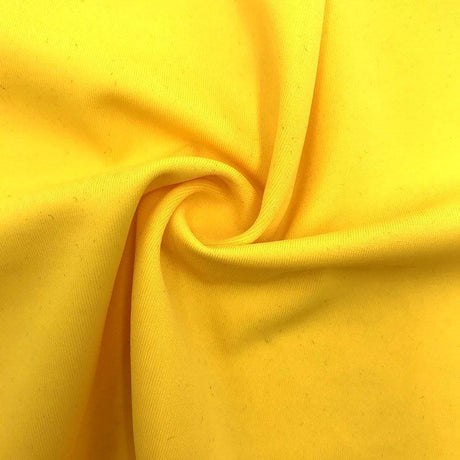
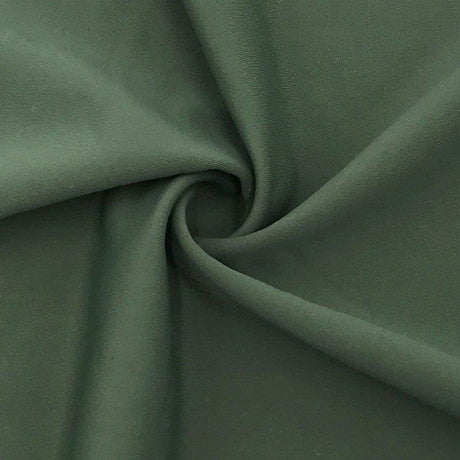
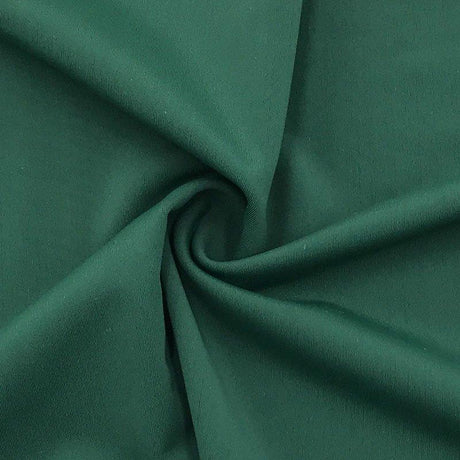
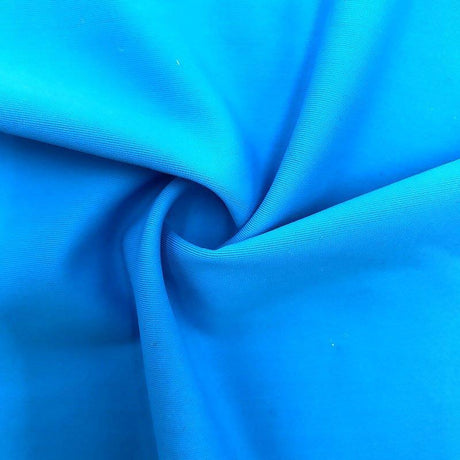
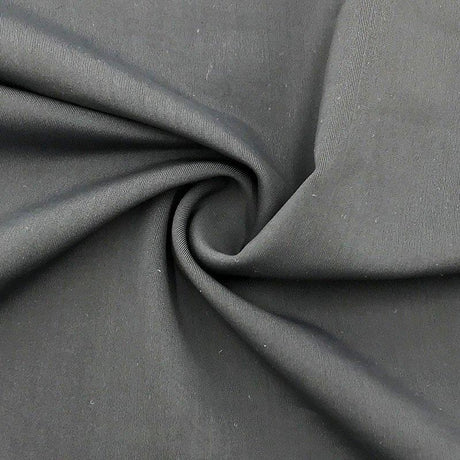
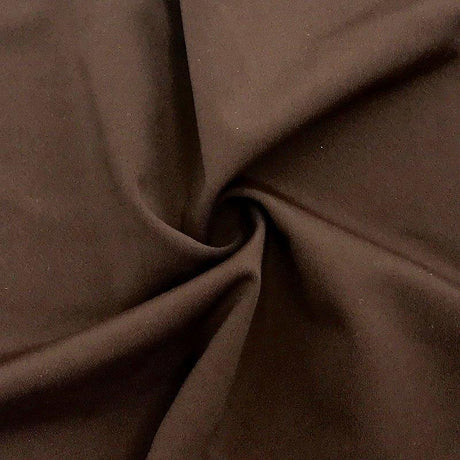
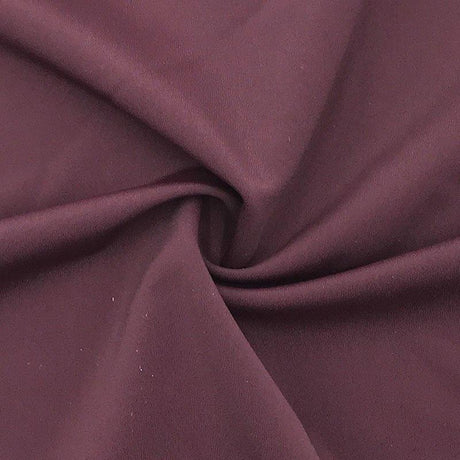
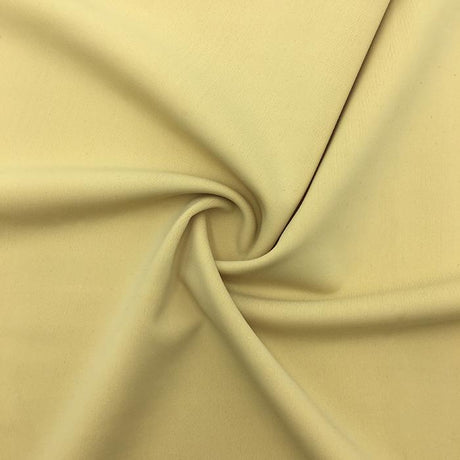
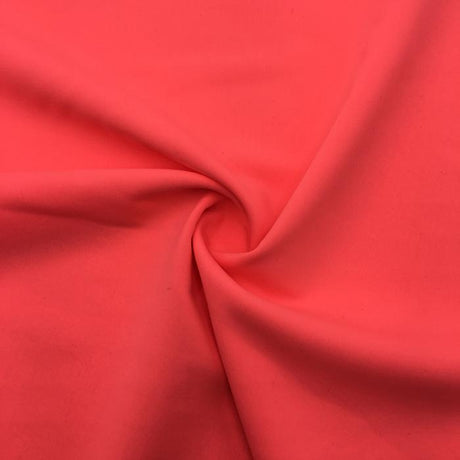
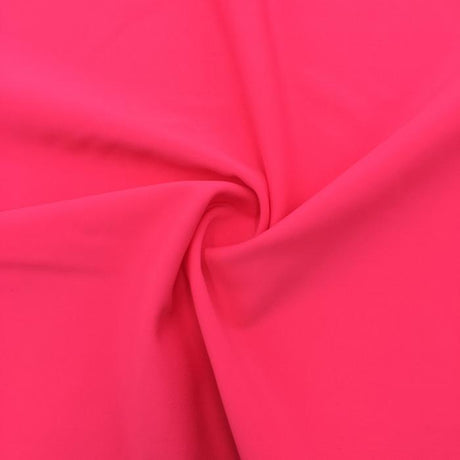
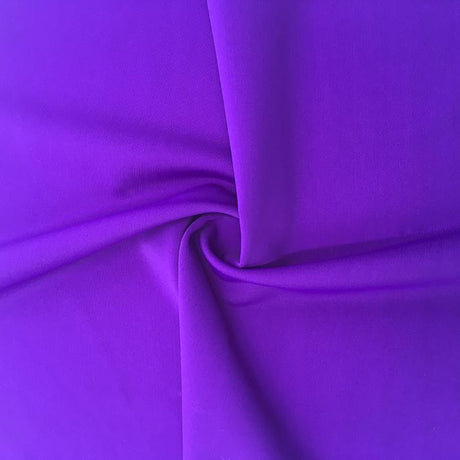
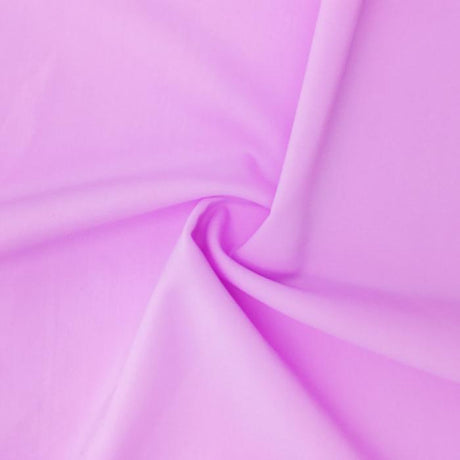
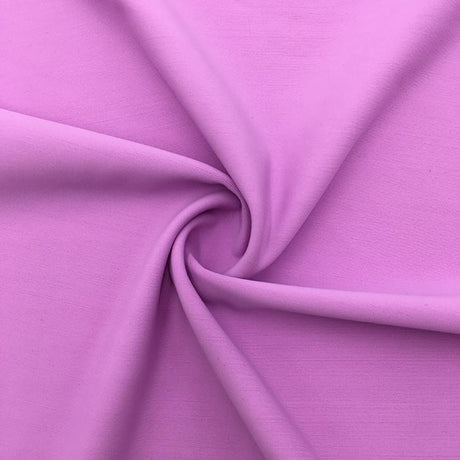
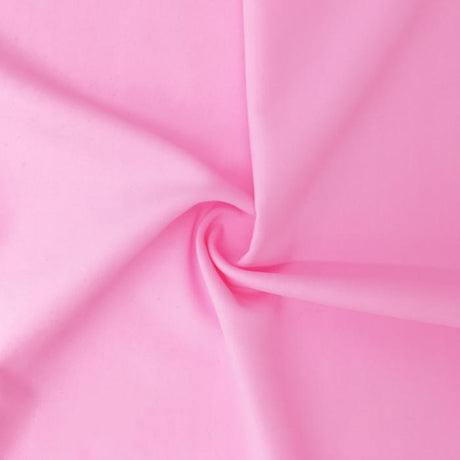
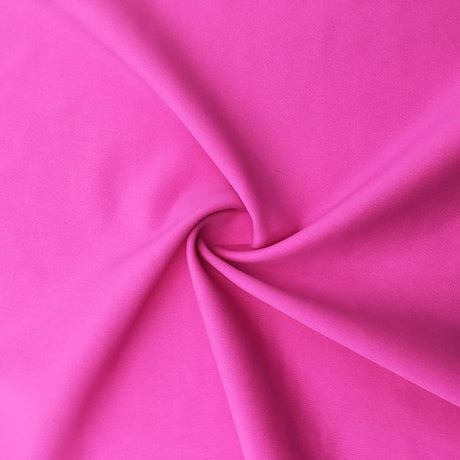
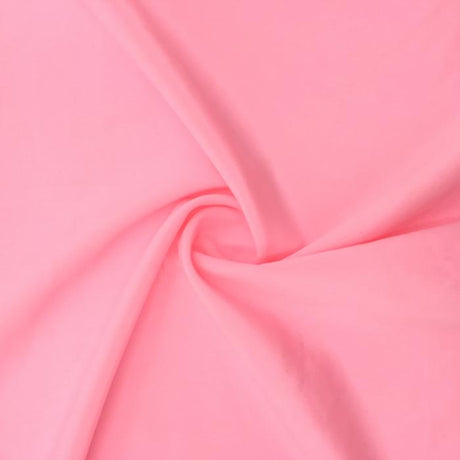
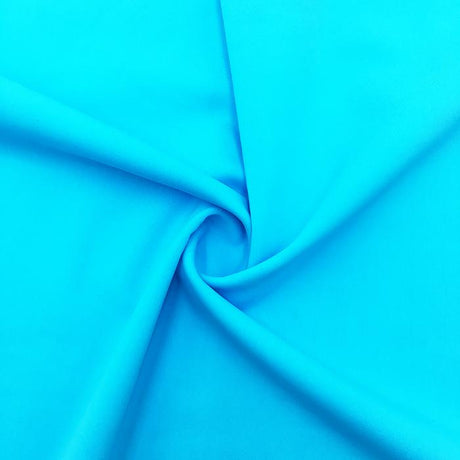
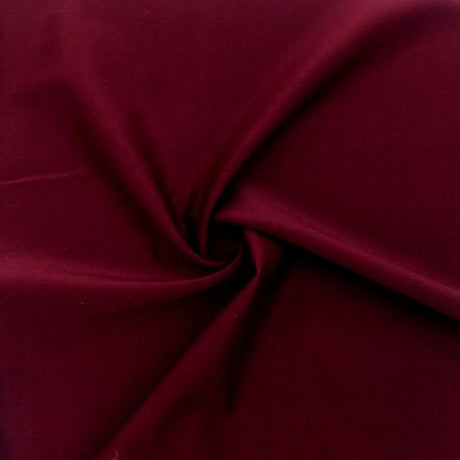
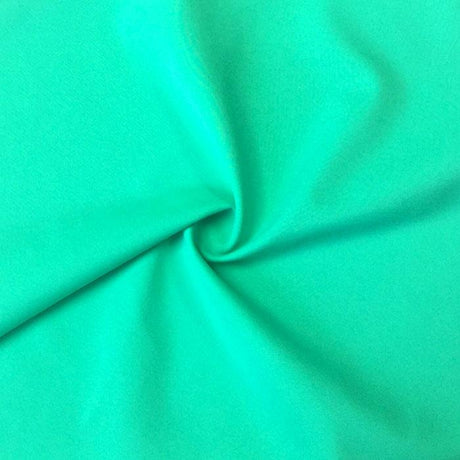
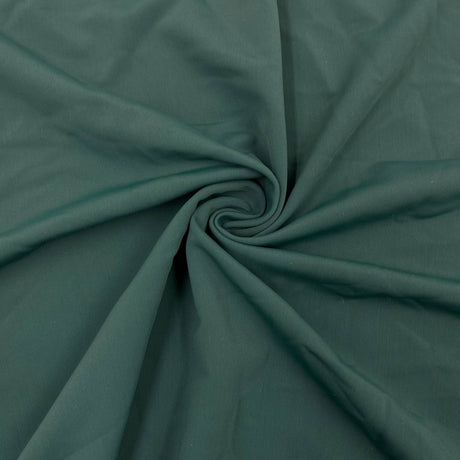
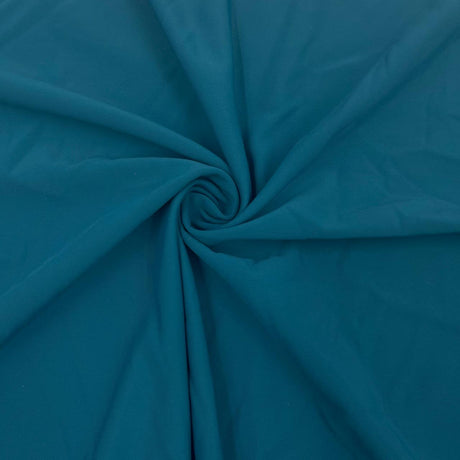
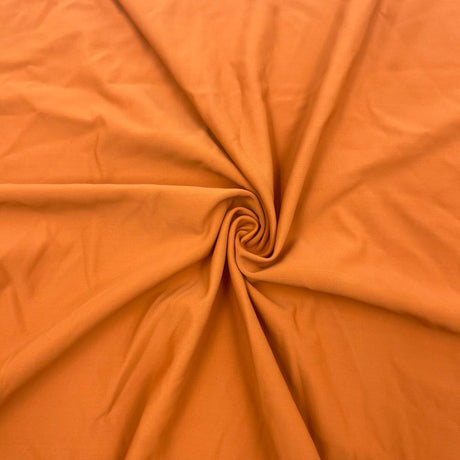
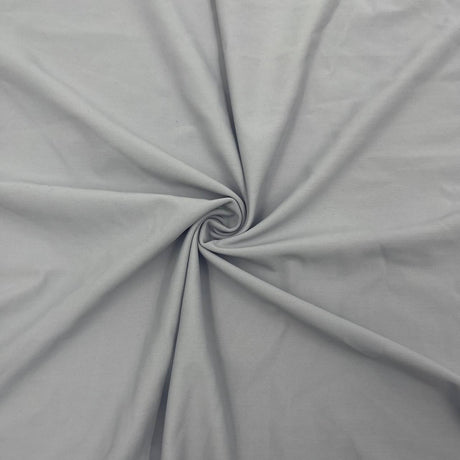
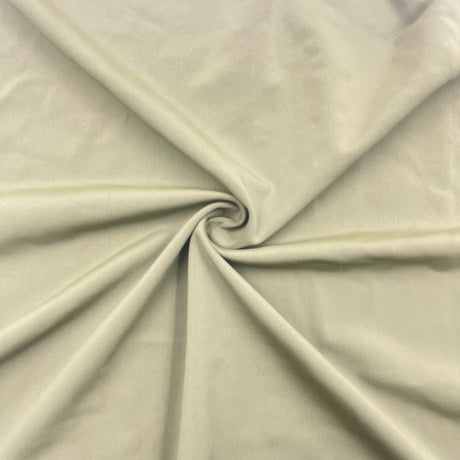
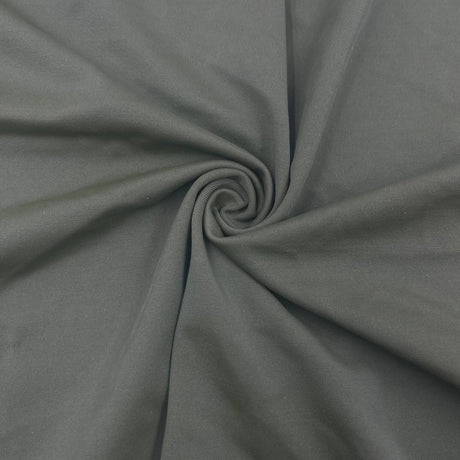
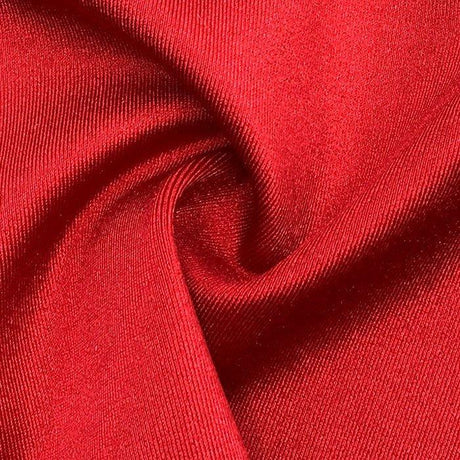
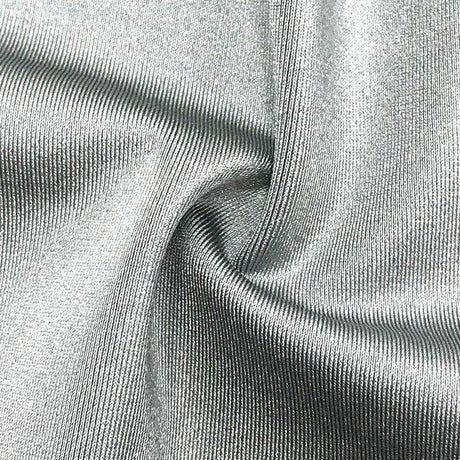
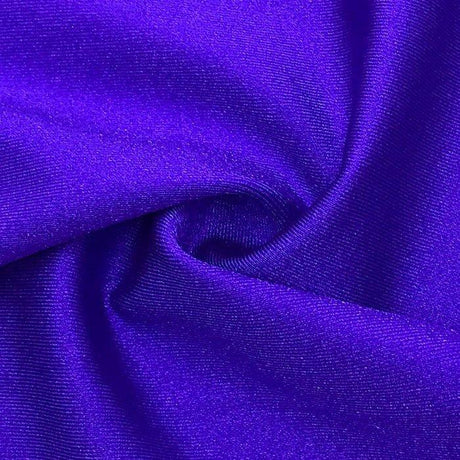
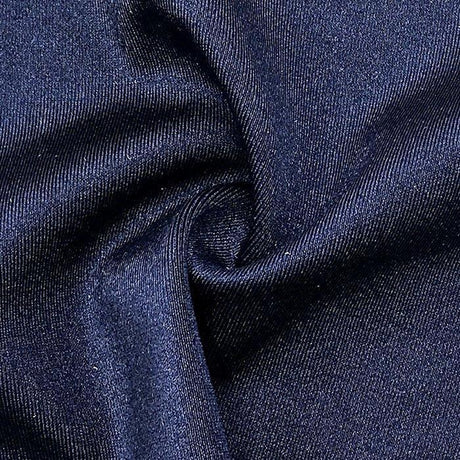
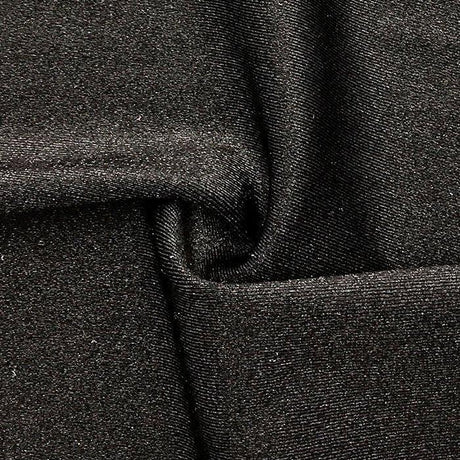
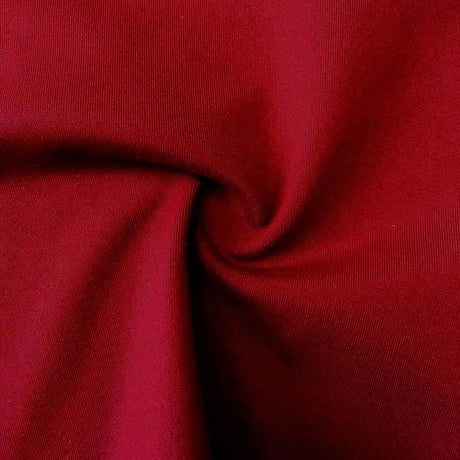
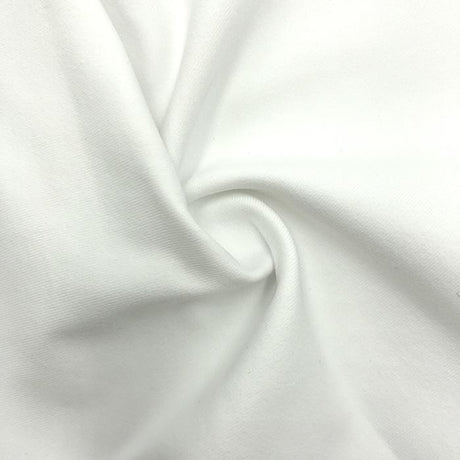
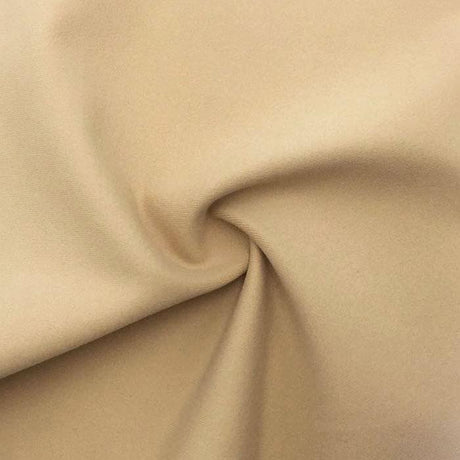
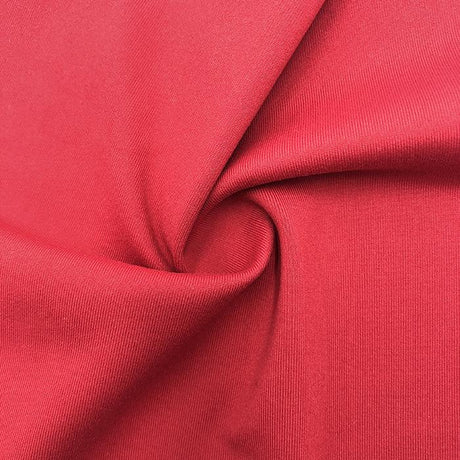
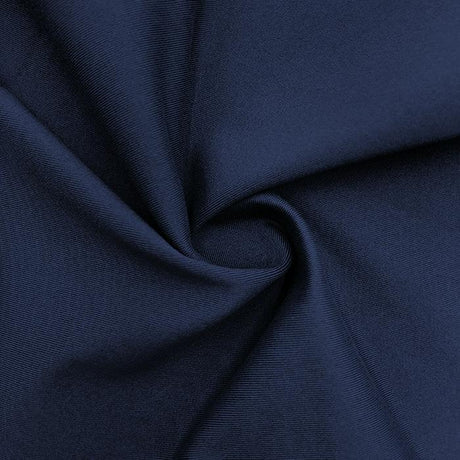
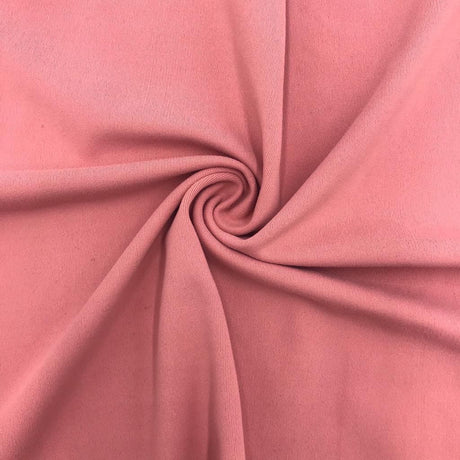
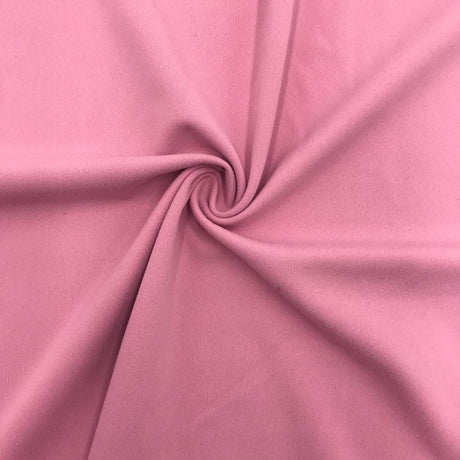
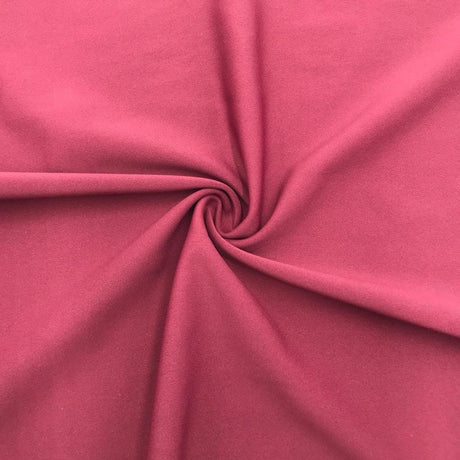
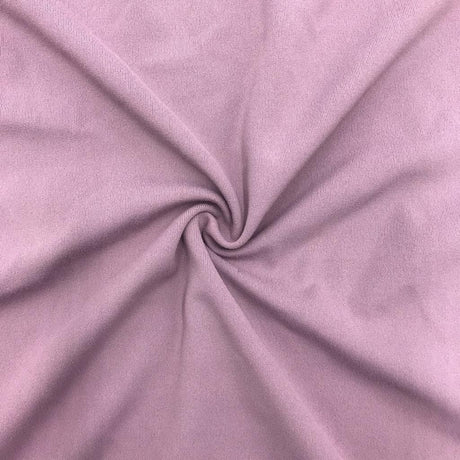
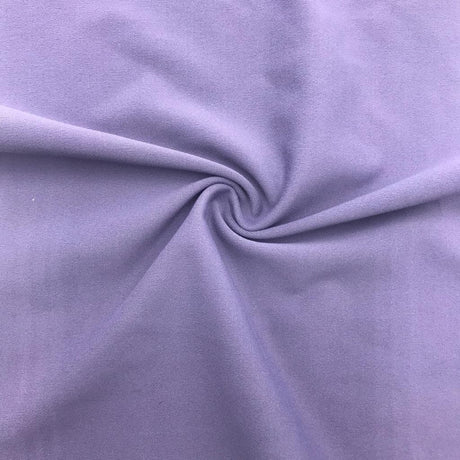
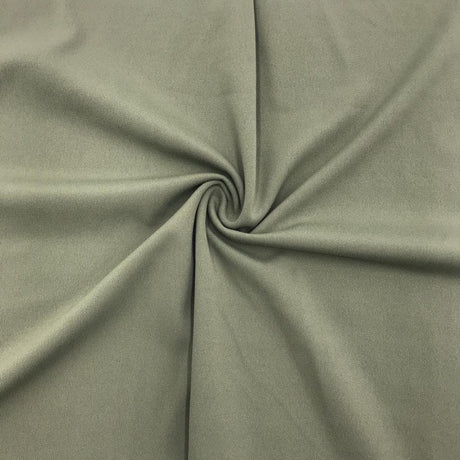
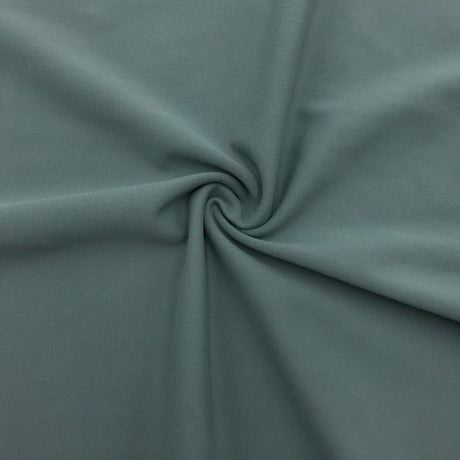
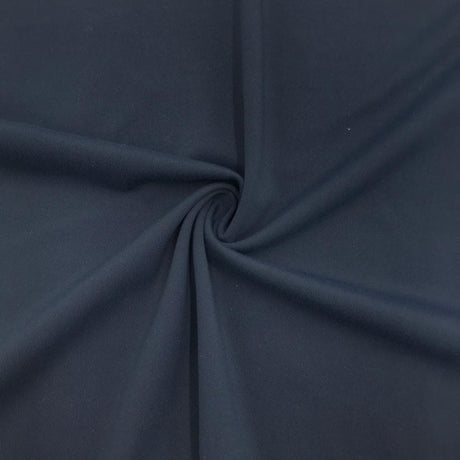
For the soft, comfortable feel these slow, mindful workouts call for, brushed nylon spandex is an excellent choice. Our brushed nylon spandex has a smooth, buttery surface that feels gentle through long holds and floor work, with the four-way stretch and strong recovery that keep leggings in place during extension. Its matte finish also reads clean and professional in a studio setting.
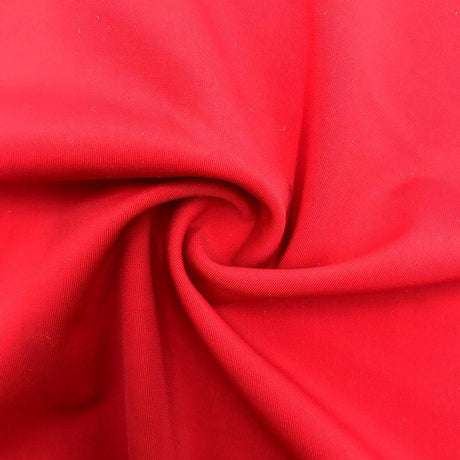
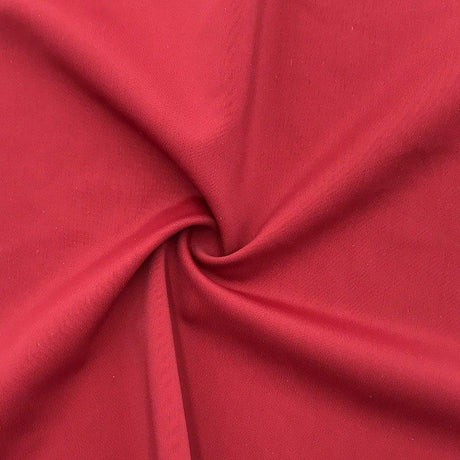
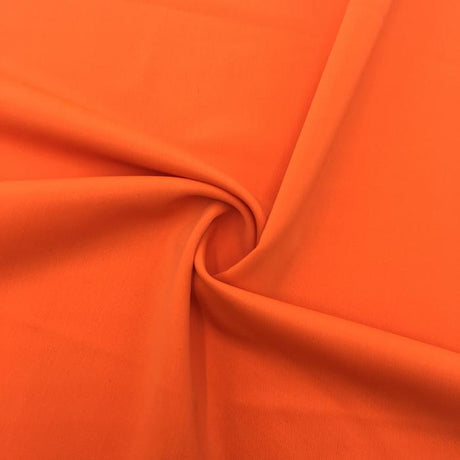
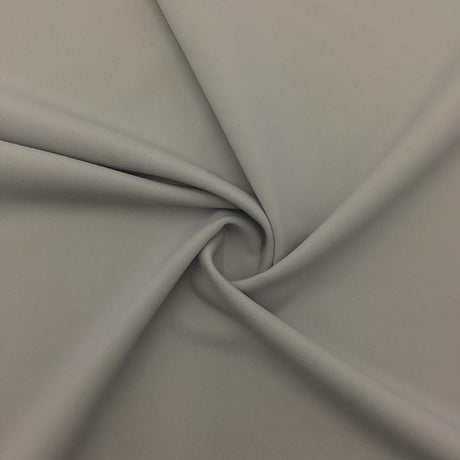
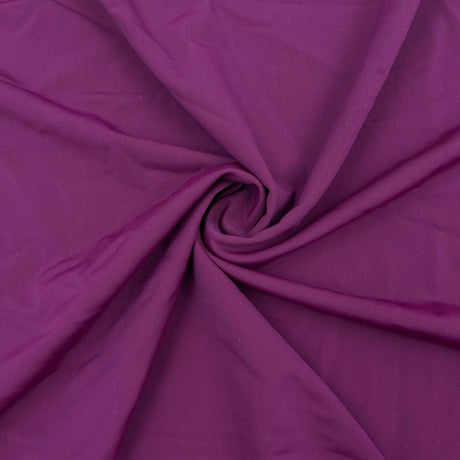
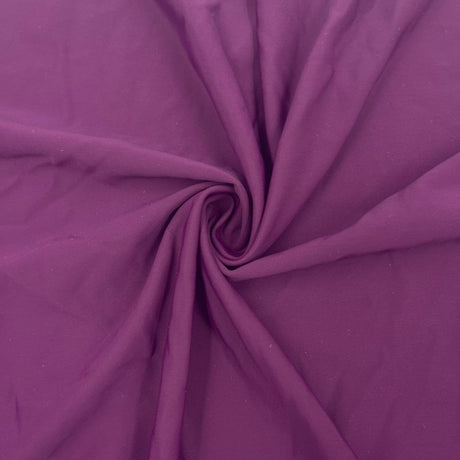
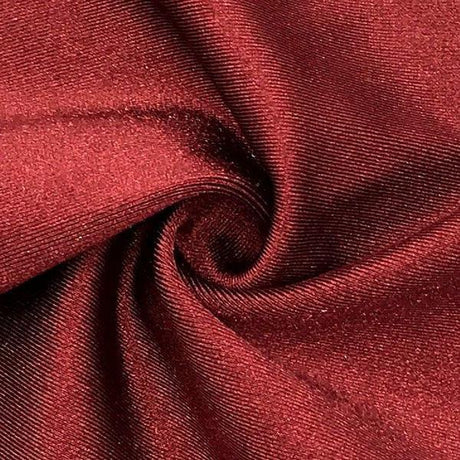
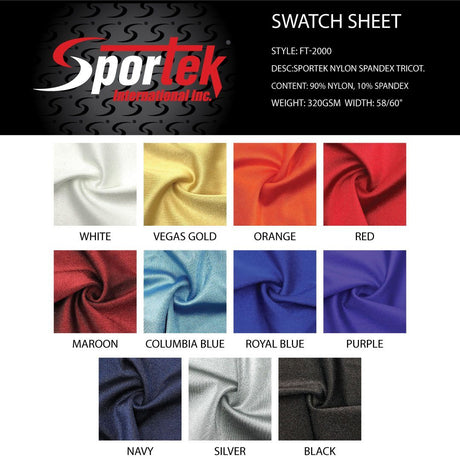
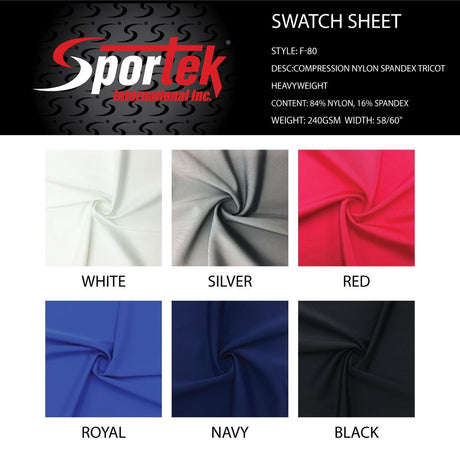
For a smoother, more supportive fit, our nylon spandex solids offer dependable opacity and recovery — important for fitted Pilates leggings and bodysuits where the instructor needs a clear line of the body. And for warmer studios or higher-energy barre classes, polyester spandex fabric adds moisture-wicking and holds printed colors vividly through frequent washing.
The Opacity Test Matters Most Here
Because Pilates and barre involve so much bending, folding, and floor work in full view of an instructor and mirror, opacity under stretch is non-negotiable. Always test fabric by stretching it over your hand — if your skin shows through when pulled, it will show through in a roll-up or a deep lunge. Denser fabrics in the higher GSM range, and darker colors, give you the most reliable coverage. This is the single most important check for studio wear.
Solids vs. Prints
Studio wear looks great in both clean solids and subtle prints. Our solid spandex fabric by the yard offers timeless, versatile coverage that keeps the focus on form, while the printed spandex collection adds personality. For the calm, grounded aesthetic of Pilates and barre, softer patterns like floral spandex or fluid abstract spandex suit the mood beautifully without being distracting.
Choosing Colors
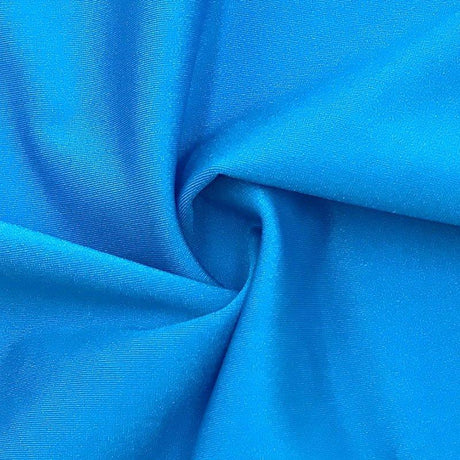
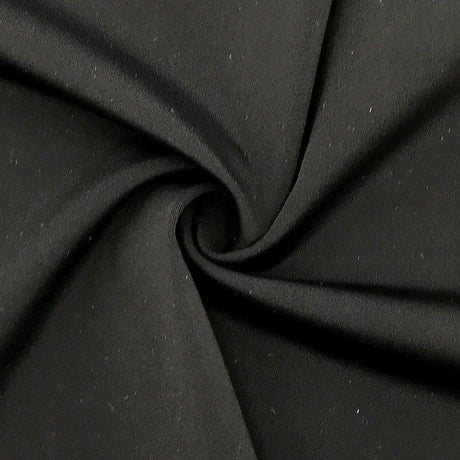
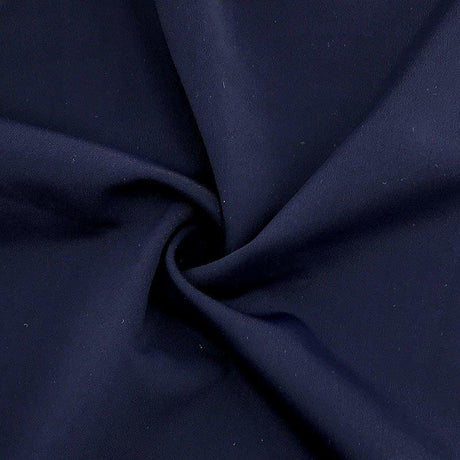
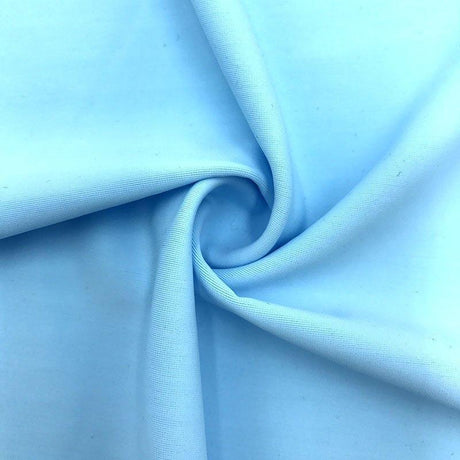
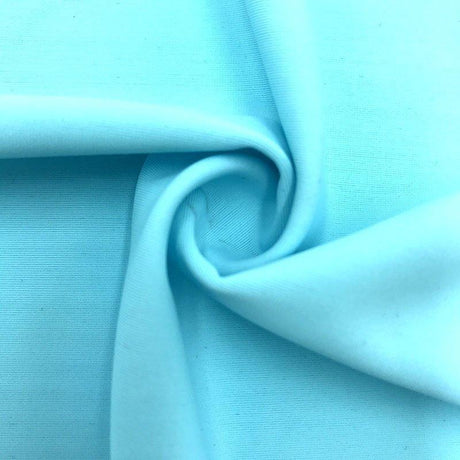
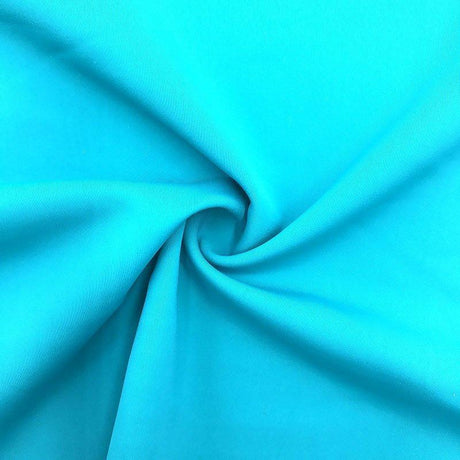
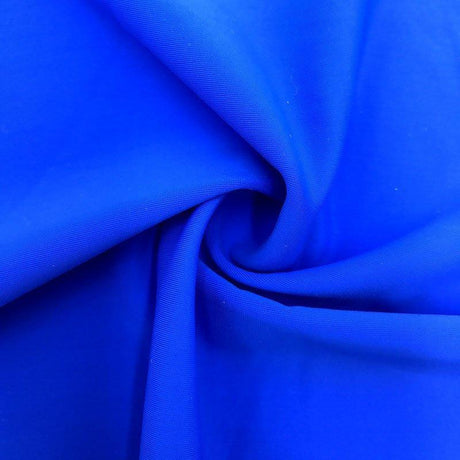
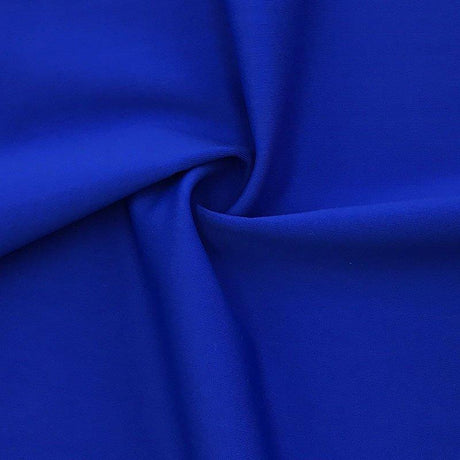
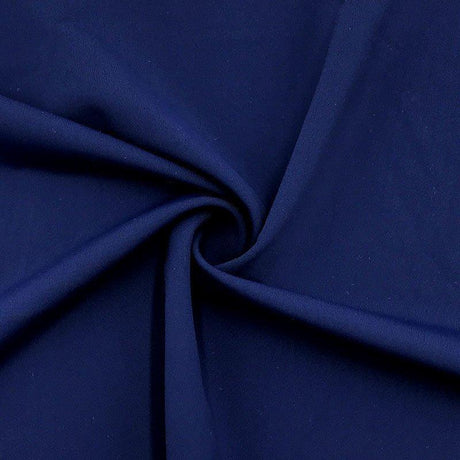
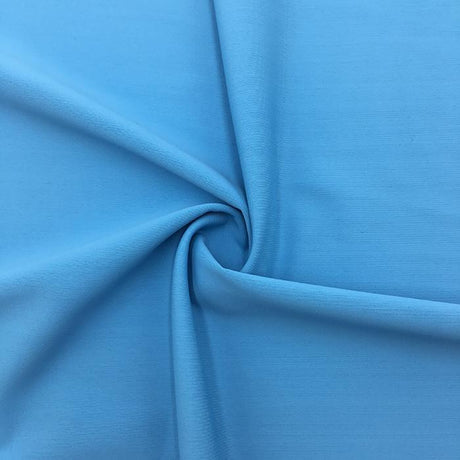
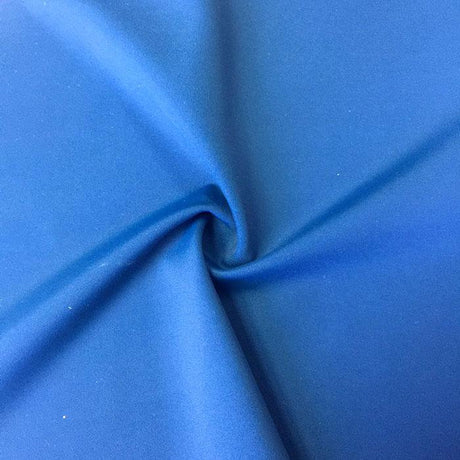
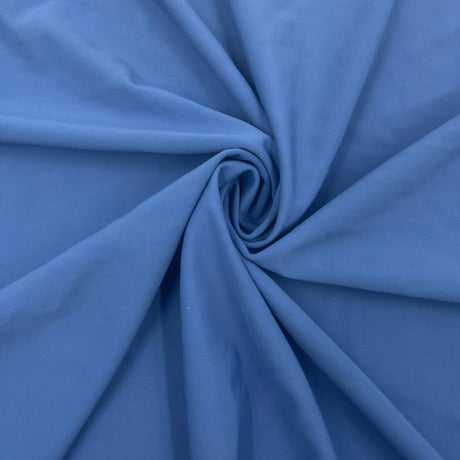
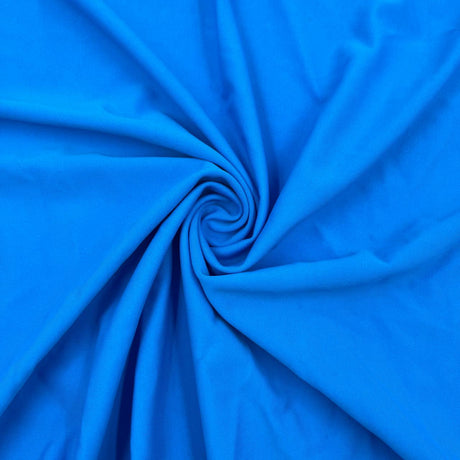
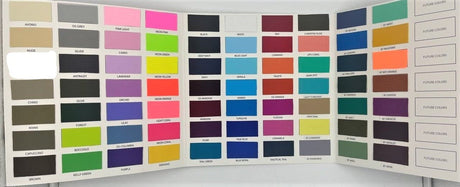
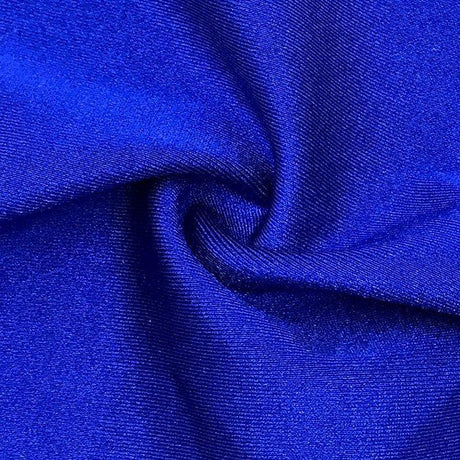
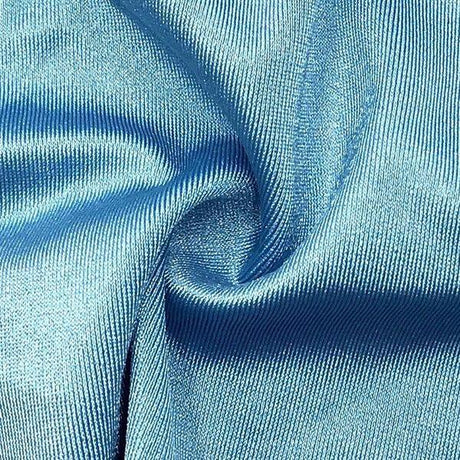
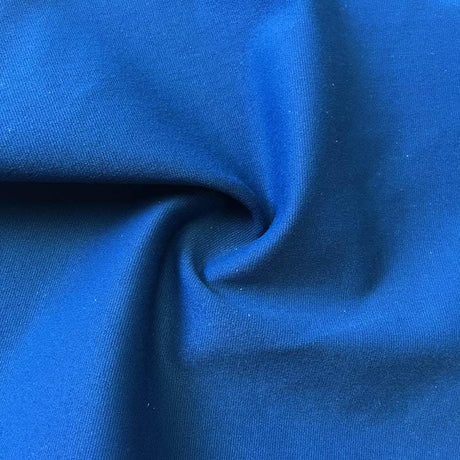
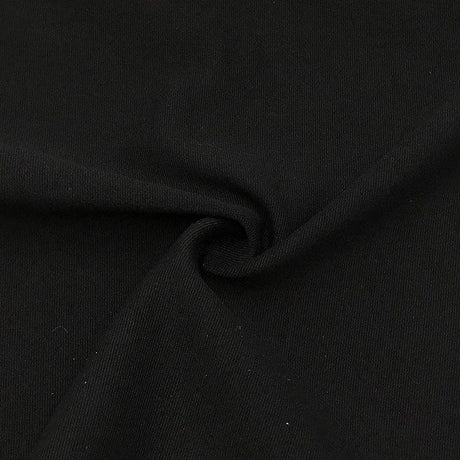
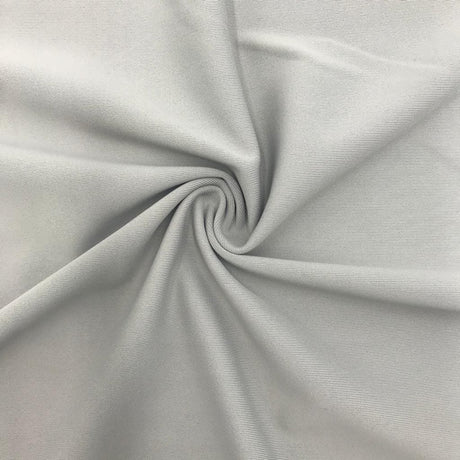
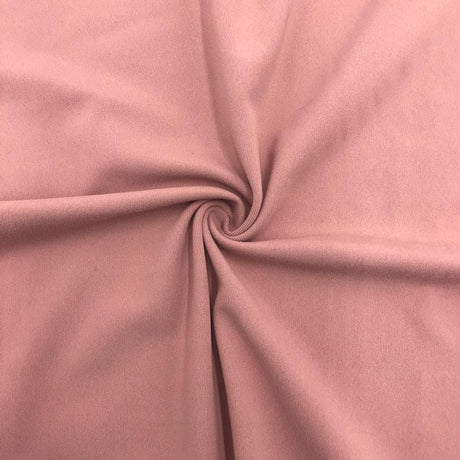
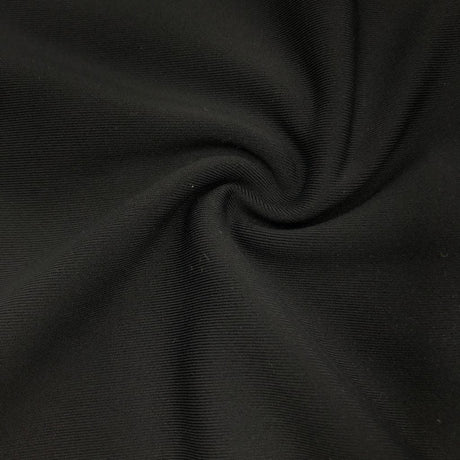
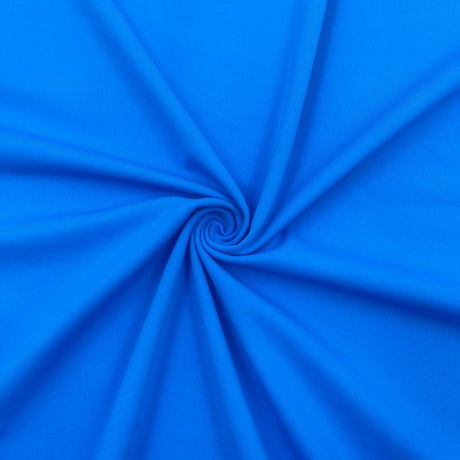
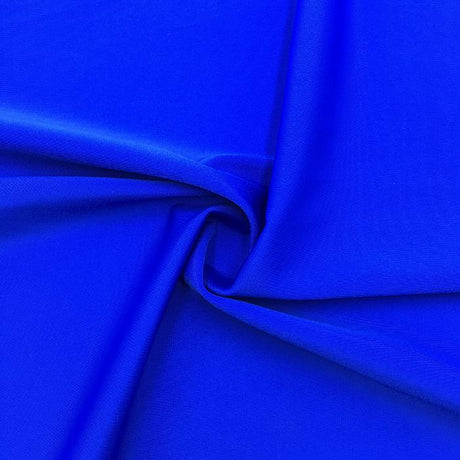
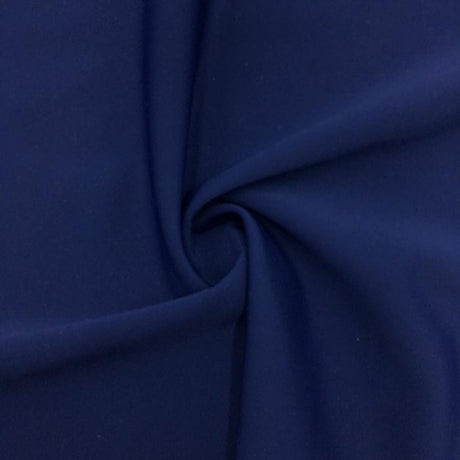
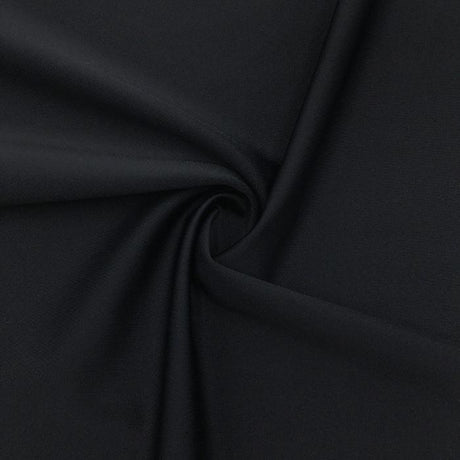
For form visibility and reliable opacity, darker shades lead — black spandex fabric is the studio staple for exactly this reason, flattering and worry-free in every position. Calming tones like blue spandex fabric or soft neutrals also suit the grounded feel of these practices. If you choose a lighter color, be sure to pick a dense, high-quality fabric so it holds up to the opacity test.
Garment Styles for the Studio
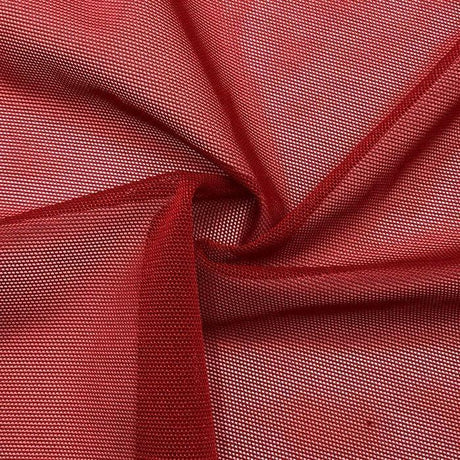
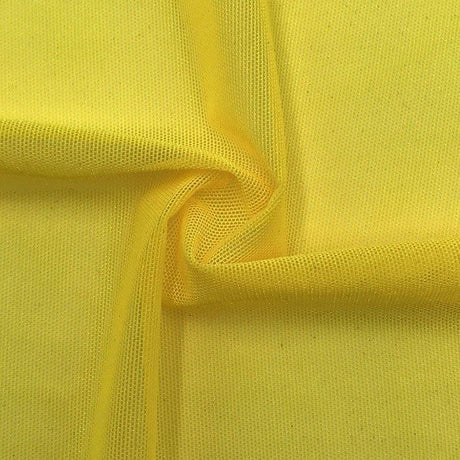
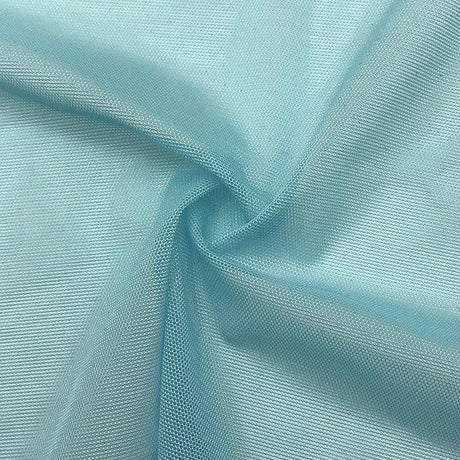
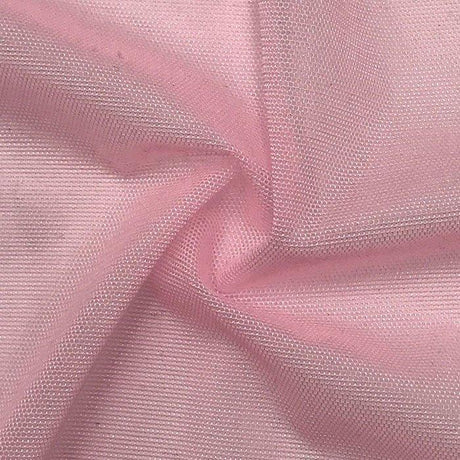
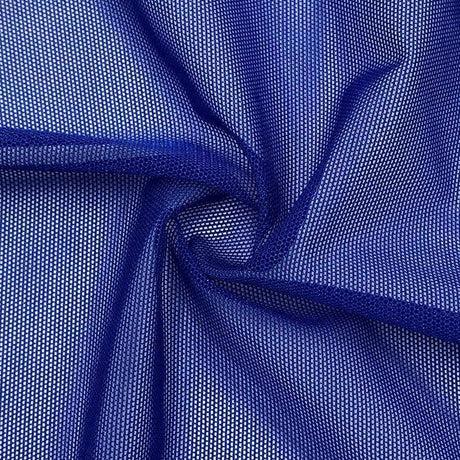
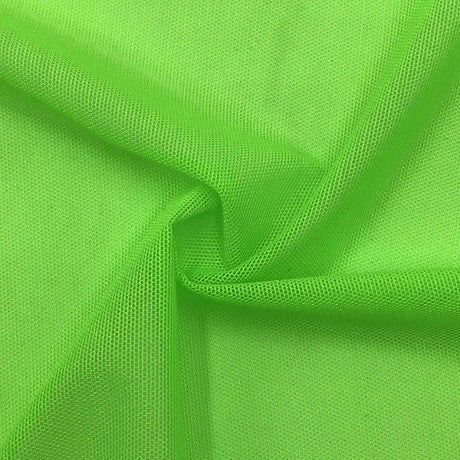
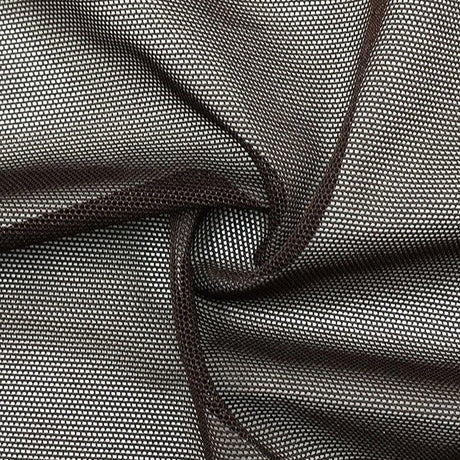
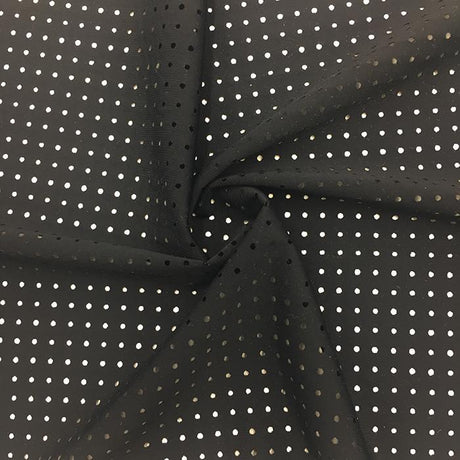
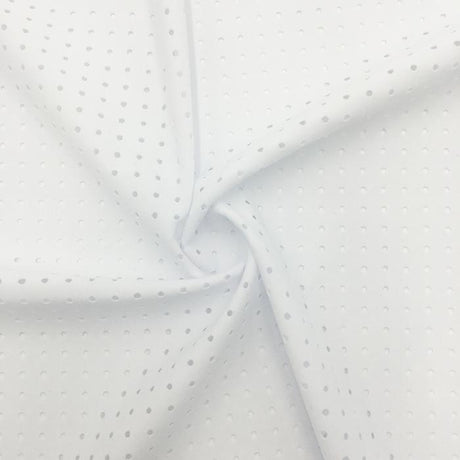
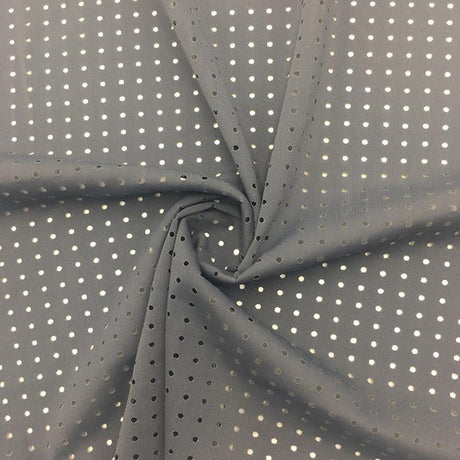
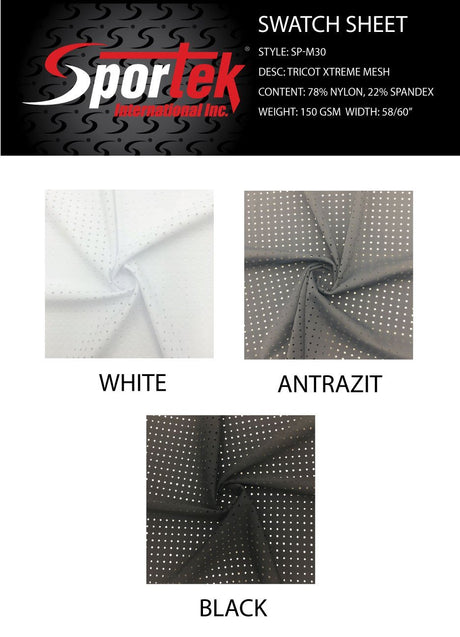
Pilates and barre wardrobes lean toward fitted, streamlined pieces: high-rise leggings or capris with a supportive waistband that stays put through inversions, fitted tops or bodysuits that don't ride up during roll-ups, and sometimes cropped lengths that let instructors see ankle and foot alignment. A wide, high-rise waistband is especially valuable here — it stays secure through the constant transitions between standing, seated, and floor work. Adding performance mesh panels can improve airflow in warmer studios without compromising coverage.
Tips for Sewing Pilates & Barre Wear
Sewing studio wear rewards clean, flat construction. Use a stretch or ballpoint needle, and sew seams with a serger or a zigzag/stretch stitch so they flex fully through extension. Flatlock or coverstitch seams lie smooth against the skin and won't irritate during long floor holds. Cut pieces with the greatest stretch wrapping around the body, and use negative ease so leggings and tops fit snugly and stay put.
Pay special attention to the waistband and hems, since these take the most stress during transitions — reinforce them well. Choose a fabric with proven snag and pill resistance if your pieces will see reformer or barre contact, and avoid loose weaves that catch on equipment. As always, pre-wash your fabric the way you'll launder the finished garment to rule out shrinkage before you cut.
Related Reading & Where to Go Next
Pilates and barre wear sits within the wider world of studio and fitness apparel. For a broader range of options, explore our activewear fabric collection, and for soft pieces that transition from the studio to the street, browse athleisure fabric. The same fabrics and techniques carry directly across, so a Pilates wardrobe pairs naturally with the rest of your activewear projects.
Discover New Studio Fabrics
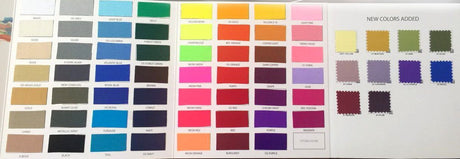
Fresh colors and soft, studio-ready prints arrive throughout the year. Browse the new fabric arrivals collection for the latest stretch fabrics, and check back often to catch new designs before they sell out.
Final Thoughts
The best fabric for Pilates and barre wear is fitted and fully opaque so instructors can read your form, soft and flexible enough for deep controlled extension, and tough enough to resist snags and pilling against equipment. Start with a soft brushed nylon or a supportive nylon spandex, prioritize opacity above all, choose darker or denser fabrics for reliable coverage, and finish with smooth flat seams and a secure high-rise waistband. With the right fabric by the yard, you can make studio wear that supports every roll-up, extension, and hold — and looks clean and professional doing it.