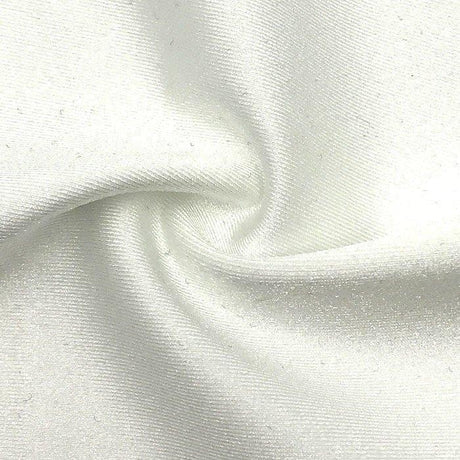
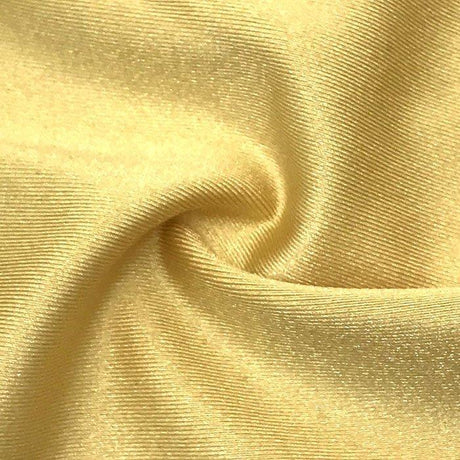
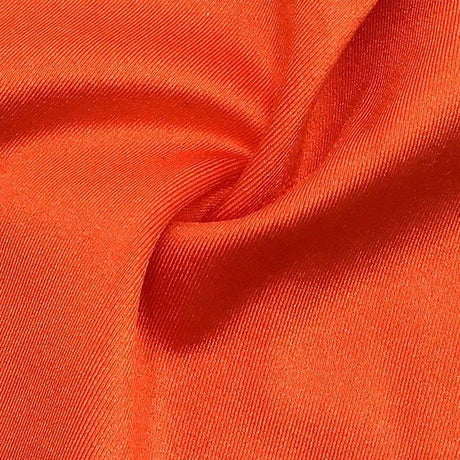
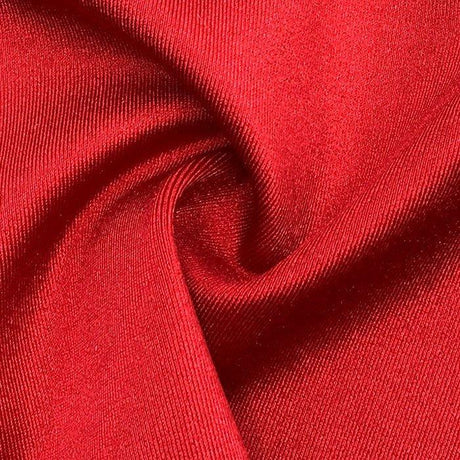
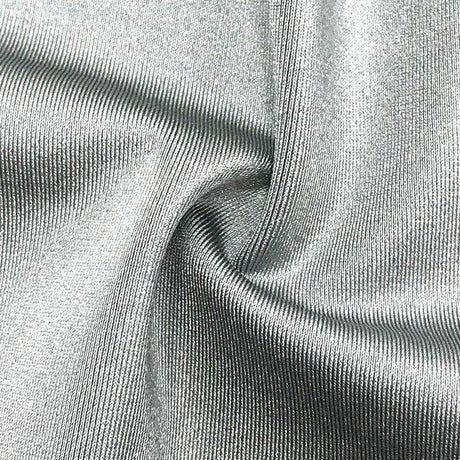
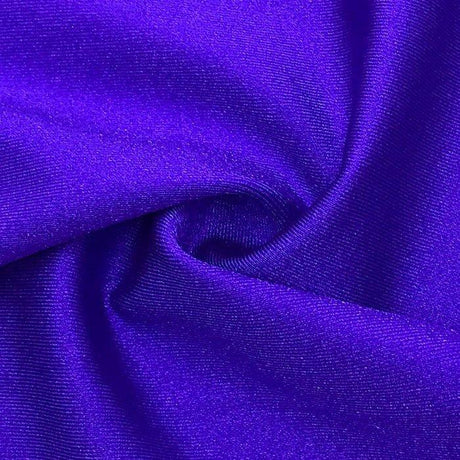
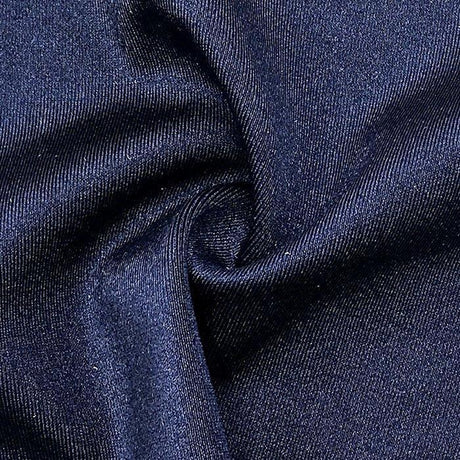
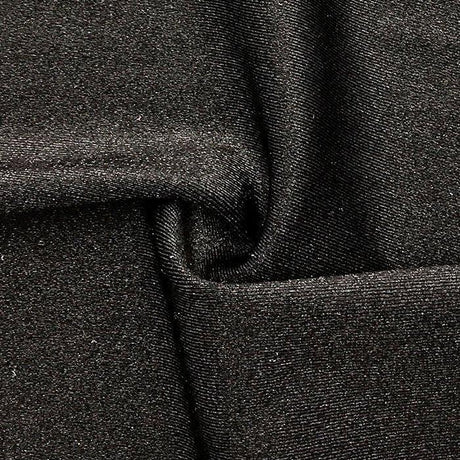
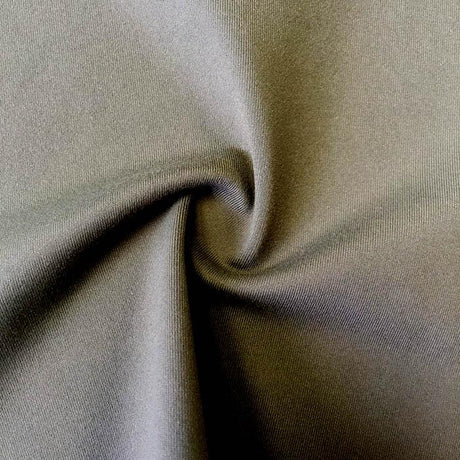
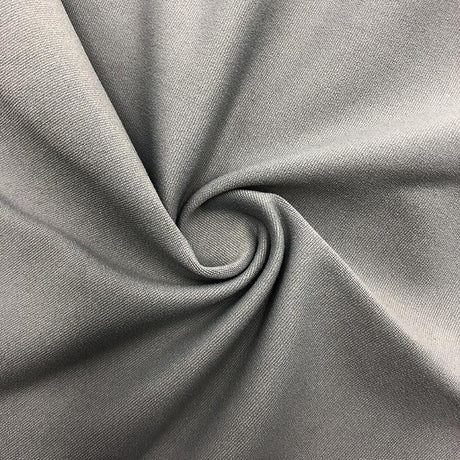
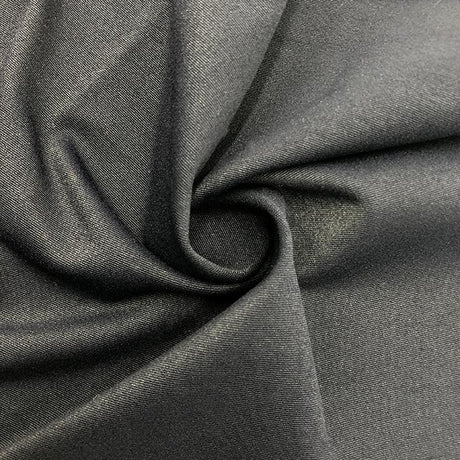
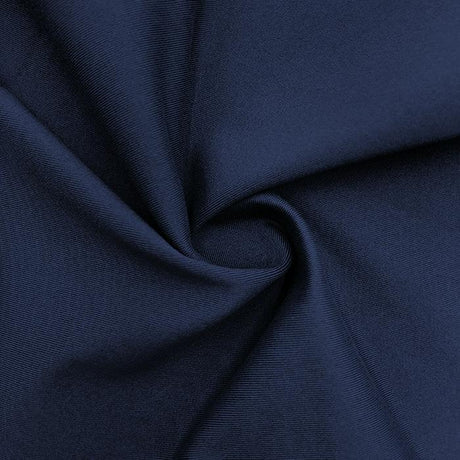
A triathlon suit faces a challenge no other garment does: it has to perform across swimming, cycling, and running in a single piece, with no costume change between legs. That means the fabric must dry almost instantly after the swim, resist waterlogging, offer light compression for the bike and run, and never chafe through hours of motion. Choosing the right material is what separates a tri-suit that helps you race from one that holds you back. This guide covers exactly what to look for in triathlon fabric, the best materials, and how to sew a suit built for all three disciplines.
What Makes Triathlon Fabric Unique?
The defining requirement is quick-dry, no-waterlog performance. A tri-suit gets soaked in the swim and has to be nearly dry by the time you're on the bike, so the fabric must shed water fast rather than absorbing and holding it. Close behind is moisture management for the bike and run legs, where you switch from wet to sweating and need the fabric to keep wicking.
Light compression is the next priority — enough to support muscles and reduce fatigue over a long race, without the heavy squeeze of dedicated compression gear. The fabric also needs strong four-way stretch and recovery for the full range of motion across three sports, and above all a smooth, chafe-free surface, since a triathlon means hours of repetitive movement where even minor friction becomes a serious problem.
The Best Materials for Tri-Suits
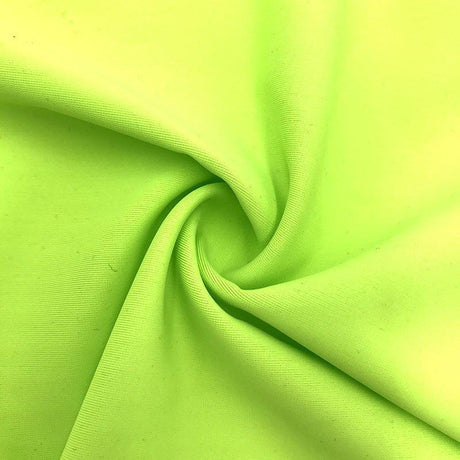
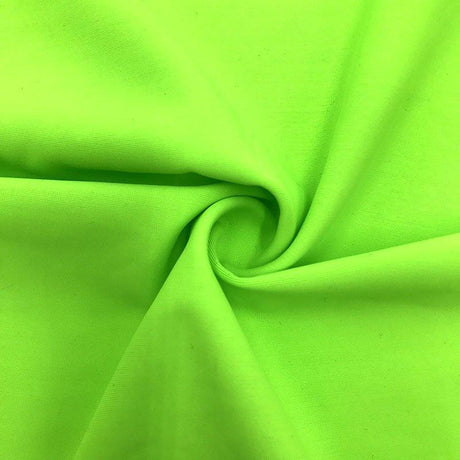
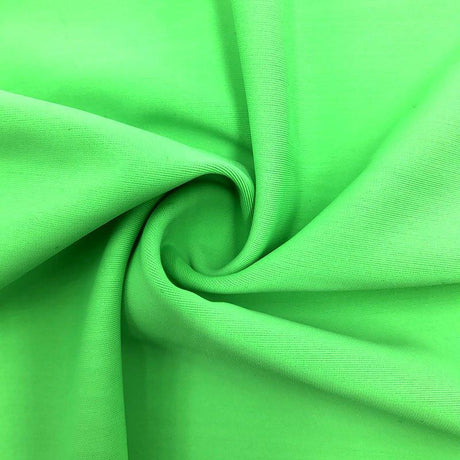
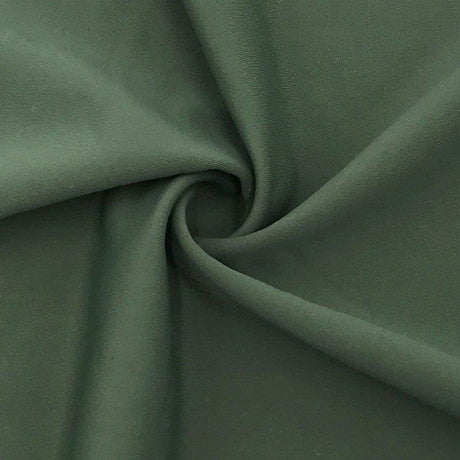
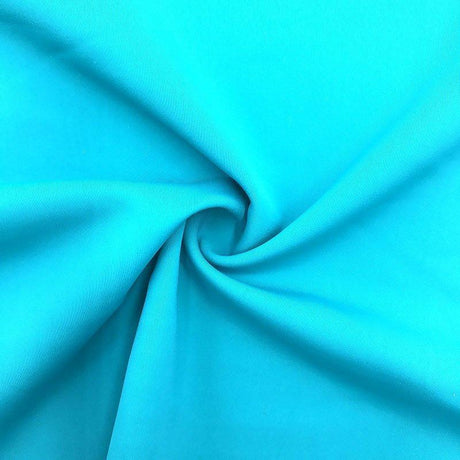
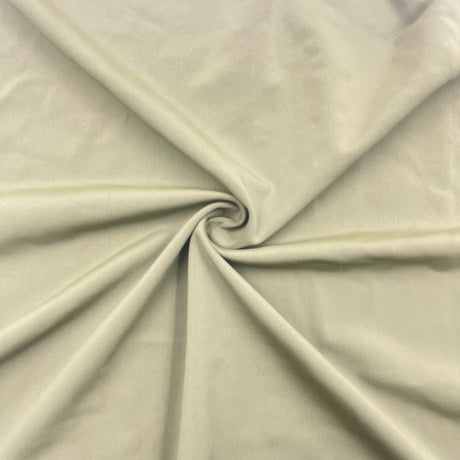
For triathlon, polyester-based stretch is usually the smartest choice. Our polyester spandex fabric is naturally hydrophobic — it pushes moisture to the surface to evaporate rather than soaking it up — which is exactly what a tri-suit needs to dry quickly after the swim and keep wicking on the run. It also resists chlorine for pool training and holds color through heavy sun and repeated washing.
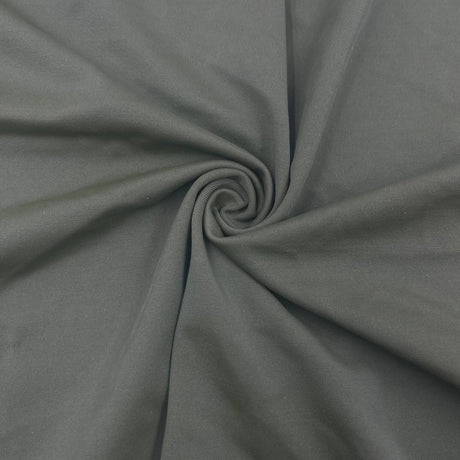
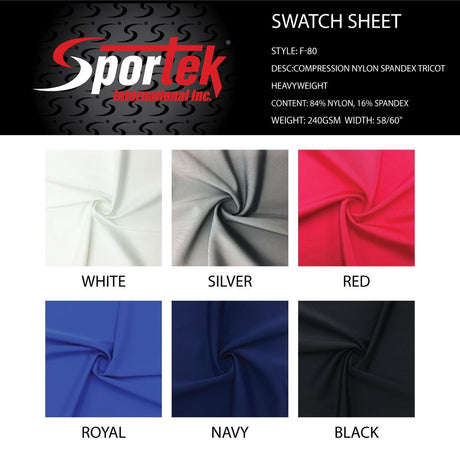
For the compression and recovery side, our nylon spandex offers excellent stretch recovery and a smooth, muscle-hugging fit, making it a strong option for the body of the suit where light compression matters. Many tri-suits combine the two — a quick-dry polyester main body with nylon spandex panels for support — to get the best of both.
Breathability and Ventilation
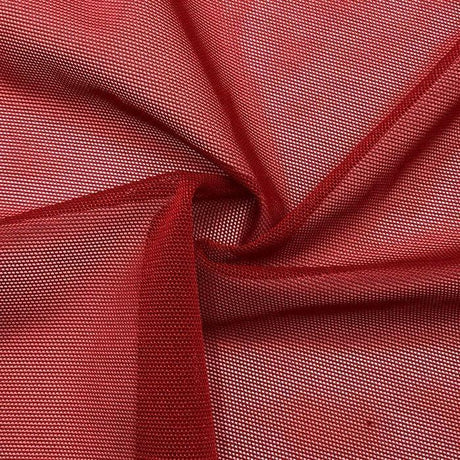
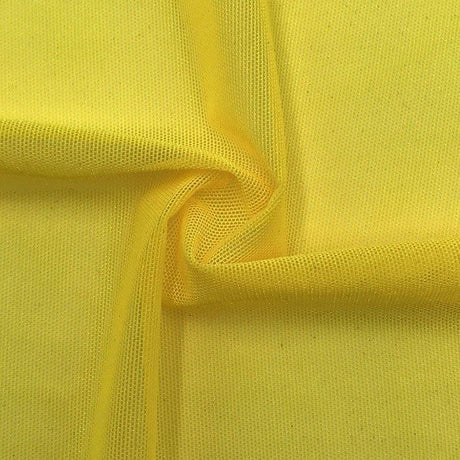
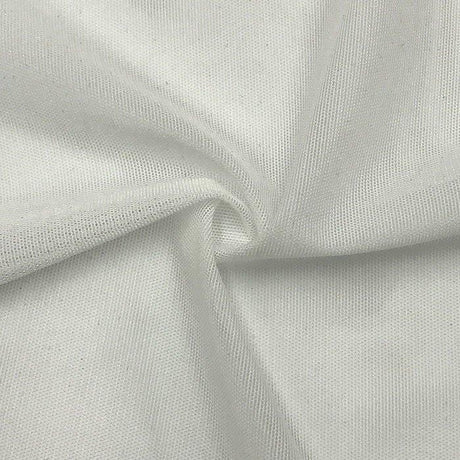
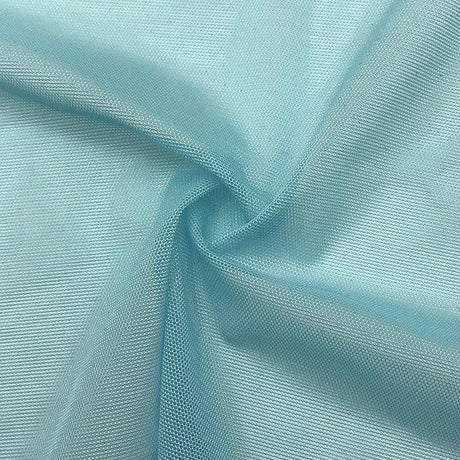
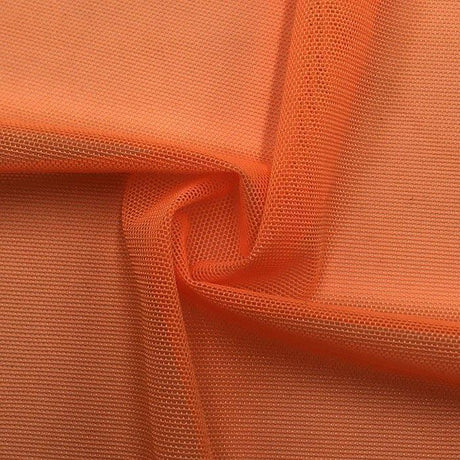
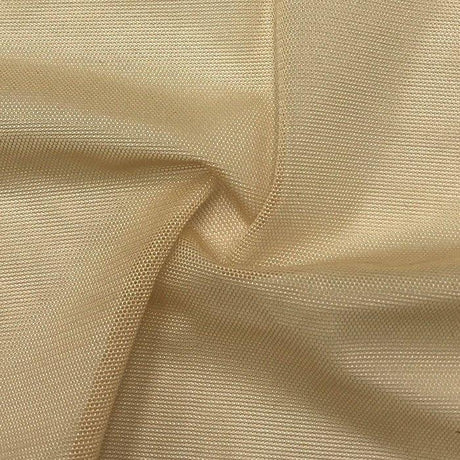
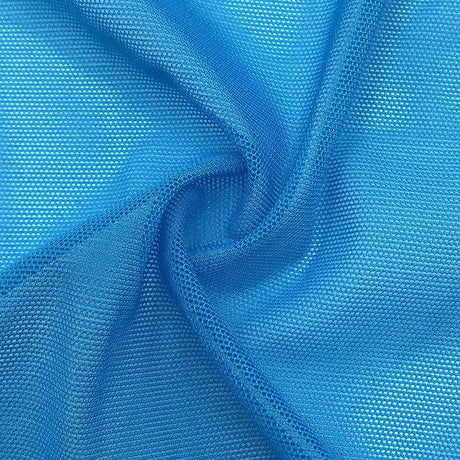
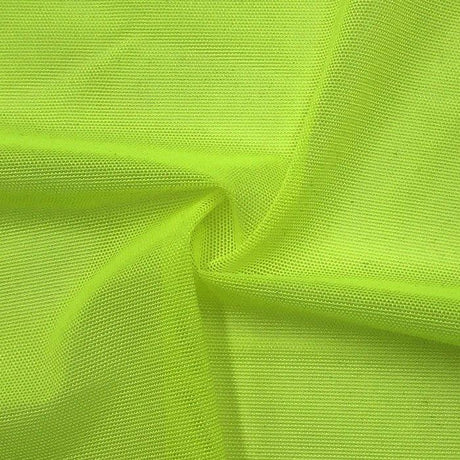
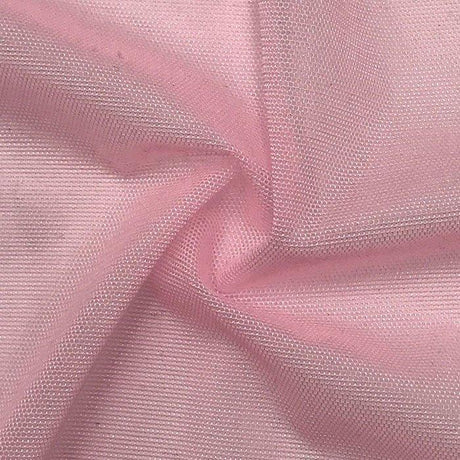
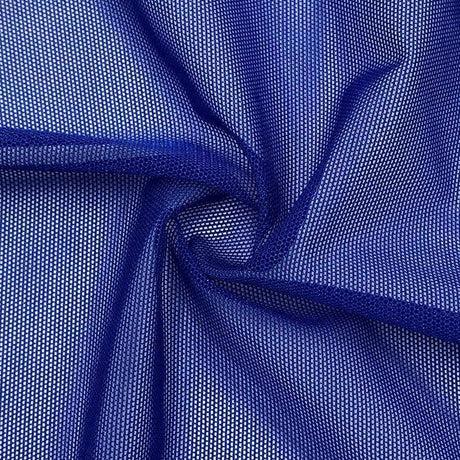
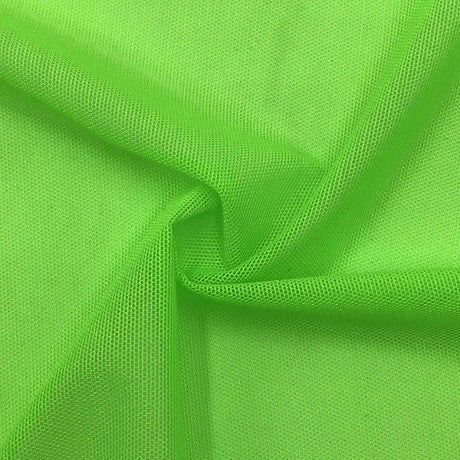
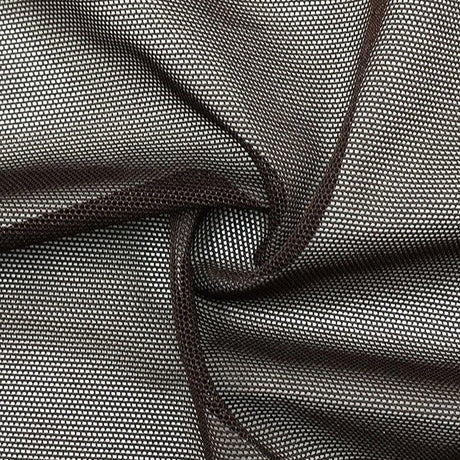
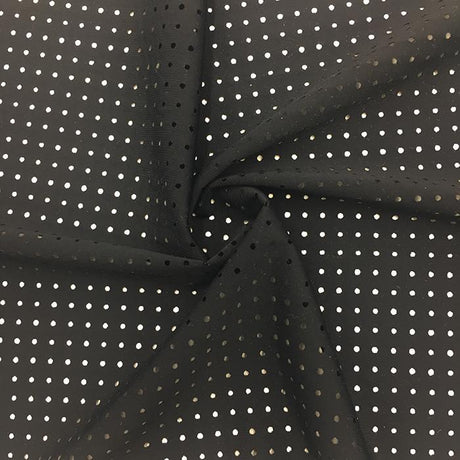
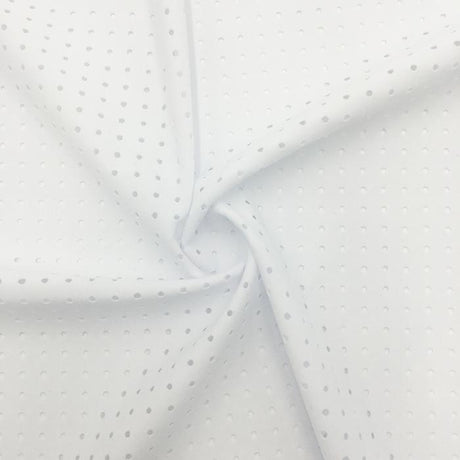
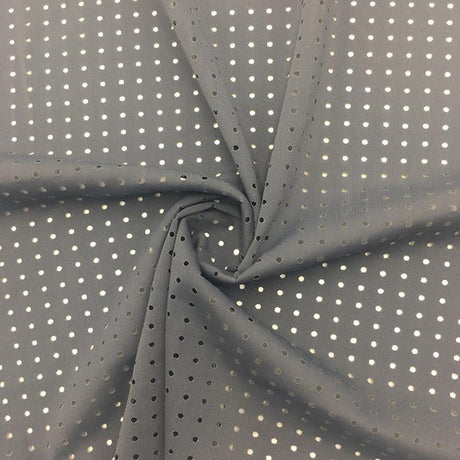
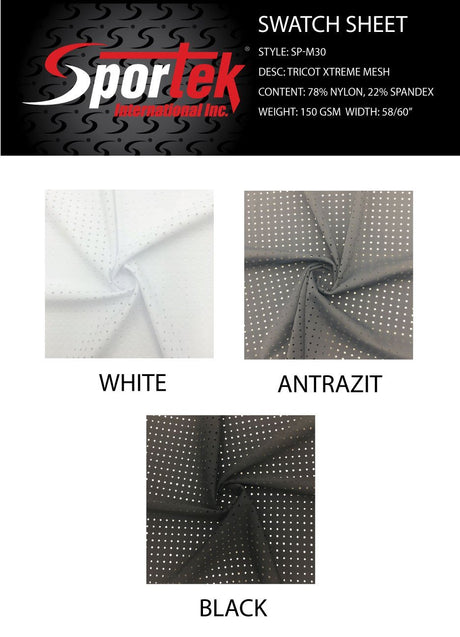
Heat management is critical across the bike and run, so ventilation is a key design feature. Adding performance mesh fabric panels — along the sides, back, or under the arms — releases heat and speeds drying exactly where the body needs it. Mesh inserts are a hallmark of well-designed tri-suits for precisely this reason, improving airflow without sacrificing the smooth, aerodynamic fit.
Solids vs. Prints
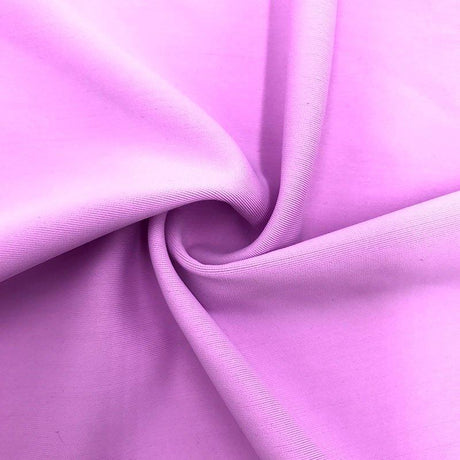
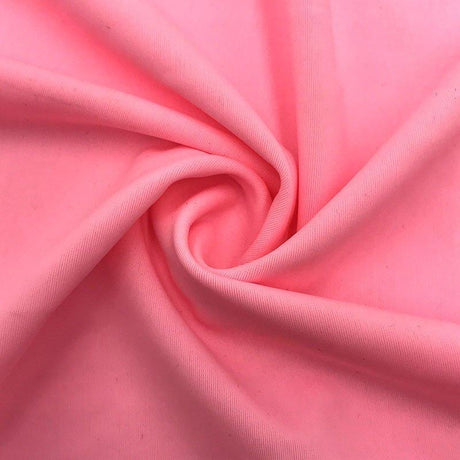
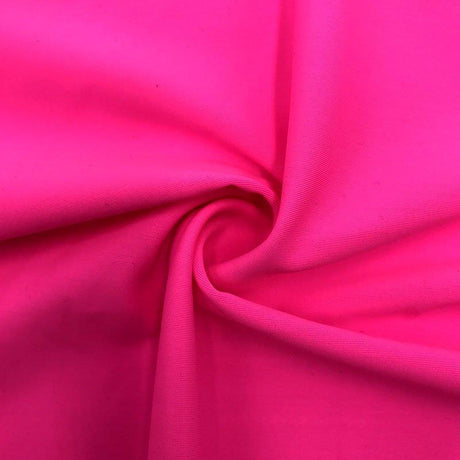
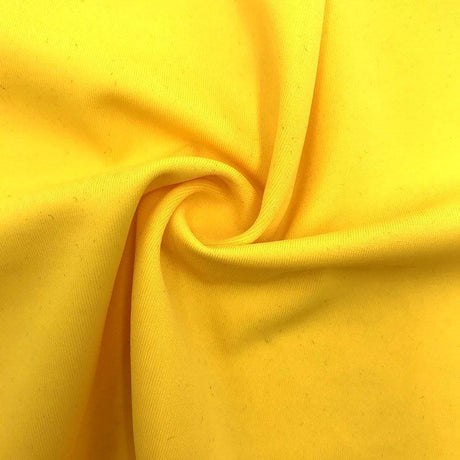
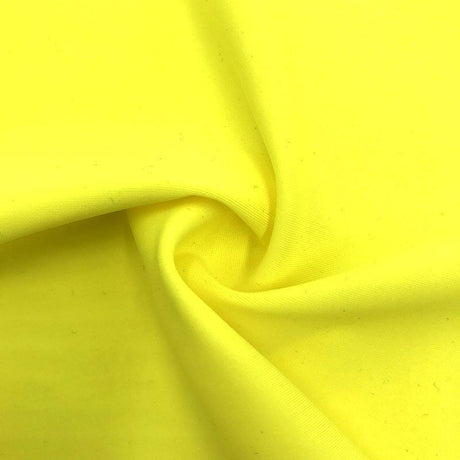
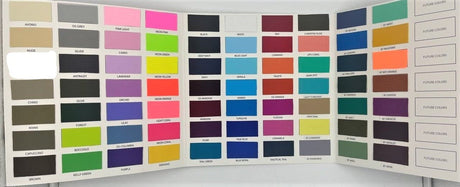
Tri-suits work in clean solids and bold custom graphics alike. Our solid spandex fabric by the yard gives a streamlined, classic look, while the printed spandex collection delivers team colors and standout designs with full performance stretch. For race visibility, brighter and high-contrast options help you stand out in open water and on the road — a genuine safety consideration, not just a style one.
Choosing Colors
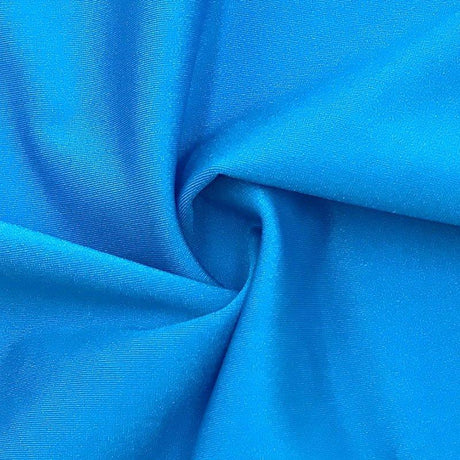
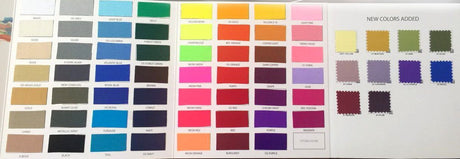
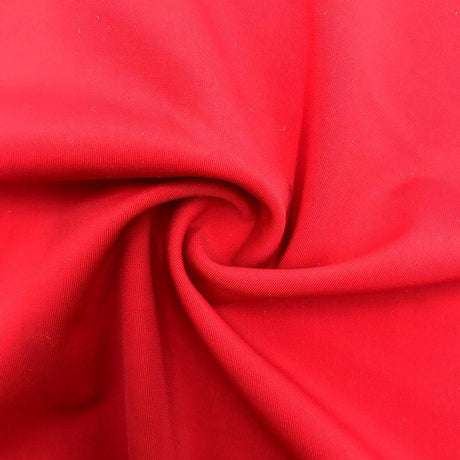
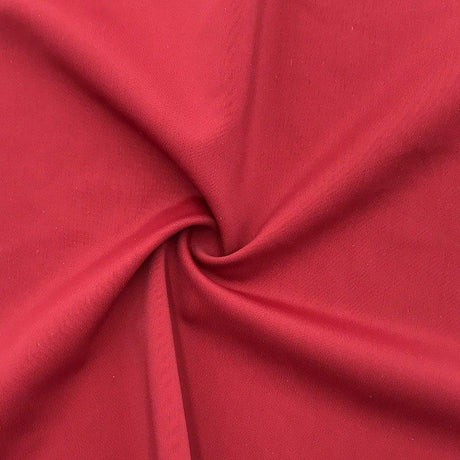
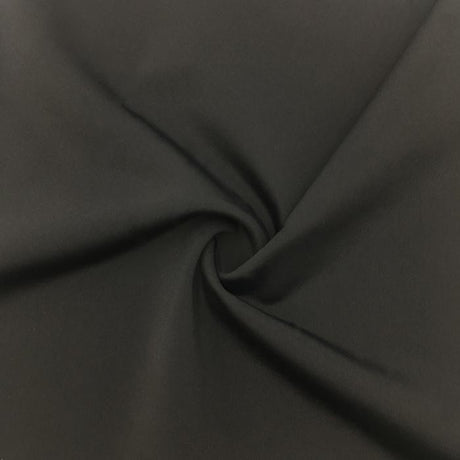
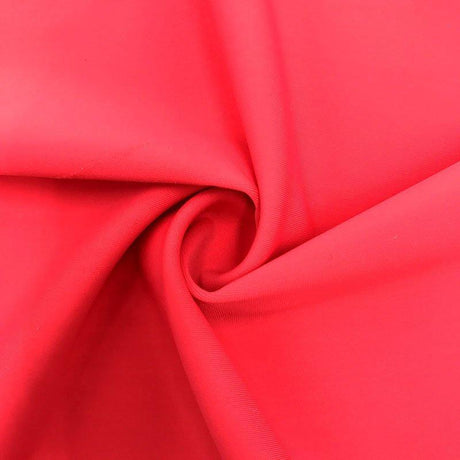
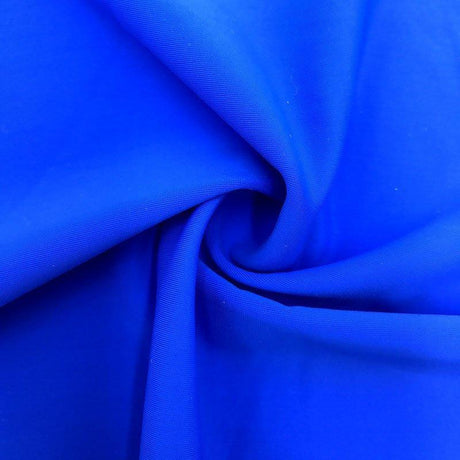
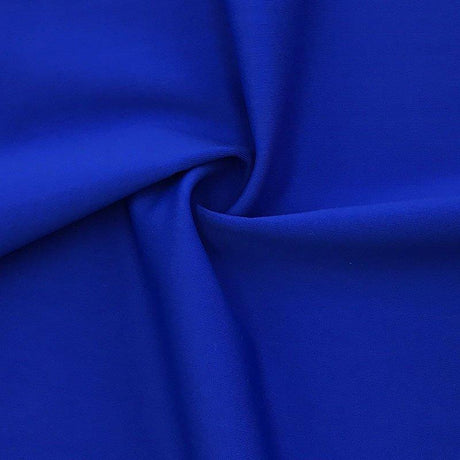
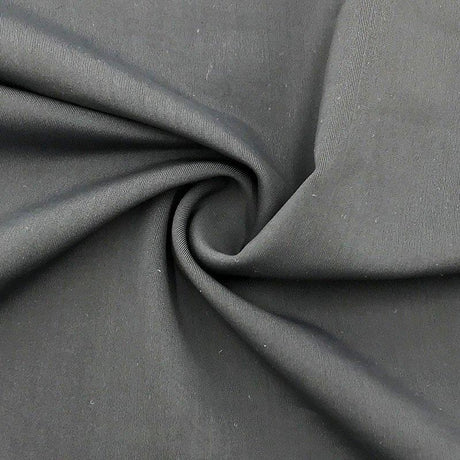
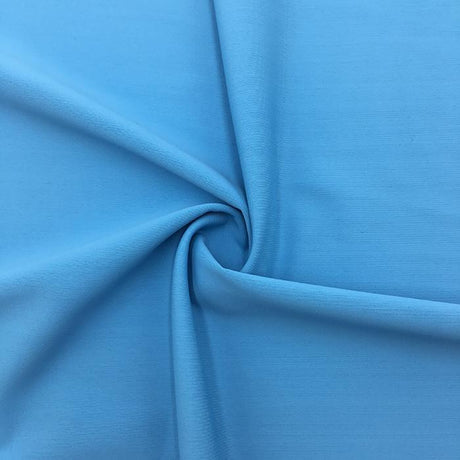
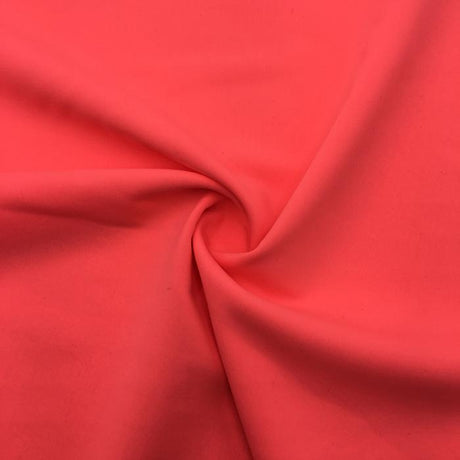
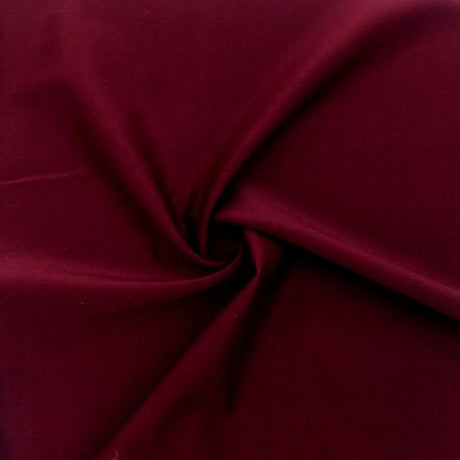
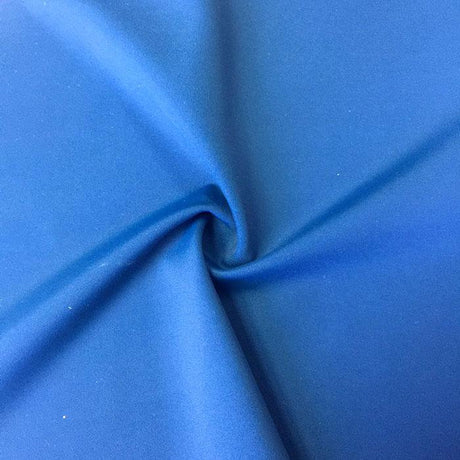
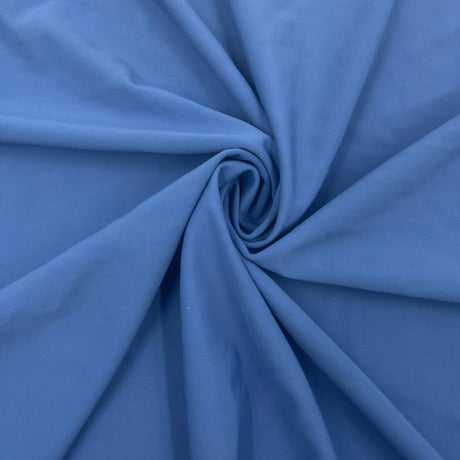
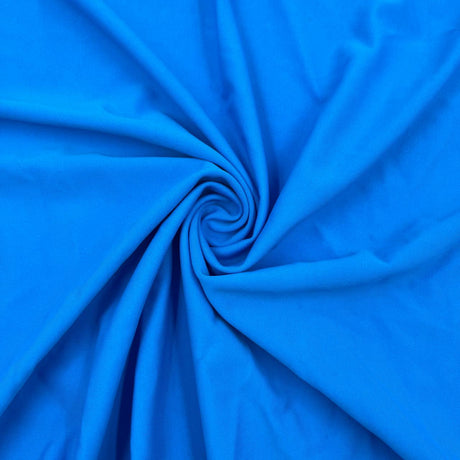
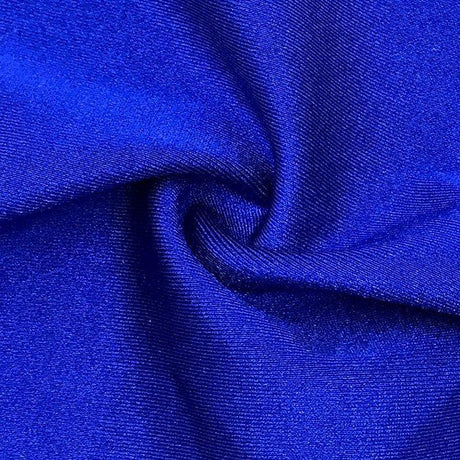
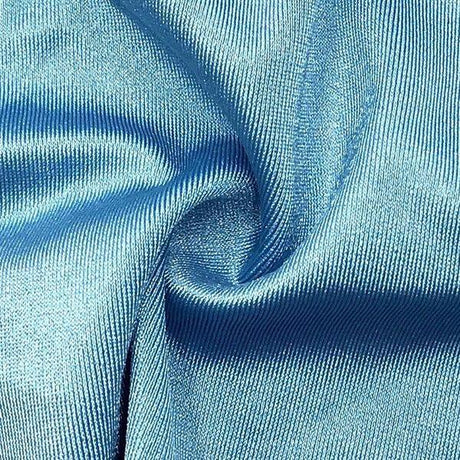
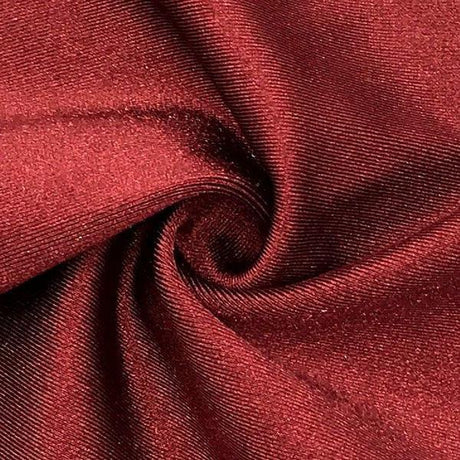
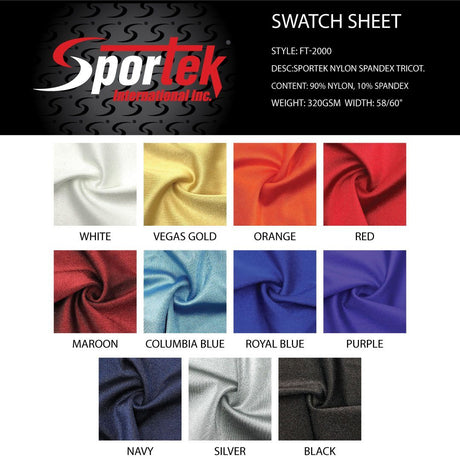
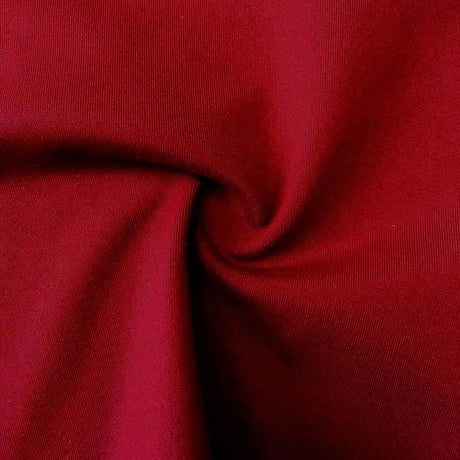
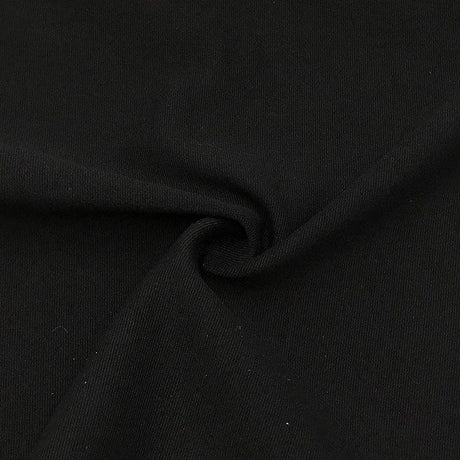
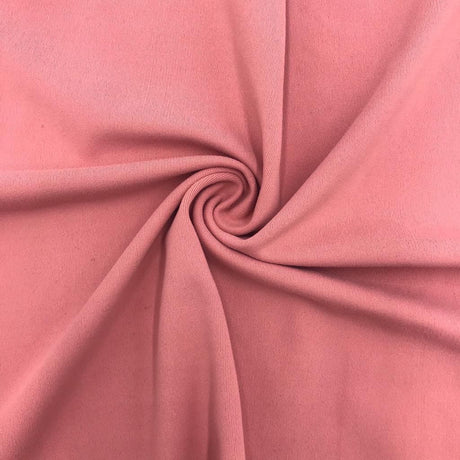
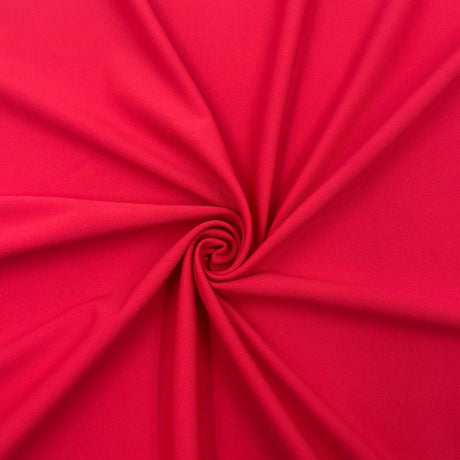
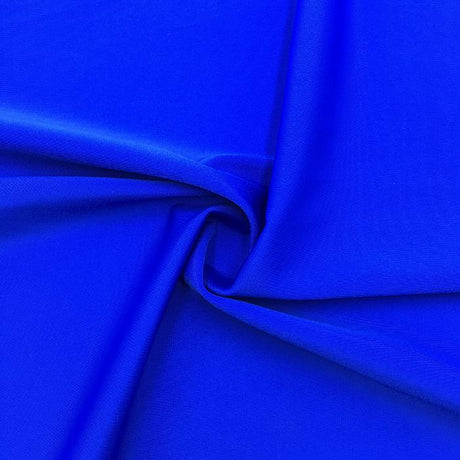
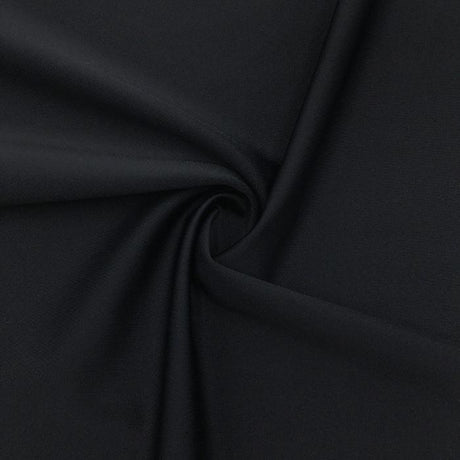
Color in triathlon balances style with visibility. Black spandex fabric is timeless, slimming, and forgiving, and pairs with any accent. For open-water and road safety, brighter shades like red spandex fabric or blue spandex fabric improve how easily other athletes and support crews can spot you. Many tri-suits combine a dark base with high-visibility accent panels for exactly this reason.
Tips for Sewing a Triathlon Suit
Because a tri-suit is worn against the skin through hours of repetitive motion, flat seams are essential — a flatlock stitch or coverstitch prevents the chafing that ruins a long race, but a serger or zigzag stitch works too. Use a stretch or ballpoint needle, and polyester thread, which resists chlorine and salt far better than cotton.
Cut pieces with the greatest stretch wrapping around the body, and use negative ease for a snug, aerodynamic, second-skin fit. Reinforce high-stress seams at the shoulders and crotch, and if your design includes a chamois pad for the bike leg, choose a thin, quick-drying pad so it doesn't hold water from the swim. Plan ventilation panels where heat builds most. As always, pre-wash your fabric the way you'll launder the finished suit to rule out shrinkage before cutting.
Related Reading & Where to Go Next
A tri-suit draws on skills from across stretchwear. For the swim side, our swimwear fabric collection covers chlorine resistance and quick-dry properties, while our activewear fabric range suits the bike and run portions and your training gear. The same fabrics and techniques carry across all three disciplines, so a tri-suit pairs naturally with the rest of your performance wardrobe.
Discover New Performance Fabrics
Fresh quick-dry stretch fabrics, colors, and prints arrive throughout the year. Browse the new fabric arrivals collection for the latest performance textiles, and check back often to catch new designs before they sell out.
Final Thoughts
The best fabric for a triathlon suit dries fast and resists waterlogging after the swim, wicks sweat through the bike and run, offers light supportive compression, and stays completely chafe-free over a long race. Start with a quick-dry polyester spandex for the main body, add nylon spandex panels for compression and mesh for ventilation, choose colors that balance style with race visibility, and finish with smooth flat seams. With the right fabric by the yard and careful construction, you can build a tri-suit that performs from the first stroke to the finish line.