Rash guards have come a long way from simple surf protection. Today they're worn for swimming, surfing, paddleboarding, snorkeling, water aerobics, and even as everyday sun-protective layers. But a rash guard only does its job if it's made from the right fabric — one that protects skin, resists the elements, and stays comfortable through hours of activity. In this guide we cover exactly what to look for in rash guard fabric, the best materials for the job, and how to sew one that holds up wear after wear.
What Makes a Good Rash Guard Fabric?
Rash guards face a demanding set of conditions, so the fabric has to deliver on several fronts at once. The most important quality is durability against the elements — resistance to chlorine, salt water, and sun is what keeps a rash guard from breaking down after a season of use. Close behind is UV protection; the original purpose of a rash guard is to shield skin from the sun, so a tightly knit, sun-resistant fabric is essential.
You also need four-way stretch with strong recovery so the garment moves with you through paddling, swimming, and reaching without binding or bagging out. Quick-drying performance keeps you comfortable in and out of the water, and a smooth, chafe-free surface protects skin from board rash and irritation — which is, after all, where the rash guard gets its name.
The Best Materials for Rash Guards
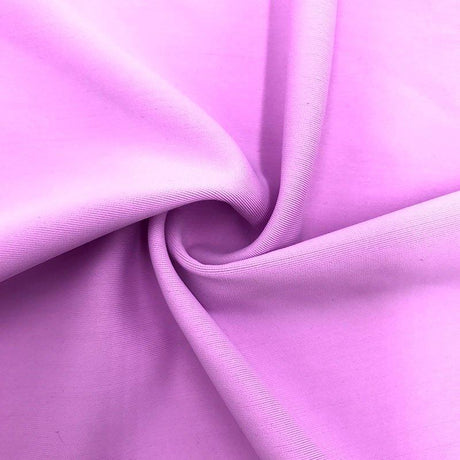
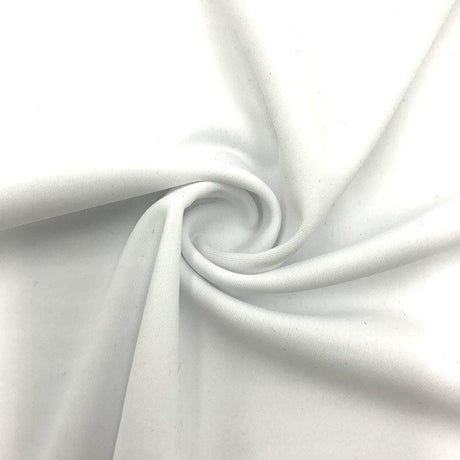
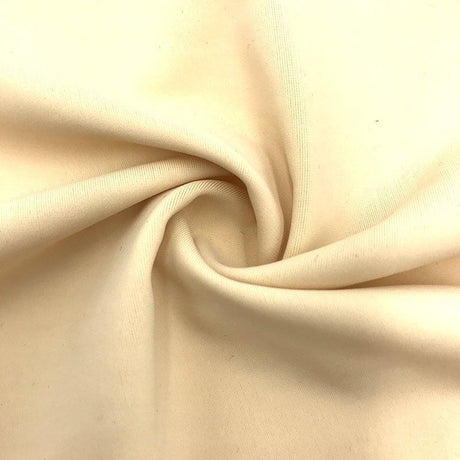
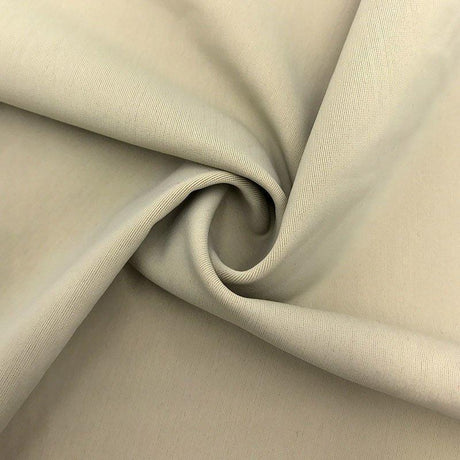
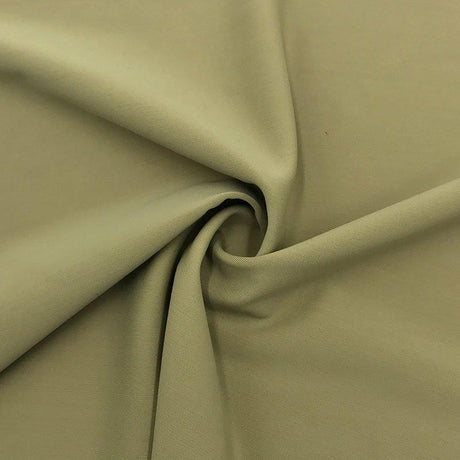
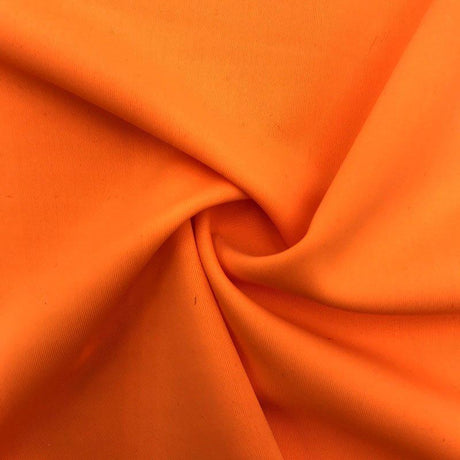
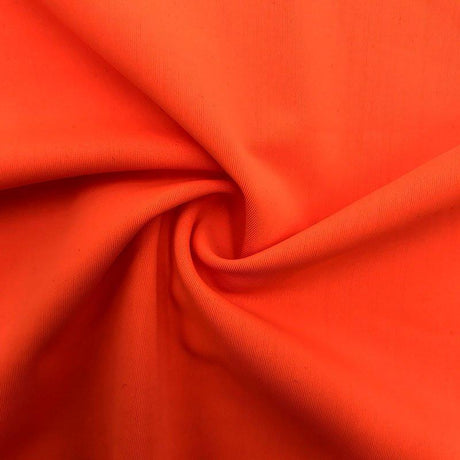
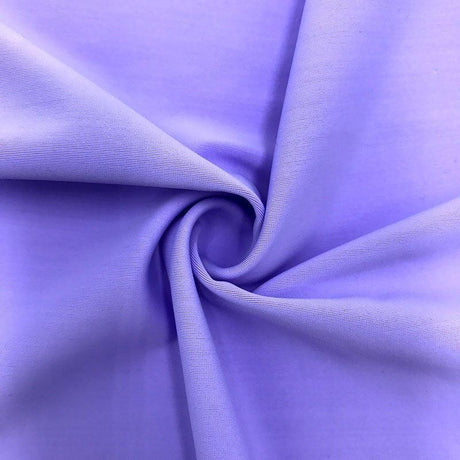
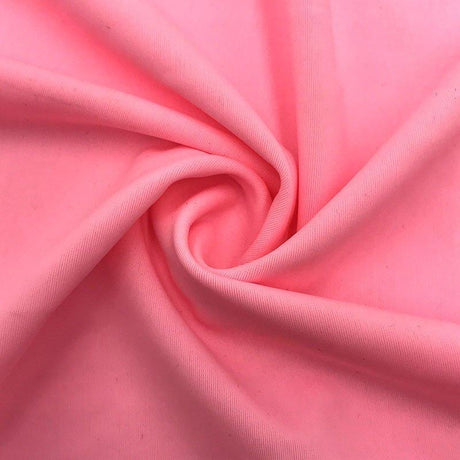
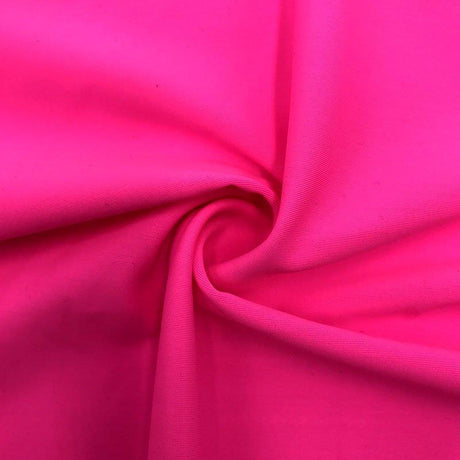
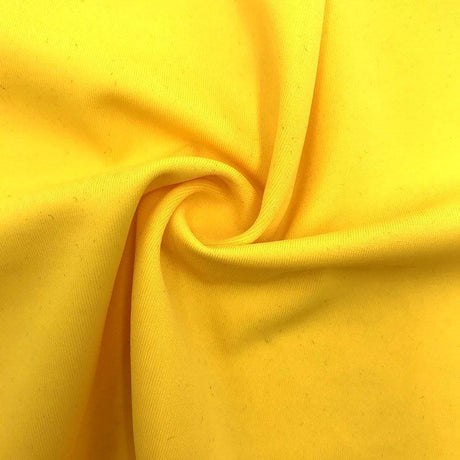
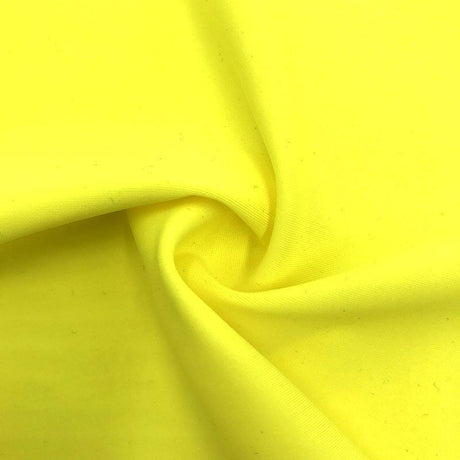
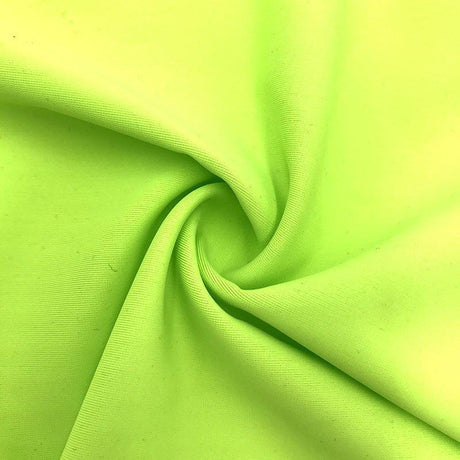
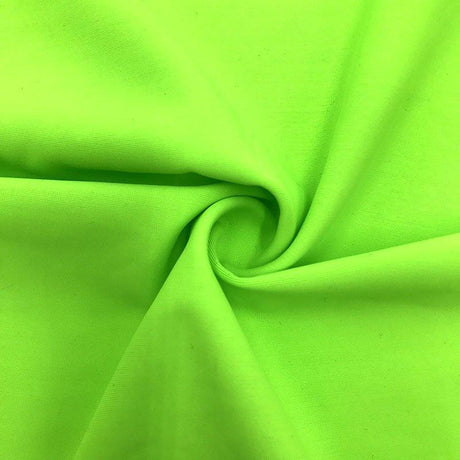
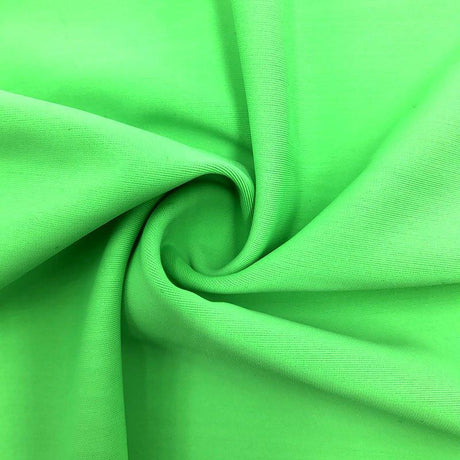
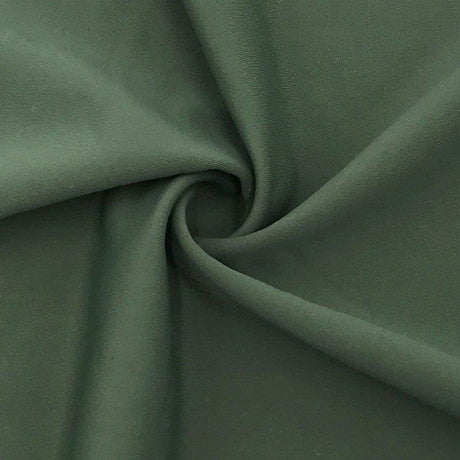
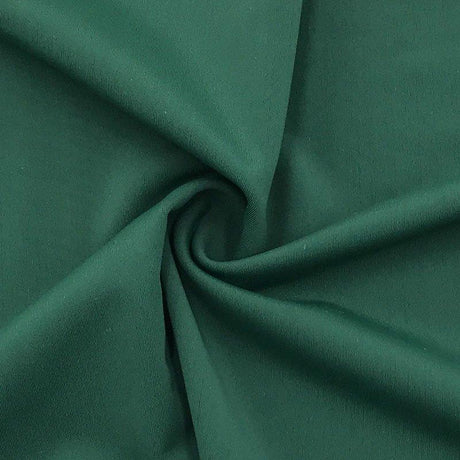
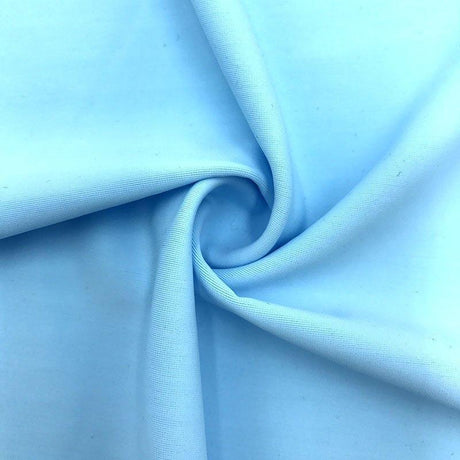
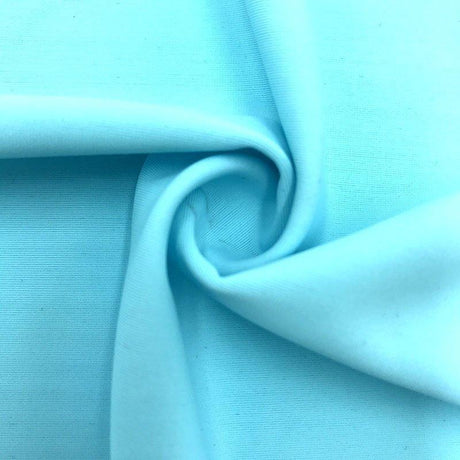
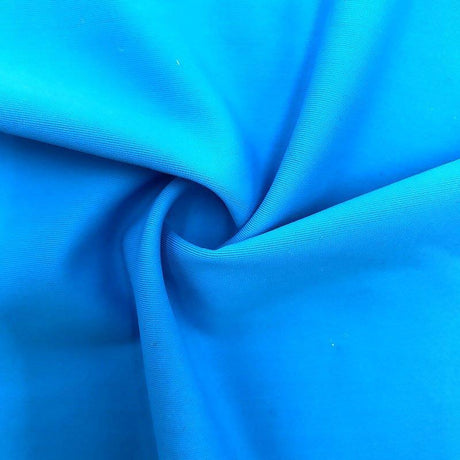
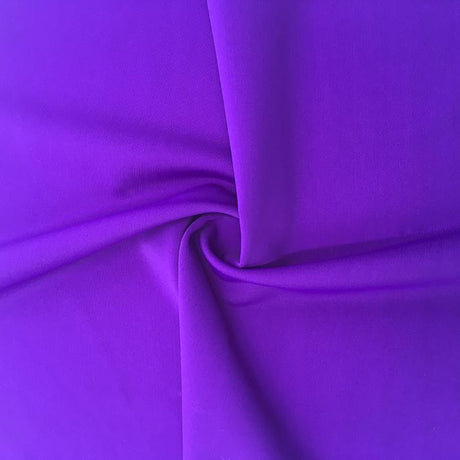
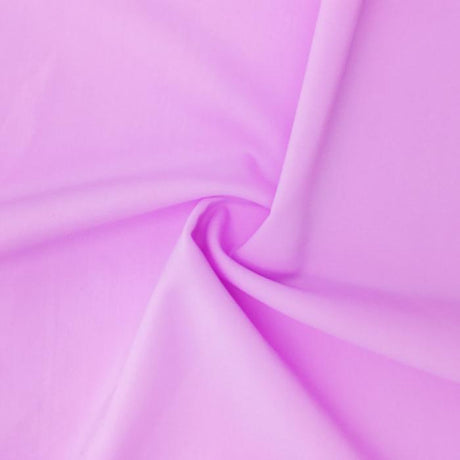
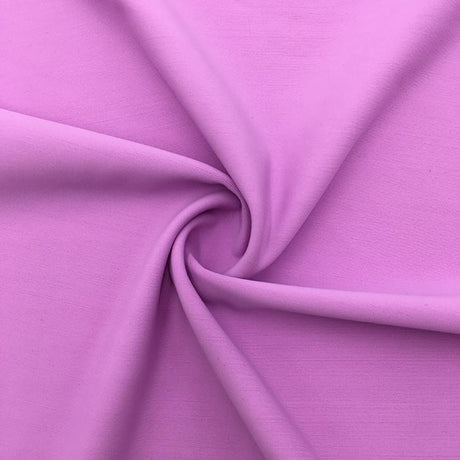
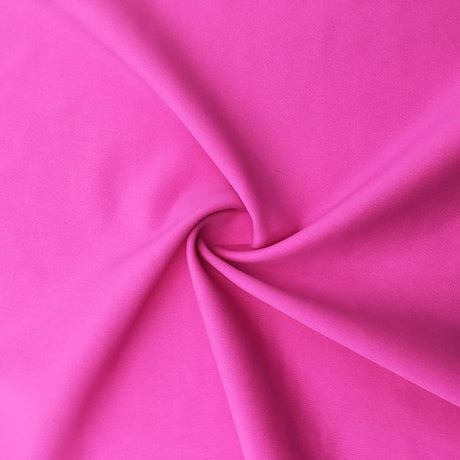
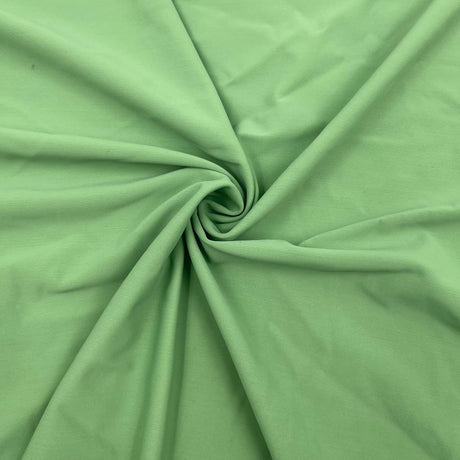
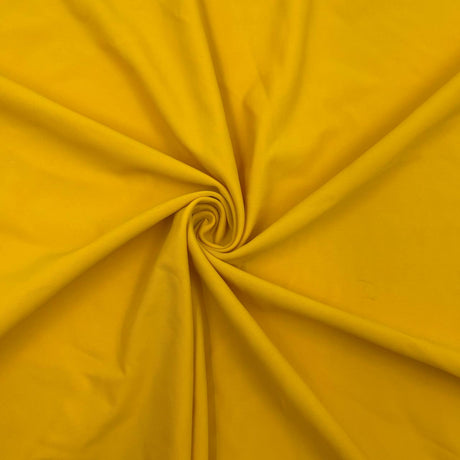
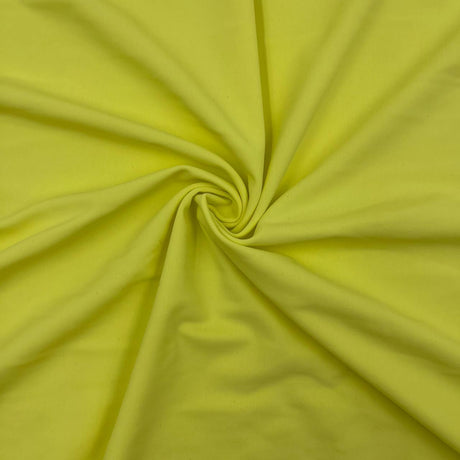
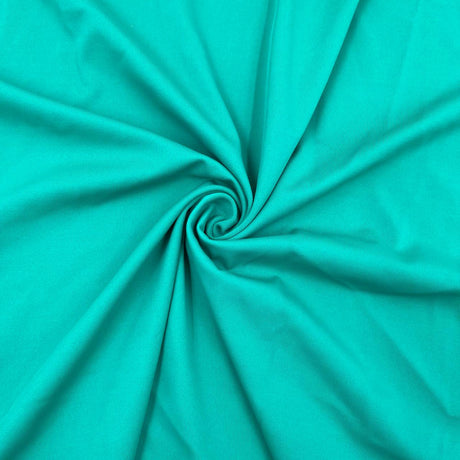
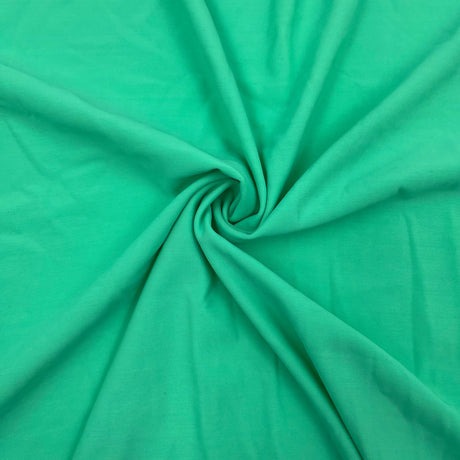
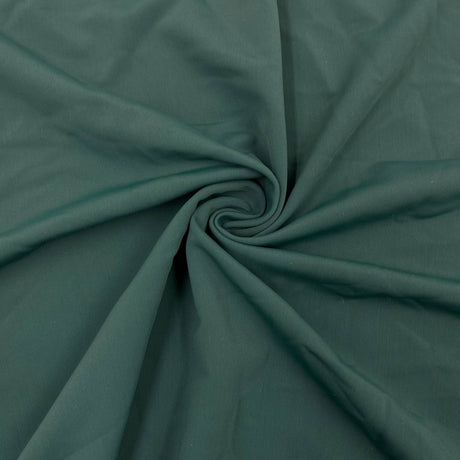
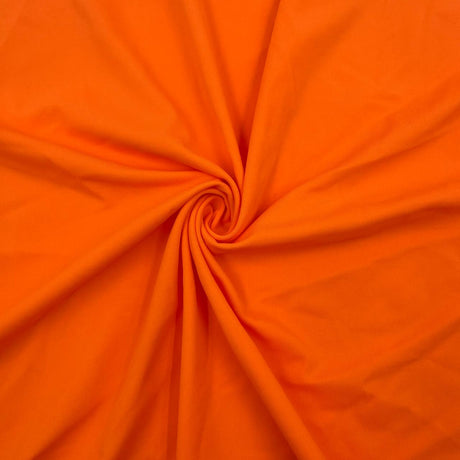
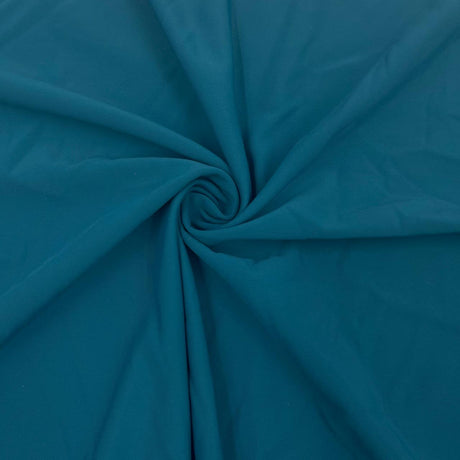
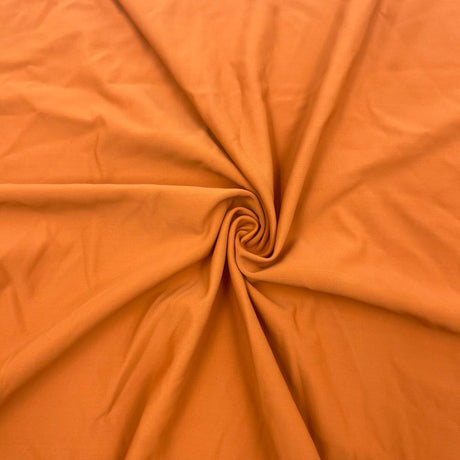
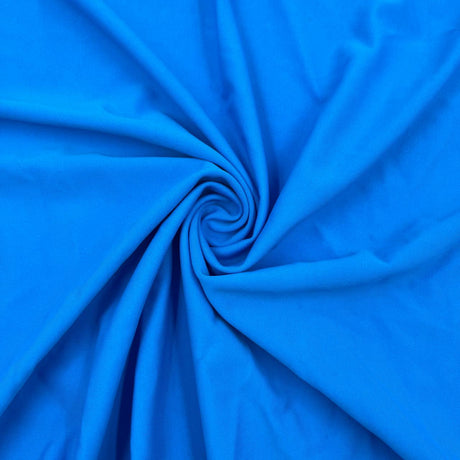
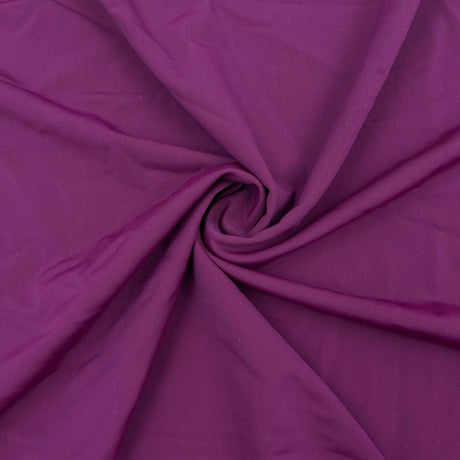
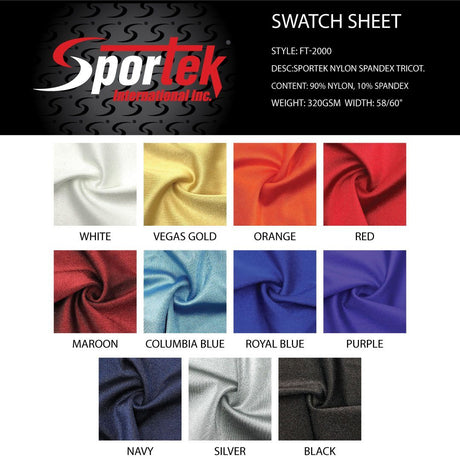
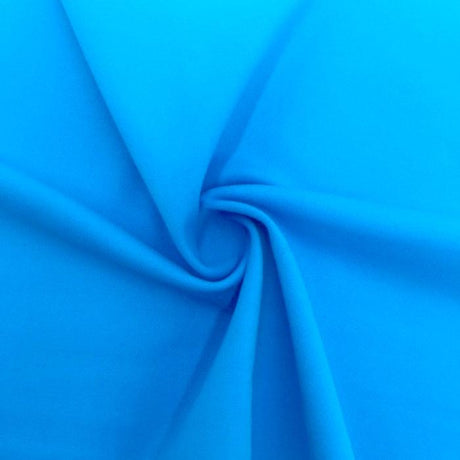
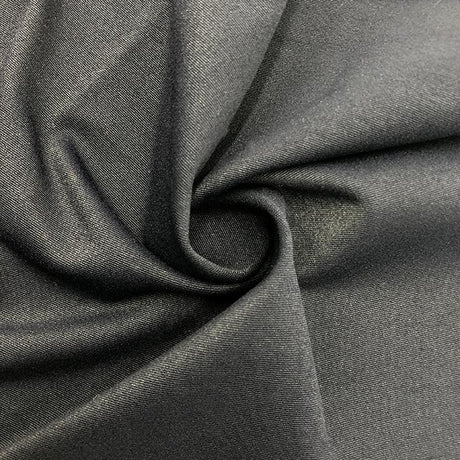
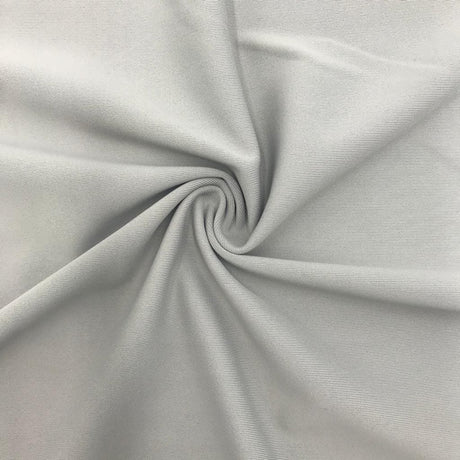
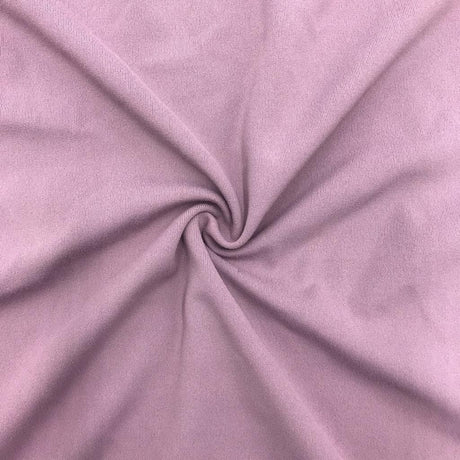
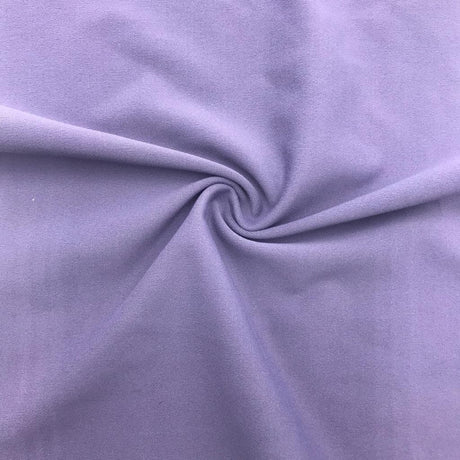
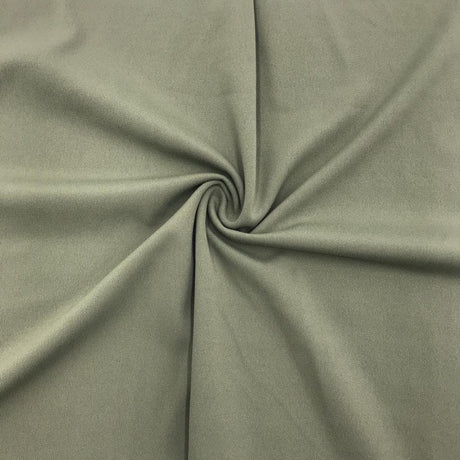
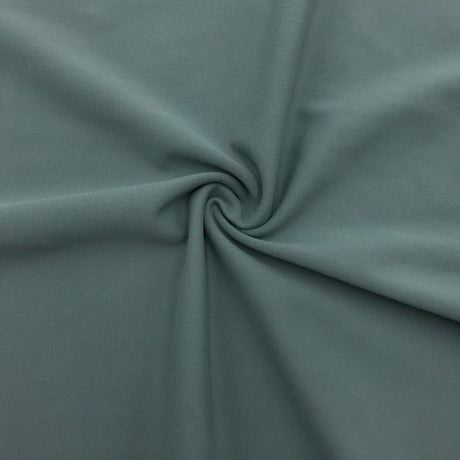
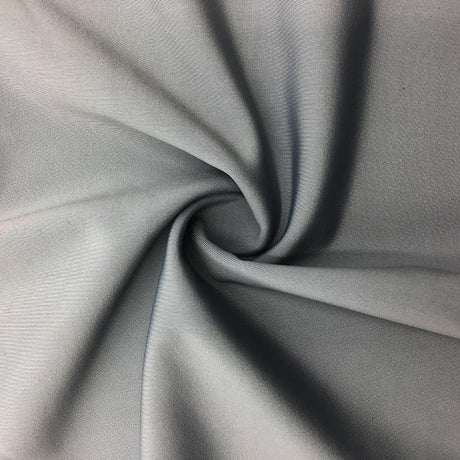
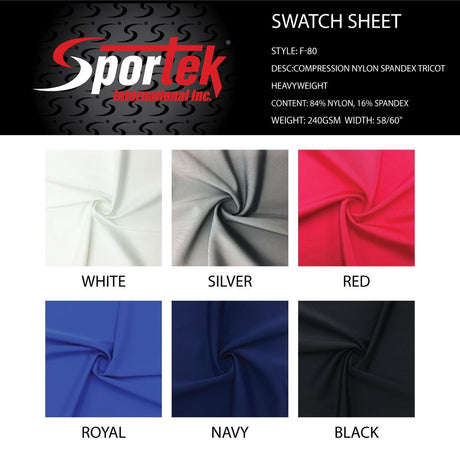
Because rash guards live in and around water, the same fabrics that make great swimwear make great rash guards. Our swimwear fabric by the yard is engineered specifically to handle chlorine, salt water, and sun while keeping its stretch and shape, which makes it an ideal starting point for any rash guard project.
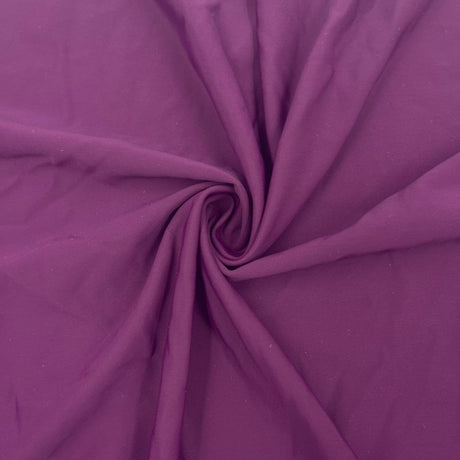
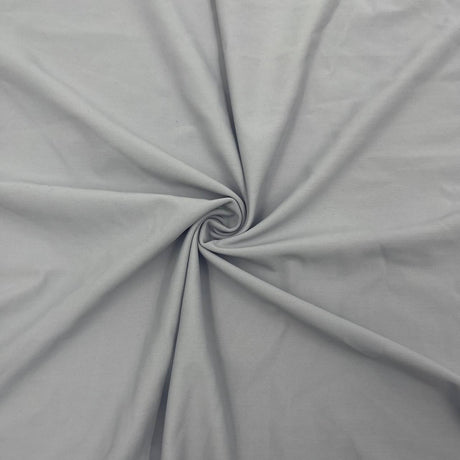
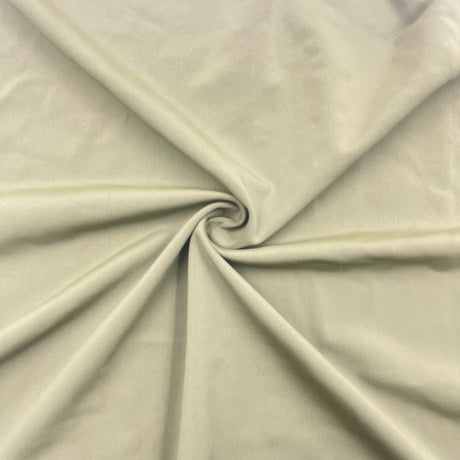
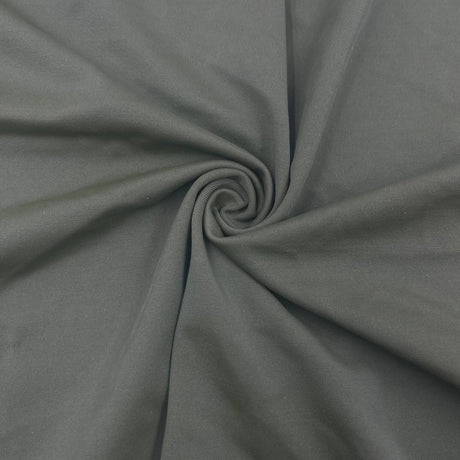
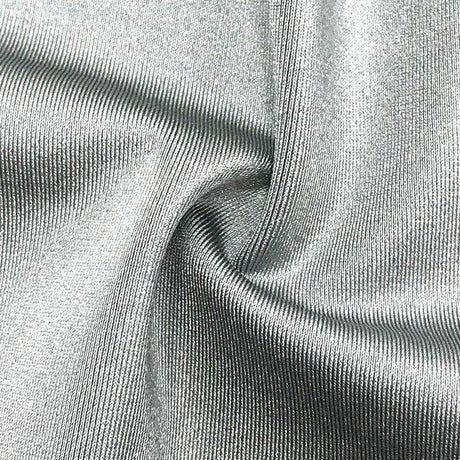
For the base fiber, nylon and polyester spandex are both excellent, with different strengths. Our nylon spandex solids offer a smooth, soft hand feel and outstanding stretch recovery, giving rash guards that comfortable second-skin fit. For maximum chlorine resistance and long-lasting color — especially important for printed designs and frequent pool use — polyester spandex fabric is the stronger choice. Polyester holds prints vividly, resists fading from sun and saltwater, and dries quickly, which is why it's so popular for performance rash guards.
Adding Breathability with Mesh
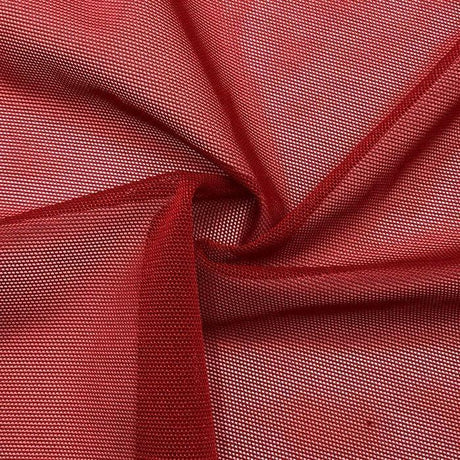
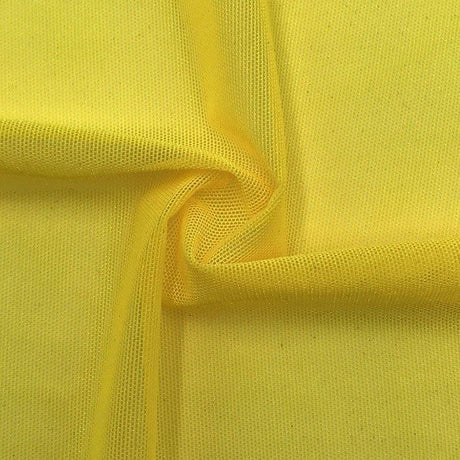
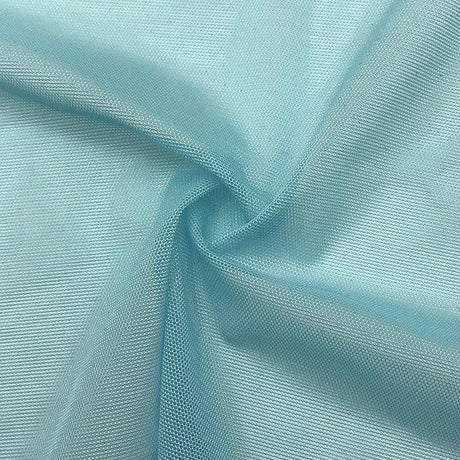
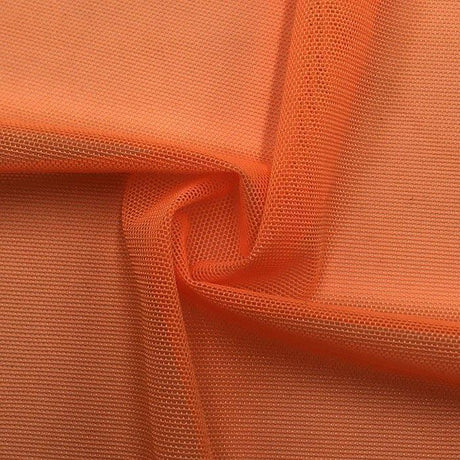
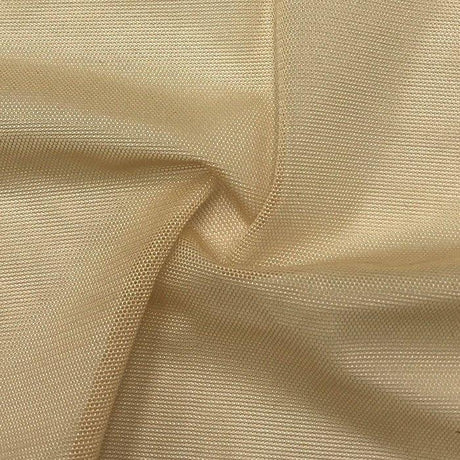
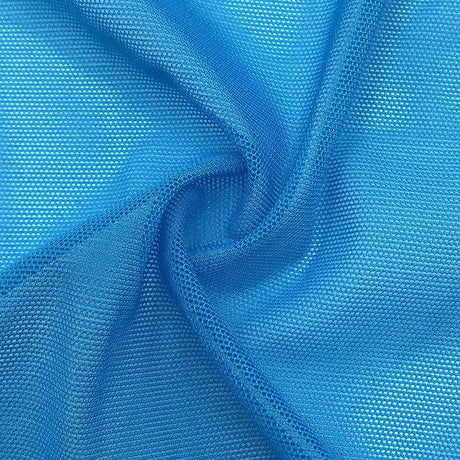
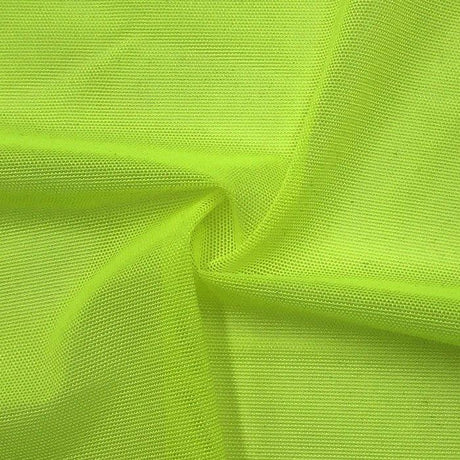
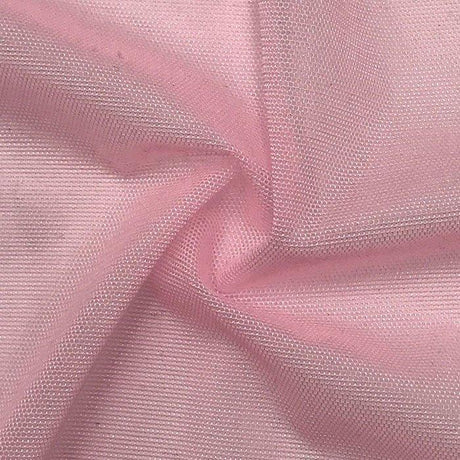
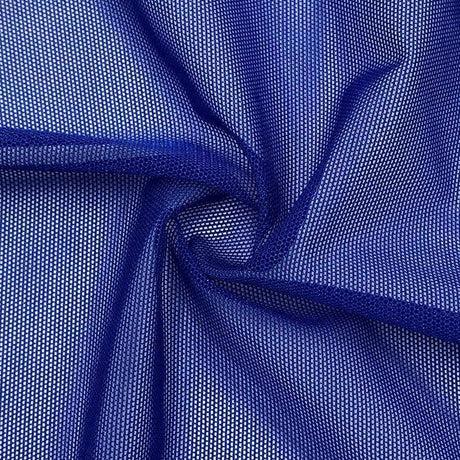
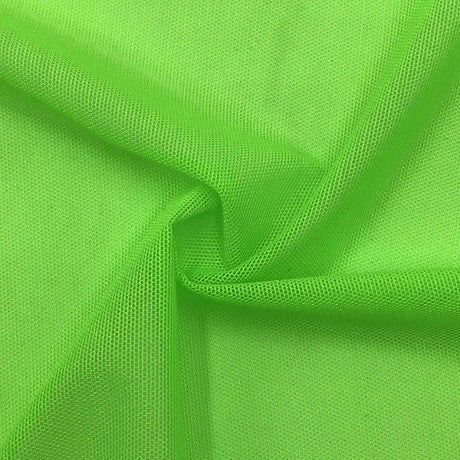
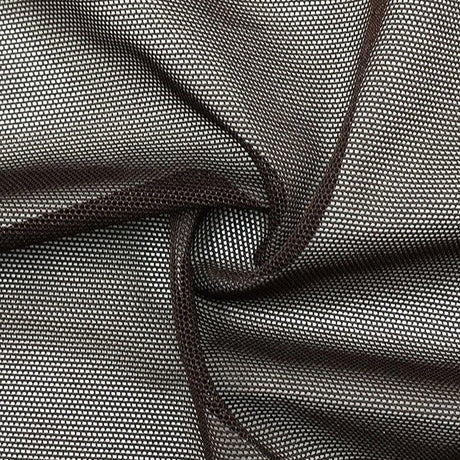
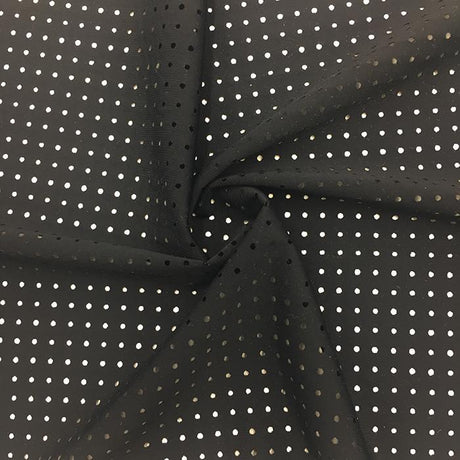
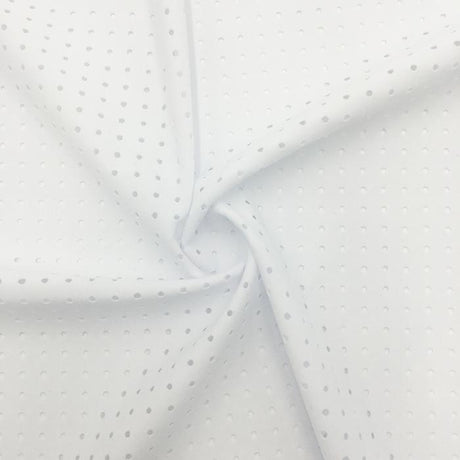
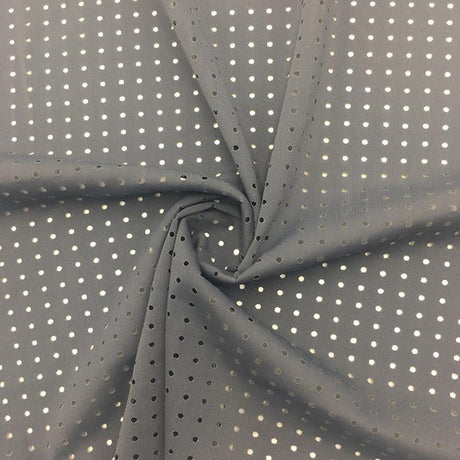
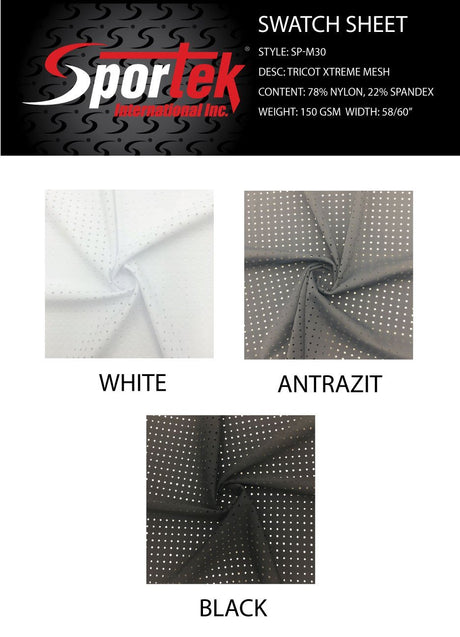
For high-output activities like surfing or paddleboarding, breathability matters. Adding performance mesh fabric panels under the arms or along the sides improves airflow and helps regulate temperature without compromising sun protection on the main body. It's a simple detail that makes a rash guard far more comfortable during long, active sessions in the heat.
Solids vs. Prints for Rash Guards
Rash guards are a great canvas for both clean solids and bold prints. Our printed spandex collection brings ready-made personality with the performance stretch a rash guard needs, so you can create a standout piece without custom printing. If you want a specific look, geometric spandex fabric gives a sporty, modern edge that suits surf and water-sports styling, abstract spandex fabric adds artistic energy, and animal print spandex fabric brings bold, eye-catching attitude to the beach.
Choosing Colors
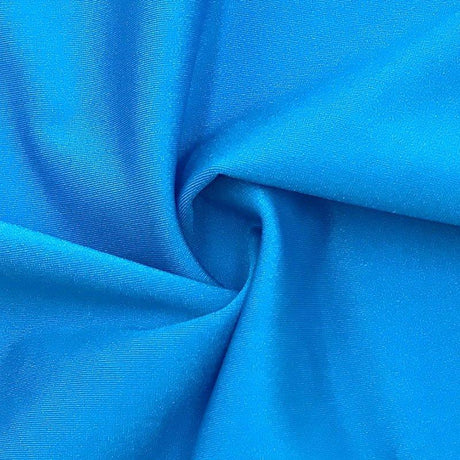
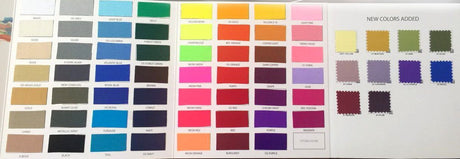
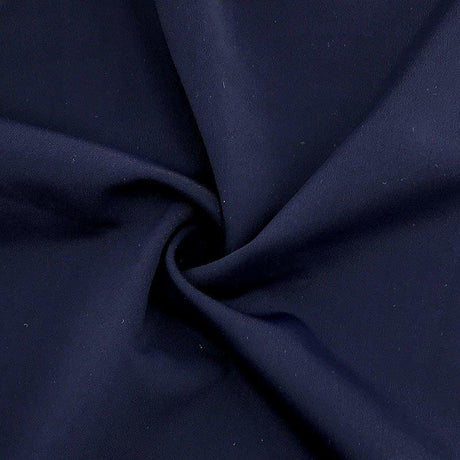
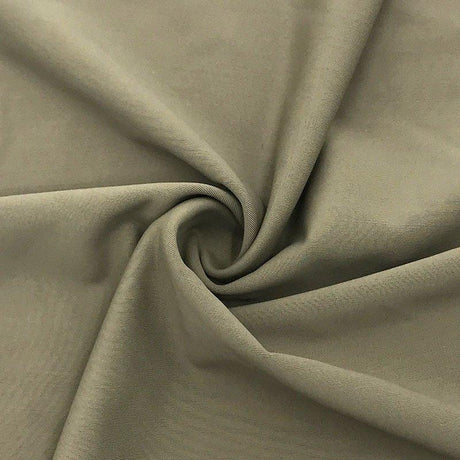
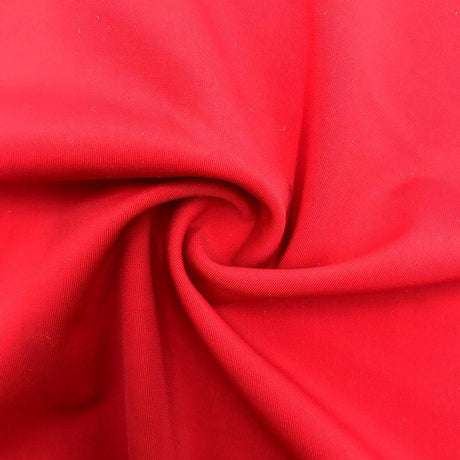
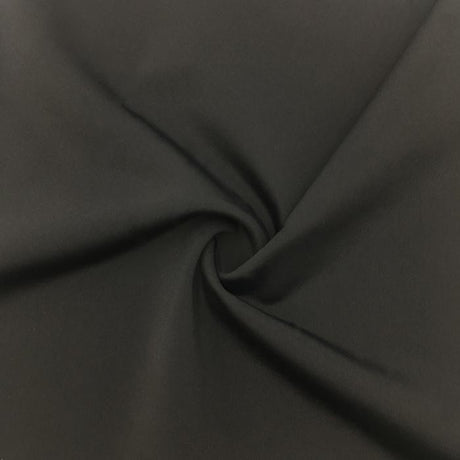
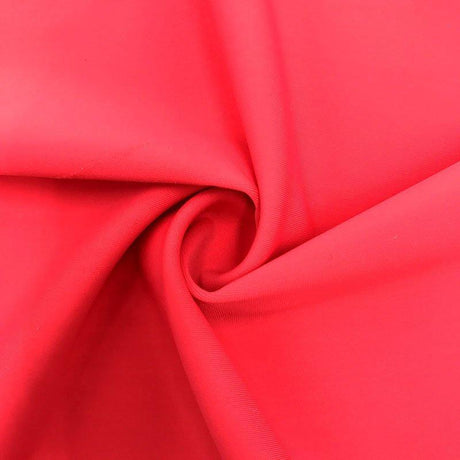
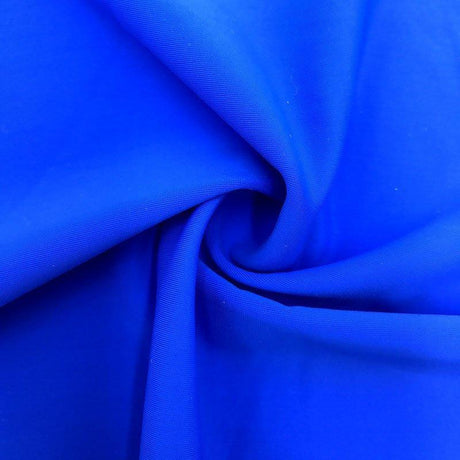
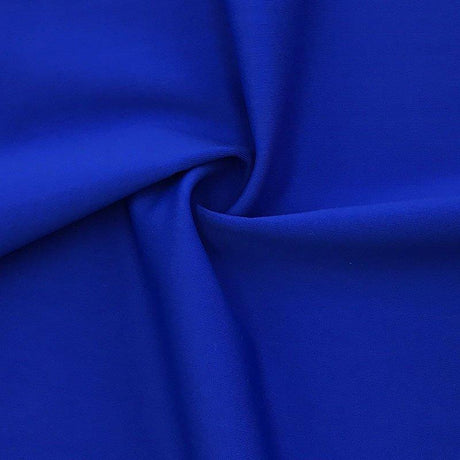
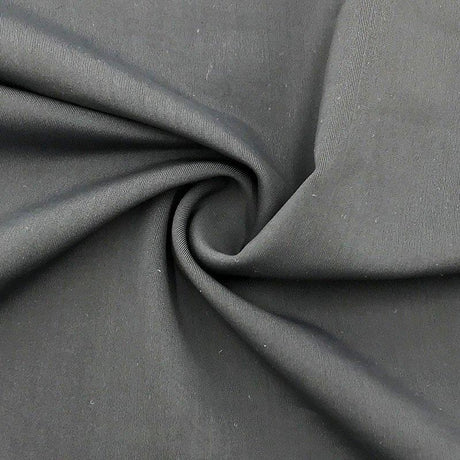
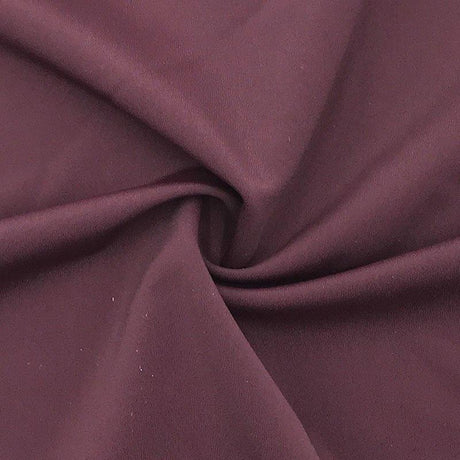
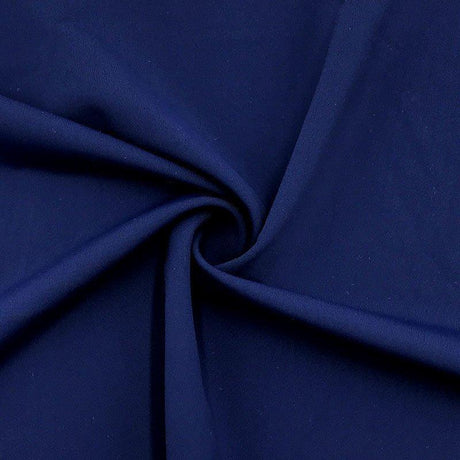
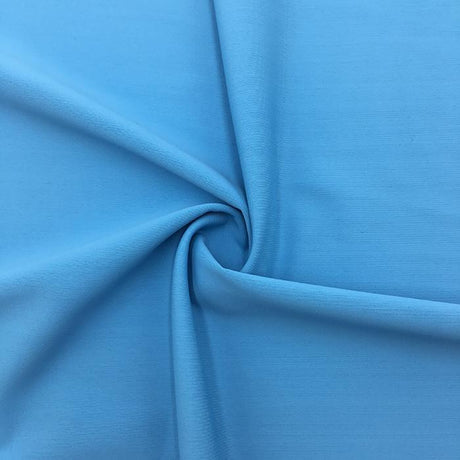
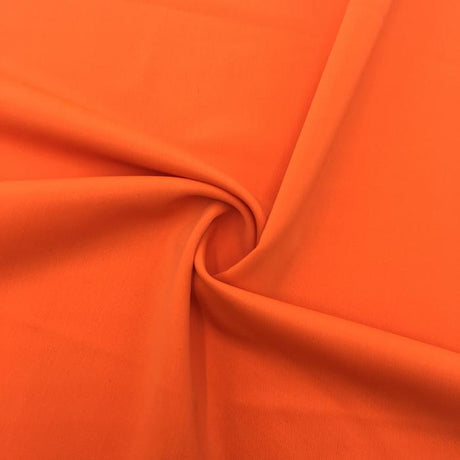
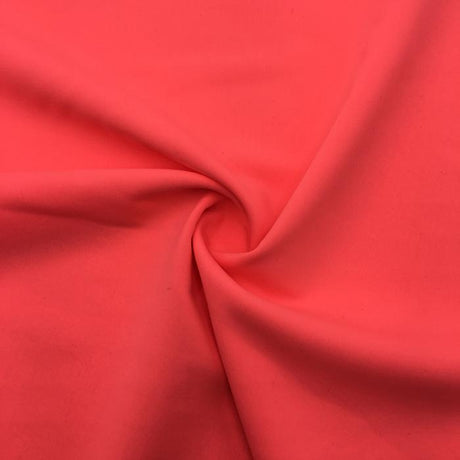
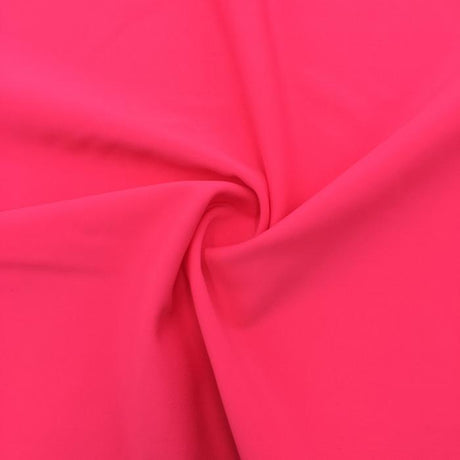
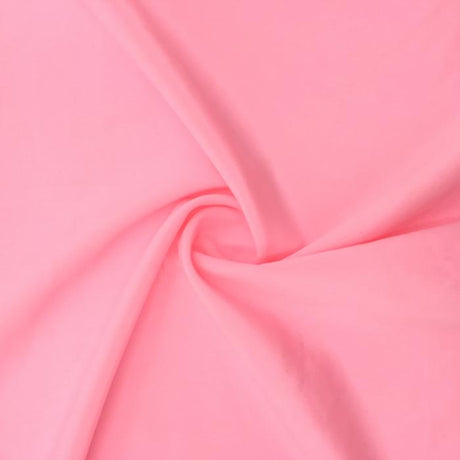
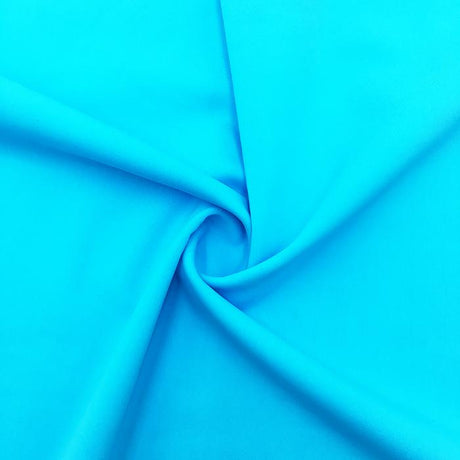
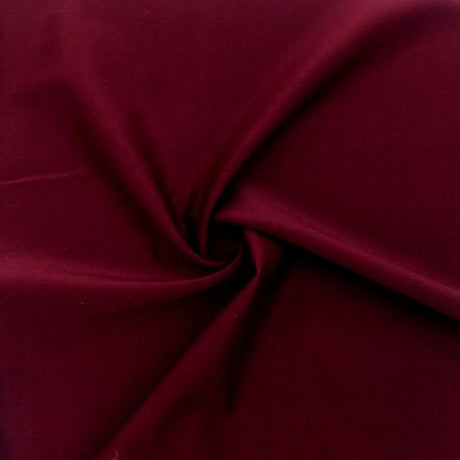
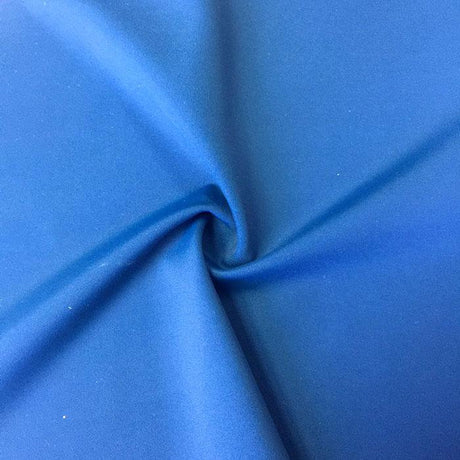
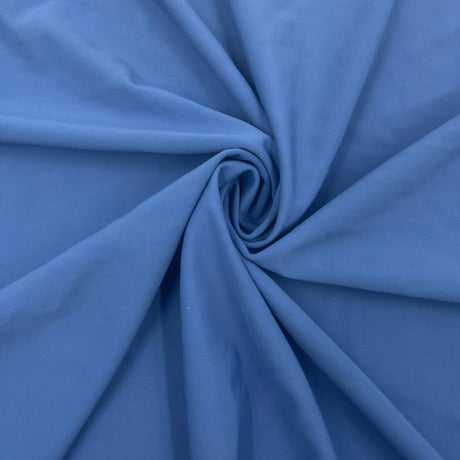
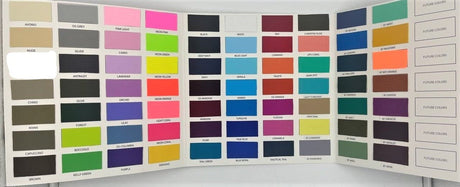
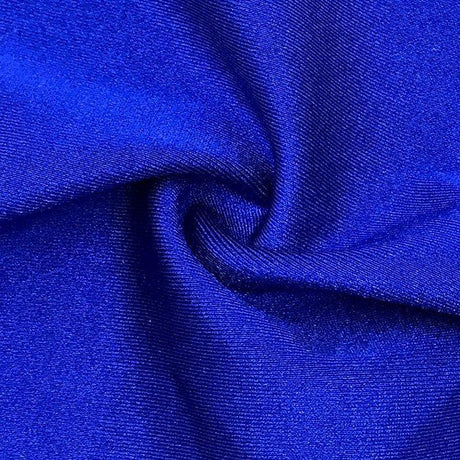
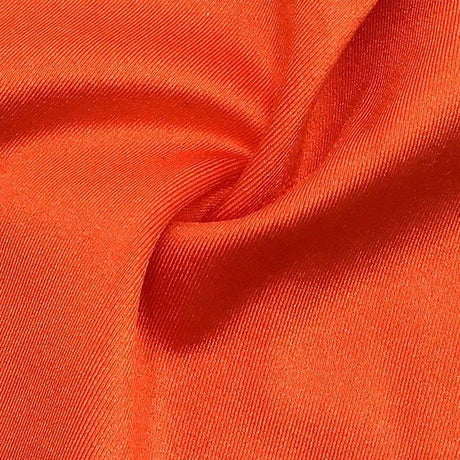
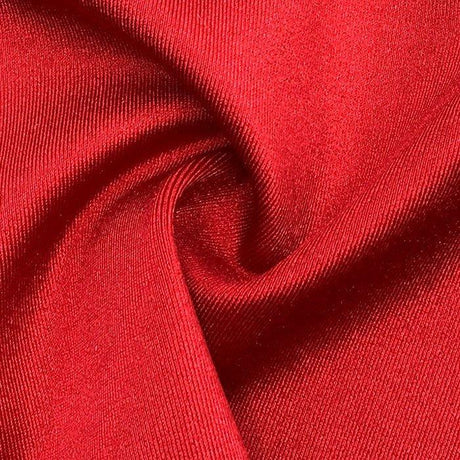
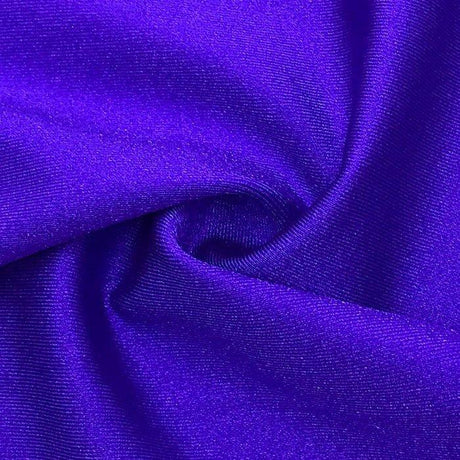
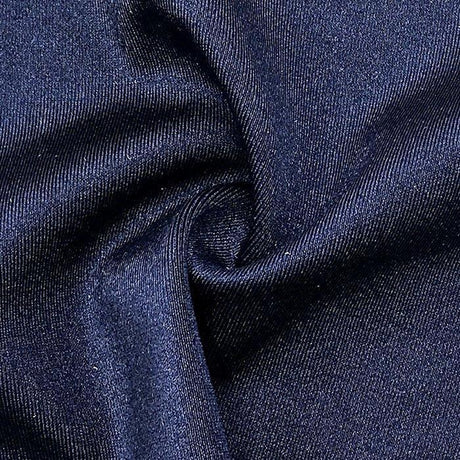
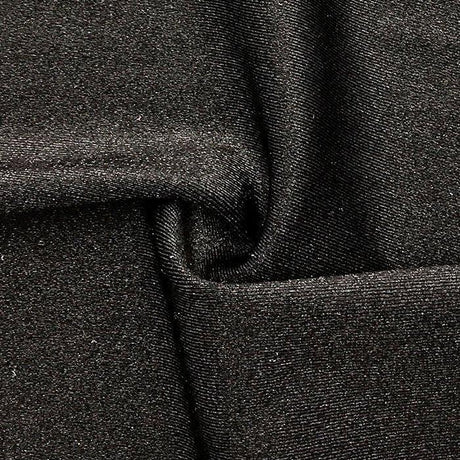
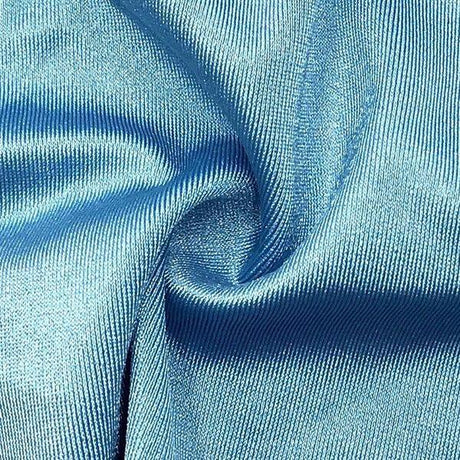
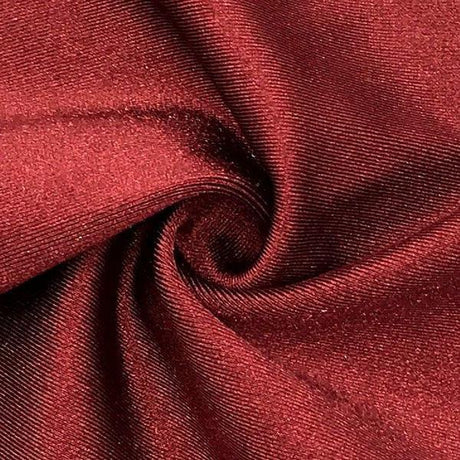
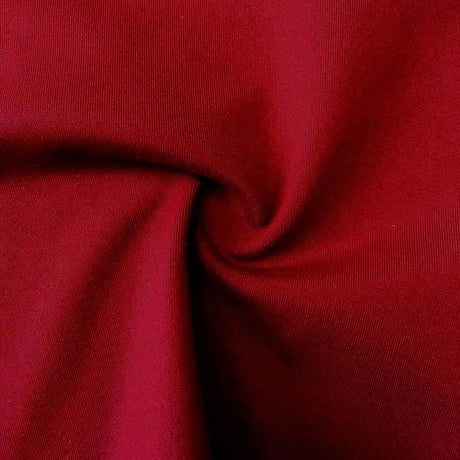
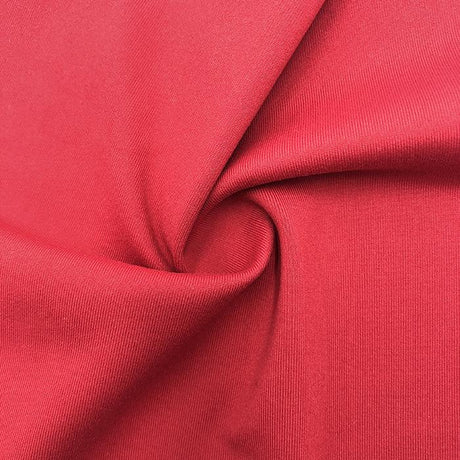
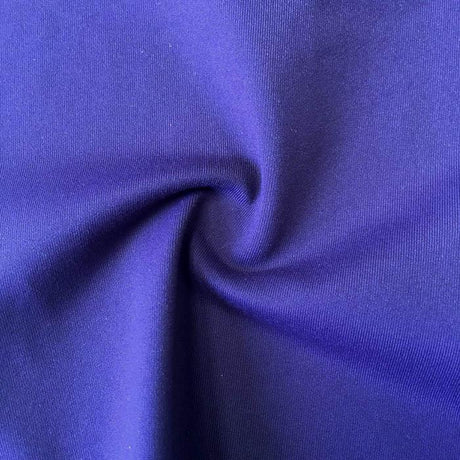
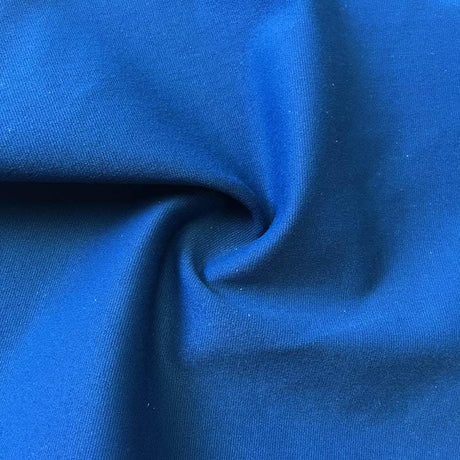
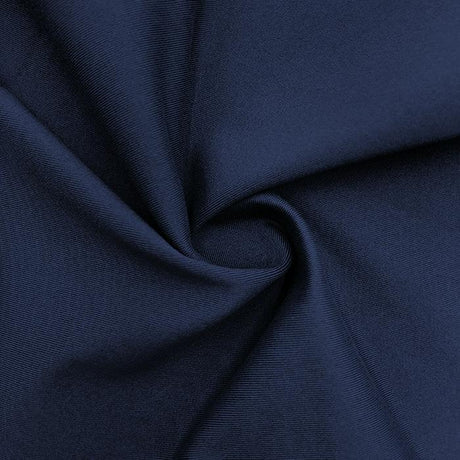
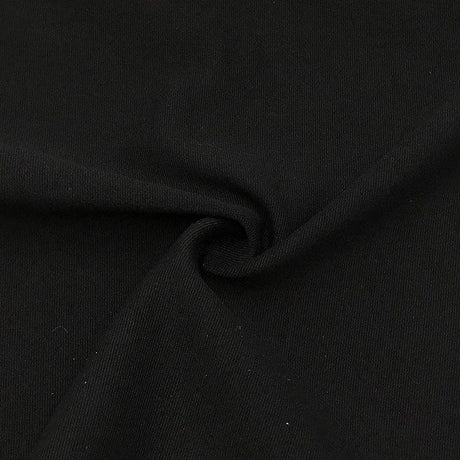
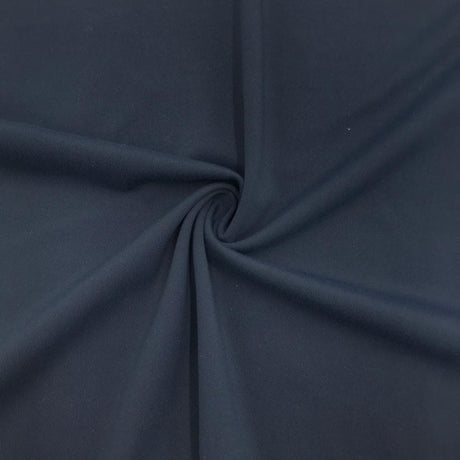
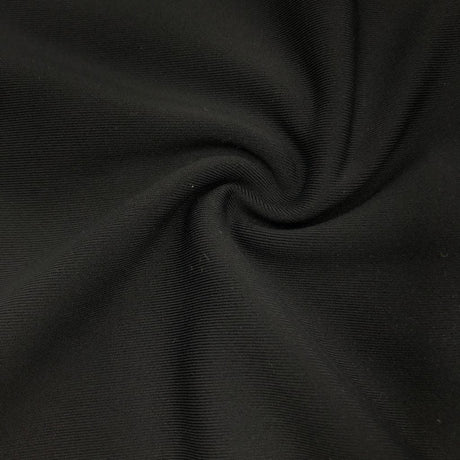
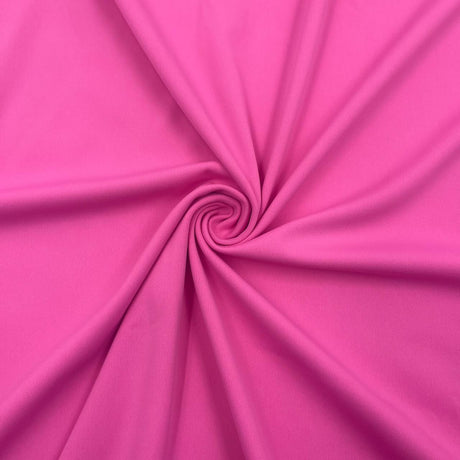
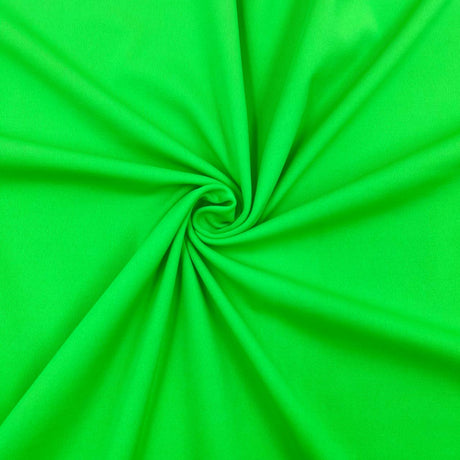
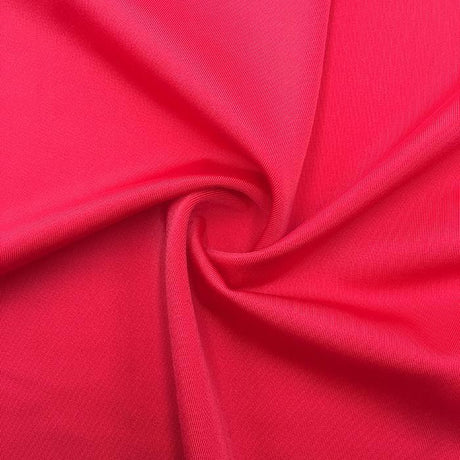
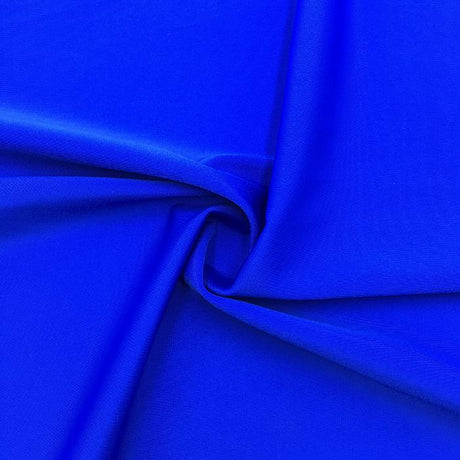
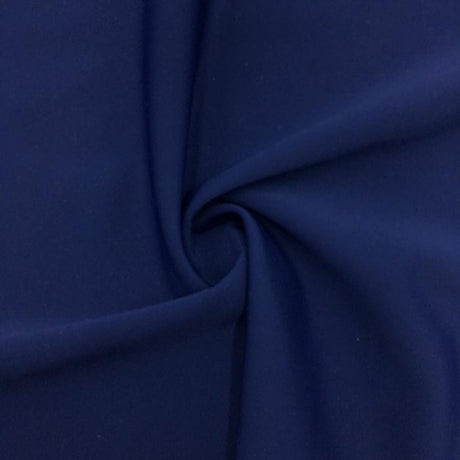
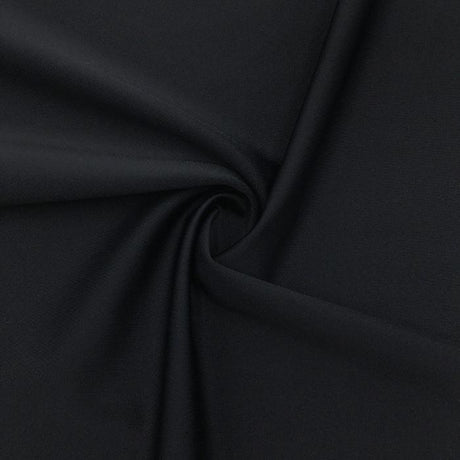
Color affects both style and visibility in the water. Bright colors improve visibility for safety, which is a real consideration for open-water activities, while classic shades keep things versatile. Black spandex fabric is timeless, slimming, and pairs with any board shorts or swim bottoms, while blue spandex fabric suits the ocean-ready aesthetic perfectly. For high-visibility safety on the water, brighter shades like red spandex fabric are a smart, stylish choice.
Tips for Sewing Rash Guards
Sewing a rash guard is very achievable with a few key techniques. Because the garment sits close to the skin and faces constant friction, flat seams are essential — a flatlock stitch or coverstitch keeps seams smooth and prevents chafing, but a serger or zigzag stitch works well too. Use a stretch or ballpoint needle to avoid skipped stitches and fabric damage.
Cut your pieces with the greatest stretch wrapping around the body so the rash guard hugs and recovers correctly. Rash guards typically use negative ease for a snug, performance fit, though you can add ease for a looser, more casual sun-shirt style. For finishing, swim-grade construction matters: use polyester thread (it resists chlorine and salt better than cotton) and reinforce high-stress seams at the shoulders and underarms. As always, pre-wash your fabric the way you'll launder the finished garment to rule out shrinkage surprises before you cut.
Related Reading & Where to Go Next
A rash guard is often just one piece of a full swim or water-sports wardrobe. If you're making a coordinated set, our swimwear fabric collection has everything you need for matching bottoms and one-pieces, and the same fabrics carry over beautifully into activewear fabric for land-based training. Once you've mastered a rash guard, swim shorts, bikinis, and full swimsuits all use the same core skills.
Discover New Rash Guard Fabrics
Fresh swim-ready prints and colors arrive throughout the year, and summer is the perfect time to refresh your stash. Browse the new fabric arrivals collection for the latest UV-friendly, water-ready stretch fabrics, and check back often to grab new designs before they sell out.
Final Thoughts
The best fabric for rash guards protects skin from the sun, stands up to chlorine and salt water, stretches four ways with clean recovery, and dries quickly while staying chafe-free. Start with a quality swimwear fabric in a nylon or polyester spandex base — polyester for maximum chlorine resistance and print longevity, nylon for that soft second-skin feel — add mesh for breathability if you need it, and finish with smooth, flat seams. With the right fabric by the yard and swim-grade construction, you can make a rash guard that protects, performs, and lasts season after season in and out of the water.