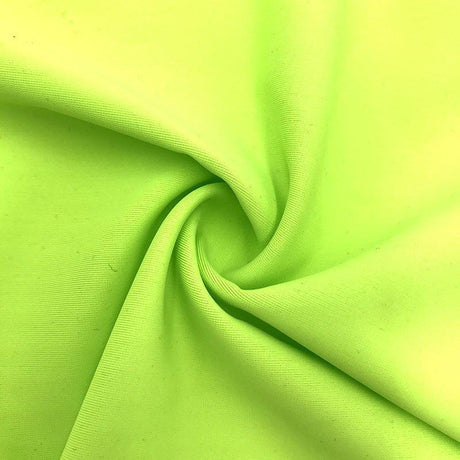
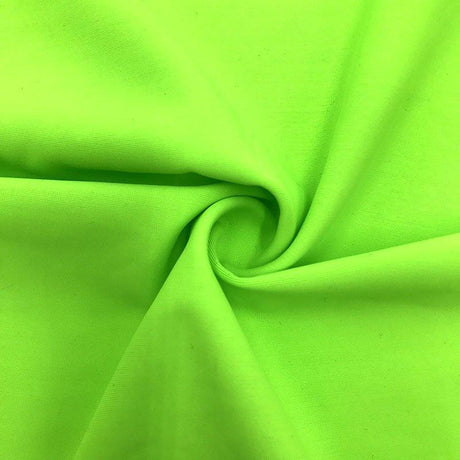
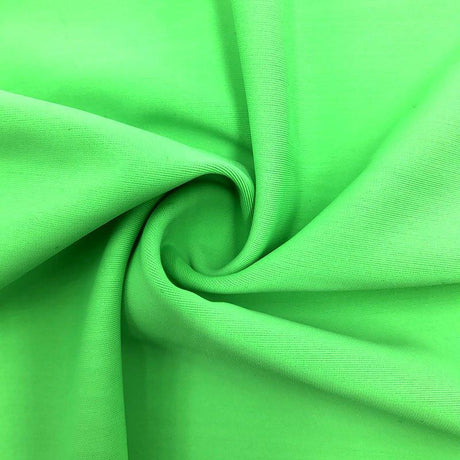
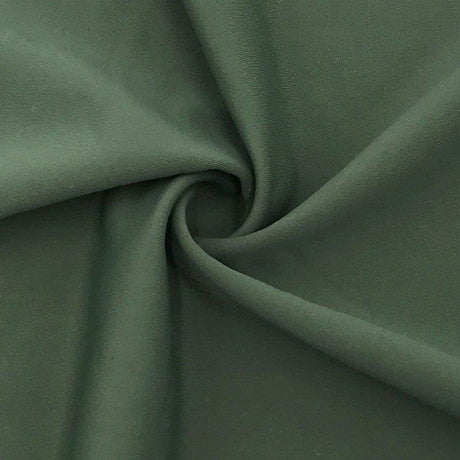
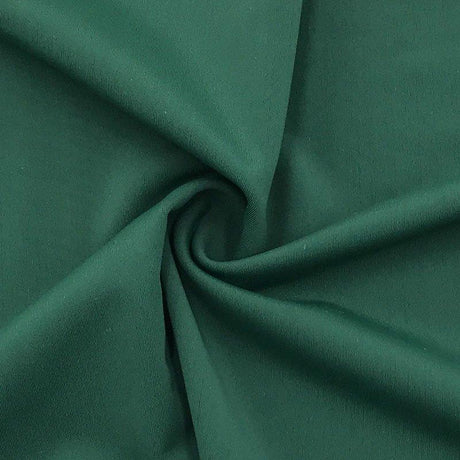
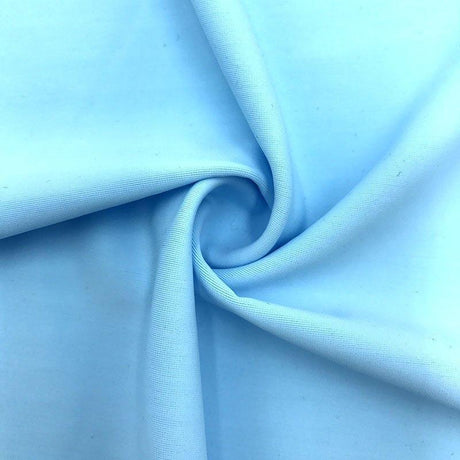
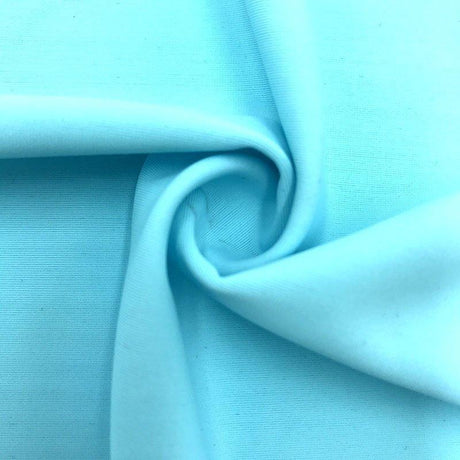
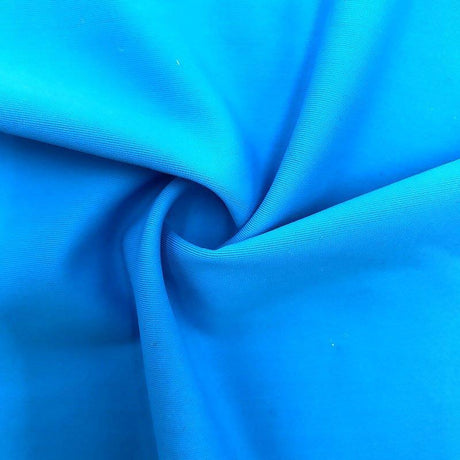
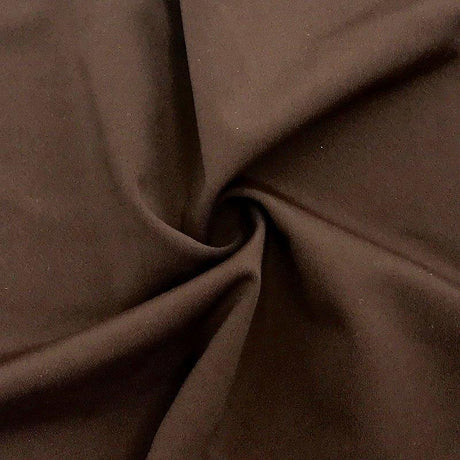
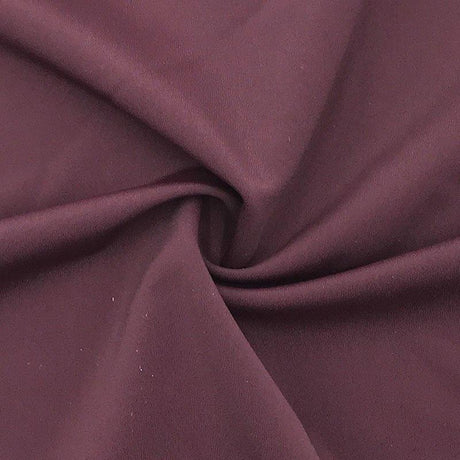
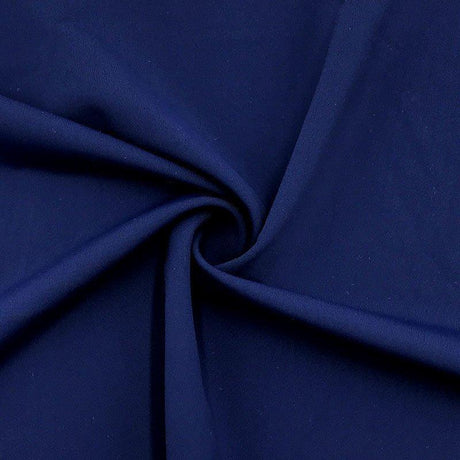
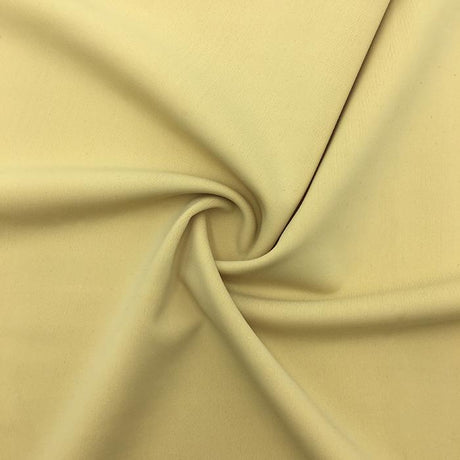
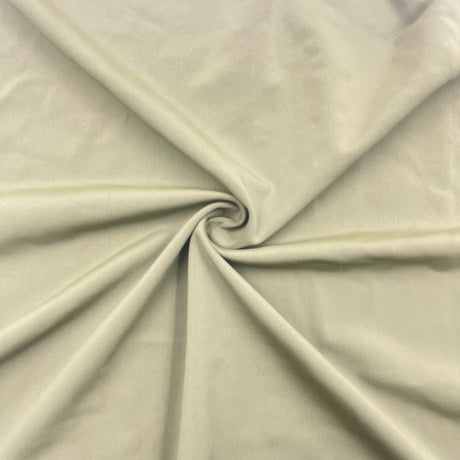
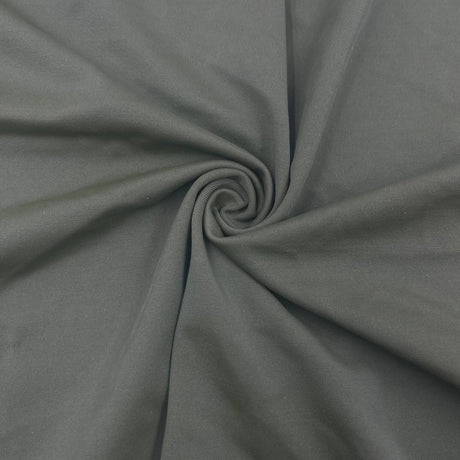
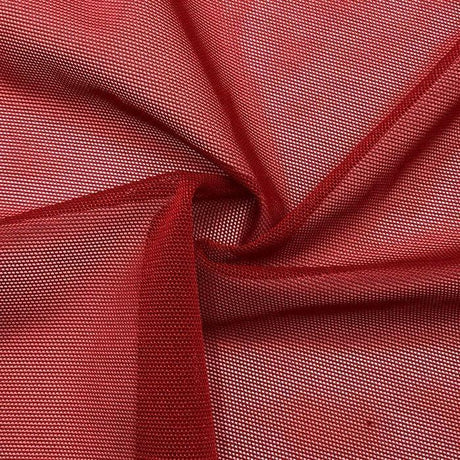
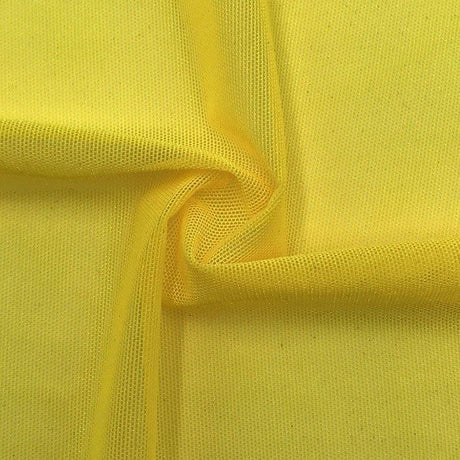
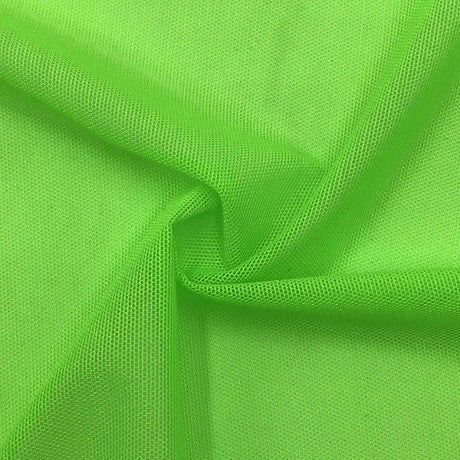
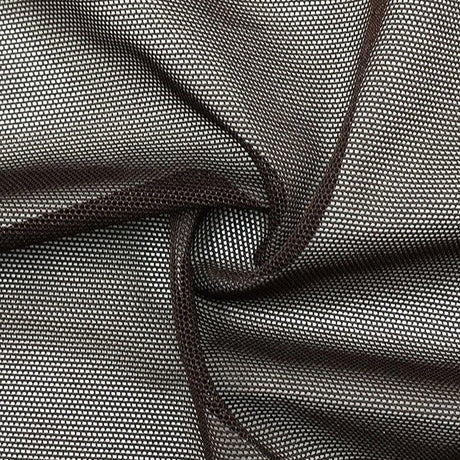
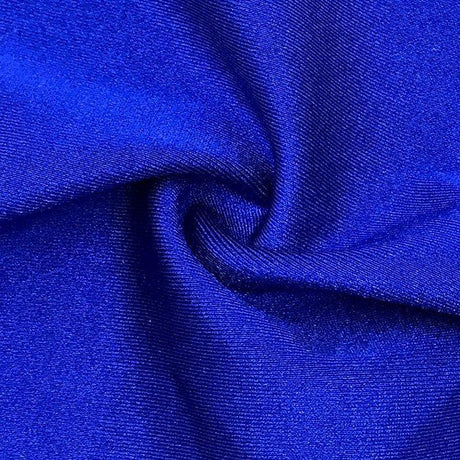
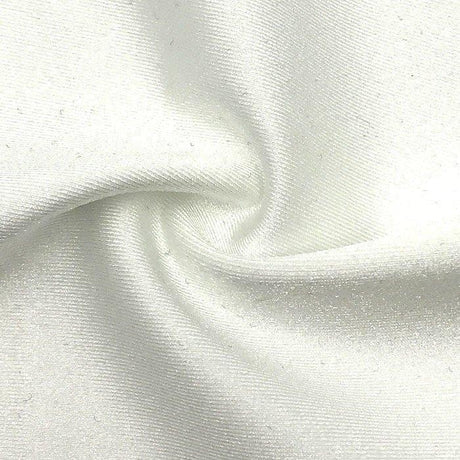
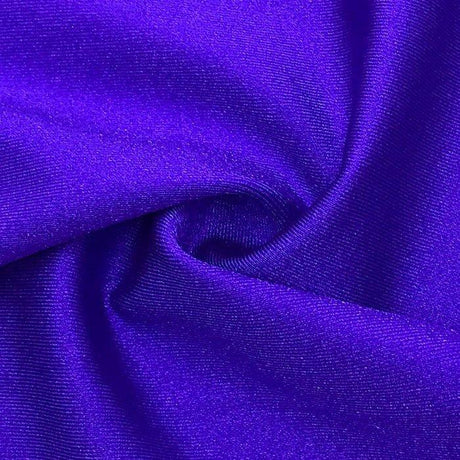
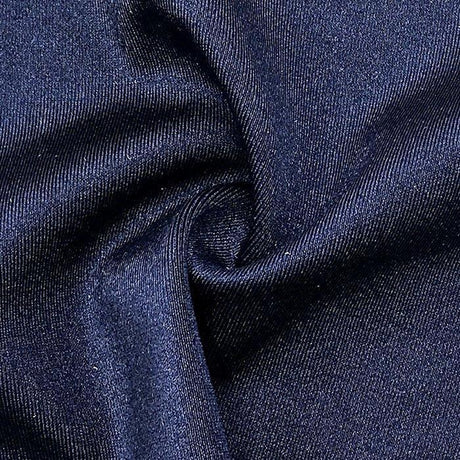
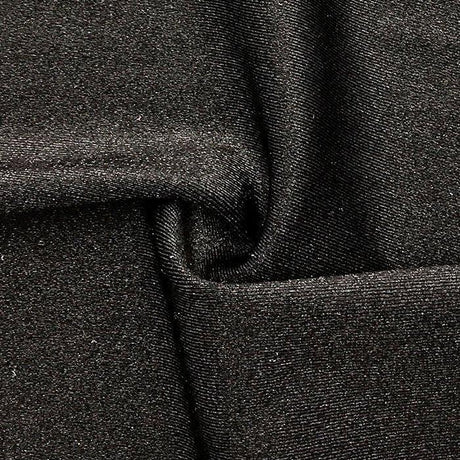
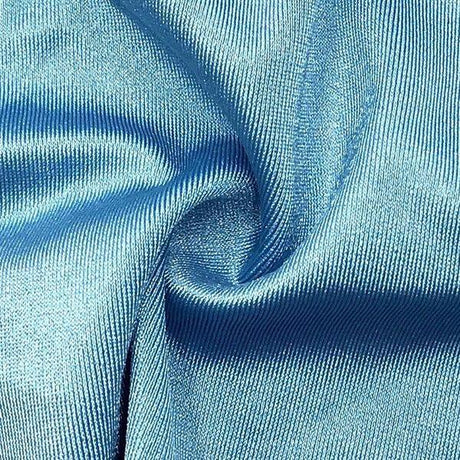
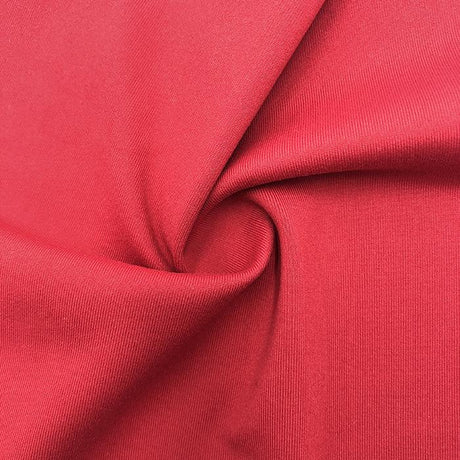
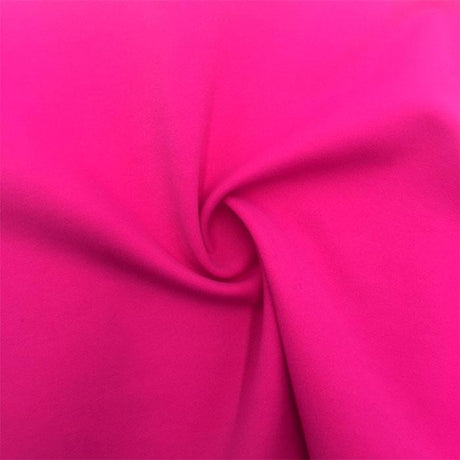
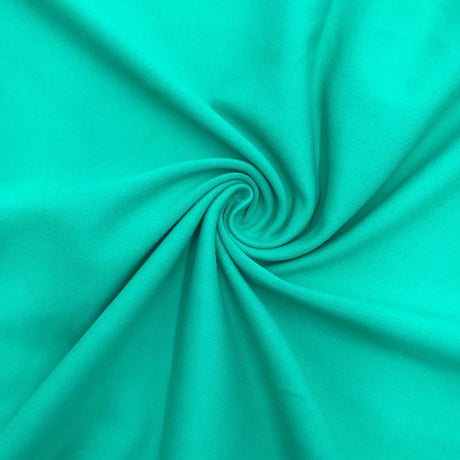
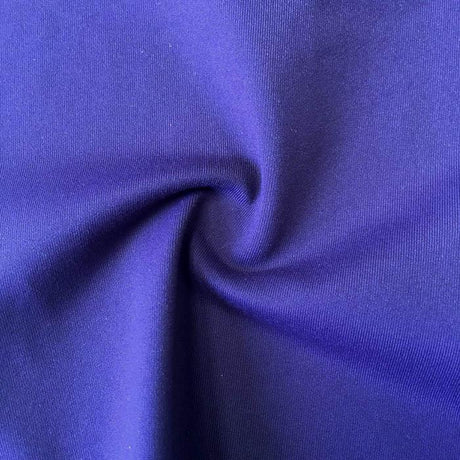
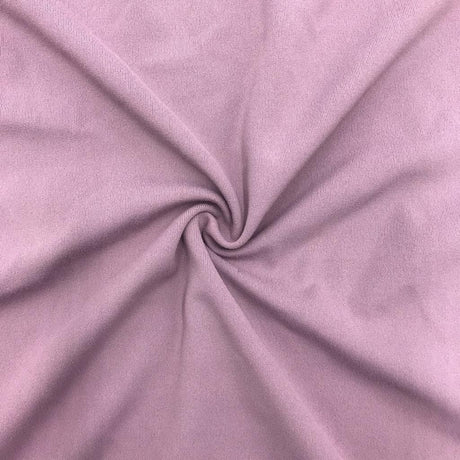
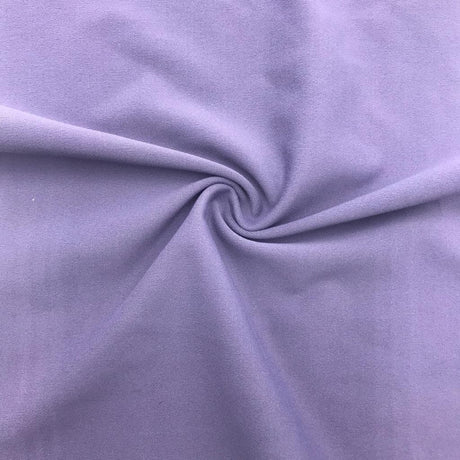
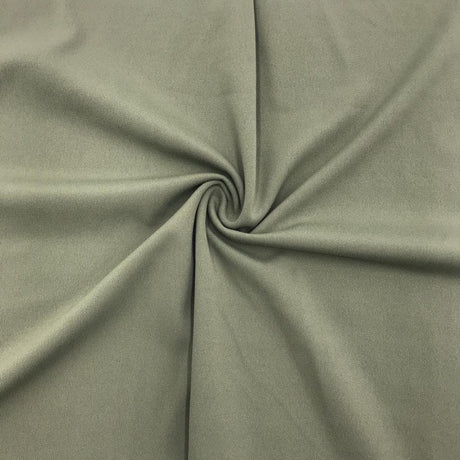
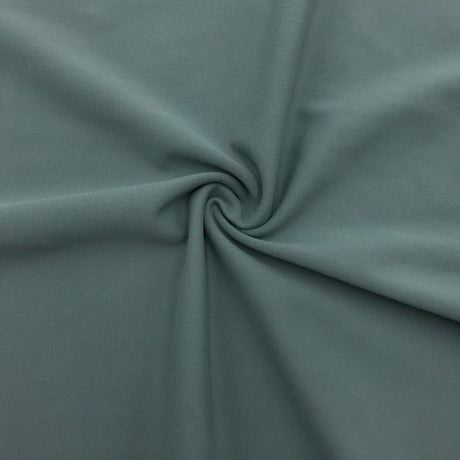
Swimwear designers and DIY sewists often share the same concern: does swimsuit fabric shrink? Even minimal shrinkage can disrupt fit, distort sizing, or create inconsistencies across a production batch. Because swimwear is typically designed with negative ease, small dimensional changes can have a noticeable impact once the garment is worn.
Unlike cotton or other natural fibers, most swim fabrics are synthetic blends such as nylon-spandex or polyester-spandex. These materials behave differently in laundering, and true shrinkage is far less common under normal conditions. When size changes occur, they are usually linked to heat exposure, harsh chemicals, or damage to elastic fibers rather than the fabric shrinking in the traditional sense.
Prewashing swim fabrics is therefore a debated topic. While synthetics are generally stable, many professionals still recommend prewashing as a preparation step to remove mill residues, relax fabric tension from rolling, and stabilize prints or dyes. This guide explains which fabrics benefit from prewashing, which may be better left untreated, and how informed preparation prevents surprises in both home sewing and large-scale manufacturing. For a broader introduction to swim textiles, visit our swimwear fabric guide or explore our full fabric guides hub.
Understanding Swimwear Fabric Shrinkage
Synthetic Versus Natural Fibers
Natural fibers such as cotton and rayon absorb water readily and can shrink significantly when exposed to washing and drying. In contrast, synthetic swimwear textiles are dimensionally stable. A cotton-blend swim garment may shrink by 10% or more if untreated, while a nylon-spandex suit typically maintains its original size. Our nylon-spandex fabric guide covers how this blend's construction contributes to its dimensional stability.
The Role of Spandex (Elastane)
Spandex itself does not shrink easily in water, but it is sensitive to high heat. Excessive temperatures can cause elastane fibers to contract or warp, creating the impression of shrinkage or reduced stretch. Fabrics with higher spandex percentages are slightly more heat-sensitive, meaning improper laundering can affect fit and recovery over time. For a full breakdown of how to care for spandex-based fabrics, see our spandex care guide.
Moisture and Chlorine Effects
Cold water alone rarely causes noticeable shrinkage in quality swim fabrics. Chlorine and hot water are more damaging, breaking down fibers and elasticity. Over time, a swimsuit may feel tighter or looser not because it shrank, but because the stretch structure has degraded. Our swimwear fabric guide covers chlorine-resistant fabric options in detail.
Why Prewashing Matters
For swimwear fabrics, prewashing is less about preventing shrinkage and more about preparation. Fabrics may carry finishing chemicals, residual dyes, or tension from being stored on rolls. A gentle prewash relaxes the textile and reduces the chance of later surprises. However, some performance fabrics include coatings that may be diminished through unnecessary washing, making swatch testing an important step. Our fabric finishes guide explains which coatings are most sensitive to repeated washing.
Which Fabrics to Prewash and Which to Skip
Fabrics That Benefit From Prewashing
Swim fabrics containing natural fibers should always be prewashed because they are prone to measurable shrinkage. Printed fabrics also benefit from washing to ensure color stability. Powermesh and lining materials may contain sizing finishes, so prewashing helps them behave consistently during sewing.
Even standard nylon-spandex blends rarely shrink, but prewashing removes excess dye and dust from production, supporting better garment longevity and handling. For a full overview of how nylon-spandex performs across different preparation methods, see our nylon-spandex fabric guide.
Fabrics That May Not Require Prewashing
Some 100% synthetic swim fabrics are solution-dyed, pre-stabilized, and free of surface finishes. These materials are often considered cut-and-sew ready. Fabrics with protective coatings, such as UV resistance or water repellency, may lose effectiveness with repeated washing – our fabric finishes guide explains how to identify and preserve these treatments. In these cases, manufacturers often rely on supplier guidance to determine whether prewashing is necessary.
Production Considerations
Professional manufacturers typically follow shrink testing data and mill specifications. Consistency across batches depends on aligning fabric preparation with documented performance characteristics. If you have questions about specific fabrics or batch preparation, our expert help and advice page connects you with knowledgeable staff, and our FAQ page covers common ordering and specification questions.
Technical Specifications: Shrink Rates, Stretch, and Composition
Common Swim Fabric Properties
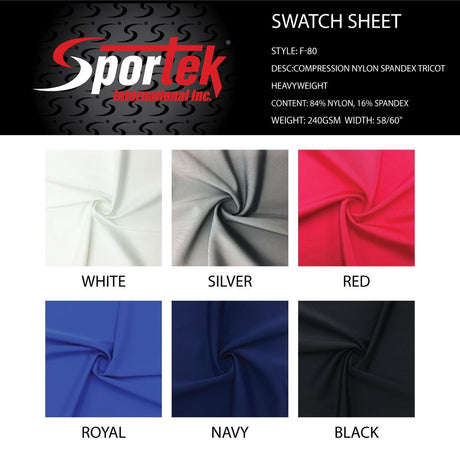
Swimwear fabrics vary in composition, weight, and stretch performance. A comparison highlights typical behavior:
| Fabric Type | Composition | GSM Range | Stretch | Shrinkage Rate |
|---|---|---|---|---|
| Nylon/Spandex Tricot | 80/20 | 180–200 | Excellent 4-way (~100%) | 3–5% max with improper heat |
| Polyester/Spandex Knit | 85/15–90/10 | 180–220 | Strong 4-way | Usually <3% shrink |
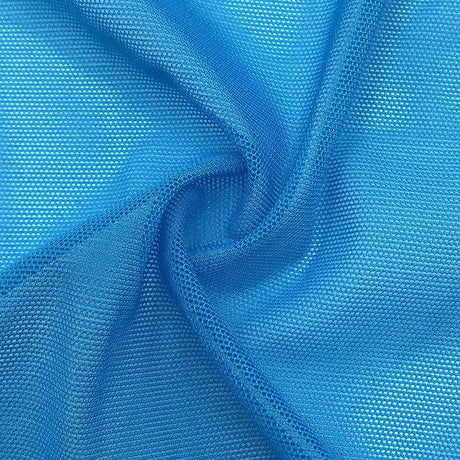
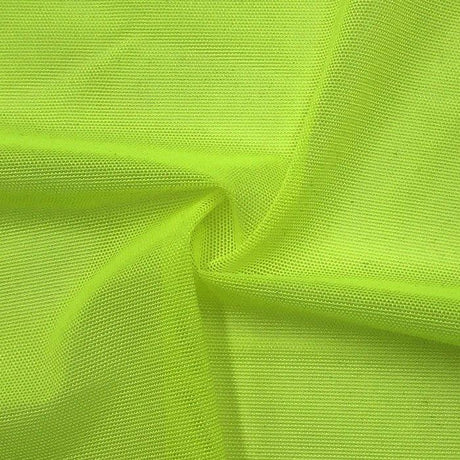
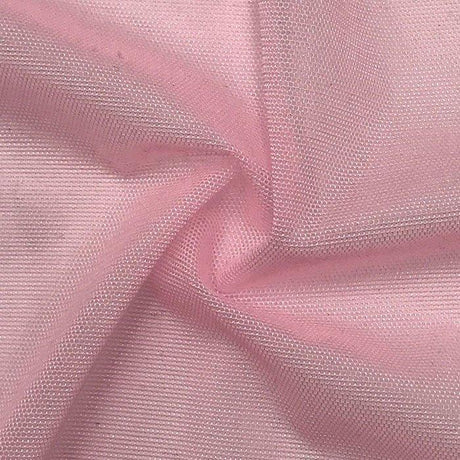
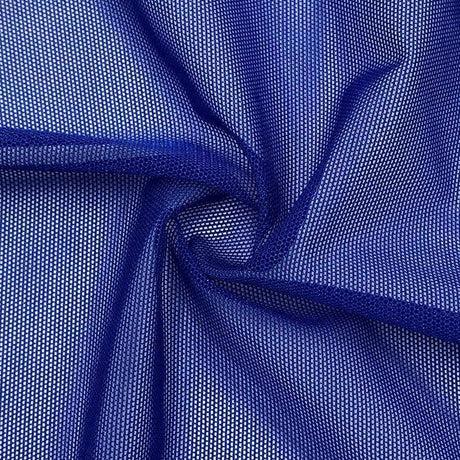
| Power Mesh (Synthetic) | Nylon/Poly + Spandex | 80–120 | Varies | Negligible |
| Swim Lining Tricot | Poly or Poly/Spandex | 100–150 | Moderate 4-way | Essentially none |
| Boardshort Woven Poly | Polyester | 120–170 | Low mechanical stretch | Very low |
All-synthetic swim options are generally shrink-resistant, while cotton or rayon blends show higher shrink potential. See our fabric weight guide for a full explanation of GSM ranges and what they mean for opacity, durability, and performance.
Spandex Percentage and Stability
Most swim fabrics contain 15–20% spandex, balancing stretch with durability. Extremely high spandex content increases sensitivity to heat, while low spandex blends rely more on polyester structure and offer reduced elasticity. Our stretch fabric types page compares spandex percentages across common swim fabric constructions.
Fabric Weight and Dimensional Stability
Mid-weight fabrics around 200 GSM are standard for swimwear, offering opacity and stability. Heavier fabrics provide compression and are highly resistant to distortion. Weight itself does not cause shrinkage, but tighter knit construction increases dimensional stability. Visit our fabric weight guide for a detailed breakdown of how GSM affects swimwear performance.
Stretch and Recovery
Swim fabrics require strong recovery to maintain fit. Technical sheets often list stretch values such as "100% width, 75% length," confirming the ability to expand significantly while returning to shape. Our stretch fabric types page explains how to read and compare these figures when selecting fabrics.
Fabric Choice by Project Type
Swimwear and Bikinis
Nylon-spandex blends remain popular for comfort and high stretch. Polyester-spandex fabrics offer better chlorine resistance and stability for training suits. Our swimwear fabric guide walks through the best fabric choices for different swimwear styles and end uses.
Prewashing outer fabric and lining together ensures both layers begin equally conditioned. For guidance on lining care and shrinkage, as well as lining fabric selection, our fabric care guide is an essential reference – particularly important for delicate lining materials.
Performance Activewear
Many swim fabrics double as activewear textiles. Polyester blends are durable and quick-drying, while nylon blends feel softer but require careful laundering to avoid heat damage. Our activewear fabric guide covers how these same fabrics perform in athletic and training contexts, including moisture management and durability considerations.
Prewashing performance fabrics removes finishing chemicals and supports breathability, though specialty coatings may require gentler treatment. See our fabric finishes guide to identify which coatings are wash-sensitive before proceeding.
Upholstery and Specialized Outdoor Projects
Swim-grade fabrics are sometimes used for outdoor covers. In these applications, UV resistance and coatings are more important than stretch. Aggressive prewashing is often avoided because it can strip protective finishes. Our fabric finishes guide provides detailed guidance on preserving UV-resistant and water-repellent coatings.
Common Mistakes to Avoid
Skipping prewashing entirely is a frequent oversight. Even a small relaxation change can alter the fit of a snug swimsuit, and unwashed fabric may contain excess dye. Our swimwear fabric guide includes preparation checklists for both beginner and professional sewists.
High heat is the most damaging factor for swimwear textiles. While synthetics do not shrink like cotton, heat can destroy elastane recovery and permanently affect fit. Always follow the laundering recommendations in our spandex care guide and fabric care guide to avoid irreversible damage.
Mixing fabric types without preparation can also distort garments. Natural fiber trims may shrink while synthetics remain stable. Our how to choose fabric guide helps you identify compatible material combinations before cutting.
Linings are often neglected, yet they play a major role in fit and durability. Selecting appropriate lining and following proper care recommendations prevents uneven tightening or loosening. Our fabric care guide covers lining-specific preparation and laundering in detail.
When Alternative Fabrics and Supports Are Useful
Polyester Blends Over Nylon
Polyester-spandex fabrics are preferred for heavy chlorine exposure because they resist breakdown and maintain size longer. They are also more stable under UV and heat exposure. For a side-by-side comparison of polyester and nylon swim fabrics, see our swimwear fabric guide.
Power Mesh and Quality Linings
Power mesh provides long-term shape retention in high-stress areas such as tummy-control panels. Polyester linings maintain support and prevent garments from relaxing in water. Our stretch fabric types page covers power mesh construction and its role in structured swimwear.
Avoiding Cotton in Functional Swimwear
Cotton overlays may shrink and sag when wet, making them unsuitable for functional swimwear unless fully supported by stable linings. Our cotton-spandex fabric guide explains when cotton blends are appropriate and when a fully synthetic option is the smarter choice.
Conclusion
Swimwear fabrics are generally shrink-resistant because they are primarily synthetic. True shrinkage is rare under proper care, but heat exposure and fiber degradation can create perceived fit changes.
Prewashing is less about preventing classic shrinkage and more about preparing fabric for consistent performance. Following supplier recommendations, consulting our swimwear fabric guide, and applying reliable care practices for nylon-spandex fabrics supports stable production outcomes.
Equally important is proper lining preparation. Attention to our fabric care guide and spandex care guide ensures that shell and lining fabrics work together without unexpected distortion.
With informed fabric preparation and gentle laundering practices, swimwear projects can achieve predictable sizing, long-term durability, and professional results. Explore our full fabric guides hub for more resources, and don't forget to sign up for SpandexByYard Rewards to earn points on every purchase. If you have questions along the way, our expert help and advice page and FAQ are always available.