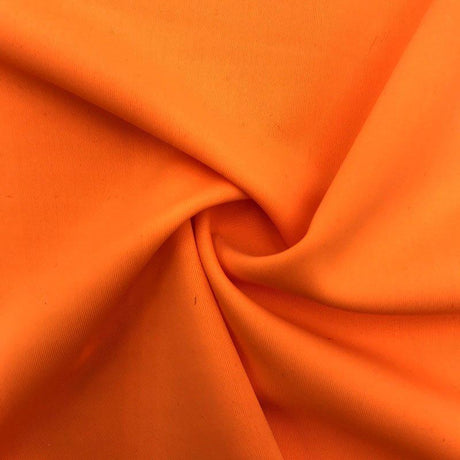
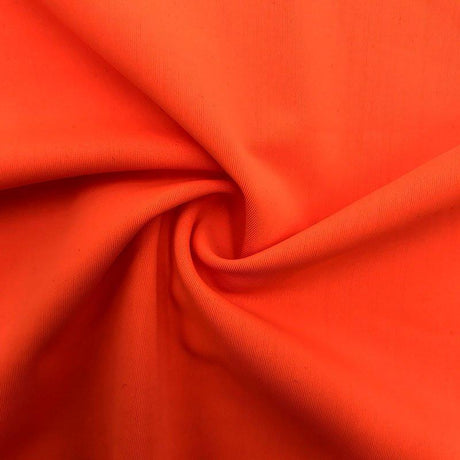
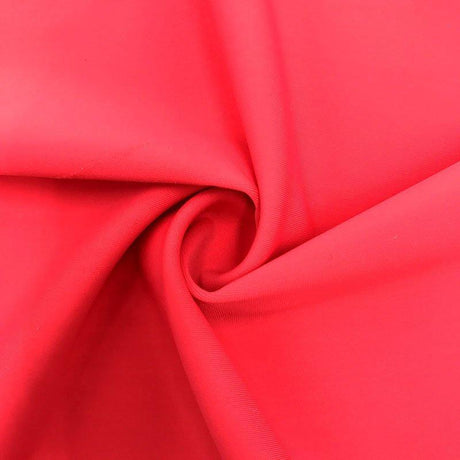
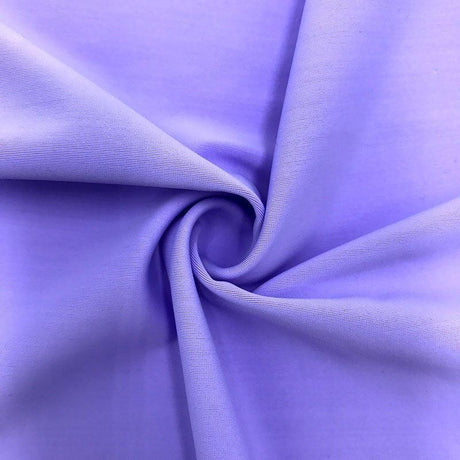
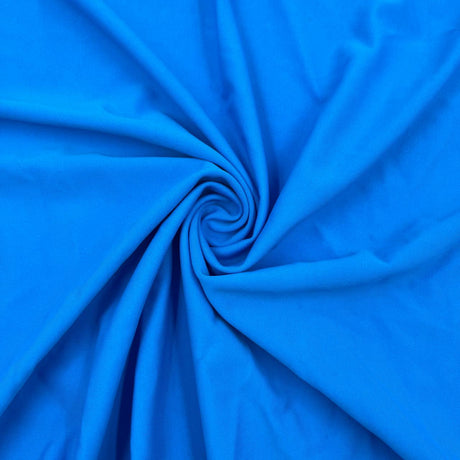
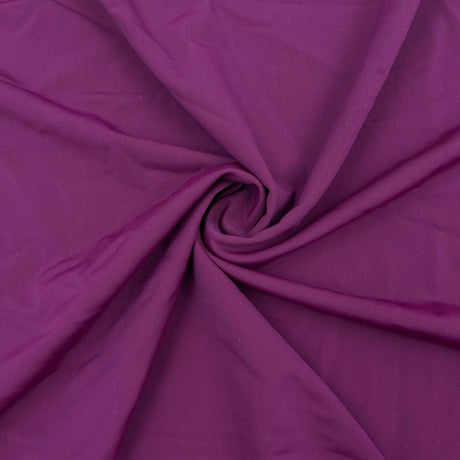
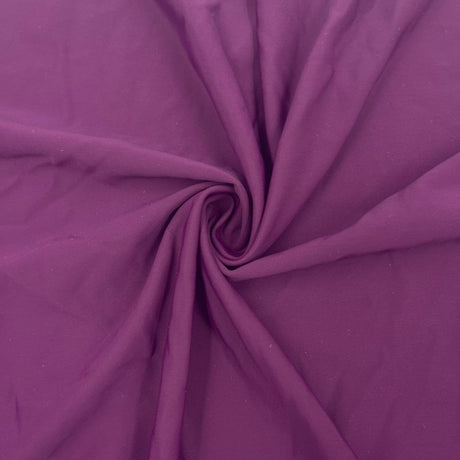
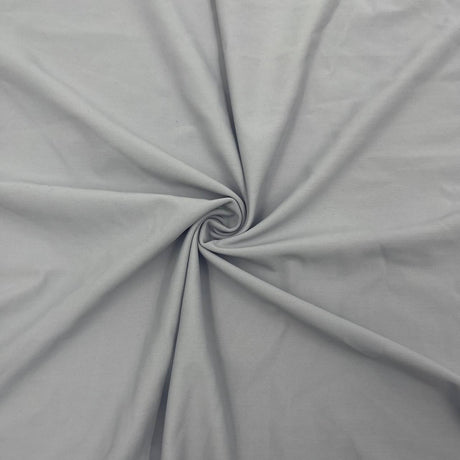
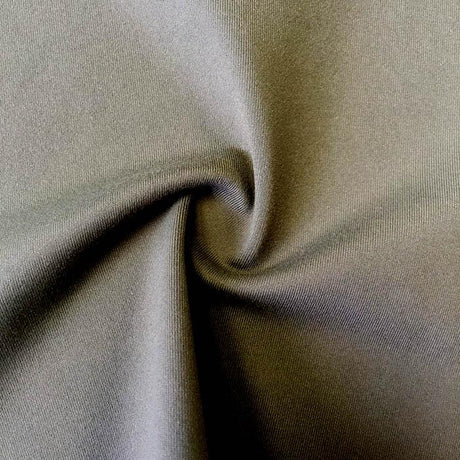
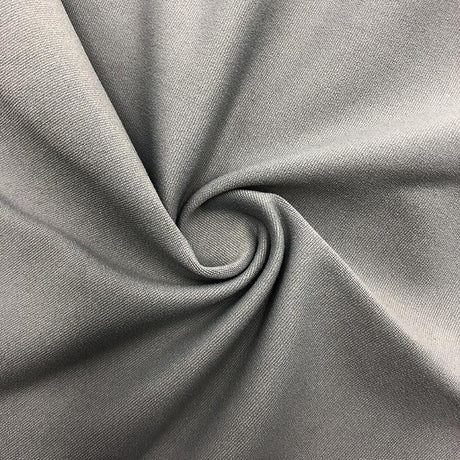
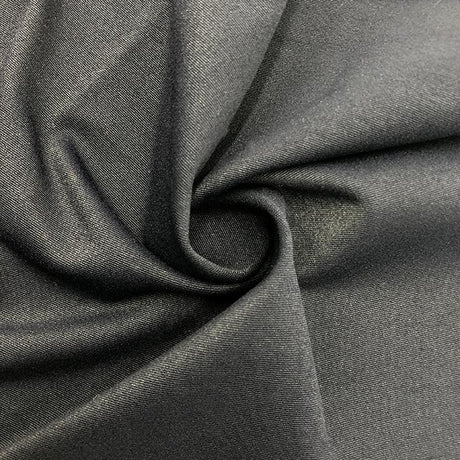
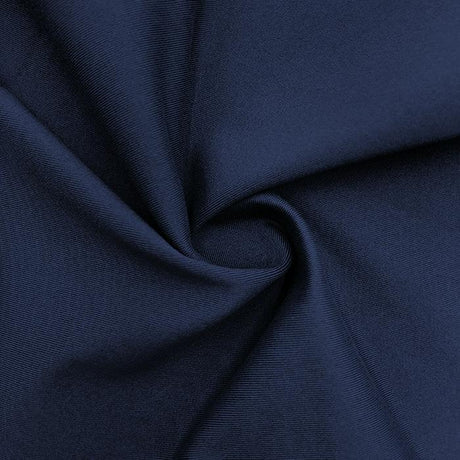
In the high-stakes world of apparel manufacturing, a bulk order is a leap of faith. It's a significant financial investment based on a supplier's promise, a digital image, and a leap of hope. For those who purchase a specialized fabric like spandex, the stakes are even higher, as the material's unique properties – from its stretch to its hand feel – can be difficult to assess from a distance. Before diving in, our how to choose fabric guide and fabric guides hub provide a strong foundation for defining the specifications your sample evaluation will be measured against.
A fabric sample is the single most powerful tool a buyer has. It is your quality control lab, your production partner, and your negotiation tool all in one. It is the only way to move from an assumption about a fabric to a verifiable fact. A supplier who is confident in their product will be transparent and eager to provide you with a sample. A supplier who is hesitant or evasive is a major red flag that should not be ignored.
The High Stakes of Skipping a Sample: A Blind Purchase is a Bad Purchase
For a small business, a bulk purchase is a significant financial investment. Skipping a sample is not just a shortcut; it's a gamble that exposes your business to a variety of substantial risks.
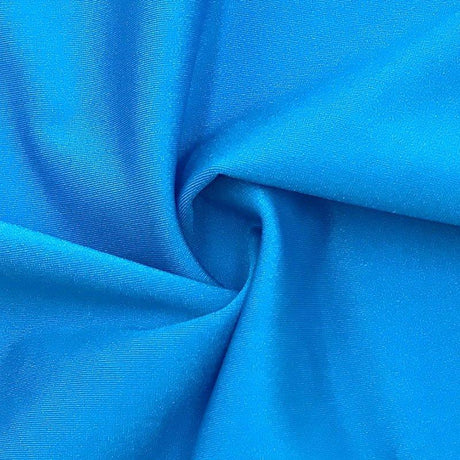
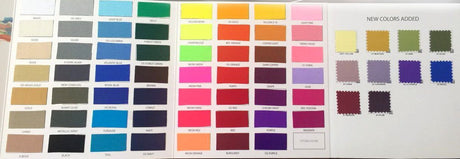
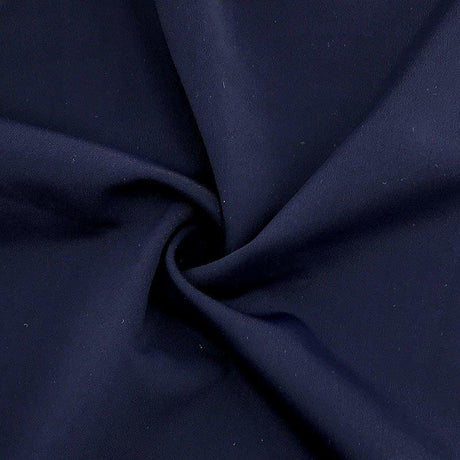
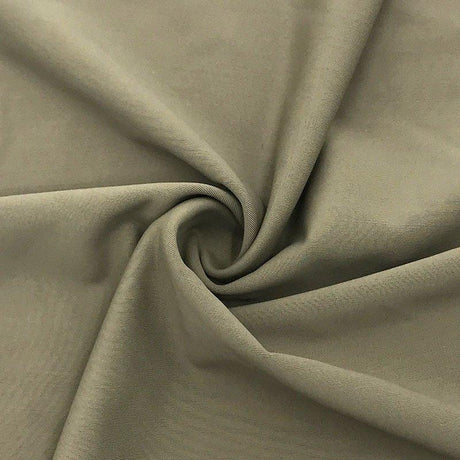
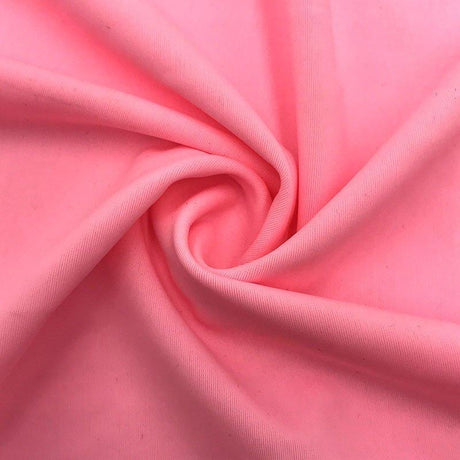
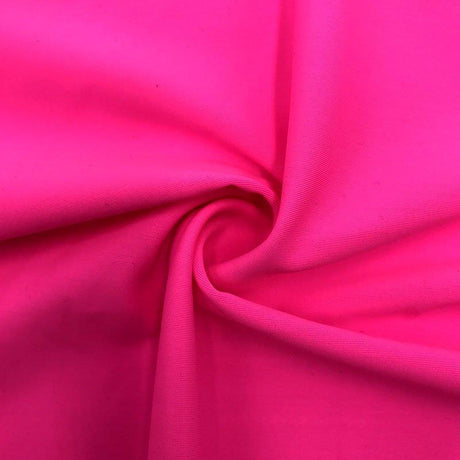
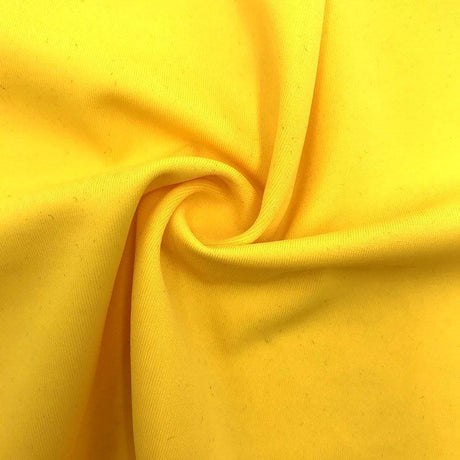
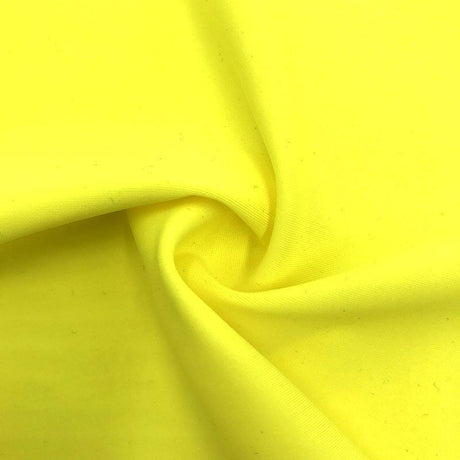
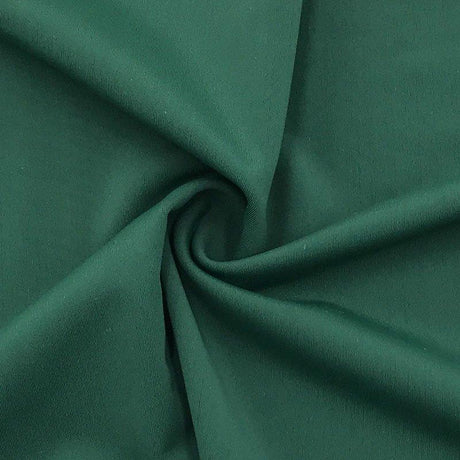
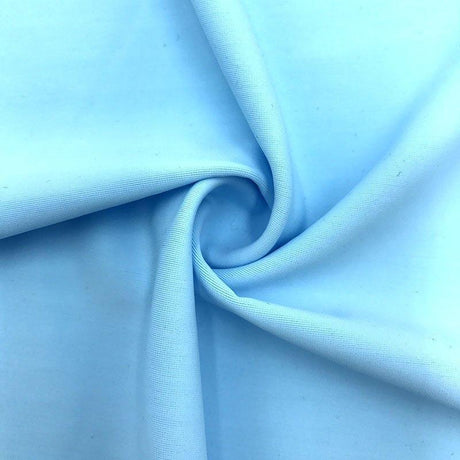
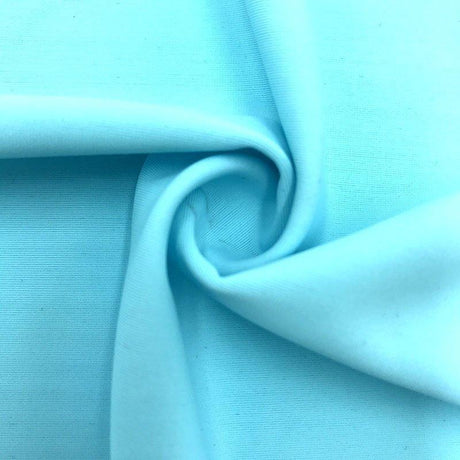
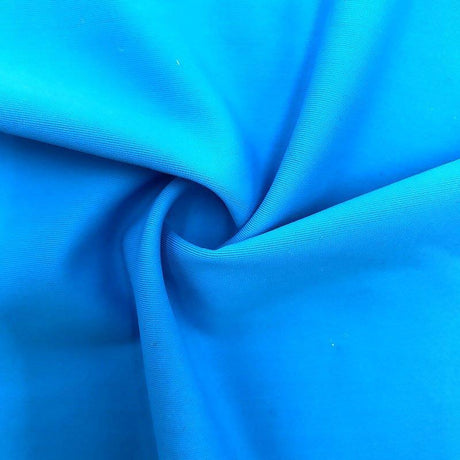
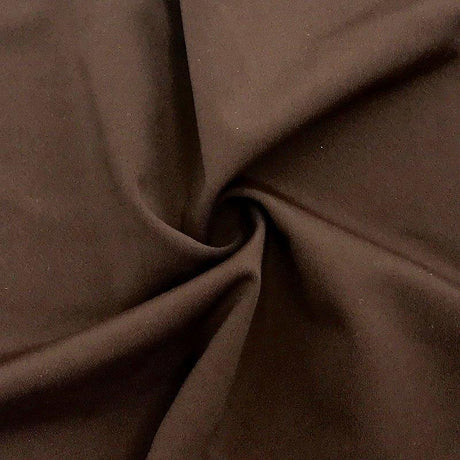
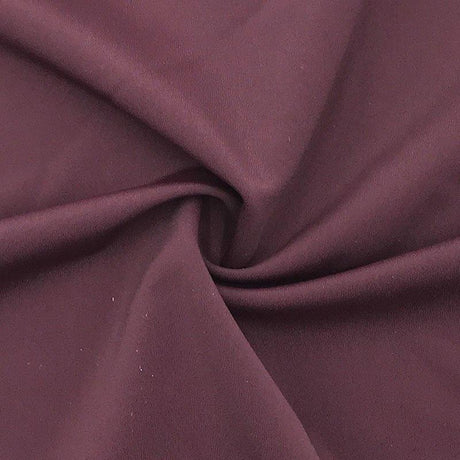
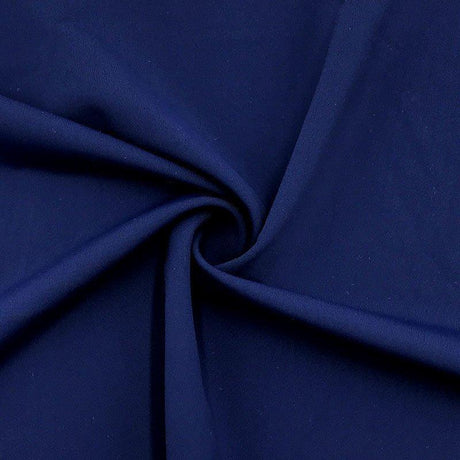
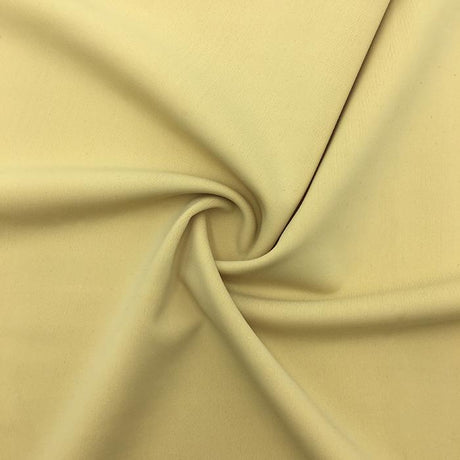
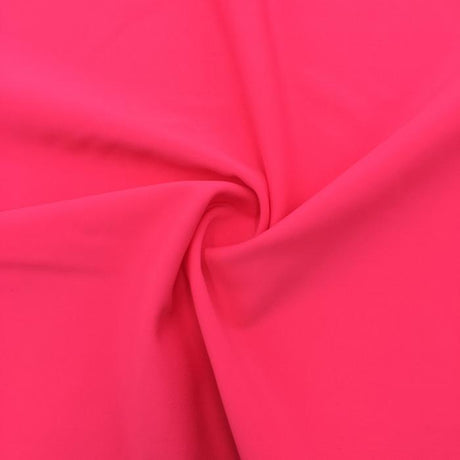
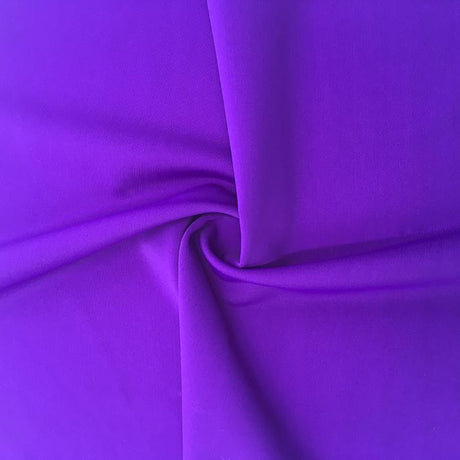
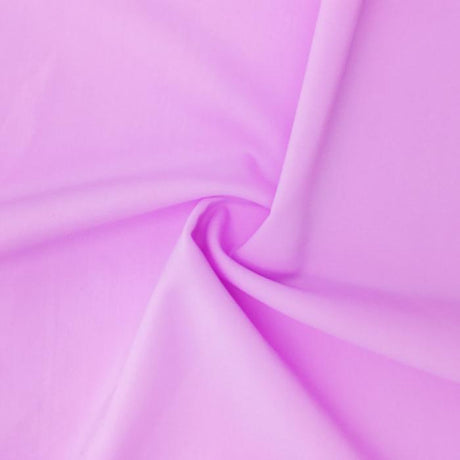
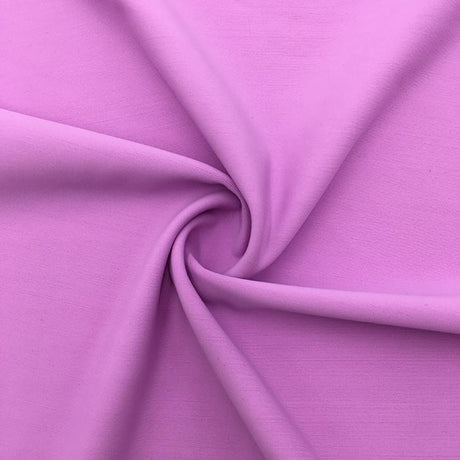
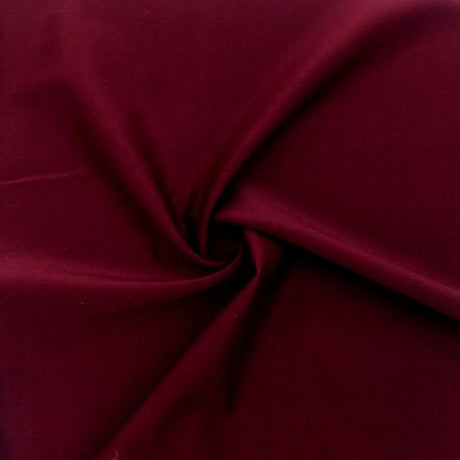
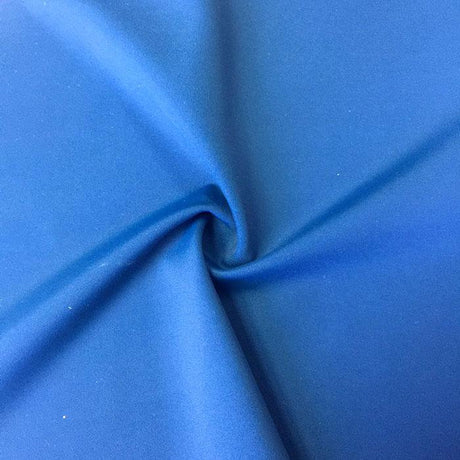
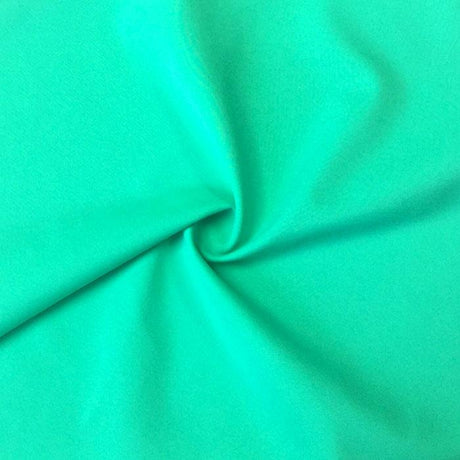
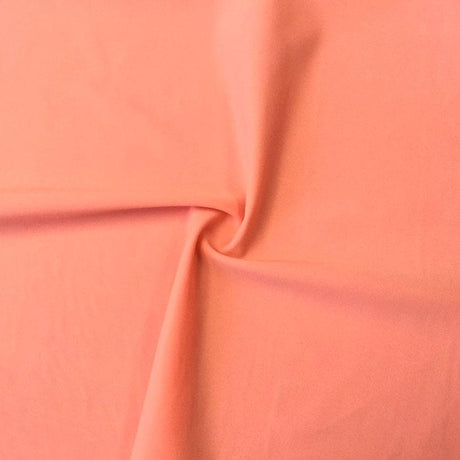
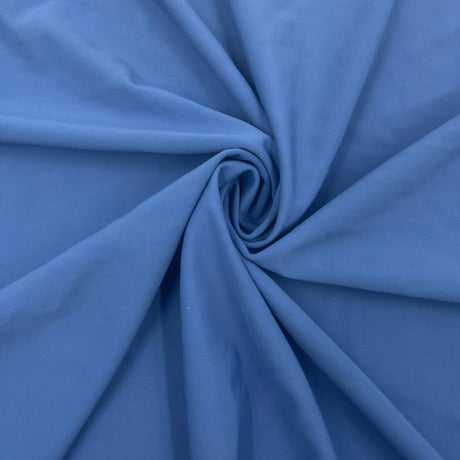
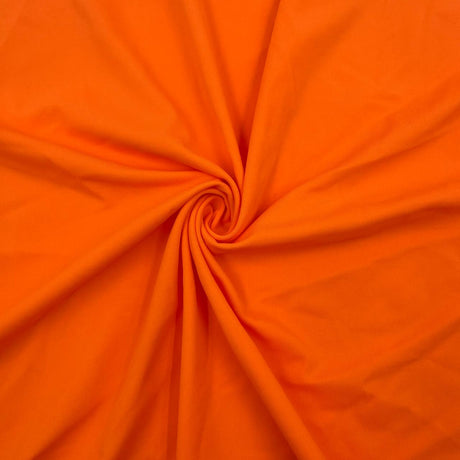
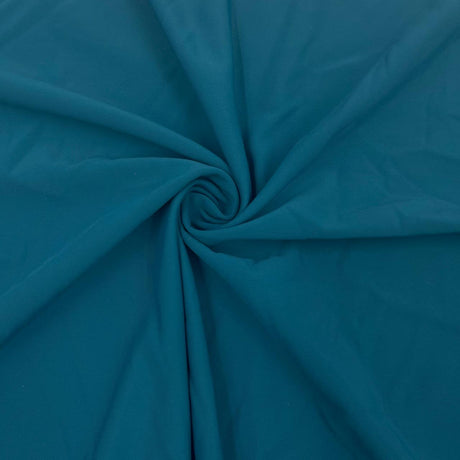
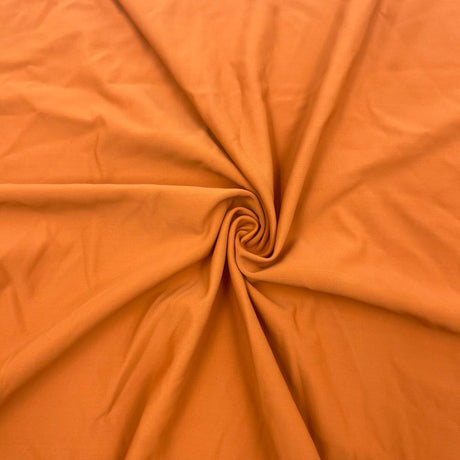
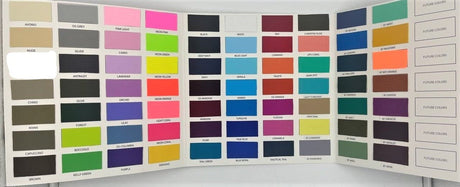
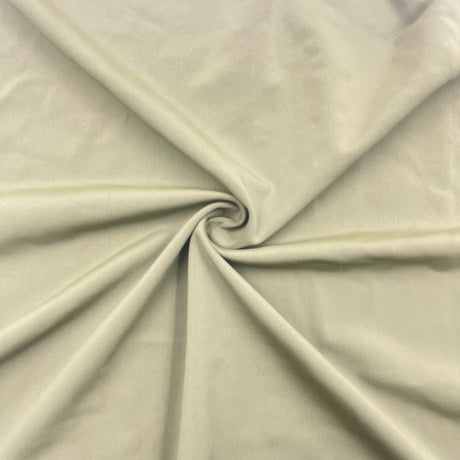
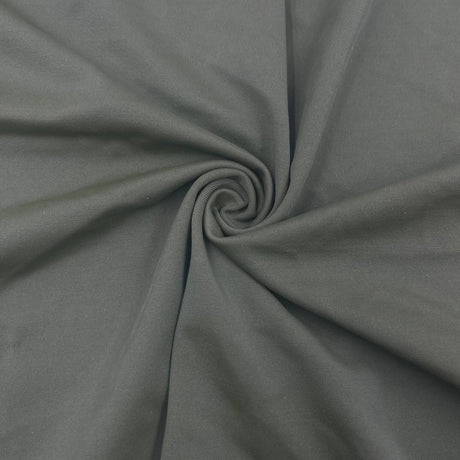
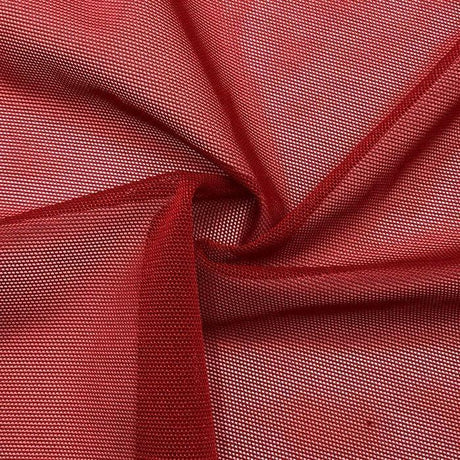
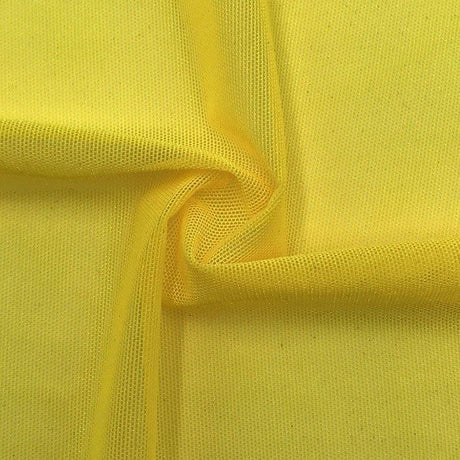
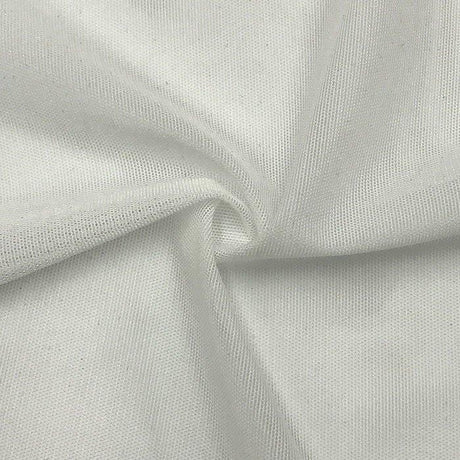
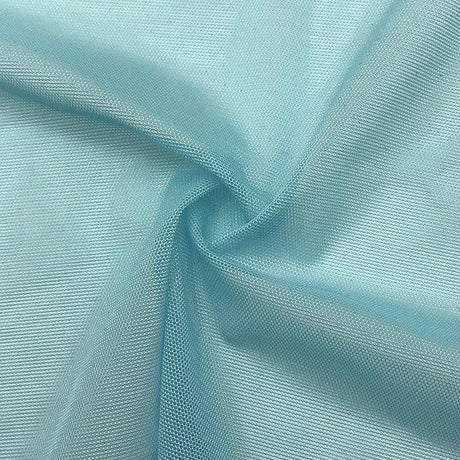
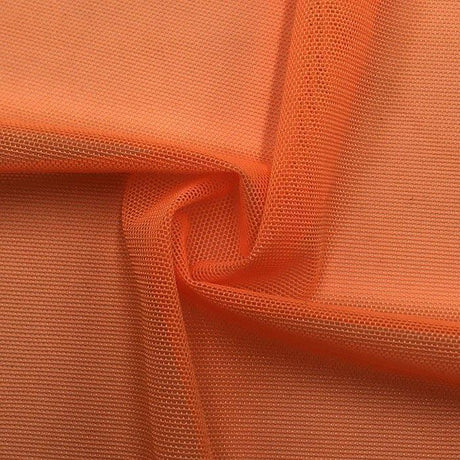
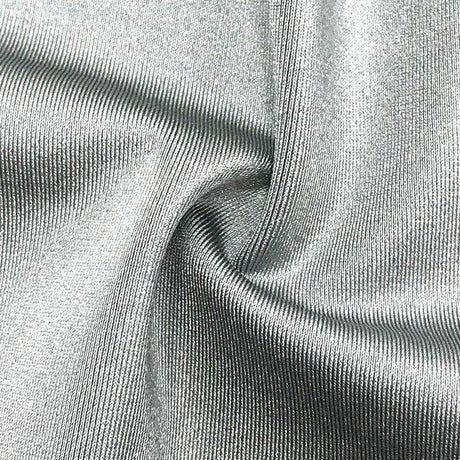
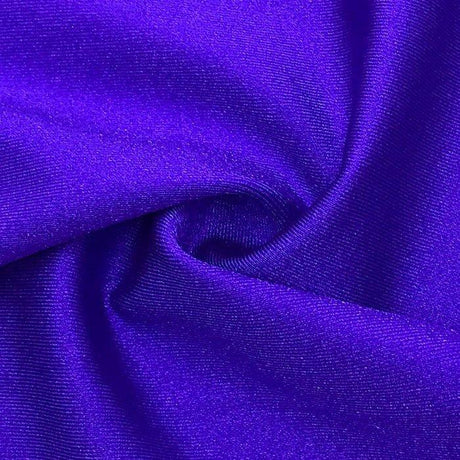
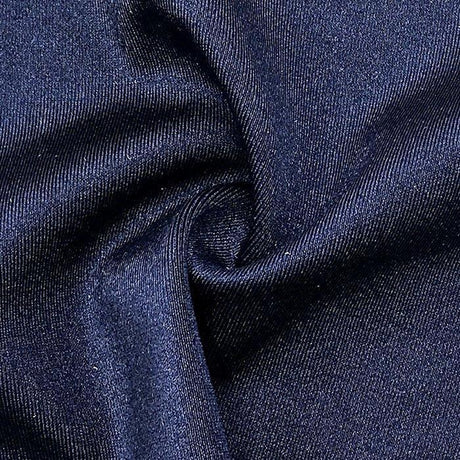
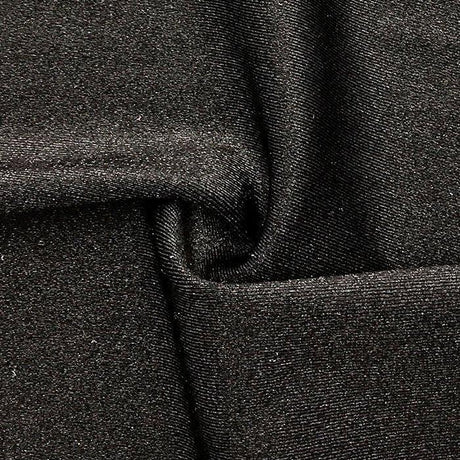
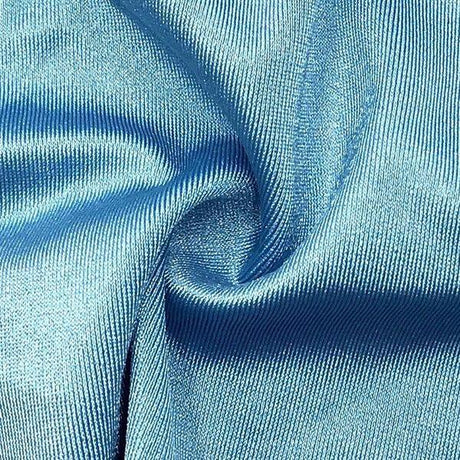
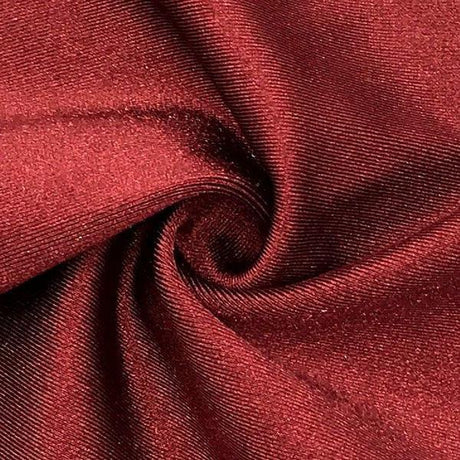
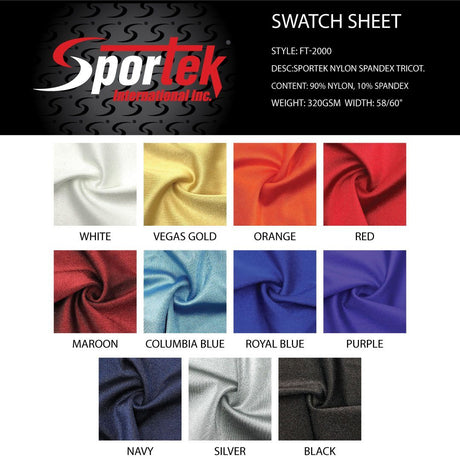
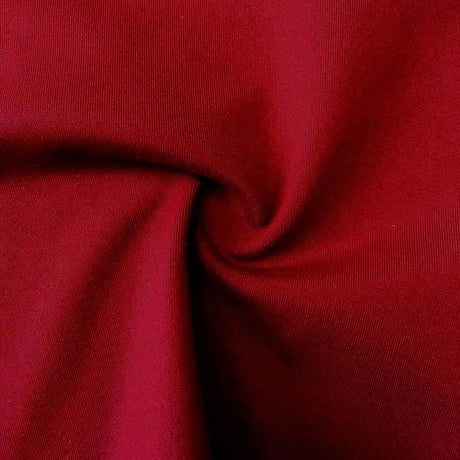
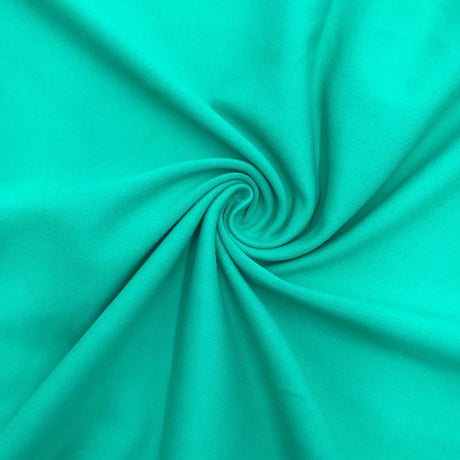
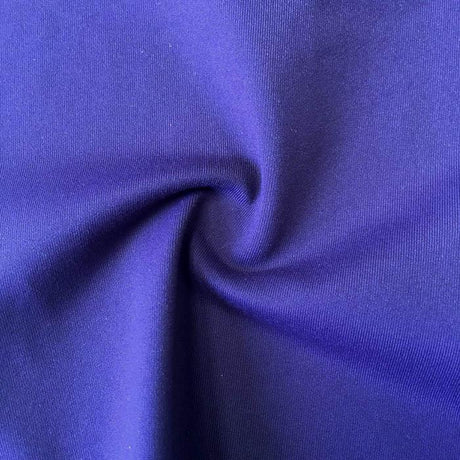
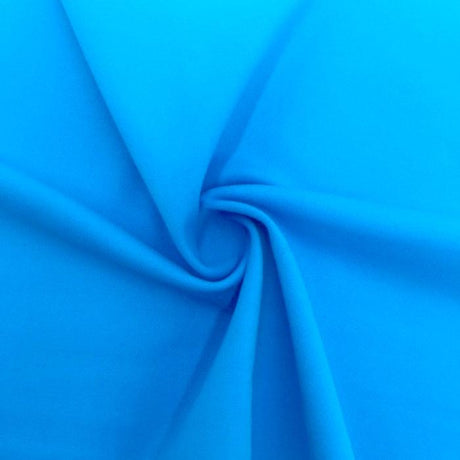
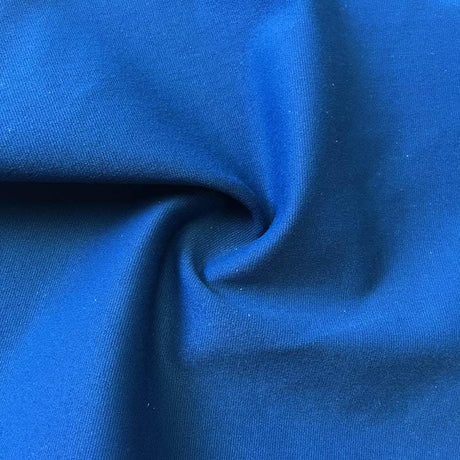
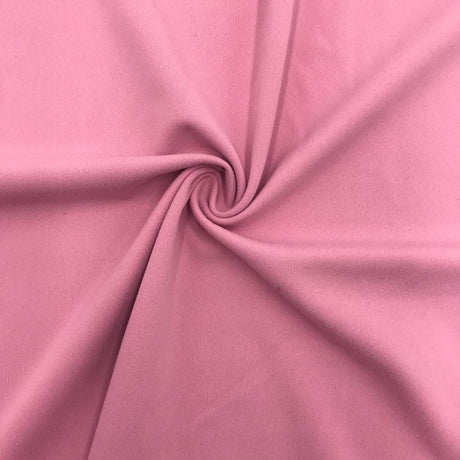
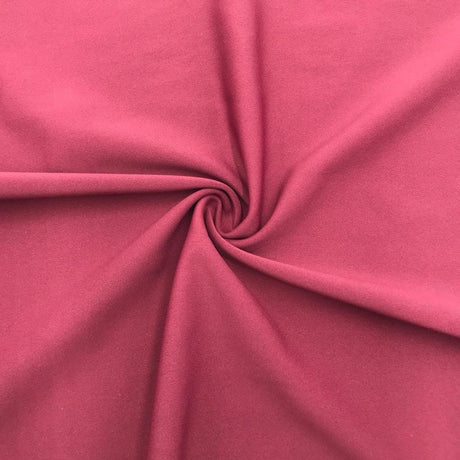
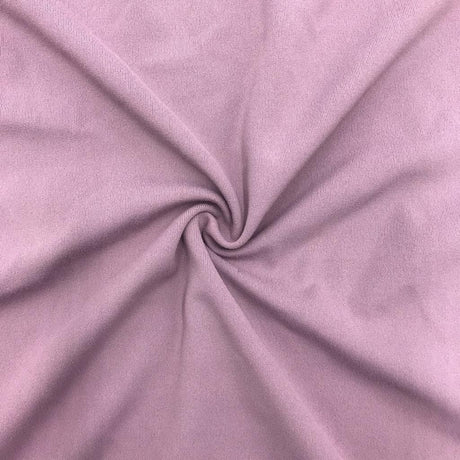
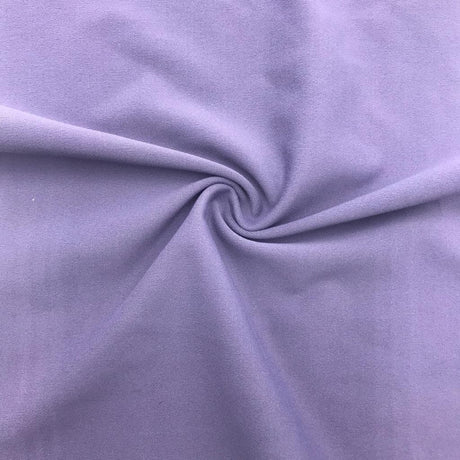
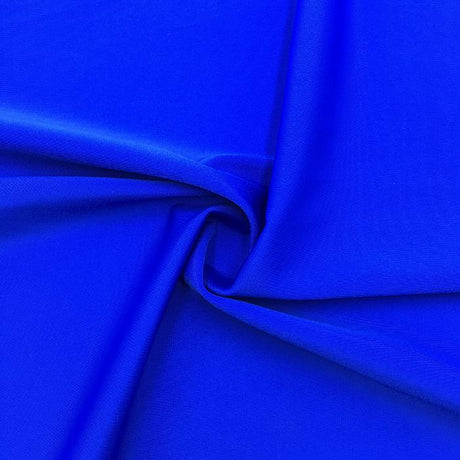
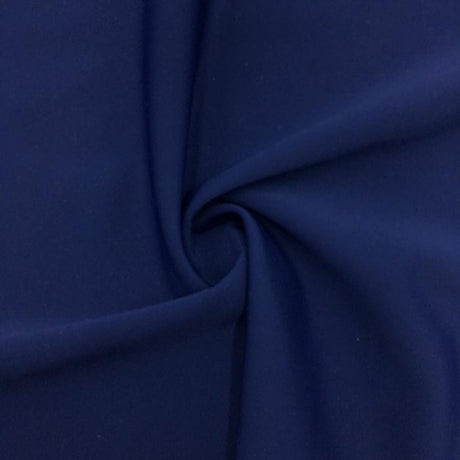
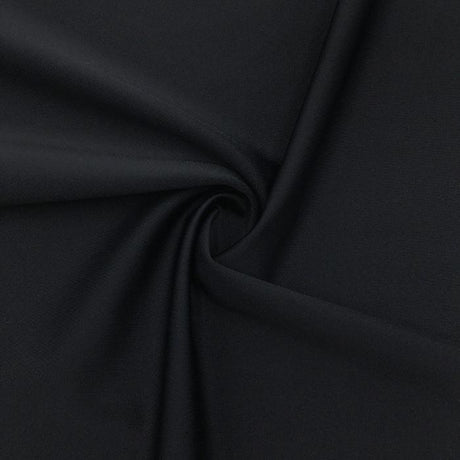
1. The Disconnect Between Digital and Reality: A photo on a website or in a catalog can be misleading. The color, texture, and finish of a fabric can look completely different on a screen than they do in real life. The subtle variations in a fabric's hue, its sheen, or its matte finish can only be assessed in person. Our fabric finishes guide covers how matte and shiny finishes differ in appearance and performance – properties that are impossible to assess accurately from a digital image.
2. The Misleading Hand Feel: A fabric's "hand feel" is a crucial factor in a garment's comfort and performance. A photo cannot convey the buttery softness of a nylon-spandex blend or the technical feel of a polyester-spandex blend. Our nylon-spandex fabric guide covers how nylon and polyester companion fibers differ in hand feel – distinctions that are only verifiable by touch.
3. Inconsistent Quality and Unverified Claims: A supplier may claim that a fabric has an 80% stretch and an excellent recovery rate, but a photo cannot verify this. A supplier may claim that a fabric has a high GSM, but a photo cannot verify its true weight. Our stretch fabric types page and fabric weight guide cover the step-by-step testing methodology for verifying these claims on a physical sample before committing to a bulk order.
4. Production Delays and Financial Loss: If the bulk order arrives and the fabric does not meet your expectations, you are faced with a terrible choice: move forward with a subpar fabric and compromise your product quality, or send it back and incur significant production delays and potential total financial loss. A sample prevents this nightmare scenario.
Sampling is not an optional step; it is a fundamental part of your business's risk management strategy.
Part 1: The Sample as Your Quality Control Lab
A sample is your best tool for a thorough quality check. It is a tangible piece of your bulk order that you can inspect, test, and verify.
1. Visual Inspection
The Test: Hold the sample up to a natural light source. Does the color match the digital image? Does the finish (matte vs. shiny) meet your expectations? Are there any visible defects, such as snags, stains, or a subtle color variation?
The Benefit: This is your first and most basic quality check. It allows you to catch any major visual issues before you place a large bulk order. Our fabric finishes guide covers how to distinguish between different surface finishes and what visual defects to look for during a sample inspection.
2. Hand Feel and Texture
The Test: Feel the fabric. Is it soft? Is it smooth? Is it coarse? Does it have a silky, buttery feel, or a more technical, structured feel?
The Benefit: A fabric that feels uncomfortable or coarse in your hand is a fabric that will be uncomfortable for your customer. Our nylon-spandex fabric guide and cotton-spandex fabric guide describe the hand feel benchmarks for the two most common spandex-blend types so you can compare your sample against established expectations.
3. Stretch and Recovery Test
This is the single most important test you can perform on a spandex sample.
The Test: Use a ruler to mark a 10-inch segment of the sample. Stretch the fabric to its maximum elongation and then release it. Does it have a high stretch percentage? Does it snap back to its original 10-inch length?
The Benefit: This will tell you if the fabric has the core properties you need for your product to perform as expected. A fabric with a poor recovery rate will become loose and saggy over time, which is a major customer complaint. Our stretch fabric types page covers the full step-by-step stretch and recovery testing methodology, including how to calculate stretch percentage and interpret recovery results.
4. Wash and Dry Test
The Test: Wash and dry a small piece of the sample according to your care instructions. Use a cold wash and an air-dry.
The Benefit: This is your final check for shrinkage, colorfastness, and any changes in hand feel or performance. If the fabric bleeds color or shrinks significantly, it's a clear sign of a problem that needs to be addressed before you place a bulk order. Our fabric care guide covers the correct washing and drying protocols so your sample wash test reflects real-world care conditions, and our spandex care guide covers what changes in elastane recovery after washing indicate about overall fiber quality.
Part 2: The Sample as Your Production Partner
A sample is not just for quality control; it is a crucial partner in your production process.
1. Pattern and Fit Testing
The Benefit: A sample allows a designer to check for fit, drape, and any issues with cutting or sewing. A fabric that looks perfect on a roll may not work in a finished garment. A sample allows you to catch these issues before you commit to a large production run. Our how to sew stretch fabric guide covers cutting techniques, needle selection, stitch settings, and construction methods that should all be tested on your sample before production begins.
2. Market Testing
The Benefit: A sample allows a business to create a small batch of a product for a test launch, which is a low-risk way to get feedback from customers. This is a crucial step for a new business that needs to validate its product before making a significant financial investment.
3. Cost and Efficiency Analysis
The Benefit: You can use a sample to calculate the fabric yield, the labor costs, and the production time. This will give you a clear idea of your true cost of production and will help you price your product for a profitable sale. Understanding your fabric's GSM and stretch percentage is essential to this calculation – our fabric weight guide covers how GSM affects yield per yard, and our stretch fabric types page covers how stretch percentage affects pattern sizing and ease allowances.
For garments intended for sublimation printing, your sample evaluation should also include a print test. Our sublimation guide covers how to evaluate print quality on a physical sample before committing to a full production run, and our sublimation paper and sublimation transfer paper pages cover the tools needed for professional print testing.
Part 3: The Sample as a Negotiation Tool
A sample is your best tool for a powerful negotiation.
1. Verifying Supplier Claims
A sample allows you to verify all the claims a supplier has made. If a supplier promises a fabric with an 80% stretch, but the sample you receive has a 50% stretch, you have a clear basis for a negotiation. Our stretch fabric types page covers how to measure and document stretch discrepancies, and our fabric weight guide covers how to verify GSM claims by hand – both essential tools for a data-driven negotiation conversation.
2. A Basis for the Contract
A sample can be a physical part of a contract. The bulk order you receive must match the sample you approved. If it does not, you have a clear basis for a return or a refund. A sample is your final line of defense against a supplier who is not transparent or honest. Our FAQ page covers our own return and defective product policies as a useful benchmark when defining sample-based contract terms with any supplier.
The Proactive Approach: The Path to a Problem-Free Purchase
Sampling is the single most effective way to prevent all the common problems of bulk purchasing. It is a small investment of time and money that provides a massive return in peace of mind, a low-risk production run, and a high-quality finished product.
Don't Skip It: The temptation to skip a sample is a major trap. It is a decision that often leads to a costly mistake.
Be Thorough: Do not simply hold the sample up to the light. Test it, wash it, and sew it. Use our stretch fabric types page, fabric weight guide, fabric care guide, and how to sew stretch fabric guide as your evaluation framework at each stage.
Communicate: Share your findings with your supplier. A good supplier will value your feedback and will work with you to find a solution to any problems. Our expert help and advice page connects you with knowledgeable staff who can help you interpret sample test results and evaluate supplier responses.
Conclusion
The importance of sampling before a bulk order cannot be overstated. It is the single most effective tool a buyer has for ensuring a successful, risk-free purchase. A sample is your quality control lab, your production partner, and your negotiation tool all in one. It allows you to move from an assumption about a fabric to a verifiable fact, protecting your business from a host of expensive and brand-damaging problems.
Ready to explore a world of certified, high-quality fabrics you can test with confidence? Use our how to choose fabric guide to define your specifications, our stretch fabric types page and fabric weight guide to build your evaluation criteria, and our activewear fabric guide or swimwear fabric guide for end-use specific recommendations. Our how to sew stretch fabric guide, fabric care guide, and spandex care guide will guide your sample construction and wash testing. Have questions? Our expert help and advice page and FAQ are always available. Sign up for SpandexByYard Rewards to earn points on every purchase – because a great bulk order always starts with a great sample.