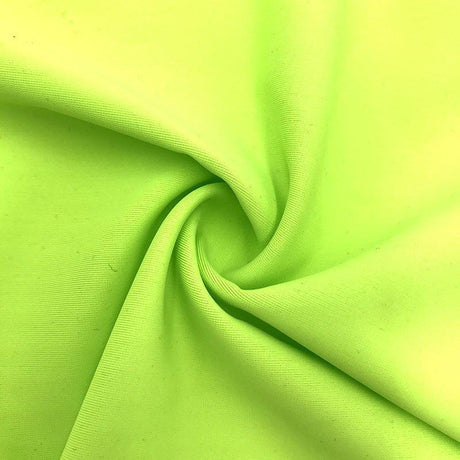
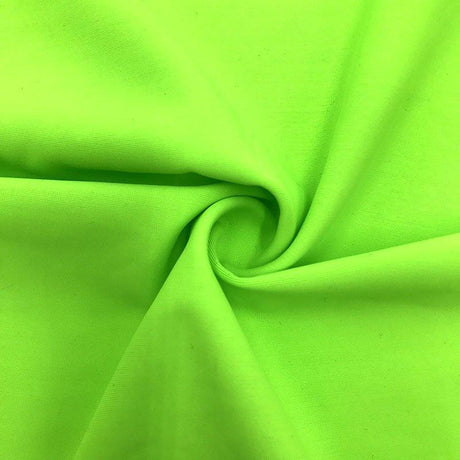
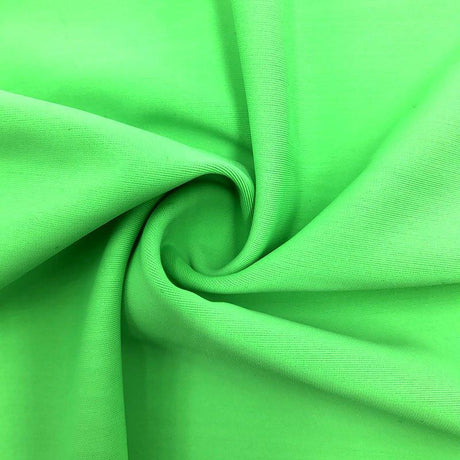
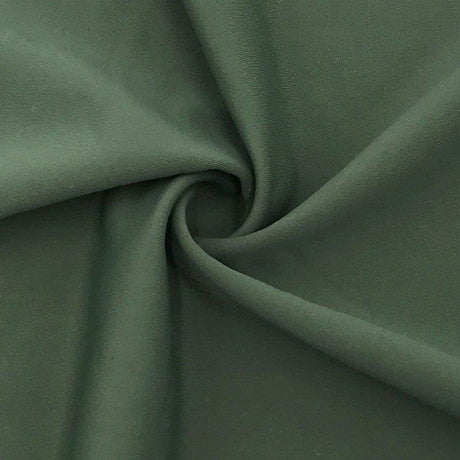
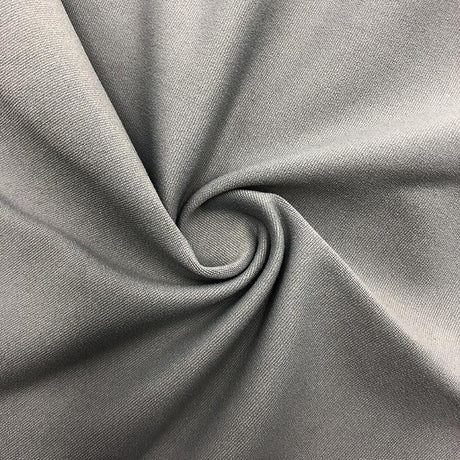
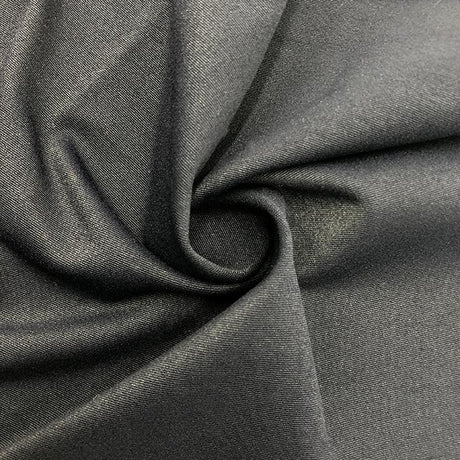
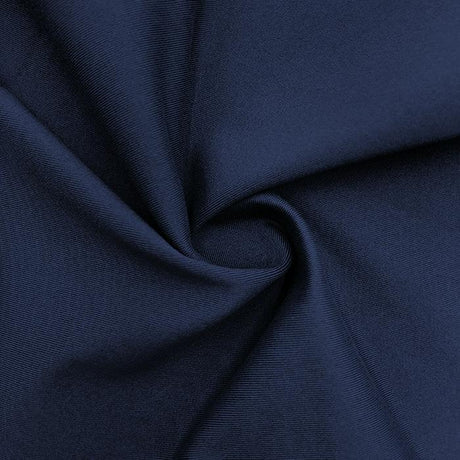
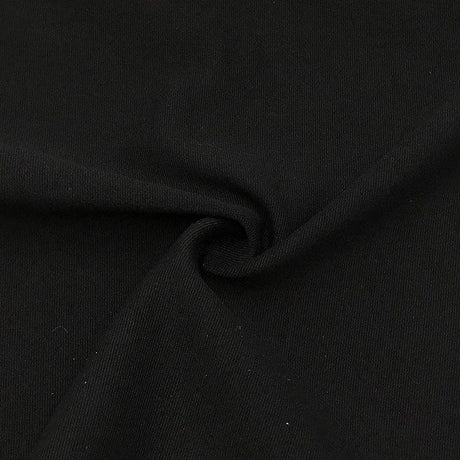
In the high-stakes world of apparel manufacturing, sourcing the right fabric is a decision that determines the success or failure of your product line. For bulk purchasers of spandex, the stakes are even higher. A mistake in judgment can lead to a host of expensive problems: inconsistent quality, delayed production, damaged brand reputation, and even a product recall if the fabric contains harmful substances. For a technical foundation before diving in, explore our fabric guides hub or our how to choose fabric guide.
This is where textile certifications and quality standards become your most powerful tools. They are your insurance policy, your guarantee of a fabric's integrity, and your assurance that you are making a responsible choice for your business and your customers. These certifications, backed by independent, third-party verification, provide a level of transparency and accountability that was once impossible to achieve.
The High Stakes of Uncertified Fabrics: Why Trust is Not Enough
Choosing a fabric based on price alone is a risky gamble. When you purchase an uncertified or unverified fabric in bulk, you are opening your business up to a variety of significant risks:
Inconsistent Quality: Without standardized testing, you have no way of knowing if the fabric from a new batch will have the same stretch, recovery, or colorfastness as the sample you approved. Our stretch fabric types page and fabric weight guide cover the technical metrics you need to specify and verify to ensure consistency across bulk orders.
Safety and Health Risks: The manufacturing process for spandex and other synthetics involves a variety of chemicals, including dyes and finishes. Without a safety certification, a fabric could contain harmful residues that can be absorbed by the skin, leading to rashes, allergies, and even more serious health issues. Our fabric finishes guide covers the surface treatments and finishing chemicals applied to performance fabrics and how OEKO-TEX® certification governs their safety standards.
Damaged Brand Reputation: In today's market, consumers are more informed than ever. A customer who discovers that a garment contains harmful chemicals or quickly loses its shape will not only return the product but will also share their experience online, permanently damaging your brand's reputation.
Empty Sustainability Claims: If your brand is committed to sustainability, you need to be able to back up your claims. Without a certification, a claim like "this fabric is made from recycled content" is just a marketing slogan. Certifications provide the proof and the transparency that your customers demand.
Certifications are not just about a label; they are about building a business on a foundation of integrity, transparency, and trust.
Part 1: Certifications for Human Safety and Environmental Impact
1. OEKO-TEX® STANDARD 100: Your Assurance of Textile Safety
The OEKO-TEX® STANDARD 100 is the most widely recognized certification for testing textiles for harmful substances. It is a crucial certification for any fabric that will have prolonged and direct contact with the skin – which includes almost all spandex garments.
What it is: An independent, third-party certification system that tests every component of a textile product for a wide range of harmful substances. Testing is conducted by independent OEKO-TEX® partner institutes across the globe.
What it tests for: The standard tests for over 350 regulated and unregulated substances, including banned azo dyes, heavy metals like lead and cadmium, pesticides, and other known carcinogens. It also checks for the fabric's pH value to ensure it is skin-friendly. Our activewear fabric guide covers what OEKO-TEX® Product Class II certification means for performance fabrics worn in direct, prolonged skin contact.
Why it's crucial for spandex: Spandex and its companion fibers are made with complex chemical processes. Without OEKO-TEX® testing, residues of these chemicals could remain in the final garment. For activewear and intimates, which have constant contact with the skin, this is a major health risk.
The Tiered System: OEKO-TEX® uses a tiered system based on skin contact. Product Class II is the standard for most activewear and apparel, certifying that the fabric is safe for prolonged contact with the skin.
When your supplier can provide an OEKO-TEX® certificate, you have a solid assurance that your fabric is safe for your customers.
2. Global Recycled Standard (GRS): The Standard for Sustainable Spandex
For any brand that wants to make a legitimate claim about sustainability, the GRS is a non-negotiable certification. It is the gold standard for verifying recycled content in textiles.
What it is: An international, voluntary standard that sets requirements for third-party certification of recycled content throughout the entire supply chain.
What it tests for: It verifies that a product contains a minimum of 20% recycled content (and 50% to use the GRS logo on the label). It also sets strict requirements for environmental and social practices in the production process, including responsible water and energy management and fair labor practices.
Why it's crucial for spandex: Traditional spandex is not recyclable, but the industry is shifting toward a more circular model. A GRS-certified spandex fabric is proof that a supplier is using recycled materials, which reduces the demand for fossil fuels and diverts textile waste from landfills. Our fabric guides hub covers GRS-certified fiber options and their performance characteristics across a range of activewear and everyday apparel applications.
The Chain of Custody: The GRS provides a transparent "chain of custody" system that tracks the recycled material from its source all the way to the final fabric, which prevents fraudulent claims.
3. Bluesign®: The Holistic Approach to Sustainable Production
While OEKO-TEX® focuses on the final product and GRS on recycled content, Bluesign® is a holistic standard that focuses on the entire production process.
What it is: Bluesign® provides a comprehensive approach to sustainable textile production. It sets strict standards for raw material sourcing, chemical use, water and energy consumption, and air and water emissions.
What it tests for: It looks at every stage of the process to ensure that it is as environmentally friendly and safe as possible.
Why it's crucial for spandex: The production of spandex and its dyeing process can be very toxic. A Bluesign®-certified supplier is committed to a clean and safe production process from start to finish. This is a sign of a truly serious commitment to sustainability.
Part 2: Quality Standards – Beyond the Labels
While certifications are crucial, they are not a substitute for a fabric's performance. As a bulk buyer, you must also have a clear understanding of the key technical metrics that define a fabric's quality.
Fabric Weight (GSM): This is your most basic measure of a fabric's density and durability. A higher GSM generally means a more durable and opaque fabric. You should ask your supplier for a precise GSM number and know what number you need for your product. Our fabric weight guide provides a full breakdown of GSM ranges and how weight affects opacity, compression, breathability, and durability across all common spandex-blend constructions.
Stretch and Recovery: This is the ultimate test of a fabric's performance. The fabric should have a high stretch percentage and an excellent recovery rate. Our stretch fabric types page covers the step-by-step testing methodology for verifying these numbers on a physical sample before committing to a bulk order.
Color Fastness: A fabric's ability to retain its color when exposed to washing, sunlight, and chlorine is a key indicator of quality. You should ask your supplier for their colorfastness ratings and a sample that you can test yourself. Our fabric care guide covers colorfastness testing protocols and the care conditions that reveal pre-existing color instability.
Pilling and Abrasion Resistance: This metric tells you how the fabric will stand up to wear and tear. Our nylon-spandex fabric guide covers how nylon companion fiber construction affects abrasion resistance – one of the key quality differentiators between premium and budget spandex-blend constructions.
Part 3: A Practical Guide for the Bulk Buyer
Step 1: Define Your Needs
Before you even start sourcing, you must know what you need. What is the end use of the fabric? What is the ideal GSM, stretch, and recovery? What certifications are non-negotiable for your brand? Our activewear fabric guide, swimwear fabric guide, and how to choose fabric guide are the best tools for building a precise, defensible technical brief before you approach any supplier.
Step 2: Ask the Right Questions
A reputable supplier will have all the answers ready for you and will be transparent about their processes. Our expert help and advice page connects you with knowledgeable staff who can help you evaluate supplier claims and certification documentation.
Step 3: Request and Verify Documents
Ask for copies of the supplier's certification documents. Look for the certificate number and verify it on the official website of the certifying body. This is a crucial step that will protect you from fraudulent claims. Our FAQ page covers our own certification documentation and ordering policies as a useful benchmark.
Step 4: Conduct Your Own Tests
Once you receive your fabric sample, conduct your own simple tests to verify the supplier's claims. Measure the stretch and recovery using the methodology in our stretch fabric types page. Wash the sample using the protocols in our fabric care guide and spandex care guide to test colorfastness and performance retention. This is your final layer of protection.
The ROI of Certification: A Smart Business Decision
Sourcing a certified and high-quality fabric may have a slightly higher initial cost. However, this cost is an investment that provides a significant return on investment in the long run.
Reduced Risk and Cost: By sourcing a certified fabric, you dramatically reduce the risk of a product recall, a quality-related return, or a damaged brand reputation.
Increased Customer Trust: A certified fabric is a clear sign that you are a serious business that cares about your customers' safety and the planet. This will build brand loyalty and attract a growing base of conscious consumers.
Competitive Advantage: As the market becomes more crowded, a certified and high-quality product is a key differentiator that will set you apart from the competition.
Conclusion
Understanding certifications and quality standards in bulk spandex fabric purchases is not just a technical exercise; it is a fundamental requirement for a modern, ethical, and successful business. These standards, verified by independent third parties, provide a level of transparency and accountability that a verbal promise can never match.
By looking for certifications like OEKO-TEX® STANDARD 100 and GRS, you are ensuring that your fabric is not only high-performing but also safe for your customers and produced responsibly. When you pair this with a clear understanding of key quality metrics, you can make a strategic and informed decision that will set your business up for success.
Ready to explore a world of certified, high-quality fabrics? Use our fabric weight guide and stretch fabric types page to define your technical requirements, our nylon-spandex fabric guide and activewear fabric guide for detailed product information, and our how to choose fabric guide to evaluate all options systematically. Our spandex care guide and fabric care guide cover sample testing protocols. Have questions about specific certifications or sourcing? Our expert help and advice page and FAQ are always available. Sign up for SpandexByYard Rewards to earn points on every purchase – because building your brand on certified, verified quality is the smartest investment you can make.