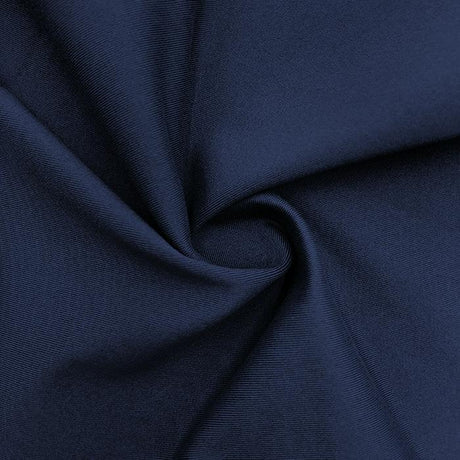
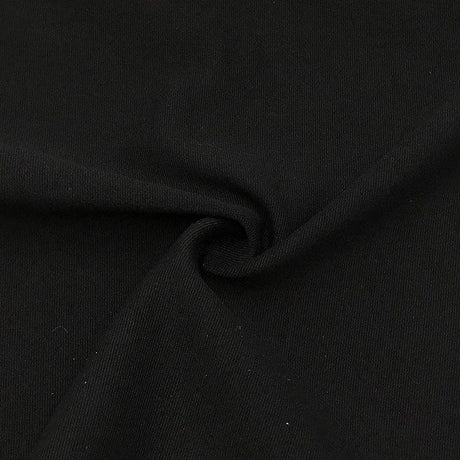
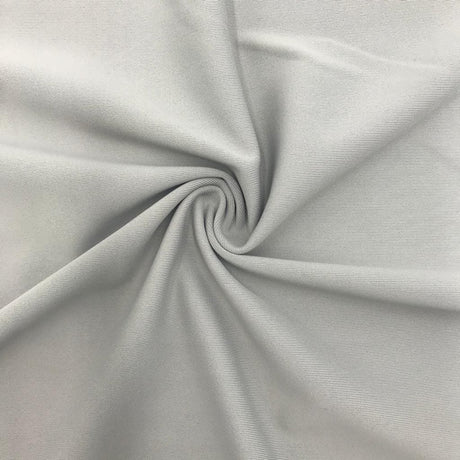
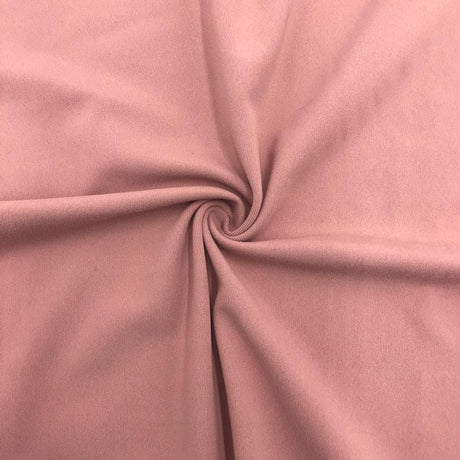
Importing in bulk is a major financial and operational commitment. A lack of a clear strategy can lead to significant and costly risks that can have a devastating impact on your business. Before building your import strategy, our how to choose fabric guide and FAQ page provide a strong foundation for defining the specifications and ordering policies you'll need to reference throughout the import process.
Unexpected Costs: Without a clear understanding of customs, duties, and taxes, you can be hit with unexpected fees that can dramatically increase your per-unit cost and wipe out your profit margin.
Delayed Shipments: A hold-up at customs or a problem with your shipping documentation can cause a significant delay in your production schedule, which can lead to missed deadlines, lost sales, and a damaged brand reputation.
Damaged Goods: Improper packaging or mishandling during transit can lead to damaged fabric, which can be a total loss. Our spandex care guide covers how spandex fibers respond to environmental stress during transit and what packaging standards to specify with your supplier.
Legal and Regulatory Issues: Failure to comply with import regulations and documentation requirements can lead to fines, penalties, or even the seizure of your goods.
A clear import strategy is not a luxury; it is a fundamental part of your business's risk management.
Part 1: The First Decision – Understanding Your Responsibilities
Before you even begin to think about shipping methods, you must understand the two most common Incoterms, which define who is responsible for the costs and risks of the shipment.
1. EXW (Ex Works)
What it means: With EXW, the supplier's responsibility ends as soon as the fabric is ready for collection at their factory or warehouse. You, the buyer, are responsible for all the costs and risks from that point forward.
Your responsibility: You must arrange for the fabric to be collected from the factory, transported to the port of origin, loaded onto a vessel, and shipped to your final destination. You are also responsible for all customs clearance, duties, and taxes.
Pros: This is often the cheapest option from the supplier's perspective, as they have minimal responsibility. It gives you maximum control over the entire shipping process.
Cons: It is the most complex option for you, the buyer. It is not recommended for first-time importers as it requires a deep understanding of logistics and a network of freight forwarders.
2. FOB (Free on Board)
What it means: With FOB, the supplier is responsible for the costs and risks of the fabric until it is loaded onto the shipping vessel at the port of origin. Once the fabric is on the ship, the responsibility transfers to you, the buyer.
Your responsibility: You are responsible for all the costs and risks from the port of origin to your final destination. This includes the ocean freight, customs clearance, duties, and taxes.
Pros: This is the most common and widely recommended Incoterm for importers. It is much simpler than EXW as the supplier handles the initial, most complex part of the journey.
Cons: You have less control over the initial part of the shipping process, but this is a minor trade-off for the reduced complexity.
Our Recommendation: For first-time importers and most businesses, FOB is the most strategic choice. It provides a good balance of cost and control, and it simplifies the process significantly. Our FAQ page covers our own shipping terms and policies, which can serve as a useful reference when evaluating supplier Incoterm offerings.
Part 2: Choosing Your Shipping Method
Once you have a clear understanding of your responsibilities, you must choose the right shipping method for your needs. The choice is a balance of speed, cost, and order size.
1. Air Freight
What it is: Air freight is the fastest shipping method, where your fabric is transported on a cargo plane.
Pros: Speed – ideal for urgent orders or high-value, low-volume goods. Generally more secure than sea freight.
Cons: By far the most expensive option. The cost can be several times higher than sea freight.
Ideal for: Small, urgent orders where you need to get fabric to your production facility quickly to meet a deadline. Also useful for getting a fabric sample to your facility quickly for a quality check before committing to a bulk sea freight order. Our how to choose fabric guide covers what to evaluate when a physical sample arrives via air freight before approving a full bulk order.
2. Sea Freight
What it is: Sea freight is the most common shipping method for bulk purchases, where your fabric is transported in a container on a cargo ship.
Pros: Most cost-effective option for large quantities – the cost per unit is significantly lower than air freight. Can handle a massive volume of fabric.
Cons: Slowest option. A shipment from Asia to the United States can take several weeks to a few months. More complex than air freight.
LCL vs. FCL:
LCL (Less than Container Load): For smaller bulk orders that do not fill an entire container. Your fabric is consolidated with other goods in a single container. More expensive per unit than FCL but a great option for businesses that do not need a full container.
FCL (Full Container Load): For very large bulk orders that fill an entire container. The most cost-effective option for very large quantities.
Our Recommendation: For most bulk purchases of spandex fabric, sea freight (LCL) is the most strategic and cost-effective choice.
3. Courier Services (DHL, FedEx, etc.)
What it is: Courier services combine the speed of air freight with a managed customs process.
Pros: Much faster than sea freight. The courier service handles a majority of the documentation and customs clearance, simplifying the process.
Cons: More expensive than sea freight.
Ideal for: Small to medium-sized orders that are too large for air freight but not large enough to justify sea freight.
Part 3: The Importing Process – From Port to Warehouse
Once your fabric is on its way, you must manage the process of getting it through customs and to your final destination.
1. Working with a Freight Forwarder
What they are: A freight forwarder is a logistics professional who acts as a liaison between you, the supplier, and the shipping company. They manage the entire process, from getting your fabric to the port of origin to clearing customs and arranging for delivery to your warehouse.
Why they are essential: They are a must-have for sea freight. They have a deep understanding of logistics, a network of contacts, and can help you navigate the complexities of international shipping, customs, and documentation.
How to choose a good one: Choose a freight forwarder who has experience with textile imports, has a transparent pricing structure, and can provide you with clear communication and updates throughout the process. Our expert help and advice page can help connect you with resources for evaluating freight forwarder options for textile imports.
2. Customs and Duties
Harmonized System (HS) Code: The HS code is a standardized, international system for classifying goods. Your fabric will have a specific HS code, which is used to calculate the customs duties and taxes you must pay.
The Importance: You must know the HS code for your fabric. If the code is incorrect, it can cause a significant delay at customs and lead to fines or penalties. Knowing your fabric's exact composition is essential for accurate HS classification – our nylon-spandex fabric guide and cotton-spandex fabric guide cover the precise fiber content specifications needed for accurate customs documentation.
Customs Broker: A customs broker is a professional who specializes in customs clearance. They have a deep understanding of import regulations and can help you ensure that your documentation is correct and that you are paying the right duties and taxes. A freight forwarder often has a customs broker on staff.
3. Essential Documentation
You must have a complete set of documentation for your shipment. A lack of a single document can cause a significant delay at customs.
Commercial Invoice: A bill of sale that lists the fabric, the quantity, the price, and the total value of the shipment.
Packing List: A detailed list of the contents of your shipment, including the weight and dimensions of each carton.
Bill of Lading: A legal document issued by the shipping company that serves as a receipt for your fabric and a contract for its transport.
Certificate of Origin: A document that certifies the country where your fabric was manufactured. It is often required for customs clearance and for calculating duties.
Part 4: The Spandex-Specific Considerations
Spandex, as a synthetic fabric, has a few unique considerations you must be aware of when importing.
Packaging and Protection: Spandex fabric should be packaged on rolls to prevent permanent creasing. It should also be wrapped in a protective plastic sleeve to prevent it from getting wet or dirty during transit. You must ensure that your supplier is using the right packaging to protect your investment. Our spandex care guide covers exactly why roll storage is essential for preserving elastane integrity, and our fabric care guide covers what to check upon receipt to identify transit damage.
Compliance and Certifications: You must ensure that your fabric complies with all the regulations in your country. For example, in the United States, your fabric may need to comply with the Consumer Product Safety Improvement Act (CPSIA). You must also have your certification documents (e.g., OEKO-TEX®) ready, as they may be required for customs clearance. Our fabric guides hub covers both OEKO-TEX® and GRS certifications and what documentation to request from your supplier before shipment.
Receiving Inspection: Once your fabric arrives, perform a receiving inspection before putting it into your inventory. Pull a small piece from a few rolls to check for any transit damage, verify the GSM, and perform a basic stretch and recovery test. Our stretch fabric types page and fabric weight guide cover the step-by-step testing methodology for this receiving inspection.
Conclusion
Importing spandex fabric in large quantities is a complex but manageable process. By understanding the key decisions and processes – from choosing the right Incoterms and shipping method to working with a freight forwarder and managing your documentation – you can transform this challenge into a strategic advantage. A well-planned and efficiently managed import process will save you money, ensure your production stays on schedule, and protect your business from costly and time-consuming disruptions.
A good supplier is a partner in this process. They will be transparent about their shipping methods and will provide you with all the documentation you need.
Ready to find a supplier you can rely on? Use our how to choose fabric guide to define your technical requirements, our fabric weight guide and stretch fabric types page to build your specifications, and our nylon-spandex fabric guide and activewear fabric guide for detailed product information. Once your fabric arrives, our spandex care guide and fabric care guide will guide your receiving inspection and storage setup. Our FAQ page covers our own shipping and ordering policies, and our expert help and advice page is available for personalized sourcing guidance. Sign up for SpandexByYard Rewards to earn points on every purchase – because a clear import strategy, built on the right supplier relationship, is the foundation every great brand deserves.