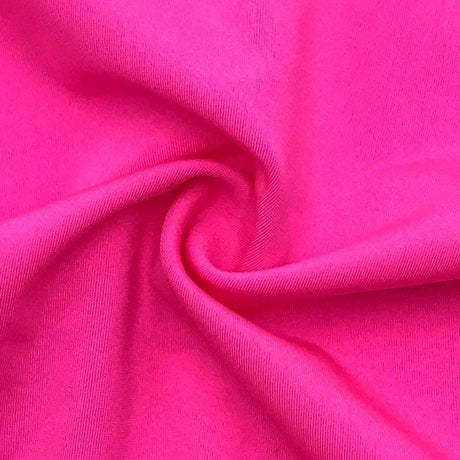
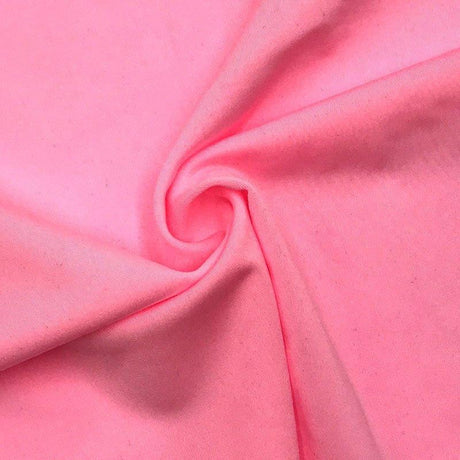
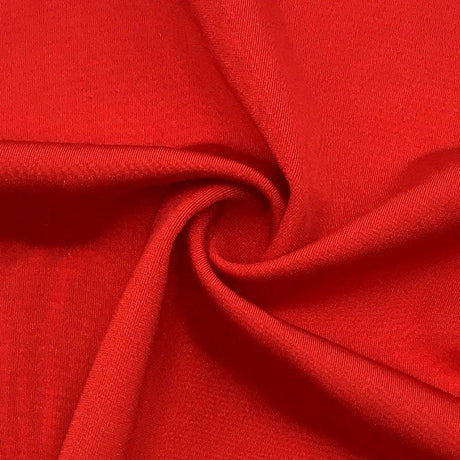
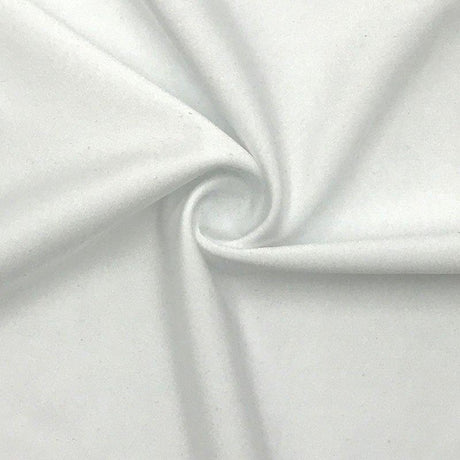
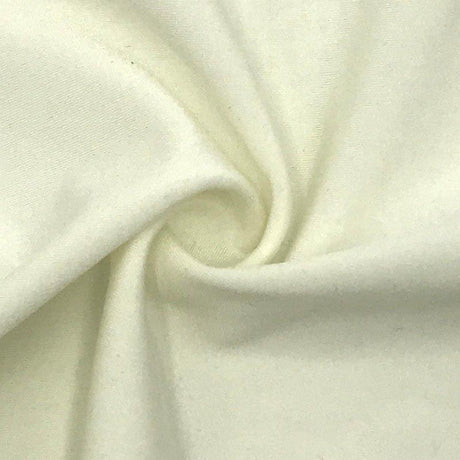
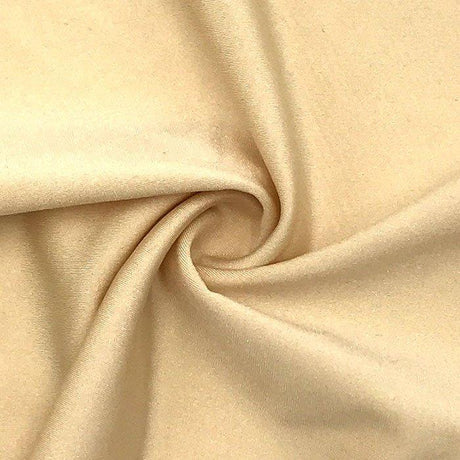
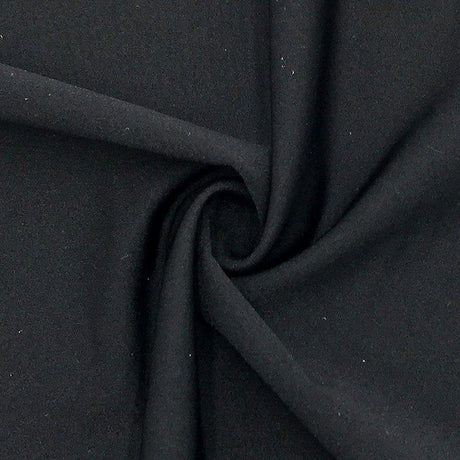
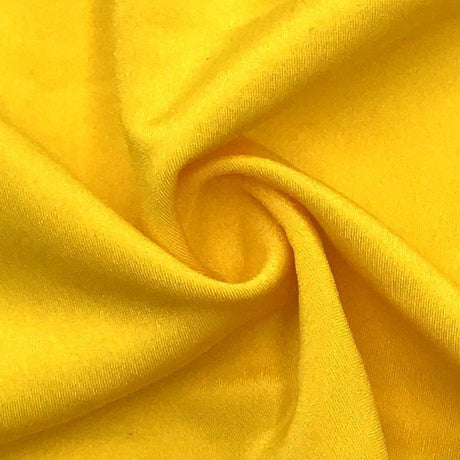
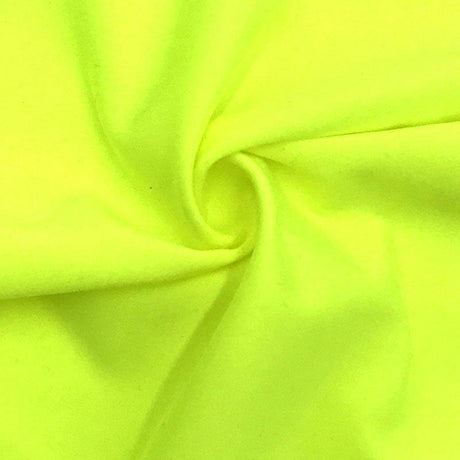
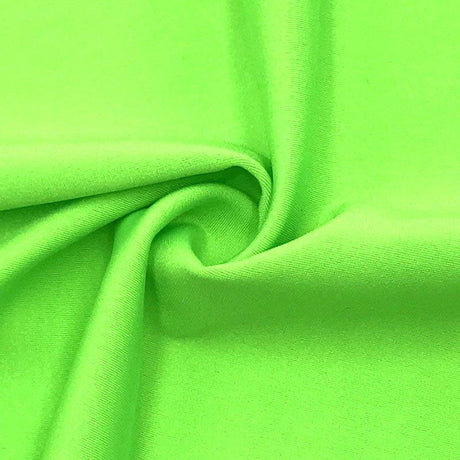
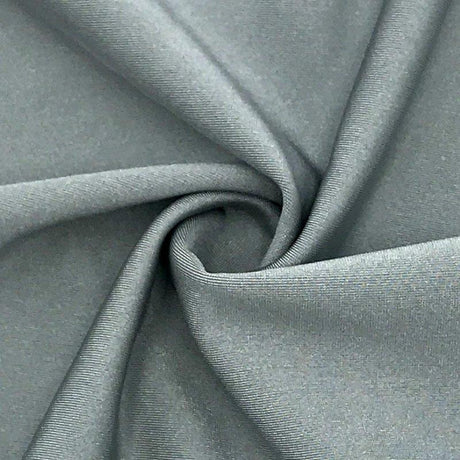
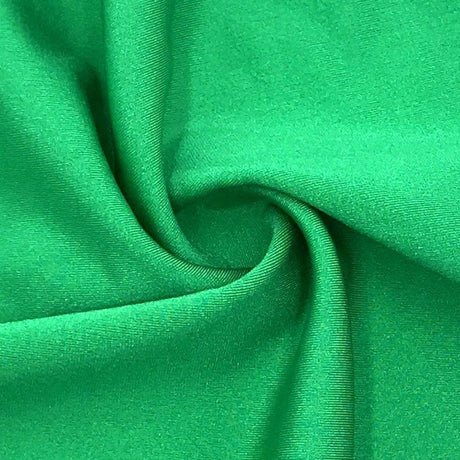
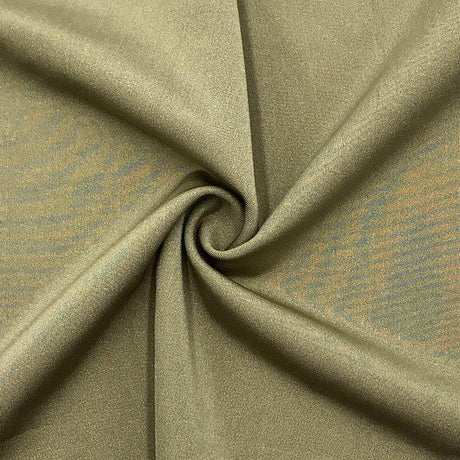
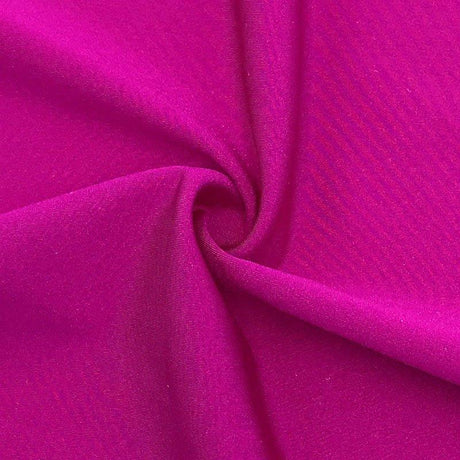
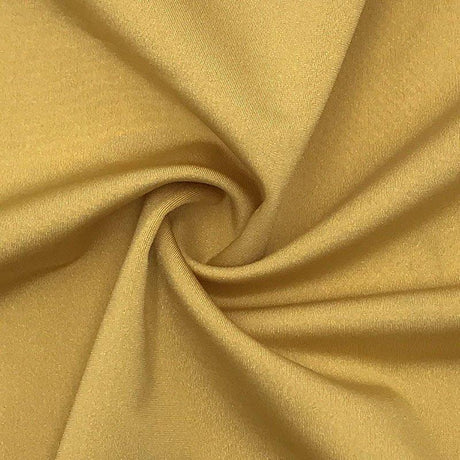
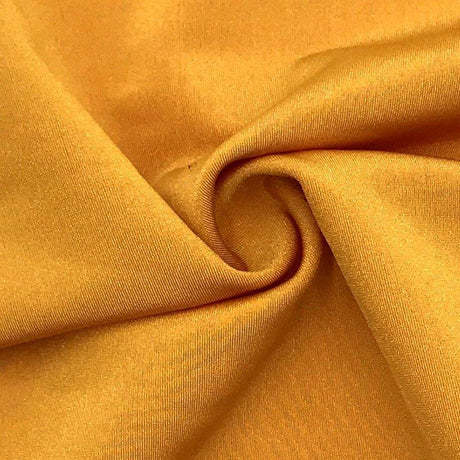
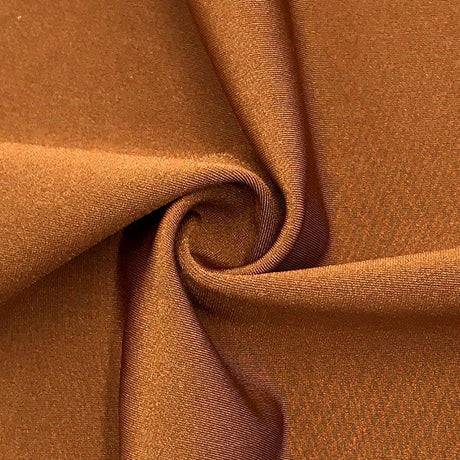
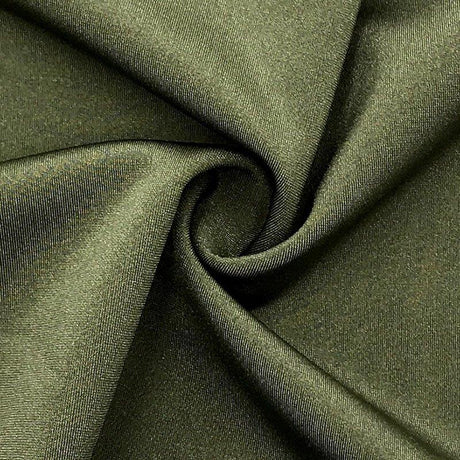
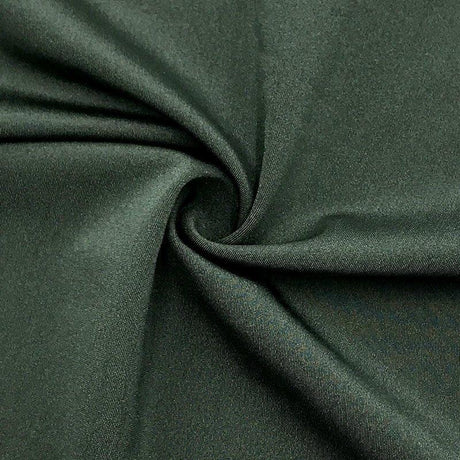
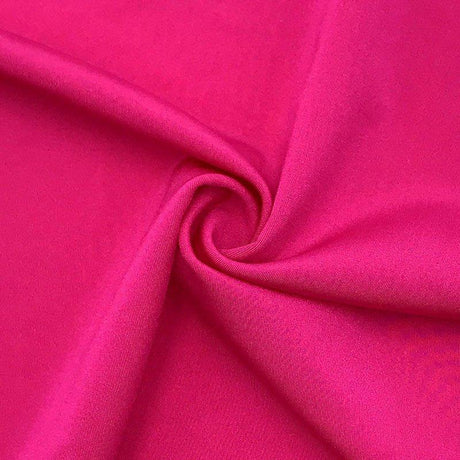
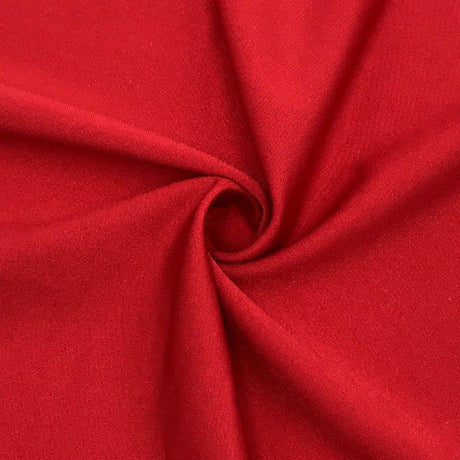
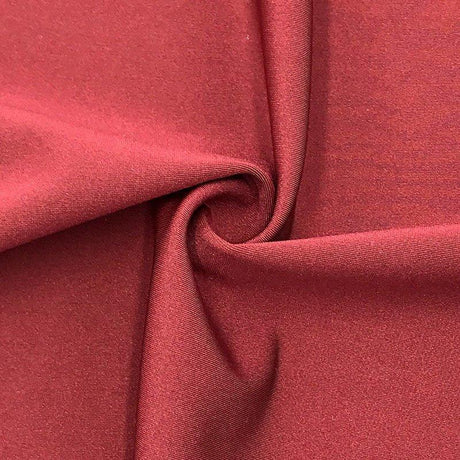
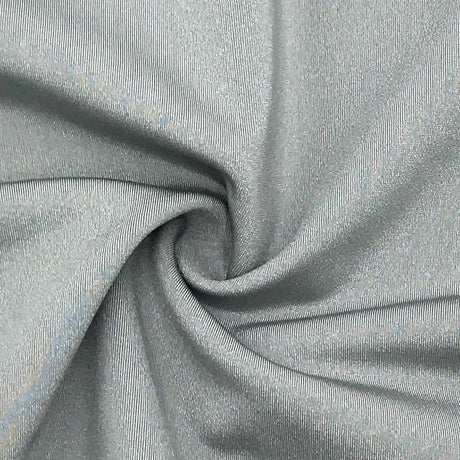
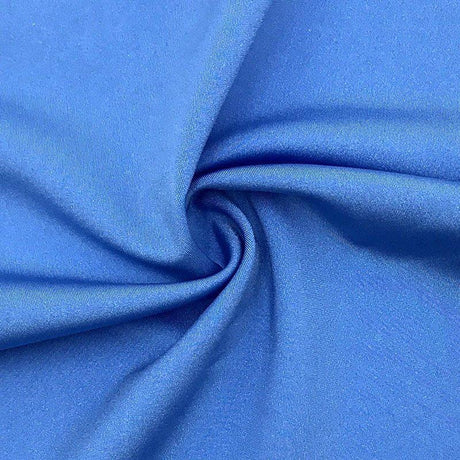
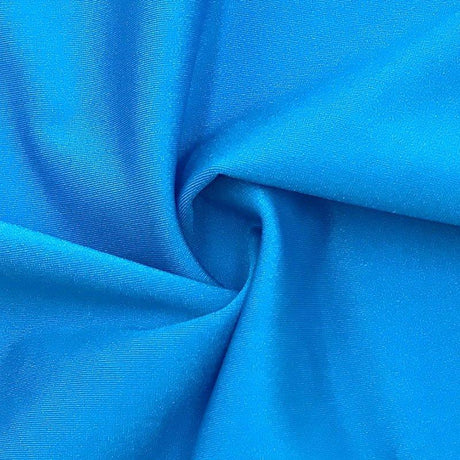
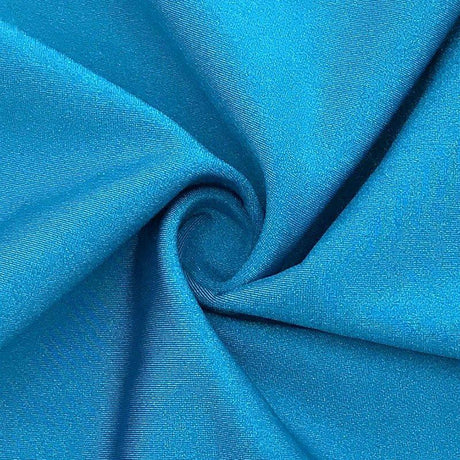
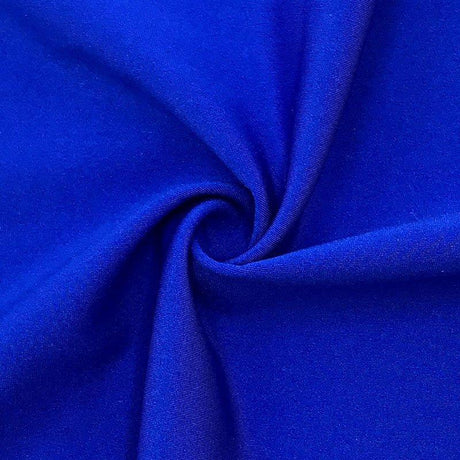
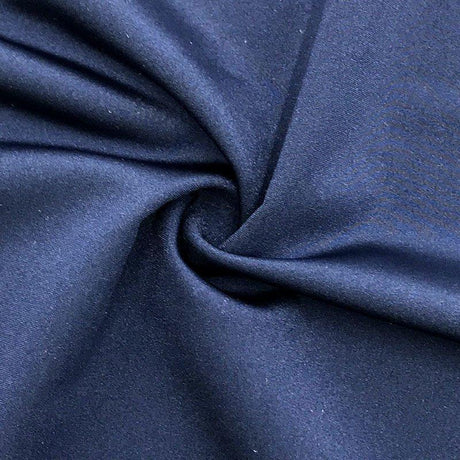
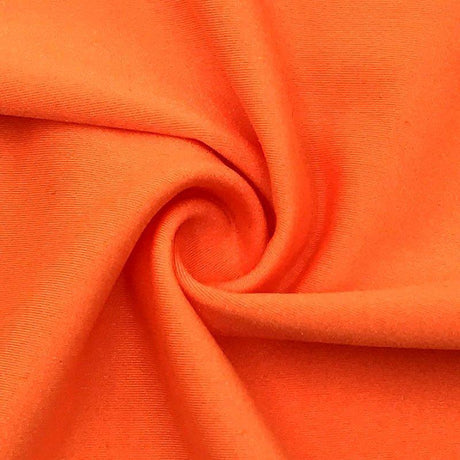
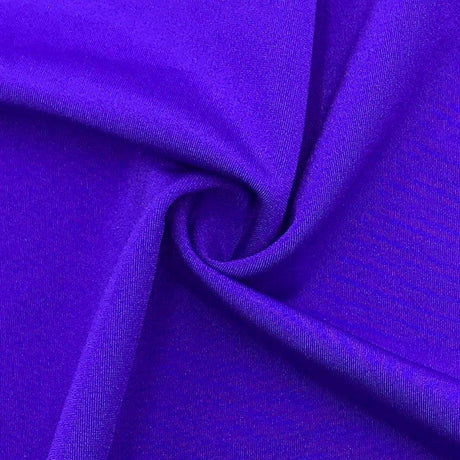
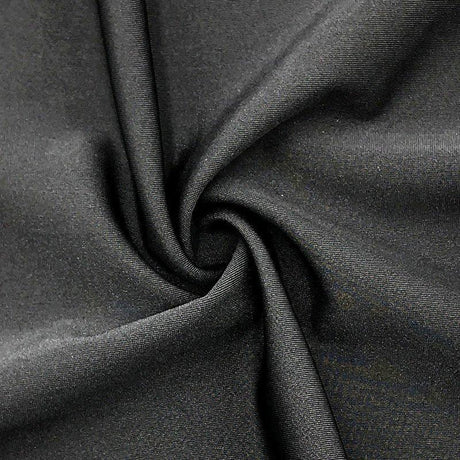
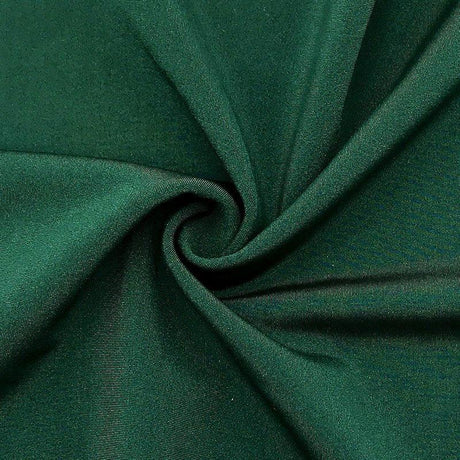
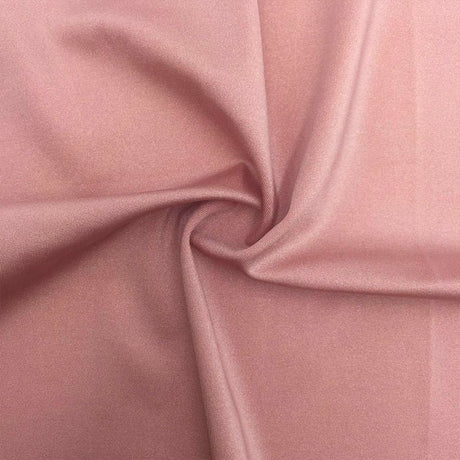
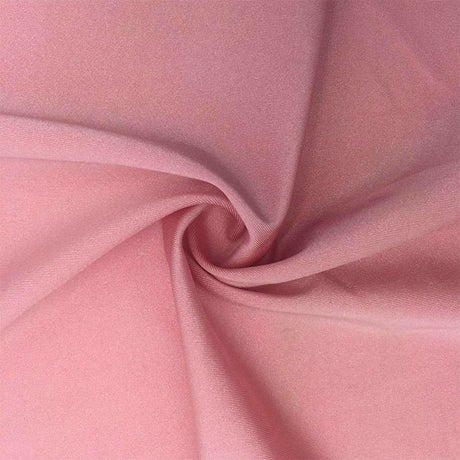
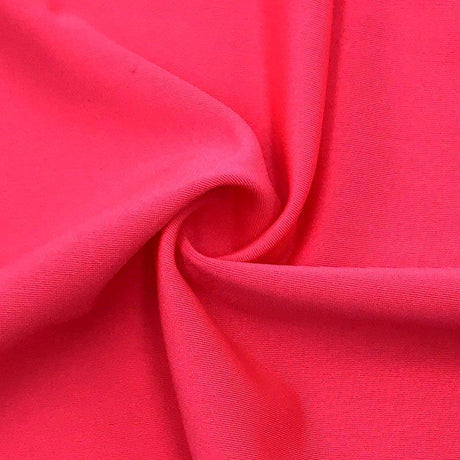
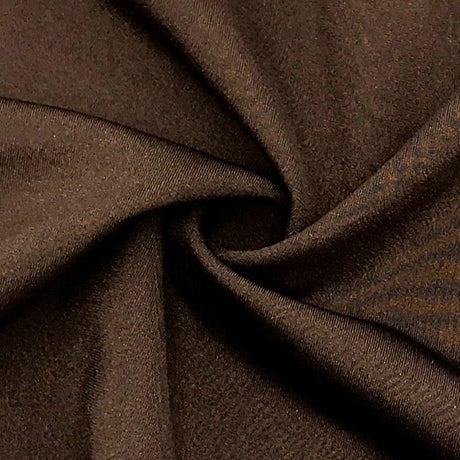
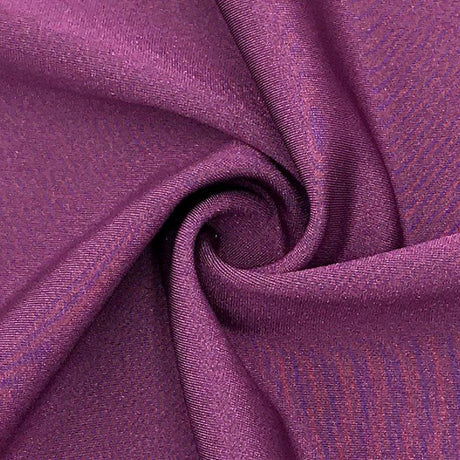
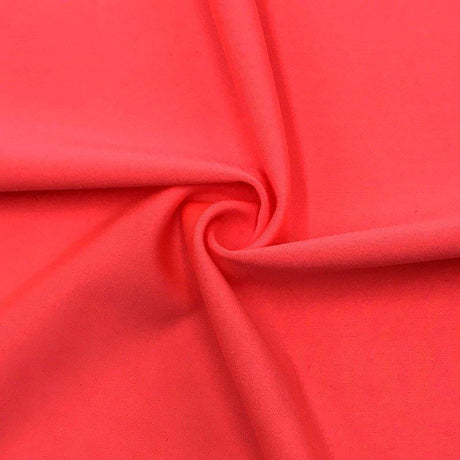
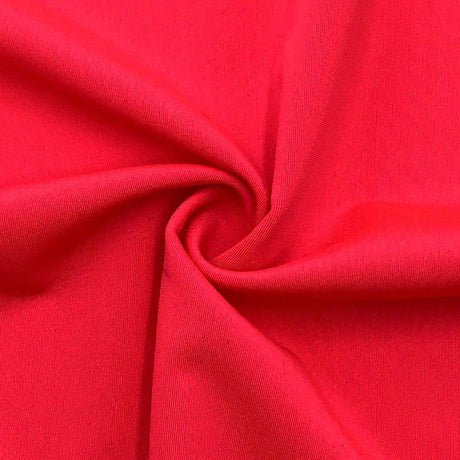
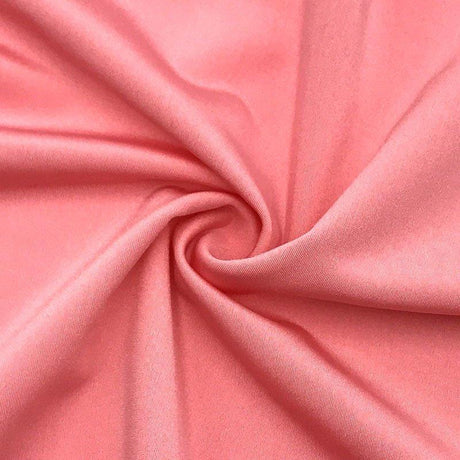
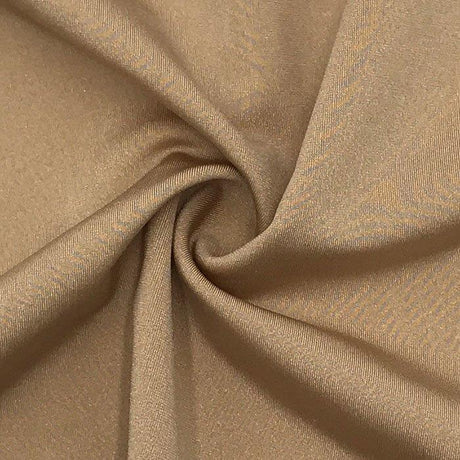
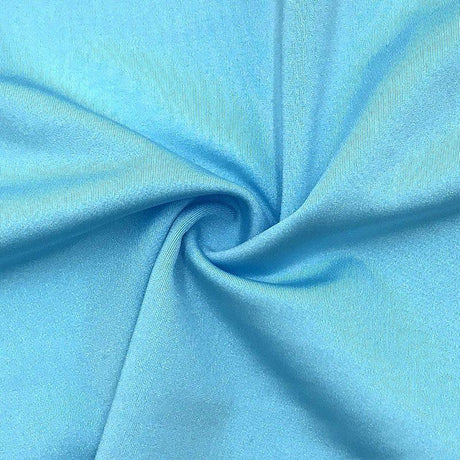
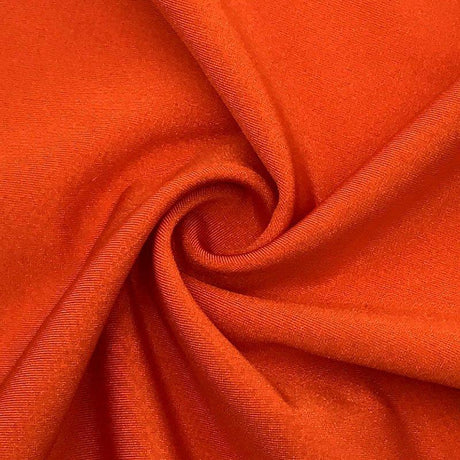
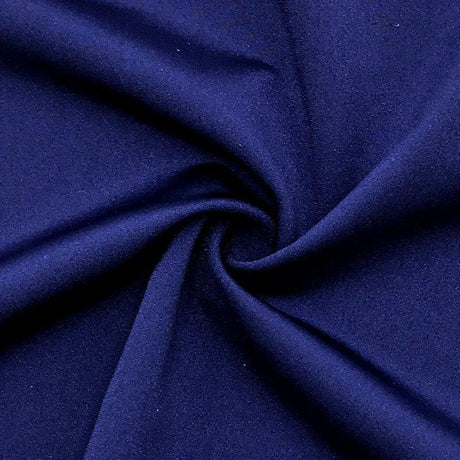
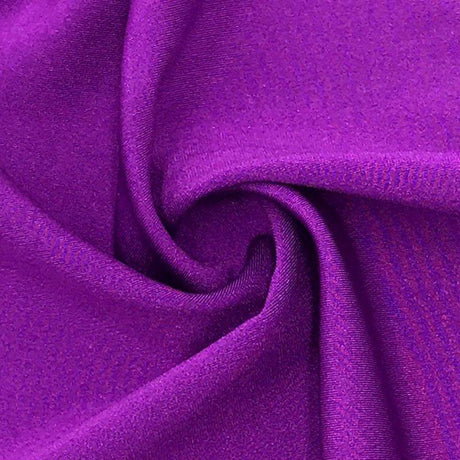
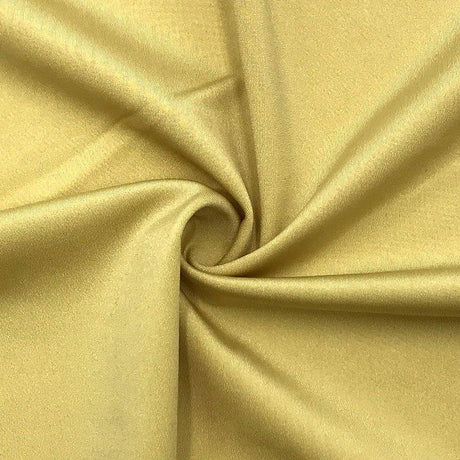
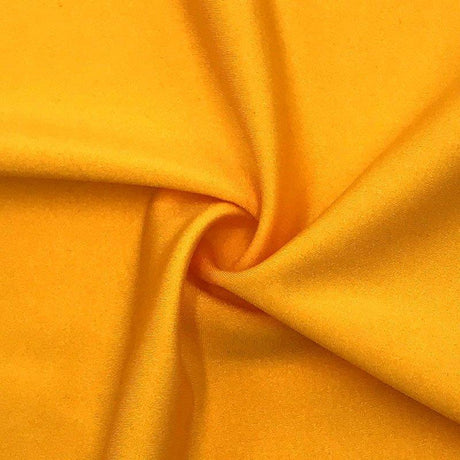
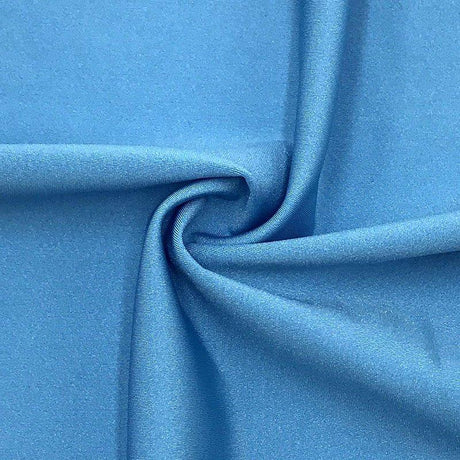
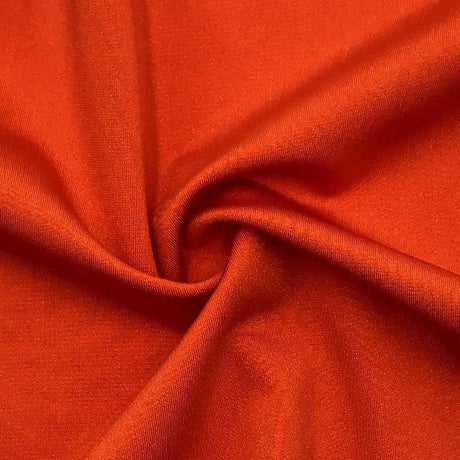
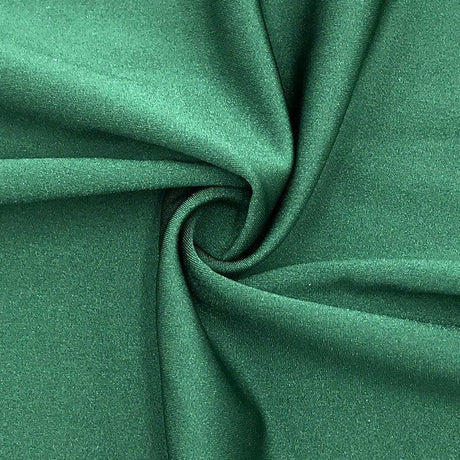
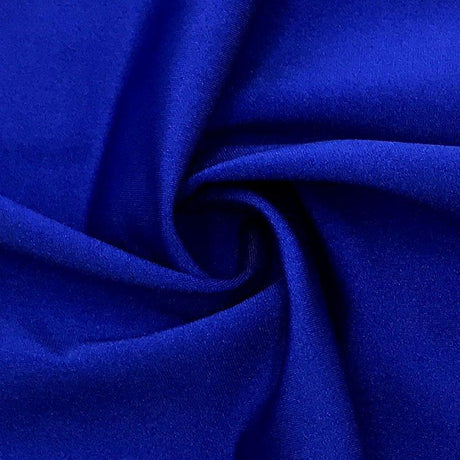
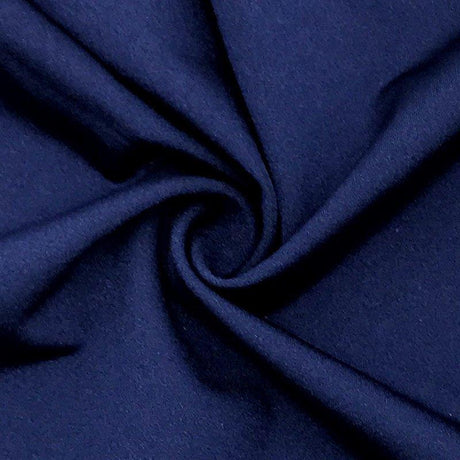
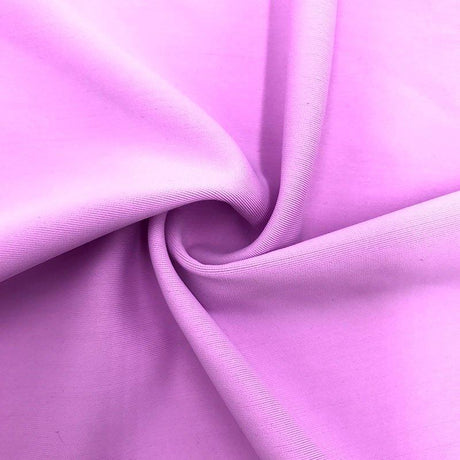
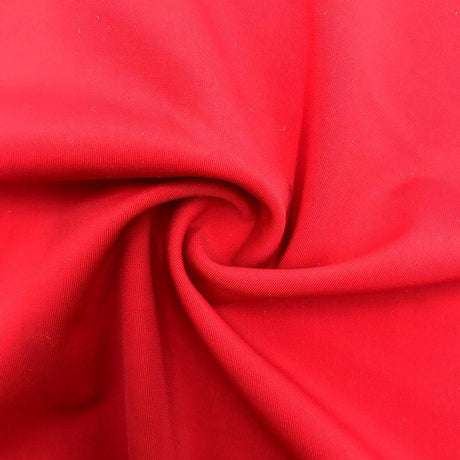
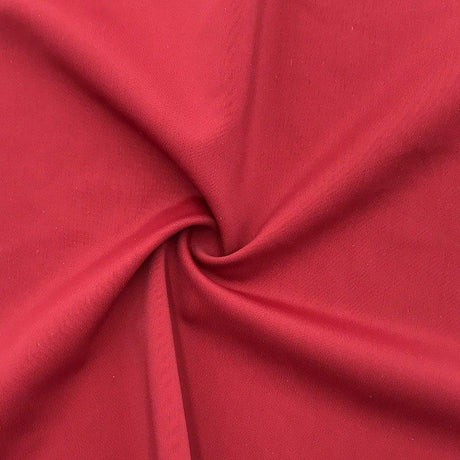
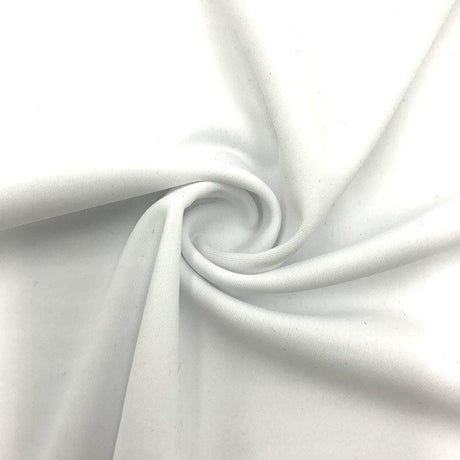
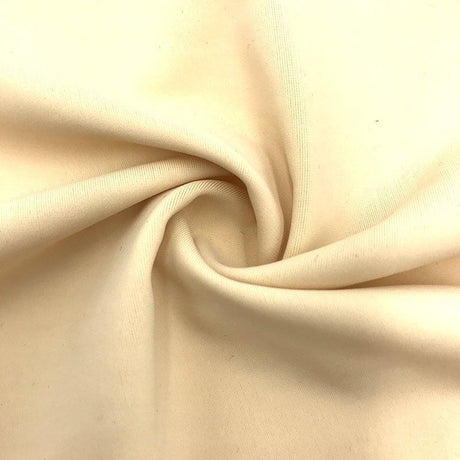
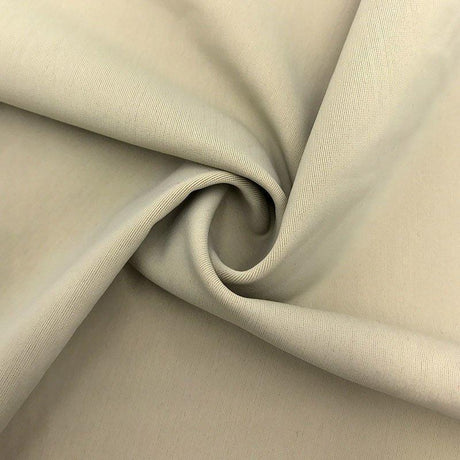
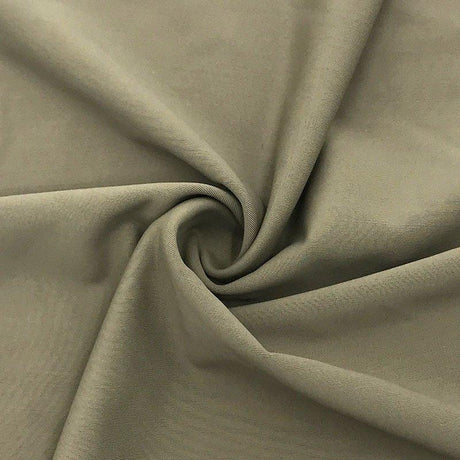
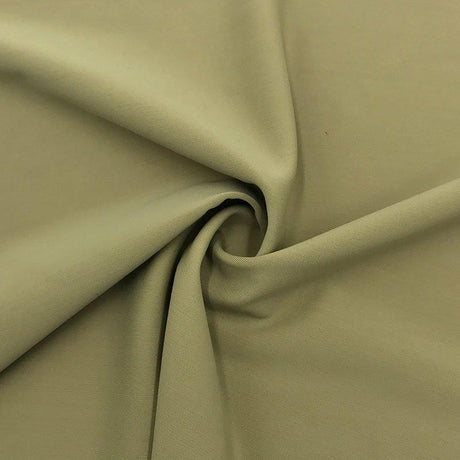
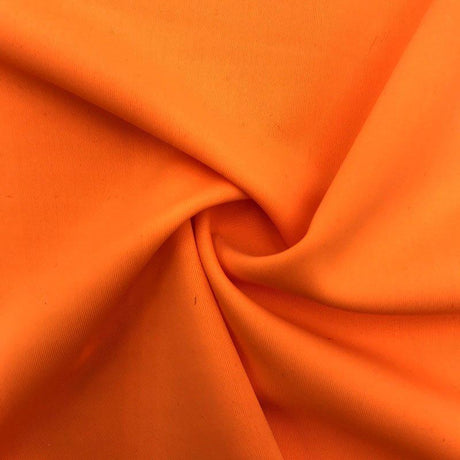
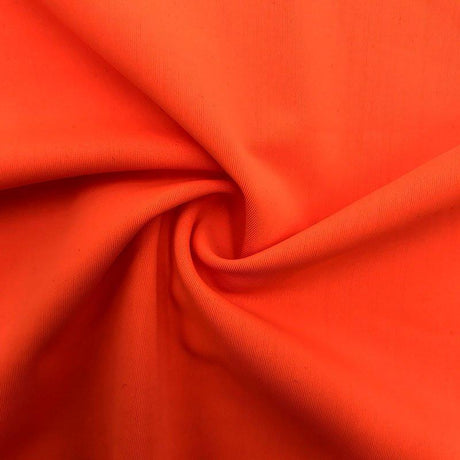
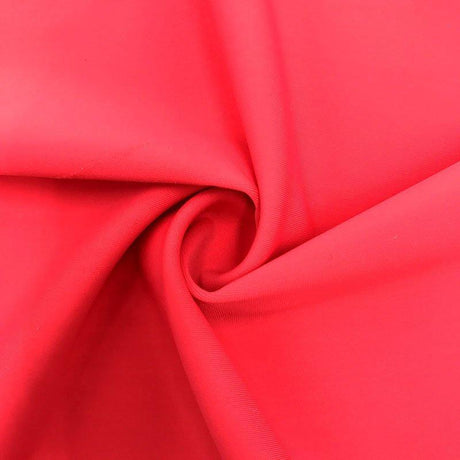
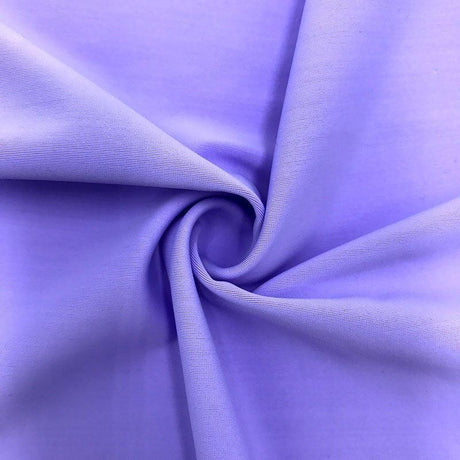
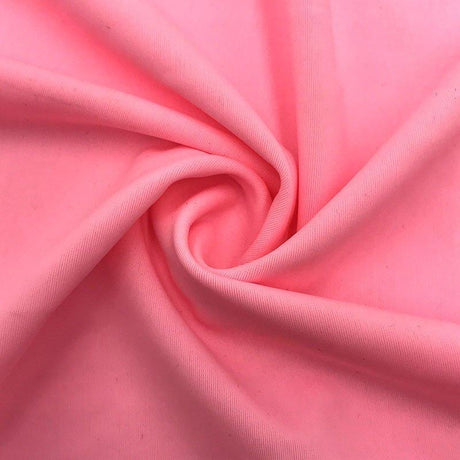
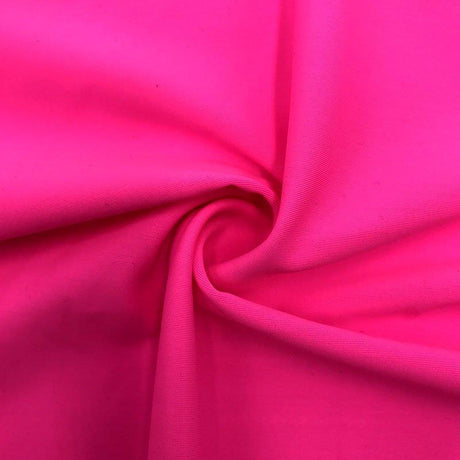
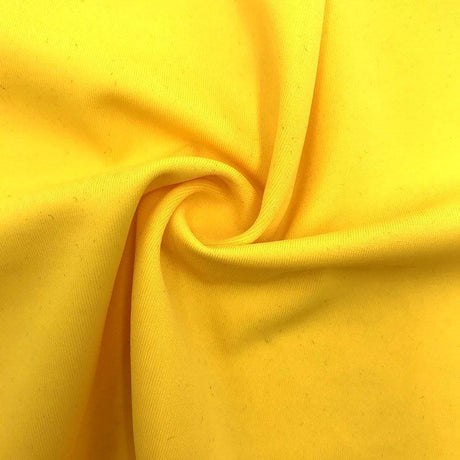
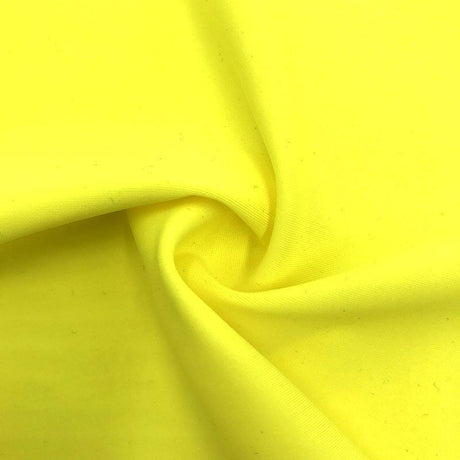
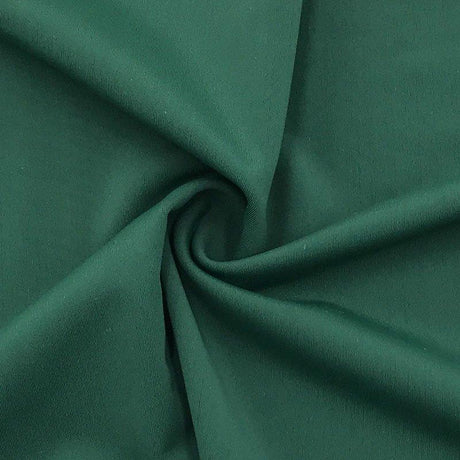
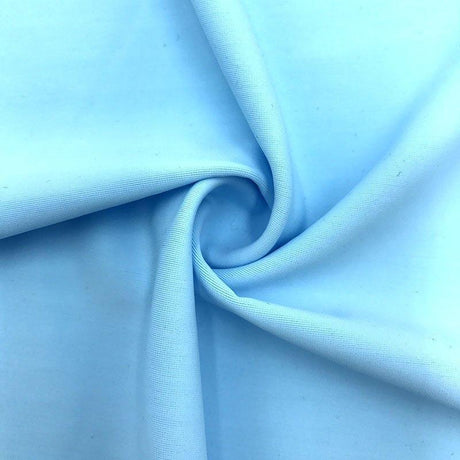
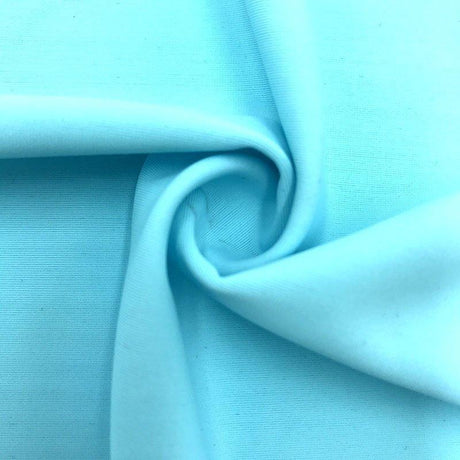
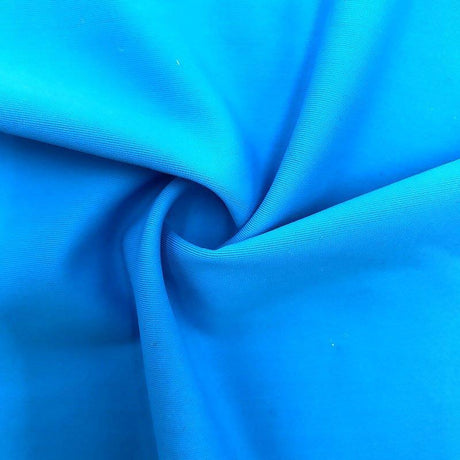
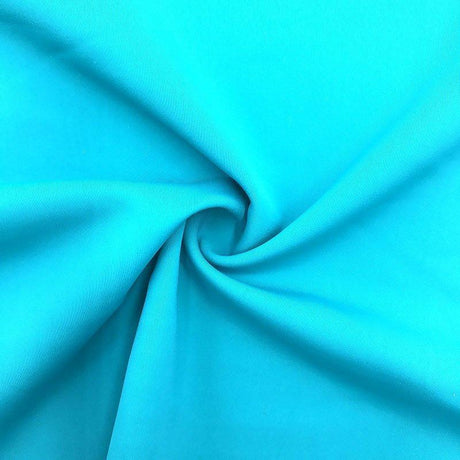
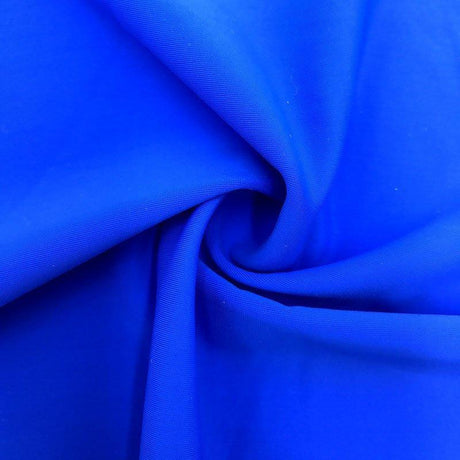
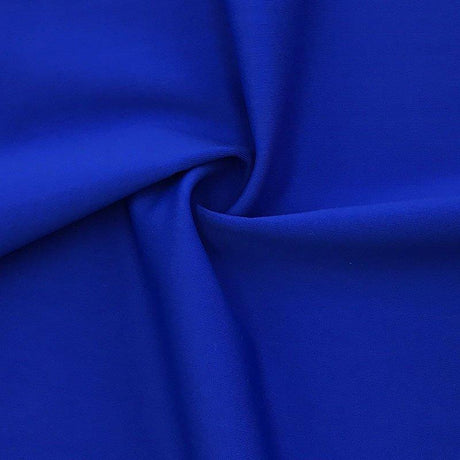
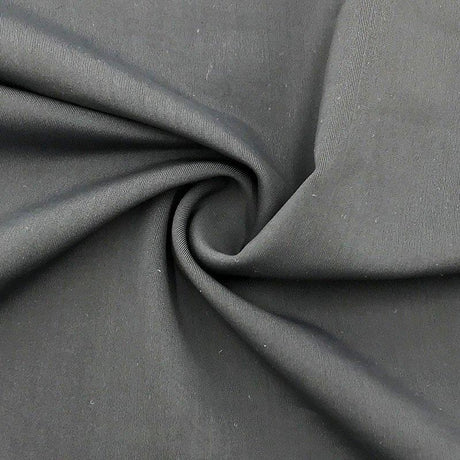
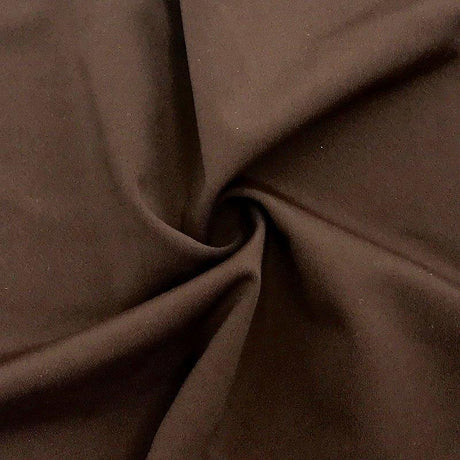
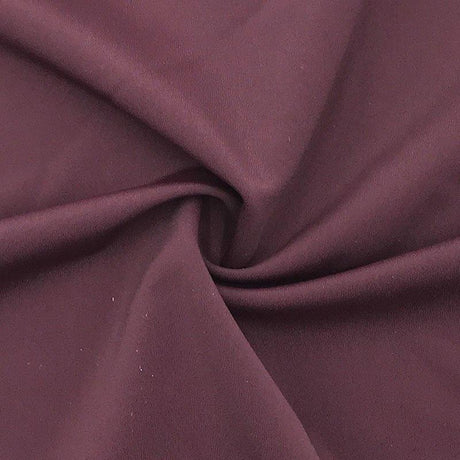
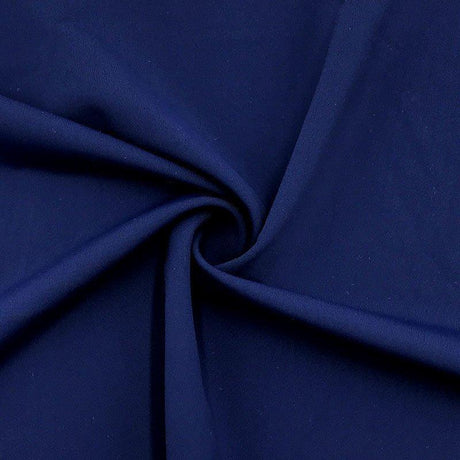
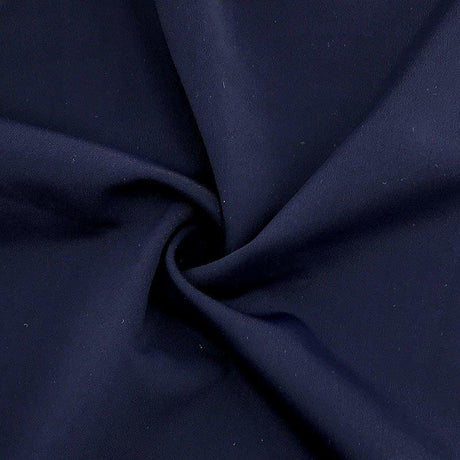
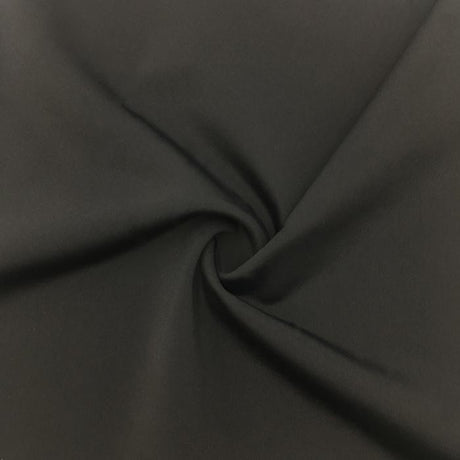
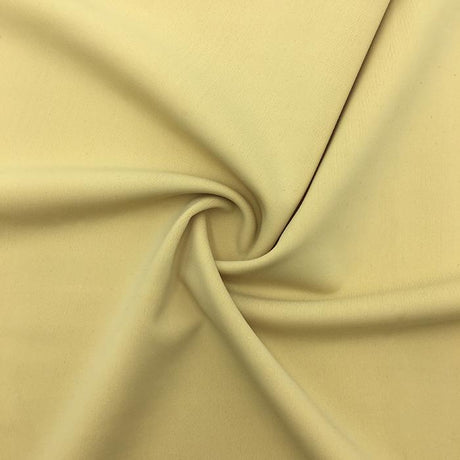
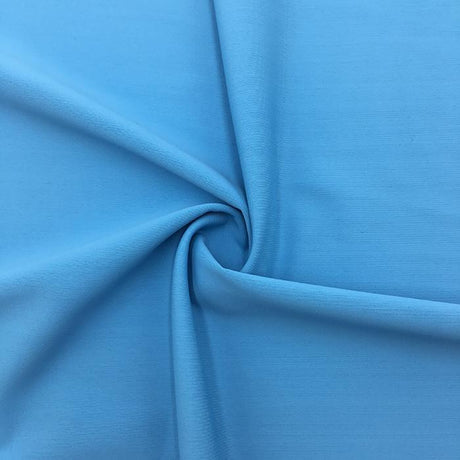
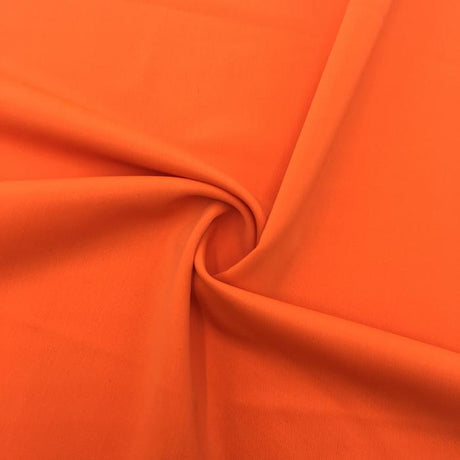
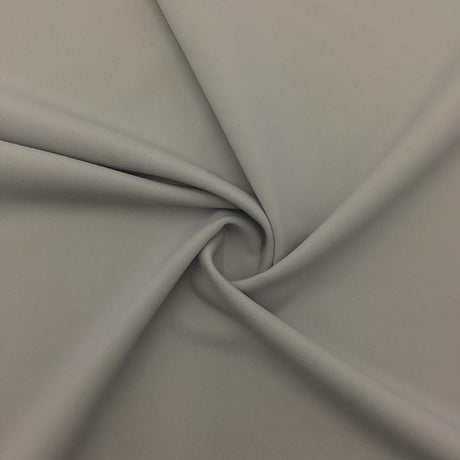
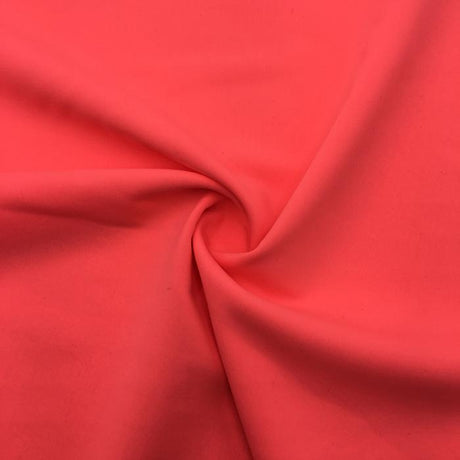
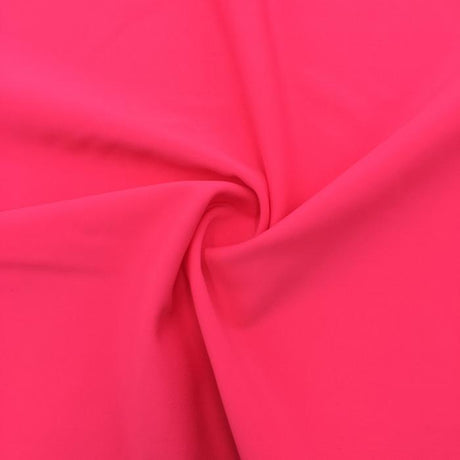
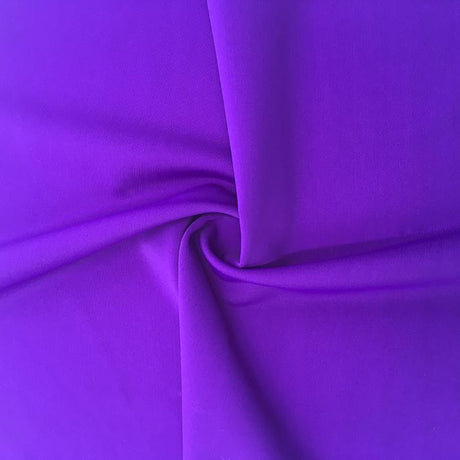
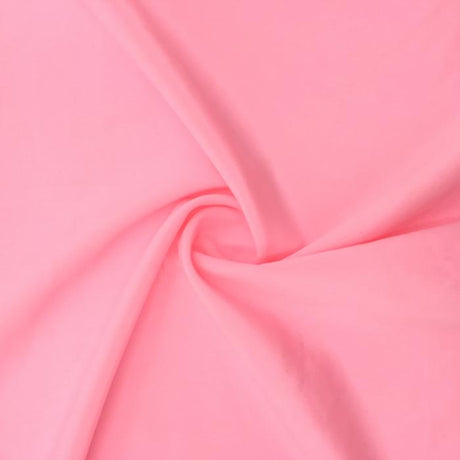
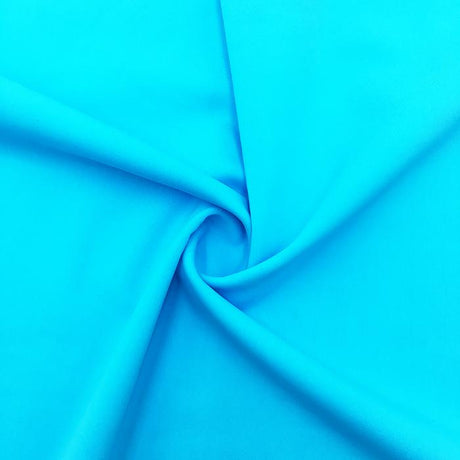
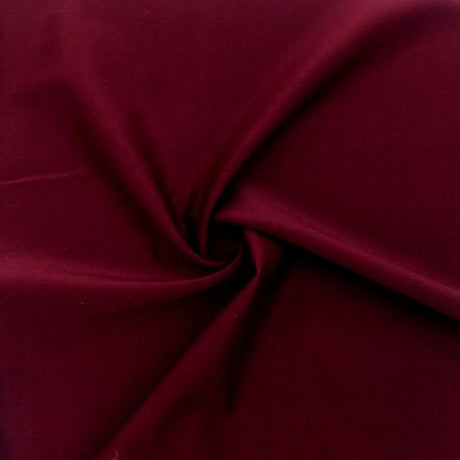
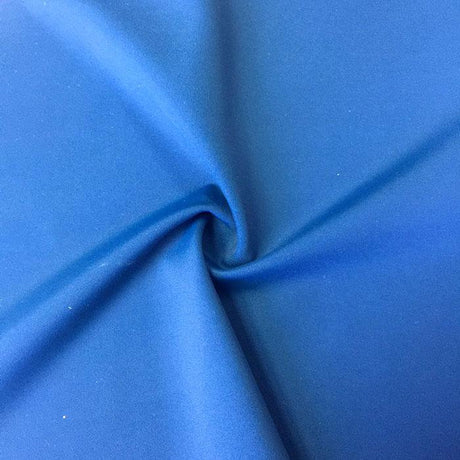
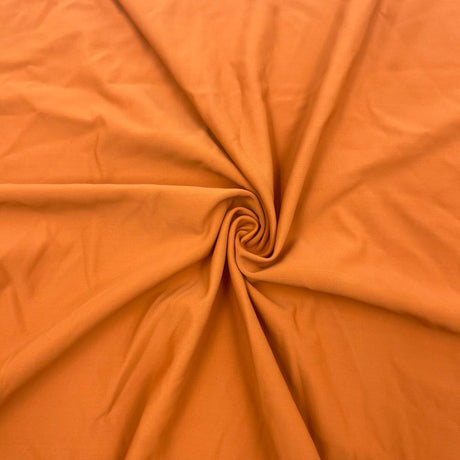
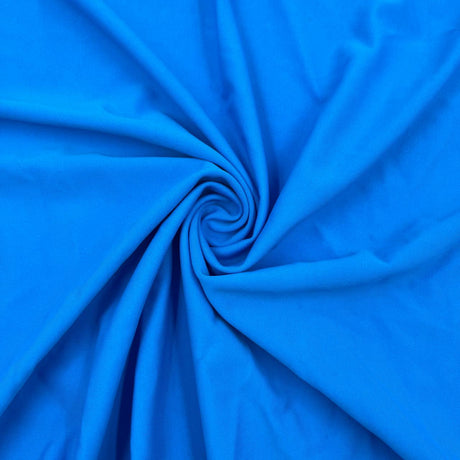
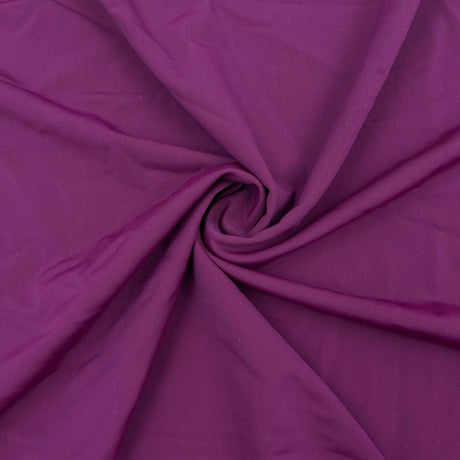
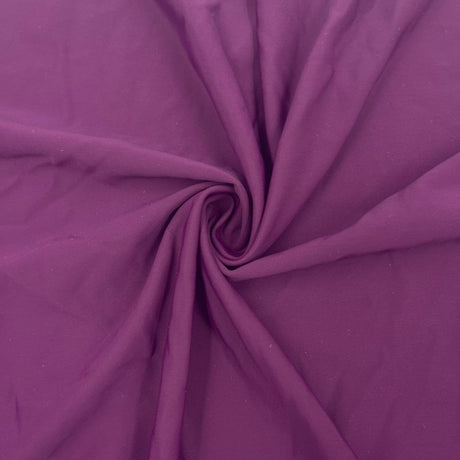
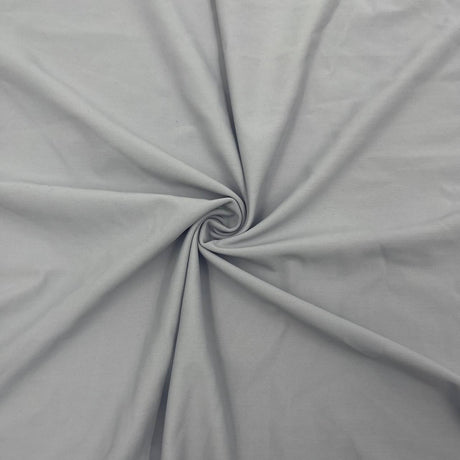
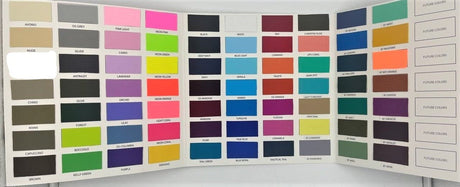
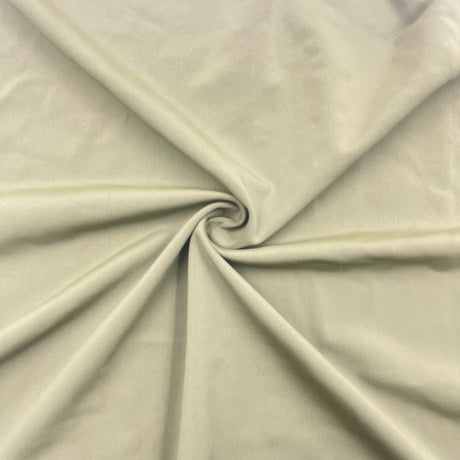
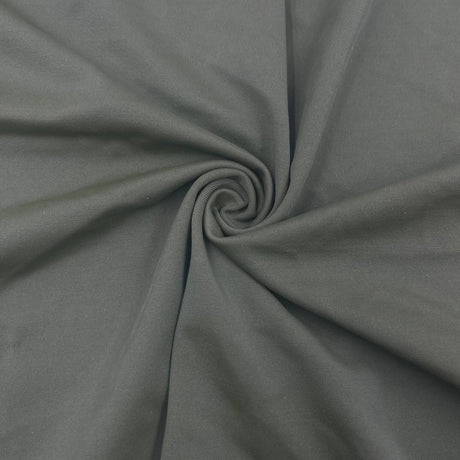
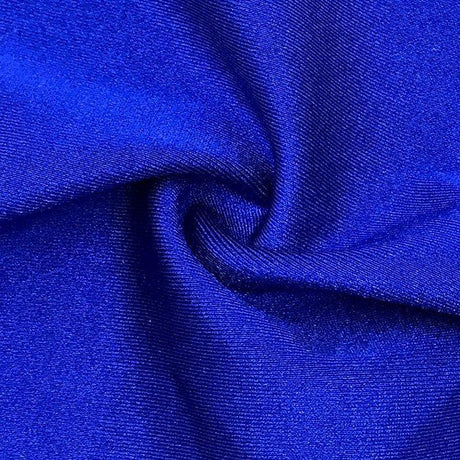
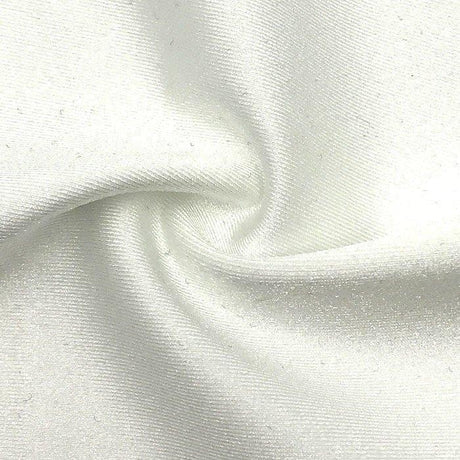
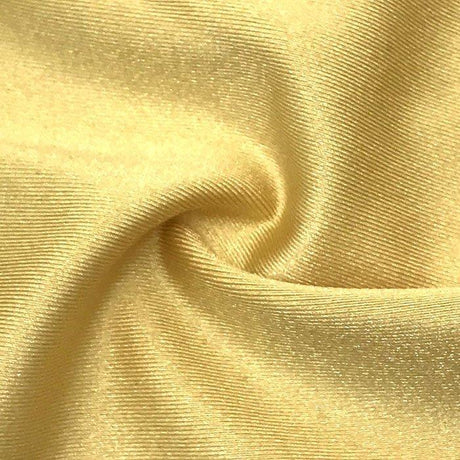
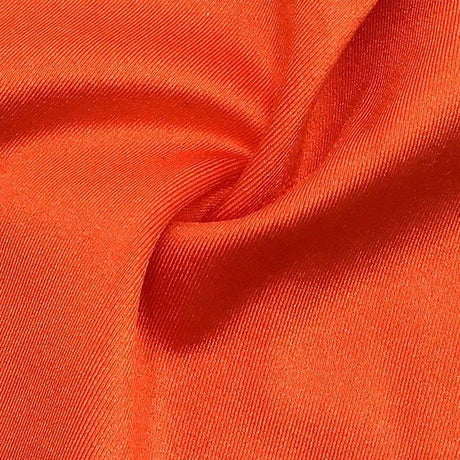
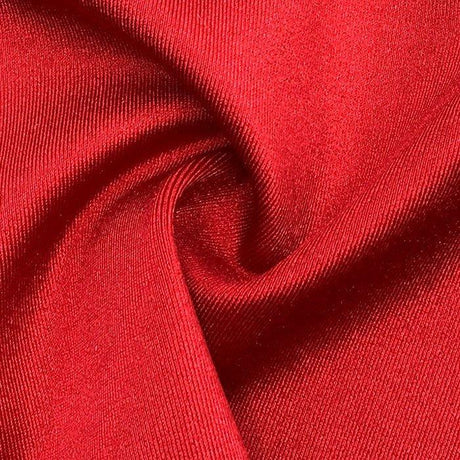
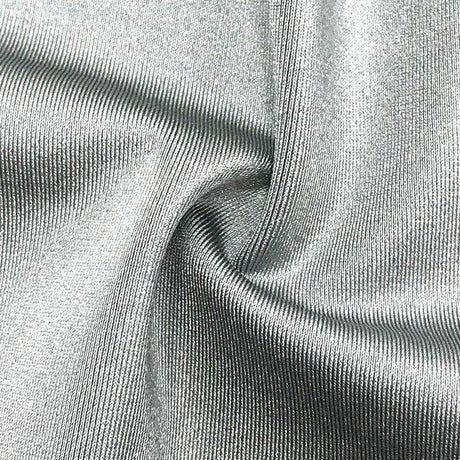
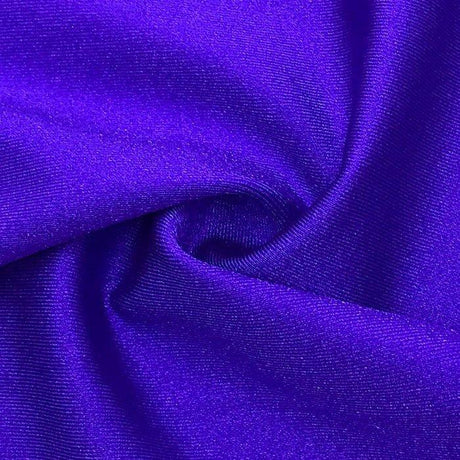
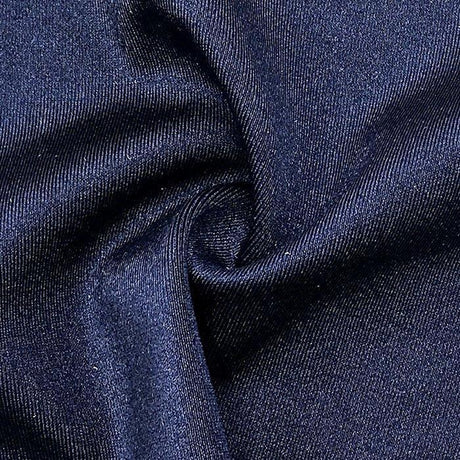
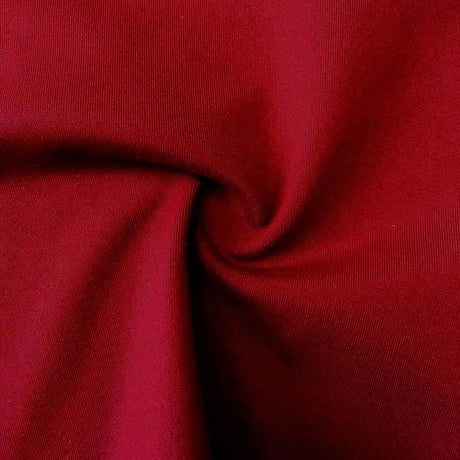
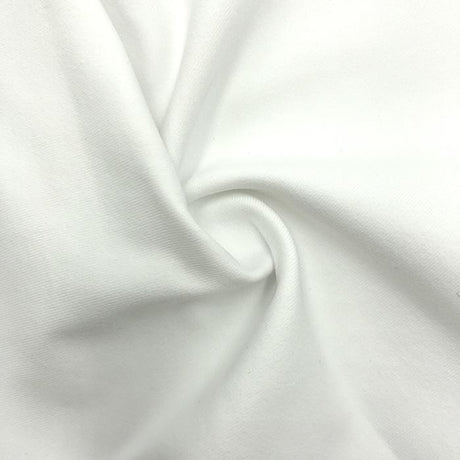
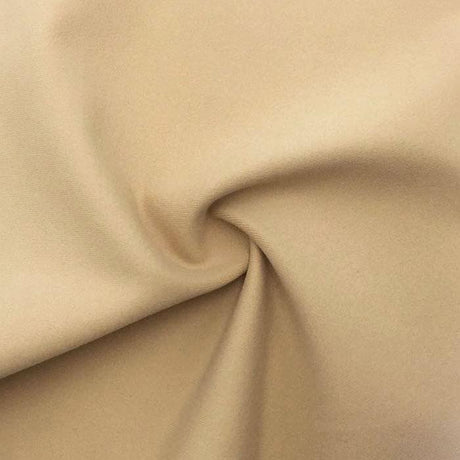
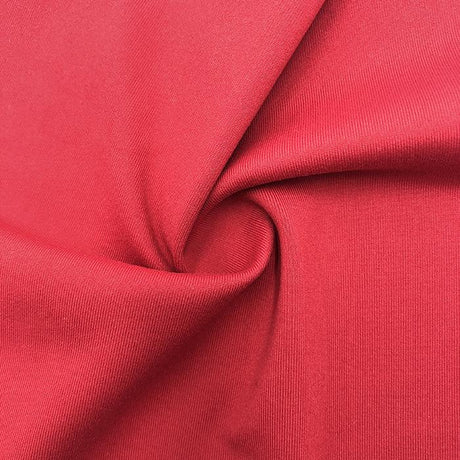
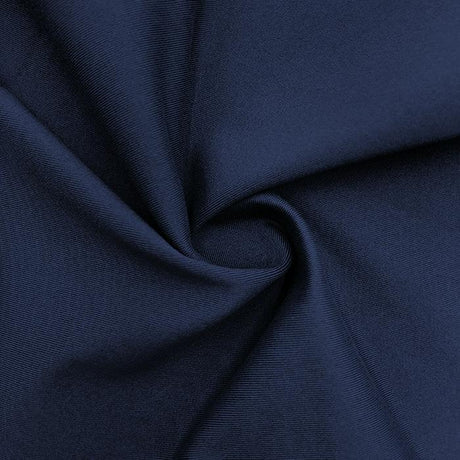
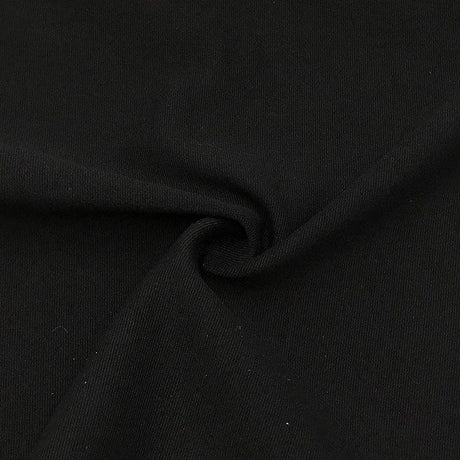
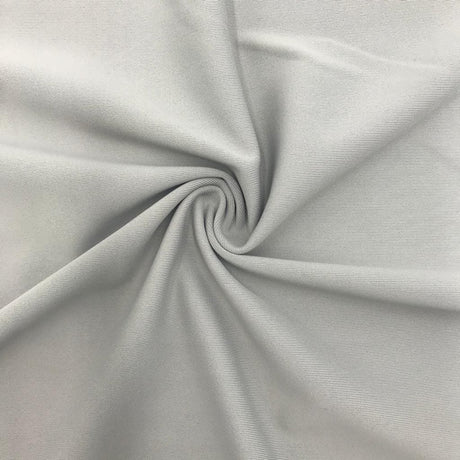
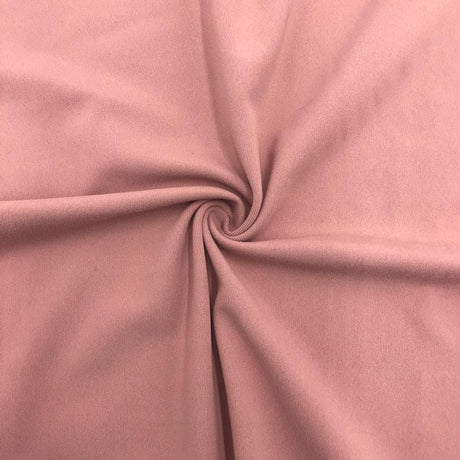
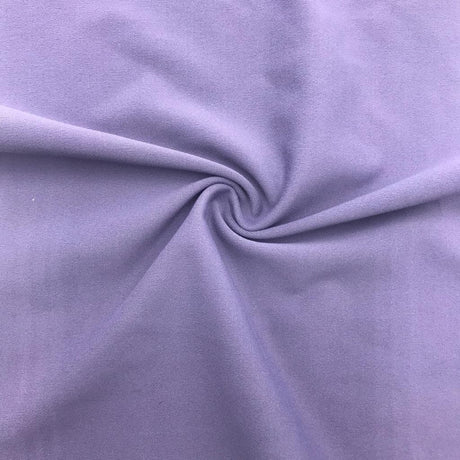
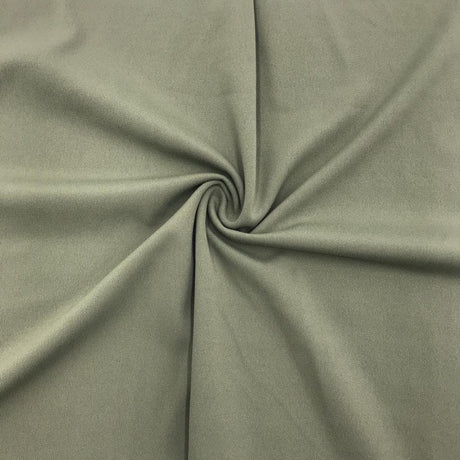
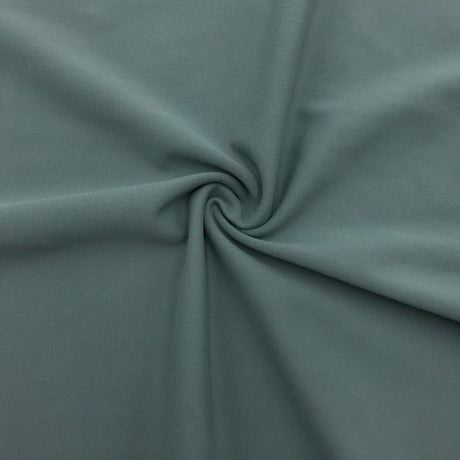
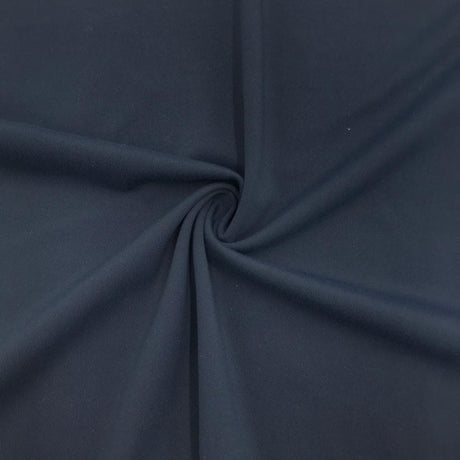
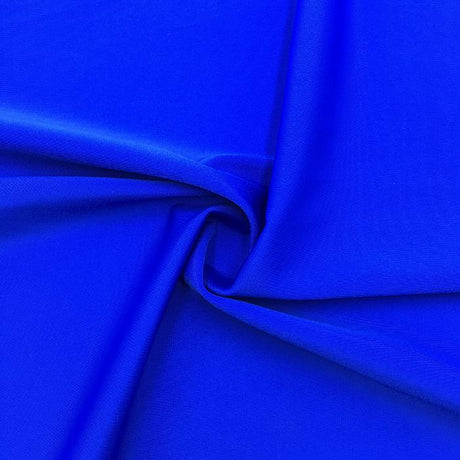
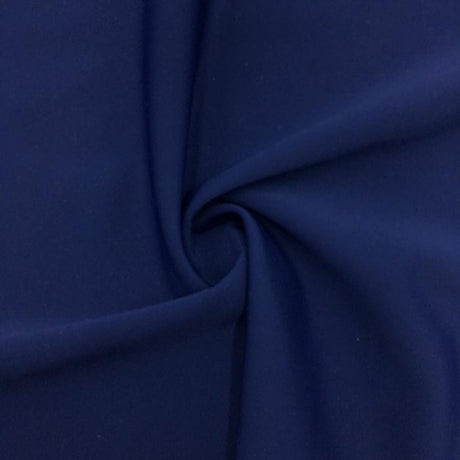
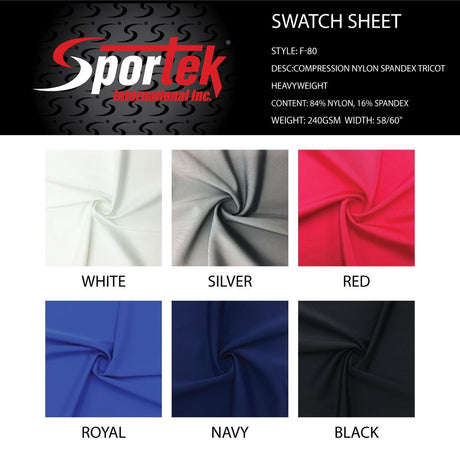
During intense exercise or hot weather, our bodies sweat profusely as a natural cooling mechanism. Wearing moisture-wicking spandex fabric can make all the difference in staying comfortable. This material is engineered to pull sweat away from your skin and dry fast, helping you stay cool and dry even when you're active or the temperature soars. For a broader foundation on spandex fabric properties before diving in, explore our activewear fabric guide or browse our full fabric guides hub.
What Is Moisture-Wicking Fabric?
Moisture-wicking fabric (often described as having moisture management properties) is a textile designed to keep you dry by moving sweat away from your body and allowing it to evaporate quickly. In simple terms, a moisture-wicking material has two jobs: (1) rapidly wick sweat to the fabric's outer surface and (2) dry quickly so the moisture doesn't soak the fabric. By contrast, ordinary fabrics like cotton absorb sweat and become heavy, wet, and slow to dry, leaving you feeling hot, then cold and clammy. Our cotton-spandex fabric guide covers why cotton's moisture absorption makes it unsuitable for high-sweat applications – and what cotton-spandex blends can and can't do in terms of moisture management.
Moisture-wicking is achieved through special fiber properties and fabric construction. Most synthetic fibers are used for this purpose because they are hydrophobic – they naturally resist absorbing water. Instead of soaking up sweat, fibers like polyester, nylon, and spandex transport moisture along their surfaces via capillary action, where sweat spreads through tiny spaces in the yarns and threads, moving from your skin to the outer side of the garment. Once at the outside, the sweat can evaporate into the air, which cools you down.
How Does Moisture Management Work?
Fiber content is key. Synthetic fibers like polyester and spandex have very low moisture regain (they absorb very little water into the fiber itself). Polyester's moisture regain is around 0.4%, meaning it absorbs virtually no water. By contrast, cotton's natural fibers have many hydroxyl groups that grab water and hold it, so cotton can soak up 20–30% of its weight in water. Spandex and other synthetics lack those absorbent groups, making them water-resistant enough to let sweat travel instead of soaking in.
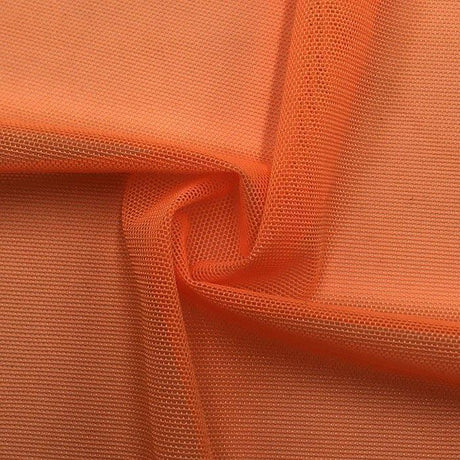
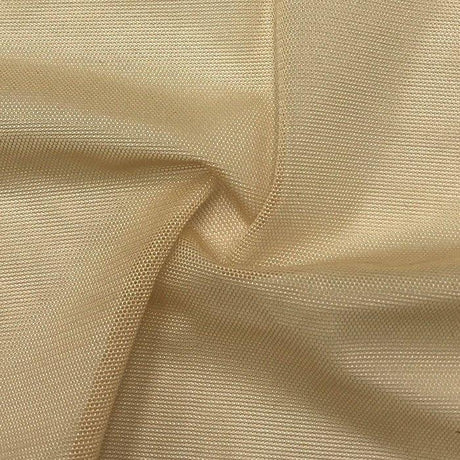
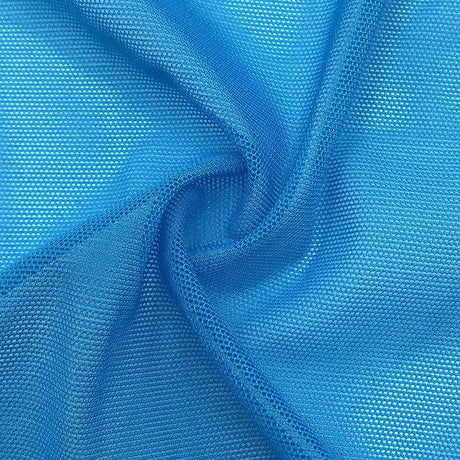
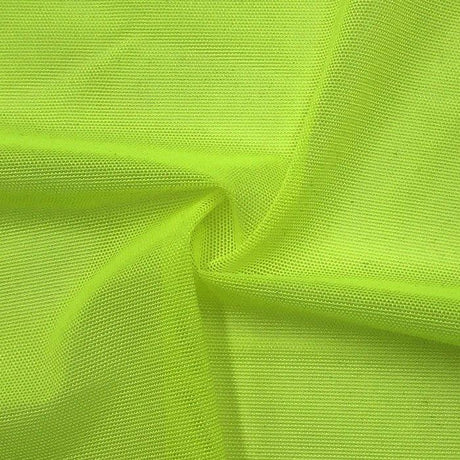
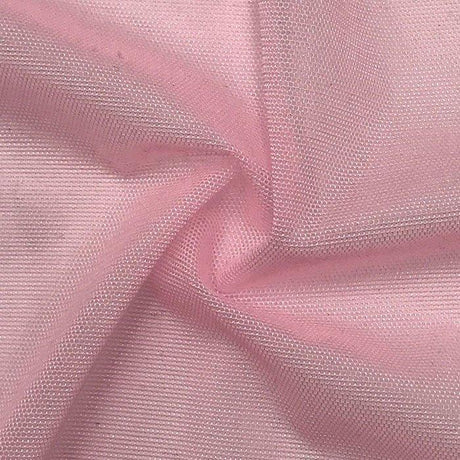
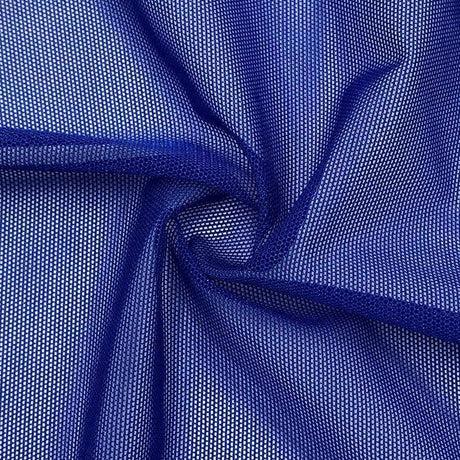
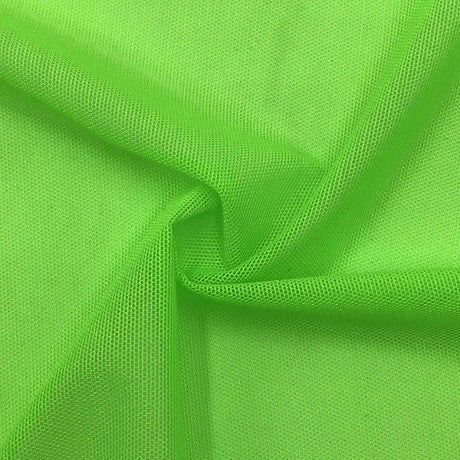
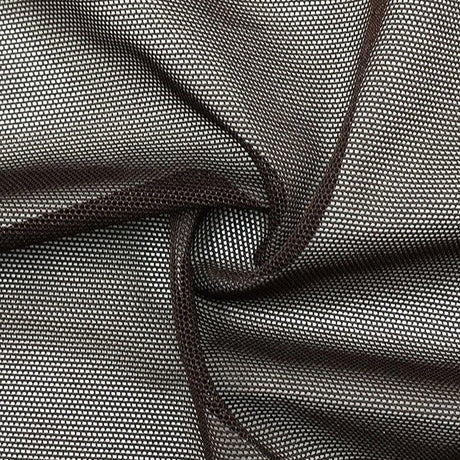
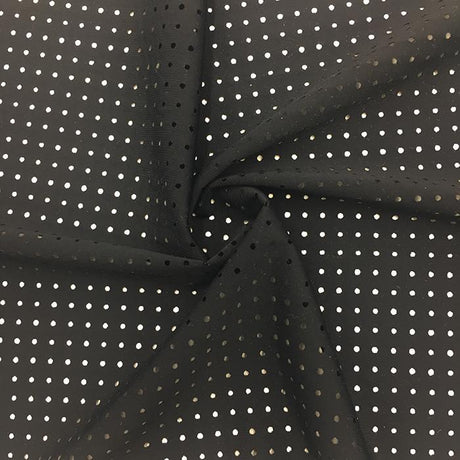
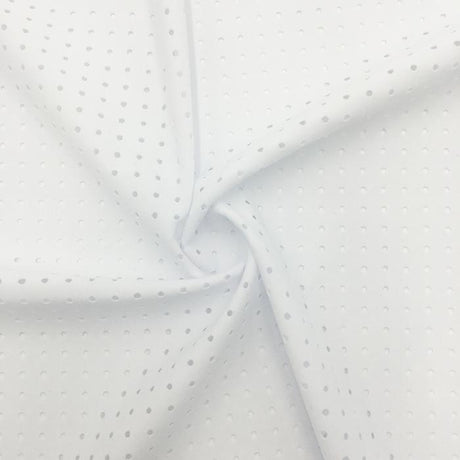
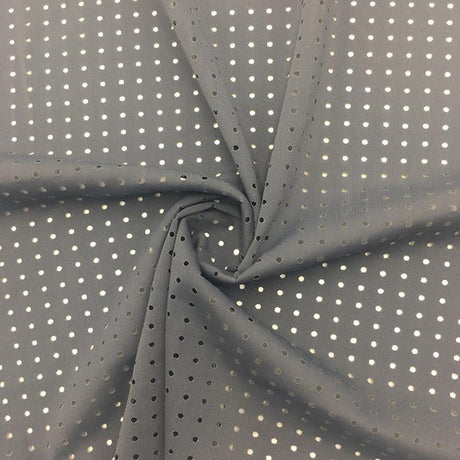
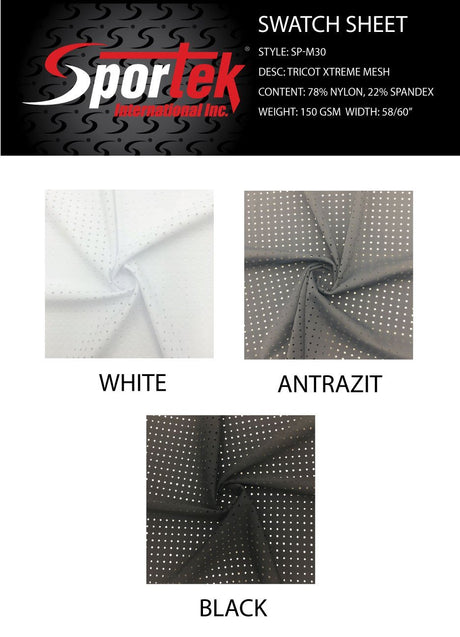
Breathability also factors into moisture management. Many athletic designs incorporate mesh panels or perforations in spandex garments to increase airflow. This is why moisture-wicking clothing helps prevent overheating and heat discomfort. Our fabric finishes guide covers the surface treatments and mesh constructions that enhance breathability and moisture management in performance fabrics.
Spandex as a Moisture-Wicking Fabric
Spandex (also known by brand names like Lycra or elastane) is always blended with other fibers like polyester or nylon in activewear. This combination gives the best of both worlds: the other synthetic fibers provide high moisture-wicking performance, while spandex lends stretch, fit, and comfort. Our nylon-spandex fabric guide covers how nylon-spandex constructions compare to polyester-spandex in moisture management, softness, and durability for activewear applications.
Why is spandex used at all if polyester and nylon are the star wickers? A snug, stretchy spandex blend garment will hug your body, which is ideal for wicking – it's hard for a shirt to wick sweat off your skin if the fabric is hanging loose. By keeping the material close to the skin, spandex helps moisture get absorbed by the fabric quickly. Additionally, spandex's elasticity means your clothing won't chafe or restrict movement when you exercise.
Another benefit is that spandex itself is hydrophobic – it does not absorb much water at all. Spandex fibers are made from long-chain polymers (polyurethane) that repel water, so they dry very quickly when they do get wet. A spandex-blend workout shirt or leggings will dry far faster than a cotton garment. Our stretch fabric types page covers the polyurethane polymer structure that gives spandex both its elasticity and its hydrophobic, quick-dry properties.
Modern moisture management spandex fabrics are high-performance textiles that feature smooth texture, excellent breathability, and the signature 4-way stretch of spandex. They are often engineered for compression gear, leggings, and athletic tops, where you want a second-skin fit plus moisture control.
Benefits of Moisture-Wicking Spandex
Keeps You Dry and Comfortable: By wicking sweat off your skin and drying fast, spandex performance fabrics prevent that sticky, clammy feeling you get with ordinary clothes.
Breathable & Cool: Moisture-wicking spandex materials are designed to be breathable, allowing air to flow. In hot weather or high exertion, this cooling effect helps regulate your body temperature and can reduce the risk of overheating.
Lightweight & Quick-Drying: Spandex blends are very lightweight, and they don't get waterlogged with sweat. Moisture evaporates quickly from the fabric, so your clothing won't stay wet. Your athletic clothes will hang dry faster.
Flexible 4-Way Stretch: Moisture-wicking spandex apparel stretches in all directions, so it won't restrict your mobility during exercise or daily tasks. Spandex's stretch recovery means your gear maintains a supportive fit even when wet – it won't sag or lose shape due to sweat. Our stretch fabric types page covers how spandex percentage affects stretch, recovery, and compression across all common blend types.
Reduced Chafing and Odor: Staying dry means less risk of chafing, rashes, or skin irritation from sweaty, wet clothing. Many moisture-wicking spandex materials are treated with antimicrobial or anti-odor finishes to curb bacteria.
Cooling and Thermoregulation: These fabrics assist your body's cooling mechanism. In cooler conditions, wicking base layers keep sweat from freezing you; by moving moisture out, they prevent that post-exercise chill or even hypothermia in cold weather.
Everyday Wear: Athleisure, Underwear, and Sleepwear
Athleisure and Casual Activewear: Popular leggings and yoga pants are usually a polyester/spandex or nylon/spandex mix that keeps you dry running errands or during a casual bike ride. Athleisure spandex fabrics also tend to have a soft, smooth feel and come in many fashionable colors and prints, proving that performance and fashion can coexist. Our activewear fabric guide covers the polyester-spandex and nylon-spandex constructions that deliver the best moisture management for athleisure applications.
Everyday Underwear and Intimates: Many brands now offer moisture-wicking underwear, bras, and socks made with spandex blends. A bit of spandex in undergarments ensures a snug fit (preventing bunching) and wicks away moisture in areas prone to sweat.
Sleepwear and Loungewear: Many pajamas and nightgowns now use technical fabrics (including spandex) designed for breathability and wicking, sometimes advertised as "cooling pajamas." These are especially helpful for people who experience night sweats or hot flashes.
Travel and Daily Workwear: Moisture-wicking spandex fabrics have also entered everyday work and travel clothing. Stretch spandex-blend polos that wick sweat are great for customer service jobs or days of travel – they look neat but secretly perform like sportswear.
High-Performance Uses: Activewear, Outdoor Gear, and Uniforms
Sports and Activewear: From running shirts and basketball jerseys to biking shorts and compression leggings, moisture-wicking spandex is the hero of athletic apparel. During intense exercise, sweat production is high, and wearing moisture management fabrics directly affects comfort and performance. Compression garments (like spandex compression shorts, sleeves, or tops) not only support muscles but also keep sweat off the skin and evaporating. Our activewear fabric guide covers compression performance requirements across different athletic applications and how GSM and spandex percentage affect moisture management in compression wear.
Outdoor and Adventure Gear: Hikers, climbers, runners, and outdoor workers all rely on moisture-wicking layers for comfort and safety. Many thermal base layers are polyester/spandex knits that wick moisture. In hot weather, quick-dry spandex hiking shirts with vents can make trekking in the sun far more bearable. Our fabric weight guide covers how GSM affects breathability and moisture management in outdoor performance fabrics.
Professional Uniforms and Work Gear: Military and law enforcement uniforms now often include moisture-wicking undershirts or integrated stretch panels. Dancers can perform under hot stage lights without their outfits becoming drenched, thanks to spandex costumes that breathe and dry fast. Our dancewear fabric guide covers fabric selection for performance costuming where heat management under stage lighting is a key consideration.
Extreme Conditions: Mountain climbers wear base layers that wick sweat to avoid hypothermia when resting. Endurance athletes count on technical spandex apparel so their sweat doesn't cause blisters or add weight over hours of exertion. Some high-performance spandex fabrics are treated with silver-based antimicrobials to keep bacteria at bay, which is great for multi-day use or when you can't wash gear immediately.
Fabric Technology Features: Wicking, Quick-Dry, Stretch & More
Wicking Layers: A common design is a double-layer fabric where the inner layer is hydrophobic (e.g., spandex or polyester) and the outer layer is slightly hydrophilic. This creates a push-pull effect – the inner layer pushes sweat out, and the outer layer pulls moisture in and spreads it over a wide area to evaporate. Our fabric finishes guide covers wicking treatments and surface modifications that enhance moisture movement in spandex-blend constructions.
Quick-Dry: Quick-dry means the material dries faster than normal, due to low absorbency and high surface area exposure. Spandex blends are quick-drying because they don't hold much water in the fiber. Quick-dry is crucial not just for comfort while wearing but also for convenience – you can wash your spandex gym clothes, hang them up, and they might be dry by the next morning.
4-Way Stretch: This term highlights that a fabric can stretch both across its width and length. For the wearer, 4-way stretch means total range of motion. High spandex content (e.g., 15–20%) usually indicates significant stretch and compression. Our stretch fabric types page covers how spandex percentage translates to stretch percentage, recovery ratings, and compression level across all common blend types.
Antimicrobial Blends: Many moisture-wicking spandex fabrics are treated with antimicrobial agents to fight odor and germs. Common treatments include silver-ion technology or chemical finishes. In spandex activewear, you might see tags like "anti-odor," "anti-microbial finish," or brand names like Polygiene or BioShield. While antimicrobial treatments can wear off over many washes, they greatly enhance the experience of moisture-wicking apparel by keeping it odor-free and skin-friendly. Our fabric finishes guide covers anti-microbial surface treatments in detail, including how to evaluate the durability of different application methods.
Other Terms: You might also come across "breathable mesh" (indicating portions of the garment use a mesh structure for airflow), "UPF protection" (some moisture-wicking spandex fabrics also block UV rays), "compression" (implying the spandex content is high for muscle support), and "thermal regulation" (emphasizing the fabric's ability to cool when wet). Our swimwear fabric guide covers UPF protection ratings for swim and outdoor fabrics that also feature moisture management properties.
Sourcing Moisture-Wicking Spandex Fabrics
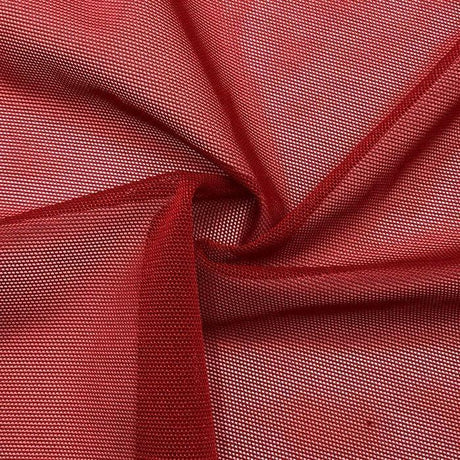
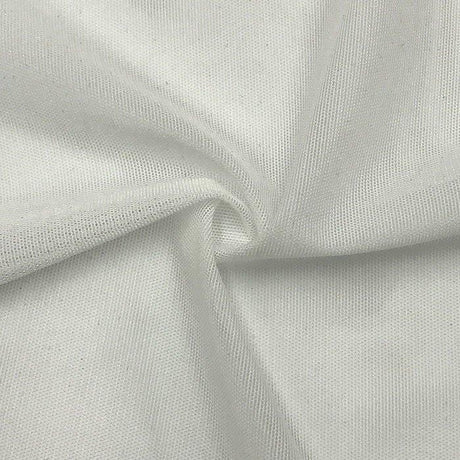
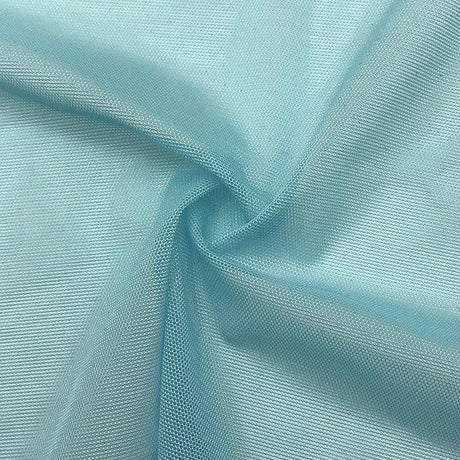
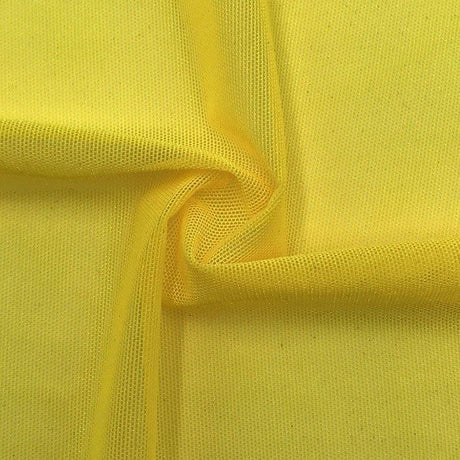
For designers, sewists, or fabric buyers interested in working with moisture-wicking spandex, specialty suppliers are the best resource. When sourcing, consider the fiber blend and feel of the fabric. A popular composition is around 80–90% polyester (or nylon) and 10–20% spandex, which gives a nice balance of wicking and stretch. If you need a very lightweight, breathable fabric, look for spandex mesh with moisture management. For leggings or compression wear, a heavier spandex jersey or interlock knit with moisture-wicking will provide opacity and support. Our fabric weight guide covers how GSM affects breathability, opacity, and compression across all these construction types.
Don't hesitate to request samples if possible, so you can test the hand feel and stretch. One simple test for wicking: put a drop of water on the fabric's inner side and see if it quickly spreads out. Our how to choose fabric guide covers what to evaluate when a physical sample arrives, including moisture management testing alongside stretch and opacity evaluation.
It's also worth noting that moisture-wicking spandex fabrics are easy to care for but with one important caveat: avoid fabric softeners when washing them. Fabric softener can leave a coating that blocks the wicking action. Our spandex care guide and fabric care guide cover complete laundering protocols for all common moisture-wicking spandex-blend garment types, including specific guidance on detergent selection and drying methods that preserve wicking performance.
Conclusion: Stay Cool and Dry with Spandex
Moisture-wicking spandex fabric enables us to stay cool, dry, and comfortable in both everyday life and peak performance moments. By expertly managing sweat, these fabrics address a fundamental human need – keeping our bodies at a comfortable temperature and free from clamminess. From a morning jog to a day at the office, from a yoga class to a weekend hike, moisture-wicking spandex clothing helps us feel our best.
For designers and apparel makers, incorporating moisture management spandex opens up opportunities to create garments that customers will appreciate on a whole new level. Understanding the benefits means you can make informed choices – look for that "moisture-wicking" label and a bit of spandex in the material, and you'll know you're getting a garment that works as hard as you do.
Ready to find the perfect moisture-wicking fabric for your next project? Use our activewear fabric guide for curated fabric recommendations, our nylon-spandex fabric guide to compare companion fiber options for moisture management, and our fabric weight guide and stretch fabric types page to evaluate technical specifications. Our fabric finishes guide covers moisture-wicking and antimicrobial surface treatments in detail. Our spandex care guide and fabric care guide will keep every moisture-wicking garment performing at its best. Have questions? Our expert help and advice page and FAQ are always available. Sign up for SpandexByYard Rewards to earn points on every purchase – stay cool, stay dry, and let spandex take care of the sweat!