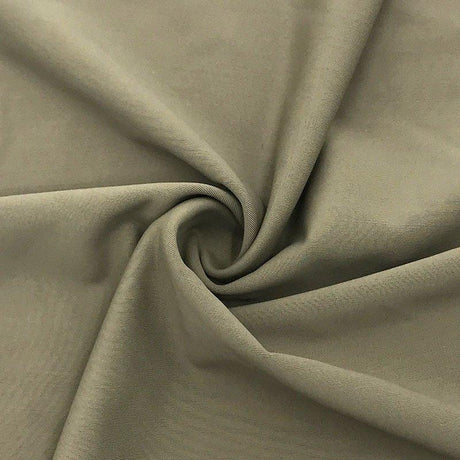
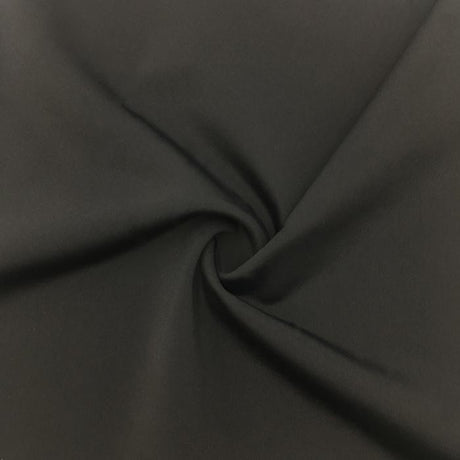
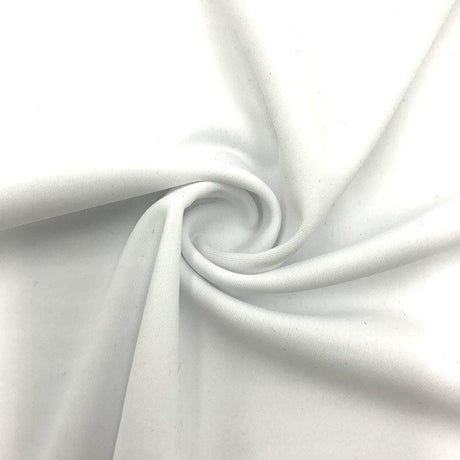
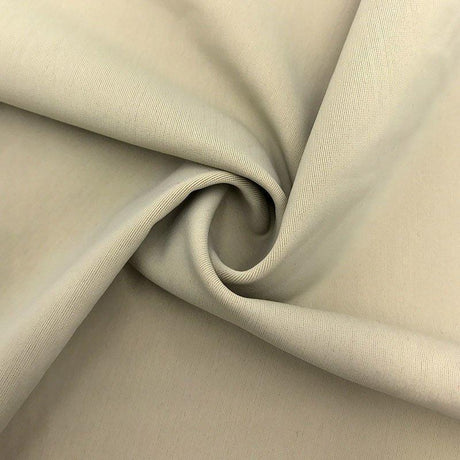
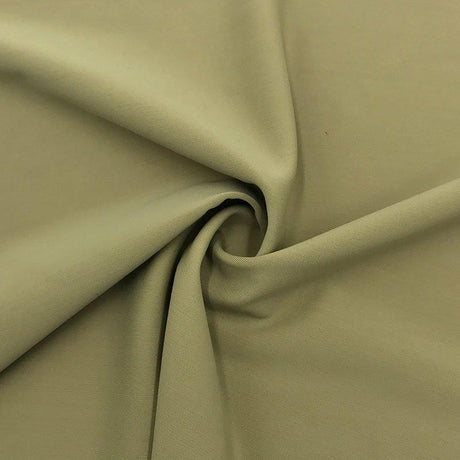
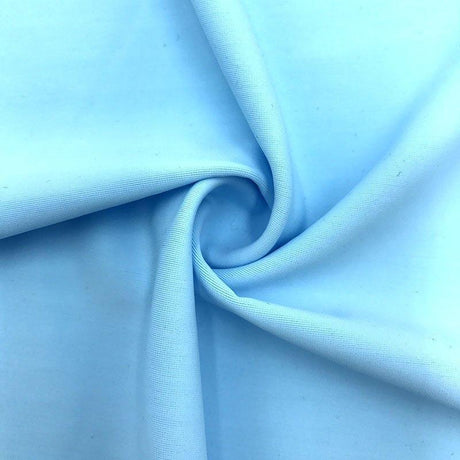
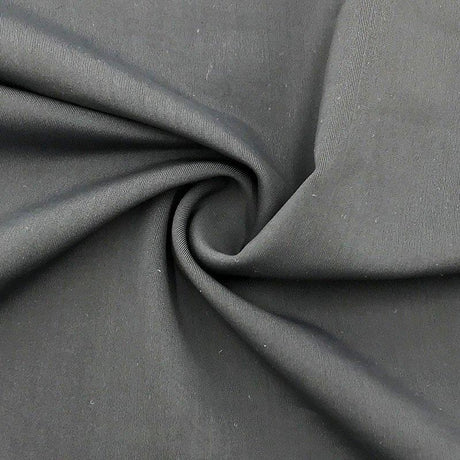
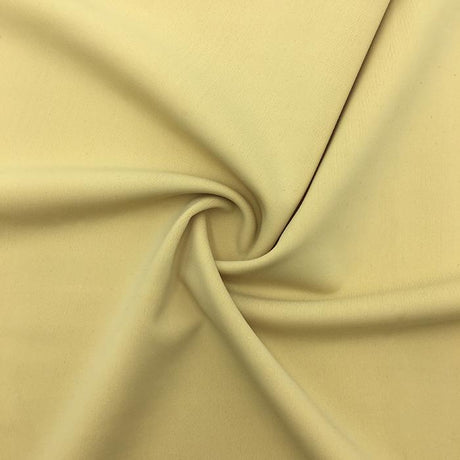
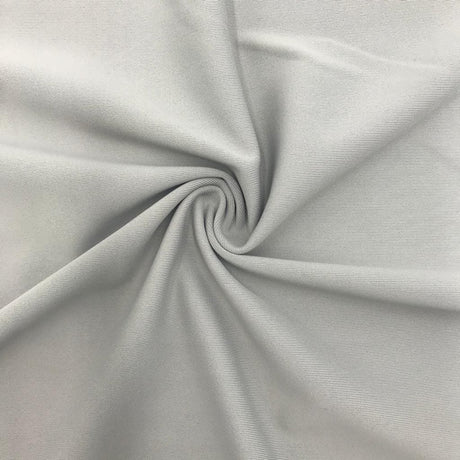
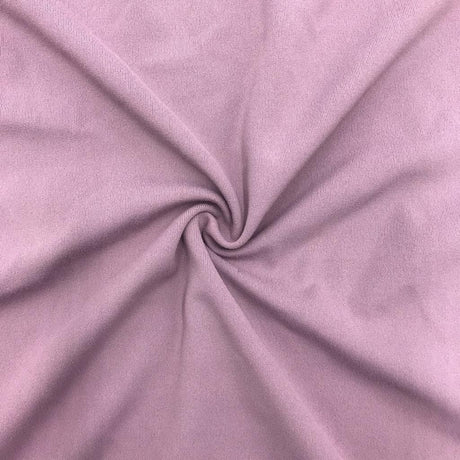
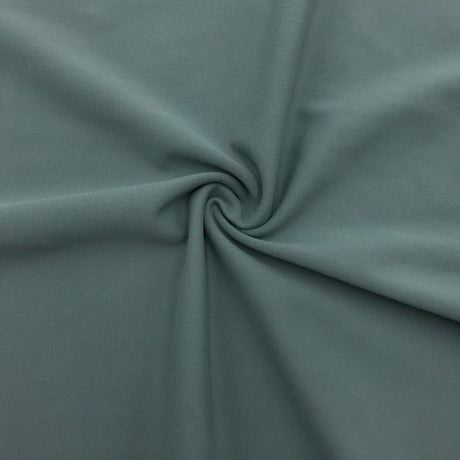
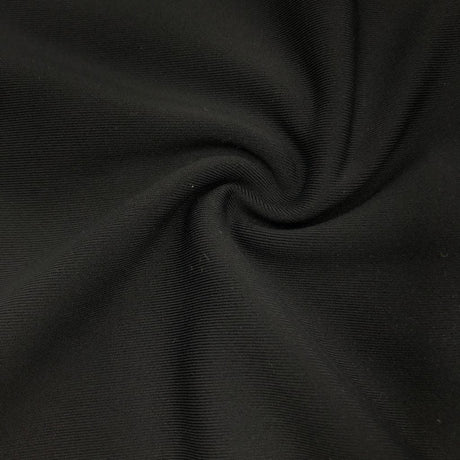
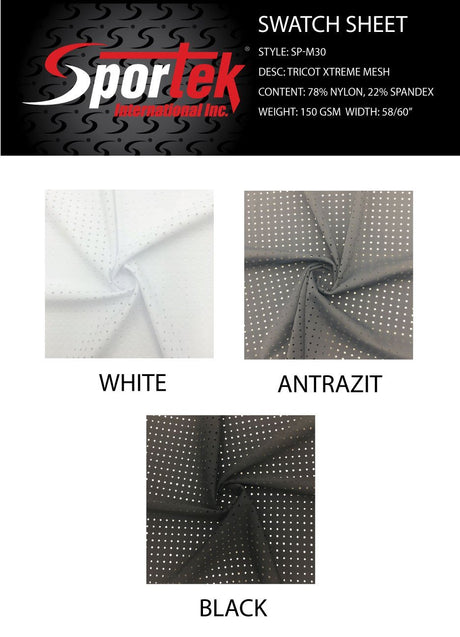
Storing spandex fabric properly is crucial for preserving its stretch, strength, and appearance. Because spandex (also known as Lycra or elastane) is a uniquely elastic and sensitive material, the way you store spandex can greatly affect its longevity. Improper storage – such as exposure to heat, moisture, or UV light – can cause spandex fibers to break down, leading to loss of elasticity, fading, or even mildew. For a technical foundation on spandex fiber properties before diving in, explore our spandex care guide or browse our full fabric guides hub.
Why Properly Storing Spandex Matters
Spandex is prized for its exceptional stretch and recovery, but these same qualities make it vulnerable if stored incorrectly. Unlike sturdier fabrics like cotton or denim, spandex is a synthetic polymer that is highly reactive to environmental conditions.
Heat Sensitivity: High temperatures can cause spandex fibers to degrade. Prolonged heat exposure can make the fibers brittle and permanently reduce their elasticity. Our spandex care guide covers the science of heat degradation in elastane fibers and exactly what temperature thresholds to stay within during both use and storage.
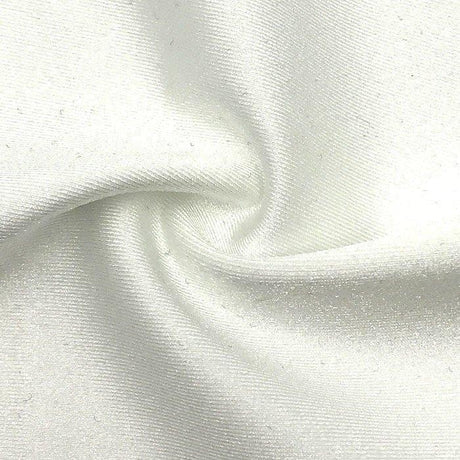
UV and Light Exposure: Direct sunlight is extremely damaging to spandex. Ultraviolet (UV) light breaks down the polyurethane fibers, leading to fiber damage and color fading. Light-colored or white spandex is especially prone to yellowing when exposed to sunlight.
Moisture and Humidity: Damp conditions or high humidity can promote mold and mildew growth on spandex fabrics (particularly those blended with natural fibers). Our cotton-spandex fabric guide covers how cotton content in a spandex blend increases susceptibility to moisture damage and what storage conditions are required for cotton-blend inventories.
"Memory" and Stretch Loss: Spandex has an "elastic memory" that can degrade if the fabric is stressed or stored improperly for long periods. If spandex is stretched out or creased during storage, it may not fully recover its original shape. Our stretch fabric types page explains the polymer chain structure that creates spandex's elastic memory – and why prolonged deformation from improper storage is so difficult to reverse.
Folding, Rolling, or Hanging: Best Practices to Store Spandex
Rolling Spandex Fabric: Rolling is often the preferred method for storing spandex yardage or larger fabric pieces. Keeping spandex on a roll prevents hard creases and minimizes fiber stress. Fabric stores and warehouses typically store spandex rolled on tubes or hung on racks to avoid fold lines. At home, you can roll smaller fabric pieces and secure them with a strip of muslin or a soft tie (avoid elastic bands that could leave impressions). Rolled spandex fabrics take up slightly more space than tightly folded ones, but rolling avoids permanent wrinkles and preserves elasticity.
Folding Spandex: Folding is acceptable for short-term storage or for garments, but it must be done carefully. Avoid sharp folds in spandex; a tight fold left for months can create a permanent crease that won't stretch out. If you must fold spandex fabric, use the largest folds possible. Make sure the folds are loose and padded if possible – you can place acid-free tissue or muslin in the folds to cushion the fabric. Always smooth out any wrinkles before folding to prevent setting them in, and refold or unfold periodically if storing long-term.
Hanging Spandex: Hanging can be a great option for spandex garments (like leotards, leggings, or swimsuits) if done correctly. Avoid thin metal wire hangers, which can cause shoulder bumps, stretch marks, or even rust stains. Instead, opt for padded hangers or broad plastic/wooden hangers. For very heavy spandex costumes or pieces that might sag under their own weight, folding or rolling might be safer. Light spandex items (like dancewear or activewear tops) generally hang well on padded hangers without damage, especially for short-term storage. Our dancewear fabric guide covers storage recommendations specific to performance costumes and dancewear garments.
Flat Storage: Another option is laying spandex items flat in a drawer or on a shelf. This works well for items like swimwear or stretchy costumes – just make sure they are clean and completely dry first. Our swimwear fabric guide covers post-swim rinsing and drying protocols before storage that are essential for preserving swimwear fabric integrity over time.
No matter which method you choose, clean the spandex before storage (body oils, sweat, or dirt can degrade fibers or attract pests), and avoid overcrowding your spandex storage.
Ideal Environmental Conditions for Storing Spandex
Temperature: Aim for roughly 60–80°F (15–27°C) for storing spandex. Avoid extreme heat (above ~80°F) which can accelerate degradation, and also avoid freezing temperatures which could potentially make fibers brittle. More important than the exact temperature is avoiding frequent fluctuations. Never store spandex near heaters, radiators, or in hot attics.
Humidity: Keep humidity in check. The optimal relative humidity is around 40%–60% for fabric storage. High humidity (above 60%) invites mold, mildew, and even enzymatic fiber breakdown. If you live in a very humid climate or are storing in a basement, consider using a dehumidifier or placing silica gel desiccant packs in storage bins. Good ventilation is also important: air circulation helps prevent moisture buildup.
Light Exposure: Total darkness or minimal light is best for spandex. UV light is the enemy of elastic fabrics. Choose a storage spot out of direct sunlight – a closet, opaque bin, or drawer. Even indoor artificial light can, over long periods, cause some fading or yellowing. For businesses with fabric rolls on racks, investing in UV-blocking film or shades in the storage area is a good idea.
Cleanliness and Pests: The environment should be clean and pest-free. Dust and dirt can physically abrade fibers over time. Keep storage areas dry and consider natural pest deterrents like cedar blocks or lavender sachets. Using breathable cotton garment bags or sealed plastic bins can protect against insects – just ensure no moisture is trapped if you seal things up.
In summary, store spandex in a place that's cool (room temperature or a bit below), not too humid, and dark. A bedroom closet or a dedicated cabinet works much better than a sunny attic or damp basement.
Common Mistakes to Avoid When You Store Spandex
Using Metal Wire Hangers: Hanging spandex garments on thin metal wire hangers can cause shoulder dents, misshapen areas, and even rust stains. Always use padded or broad hangers that protect the garment's shape.
Storing in Direct Sunlight: Never store spandex in direct sunlight. Sunlight can fade colors and break down elastic fibers surprisingly fast. Always keep spandex in opaque containers or dark closets. Our fabric care guide covers UV protection strategies for all common spandex-blend garment types during both use and storage.
High Heat or Hot Drying Before Storage: Never put spandex in a hot dryer before storage. Ensure items are dry, but air-dry spandex garments flat or on a line so they're not subject to heat damage prior to being put away. Similarly, don't store spandex near radiators, space heaters, or in car trunks during summer. Our spandex care guide covers exactly why heat is so damaging to elastane fibers and what drying protocols to follow before storage.
Vacuum Sealing (Long-Term): Vacuum seal bags can lead to deep creases, crushed fibers, and loss of elasticity if left for extended periods. An airtight seal can also trap any remaining moisture and lead to mildew. If you must vacuum-seal spandex, do it only for short-term purposes and ensure the fabric is completely clean and dry first. For long-term storage over several months or more, vacuum sealing is not recommended – use breathable garment bags or boxes with lids that aren't fully airtight.
Plastic Covers or Bags Without Ventilation: Plain plastic bags can trap moisture and don't allow airflow. Never store spandex when it's damp, even slightly.
Overcrowding and Compression: Overcrowding can lead to creasing, stretching, and fabric distortion. Spandex needs a bit of space to maintain its shape. Always allow a little extra room in your storage bins or closet so that air can circulate and the textiles aren't under pressure.
Not Considering Chemical Exposure: Keep spandex away from harsh chemicals or fumes. Do not leave spandex touching anything metal that could corrode. Store spandex in clean, inert materials (cotton, plastic bins that are food-grade or meant for storage, acid-free paper) to avoid unexpected reactions.
Short-Term vs. Long-Term Spandex Storage
Short-Term Storage (Seasonal or Project Storage): For short-term storage of spandex garments – putting away summer swimwear for the winter, or storing a dance costume until next season – the key is to follow all the fundamental tips (clean, cool, dry, dark). Short-term storage is about convenient protection. If storing sportswear or activewear between seasons, consider turning them inside-out to protect colors and any printed designs. Our activewear fabric guide covers how different spandex-blend constructions respond to seasonal storage conditions.
Long-Term Storage (Archival or Inventory Storage): Long-term storage of spandex (many months to years) requires a bit more precaution because time itself can degrade materials. To combat this, rotate stock occasionally using FIFO (First-In, First-Out) inventory management. Long-term storage should favor rolling or flat storage over folding to avoid permanent creases. If you have spandex heirlooms or costumes you want to preserve for many years, consider archival storage techniques: wrap items in acid-free tissue, store in archival boxes or 100% cotton pillowcases, and keep them in a stable climate-controlled part of the house. Take them out for "airing" occasionally – simply letting a stored garment air out and then repacking it can prevent that stale, trapped-moisture situation.
Tips for Home Crafters vs. Fabric Businesses
For Home Sewists and Crafters:
Organization and Containers: Use plastic bins with lids or breathable fabric boxes to keep dust and pests out. Clear plastic bins are useful so you can see what's inside, but ensure they're in a dark closet or the bin itself is opaque to block light. Fabrics need a bit of airflow – you can leave a tiny gap or use boxes that aren't completely sealed.
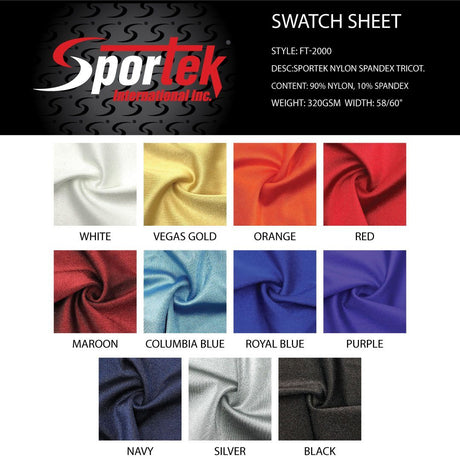
Folding Yardage vs. Scraps: Large spandex yardage can be rolled on a cardboard tube or folded loosely and stored on a shelf. Small scraps or remnants can be rolled up and placed in drawers or zip-lock bags (with a few holes for air) categorized by color or project. Always label your spandex pieces with content (e.g., "Nylon-Spandex tricot, 2 yards") and date if possible. Our nylon-spandex fabric guide covers the identifying characteristics of nylon-spandex that are useful to note on storage labels.
Short-Term Project Storage: If you're in the middle of sewing and need to set a spandex project aside, keep the fabric flat between sessions. Rolling it around a tube or keeping it on the cutting table under a cloth is better than folding it up tightly. Our how to sew stretch fabric guide covers mid-project fabric handling techniques that prevent distortion between sewing sessions.
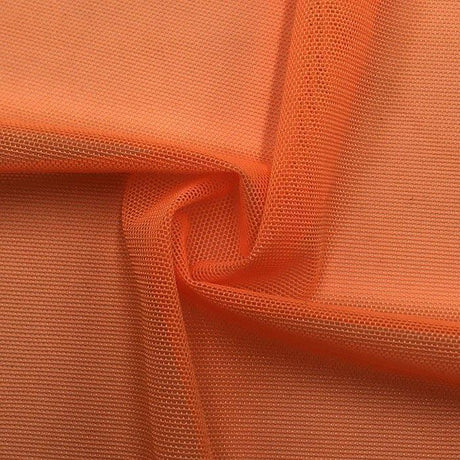
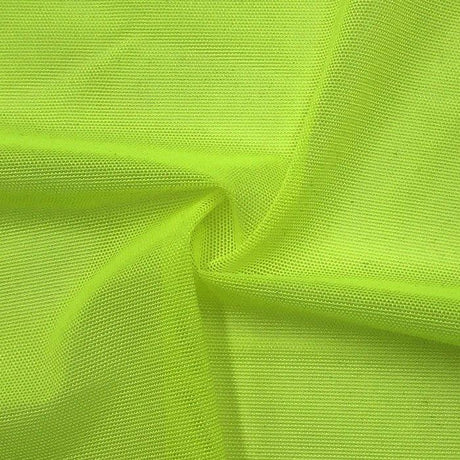
Example (Home Crafter): Let's say you buy 5 yards of neon spandex for costumes but only use 3 yards. To store the remaining 2 yards, you could wrap it around a mailing tube or pool noodle, slip it into a pillowcase (to protect from light), and place it on a shelf in a cool closet. Toss a few cedar chips or a lavender sachet nearby to ward off insects. When you pull it out next year for a new project, the spandex will still be bright and stretchy.
For Fabric Resellers, Small Businesses, or Designers:
Climate-Controlled Storage: If you are storing bulk spandex or finished spandex products as inventory, invest in proper climate control. A small warehouse or stock room should have air conditioning or dehumidifiers to maintain that 60–80°F, ~50% humidity sweet spot. Avoid storing boxes directly on concrete floors (which can leach moisture); use pallets or shelving.
Use Roll Storage and Racks: Storing spandex on rolls is highly recommended for businesses. Set up rack shelving to hold fabric rolls either horizontally or vertically. Keep the rolls wrapped in plastic sleeves or kraft paper when not in use. For any spandex garments in stock (like swimwear for sale), use proper hangers in your stockroom or keep them in garment bags.
Inventory Rotation and Monitoring: Apply FIFO inventory management – use older stock first. It's also wise to do regular quality checks. If you have spandex rolls in storage for over a year, test a small piece periodically for stretch and strength. Our stretch fabric types page covers the stretch and recovery testing methodology you can use during these periodic quality checks.
Packaging for Shipping/Storage: If you're a reseller shipping spandex fabric or garments, use poly mailers or boxes that protect from moisture and consider including a small desiccant pack. Our FAQ page covers our own shipping and packaging policies, which can serve as a useful reference.
Example (Business): Imagine a small activewear brand producing leggings. You have bolts of spandex fabric and finished leggings stored. You'd want to hang the finished leggings on wide hangers or keep them folded with tissue in boxes, and for the fabric bolts, keep them on racks off the ground. When new fabric shipments come in, place them behind older ones on the rack (FIFO). By maintaining such practices, your business ensures that customers always get high-quality, undamaged spandex products.
Conclusion: Store Spandex Safely for Long-Lasting Stretch
Spandex is a fantastic material known for its stretch – but to keep that stretch and strength intact, you need to store spandex fabric with care. Always stow your spandex in a cool, dry, dark environment to prevent heat, humidity, or UV light from degrading the fibers. Choose the right storage method for the situation: roll fabric yardage to avoid folds, fold or lay flat garments without harsh creases, or hang items on padded hangers if appropriate. Steer clear of common mistakes like wire hangers, sunlit storage, or long-term vacuum sealing, all of which can cause irreversible damage.
Whether you're putting away a leotard for a season or stocking bolts of swimwear fabric in a warehouse, a little planning goes a long way: use proper containers, maintain a stable climate, and check on your spandex occasionally. By following these best practices, you'll ensure your spandex fabrics and garments remain elastic, vibrant, and ready to perform whenever you need them.
Ready to find high-quality spandex worth protecting? Use our stretch fabric types page and fabric weight guide to evaluate your options, our nylon-spandex fabric guide and activewear fabric guide for curated fabric recommendations, and our spandex care guide and fabric care guide for complete care and storage protocols. Have questions? Our expert help and advice page and FAQ are always available. Sign up for SpandexByYard Rewards to earn points on every purchase – because quality fabric deserves proper storage, and proper storage starts the moment your fabric arrives.