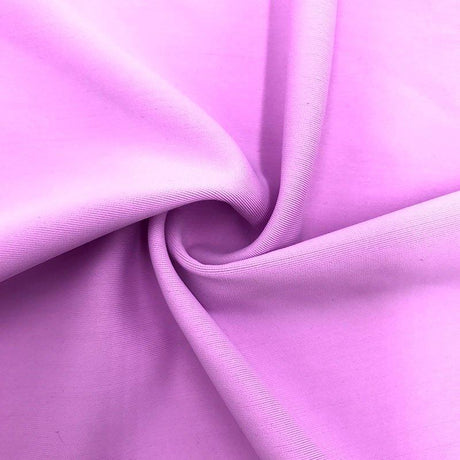
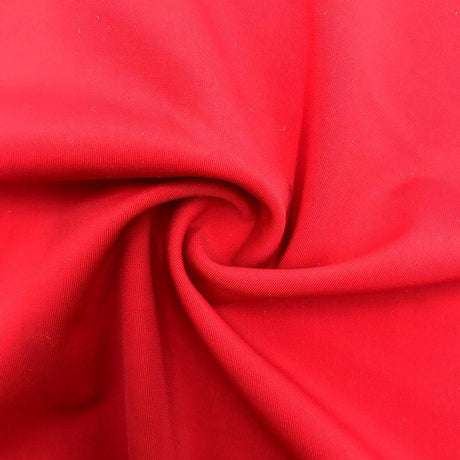
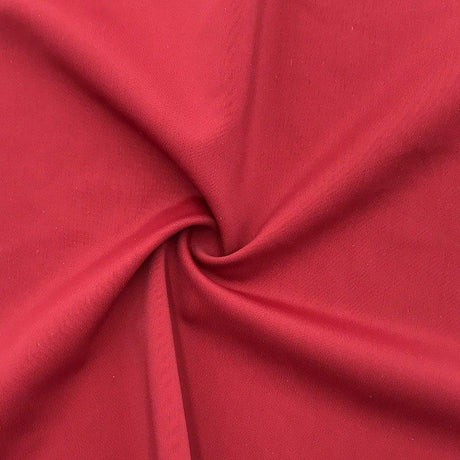
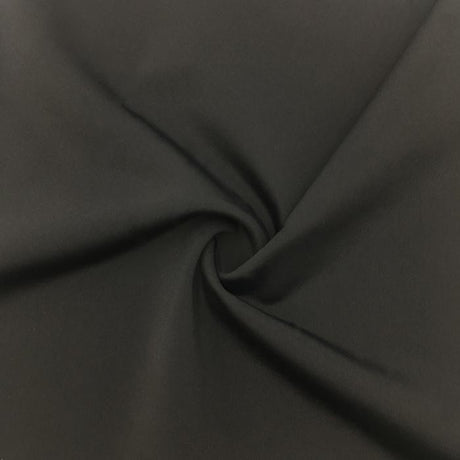
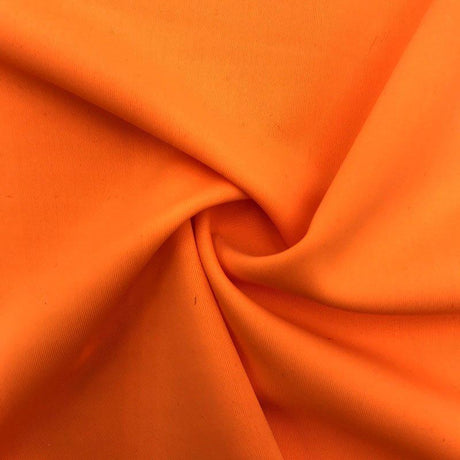
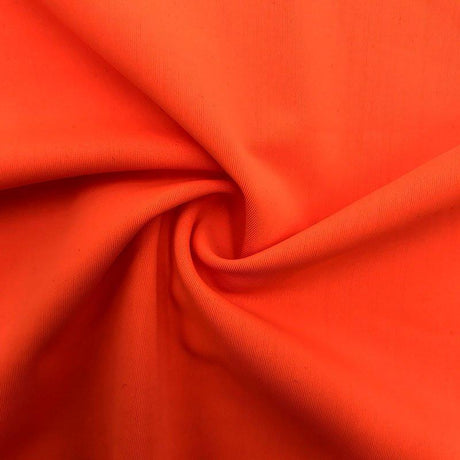
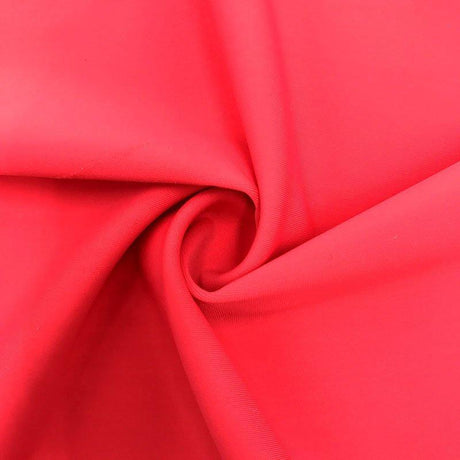
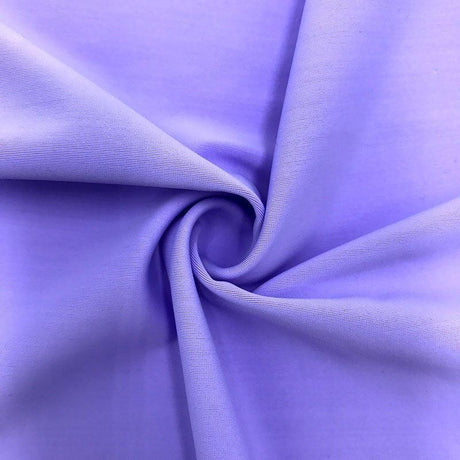
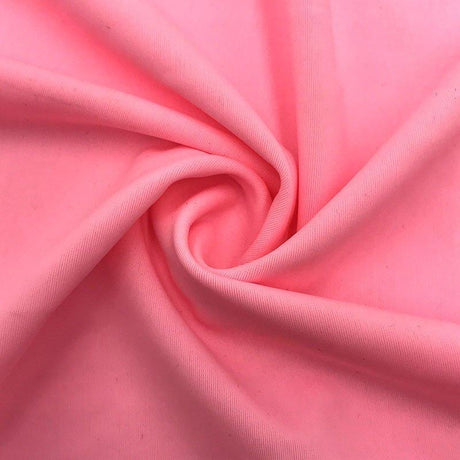
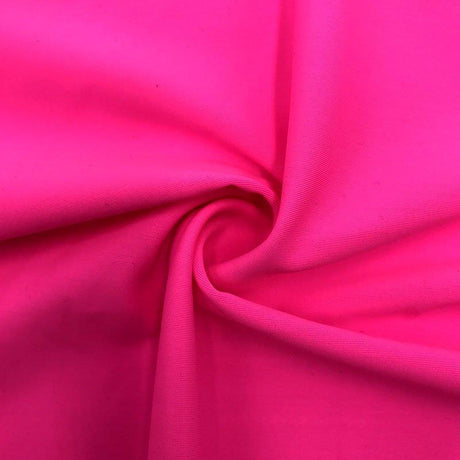
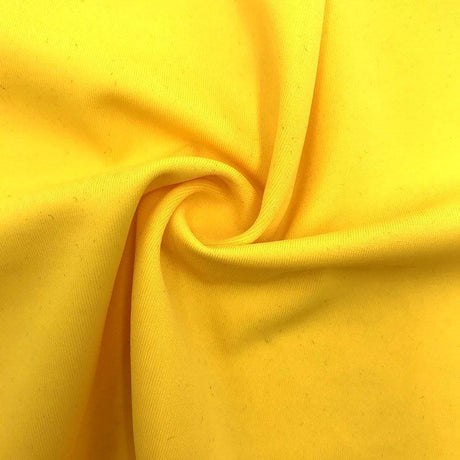
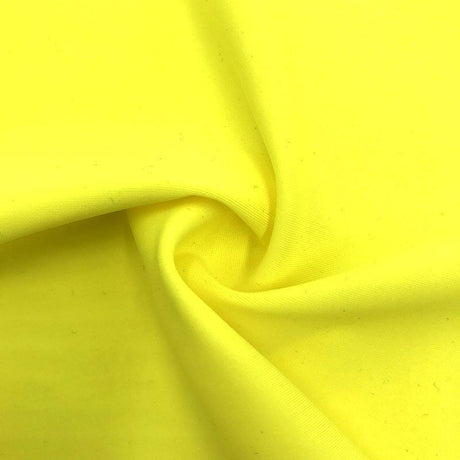
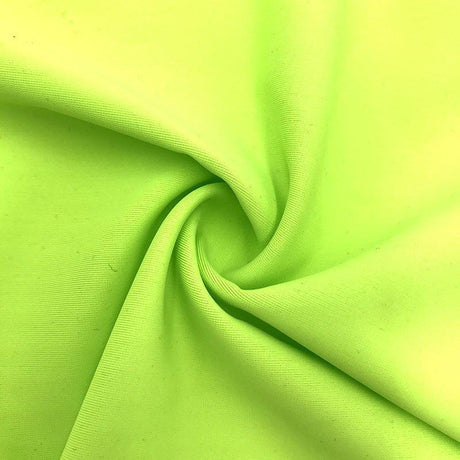
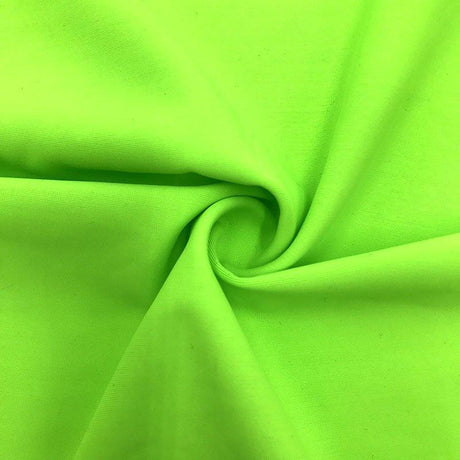
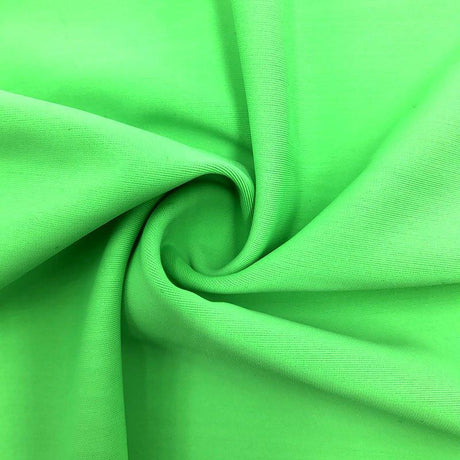
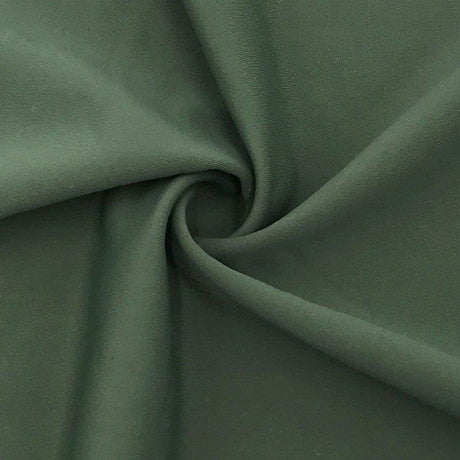
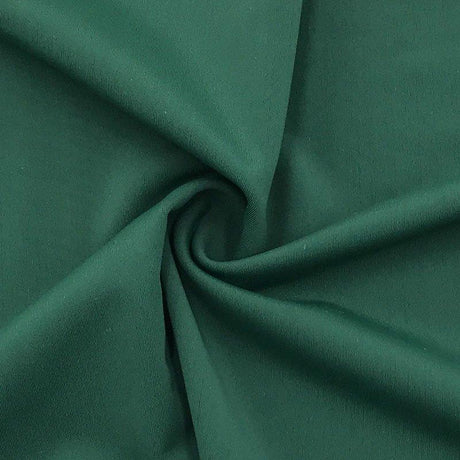
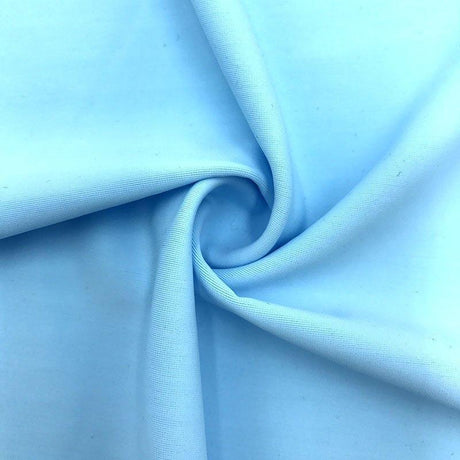
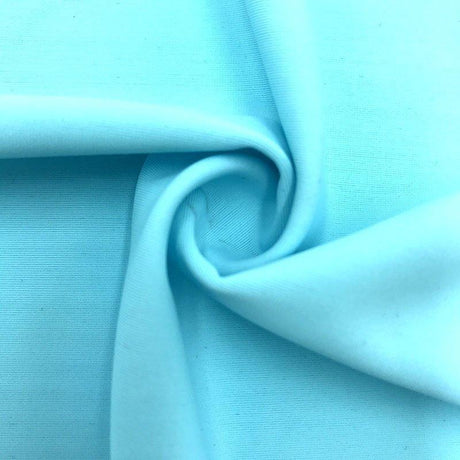
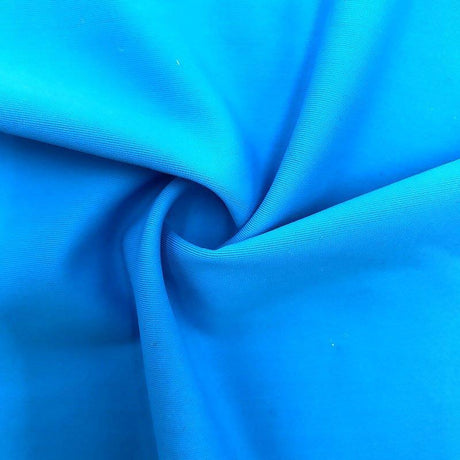
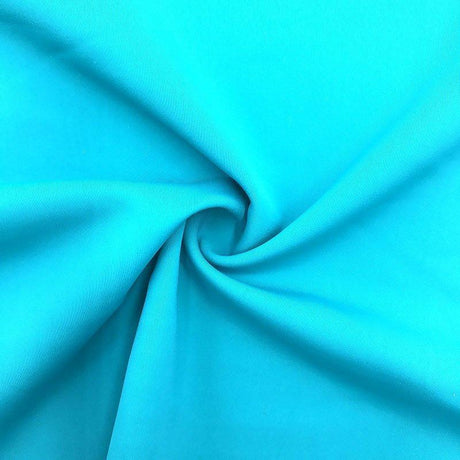
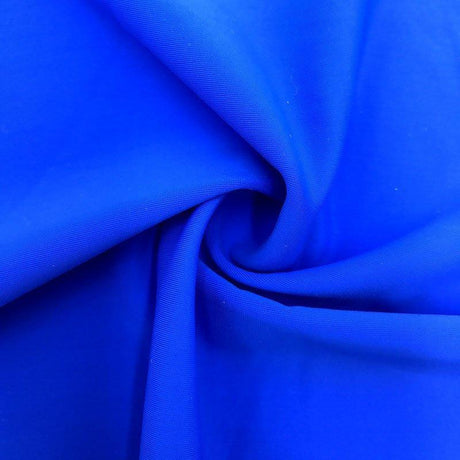
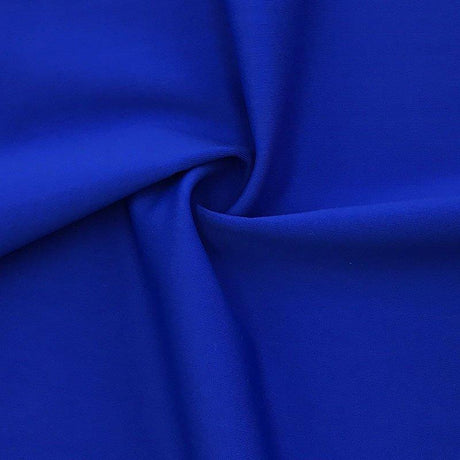
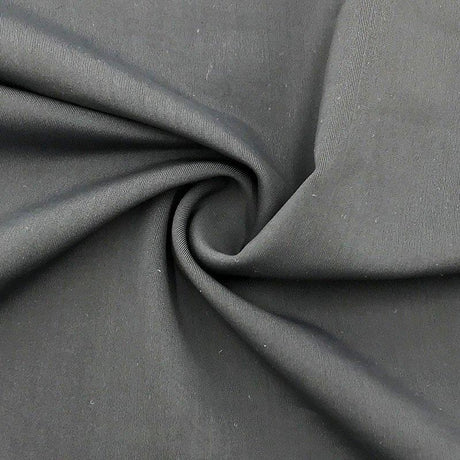
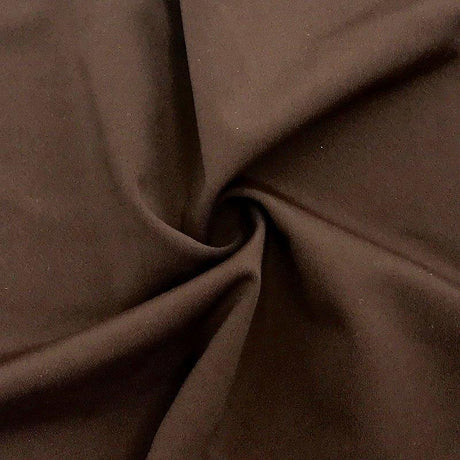
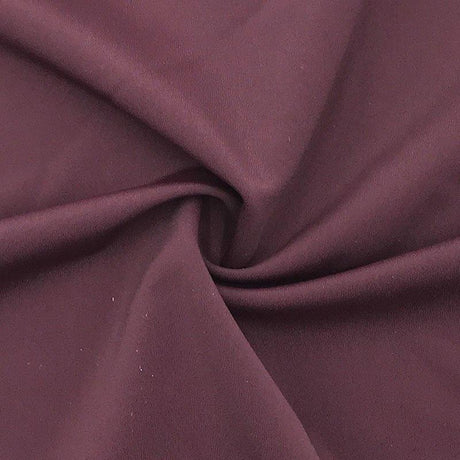
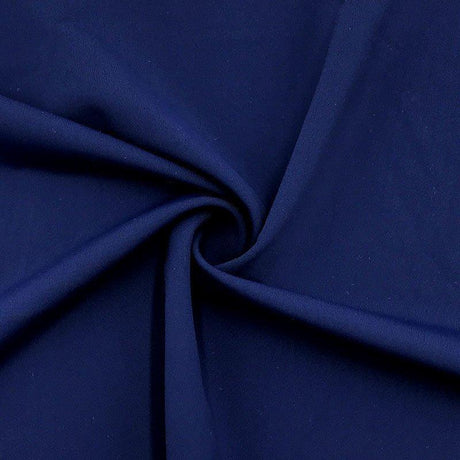
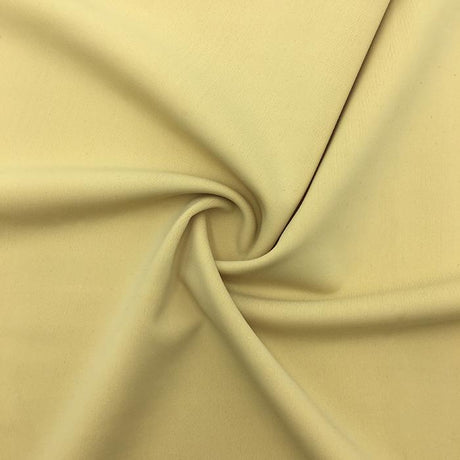
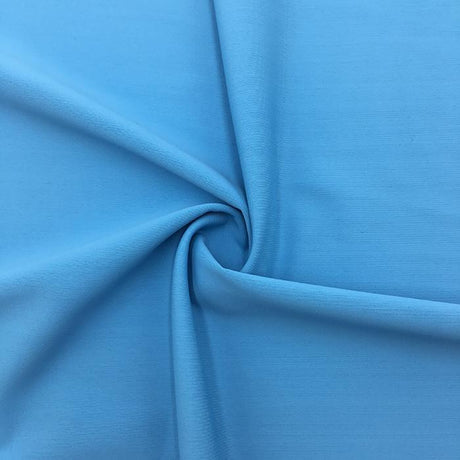
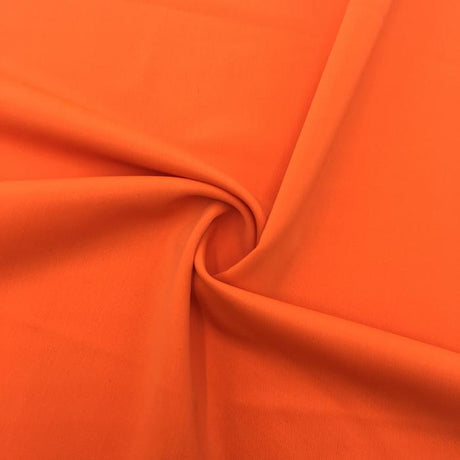
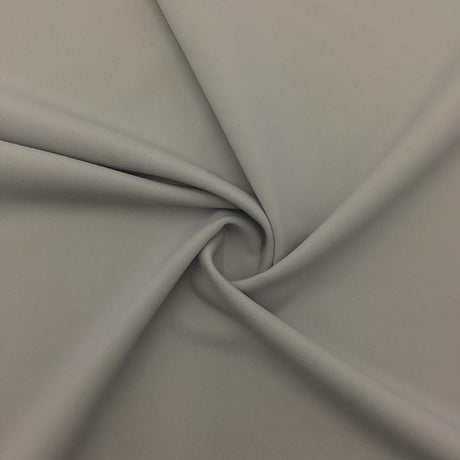
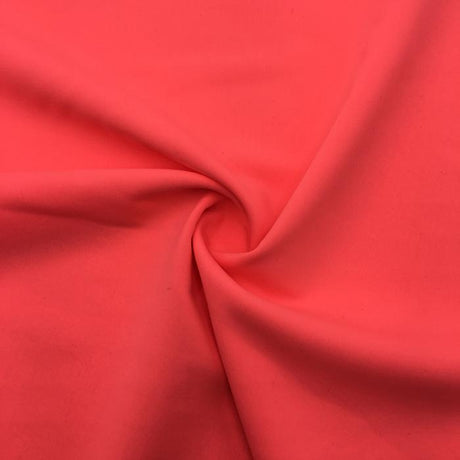
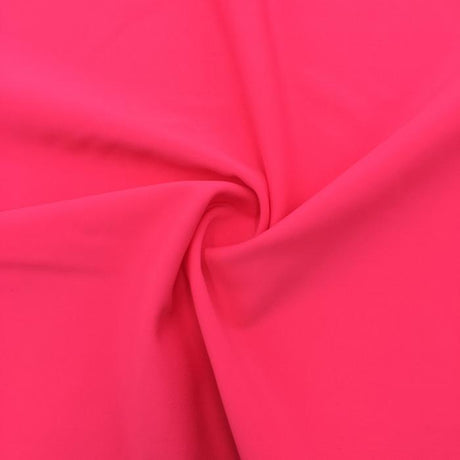
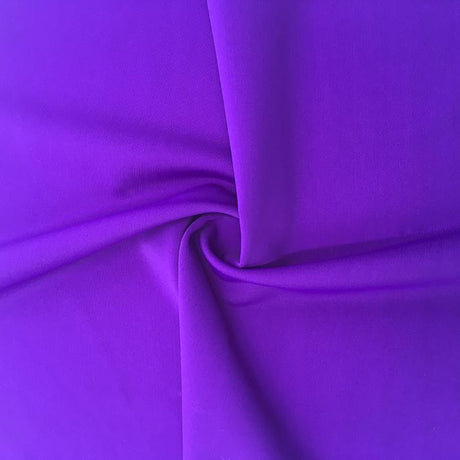
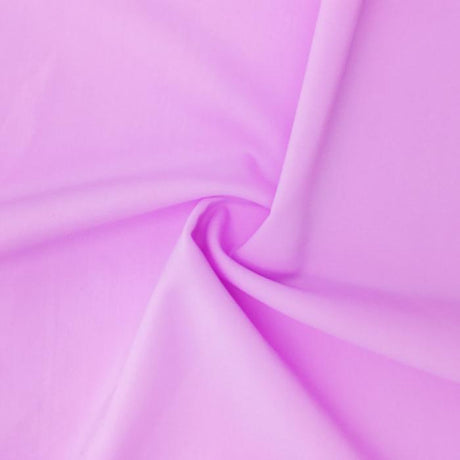
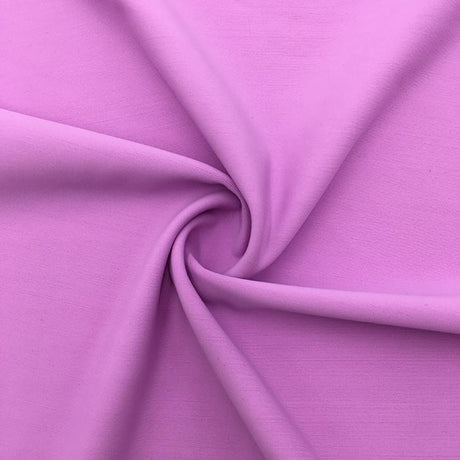
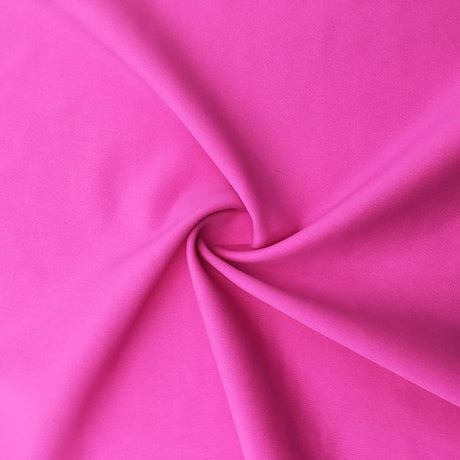
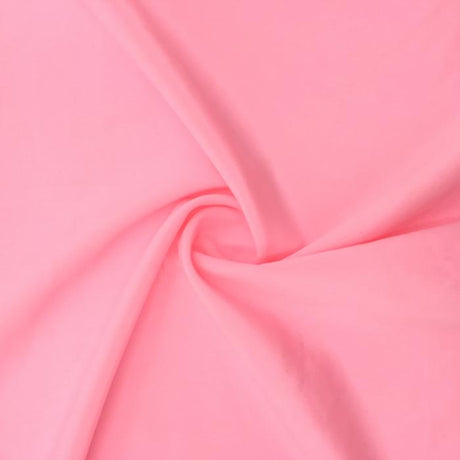
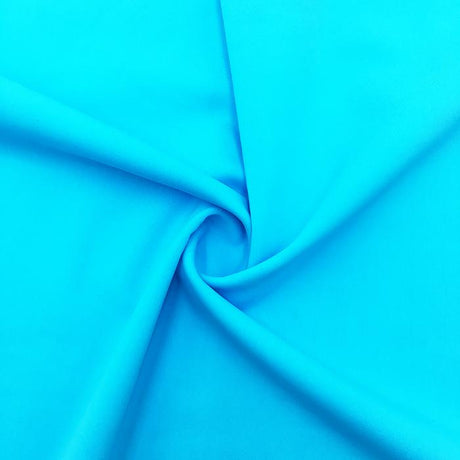
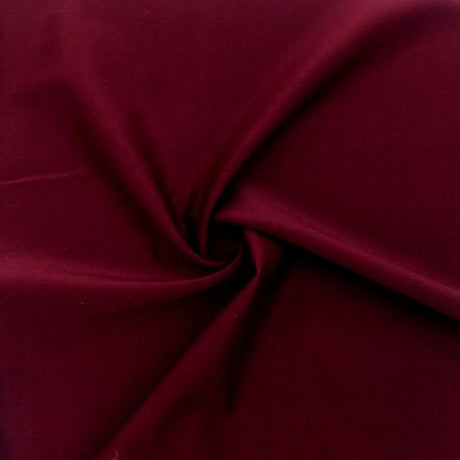
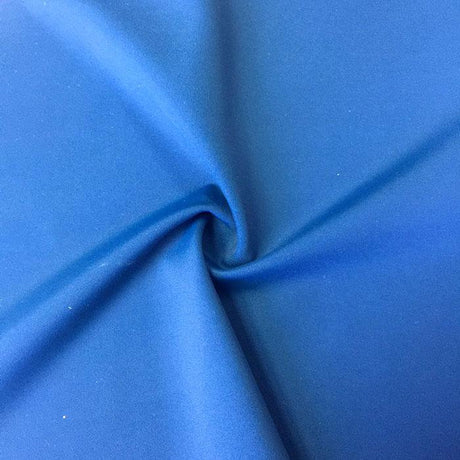
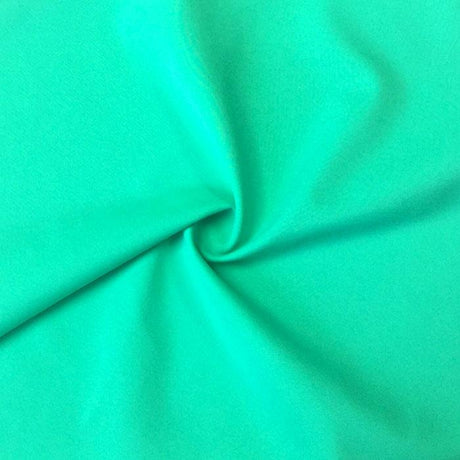
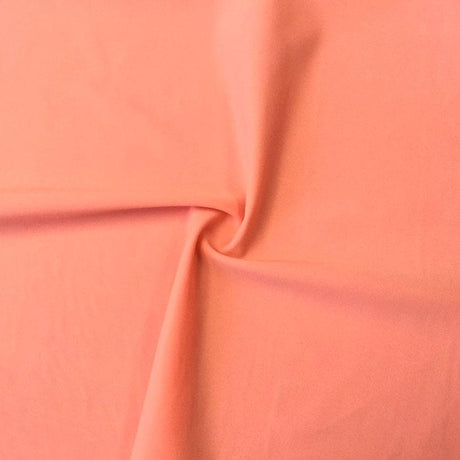
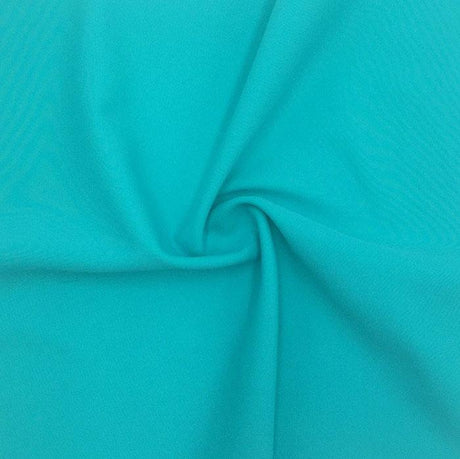
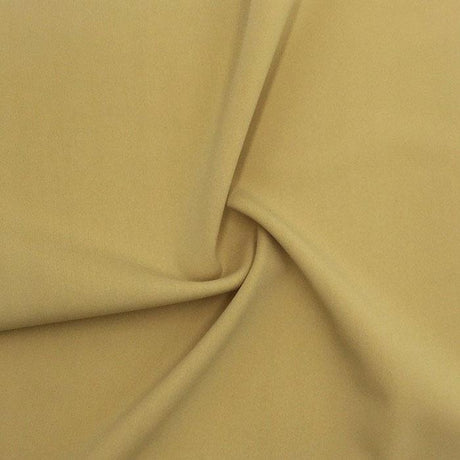
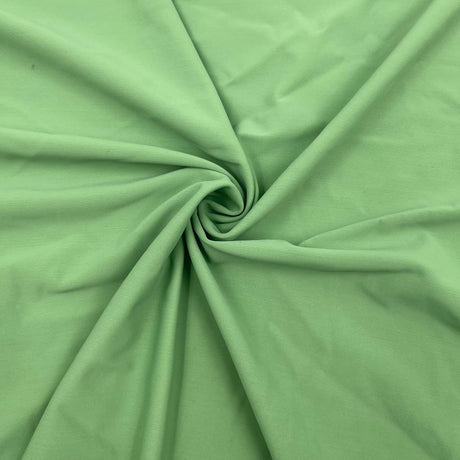
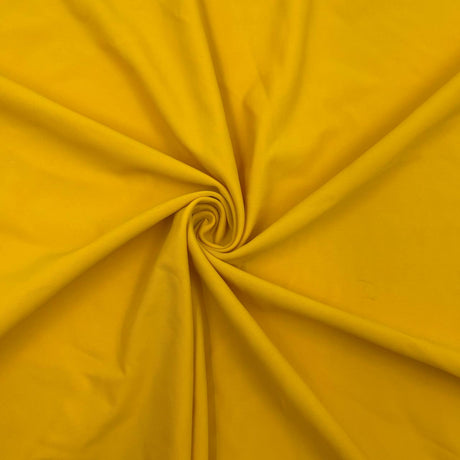
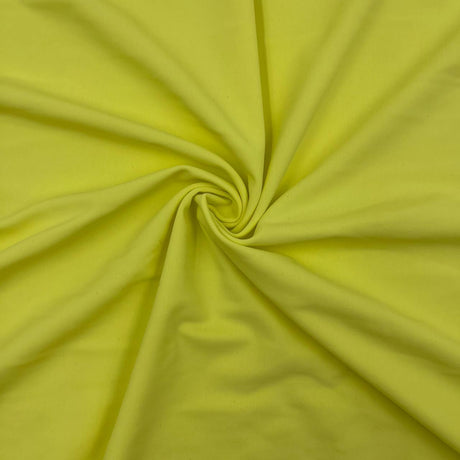
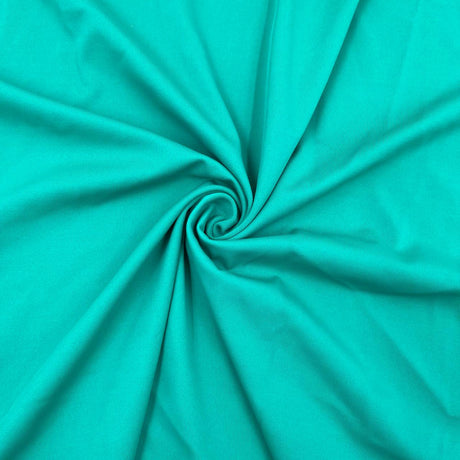
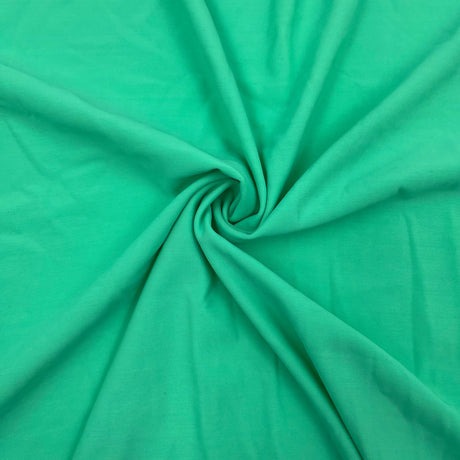
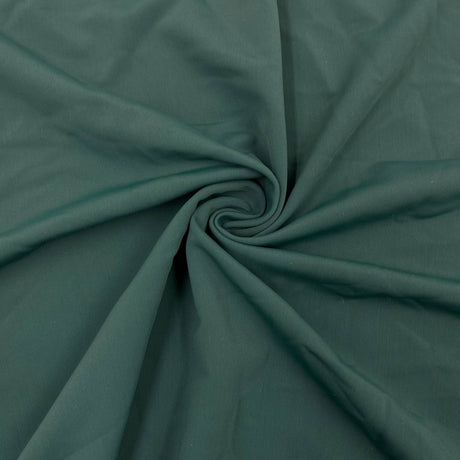
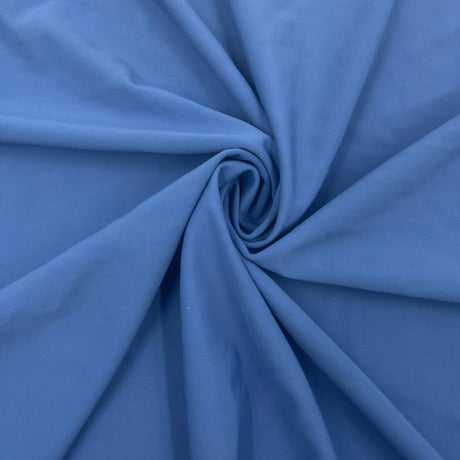
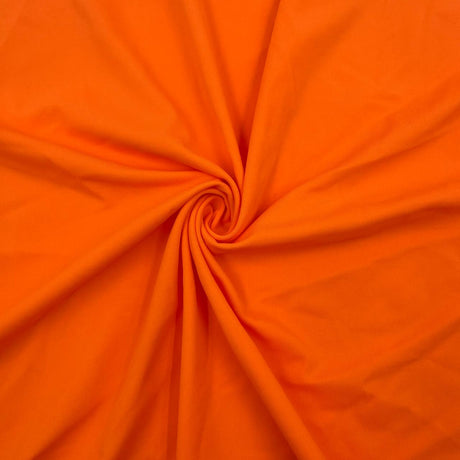
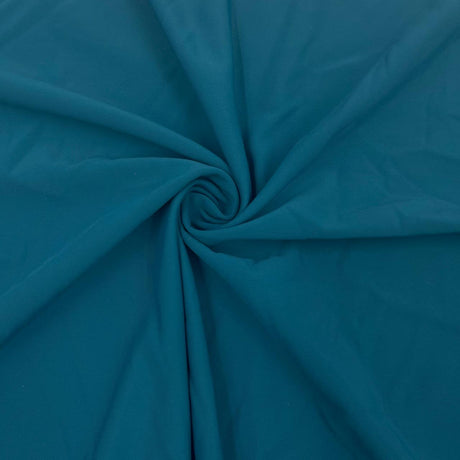
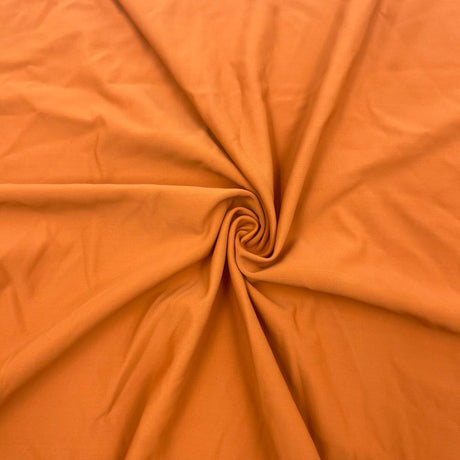
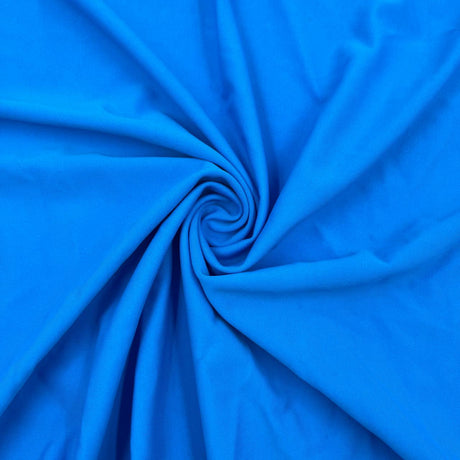
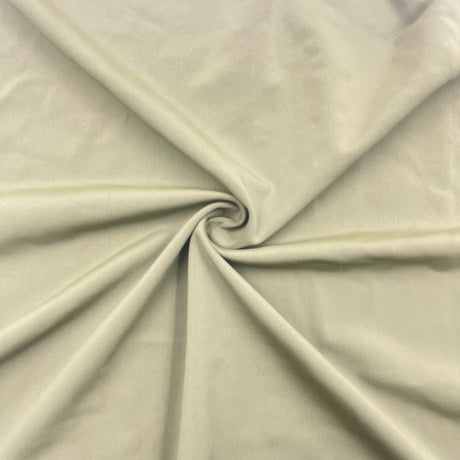
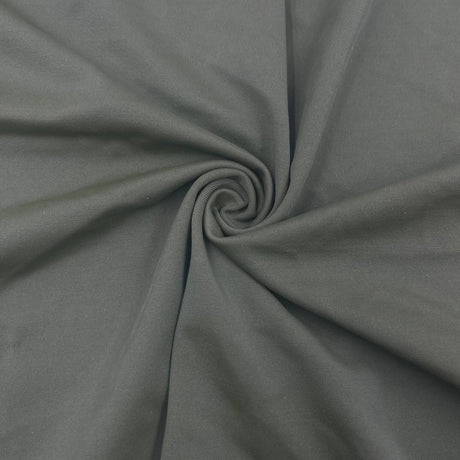
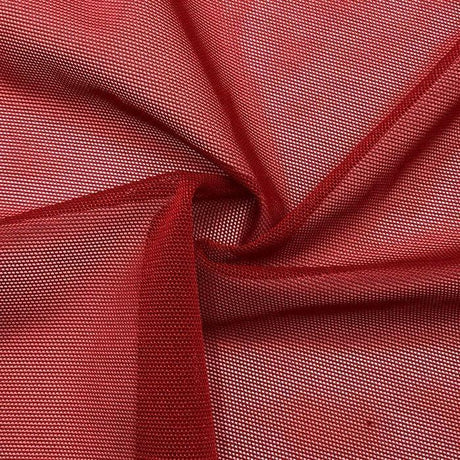
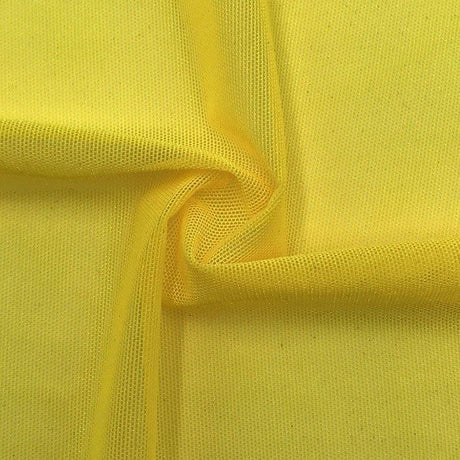
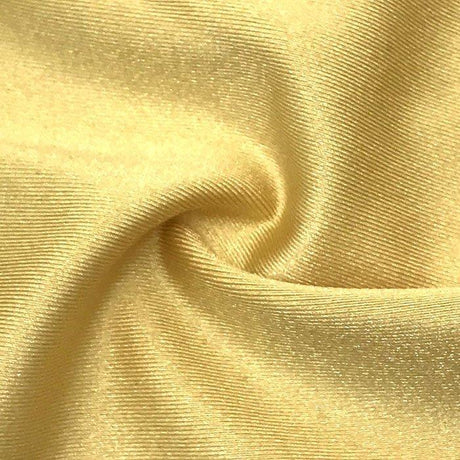
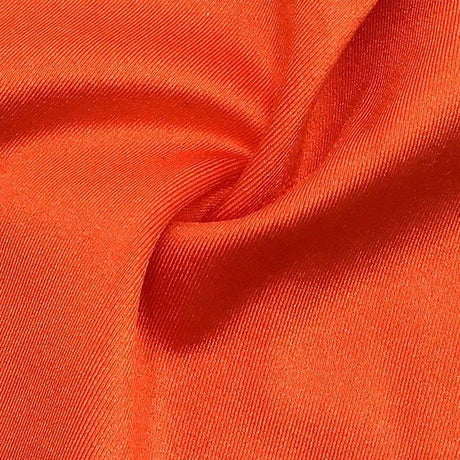
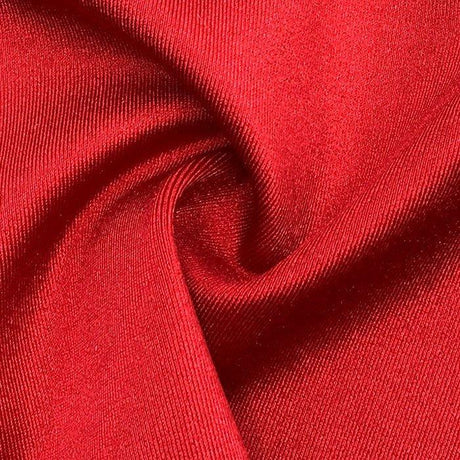
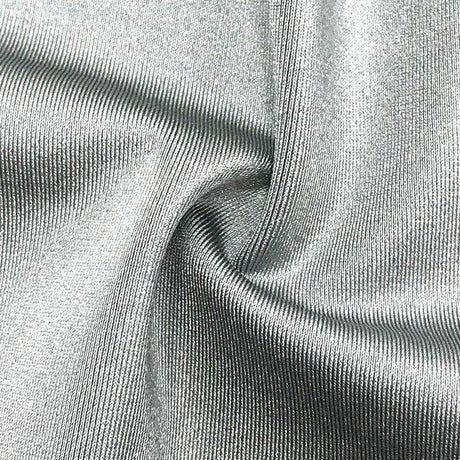
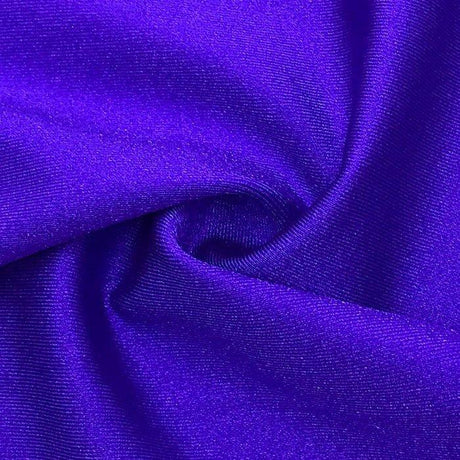
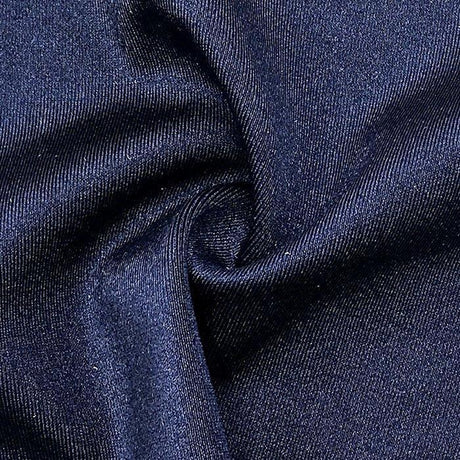
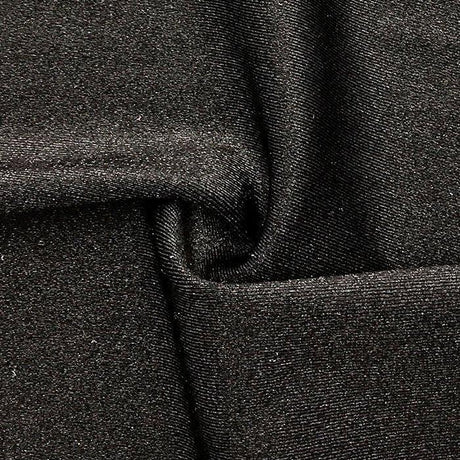
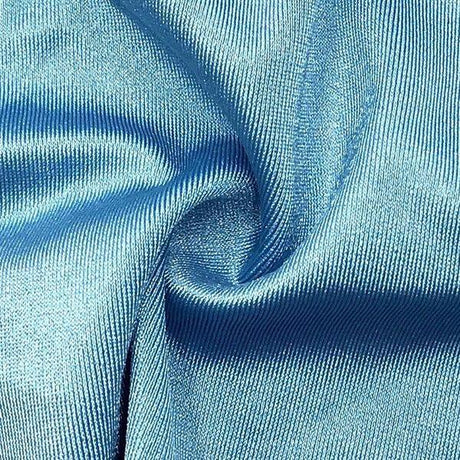
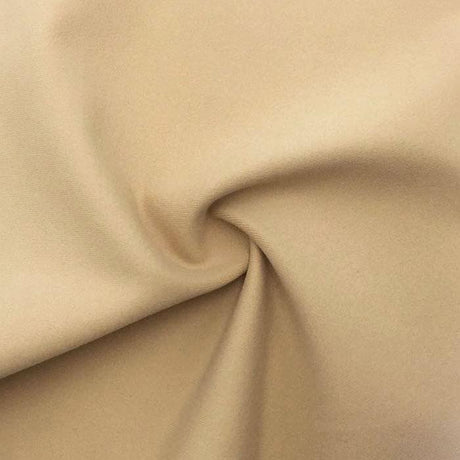
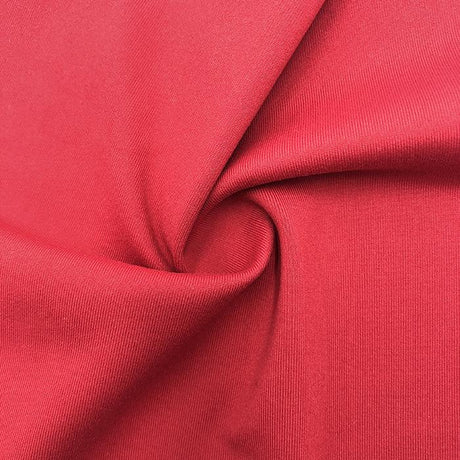
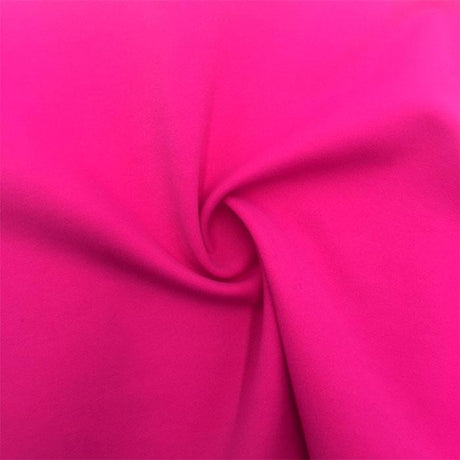
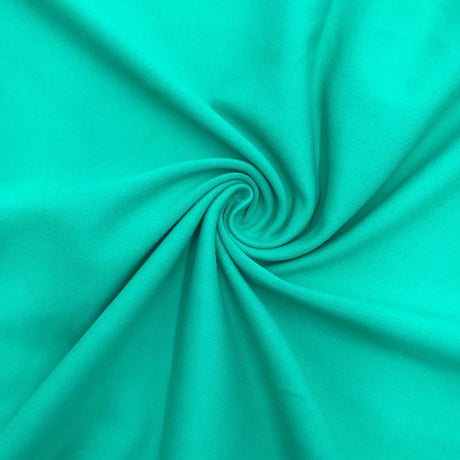
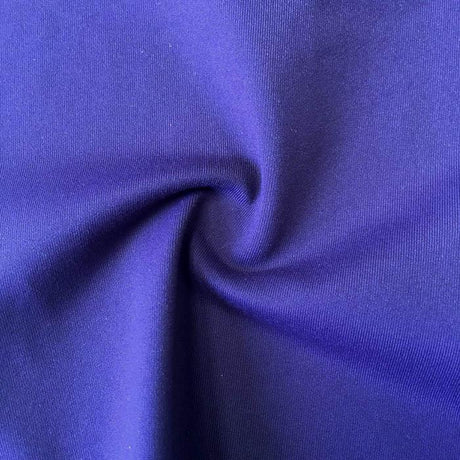
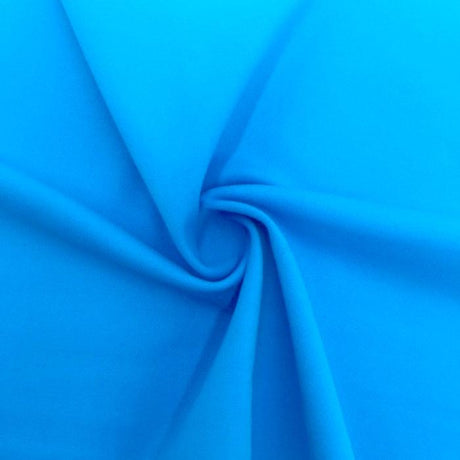
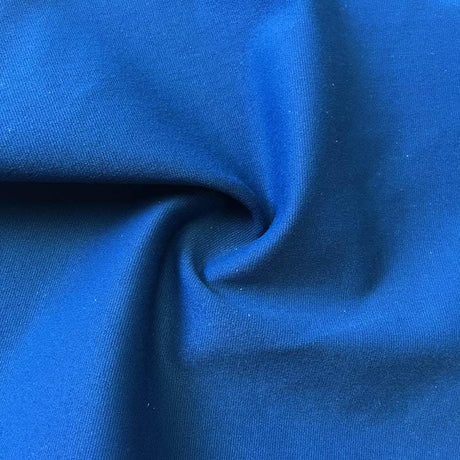
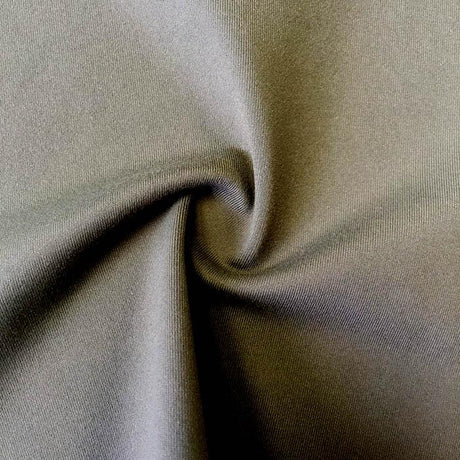
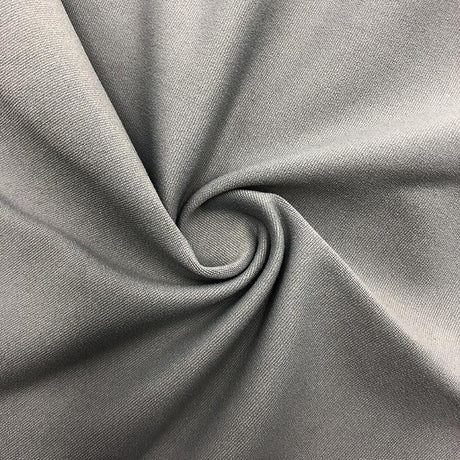
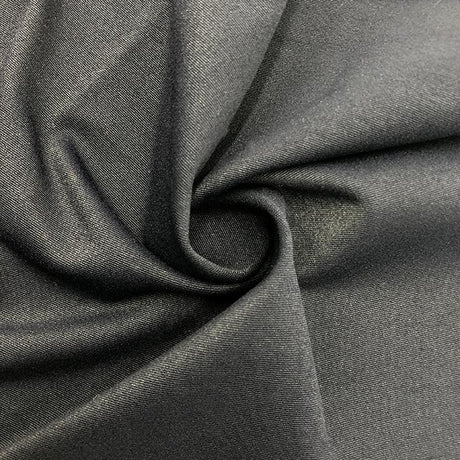
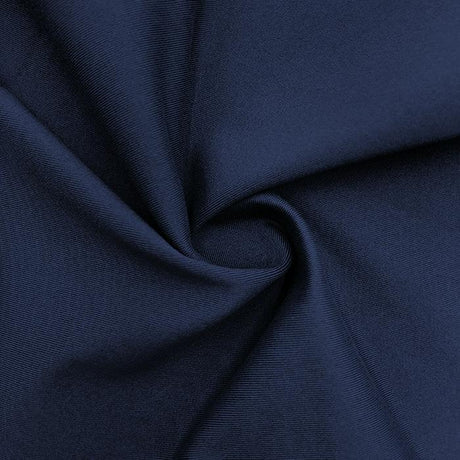
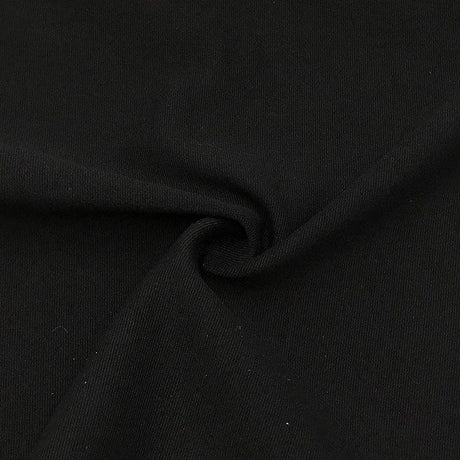
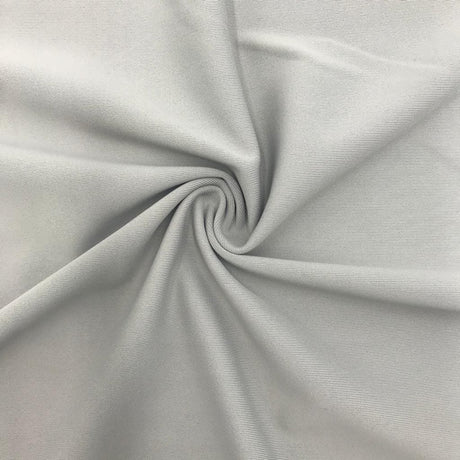
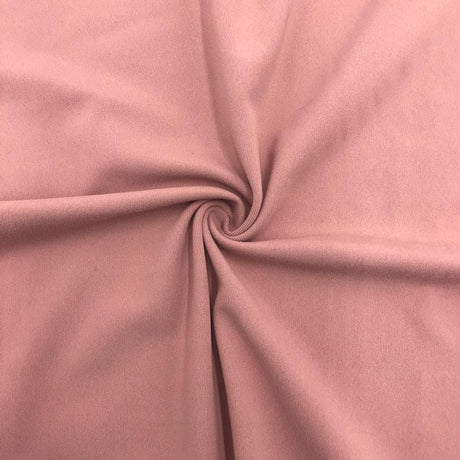
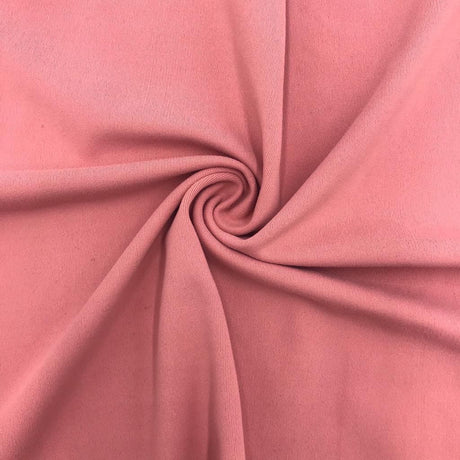
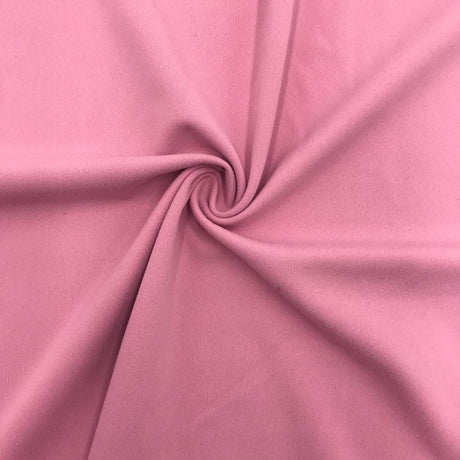
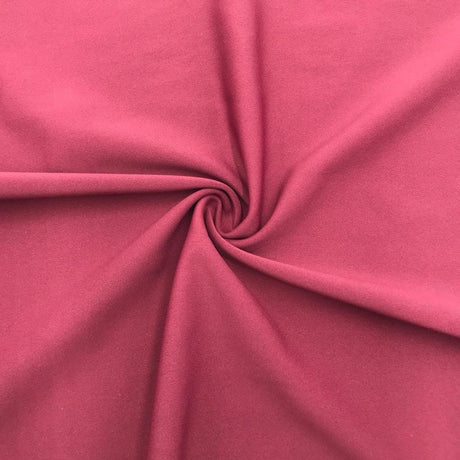
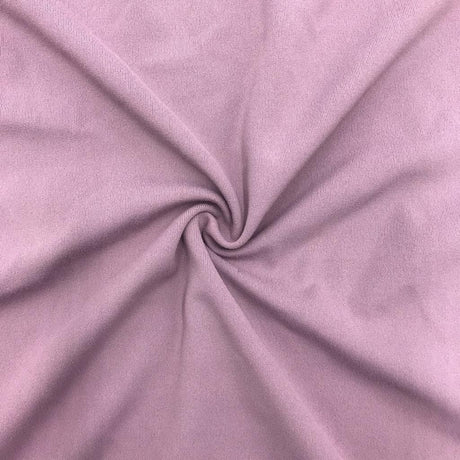
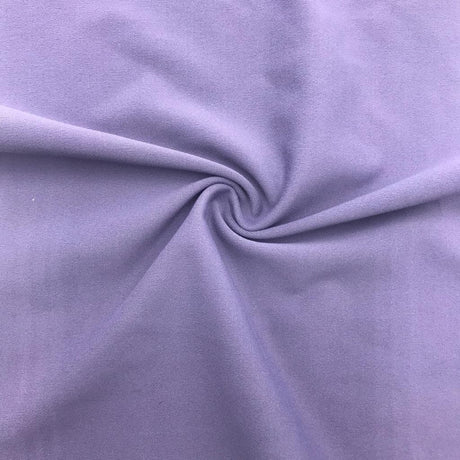
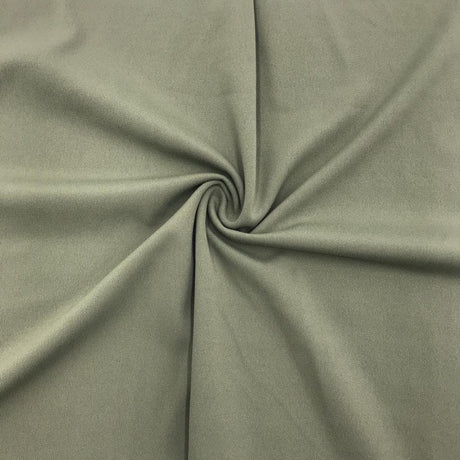
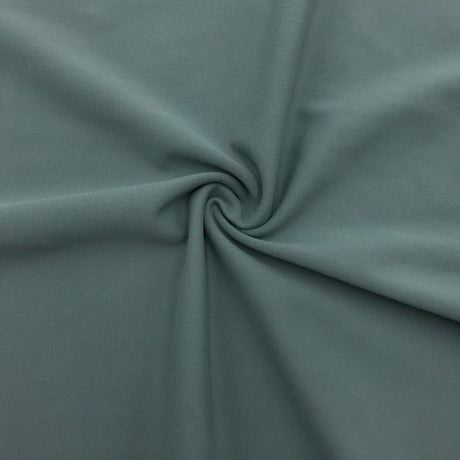
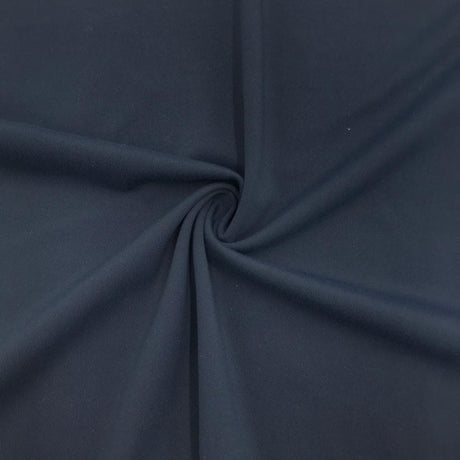
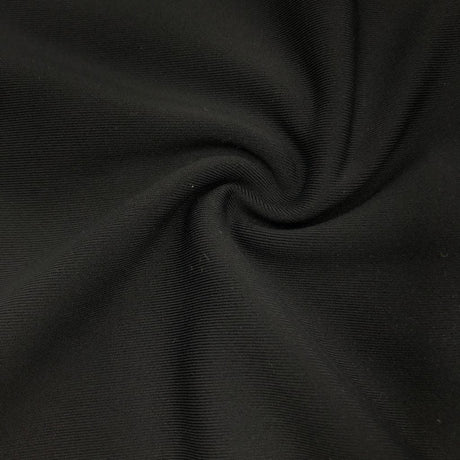
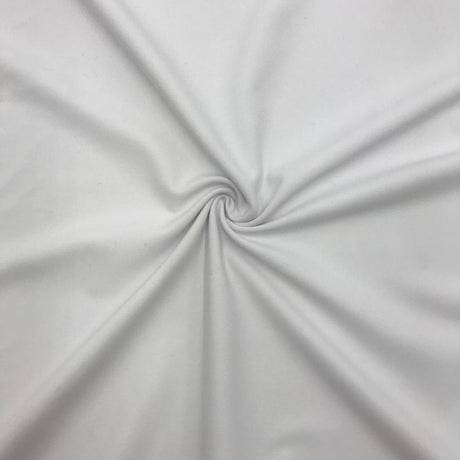
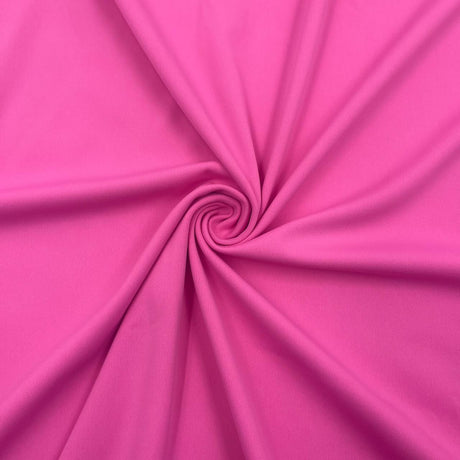
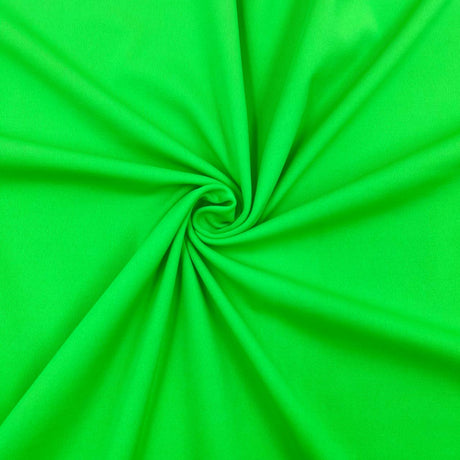
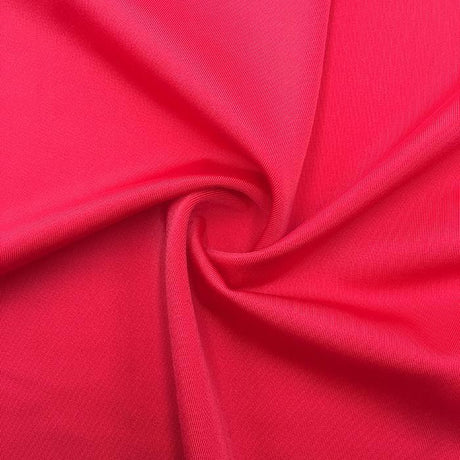
Whether you are creating bikinis, one-piece swimsuits, rash guards, or performance swimwear, choosing the right swimwear fabric by the yard makes a major difference in comfort, stretch, durability, and overall appearance. The fabric is the foundation of every suit you make. It determines how the garment moves with the body, how it holds its shape after repeated wear, how it resists fading from sun and pool chemicals, and how flattering the finished piece looks on the customer. Get the fabric right and the rest of the project becomes far easier; get it wrong and even expert sewing cannot rescue a poorly performing suit.
This guide walks through everything you need to consider when selecting swim fabric, from fiber content and stretch direction to prints, solids, linings, and care. By the end, you will be able to match the perfect material to your design with confidence.
Why Nylon Spandex Is the Gold Standard for Swimwear
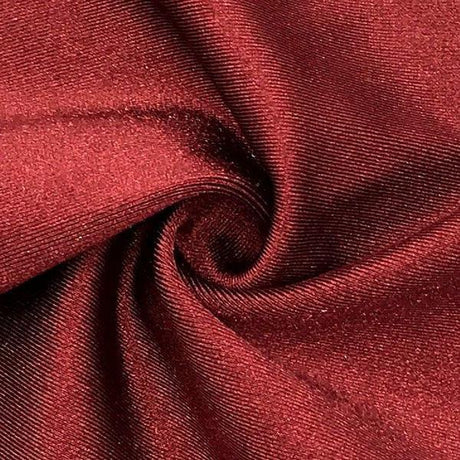
Nylon spandex remains one of the most popular choices for swimwear because it provides excellent stretch, recovery, and comfort. Browse our nylon spandex fabric collection for options used in swimwear and activewear applications. The nylon component gives the fabric a soft, smooth hand and a subtle sheen, while the spandex (also called elastane or Lycra) delivers the four-way stretch that lets a swimsuit hug the body without restricting movement.
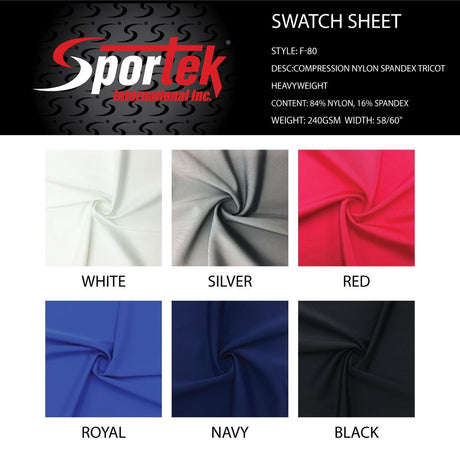
What makes this blend ideal for the water is its combination of comfort and resilience. Nylon dries quickly, resists abrasion, and feels luxurious against the skin, while spandex ensures the suit snaps back to its original shape after every dive, stretch, and stroke. A typical swim-grade nylon spandex sits in the 200–250 GSM range, heavy enough to be fully opaque when wet yet light enough to remain comfortable. If you want to understand exactly how weight affects opacity and support, our fabric weight guide breaks it down clearly. For a deeper dive into the fiber itself, the nylon spandex fabric guide is a great place to start.
Key Properties to Look For in Swim Fabric
Not all stretch fabric is built for the pool or the beach, so it helps to know which qualities matter most before you buy. First, prioritize four-way stretch, which means the fabric stretches both horizontally and vertically. This is essential for swimwear because the body moves in every direction, and two-way stretch alone can feel restrictive or distort your seams.
Second, pay attention to recovery, which is the fabric's ability to return to its original size after being stretched. Strong recovery prevents bagging at the knees of a one-piece or sagging in a bikini bottom. Third, consider chlorine and UV resistance. Suits worn frequently in chlorinated pools or under intense sun benefit from fabrics engineered to resist breakdown, while occasional-wear fashion suits can use standard swim knits. Finally, think about opacity, since a fabric that looks fine dry can turn sheer when wet. When in doubt, choose a slightly heavier weight or plan to add lining. If you are still weighing your options, our how to choose fabric resource and the dedicated swimwear fabric guide answer the most common questions designers face.
Choosing Prints and Patterns That Sell
Color and print are often what catch a shopper's eye first, and a well-chosen pattern can define an entire collection. Designers looking for bold styles can explore our printed spandex fabric collection for swimwear and fashion projects. Prints let you create statement pieces without complex construction, and the right motif can instantly communicate the mood of a line.
If you want something romantic and timeless, our floral spandex fabric brings garden-inspired prints that flatter a wide range of body types and remain perennially popular for resort and beach collections. For a modern, artistic edge, abstract spandex fabric offers painterly washes and unexpected color combinations that stand out on social media. Fans of clean, structured looks gravitate toward geometric spandex fabric, where repeating shapes and crisp lines create a sleek, contemporary feel. And for designs with attitude, animal print spandex fabric delivers leopard, zebra, and snakeskin motifs that never go out of style. To get the most consistent results when working with printed knits, review the tips in our printed spandex fabric guide.
Solid Colors: The Backbone of Any Collection
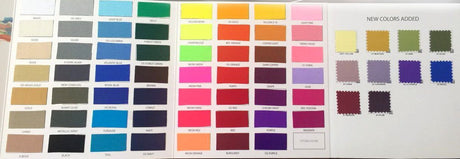
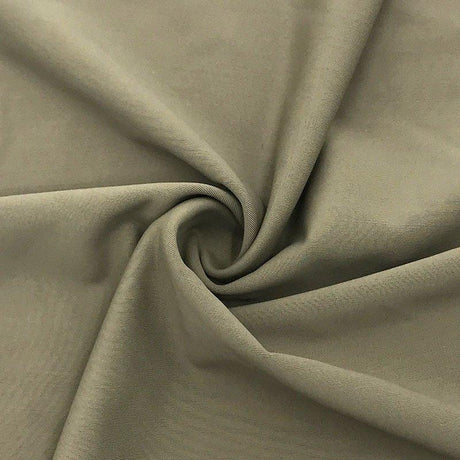
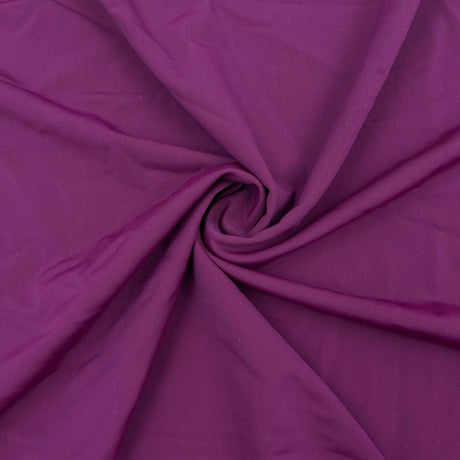
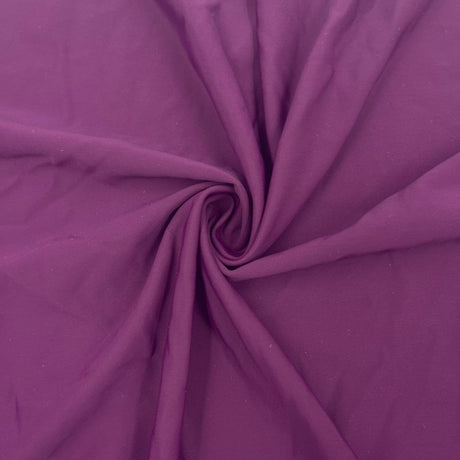
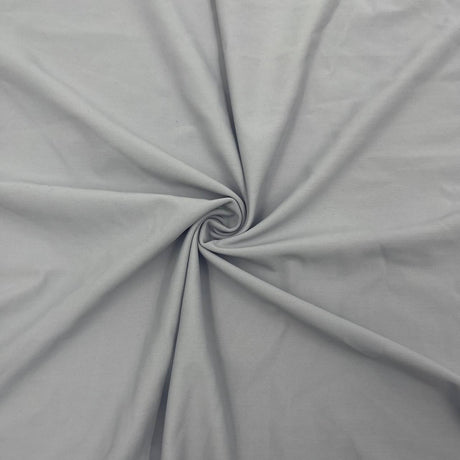
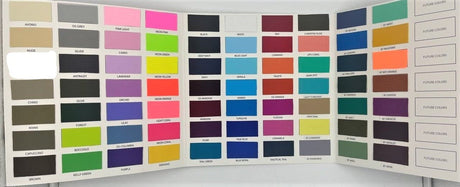
While prints draw attention, solid colors form the dependable core of most swimwear lines. They mix and match effortlessly, photograph cleanly, and let your customers build versatile wardrobes. Browse our full range of solid spandex fabric to anchor your designs.
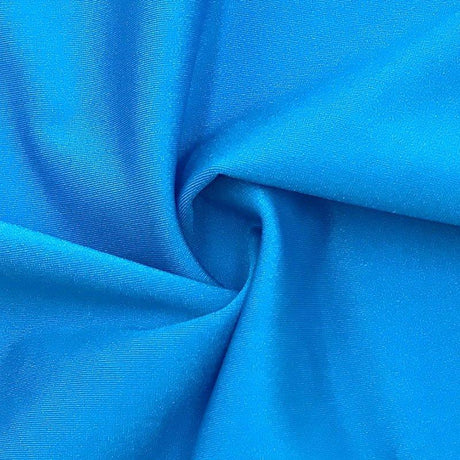
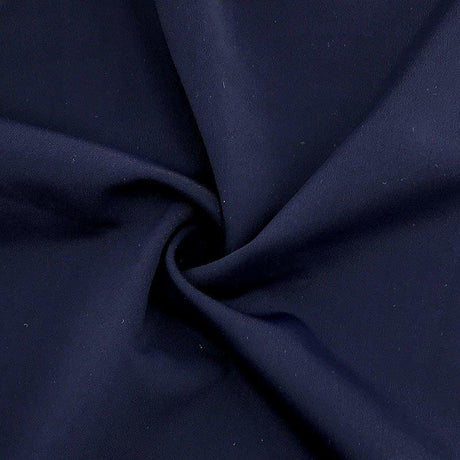
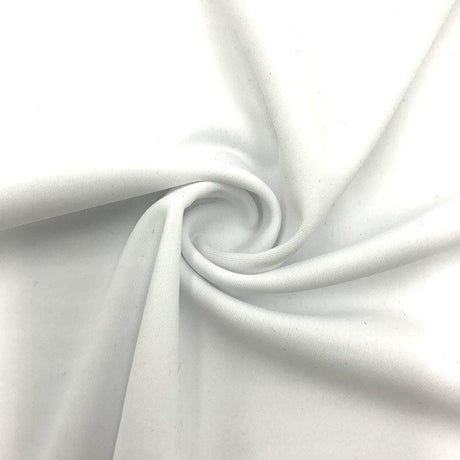
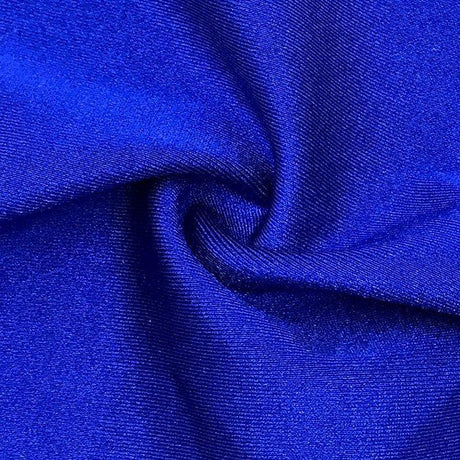
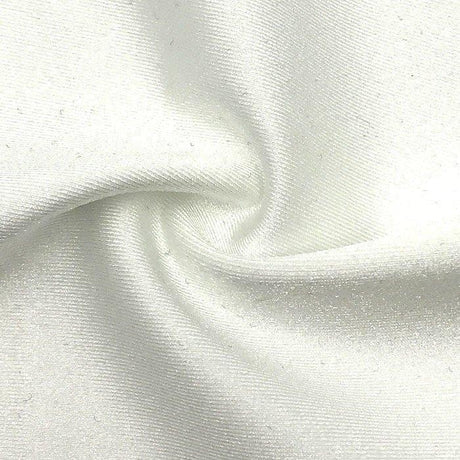
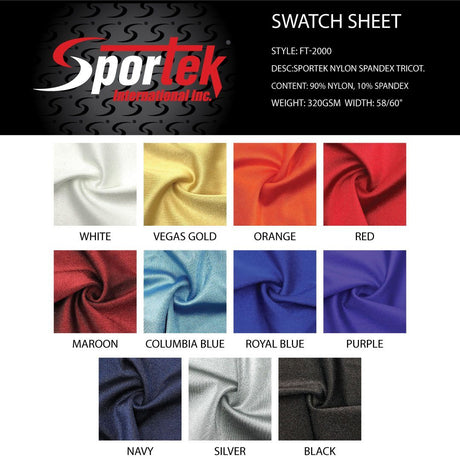
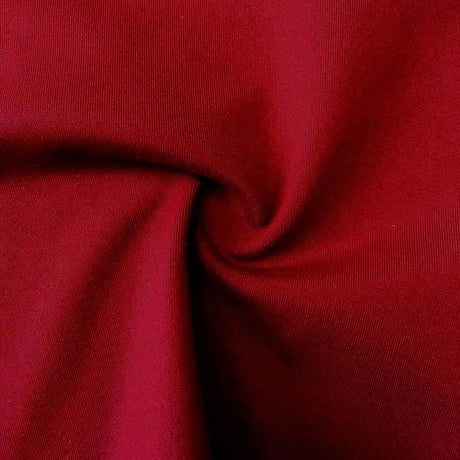
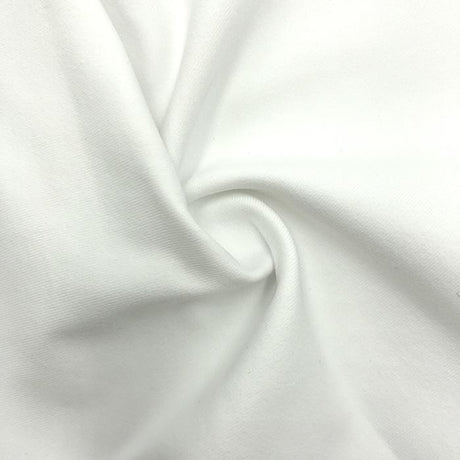
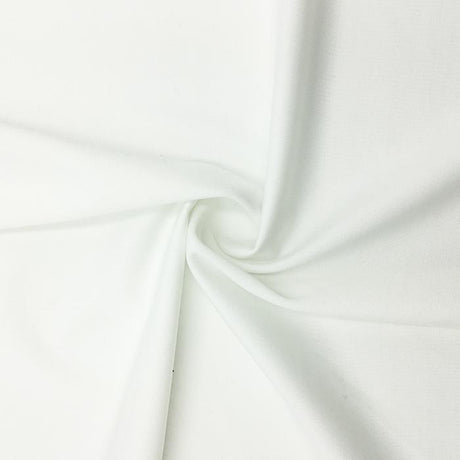
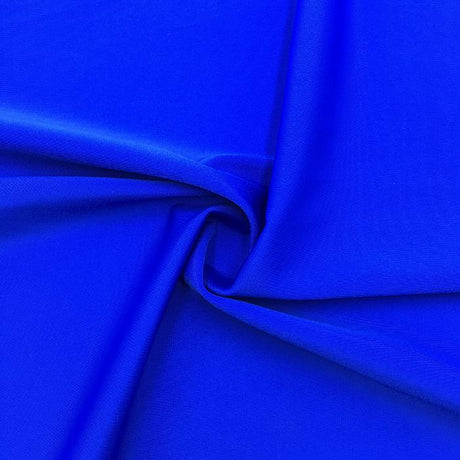
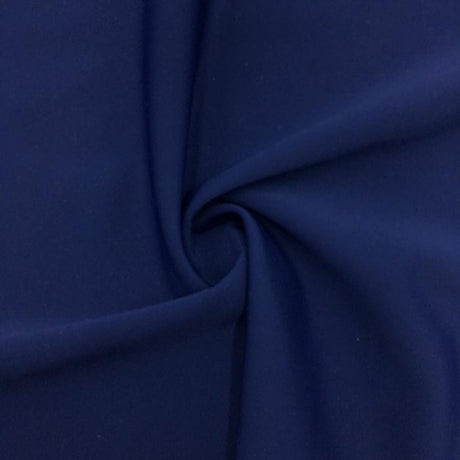
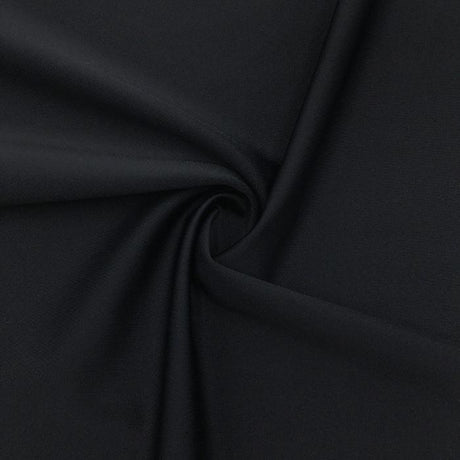
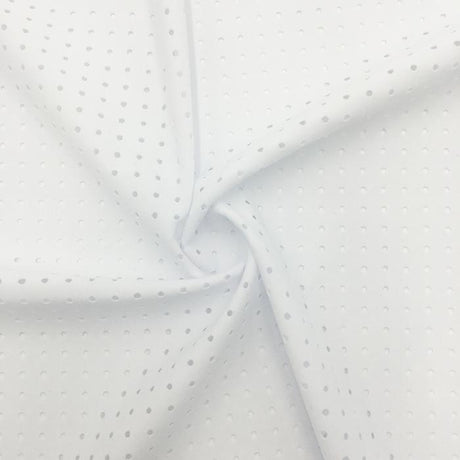
Some shades are simply non-negotiable. Classic black spandex fabric is the most universally flattering option and a must-have for any catalog, while crisp white spandex fabric reads fresh and luxurious, especially in heavier weights that stay opaque when wet. For high-energy, eye-catching pieces, vivid red spandex fabric makes a confident statement, and versatile blue spandex fabric spans everything from soft sky tones to deep navy that evokes the ocean itself. Stocking a strong foundation of solids ensures you always have coordinating options for color-blocking, contrast trim, and reversible designs.
Specialty Fabrics for Lining and Detail
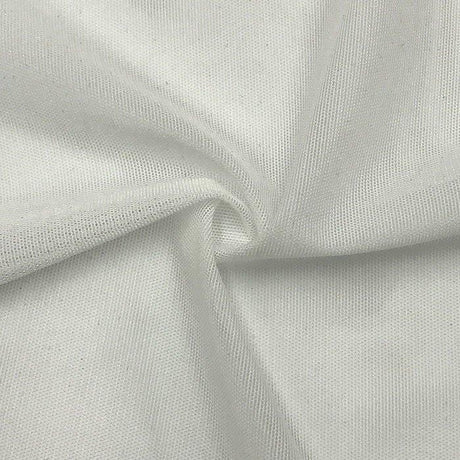
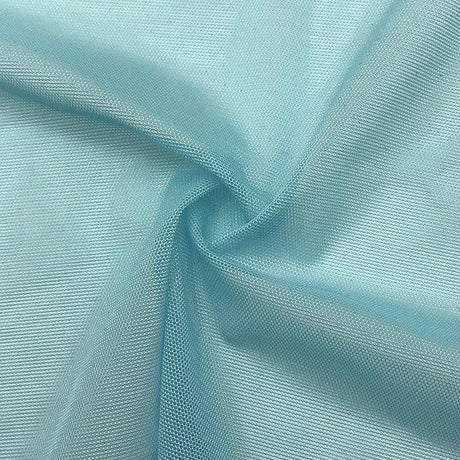
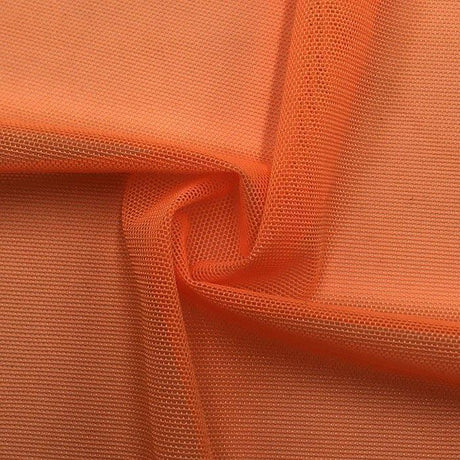
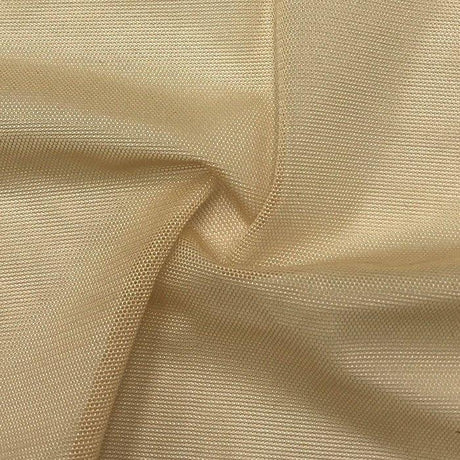
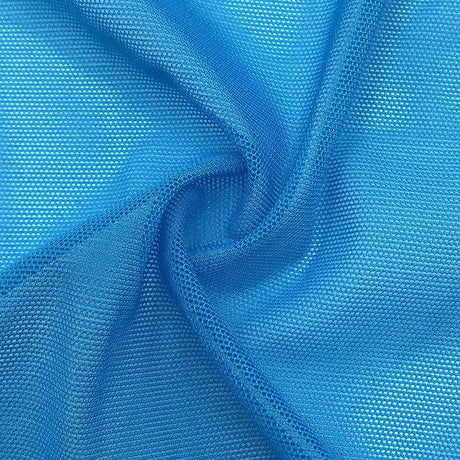
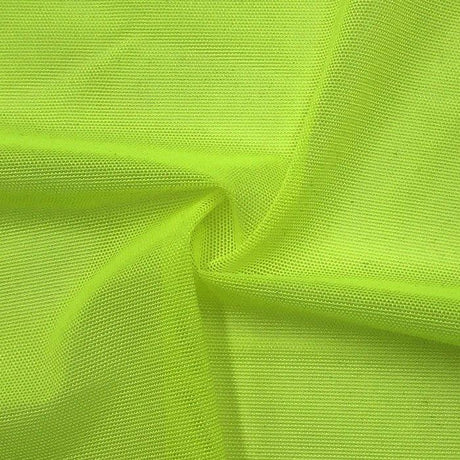
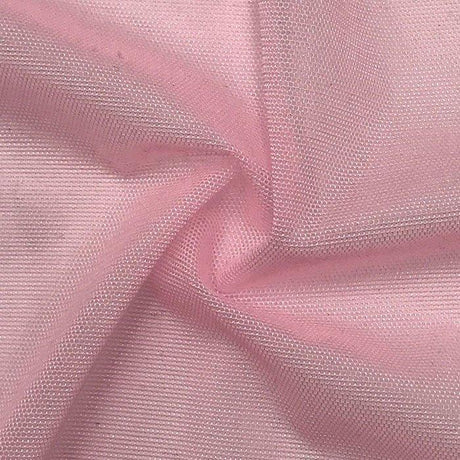
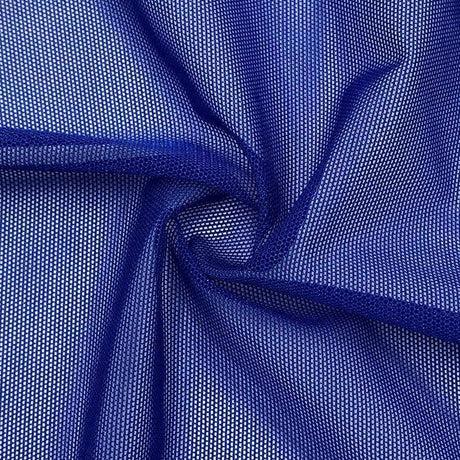
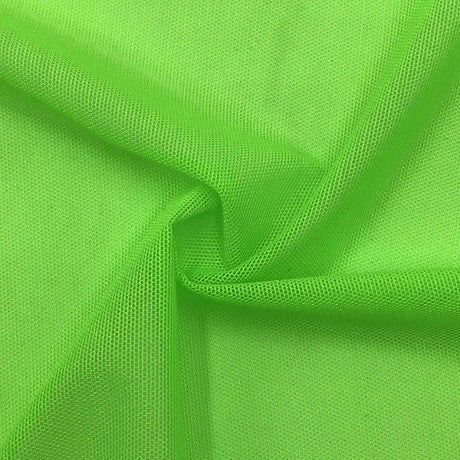
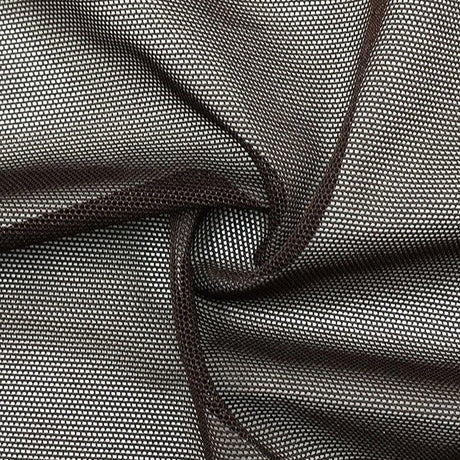
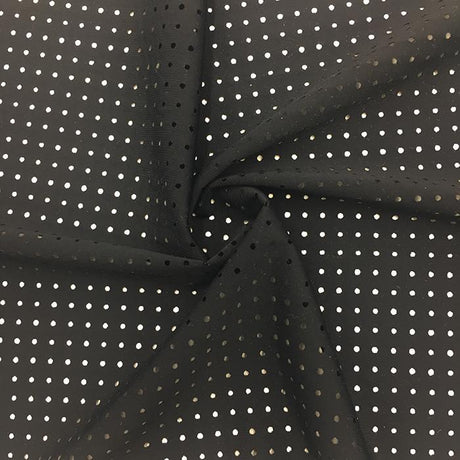
Professional-looking swimwear often relies on more than a single fabric. Lining is what transforms a homemade-feeling suit into a polished, retail-ready piece. Our power mesh and lining fabric provides structure, opacity, and gentle support in the bust and seat without adding bulk, and it is breathable enough to keep the wearer comfortable. The swim mesh lining guide explains exactly where and how to use it for the cleanest finish.
Beyond lining, specialty surfaces let you elevate a design. Metallic spandex adds a liquid, eye-catching shimmer perfect for festival looks and statement swimwear, while soft, cozy brushed nylon spandex offers a peachy hand-feel that works beautifully for cover-ups and athleisure crossover pieces. Experimenting with these textures is an easy way to differentiate your brand from competitors relying on basic knits alone.
Matching Fabric to Your Project Type
The best fabric choice always depends on what you are making and how the garment will be used. High-performance fabrics designed for movement are also commonly used in activewear fabric and performance apparel, which makes them ideal for rash guards, competitive suits, and anything that demands serious stretch and durability.
For fashion-forward bikinis and resort one-pieces, prints and lighter swim knits shine. For training suits and rash guards, lean toward chlorine-resistant, higher-recovery fabrics. The same versatile spandex that performs in the water also crosses over into adjacent categories, so designers often expand their lines using dancewear fabric for performance pieces, eye-catching festival wear fabric for bold seasonal drops, and comfortable athleisure fabric for cover-ups and lifestyle wear. If you want to see what is trending right now, our new arrivals are constantly refreshed with the latest colors and prints.
How Much Fabric to Buy by the Yard
One of the biggest advantages of buying swimwear fabric by the yard is the freedom to order exactly what your project needs without committing to bulk rolls. As a general rule, a single bikini set requires roughly half a yard to one yard of fabric depending on size and style, while a one-piece swimsuit typically needs one to one and a half yards. Always order a little extra to account for pattern matching with prints, directional cutting, and the occasional mistake—running short halfway through a build is far more frustrating than having a small remnant left over.
If you are sampling a new design or testing how a color performs, ordering a yard or two first lets you prototype affordably before scaling up. And when you find a fabric you love, buying enough to complete a coordinated collection in one order ensures consistent dye lots across every piece. For tailored recommendations on quantities and pairings, our team is always happy to help through our expert help and advice page.
Common Mistakes to Avoid
A few avoidable missteps trip up new swimwear makers more than anything else. The most frequent is ignoring stretch direction, which leads to suits that distort or fail to recover properly. Another is skipping lining on light or white fabrics, resulting in a suit that turns sheer the moment it gets wet. Choosing a fabric that is too lightweight for support, using regular thread that snaps under stretch, and over-tightening elastic are also common pitfalls. Taking a few minutes to read through our broader fabric guides before you cut can save hours of rework and wasted material.
Sewing and Caring for Swimwear Fabric
Working with stretch fabric is a skill of its own, but a few fundamentals make a huge difference. Use a stretch or ballpoint needle, a stitch that flexes with the fabric such as a zigzag or serger overlock, and quality swim elastic at the edges. Take your time cutting so the four-way stretch runs in the correct direction. Our step-by-step guide to sewing stretch fabric covers the techniques that keep seams smooth and professional.
Caring for the finished suit is just as important for longevity. Rinse swimwear in cool water after every wear, avoid wringing, and lay flat to dry away from direct heat, since chlorine, salt, sunscreen, and high temperatures are the main culprits behind fading and elastic breakdown. Share these tips with your customers, or point them to the fabric care guide so their pieces look great season after season.
Ready to start your next swimwear project? Explore our full collection of swimwear fabric by the yard and find the perfect material—in the ideal weight, stretch, and print—to bring your designs to life.