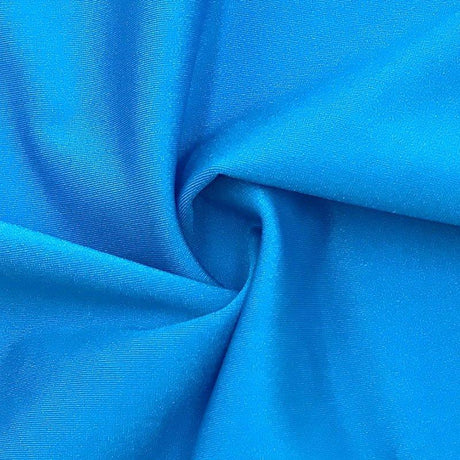
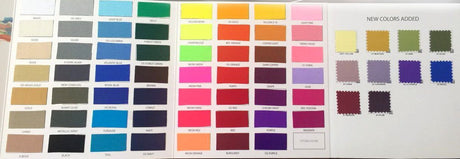
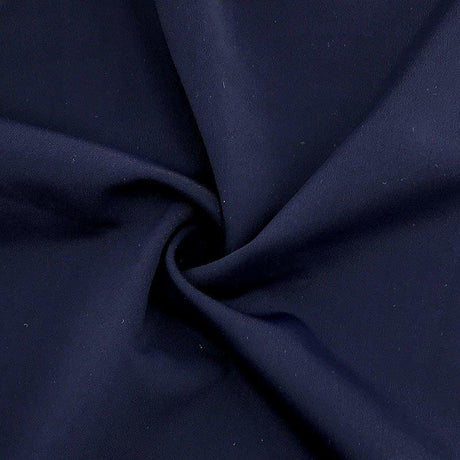
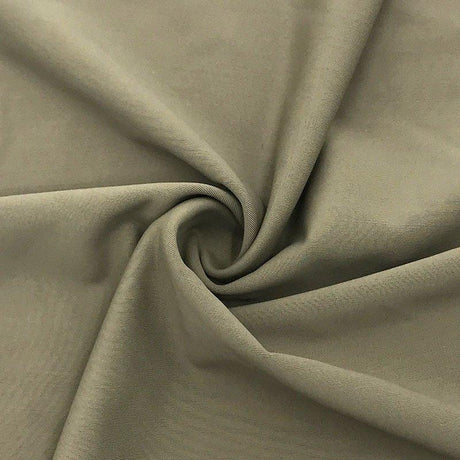
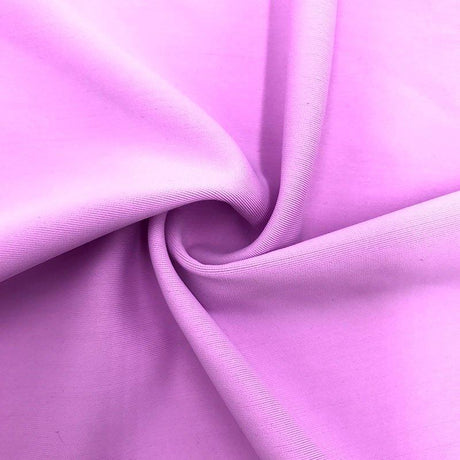
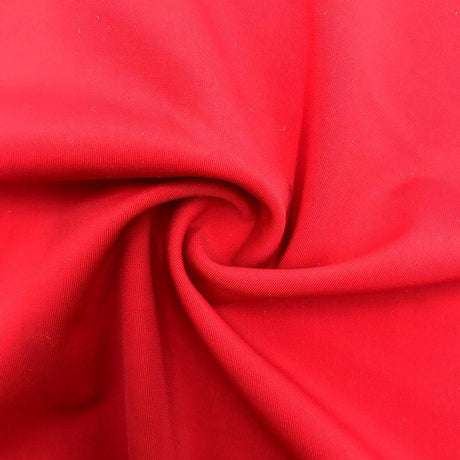
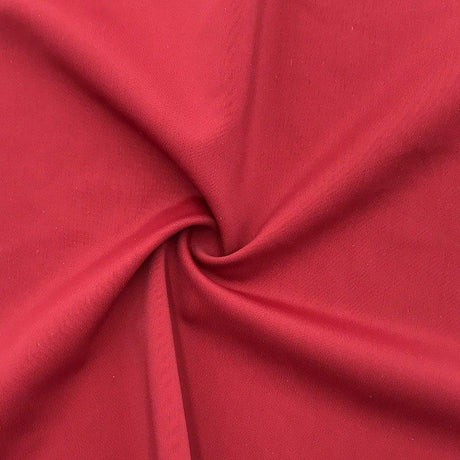
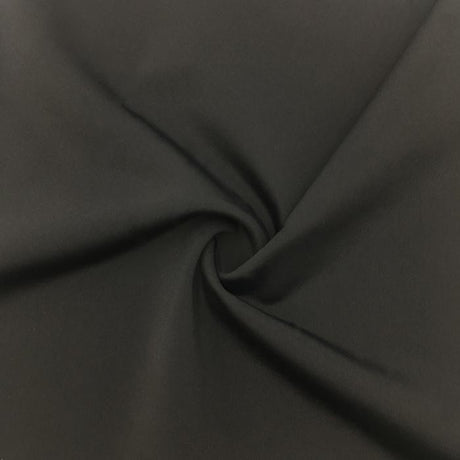
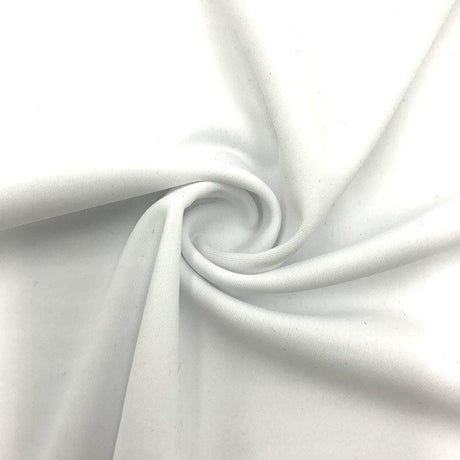
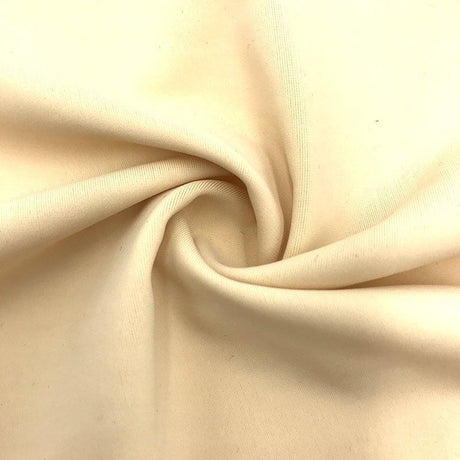
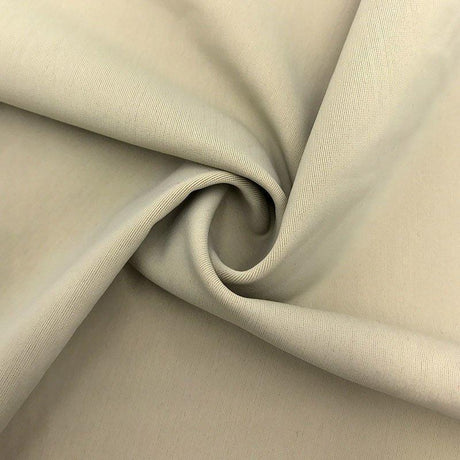
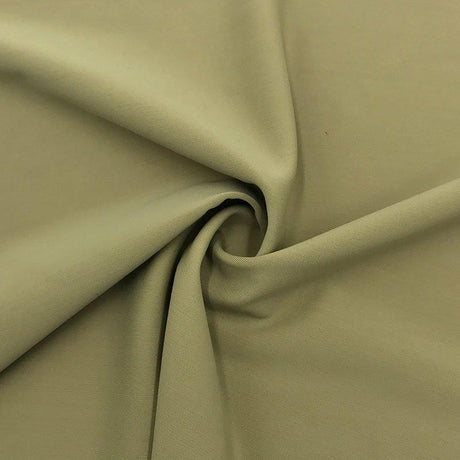
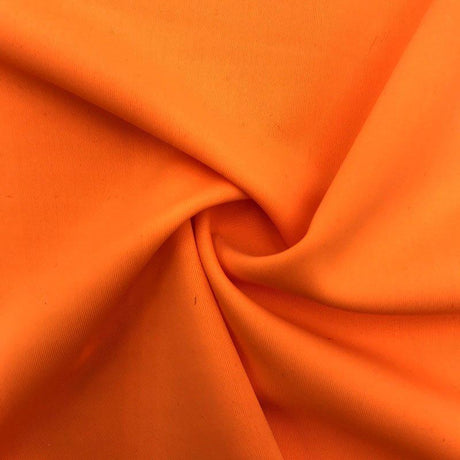
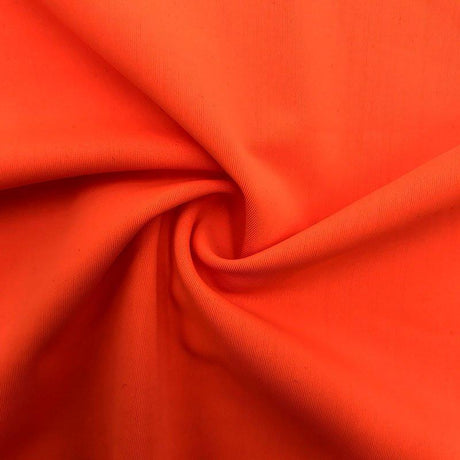
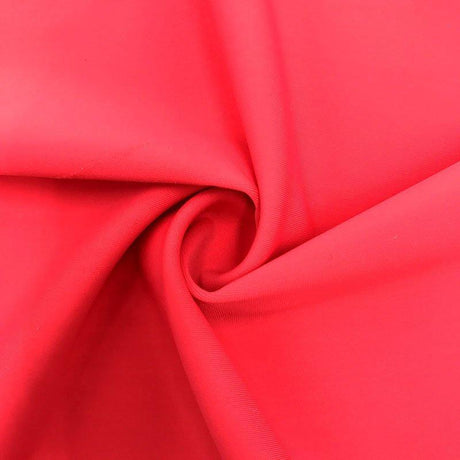
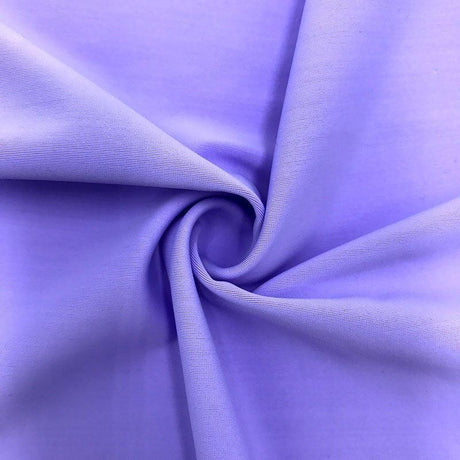
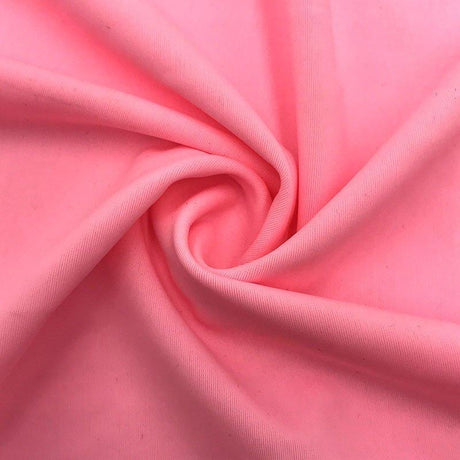
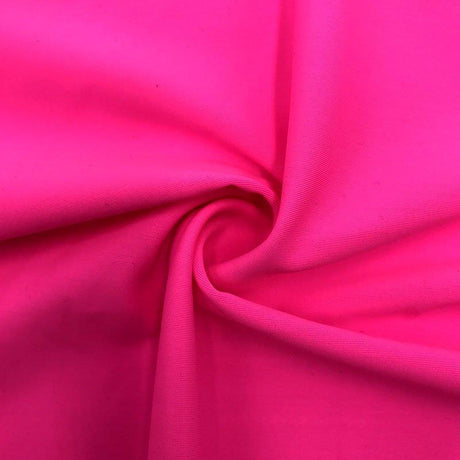
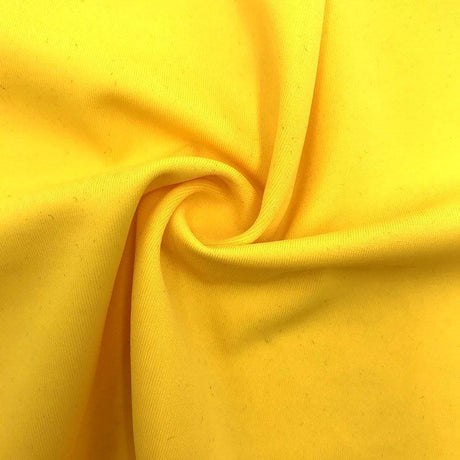
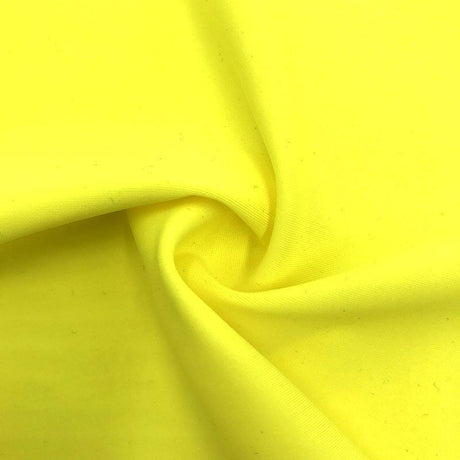
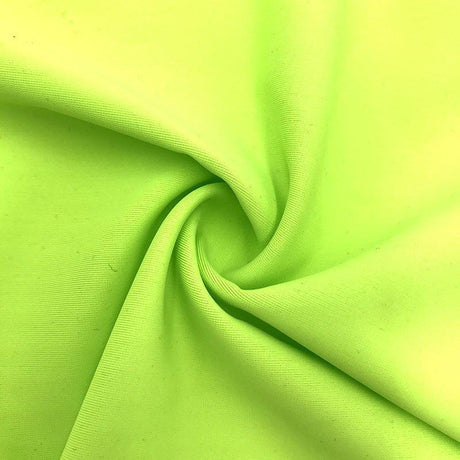
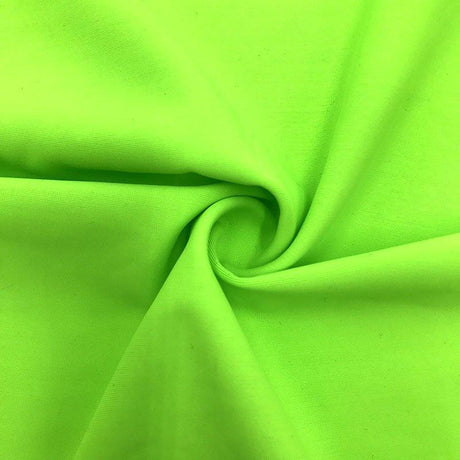
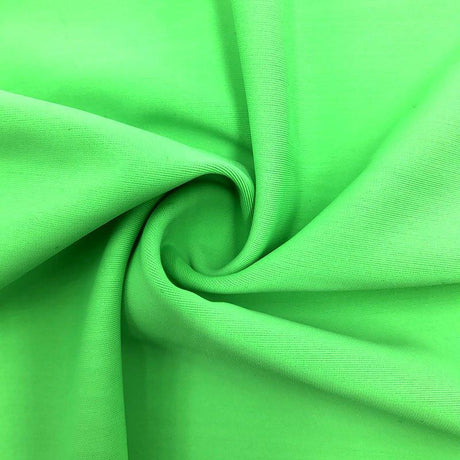
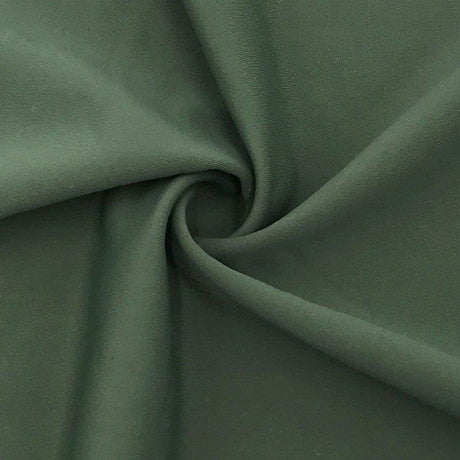
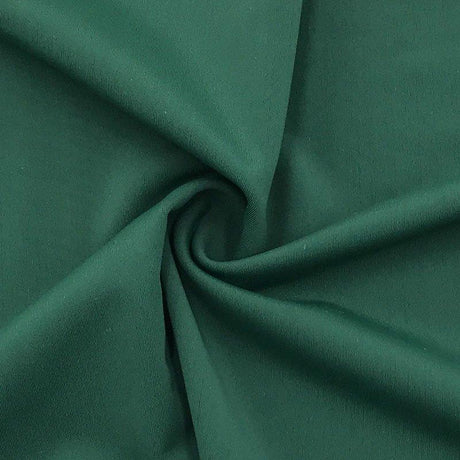
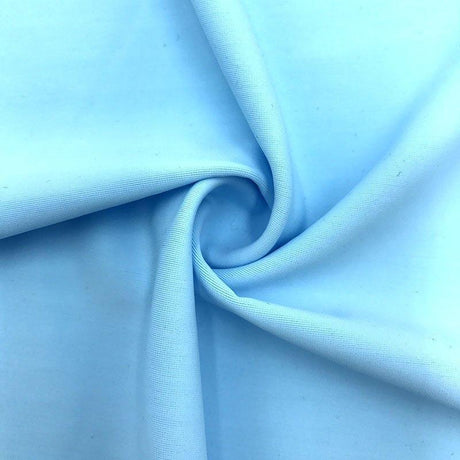
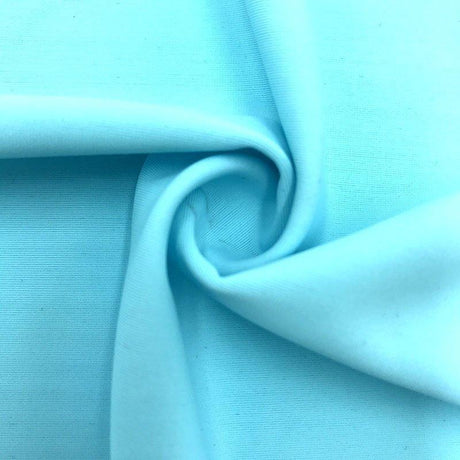
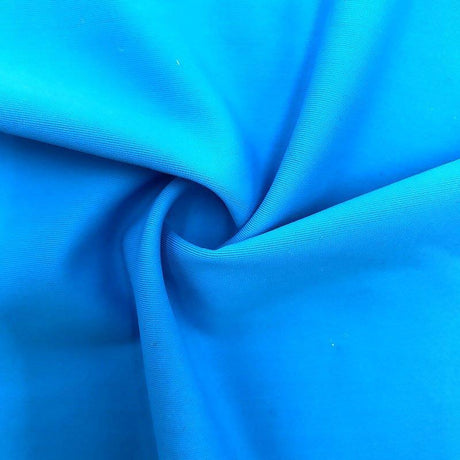
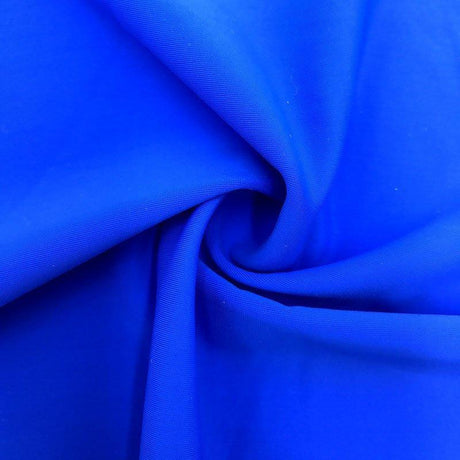
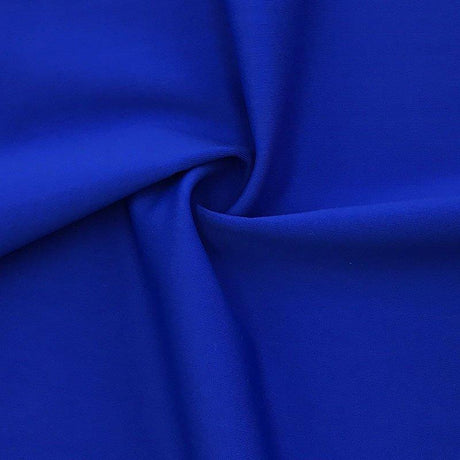
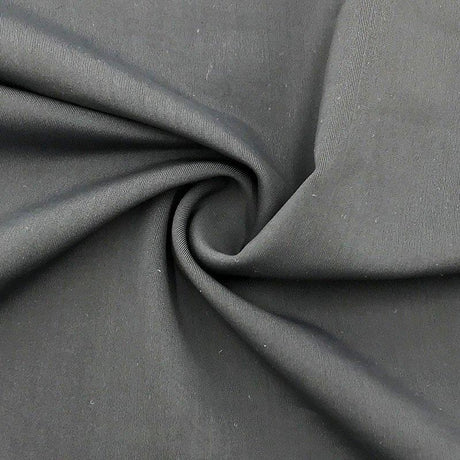
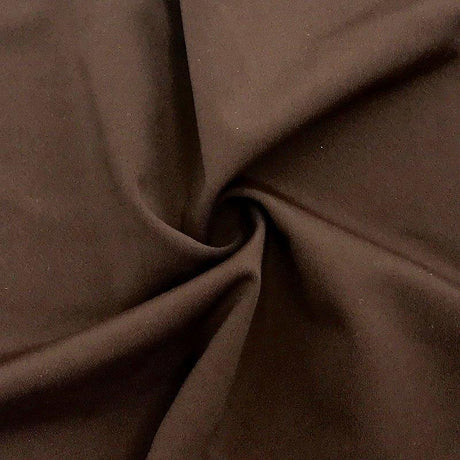
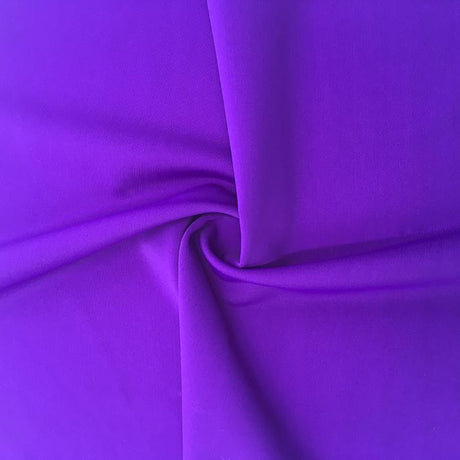
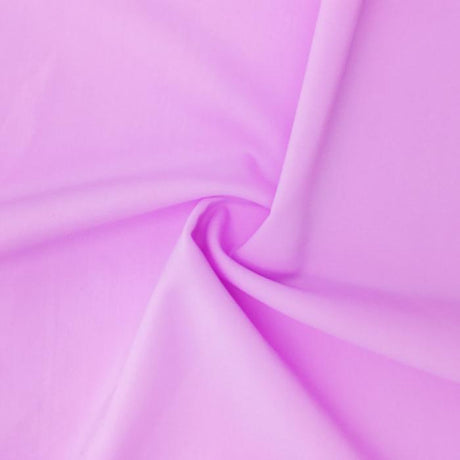
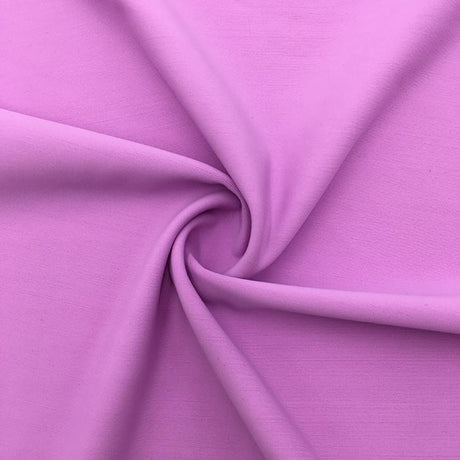
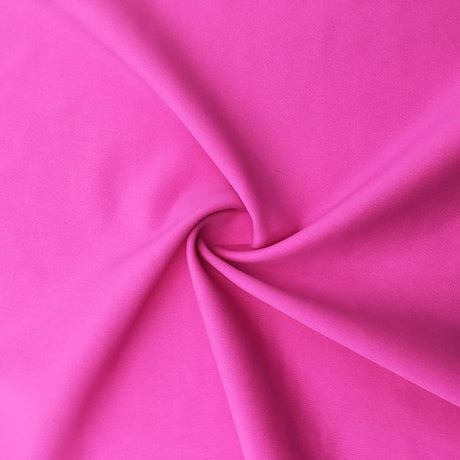
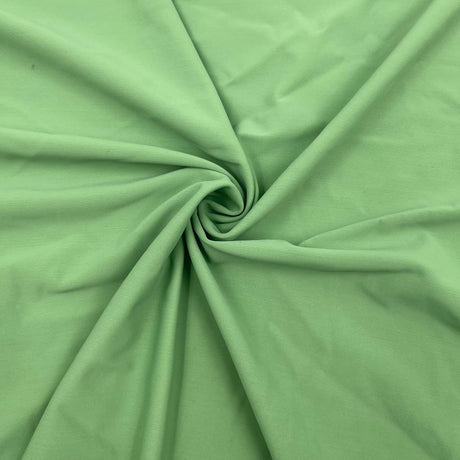
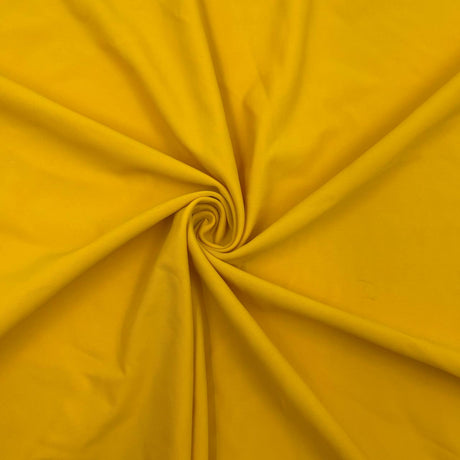
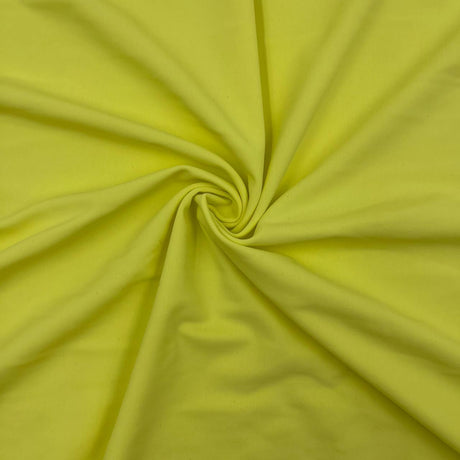
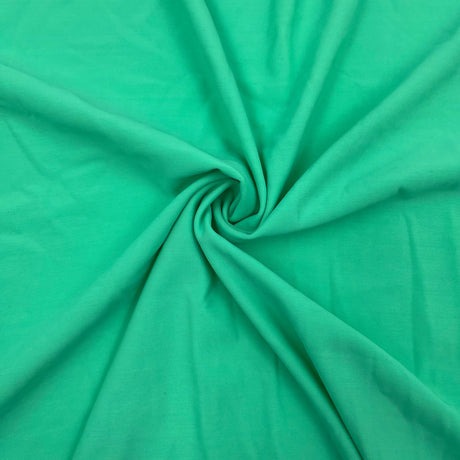
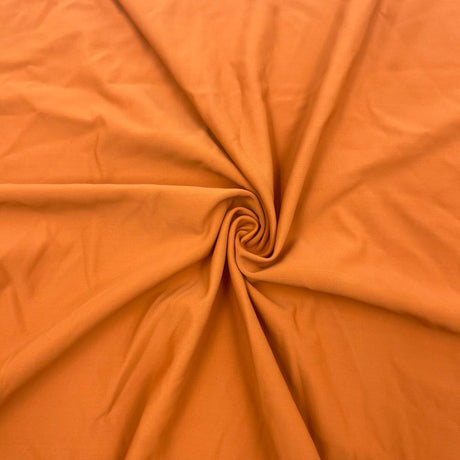
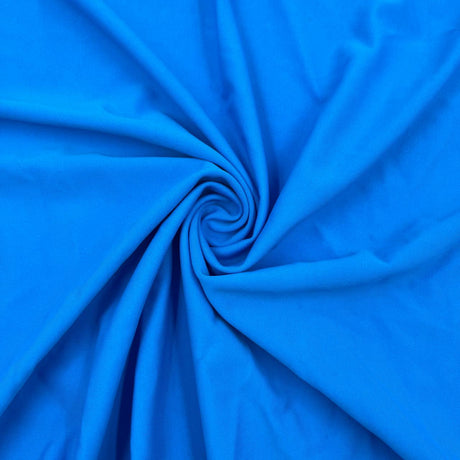
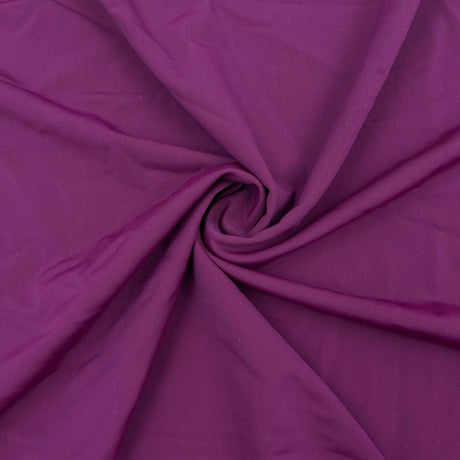
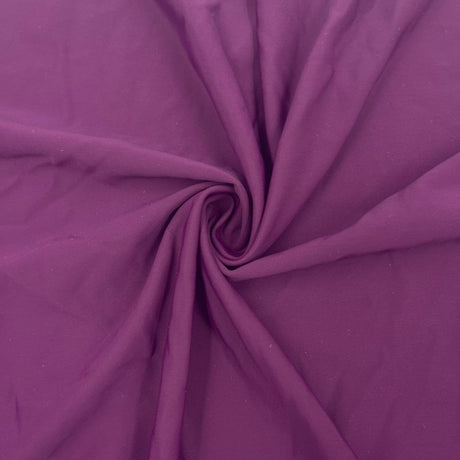
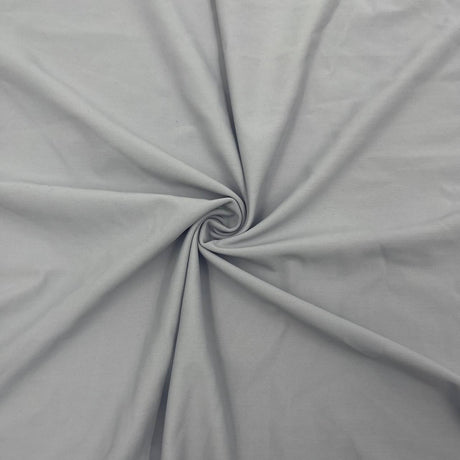
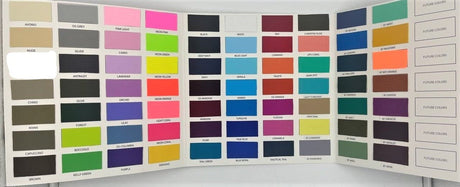
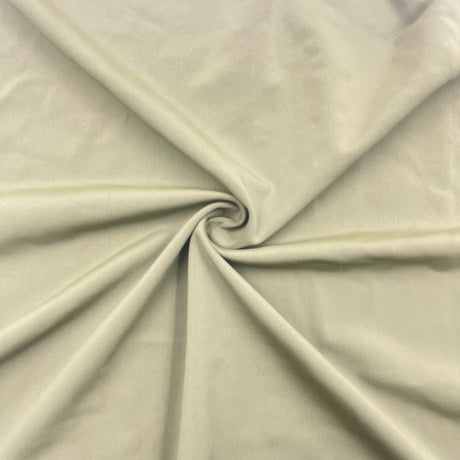
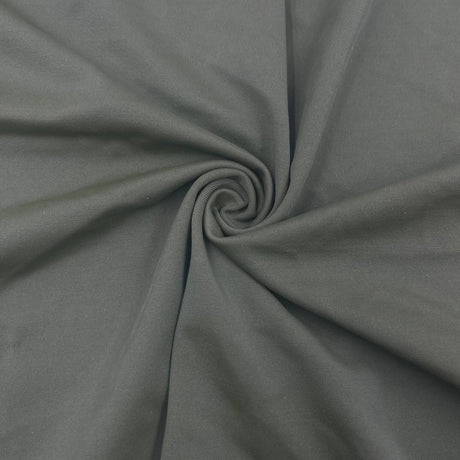
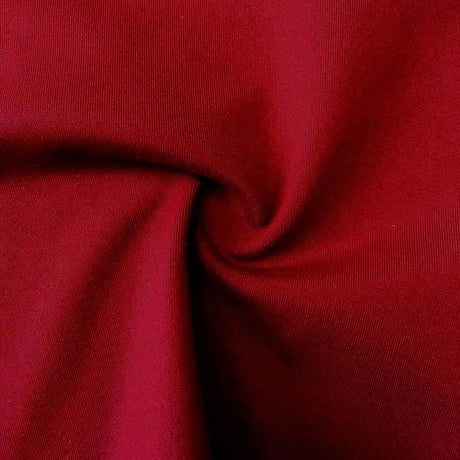
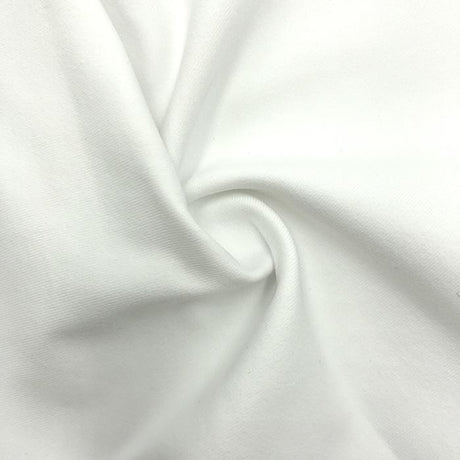
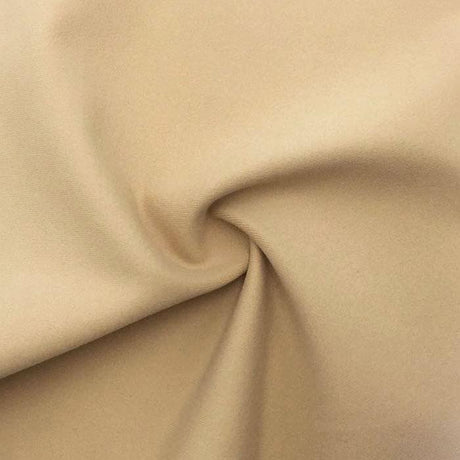
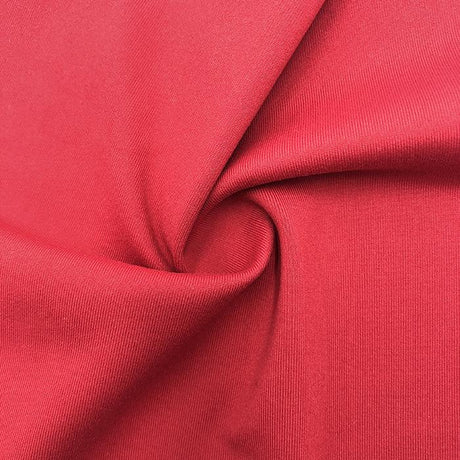
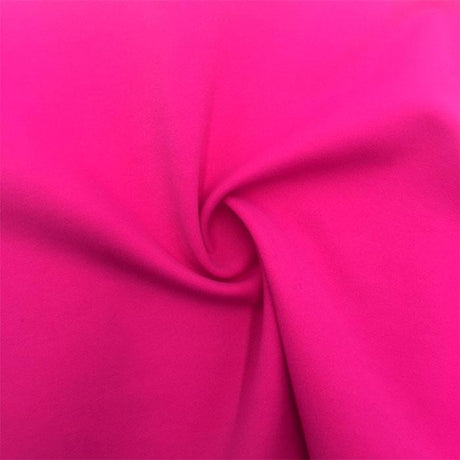
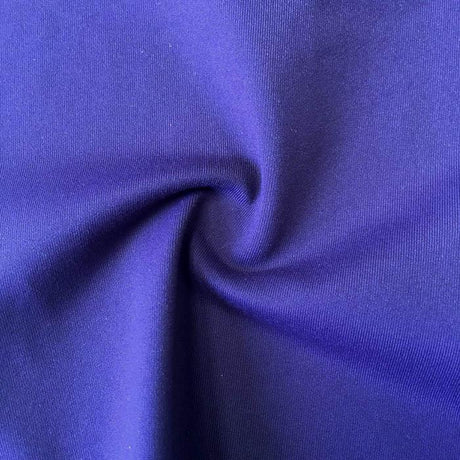
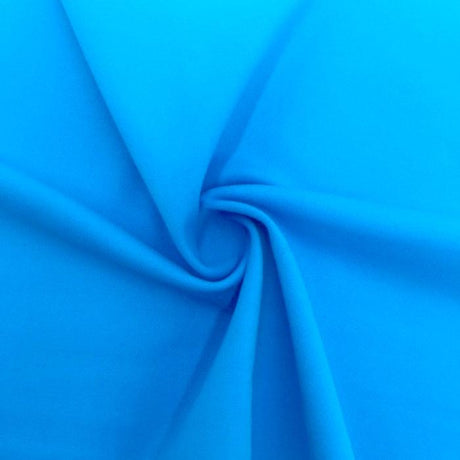
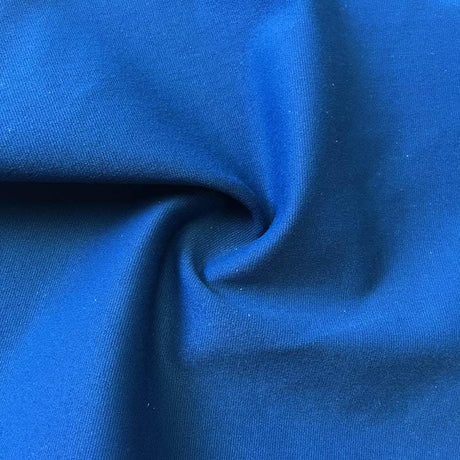
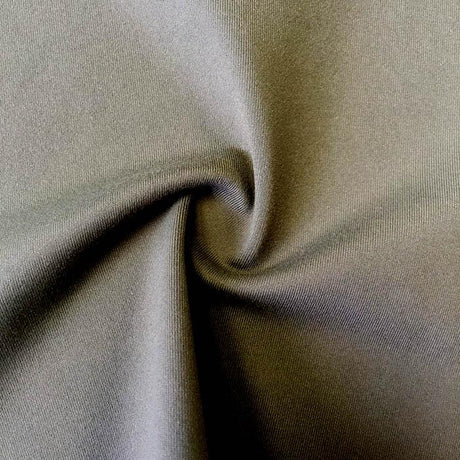
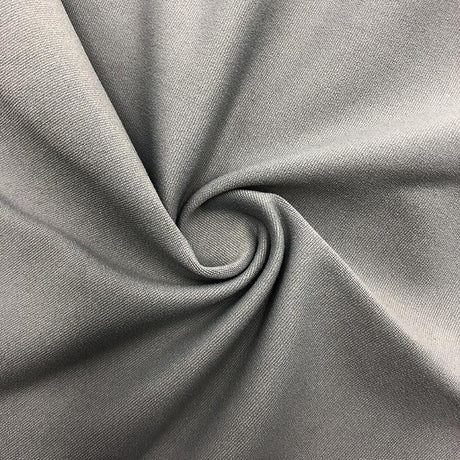
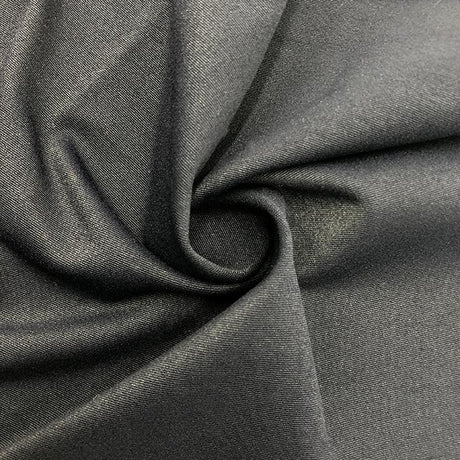
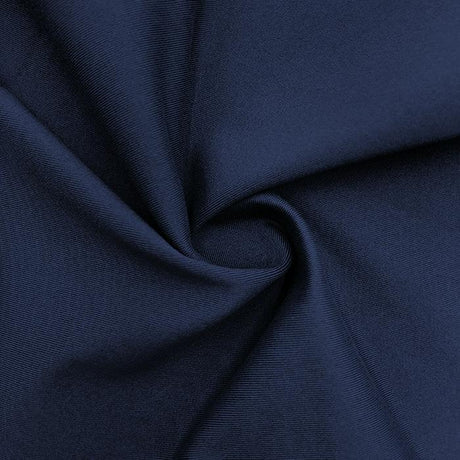
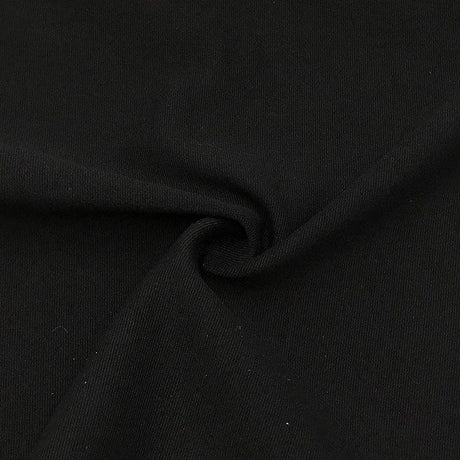
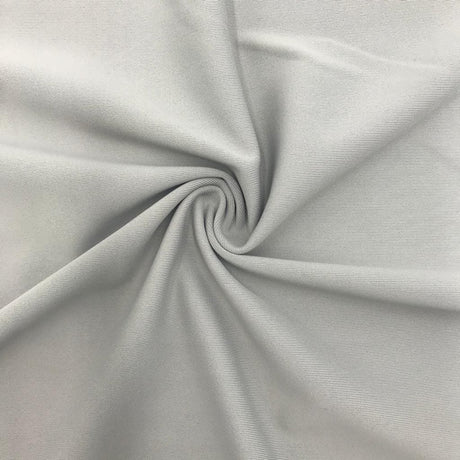
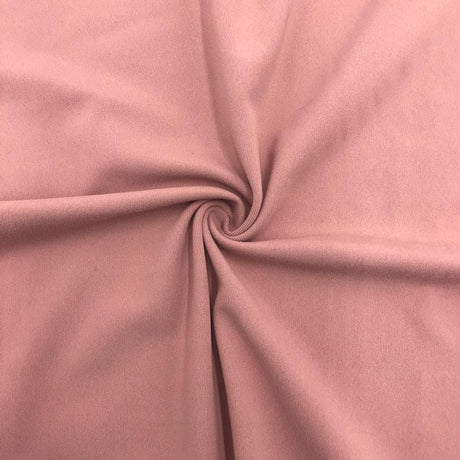
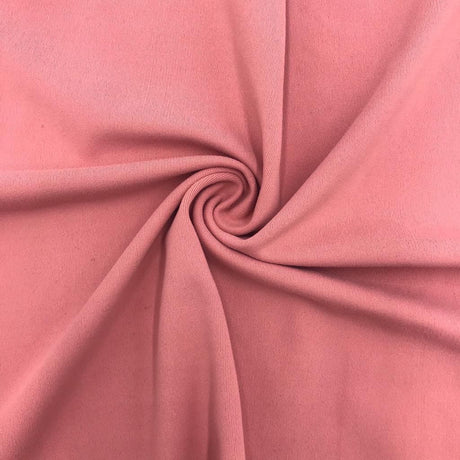
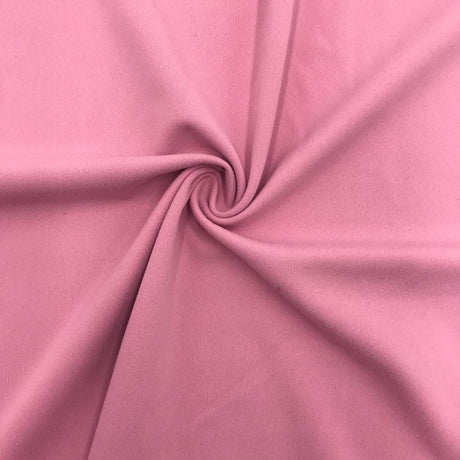
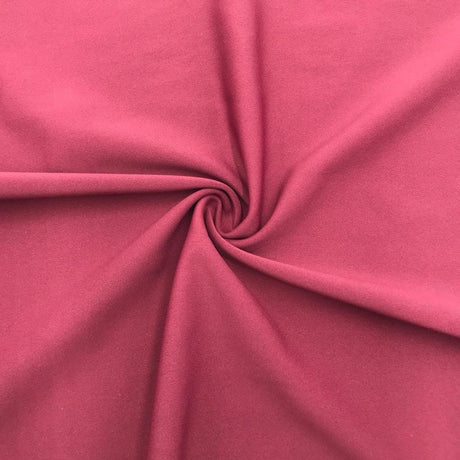
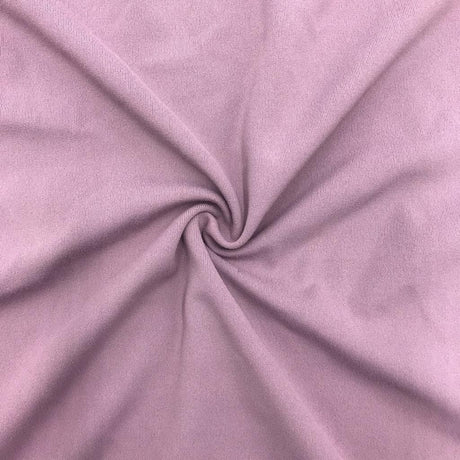
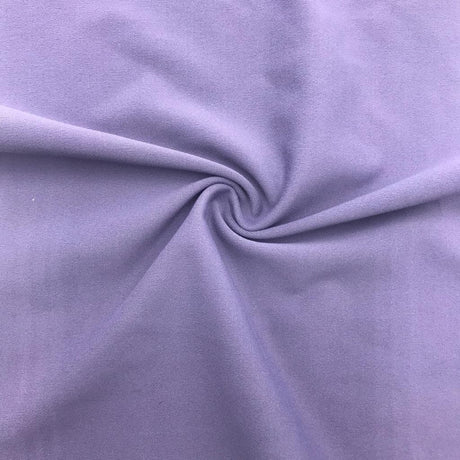
If you've ever sat through a game on hard bleachers or stiff stadium seats, you already know the two biggest problems: comfort breaks down (thin padding, pressure points) and seat covers fail early (friction, snags, sweat, spills, sunlight, and constant stuffing into bags). A "regular fabric" might look fine on day one—but on day ten, it can bag out, pill, fade, or split at the seams under real-world stadium use.
The good news: choosing the right fabric for stadium seat cover projects isn't about finding one magical textile—it's about pairing the right performance constructions (stretch knits, spacer mesh, soft linings, and optional weather-facing finishes) so you get both structure + comfort. Many of the same fabrics engineered for athleticwear and technical applications translate beautifully into seat covers because they're designed to flex, recover, and handle wear. For a broader foundation on stretch fabric properties before diving in, explore our stretch fabric types page or browse our full fabric guides hub.
What Is Fabric for Stadium Seat Covers?
"Fabric for stadium seat cover" isn't a single fabric type—it's a performance-driven fabric system selected to solve four real requirements: comfort against the body, resistance to repeated abrasion (rubs), enough structure to hold shape, and breathability or moisture-management so the seat doesn't feel clammy—especially during hot-weather games or long events.
A high-performing stadium seat cover is typically built from one (or more) of these constructions:
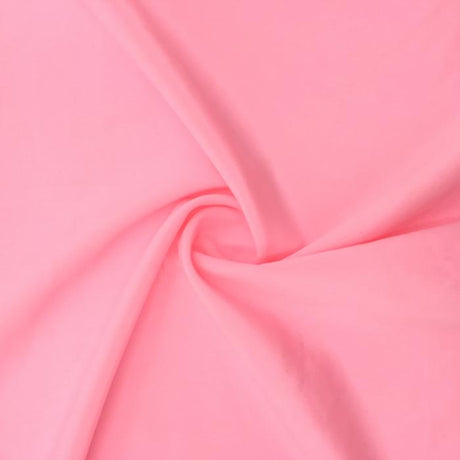
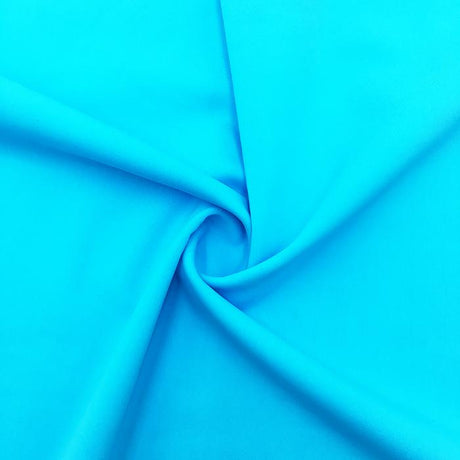
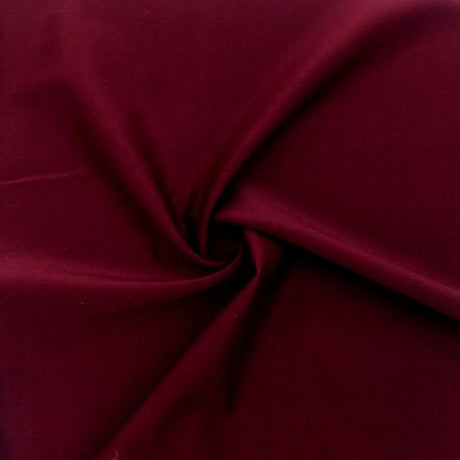
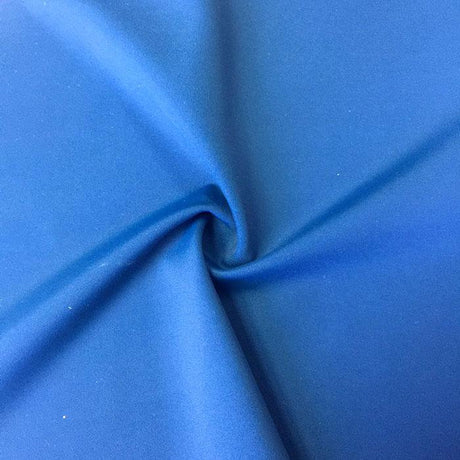
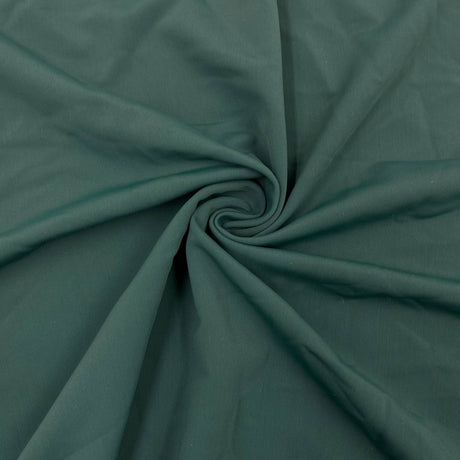
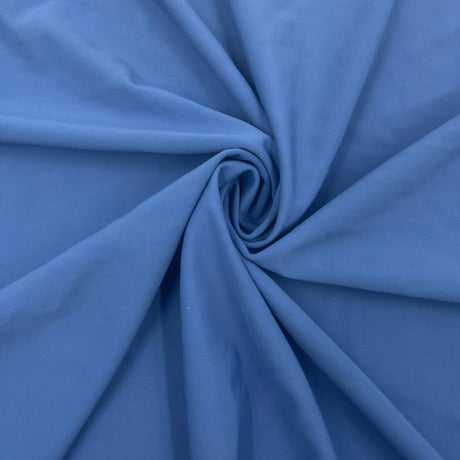
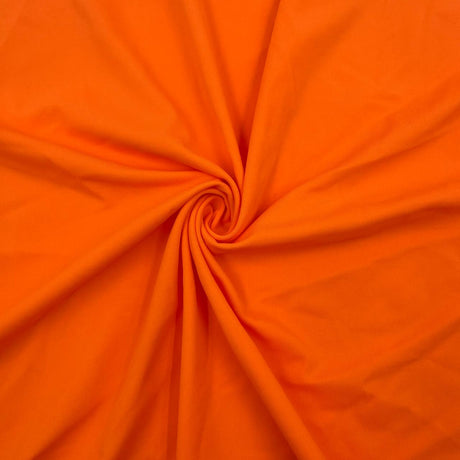
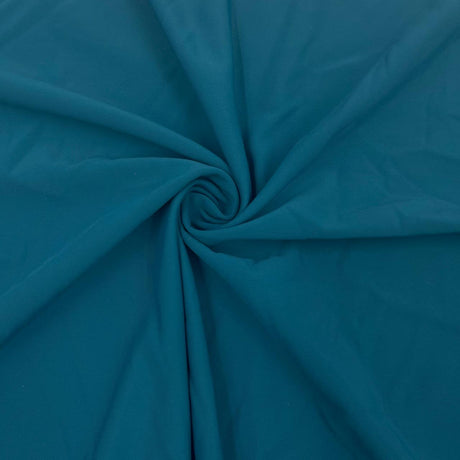
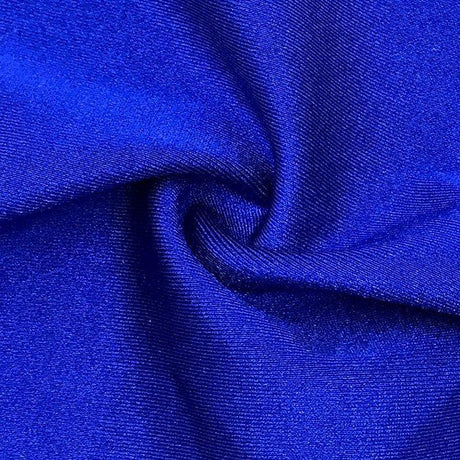
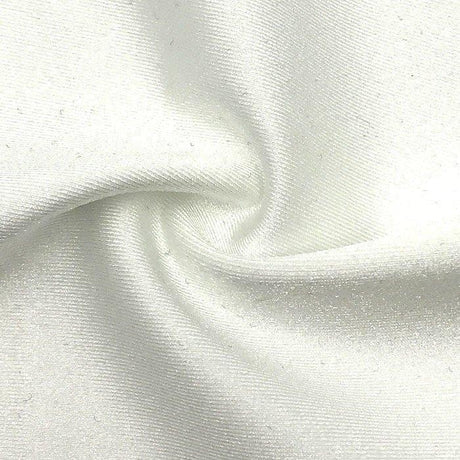
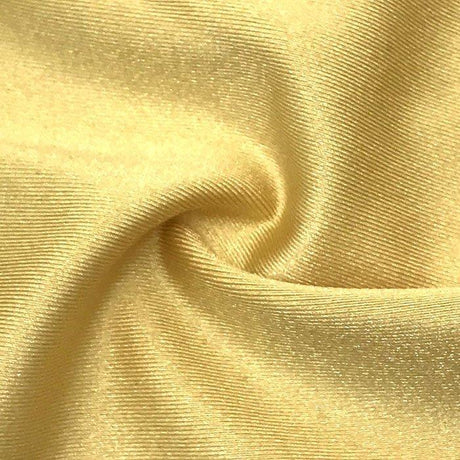
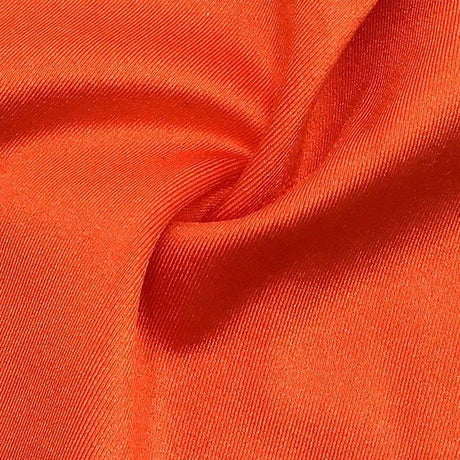
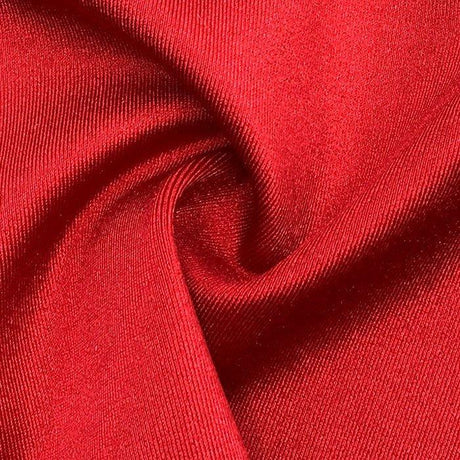
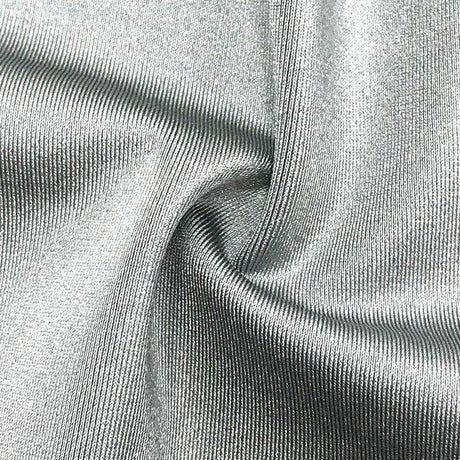
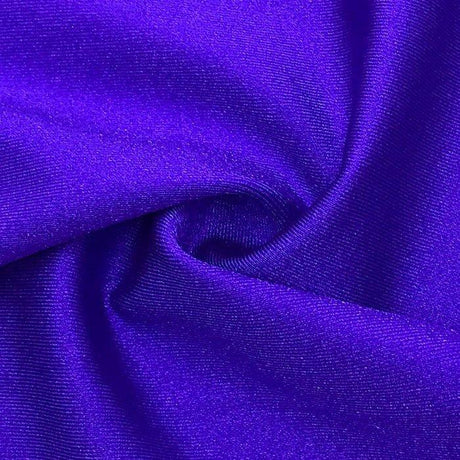
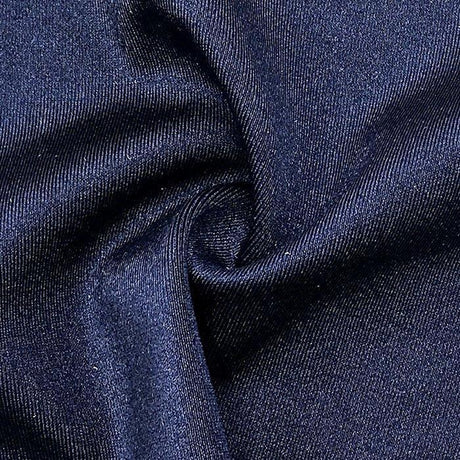
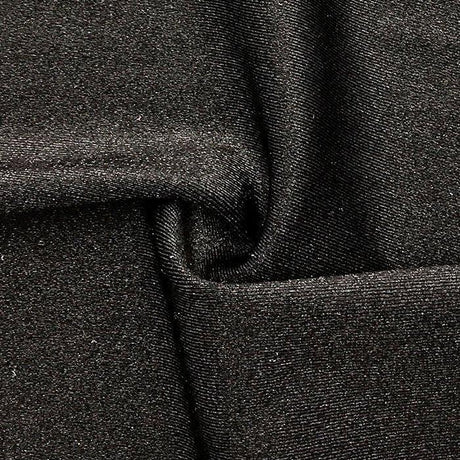
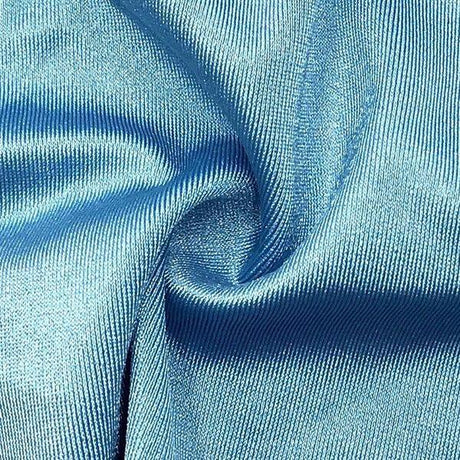
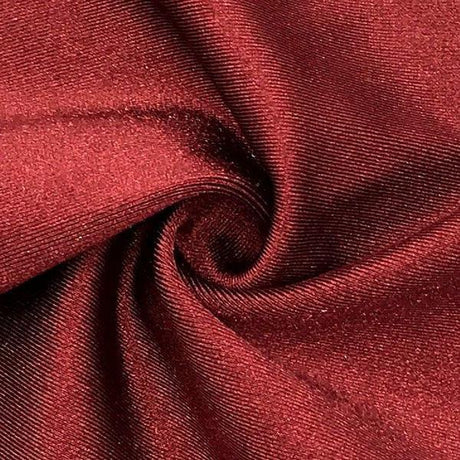
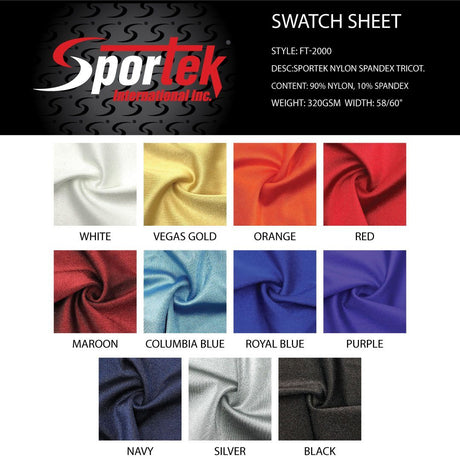
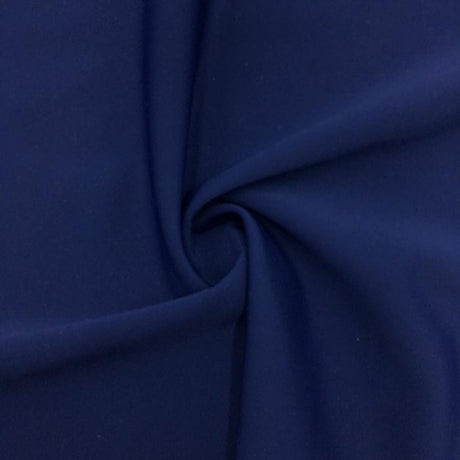
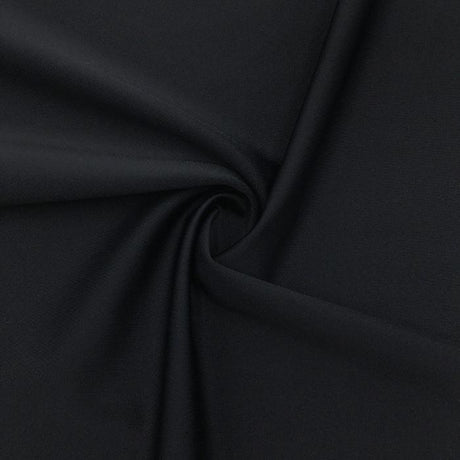
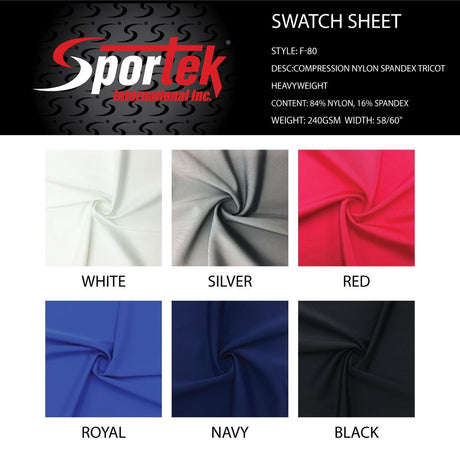
Stretch performance knit (often nylon-spandex or poly-spandex) as the outer shell. Nylon spandex is widely used in athletic applications and is described as a go-to for active lifestyle garments due to elasticity and durable wear characteristics—exactly the kind of behavior you want when a cover needs to stretch over foam and snap back repeatedly. Our nylon-spandex fabric guide covers how nylon-spandex constructions achieve the combination of smooth hand feel, strength, and 4-way stretch that defines quality performance fabric.
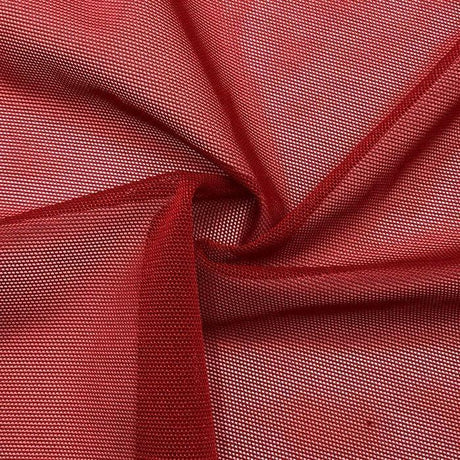
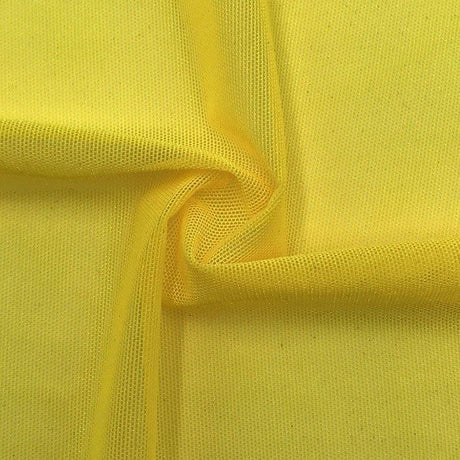
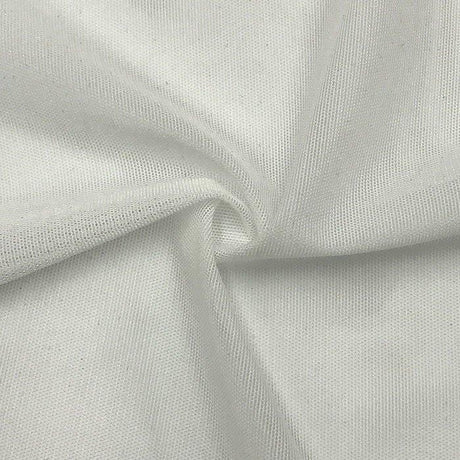
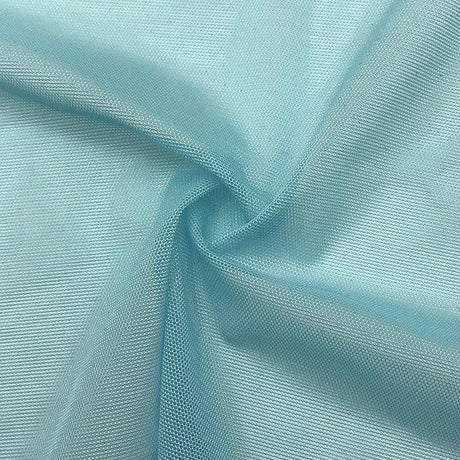
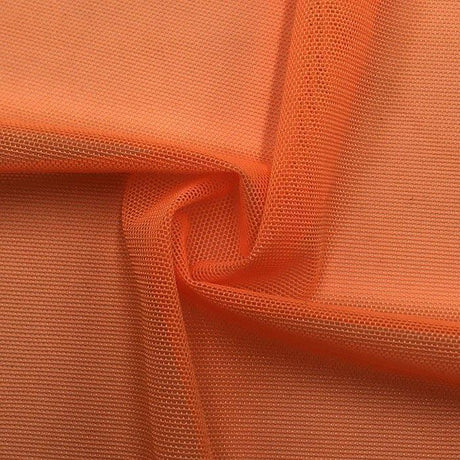
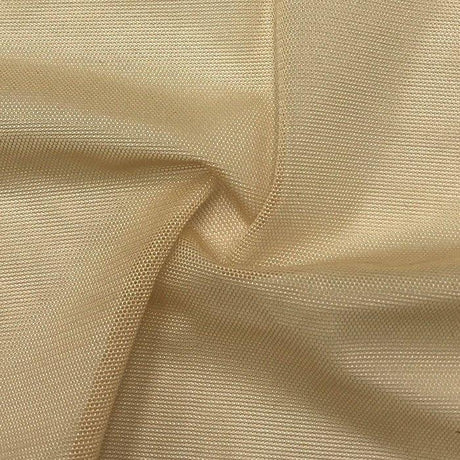
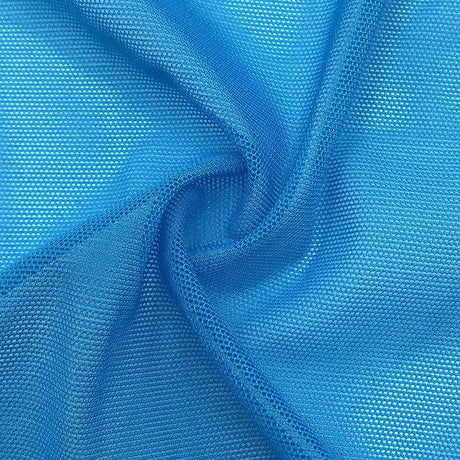
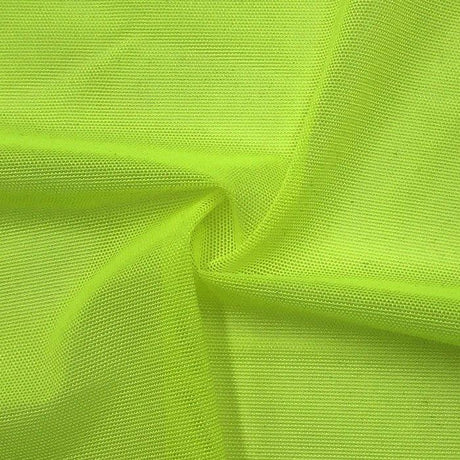
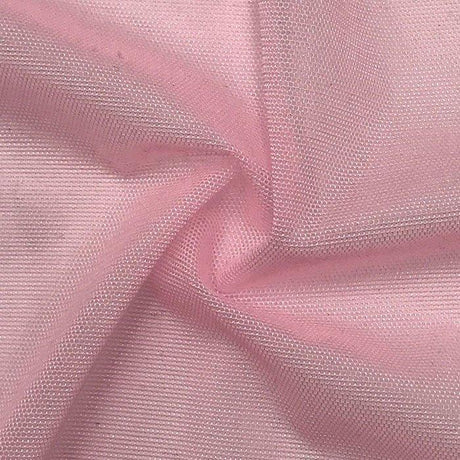
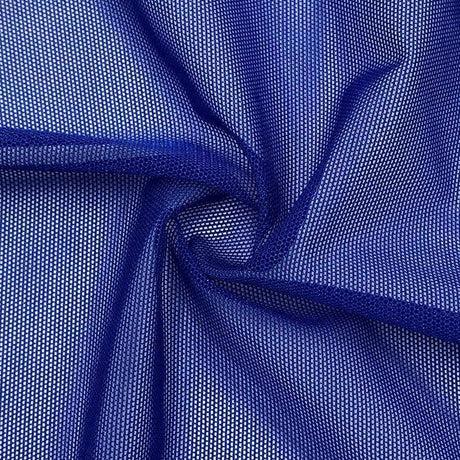
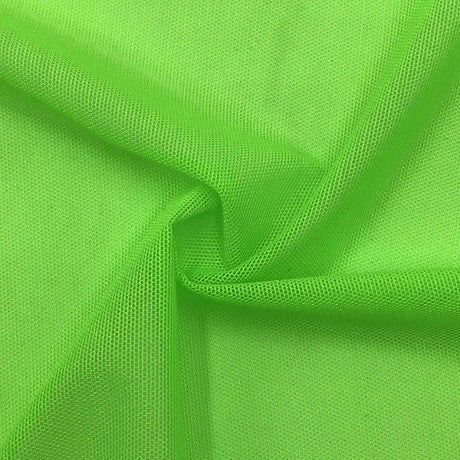
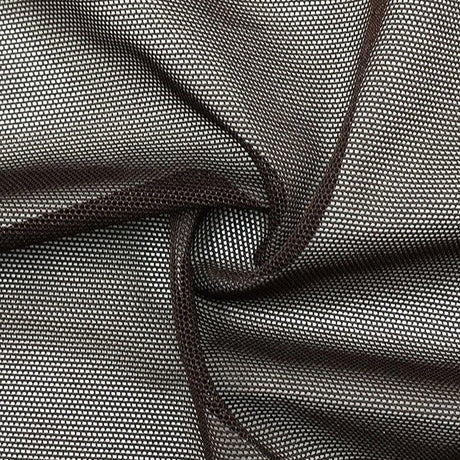
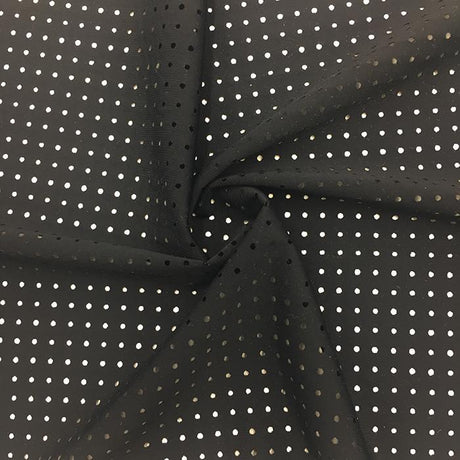
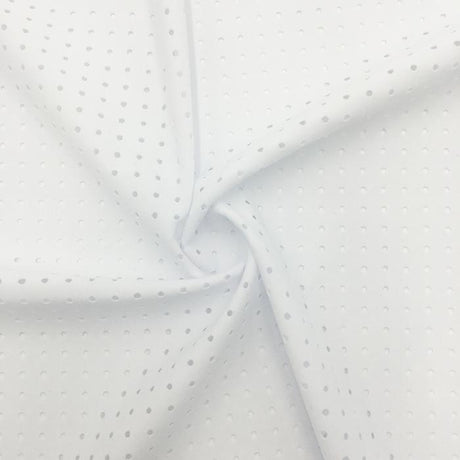
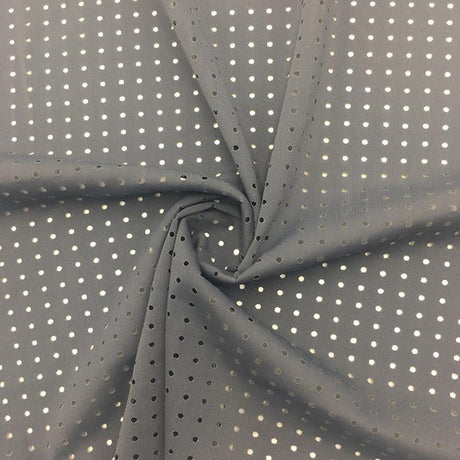
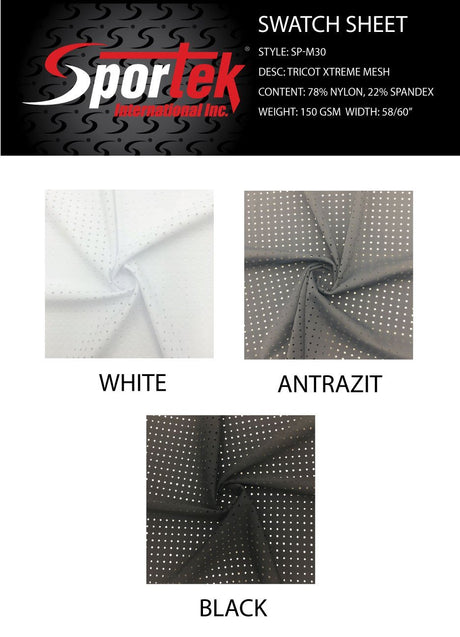
3D spacer mesh / "air mesh" as a cushioning + airflow layer (or underside panel). Spacer fabrics are engineered with a face and back connected by spacer yarns; thickness can be adjusted for added cushioning or insulation—making it ideal when you want ventilation without sacrificing comfort.
Soft lining knit (like brushed tricot) as a comfort layer against skin or clothing, or as a liner to help foam inserts slide in cleanly. Brushed tricot is specifically described as soft and durable, with a brushed texture that adds comfort and warmth while remaining lightweight and flexible.
Because these fabrics often include elastane/spandex, it helps to understand what that means at the fiber level. Spandex is a polyurethane-based elastic fiber engineered to recover rapidly after being stretched. That recovery is critical for stadium seat covers because it's what prevents "baggy corners" and loose fits over time.
Key Performance Characteristics
Stretch & Recovery: The best stadium seat covers rely on controlled stretch so the cover can be pulled on easily, conform to foam, and still rebound after repeated sitting. Spandex/elastane is engineered specifically for elastic behavior and recovery due to its segmented polyurethane structure. Our stretch fabric types page covers the step-by-step stretch and recovery testing methodology in detail, including how to calculate stretch percentage from a home swatch test.
Pro tip (DIY + production): do a quick recovery test before committing. Cut a 4" × 10" strip (with stretch direction across the 4"), stretch to a consistent length, hold 10 seconds, then release. Fabrics with strong recovery return close to original width; poor recovery stays "grown," which translates to sagging covers.
GSM / Weight: GSM (grams per square meter) is a practical way to think about fabric substance: lighter fabrics can be great liners, while mid-to-heavier knits tend to resist show-through and handle abrasion better in seating. For stadium use, you're usually balancing durability with packability. Our fabric weight guide provides a full breakdown of how GSM affects opacity, compression, breathability, and durability across all common stretch fabric constructions.
Moisture Management & Breathability: If your stadium seat cover will be used in heat, humidity, or layered clothing, moisture behavior matters. Liquid moisture management can be measured using standardized methods; for example, AATCC TM195 evaluates how a fabric transports liquid moisture and reports metrics like wetting time, spreading speed, one-way transport capability, and overall moisture management capacity (OMMC). Our fabric finishes guide covers moisture-wicking surface treatments and how to evaluate their durability across performance fabric constructions.
Durability & Abrasion Resistance: Seat covers fail at abrasion zones: corners, edges, and contact points that rub against plastic, metal, denim, and bag straps. Abrasion resistance is commonly evaluated using ASTM D4966 (Martindale abrasion tester). Upholstery textile guidance describes Martindale bands such as 10,000–15,000 rubs (light duty), 15,000–30,000 (medium duty), and 30,000–50,000+ (heavy duty)—with "heavy duty" aligned to commercial seating and public spaces.
Softness & Handfeel: Even if the outer shell is tough, comfort often comes from what touches clothing/skin. Brushed tricot is called out for an "incredibly soft" feel with added comfort and warmth from a brushed surface, while still staying lightweight and flexible—making it a natural lining choice for a stadium seat cover.
Special Performance Traits: Depending on your audience, you may want one or more of these add-ons: antimicrobial finishes, wind/water resistance, or insulation. Some stretch performance offerings include combinations like spacer interlock with moisture management and antimicrobial positioning, and even softshell-style stretch goods described with waterproof/windproof and DWR-type water resistance claims—useful when seats see rain, snow, or muddy sidelines.
Comparison with Similar Fabrics
Nylon-Spandex Performance Knit (Primary): Often nylon + elastane/spandex, typically high stretch with excellent recovery. Best for everyday stadium seat covers, slipcovers over foam inserts, and reusable "bag-friendly" covers. Comfortable, elastic, and durable; wide range of knits (tricot matte/shiny, jersey, compression). Outdoor sun exposure can demand better lightfastness planning; high-abrasion zones may need reinforcement.
Poly-Spandex Performance Knit: Often engineered for quick-dry + moisture management with finishes. Best for hot-weather events, sweat management, and quick-dry needs. Can be engineered for moisture management + quick dry; works well for breathable builds. Some polyester knits can feel less "luxurious" without a lining.
Stretch Neoprene / Spacer Interlock: Often listed as nylon-spandex blend with enhanced structure; 4-way stretch options exist with a more "structured" hand than standard jersey/tricot. Best for cushions needing more body/shape, protective panels, premium feel, and cold-weather stadium use. Adds structure + insulation; maintains shape and resists deformation. Bulkier and less breathable than open knits; can trap heat unless paired with mesh panels.
Bottom line: For most makers and manufacturers, start with a durable stretch knit as the shell, then engineer comfort and airflow through lining and mesh/spacer placement.
When to Consider an Alternative Fabric:
Choose cotton-spandex when comfort and natural hand are the priority. Cotton is widely described as comfortable because it absorbs and releases moisture quickly. Tradeoff: cotton-heavy shells may need more dry-time management in damp conditions, so consider hybrid builds (cotton-spandex top panel + mesh underside) rather than all-cotton covers. Our cotton-spandex fabric guide covers how cotton-spandex blends compare to synthetic alternatives in stretch behavior and recovery.
Choose neoprene / spacer interlock when you need structure and thermal comfort. If your customers want a seat that feels "premium" and supportive (or they attend cold-weather games), neoprene-style stretch structures are listed with insulating properties and shape retention positioning.
Choose mesh (or 3D spacer mesh) when breathability and pressure distribution drive the design. Spacer fabrics are explicitly engineered for cushioning behavior, permeability, and pressure distribution—valuable in stadium seating where pressure points are common.
Best Uses & Applications
Mainstream Apparel Categories (Why These Fabrics Hold Up): Nylon spandex is positioned for leotards, athletic wear, swimwear, and other active lifestyle garments—high-movement, high-recovery use cases that map well to repeated "sit → stand → fold → carry" cycles. Our activewear fabric guide covers compression performance benchmarks and fabric weight recommendations across all common performance fabric constructions.
Printed spandex is positioned for elasticity, resilience, and a "luxurious feel," and includes nylon and polyester spandex blends—making it relevant when your seat covers are also a style statement. Our sublimation page covers how sublimation printing bonds dye into polyester-spandex fibers to achieve permanent, saturated color that moves with the fabric.
Stadium Seating-Specific Applications: A good fabric for stadium seat cover projects typically lands in one of these build styles: slip-on seat cover (stretch shell), zippered cushion cover (structured), or hybrid airflow cushion (mesh underside) for hot climates, sweaty use, or long events.
Mesh & Lining for Breathability and Comfort: To engineer airflow, use 3D mesh for cushion airflow as a bottom panel or internal layer. For next-to-body comfort (or easier foam insertion), add soft lining since brushed tricot is described as soft, durable, and breathable with a comfort-focused brushed texture.
Custom Prints & Brand-Forward Designs: If your customer base buys season tickets, tailgates, or wants coordinated team looks, design-led shells matter. Our sublimation paper and sublimation transfer paper pages cover the complete printing workflow for achieving high-impact visuals on stretch bases.
Cold-Weather Stadium Use: In colder climates, consider a stretch fleece layer or a warmer lining strategy positioned as warm yet breathable and stretchable—which can make a noticeable difference when seats are freezing.
How to Choose the Right Fabric
Step One: Define the Environment. If the cover will be used for public-space seating, prioritize abrasion-informed choices and don't rely on a single metric. Upholstery guidance ties higher Martindale rub counts to heavier-duty seating use, but industry groups also emphasize that abrasion is not the only predictor of field performance.
Step Two: Pick the Outer Shell Role. For a snug, packable cover: nylon-spandex performance knits are positioned as durable and elastic with multiple knit options (tricot, jersey, compression). For hot-weather comfort: look toward moisture-management positioning or breathable knit structures. For structure: neoprene/stretch-neoprene/spacer interlocks are positioned for supportive fit and shape maintenance. Our how to choose fabric guide covers what to evaluate when a physical swatch arrives, including stretch testing, opacity testing, and hand feel assessment.
Step Three: Engineer Comfort and Airflow. Use spacer/mesh strategically: underside panels, center channels, or "contact zones."
Step Four: Decide Print vs Solid. Printed shells look incredible, but for outdoor use you should consider light exposure. Upholstery guidance emphasizes lightfastness as critical for textiles exposed to sunlight.
Quick Selection Table:
All-day comfort → Stretch shell + brushed tricot lining → Brushed tricot adds a soft comfort layer while staying lightweight and flexible.
Hot-weather breathability → Mesh/spacer underside + moisture-management knit → Spacer structures support airflow/permeability; TM195-type metrics quantify moisture transport.
Premium structure → Stretch neoprene / spacer interlock panels → Neoprene listings emphasize structure, insulation, and shape retention.
Visual impact → Printed spandex shell → Printed spandex is positioned for elasticity, resilience, and strong aesthetics.
Common Mistakes to Avoid
Using the Wrong Needle and Blaming the Fabric: Skipped stitches and popped seams often come from the needle choice on highly elastic knits. A stretch needle is designed with a medium ball point and features intended for highly elastic knits that include Lycra®/spandex/elastic. Our how to sew stretch fabric guide covers complete needle selection, stitch type, machine settings, and edge finishing guidance for all common stretch fabric construction scenarios.
Ignoring Recovery (and Getting "Baggy Corners"): Elastane/spandex is engineered for recovery; if you choose a knit with poor recovery or cut without considering negative ease, the cover will relax and lose shape.
Building a "Non-Breathable Sandwich" for Summer Stadiums: If you use thick structured layers without airflow zones, heat and moisture get trapped. Spacer fabrics and mesh structures are specifically positioned for permeability and microclimate regulation effects.
Cutting Without Grain/Stretch Direction Planning: Stretch direction matters: rotate pattern pieces incorrectly and you'll get twisting, sagging, or seams that feel tight.
Overheating Spandex in Care or Production Finishing: Heat is repeatedly identified as damaging for spandex/elastane performance and elasticity. Our spandex care guide covers why heat is so damaging to elastane fibers and the care protocols that maximize garment lifespan.
Ready-to-Use Checklists
- Pre-wash or at least wash-test a swatch (especially for printed shells)
- Test stretch + recovery before cutting full yardage
- Use a stretch needle for highly elastic knits
- Choose a stretch-friendly seam (zigzag, stretch stitch, or serger/overlock)
- Add reinforcement at abrasion zones (front edge, corners, handle attachment points)
- Plan airflow panels (mesh/spacer underside) for hot-weather comfort
- Align prints and stretch direction before final cuts (especially for bold graphics)
Care & Longevity Tips
Washing: Use cold water and gentle handling for stretch fabrics to protect elasticity. Our spandex care guide and fabric care guide cover complete laundering protocols for all common spandex-blend fabric types, including why heat and harsh chemicals degrade elastane fibers over time.
Drying: Air-dry whenever possible. Heat is consistently called out as the enemy of spandex longevity; high dryer heat can weaken fibers and lead to bagging.
Ironing: Avoid high heat contact. If you must remove wrinkles, use the lowest setting and a pressing cloth—or steam at a distance—because spandex is sensitive to high temperatures.
Storage: Store dry, loosely folded, and away from harsh sunlight. If your covers are used outdoors, consider rotating them to reduce constant UV exposure, and prioritize materials with higher lightfastness expectations for high-exposure conditions.
Print Care: For printed stretch shells, reduce abrasion during washing (turn inside-out if applicable) and avoid high heat. Your goal is to protect both elasticity and surface appearance.
Conclusion and FAQ
A great fabric for stadium seat cover projects is the one that matches the realities of stadium life: friction, weather swings, sweat, spills, and constant packing/unpacking. In most cases, the winning formula is a durable stretch knit shell (often nylon-spandex or poly-spandex) paired with smart comfort engineering like brushed tricot lining and 3D mesh/spacer panels for airflow.
If you want to choose with confidence, focus on measurable performance concepts—moisture transport (TM195-style thinking), abrasion awareness (Martindale concepts and ASTM methods), and stretch/recovery behavior—then validate with swatch testing and reinforcement in high-wear zones.
FAQ
Is nylon-spandex good for a stadium seat cover? Yes—nylon spandex is positioned as a go-to for athletic and active lifestyle uses due to strong elasticity and durable-use positioning, which translates well to seat covers that must stretch on/off and recover repeatedly. Our nylon-spandex fabric guide covers full performance profiles of nylon-spandex constructions.
What fabric keeps a stadium seat cushion from feeling sweaty? Use airflow and moisture strategies: combine a moisture-management knit approach (TM195-style performance thinking) with a breathable underside such as spacer mesh, which is designed for permeability and airflow effects.
How durable should a stadium seat cover fabric be? Think like upholstery: abrasion matters. Martindale abrasion testing is a standard approach (ASTM D4966 covers the method), and upholstery guidance links higher rub counts to heavier-duty seating use—while also noting high numbers alone don't guarantee lifespan.
How do I sew stretchy performance fabric without skipped stitches? Use a stretch needle designed for highly elastic knits and pair it with stretch-capable stitches (zigzag, stretch stitch, or serger). Our how to sew stretch fabric guide covers all the construction techniques in detail.
How should I care for a stretch stadium seat cover? Wash cold and avoid high heat. Our spandex care guide repeatedly emphasizes that heat can weaken and damage elasticity over time, so air-drying is the safest longevity strategy.
Ready to find the right fabric for your stadium seat cover project? Use our fabric weight guide and stretch fabric types page to evaluate technical specifications, our nylon-spandex fabric guide and cotton-spandex fabric guide for fiber-type specific recommendations, and our how to sew stretch fabric guide for complete construction guidance. Have questions? Our expert help and advice page and FAQ are always available. Sign up for SpandexByYard Rewards to earn points on every purchase!