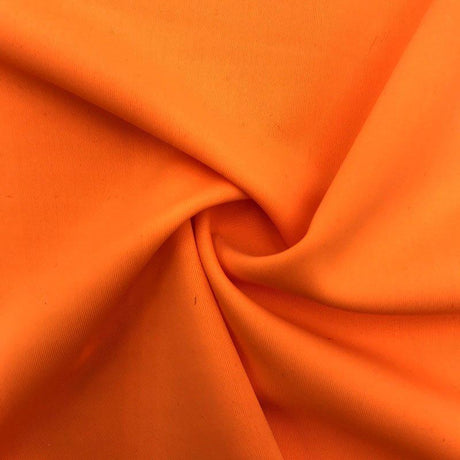
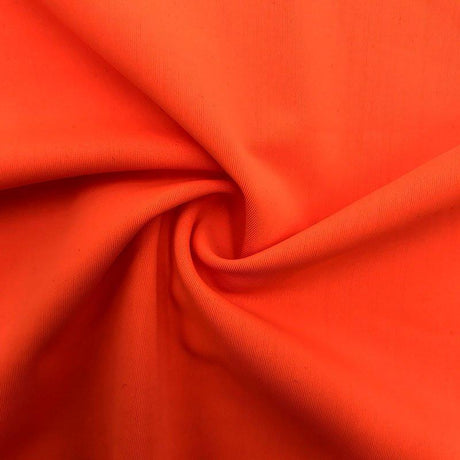
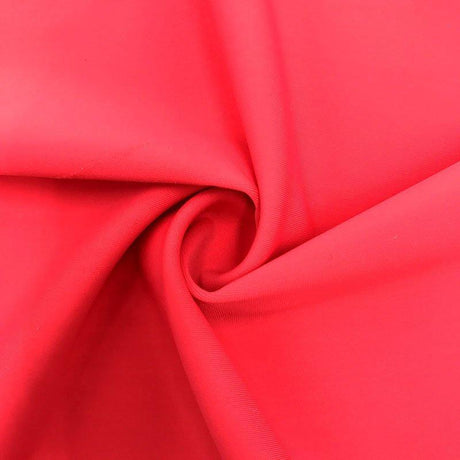
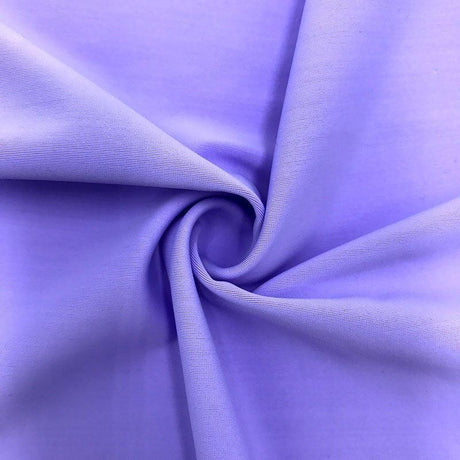
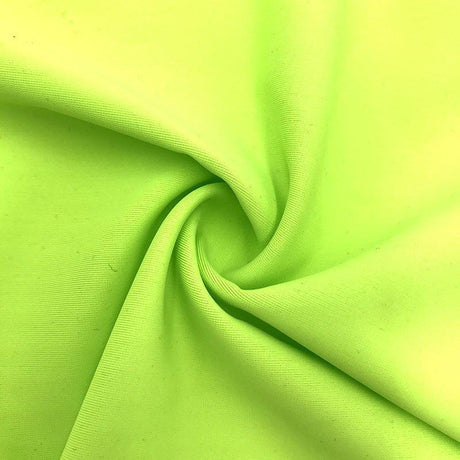
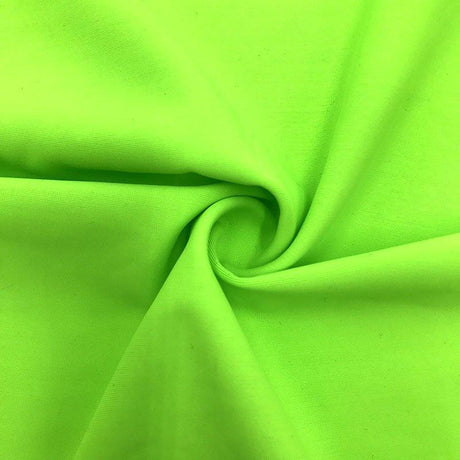
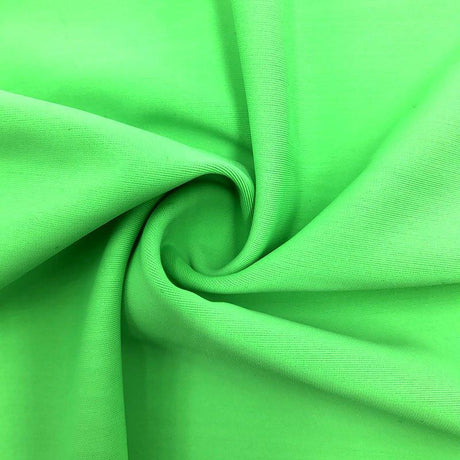
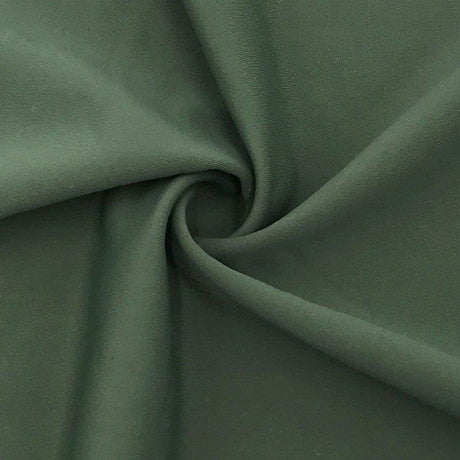
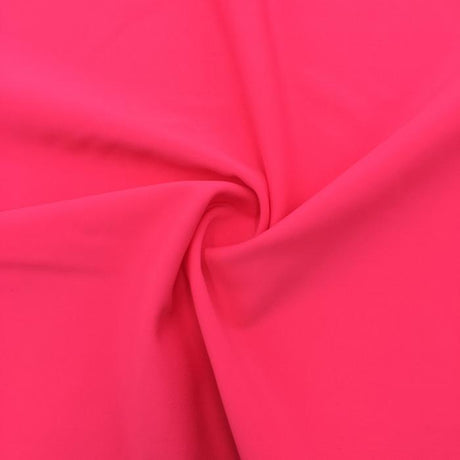
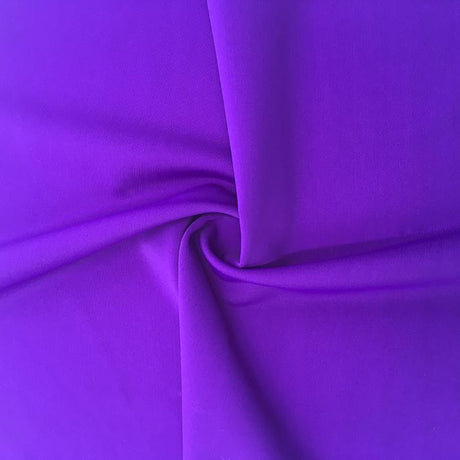
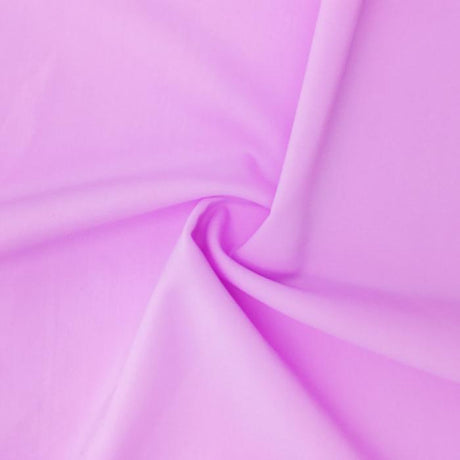
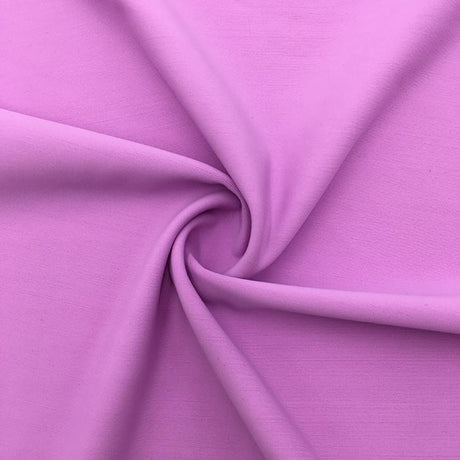
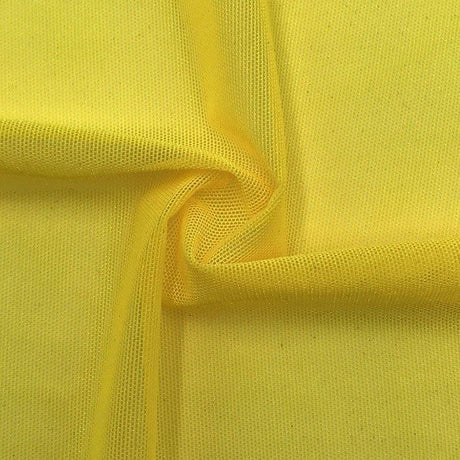
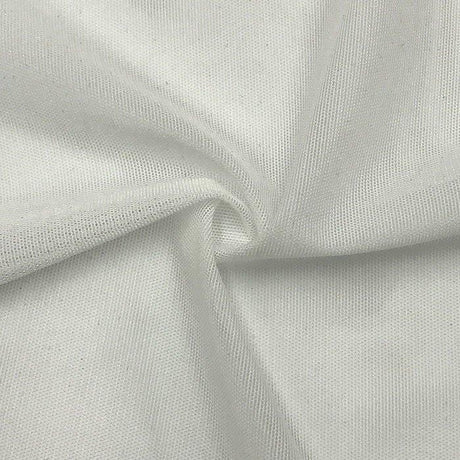
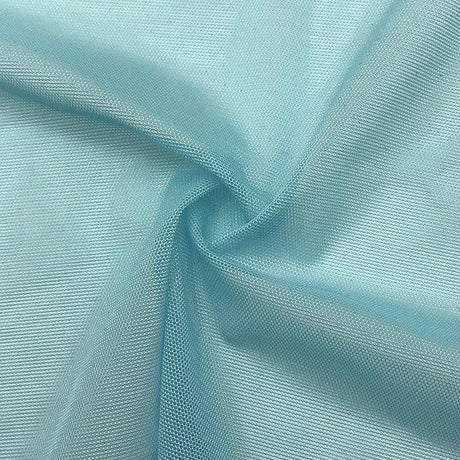
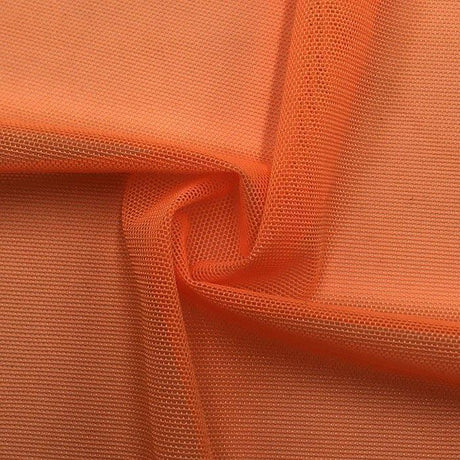
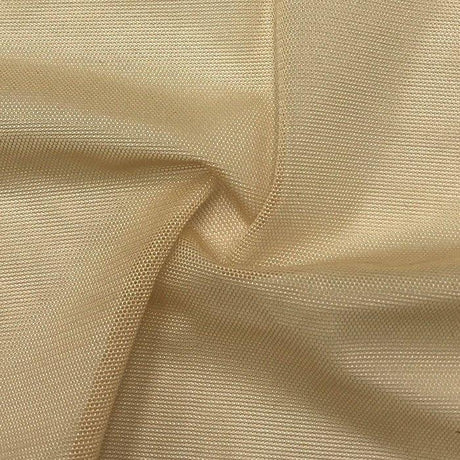
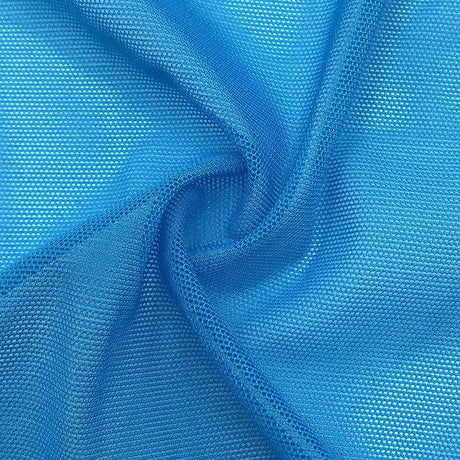
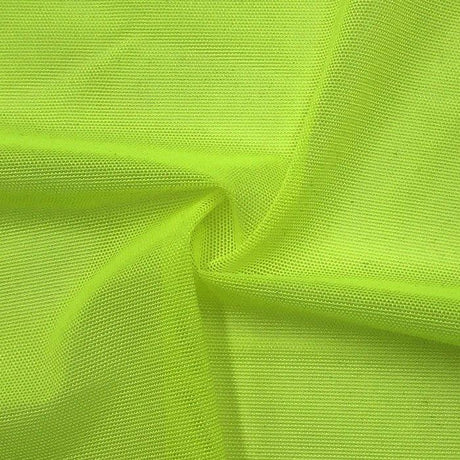
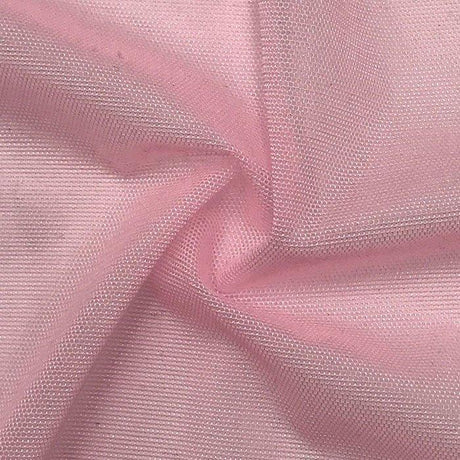
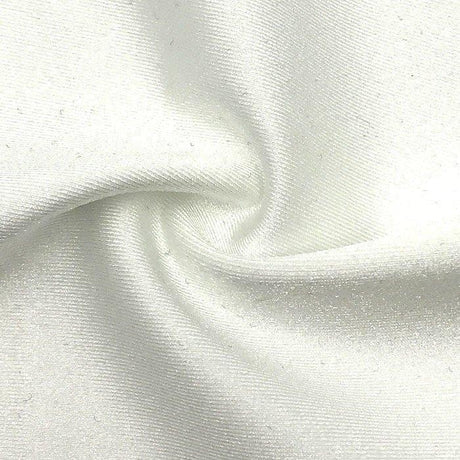
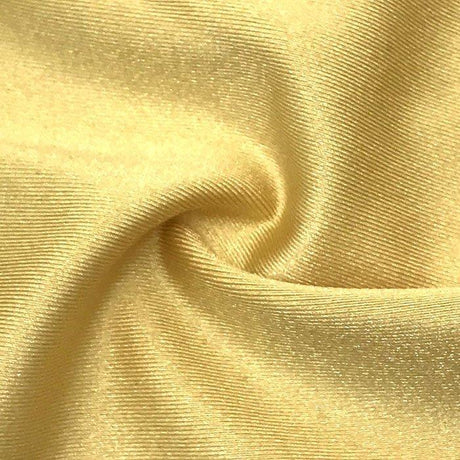
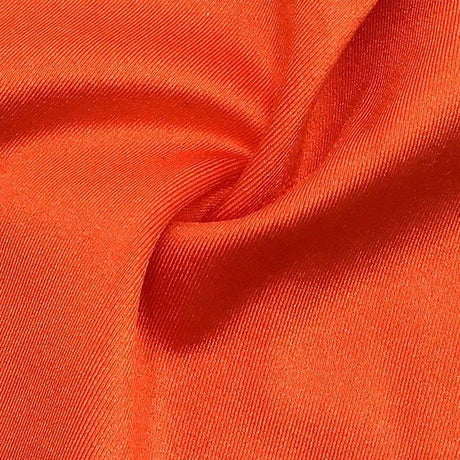
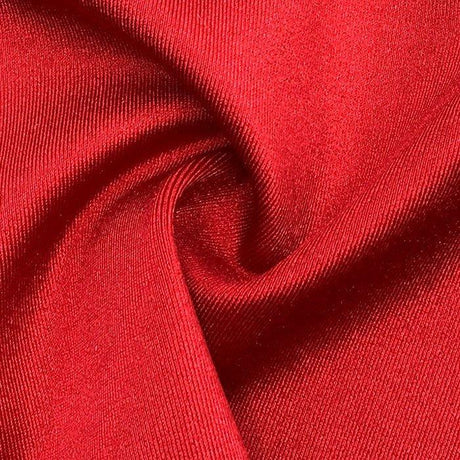
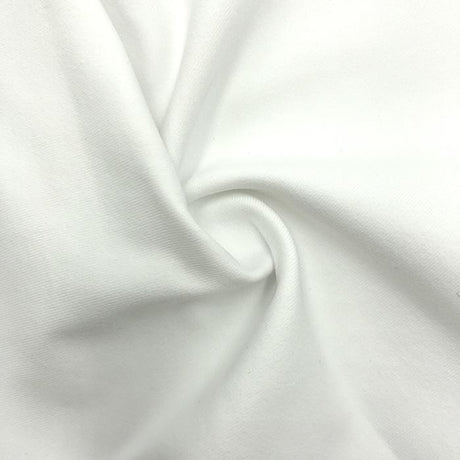
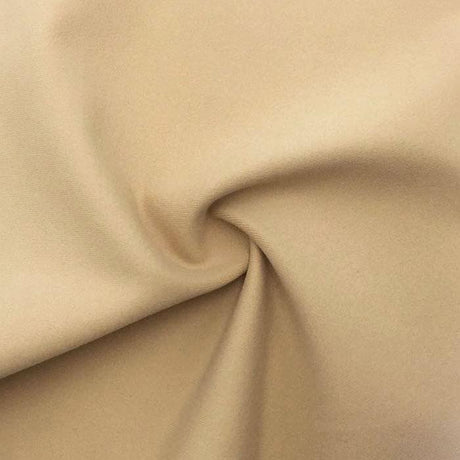
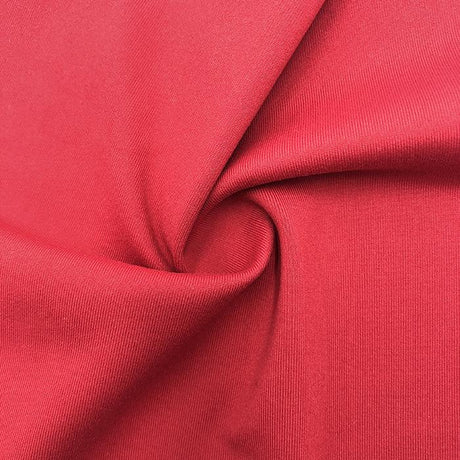
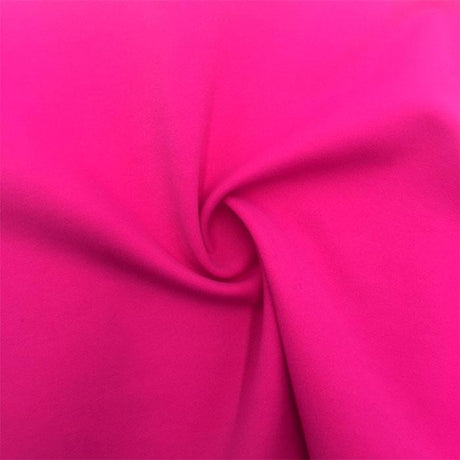
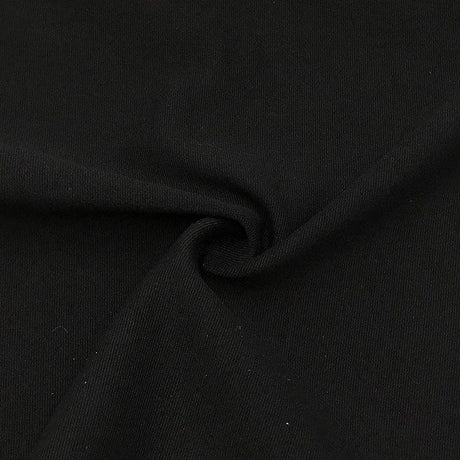
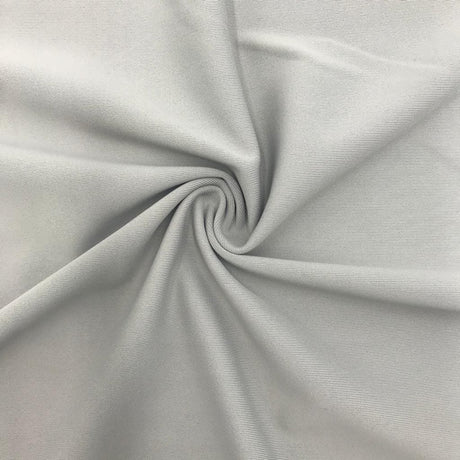
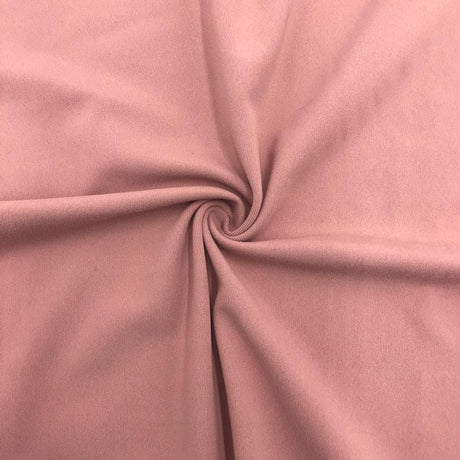
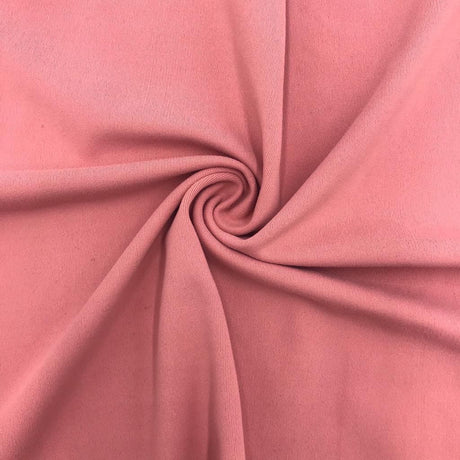
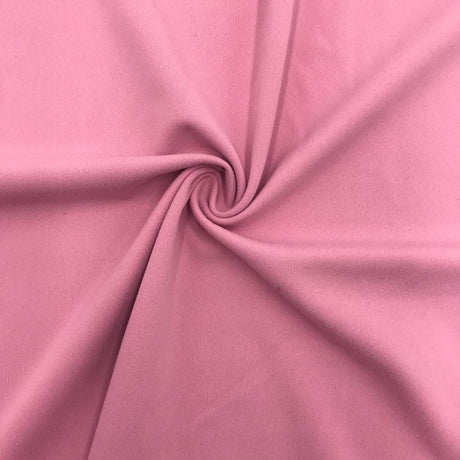
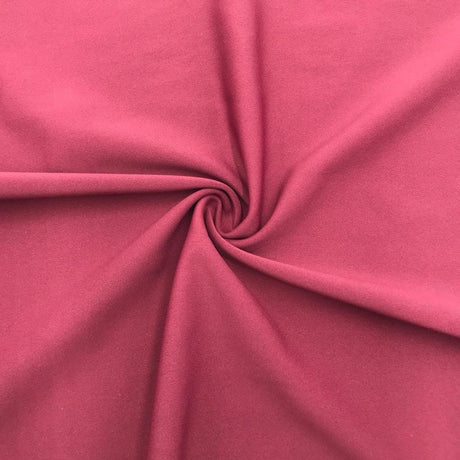
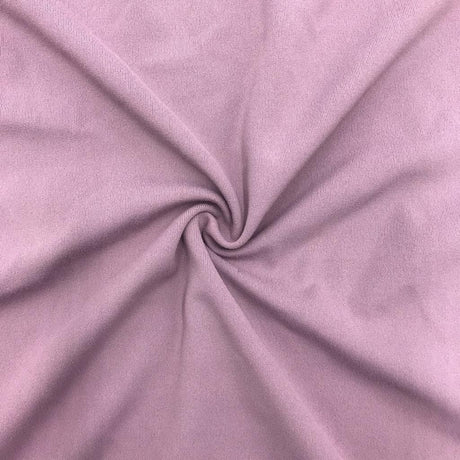
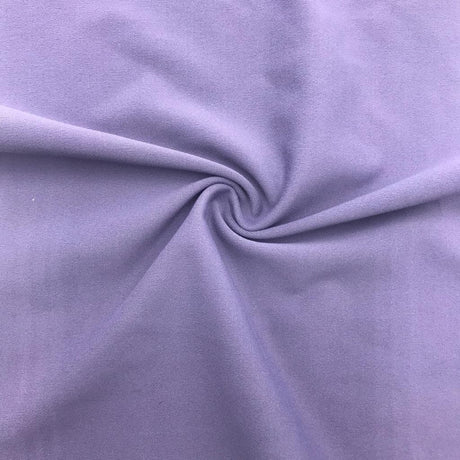
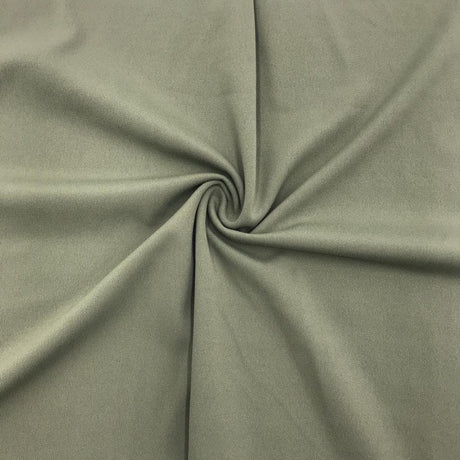
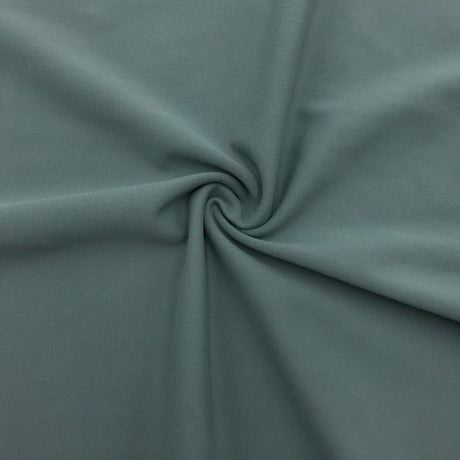
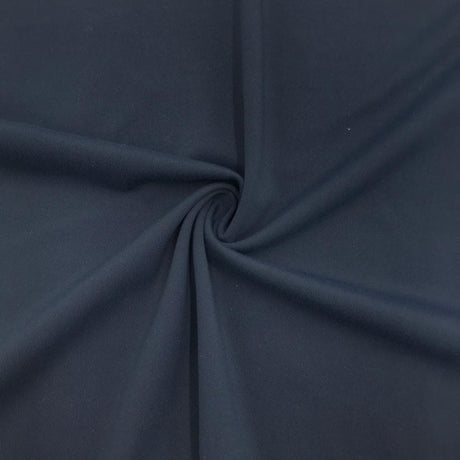
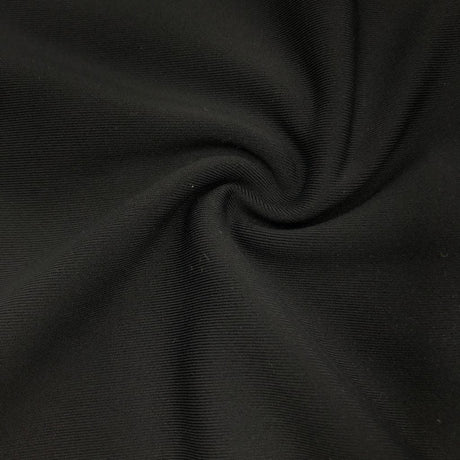
If you've ever prototyped stretch gloves or compression arm sleeves and ended up with baggy elbows, twisted seams, or a "hot and sticky" feel, the culprit is often the same: the wrong performance fabric (or the right fabric used in the wrong way). Compression accessories are deceptively demanding—because the material has to stretch a lot, recover even more, and stay comfortable through sweat, heat, friction, and repeated laundering.
In real production (and serious DIY builds), the key is to stop thinking of "spandex" as one fabric and start thinking in performance categories: nylon-spandex tricot for sleek support, poly-spandex for moisture handling, power mesh/powernet for targeted control zones, and specialty options (printed, fleece-backed, chlorine-resistant PBT, neoprene) when conditions demand them. Our stretch fabric types page and activewear fabric guide cover all of these fabric families in detail, and you can browse our full fabric guides hub for a comprehensive overview.
By the end of this article, you'll know what "fabric for compression arm sleeves" actually means in technical terms, how to compare top fabric families, what specs to watch (GSM, recovery, breathability, abrasion), and how to avoid the most common sewing and care mistakes—whether you're a professional manufacturer scaling runs or a DIY maker cutting a single pair.
What Is Fabric for Compression Arm Sleeves?
"Fabric for compression arm sleeves" typically refers to a high-stretch, high-recovery knit engineered to fit with negative ease (smaller than the body so it stretches to fit) and maintain supportive tension during movement. In practice, that usually means a spandex (elastane) blend in a stable knit construction (commonly tricot or interlock) that won't bag out after a few wears.
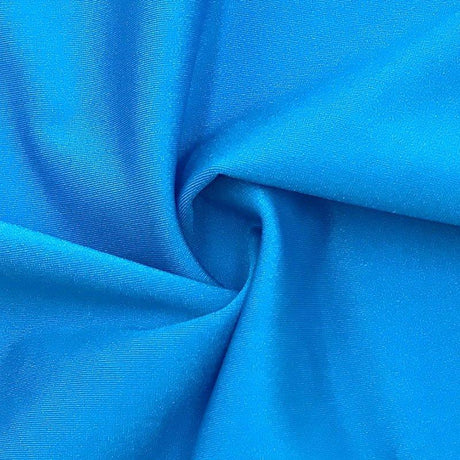
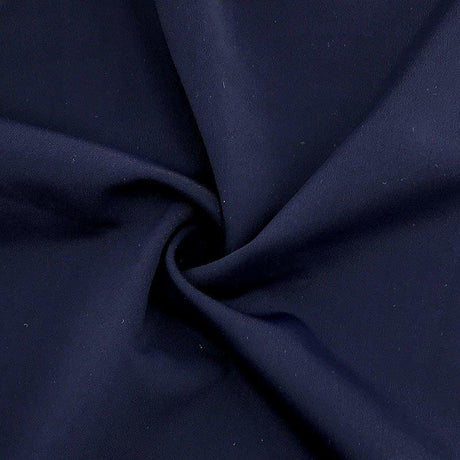
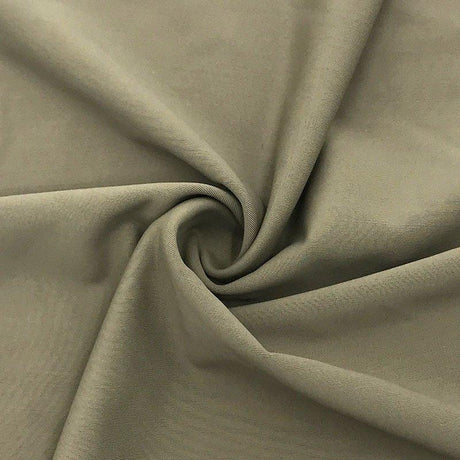
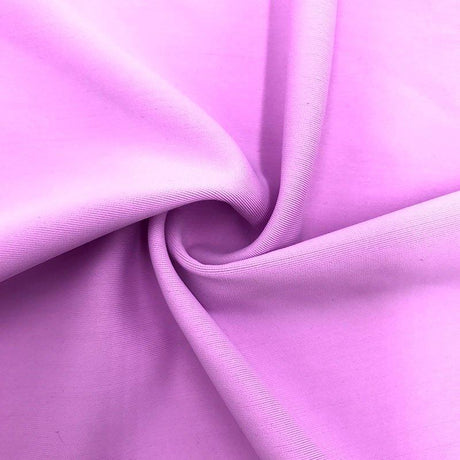
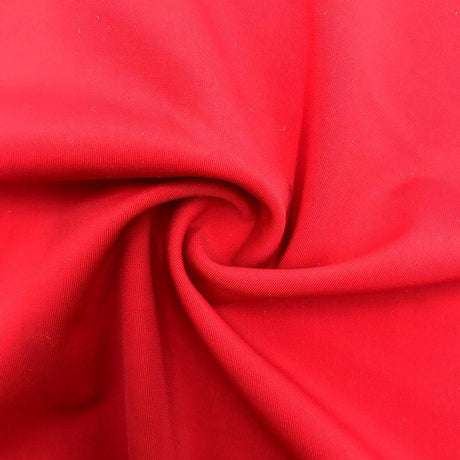
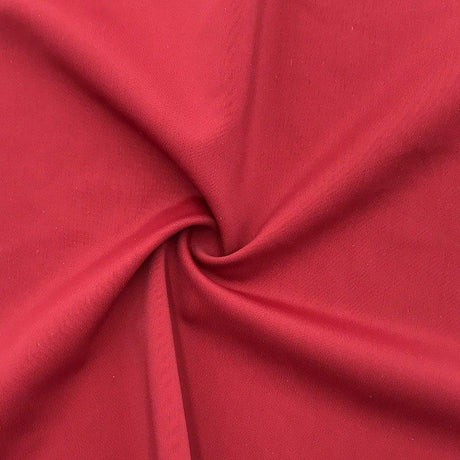
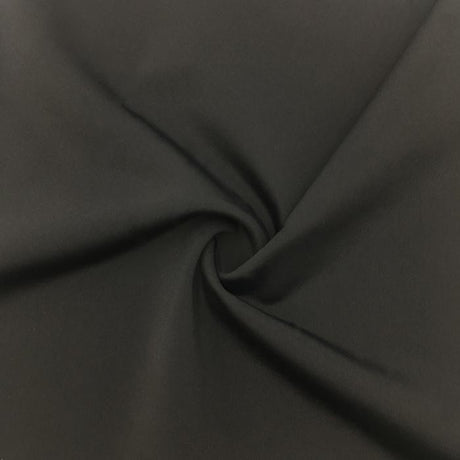
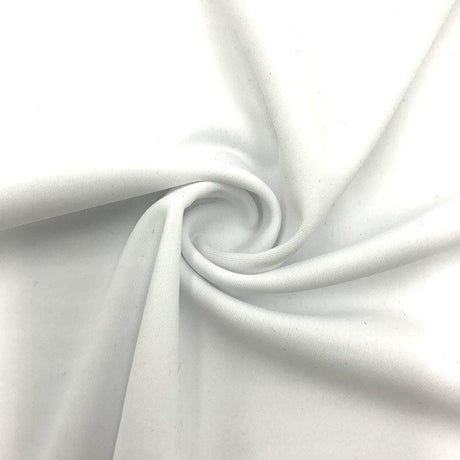
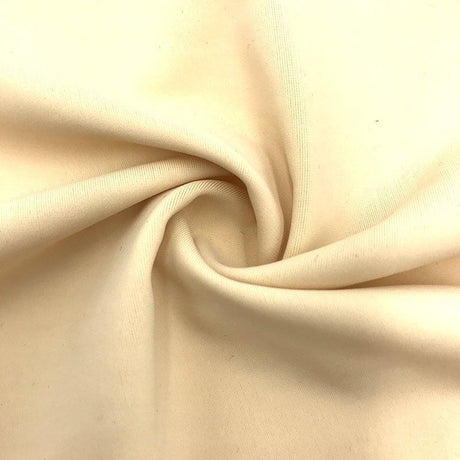
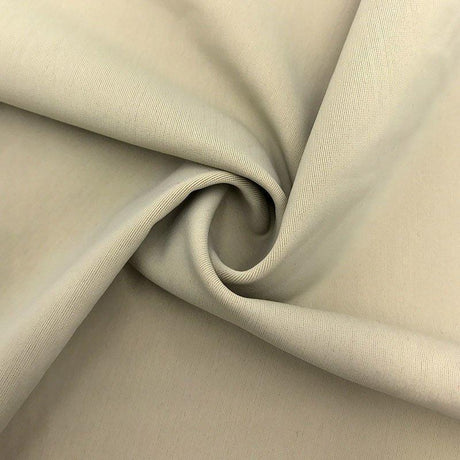
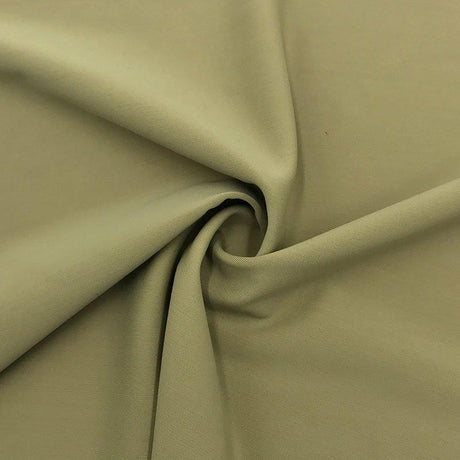
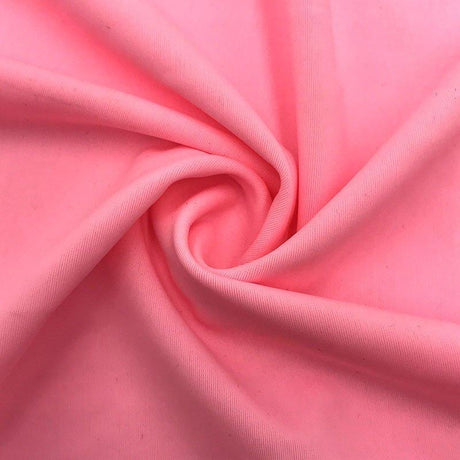
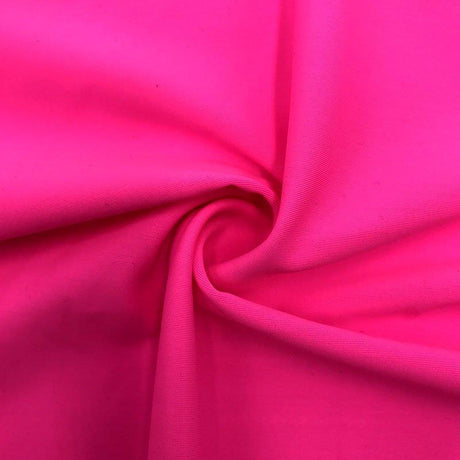
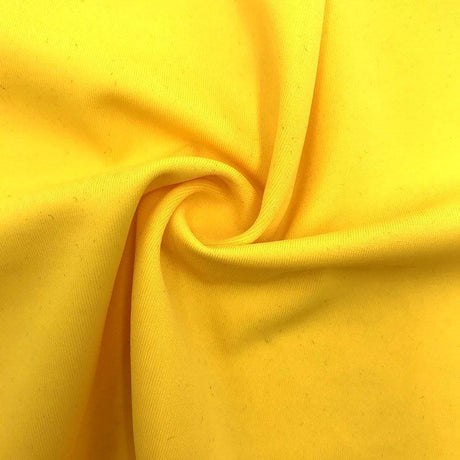
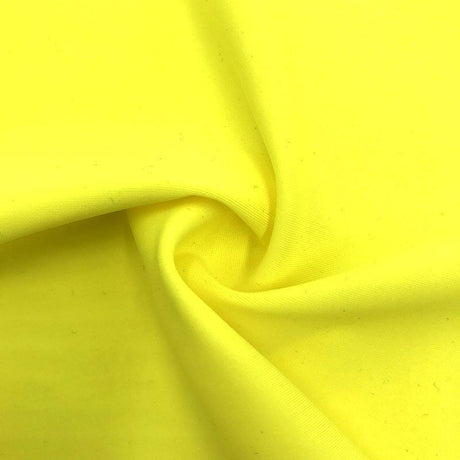
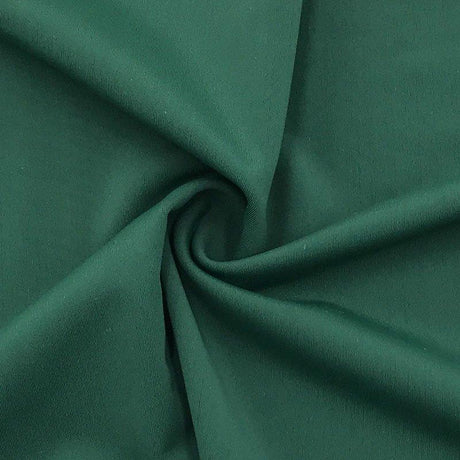
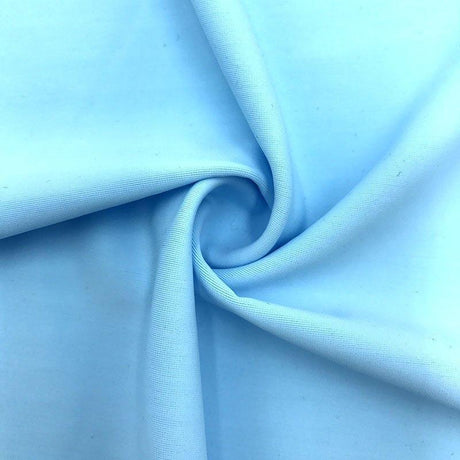
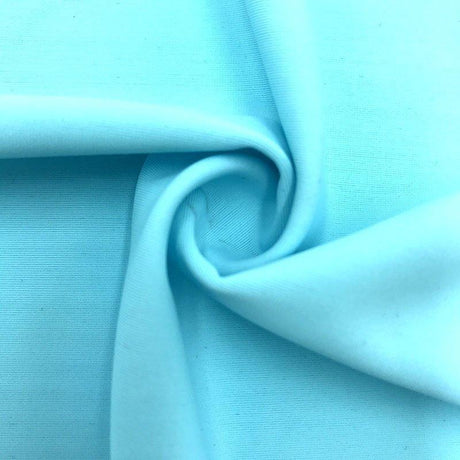
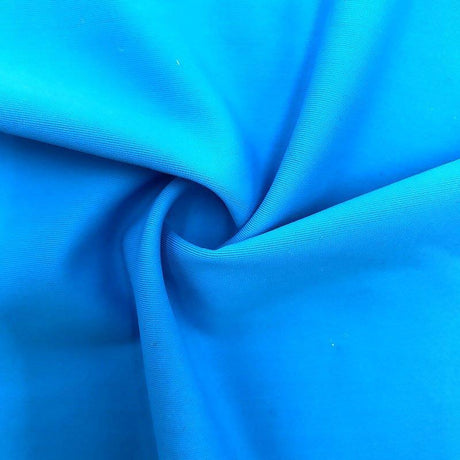
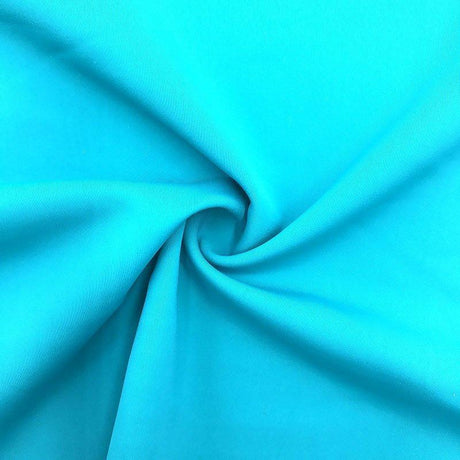
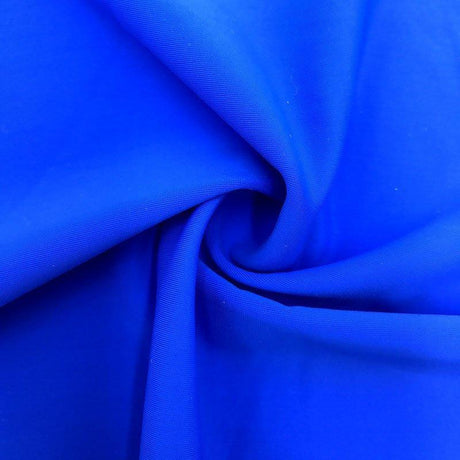
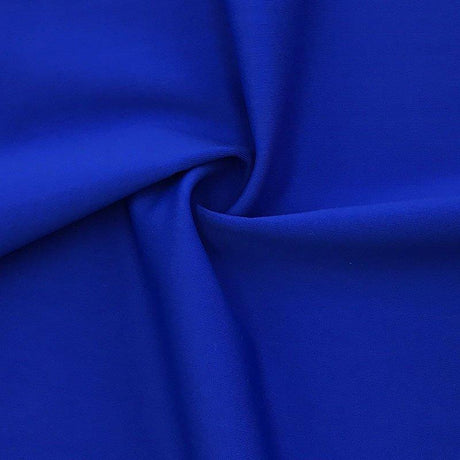
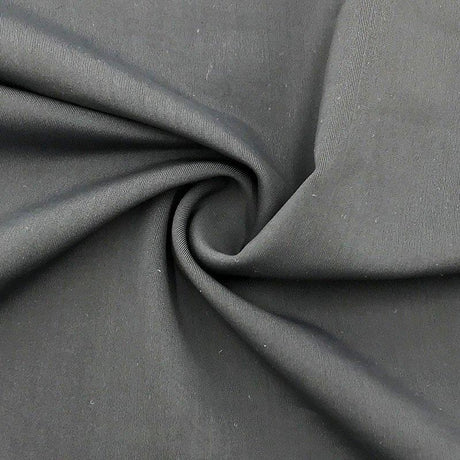
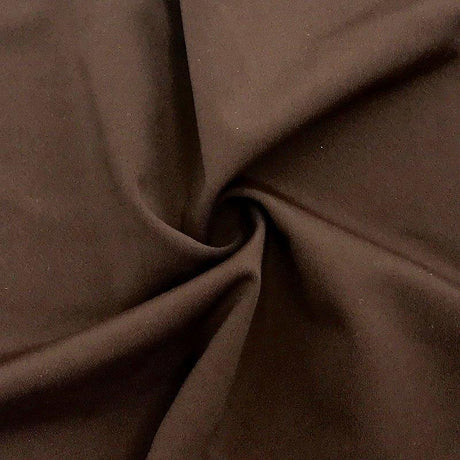
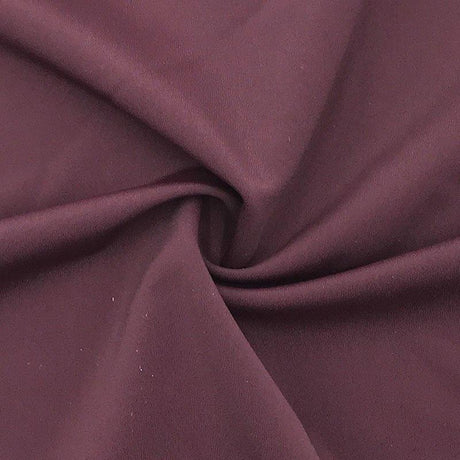
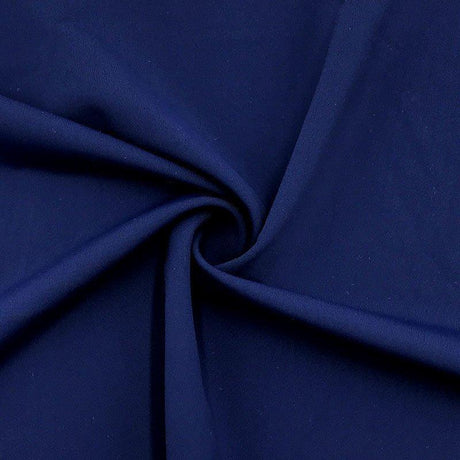
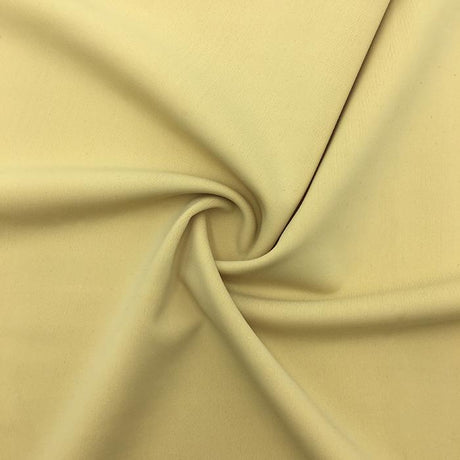
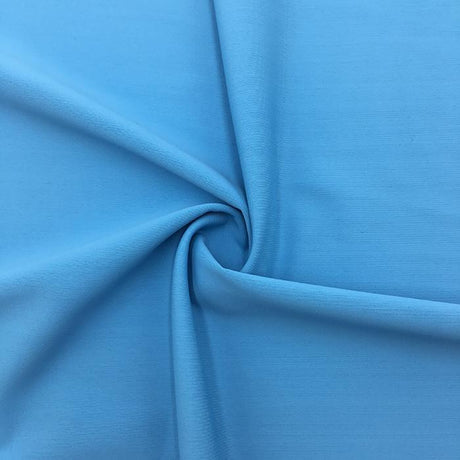
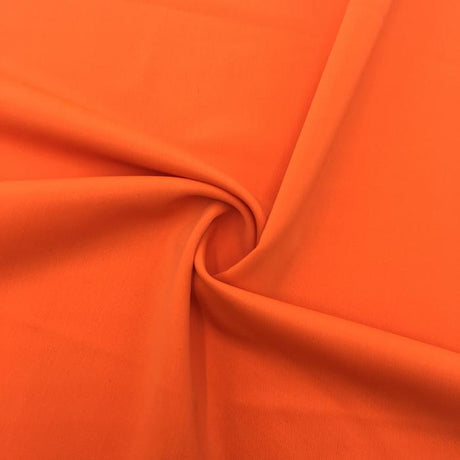
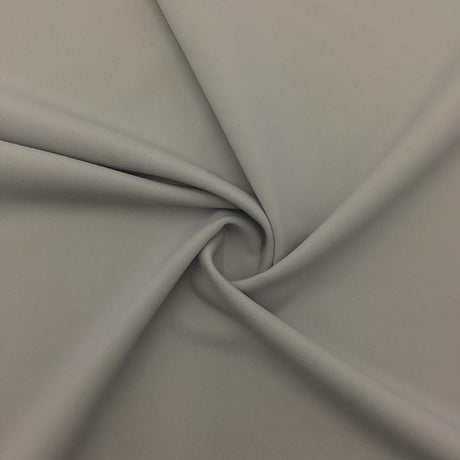
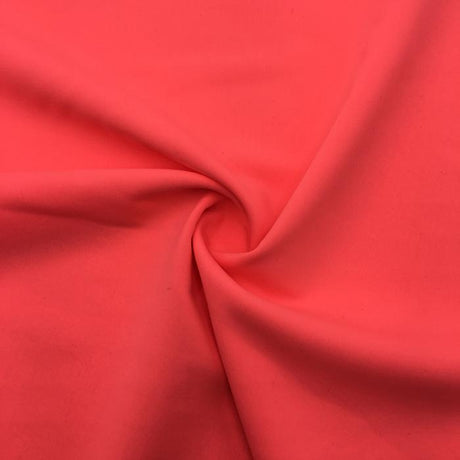
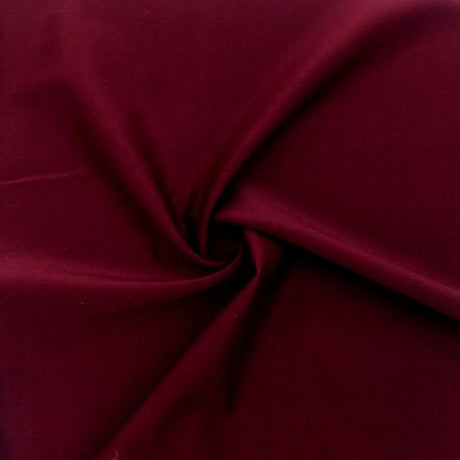
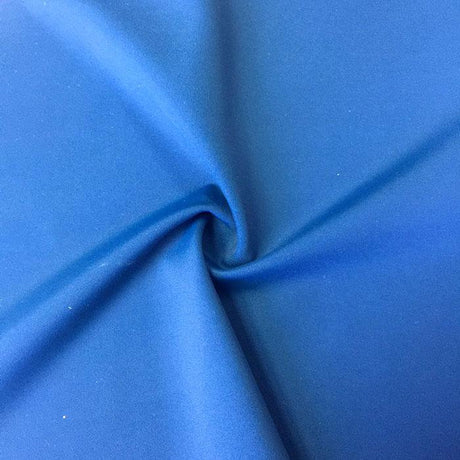
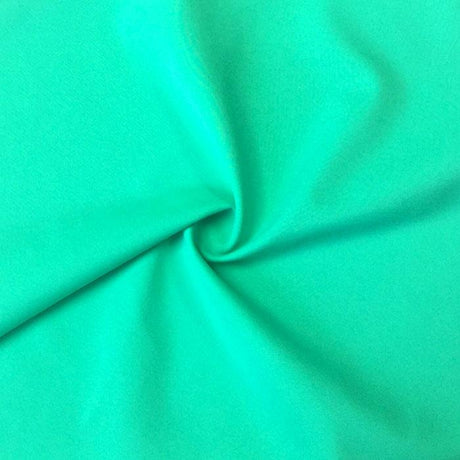
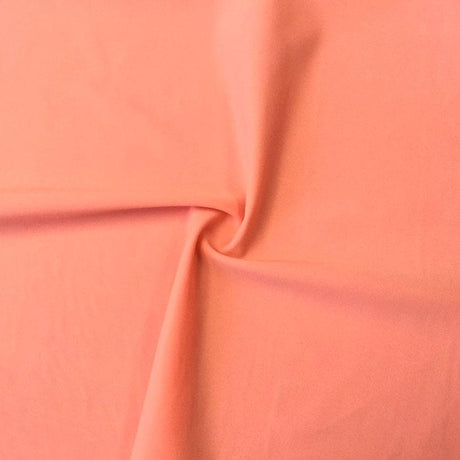
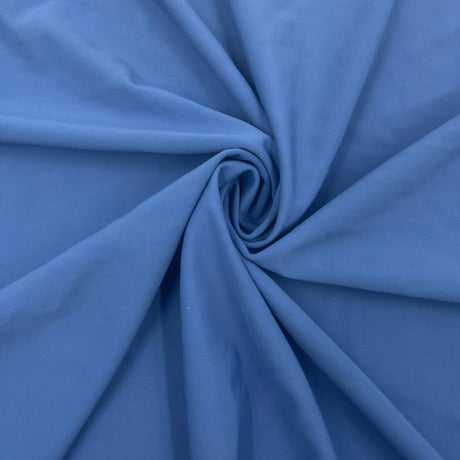
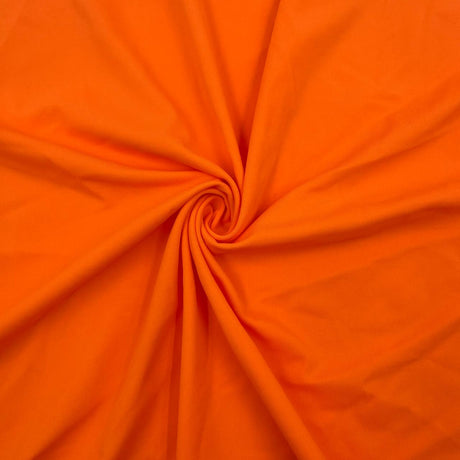
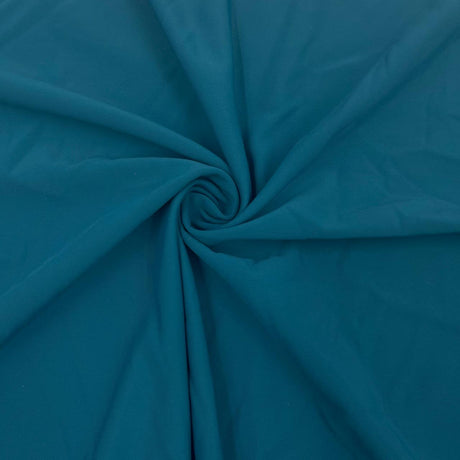
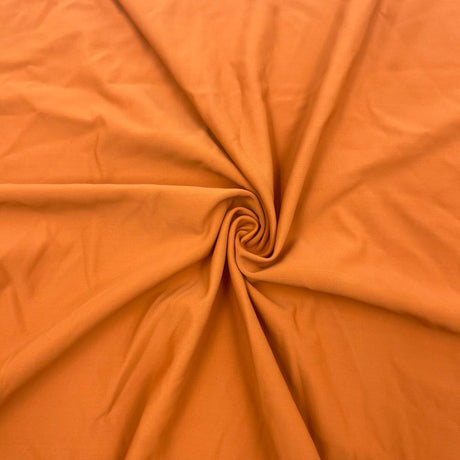
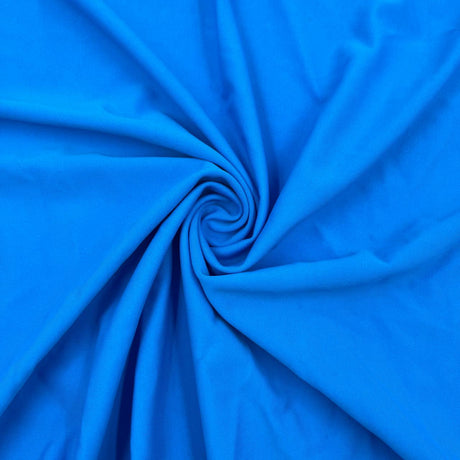
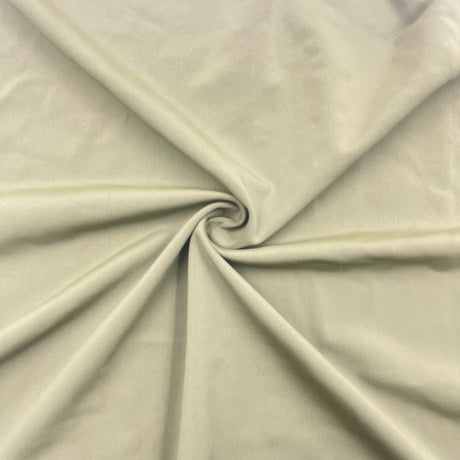
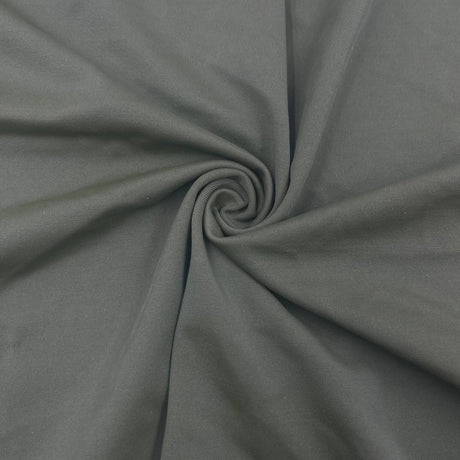
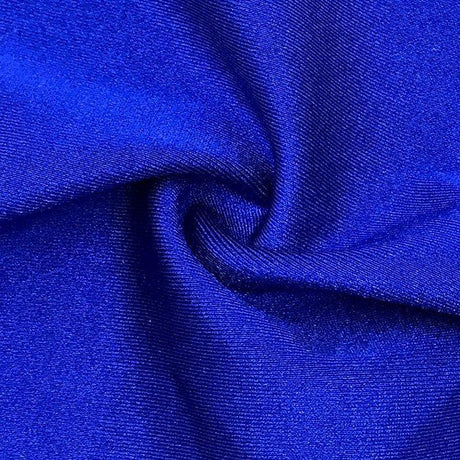
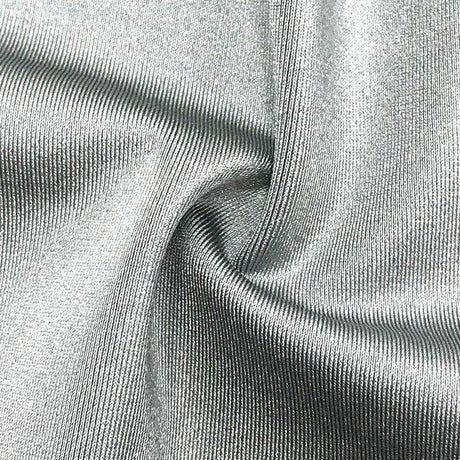
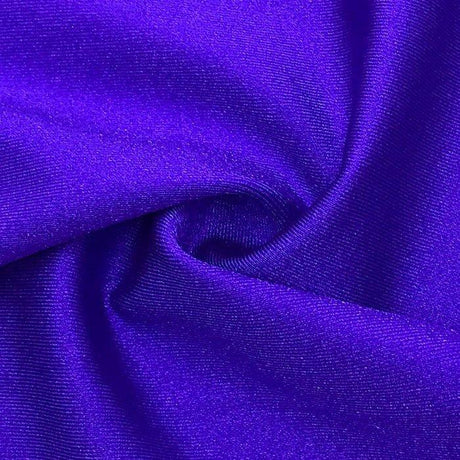
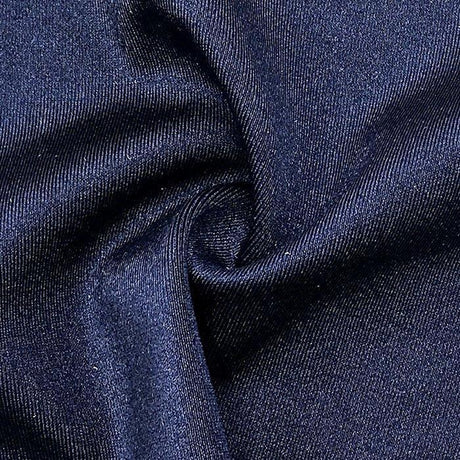
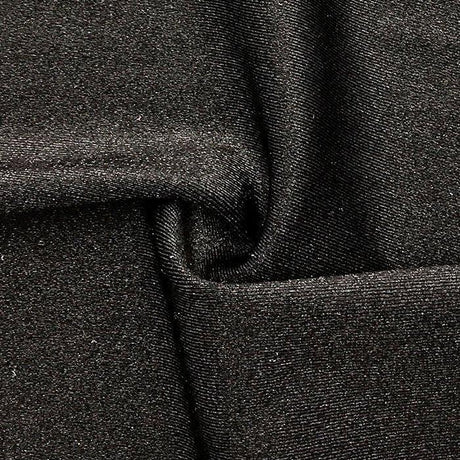
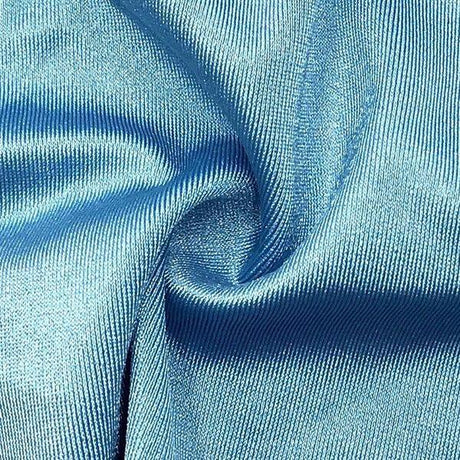
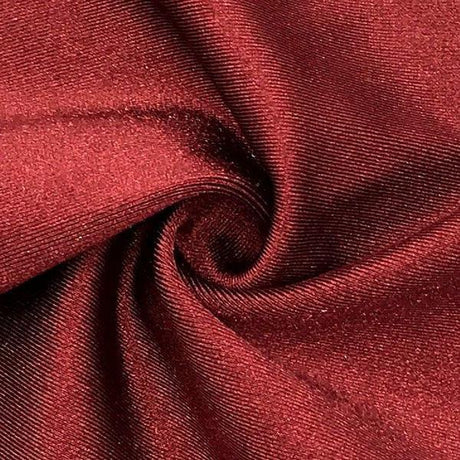
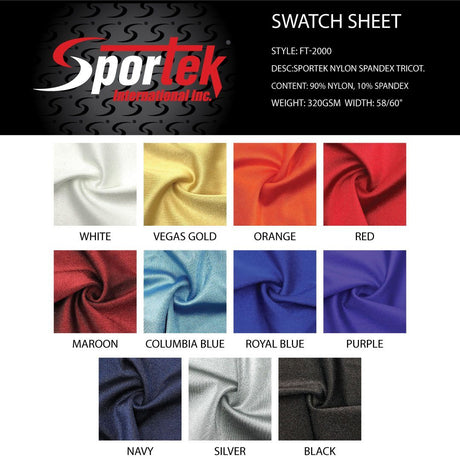
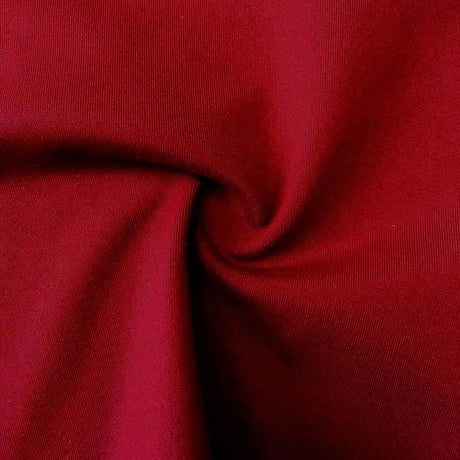
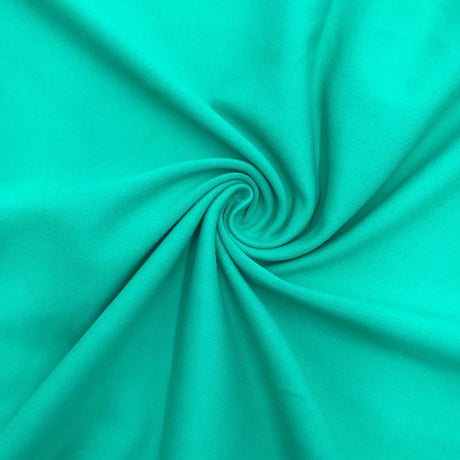
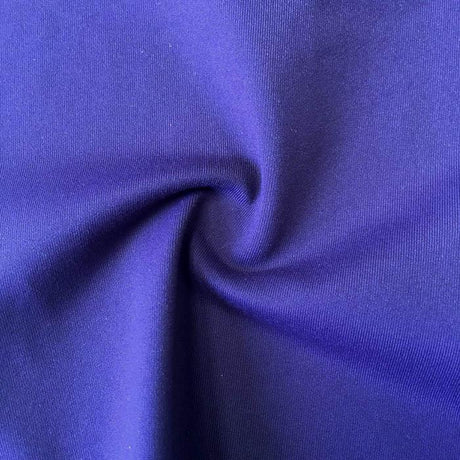
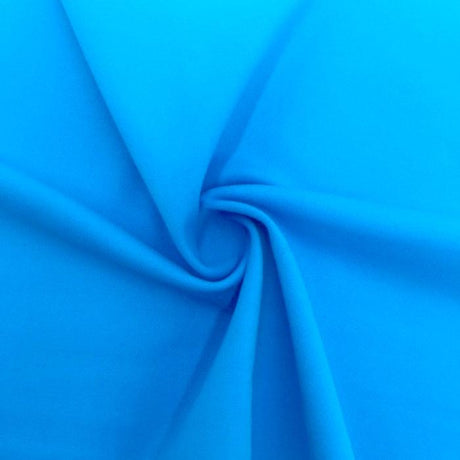
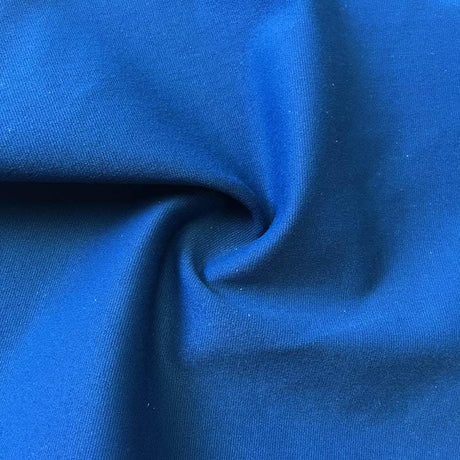
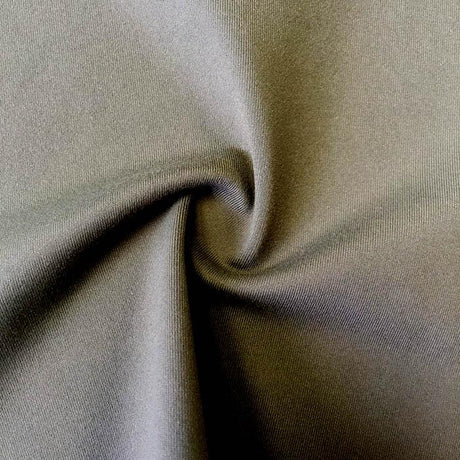
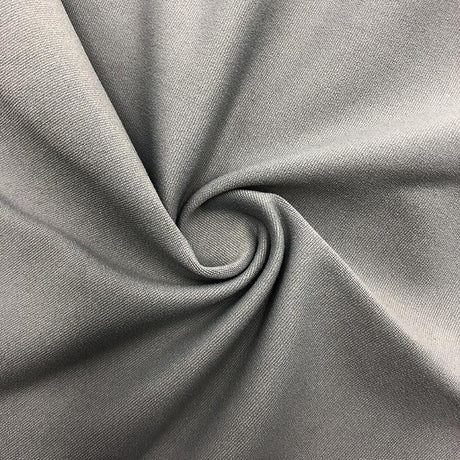
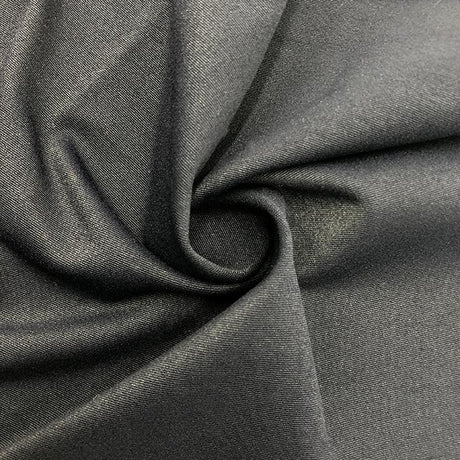
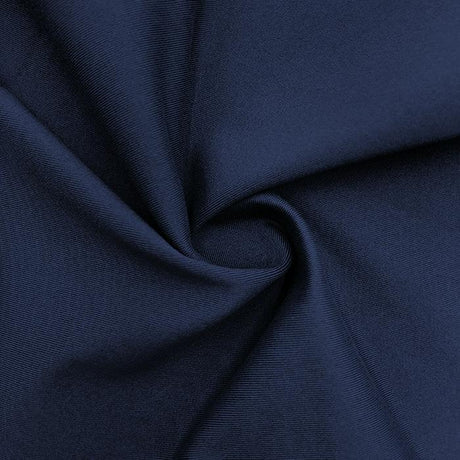
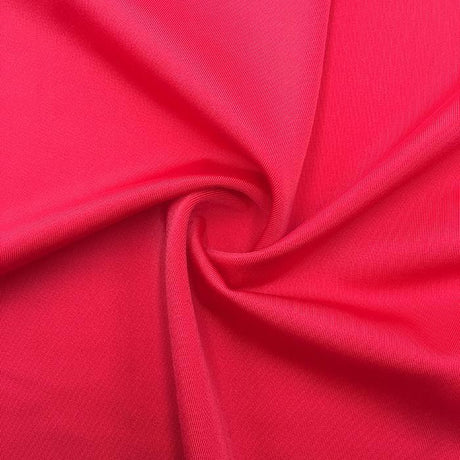
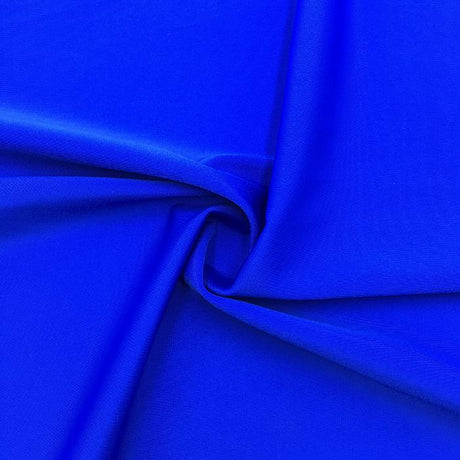
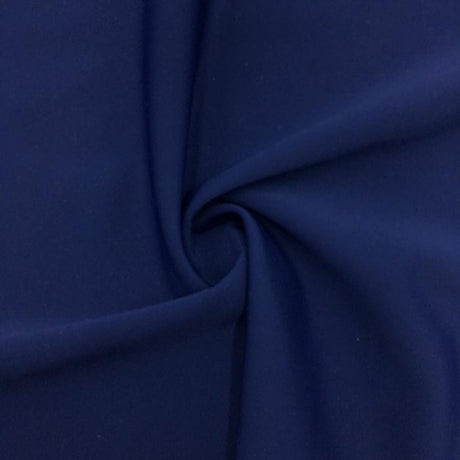
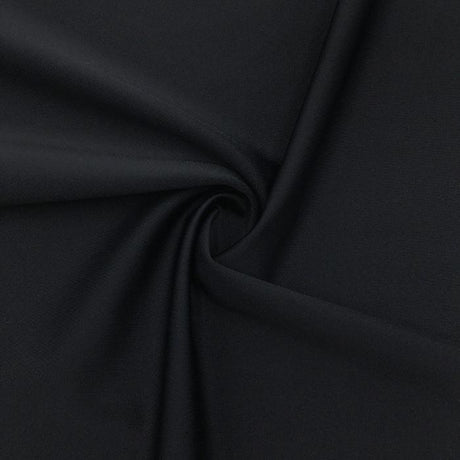
A concrete example is a nylon-spandex tricot matte positioned for performance applications: 80% nylon / 20% spandex, 200 GSM, 58–60 in width, offering compression, 4-way stretch, and moisture-wicking comfort. Our nylon-spandex fabric guide covers how nylon-spandex constructions achieve the combination of smooth hand feel, strength, and 4-way stretch that defines quality compression fabric.
It's also important to understand how compression fabrics differ from "stretchy fashion knits." Compression knits are chosen to reduce fabric growth (permanent elongation) during wear—especially important for long-use items like sleeves worn for hours, where low-quality knits can creep and loosen. Nylon-blend compression fabrics are often selected when wear resistance matters; nylon is described by Britannica as having high resistance to wear and being tough, elastic, and strong.
Key Performance Characteristics
Compression sleeves and stretch gloves succeed (or fail) on measurable performance fundamentals. Here's what to evaluate—and how pros validate it.
Stretch and Recovery: For compression accessories, you need stretch to get it on and recovery to keep support consistent. Standards like ASTM D2594 describe methods to measure knit stretch and fabric growth (how the fabric can lengthen after stress and not fully return), which is a real risk in long-wear form-fitting items. ASTM D4964 covers measuring tension/elongation of elastic fabrics.
Practical selection tip: Do a quick "two-direction stretch check" before committing. Mark 10 cm on the fabric in the direction of greatest stretch. Stretch comfortably (not to the limit) to your intended wear tension. Percent stretch ≈ (stretched − original) / original × 100. Release and watch recovery—if it stays visibly longer, you've got growth risk. Our stretch fabric types page covers the step-by-step stretch and recovery testing methodology in detail.
When you want "more compression," don't rely only on spandex percentage. Construction + GSM matter. Our fabric weight guide covers how GSM interacts with spandex percentage to determine overall compression, opacity, and feel across all common compression fabric constructions.
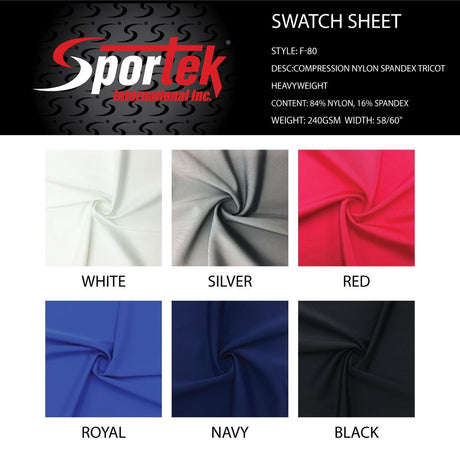
GSM (Fabric Weight) and Thickness: GSM is your proxy for opacity, durability, and "power." Compression tricot examples: 200 GSM (80/20 nylon-spandex) and 240 GSM (75/25 nylon-spandex) indicate midweight-to-heavier performance knits suitable for supportive sleeves and sleek gloves. Power mesh example: 85 GSM is dramatically lighter—better for ventilation zones than full compression. Powernet example: 170 GSM is a common "control mesh" range used for higher compression panels.
Moisture Management and Breathability: "Breathable" can mean two different things. Breathability as airflow is often evaluated using standards like ASTM D737. Breathability as sweat handling is where AATCC TM195 comes in, evaluating moisture transport on both fabric surfaces and reporting metrics such as wetting time, spreading speed, and overall moisture management capacity (OMMC). Our fabric finishes guide covers moisture-wicking surface treatments and how to evaluate their durability across performance compression fabric constructions.
Durability and Abrasion Resistance: Gloves especially deal with high friction (palms, fingertips, grip points). Compression sleeves face continuous rubbing at seams and edges. In testing, abrasion resistance is commonly measured using standards like ASTM D4966 (Martindale). If your glove palms are wearing through, the fix is rarely "add more spandex" – it's usually a shift in fiber (nylon), construction (denser knit), or reinforced panels, plus seam strategy.
Softness and Handfeel: Handfeel isn't just comfort—it affects chafing risk, especially at the thumb web (gloves) and underarm/upper bicep edges (sleeves). Examples of "handfeel engineering" include moisture management fabrics described as having a smooth texture, and specific performance spandex styles described as double sanded / super soft finishes.
Special Performance Traits: UV protection (UV50+) is mentioned in multiple performance fabric listings. Chlorine resistance becomes critical for swim/tri sleeves and water-use accessories; pool chlorine degrades spandex elasticity over time. Our spandex care guide covers the science of chlorine degradation in elastane fibers and why chlorine-resistant spandex grades last dramatically longer in pool use.
Comparison with Similar Fabrics
Nylon–Spandex Compression Tricot: Often 80/20 or 75/25 nylon/spandex, 4-way stretch with strong snap-back. Best for the main body of sleeves, sleek gloves, and all-over support. Durable, smooth, supportive; nylon is wear-resistant and tough. Can feel warmer than open meshes; needs careful seam finishing. Our nylon-spandex fabric guide covers how nylon-spandex blends compare in hand feel, moisture management, and durability at equivalent spandex percentages.
Moisture-Management Poly–Spandex Jersey/Interlock: Often high-poly/low-spandex blends (example: 95/5 poly/spandex), 4-way stretch with "comfort stretch" that can vary by spandex %. Best for hot-weather sleeves, printed/sublimation-ready performance, and lightweight glove backs. Strong sweat-handling focus; can pair well with ventilation and prints. Polyester can trap more heat than cotton; choose airflow zones strategically.
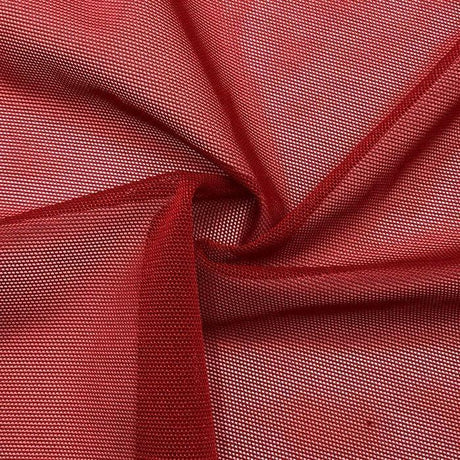
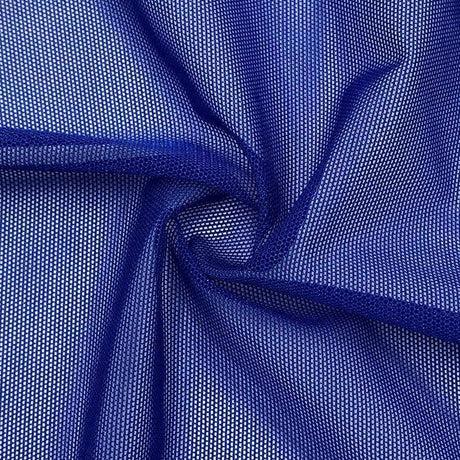
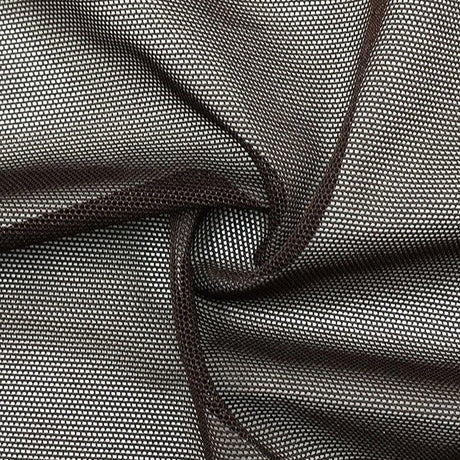
Nylon–Spandex PowerNet Mesh: Tight control mesh (example: 84/16 nylon/spandex), 4-way stretch with targeted compression and structure. Best for control panels, shaping zones, and stabilizing areas (not usually full glove body). Excellent paneling fabric for compression and structure. Can be "firm" against skin; seam placement matters to avoid chafe.
Best Uses and Applications
Mainstream Apparel Categories: Compression arm sleeves show up in performance sports, outdoor UV layering, uniform accessories, cosplay/costume, and even medical-adjacent categories (when properly tested and labeled). Stretch gloves are used for dancewear, performance costumes, activewear styling, outdoor layering, cycling/fitness, and "second-skin" fashion applications—where seam comfort and dexterity matter as much as stretch. Our dancewear fabric guide covers fabric selection across all common dancewear and performance costume applications.
Activewear: For leggings-style support in a sleeve form factor, nylon-spandex tricot is a staple. Moisture-management spandex is especially relevant when the wearer is sweating heavily or layering under outerwear. Our activewear fabric guide covers moisture-wicking and breathability ratings across all common performance fabric constructions.
Swimwear and Water-Adjacent Sleeves/Gloves: If sleeves/gloves are meant for water sports, surf, pool training, or triathlon, treat them like swimwear. Our swimwear fabric guide covers how to evaluate and source all common swimwear fabric constructions, including how chlorine resistance compares across nylon-spandex and polyester-spandex options. Chlorine is a known weak point for conventional spandex. If chlorine resistance is a top priority, PBT technology fabrics are directly described as UV and chlorine resistant with shape retention for swimwear and sportswear.
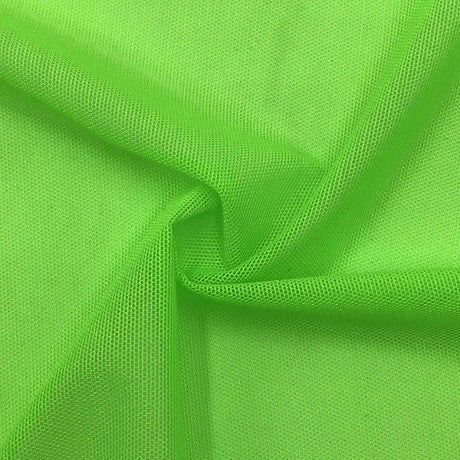
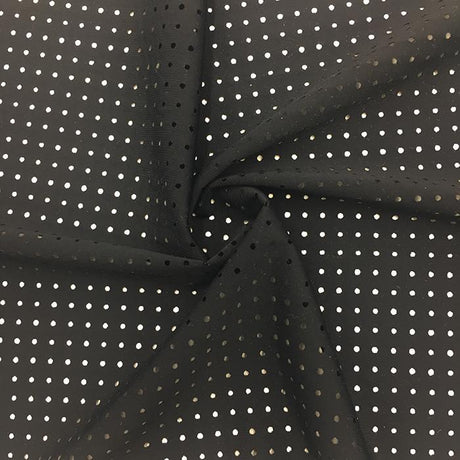
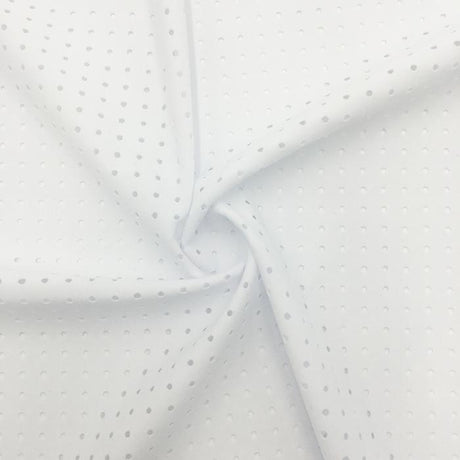
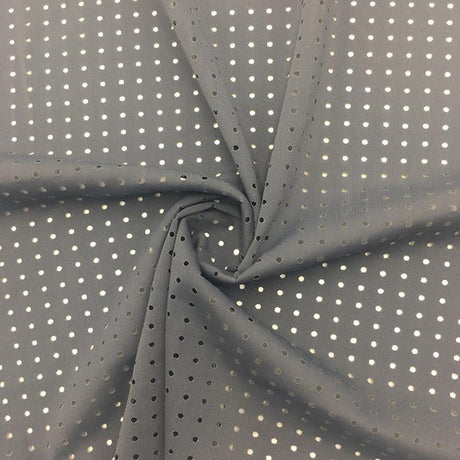
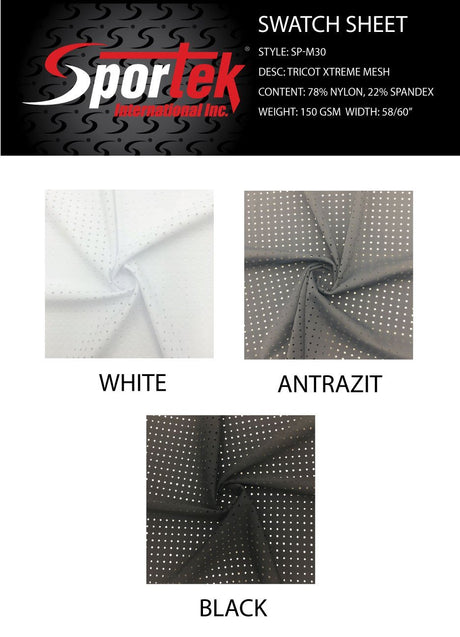
Mesh and Lining for Cooling: For sleeves and gloves, mesh is a performance tool, not just an aesthetic one. Stretch mesh fabrics are breathable and lightweight, with use cases from workout garments to swimwear. For highly functional options, perforated nylon-spandex mesh includes "perforated design" language tied to breathability and moisture management improvement (example: 76/24 nylon-spandex, 145 GSM). If your design requires airflow without sacrificing stretch, use mesh on low-shear zones: inner elbow, upper forearm, glove backs, or thumb gussets—while keeping friction zones in denser knits.
Printed, Fashion-Forward Compression Sleeves: Print is often the fastest way to differentiate your sleeve/glove line (especially in teamwear, branded merch, cosplay, and athleisure capsules). Our sublimation page covers how sublimation printing bonds dye into polyester-spandex fibers to achieve permanent, saturated color that moves with the fabric, and our sublimation paper and sublimation transfer paper pages cover the complete printing workflow.
How to Choose the Right Fabric
Start with the Project Purpose: If your goal is true compression support, begin with a compression tricot in a supportive weight range. Examples include 200 GSM nylon-spandex tricot and heavier 240 GSM compression tricot options. If your goal is cooling + comfort (and "compression" is secondary), start with moisture-management poly-spandex and then zone in support where needed. If your goal is panel control, consider powernet as an internal layer or targeted zone rather than a full-body fabric. Our how to choose fabric guide covers what to evaluate when a physical swatch arrives, including stretch testing, opacity testing, and hand feel assessment.
Define Stretch Requirements by Body Zone: Sleeves need stable stretch around bicep and forearm and comfort at elbow flex. Gloves need "high mobility stretch" at knuckles and fingers and abrasion tolerance at palm/fingertips. A practical rule: build your main body from a stable compression knit, then use lighter stretch mesh where you want cooling and articulation.
Consider Weather and Exposure: Hot weather / high sweat: prioritize fabrics with moisture management. Cold weather / layering: consider fleece-backed stretch fabrics when warmth matters. Pool / chlorine: consider PBT technology fabrics (UV + chlorine resistance) or chlorine-resistant elastane solutions.
Budget and Order Planning: Plan yardage early if you're scaling a run. Have questions about ordering? Our FAQ covers ordering and specification policies in detail.
Print vs Solid Decision: Choose prints when branding and visual impact matter, but confirm the print remains acceptable under stretch (avoid unwanted "whitening" on high-extension zones) and you can align motifs across seams.
Common Mistakes to Avoid
Using the Wrong Needle for High-Stretch Knits: A stretch needle uses a medium ball point and is intended for highly elastic knits that include Lycra/spandex/elastic—helpful for reducing skipped stitches in stretch seams. Our how to sew stretch fabric guide covers complete needle selection, stitch type, machine settings, and edge finishing guidance for all common compression fabric construction scenarios.
Ignoring Fabric Growth and Recovery: If you don't evaluate recovery, sleeves can loosen and gloves can bag at knuckles. ASTM knit stretch methods explicitly address stretch and fabric growth concepts for knits.
Choosing Stitches That Pop Under Extension: Straight stitches often fail in high-extension seams unless specifically engineered; use stretch stitches, narrow zigzag, or serger/coverstitch strategies suitable for performance knits.
Cutting Without Respecting Stretch Direction and Print Alignment: Compression is directional. If you rotate pattern pieces incorrectly, you can lose support and create twisting.
High Heat Drying / Harsh Chemicals Destroying Elasticity: High heat and harsh chemicals (like bleach) can degrade spandex elasticity over time. Our spandex care guide and fabric care guide cover the complete care protocols that preserve elastane recovery through repeated use.
Ready-to-Use Checklists
Pre-Cut & Testing Checklist (Prototype or Production):
- Verify content + GSM + width from the listing/spec (example benchmarks: 200 GSM nylon-spandex tricot; 170 GSM powernet; 85 GSM power mesh)
- Do a 2-direction stretch test and confirm recovery (avoid "growthy" knits)
- If building for heat/sweat, plan airflow zones and consider AATCC TM195-informed moisture handling
- If building for pool use, shortlist chlorine/UV-resistant options (PBT technology or chlorine-resistant elastane solutions)
Sewing Checklist for Stretch Gloves and Arm Sleeves:
- Use a stretch-appropriate needle (stretch/ballpoint) for elastic knits
- Stabilize high-stress seams (thumb curve, wrist/forearm openings, top-of-sleeve hem) with suitable elastic/stabilizer methods
- Choose stretch-compatible seam construction (serge + coverstitch, or stretch stitch + zigzag reinforcement)
- Avoid over-stretching while sewing (use differential feed/walking-foot approach as needed)
- Test seam integrity by stretching to wear-level extension before finalizing thread tension and stitch width
Print & Grain Alignment Checklist:
- Mark the direction of greatest stretch before cutting
- Cut mirrored pairs for sleeves/gloves from consistent grain orientation
- Align prints at the most visible seam lines (outer forearm, glove backs)
- For paneling, match mesh stretch direction to the base fabric to prevent torque
Care and Longevity Tips
Washing: Gentle handling and cold water reduce elastic weakening over time. Avoid bleach and harsh chemicals that can break down elastane fibers.
Drying: High heat is spandex's "worst enemy" because it can weaken elastic and cause loss of snap-back; air-drying (and avoiding high-heat dryers) is the safer default.
Storage: Store away from prolonged heat/sun exposure to reduce UV/thermal degradation of elastic fibers.
Swim/Pool Use: Rinse after chlorine exposure; chlorine is a known spandex stressor. Our spandex care guide and fabric care guide cover complete post-swim rinsing and drying protocols that preserve both color vibrancy and elastane integrity.
When to Consider an Alternative Fabric
Choose Cotton-Spandex When: You want a more natural-hand feel and casual comfort, and true compression is not the primary goal. Our cotton-spandex fabric guide covers how cotton-spandex blends compare to synthetic alternatives in stretch behavior and recovery for different end uses.
Choose Neoprene When: You need structure, padding, insulation, or brace-like function more than breathability.
Choose Mesh When: Cooling, airflow, and weight reduction are top priorities. Stretch mesh is explicitly positioned as breathable and lightweight for performance applications.
Choose PBT Technology Fabrics When: Chlorine and UV resistance are a core requirement (pool training sleeves, swim-adjacent accessories). PBT technology fabric is explicitly described as chlorine & UV resistant with shape retention.
Conclusion and Expert FAQ
Conclusion: The best fabric for compression arm sleeves (and the most comfortable stretch glove builds) comes from matching performance requirements to fabric family, not guessing based on "spandex percentage." Start with a stable, supportive base fabric (often nylon-spandex compression tricot in midweight/heavier GSM), then add smart zoning: moisture-management poly-spandex where sweat control matters, and mesh/powernet where cooling or control panels outperform a single-fabric approach. Treat sewing and care as part of the performance spec: the right needle, the right stitch strategy, and heat/chemical-aware laundering are what keep compression support consistent over time.
FAQ
Is nylon-spandex tricot good fabric for compression arm sleeves? Yes—nylon-spandex tricot is commonly used for supportive, smooth, athletic fits. Options (e.g., 80/20 at 200 GSM) offer compression and 4-way stretch, which aligns well with sleeve needs. Our nylon-spandex fabric guide covers full performance profiles of nylon-spandex tricot constructions.
What fabric works best for breathable stretch gloves? Use a supportive base (nylon-spandex or poly-spandex) and add ventilation zones with stretch mesh. Stretch mesh is positioned as breathable and lightweight, and perforated nylon-spandex mesh is specifically described as improving breathability through perforations.
How durable is powernet for compression panels? Powernet is typically chosen for structure and compression. A powernet example is described as high compression and durable (84/16 nylon/spandex at 170 GSM), making it suitable for targeted control areas rather than full-garment comfort zones.
How should I care for spandex-based sleeves and gloves to keep compression? Avoid high heat and harsh chemicals. Our spandex care guide emphasizes cold water, gentle handling, and avoiding bleach; it warns heat and chlorine/UV exposure can degrade elastane over time.
When should I choose PBT instead of standard spandex blends? Choose PBT when chlorine/UV exposure is frequent (pool training, swimwear-adjacent accessories). PBT Technology Fabric is explicitly described as chlorine & UV resistant with shape retention. Our swimwear fabric guide covers how PBT compares to nylon-spandex and polyester-spandex for different aquatic applications.
Ready to find the right fabric for your compression accessories project? Use our fabric weight guide and stretch fabric types page to evaluate technical specifications, our nylon-spandex fabric guide for full performance profiles, and our activewear fabric guide for end-use specific guidance. Our how to sew stretch fabric guide covers all construction techniques. Have questions? Our expert help and advice page and FAQ are always available. Sign up for SpandexByYard Rewards to earn points on every purchase!