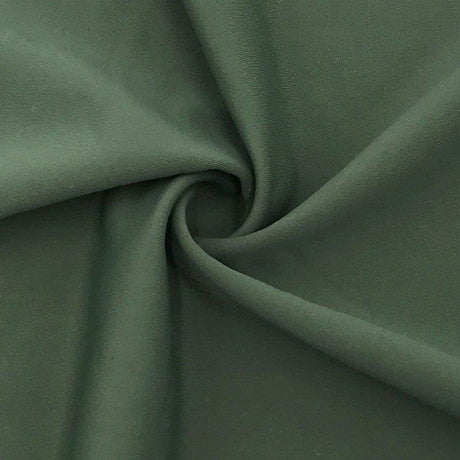
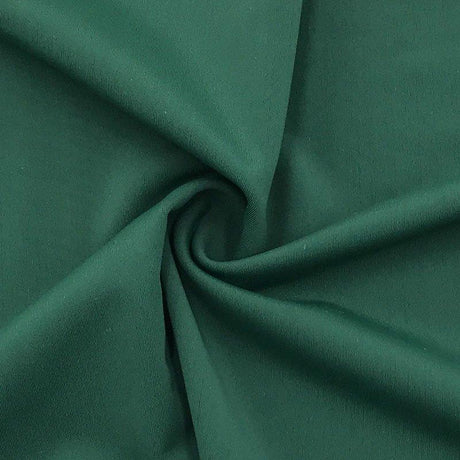
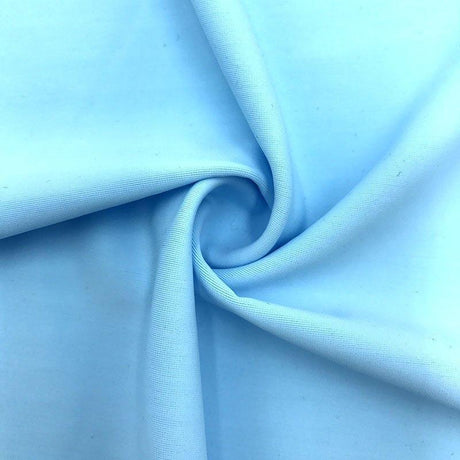
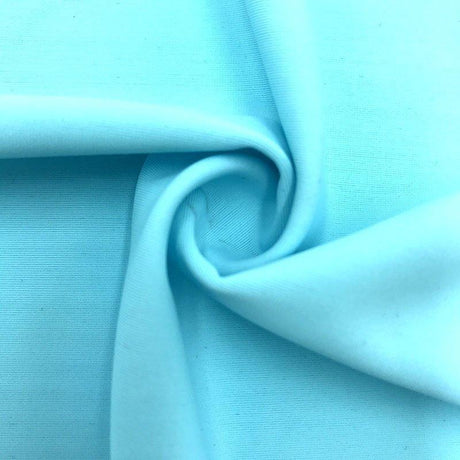
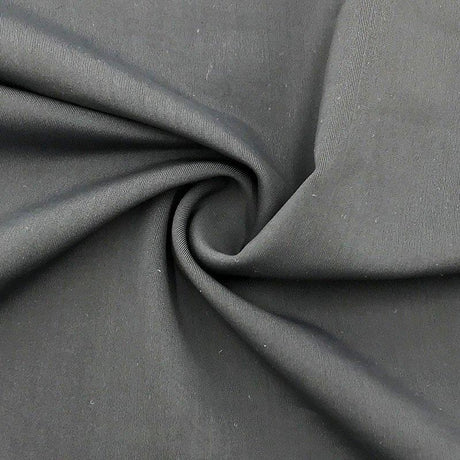
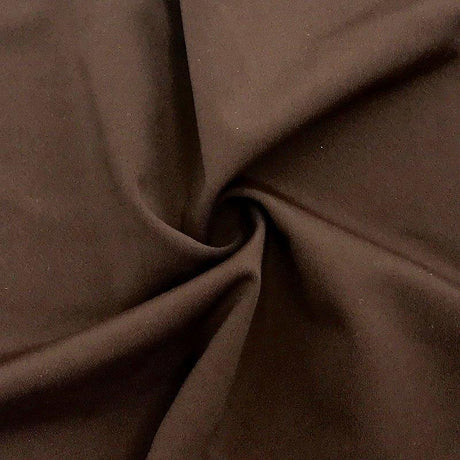
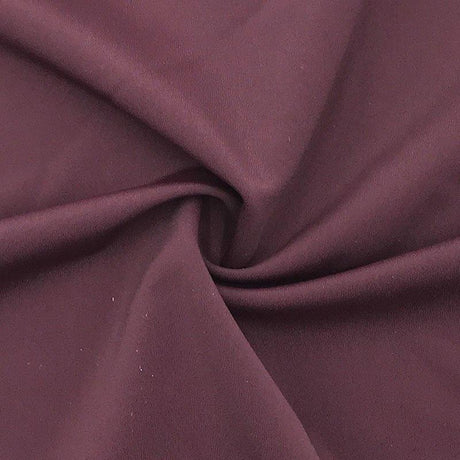
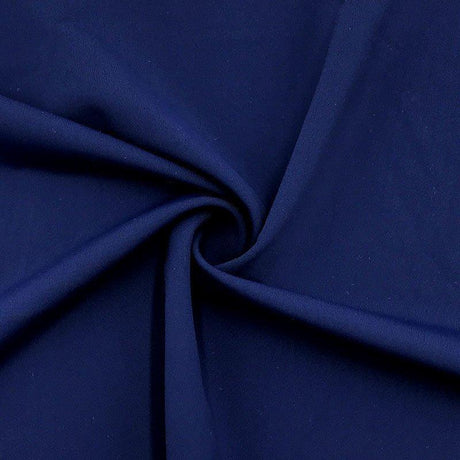
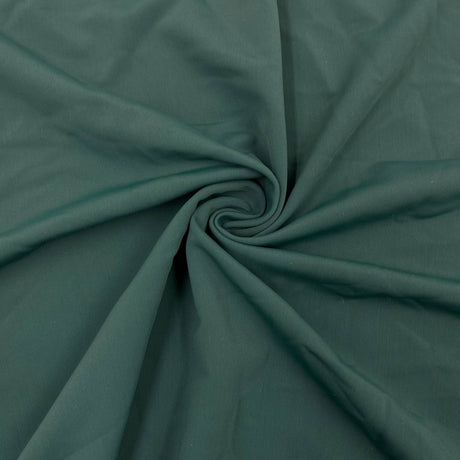
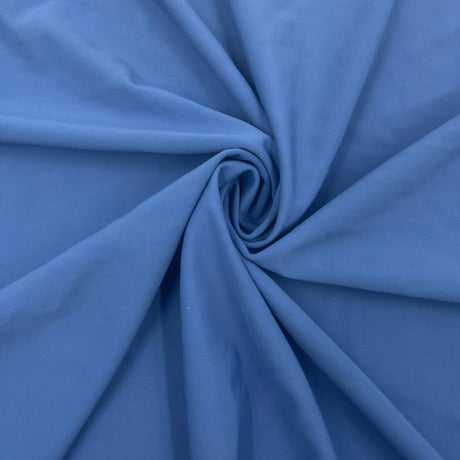
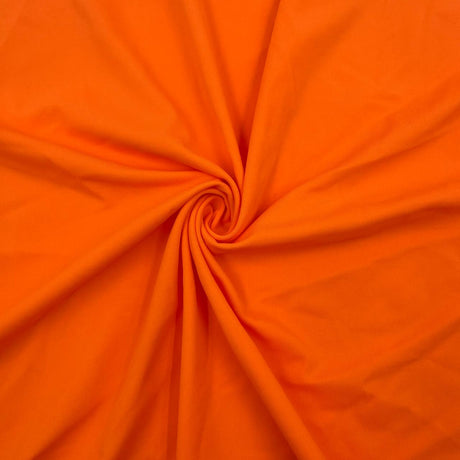
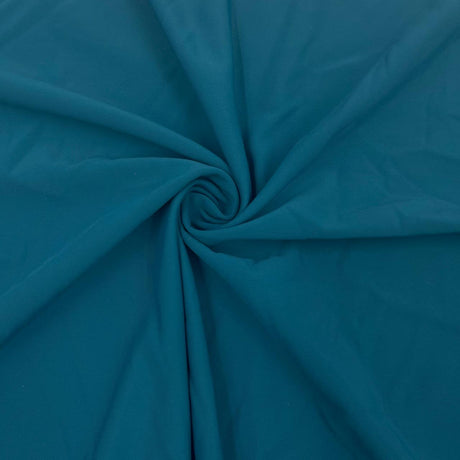
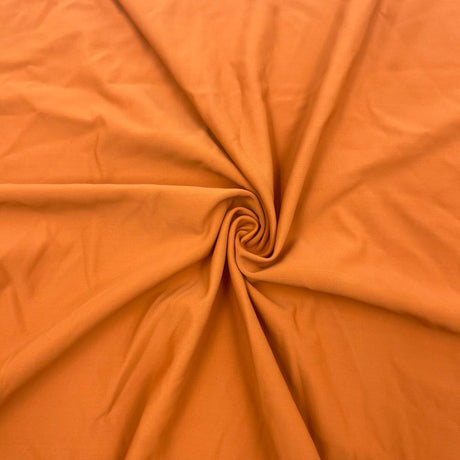
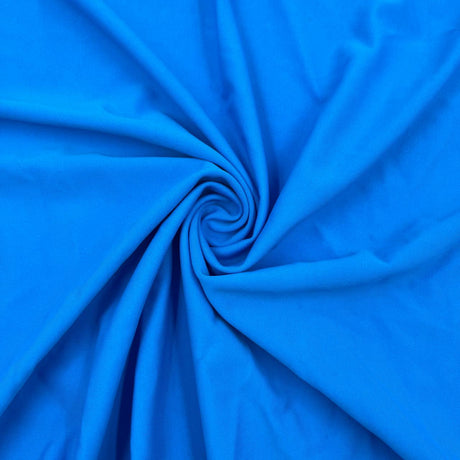
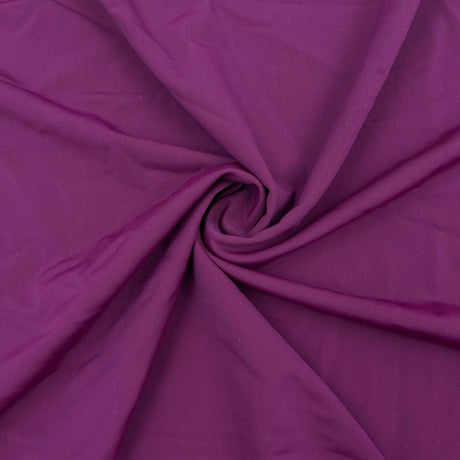
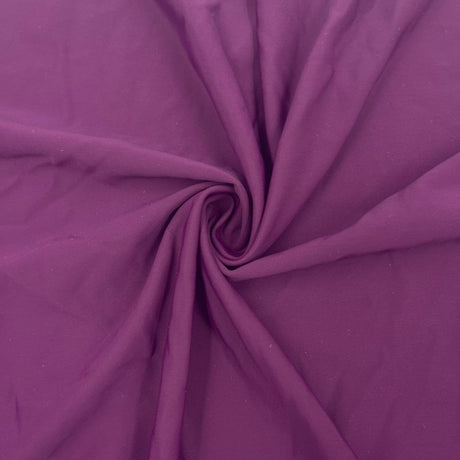
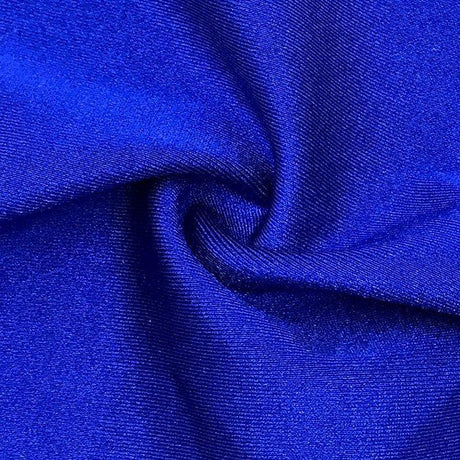
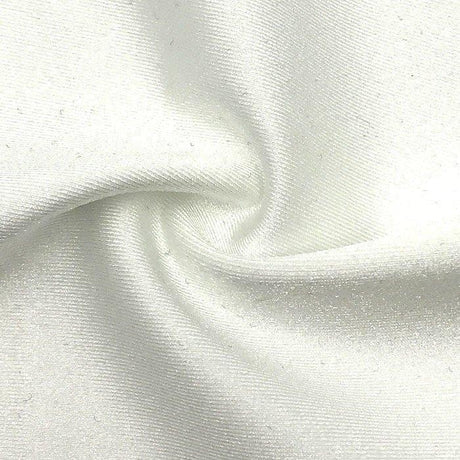
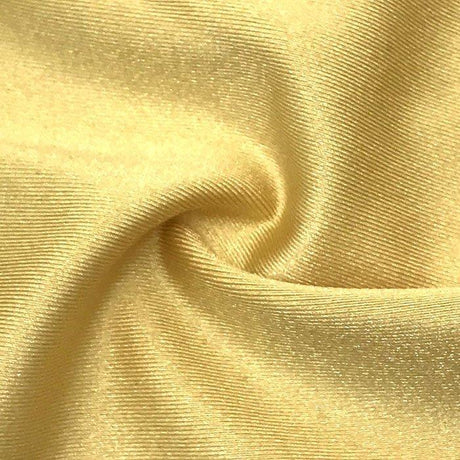
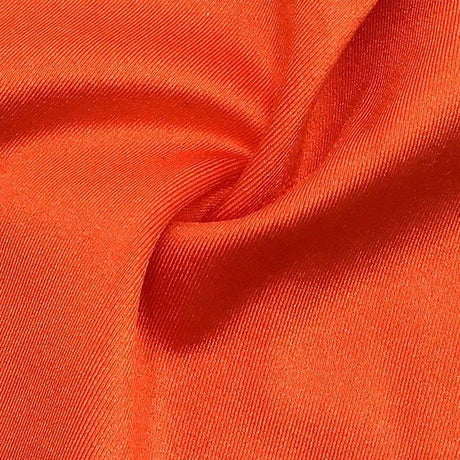
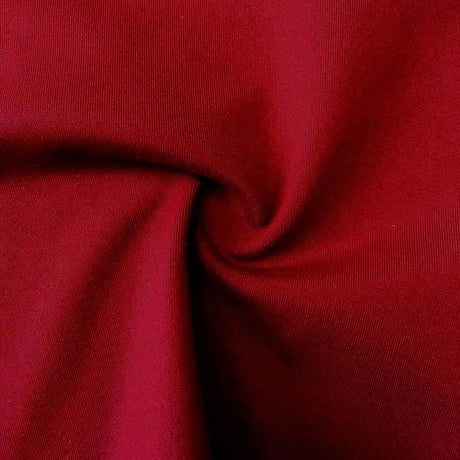
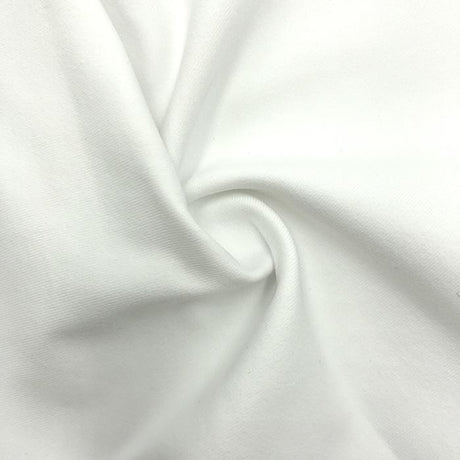
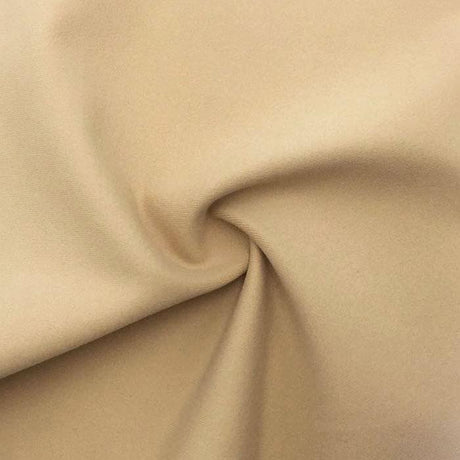
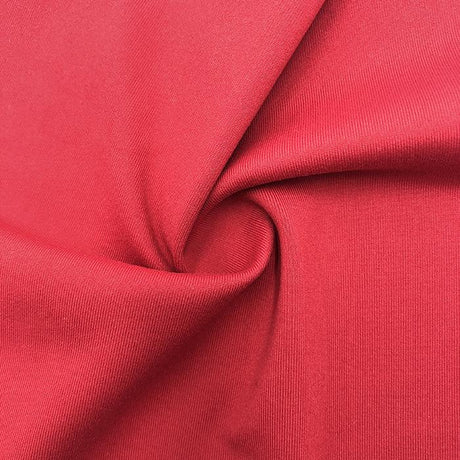
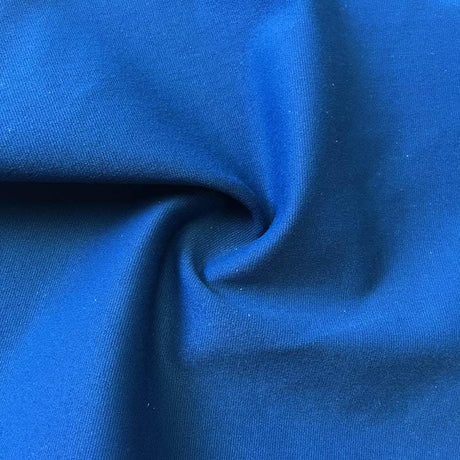
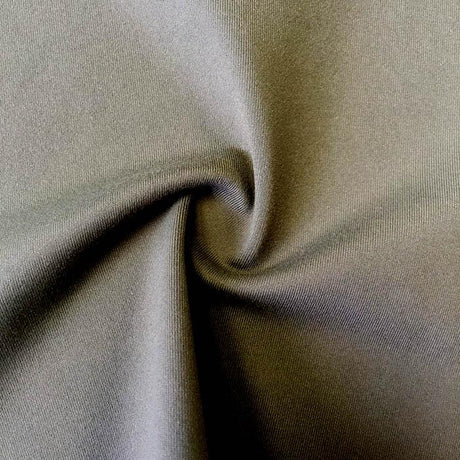
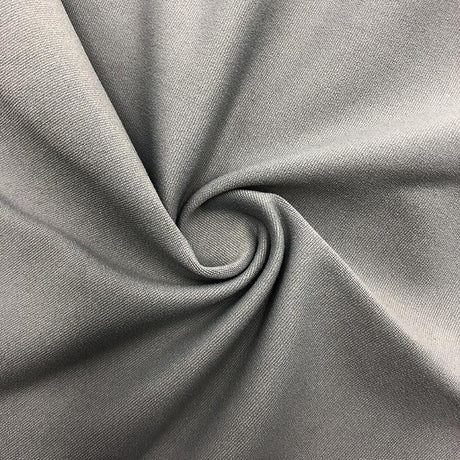
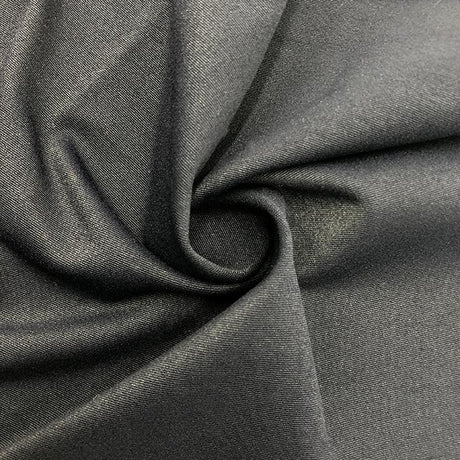
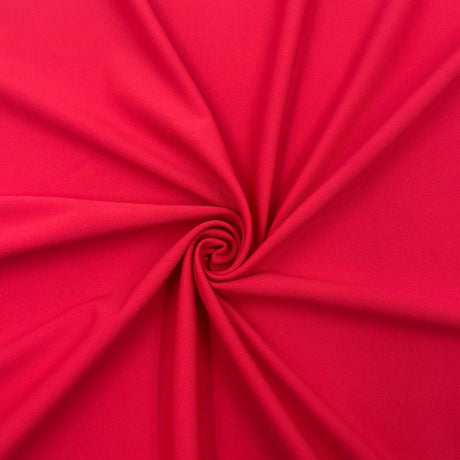
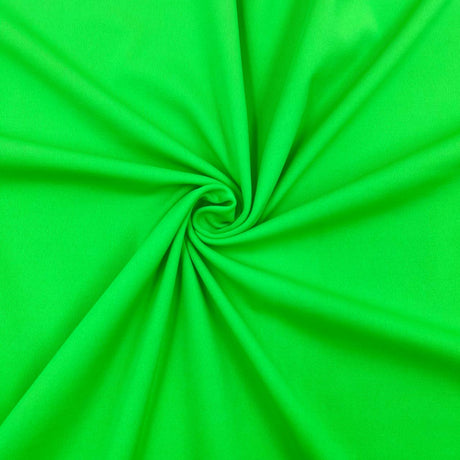
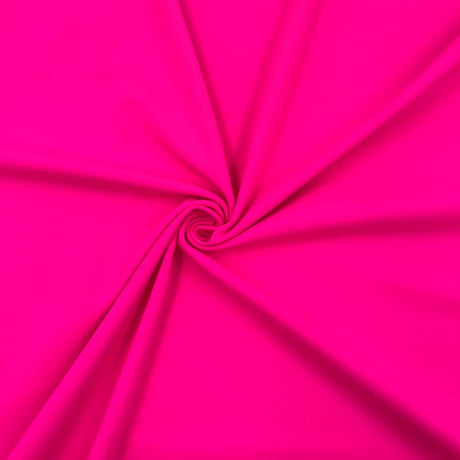
A great sports banner or team flag has one job: look sharp from across the gym, stadium, or finish line, even after it's been folded into a tote bag, waved in the wind, or stretched tight on a frame for hours. That's where performance fabrics sold by the yard—especially printed stretch knits and sublimation-ready polyester blends—become the practical answer. For a broader foundation on stretch fabric properties before diving in, explore our stretch fabric types page or browse our full fabric guides hub.
What Is Performance Fabric for Printed Sports Banners and Flags?
When we talk about "performance banner fabric," we're really talking about a fabric system: fiber content + construction + print method + finishing. For sports banners and flags, two categories dominate:
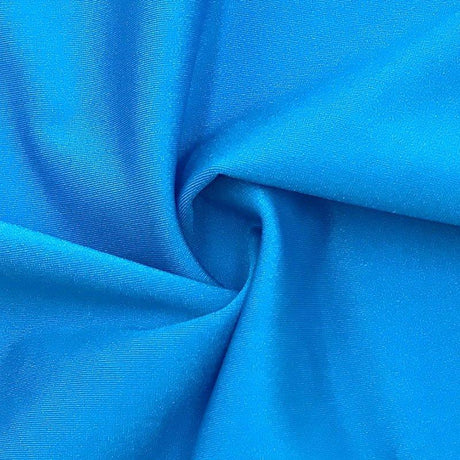
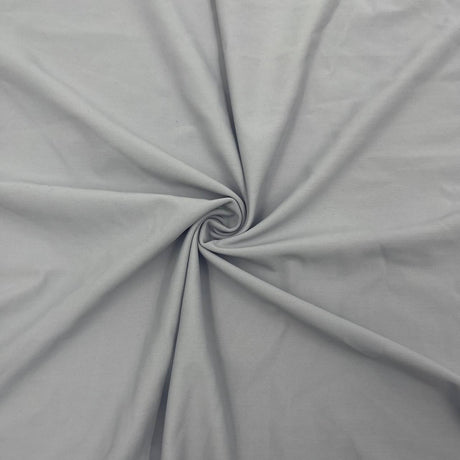
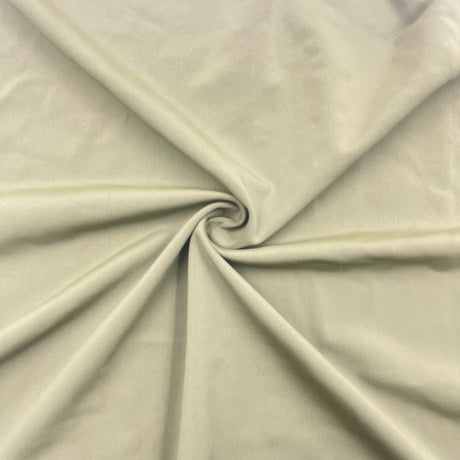
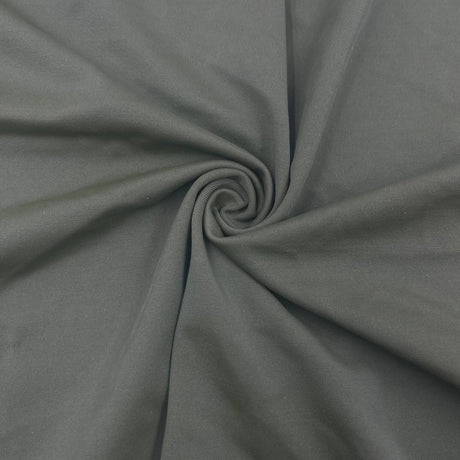
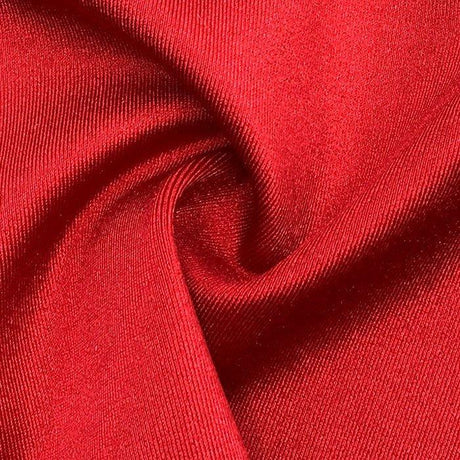
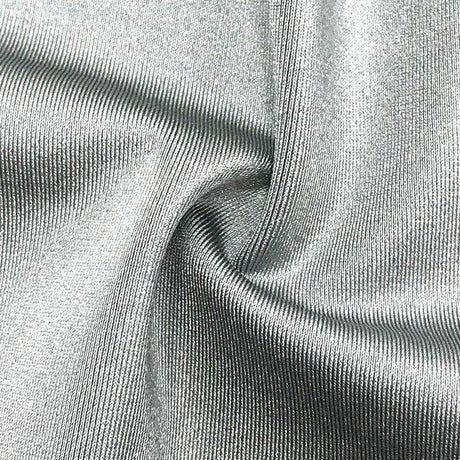
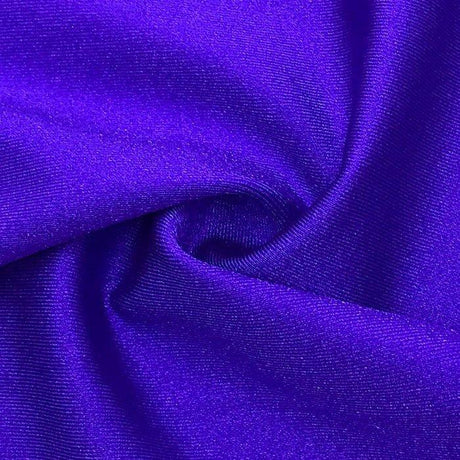
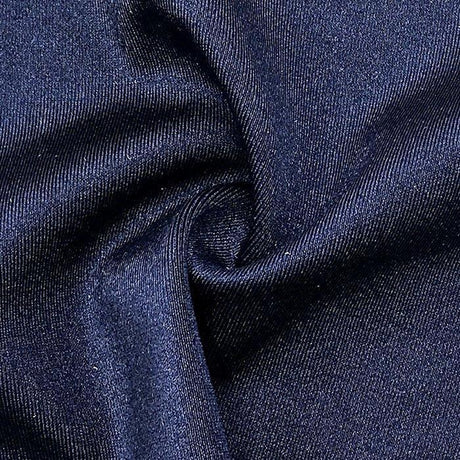
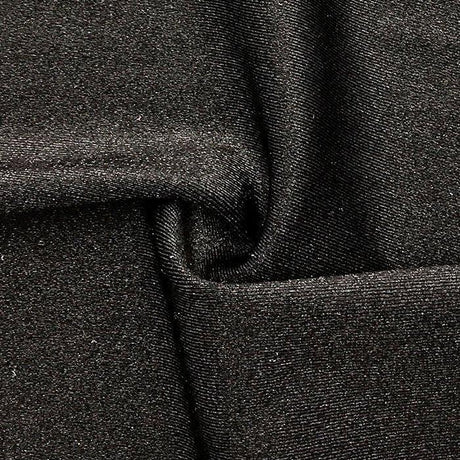
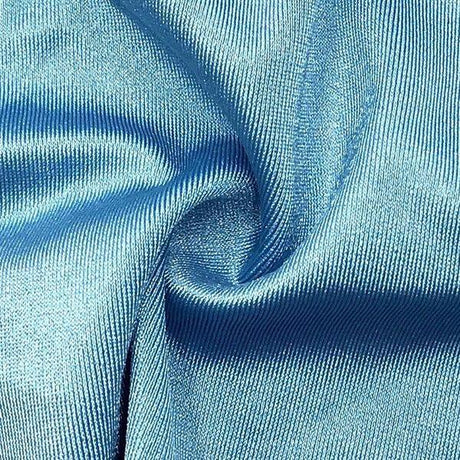
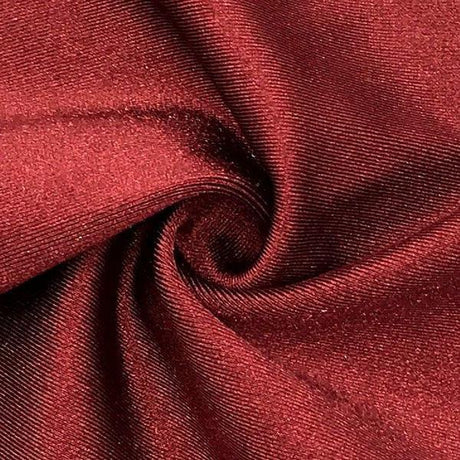
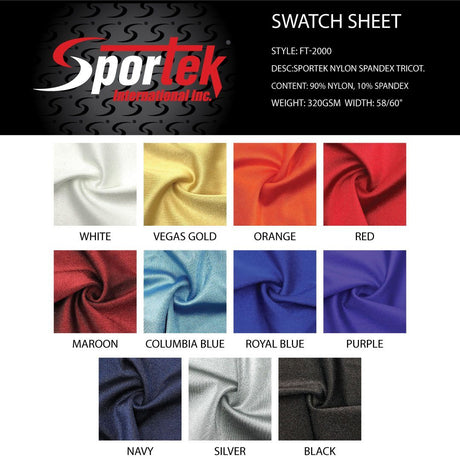
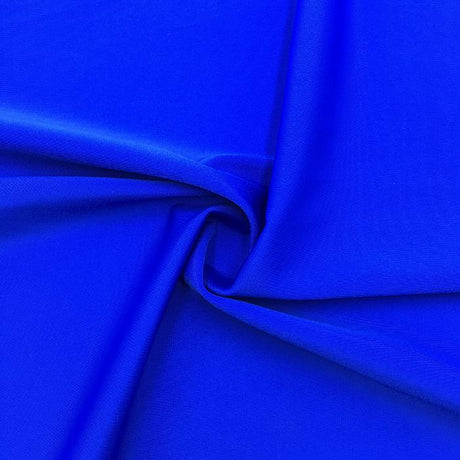
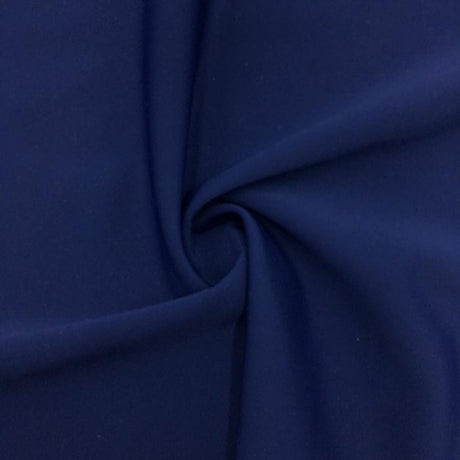
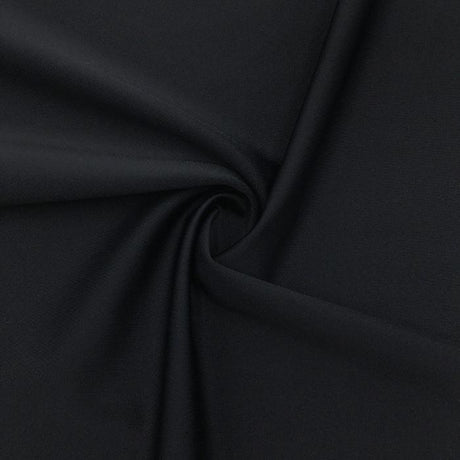
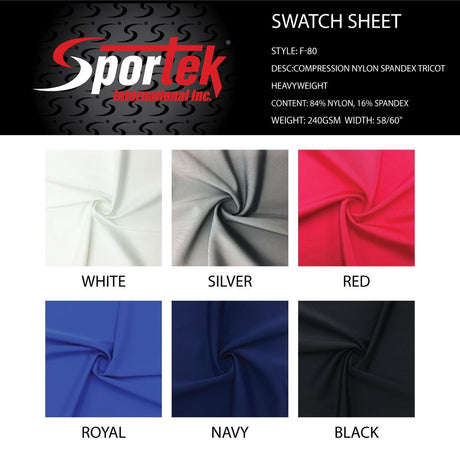
Stretch performance knits (spandex blends): These are typically polyester-spandex or nylon-spandex knitted fabrics made for high elasticity and shape retention. Spandex is defined as a manufactured fiber made from a long-chain synthetic polymer comprised of at least 85% segmented polyurethane. That segmented structure is why spandex blends can stretch and rebound so effectively. Printed spandex collections include printed fabrics on nylon and polyester spandex, including options designed for tricot wet printing—a smooth-surfaced knit category often favored for vivid printed performance textiles. A representative example is an 88% polyester / 12% spandex fabric with four-way stretch and 130 GSM weight. Our nylon-spandex fabric guide covers how nylon-spandex constructions compare to polyester-spandex in hand feel, moisture management, and durability.
Stable polyester-based fabrics (woven or low-stretch): For banners that don't need tension-stretch behavior, woven polyester provides dimensional stability and a smooth presentation, intended to enhance durability and long-lasting performance, including bulk purchasing options for businesses.
What makes performance fabrics different from "regular fabric"? For banners and flags, it's about measurable performance: stretch and recovery (or controlled "give") so a banner can be pulled taut without rippling; print receptivity (especially polyester content for dye-sublimation); and durability under handling and environmental exposure (wind, UV, abrasion at grommets, repeated folding).
Key Performance Characteristics That Matter for Banners
Stretch and Recovery: For sports banners that will be tensioned (frame-mounted, wall-stretched, or pole-pocketed and pulled tight), stretch is only half the story—recovery matters just as much. Poor recovery leads to "bagging" or permanent growth, especially around mounting points. Stretch and fabric growth can be evaluated using ASTM D2594, which measures stretch under load and fabric growth after extension is applied and removed. Our stretch fabric types page covers the step-by-step stretch and recovery testing methodology in detail.
If you need a smooth, drum-tight display, choose a fabric with 4-way stretch and proven recovery (typical of poly-spandex performance knits). If you need shape stability more than stretch, choose a woven or low-stretch polyester base.
GSM/Weight and "Hang" Behavior: GSM (grams per square meter) affects opacity, drape, wind behavior, and how premium a banner looks in person. Examples from product specs show how weight differentiates use: 130 GSM poly-spandex options exist in both printed tricot and stretch woven categories—lightweight and flexible. 180 GSM moisture management spandex (poly-spandex) is positioned as a more substantial performance fabric and includes PFP sublimation readiness and UV50+ claims for sun exposure. Industry reference point: one fabric banner supplier specifies 6.8 oz polyester (≈ 230 GSM) as a durable, lightweight banner material that supports dye-sublimated print quality. Our fabric weight guide provides a full breakdown of how GSM affects opacity, drape, and durability across all common polyester-spandex constructions.
Moisture Management and Breathability: For banners, "moisture management" matters for outdoor humidity and quick drying after rain or mist, team gear ecosystems (flags + accessories + towels), and packed/transported banners where trapped moisture can cause odors or staining. Moisture management can be evaluated with AATCC TM195. Breathability (and airflow through mesh) can be measured using ASTM D737 air permeability. For windy environments, breathability isn't just comfort—it's structural protection.
Durability and Abrasion Resistance: Banner failure usually happens at grommets and edge finishes, pole pockets, repeated folding crease points, and outdoor wind load. Stretch knits distribute tension smoothly across the field of the banner (great for tension frames). Wovens resist distortion and can take crisp folds and structured hems. Mesh/perforated fabrics reduce wind load by allowing air to pass through, lowering stress on mounting hardware.
Softness and Handfeel: Smooth, soft knits are easier to fold, transport, and stitch without bulky seam ridges. A smooth surface can also support cleaner print details, especially for photo-quality dye-sublimation on polyester-based fabrics. Our fabric finishes guide covers how surface treatments affect print receptivity and hand feel across all common polyester-spandex banner fabric constructions.
Special Performance Traits (UV, Antimicrobial, Coatings): For outdoor banners and flags, UV exposure matters. Polymer-based performance textiles can degrade under UV over time. If your banner will be outdoors, consider fabrics positioned with UV protection features (UV50+ along with moisture management and PFP sublimation readiness).
Comparison with Similar Fabrics for Banner and Flag Projects
Printed Polyester-Spandex (Stretch Knit/Tricot): Polyester + spandex blends; 4-way stretch with recovery (ideal for tensioning). Best for tension-frame banners, smooth backdrops, wrinkle-minimizing displays, and pep flags that stay crisp. Stays smooth under tension; comfortable handling; works well with stretch-safe printing like dye-sublimation on poly blends. Requires stretch-aware finishing and sewing; artwork can distort if cut/sewn off-grain.
Woven Polyester (Non-Stretch): Polyester woven fabrics; minimal stretch with high dimensional stability. Best for hanging banners, structured hems, and applications needing clean edges and stability. Stable, easy to hem, consistent shape; widely used for fabric banners. Wrinkles can show if packed; not ideal for tension frames where stretch is required.
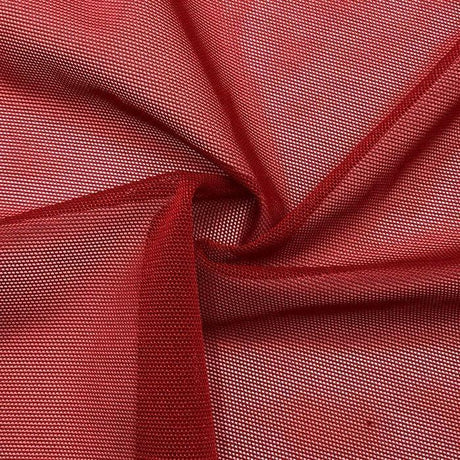
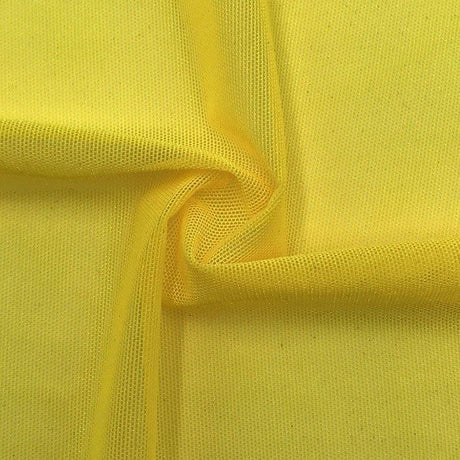
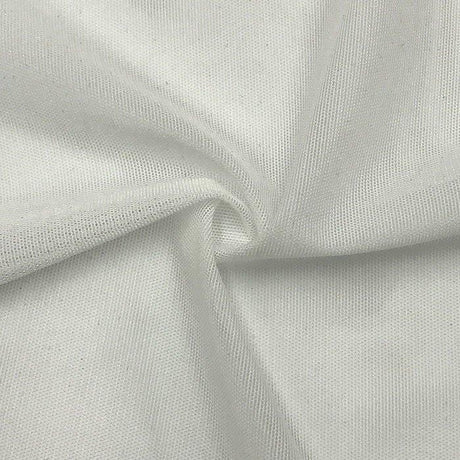
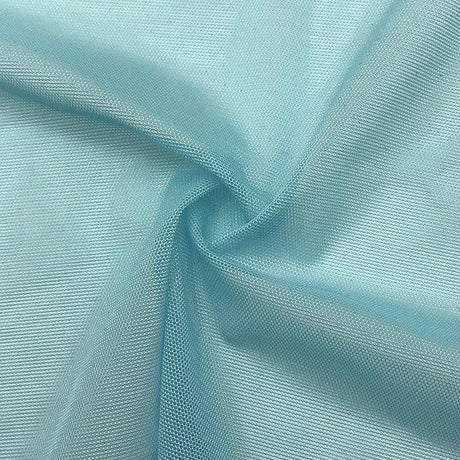
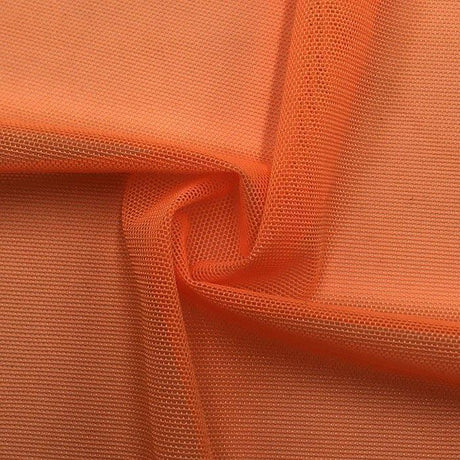
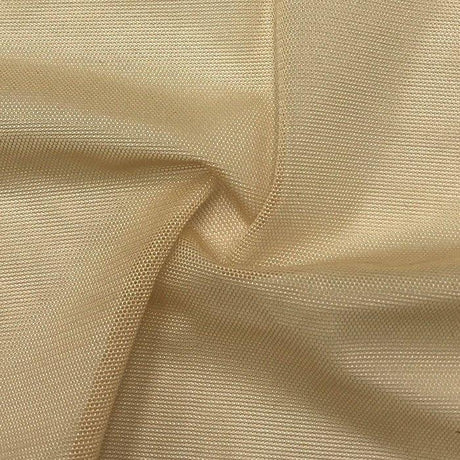
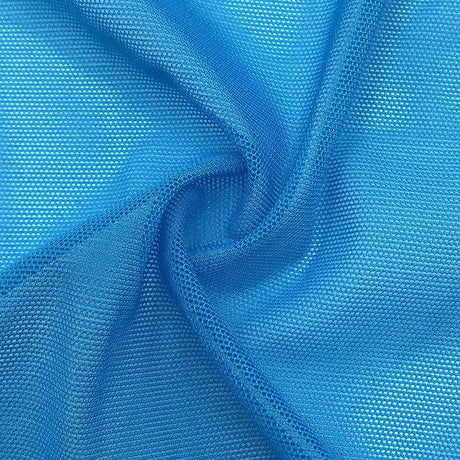
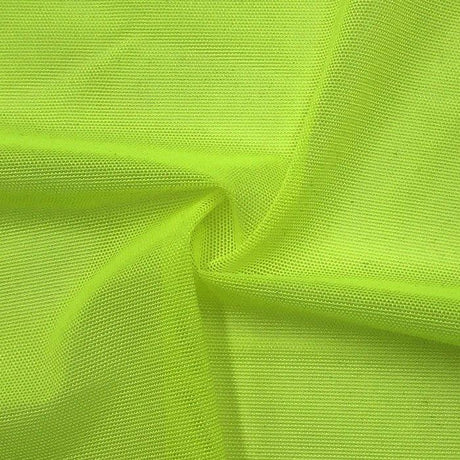
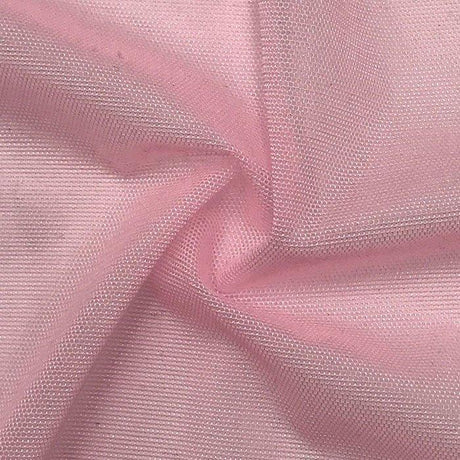
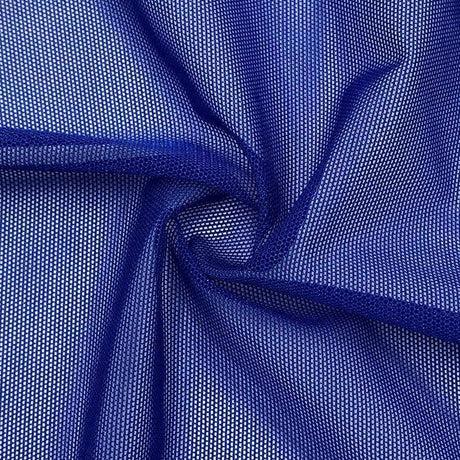
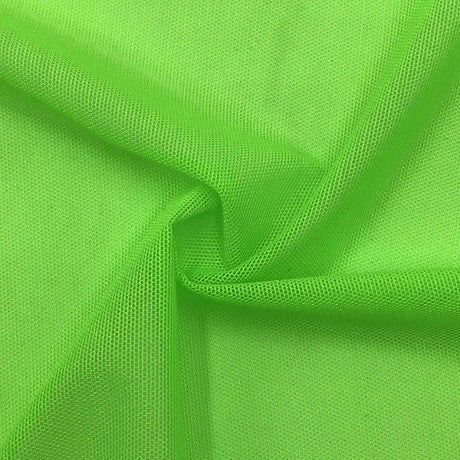
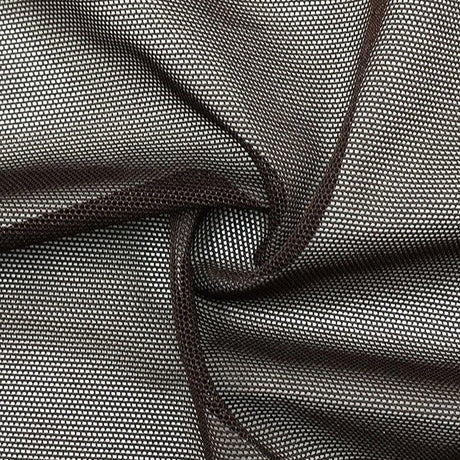
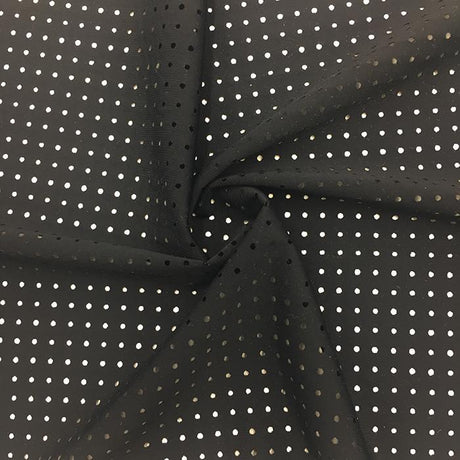
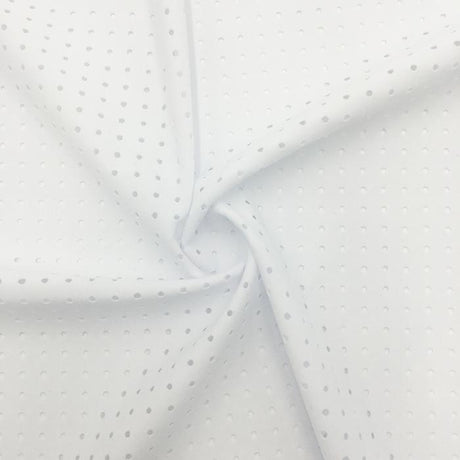
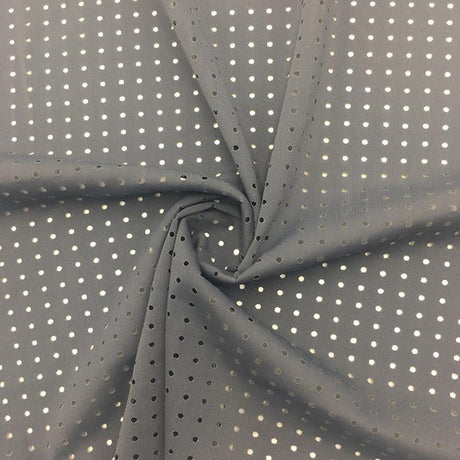
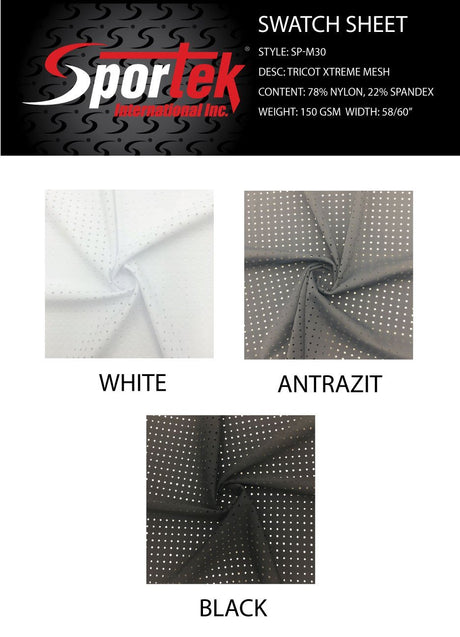
Stretch Mesh / Perforated Mesh: Often polyester-based blends in mesh constructions; stretch varies and airflow is the defining feature. Best for windy locations, breathable banner walls, and applications where reduced wind load protects mounts. Reduced wind load because air passes through; can extend lifespan outdoors. Minor loss of image density/clarity up close due to open structure (tradeoff for airflow).
A quick note on nylon-spandex printed fabrics: Printed offerings include nylon spandex as well as polyester spandex. Nylon-spandex can feel very soft and resilient, but for DIY sublimation workflows, polyester content is the key driver because dye-sublimation primarily bonds dye into polyester fibers with heat and pressure. Our nylon-spandex fabric guide covers how nylon-spandex compares to polyester-spandex in sublimation compatibility and overall performance.
Best Uses and Applications for Sports Banners, Flags, and Team Displays
Tension-frame and "step-and-repeat" style backdrops: Printed stretch knits shine here because the fabric can be pulled tight without visible rippling. Our sublimation page covers how sublimation printing bonds dye into polyester-spandex fibers to achieve permanent, saturated color that moves with the fabric.
Fence banners and outdoor sponsor signage: If wind is a concern, consider mesh/perforated constructions to reduce loading on grommets and edges; research on permeable banner walls supports lower load behavior when air passes through the surface.
DIY pep-rally flags and handheld team flags: Balance enough body to hold a clean graphic, enough flexibility to wave and fold, and durable edge finishes so the flag doesn't ladder or split at the seam.
Gym banners and championship walls (indoor, long-term display): Soft fabric banners reduce glare and can look premium versus vinyl, and dye-sublimation is often used for durable, detailed prints on polyester substrates. Our sublimation paper and sublimation transfer paper pages cover the complete printing workflow for achieving high-impact visuals on polyester banner fabrics.
Performance and sports-adjacent applications (smart add-ons): Sports branding rarely stops at the banner. If you're building a cohesive team/event package, you can coordinate with custom sideline or giveaway towels—some towel fabrics are even pre-treated for sublimation, letting you add logos and graphics for cohesive branding across the event experience.
How to Choose the Right Fabric for Your Printed Sports Banner
Decide Based on the Display System First:
Tension frame / stretch-to-fit system: choose a polyester-spandex stretch knit with reliable recovery. ASTM D2594 is one standard used to quantify stretch and growth behavior. Grommets / hemmed hanging banner: consider woven polyester for stability and clean hems. Windy outdoor fences / scaffolds: consider mesh/perforated textiles to reduce load by allowing airflow.
Match Your Print Method to Fiber Content:
Dye-sublimation (common for sports visuals): FESPA describes dye-sublimation for polyester as printing onto transfer paper and using heat/pressure so the ink sublimates into polyester fibres. For stretch fabrics, sublimation stays flexible because the color becomes part of the material rather than a surface layer. Our sublimation, sublimation paper, and sublimation transfer paper pages cover the complete sublimation printing workflow.
Use GSM as a "Feel + Function" Filter:
~120–150 GSM: lighter, more packable, fast to wave (good for handheld flags; may need reinforcement at edges). ~170–200 GSM: more opacity and body; a strong middle ground for banners that need better hang and durability. ~220–230 GSM+: substantial, premium feel; commonly seen in fabric banner specs.
Our fabric weight guide covers the GSM thresholds that distinguish lightweight from midweight from heavyweight banner fabric constructions.
Budget and Production Scale: For businesses producing repeated runs (schools, leagues, event companies), note wholesale-style purchasing with roll minimums (often 50–100 yards per roll). That matters for consistent color lots, consistent stretch, and predictable waste planning in production. Our FAQ covers ordering and specification policies in detail.
Common Mistakes to Avoid
Using the Wrong Needle: For highly elastic knits, use a stretch needle with a medium ball point and features designed for highly elastic knits including Lycra/spandex. Our how to sew stretch fabric guide covers complete needle selection, stitch type, machine settings, and edge finishing guidance for all common stretch fabric construction scenarios.
Ignoring Recovery: A banner can look perfect at install and "grow" after hours of tension if recovery is weak—a behavior ASTM D2594 is designed to evaluate.
Cutting Without Planning Stretch Direction: If your fabric stretches more across the width, your artwork can distort when tensioned.
Under-Reinforcing Corners: Corners and grommets concentrate stress—reinforcement is non-negotiable outdoors.
Sublimation on the Wrong Base: Sublimation is commonly used for polyester because the dye is transferred into polyester fibers under heat/pressure. Not testing a strike-off can cause color shifts with fabric whiteness.
Ready-to-Use Checklists
DIY + Small Brand Banner Checklist (Cut, Sew, Finish):
- Pre-test stretch direction and mark "greatest stretch" on the selvedge side before cutting
- Use a stretch/ballpoint needle appropriate for highly elastic knits
- Add reinforcement at stress points (corners, grommets, pole pocket ends)
- Keep artwork aligned to grain so logos don't skew when tensioned
- If sublimating, use a poly-rich, print-ready surface and confirm your press settings with your equipment provider
Production Checklist for Manufacturers (Repeatability + QA):
- Specify stretch and growth targets (ASTM D2594 can be used to quantify low-power knit stretch and growth)
- Confirm print method and substrate compatibility (polyester for dye-sub transfer workflows)
- Standardize finishing method per use case (hemming, webbing, grommet pitch, pole pocket sizing)
- For outdoor mesh banners, validate airflow choice to reduce load
Care and Longevity Tips
Washing & Drying: If washing is needed, use gentle cycles and avoid harsh chemicals. Heat can degrade elastane over time. If your banner uses poly-spandex, keep drying temperatures conservative to protect the spandex component. Our spandex care guide and fabric care guide cover complete care protocols for all common polyester-spandex fabric types.
Storage: Store dry, rolled when possible to reduce fold lines (especially for display backdrops). Avoid long-term storage in hot environments (cars, garages) where heat accelerates aging.
Print Care: Dye-sublimation embeds color into polyester fibers and is widely valued for durable, fade-resistant output compared with surface-layer printing. Still, UV exposure outdoors will always be a factor; using UV-rated textiles where available can help.
When to Consider an Alternative Fabric
When cotton-spandex beats polyester-spandex: If your banner is primarily indoor and you want a more matte, natural handfeel (or if you're not sublimating), cotton blends can be attractive—but they typically won't match polyester's dye-sublimation workflow advantages.
When neoprene is a better choice: If your "banner" is actually a structured display piece, padded signage element, or needs insulation/thickness, neoprene-style performance materials can provide body and shape retention.
When mesh makes more sense than solid fabric: If the banner will be outdoors in wind, mesh/perforated constructions reduce loading by letting air pass through—supported by research on permeable banner walls.
When you need a stable woven for pockets, reinforcements, or accessories: Sometimes the "best banner" is a hybrid: stretchy printed field + stable woven pockets/edges. A poly-spandex stretch woven (88% polyester/12% spandex, 130 GSM, sublimation-ready) can serve for related components.
Conclusion and FAQ
The best fabric for printed sports banner work depends less on the graphic and more on the use conditions: how the banner is mounted, whether it lives indoors or outdoors, and how much tension, wind, and handling it must survive.
If you want the smoothest, most premium-looking DIY result, a polyester-spandex printed stretch knit is hard to beat for tensioned displays—especially when paired with dye-sublimation-compatible workflows for durable graphics. For windy outdoor scenarios, mesh/perforated choices reduce load; for structured hanging banners, wovens provide stability and clean edges.
Have questions? Our expert help and advice page and FAQ are always available. Sign up for SpandexByYard Rewards to earn points on every purchase.
FAQ
Is printed spandex good for a DIY sports banner? Yes—especially for tensioned backdrops and banners where you want a smooth surface. Printed spandex collections include nylon and polyester-spandex blends designed for elasticity and a premium feel, making them well suited for banners that need to stay taut and visually clean. Our sublimation page covers how sublimation printing achieves permanent, saturated color on polyester-spandex fabrics.
What's the best print method for performance banner fabrics? For polyester-based fabrics, dye-sublimation is commonly used because heat and pressure transfer dye into polyester fibers for durable, detailed prints. Our sublimation paper and sublimation transfer paper pages cover the complete printing workflow.
How do I choose GSM for a fabric sports banner? Use GSM to balance portability and presentation: ~130 GSM is lightweight and flexible (good for flags or packable banners), while ~180–230 GSM tends to look more substantial and premium as a display fabric. Our fabric weight guide covers the complete GSM selection framework for banner and flag applications.
What needle should I use to sew stretch banner fabric? For highly elastic knits containing spandex, use a stretch needle design (medium ball point and features intended to reduce skipped stitches on elastic knits). Our how to sew stretch fabric guide covers all needle selection and machine setup guidance for stretch fabric construction.
When should I use mesh instead of solid fabric for a banner? If the banner will be exposed to wind, mesh/perforated materials can reduce load because air passes through the surface, lowering stress on mounts and edges.