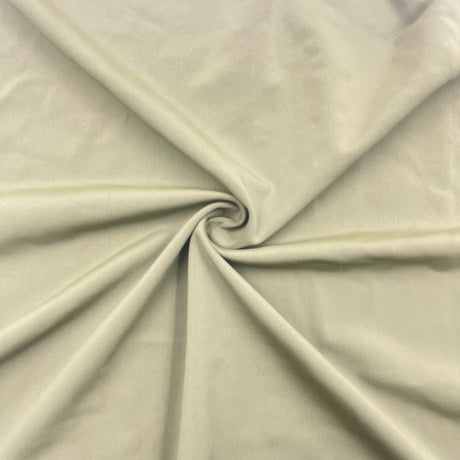
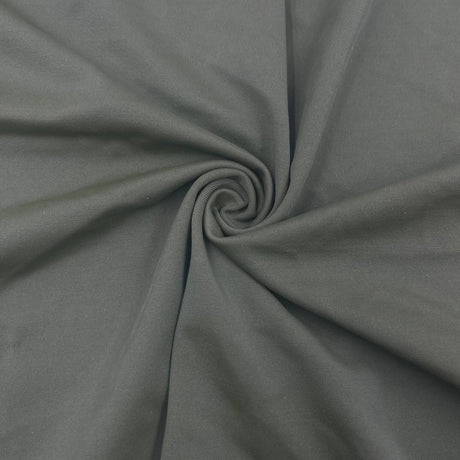
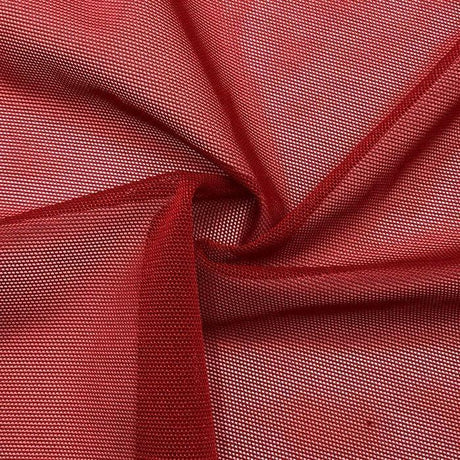
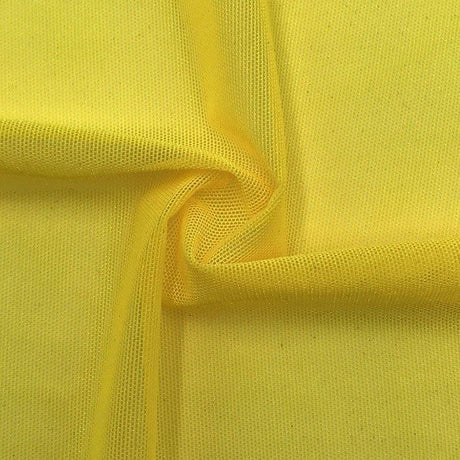
When designing a DIY travel pillow or neck cushion, the choice of fabric is critical. Travelers often suffer hot, uncomfortable neck pillows that trap sweat or lose their shape. A breathable fabric solves this: it allows air flow and moisture-wicking to keep the user cool, while still being soft and stretchy enough to support the neck. For a broader foundation on stretch fabric properties before diving in, explore our stretch fabric types page or browse our full fabric guides hub.
This guide will explain key fabric types, their attributes, and how to pick the best option for travel pillows and cushions. You'll learn technical specs (GSM, stretch, wicking, etc.), see comparisons, and get practical tips.
What Is a Breathable Travel-Pillow Fabric?
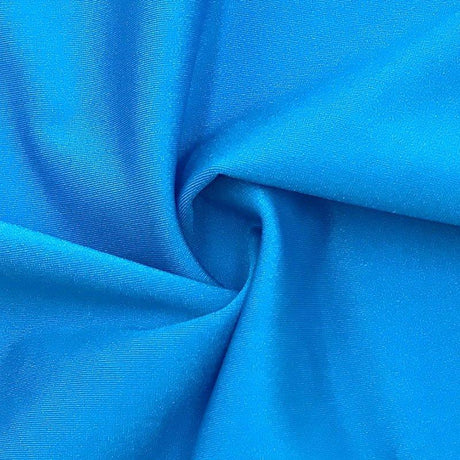
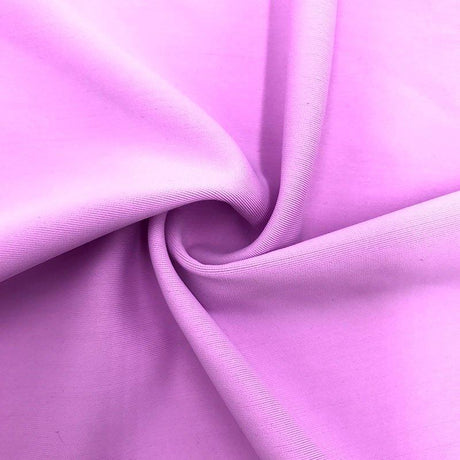
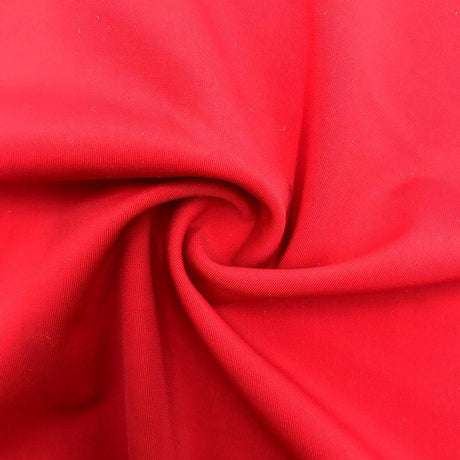
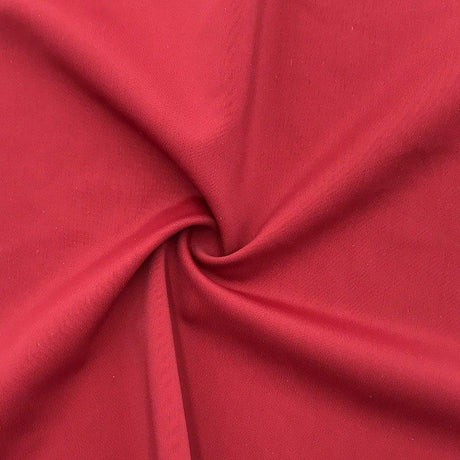
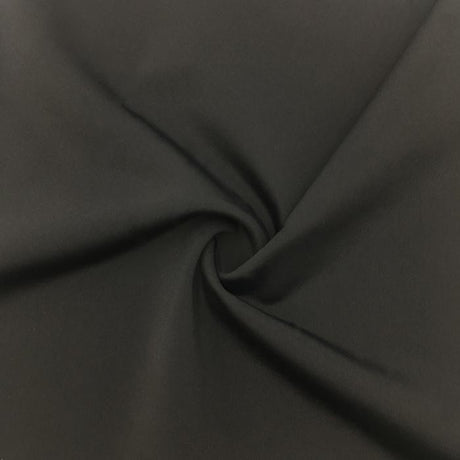
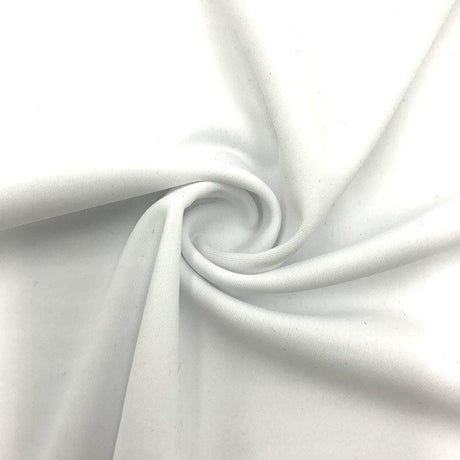
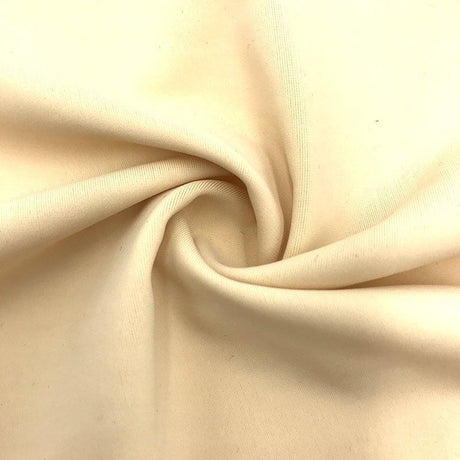
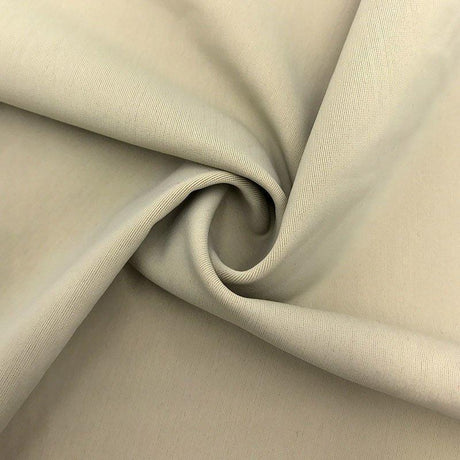
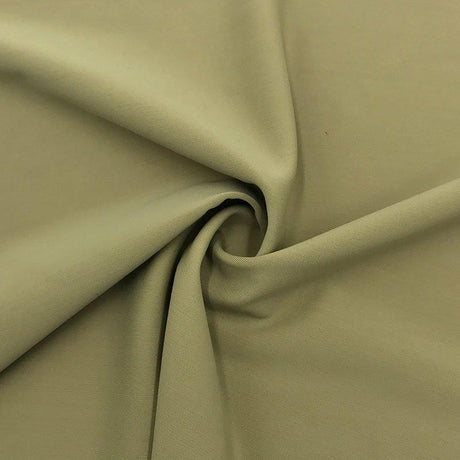
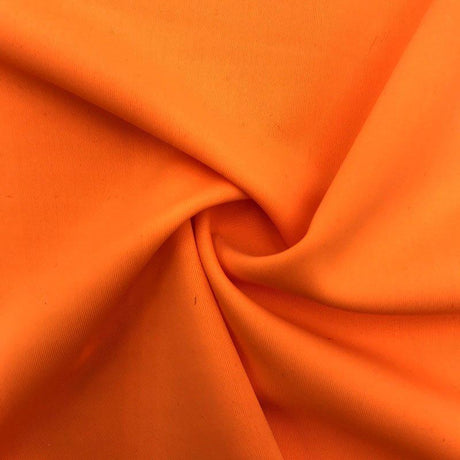
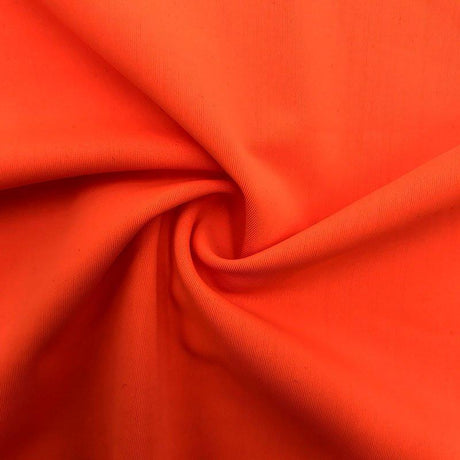
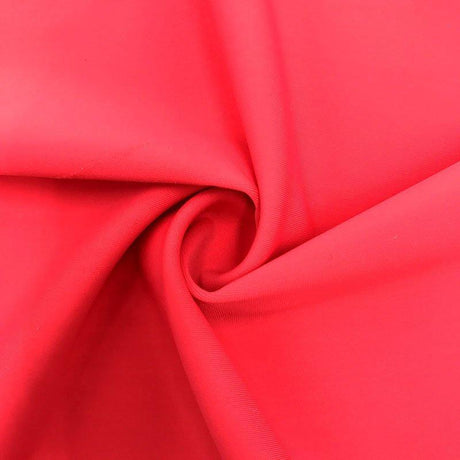
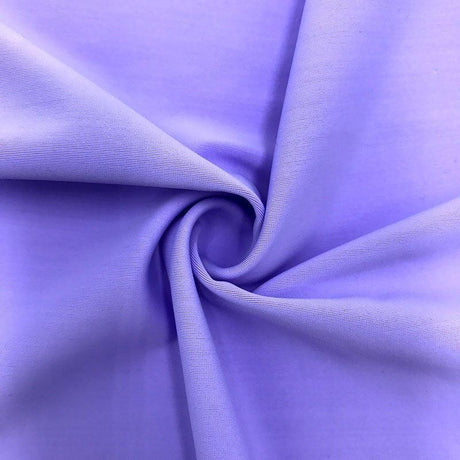
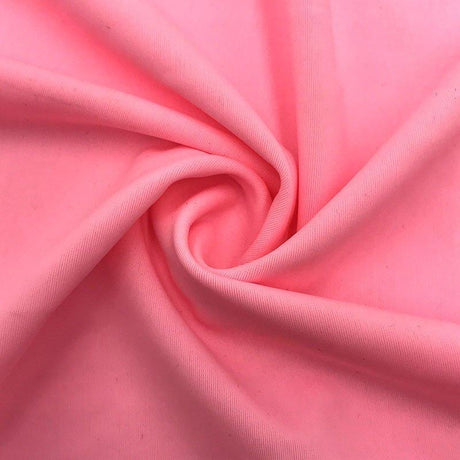
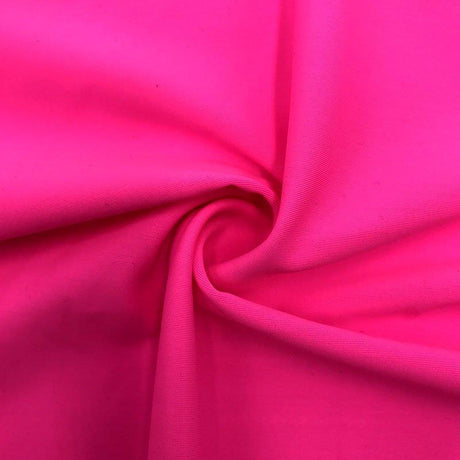
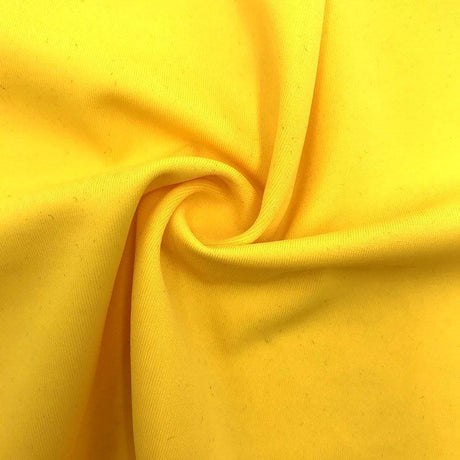
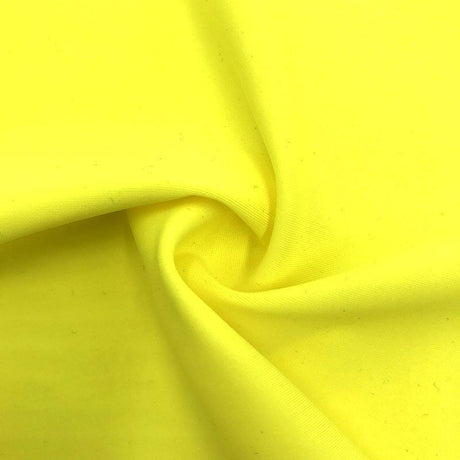
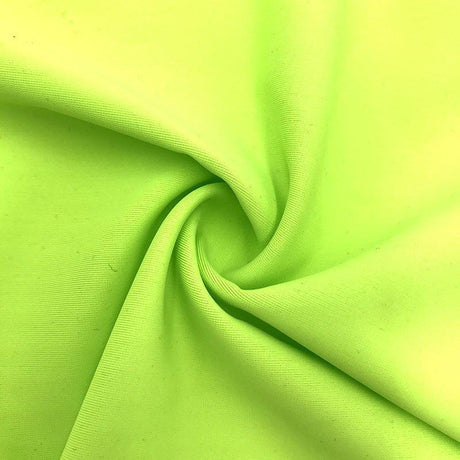
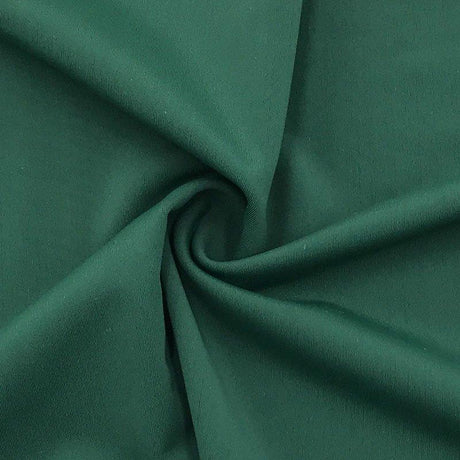
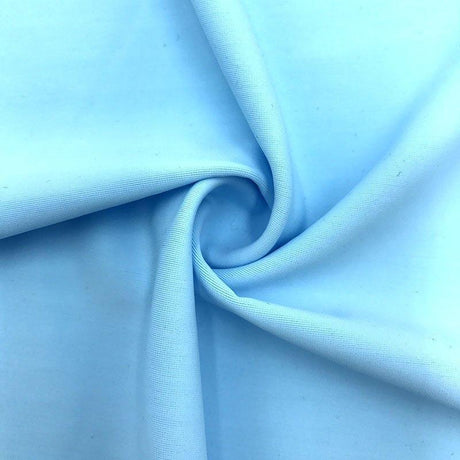
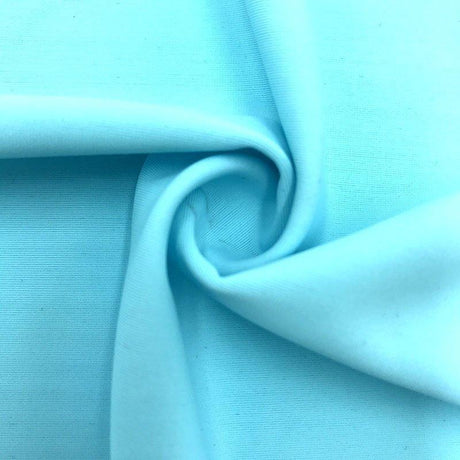
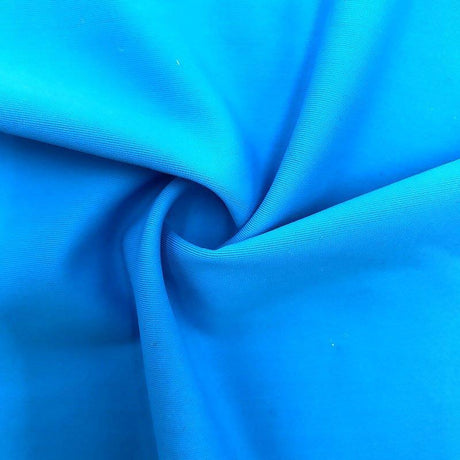
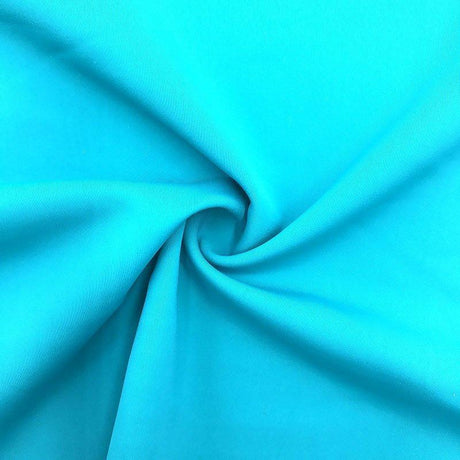
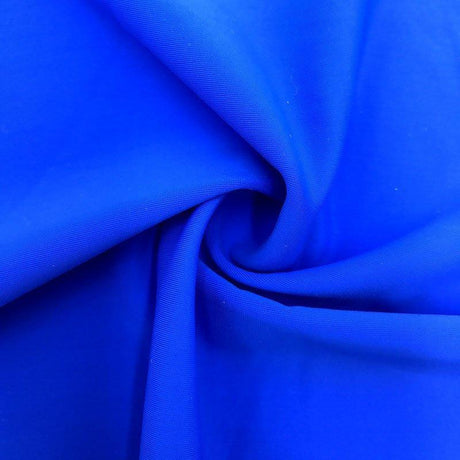
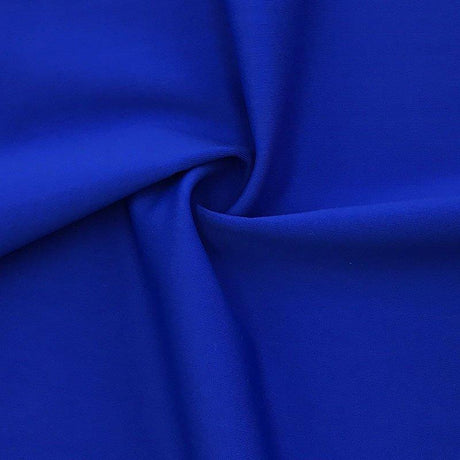
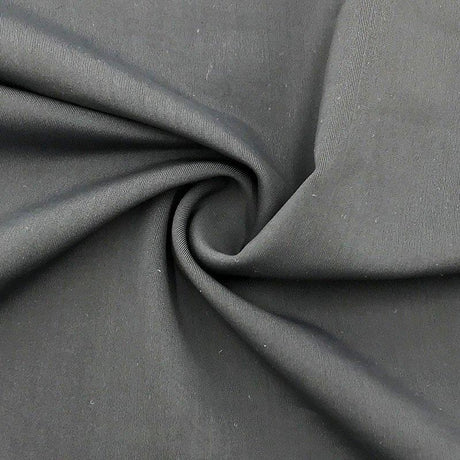
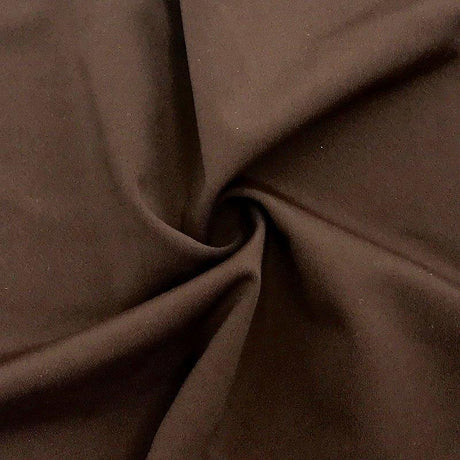
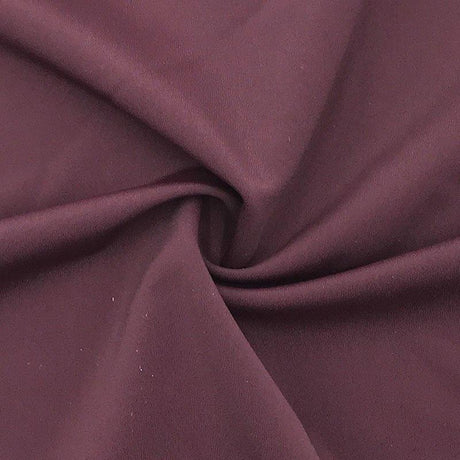
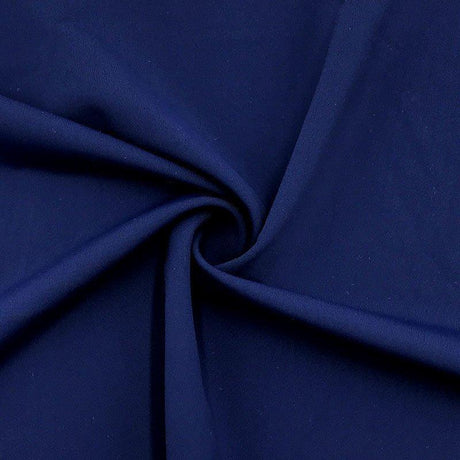
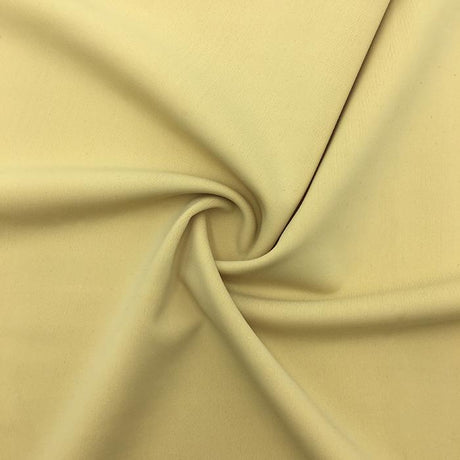
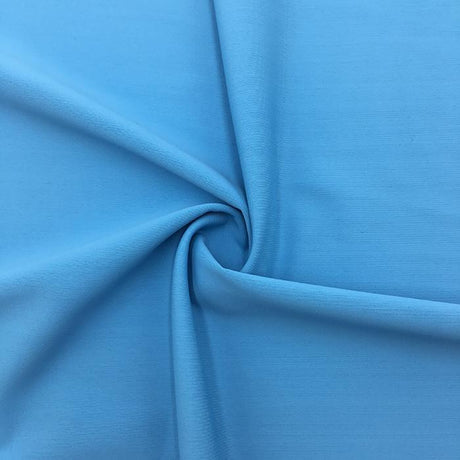
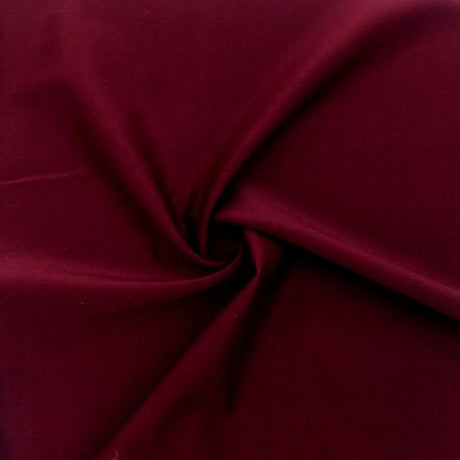
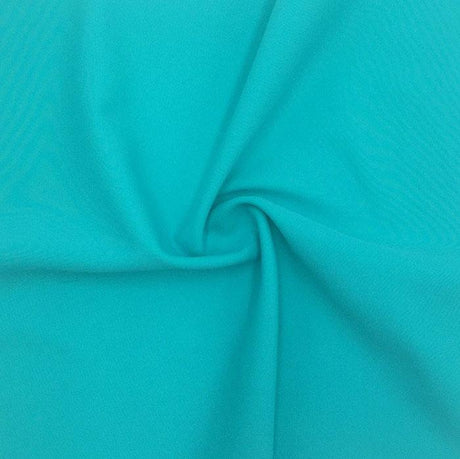
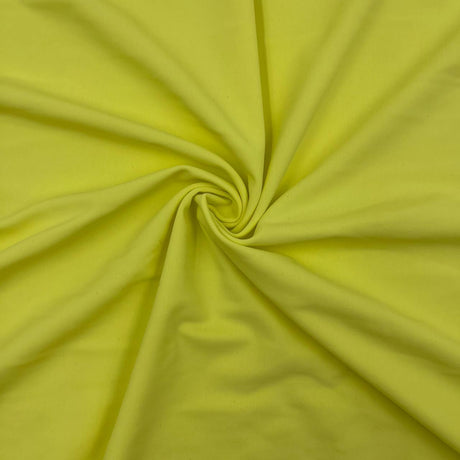
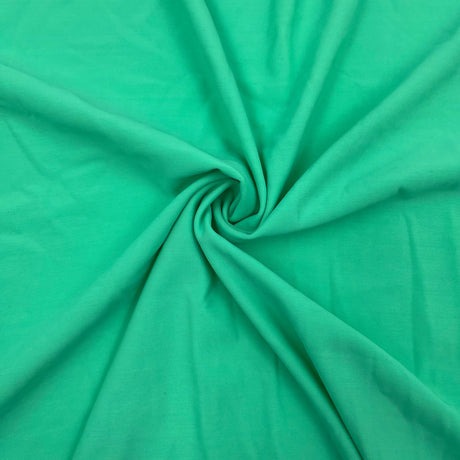
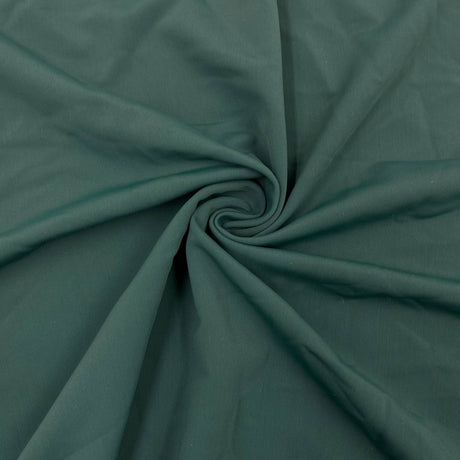
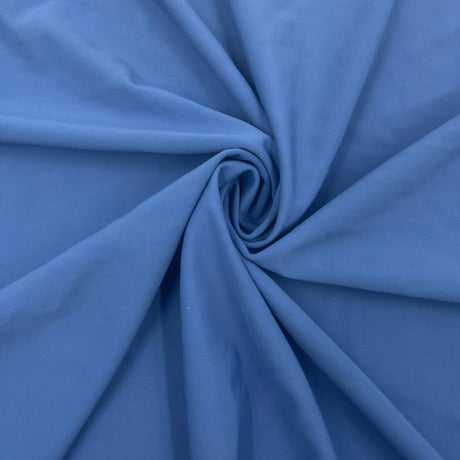
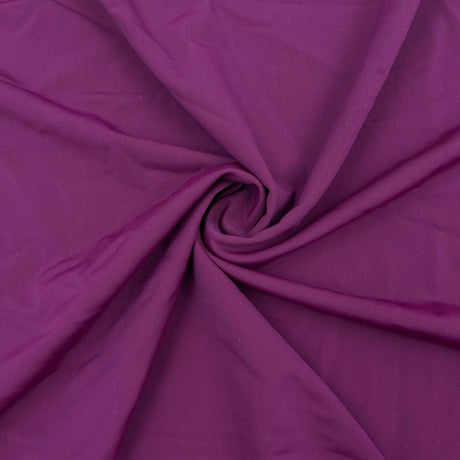
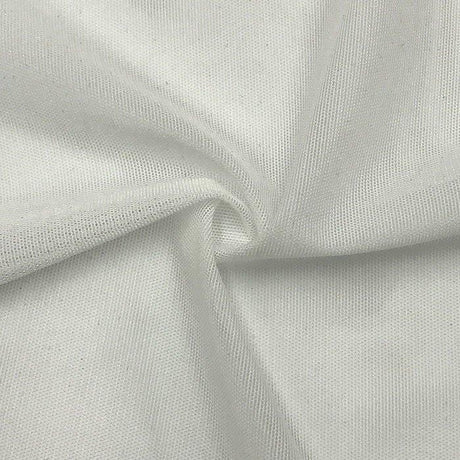
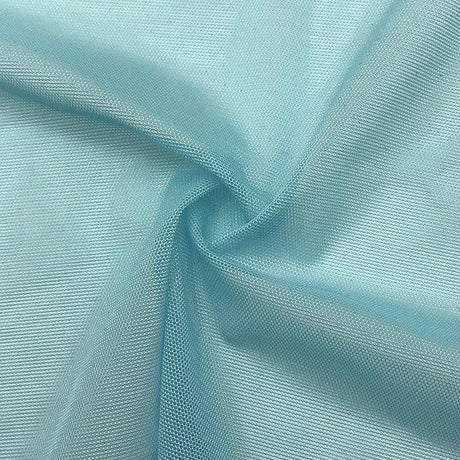
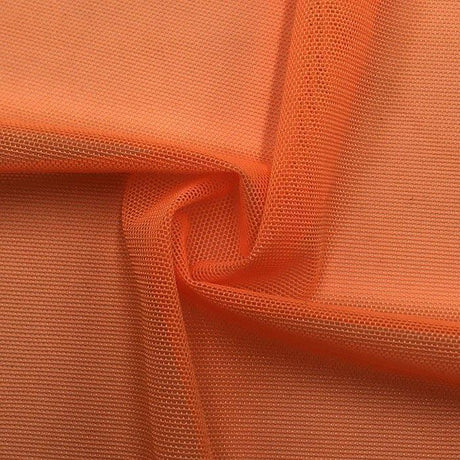
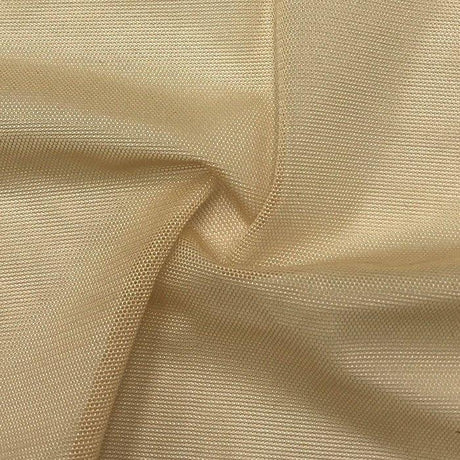
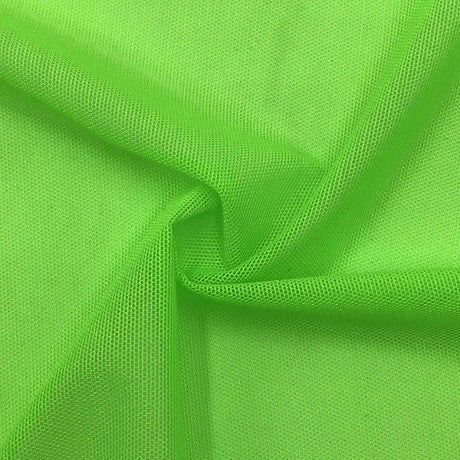
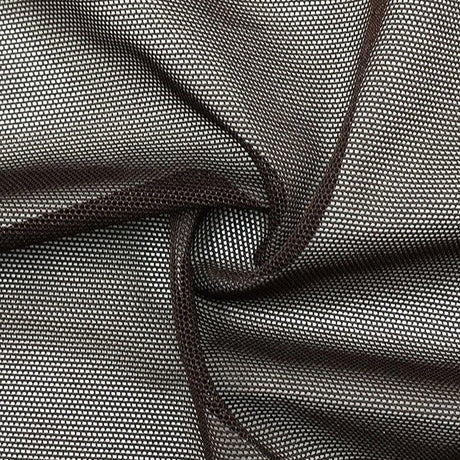
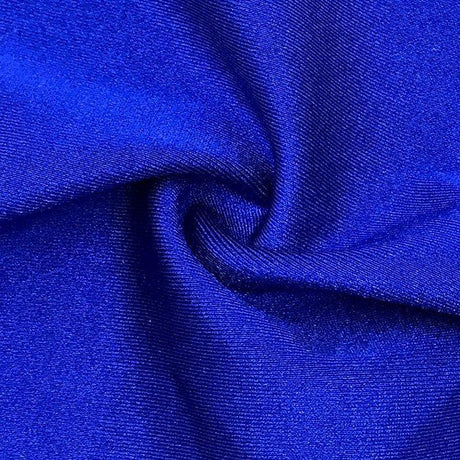
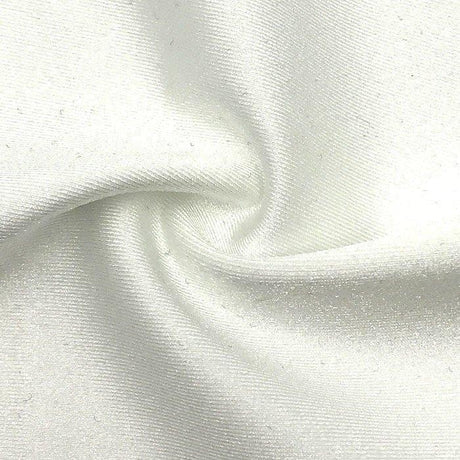
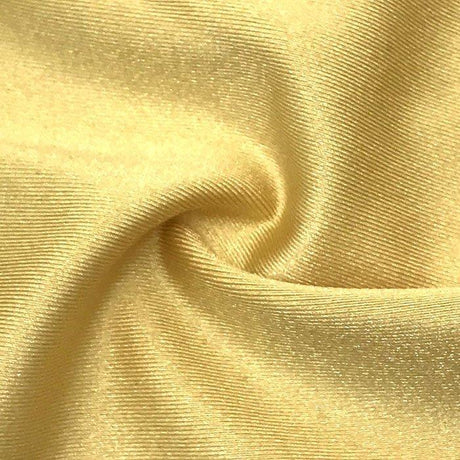
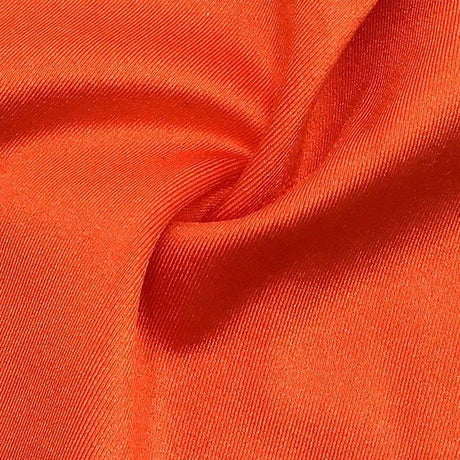
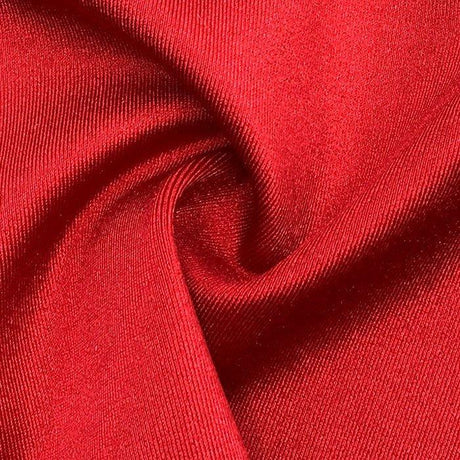
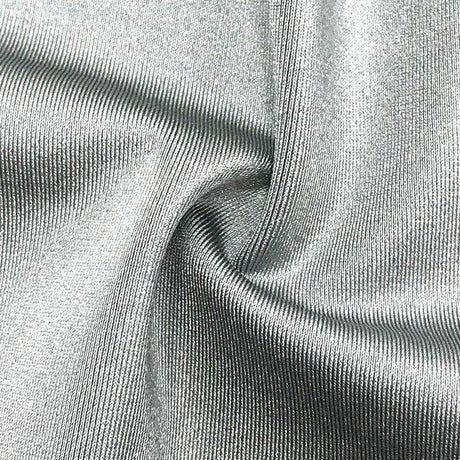
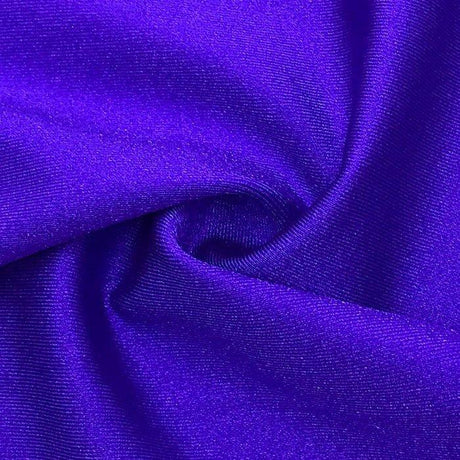
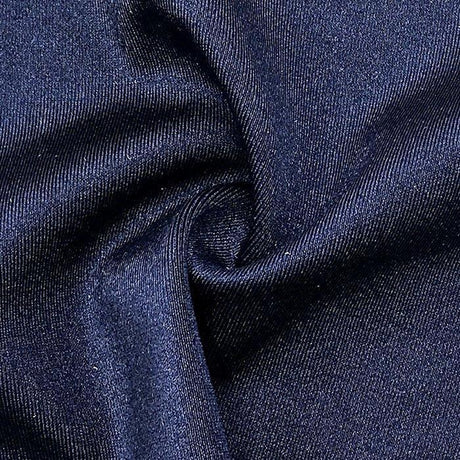
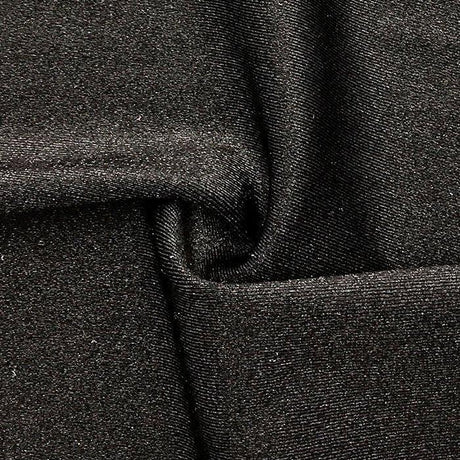
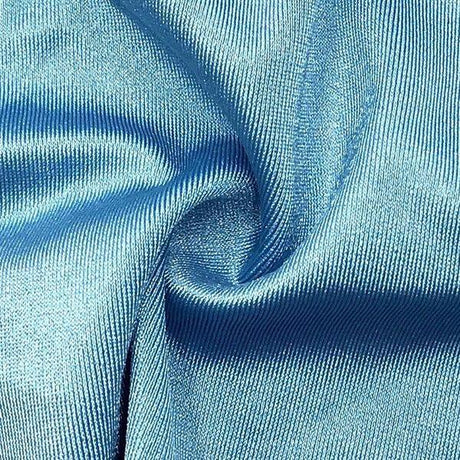
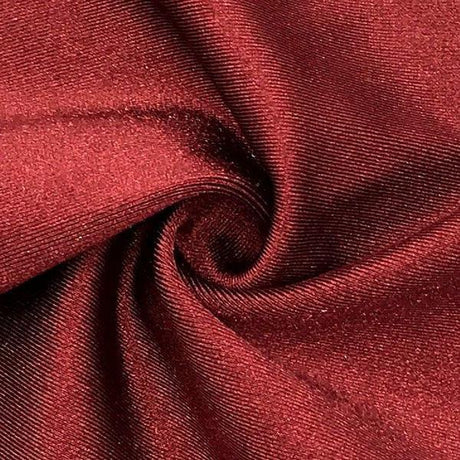
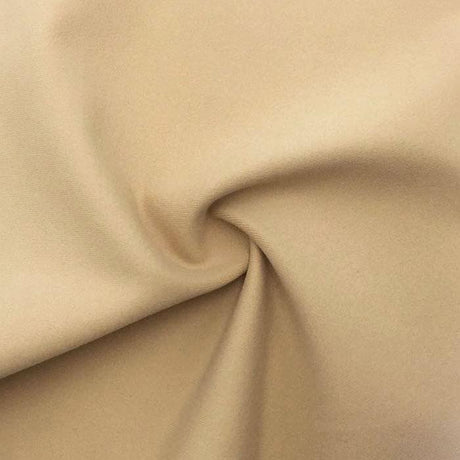
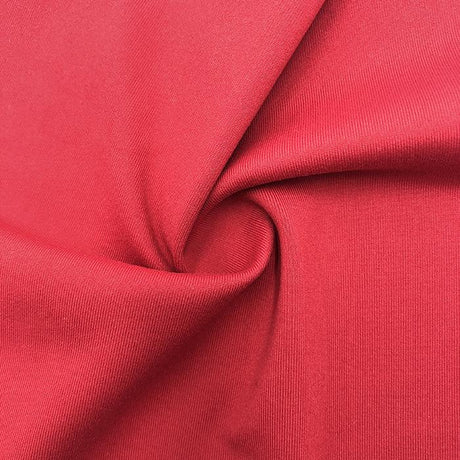
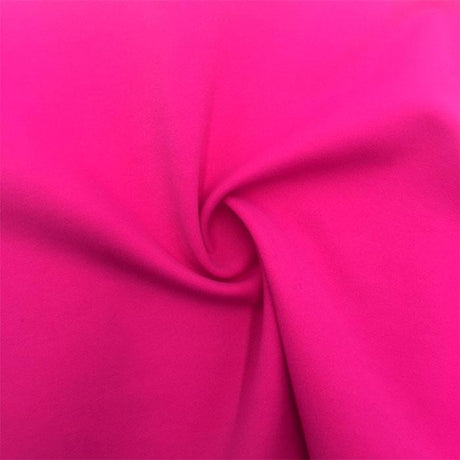
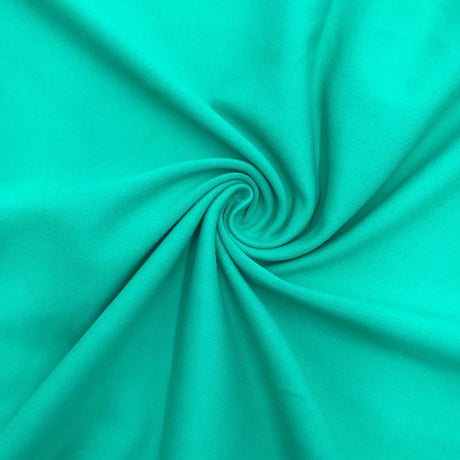
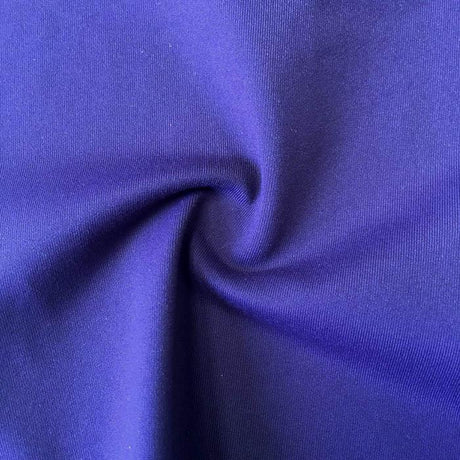
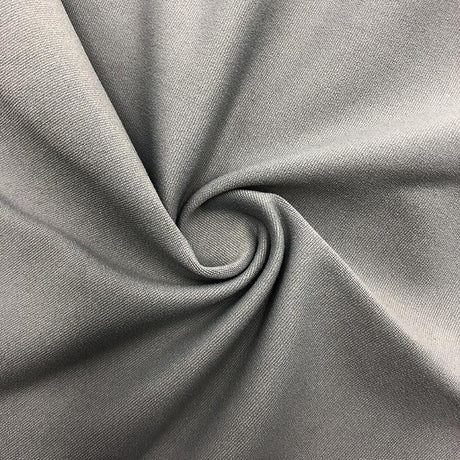
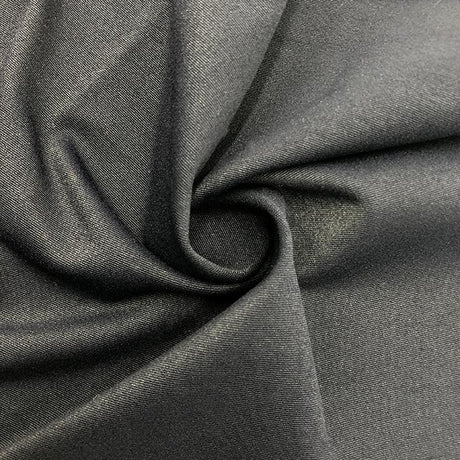
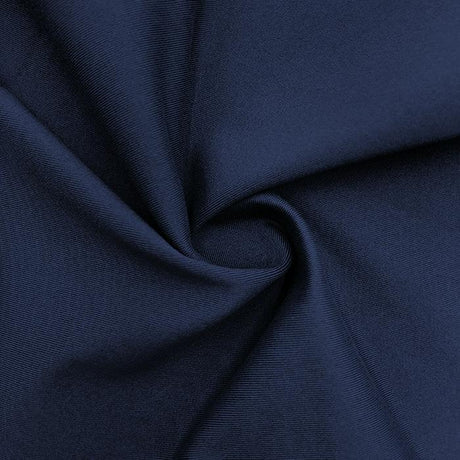
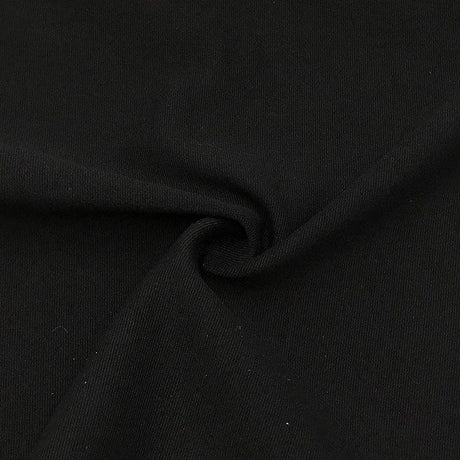
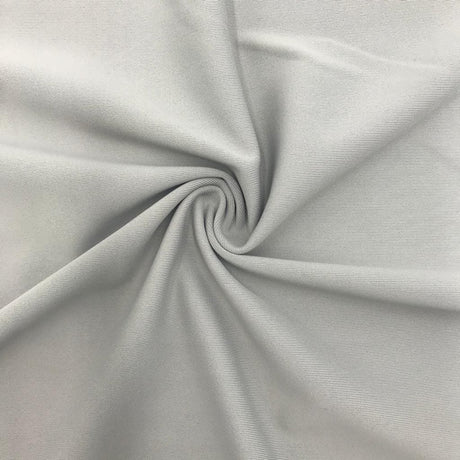
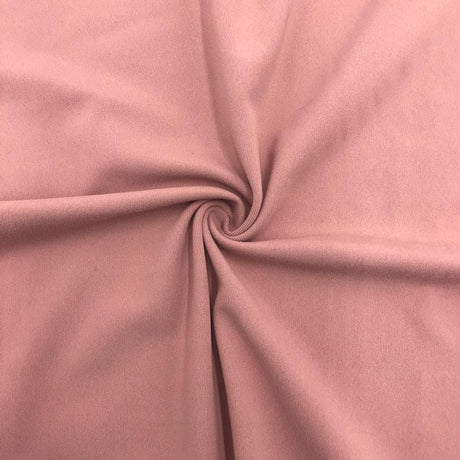
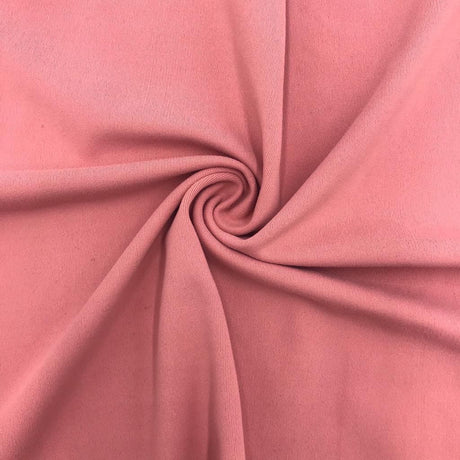
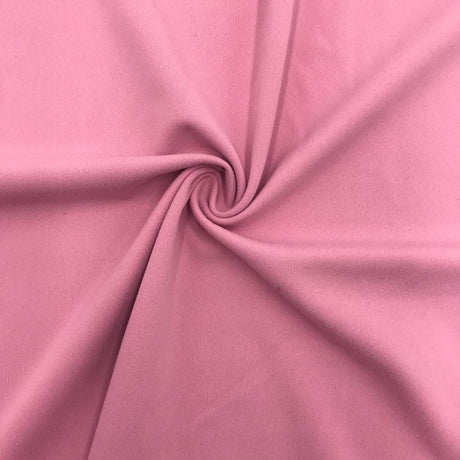
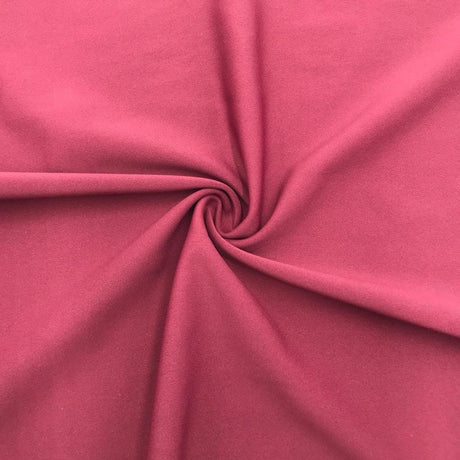
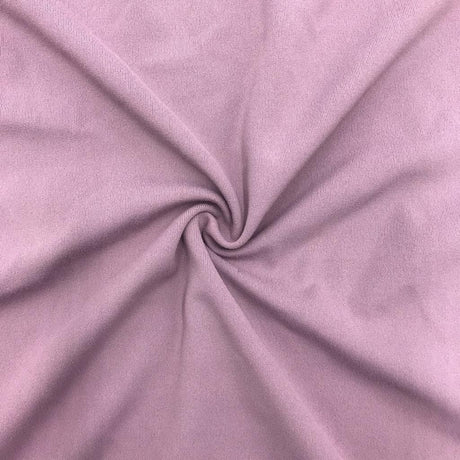
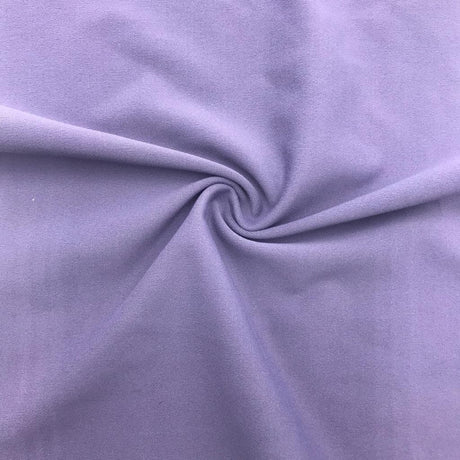
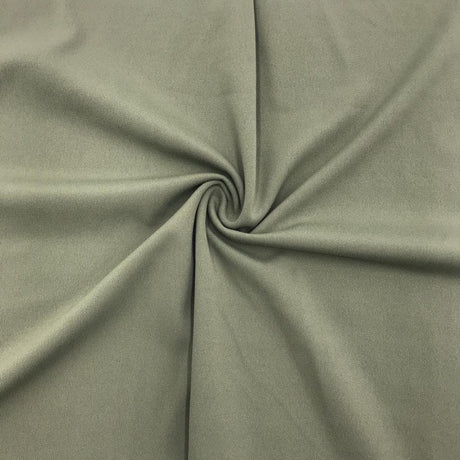
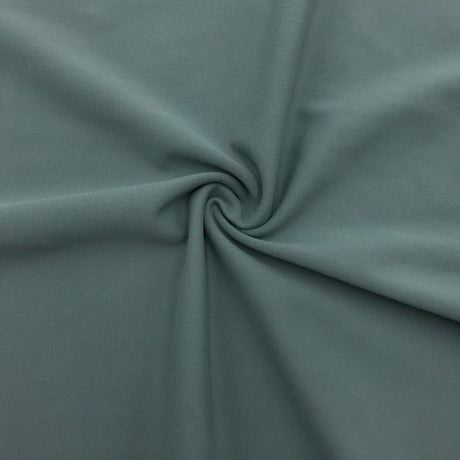
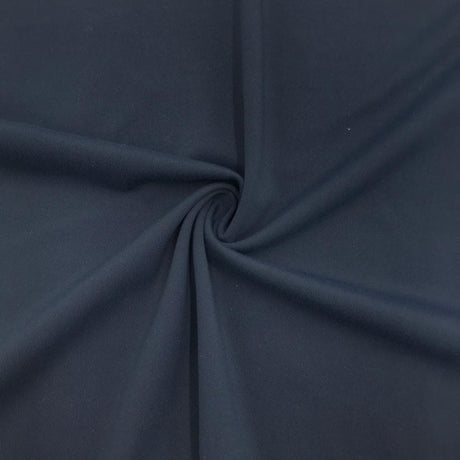
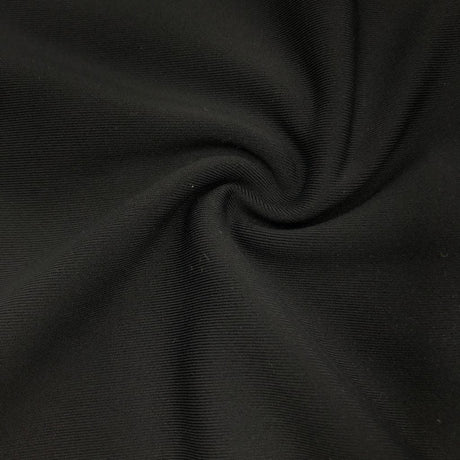
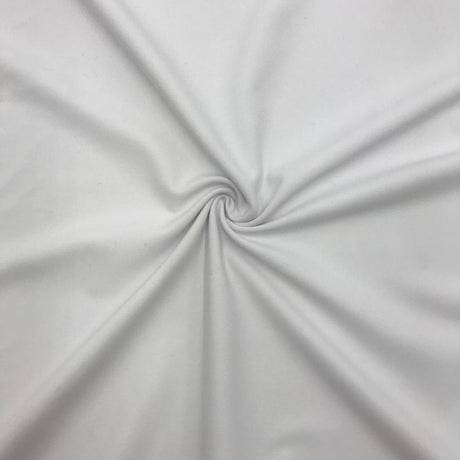
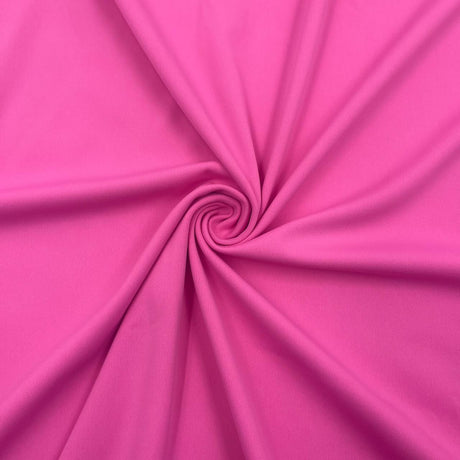
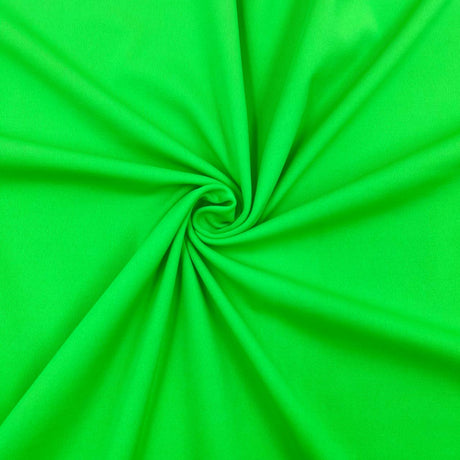
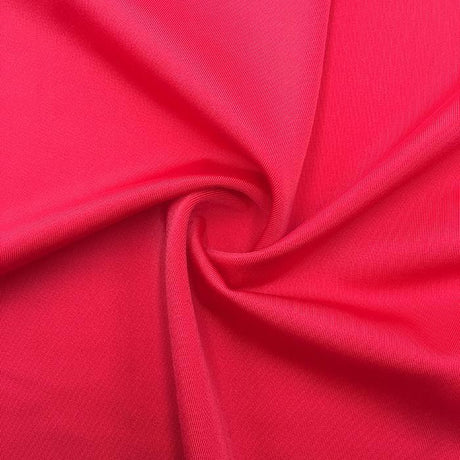
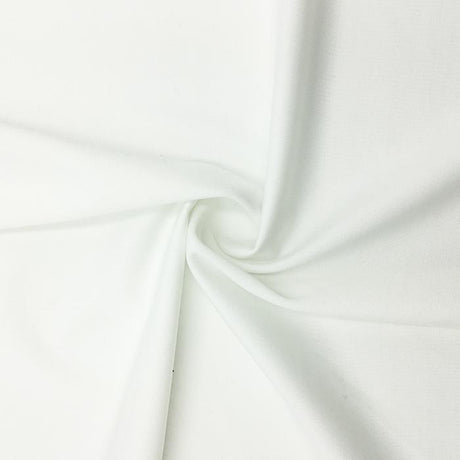
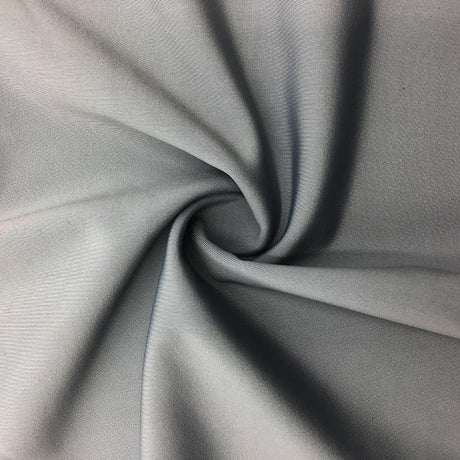
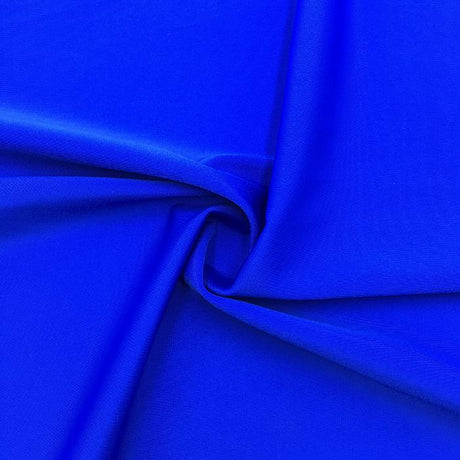
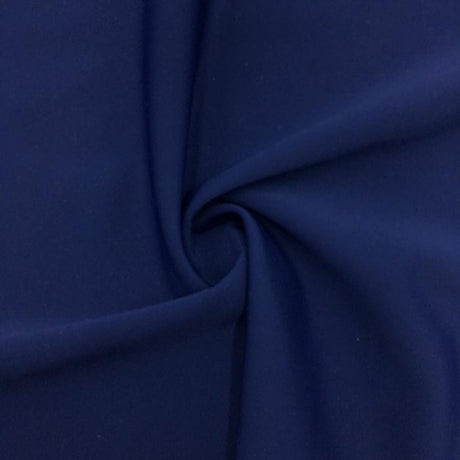
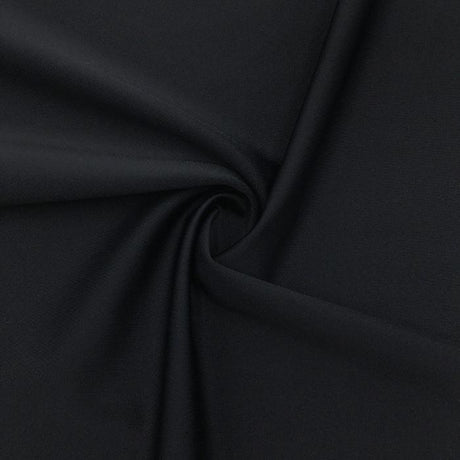
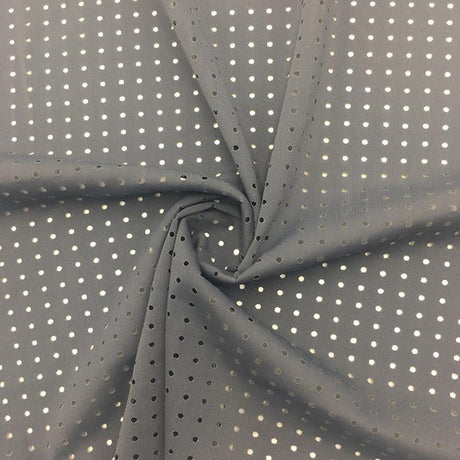
Close-up texture & stretch detail of a breathable knit fabric.
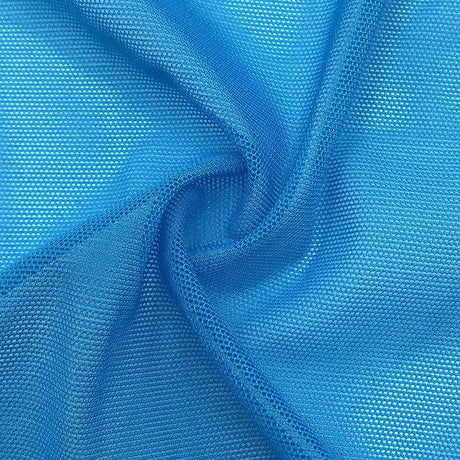
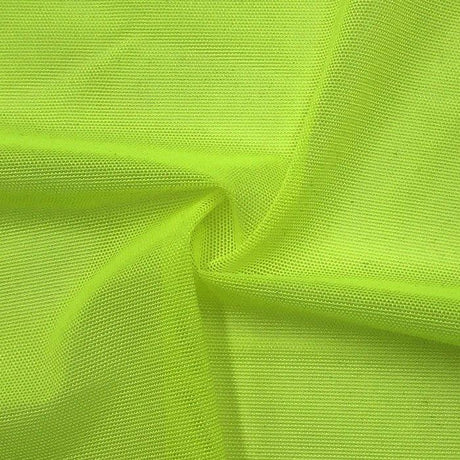
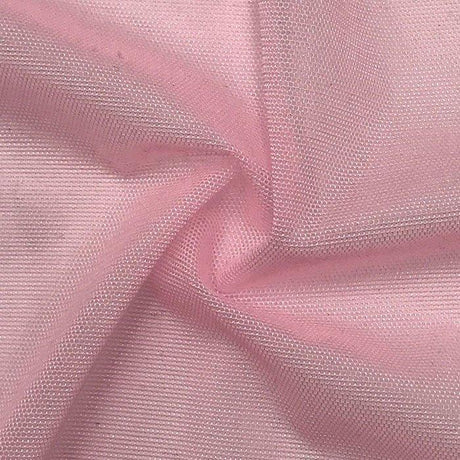
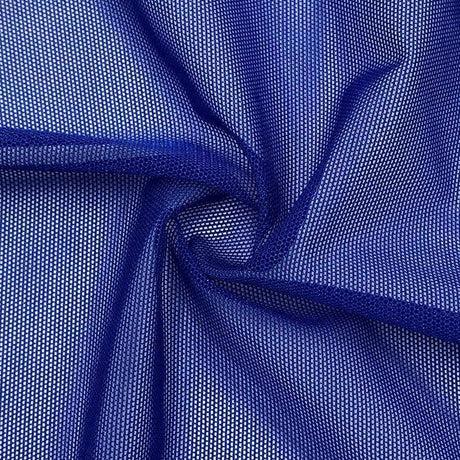
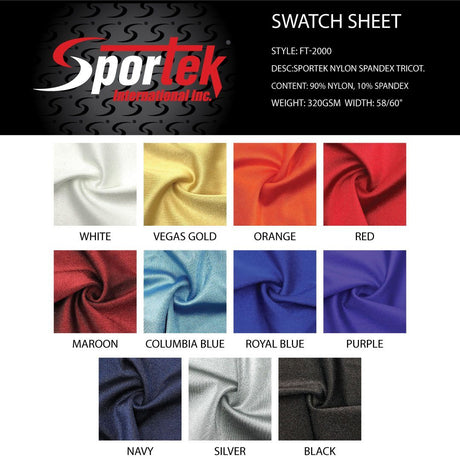
A "breathable" travel-pillow fabric is typically a lightweight knit or mesh that allows air and moisture to pass through, preventing sweat buildup against the skin. Common examples include stretchy jersey knits (cotton or nylon blends) and engineered meshes. For instance, cotton-spandex jersey combines cotton's natural softness and breathability with spandex's stretch, making a fabric that is soft to the touch yet resilient. Our cotton-spandex fabric guide covers how cotton-spandex blends compare to synthetic alternatives in stretch behavior, breathability, and moisture management.
By contrast, a standard woven cotton or thick fleece would trap heat and feel heavier. Another key type is spacer mesh or 3D mesh, which features a built-in air gap: it's lightweight and airy. Breathable fabrics differ from non-breathable ones mainly in construction and fiber. Natural fibers like cotton and wool are inherently breathable but tend to hold moisture, whereas synthetics (polyester/nylon blends) can be engineered for wicking (quick drying) and durability.
Key Performance Characteristics
Stretch & Recovery: Fabrics with spandex/elastane give 4-way stretch (~350–400% stretch). This means they can expand in all directions, conforming to neck shapes. Lycra-brand elastane recovers better than generic spandex, keeping the pillow snug over many uses. Our stretch fabric types page covers the step-by-step stretch and recovery testing methodology in detail, including how to calculate stretch percentage from a home swatch test.
GSM / Weight: Fabric weight (grams per square meter) affects feel. Light-weight knits (e.g. 150–200 GSM) are airy but less durable, whereas medium-weight (200–300 GSM) balance comfort and strength. For example, a 3D spacer mesh at ~270 GSM provides structure plus breathability. Our fabric weight guide provides a full breakdown of how GSM affects opacity, breathability, and durability across all common stretch fabric constructions.
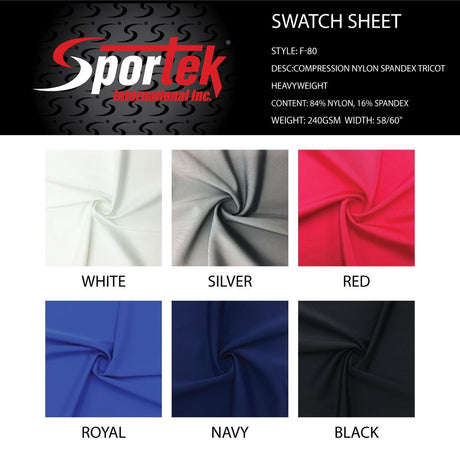
Moisture Management / Breathability: Key for travel pillows: wicking fabrics draw sweat to the surface to evaporate quickly. Synthetics like polyester/nylon blends excel at wicking, unlike untreated cotton which absorbs water. Fabrics may also use microporous weaves or open mesh to let air flow. Nylon-spandex blends are praised for moderate wicking and airflow, though pure polyester dries slightly faster. Our fabric finishes guide covers moisture-wicking surface treatments and how to evaluate their durability across performance fabric constructions.
Durability & Abrasion Resistance: High-performance fabrics must hold up to travel wear. Nylon and polyester fibers provide high tensile strength and abrasion resistance. Nylon-spandex knits resist pilling and tearing better than cotton knits. However, elastane (spandex) can degrade with heat or chemicals, so quality blends (e.g. with Lycra Xtra Life®) are used for longevity. Our nylon-spandex fabric guide covers how nylon-spandex constructions compare to polyester-spandex in durability, recovery, and moisture management.
Softness & Handfeel: Comfort is paramount for pillows. Cotton-spandex or bamboo-blends feel very soft against skin, whereas plain polyester may feel slick or rough. Brushed finishes (like brushed tricot) add plushness and warmth. Softness often trades off with durability.
Special Traits: Some fabrics have extra features. Brushed Tricot (a double-knit polyester) traps warm air for chill protection while staying breathable. Others are water-resistant or stain-resistant (coated or laminated). Many pillow fabrics are PFP (polyester-fiber-print) ready for vivid sublimation prints. Our sublimation page covers how sublimation printing bonds dye into polyester-spandex fibers to achieve permanent, saturated color, and our sublimation paper and sublimation transfer paper pages cover the complete printing workflow.
Comparison with Similar Fabrics
Cotton-Spandex Jersey: 95% Cotton + 5% Spandex (stretch knit). 4-way stretch (high elasticity in all directions). Best for pillow covers & apparel that need softness and gentle elasticity. Soft, breathable, flexible. Less abrasion-resistant; can sag if overstretched; dries slower.
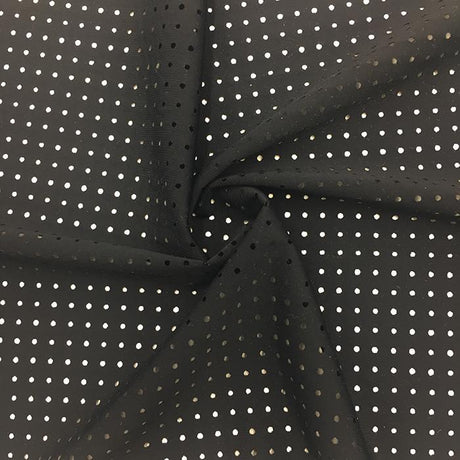
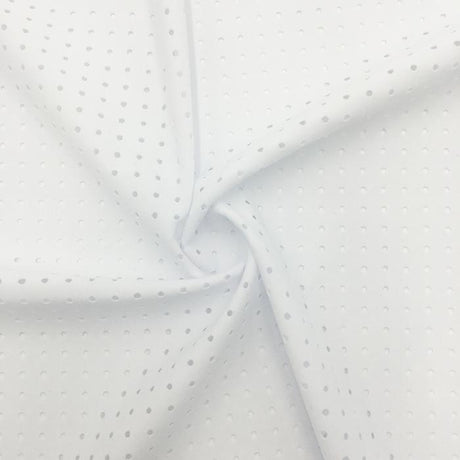
3D Spacer Mesh (Polyester): 100% Polyester (knit with air gap). Moderate stretch (mesh loops allow some give). Best for applications needing maximum airflow and lightweight cushioning (ventilated liners, active gear). Excellent ventilation & moisture release. Less soft; can feel coarse; limited insulation.
Plush Polyester Fleece: 100% Polyester (brushed knit). 2-way stretch (weft stretch only). Best for warm linings, cozy cushions, and drool-absorbent covers. Very soft and warm; absorbs moisture; durable finish. Lower breathability; traps heat; can pill or fuzz.
Best Uses & Applications
Travel & Outdoor Pillows: Breathable knits are ideal for on-the-go cushions and neck supports. A cotton-spandex cover provides comfort on long flights, while mesh panels help cool the skin. Some designs pair a soft lining for comfort (like brushed tricot) with a stretchy outer shell to combine warmth and airflow.
Activewear & Sports Accessories: Many travel accessories double as active gear. Fabrics like moisture-wicking nylon/spandex blends are used in sweatbands, travel pajamas, or sleeves that touch pillows. Our activewear fabric guide covers moisture-wicking and breathability ratings across all common performance fabric constructions.
Travel Apparel (Active/Sport): Nylon-spandex and moisture-managing fabrics appear in travel jackets or compression wear—useful for gear that may also function as a pillow (e.g. hoodies with built-in pillow inserts). These are breathable and retain shape.
Swim & Water Gear: Quick-dry swim fabrics or neoprene can be repurposed for specialized travel pillows (e.g. inflatable pool pillows or floatation cushions). For hot weather, UV-resistant and chlorine-resistant Lycra blends are used. Our swimwear fabric guide covers chlorine resistance ratings and stretch performance across all common swimwear fabric constructions.
Fashion & Prints: Custom-designed travel pillows or eye masks often use printed cotton-spandex or polyester knits. These fabrics support vivid dyes and move with the design. Soft lycra spandex prints make chic neck pillows that match loungewear.
Fleece for Warmth: When warmth is desired (cold flights or outdoor camping), fleece or velour linings add insulation. A travel pillow with a fleece cover feels cozy and absorbs moisture, though it's less "cool" than mesh.
How to Choose the Right Fabric
Project Purpose: For a pillow cover that stretches over padding, a knit like cotton-spandex jersey is ideal. If you need high ventilation (e.g. pillow for hot climates or medical braces), consider a 3D mesh layer. For lining or inner layers, brushed polyester adds plush feel. Our how to choose fabric guide covers what to evaluate when a physical swatch arrives, including stretch testing, opacity testing, and hand feel assessment.
Stretch Requirements: If your cushion will be molded or deformed (like bean-filling or contour pillows), use a 4-way stretch fabric so it returns to shape. Cotton blends stretch moderately; high-spandex blends (or Lycra® spandex) stretch more and recover better with use.
Climate/Use Conditions: In hot/wet environments, prioritize synthetic moisture-wicking fabrics (e.g. polyester/nylon blends). For cooler conditions, a layer of fleece or brushed tricot adds insulation. Remember: synthetic wicking fabrics should avoid fabric softeners, which can leave residues.
Aesthetics vs Performance: If appearance matters (patterns or prints), pick fabrics labeled for prints (cotton-poly/spandex blends are great for dye sublimation and printing). Note printed fabrics may fade or shrink on care, so factor that in.
Feel (Hand vs Function): Do a swatch check. Does it feel smooth or scratchy? A too-coarse mesh might irritate skin. Conversely, plush fleece feels great but won't breathe well. Many crafters combine fabrics – e.g., a jersey exterior with a jersey-lined mesh panel for the best of both. Have questions? Our expert help and advice page and FAQ are always available.
Common Mistakes to Avoid
Wrong Needle: Sewing knits requires a ballpoint or stretch needle. Using a sharp needle can create holes or skipped stitches. Our how to sew stretch fabric guide covers complete needle selection, stitch type, machine settings, and edge finishing guidance for all common stretch fabric construction scenarios.
Ignoring Stretch/Recovery: Don't treat a stretch fabric like a woven. If you sew with a straight stitch on a 4-way stretch, seams will pop. Use a zigzag or stretch stitch that can expand.
Improper Thread/Seam: Avoid cotton thread on stretchy fabrics (use polyester or nylon thread). Sew with moderate tension; too-tight stitching will pucker knits.
Skipping Stabilizers: For heavy stitching (like top-stitching a neckline of the pillow cover) use a stabilizer or stay tape to prevent fabric distortion.
Cutting Against Grain: Pay attention to fabric direction. Stretchy fabrics have more give in one direction; align the pattern so the stretch goes around the neck.
Not Pre-Washing: Many knits (especially cotton blends) will shrink slightly on first wash. Always pre-wash or at least pre-stretch your fabric.
Fabric Care Neglect: High heat in washing or drying can degrade spandex. Avoid bleach and fabric softener on performance fabrics. Our spandex care guide covers why heat and harsh chemicals degrade elastane fibers and the complete care protocols that maximize garment lifespan.
Ready-to-Use Checklists
- Pre-wash fabric and test its stretch/recovery before cutting
- Use a ballpoint or stretch machine needle for jersey and mesh
- Match seams and prints with the fabric's grain or pattern
- Select an appropriate stretch stitch (zigzag, serger) for seams
- Secure heavy or stretchy edges with stabilizers (e.g. stay tape or interfacing)
- Align fabric so that the stretch direction is optimized (around curves)
- Sew slowly and evenly, adjusting tension as needed
Care & Longevity Tips
Washing: Use cool or warm water with mild detergent. Hot water can damage elastic fibers. Do not use bleach or fabric softener on moisture-wicking fabrics – softener will coat fibers and ruin wicking. Always turn printed fabrics inside-out to protect dyes. Our spandex care guide and fabric care guide cover complete laundering protocols for all common spandex-blend fabric types.
Drying: Air-drying is best to maintain stretch. If using a dryer, tumble on low heat. High heat can weaken spandex/elastane and cause shrinkage.
Ironing: Most performance knits require little ironing. Use a cool iron if needed, and place a press cloth over prints. Avoid high heat and steam on spandex – it can degrade the elastic.
Storage: Store pillows in a cool, dry place. Keep pillow covers out of direct sunlight when not in use, as UV rays can fade colors and weaken elastics.
Print Care: To prolong design vibrancy, wash similar colors together and use a detergent formulated for colors.
When to Consider an Alternative Fabric
Cotton-Spandex vs Nylon-Spandex: Choose cotton-spandex if natural softness and breathability are top priority. However, be aware that cotton blends will absorb moisture rather than wick it. For a more performance-oriented pillow (long trips, hiking), switch to nylon-spandex blends: nylon wicks and dries faster and is more abrasion-resistant. Our nylon-spandex fabric guide covers how nylon-spandex constructions compare to cotton-spandex in durability, recovery, and moisture management.
When Neoprene is Better: A neoprene fabric (like wetsuit material) is thick and buoyant. It's a good choice if you want a firm, form-retaining pillow, but neoprene is heavy, warm, and has very low breathability, so it's generally not ideal for hot-weather travel pillows.
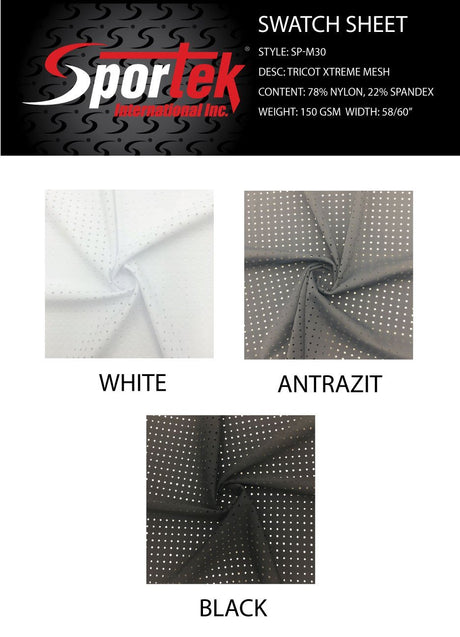
When to Use Mesh: Opt for a 3D mesh if your highest priority is airflow and weight reduction. However, mesh is not very soft, so it's best used in combination (e.g. a mesh panel under a soft cover) rather than as the main surface fabric.
Other Alternatives: For extreme cooling, some travelers use moisture-wicking silver-coated fabrics or bamboo-viscose knits, which are naturally cool and antimicrobial. If your DIY pillow is a fashion statement, consider a printed spandex option. Each alternative trades off softness, stretch, or warmth for a specific feature.
Conclusion
Breathable travel-pillow fabrics stand out by combining comfort with performance. Fabrics like cotton-spandex knits and advanced meshes let air circulate and wick away moisture, keeping your neck dry and cool. They also stretch to cradle your neck without bagging out. The ideal fabric depends on your use case: choose soft, stretchy jerseys for a plush feel, or high-tech mesh for maximum airflow.
By assessing weight (GSM), stretch, and finish, you can pick a fabric confidently. Remember to sew with the right needle and care for it gently (cool wash, low-heat dry). With the right breathable fabric, your DIY travel pillow will stay comfortable for long journeys. Sign up for SpandexByYard Rewards to earn points on every purchase.
FAQs
Q: Is cotton-spandex jersey good for travel pillows? A: Yes. Cotton-spandex blends offer a soft, breathable cover that stretches and recovers well. They feel gentle against skin. The cotton provides airflow, while the spandex adds elasticity so the pillow stays snug. Just remember cotton absorbs moisture (it won't dry as fast as pure synthetics). Our cotton-spandex fabric guide covers how cotton-spandex blends compare to synthetic alternatives in stretch behavior and moisture management.
Q: How durable are these fabrics for long-term use? A: Very durable options include nylon-spandex and high-quality polyester blends. Nylon-spandex fabrics resist abrasion and hold shape through many washes. Cotton blends are slightly less durable over time. For longevity, avoid high-heat washing (spandex fibers can weaken) and use gentle cycles.
Q: Should I use mesh fabric for a travel pillow cover? A: Mesh is excellent for ventilation but it's rough on its own. If using mesh, pair it with a softer outer layer (e.g. a cotton cover). Pure mesh covers can feel scratchy, so they work best in panel designs or removable liners.
Q: How should I wash a spandex-travel pillow cover? A: Wash it on a gentle cycle with cool or warm water. Do not use bleach or fabric softener, as these can break down elastane and coatings. Tumble-dry low or air-dry. Our spandex care guide covers complete care protocols for all common spandex-blend fabric types.
Q: What if my pillow feels too hot – can I use a different fabric? A: For cooler performance, switch to moisture-wicking or mesh fabrics. A jersey knit that wicks (like a polyester-spandex) will feel cooler than cotton. You could also add a mesh ventilation panel or use a lighter weight. Consider a bamboo or linen-blend for a naturally cool feel.