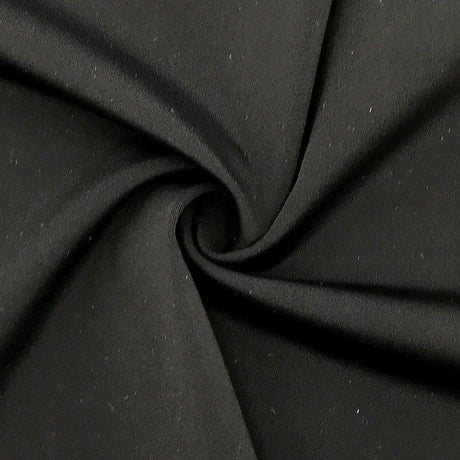
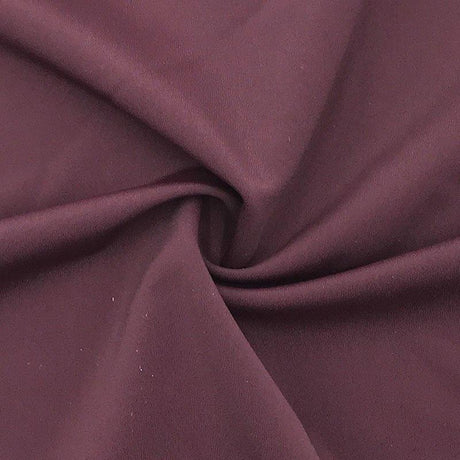
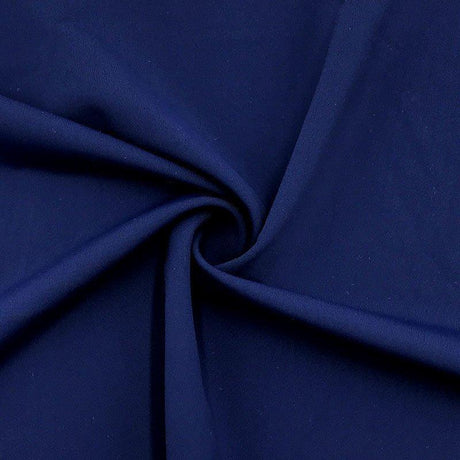
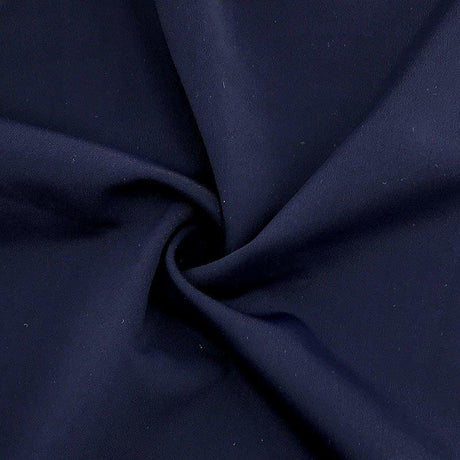
If you've ever designed (or sewn) leggings that looked great in the studio but felt cold the moment you stepped outside, you already know the core challenge: warmth can't come at the expense of stretch recovery, opacity, and comfort. For a broader foundation on stretch fabric properties before diving in, explore our activewear fabric guide or browse our full fabric guides hub.
Warm leggings succeed when thermal comfort, mobility, and shape retention all land in balance. That balance usually comes from modern performance knits—most often nylon-spandex or poly-spandex blends—engineered to move, breathe, and recover after repeated stretch cycles.
Where winter leggings get tricky is that "warm" is not a single fabric category. In practice, warmth is often engineered through one of three routes: a brushed interior that adds soft loft without adding bulk; a fleece back (single- or double-sided) that increases insulation; or a lined or layered construction (either fabric-built or garment-built) that creates a true thermal system.
What Is the Best Fabric for Warm Leggings?
Warm leggings fabrics are typically stretch knits—not wovens—because leggings require continuous extension, recovery, and a close-to-body fit. These performance knits commonly center on nylon/spandex or polyester/spandex blends targeted for activewear, leggings, and form-fitting apparel. Our nylon-spandex fabric guide covers how nylon-spandex constructions achieve the combination of smooth hand feel, strength, and 4-way stretch that defines quality performance fabric.
The Three Warm-Legging Fabric Archetypes:
Brushed (raised) performance knits: Brushed fabrics have a surface that's been mechanically raised to create a soft "peached" or fuzzy feel. Brushed tricot is specifically positioned as lightweight, flexible, and warmer due to the brushed finish's ability to trap air without losing breathability.
Fleece-backed stretch knits: Fleece-backed styles typically pair a smooth jersey face with a functional fleece back for warmth and comfort—common in thermal leggings and cold-weather base layers. A representative example is a thermal fleece described as having a jersey face and a fleece back, built in a poly/spandex blend for stretch plus warmth.
Lined (two-layer) legging systems: "Lined" can mean either a fabric construction with two functional surfaces (e.g., a stable outer face + a warmer inner face), or a garment design choice where you add a lining layer (often brushed tricot or a lighter wicking knit) to a main legging fabric.
Key Performance Characteristics That Matter for Warm Leggings
Stretch and Recovery: A legging fabric must stretch comfortably and return close to its original dimensions. ASTM D2594 covers measuring stretch under load and evaluating fabric growth after extension and release. Poor recovery = baggy knees and saggy seat, especially in brushed fabrics if the brushing process is paired with insufficient elastane or a less resilient knit structure. Our stretch fabric types page covers the step-by-step stretch and recovery testing methodology in detail.
GSM and Fabric Weight: GSM (grams per square meter) is one of the most practical predictors of how a fabric will feel in hand and on-body—including perceived warmth. Higher GSM generally corresponds to a heavier, warmer feel. For warm leggings, GSM interacts with loft (brushing/fleece) and air-trapping structure—not just raw mass. Our fabric weight guide provides a full breakdown of how GSM affects opacity, compression, breathability, and durability across all common stretch fabric constructions.
Moisture Management and Breathability: "Warm" shouldn't become "sweaty and cold." That's why many cold-weather legging builds pair insulation with moisture transport. In performance testing, liquid moisture management can be evaluated using AATCC TM195, which is designed to measure and classify liquid moisture management properties of textile fabrics. A crucial care note: moisture-wicking finishes and fabric engineering can be compromised by laundry additives—fabric softener leaves a residue that interferes with engineered moisture-wicking performance. Our fabric finishes guide covers moisture-wicking surface treatments and how to evaluate their durability across performance fabric constructions.
Durability and Abrasion Resistance: Warm leggings often face abrasion at inner thighs, knees, and seats—especially for outdoor use. Abrasion resistance is frequently evaluated using the Martindale method; ISO 12947 specifies requirements for the Martindale apparatus used in abrasion testing for fabrics. Look for anti-pill finishes when available; some fleece styles are described as having anti-pill fleece finishes while staying warm and durable.
Softness and Handfeel: Warm leggings require comfort against skin. Brushed tricot is positioned as "incredibly soft" while adding warmth and remaining lightweight and flexible. Fleece collections emphasize softness plus insulation for cold-weather apparel.
Special Performance Traits: Depending on your climate and use-case, you may prioritize anti-microbial treatments (useful for base layers and high-sweat wear) or wind/water resistance (often achieved via laminated or softshell-style constructions).
Brushed vs Lined vs Fleece-Backed Fabrics Compared
Fleece-Backed Stretch Knit (Primary): Commonly poly/spandex blends (example: 88% polyester / 12% spandex in a thermal fleece with jersey face + fleece back). Typically 4-way stretch designed for mobility in activewear. Best for true cold-weather leggings, outdoor training, and winter commuting. Highest warmth-to-wear impact; cozy interior; good for "thermal legging" feel. Can feel too warm indoors; bulkier seams; can reduce "sleek" drape.
Brushed Tricot / Brushed Knit (Alt 1): Often polyester-based brushed tricot; brushed texture adds comfort/warmth while staying lightweight. Flexible; used for leggings and performance apparel; warmth via brushed finish. Best for cool-to-cold conditions, "soft inside" comfort, and lighter thermal boost. Warmth without bulk; breathable comfort; good as lining layer too. Warmth depends on brush depth; can show wear if recovery/abrasion isn't sufficient.
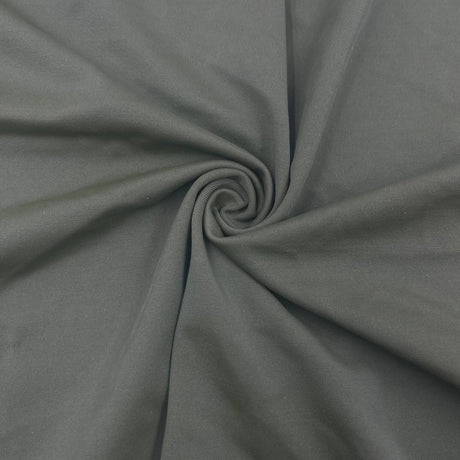
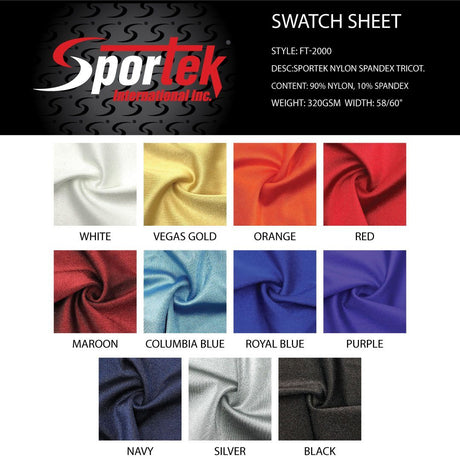
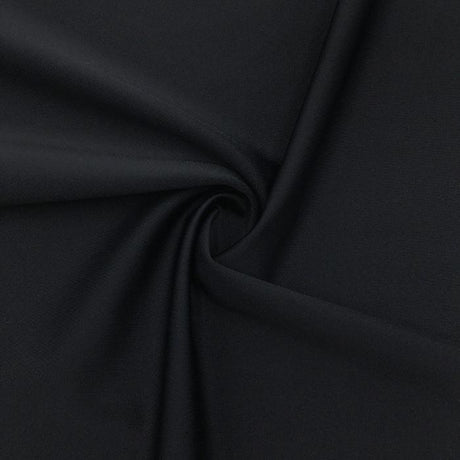
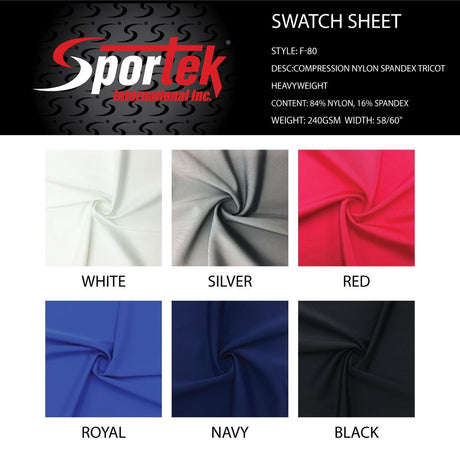
Smooth Performance Jersey/Tricot (Alt 2): Commonly nylon/spandex blends used for activewear with durability, breathability, and stretch. Often 4-way stretch in activewear; strong recovery depends on elastane % and construction. Best for mild conditions, indoor training, and layering base with jackets/outer layers. Sleek handfeel; fast-drying poly versions available; excellent for prints and fashion silhouettes. Not truly "warm" alone; relies on layering; can feel cold in wind without insulation.
Quick decision rule for most buyers: If you want the best fabric for warm leggings in the everyday sense—meaning the fabric itself provides noticeable warmth—start with fleece-backed stretch knits and then step down to brushed interiors when you need less bulk (or more breathability).
Best Uses and Applications
Mainstream Apparel Categories: Warm leggings fabrics commonly support activewear leggings and tights (training, yoga in cool studios, outdoor running), base layers and second layers where moisture-wicking and mobility matter, and athleisure sets (tops + leggings) using the same handfeel family. Our activewear fabric guide covers compression performance benchmarks and fabric weight recommendations across all common legging and activewear constructions.
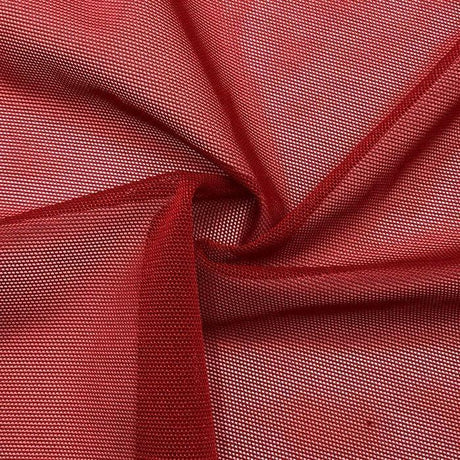
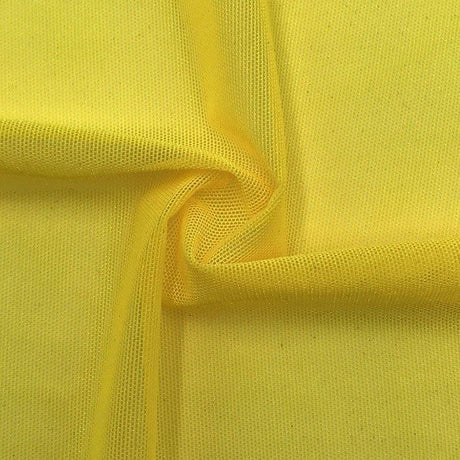
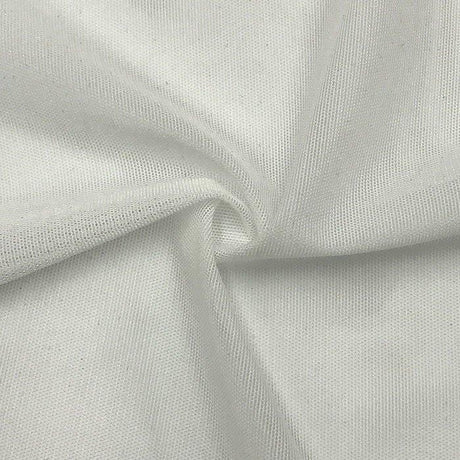
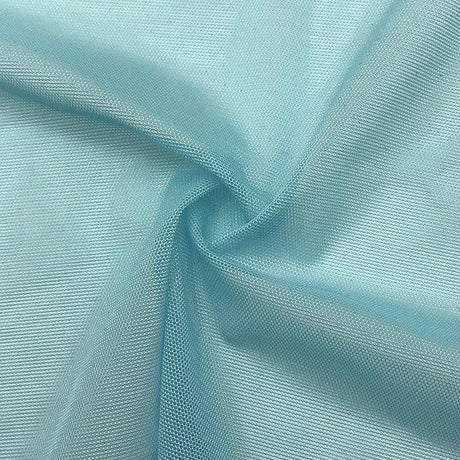
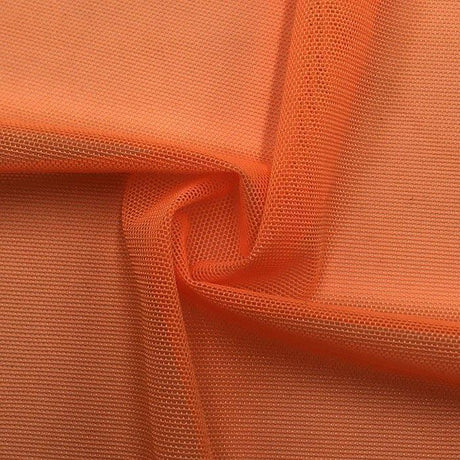
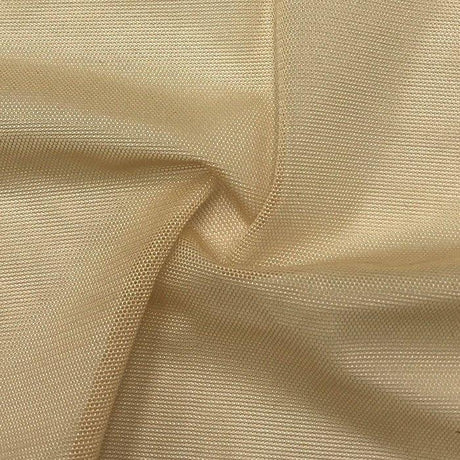
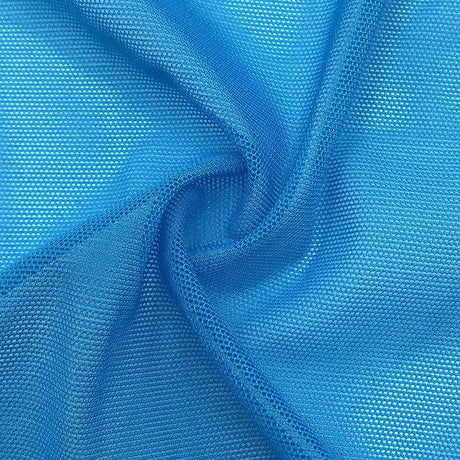
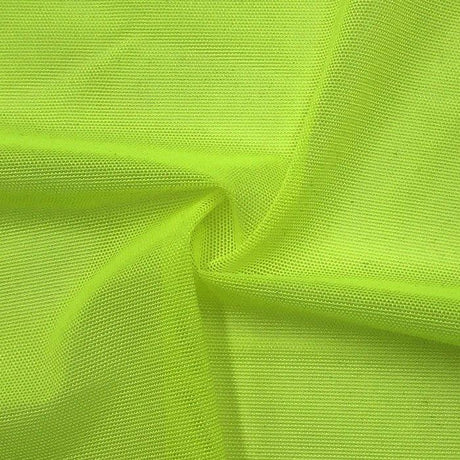
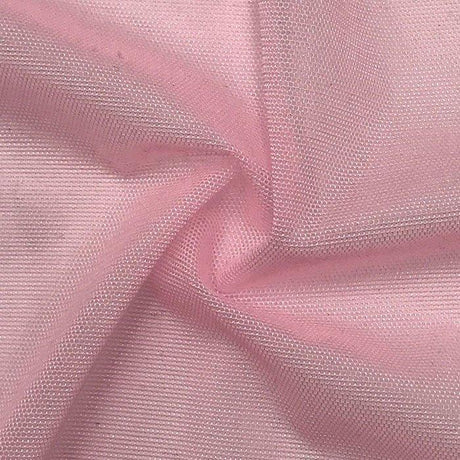
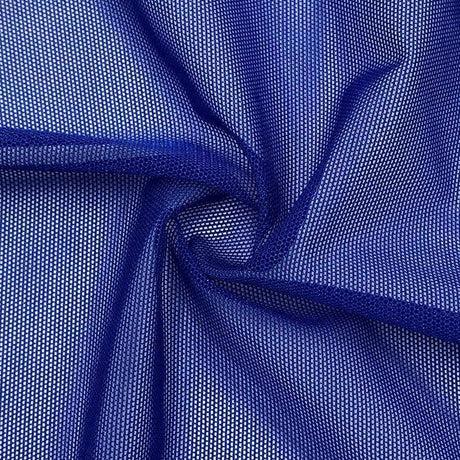
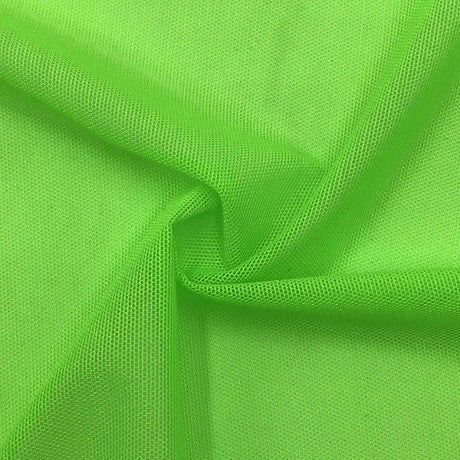
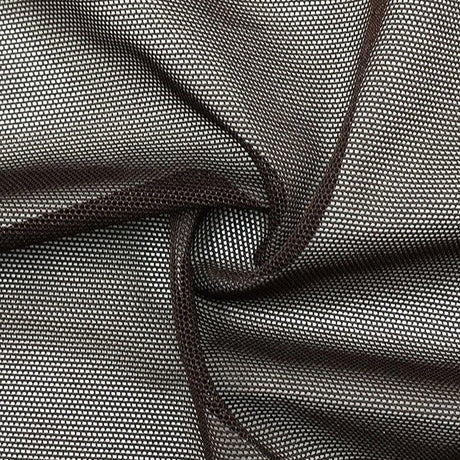
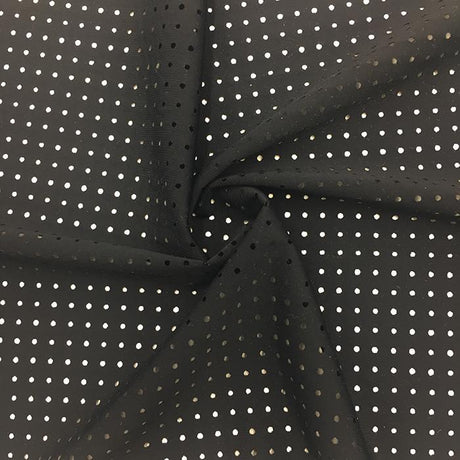
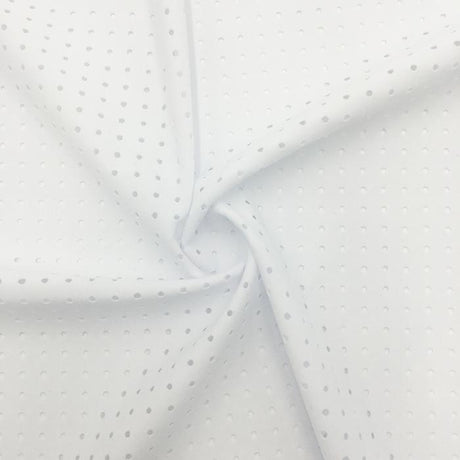
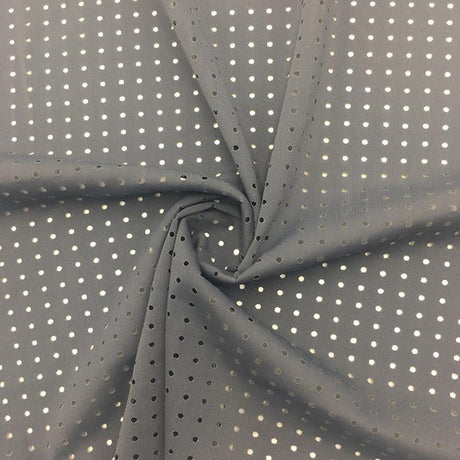
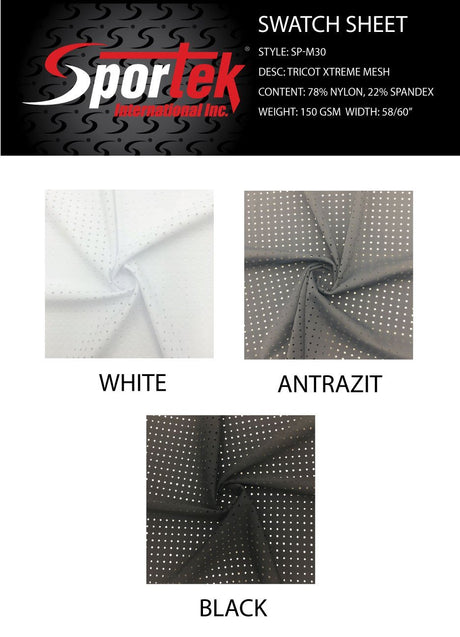
Warmth Plus Breathability Placements: A high-performing warm legging design often mixes materials. Use mesh panels behind knees or along side seams for ventilation. Use mesh & lining materials for pocket bags, gusset linings, or layered modesty panels while maintaining airflow.
Custom Prints and Fashion-Forward Designs: Warm leggings don't have to be basic black. Printed spandex collections include nylon and poly spandex prints designed for leggings, yoga wear, and dancewear. For sublimation workflows, sublimation-ready tricot is positioned to deliver sharp, vibrant results. Our sublimation page covers how sublimation printing bonds dye into polyester-spandex fibers to achieve permanent, saturated color, and our sublimation paper and sublimation transfer paper pages cover the complete printing workflow.
How to Choose the Right Warm Legging Fabric
Step One: Define the "Cold": Cool indoor studio / mild outdoors: brushed interiors or heavier smooth knits can be enough. True winter outdoor wear: fleece-backed stretch knits usually perform better as "warmth you feel."
Step Two: Decide Your Sweat Profile: If the wearer will be active (running, hiking, training), prioritize moisture transport—either via moisture management spandex or by pairing thermal with ventilation/mesh. For lab-driven specs, moisture management can be assessed using AATCC TM195 to classify liquid moisture management behavior.
Step Three: Confirm Stretch-and-Recovery Expectations: For pro development, request stretch and growth data (or test it). ASTM D2594 is an established method to quantify stretch and fabric growth after extension and release.
Step Four: Use GSM as Your Sanity Check: GSM helps you validate whether a fabric is in the right "weight class" for the season and desired opacity/warmth. Our fabric weight guide covers the GSM thresholds that distinguish lightweight from midweight from heavyweight knit constructions.
Step Five: Choose Solids vs Prints: If prints are the product story, start from print-capable fabric families: printed spandex and sublimation-ready tricot lines are positioned for that use.
Our how to choose fabric guide covers what to evaluate when a physical swatch arrives, including stretch testing, opacity testing, and hand feel assessment. Have questions about specific fabric specifications? Our expert help and advice page and FAQ are always available.
Common Mistakes to Avoid
Using the Wrong Needle (Skipped Stitches, Runs, Snags): For highly elastic knits with Lycra/spandex, use a stretch needle with a medium ball point, smaller eye, and deep scarf—recommended for highly elastic knitwear including spandex blends. Our how to sew stretch fabric guide covers complete needle selection, stitch type, machine settings, and edge finishing guidance for all common stretch fabric construction scenarios.
Sewing Stretch Seams with a Straight Stitch (Popped Seams): Leggings seams must extend with the fabric. If your seam cannot stretch, it will break under movement. This becomes even more common in thicker thermal knits where seam strain increases.
Ignoring Recovery During Swatch Testing: If a brushed or fleece-backed swatch feels amazing but doesn't rebound quickly after stretching, it may "grow" during wear—exactly what standardized stretch/growth testing is designed to identify.
Overheating Spandex During Finishing or Care: Spandex fibers can be degraded by heat. Our spandex care guide covers why heat is so damaging to elastane fibers and the care protocols that maximize garment lifespan.
Cutting Without Planning Nap and Print Alignment: Brushed and fleece-backed fabrics often have a directional "nap" (the feel changes depending on direction). Prints also require grainline and motif planning—especially for leggings where mirrored pattern pieces sit side-by-side.
Ready-to-Use Checklists
DIY Warm Leggings Checklist (Cutting + Sewing):
- Pre-wash a swatch (or at least steam-test) to check for change in handfeel and shrinkage
- Identify right side/wrong side and nap direction (especially for brushed or fleece back)
- Use a stretch or ballpoint-style needle appropriate for high-elastane knits
- Choose a stretch-friendly seam (zigzag, stretch stitch, or serger) for main assembly
- Test hem stretch before final stitching (coverstitch or twin needle if desired)
- Avoid fabric softener in laundering to protect moisture-wicking behavior
Manufacturer / Product Developer Checklist (Spec + QC):
- Confirm fiber content and intended end use (thermal, wicking, compression, printed)
- Request stretch and growth values using an established method such as ASTM D2594 when fit retention matters
- If abrasion is a risk (running tights, outdoor leggings), benchmark durability using Martindale-based abrasion testing
- Validate moisture management claims via AATCC TM195 classification when the product is sweat-forward
- Plan color/print production (printed spandex vs sublimation-ready substrates) early in the workflow
Care and Longevity Tips
Washing: Use gentle washing practices; harsh washing can damage elastic fibers, and cold water is commonly recommended to reduce long-term degradation of stretch. Avoid bleach and harsh chemicals that can break down spandex fibers. Our spandex care guide and fabric care guide cover complete laundering protocols for all common spandex-blend fabric types.
Skip Fabric Softener: Performance moisture-wicking garments should avoid fabric softener because residues can interfere with the fabric's engineered finish and can contribute to elastane deterioration and trap odors.
Drying: Air-drying is strongly recommended for spandex garments; high heat can weaken or damage elastic fibers. High heat causes Lycra to lose its stretch—use low/cold settings.
Storage: Store away from prolonged UV exposure; UV can break down spandex fibers and fade colors.
When to Consider an Alternative Fabric
Choose cotton-spandex when you want a more natural handfeel for lounging or casual wear and prioritize a "tee-shirt softness" experience over high-performance moisture transport. Our cotton-spandex fabric guide covers how cotton-spandex blends compare to synthetic alternatives in stretch behavior and recovery for different end uses.
Choose neoprene when you need structure and a more sculptural silhouette (fashion leggings, statement pieces, or certain performance applications). Note: neoprene-like constructions can reduce breathability relative to classic jersey-based leggings.
Choose mesh more than you think when you're overheating in "warm leggings." Mesh doesn't replace the thermal fabric—but it can solve comfort problems through breathability zones and lining applications.
Choose moisture management spandex or a base-layer fabric when your "warmth problem" is actually a sweat problem: you get cold after sweating because moisture stays trapped.
Conclusion
The best fabric for warm leggings is the one that matches your real temperature conditions, movement intensity, and fit expectations—not just the softest swatch on the table. In most cold-weather builds, fleece-backed stretch knits deliver the strongest "thermal legging" experience because the lofted back boosts warmth without sacrificing stretch. Brushed tricot and brushed knits are ideal when you want warmth without bulk and a softer next-to-skin feel, while smooth nylon-spandex or poly-spandex jerseys remain the go-to foundation when you prefer layering flexibility or need a sleeker look.
When you choose with confidence—using GSM as a weight check, validated stretch-and-recovery expectations, and moisture management awareness—you get leggings that feel warm, fit right, and stay that way. Sign up for SpandexByYard Rewards to earn points on every purchase.
FAQ
Is fleece-backed fabric always the best fabric for warm leggings? It's often the warmest standalone option because a fleece back adds loft and insulation, but it can be too warm indoors and may add seam bulk. For moderate cold, brushed interiors can give warmth with a lighter feel.
Are brushed fabrics warm enough for outdoor winter running? Brushed fabrics add comfort and warmth by trapping air while remaining relatively lightweight, but for sustained cold exposure many runners prefer fleece-backed fabrics—or brushed plus smart ventilation/mesh.
How can manufacturers prevent "baggy knees" in warm leggings? Prioritize stretch recovery and control fabric growth. Stretch and fabric growth can be measured using ASTM D2594, helping you compare candidate fabrics more objectively. Our stretch fabric types page covers the complete stretch and recovery testing methodology.
Can I use fabric softener on moisture-wicking leggings? Generally, no. Care guidance commonly warns that fabric softener can leave residue that interferes with moisture-wicking finishes and engineered performance. Our fabric care guide covers complete laundering protocols for all common performance fabric types.
What needle should I use to sew spandex leggings fabric? For highly elastic knits containing spandex, use stretch needles designed with a medium ball point and features that help prevent skipped stitches on elastic knits. Our how to sew stretch fabric guide covers all needle selection and machine setup guidance for all common legging construction scenarios.