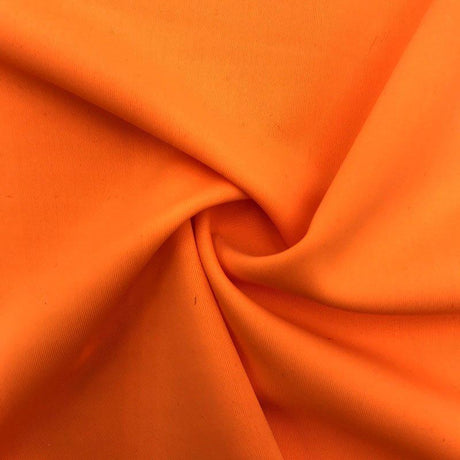
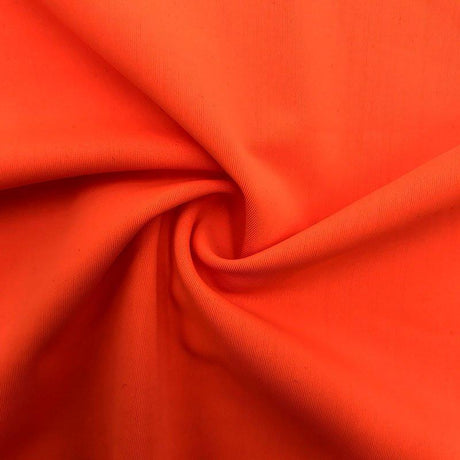
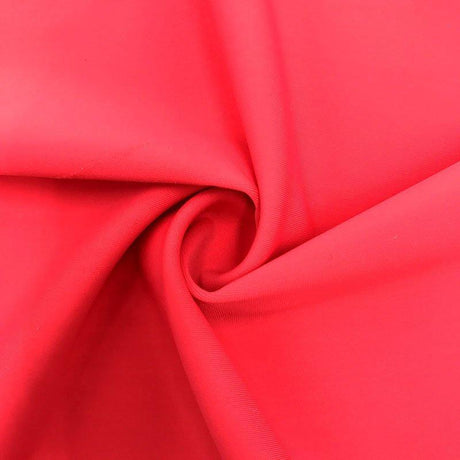
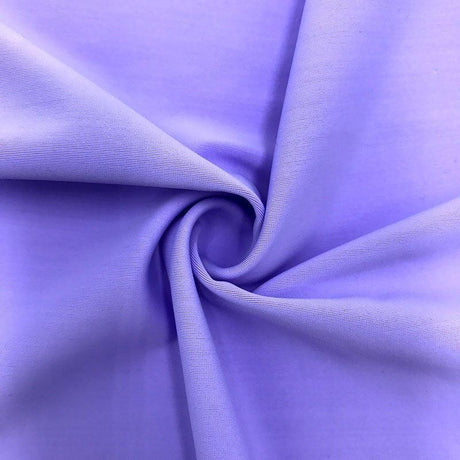
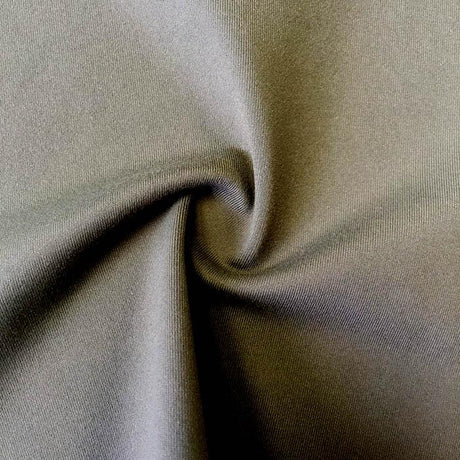
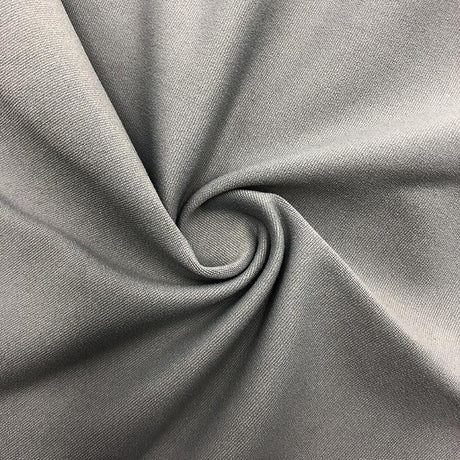
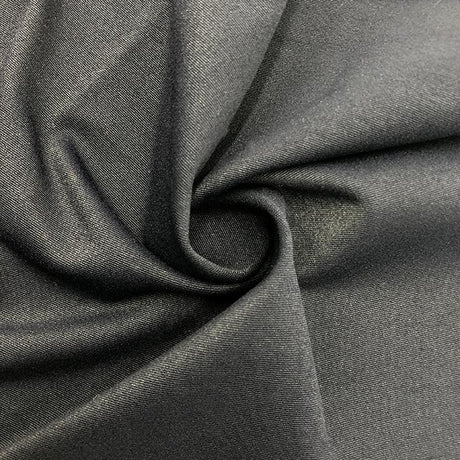
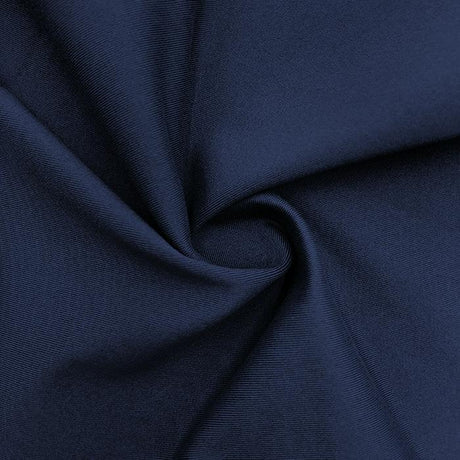
If you've ever worn a neck gaiter that felt clammy, too tight, or mysteriously stretched out by the end of the day, you already know the "fabric choice" is not a minor detail—it's the entire product experience. The wrong textile can cause heat buildup, skin irritation, foggy glasses, poor fit, or sagging after washing. For a broader foundation on stretch fabric properties before diving in, explore our stretch fabric types page or browse our full fabric guides hub.
The good news: the "best fabric for neck gaiter" is not a mystery when you evaluate it like a performance fabric specialist. Neck gaiters sit in a demanding zone—next-to-skin comfort, 4-way stretch, breathability, and often moisture management or warmth. Those requirements point strongly toward modern stretch knits (nylon-spandex, polyester-spandex, cotton-spandex, mesh, brushed linings), not rigid wovens.
What Makes the Best Fabric for a Neck Gaiter
What This Fabric Category Is
Most high-performing gaiters are made from stretch knit fabrics—especially blends that include spandex (elastane) for fit, recovery, and pull-on comfort. Spandex is legally defined in U.S. textile rules as a manufactured fiber made from a long-chain synthetic polymer comprised of at least 85% segmented polyurethane.
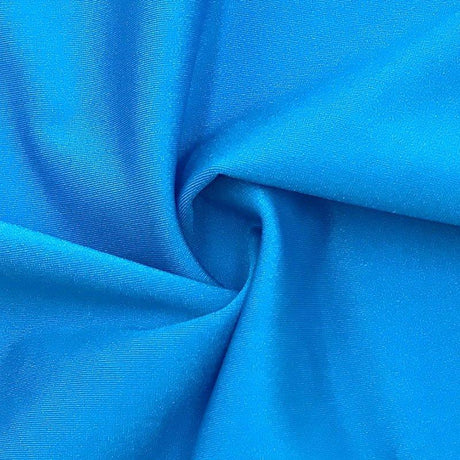
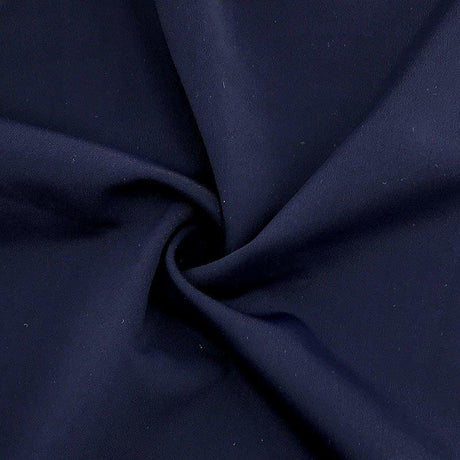
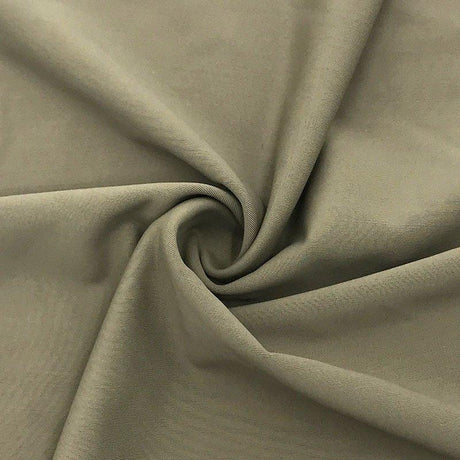
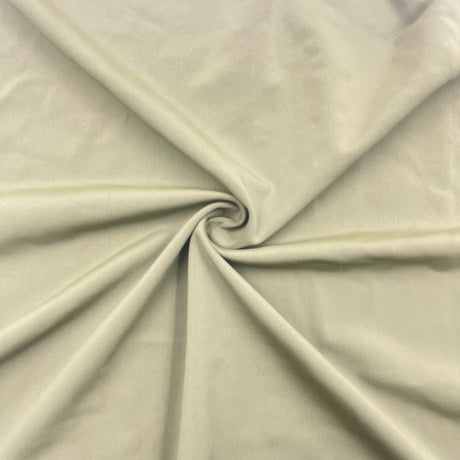
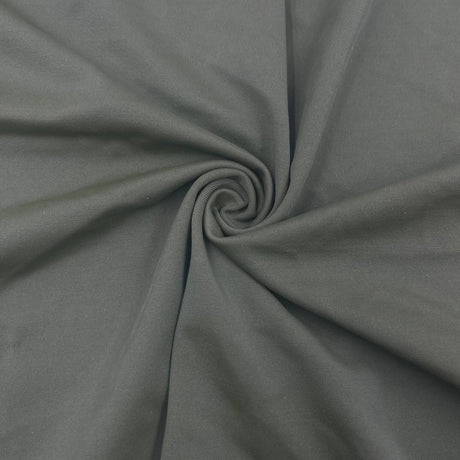
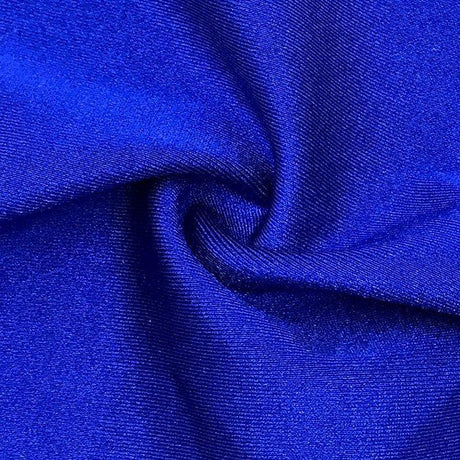
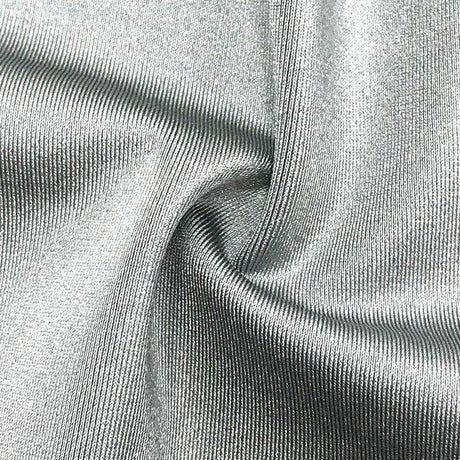
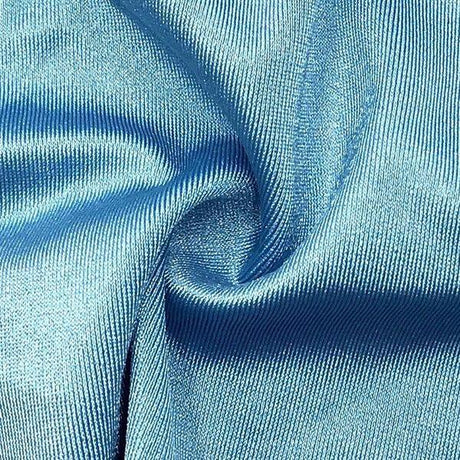
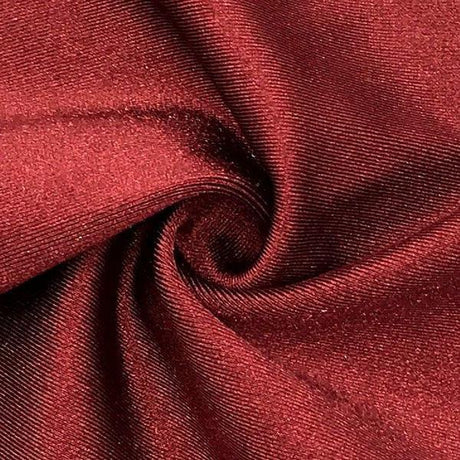
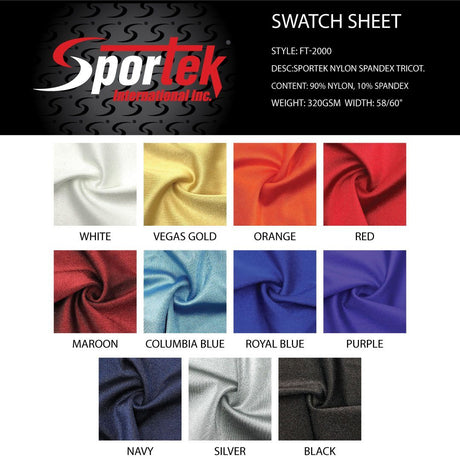
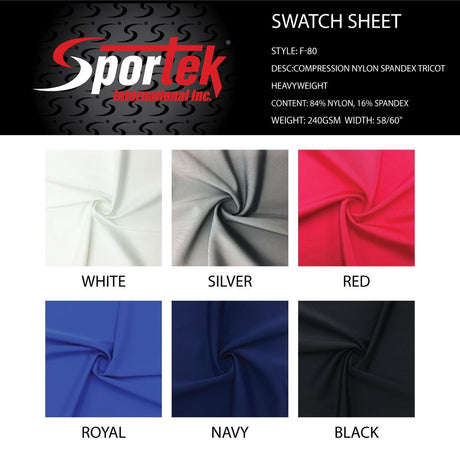
For the "best fabric for neck gaiter" use case, the most versatile baseline is typically a smooth, 4-way stretch performance knit (often nylon-spandex tricot or jersey) for comfort + durability, with options to shift toward polyester-spandex moisture management for hot/humid conditions or brushed tricot/fleece for cold weather. Our nylon-spandex fabric guide covers how nylon-spandex constructions achieve the combination of smooth hand feel, strength, and 4-way stretch that defines quality performance fabric.
Composition and Construction in Plain English
A gaiter fabric is usually defined by two things:
Fiber blend (what it's made of): Nylon + spandex (durable, smooth, great recovery, high wear resistance); polyester + spandex (often better for moisture-wicking finishes and sublimation printing); and cotton + spandex (softer "everyday tee" feel, but holds more moisture and tends to dry slower than synthetics). Our cotton-spandex fabric guide covers how cotton-spandex blends compare to synthetic alternatives in stretch behavior and recovery.
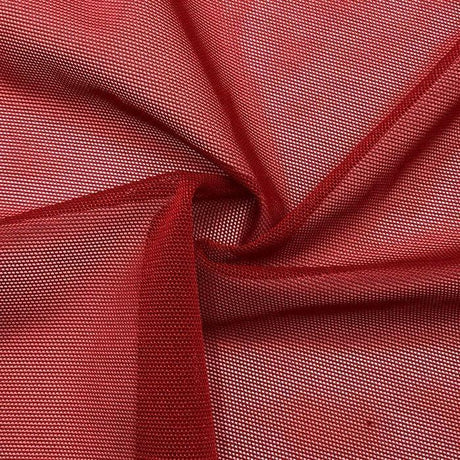
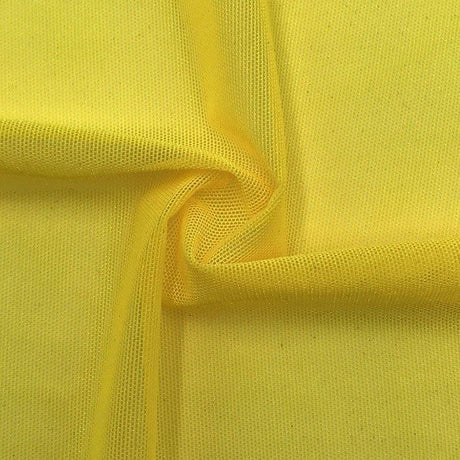
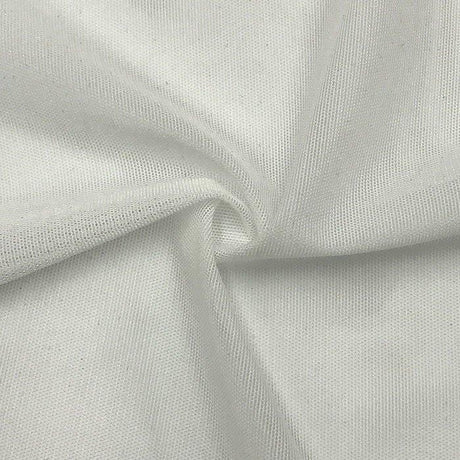
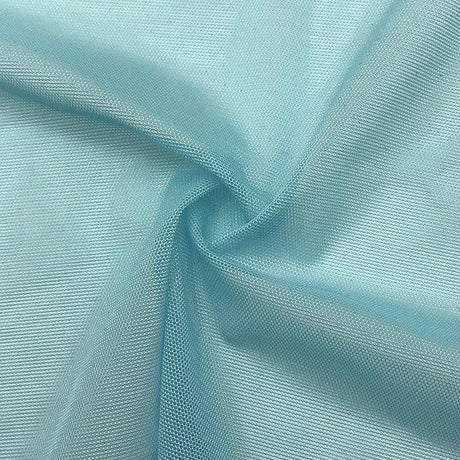
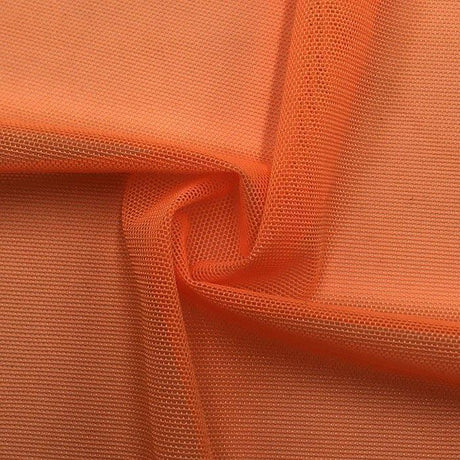
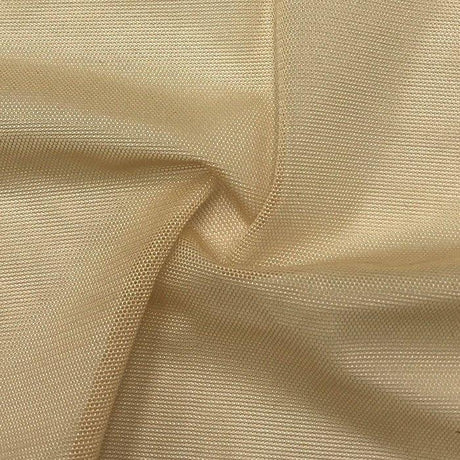
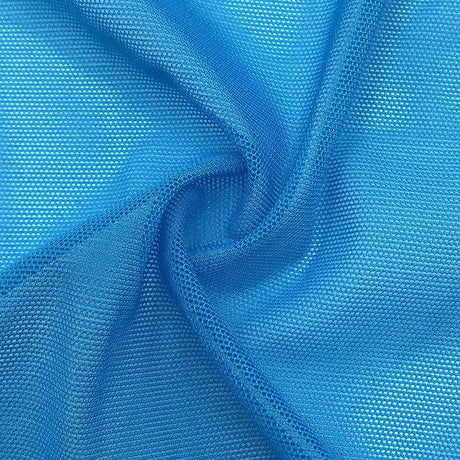
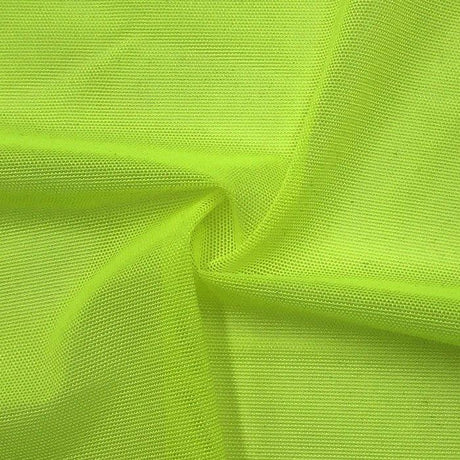
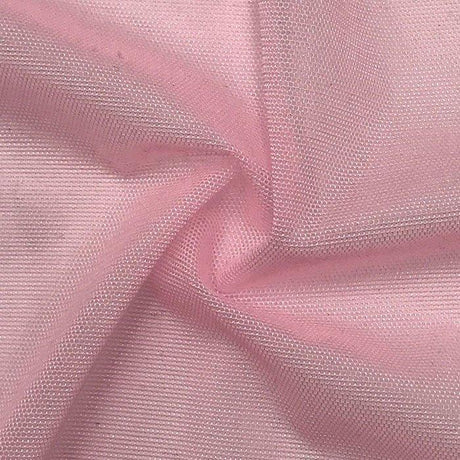
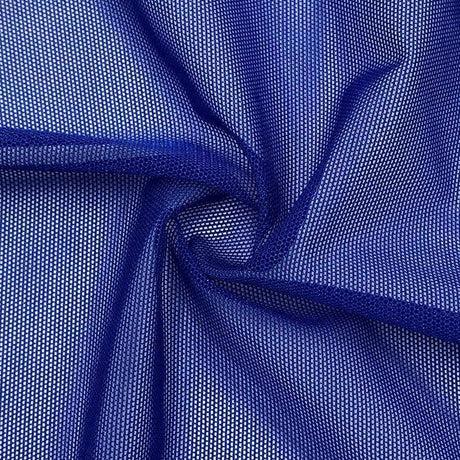
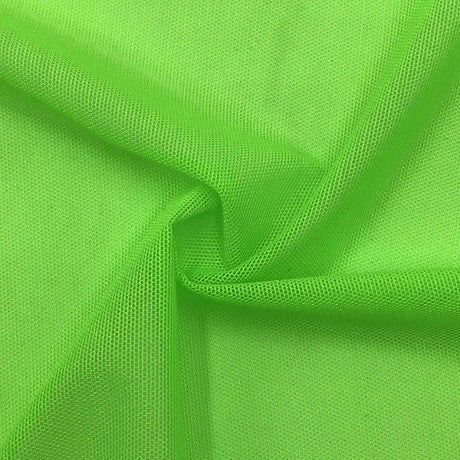
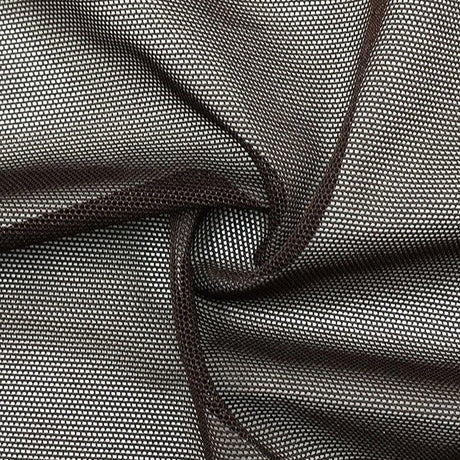
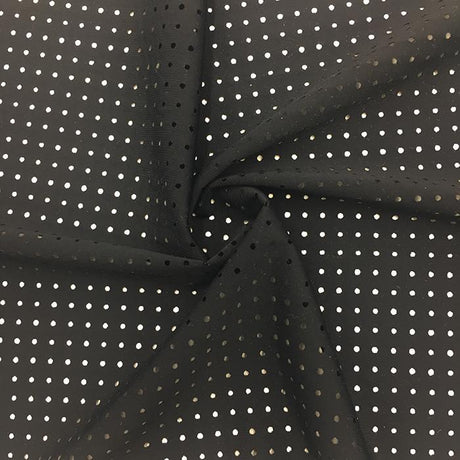
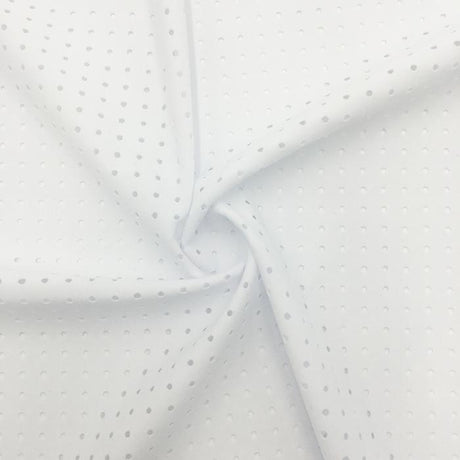
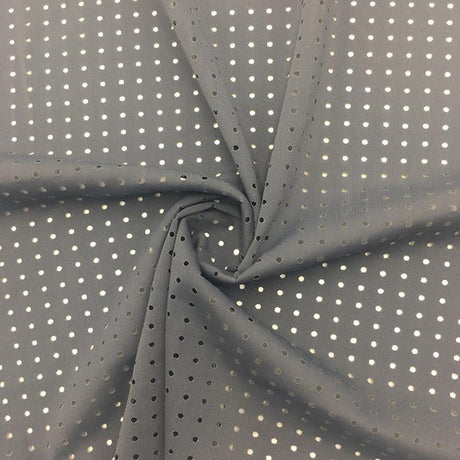
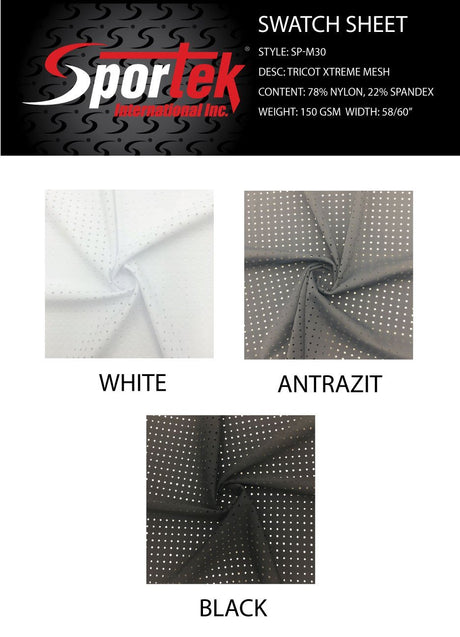
Fabric structure (how it's built): Tricot is a warp knit, made by interlocking many parallel yarns lengthwise (often yielding a smooth, stable surface and excellent durability). Jersey is typically a weft knit, known for softness and stretch. Mesh structures increase airflow; "power mesh" adds stretch + support while remaining breathable.
How It Differs from Related Fabrics
A gaiter isn't a structured garment—it's a stretch tube that relies on negative ease (slightly smaller than the body) to stay up. That's why fabrics used for leggings, swimwear, athletic tops, and linings are often ideal: they're engineered for stretch + recovery + body contact. Our activewear fabric guide covers how these performance fabric constructions compare across all common athletic applications.
Key Performance Characteristics to Evaluate
Stretch and Recovery: For a gaiter to seal comfortably at the neck/face without sliding, you want true stretch with strong recovery. Look for 4-way stretch (stretch in width and length) for easy pull-on and stable fit. Avoid fabrics that stretch easily but do not "snap back"—that's how you get a gaiter that bags out after one wear. Our stretch fabric types page covers the step-by-step stretch and recovery testing methodology in detail, including how to calculate stretch percentage from a home swatch test.
Weight and Opacity: Fabric weight is often listed as GSM (grams per square meter). Lightweight gaiters for warm weather are usually made from lighter knits; colder-weather gaiters often use heavier or brushed fabrics for warmth. Lighter fabrics feel cooler and dry faster, but can be more transparent when stretched. Midweight fabrics improve opacity and structure for everyday wear. Our fabric weight guide provides a full breakdown of how GSM affects opacity, breathability, and durability across all common stretch fabric constructions.
Moisture Management and Breathability: Two separate (but related) performance traits matter here. Breathability (airflow) is often measured via air permeability standards such as ASTM D737. Moisture management (liquid sweat handling) can be evaluated via AATCC TM195, which assesses how a fabric absorbs and transports liquid moisture across surfaces and includes metrics like wetting time and overall moisture management capacity (OMMC). Polyester is naturally quite hydrophobic with very low moisture regain, and moisture-wicking performance is frequently achieved through fiber engineering or hydrophilic treatments. Our fabric finishes guide covers moisture-wicking surface treatments and how to evaluate their durability across performance fabric constructions.
Durability and Abrasion Resistance: If your gaiter is for cycling, hiking, uniform use, or repeated laundering, durability is a purchase driver. Nylon is widely recognized for strong wear resistance and toughness. For lab-based abrasion benchmarking, ASTM D4966 describes abrasion resistance testing using the Martindale method, applicable to knit fabrics among others.
Softness and Handfeel: Comfort is non-negotiable because gaiters sit on the neck, jaw, and sometimes nose/cheeks. Brushed knits are mechanically finished to raise fibers and create a soft, fuzzy handfeel—excellent for cold weather comfort and reduced "sticky" feel when skin sweats. For winter, brushed tricot is commonly described as a warp-knit base with a brushed side that creates a soft insulating nap while staying relatively lightweight.
Special Performance Traits Worth Considering: UV protection (UPF) can be verified via standardized measurement procedures. Odor control / antimicrobial finishes are used in some performance fabrics for freshness (always treat antimicrobial finishes as an odor/freshness feature—not a medical claim).
Fabric Comparisons for Neck Gaiters
Nylon-Spandex Performance Knit (Primary): Nylon + spandex. Usually strong 4-way stretch & recovery (ideal for stay-put fit). Often feels cool; dries fairly fast. Best for "all-around" gaiters, active use, long wear, and durability. Durable; smooth; strong wear resistance. Not always the easiest for sublimation (depends on blend/white base).
Polyester-Spandex Moisture-Management Knit: Polyester + spandex. 4-way stretch common; recovery varies by knit + spandex %. Often best in heat/humidity when paired with moisture management design/testing concepts (AATCC TM195). Best for hot workouts, high sweat, and sublimation-print bases (often polyester-forward). Great print compatibility for many sublimation workflows; sweat-oriented finishes. Can pill depending on knit/finish; heat sensitivity still matters.
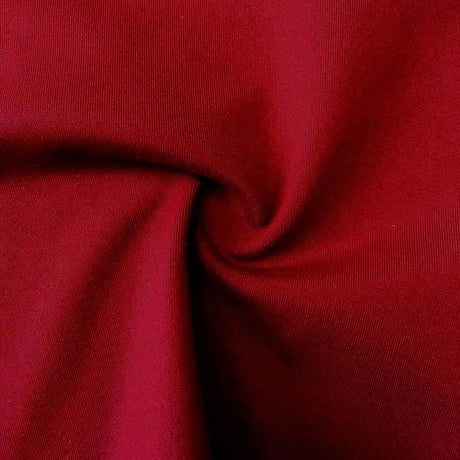
Cotton-Spandex Jersey: Cotton + spandex. Comfortable stretch; may relax faster than performance synthetics. Absorbs moisture readily (cotton is hydrophilic), can feel damp longer. Best for daily casual wear, sensitive skin preference, and "tee feel" comfort. Soft, familiar feel; breathable comfort for low-sweat use. Slower drying; can feel heavy when wet; may hold odors more.
Best Uses and Applications
Everyday wear (comfort-first): Choose softer, skin-friendly knits with moderate compression. If your priority is a familiar, gentle feel for extended wear, start with cotton-spandex or a soft performance jersey.
Performance and sports (sweat + movement): A smooth performance knit that stays put and dries quickly is usually the best baseline. Our activewear fabric guide covers moisture-wicking and breathability ratings across all common performance fabric constructions.
Breathable panels and linings (heat control): Mesh structures are a powerful design tool—especially for side panels or mouth/nose zones where airflow improves comfort.
Warmth and winter protection: For cold-weather gaiters, a brushed inner face improves perceived warmth by trapping air in a soft nap, without necessarily adding bulky weight.
Custom prints and fashion-forward designs: If you need bold all-over prints, prioritize print method compatibility. Our sublimation page covers how sublimation printing bonds dye into polyester-spandex fibers to achieve permanent, saturated color that moves with the fabric, and our sublimation paper and sublimation transfer paper pages cover the complete printing workflow.
How to Choose and Sew the Right Gaiter Fabric
A Selection Matrix You Can Use Immediately:
"One fabric that works for most people" → Nylon-spandex performance knit → Durable nylon + spandex recovery; comfortable next-to-skin wear.
Hot/humid, high sweat → Polyester-spandex moisture management knit → Hydrophobic polyester base + moisture management design/testing concepts (AATCC TM195).
Soft casual feel → Cotton-spandex jersey → Cotton comfort; stretch from spandex.
Maximum airflow → Stretch mesh / power mesh paneling → Breathable open structure; still stretches.
Cold weather comfort → Brushed tricot lining or brushed knits → Brushed nap boosts warmth/softness.
Sublimation printing focus → Polyester-forward base → Sublimation is positioned for polyester/coated surfaces; blends change results.
Decision Guidance for Manufacturers and DIY Makers:
Start with the end-use, not the name of the fabric. Ask: Is this gaiter for high output (running), cold exposure (skiing), or all-day comfort (work/commute)? Then match breathability and moisture handling using recognized concepts like air permeability (ASTM D737) and moisture management behavior (AATCC TM195).
Confirm stretch direction and recovery before cutting bulk. Stretch and recovery aren't just "feel" factors—they define sizing, returns, and customer satisfaction. Our how to choose fabric guide covers what to evaluate when a physical swatch arrives, including stretch testing, opacity testing, and hand feel assessment.
Common Mistakes to Avoid
Using the Wrong Needle Type: Highly elastic knits that include spandex generally sew best with a stretch needle (medium ball point, engineered for elastic knits). Our how to sew stretch fabric guide covers complete needle selection, stitch type, machine settings, and edge finishing guidance for all common stretch fabric construction scenarios.
Ignoring Recovery (Your Gaiter "Grows" and Slides): If fabric recovers poorly, the gaiter will gradually widen at the neck and lose its seal. "Fabric growth" becomes visible after prolonged stress/wear.
Choosing Seams That Pop Under Stretch: A gaiter must stretch at the seam as much as it stretches in the body fabric—otherwise you get popped stitches. For production, this typically means overlock/coverstitch; for home sewing, stretch stitches or narrow zigzag.
Washing with Fabric Softener (Reduces Wicking/Breathability): Fabric softener can leave coatings that reduce performance on moisture-wicking athletic wear.
Cutting Without Planning the Greatest Stretch Direction and Print Alignment: On printed knits (especially directional prints), a rotated cut can change how the print reads—and how the gaiter stretches around the face/neck.
Ready-to-Use Sewing Checklist
- Pre-wash a test swatch (especially for dark colors or prints)
- Test 4-way stretch and snap-back recovery before finalizing pattern size
- Use a stretch needle (or ballpoint/jersey needle when appropriate) for elastic knits
- Stitch with stretch-friendly seams (serger, coverstitch, or stretch stitch)
- If using mesh panels, stabilize seams to prevent waviness
- Align the direction of greatest stretch around the circumference of the gaiter
- Avoid fabric softener to preserve moisture-wicking performance
Care and Longevity Tips
Wash cold or cool, gentle cycle, and turn inside out. Our spandex care guide and fabric care guide cover complete laundering protocols for all common spandex-blend fabric types, including why heat and harsh chemicals degrade elastane fibers over time.
Avoid high heat drying whenever possible. Heat can degrade elastane over time; many care resources advise air drying or low heat for spandex blends.
Skip bleach and minimize harsh chemicals. Spandex (segmented polyurethane) is sensitive to aggressive chemicals; multiple care references advise avoiding bleach for elastane garments.
For fleece/brushed winter gaiters: Avoid bleach and fabric softener and dry on low—helpful guidance for brushed/fleece gaiter builds as well.
When to Consider an Alternative Fabric
Choose cotton-spandex instead of nylon-spandex when comfort and a natural-handfeel are the priority (low sweat, casual wear). Just remember: cotton is hydrophilic and holds more moisture than polyester. Our cotton-spandex fabric guide covers how cotton-spandex blends compare to synthetic alternatives in stretch behavior, recovery, and moisture management.
Choose brushed tricot or fleece instead of lightweight knits when the gaiter is for winter commuting, skiing, or cold wind. Brushed tricot is widely described as a warp-knit fabric with a brushed side that creates a soft insulating nap.
Choose mesh (or add mesh panels) when the biggest issue is heat/condensation around the mouth/nose area, and you need airflow more than warmth. Power mesh and performance mesh categories are designed around breathable structures while retaining stretch.
Choose a polyester-forward base when you're prioritizing sublimation print workflows. Our sublimation page covers how sublimation printing achieves permanent, saturated color on polyester-spandex fabrics.
Conclusion
The best fabric for neck gaiter is the one that matches your real-world conditions and performance requirements—not just a generic label like "spandex." For most makers and brands, a nylon-spandex performance knit is the strongest starting point because it balances comfort, stretch recovery, and durability. For hot/humid or high-sweat use cases, polyester-spandex moisture management options can feel drier and print well, while cotton-spandex delivers casual softness for daily wear. Cold-weather gaiters often benefit from brushed tricot or fleece-style linings, and strategic mesh placement can dramatically improve breathability.
Choose with confidence by checking stretch & recovery, weight, air permeability, and moisture behavior—and by sewing with the right needle, seams, and care practices that protect elastane performance over time. Have questions? Our expert help and advice page and FAQ are always available. Sign up for SpandexByYard Rewards to earn points on every purchase.
FAQ
Is nylon-spandex really the best fabric for a neck gaiter? For an "all-around" gaiter, nylon-spandex is often the best starting point because nylon is known for high resistance to wear and toughness, while spandex delivers the stretch and recovery needed for a stay-put fit. Our nylon-spandex fabric guide covers full performance profiles of nylon-spandex constructions.
What's the best fabric for neck gaiters in hot weather? Look for polyester-spandex fabrics designed for moisture management and breathability. Moisture management performance is commonly evaluated using methods like AATCC TM195 (liquid moisture transport behavior), and polyester is naturally low in moisture regain (often engineered or treated for wicking).
What fabric is best for a winter neck gaiter? Brushed tricot or fleece-style knits are strong winter choices because brushing raises a soft nap that helps trap air for warmth, and performance fleece provides warmth without weight in outdoor use.
How durable is spandex fabric for long-term gaiter projects? Durability depends on the base fiber (nylon vs polyester vs cotton), knit structure, and care. Nylon is recognized for strong wear resistance, and abrasion performance can be benchmarked using standards like ASTM D4966 (Martindale abrasion).
How should I care for a neck gaiter made with spandex blends? Use cool water and gentle washing, avoid high heat drying, and skip fabric softeners (which can reduce moisture-wicking performance). Our spandex care guide covers all the care protocols that preserve elastane recovery through repeated use.