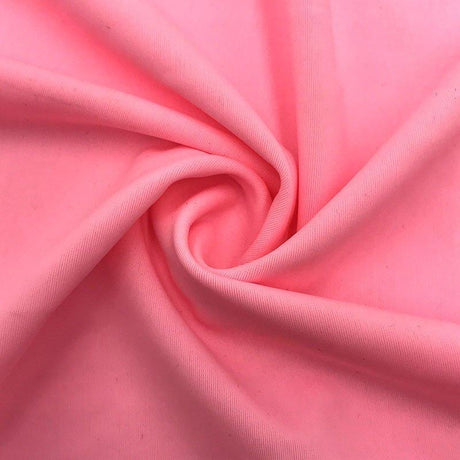
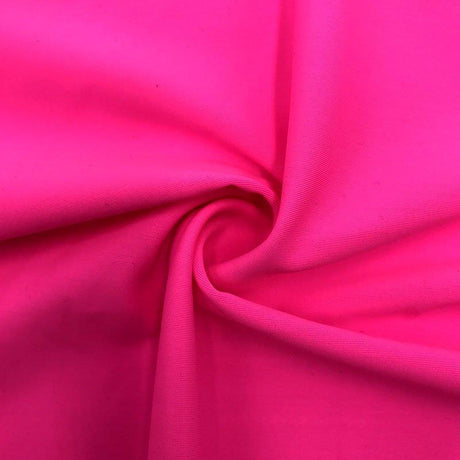
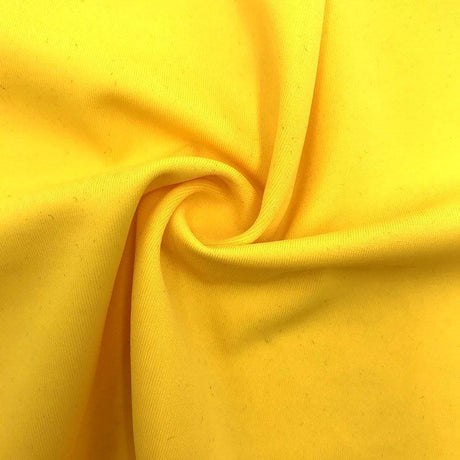
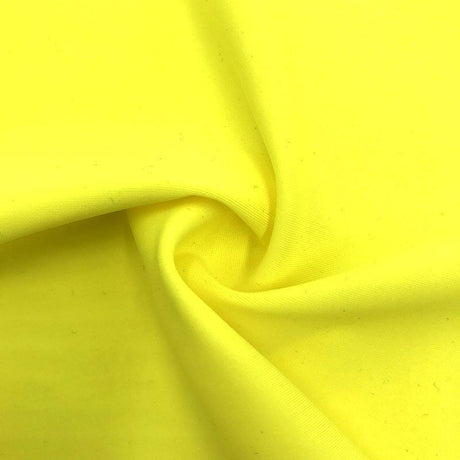
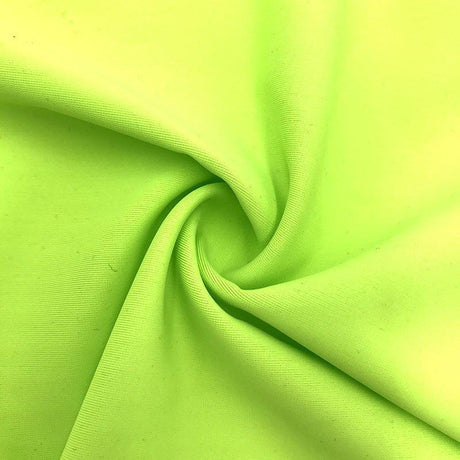
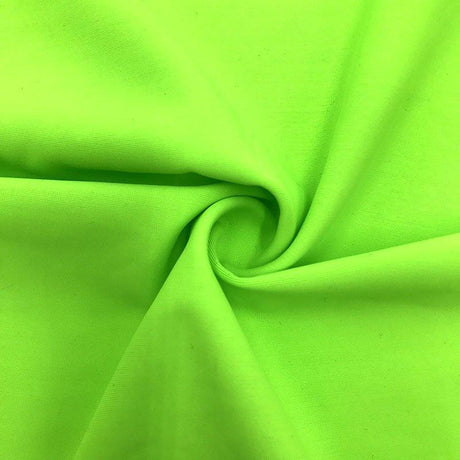
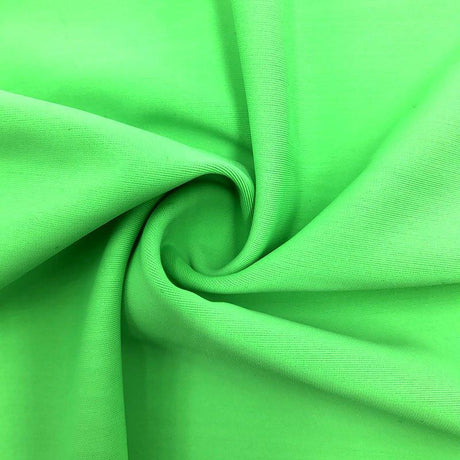
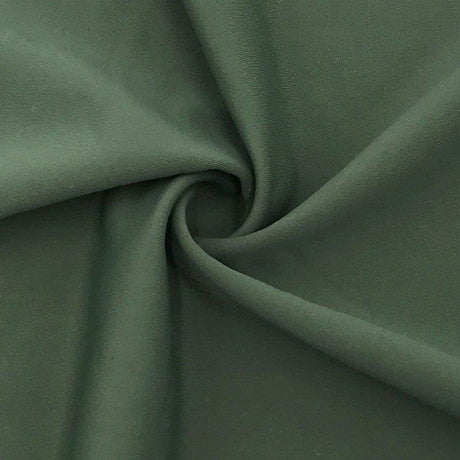
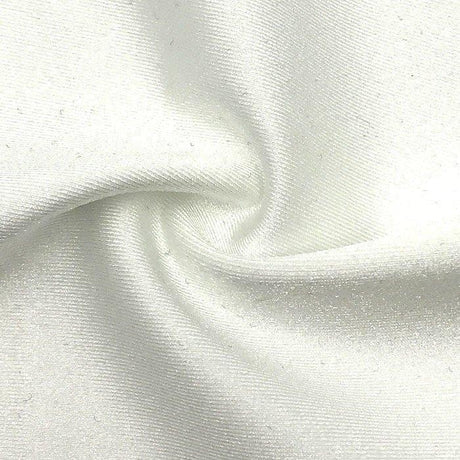
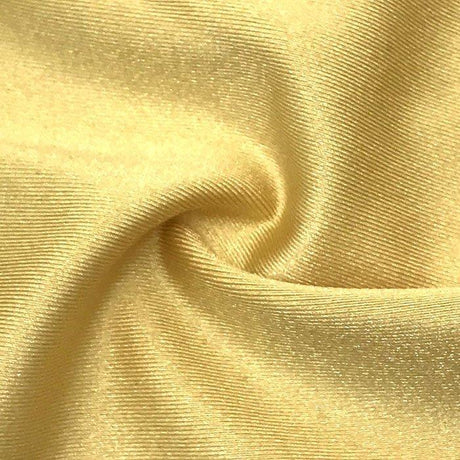
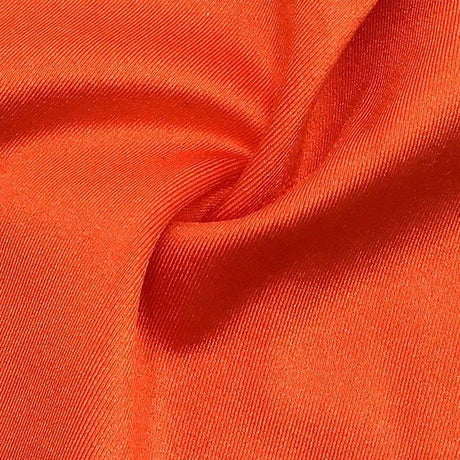
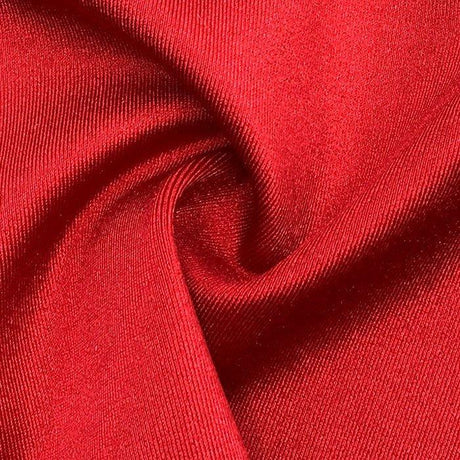
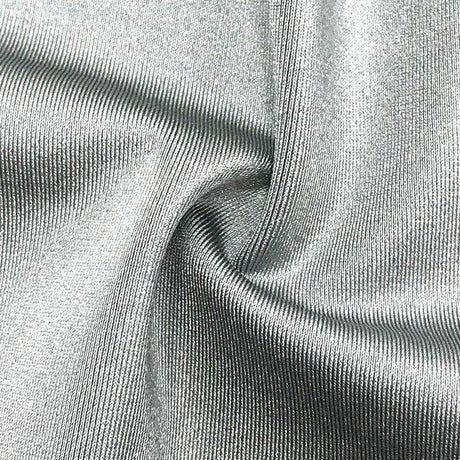
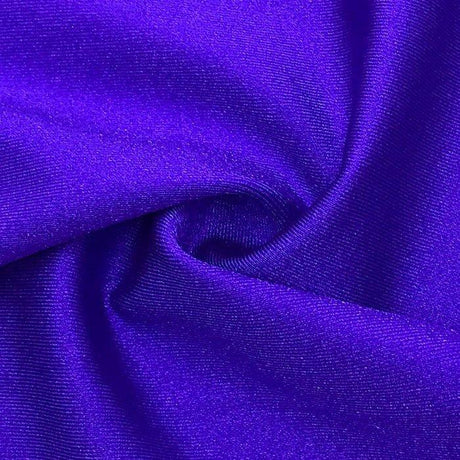
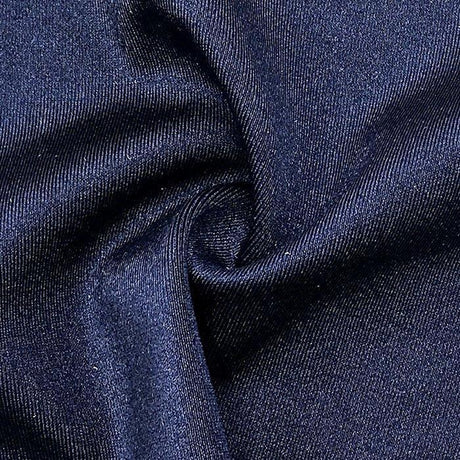
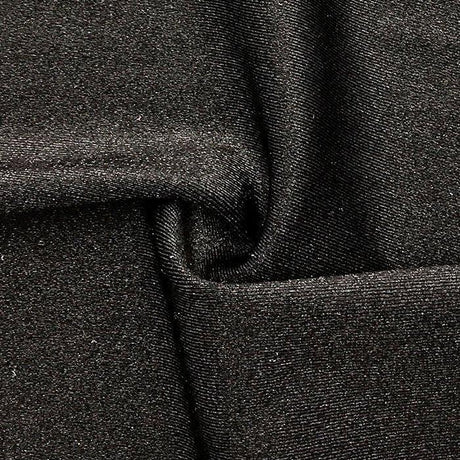
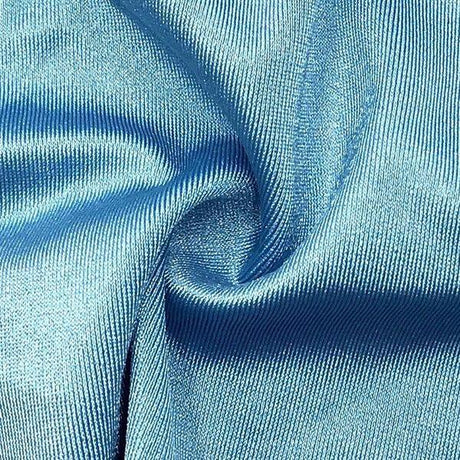
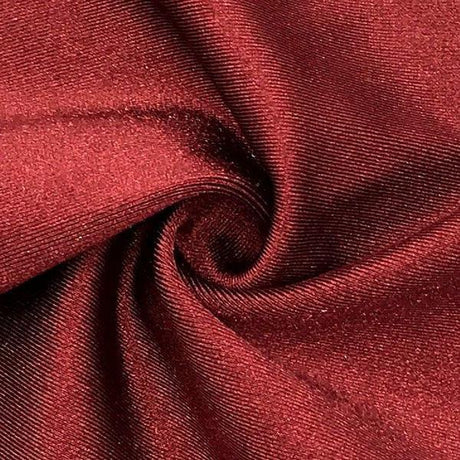
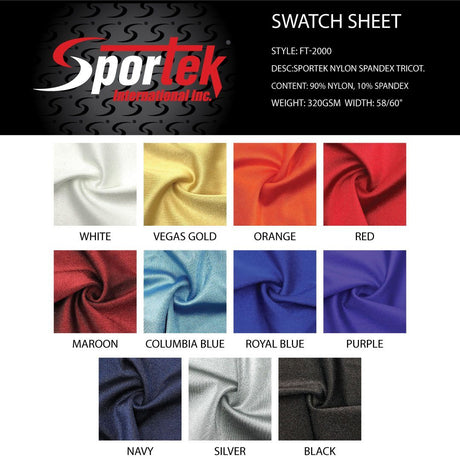
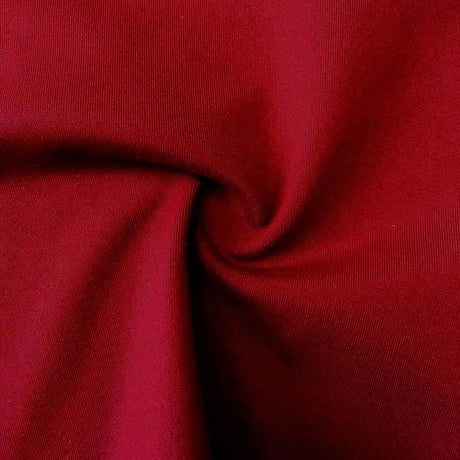
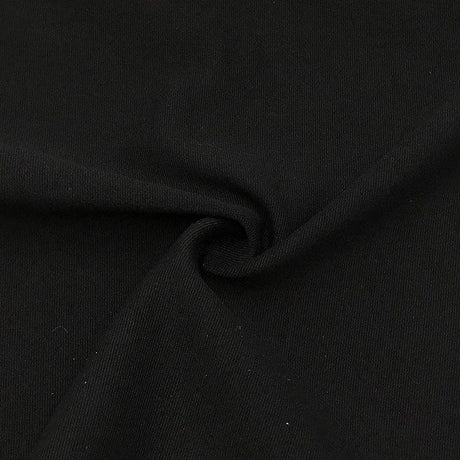
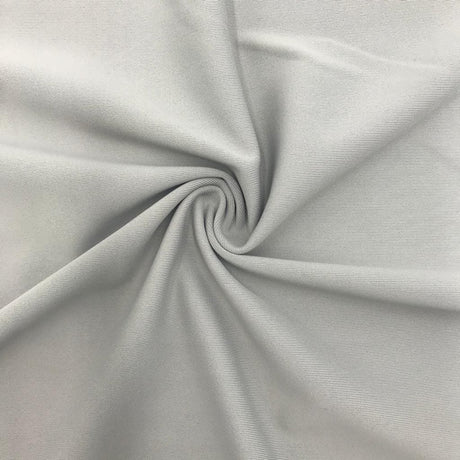
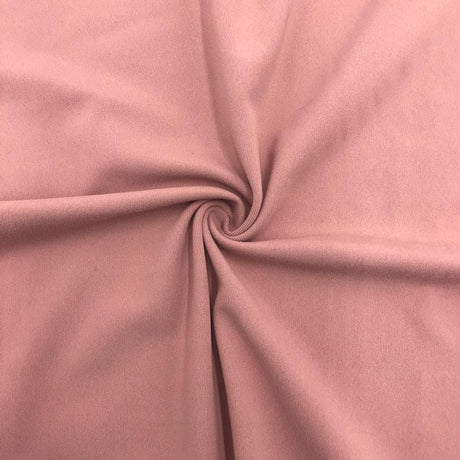
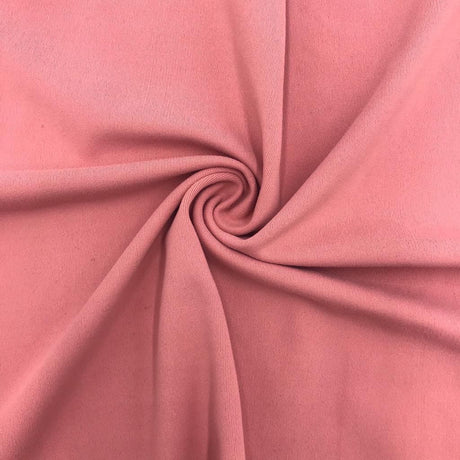
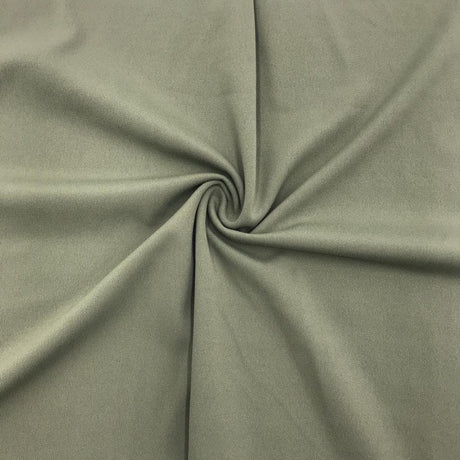
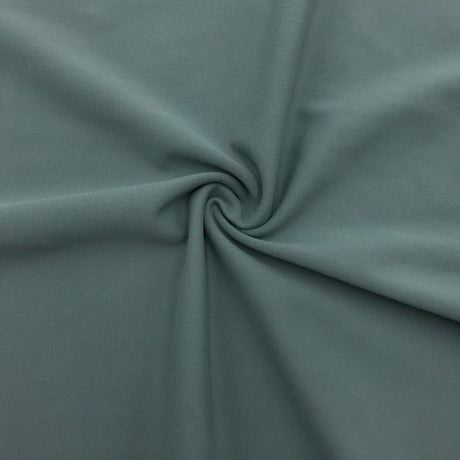
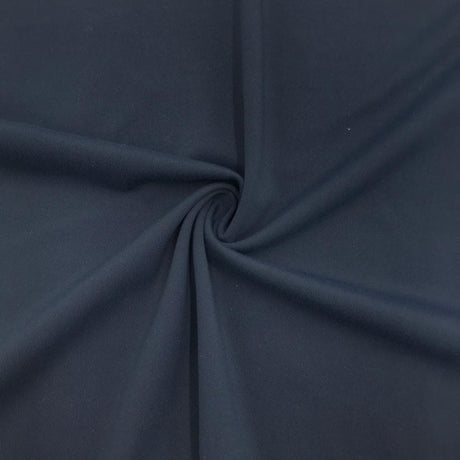
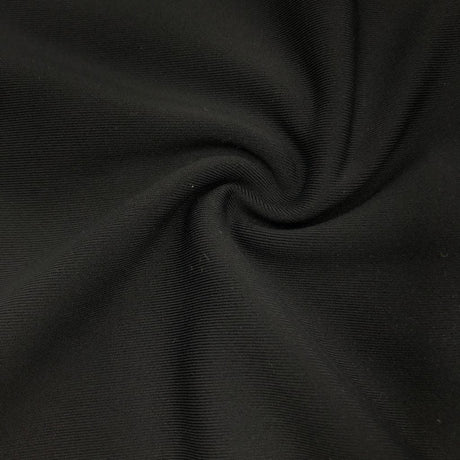
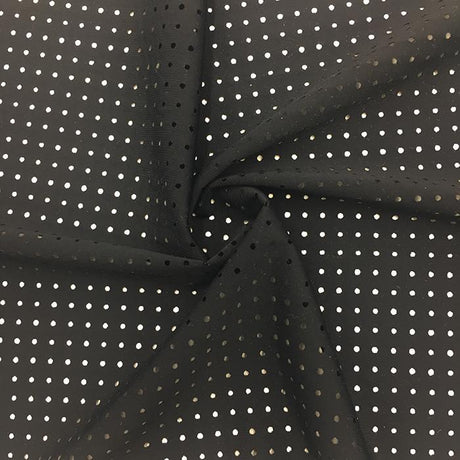
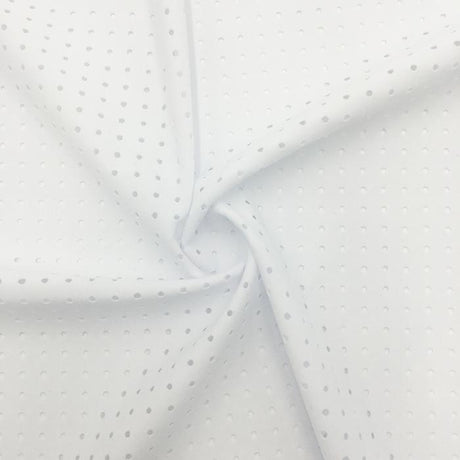
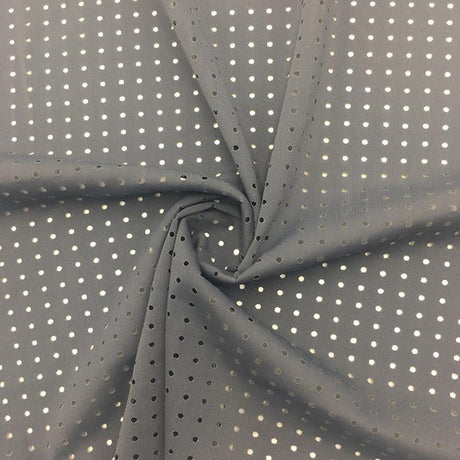
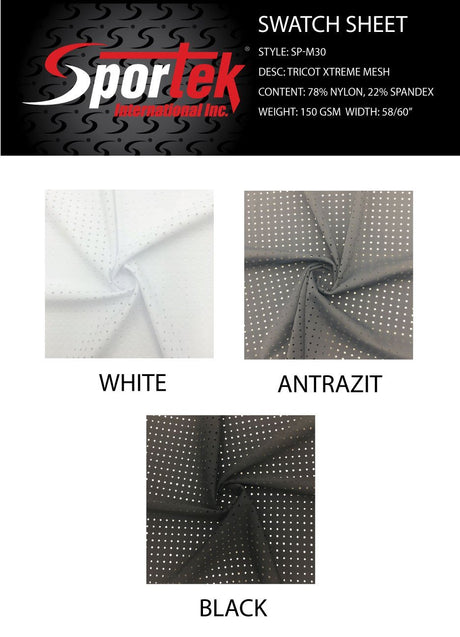
Swim shorts and boardshorts often include a built-in brief or mesh liner to provide support, coverage, and quick-drying comfort. Designers and sewists need a liner fabric that fits snugly, wicks moisture, and recovers well—without sagging or causing chafing. For a broader foundation on swimwear fabric properties before diving in, explore our swimwear fabric guide or browse our full fabric guides hub.
What Is a Swim Shorts Liner Fabric?
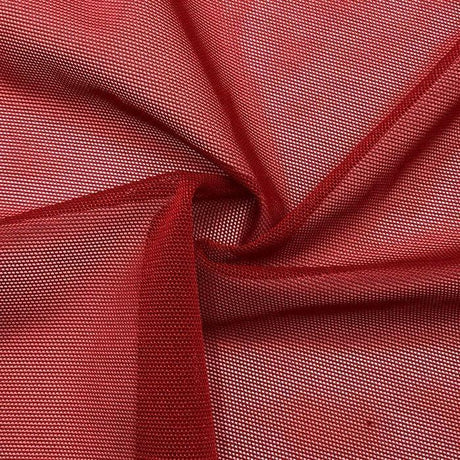
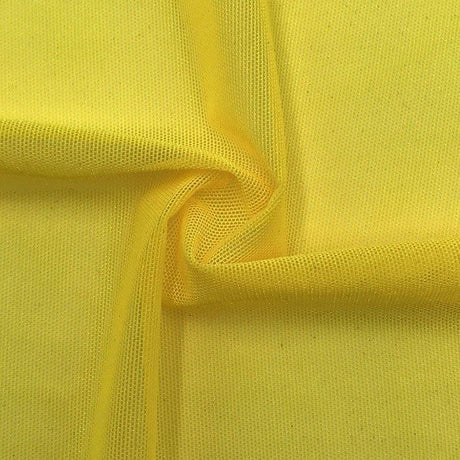
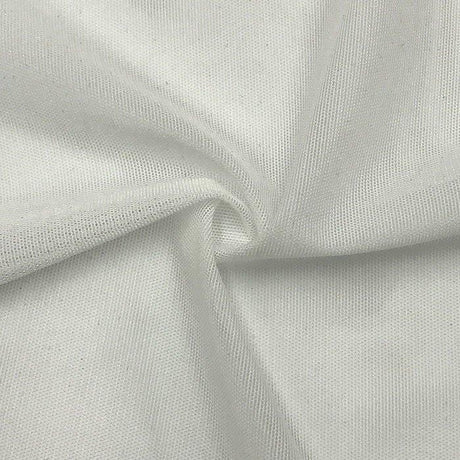
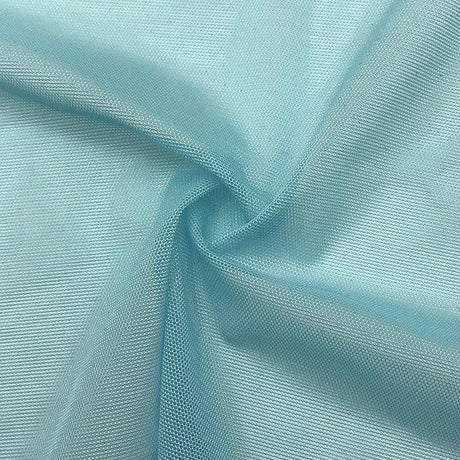
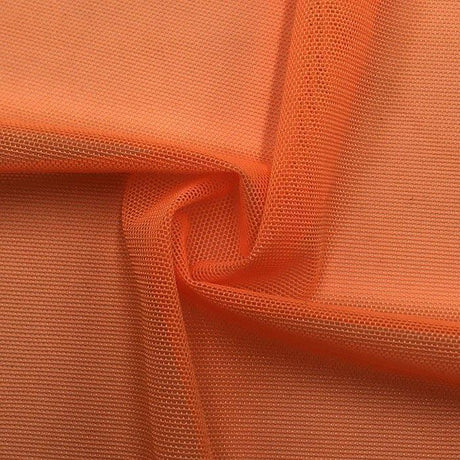
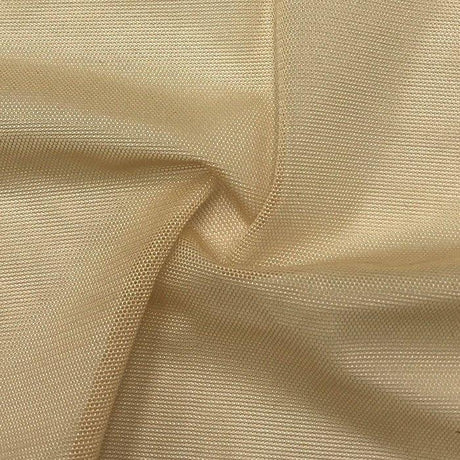
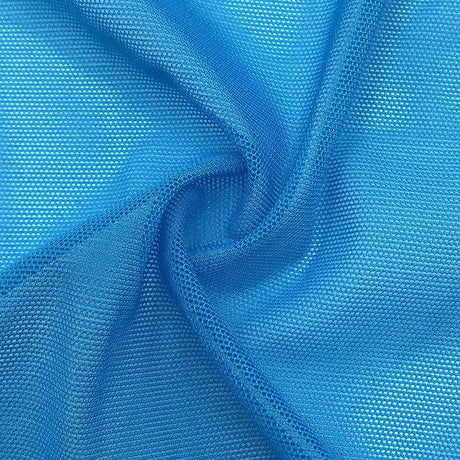
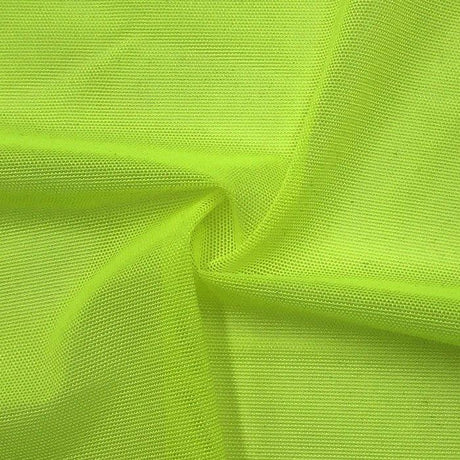
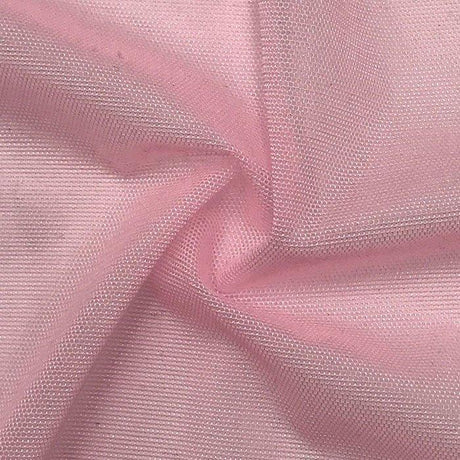
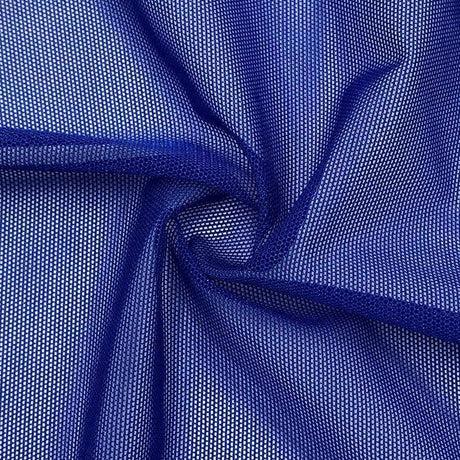
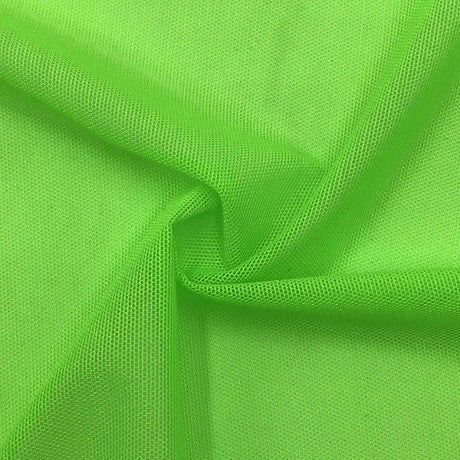
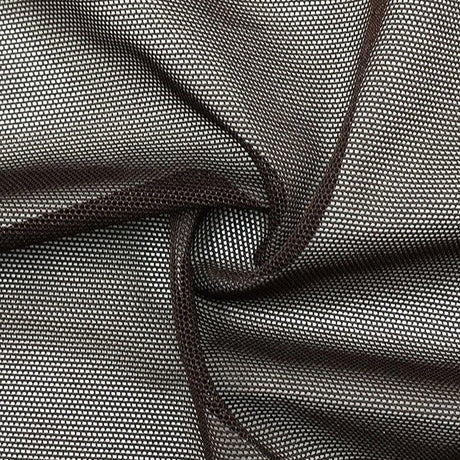
A swim shorts liner is an inner layer (often a built-in brief) sewn into the main garment to add support and modesty without extra bulk. The fabric used for liners is typically a lightweight, stretch knit rather than a heavy swimsuit shell. Common liner materials include power mesh and stretch jersey knits made from nylon-spandex or polyester-spandex blends. For example, power mesh is an open-weave mesh (about 80–90% nylon and 10–20% spandex) that offers true 4-way stretch. This mesh lets air circulate and water pass through quickly, providing breathability and quick-dry comfort. Our nylon-spandex fabric guide covers how nylon-spandex constructions achieve the combination of smooth hand feel, strength, and 4-way stretch that defines quality swim liner fabric.
Unlike the opaque outer swim fabric, the liner material is softer and more porous. In all cases, liner fabrics differ from solid swim tricot or neoprene: they prioritize lightweight comfort and moisture management over heavy-duty stretch or thermal insulation.
Key Performance Characteristics
Stretch & Recovery: Swim liner fabrics should offer excellent 4-way stretch to move with the body. Power mesh or spandex jerseys will stretch lengthwise and crosswise. The fabric also needs strong recovery so it snaps back to shape after stretching. Nylon-spandex liners are known for superb elasticity. Our stretch fabric types page covers the step-by-step stretch and recovery testing methodology in detail, including how to calculate stretch percentage from a home swatch test.
Weight (GSM): Liner fabrics are very lightweight. A typical power mesh might weigh around 90–100 GSM. This low weight means the liner adds minimal bulk but can still handle the stress of swimming. A very high GSM liner could feel heavy and slow to dry, while too low GSM might be too sheer or flimsy. Our fabric weight guide provides a full breakdown of how GSM affects opacity, breathability, and durability across all common swim liner constructions.
Moisture Management & Breathability: Liners should pull moisture away from the skin and dry rapidly. Mesh linings naturally wick water and allow airflow. Many high-tech meshes include moisture-wicking finishes – such as "MaxDri" moisture-management and antimicrobial finishes – that help keep the liner dry, reduce odor, and prevent saturation. Even plain power mesh is highly breathable: it literally has holes for ventilation, which helps sweat evaporate quickly. Our fabric finishes guide covers moisture-wicking and anti-microbial surface treatments and how to evaluate their durability across performance swimwear fabric constructions.
Durability & Abrasion Resistance: Although liners are lightweight, they must still resist wear and tear. Nylon-spandex blends tend to maintain their shape even after repeated stretching. Polyester-spandex liners trade a bit of stretch for even greater toughness: polyester fibers resist chlorine and UV, and a 100% polyester suit can last 3–4× longer in chlorinated water than ordinary Lycra. Our spandex care guide covers the science of chlorine degradation in elastane fibers and why chlorine-resistant spandex grades last dramatically longer in pool use.
Softness & Handfeel: Since the liner touches skin directly, it should feel smooth and soft. Nylon-spandex jerseys, in particular, offer a silky hand and gentle compression, making them comfortable for long wear. Poly blends can be slightly firmer in hand, so if comfort is a top priority (e.g. children's swim shorts), nylon-based fabrics are ideal.
Special Performance Traits: Some liners have added properties such as UPF 50+ UV protection, chlorine-resistant elastane (like Creora® HighClo™), or DWR (water-repellent) coatings. While these are more common in outer swim fabrics, any feature that keeps the liner dry or sanitized (antimicrobial treatments, odor-control) can enhance comfort.
Comparison with Similar Fabrics
Nylon-Spandex Power Mesh: ~80–90% Nylon, 10–20% Spandex. 4-way stretch (open knit). Best for breathable linings, mesh inserts, and swim briefs. High breathability, quick-dry, gentle support, high recovery. Sheer (low opacity), less warmth, can snag if low-quality.
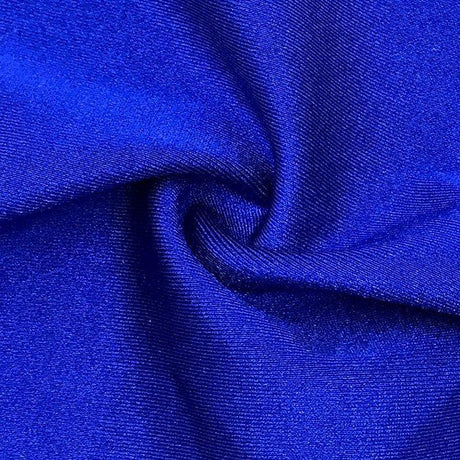
Nylon-Spandex Jersey: ~80–85% Nylon, 15–20% Spandex (tricot knit). 4-way stretch (solid knit). Best for built-in briefs, athletic underlayers, and snug fit. Soft/smooth hand, good recovery, full coverage, durable. Less breathable, slower to dry than mesh, holds more heat.
Polyester-Spandex Mesh: ~75–90% Polyester, 10–25% Spandex. 4-way stretch (often firmer). Best for chlorine-resistant gear, team swimwear, and printed suits. Very durable and colorfast, excellent chlorine/UV resistance, fast-drying. Slightly stiffer feel, less silkiness, may slip compared to nylon. Our swimwear fabric guide covers how these three liner fabric families compare in chlorine durability, stretch, and recovery across all swimwear applications.
Best Uses & Applications
Swimwear (Bikinis, Boardshorts, One-Pieces): Swim trunks and boardshorts often use a mesh or jersey liner under a polyester or nylon outer shell. Men's boardshorts typically have a built-in mesh brief for support, while women's one-piece and tankinis may use powermesh liners in the front panels for gentle shaping and modesty. When sewing these, the outer shell is chosen from high-performance swim fabrics and the liner is chosen for comfort and ventilation. Our swimwear fabric guide covers how to evaluate and source all common swimwear fabric constructions, including lining options.
Activewear (Leggings, Tops, Shorts): Stretch mesh and moisture-wicking jerseys are popular in activewear to manage sweat. Athletic shorts may include a lightweight mesh inner brief to improve airflow, while a yoga top might have a power-mesh shelf bra insert for support. These fabrics also appear in cycling shorts, compression gear, and running attire to prevent chafing. Our activewear fabric guide covers how power mesh panels are used in compression and ventilation applications across all common activewear categories.
Fashion & Everyday Wear: Performance fabrics are not limited to sports. Designers use stretch spandex in fashion garments like bodysuits, dresses, and shapewear for a form-fitting silhouette. Patterned or printed mesh can add visual interest – for example, cut-out mesh panels in a swimsuit or linings with sublimation prints for a pop of color. Our sublimation page covers how sublimation printing bonds dye into polyester-spandex fibers to achieve permanent, saturated color.
Use-Case Scenarios: Everyday comfort: casual beachwear or gym shorts often use nylon-spandex liners for easy fit. Performance & sports: triathlon shorts or surfwear may combine DWR-treated polyester shells with mesh liners for fast-drying functionality. Custom prints & designs: if a liner needs to carry a print (rare but possible), polyester blends are better for sublimation prints (they hold dyes well).
How to Choose the Right Fabric
Project Purpose: For casual beachwear, comfort and quick-dry are priorities (use nylon-spandex mesh or jersey). For athletic or heavy pool use, durability and chlorine resistance matter (consider polyester-spandex liners). If the liner also provides shaping (like in a one-piece), pick a material with firm recovery. Our how to choose fabric guide covers what to evaluate when a physical swatch arrives, including stretch testing, opacity testing, and hand feel assessment.
Stretch Requirements: Determine how much stretch you need. Built-in briefs usually need moderate stretch; high-compression garments need more spandex. If you need up to 20–30% stretch with high rebound, standard nylon-spandex is great. Avoid fabrics with only 2-way stretch for liners.
Weather / Water Conditions: For heavy chlorinated use, a polyester or PBT blend is best (a poly spandex suit can last 3–4× longer in pools than Lycra). For UV protection, note that polyester inherently blocks more UV than nylon. Hot, humid climates and salt water use favor fabrics that dry fastest.
Budget: Nylon-spandex fabrics (especially branded Lycra) can be pricier. If cost is a concern for a casual project, a polyester blend is often cheaper and still stretchy. Cotton-spandex would be even cheaper, but it's usually not recommended for swim (cotton holds water and breaks down in chlorine).
Print vs Solid: If you plan to print the liner or outer fabric, polyester blends are ideal for sublimation or inkjet printing. Our sublimation paper and sublimation transfer paper pages cover the complete printing workflow for achieving high-impact visuals on polyester-spandex swim fabrics.
Have questions? Our expert help and advice page and FAQ are always available.
Common Mistakes to Avoid
Wrong Needle Type: Never use a regular sharp needle on stretch knits – it will snag or cut fibers and cause skipped stitches. Always sew swim liners with a ballpoint or stretch needle. These needles have a rounded tip that slides between knit loops, preventing runs or holes. Our how to sew stretch fabric guide covers complete needle selection, stitch type, machine settings, and edge finishing guidance for all common swim liner construction scenarios.
Straight Stitch on Knit: A straight stitch cannot stretch. Sewing a liner with straight stitches will make the seam pop open on the first stretch. Use a zigzag or specialized stretch stitch (or a serger/overlock) so the seam can expand with the fabric.
Pulling the Fabric: Don't tug or push the liner fabric as you sew; let the machine feed it. Pulling on the knit will warp it and create wavy, uneven seams.
Not Prewashing: Always wash and dry a scrap of your liner fabric first to see how it behaves. Failing to prewash can lead to an unexpectedly tight fit or warping in the final garment.
Ignoring Grain and Prints: Knit fabrics have a stretch direction (usually horizontal) – cut your panels on grain to ensure the intended stretch is around the body. Also align and match prints or mesh patterns carefully at seams.
Skipping Stabilizers: Use stay tape or a bit of interfacing at stress points (like waistbands or corners) if needed. Ignoring this can cause a waistband or leg opening to warp over time.
Ready-to-Use Checklists
- Pre-wash the fabric and test its stretch and recovery
- Use a ballpoint/stretch needle and stretch-friendly (polyester) thread
- Choose a zigzag/stretch stitch (or serger) instead of straight stitching
- Align pattern pieces on the grain and match any prints at seams
- Use stabilizers or stay tape on shoulder seams, waistbands, or button plackets
- Test-fit your liner and adjust seam allowances if needed before final sewing
Care & Longevity Tips
Washing: Machine-wash liners in cold water with a mild detergent. Harsh chemicals and bleach degrade spandex fibers. Always rinse swimwear after each use – a quick rinse in fresh water removes chlorine and prolongs fabric life. Our spandex care guide and fabric care guide cover complete care protocols for all common spandex-blend swimwear fabric types.
Drying: Air-dry flat or hang in shade. Avoid high heat: tumble drying on high can break down elasticity and cause shrinkage.
Ironing: Generally, do not iron swim liner fabric. Spandex melts under high heat. If you must press seams, use a very low-heat (synthetic) setting and a pressing cloth to protect the fibers.
Storage: Store garments flat or on a hanger without stretching. Do not store wet. Keep them out of direct sunlight when not in use (UV can weaken spandex over time).
Print Care: If the liner or outer fabric has prints, wash it inside-out to protect the print. Cold water and gentle cycles preserve vivid colors. Avoid ironing directly on prints or using bleach, which will fade dyes.
When to Consider an Alternative Fabric
Cotton-Spandex vs Nylon-Spandex: Cotton-spandex blends feel soft and are great for casual clothes, but not ideal for swim liners. Cotton absorbs water and dries slowly, and it weakens in chlorine. Nylon-spandex liners dry much faster and maintain shape better in wet conditions. Our cotton-spandex fabric guide covers how cotton-spandex blends compare to synthetic alternatives in stretch behavior and moisture management.
Polyester-Spandex: When you need maximum durability and colorfastness, polyester blends excel. Polyester resists UV and chlorine far better – a swimsuit made of poly-spandex can last 3–4× longer in chlorinated water than nylon blends. Choose a polyester liner if your project must endure heavy pool use or frequent wash cycles.
Neoprene: For water sports in cooler conditions, neoprene (wetsuit material) provides warmth and buoyancy but is heavy and stiff – it's not used for lightweight liners. If insulation is your goal, neoprene or trilaminate fabrics are the alternative.
Mesh vs Non-Mesh: Use mesh when ventilation and drainage are priorities. If you need more coverage or compression with less breathability, a solid spandex jersey may be a better fit. In most swim linings, however, open or perforated meshes are preferred for quick drying.
Conclusion
Choosing the right fabric for swim shorts liner is crucial to comfort and function. A great liner wicks away water, feels soft against the skin, and holds its shape. By understanding the differences between nylon vs. polyester blends and following the selection tips above, you can pick the perfect liner material. With the right fabric choice, your swimwear will feel more comfortable, fit better, and last longer.
Ready to find the right liner fabric for your swimwear project? Use our swimwear fabric guide for curated recommendations across all swimwear applications, our nylon-spandex fabric guide for full performance profiles of nylon-spandex liner constructions, and our fabric weight guide and stretch fabric types page to evaluate technical specifications. Our spandex care guide and fabric care guide keep every finished garment performing at its best. Sign up for SpandexByYard Rewards to earn points on every purchase – happy sewing!
FAQ
Is power mesh a good choice for swim shorts liners? Power mesh (a nylon-spandex mesh) is often recommended for swim liners because it's lightweight, breathable, and stretchy. It provides gentle support and ventilation, making it ideal for liner applications. Mesh quickly drains water and dries fast, which reduces drag and improves comfort in swimwear. Our nylon-spandex fabric guide covers full performance profiles of nylon-spandex power mesh constructions.
How durable is nylon-spandex for swimwear liners? Nylon-spandex blends are quite durable for swimwear use. However, keep in mind that regular spandex can degrade with chlorine exposure. For frequent pool use, consider polyester-spandex fabrics: polyester holds up much better (a 100% poly suit can last 3–4× longer in chlorinated water than Lycra-based ones). Our spandex care guide covers the complete science of chlorine degradation in elastane fibers.
How should I care for swim liner fabrics? Wash liners with cold water and a gentle detergent; never use bleach or fabric softeners. After swimming, rinse the garment in fresh water to remove chlorine or salt (this prevents fiber damage). Line-dry or tumble on low; do not iron. Our fabric care guide covers complete laundering protocols for all common swimwear fabric types.