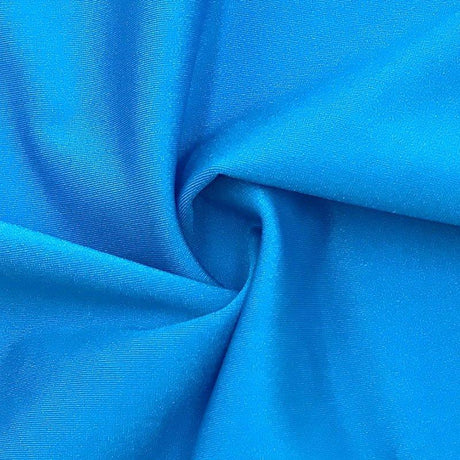
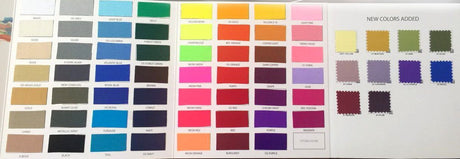
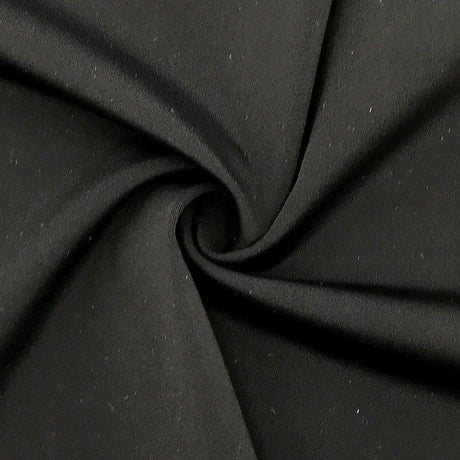
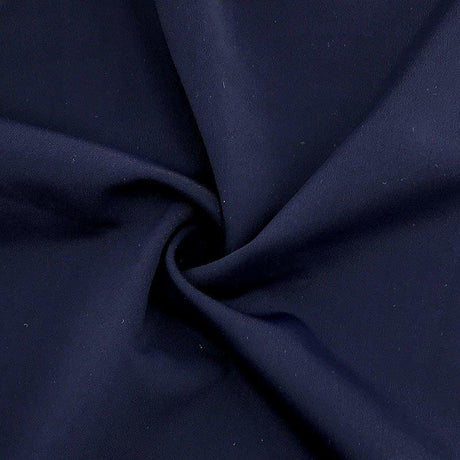
Comparison with Similar Fabrics
Brushed Tricot Lining: Typically 100% polyester knit (sometimes with 5–10% spandex). Moderate 2-way stretch; some recovery if spandex added. Best for jacket linings needing softness and light insulation (windbreakers, shells). Soft, warm, luxurious feel; thin insulation; wrinkle-resistant. Lower breathability (no holes); less stretchy unless spandex added; slower drying than mesh.
Stretch Jersey Lining (Poly/Spandex): Polyester or nylon + 5–20% spandex. High 4-way stretch and recovery. Best for athletic jackets needing full mobility (compression gear, sporty shells). Smooth surface, excellent stretch/recovery; quick-drying; moisture-wicking. Less insulating (no nap); can cling to skin or static cling; slick feel.
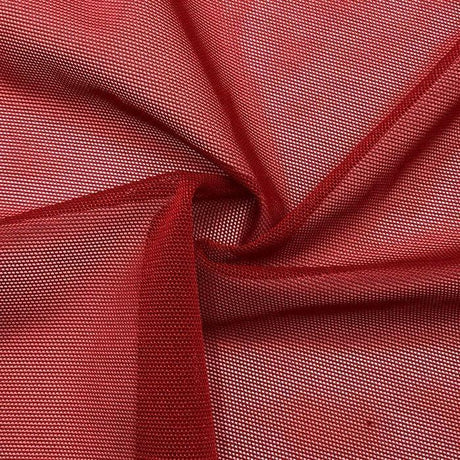
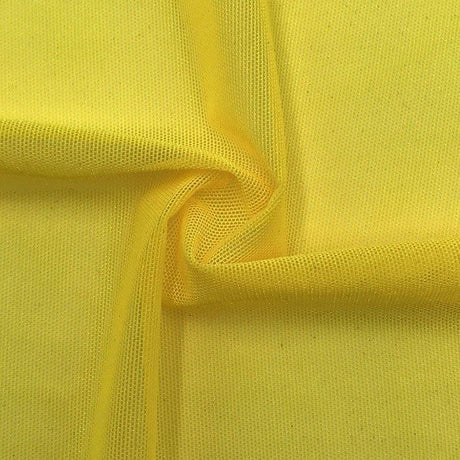
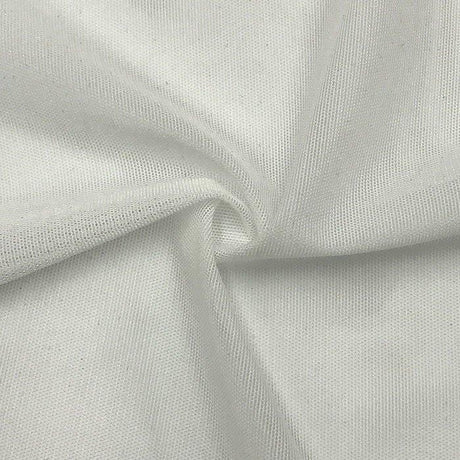
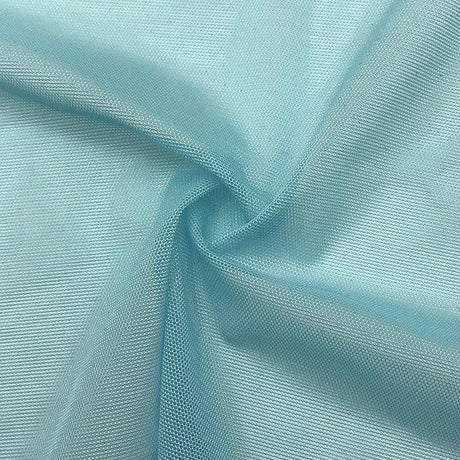
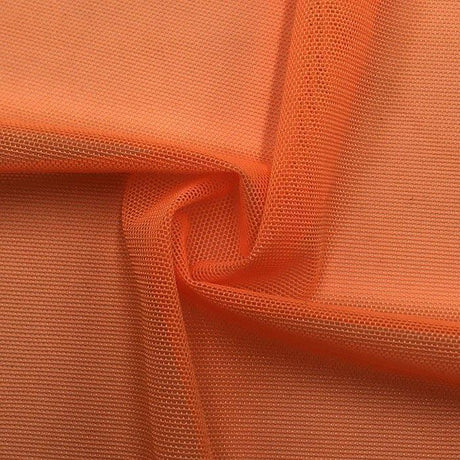
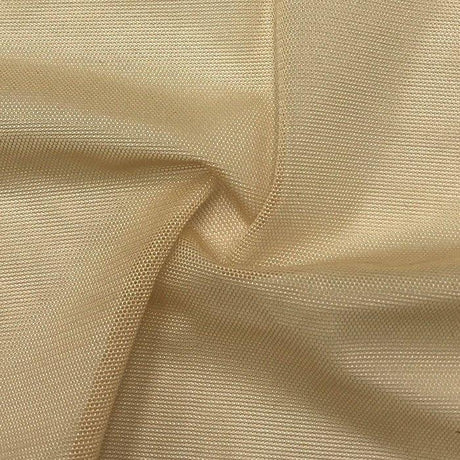
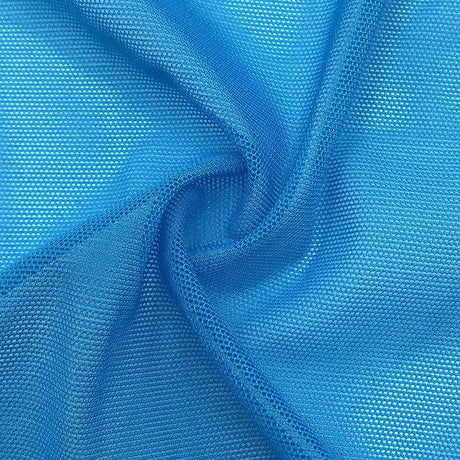
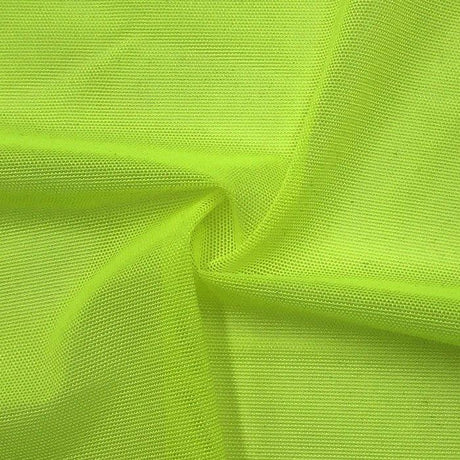
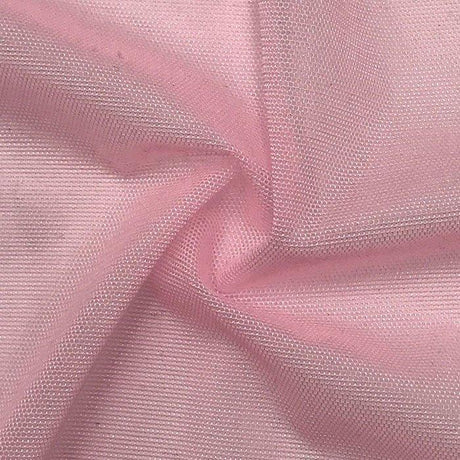
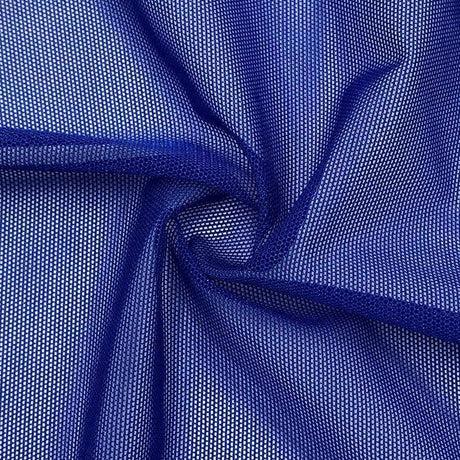
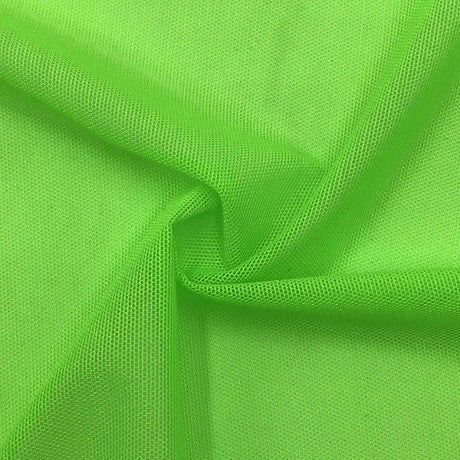
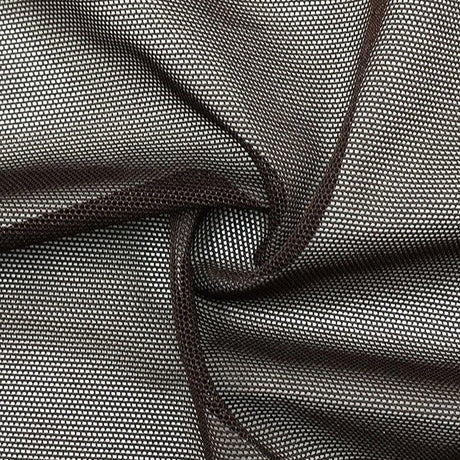
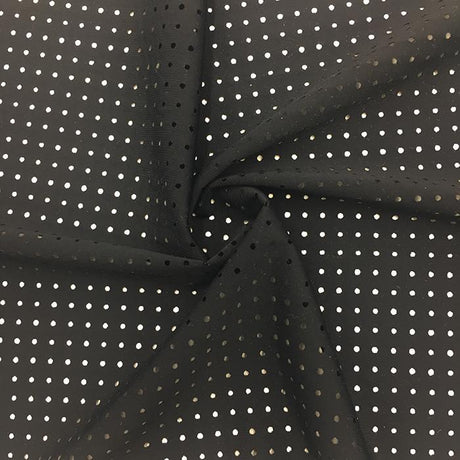
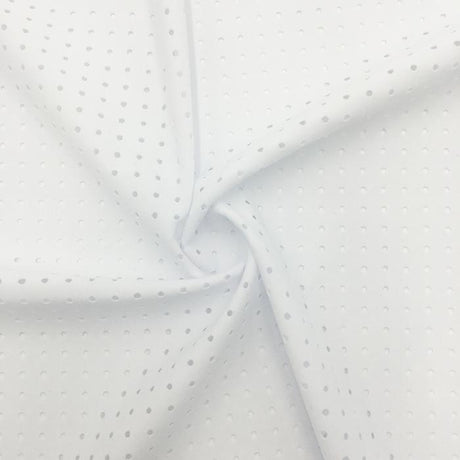
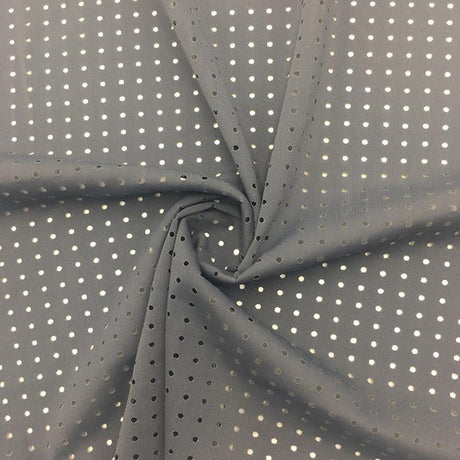
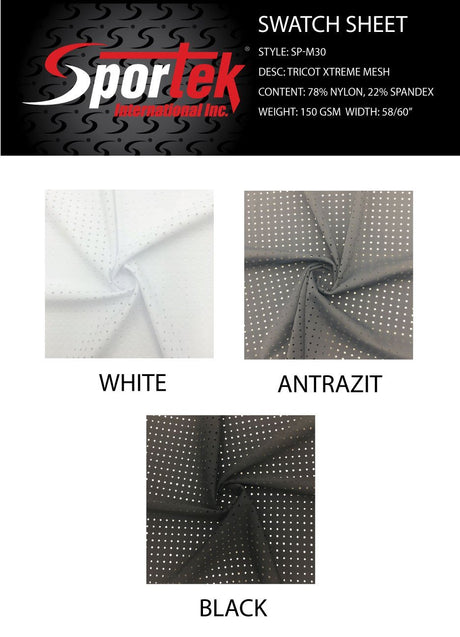
Mesh Lining (Poly/Nylon): Polyester or nylon knit mesh (often with spandex in "power mesh"). Mostly 2-way (elastic in open knit); power mesh can have 4-way. Best for high-breathability panels (back yokes, vents); gym shorts, swim trunks. Extremely breathable and lightweight; excellent airflow; wicks sweat quickly. Minimal insulation; can snag and feel rough; may show through if shell is thin.
Best Uses & Applications
Active & Casual Jackets: A lightweight windbreaker or training jacket often pairs a nylon or polyester shell with a fine jersey or tricot liner. Running jackets might have a moisture-wicking mesh panel under the arms to vent heat, plus a smooth polyester jersey or brushed tricot lining in the body for comfort. In hiking and cycling jackets, brushed polyester liners in sleeves or front add warmth without bulk.
Sports & Performance Outerwear: In high-performance wear, targeted linings are key. Stretchy nylon-spandex tricot panels are often used at the shoulders, elbows, or side seams to allow freedom of motion. Meanwhile, the body might use a lightweight mesh to keep the athlete cool. Our activewear fabric guide covers how performance lining constructions are used across all common activewear categories.
Swim Jackets & Water Sports: Swim jackets use linings that resist chlorine and water absorption. A nylon-spandex swimwear lining (matte tricot) is common – it holds shape when wet and provides opacity. These fabrics offer compression support and won't sag after repeated use in water.
Winter Jackets: For cold-weather jackets, fleece or quilted liners may be used. Inside a ski shell, a silky polyester jersey with a fuzzy double-sided fleece panel can line the torso for warmth, while micro-mesh in the back vents moisture. Pockets and hoods on winter coats are often lined with brushed tricot or low-pile fleece for a soft feel on bare hands.
Fashion & Print Work: When jackets have printed linings, polyester or tricot bases are used so ink adheres well. Sublimation printing works great on a PFP (white finish) brushed tricot. Our sublimation page covers how sublimation printing bonds dye into polyester-spandex fibers to achieve permanent, saturated color, and our sublimation paper and sublimation transfer paper pages cover the complete printing workflow.
How to Choose the Right Fabric
Match Project Purpose: What will the jacket do? For a sports jacket, prioritize moisture management and stretch. For a casual windbreaker, focus on comfort and look. Our how to choose fabric guide covers what to evaluate when a physical swatch arrives, including stretch testing, opacity testing, and hand feel assessment.
Consider Stretch & Recovery: If the outer fabric stretches, the lining must stretch similarly. Always pair stretchy knits with stretch linings. For example, a yoga jacket should not use a rigid cotton lining, or it will tear. Key tip: use a ballpoint (stretch) needle and test your stitch (e.g. zigzag or stretch stitch) on the fabric first to ensure seams flex.
Assess Climate & Activity: In hot conditions or high-sweat sports, lean toward mesh or moisture-wicking jerseys that dry fast. In cooler weather, or if slight insulation is needed, choose brushed tricot or even a light fleece panel. Fabric weight matters: light linings for summer jackets, mid-weight for spring/fall, and fleece or quilted liners for winter.
Fabric Care & Print: If the jacket will be printed or dyed, ensure the lining is colorfast. Polyester and nylon take synthetic dyes and sublimation prints well. For easy care, synthetic knits (poly/nylon) are best – they resist shrinking and wrinkles.
Have questions about specific fabric specifications? Our expert help and advice page and FAQ are always available.
Common Mistakes to Avoid
Mismatch Stretch: Lining a stretchy jacket with a non-stretch or low-recovery fabric will cause seam tearing and poor fit. Always test stretch: pull the lining and shell together to ensure they expand similarly.
Wrong Needle/Stitch: Sewing knits with a sharp needle can cause holes or skipped stitches. Use a ballpoint or stretch needle and a stretch stitch (narrow zigzag or lightning bolt stitch). Otherwise seams may pop under stress. Our how to sew stretch fabric guide covers complete needle selection, stitch type, machine settings, and edge finishing guidance for all common lining fabric construction scenarios.
Ignoring Grain/Print: Knits have a "right side" and a lengthwise stretch direction. Cut lining so that the greatest stretch aligns with body curves. Also align any directional prints or rib patterns before cutting. A skewed lining can twist the whole jacket.
Skipping Pre-Wash: Some performance knits (especially moisture-management) have finishes or sizing. Always wash and dry your lining fabric as you plan to care for the jacket. This prevents later distortion or shrinkage.
Heavy Lining on Light Shell: A heavy or bulky lining on a thin shell will pull down the fabric and make the jacket sag. Match lining weight to jacket weight. For example, don't use fleece for lining a lightweight running shell – it will impede drape.
Neglecting Care Needs: If you use special finishes (DWR, antimicrobial), check their wash instructions. Hot water or bleach can strip these treatments.
Ready-to-Use Checklists
- Pre-wash lining fabric (even if "pre-shrunk") to check shrinkage; stretch it out while damp to align
- Pull fabric on the bias and both directions; choose a lining that stretches as much as your jacket fabric
- Use ballpoint or stretch needles (sizes 75–90 depending on weight) for knits
- Use a narrow zigzag or stretch stitch; sergers with 2–3 thread overlock also work for seams
- If the lining is very stretchy or the garment has lots of tension (like zippers), add stabilizer tape or interfacing at shoulder seams, pocket openings, or zippers
- Lay out the lining on the bias/grain of the shell; match stripes, plaids, or prints before cutting
- Always press knits with low heat; use a press cloth on brushed fabrics to avoid crushing the nap
- When attaching lining, align seams and darts precisely to the shell for a neat interior; pin or baste generously
Care & Longevity Tips
Washing: Machine wash performance linings in cold water on a gentle cycle. Hot water can weaken spandex and damage finishes. Use a mild detergent and avoid fabric softeners (they can coat fibers and reduce moisture-wicking). Turn garments inside-out to protect prints and brushed surfaces. Our spandex care guide and fabric care guide cover complete laundering protocols for all common spandex-blend lining fabric types.
Drying: Air-dry linings and jackets by laying flat or hanging. Synthetic knits dry quickly. If tumble-drying is needed, use low heat to preserve elasticity. Avoid high-heat drying (it can shrink or degrade spandex).
Ironing: Most knit linings resist wrinkles, so ironing may not be necessary. If you do iron, use a cool iron on the wrong side or place a cloth between iron and fabric. Never iron directly on spandex or printed surfaces.
Storage: Fold jackets or hang them on wide hangers to avoid stretching shoulders. For long-term storage, keep away from direct sunlight (UV can degrade fibers) and moisture (to prevent mold).
Print Care: If the lining is printed, wash it inside-out and in cold water to keep colors vivid. Use UV-protective or chlorine-resistant liners for swim garments to prevent fading in pool water.
Lint and Pilling: Remove any surface lint on brushed fabrics with a fabric shaver. For fleece linings, avoid friction with Velcro or rough surfaces to prevent pilling.
When to Consider an Alternative Fabric
Cotton-Spandex vs Nylon-Spandex: A cotton-spandex knit (≈90% cotton/10% spandex) feels soft and breathable – great for casual or yoga jackets where comfort is king. However, it will absorb moisture and dry slowly compared to a nylon-spandex blend. Choose cotton blends only if quick-dry is not critical and a natural feel is desired. Our cotton-spandex fabric guide covers how cotton-spandex blends compare to synthetic alternatives in stretch behavior and moisture management.
Neoprene (Scuba Fabric): Neoprene offers high insulation, buoyancy, and a sculpted look. Use neoprene linings only when you need thick insulation and shape (such as a surf jacket liner or a fashion jacket seeking volume). For a typical lightweight jacket, neoprene is too heavy and warm.
Mesh vs Solid Linings: If you find that a jersey still clings or lacks airflow, switching to a mesh panel can help. A mesh liner makes sense when the jacket's main function is cooling (e.g., running or cycling gear). Conversely, if you started with mesh and need more warmth, a solid tricot or fleece panel is a better choice.
Quilted/Insulated Liners: Some jackets use quilted poly fill liners or microfleece for warmth. These add bulk but are alternatives when heat retention outweighs flexibility. Use these in parkas or ski shells rather than light rain jackets.
Conclusion
The ideal lining fabric makes a lightweight jacket comfortable, functional, and durable. Brushed polyester tricot stands out for its soft feel and moderate warmth, while nylon-spandex jerseys deliver stretch and quick-dry performance. Mesh liners excel at ventilation in hot-weather jackets. When choosing, match stretch to your outer, consider the climate and use-case, and follow sewing best practices. With the right lining, your jacket will feel great, perform well, and last longer.
Ready to find the right lining for your jacket project? Use our fabric weight guide and stretch fabric types page to evaluate technical specifications, our nylon-spandex fabric guide for full performance profiles of nylon-spandex lining constructions, and our activewear fabric guide for end-use specific guidance. Sign up for SpandexByYard Rewards to earn points on every purchase.
FAQ
Is brushed tricot good for a rain jacket liner? Yes. A lightweight brushed polyester tricot is soft against the skin and adds a bit of insulation under a shell. It's also resistant to abrasion (so it won't snag easily under a hood or with a backpack). It won't be fully waterproof, so if the jacket is exposed to heavy rain, ensure the shell has a waterproof coating.
How durable is nylon-spandex lining for long-term projects? Very durable. Nylon-spandex knits are known for strength and elasticity. They resist fading (especially polyester-blends) and hold shape after many uses. Polyester-based linings also resist chlorine and wear, making them a top choice for gear like swim jackets or athletic uniforms. Our nylon-spandex fabric guide covers full performance profiles of nylon-spandex lining constructions.
Can I use a cotton blend lining in an athletic jacket? It's possible but not ideal. Cotton-spandex feels comfortable and breathable, but it absorbs moisture and dries slowly. In a high-sweat activity, a synthetic lining is better. Reserve cotton blends for casual or low-intensity jackets where moisture-wicking is less critical.
What's the best way to care for a mesh-lined jacket? Wash mesh-lined jackets in cold water on a gentle cycle to avoid stretching the mesh. Air-dry flat or hang to prevent distortion. Turn the jacket inside-out to protect the outer fabric and any prints. Our spandex care guide covers complete care protocols for all common spandex-blend lining fabric types.
When should I avoid using a lining in a jacket? If the jacket is designed to be super lightweight and unstructured (like a minimalist windbreaker or packable shell), adding a lining can weigh it down and impede packability. In those cases, consider using minimal lining (e.g. just at the seams or small pockets) or a very open-knit mesh only where needed.