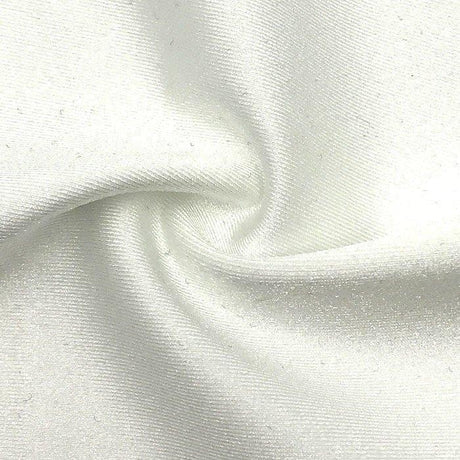
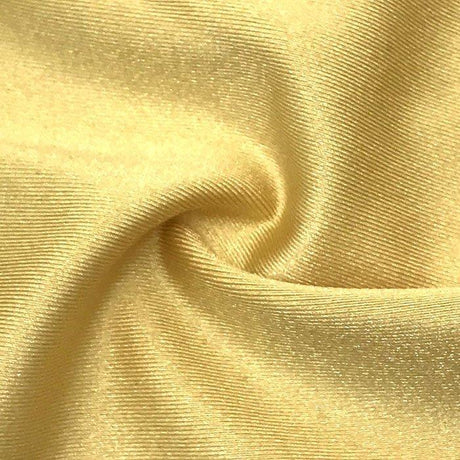
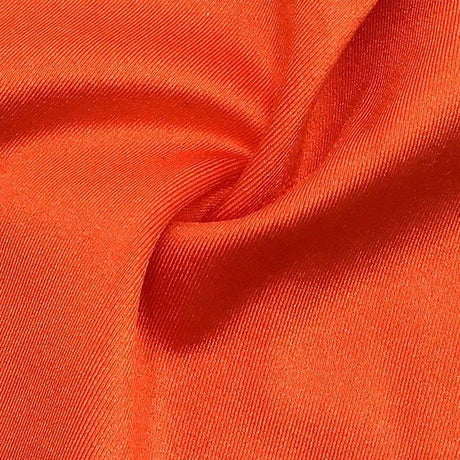
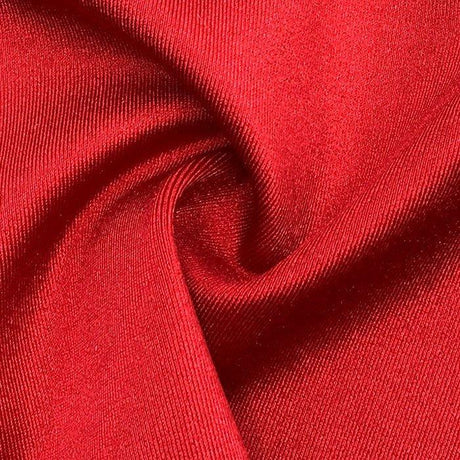
Pocket liners need to be comfortable, smooth, and tough. Whether you're a professional apparel manufacturer or a DIY sewing enthusiast, choosing the right lining fabric can be tricky. For a broader foundation on stretch fabric properties before diving in, explore our stretch fabric types page or browse our full fabric guides hub.
In performance apparel, lining fabrics are the "unsung heroes" that affect comfort and fit. A silky nylon-spandex tricot lining can improve fit and prevent see-through in leggings or swimwear, while a mesh lining can add airflow to activewear pockets.
What Are Pocket Lining Fabrics?
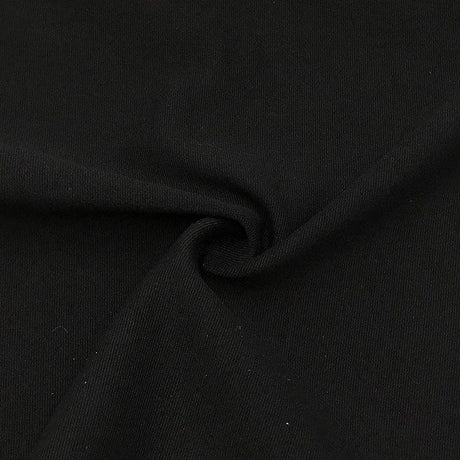
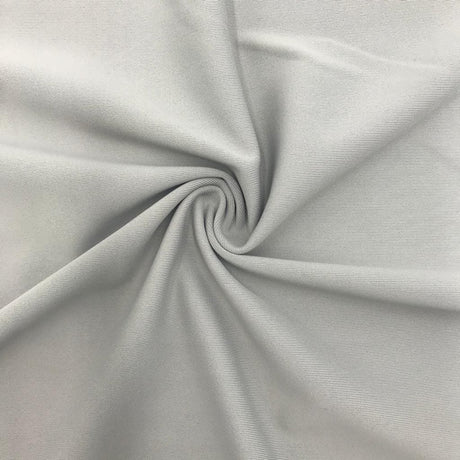
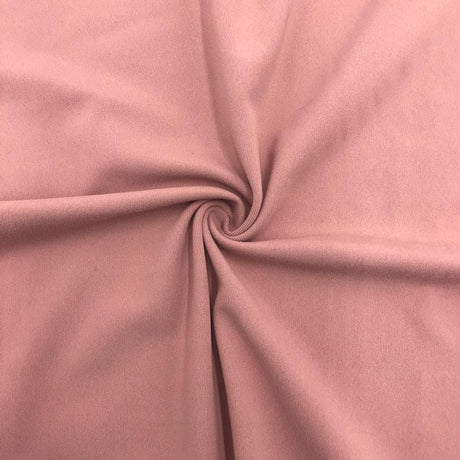
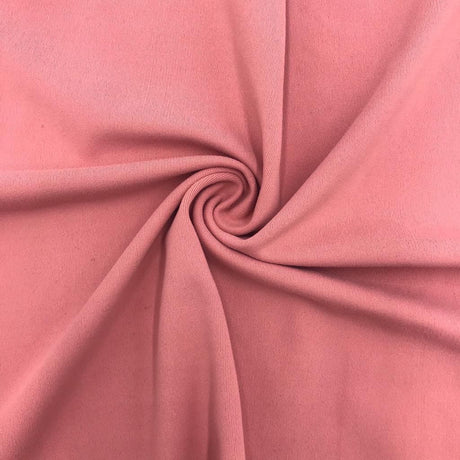
Pocket liners are typically lightweight, stretchable knit fabrics chosen for next-to-body comfort and wear. Common pocket-lining materials include nylon or polyester-spandex tricot, brush-finished tricot, stretch mesh (power mesh), and cotton-spandex knits.
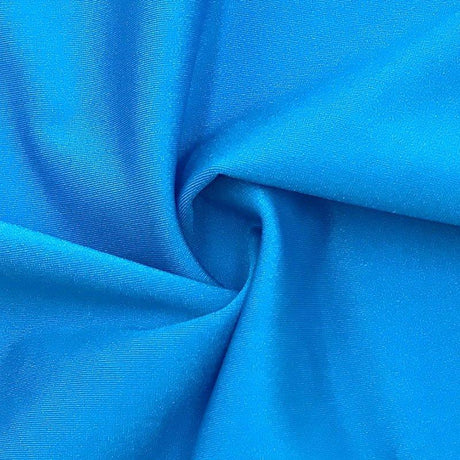
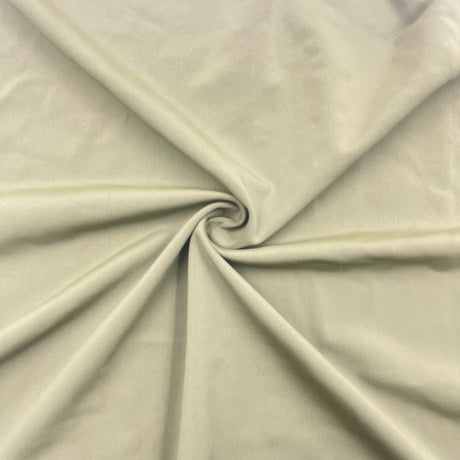
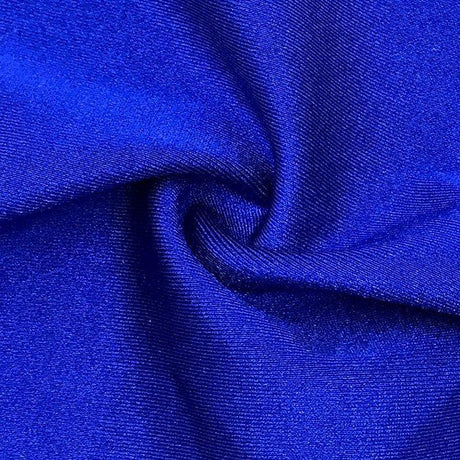
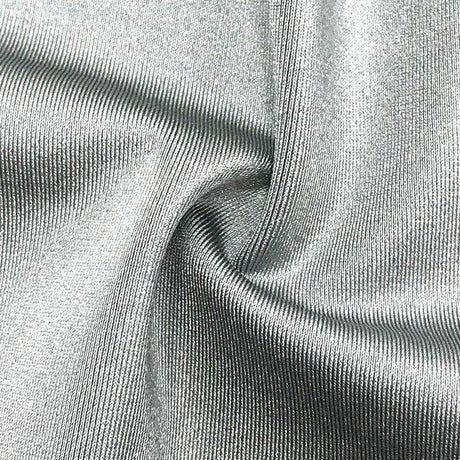
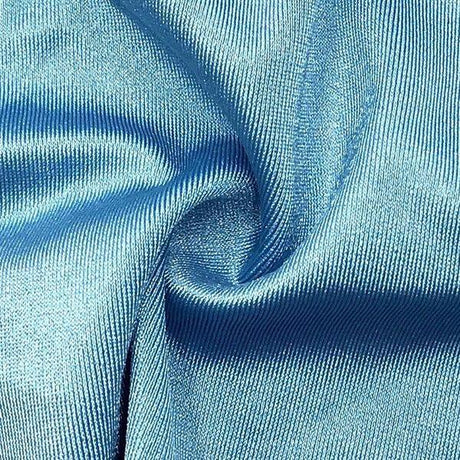
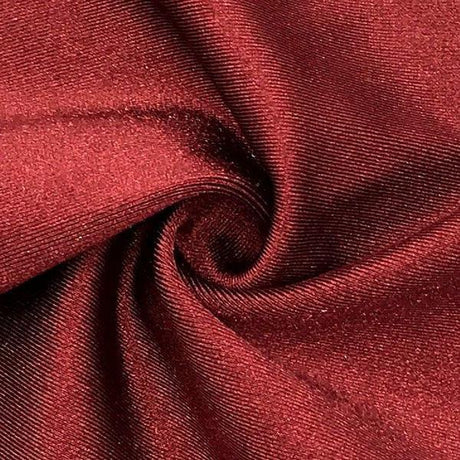
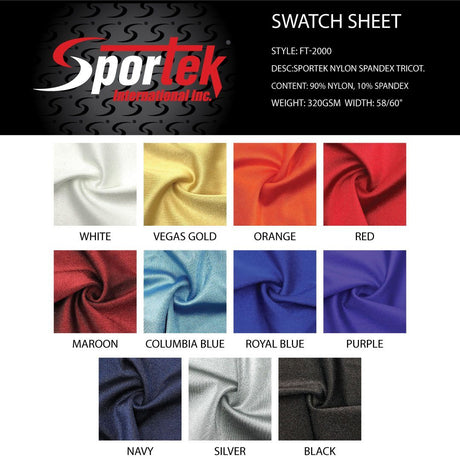
Nylon/Polyester-Spandex Tricot: A warp-knit tricot (often 80–90% nylon or polyester, 10–20% spandex) is smooth on one side and textured on the other. Tricot fabrics are inherently four-way stretch, breathable, and durable. They won't snag or run easily, making them ideal for tight-fitting garments. Our nylon-spandex fabric guide covers how nylon-spandex tricot constructions achieve the combination of smooth hand feel, strength, and 4-way stretch that defines quality lining fabric.
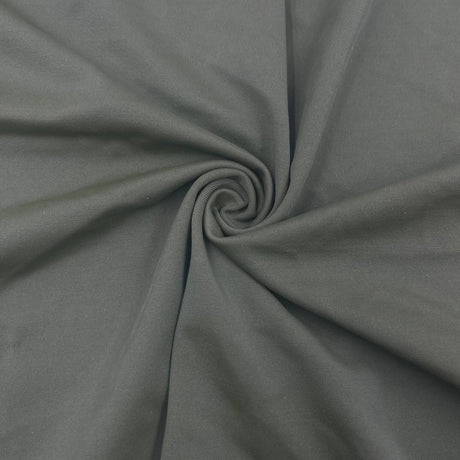
Brushed Tricot (e.g. Nylon/Poly-Spandex): This is a tricot knit with a soft, fuzzy "brushed" finish on one side for extra warmth. The brushed finish traps air for added warmth without compromising breathability. The brushed texture feels cozy next to the skin, so it's often used in lined jackets, hoodies, or cold-weather leggings.
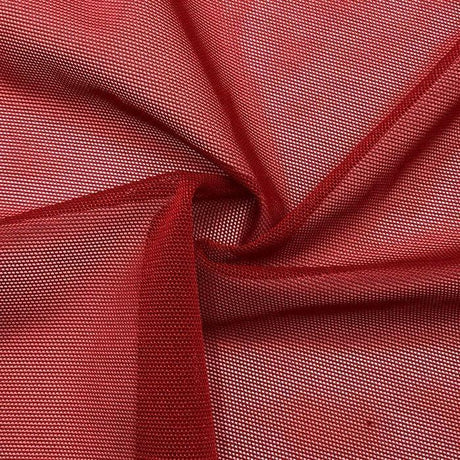
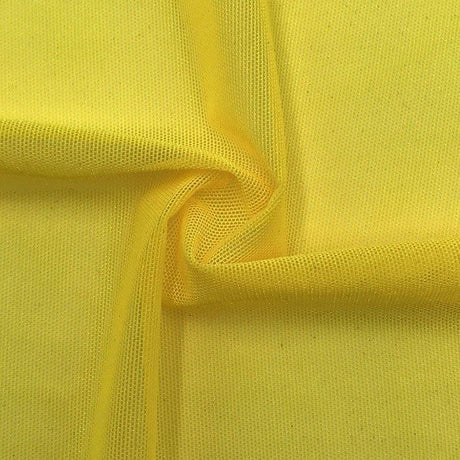
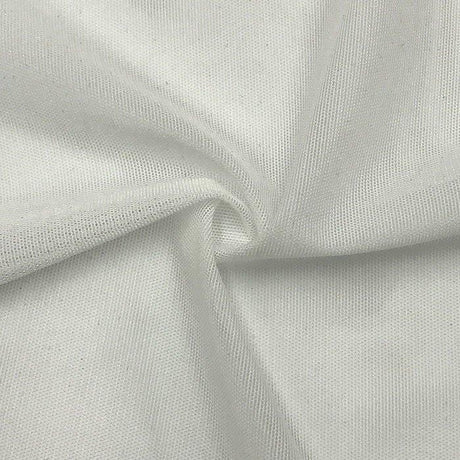
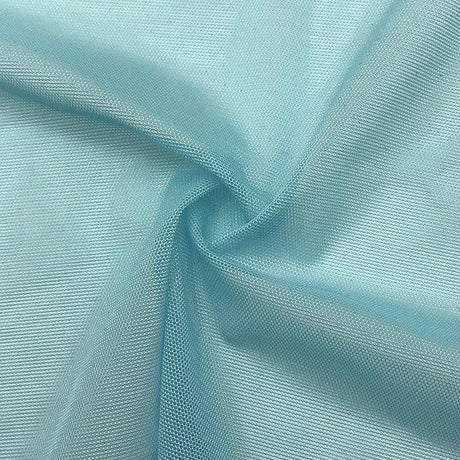
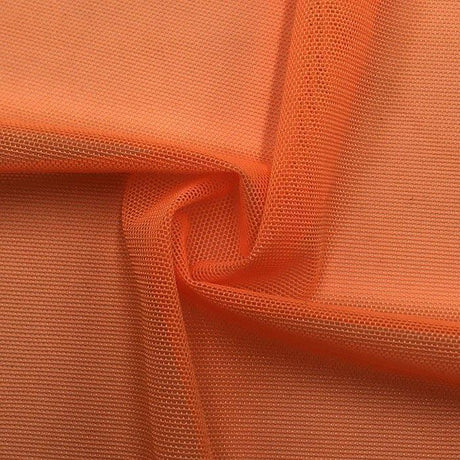
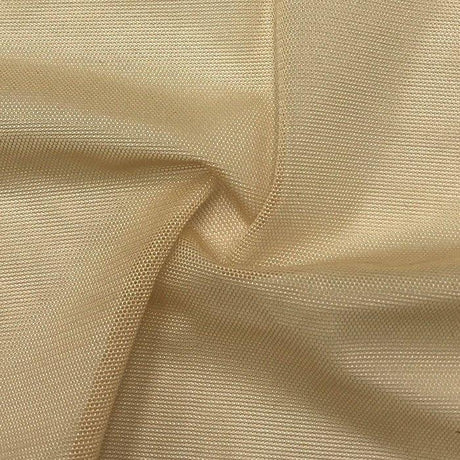
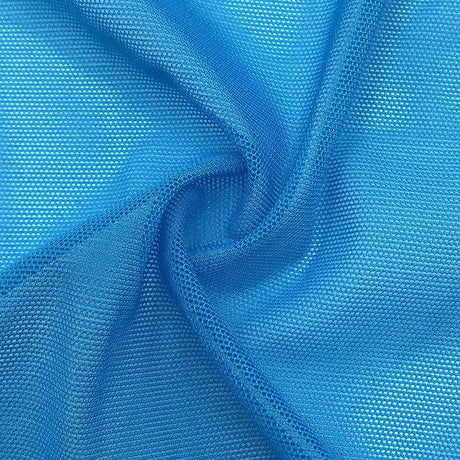
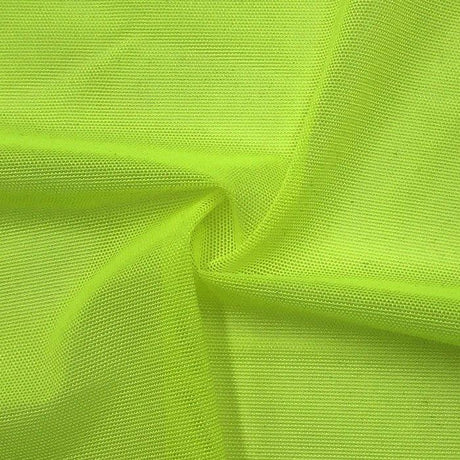
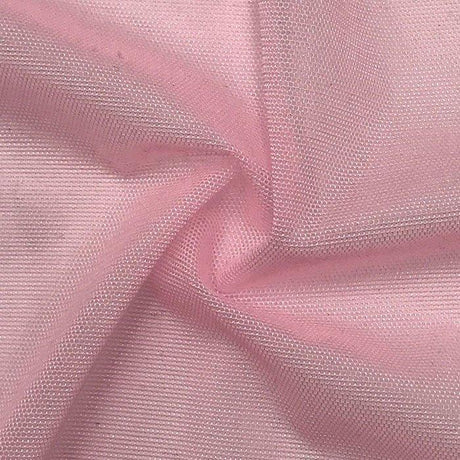
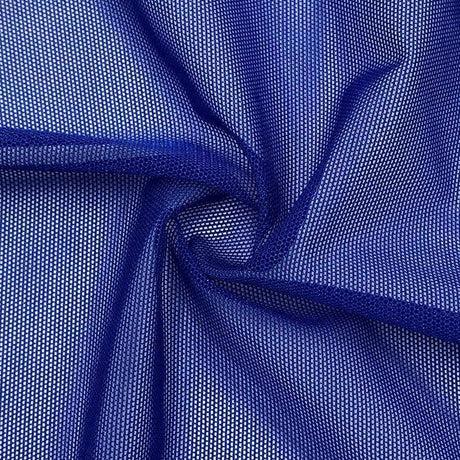
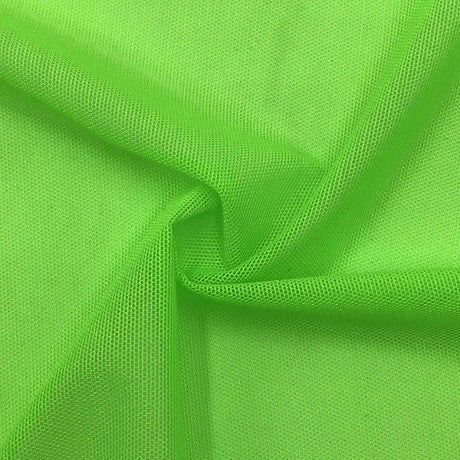
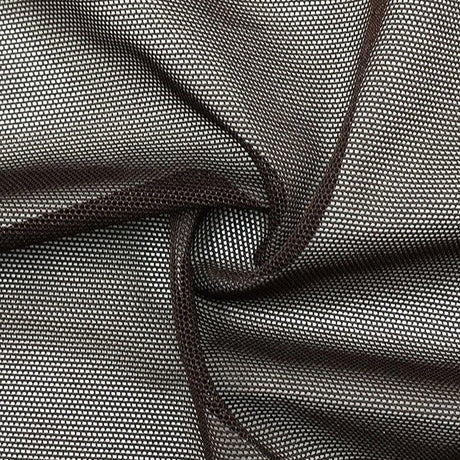
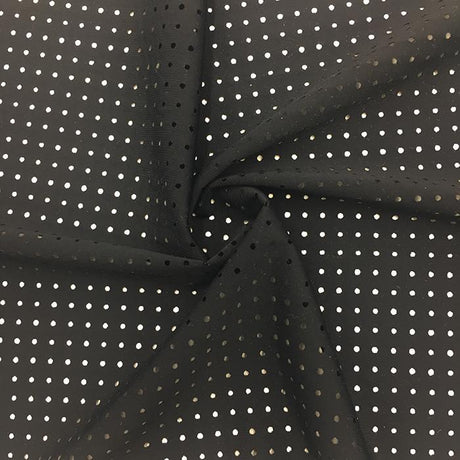
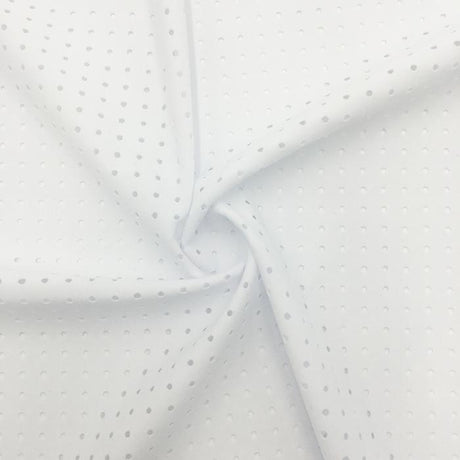
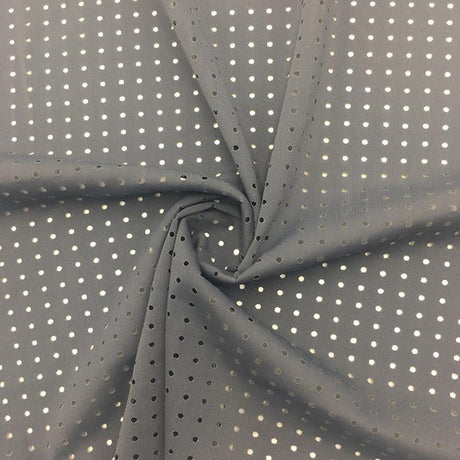
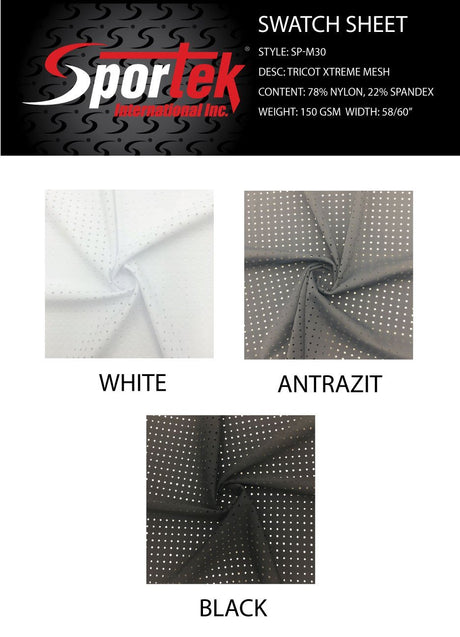
[Image: Stretch mesh fabric (lightweight, breathable pocket lining). The open knit allows airflow and quick-drying, ideal for sportswear pockets.]
Stretch Mesh (Power Mesh): A warp-knit mesh (often 80–90% nylon + 10–20% spandex) with small, uniform holes. It's sheer and extremely lightweight (often ~90–100 GSM) but surprisingly strong. The holes grant maximum breathability and rapid moisture evaporation. Use mesh linings when you need ventilation or moderate stretch support (for example, the lining of running shorts or bike shorts).
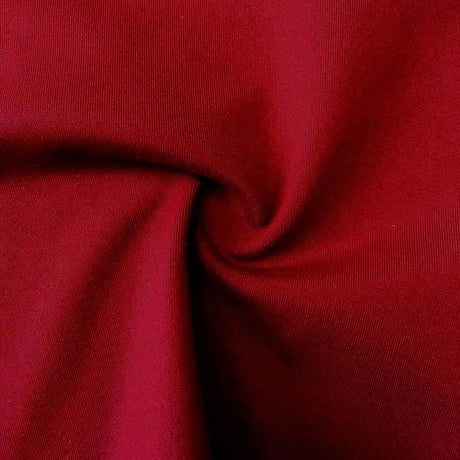
Cotton-Spandex Jersey: A knit blend of mostly cotton and polyester with a small percentage of spandex (~10%). Cotton-spandex fabrics feel soft and breathable, with a natural cotton hand and enough stretch for comfort. Our cotton-spandex fabric guide covers how cotton-spandex blends compare to synthetic alternatives in stretch behavior and moisture management.
Key Performance Characteristics
Stretch & Recovery: Spandex-blended knit fabrics generally offer 2-way or 4-way elasticity. Nylon/poly tricot and mesh are usually fully four-way stretch, easily lengthening and cross-stretching and then snapping back. Cotton-spandex jerseys also stretch nicely (thanks to ~10% spandex), especially if knit as a 4-way stretch, but they feel softer and with slightly less snap-back than nylon. Our stretch fabric types page covers the step-by-step stretch and recovery testing methodology in detail.
GSM / Weight: Fabric weight affects bulk and durability. Lightweight knits (120–180 GSM) are very airy and soft, ideal for sleek pockets or layers where you want minimal bulk. Midweight knits (180–250 GSM) hit the sweet spot for many pockets – common for everyday activewear or athleisure leggings. Heavyweight stretch fabrics (250+ GSM) are thick and firm, providing compression and structure. Our fabric weight guide provides a full breakdown of how GSM affects opacity, breathability, and durability across all common lining fabric constructions.
Moisture Management / Breathability: Mesh fabrics excel in air circulation. The tiny holes let sweat evaporate instantly, keeping pockets cooler during intense activity. Nylon and polyester tricots are hydrophobic and dry quickly; some have special wicking finishes (e.g. MaxDri) or anti-microbial treatments. Cotton-spandex absorbs moisture more readily. For sweaty sports, power-mesh or polyester mesh linings will pull moisture away fastest. Our fabric finishes guide covers moisture-wicking and anti-microbial surface treatments and how to evaluate their durability across performance lining fabric constructions.
Durability & Abrasion Resistance: Heavier and nylon-based fabrics resist wear best. The warp-knit structure of tricot makes it tough – it will not snag or run easily and can stand up to repeated use. A 200–250 GSM nylon tricot pocket can take constant friction (from keys or coins) much better than a 120 GSM liner. If you expect heavy use, err toward medium-weight nylon or performance polyester meshes.
Softness & Handfeel: Cotton blends = soft and cozy; brushed fabrics = warm and fuzzy; nylon/poly knits = smooth and stretchy. All are comfortable, but only you can decide if you prefer the cool smoothness of nylon or the natural warmth of cotton.
Special Traits: Some pocket linings offer extra performance features such as chlorine-resistant or UV-protective treatments (common in swimwear linings), anti-microbial finishes (like Microblok) to prevent odor, and thermal linings like brushed tricot that trap air for insulation. Our spandex care guide covers why chlorine and UV exposure degrade elastane fibers and the care protocols that maximize lining fabric lifespan.
Comparison with Similar Fabrics
Brushed Tricot (Pocket Liner): Polyester/nylon + spandex warp-knit (brushed back). 4-way stretch warp-knit; high recovery. Best for warm, smooth pocket liners (jackets, leggings). Ultra-soft, insulating, durable (no snagging). Heavier, can be warm or fuzzy (bulk).
Stretch Mesh (Power Mesh): Nylon (or poly) + spandex open-knit mesh. 4-way mesh; very high elasticity, low memory loss. Best for breathable, quick-dry linings (active/sportswear). Very light, airy, moisture-transferring. Sheer holes (less coverage), slightly abrasive.
Cotton-Spandex Jersey: ~45% Cotton, 45% Polyester, 10% Spandex. 2-way or 4-way knit; good stretch and recovery. Best for everyday wear pockets and soft casual garments. Soft natural feel, breathable, easy on skin. Less slick (items may catch), moderate durability.
Best Uses & Applications
Activewear & Leggings: In workout pants and shorts, pocket linings often need to handle sweat and movement. A nylon-spandex tricot or mesh lining works well here. Many athletic tights have mesh-lined pockets for ventilation and to reduce weight. Our activewear fabric guide covers how power mesh panels are used in compression and ventilation applications across all common activewear categories.
Swimwear (Board Shorts): Swimsuits and board shorts typically use a mesh pocket liner (power mesh) inside shorts for rapid drainage and support. The mesh lets water flow out and prevents ballooning, while nylon spandex swim linings keep suits opaque and supportive when wet. Our swimwear fabric guide covers lining fabric options and how to integrate them for different swimwear applications.
Casual & Fashion Garments: Jeans, slacks, and casual dresses often use softer linings. Cotton-spandex jersey is a great choice for pocket bags in pants because of its softness and natural stretch. A brushed tricot lining can be used in coats or jacket pockets for warmth. Silkier polyester trims are another option in high-end fashion.
Everyday vs. Performance Scenarios: For everyday wear (office pants, casual jackets), comfort reigns: choose soft cotton or smooth tricot. For high-sweat sports or warm climates, pick moisture-wicking synthetics and mesh. If you're adding printed design to the pocket bag, use a fabric that takes print well. Our sublimation page covers how sublimation printing bonds dye into polyester-spandex fibers to achieve permanent, saturated color, and our sublimation paper and sublimation transfer paper pages cover the complete printing workflow.
How to Choose the Right Fabric
What's the project purpose? Athletic shorts or jackets demand stretchy, moisture-wicking linings (nylon-spandex or athletic mesh). Casual trousers or hoodies can use cotton-blend knits. A winter coat pocket could benefit from a cozy brushed lining for warmth. Our how to choose fabric guide covers what to evaluate when a physical swatch arrives, including stretch testing, opacity testing, and hand feel assessment.
How much stretch is needed? If the pocket will carry bulky or uneven items (like phones or tools), pick a fabric with more give and recovery (a higher spandex content or 4-way stretch knit). For small flat pockets, moderate stretch is fine.
Climate/use conditions: Warm-weather garments should use breathable, quick-dry fabrics (mesh or lightweight tricot). Cold-weather items can use thicker, fuzzy linings. If the pocket will encounter water (e.g. swim trunks or fishing gear), use nylon or polyester bases for quick drying.
Aesthetic (Print vs. Solid): If lining design matters, choose a fabric amenable to printing (cotton blends take dyes nicely, or use a printable polyester-spandex). Otherwise, solids or color-coordinated knits work best.
Fabric Care: Consider care requirements early. Some linings (like delicate mesh) might require hand wash, while others (cotton blends) tolerate machine washing. Our fabric care guide covers complete laundering protocols for all common lining fabric types.
Have questions? Our expert help and advice page and FAQ are always available.
Common Mistakes to Avoid
Wrong Needle: Always use a ballpoint or stretch needle with knit pocket linings. Using a sharp needle can cause runs or snags. Our how to sew stretch fabric guide covers complete needle selection, stitch type, machine settings, and edge finishing guidance for all common lining fabric construction scenarios.
Ignoring Stretch Recovery: Don't choose a low-elastane fabric if your outer garment stretches a lot. Lining a stretch legging with a non-stretch woven will restrict movement and tear seams.
Poor Stitch Choice: Avoid straight stitches on stretchy knits. Instead, use a stretch (zigzag) stitch or serge/overlock to allow seams to flex.
Not Pre-washing: Pre-wash pocket lining material to prevent future shrinkage. Skipping this step can misalign prints or warp pocket shape after the first wash.
Cutting Off Grain: Align your lining pattern pieces correctly. Match stretch direction and don't twist the fabric or mix crosswise/weft for pieces that need consistent stretch.
Overlooking Stabilizers: For very stretchy fabrics, you might need stay tape or interfacing at pocket openings to prevent the knit from stretching out of shape.
Ready-to-Use Checklists
- Pre-wash linings to avoid shrinkage and color bleed
- Test stretch: pull your cut lining piece to ensure it recovers properly
- Use ballpoint/stretch needles and stretch stitches on knits
- Align seams and patterns carefully (match prints and knit lines)
- Consider adding seam tape or interfacing at pocket openings
- Always finish raw edges (overlock or zigzag) on high-abrasion linings
- If using prints, test a small swatch through the wash for fastness
Care & Longevity Tips
Washing: Turn garments inside-out. Use cool or warm water with gentle detergent. Avoid bleach or fabric softeners (they can break down elastic fibers). A lingerie bag or gentle cycle protects delicate meshes. Our spandex care guide and fabric care guide cover complete laundering protocols for all common spandex-blend lining fabric types.
Drying: Air-dry or tumble-dry on low. High heat can degrade spandex over time. Mesh and tricot dry quickly, so they're less prone to odor if promptly dried.
Ironing: Most stretch linings aren't pressed regularly, but if needed, use a low/medium iron. Always press knits lightly or via a cloth – high heat can melt or glaze synthetic fibers.
Storage: Fold stretchy knit garments rather than hanging, to avoid stretching them out. Store in a cool, dry place to prevent mildew or fiber weakening.
Print & Finish Care: For printed pocket linings, wash inside-out to protect graphics. Keep out of prolonged direct sunlight to avoid fading.
When to Consider an Alternative Fabric
Cotton-Spandex vs. Nylon-Spandex: Choose cotton-spandex if you prioritize a soft, breathable, and natural-feeling lining (great for casual wear). Nylon-spandex (or polyester-spandex) is preferable if you need smoothness and quick-dry performance – for example, athletic or swim liners. Our nylon-spandex fabric guide covers how nylon-spandex constructions compare to cotton-spandex in durability, recovery, and moisture management.
Neoprene: Though not a typical pocket lining, neoprene can be used when extreme structure or insulation is required (e.g. wetsuit pockets, padded gear). Neoprene is thick and not very breathable, so use it only if you need water resistance or extra padding.
Power Mesh vs. Standard Mesh: A fine power mesh (with higher nylon content) offers more support and longevity than a loosely knit mesh. If you need a supportive lining (like a hidden panel for compression), go with power mesh. For purely breathable liners, a basic polyester or nylon mesh suffices.
When prints matter: If you want a vibrant printed lining, use a cotton or polyester-spandex knit suitable for dye-sublimation. Avoid printing on very stretchy power nets, as distortion can occur.
Conclusion
The best fabric for pocket lining depends on balancing comfort, slipperiness, and strength. Soft knits like cotton-spandex excel in comfort, while nylon-spandex tricots and meshes excel in durability and quick-drying performance. Brushed tricots add warmth, whereas open mesh maximizes breathability.
By considering the pocket's use case – everyday gear vs. high-sweat sportswear – and the fabric's weight, stretch, and care requirements, you can choose a lining material with confidence. The ideal pocket lining moves with you, protects the garment, and feels great against your hand. Sign up for SpandexByYard Rewards to earn points on every purchase!
FAQ
Q: Is cotton-spandex a good choice for pocket lining? A: Yes. Cotton-spandex knits offer a soft, skin-friendly feel and enough elasticity for comfort. They're breathable and pleasant for casual or athletic pocket bags. However, they won't shed moisture as fast as nylon blends, so for very sweaty applications you might prefer a synthetic lining. Our cotton-spandex fabric guide covers how cotton-spandex blends compare to synthetic alternatives in stretch behavior and moisture management.
Q: How durable is stretch mesh for a pocket lining? A: High-quality nylon-spandex mesh is surprisingly durable. Even though it's lightweight (~90–100 GSM), its warp-knit construction and strong synthetic fibers let it withstand daily wear. It will generally last a long time if laundered gently (cold wash, low heat). Our fabric weight guide covers the GSM thresholds that distinguish lightweight from midweight mesh constructions.
Q: How should I care for spandex-lined pockets? A: Treat them like any stretch knit. Wash in cool water with gentle detergent. Turn the garment inside out to protect the lining. Tumble-dry low or air dry to avoid heat damage. Avoid bleach or fabric softener (these can degrade elastic fibers). Our spandex care guide covers complete care protocols for all common spandex-blend fabric types.
Q: Can I use power mesh as pocket lining in a sports bra or leggings? A: Absolutely. Power mesh is often used as a lining for its supportive, compressive qualities. In a sports bra, a power-mesh lining can add gentle support and breathability. Just ensure the mesh matches your garment's stretch (power mesh is usually 4-way stretch). Our activewear fabric guide covers power mesh applications across all common activewear categories.
Q: Should I prewash pocket lining fabric before sewing? A: Yes. Like all fabrics, prewashing prevents future shrinkage and color transfer. It also allows you to check how the fabric behaves after laundering. A cold machine wash is usually safe. Dry it as you intend to treat the finished garment (air or low-heat) before cutting and sewing.