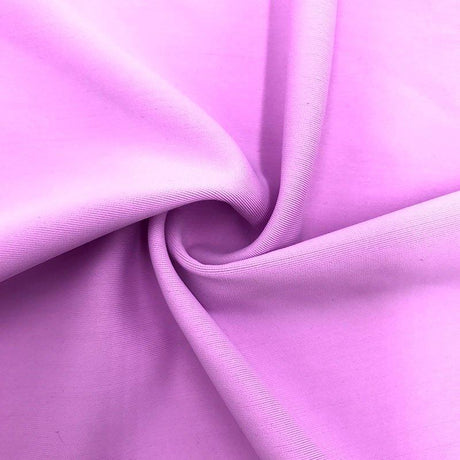
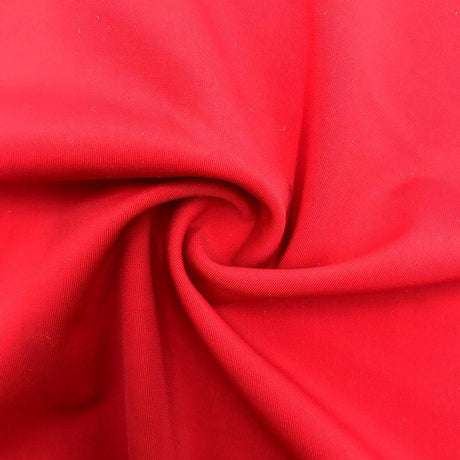
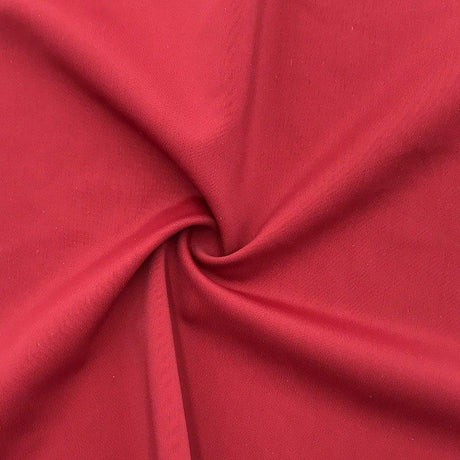
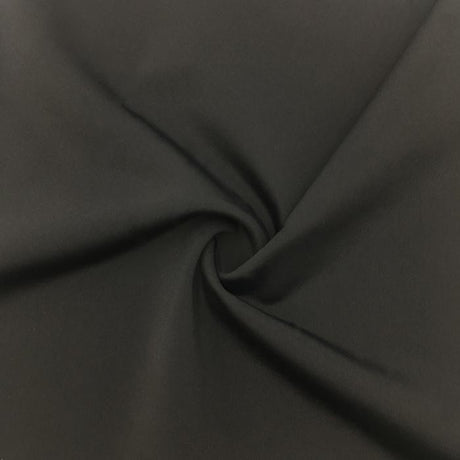
Compression shorts have become a staple in modern athletic apparel. Whether you're designing workout gear, running apparel, cycling shorts, or performance activewear, the fabric does most of the work — it determines how much support the garment delivers, how it holds up to repeated stretching, and whether it stays opaque and comfortable through a full session.
The best compression shorts combine stretch, recovery, moisture management, and muscle support. This guide focuses on the practical side: which fabrics to source, what weight and spandex content to specify, and how to test a material before you commit to a bulk order. For the underlying fabric science, our activewear fabric guide is the deeper foundation.
What Makes Compression Shorts Different?
Unlike regular shorts, compression shorts are engineered to fit tightly against the body and apply consistent pressure. That pressure is what provides:
- Muscle support and stabilization
- Reduced movement and chafing
- Moisture management
- Improved comfort during activity
- Circulation and recovery support
The key thing to understand is that compression comes from two fabric properties working together, not from spandex alone. The first is power (sometimes called modulus) — how much the fabric resists being stretched, which is what creates the supportive "hug." The second is recovery — how completely and quickly the fabric snaps back to its original dimensions. A fabric can be very stretchy and still make poor compression wear if its recovery is weak, because it will bag out and lose its grip after the first few wears. When you're sourcing, recovery matters as much as stretch.
Best Fabric for Compression Shorts
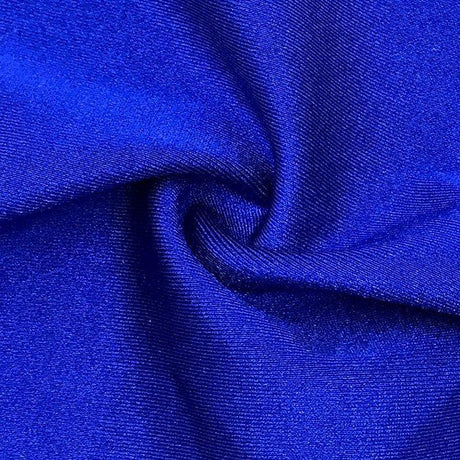
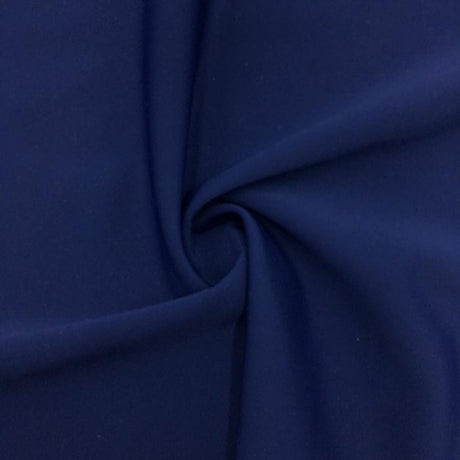
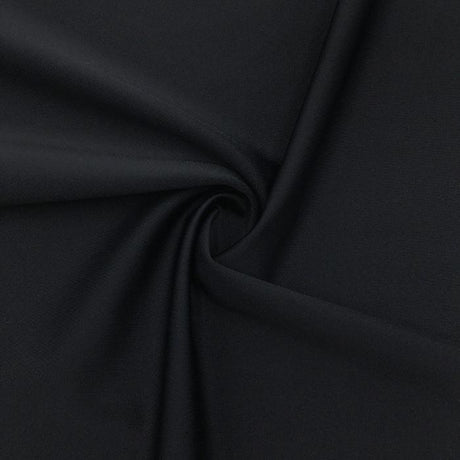
1. Nylon Spandex (Best Overall)
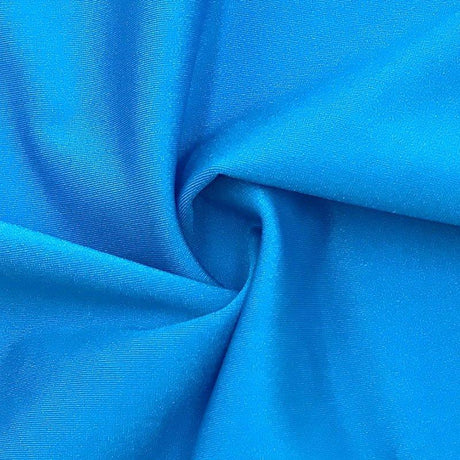
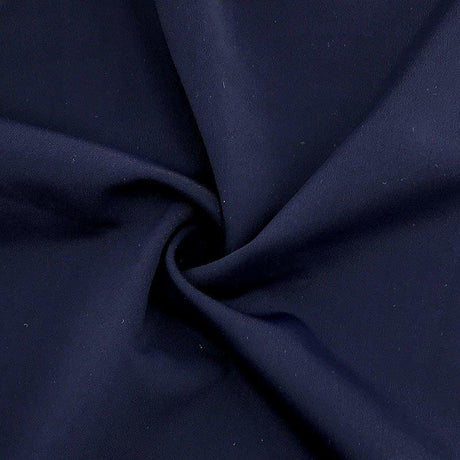
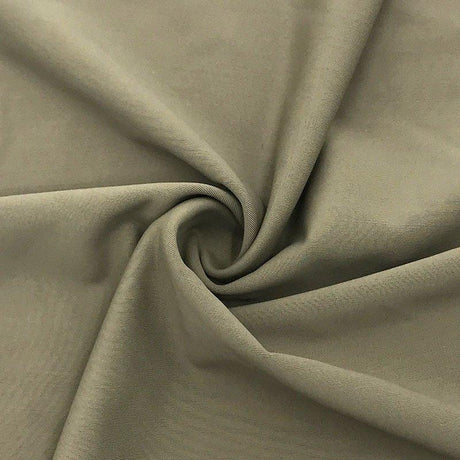
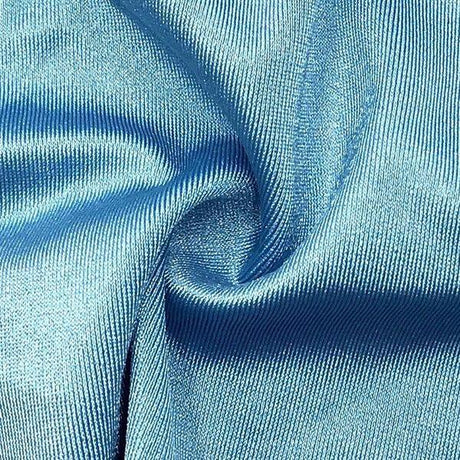
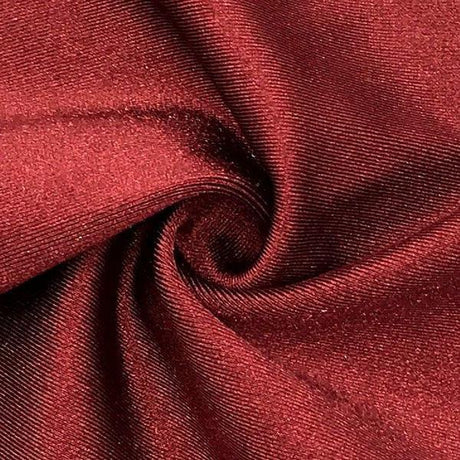
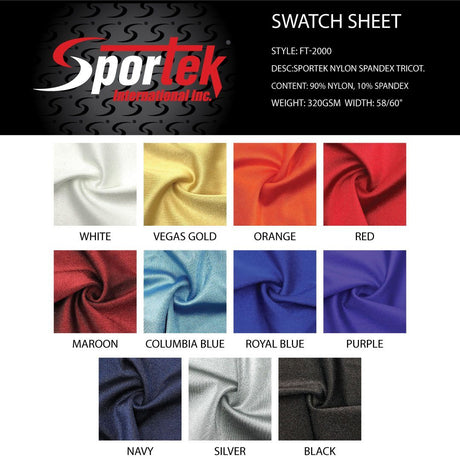
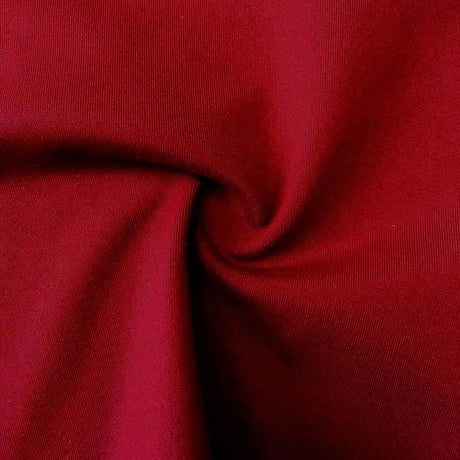
Nylon spandex is the gold standard for premium compression apparel, and for compression shorts specifically it has two advantages that matter more than anything else: abrasion resistance and recovery. The inner thigh and waistband of compression shorts take constant friction, and nylon is the most abrasion-resistant of the common synthetics, so it outlasts polyester blends exactly where these garments fail first. It also has a softer, silkier hand against the skin and excellent shape recovery, which keeps the supportive fit consistent over the life of the garment.
Typical composition:
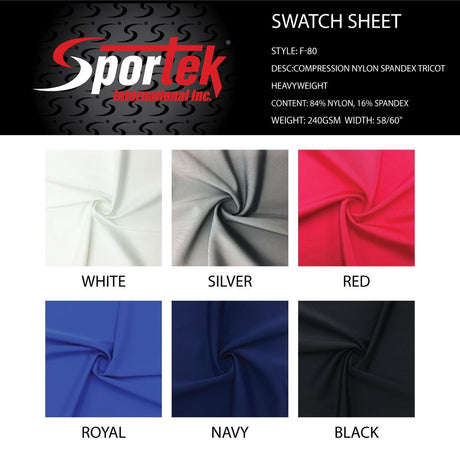
- 75%–85% Nylon
- 15%–25% Spandex
Most premium athletic fabrics land at an 80/20 or 82/18 nylon-to-spandex ratio, which balances support, comfort, and durability. For a deeper breakdown of stretch percentages, knit constructions, and how to read a spec sheet, see our nylon spandex fabric guide.
Shop our Nylon Spandex Fabric Collection for compression-ready solids, and explore our Leggings Fabric by the Yard guide for closely related compression fabrics.
2. Polyester Spandex
Polyester spandex is the right call when printing or cost is the priority. It's the standard substrate for sublimation, so if your compression shorts carry custom graphics, team branding, or all-over prints, this is the fabric. It also holds color exceptionally well, resists UV fading, and dries fast at a lower price point than nylon.
The trade-offs: polyester is slightly less abrasion-resistant than nylon and can retain odor over time if it isn't treated, so it's better suited to printed and team applications than to premium next-to-skin lines. It's commonly used for:
- Team uniforms
- Training apparel
- Compression shorts with custom graphics
- Athletic fashion collections
Browse our Polyester Spandex Fabric Collection for sublimation-ready performance fabrics.
3. High-Compression Performance Fabrics
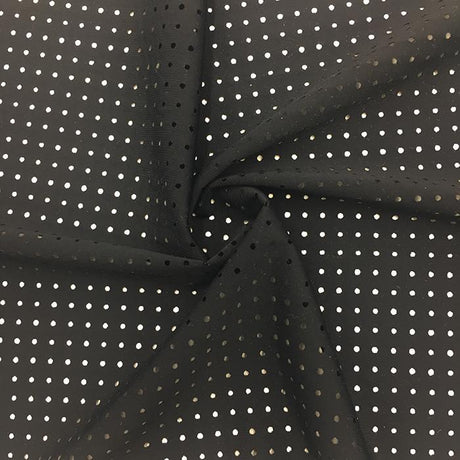
Some applications need firmer support than a standard tricot delivers. High-compression fabrics get there through denser, tighter knit constructions and higher elastane content rather than just more spandex in the blend. Warp-knit and powernet-style constructions, for example, use heavier elastane yarns and a tight structure to produce strong, contained stretch with very firm recovery — the kind used in recovery wear, shaping panels, and high-support athletic shorts.
These fabrics typically feature higher density, increased elastane, enhanced muscle support, and greater shape retention. Common uses include running compression shorts, cycling shorts, recovery apparel, and professional athletic wear.
Nylon vs Polyester for Compression Shorts: The Verdict
Choose nylon spandex when you want the highest tactile quality, the softest next-to-skin feel, and maximum durability at the high-friction inner thigh and waistband — premium running and training lines. Choose polyester spandex when sublimation printing is the goal or cost efficiency drives the program — team kits and printed collections. For a fuller side-by-side across all stretch fabrics, see our stretch fabric types guide.
What GSM Is Best for Compression Shorts?
Fabric weight plays a major role in compression performance — heavier, denser fabrics generally deliver more compression and better opacity, while lighter weights run cooler. Our fabric weight guide breaks down how GSM affects support, breathability, and opacity across every fabric type.
Lightweight (180–220 GSM)
- Running shorts
- Warm-weather training
- Lightweight activewear
Medium Weight (220–280 GSM)
- General fitness apparel
- Yoga
- Training shorts
- Cross-training
Heavy Compression (280–350 GSM)
- Performance compression garments
- Recovery apparel
- Cycling shorts
- High-support athletic wear
Most premium compression shorts fall within the 220–300 GSM range, with the 240–280 band being the reliable sweet spot for support and opacity without overheating.
How Much Spandex Do Compression Shorts Need?
Spandex content drives compression and stretch — but more is not automatically better. Past a certain point, very high elastane can compromise durability and, depending on the knit, recovery, leaving you with a garment that feels aggressive on day one and bags out by month three. The goal is enough spandex to compress, paired with a construction that recovers well.
10%–15% Spandex
- Moderate stretch
- Everyday comfort
- Light support
15%–20% Spandex
- Athletic performance
- Better recovery
- Strong support
20%–25% Spandex
- Maximum compression
- Enhanced muscle stabilization
- Professional performance applications
For most activewear brands, 18%–20% spandex offers the ideal balance of compression, comfort, and longevity.
Key Features to Look For
Four-Way Stretch
Allows unrestricted movement in every direction. Two-way stretch will restrict the squat and lunge positions compression shorts live in.
Recovery
The fabric should return to its original shape immediately after stretching, with no sagging or bagging after extended wear. This is the single most overlooked spec.
Moisture-Wicking
Keeps athletes dry during workouts and competition.
Breathability
Helps regulate body temperature, especially important in the higher GSM ranges.
Durability
Compression garments experience significant, repeated stress — favor abrasion-resistant fibers and tight knits.
Opacity
High-quality fabrics stay squat-proof and non-transparent when stretched. Never assume opacity from weight alone — test it (see below).
How to Test Compression Fabric Before You Order
The difference between a sample that looks good and a fabric that performs shows up in a few quick tests. Always order swatches and run these before committing to a bulk run:
- Opacity / squat test: Stretch the swatch to roughly 50% over a white surface with a light behind it. This replicates the in-use, stretched-over-the-body condition where cheap fabrics go sheer.
- Recovery test: Stretch the swatch firmly, hold, release, and watch how fast and completely it returns. Slow or incomplete snap-back means it will bag out in the garment.
- Stretch direction: Pull along both the length and the width to confirm true four-way stretch, not two-way.
- Hand feel: Run it against the inner forearm — it's a reasonable proxy for next-to-skin comfort at the thigh.
- Wash test: Cold wash and air dry a swatch, then re-check recovery and color. This surfaces shrinkage, fading, and recovery loss before production.
Common Sourcing Mistakes to Avoid
- Buying on GSM alone: Weight signals support and opacity but says nothing about recovery or hand feel. Two fabrics at the same GSM can perform completely differently.
- Ignoring recovery: Stretch is easy to feel in a showroom; recovery only reveals itself over wear and wash cycles. Test for it deliberately.
- Maxing out spandex %: Chasing the highest elastane number can cost you durability and a clean recovery. Match spandex content to the garment's job.
- Skipping the opacity test: Squat-proof failures are the number-one compression-short complaint and are entirely preventable at the swatch stage.
- Mismatching fabric to print method: If the program is sublimated, you need a polyester substrate — nylon won't take sublimation the same way.
Best Fabrics by Activity
Running Compression Shorts
- Nylon Spandex
- 220–260 GSM
Gym & Fitness Compression Shorts
- Nylon Spandex or Polyester Spandex
- 240–280 GSM
Cycling Shorts
- High-compression Nylon Spandex
- 280–320 GSM
Cycling has its own heat, padding, and seam considerations beyond the base fabric — our best fabric for bike shorts guide covers them in detail.
Team Sports
- Polyester Spandex
- Sublimation-ready fabrics
Yoga & Athleisure
- Soft Nylon Spandex
- Brushed activewear fabrics
Related Activewear Fabric Guides
If you're building a complete activewear collection, explore these resources:
- Sports Bra Fabric by the Yard
- Leggings Fabric by the Yard
- Rash Guard Fabric by the Yard
- Gymnastics Fabric by the Yard
- Cheer Fabric by the Yard
- Dancewear Fabric by the Yard
- Leotard Fabric by the Yard
Final Thoughts
The best fabric for compression shorts is typically a high-quality nylon-spandex blend with 15%–25% spandex, weighing 220–300 GSM, paired with a construction that recovers cleanly. These fabrics deliver the stretch, support, moisture management, and recovery that compression performance depends on — and the right choice comes down to matching fiber, weight, and spandex content to the specific garment.
Whether you're creating running shorts, cycling apparel, training gear, or premium activewear collections, sourcing the right compression fabric — and testing it before you scale — is what separates gear that performs from gear that fails.