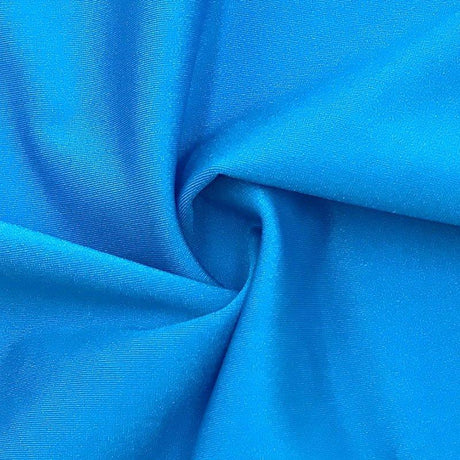
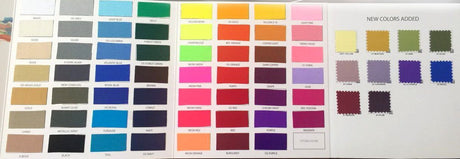
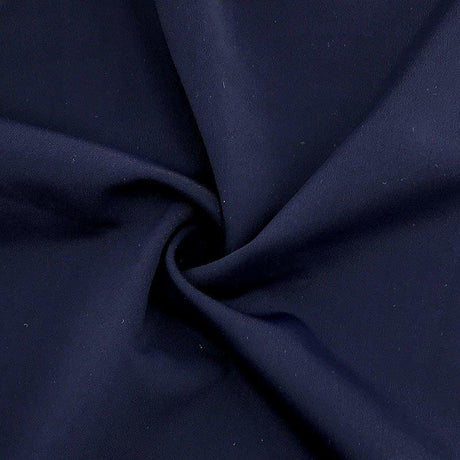
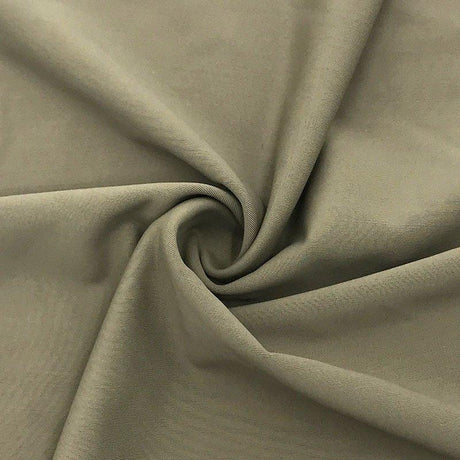
Why Fabric Selection Matters for Swimwear
Unlike standard apparel fabrics, swimwear materials must perform under some of the harshest conditions any textile faces. Chlorine, saltwater, sunscreen oils, UV exposure, heat, and constant stretching all attack a fabric at once. A low-quality textile responds by fading, thinning, sagging at the seams, or losing its recovery within a single season, which is exactly the kind of failure that generates returns and damages a brand's reputation.
For designers and manufacturers, the fabric is the single biggest factor in how a finished suit looks, fits, and lasts. The qualities that separate a true swim fabric from an ordinary stretch knit include genuine four-way stretch, strong recovery so the garment snaps back to shape after wear, an appropriate weight (most swim fabrics sit between roughly 180 and 250 GSM), and built-in resistance to chlorine and UV. Getting these right at the sourcing stage is far cheaper than discovering a fabric's limitations after production.
Many designers begin by exploring our Swimwear Fabric Collection and Activewear Fabric Collection to find materials that balance stretch, durability, and comfort before committing to a production run. The trends below reflect where swimwear sourcing is heading in 2026 and what to look for in each category.
Trend #1: Sustainable Recycled Swimwear Fabrics
Sustainability has moved from a marketing talking point to a genuine purchasing driver, and swimwear is one of the categories where buyers most expect an eco-friendly option. Recycled swim fabrics are typically built from regenerated polyester (rPET, often spun from post-consumer plastic bottles) or recycled nylon, blended with spandex for stretch.
The encouraging news for designers is that recycled performance fabrics no longer ask you to trade away quality. A well-made recycled poly-spandex delivers the same four-way stretch, UV resistance, and chlorine tolerance as virgin fiber, while giving your brand a credible sustainability story to tell at the point of sale. Explore our Eco-Friendly Recycled Spandex Collection for sustainable stretch fabrics suited to swimwear, swim trunks, and performance apparel.
Trend #2: Premium Nylon Spandex Blends
Nylon spandex remains the gold standard for luxury swimwear, and for good reason. Compared with polyester blends, nylon offers a noticeably softer hand, a smoother drape against the skin, and superior recovery, the property that keeps a high-end suit looking sculpted rather than slack after repeated wear.
This is the fabric of choice for fashion swimwear, resortwear, and competitive suits where fit and feel justify a premium price point. Designers can specify matte or shiny finishes depending on the aesthetic, and heavier-denier constructions add the opacity and compression that flattering silhouettes demand. Many luxury labels rely on materials from our Nylon Spandex Solids Collection precisely because of that combination of softness, stretch, and long-term shape retention.
Trend #3: UV-Protective Swim Fabrics
As consumers grow more conscious of sun safety, UV-rated swimwear has shifted from a niche category into a mainstream expectation, especially for children's swim, surf, and outdoor sport lines. A fabric's protection is measured by its UPF (Ultraviolet Protection Factor) rating; a UPF 50+ fabric blocks roughly 98% of UV radiation, offering far more reliable coverage than sunscreen alone.
UPF performance comes from fiber type, knit density, and finish, which is why a tightly constructed swim or performance knit protects better than a loose fashion fabric. Many of our swimwear fabrics and activewear fabrics carry UV protection suitable for prolonged outdoor wear, making them a strong foundation for rash guards, sun shirts, and family swim collections.
Trend #4: Chlorine-Resistant Performance Fabrics
Chlorine is the natural enemy of conventional spandex. Over time it breaks down elastane fibers, causing the dreaded combination of bagging, transparency, and lost stretch that plagues cheaper pool suits. Chlorine-resistant fabrics counter this either through more durable fiber blends or through specialized finishes that shield the elastane, dramatically extending the life of the garment.
For any swimwear intended for regular pool use, training, or aquatics programs, chlorine resistance is one of the most important specifications you can source for. Our MaxDri Performance Fabrics and select fabrics within our swimwear collection are engineered to hold their elasticity and color through repeated chlorine exposure, making them ideal for competitive and high-frequency swim lines.
Trend #5: Bold Prints and Custom Designs
Custom printed swimwear continues to be one of the strongest growth areas in 2026, fueled by small-batch brands and made-to-order businesses that compete on distinctive design rather than price. The print method matters as much as the pattern: dye sublimation is the industry standard for swim because the dye bonds into the fiber, producing vibrant, full-color designs that won't crack, peel, or fade even under heavy stretch and chlorine exposure.
Sublimation works best on polyester-based swim fabrics with a smooth, light-colored face, while nylon blends are better suited to bold solids and reactive dyeing. Browse our Printed Spandex Fabrics for ready-made patterns, or start from our Sublimation-Ready Tricot if you plan to print your own designs in-house or through a print partner.
Trend #6: Multi-Purpose Swim and Activewear Fabrics
The line between swimwear and activewear keeps blurring. Consumers increasingly want versatile pieces that move seamlessly from a workout to the water to everyday wear, and brands are responding with hybrid garments built to handle both. The fabrics that enable this overlap share a common profile: quick-drying, four-way stretch, moisture-managing, and resistant to both sweat and chlorine.
Sourcing a single fabric that performs across categories simplifies production and inventory while opening up cross-functional product lines such as swim-to-gym one-pieces and water-ready sports bras. Many brands combine materials from our Swimwear Fabric Collection and Activewear Fabric Collection to develop these crossover styles.
Trend #7: Modest Swimwear Growth
The modest swimwear market continues to expand worldwide, driven by demand for fuller-coverage styles, burkinis, swim leggings, and longer-line suits. These designs put particular demands on fabric: because they use more material and cover more of the body, opacity, weight, and comfort against the skin become critical, and a thin or see-through knit simply won't do.
Fabrics with a smooth warp-knit structure offer the coverage, durability, and reliable stretch these garments need without adding bulk. Stretch materials from our Tricot Fabric Collection and Swimwear Collection provide the opacity and comfortable recovery that modest swim designs depend on.
Trend #8: Textured Swimwear Fabrics
Texture is one of the most visible swimwear trends among fashion-forward brands, with ribbed, crinkle, waffle, and jacquard surfaces adding depth and a premium, tactile quality that flat fabrics can't match. Beyond aesthetics, textured knits can be genuinely functional, since ribbed and embossed surfaces often flatter the silhouette and help disguise seam lines.
When sourcing textured swim fabric, it's worth confirming that the texture is knitted in rather than printed on, so it survives wear and laundering, and that the base blend still delivers the stretch and recovery a swim garment requires. Explore our Textured Spandex Collection for ribbed, jacquard, and embossed stretch fabrics that bring contemporary dimension to premium swimwear lines.
Why Buy Swimwear Fabric from SpandexByYard?
Whether you're producing a large fashion collection or creating a one-of-a-kind suit, SpandexByYard offers premium performance fabrics for every project, available by the yard with no minimums or by the full roll for production runs. Our materials are selected and tested for the demands of real swimwear: stretch, recovery, opacity, and resistance to chlorine, salt, and sun. Browse the collections below to find the right fabric for your next line: