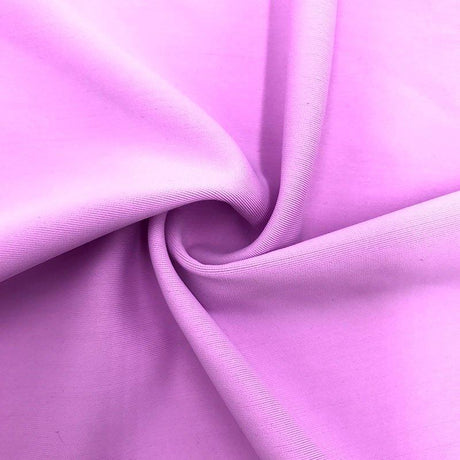
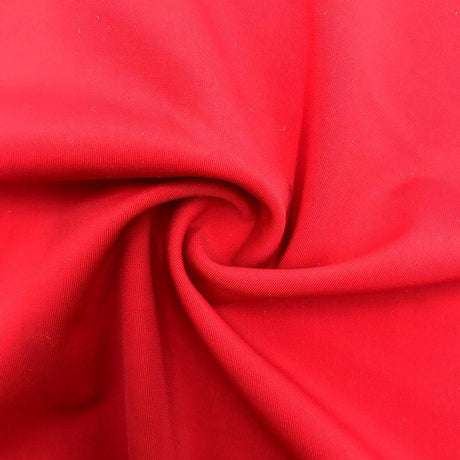
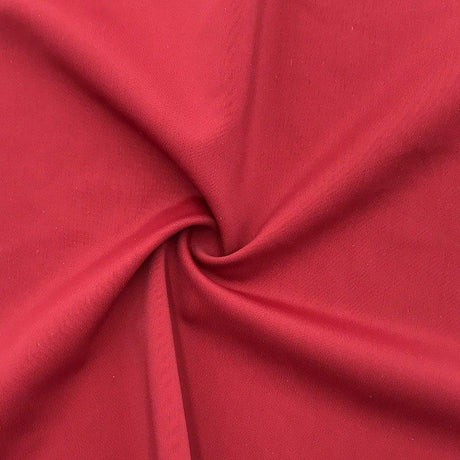
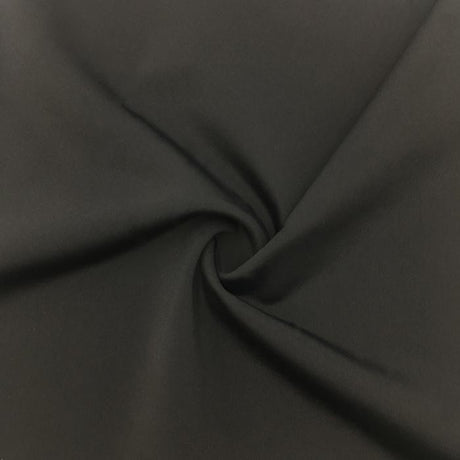
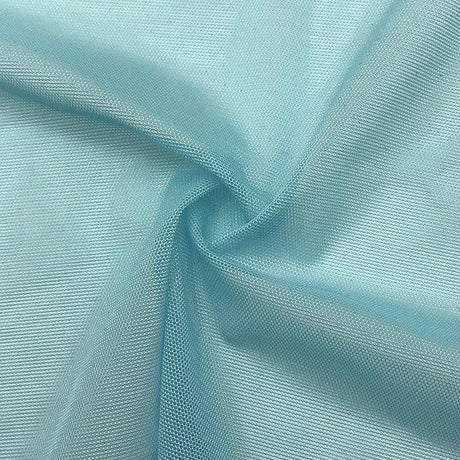
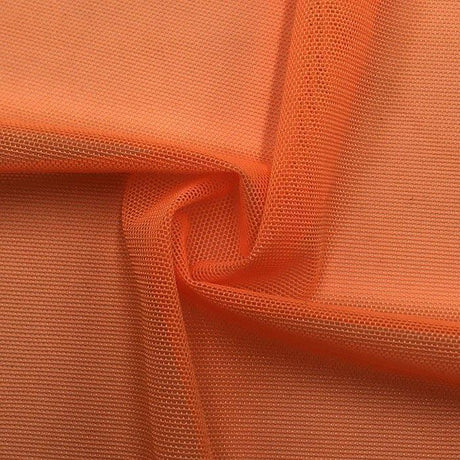
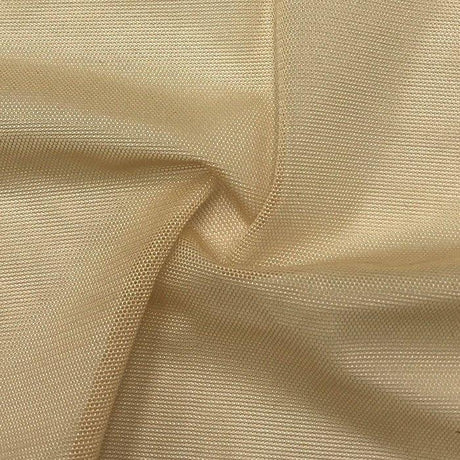
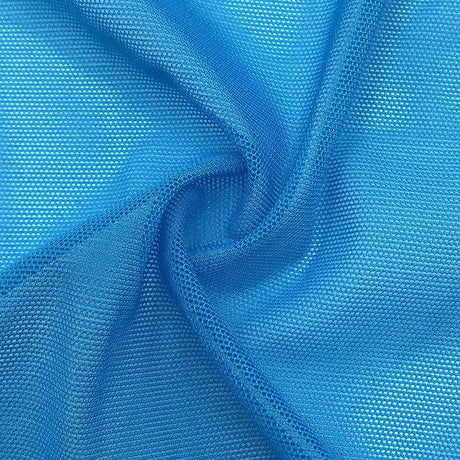
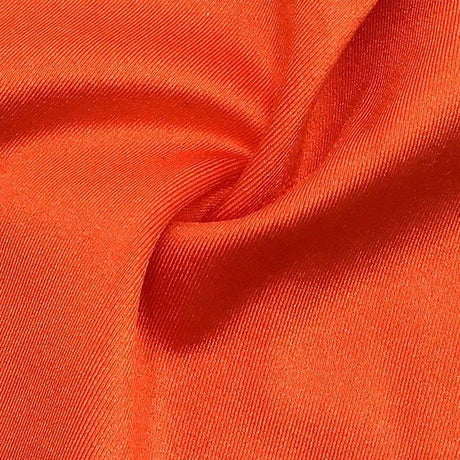
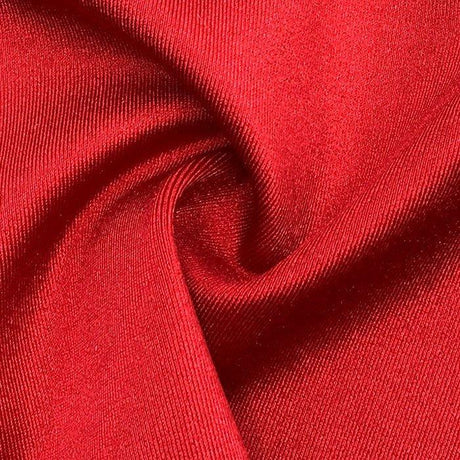
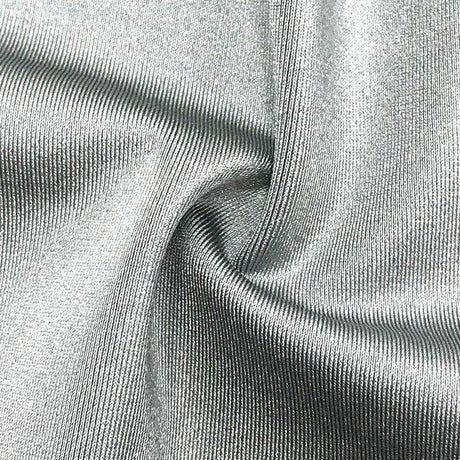
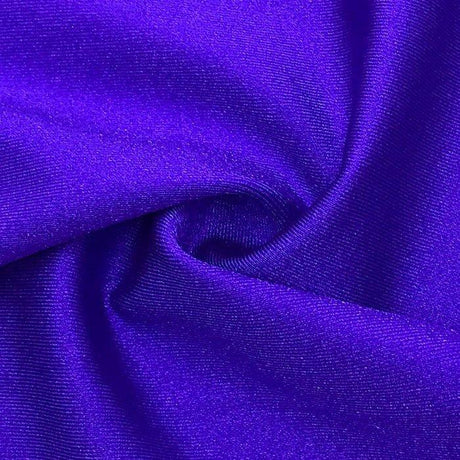
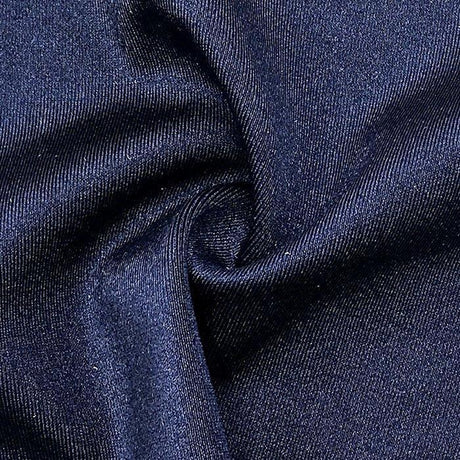
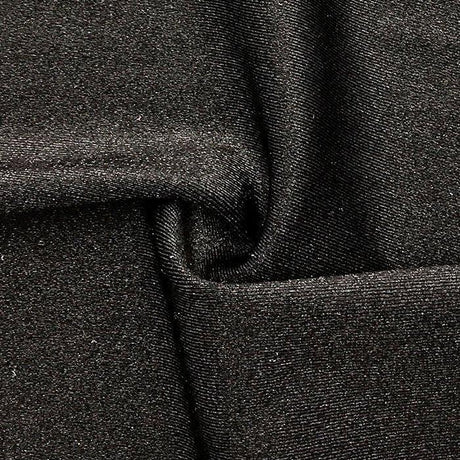
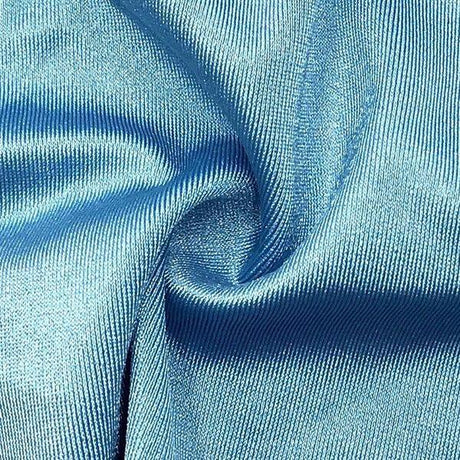
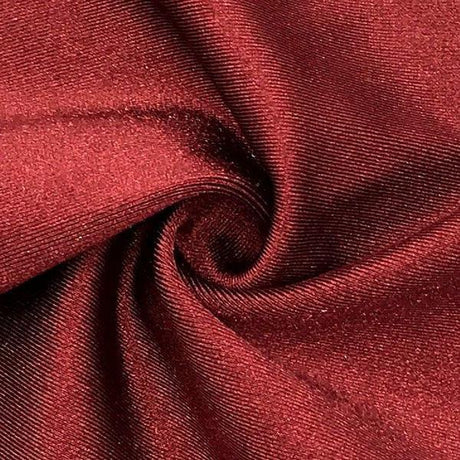
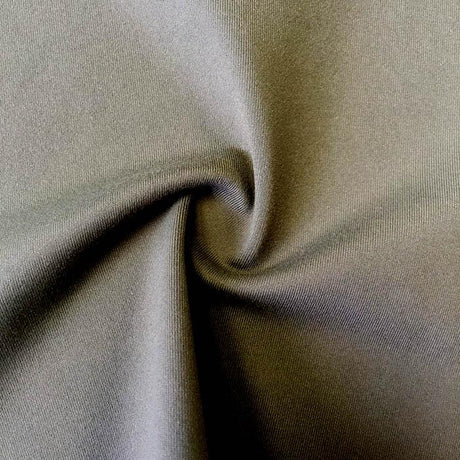
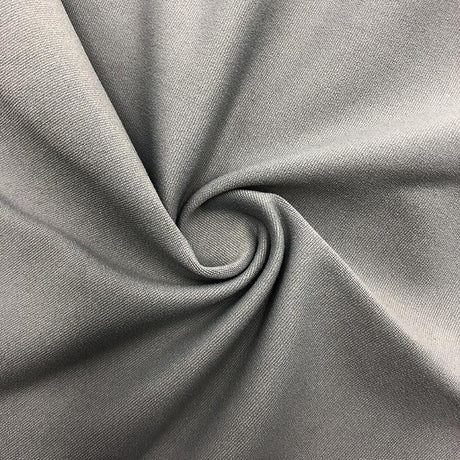
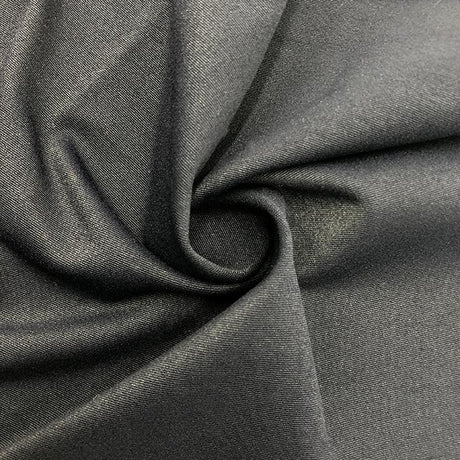
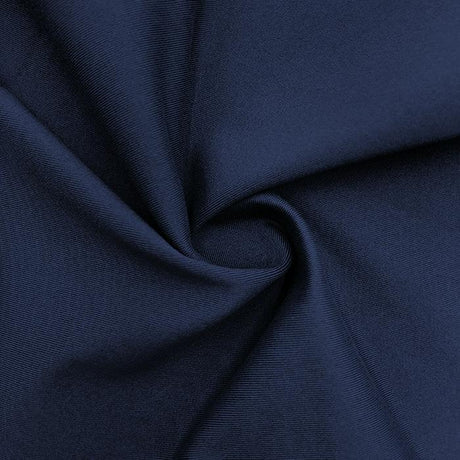
For centuries, uniforms were made from sturdy, non-stretchy fabrics like thick cotton, wool, and heavy denim. While these materials were durable and provided a consistent, uniform look, they came with significant drawbacks for the wearer. Limited mobility, lack of comfort, and poor fit and appearance are all challenges that a modern workforce can no longer accept. The demand for workwear that supports, rather than hinders, an employee's performance has driven manufacturers to seek new textile solutions. For a technical foundation on spandex blends and their performance properties, explore our stretch fabric types page or browse our full fabric guides hub.
Part 1: The New Standard – Spandex as a Core Component
Spandex, known for its use in athletic and leisure wear, is a perfect solution for the challenges of traditional uniforms. When blended with other fibers, it imparts its core properties, transforming a rigid fabric into a dynamic, performance-driven textile.
1. Unrestricted Mobility and Freedom of Movement
This is the most significant benefit of spandex in workwear. Its ability to stretch up to 600% allows a uniform to move seamlessly with the body, which is crucial for workers in active professions like healthcare, trades, or hospitality.
The Impact: A nurse can bend, lift, and reach without feeling restricted. A construction worker can kneel and climb without their pants tearing. This unrestricted mobility can reduce physical strain, prevent injury, and increase an employee's efficiency and comfort throughout their shift. Our stretch fabric types page covers how spandex percentage and knit construction translate to real-world stretch percentage and range of motion across different workwear blend types.
2. Enhanced Durability and Shape Retention
Spandex's remarkable recovery and resilience are essential for workwear. When blended with a durable fiber like polyester or nylon, it helps a uniform maintain its shape, even after hundreds of wears and washes.
The Impact: A traditional cotton uniform can become baggy and faded over time. A spandex-blended uniform will snap back into its original shape, continuing to look professional and provide a supportive fit for much longer, reducing the need for frequent replacement. Our nylon-spandex fabric guide covers how nylon-spandex blends compare to polyester-spandex in shape retention, abrasion resistance, and longevity under repeated high-use washing cycles.
3. All-Day Comfort and a Perfect Fit
A uniform that feels great is a uniform that an employee is happy to wear. Spandex's form-fitting nature provides a comfortable, personalized fit that a traditional uniform cannot. Spandex-blended fabric molds to a worker's body, providing a tailored feel without the need for custom fitting. This reduces chafing, bunching, and discomfort, which is crucial for employees who spend their entire day in their uniform.
4. A Professional, Wrinkle-Resistant Look
A uniform that looks crisp and professional throughout a long workday projects a positive brand image. Spandex, especially when blended with polyester, is highly resistant to wrinkles. A worker can sit, stand, and move all day, and their uniform will still look fresh and well-kept. Our fabric finishes guide covers wrinkle-resistant treatments and surface finishes that further enhance this property in workwear fabrics.
Part 2: Applications of Spandex in Workwear – A Field-by-Field Breakdown
The benefits of spandex in uniforms are not limited to one industry. They are transforming workwear across a variety of fields that require a blend of durability, professionalism, and performance.
1. Healthcare: Scrubs, Lab Coats, and Medical Uniforms
Healthcare professionals are constantly on their feet, bending over patients, and moving in confined spaces. A comfortable, flexible uniform is a necessity.
The Fabric: The most common blend is polyester-spandex. This blend is ideal because it is highly durable, easy to clean, and resistant to wrinkles. It also wicks away moisture, keeping the wearer dry and comfortable during a long, stressful shift.
The Impact: Spandex-blended scrubs allow for a full range of motion, which is crucial for performing medical procedures. They are also more form-fitting and professional-looking than traditional, boxy scrubs. Our activewear fabric guide covers moisture-wicking ratings across polyester-spandex constructions – the same property that makes these fabrics so valuable in healthcare settings.
2. Hospitality: Chef Coats, Server Uniforms, and Hotel Staff Apparel
The hospitality industry requires a uniform that can withstand long hours, high temperatures, and constant movement, all while maintaining a pristine appearance.
The Fabric: Polyester-spandex is a top choice. Its wrinkle-resistant properties are essential for a professional look, and its moisture-wicking properties are crucial for keeping workers comfortable in a hot kitchen or a busy dining room.
The Impact: Spandex-blended chef coats and server uniforms provide comfort and mobility for staff who are constantly on the go. They also project a modern, well-maintained brand image.
3. Construction and Trades: Work Pants and Jackets
Workers in construction, plumbing, and other trades require a uniform that is incredibly durable and flexible.
The Fabric: The most effective blend is nylon-spandex or a high-quality, heavy-duty polyester-spandex. Nylon provides superior abrasion resistance and strength, which is essential for withstanding rough surfaces and heavy-duty work. Our nylon-spandex fabric guide covers how nylon's abrasion resistance compares to polyester for heavy-duty workwear applications, and our fabric weight guide covers the GSM ranges appropriate for structural workwear garments.
The Impact: Spandex-blended work pants allow workers to kneel, climb, and reach without feeling restricted. They also provide a level of durability that reduces the risk of tears and punctures, which is a major concern in these professions.
4. Corporate and Retail: Business Suits and Blouses
For professionals who spend their day at a desk or on a sales floor, a uniform needs to be comfortable and wrinkle-resistant.
The Fabric: Spandex is blended with traditional fabrics like wool, cotton, or rayon to create business suits, blouses, and dresses that have a subtle but effective amount of stretch. Our cotton-spandex fabric guide covers how cotton-spandex blends are used in corporate and everyday apparel, including the comfort and durability trade-offs compared to synthetic blends.
The Impact: A spandex-blended business suit is more comfortable for a long day of sitting or traveling. It also resists wrinkles, ensuring the wearer maintains a polished, professional look from their first meeting to their last.
5. Emergency Services: Police, Firefighter, and EMS Uniforms
The uniforms for police, firefighters, and EMS personnel must be durable, comfortable, and provide a full range of motion for high-stakes situations.
The Fabric: A nylon-spandex blend is often used in these uniforms. The nylon provides exceptional strength and abrasion resistance, while the spandex provides the necessary flexibility for running, climbing, and other dynamic movements. Our nylon-spandex fabric guide covers high-strength nylon-spandex constructions suited to emergency services and tactical workwear applications.
The Impact: Spandex-blended uniforms are more comfortable and functional, which can be critical for workers who are on the front lines and need their gear to perform in any condition.
Part 3: The Science of Blends – Choosing the Right Fabric for the Job
For businesses and uniform designers, choosing the right spandex blend is a strategic decision that directly impacts performance and cost. Our how to choose fabric guide walks through this decision framework systematically for all common workwear applications.
Polyester-Spandex: Ideal for industries that require a blend of professionalism, durability, and moisture-wicking properties, such as healthcare and hospitality. It is a cost-effective choice that provides excellent performance.
Nylon-Spandex: Perfect for industries that require superior strength, flexibility, and abrasion resistance, such as construction, trades, and emergency services. It is a more premium choice but offers a higher level of durability. Our nylon-spandex fabric guide covers the full performance comparison between nylon and polyester companion fibers across all key workwear metrics.
Cotton-Spandex: A good option for lighter-duty, indoor work where comfort and breathability are the main priorities. It is softer than polyester or nylon but is not as durable and is more prone to wrinkling. Our cotton-spandex fabric guide covers when cotton blends are appropriate for workwear applications and what care adjustments they require.
For all workwear blends, our fabric weight guide covers how GSM affects durability, structure, and comfort across the full range of spandex-blend constructions used in professional uniforms.
Part 4: The Impact on Business – ROI and Employee Satisfaction
The decision to switch to spandex-blended uniforms is not just about employee comfort; it is a smart business investment that provides a tangible return.
Increased Employee Morale and Productivity: A comfortable, professional-looking uniform can boost employee confidence and morale. An employee who is not hindered by their clothes is a more productive and efficient employee.
Reduced Costs: The superior durability of spandex-blended uniforms means they will last longer and require less frequent replacement, which provides a better return on investment over the long term. Our spandex care guide and fabric care guide cover the laundering protocols that maximize workwear lifespan, preserving both shape and appearance through repeated high-use washing cycles.
Enhanced Brand Image: A uniform that is always crisp, wrinkle-free, and well-fitting projects a modern, professional, and put-together brand image that can impress customers and clients.
Conclusion
The uniform of the past was a symbol of rigidity. The uniform of the future is a symbol of performance. Spandex has emerged as the hero fiber that is bridging the gap between tradition and innovation, providing a modern solution to the age-old problem of comfort and durability in workwear. By understanding the unique properties of spandex and its key blends, businesses can make a strategic investment in their most valuable asset: their employees.
A uniform that is comfortable, durable, and professional is not just a uniform; it is a tool for a modern workforce. It empowers employees to move freely, perform at their best, and project a professional image that will set your business apart.
Ready to explore a new standard in workwear? Use our nylon-spandex fabric guide and cotton-spandex fabric guide to compare blend options, our fabric weight guide to match GSM to workwear requirements, and our how to choose fabric guide to evaluate all options systematically. Our fabric care guide and spandex care guide will help you maintain workwear investments through repeated laundering. Have questions about specific blend options for your industry? Our expert help and advice page and FAQ are always available. Sign up for SpandexByYard Rewards to earn points on every purchase – because the right fabric is the foundation of a modern, high-performing workforce.