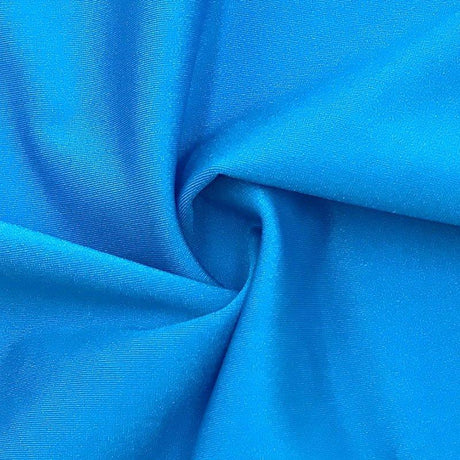
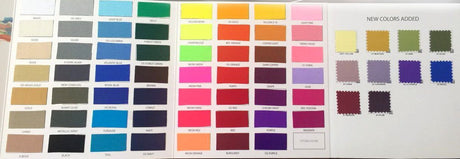
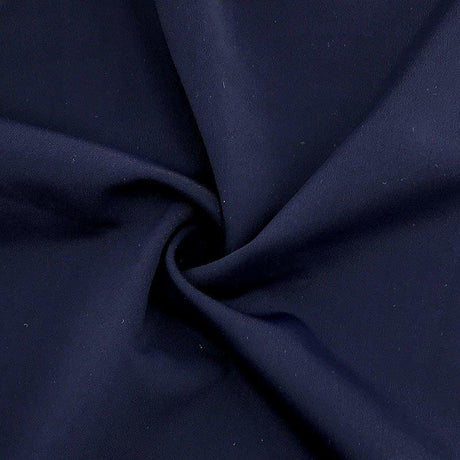
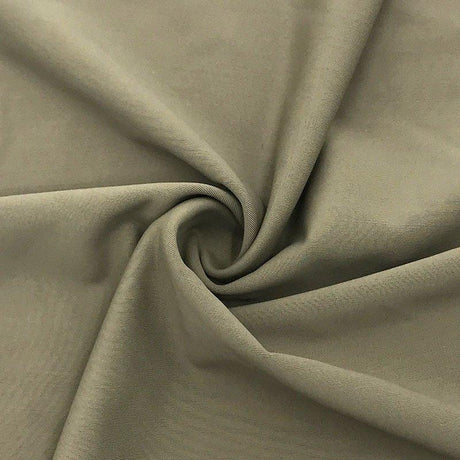
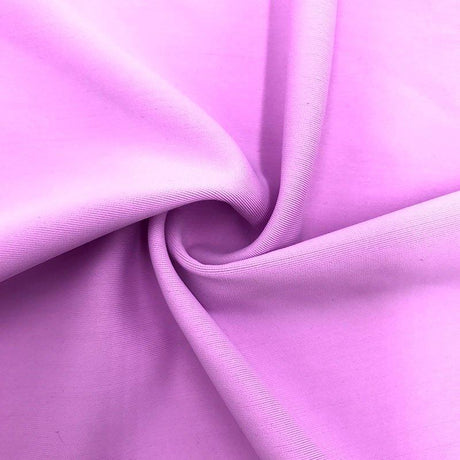
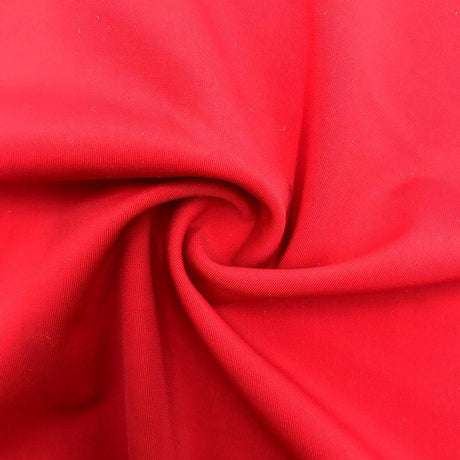
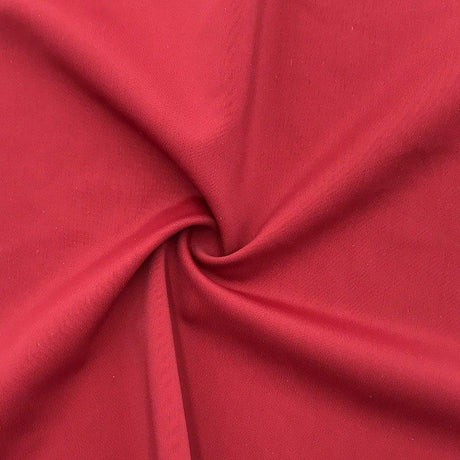
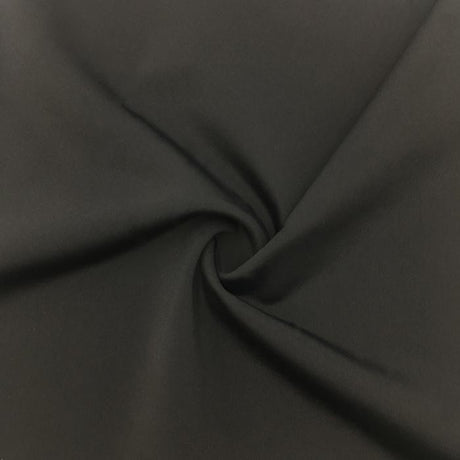
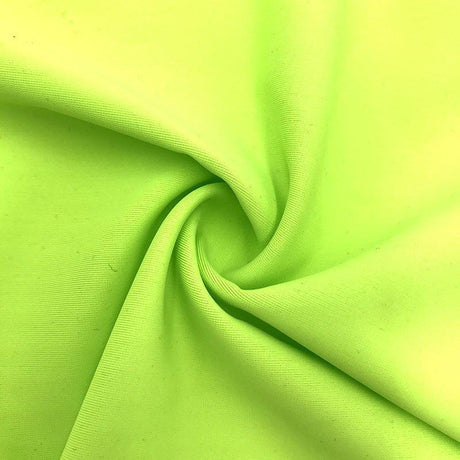
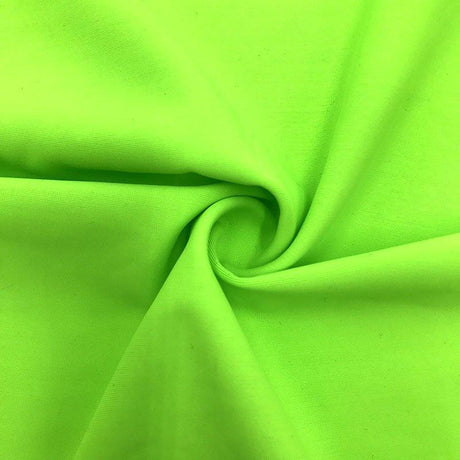
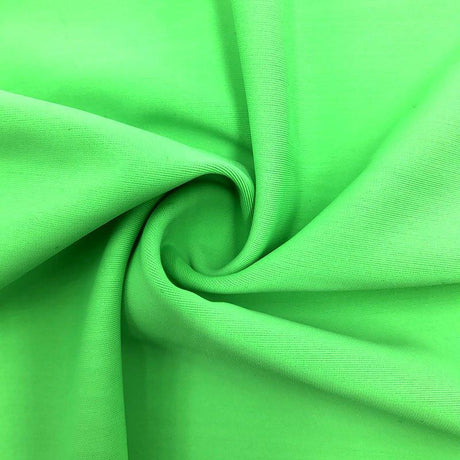
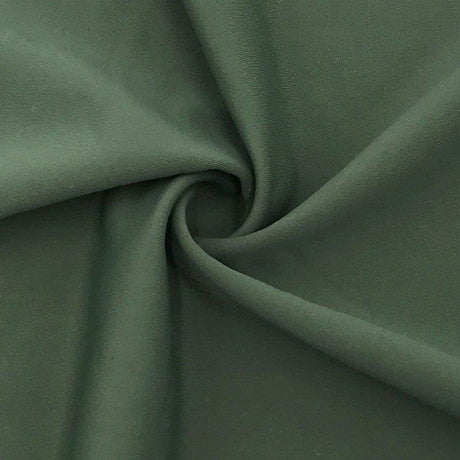
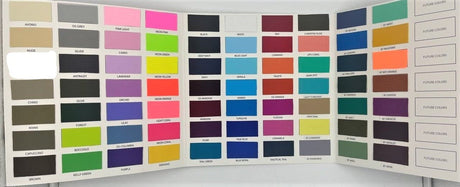
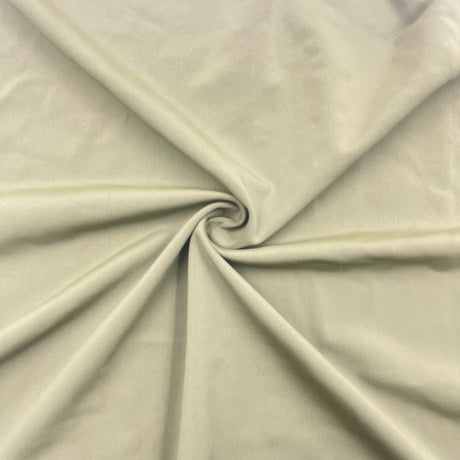
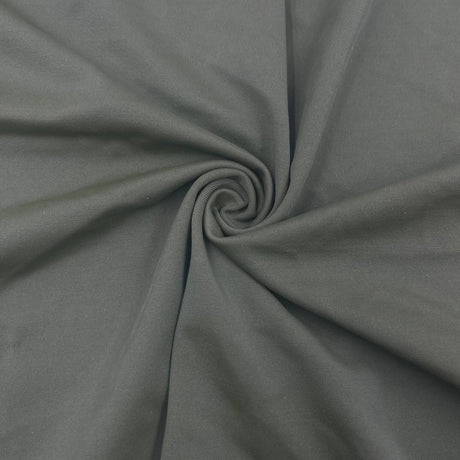
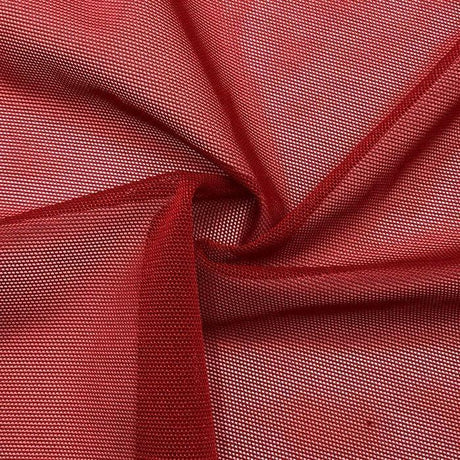
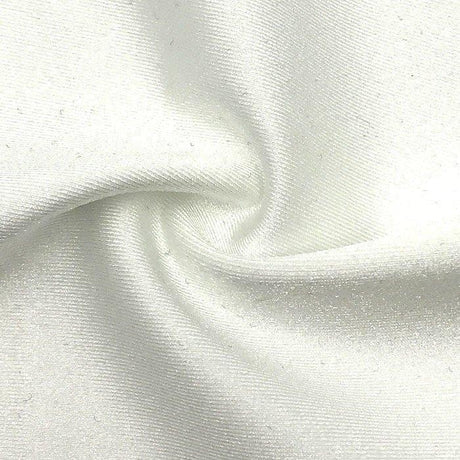
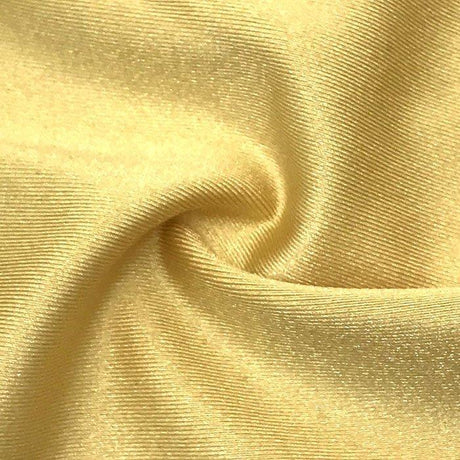
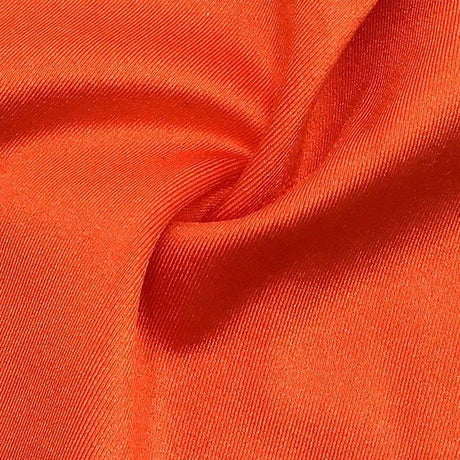
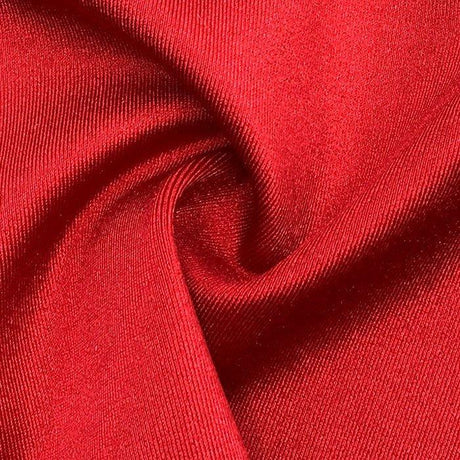
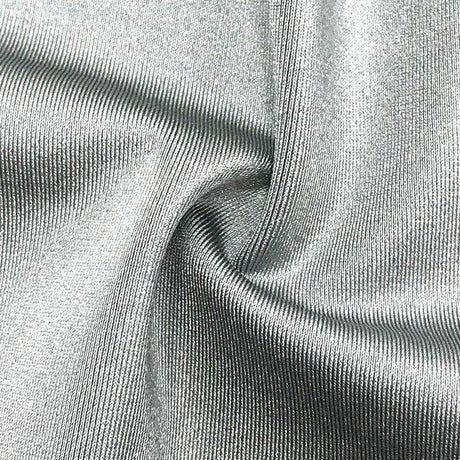
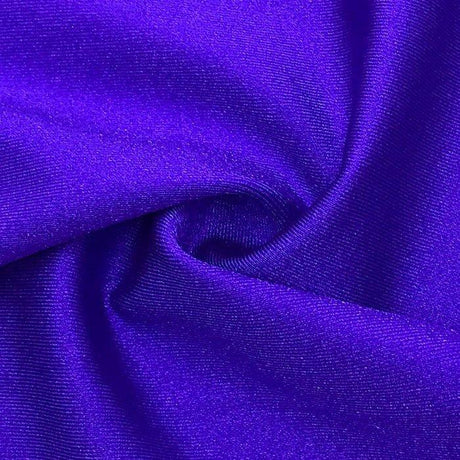
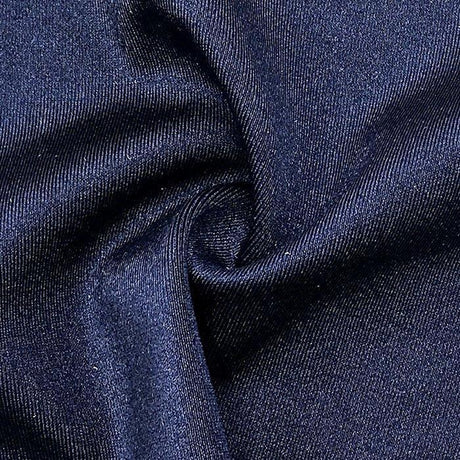
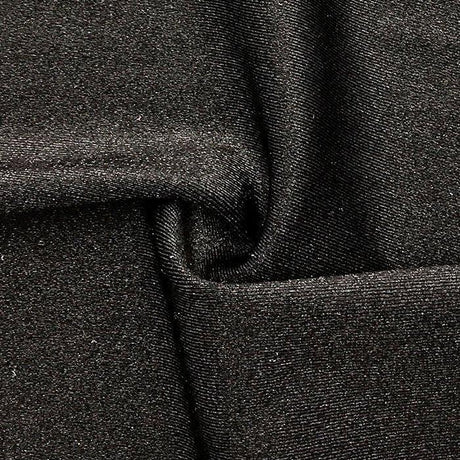
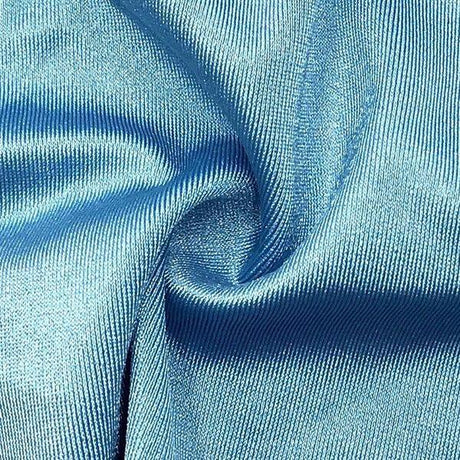
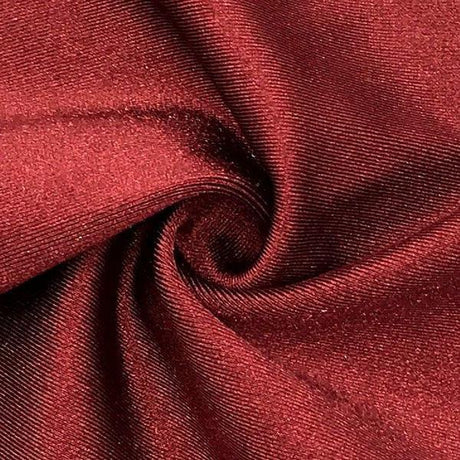
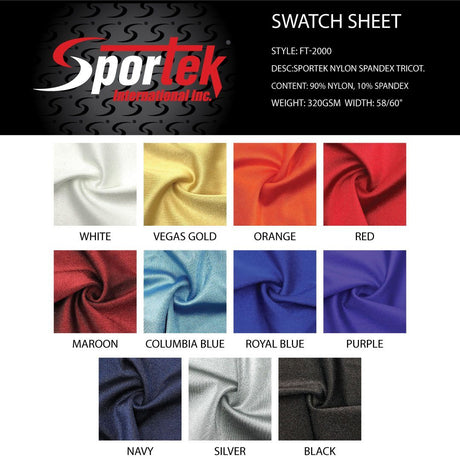
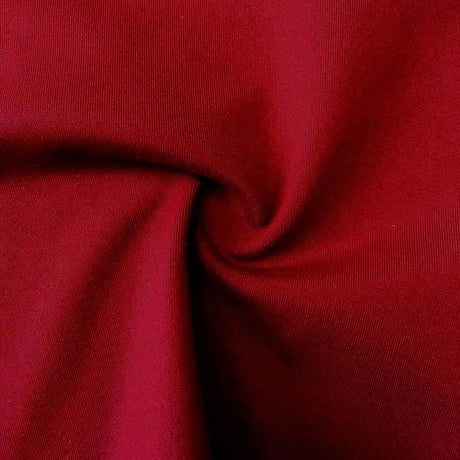
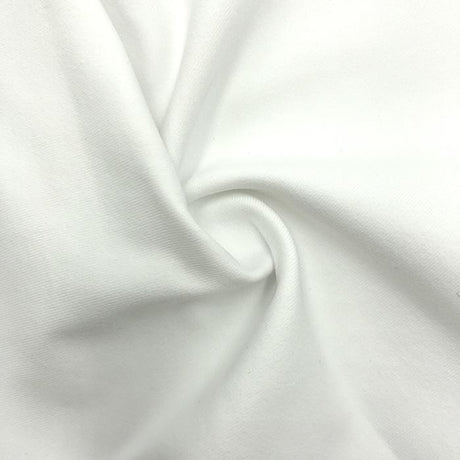
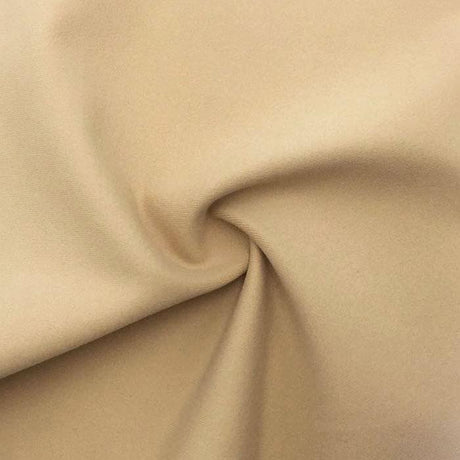
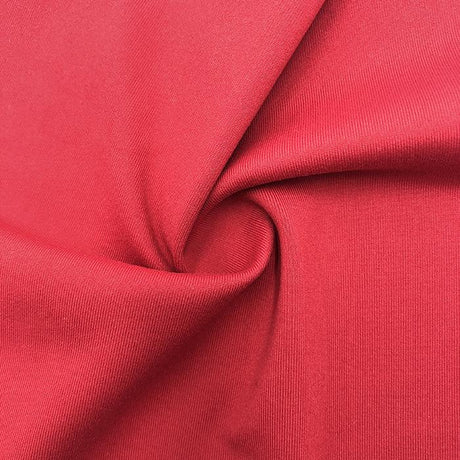
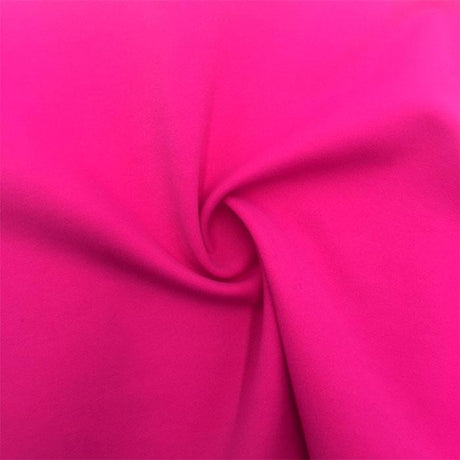
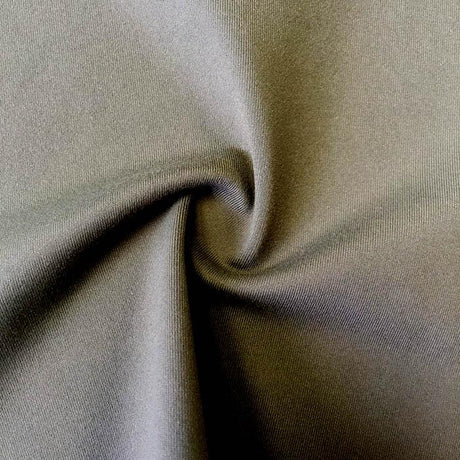
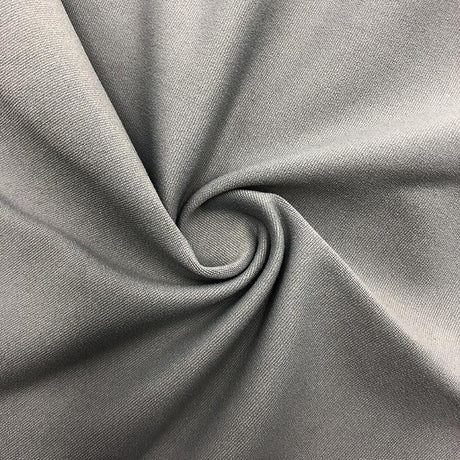
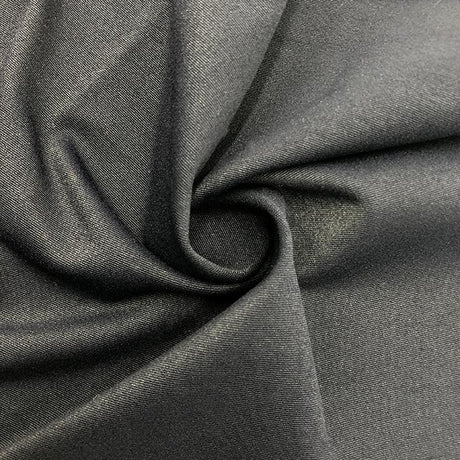
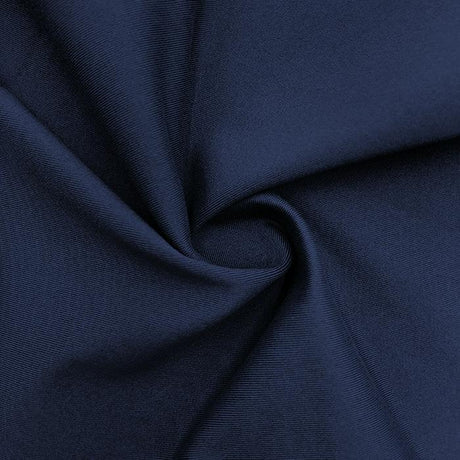
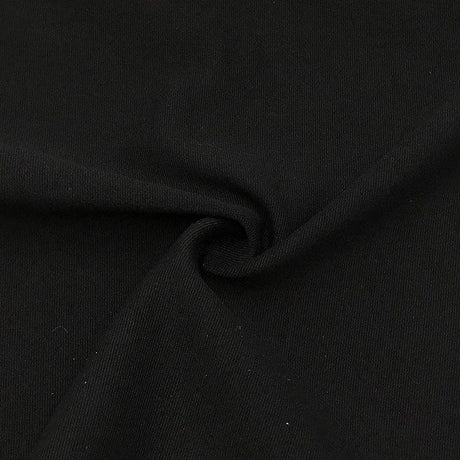
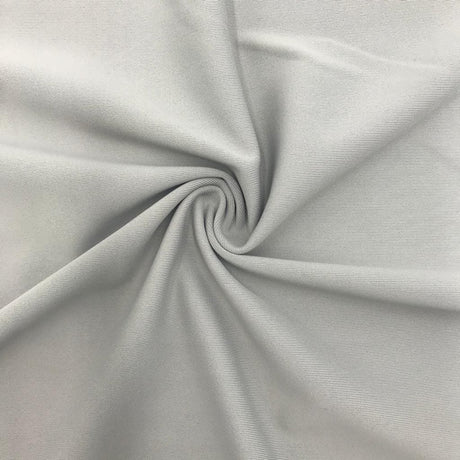
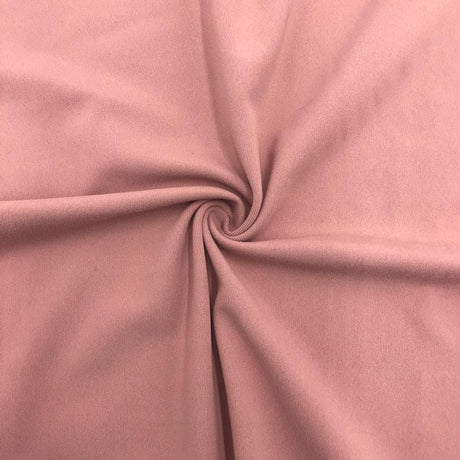
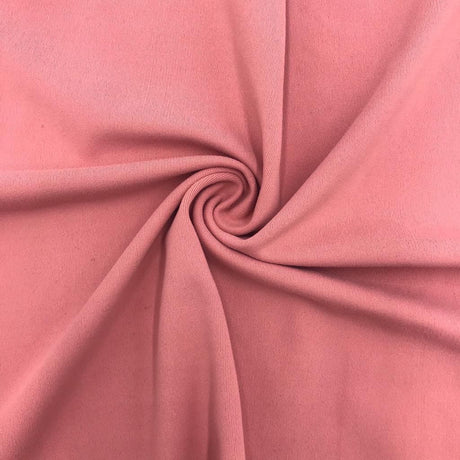
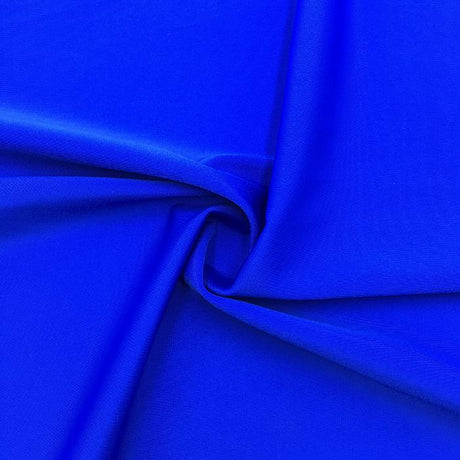
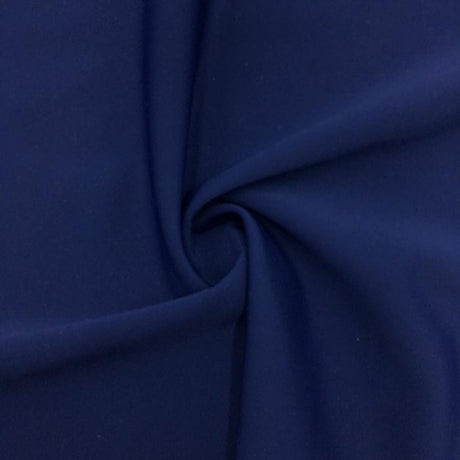
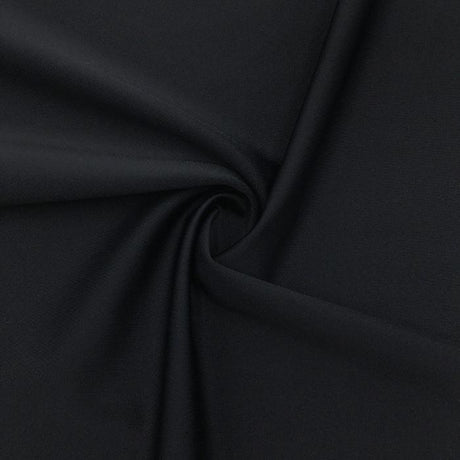
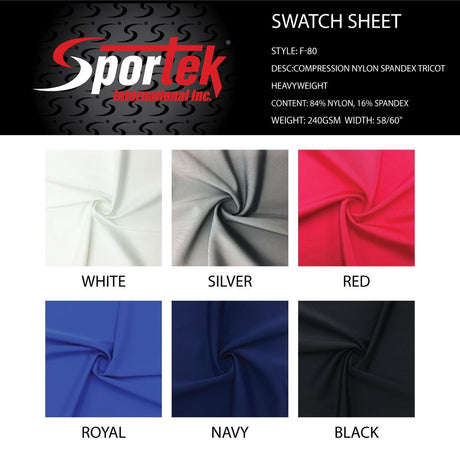
When selecting fabric for activewear, swimwear, leggings, dancewear, and performance apparel, one of the most common questions is whether nylon spandex fabric or polyester spandex fabric is the better choice. Both materials offer stretch, comfort, and durability, but each has unique characteristics that make it ideal for different applications.
On the surface, the two fabrics can look almost identical on a roll. They both feel stretchy, they both come in a huge range of colors and weights, and both are engineered for movement. The differences only become obvious once the garment is worn, washed, printed, or exposed to chlorine and sunlight over time. That is exactly where choosing the right blend pays off.
Understanding these differences will help you choose the best fabric for your next project, whether you are designing a small batch of yoga leggings or producing a full line of sublimated team uniforms. This guide breaks down what each fabric is, how they compare across the qualities that matter most, and how to match the right material to your specific end use.
First, What Does the Spandex Do?
In both blends, the "spandex" component (also called elastane or by the brand name Lycra) is the elastic fiber responsible for stretch and recovery. It is usually a small percentage of the overall blend, often somewhere between 10% and 20%. The base fiber, either nylon or polyester, makes up the majority of the fabric and determines most of its performance traits: how it feels, how it handles moisture, how it takes color, and how long it lasts.
So when comparing nylon spandex against polyester spandex, you are really comparing nylon against polyester, with spandex doing the same elastic job in both. The amount of spandex and the knit construction then fine-tune how much the fabric stretches and how firmly it holds its shape.
What Is Nylon Spandex?
Nylon spandex is a blend of nylon fibers and spandex designed to create a smooth, flexible fabric with excellent stretch and recovery. Nylon (technically a polyamide) is prized for its strength and its soft, almost silky surface, which is why nylon blends are commonly used in premium performance apparel. They offer a luxurious feel against the skin and a refined matte or satin finish that many designers associate with high-end activewear and shapewear.
Nylon is also exceptionally strong and abrasion resistant, which helps garments survive repeated stretching, friction, and washing. It does absorb slightly more moisture than polyester, which can make it feel cool and comfortable against the body, though it can also take a little longer to dry.
Benefits of Nylon Spandex:
- Soft, smooth, premium hand feel
- Excellent stretch and recovery
- Comfortable for long wear and next-to-skin garments
- Strong moisture management and breathability
- High abrasion resistance and durability
- Refined, luxurious appearance and finish
Common uses for nylon spandex include:
- Leggings
- Sportswear
- Swimwear
- Dancewear and gymnastics apparel
- Sports bras
- Compression garments and shapewear
What Is Polyester Spandex?
Polyester spandex combines polyester fibers with spandex to create a durable fabric known for strong color retention and outstanding print performance. Polyester is naturally hydrophobic, meaning it repels water rather than absorbing it, so polyester blends dry quickly and resist water weight during intense activity. Because of this, polyester blends are often the first choice for high-output sports and humid conditions.
The biggest advantage of polyester, however, is how it works with color. Polyester accepts disperse dyes and bonds permanently with sublimation inks, locking color into the fiber itself. This makes polyester spandex ideal for vivid all-over prints, gradients, and complex graphics that need to stay sharp and bright wash after wash. It also tends to be more resistant to fading from sunlight and chlorine, and it is frequently more budget-friendly than nylon.
Benefits of Polyester Spandex:
- Excellent color retention and colorfastness
- Ideal for sublimation printing and all-over graphics
- Fade-resistant against UV and chlorine
- Quick-drying, moisture-wicking properties
- Durable, easy to care for, and wrinkle resistant
- Often more cost-effective for larger production runs
Polyester spandex is commonly used for:
- Performance apparel
- Athletic jerseys
- Printed spandex fabrics
- Fashion activewear
- Sports uniforms and team kits
- Swimwear, especially for frequent pool use
Nylon Spandex vs Polyester Spandex Comparison
Comfort
Nylon spandex generally has a softer, smoother, and more luxurious feel, which makes it a favorite for premium activewear, fitted garments, and anything worn directly against the skin for long periods. Polyester spandex can feel slightly more textured, though high-quality microfiber polyester closes much of that gap and delivers a soft, lightweight hand of its own.
Stretch & Recovery
Both fabrics offer excellent flexibility and freedom of movement. The stretch comes from the spandex content, while recovery, the fabric's ability to snap back to its original shape, depends on the blend ratio and knit quality. High-quality blends in both categories provide reliable recovery that helps garments keep their shape through countless wears, so neither material has a clear advantage here when the construction is good.
Print Performance
This is where polyester pulls ahead. Polyester spandex performs significantly better for bright colors and detailed graphic designs, especially with sublimation printing, because the ink bonds chemically with the polyester fiber. Nylon does not accept sublimation as readily and is harder to dye in vivid, permanent shades, so it is better suited to solid colors and subtle finishes rather than bold all-over prints.
Moisture Management
Polyester's water-repelling nature makes it dry faster and wick sweat efficiently, which is ideal for high-intensity training. Nylon absorbs a little more moisture, which can feel cool and comfortable but means slightly longer drying times. For sweat-heavy or humid-climate apparel, polyester often has the edge.
Durability & Chlorine Resistance
Both fabrics are durable when properly maintained, though performance varies with construction and use. Nylon is more abrasion resistant and physically tough, but it is more vulnerable to chlorine and prolonged sun exposure, which can break it down over time. Polyester resists chlorine and UV far better, which is why it is frequently recommended for swimwear that sees regular pool use.
Quick Comparison Table
| Quality | Nylon Spandex | Polyester Spandex |
|---|---|---|
| Softness / hand feel | Excellent, silky and premium | Good, very good in microfiber |
| Stretch & recovery | Excellent | Excellent |
| Color & print performance | Good for solids | Excellent, best for sublimation |
| Drying speed | Moderate | Fast |
| Chlorine & UV resistance | Lower | Higher |
| Abrasion resistance | Very high | High |
| Typical cost | Higher | More economical |
Fabric Weight and Construction Matter Too
Fiber type is only part of the picture. A fabric's weight, often measured in GSM (grams per square meter), and its knit construction strongly influence how it performs. Lightweight fabrics suit summer apparel and layering, while heavier weights deliver opacity and support for leggings and compression wear. Look closely at stretch direction as well: four-way stretch moves in every direction and is preferred for fitted, high-movement garments, while two-way stretch is better for structured pieces. Whether you choose nylon or polyester, matching the right weight and stretch to your design is just as important as the fiber blend itself.
Care and Maintenance Tips
To keep spandex blends performing their best, wash in cool water with a mild detergent and avoid fabric softeners, which can coat the fibers and reduce wicking and stretch. Skip the dryer when possible, since high heat is the main enemy of elastane and can shorten a garment's life. Rinse swimwear in fresh water after every use to remove chlorine, salt, and sunscreen. These simple habits help both nylon and polyester blends retain their stretch, shape, and color far longer.
Which Fabric Should You Choose?
If comfort, softness, and a premium next-to-skin feel are your priority, nylon spandex may be the ideal option, particularly for leggings, dancewear, shapewear, and luxury activewear.
If your project requires vibrant prints, strong color retention, fast drying, and chlorine resistance, polyester spandex is likely the better fit, especially for sublimated jerseys, team uniforms, and frequently used swimwear.
For many designers, the smartest approach is to choose per project rather than committing to one fabric for everything. A solid-color compression line might lean nylon, while a boldly printed swim or sportswear collection leans polyester.
Frequently Asked Questions
Is nylon or polyester spandex better for leggings? Nylon spandex is often preferred for leggings thanks to its soft, smooth feel and excellent recovery, though polyester is a great choice when bold prints are the goal.
Which is better for swimwear? Both work well. Polyester spandex resists chlorine and fading better for frequent pool swimmers, while nylon spandex offers a softer feel popular in fashion and ocean swimwear.
Which fabric is best for sublimation printing? Polyester spandex, without question, because sublimation ink bonds permanently to polyester fibers for crisp, long-lasting color.
Explore our complete collection of stretch fabrics and discover high-quality materials designed for activewear, swimwear, sports apparel, and more.
Looking for inspiration? Browse our best-selling fabrics and find the right fabric for your next project.