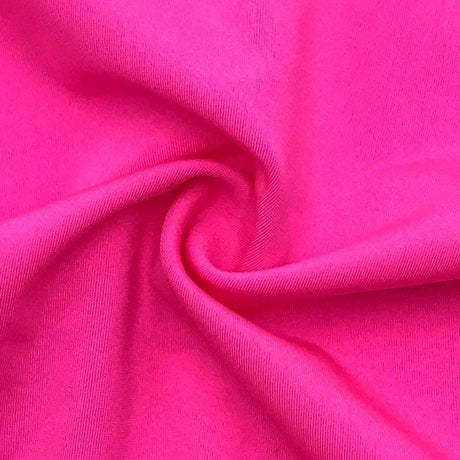
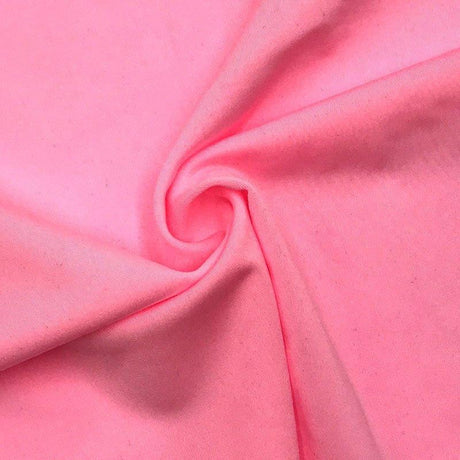
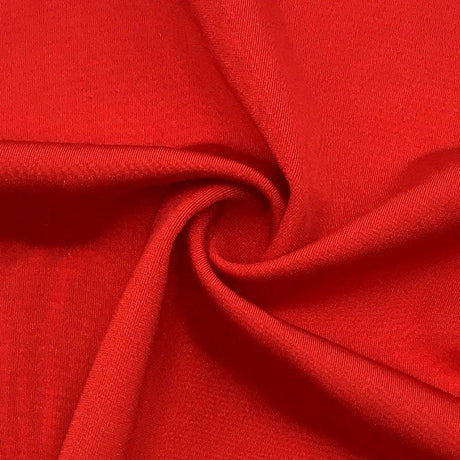
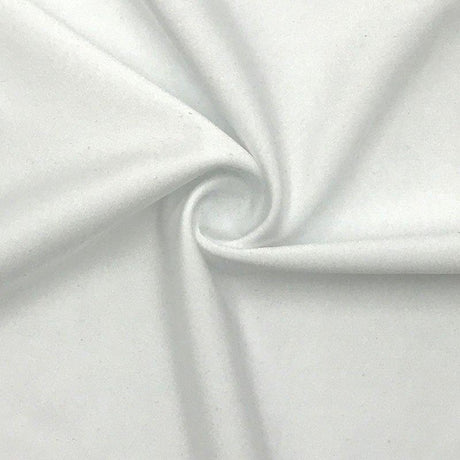
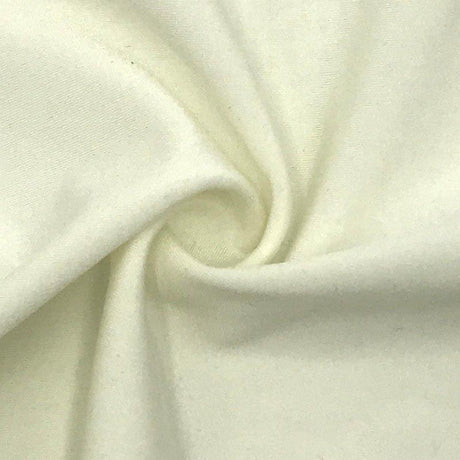
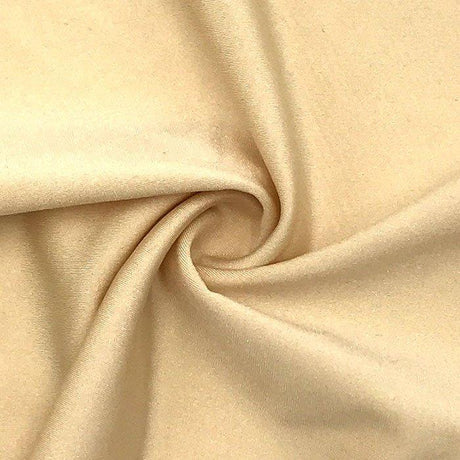
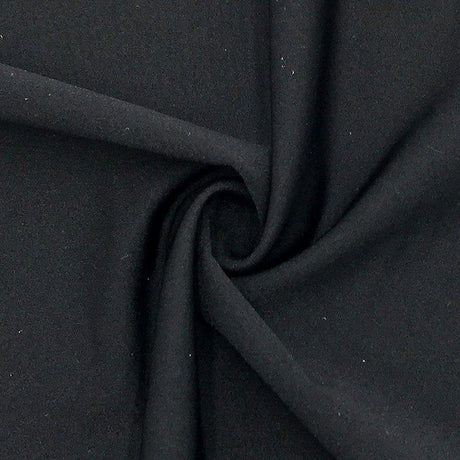
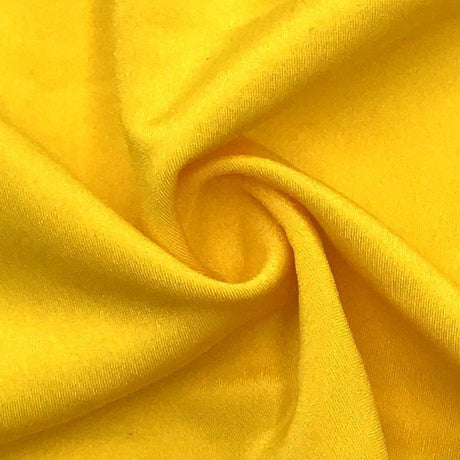
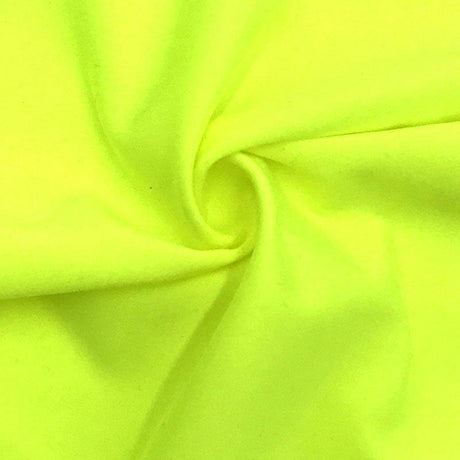
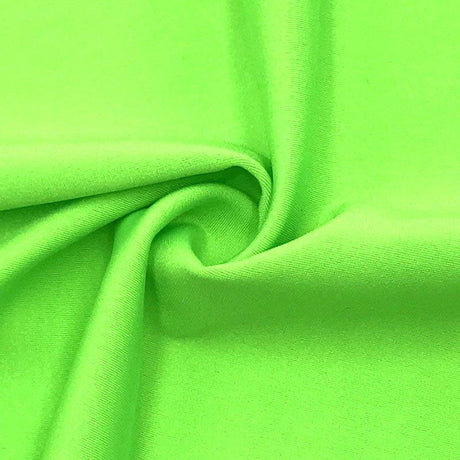
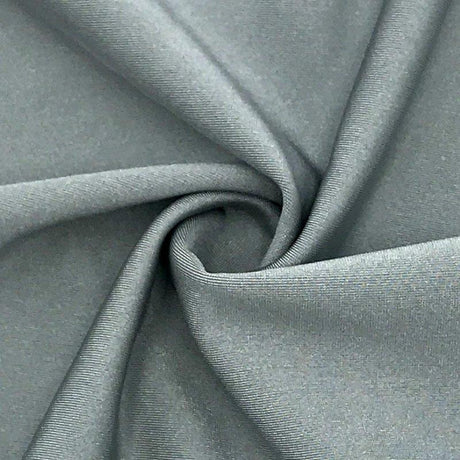
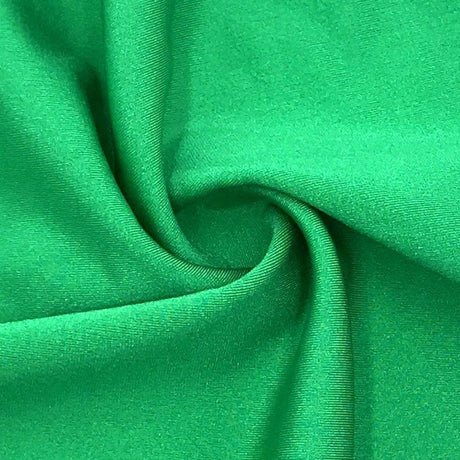
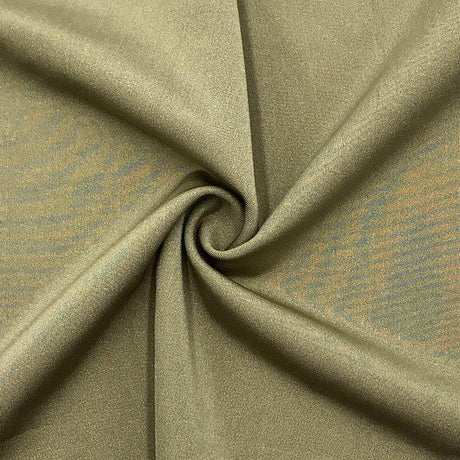
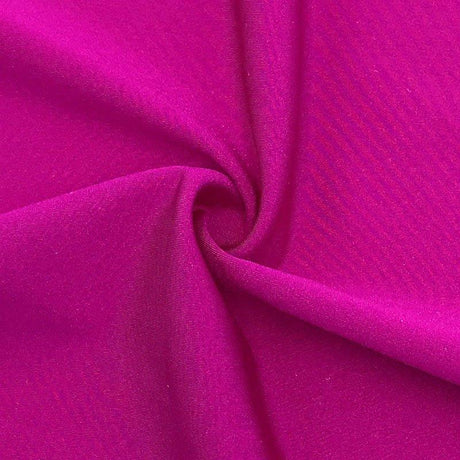
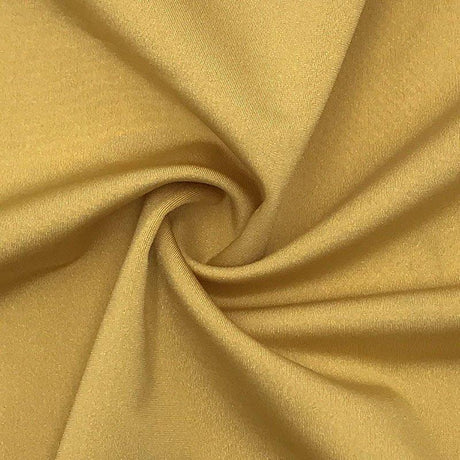
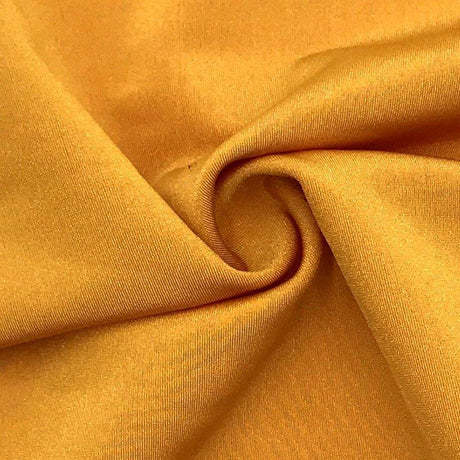
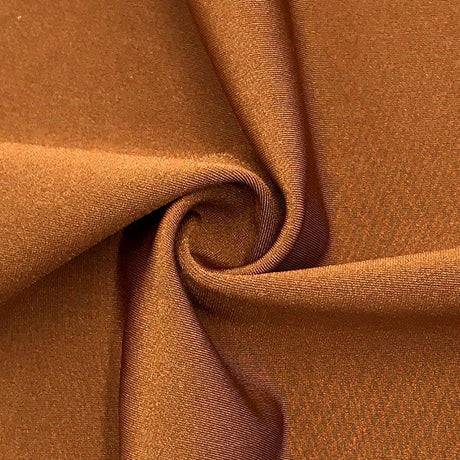
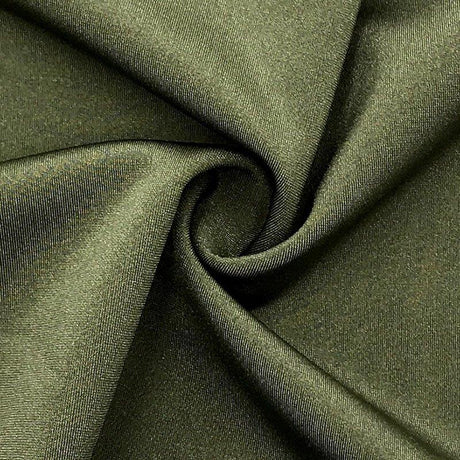
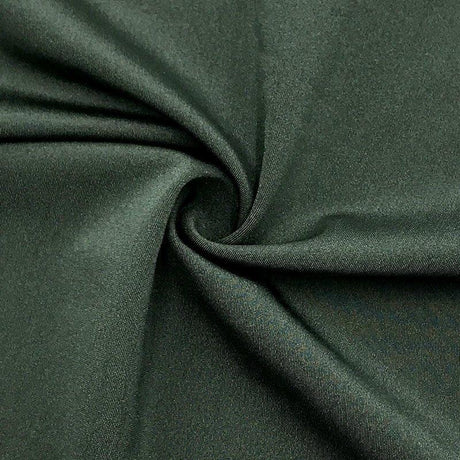
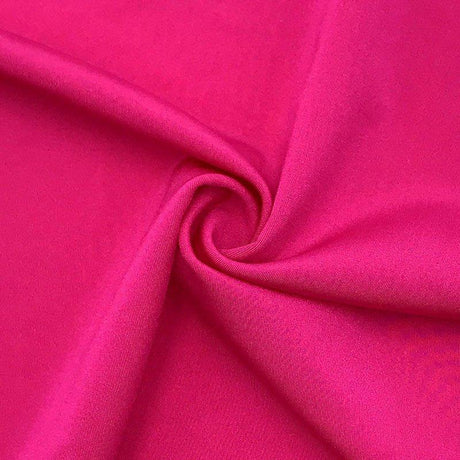
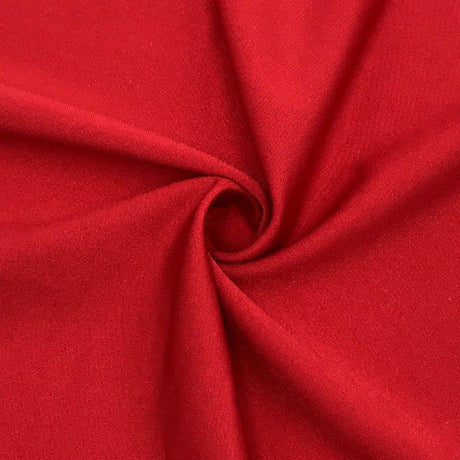
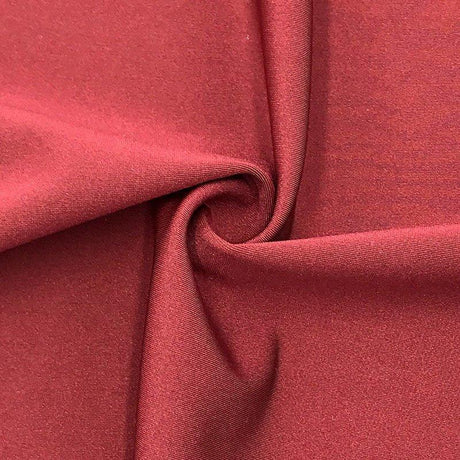
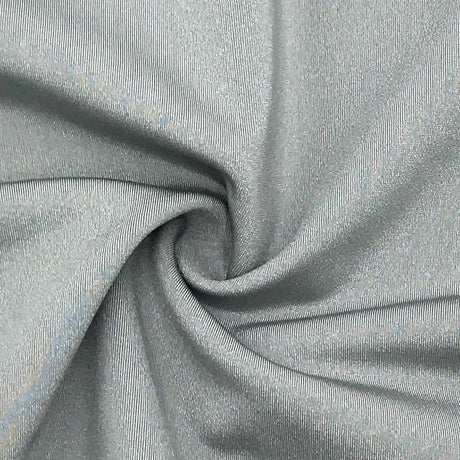
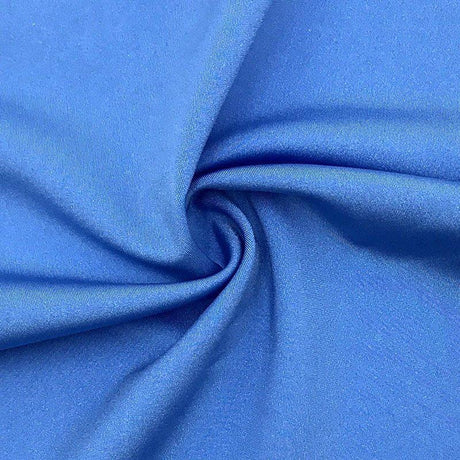
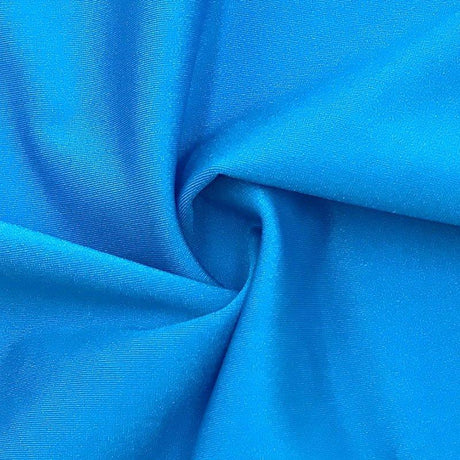
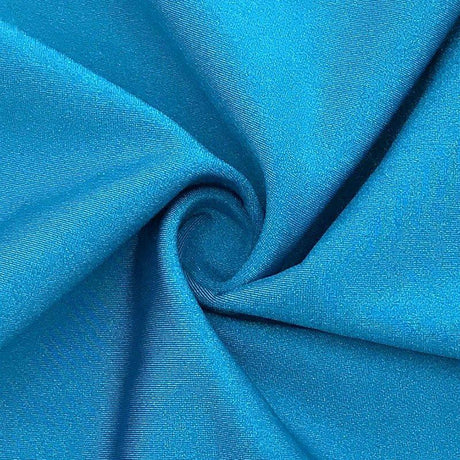
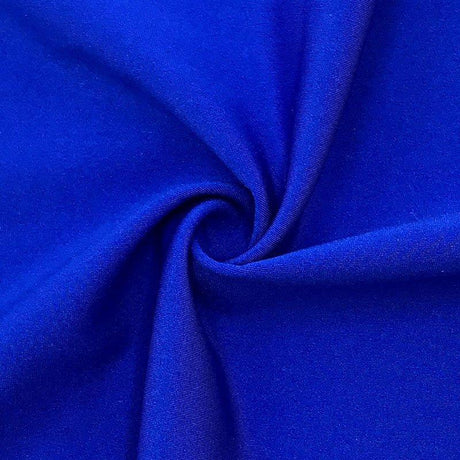
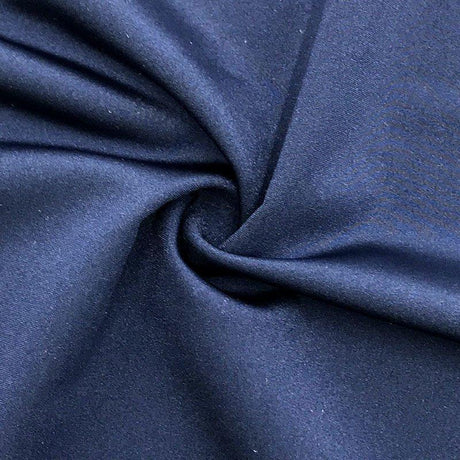
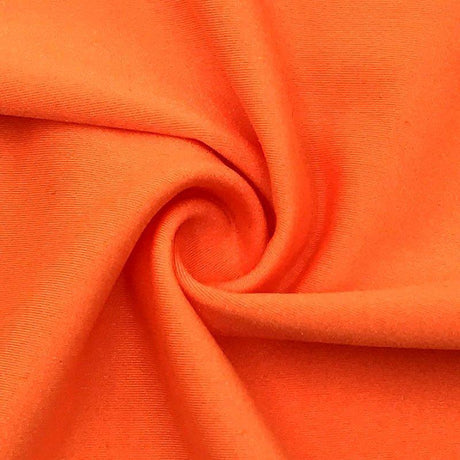
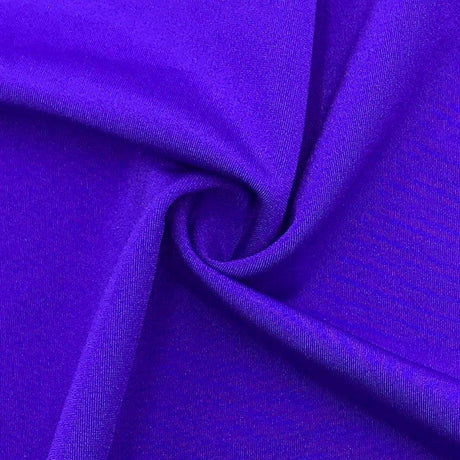
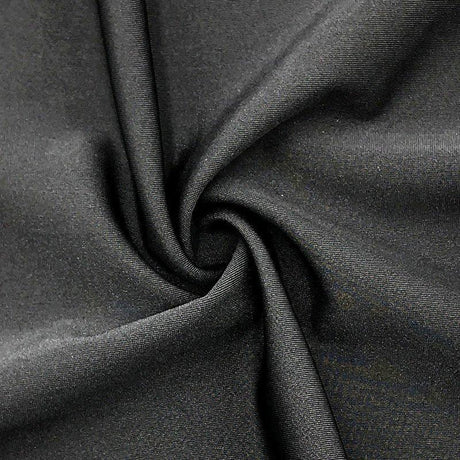
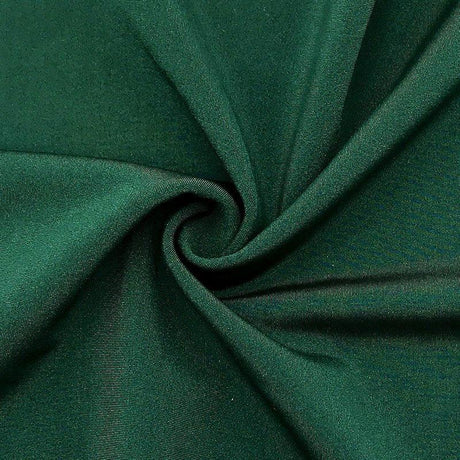
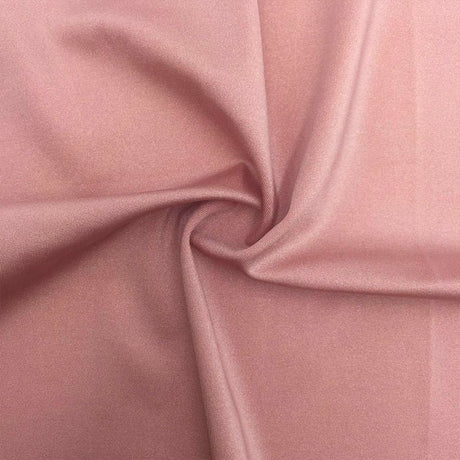
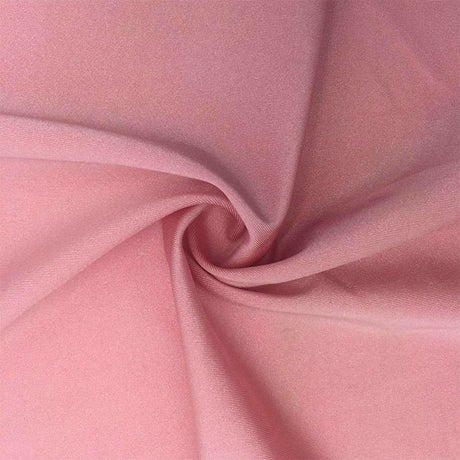
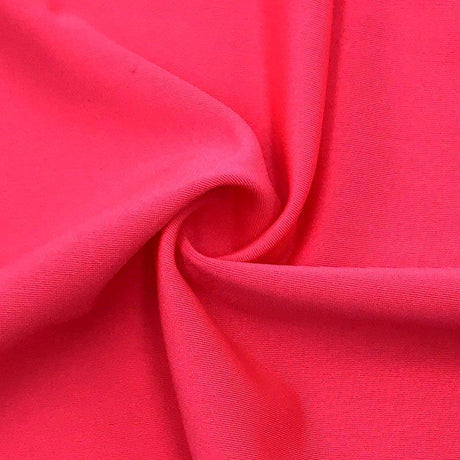
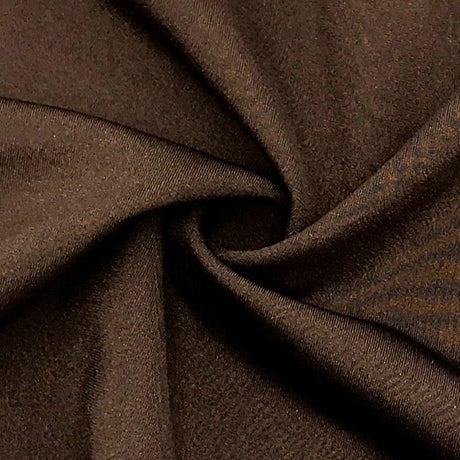
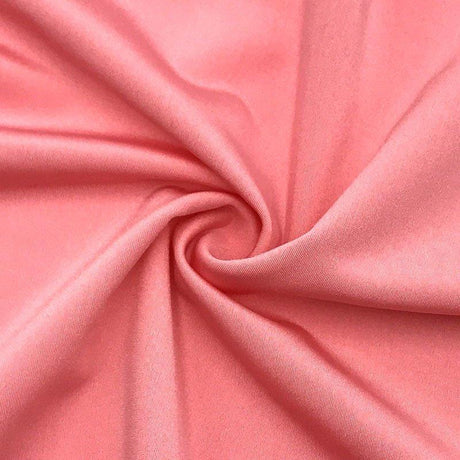
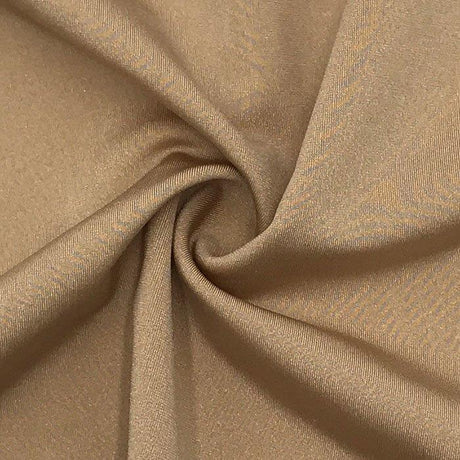
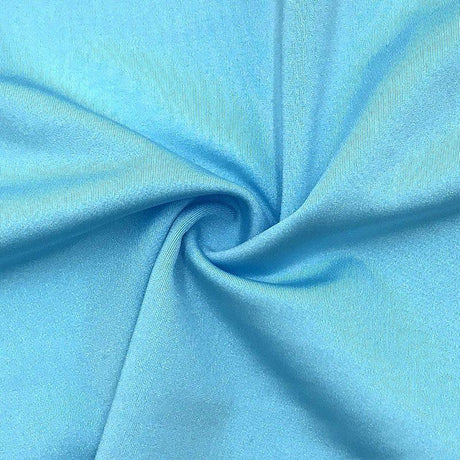
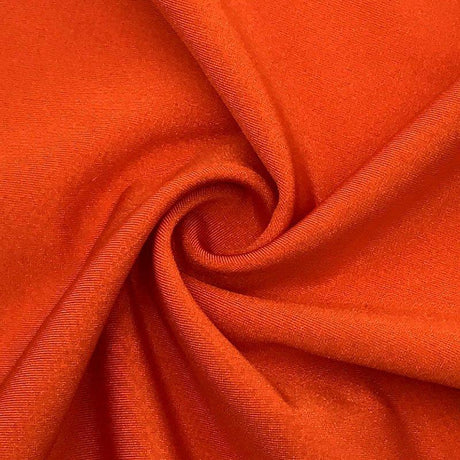
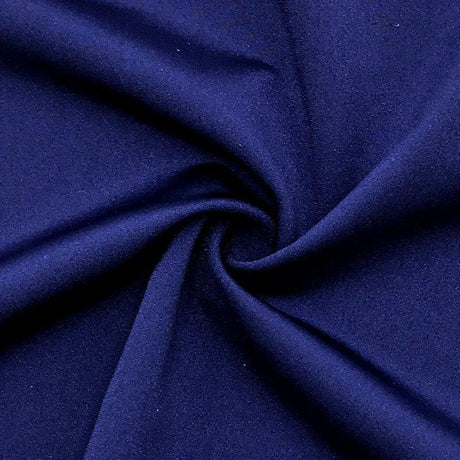
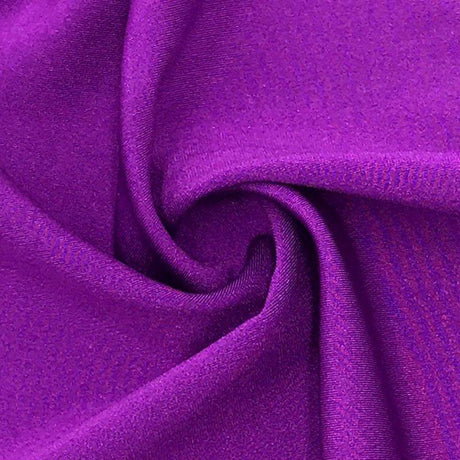
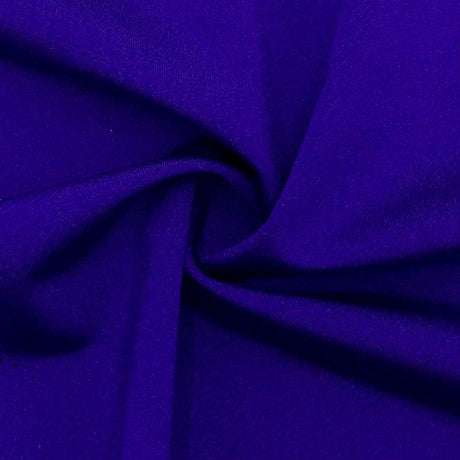
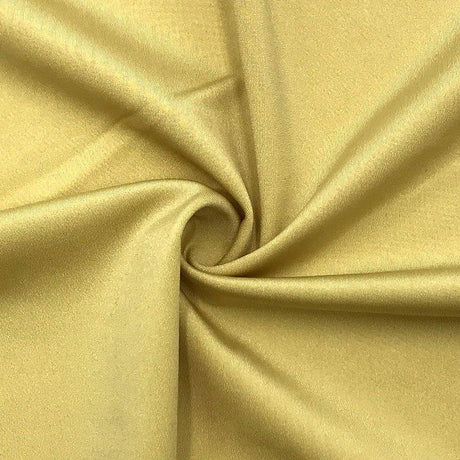
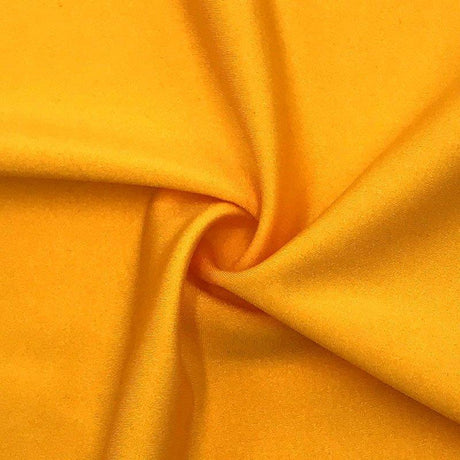
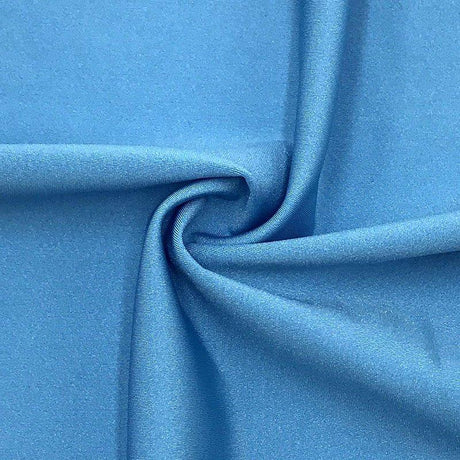
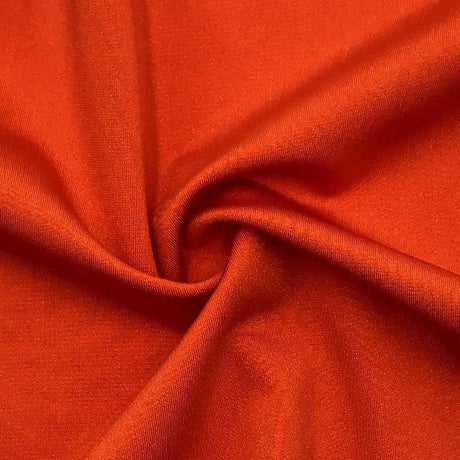
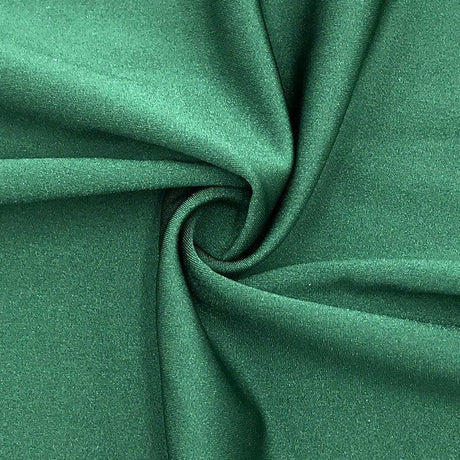
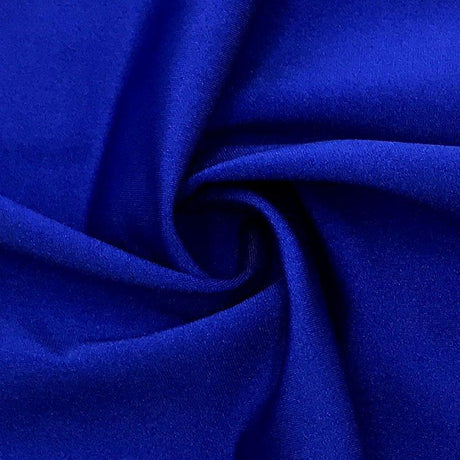
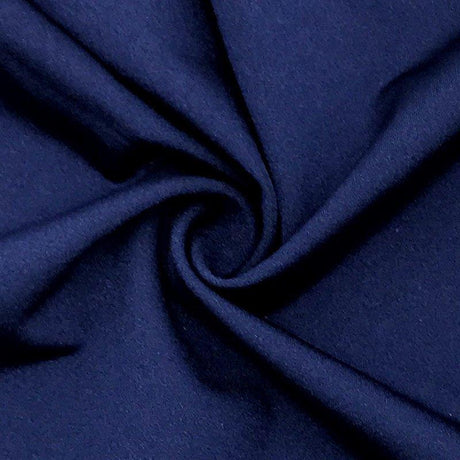
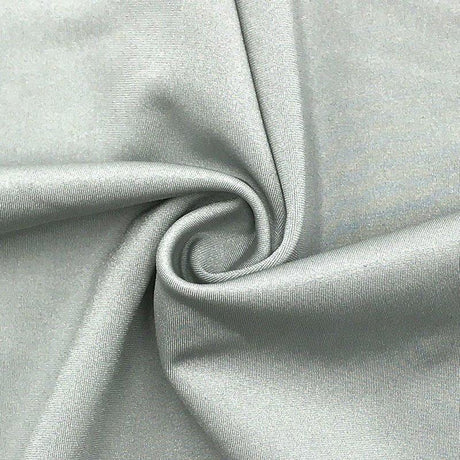
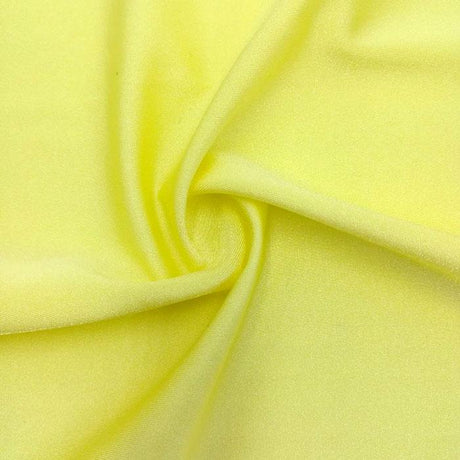
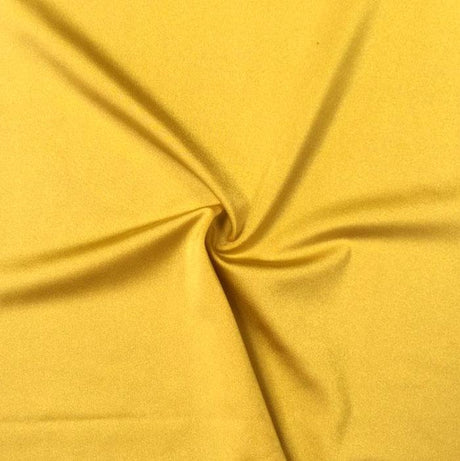
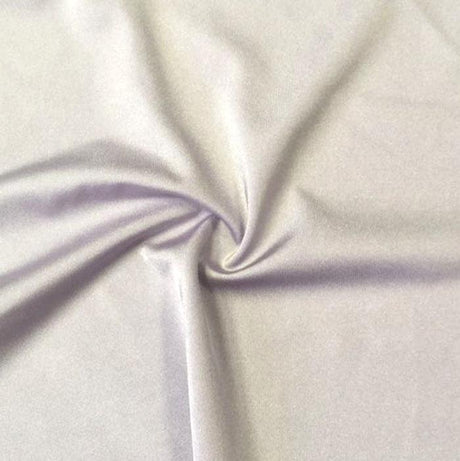
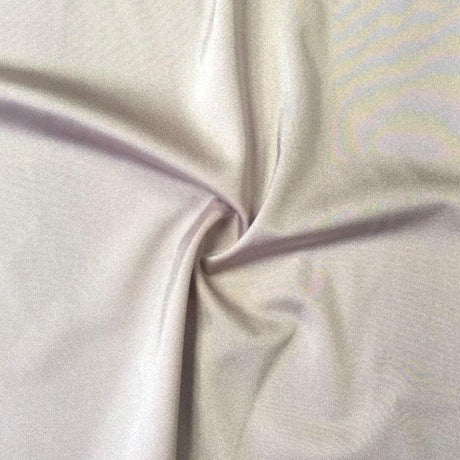
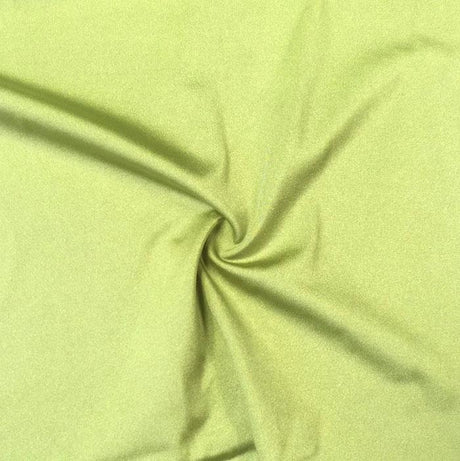
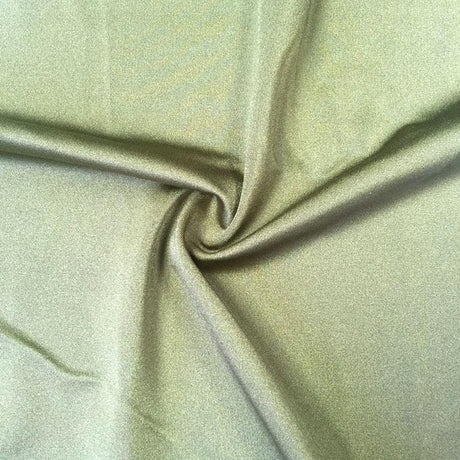
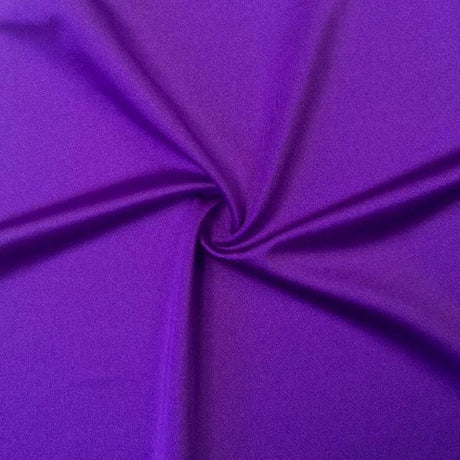
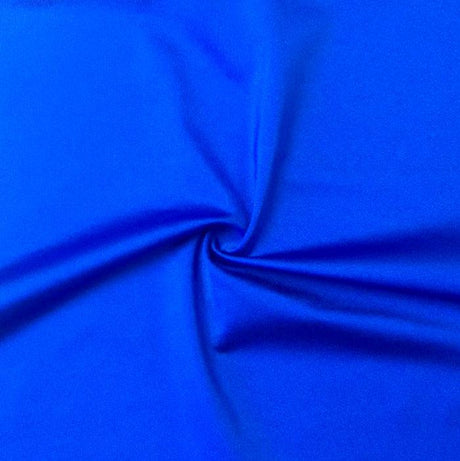
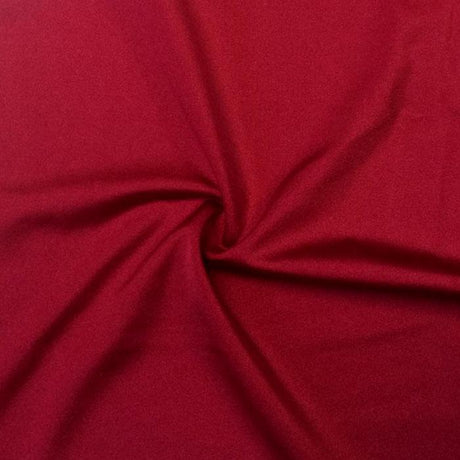
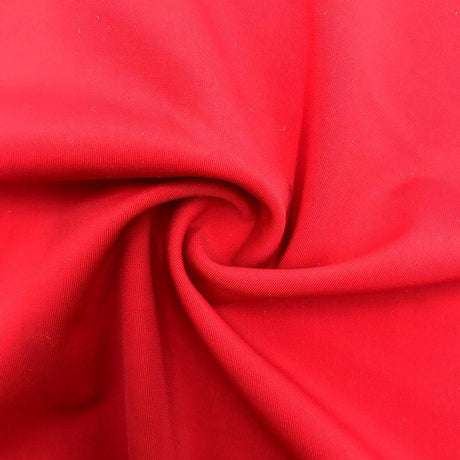
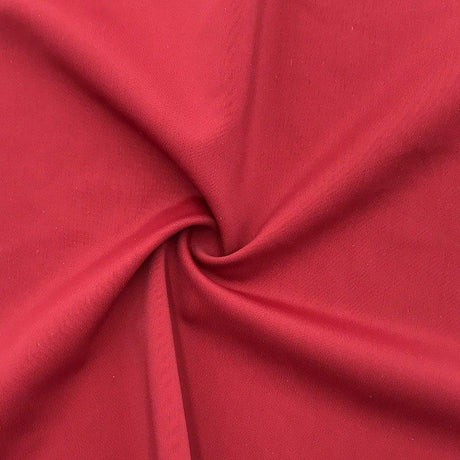
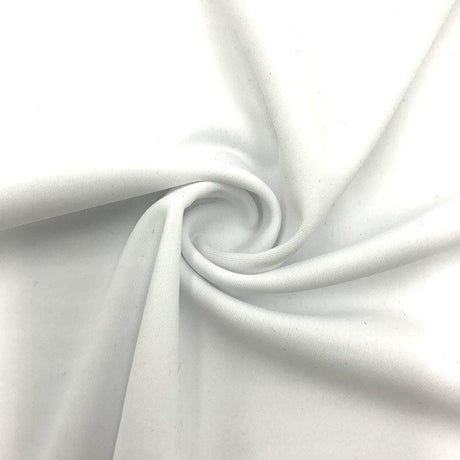
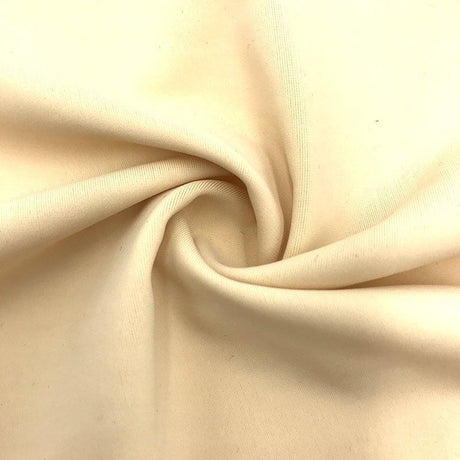
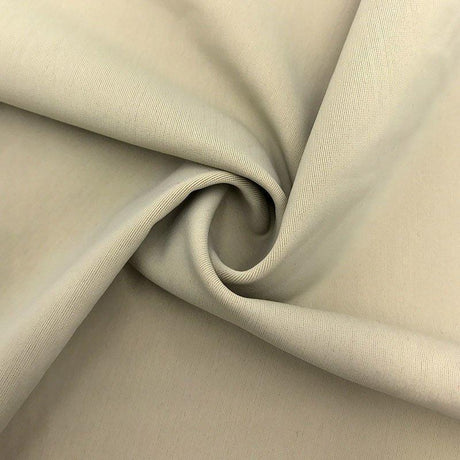
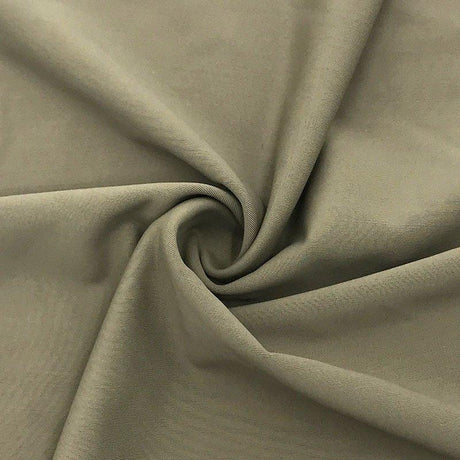
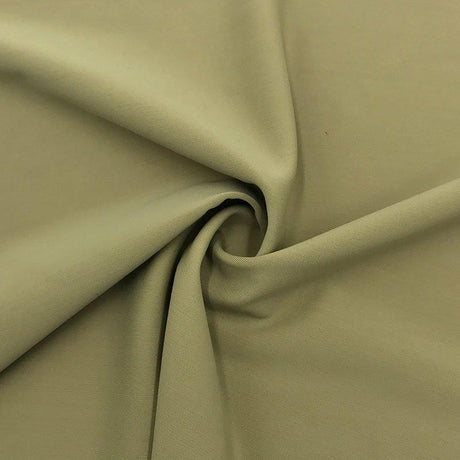
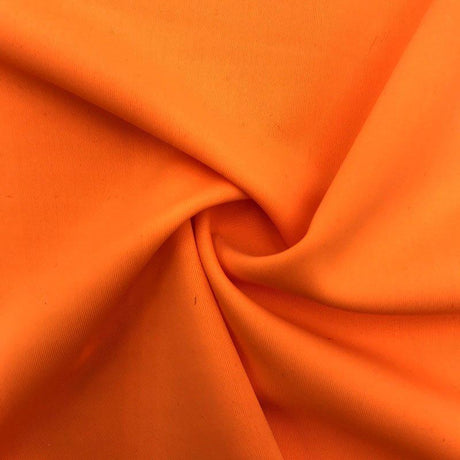
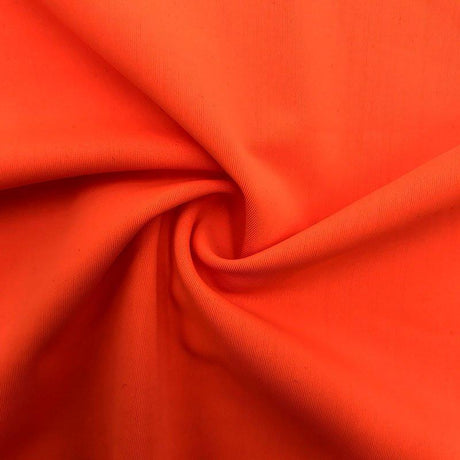
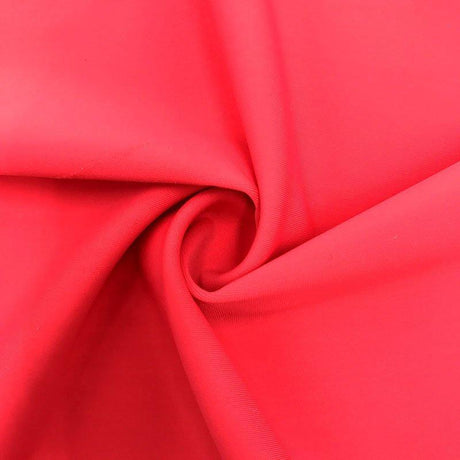
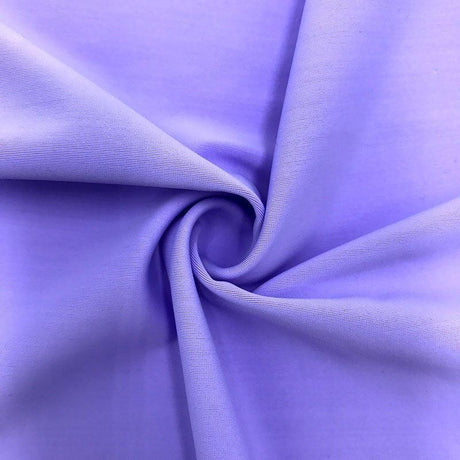
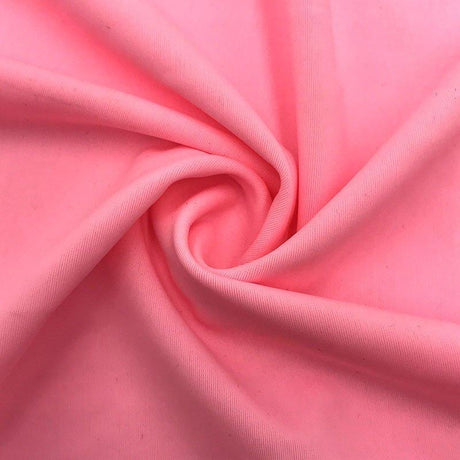
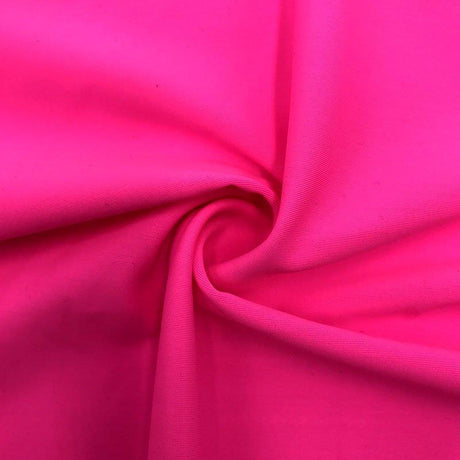
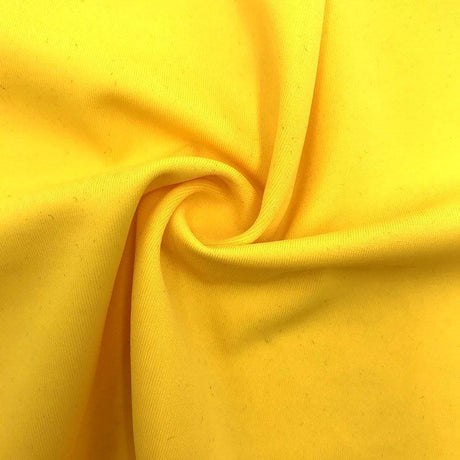
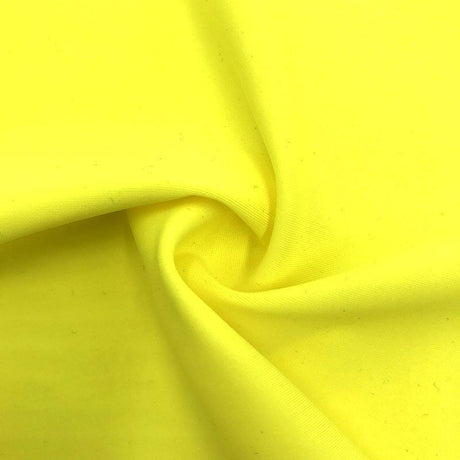
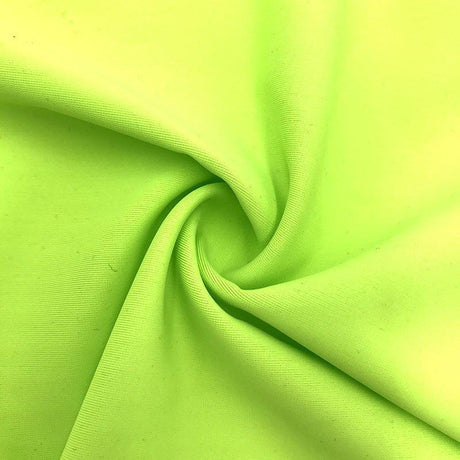
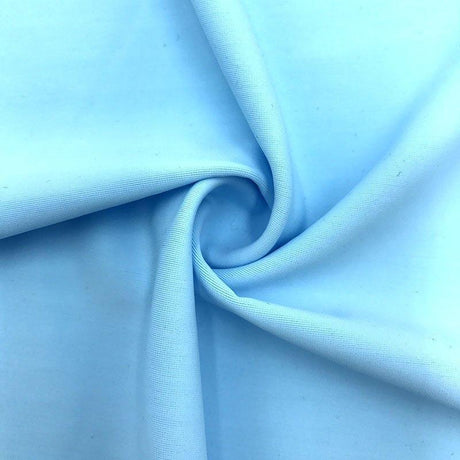
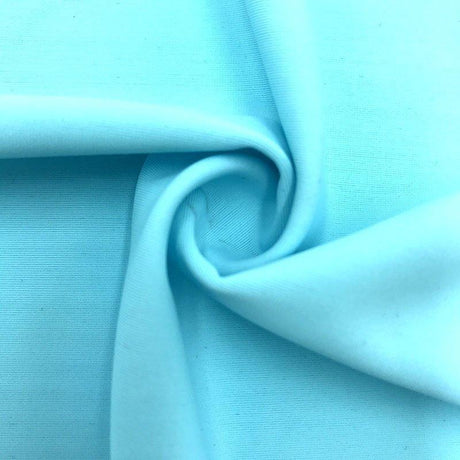
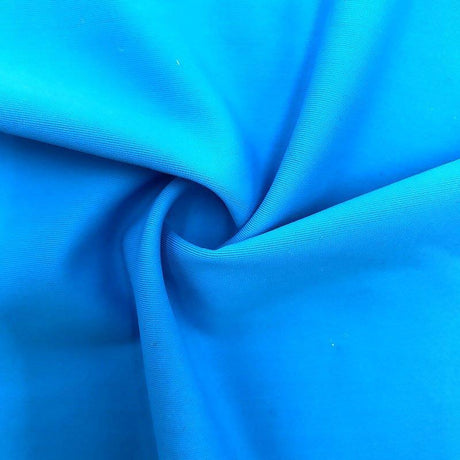
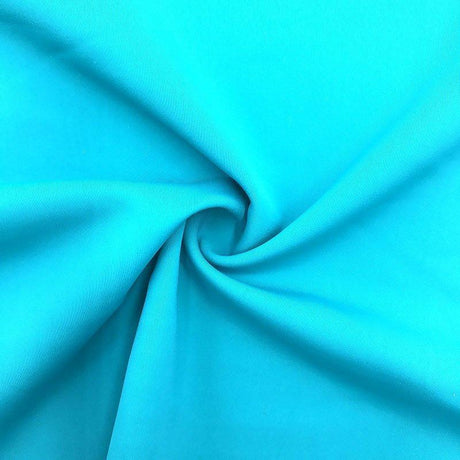
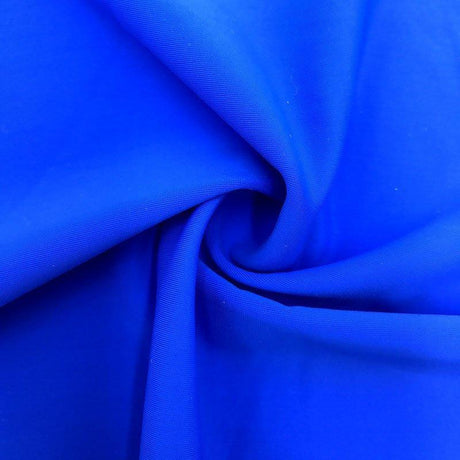
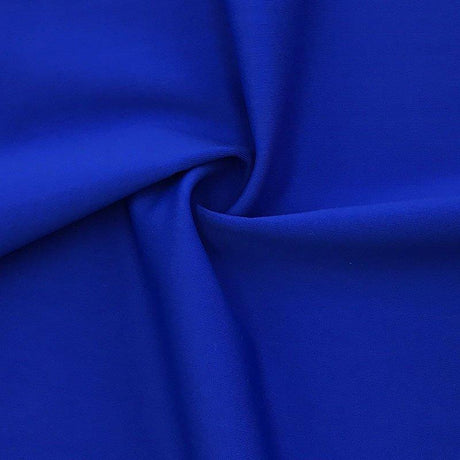
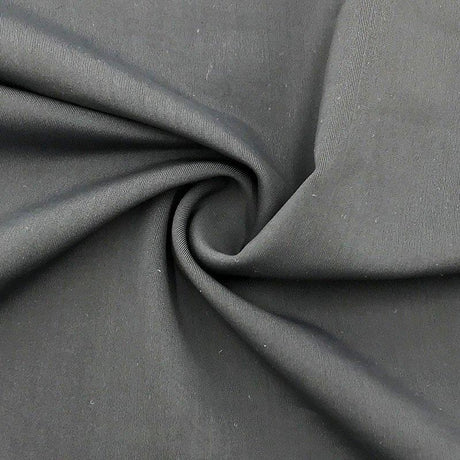
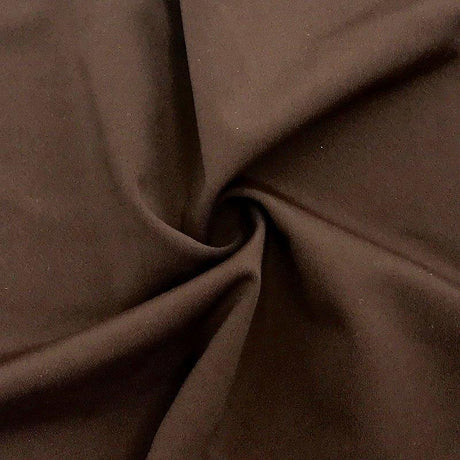
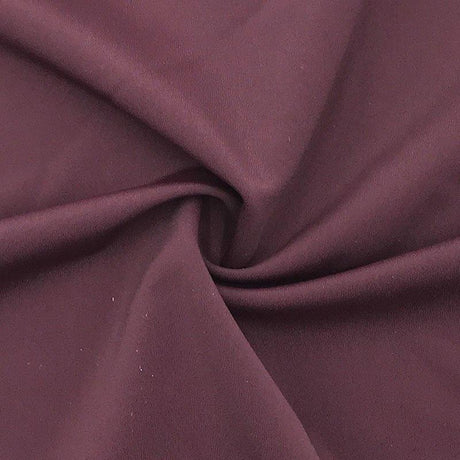
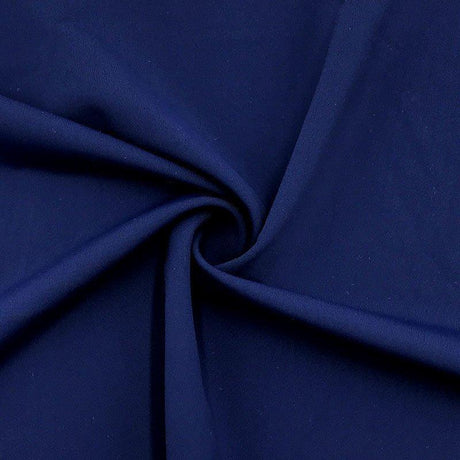
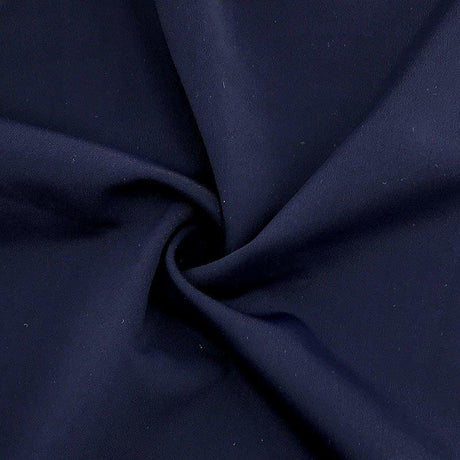
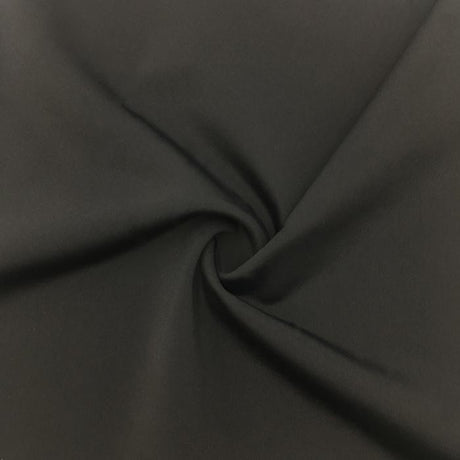
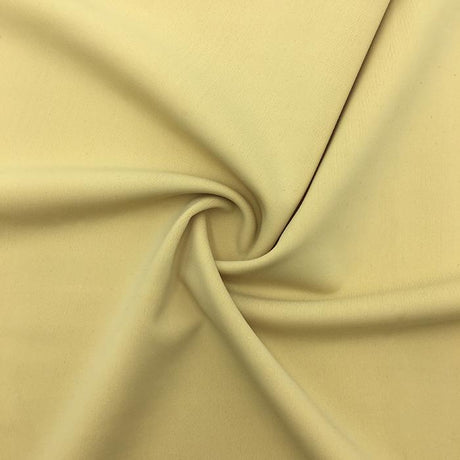
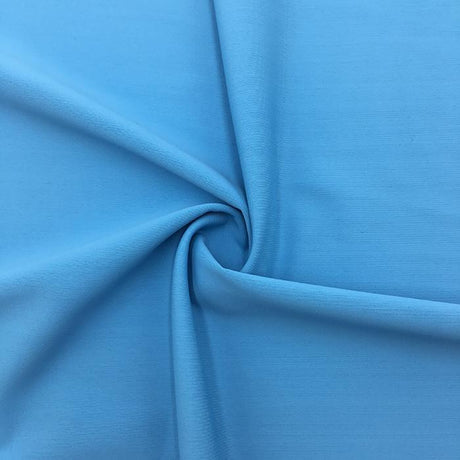
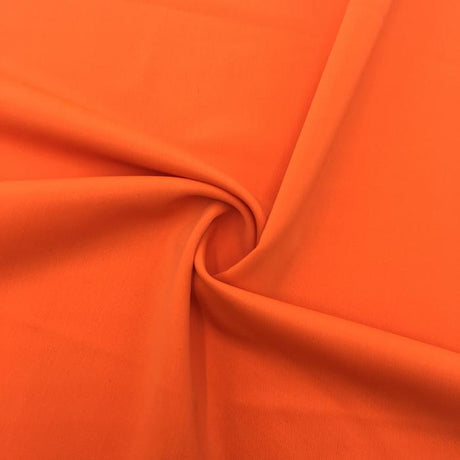
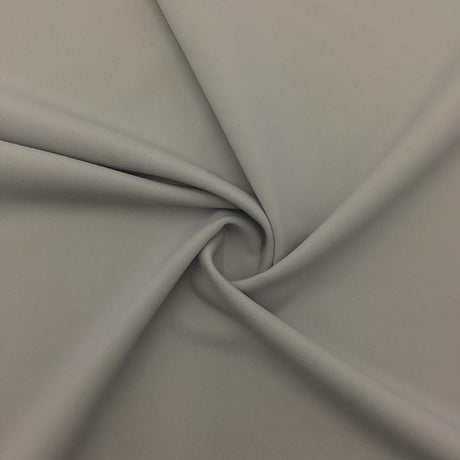
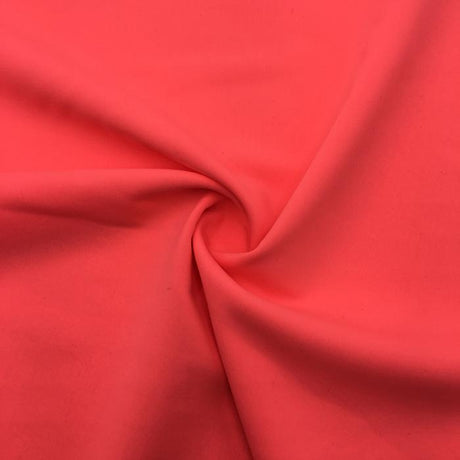
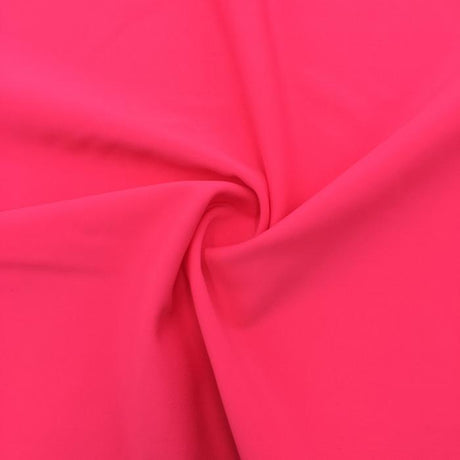
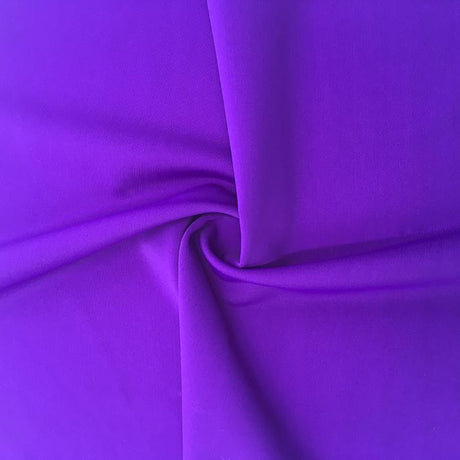
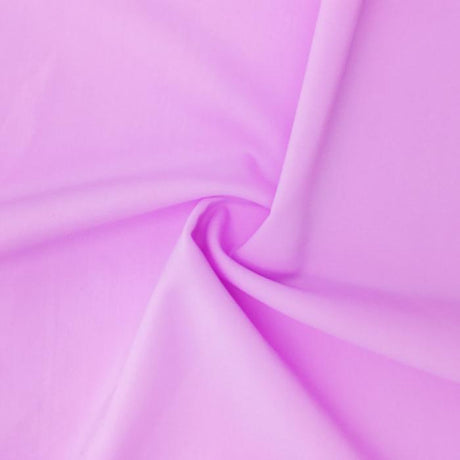
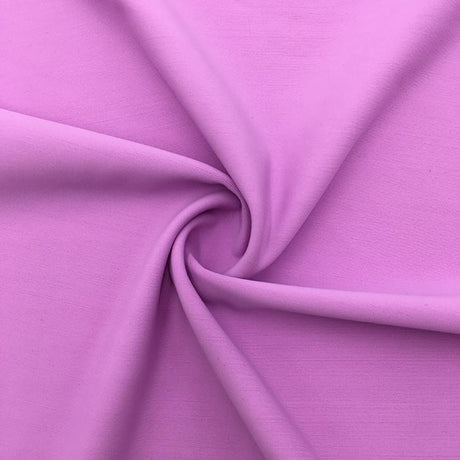
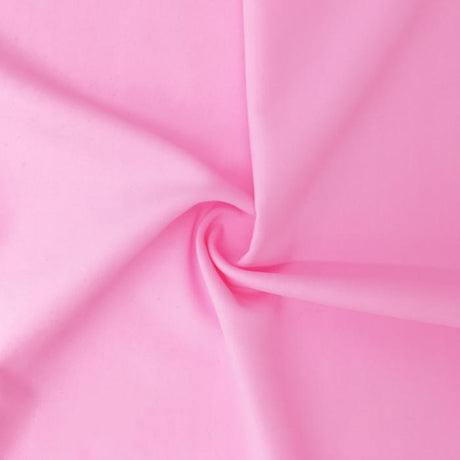
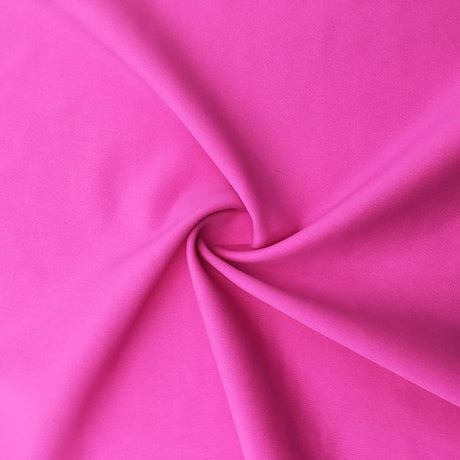
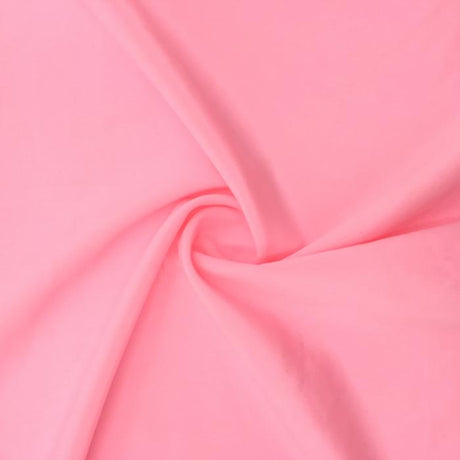
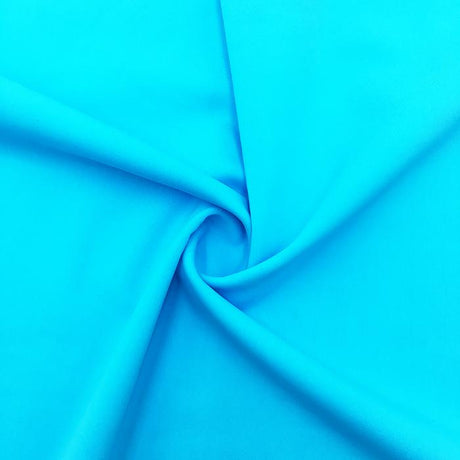
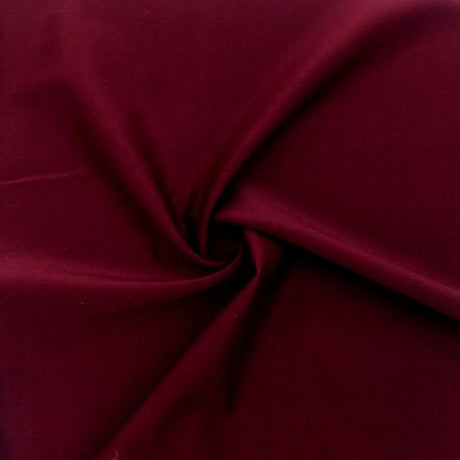
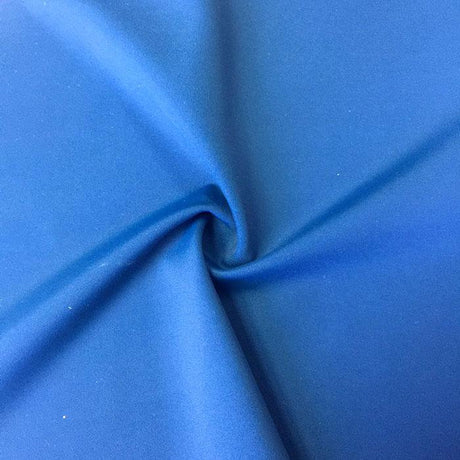
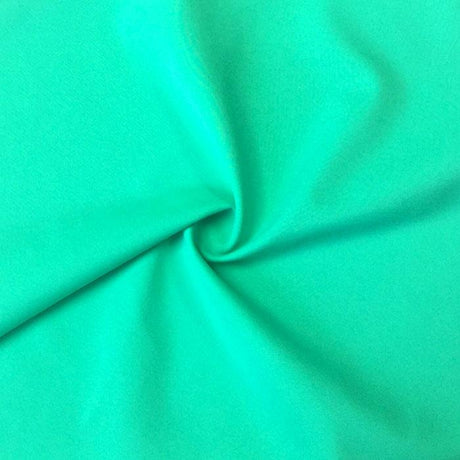
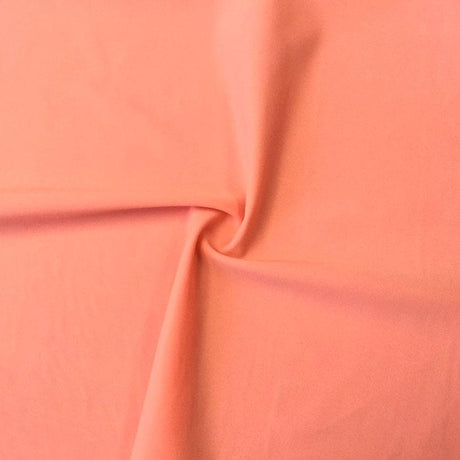
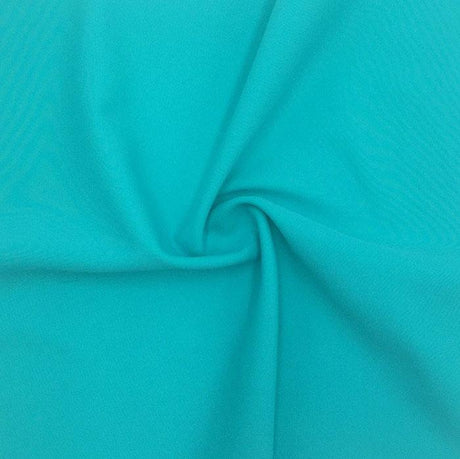
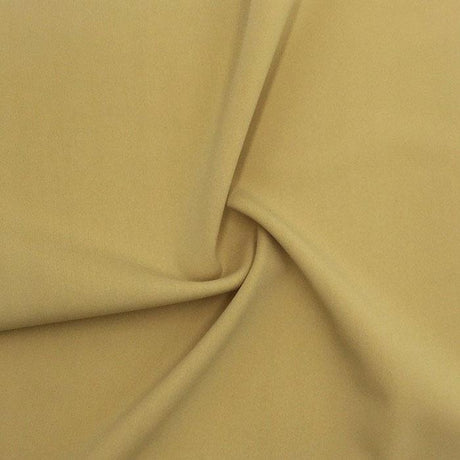
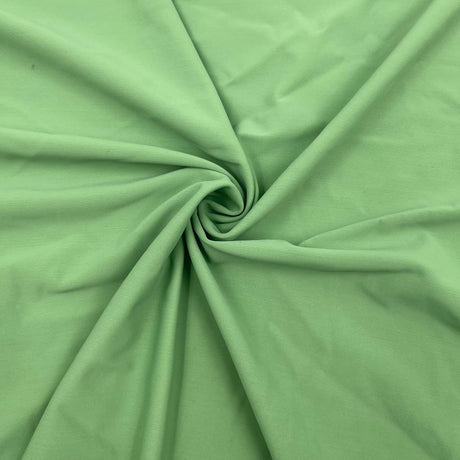
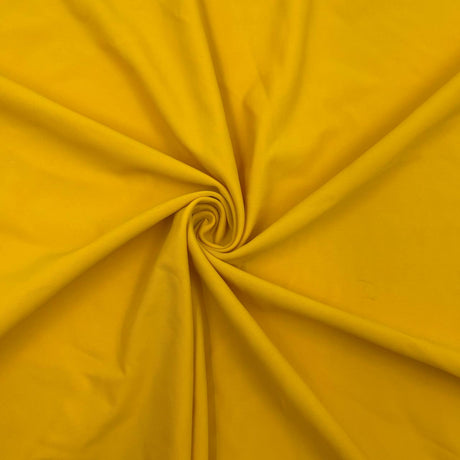
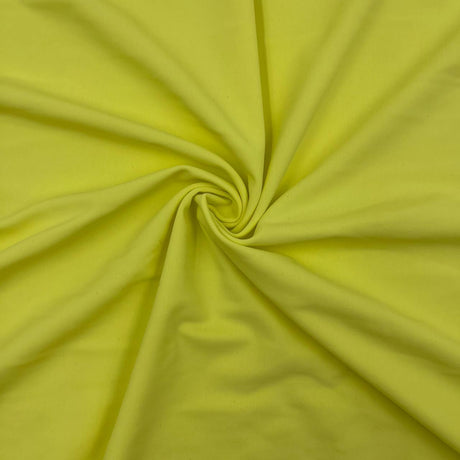
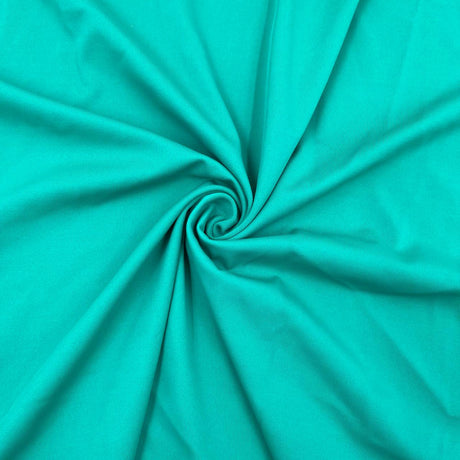
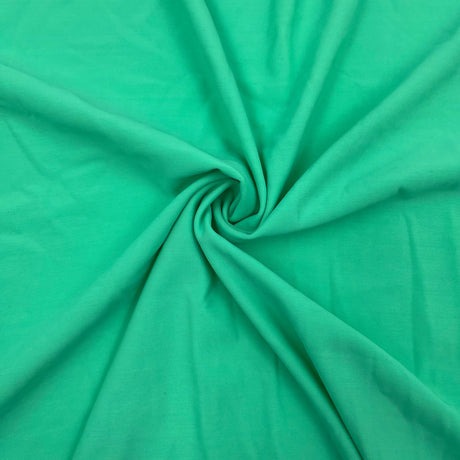
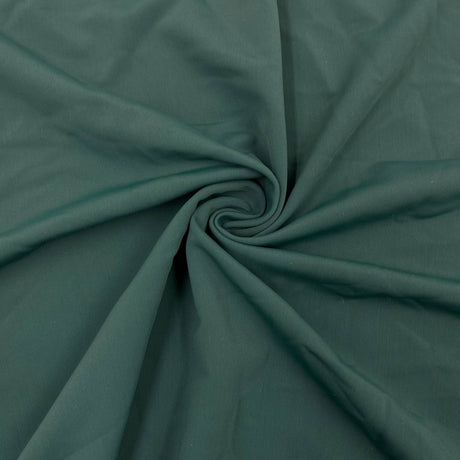
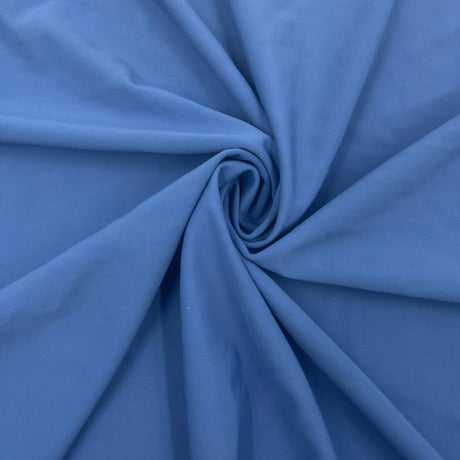
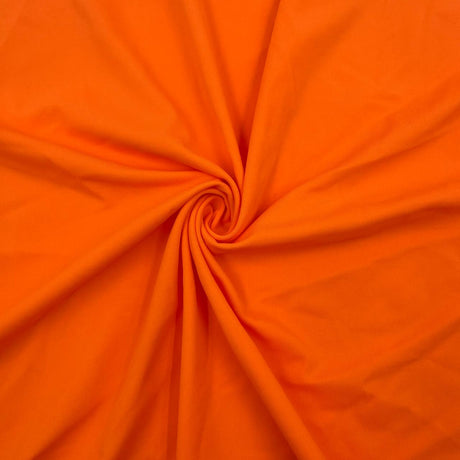
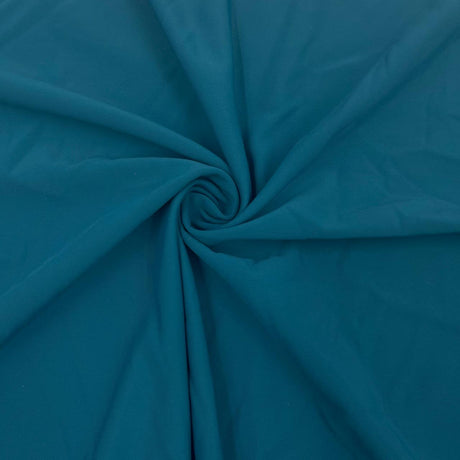
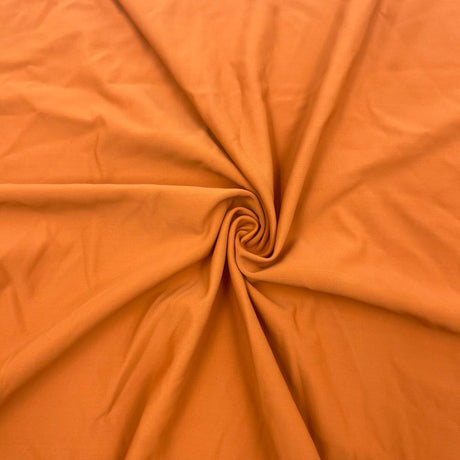
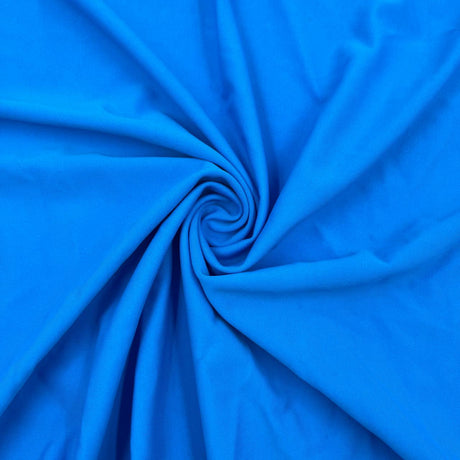
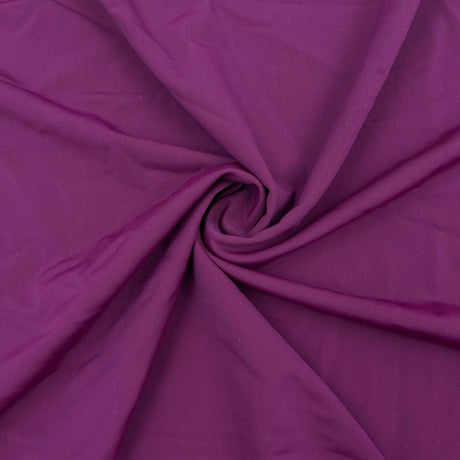
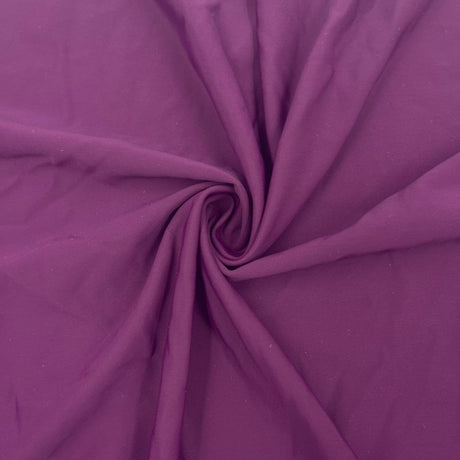
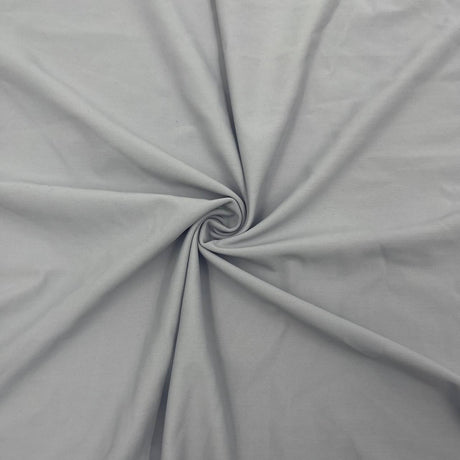
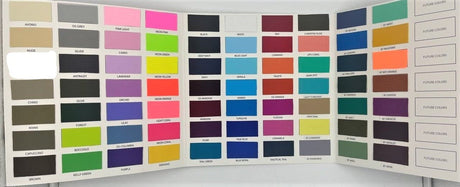
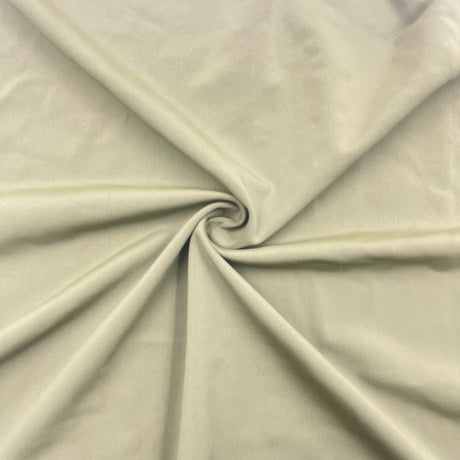
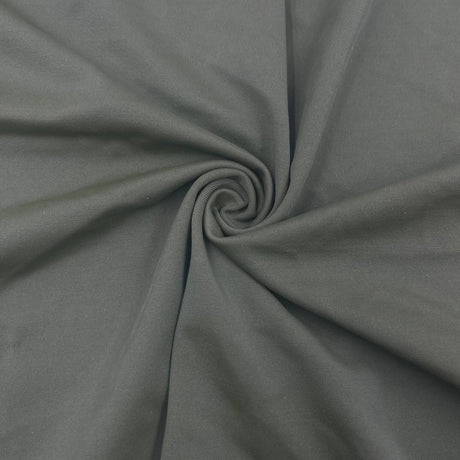
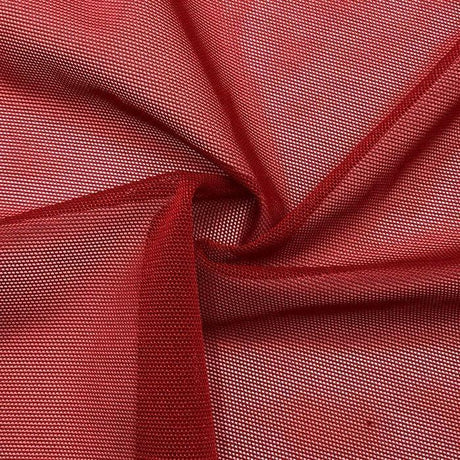
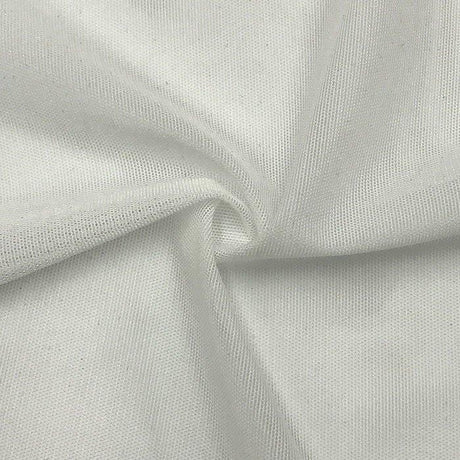
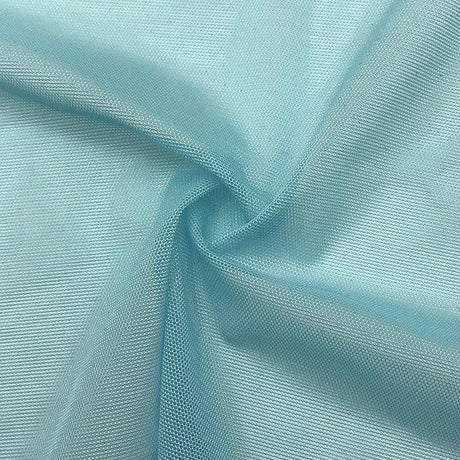
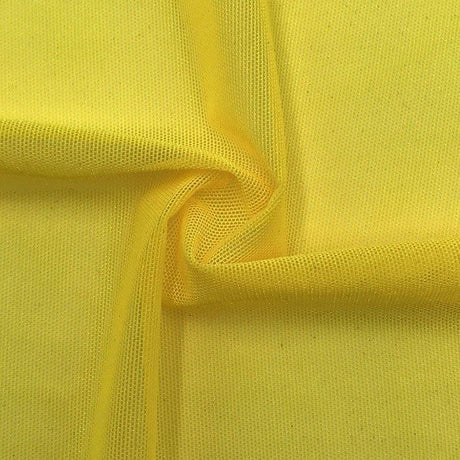
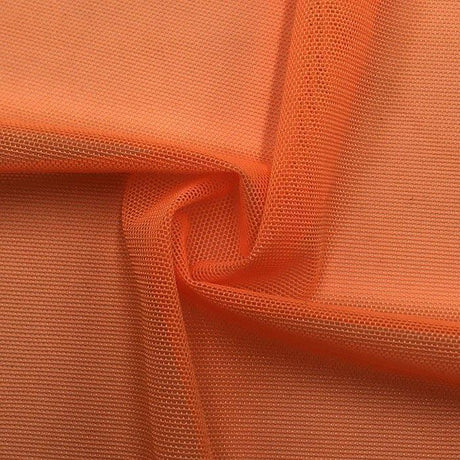
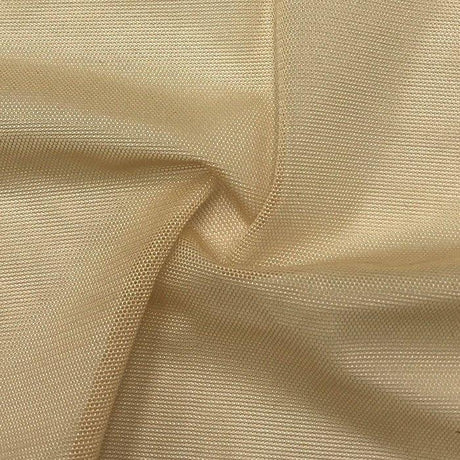
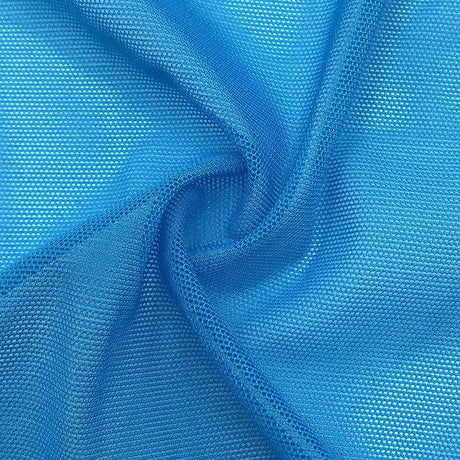
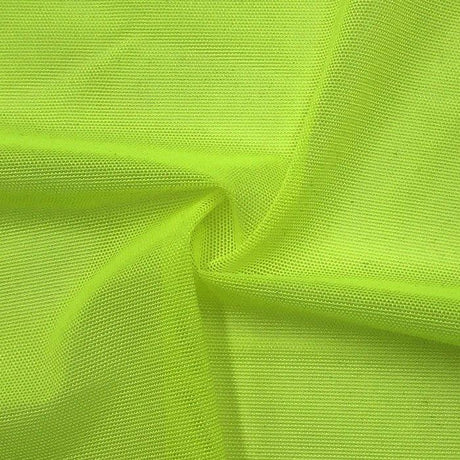
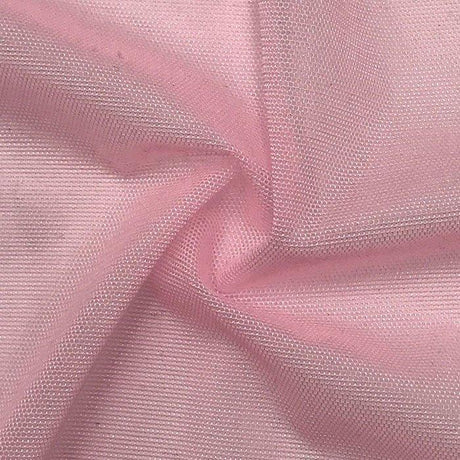
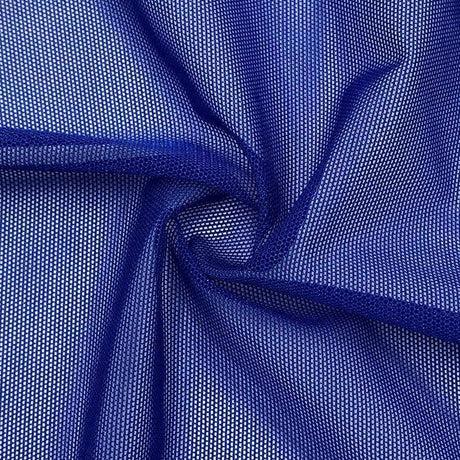
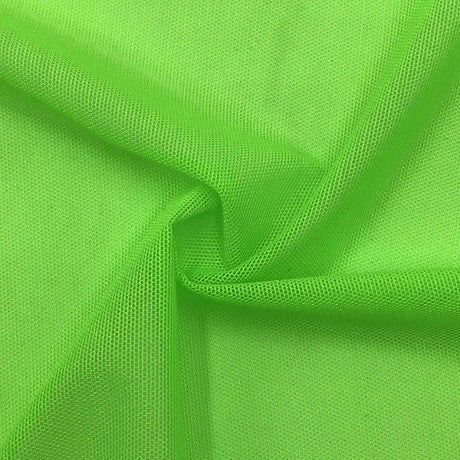
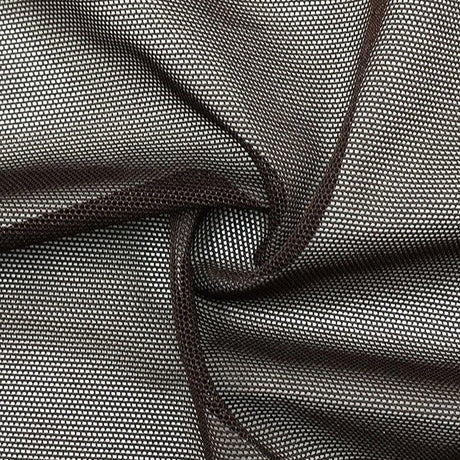
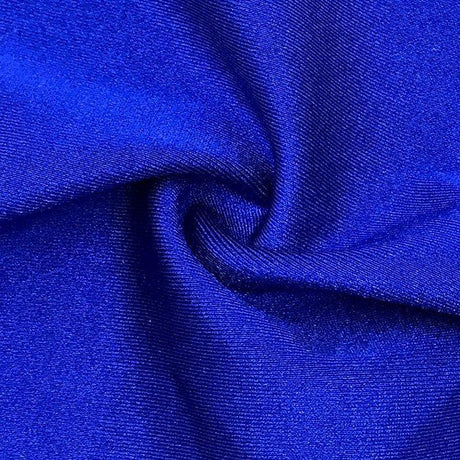
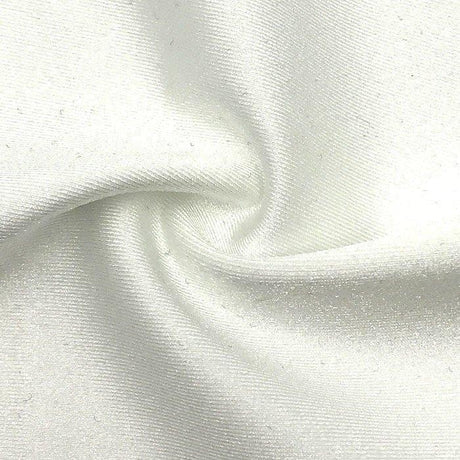
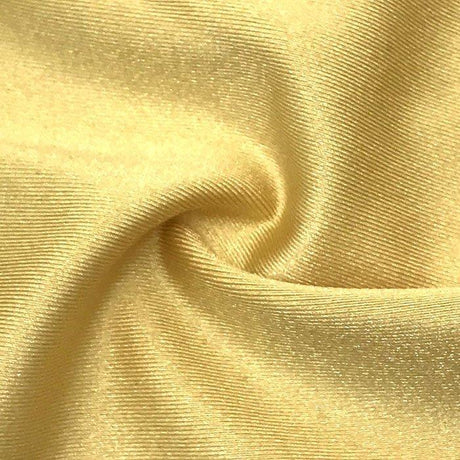
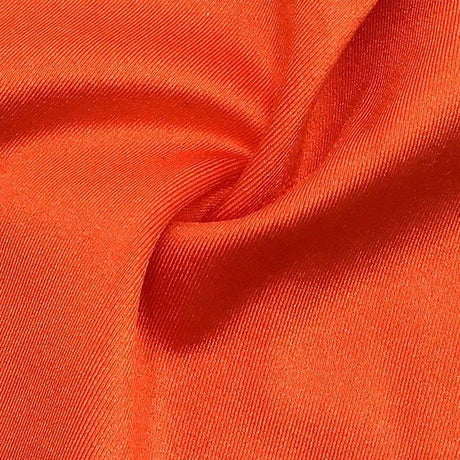
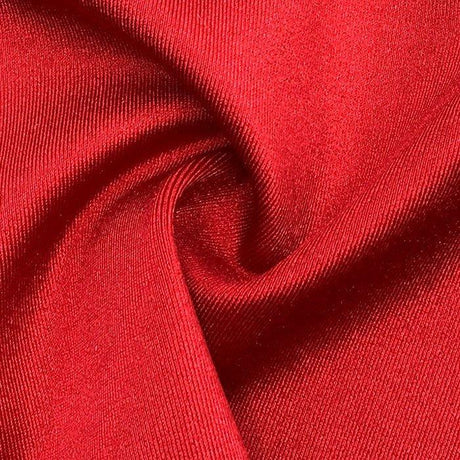
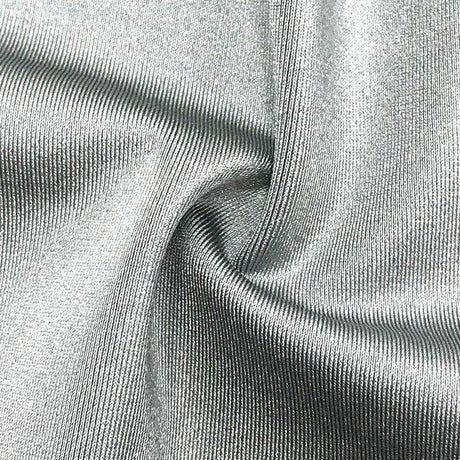
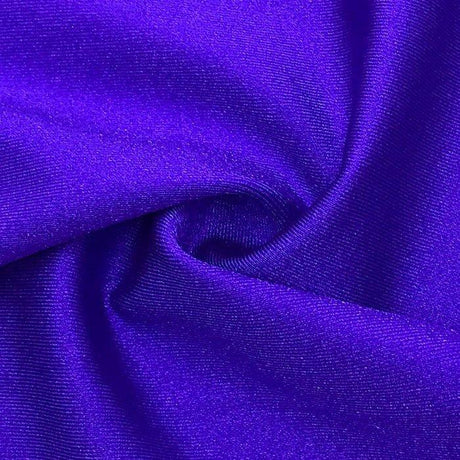
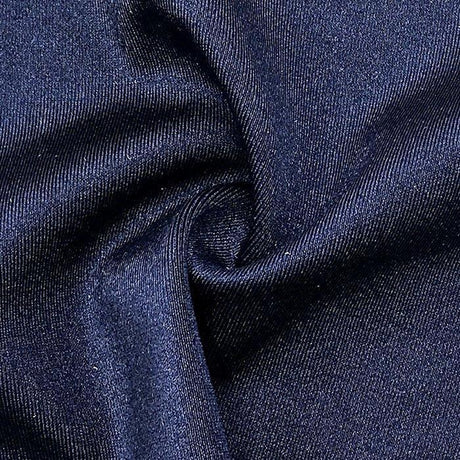
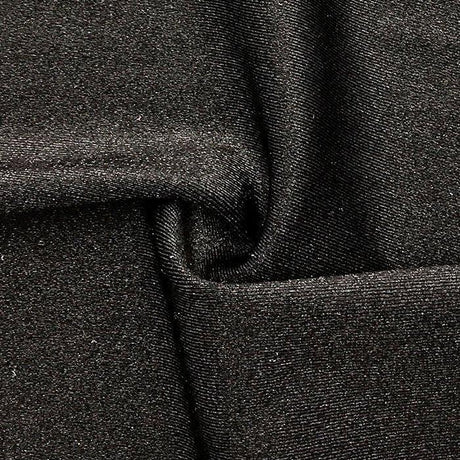
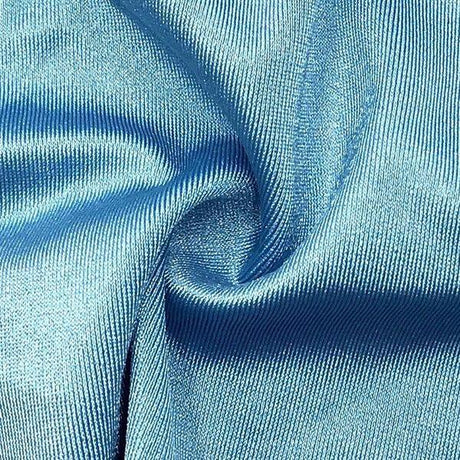
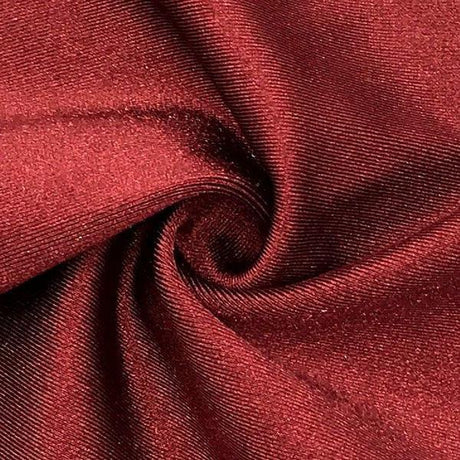
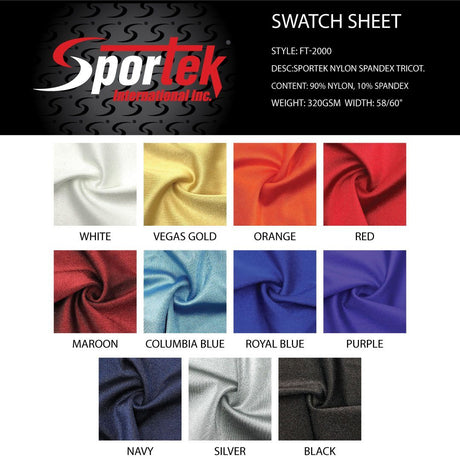
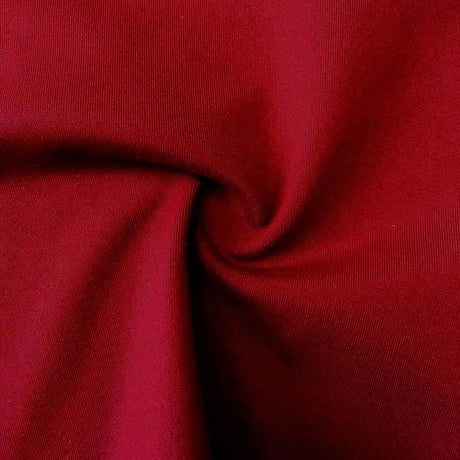
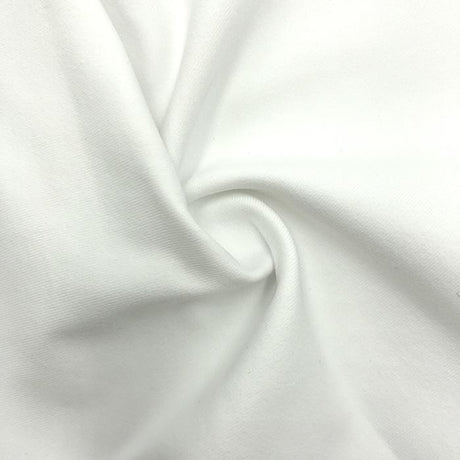
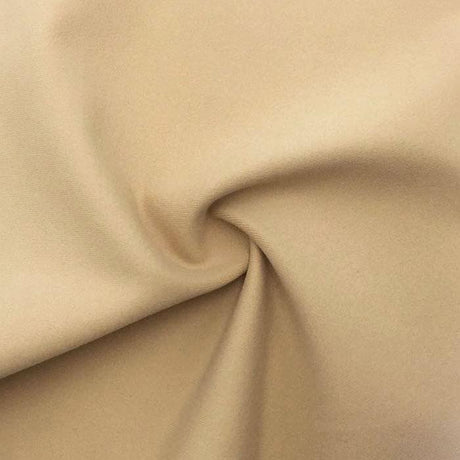
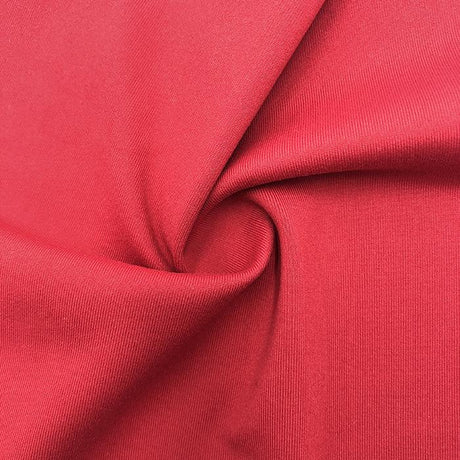
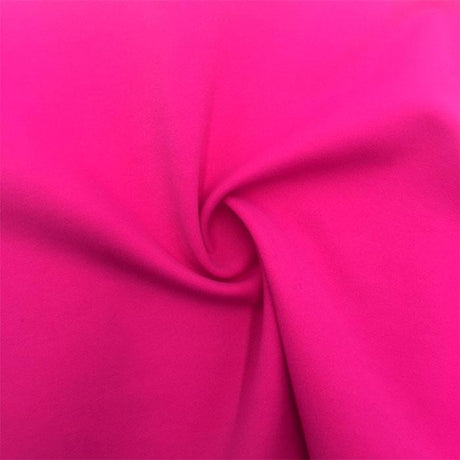
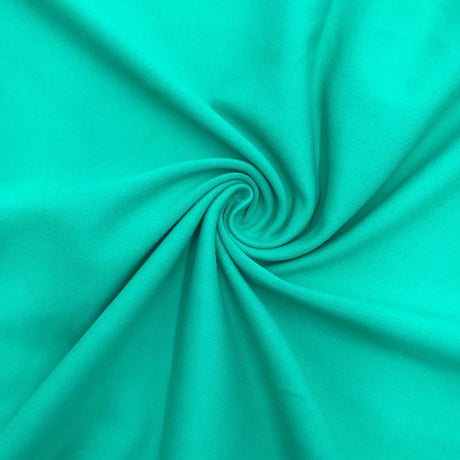
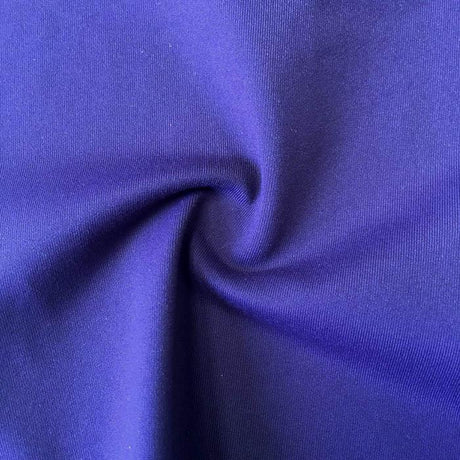
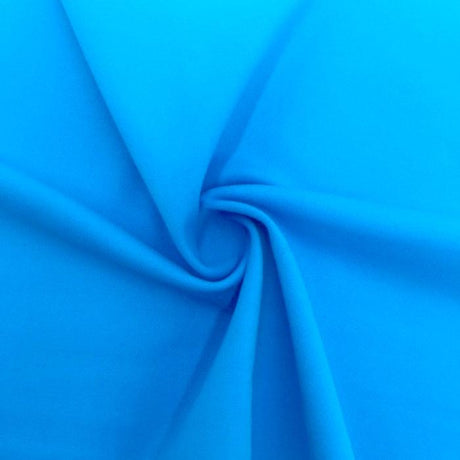
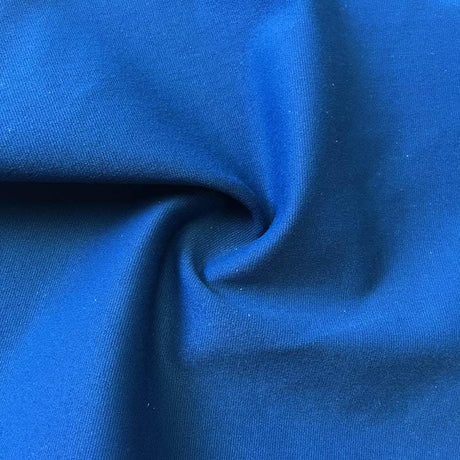
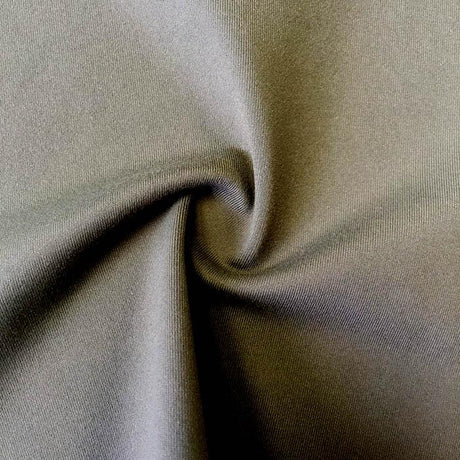
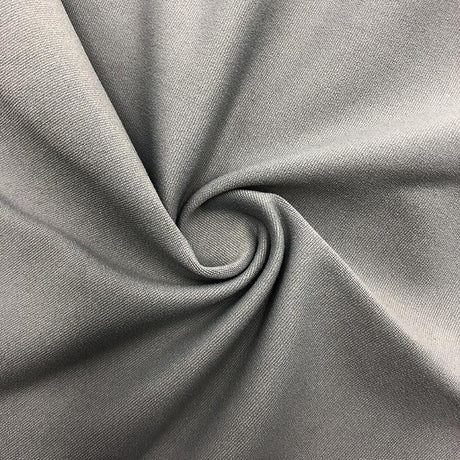
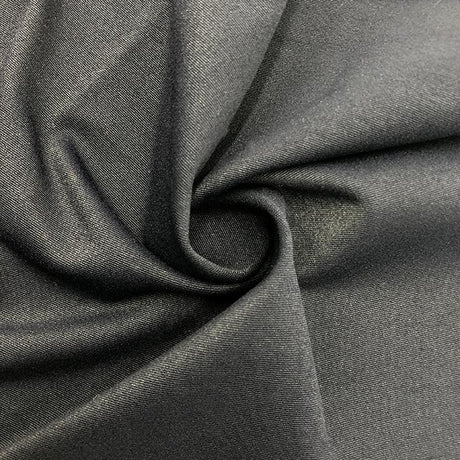
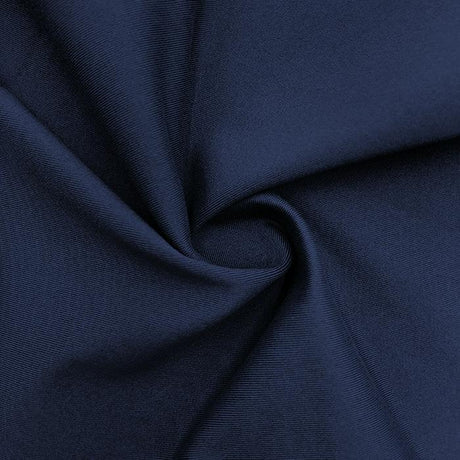
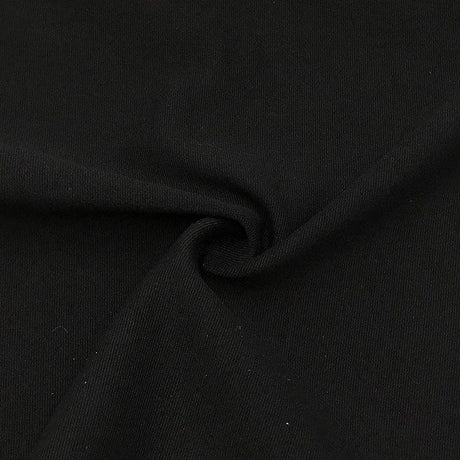
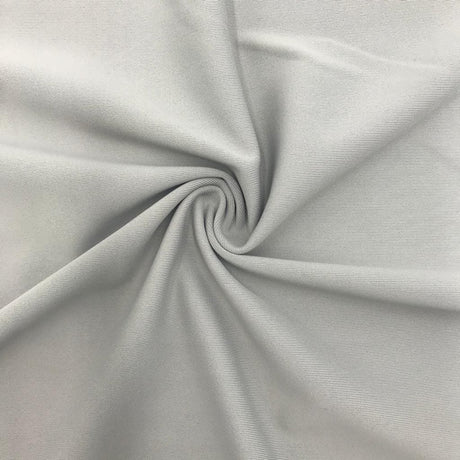
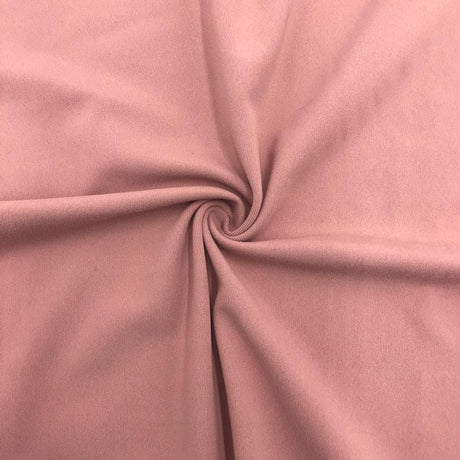
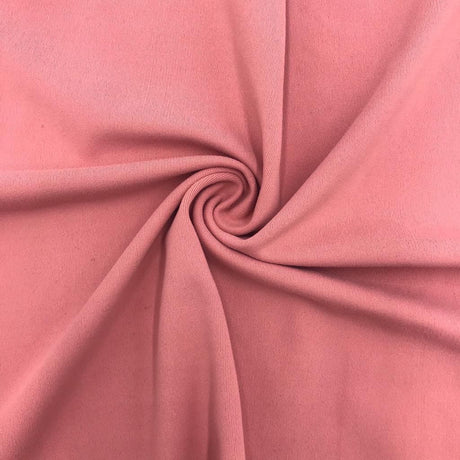
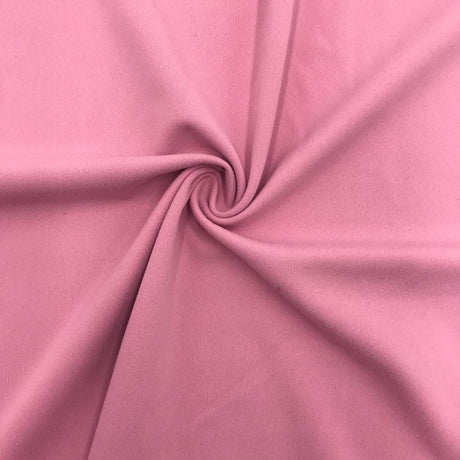
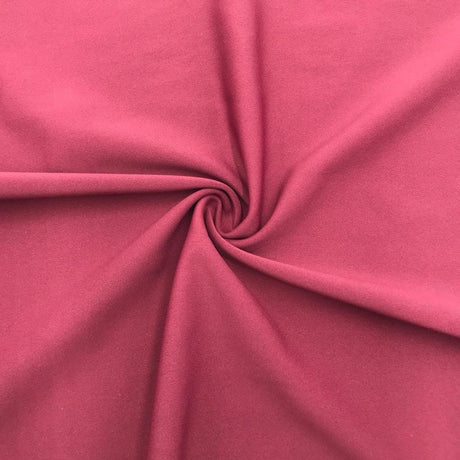
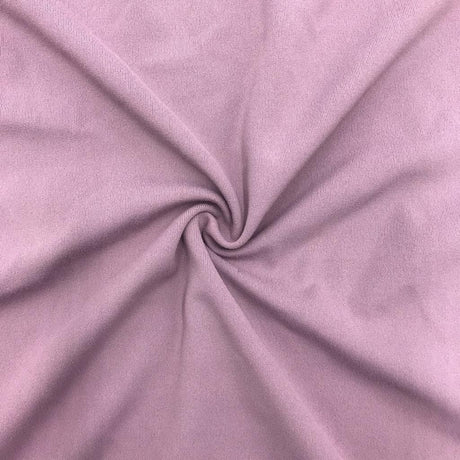
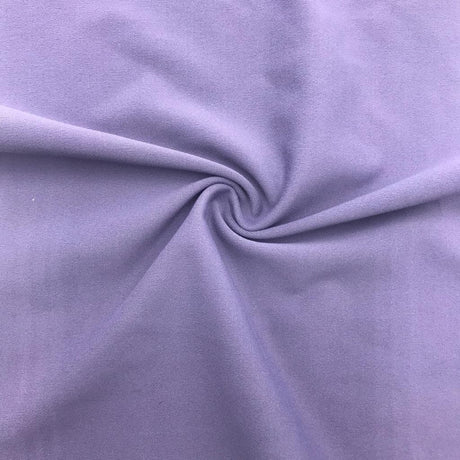
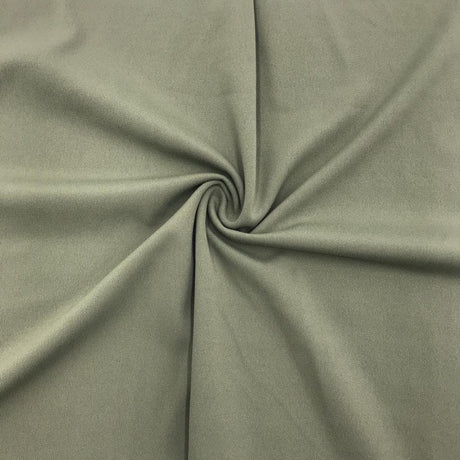
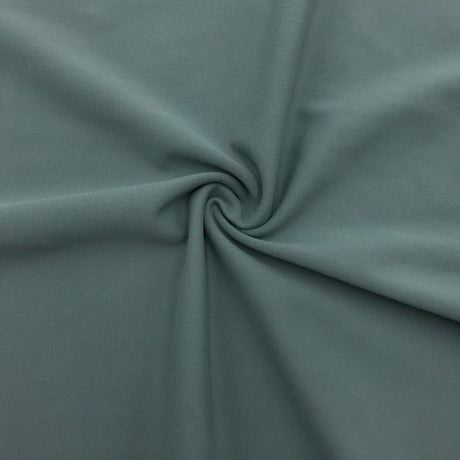
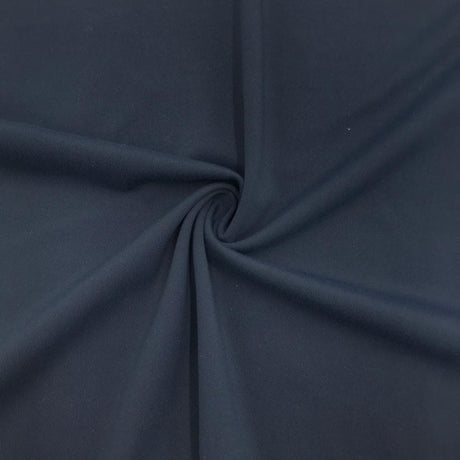
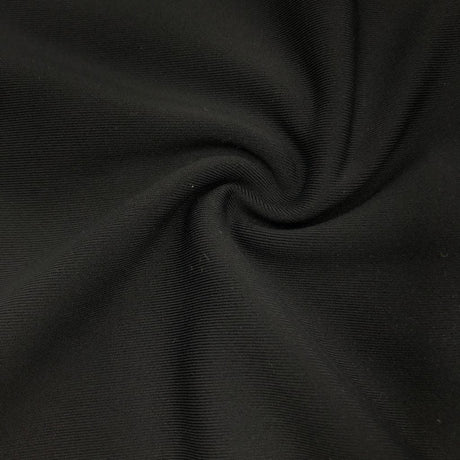
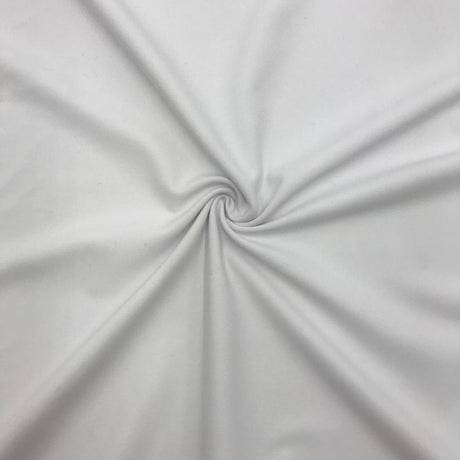
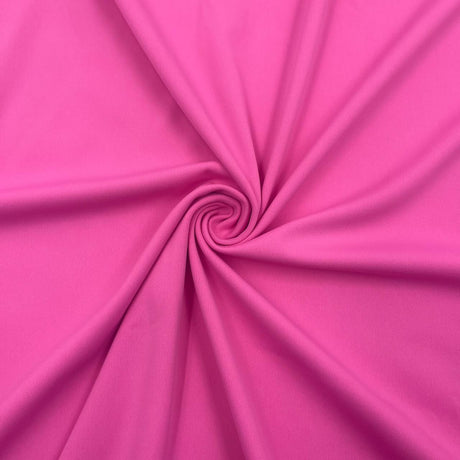
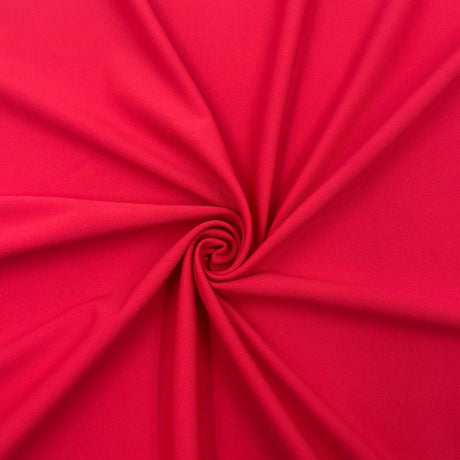
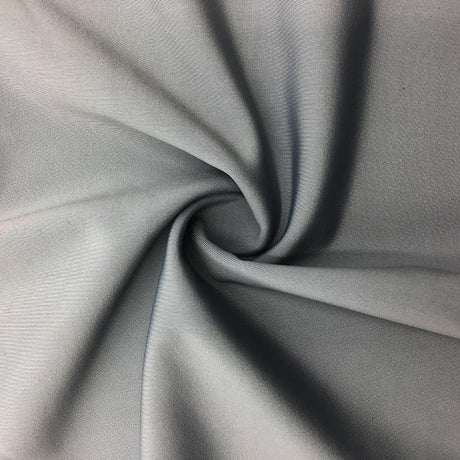
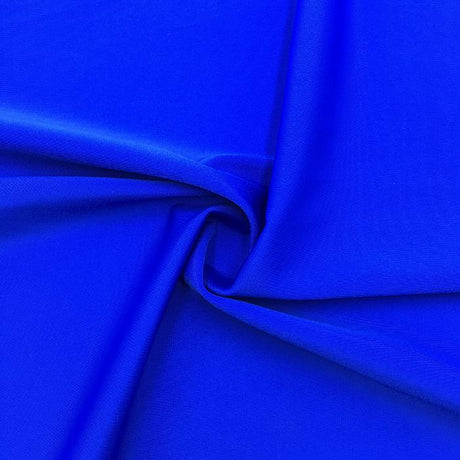
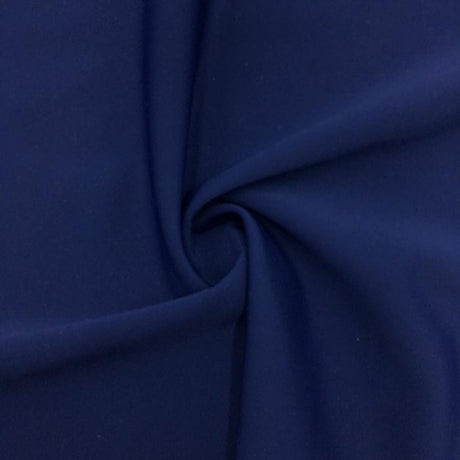
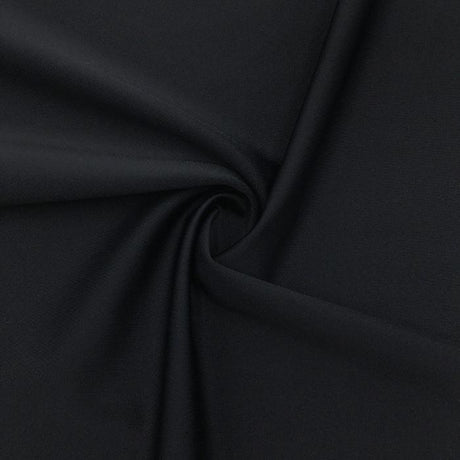
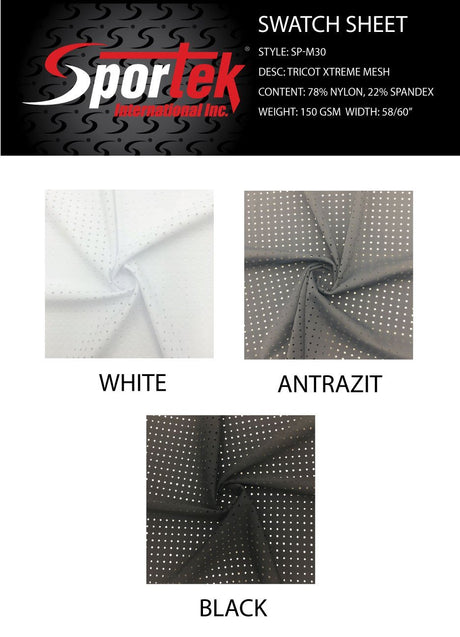
Spandex is everywhere – from your comfy yoga pants and swimsuits to the elastic in your socks. If you're new to the world of fabrics, you might wonder what makes spandex so special. In this beginner's guide, we'll explain exactly what spandex fabric is, how it's made, and why it revolutionized stretchable clothing. For a deeper technical foundation, explore our stretch fabric types page or browse our full fabric guides hub.
What Is Spandex Fabric (Elastane)?
Spandex – also known as elastane or by the brand name Lycra – is a synthetic fiber famous for its exceptional elasticity. The name "spandex" is actually an anagram of the word "expands", highlighting its defining feature. Spandex can stretch 5–8 times its original length and still recover its shape. This makes it an ideal material wherever a high degree of stretch and snap-back is needed.
Chemically, spandex is a type of polyurethane-based elastomer developed in the late 1950s. It was invented in 1958 by Dr. Joseph Shivers, a chemist at DuPont, during a search for a superior elastic fiber to replace rubber in clothing. DuPont introduced it to the market under the trademark Lycra in the early 1960s. Today, the term "spandex" (used in North America) is synonymous with elastane (Europe) and Lycra (a common brand name worldwide).
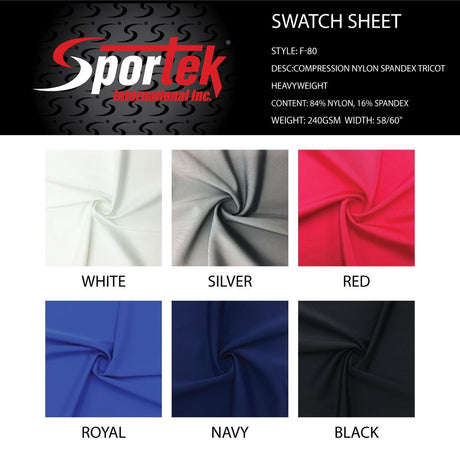
In practical terms, spandex fabric usually refers to textiles that incorporate spandex fibers rather than a 100% spandex cloth. Pure spandex fiber is rarely used alone because it's so elastic and lacks structure. Instead, spandex fibers are blended into other yarns – for example, a typical athletic or fashion fabric might be 5–20% spandex combined with cotton, polyester, or nylon. Even a small percentage of spandex imparts a tremendous stretch to the fabric while the other fibers provide strength, breathability, or comfort. Our nylon-spandex fabric guide and cotton-spandex fabric guide cover how each companion fiber interacts with elastane content to determine overall performance, hand feel, and durability.
How Is Spandex Fabric Made?
Spandex is a purely synthetic material made from chemical components derived from petroleum. The most common production method is solution dry spinning, which accounts for about 95% of spandex production.
Polymer Creation: Chemicals called diisocyanate and polyol (macroglycol) are reacted under precise conditions to form a pre-polymer solution – essentially the liquid form of the polyurethane-based substance that will become spandex.
Spinning the Fibers: The pre-polymer is pumped through a device called a spinneret, which has many tiny holes, to form long filaments. As these liquid filaments exit the spinneret, they are exposed to heat and inert gas, which causes the polymer to solidify into solid fibers.
Twisting & Curing: The fibers are then treated with a finishing agent (like magnesium stearate) to prevent them from sticking together, and they are bundled or twisted slightly as they solidify.
Integrating into Fabrics: These spandex filaments are then either woven or knitted together with other fibers to create fabrics. In woven fabrics (like stretch denim), spandex yarns might be woven in one direction for a two-way stretch, or both directions for a four-way stretch. Our stretch fabric types page covers how 2-way and 4-way stretch constructions differ in performance and which garment types require each.
A Brief History of Spandex
1958 – Invention: DuPont chemist Joseph Shivers succeeded in creating the first spandex fiber in 1958. DuPont dubbed the fiber "Lycra" for marketing, and the public soon embraced the colloquial name "spandex."
1960s – Early Use: In the 1960s, spandex began appearing in women's bras, girdles, and pantyhose, replacing rubber and revolutionizing comfort. It was quickly adopted in swimwear and sportswear as well, often blended with nylon, to create stretchy, form-fitting garments that didn't bag out when wet.
1970s – Fitness and Fashion: The fitness and aerobics boom was underway, and spandex was the star. Gymnastics leotards, dancewear, and athletic apparel widely used spandex for its stretch. Our dancewear fabric guide covers how spandex became the foundational fiber for all modern dancewear and performance costume applications.
1980s – Mainstream Popularity: Spandex hit its peak in the 1980s with the aerobics craze. Skinny jeans and "stretch pants" for women became trendy, often containing a few percent spandex for a body-hugging fit.
1990s and Beyond: Through the 1990s and 2000s, spandex quietly became ubiquitous in everyday apparel. By 2010, an estimated 80% of clothing sold in the U.S. contained at least a little spandex.
Recent Developments: In the 2010s and 2020s, attention has turned to the environmental impact of spandex and other synthetics. Researchers are exploring eco-friendlier versions (like recycled elastane or bio-based elastomers). The future may bring greener stretch fabrics, but spandex remains essential in modern clothing.
Spandex vs. Other Stretch Fabrics
Spandex (Elastane) vs. Rubber: Spandex fibers are lighter, can be blended easily with fabrics, and are more resistant to sweat and oils. Rubber is now rarely used in apparel except in some narrow applications; spandex largely replaced it.
Spandex vs. Mechanical Stretch (Knits): Some fabrics stretch because of the way they are made (knitted fabrics naturally have some give). However, a 100% cotton T-shirt might stretch out and sag after wear. When spandex is added to knits (creating a stretch knit), you get far greater elasticity and the garment will spring back into shape.
Two-Way vs. Four-Way Stretch: 4-way stretch means a fabric can stretch in both directions – horizontally and vertically – which spandex knits typically do. 2-way stretch usually means the fabric only stretches in one direction (usually across the width). Our stretch fabric types page covers the full technical difference between 2-way and 4-way stretch constructions and which garment types require each.
Spandex vs. Other Elastic Fibers: Spandex (elastane) is one specific type of elastic fiber. Other synthetic fabrics like polyester or nylon on their own have very limited stretch, but blends like nylon-spandex or polyester-spandex combine the best of both. This is why you see fabrics like nylon Lycra for swimwear or poly-spandex leggings. Our nylon-spandex fabric guide covers how nylon and polyester companion fibers compare in hand feel, moisture management, and durability at equivalent spandex percentages.
Key Benefits of Spandex Fabric
Extreme Stretch & Elastic Recovery: Spandex can elongate several hundred percent and spring right back to its original size. No saggy knees or elbows in your outfits – garments retain their fit even after stretching.
Superior Comfort and Fit: Because of its stretch, spandex allows clothing to fit snugly without feeling tight. It molds to the body's contours for a supportive, second-skin fit.
Shape Retention: Fabrics with spandex retain their shape and resist wrinkles. After washing or a long day of wear, a spandex-blend shirt will spring back better than a 100% cotton shirt.
Lightweight Strength: Spandex fibers are very lightweight and fine, yet incredibly strong and durable for their size. Even a 5% content can dramatically increase a fabric's tensile strength and tear resistance.
Moisture-Wicking and Fast-Drying: Spandex doesn't absorb much moisture, which means it tends to be quick-drying. In blends, it often helps a fabric wick sweat away from the body. Our activewear fabric guide covers moisture-wicking ratings across all common spandex-blend constructions for athletic applications.
Wrinkle Resistance: Thanks to its elastic nature, spandex doesn't hold wrinkles. A spandex-blend dress or shirt will typically emerge from a suitcase far less creased than a 100% linen or cotton one.
Ease of Care: Spandex fabrics are generally easy to care for. They can be machine washed (gentle cycle is best) and don't usually require special handling. Just avoid high heat when laundering – high temperatures can damage spandex fibers over time. Our spandex care guide and fabric care guide cover complete laundering protocols for all common spandex-blend garment types.
Freedom of Movement: Whether you're stretching into a yoga pose or just bending to tie your shoes, spandex gives you an unrestricted range of motion.
Spandex's main drawbacks are that it can be sensitive to heat and vulnerable to chlorine. Swimwear with spandex, for example, can lose elasticity if repeatedly exposed to chlorine pools without proper rinsing. Our spandex care guide covers exactly how chlorine, UV, and heat degrade elastane fibers and the care protocols that maximize garment lifespan.
Common Uses of Spandex Fabric
Sportswear & Activewear: Perhaps the most famous use of spandex is in athletic clothing. Running leggings, cycling shorts, swimwear, wrestling singlets, yoga pants, and gymnastics/dance leotards all rely on spandex for extreme stretch and compression. Spandex enables compression shorts and sleeves to support muscles. Our activewear fabric guide covers fabric selection across all common activewear categories, and our swimwear fabric guide covers swim-specific spandex blend requirements.
Fashion and Everyday Apparel: Jeans and trousers often include a few percent spandex to make "stretch denim." T-shirts, blouses, and dresses sometimes have a touch of spandex (5% or less) to improve fit and reduce wrinkling. Even suits and dress shirts are increasingly offered in stretch versions. Our cotton-spandex fabric guide covers how cotton-spandex blends achieve the stretch behavior that made stretch denim and casual stretch apparel possible.
Intimate Apparel & Swimwear: Spandex is essential in lingerie, underwear, and swim garments. Swimwear and surf wear nearly always use spandex blends (e.g. an 80% nylon / 20% spandex bikini fabric) because they need to stretch significantly and handle movement in water. Our swimwear fabric guide covers how nylon-spandex and polyester-spandex constructions compare in stretch, recovery, and chlorine resistance for all swimwear applications.
Medical and Healthcare Textiles: Compression stockings, elastic bandages, medical braces, and orthopedic wear all incorporate spandex for elasticity. The material's ability to apply gentle, uniform pressure or to stretch around swollen body parts is very valuable in healthcare applications.
Costumes and Specialty Uses: Costume designers love spandex for creating superhero suits, cosplay costumes, dance and ice skating costumes, and stage outfits because it can create a dramatic, form-fitting look while allowing performers to move freely. Fabrics like lamé or sequined spandex, holographic spandex, and mesh with spandex are popular for these uses.
Buying Spandex Fabric by the Yard (DIY & Maker Tips)
Types of Spandex Fabrics: Common options include nylon/spandex knits (great for swimsuits, activewear, dance costumes) and cotton/spandex knits (great for T-shirts, leggings, etc.). There are also polyester/spandex blends, rayon/spandex blends, and others. The percentage of spandex can vary – 8–20% spandex is typical for very stretchy knits like swim/dance fabric, whereas 2–5% might be enough for a stretch denim or twill. Our fabric weight guide covers how GSM affects opacity, compression, breathability, and durability across all common spandex-blend constructions.
4-Way Stretch vs 2-Way: Determine if you need a 4-way stretch fabric (stretches in all directions) or if 2-way stretch will suffice. Most spandex knit fabrics are 4-way stretch, which is ideal for garments that need to stretch both widthwise and lengthwise (like bodysuits or swimwear). Our stretch fabric types page covers how to verify true 4-way stretch and compare stretch percentages when evaluating fabric samples.
Buying the Right Amount: Because spandex fabrics can be a bit more expensive per yard than non-stretch fabrics, ordering by the yard lets you avoid waste. Have questions about ordering? Our FAQ page covers our ordering and specification policies.
Where to Buy: You can find spandex fabrics in many local fabric stores, but the selection online is much larger. When buying online, make use of swatches if available, and check descriptions for fabric thickness, sheen (matte vs shiny), and stretch percentage. Our how to choose fabric guide covers what to evaluate when a physical swatch arrives, including stretch testing, opacity testing, and hand feel assessment. Our expert help and advice page connects you with knowledgeable staff who can recommend the right spandex blend for your specific project.
DIY Sewing Considerations: When you have your spandex by the yard and are ready to sew, use a stretch or ballpoint needle in your sewing machine and a zigzag or serger stitch that will stretch with the fabric. Always pre-wash your spandex fabric (in cold water) before sewing. Cutting spandex can be tricky because it's slinky – using pattern weights and a rotary cutter can help. Our how to sew stretch fabric guide covers all construction techniques, needle selection, stitch type, machine settings, and edge finishing for all common spandex-blend project types.
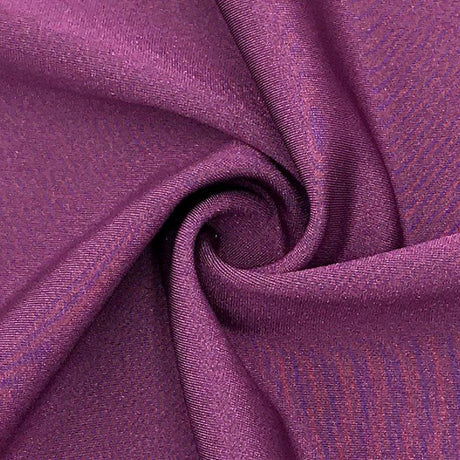
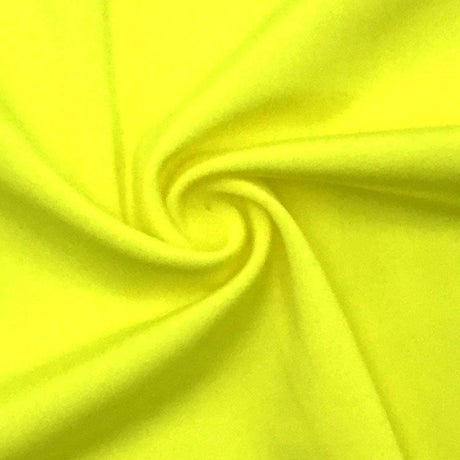
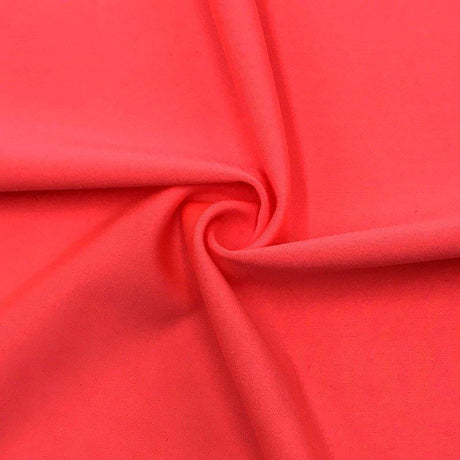
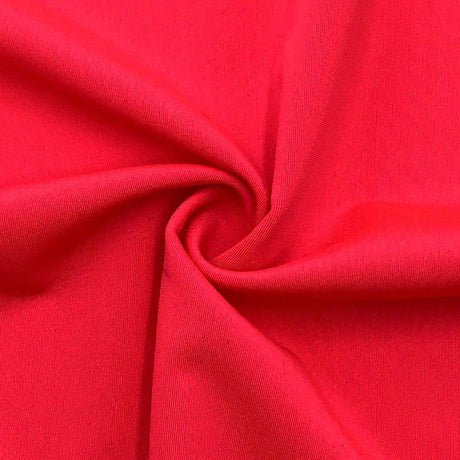
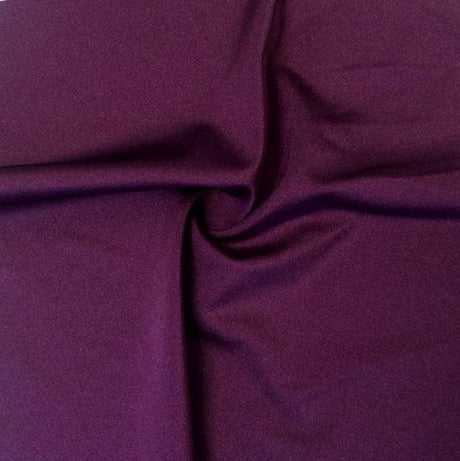
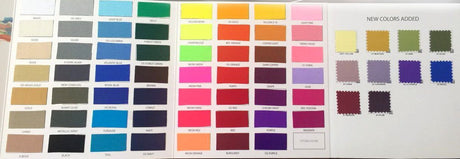
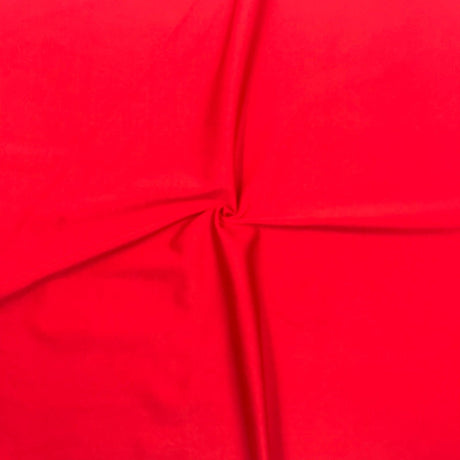
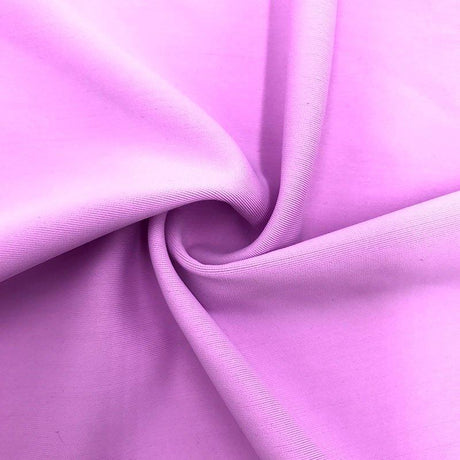
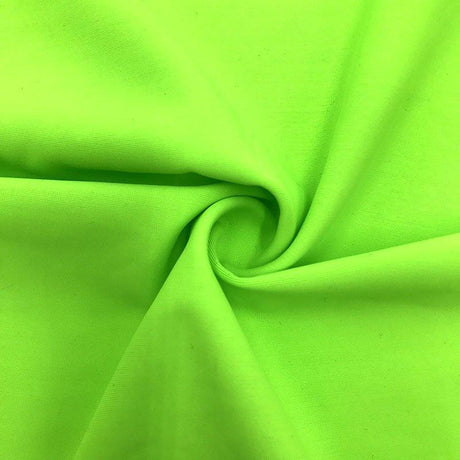
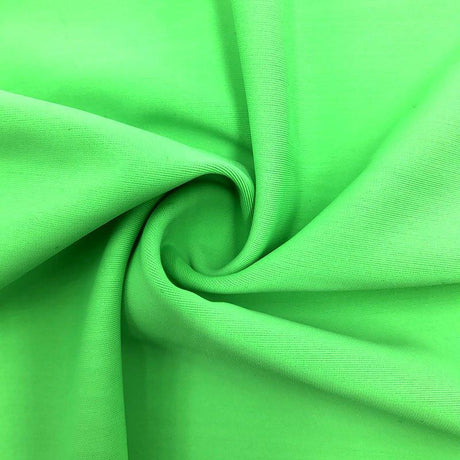
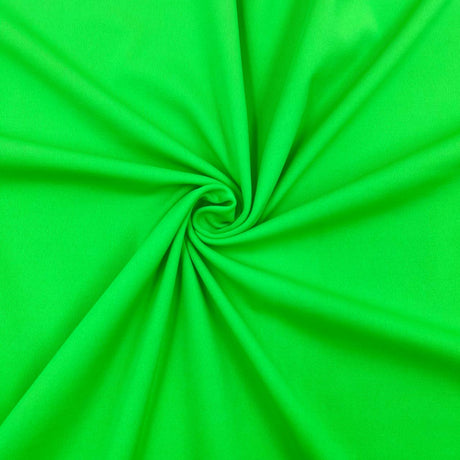
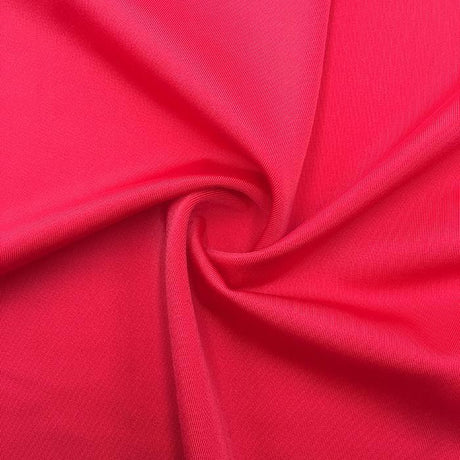
Design Creativity: Don't be afraid to get creative with spandex fabrics. They come in virtually every color and print imaginable, from neon fluorescents to animal prints to galaxy designs. For sublimation-printed spandex, our sublimation page covers how to achieve photo-real print quality on polyester-spandex fabric, and our sublimation paper and sublimation transfer paper pages cover the complete printing workflow.
Conclusion
Spandex fabric has truly changed the game in both fashion and function. This one fiber introduced comfort, fit, and freedom of movement into our clothing in a way no other material has. Its ability to make clothes form-fitting yet comfortable is unmatched, which is why it's found in everything from athletic wear to jeans to medical devices.
As you explore projects or shop for fabrics, keep an eye out for spandex in the material content. Knowing how spandex works and how it's used will help you appreciate why your clothes feel so good and how to care for them. And if you're looking to create something yourself, sourcing spandex by the yard opens up a world of creative possibilities.
Ready to get started? Use our stretch fabric types page and fabric weight guide to evaluate your options, our nylon-spandex fabric guide, cotton-spandex fabric guide, activewear fabric guide, and swimwear fabric guide for curated recommendations by fiber type and end use, and our how to sew stretch fabric guide for complete construction guidance. Our spandex care guide and fabric care guide keep every finished garment performing at its best. Have questions? Our expert help and advice page and FAQ are always available. Sign up for SpandexByYard Rewards to earn points on every purchase – happy stretching!