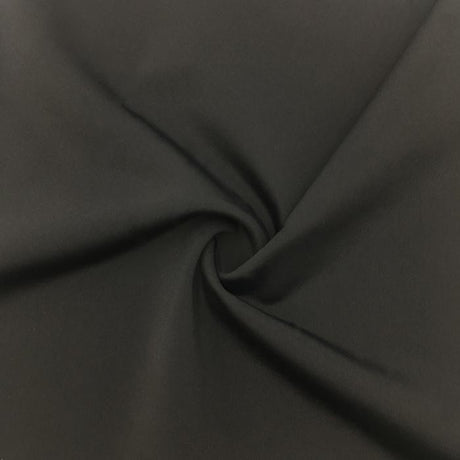
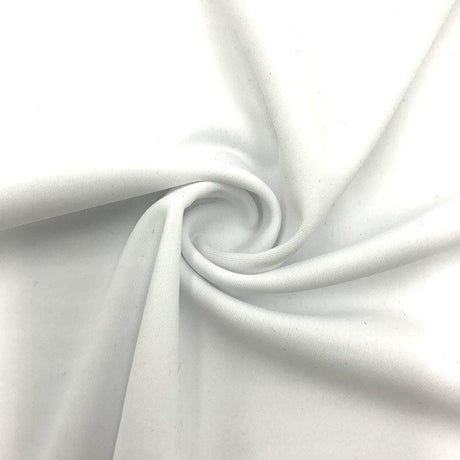
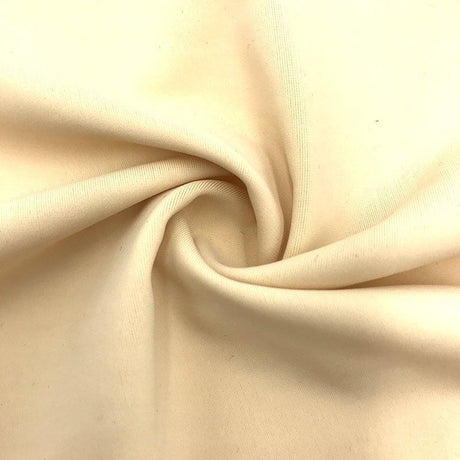
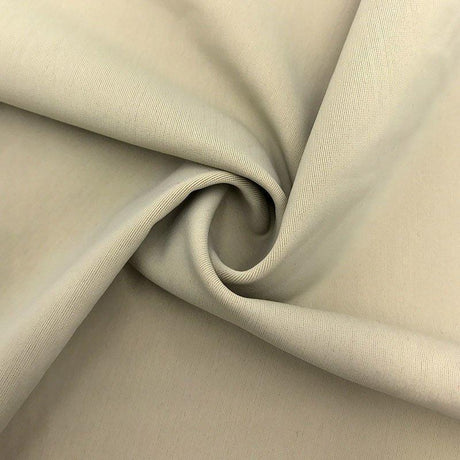
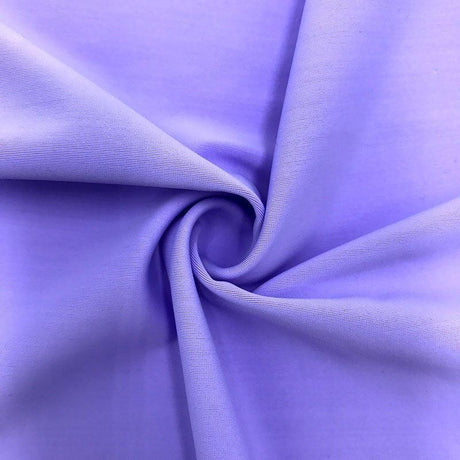
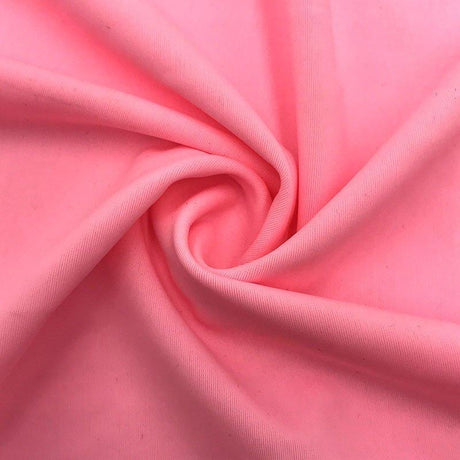
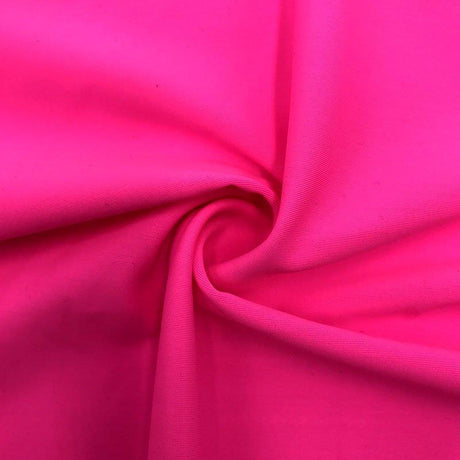
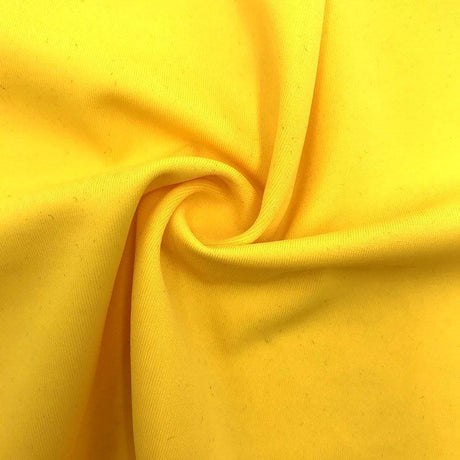
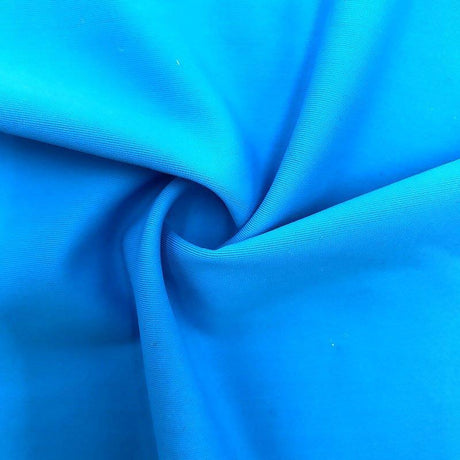
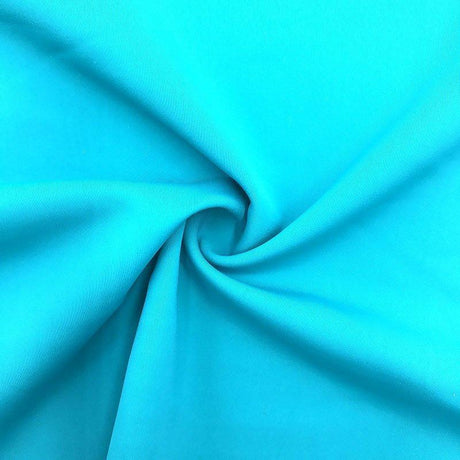
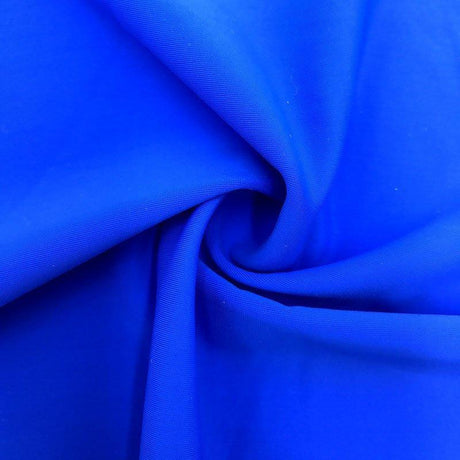
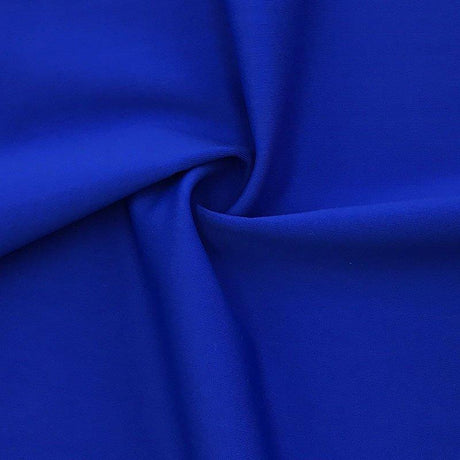
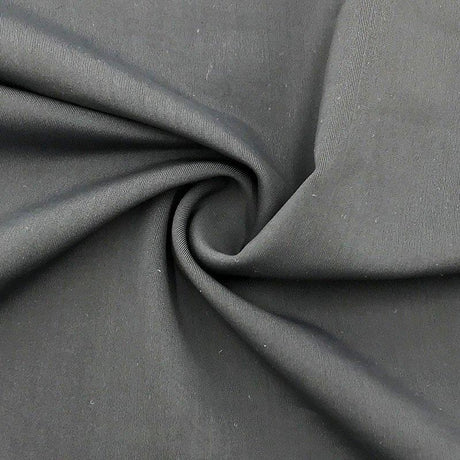
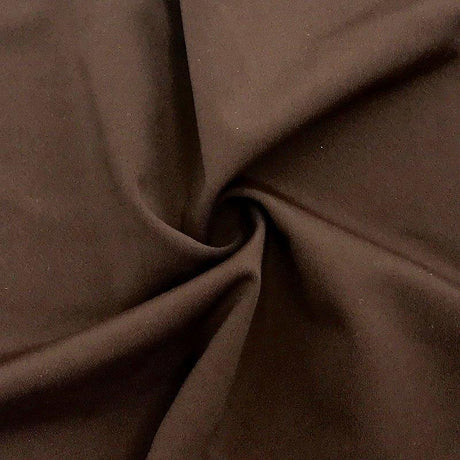
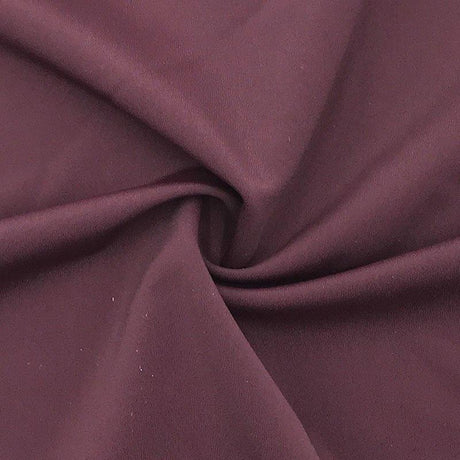
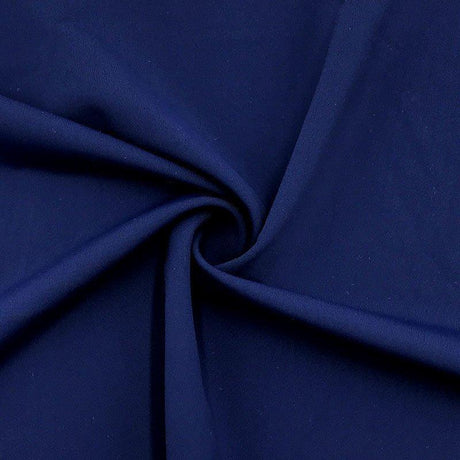
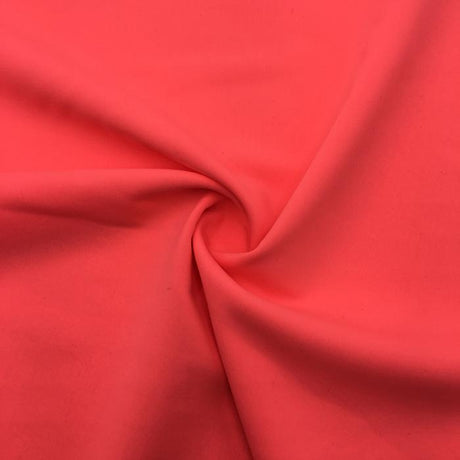
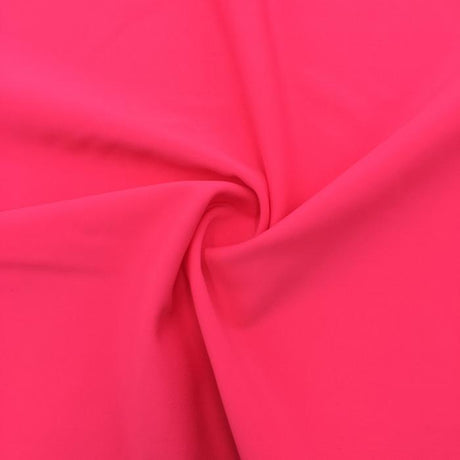
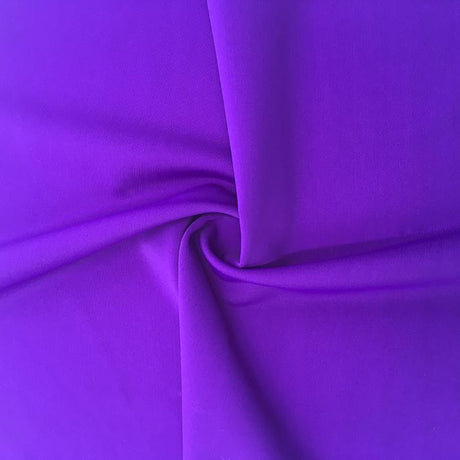
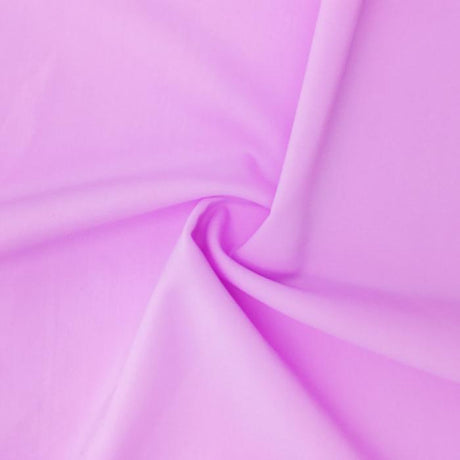
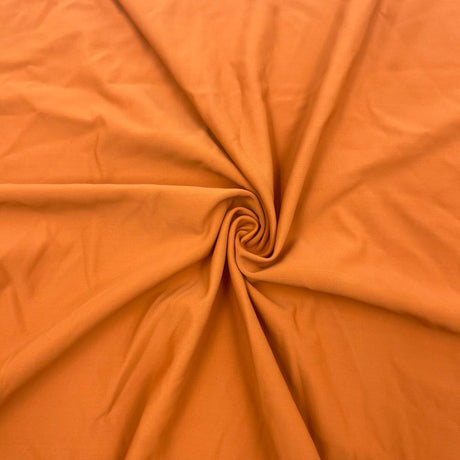
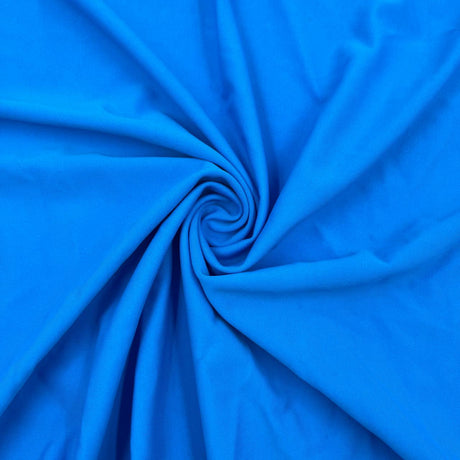
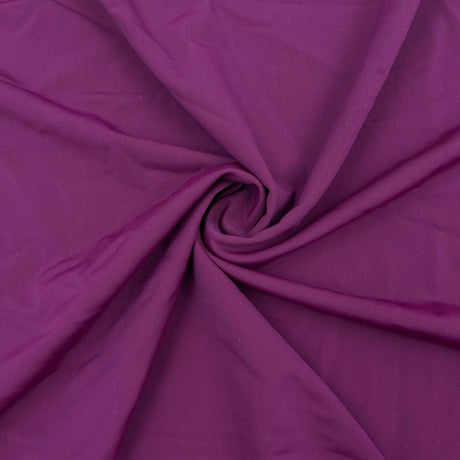
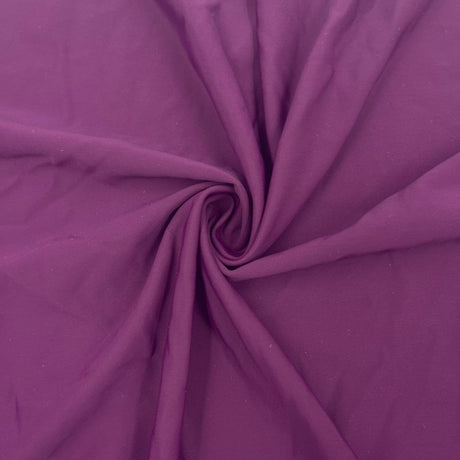
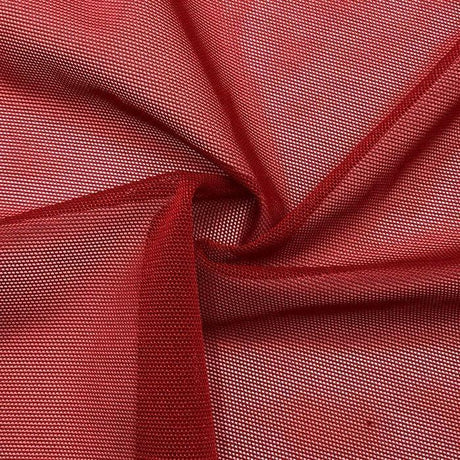
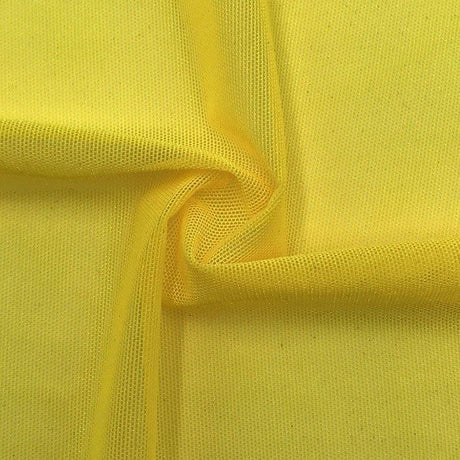
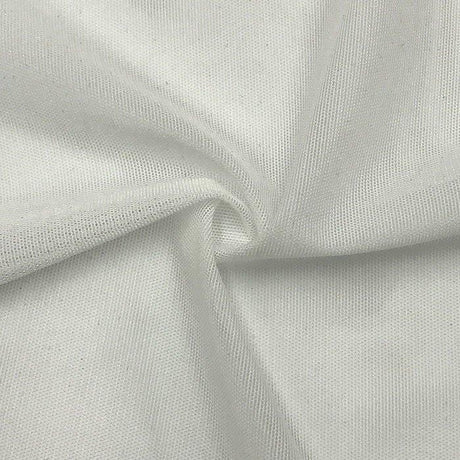
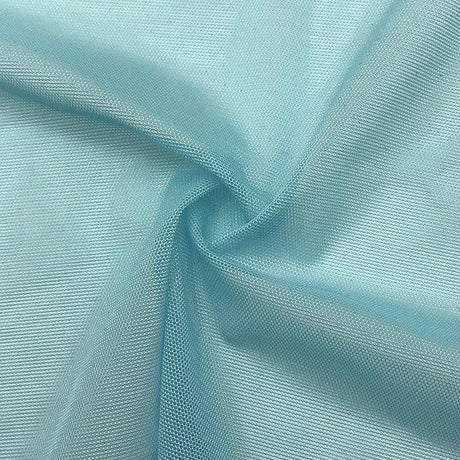
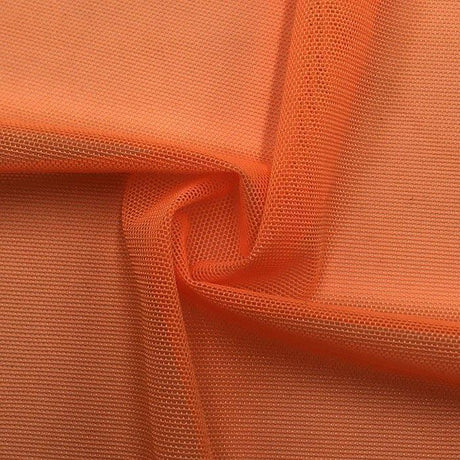
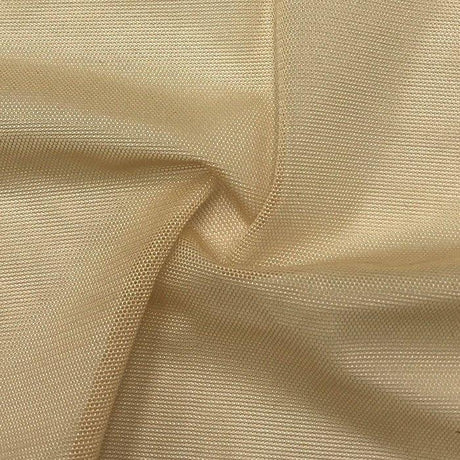
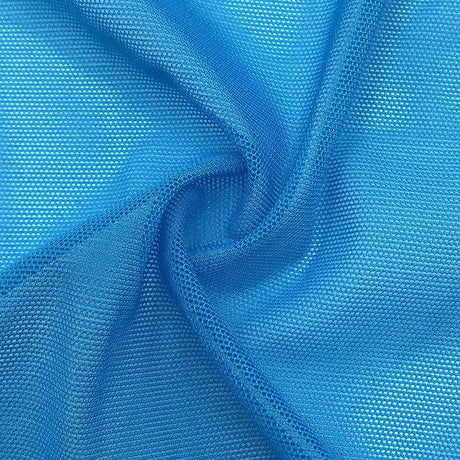
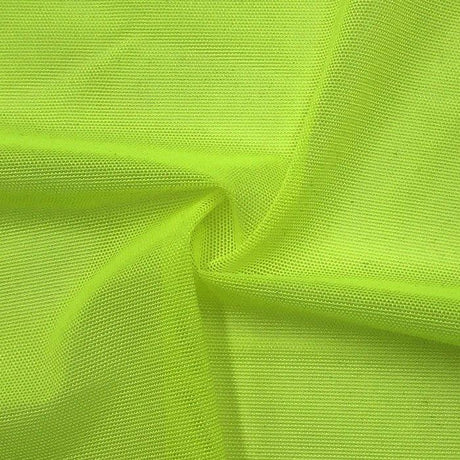
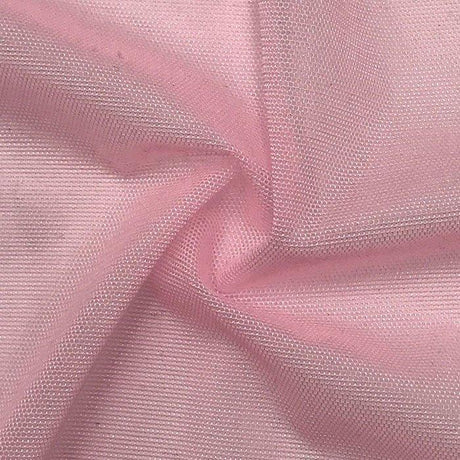
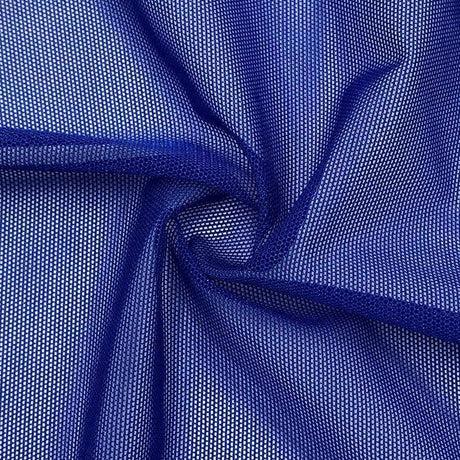
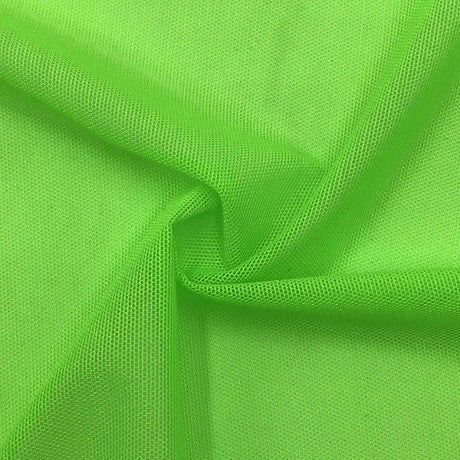
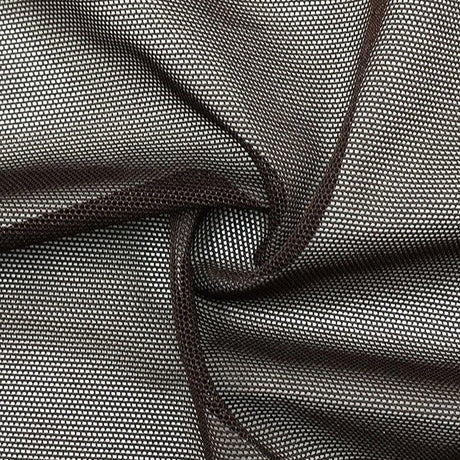
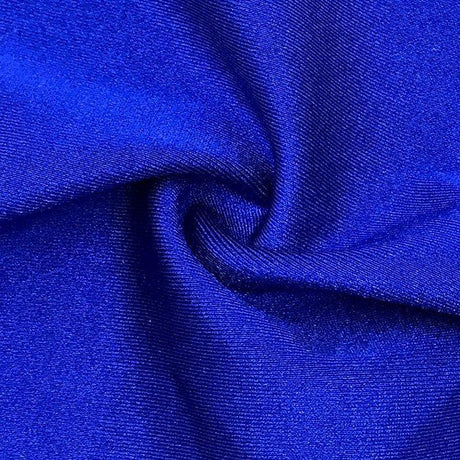
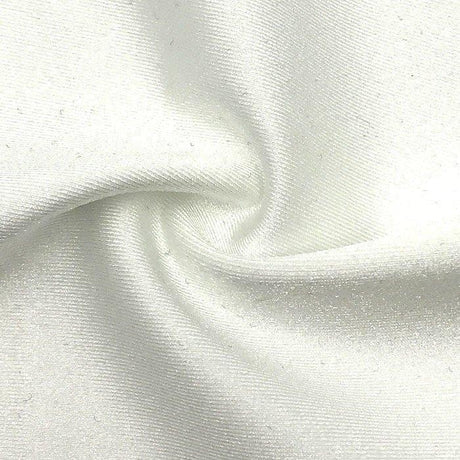
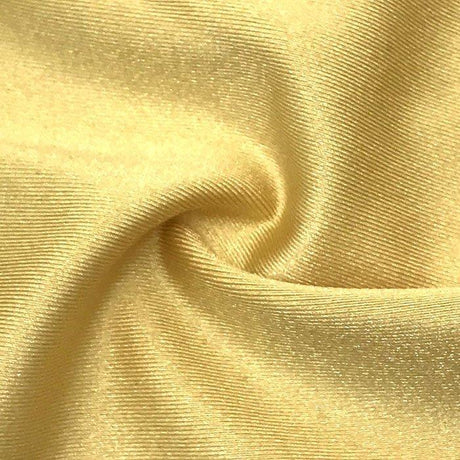
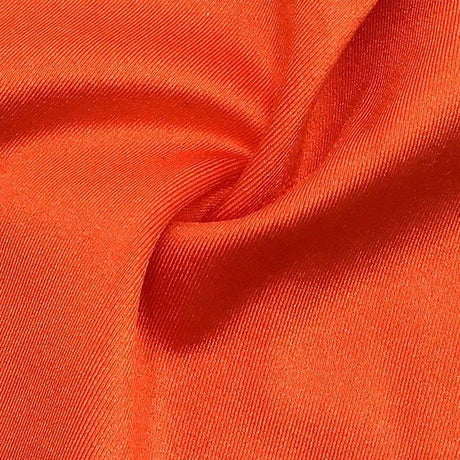
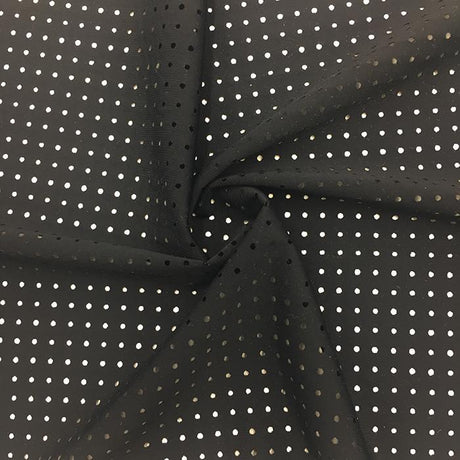
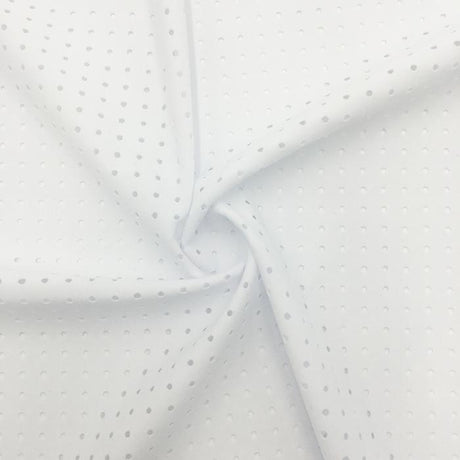
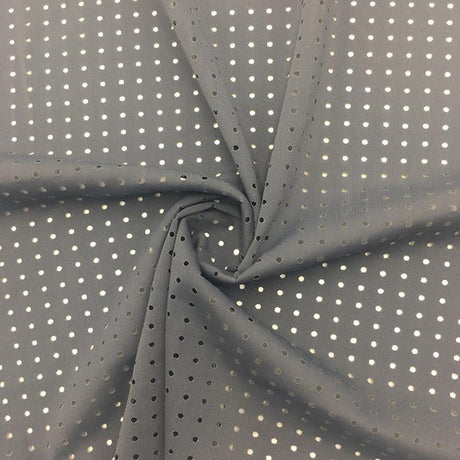
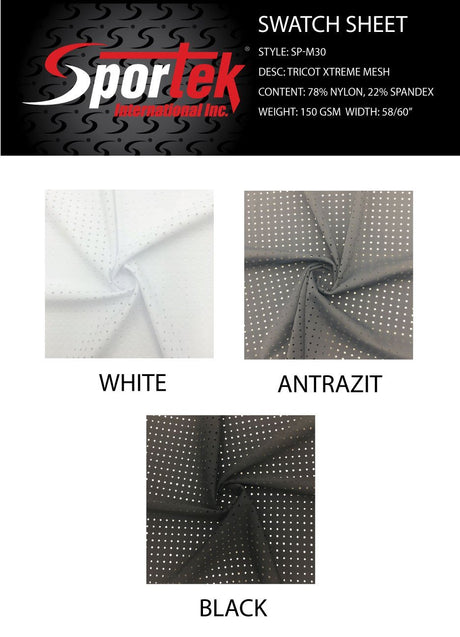
In performance apparel such as activewear and swimwear, choosing the right mesh fabric and lining can make a significant difference in comfort, support, and durability. Mesh fabrics are characterized by an open, net-like structure that provides breathability, and they are often used in sporty garments for ventilation or support. For a broader foundation on stretch fabric properties before diving in, explore our stretch fabric types page or browse our full fabric guides hub.
What is Power Mesh Fabric?
Power mesh (also called power mesh fabric or stretch mesh) is a type of mesh fabric known for its combination of flexibility and support. It is a lightweight, sheer knit material with closely spaced holes that give it a net-like appearance and high breathability. Unlike rigid netting, power mesh is engineered to have significant stretch. It is typically made from a blend of synthetic fibers (usually nylon or polyester) and elastane (spandex). A common composition is about 80–90% nylon with 10–20% spandex, though some variants use polyester instead of nylon. The added spandex provides 4-way stretch (meaning it can stretch in both width and length), which makes the fabric form-fitting and resilient. Our nylon-spandex fabric guide covers how nylon-spandex constructions achieve this combination of smooth hand feel, strength, and 4-way stretch that defines quality power mesh.
One key advantage of power mesh is its balance of stretch and recovery. The nylon-based varieties are especially prized for their ability to retain shape and not lose elasticity over time. Despite being lightweight (often around 90–100 grams per square meter) and only ~0.3 mm thick, this mesh fabric is surprisingly strong. The mesh construction not only offers strength but also ensures breathability – the tiny holes allow airflow and help moisture evaporate, keeping the wearer cooler during intense activity. Our fabric weight guide covers how GSM affects compression, support, and breathability across all common power mesh and power net constructions.
Technically, power mesh is produced through warp knitting, which gives the fabric a stable but elastic structure. After knitting, power mesh fabrics often undergo finishing processes such as dyeing and heat-setting. Some variants are treated for specific performance features – a chlorine-resistant finish for swimwear applications or a moisture-wicking treatment for athletic use. Our fabric finishes guide covers these surface treatments and how to evaluate their durability across performance mesh constructions.
Applications of Power Mesh in Activewear and Swimwear
Power mesh's unique properties make it extremely versatile in activewear and swimwear design. In activewear, you'll often find power mesh panels in sports bras, leggings, and athletic tops. In leggings and tights, power mesh inserts are popular behind the knees, along the thighs, or down the calves – these mesh panels increase airflow to cool the athlete and also add stylistic sheer details. Our activewear fabric guide covers how power mesh panels are used in compression performance and support applications across all common activewear categories.
In swimwear, power mesh is often hidden just beneath the surface, quietly doing the work of shaping and support. Many swimsuit manufacturers line their suits with power mesh to achieve "tummy control" or bust support without adding heavy, restrictive layers. The purpose of such powermesh linings is to increase the garment's support and give a slimming, figure-smoothing effect, all achieved with a fabric that still stretches four ways and molds to the body. Our swimwear fabric guide covers how power mesh and power net linings are incorporated into swimwear construction for different support and shaping applications.
Beyond conventional activewear and swimwear, power mesh shows up in dancewear, lingerie, and costumes. Dancers' costumes and gymnastics leotards often use power mesh for illusion sleeves or inserts. Our dancewear fabric guide covers power mesh applications in performance costume construction.
Power Mesh vs. Other Mesh Fabrics
Regular Stretch Mesh: This refers to lightweight mesh fabrics that have some stretch but are generally thinner and more elastic than power mesh. They drape more easily and are often used for decorative overlays or lightweight lining. The key difference is usually the thickness and firmness: true power mesh has a bit more body and recovery, whereas a standard stretch mesh might feel flimsier and have less rebound.
Power Net: Power net generally refers to a heavier, stronger mesh with a tighter knit structure. It is usually made of nylon/spandex with a higher denier yarn and often higher spandex content for firmer stretch. Power net can have higher GSM (180–220+) and very strong recovery, making it ideal for areas requiring serious support. Use power net when you need maximum support (e.g. control panels, high-support sports bras, shapewear), and use power mesh for moderate support with more comfort.
Athletic Mesh (Jersey Mesh): These are typically 100% polyester mesh fabrics with large, openly spaced holes. Athletic mesh usually has little to no stretch unless it's a newer stretch variant. Unlike power mesh, athletic mesh is not meant to hug the body or provide stretch support; instead, it allows air circulation in a relaxed silhouette.
Tulle and Other Netting: In lingerie and fashion, fabrics like bra tulle are lightweight nets that can resemble power mesh but have different stretch properties. Stable lining nets have a square hole structure and virtually no stretch at all.
In summary, power mesh fabric sits in a middle ground on the mesh spectrum. It's sturdier and more supportive than a basic stretch mesh, but more flexible and softer than a true power net. Professionals often look at the specs – GSM, stretch percentage, fiber content – to truly understand a mesh fabric's capabilities. Our fabric weight guide and stretch fabric types page cover the GSM and stretch percentage benchmarks that distinguish these different mesh constructions in practice.
Understanding Lining Fabrics in Performance Garments
For swimwear, a very common lining fabric is a nylon-spandex tricot knit, usually in a lightweight opaque form around 90–120 GSM in weight. Another swim-specific lining is Helenca lining, which is a type of high-quality warp-knit lining fabric known for a soft, silky handfeel. Helenca linings are usually 4-way stretch (around 90–100 GSM) and are favored in higher-end swimwear or designs where the lining might be reversible or visible. Our nylon-spandex fabric guide covers how nylon-spandex tricot constructions achieve the smooth hand feel, 4-way stretch, and quick-dry performance needed for quality swim linings.
In addition to nylon-based linings, some swimwear use polyester linings such as a lightweight polyester interlock knit. Polyester linings tend to be a bit thicker and more stable, and are very durable and chlorine-resistant.
In activewear, running shorts often have an integrated brief or boxer liner made of mesh or lightweight knit. Sports bras frequently have a lining layer of specialized fabric: a power mesh lining for moderate support and breathability, or a polyester lining that is treated to be moisture-wicking and anti-microbial. Many consider power mesh and power net as specialized lining fabrics in their own right, used inside garments to provide structural support.
Choosing Lining Fabrics for Swimwear & Activewear
1. Stretch Compatibility and Support Needs: A fundamental rule is to match the stretch and recovery of the lining to that of the outer fabric. A rule of thumb: use lightweight, smooth linings when you mainly need coverage, and use power mesh/power net linings when you need additional support or shaping. Our stretch fabric types page covers how to verify true 4-way stretch and compare stretch percentages when matching lining to outer fabric.
2. Moisture Wicking and Quick-Dry: Both swimmers and athletes benefit from linings that don't get soggy or clammy. Nylon-spandex linings in swimwear are also quite quick to dry once out of the water. Our activewear fabric guide covers moisture-wicking ratings across all common lining fabric constructions for athletic applications.
3. Anti-Microbial and Odor Control: Some high-performance linings are treated with antimicrobial finishes or knitted with yarns that have inherent antibacterial properties. Fabrics that wick and dry quickly inherently help with odor too. Our spandex care guide covers why prompt rinsing and proper drying after each use are essential for preventing bacterial degradation in all stretch lining fabrics.
4. Chlorine and Salt Resistance (for Swim Linings): Chlorine is notoriously harsh on spandex/elastane fibers. A chlorine-resistant lining will last longer in a swimsuit that's used frequently in pools. Our swimwear fabric guide covers chlorine resistance ratings and post-swim care protocols that apply equally to outer swim fabrics and their linings.
5. Comfort and Skin Feel: The lining is what actually touches the skin, so its texture matters. Many swimsuits "bag" the lining so that the wearer only feels smooth fabric inside. Our how to sew stretch fabric guide covers the bagging, basting, and seam finishing techniques used to integrate linings cleanly into swimwear and activewear construction.
Summary tips for selecting linings:
- Match stretch to the outer fabric: A lining should have equal or greater stretch than the shell fabric so it doesn't restrict movement
- Use power mesh/power net for support zones: When a design calls for shaping (e.g. bust support, tummy control), incorporate a layer of power mesh or power net in that area
- Opt for lighter linings if support isn't needed: For purely aesthetic lining, a lightweight tricot or self-fabric lining can be used so as not to add bulk
- Ensure moisture management for activewear: Pick linings labeled as moisture-wicking and, if possible, with anti-microbial properties
- Consider the end-use environment: Chlorine-resistant linings for pool swimwear, or very soft linings for garments worn for extended periods
Technical Considerations for Designers and Textile Professionals
Fabric Weight (GSM) and Thickness: Power mesh fabrics come in different weights. A lighter power mesh may be around 80–100 GSM, whereas heavier power meshes or power nets can be 150 GSM or above, offering much firmer hold. Our fabric weight guide provides a full breakdown of how GSM affects compression, opacity, and support across all common mesh and lining constructions.
Elasticity and Recovery: Power mesh is known for having a firm stretch and high recovery. The elastane content (usually 10–20%) is a big factor here. The orientation of the pattern pieces on the mesh is also considered: a designer might align the greatest stretch horizontally around the body. Our stretch fabric types page covers how to measure and compare stretch percentages and recovery ratings when evaluating power mesh and lining fabric samples.
Layering and Panel Construction: A full lining with a lightweight tricot can give a swimsuit a uniform feel on the inside and prevent any see-through, whereas targeted power mesh panels can be placed only in certain zones. Our how to sew stretch fabric guide covers panel layering techniques, including how to align stretch direction and maintain consistent tension when sewing through multiple stretch fabric layers.
Construction Methods (Seams & Stitching): A key tip is to use a ballpoint (stretch) needle when sewing power mesh. For seams, a zigzag stitch or serger/overlock stitch is recommended. When finishing edges of mesh fabric, methods include binding with stretch binding (fold-over elastic) or hemming with a fine zigzag.
Industry Standards and Quality Certifications: Many swimwear and activewear fabrics (including meshes and linings) are certified under OEKO-TEX® Standard 100, which confirms that the textile contains no harmful substances in levels that could affect human health. Some performance linings might also be bluesign® approved or made from recycled fibers certified by Global Recycled Standard. Our fabric guides hub covers GRS and OEKO-TEX certifications and what to look for when evaluating supplier claims for certified performance mesh and lining fabrics.
Conclusion
Understanding the nuances of power mesh and lining fabrics is essential for anyone designing or producing activewear and swimwear. Power mesh brings in that rare combination of stretch, strength, and airiness that can transform how a garment supports the body, while thoughtfully chosen lining fabrics ensure comfort, longevity, and performance.
Ready to find the right mesh and lining fabrics for your next project? Use our fabric weight guide and stretch fabric types page to evaluate technical specifications, our nylon-spandex fabric guide for full performance profiles of nylon-spandex constructions used in lining applications, and our activewear fabric guide and swimwear fabric guide for end-use specific recommendations. Our how to sew stretch fabric guide covers all construction techniques for power mesh and lining integration. Our spandex care guide and fabric care guide keep every finished garment performing at its best. Have questions? Our expert help and advice page and FAQ are always available. Sign up for SpandexByYard Rewards to earn points on every purchase – because the right mesh and lining are what make a great performance garment truly great.