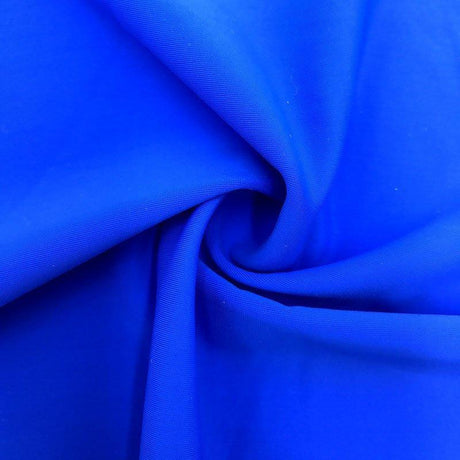
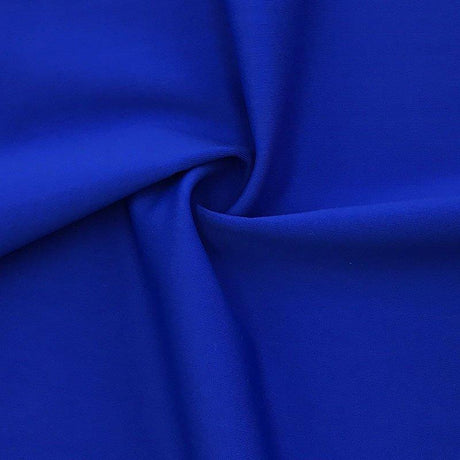
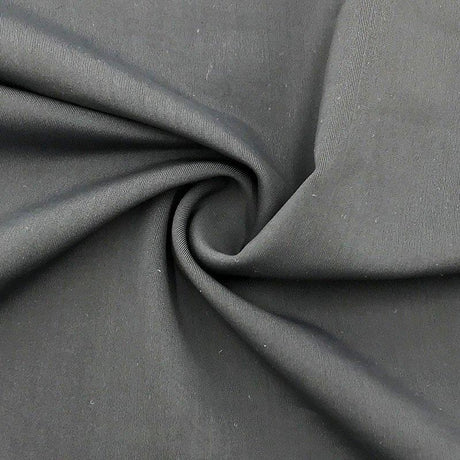
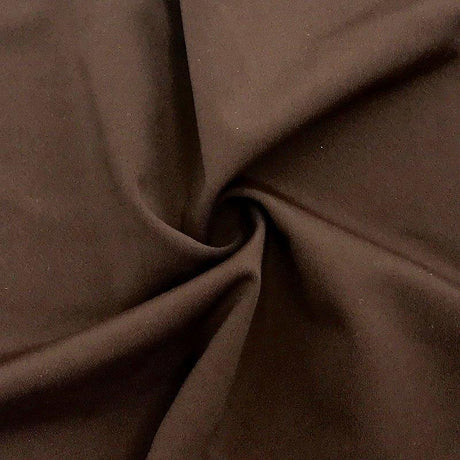
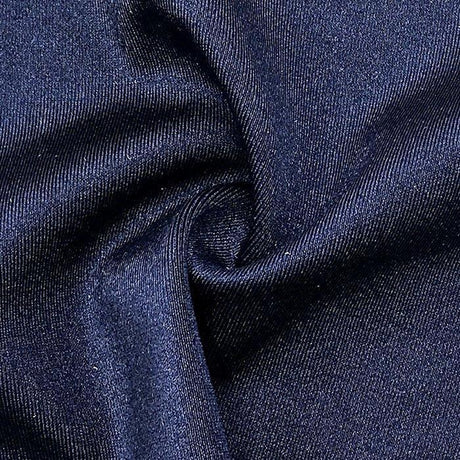
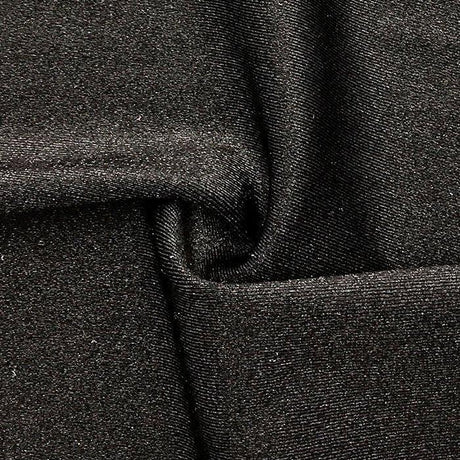
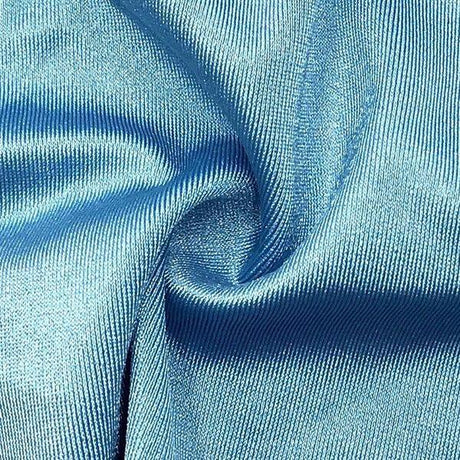
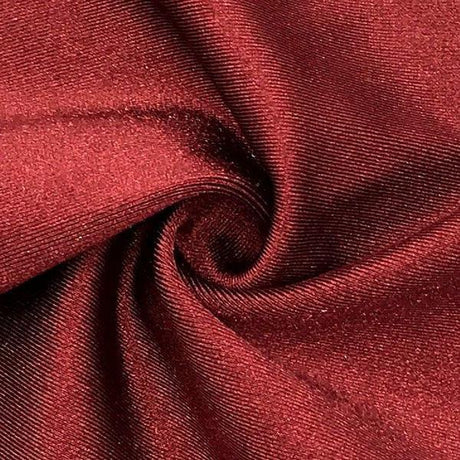
Spandex is a paradox of modern life. It's the invisible hero that gives us freedom of movement, the supportive core of our favorite activewear, and the secret to a perfect, form-fitting silhouette. However, as a petroleum-based synthetic fiber, its production is inextricably linked to a host of environmental challenges, from fossil fuel dependency to textile waste that lasts for centuries.
In an industry where "sustainability" is a powerful but often vague marketing term, the responsibility to make a real difference falls squarely on the shoulders of fabric manufacturers. A manufacturer's commitment to sustainability is no longer a niche value proposition; it is a fundamental requirement for the future of the textile industry. For a broader foundation before diving in, explore our fabric guides hub or our activewear fabric guide to understand the performance fabrics at the center of this conversation.
The Environmental Footprint of Traditional Spandex Production
The journey of spandex, from a raw polymer to a finished fabric, is a complex industrial process. Each step, if not managed responsibly, can leave a significant environmental footprint.
1. Raw Material Extraction and Fossil Fuel Dependency
Spandex is a synthetic fiber, a type of polyurethane, derived from petrochemicals. This means its production is directly dependent on fossil fuels, contributing to greenhouse gas emissions and the depletion of finite resources. Our nylon-spandex fabric guide covers how nylon-spandex constructions are engineered – and why the shift to recycled alternatives is so significant at the raw material level.
2. Water and Energy Consumption
The manufacturing process for both spandex yarn and the fabrics it's blended into is highly intensive in its use of water and energy. The dyeing and finishing of textiles are notoriously water-intensive and often involve chemicals that can be harmful if not treated properly. Untreated wastewater from these facilities can contaminate rivers and local water sources, harming ecosystems and human health. Our fabric finishes guide covers the dyeing and finishing treatments applied to performance fabrics and how responsible manufacturers are managing the chemicals involved.
3. Chemical Use and Pollution
A vast array of chemicals is used throughout the spandex fabric production process, from polymerization to dyeing and finishing. The dry-spinning method used to create spandex yarn can release volatile organic compounds (VOCs) into the atmosphere. Traditional dyeing processes can use heavy metals and other toxic chemicals that can end up in wastewater. Additionally, synthetic fibers shed microplastics during production, washing, and disposal, eventually making their way into our oceans and food chain.
4. End-of-Life: The Textile Waste Crisis
This is arguably the most significant environmental challenge. A traditional spandex garment, made from a petroleum-based plastic, is not biodegradable. When it ends up in a landfill, it can take hundreds of years to break down. The problem is compounded by the fact that spandex is always blended with other fibers, making the garment incredibly difficult to recycle through conventional methods. This creates a massive amount of mixed textile waste that contributes to the global waste crisis. Our spandex care guide covers how extending garment lifespan through proper care is one of the most impactful things consumers can do to reduce this waste.
The Manufacturer's Response: A Shift Toward Sustainable Innovation
Leading spandex fabric manufacturers are no longer content with the status quo. They are investing heavily in research, technology, and certifications to minimize their environmental footprint. Their efforts can be categorized into four key areas.
1. Sustainable Raw Materials: Breaking Free from Fossil Fuels
The most fundamental shift is moving away from virgin, petroleum-based materials. Manufacturers are adopting two primary strategies:
Recycled Spandex and Blends: Manufacturers are developing technologies to recycle spandex manufacturing waste (pre-consumer waste) and, in some cases, post-consumer waste. This waste is broken down, purified, and re-spun into new spandex fibers, reducing the demand for new petroleum, conserving energy, and diverting textile waste from landfills. The Global Recycled Standard (GRS) is the key certification that provides third-party verification for a product's recycled content and a transparent supply chain. Products like Lycra® EcoMade and creora® regen are leading the charge, offering high-performance spandex made from reclaimed waste. Our stretch fabric types page covers how recycled spandex-blend constructions compare to their virgin counterparts in stretch, recovery, and performance.
Bio-Based Spandex: A cutting-edge innovation where a portion of the petroleum-based ingredients are replaced with renewable, plant-based materials like corn or sugarcane. This significantly reduces the fabric's carbon footprint and dependence on finite fossil fuels. Products like creora® bio-based are leading examples.
2. Eco-Friendly Production Processes: Reducing Pollution and Waste
Responsible manufacturers are overhauling their production lines to be more efficient and less harmful to the environment.
Water Management: Manufacturers are investing in closed-loop water systems and advanced wastewater treatment plants that filter and recycle water, dramatically reducing water consumption and preventing pollution.
Energy Efficiency: Companies are upgrading to energy-efficient machinery, installing LED lighting, and exploring renewable energy sources like solar panels to reduce their carbon footprint.
Waste Reduction: Manufacturers are implementing advanced cutting technologies to minimize fabric waste from cutting and trimmings, and are actively finding ways to use or recycle production waste rather than sending it to a landfill.
3. Chemical Management and Human Safety: A Healthier Product for All
The OEKO-TEX® STANDARD 100 certification is a hallmark of a manufacturer's commitment to consumer safety and a less toxic production process. Manufacturers who are OEKO-TEX® certified adhere to a rigorous testing process that ensures their fabrics are free from over 350 harmful substances. This not only protects the consumer but also creates a safer working environment for factory employees. Our fabric finishes guide covers the full range of surface treatments and finishing chemicals applied to performance fabrics and how OEKO-TEX® certification governs their safety standards.
4. End-of-Life Solutions: Tackling the Textile Waste Crisis
Biodegradable Spandex: A revolutionary solution where the spandex is engineered to break down in specific environments, addressing the long-term landfill burden of synthetic textiles.
Education and Collaboration: Manufacturers are collaborating with brands and consumers to create a more circular system. This includes encouraging brands to design for recyclability and educating consumers on proper disposal and recycling programs. Our fabric care guide and spandex care guide cover the care practices that extend garment lifespan and reduce the frequency with which activewear ends up in the waste stream.
What to Look for: The Signs of a Responsible Spandex Manufacturer
For consumers, discerning a genuinely sustainable manufacturer from a "green-washed" one can be difficult. The key is to look for tangible evidence of their commitment.
Certifications are Non-Negotiable: Look for OEKO-TEX® STANDARD 100 for human safety and the Global Recycled Standard (GRS) for sustainability. These third-party certifications are proof, not just a claim. Understanding the stretch fabric types these certifications apply to helps you shop more confidently – our stretch fabric types page covers how different spandex-blend constructions are identified and labeled.
Transparency and Traceability: A responsible manufacturer will be transparent about their supply chain, from the source of their recycled materials to their production facilities.
Innovative Products: Look for products that are explicitly branded as sustainable, such as Lycra® EcoMade or creora® bio-based. These are signs that the manufacturer is actively investing in and commercializing sustainable solutions.
Company Mission and Values: Research the company. Do they have a clear mission statement on sustainability? Are they part of industry initiatives for a cleaner textile industry? Our how to choose fabric guide covers how to evaluate sustainability credentials alongside technical specifications when sourcing fabrics for any project.
Frequently Asked Questions (FAQ)
Q1: Is it more expensive for manufacturers to be sustainable? Initially, yes. The cost of investing in new, energy-efficient technology, advanced water treatment plants, and sourcing recycled materials can be higher. However, these investments often lead to long-term cost savings through increased efficiency and reduced waste.
Q2: How do manufacturers ensure their recycled spandex is of high quality? They use a rigorous quality control process. The recycled waste is carefully sorted and purified before being re-spun into yarn. The final yarn is then tested for consistency, strength, and elasticity to ensure it meets the same high-performance standards as virgin spandex. Our nylon-spandex fabric guide covers how recycled nylon-spandex blends compare to virgin constructions in stretch, recovery, and durability.
Q3: Are there any trade-offs in performance with sustainable spandex fabrics? No. The goal of leading manufacturers is to create sustainable spandex that performs on par with, or even better than, its traditional counterparts. The latest innovations in recycled and bio-based spandex offer the same stretch, recovery, and durability you expect from a premium fabric. Our activewear fabric guide covers how certified recycled performance fabrics compare to standard constructions across key performance metrics.
Q4: How can a small brand or home sewer support these manufacturers? You can directly support them by sourcing fabrics that are explicitly certified. Look for fabrics that are labeled OEKO-TEX® and/or GRS. By choosing these fabrics, you are sending a clear signal to the market that sustainability is a priority. Our how to choose fabric guide walks through how to evaluate certifications alongside stretch percentage, weight, and end-use requirements when selecting fabric for any project.
For additional questions about certified fabric options, sourcing, or specifications, our expert help and advice page connects you with knowledgeable staff, and our FAQ page answers common questions about ordering and fabric specifications.
Conclusion
The spandex fabric manufacturer's role in environmental sustainability is both complex and profound. They are the essential link in the supply chain that has the power to transform the industry from a linear, resource-depleting model to a circular, regenerative one. By addressing the critical challenges of fossil fuel dependency, water pollution, and textile waste, a new generation of manufacturers is creating innovative solutions.
From developing high-performance recycled spandex to investing in cleaner production processes and championing third-party certifications, these companies are driving a future where the activewear we love doesn't come at the expense of our planet. As consumers, our power lies in our choices. By looking for tangible signs of responsibility – like the OEKO-TEX® and GRS labels – we can support these pioneers and help build a more transparent, ethical, and sustainable future for textiles.
Ready to explore a world of responsibly-made fabrics? Explore our activewear fabric guide for certified performance fabric recommendations, use our how to choose fabric guide to evaluate sustainability credentials alongside technical specifications, and keep our spandex care guide and fabric care guide handy to extend the life of every garment you own. Sign up for SpandexByYard Rewards to earn points on every purchase – because choosing responsibly made fabric is the first step toward a more sustainable wardrobe.