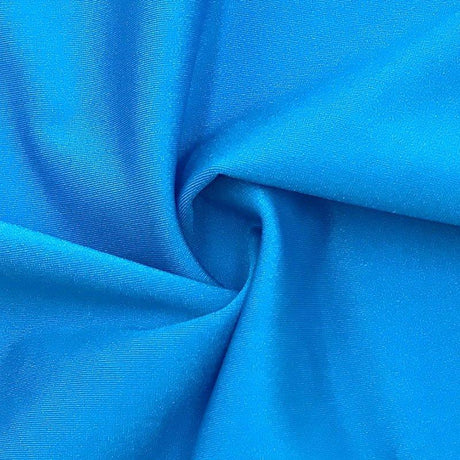
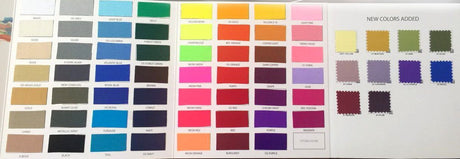
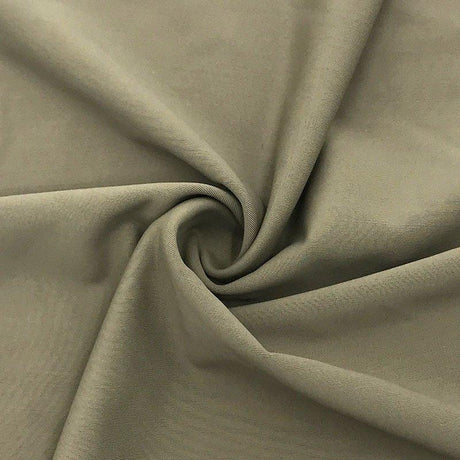
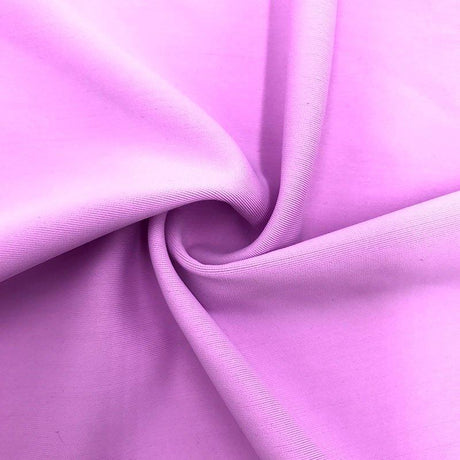
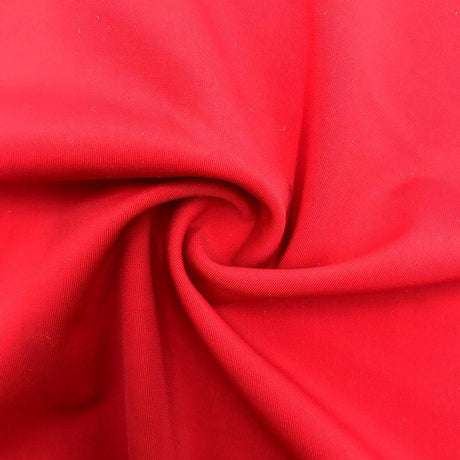
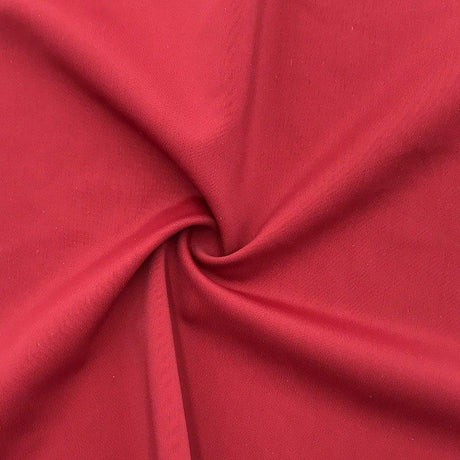
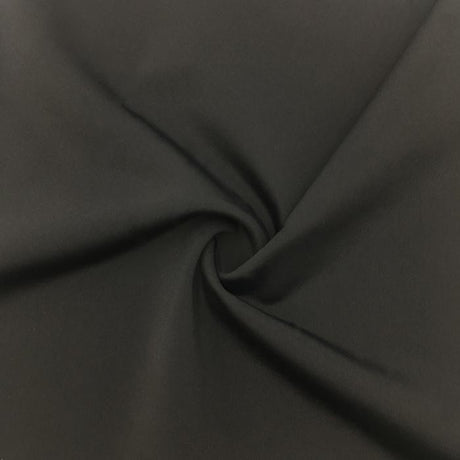
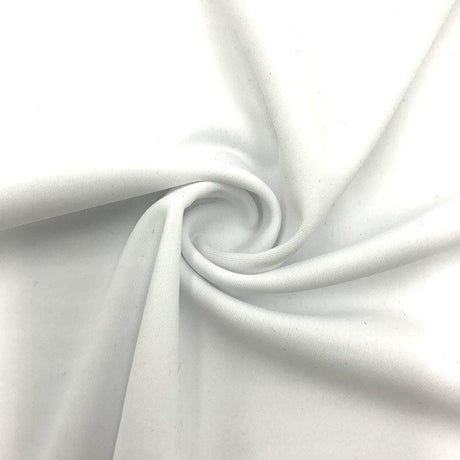
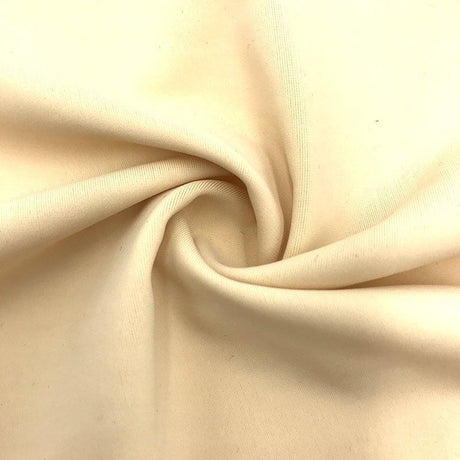
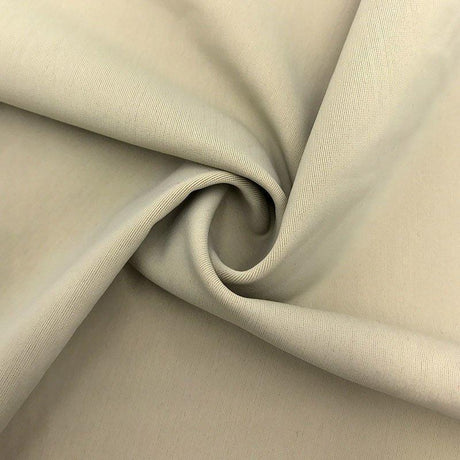
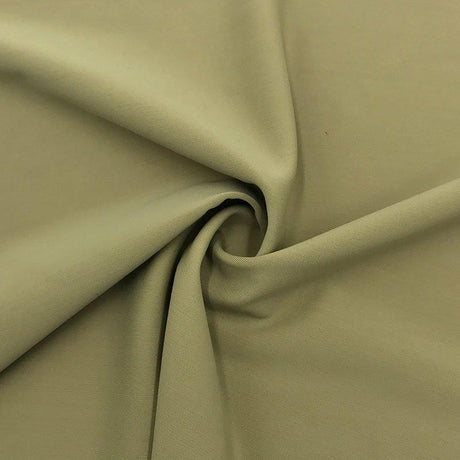
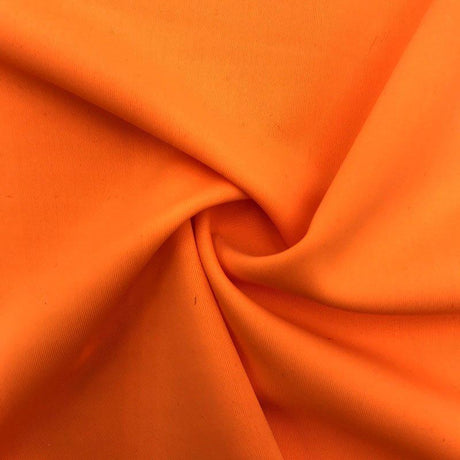
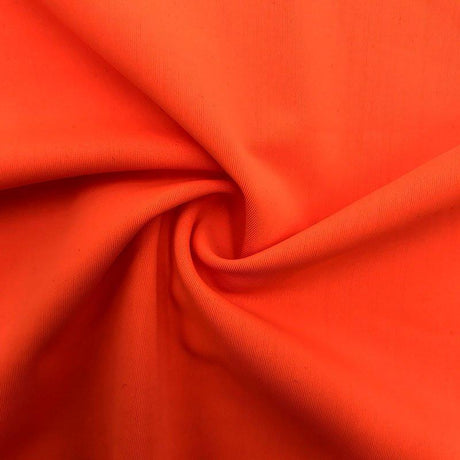
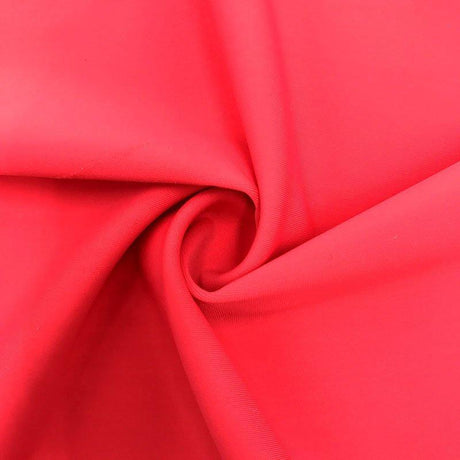
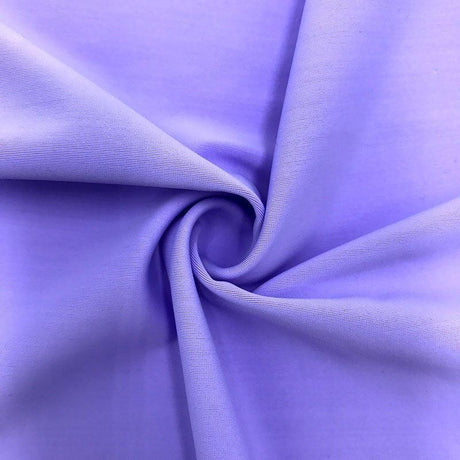
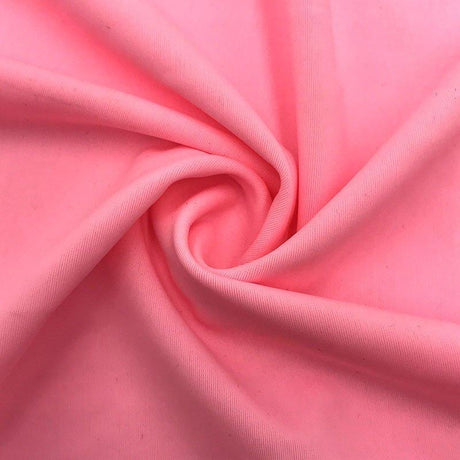
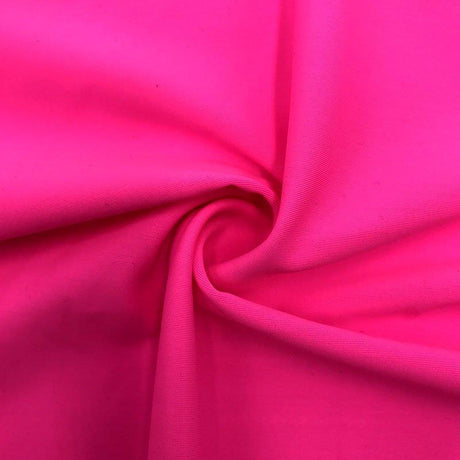
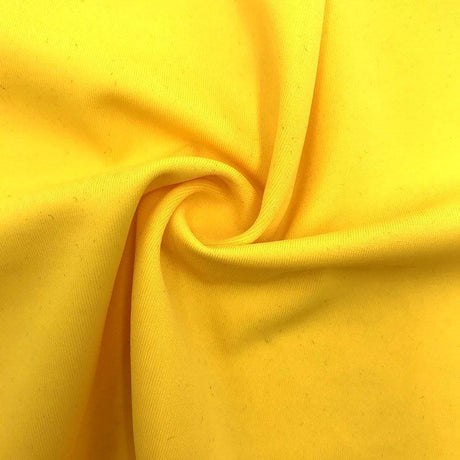
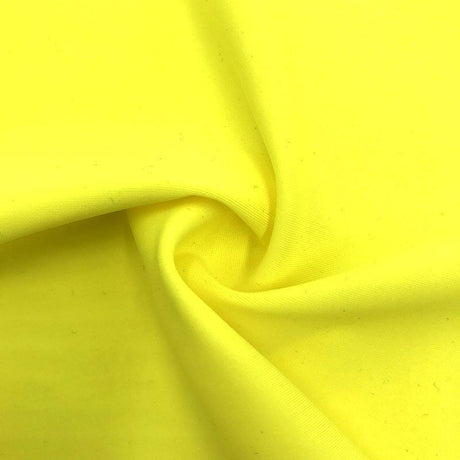
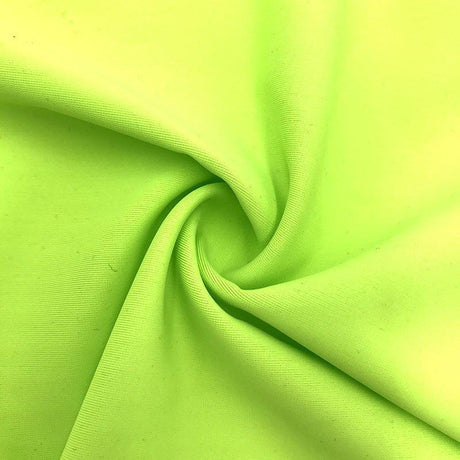
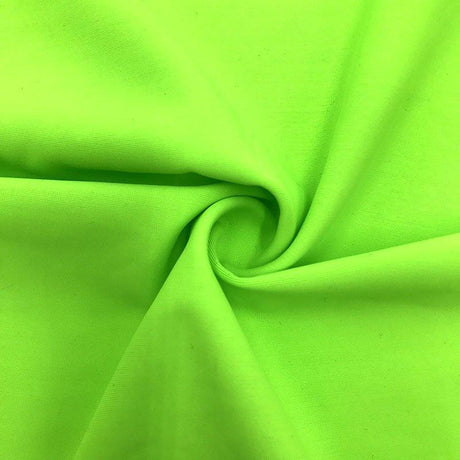
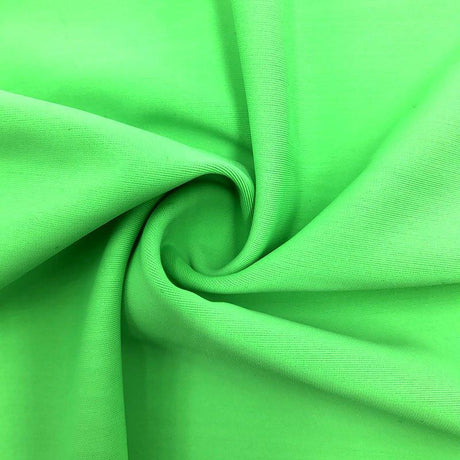
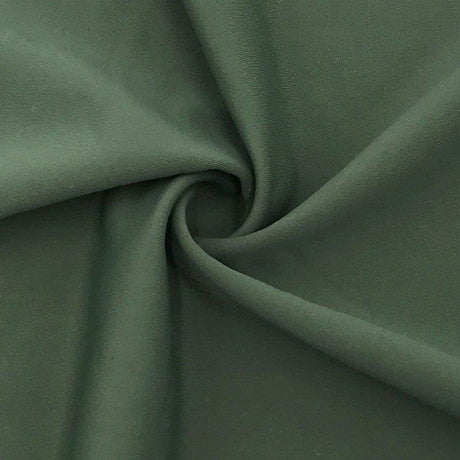
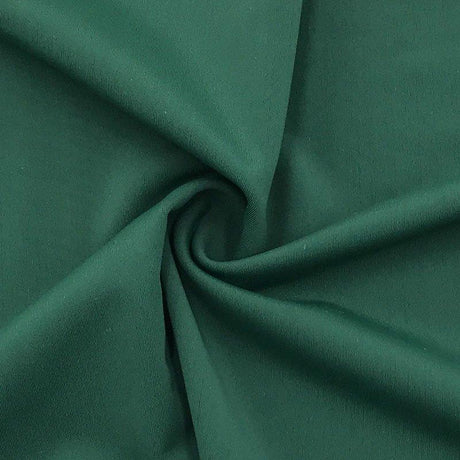
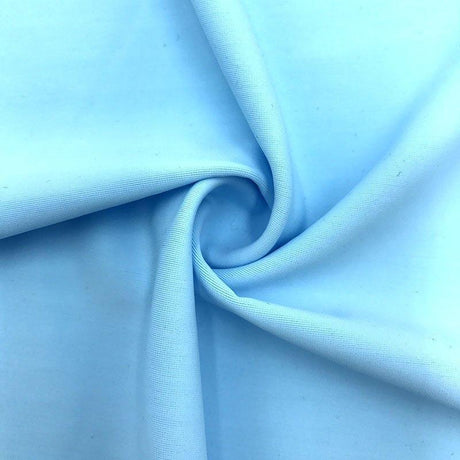
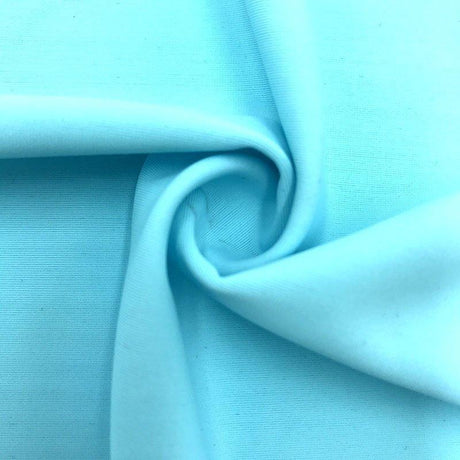
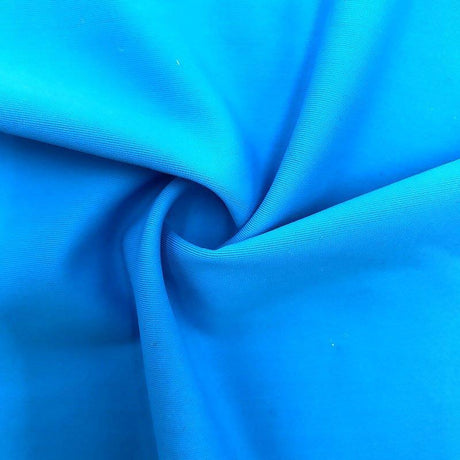
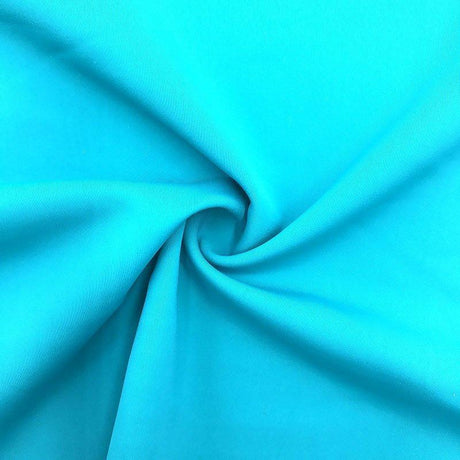
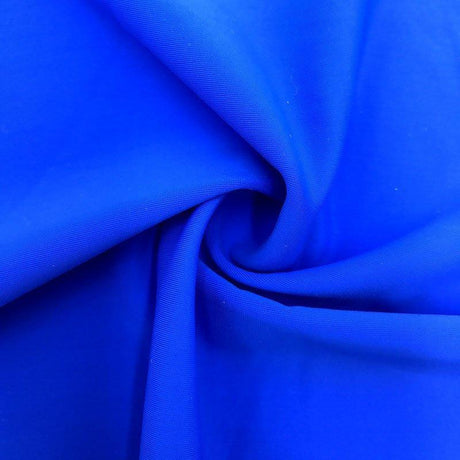
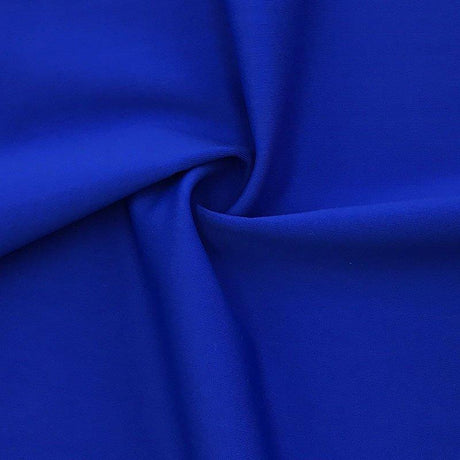
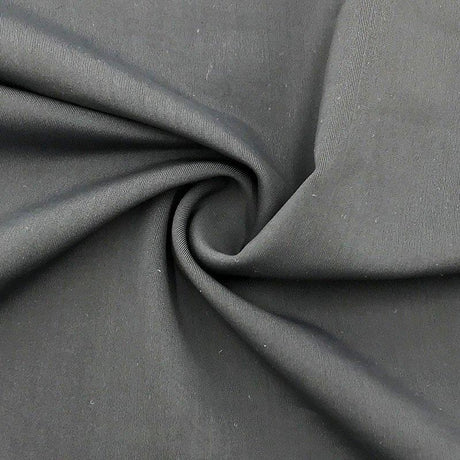
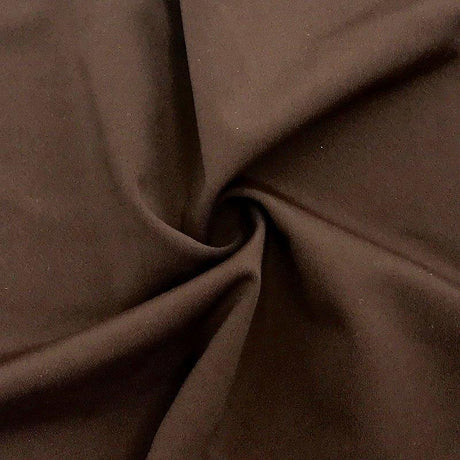
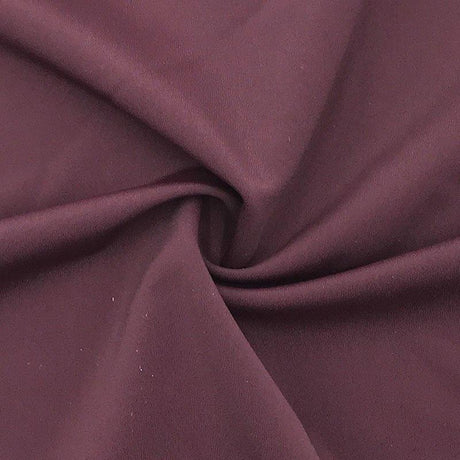
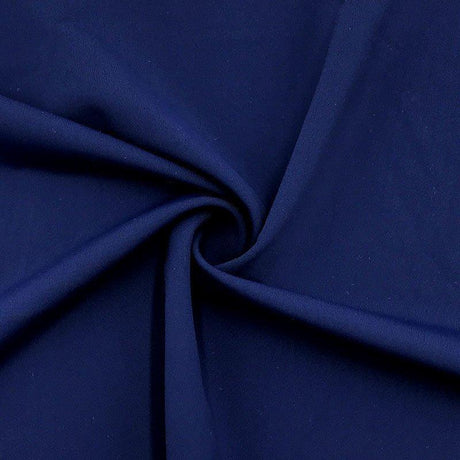
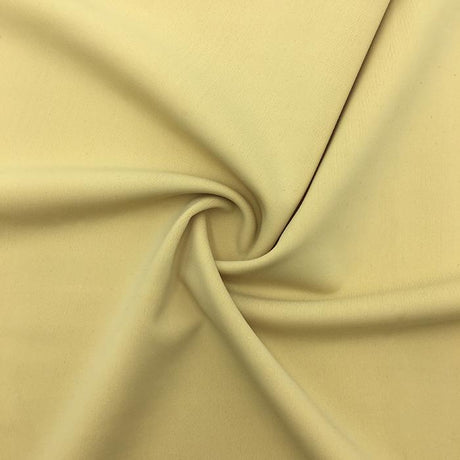
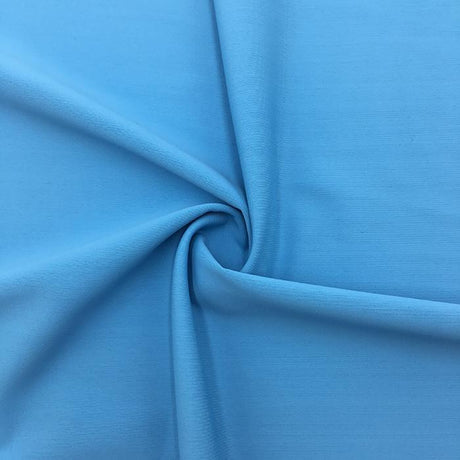
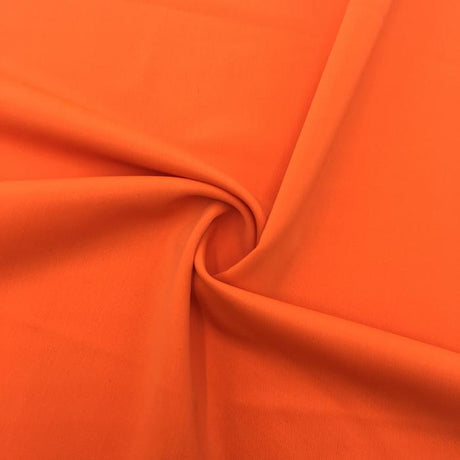
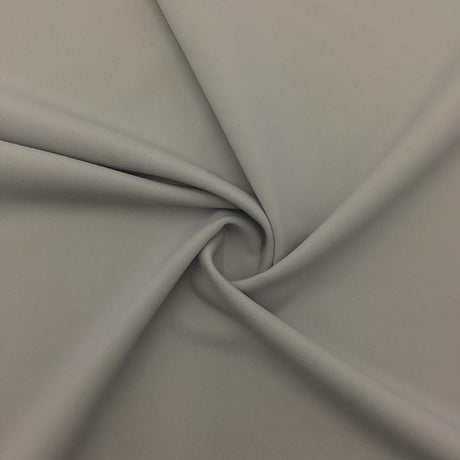
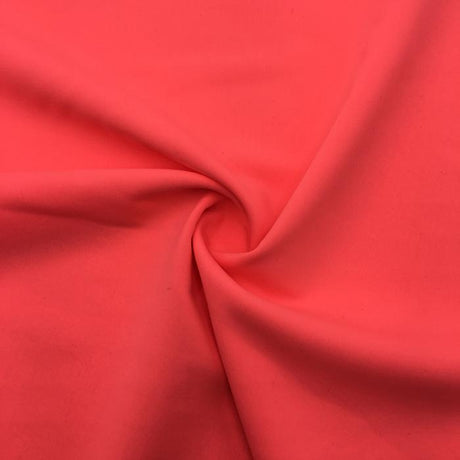
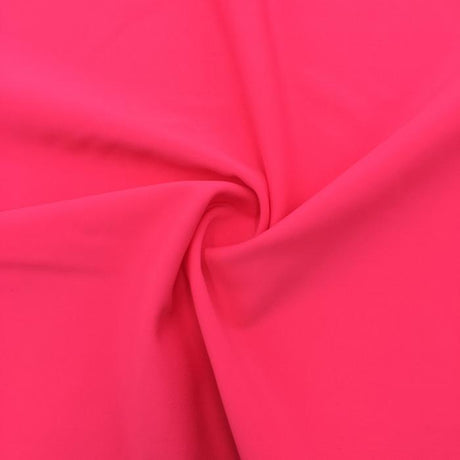
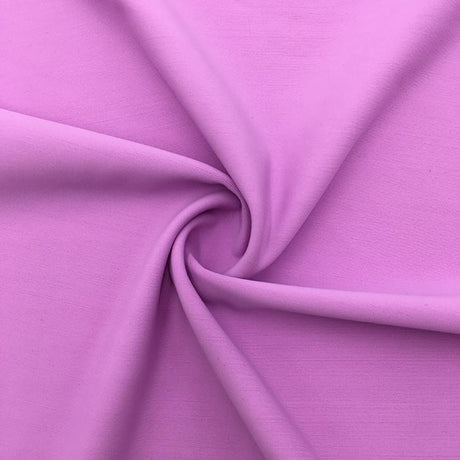
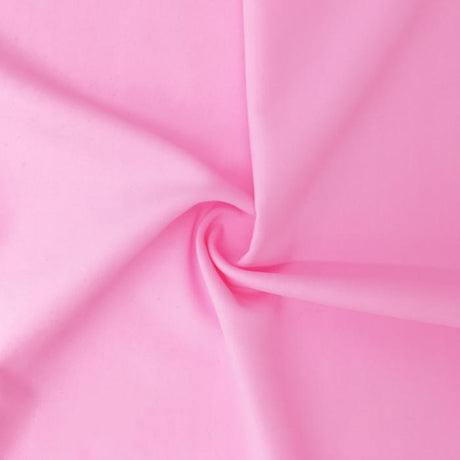
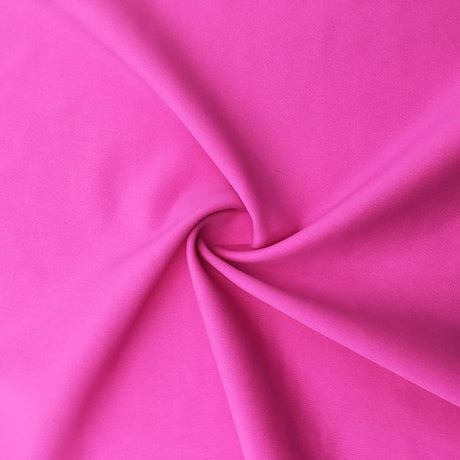
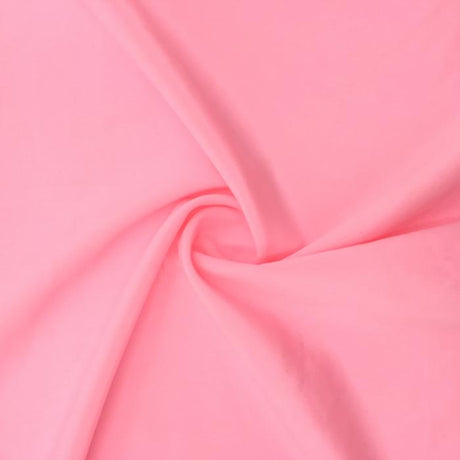
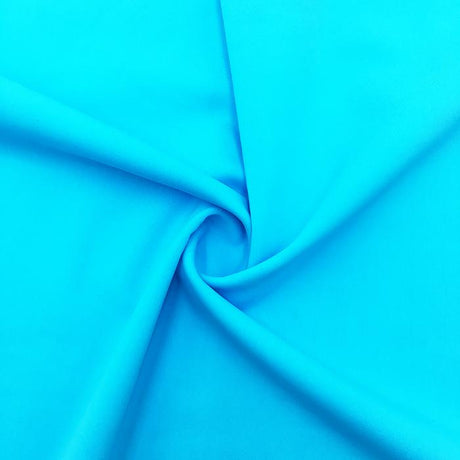
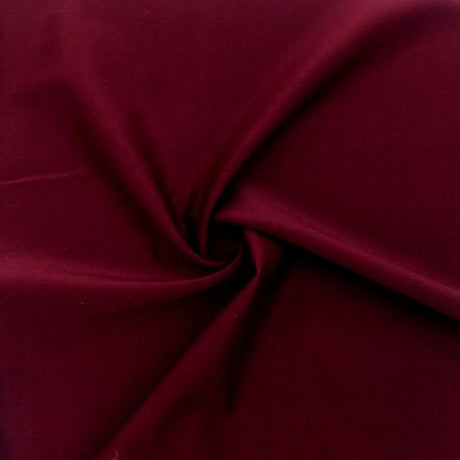
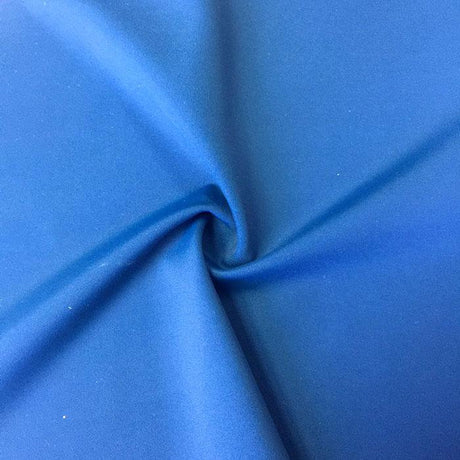
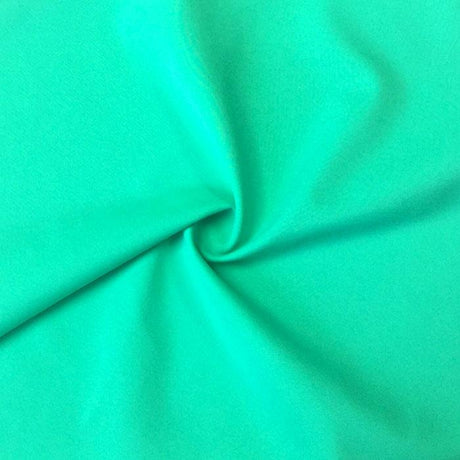
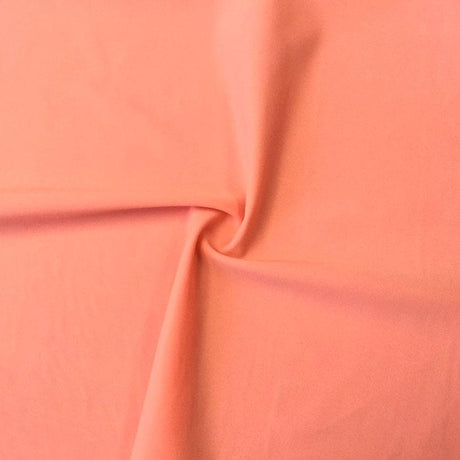
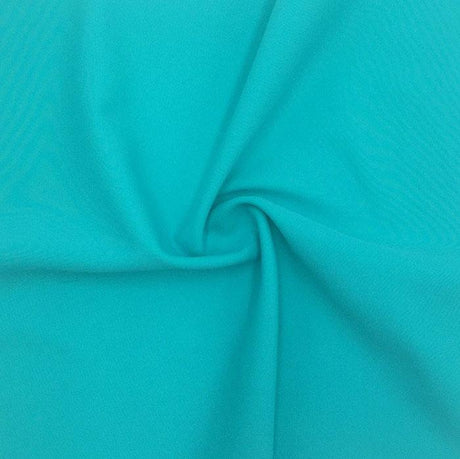
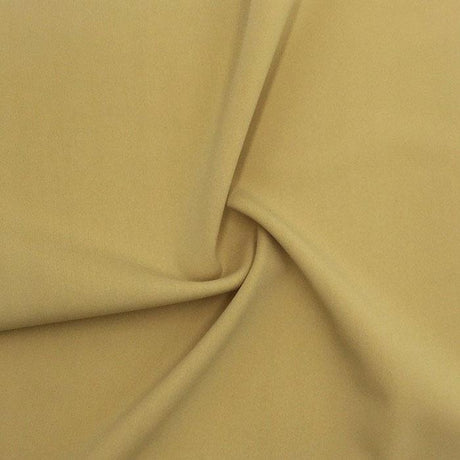
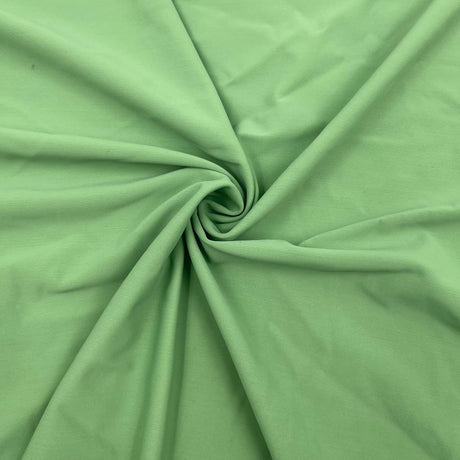
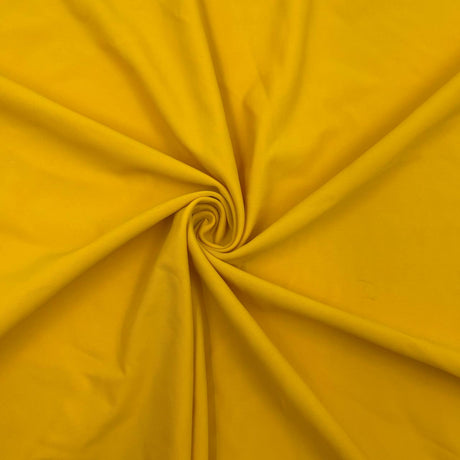
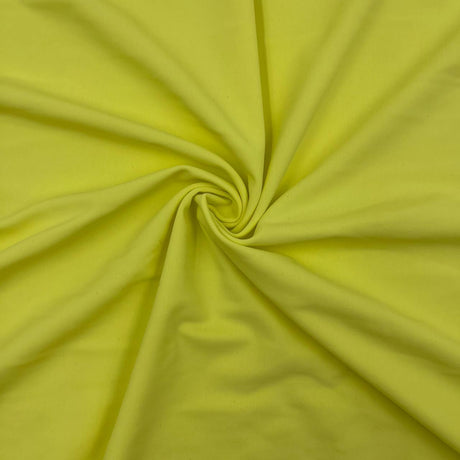
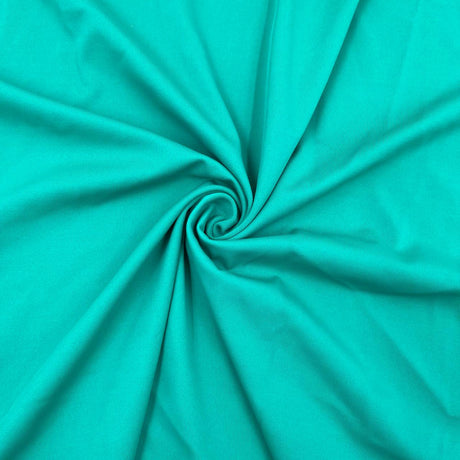
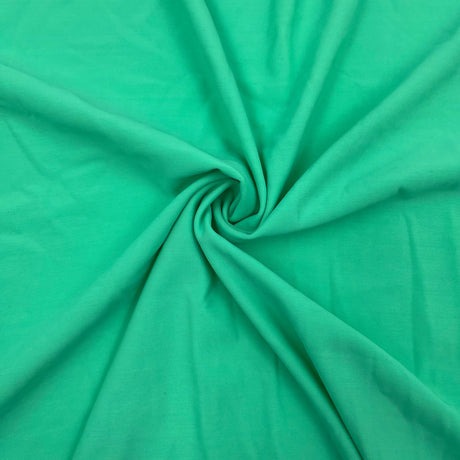
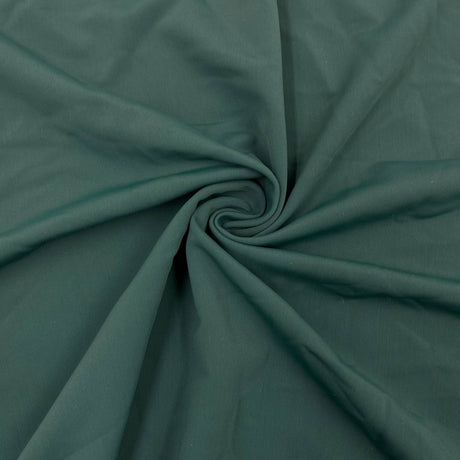
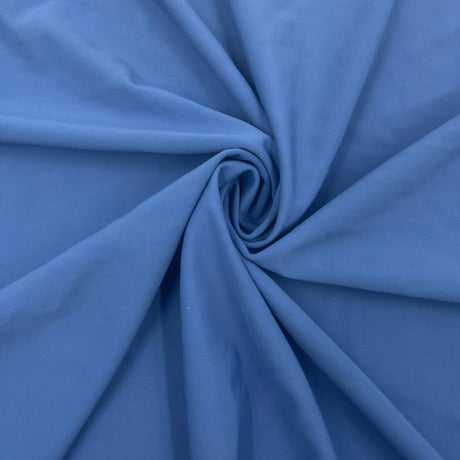
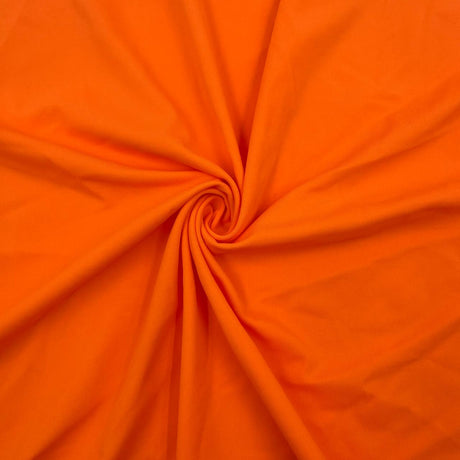
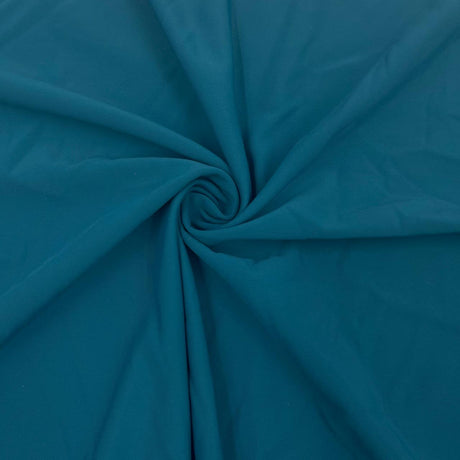
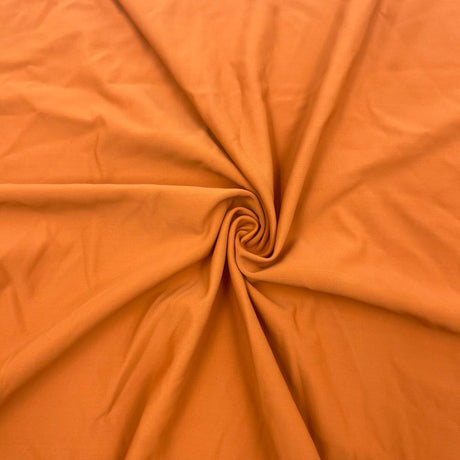
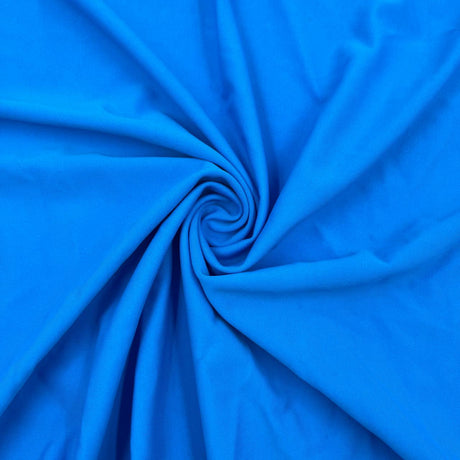
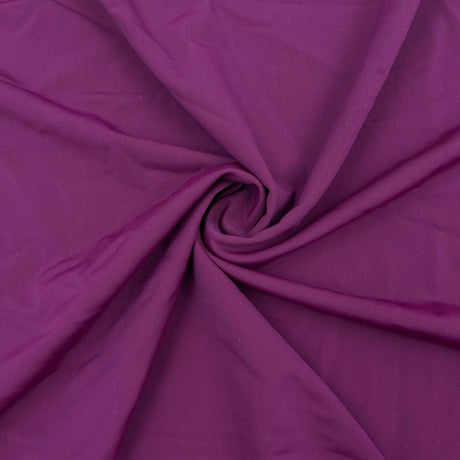
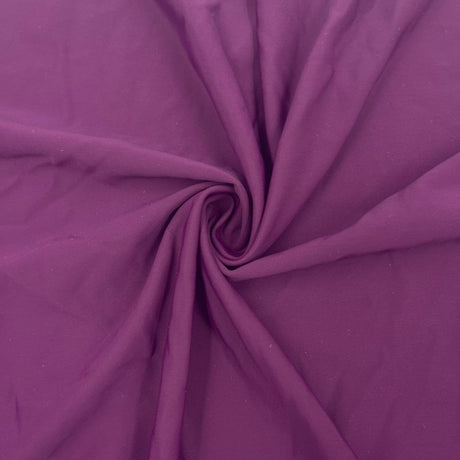
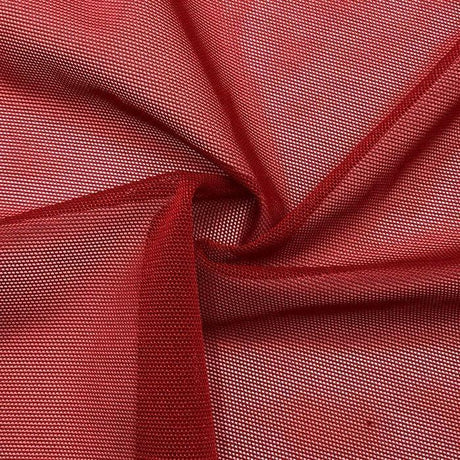
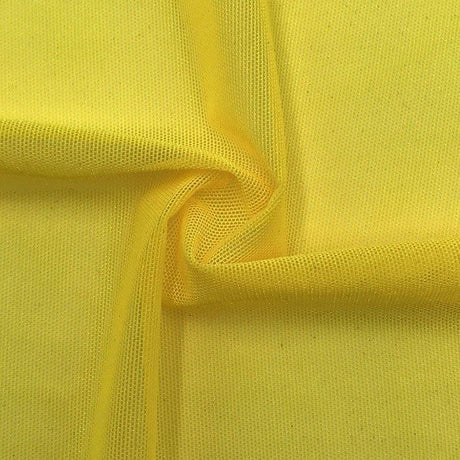
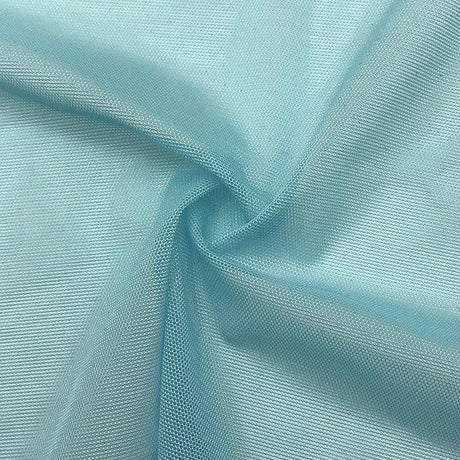
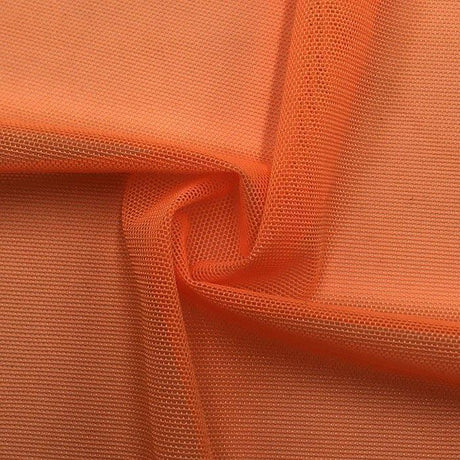
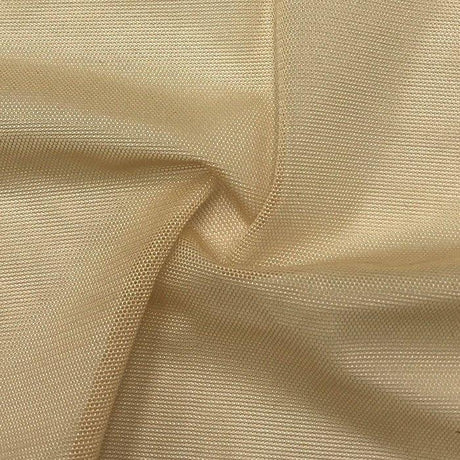
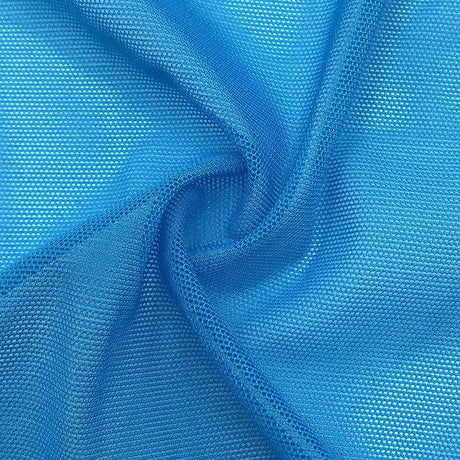
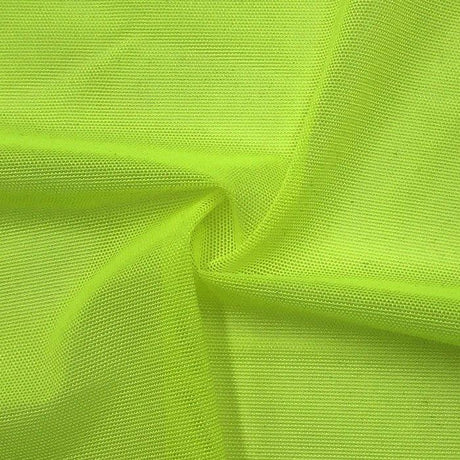
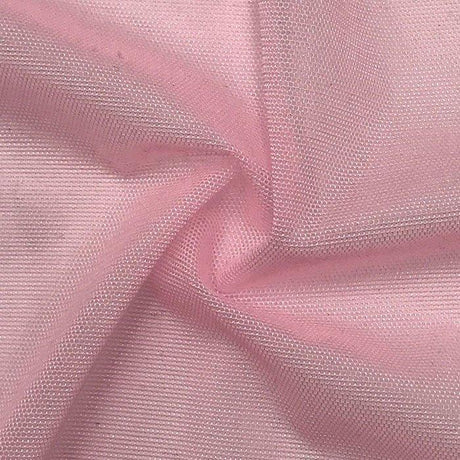
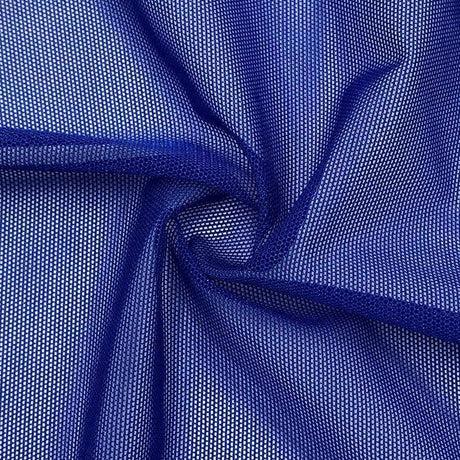
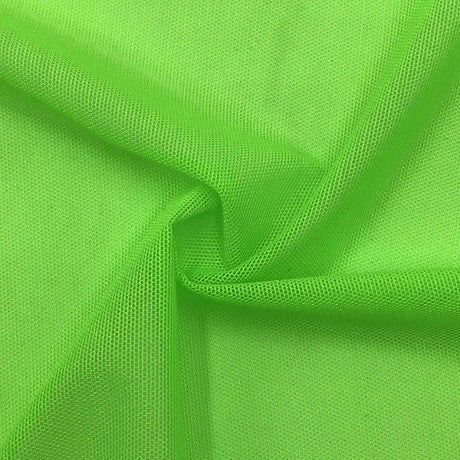
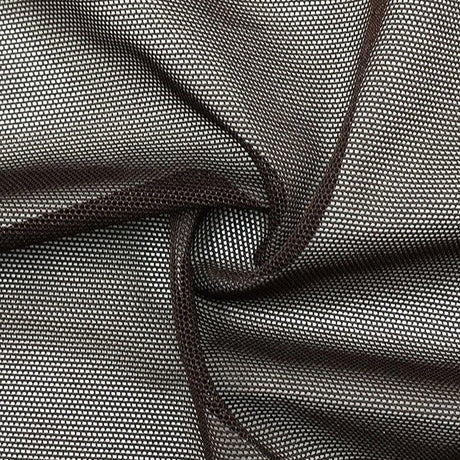
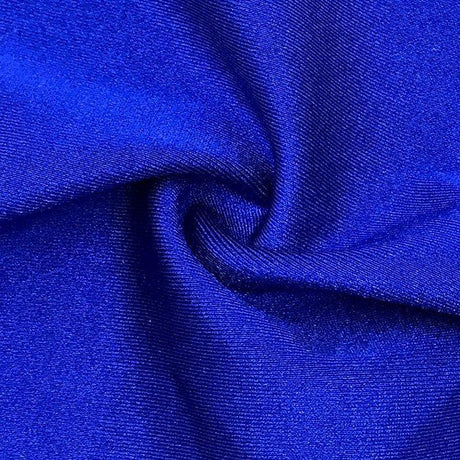
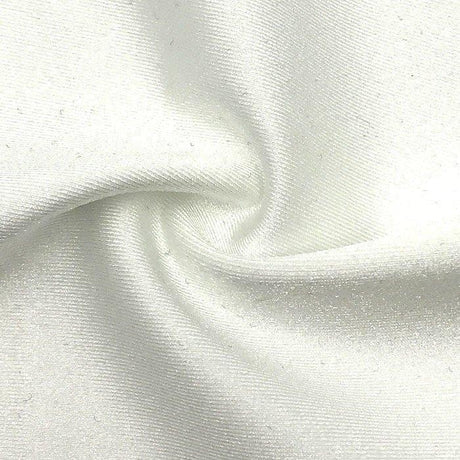
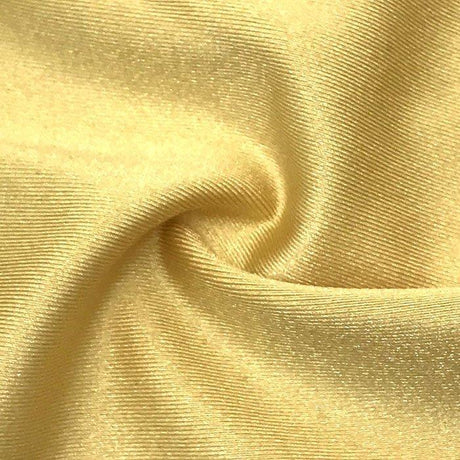
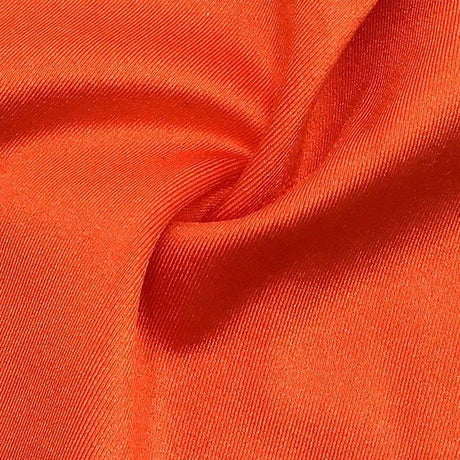
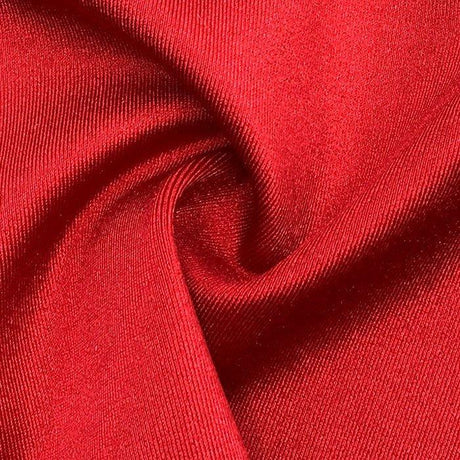
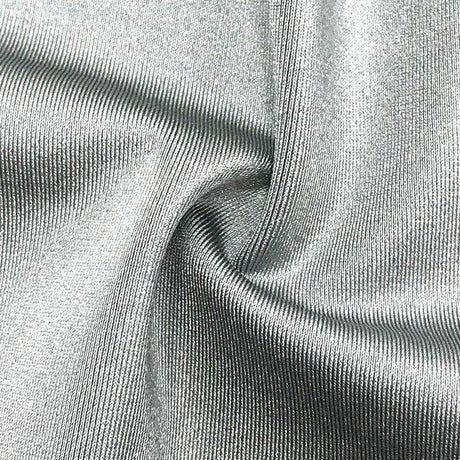
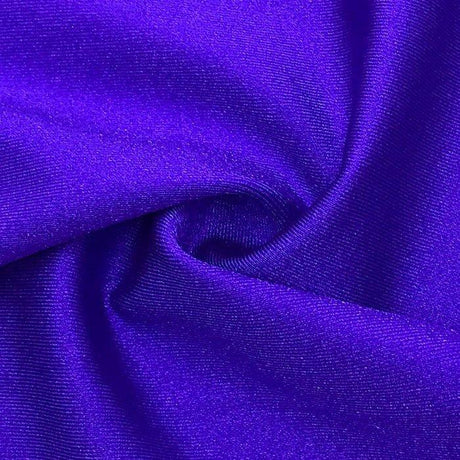
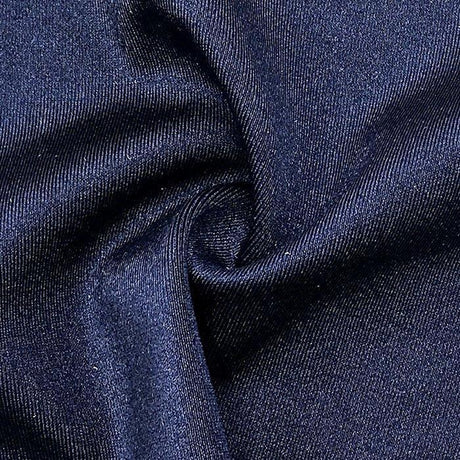
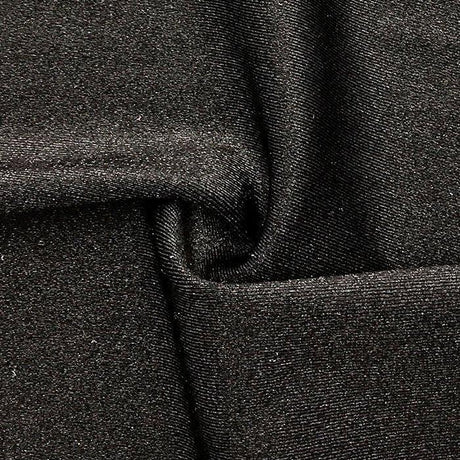
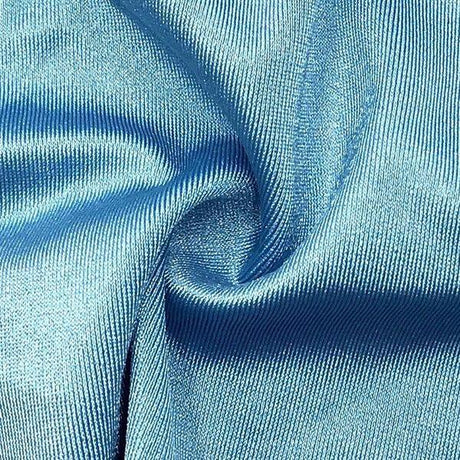
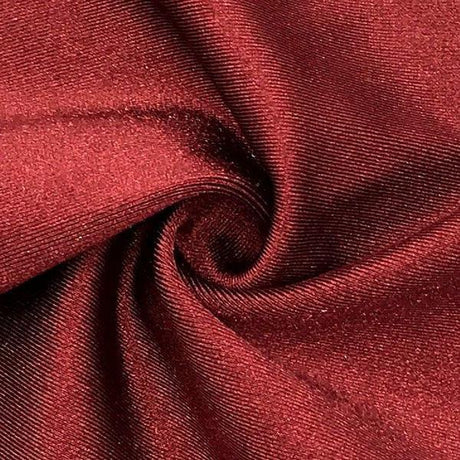
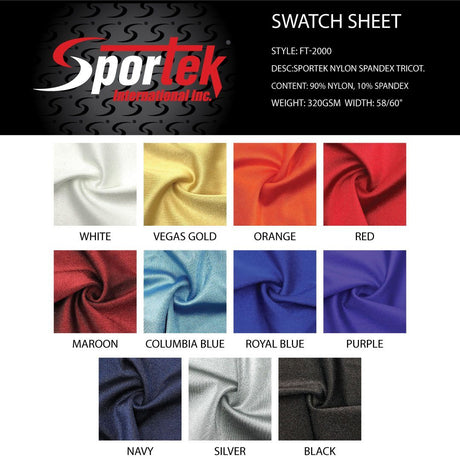
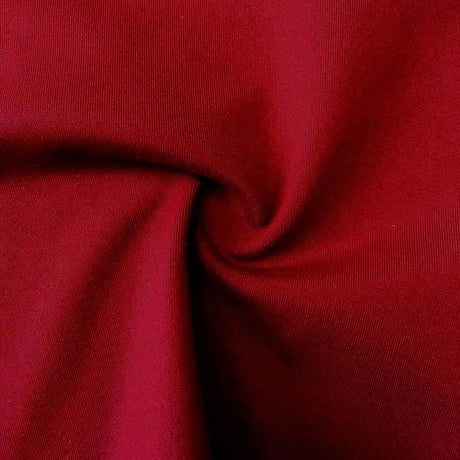
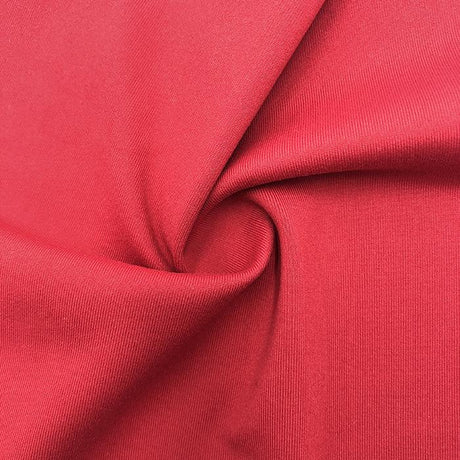
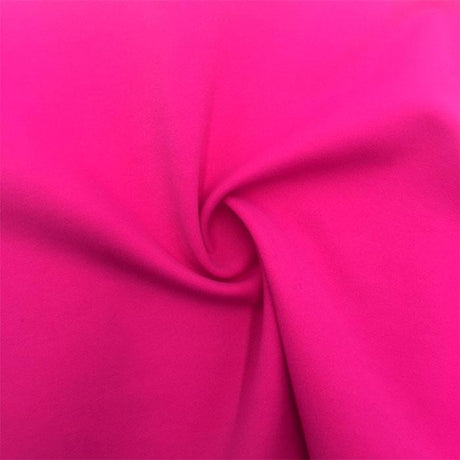
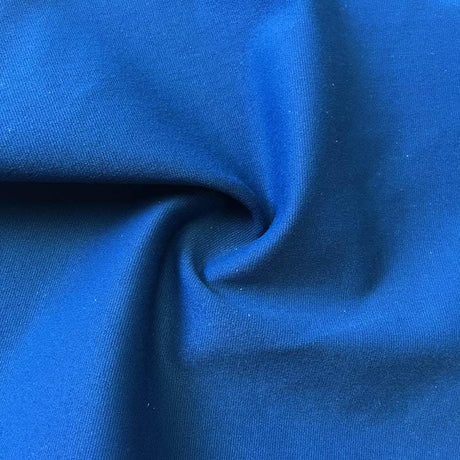
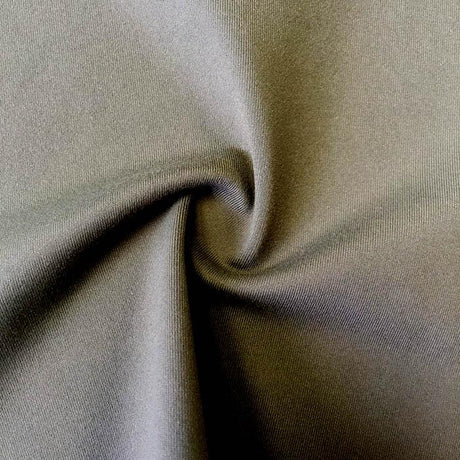
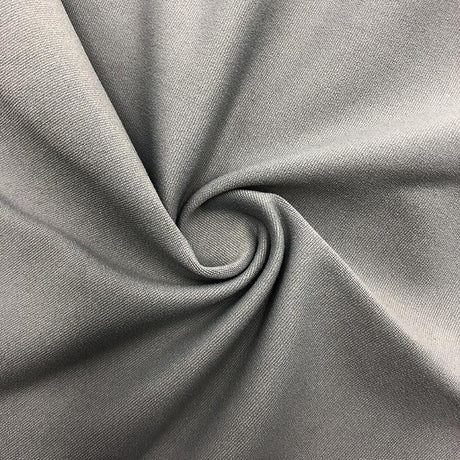
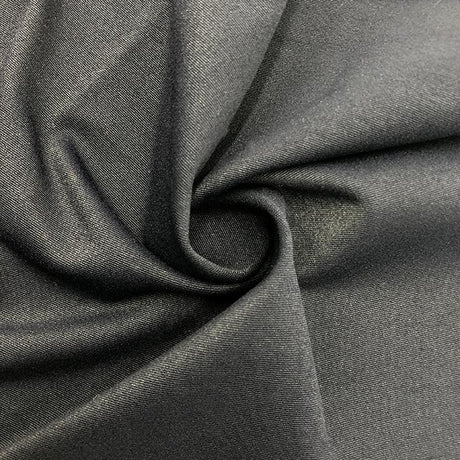
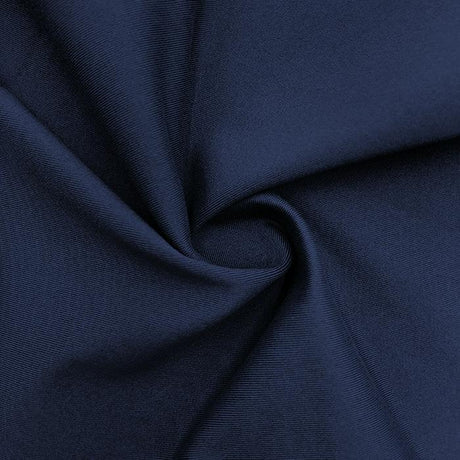
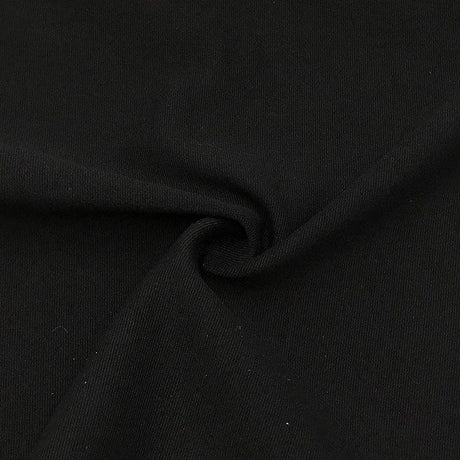
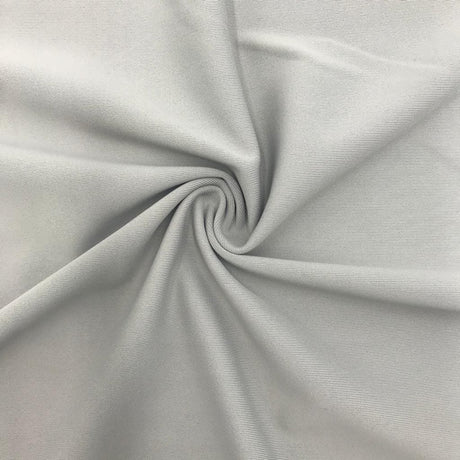
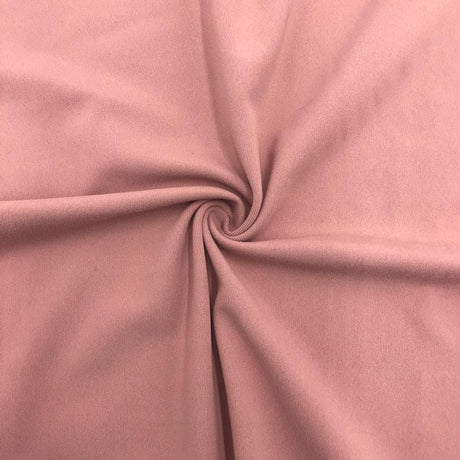
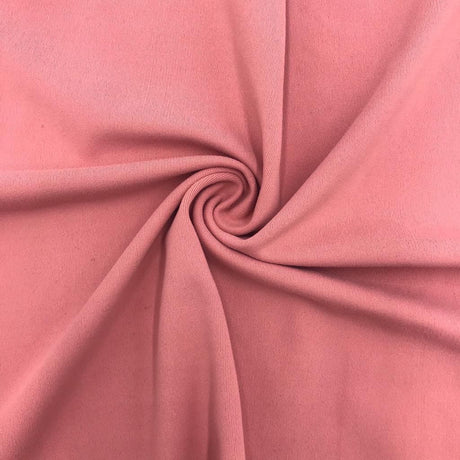
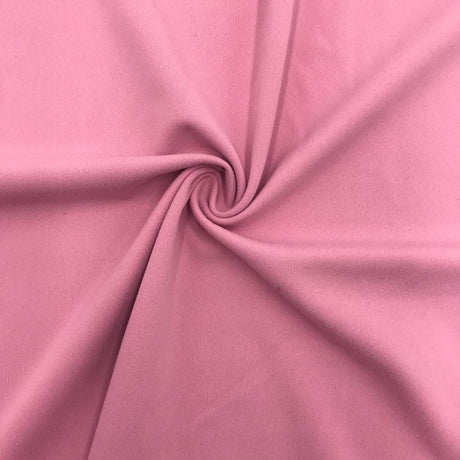
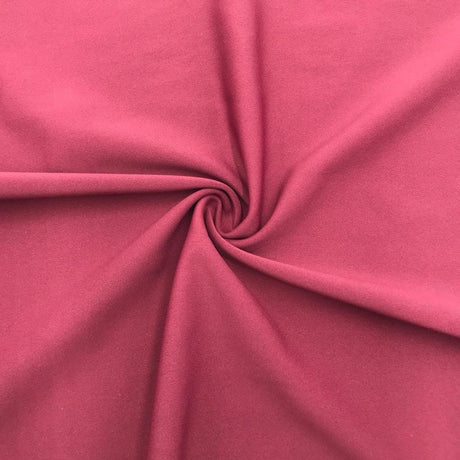
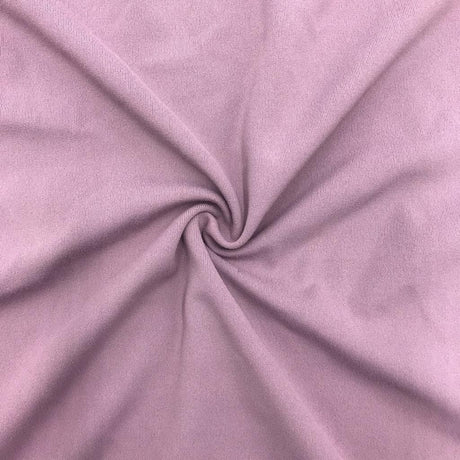
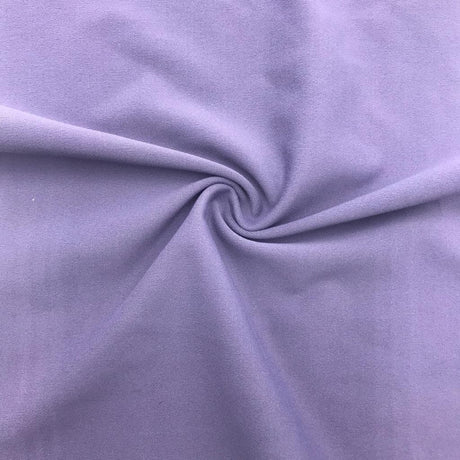
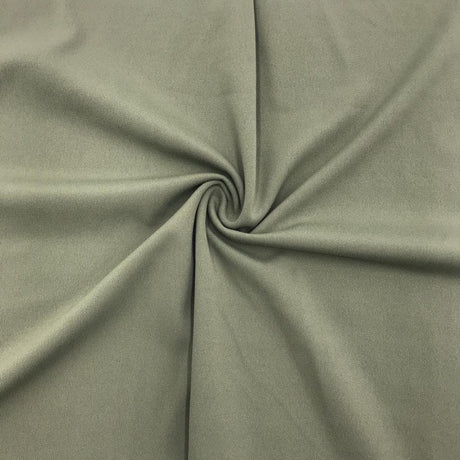
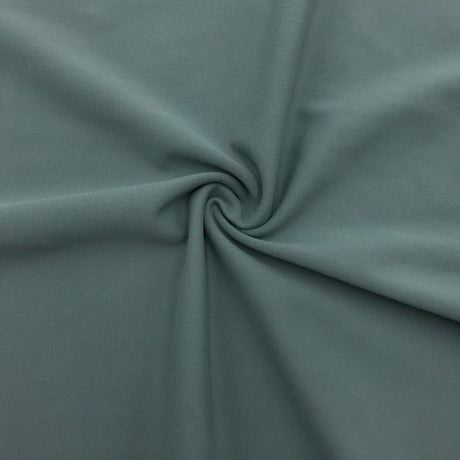
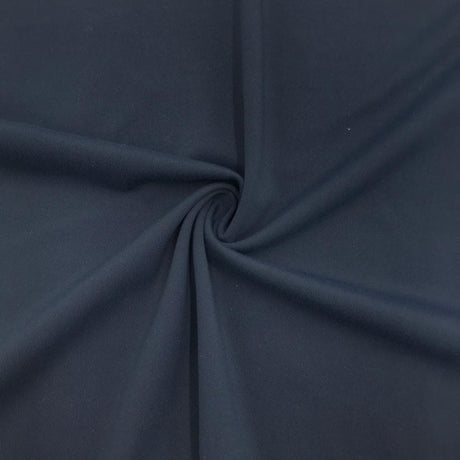
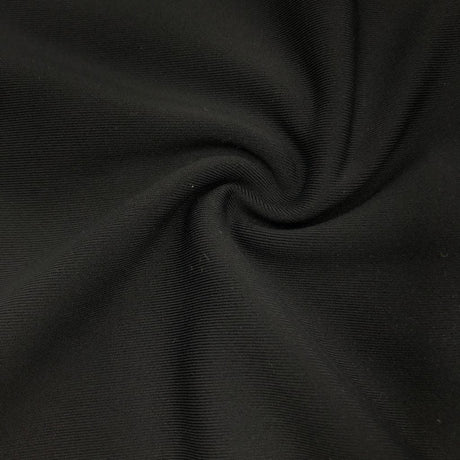
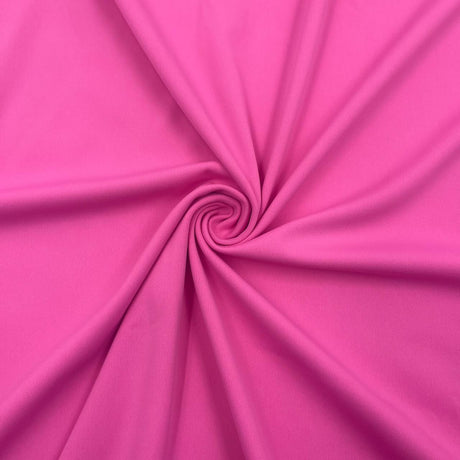
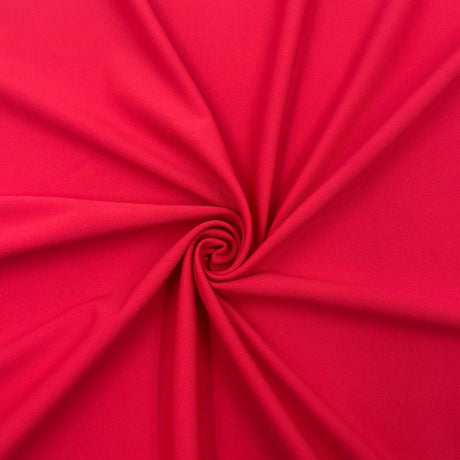
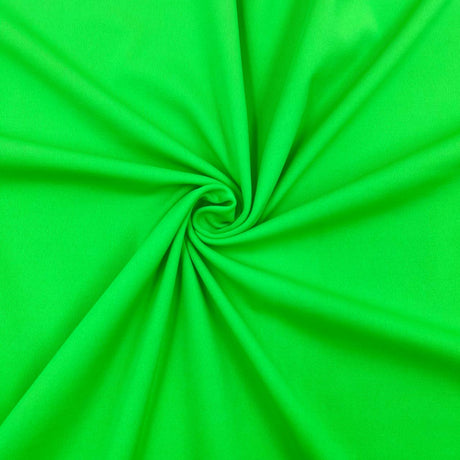
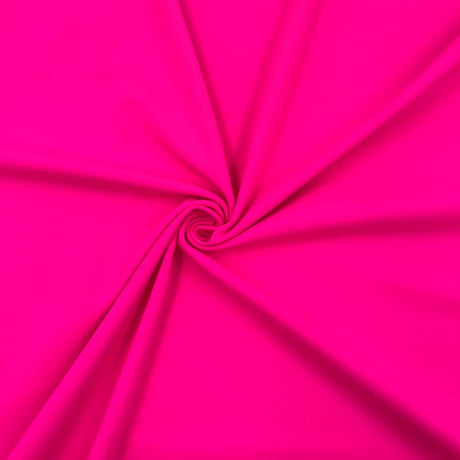
You've just bought a brand-new, vividly colored pair of spandex leggings. They look fantastic, feel amazing, and you can't wait to show them off. But a few months and several washes later, you notice a subtle but undeniable change: the once-vibrant color has faded. The deep black is now a dull gray, and the neon pink has lost its pop.
Fading is a common and frustrating problem with many stretch fabrics, and it's a huge factor in a garment's perceived quality and lifespan. But why do these fabrics lose their color, and is there anything you can do about it? The good news is that by understanding the science behind color degradation and adopting a few simple care habits, you can dramatically extend the life and vibrancy of your spandex garments. For the complete picture of how to care for spandex-blend garments, visit our spandex care guide or explore our full fabric guides hub.
The Science of Fading: Why Spandex Fabrics Lose Color
Color fastness is a textile industry term that refers to a fabric's ability to retain its color when exposed to common stressors like sunlight, washing, and chemicals. Fading isn't just a matter of wear and tear; it's a complex chemical process. Here are the main factors that cause spandex fabrics to lose their color:
1. Sunlight and UV Rays
This is arguably the biggest enemy of a fabric's color. The sun's ultraviolet (UV) rays have enough energy to break down the chemical bonds in dye molecules. This process, known as photodegradation, changes the molecular structure of the dye, causing it to reflect light differently and making the color appear faded or dull.
Impact on Fibers: Some fibers are more susceptible to this than others. Nylon is notoriously sensitive to UV light and can fade relatively quickly, while polyester has much higher natural resistance to sunlight, making it a better choice for outdoor activewear and swimwear. Our nylon-spandex fabric guide covers UV sensitivity in nylon-spandex blends and what finishes and fiber treatments can extend colorfastness outdoors.
2. Chlorine Exposure
For swimwear, chlorine is the most common cause of color loss. Chlorine is a powerful oxidizing agent used as a bleaching and sanitizing agent in pools. When spandex swimwear is exposed to chlorine, the chemical attacks and breaks down the dye molecules, causing the color to fade or change. This is especially true for bright and dark colors. Our swimwear fabric guide covers chlorine-resistant fiber options and what to look for in swim-specific fabric certifications.
3. Improper Washing
The way you wash your clothes has a huge impact on their color longevity.
Hot Water: High temperatures open up the fibers' pores, allowing dye molecules to escape. This is why washing darks in hot water can cause color to bleed and fade.
Harsh Detergents: Strong detergents with bleaching agents or high pH levels can attack the dye, causing it to break down. Our fabric care guide covers which detergent types are safe for spandex-blend garments and what to look for on labels.
Mechanical Agitation: The friction from the washing machine's agitator or from being washed with rough items like denim can cause physical damage to the fibers, which can make them look dull and faded over time.
4. Fabric and Dyeing Quality
The quality of the fabric itself and the dyeing process play a massive role in color fastness.
Cheap Dyes: Low-quality dyes don't form a strong bond with the fabric's fibers, making them more likely to bleed and fade with every wash.
Dyeing Method: The method used to apply the color matters. Piece dyeing (dyeing the entire roll of fabric after it's knitted) can sometimes be less colorfast than more advanced methods like sublimation printing or dope dyeing, where the color is integrated into the fiber before it's even spun into yarn. Our sublimation guide covers how sublimation printing creates a permanent dye bond with polyester fibers that resists fading far longer than surface-applied dyes.
The Best Fibers for Color Fastness: Polyester vs. Nylon
The choice of the spandex blend's companion fiber is a critical factor in how well the final fabric will retain its color.
Polyester Spandex Blends
Polyester is the undisputed champion of color fastness. It is a synthetic polymer with a strong molecular structure that has a natural resistance to both UV rays and chlorine.
Why it's the best: Polyester is dyed using a process called sublimation, where the dye is heated until it turns into a gas and bonds permanently with the polyester fibers. This creates a color that is not a coating but a permanent part of the fiber itself. Our sublimation guide covers this process in detail, and our sublimation paper and sublimation transfer paper pages cover the tools needed to apply custom sublimation prints to polyester-spandex fabrics.
Best for: High-intensity activewear, outdoor running gear, team uniforms, and any garment that needs to withstand repeated washing and sun exposure. Its vibrant, fade-resistant colors make it a go-to for brightly colored and patterned activewear. Our activewear fabric guide covers polyester-spandex constructions and their colorfastness ratings for different performance applications.
Nylon Spandex Blends
Nylon is also an excellent fiber that takes dye well, producing rich and deep colors. However, its natural properties make it more vulnerable to fading than polyester.
Why it's a good choice (with caveats): Nylon has a silkier, smoother hand feel and superior abrasion resistance, making it great for high-end activewear and swimwear. However, it is more susceptible to UV degradation and chlorine damage. Our nylon-spandex fabric guide covers how nylon-spandex compares to polyester-spandex in colorfastness, UV resistance, and chlorine resistance across different end-use applications.
The Solution: Many high-quality nylon-spandex fabrics, especially those used for swimwear, are treated with specialized finishes or made with advanced fibers (like Lycra Xtra Life) that are specifically engineered to resist chlorine and UV rays. Our fabric finishes guide covers chlorine-resistant coatings and UV-protective treatments available for nylon-spandex swimwear and activewear fabrics.
Cotton Spandex Blends
Cotton, as a natural fiber, has its own set of characteristics. While it takes dye well and can be very comfortable, it is not as colorfast as synthetic fibers.
Why it fades: Cotton is dyed using different chemical processes, and the dye molecules are more susceptible to washing out over time. It also has very low resistance to sunlight. Our cotton-spandex fabric guide covers colorfastness limitations in cotton blends and when they are appropriate for different garment types.
Best for: Casual wear, everyday leggings, and loungewear where a faded, "lived-in" look is not an issue. Not ideal for performance activewear that needs to retain a vibrant, saturated color.
The Ultimate Guide to Preserving Spandex Vibrancy
The most effective way to keep your spandex garments from fading is a combination of smart fabric choices and a meticulous care routine.
Step 1: Make a Smart Fabric Choice
Your work begins before you even bring the garment home. Our how to choose fabric guide walks through how to evaluate colorfastness alongside technical specifications when selecting fabric for any project.
For Bright & Bold Colors: If you're buying a garment with a bright, intricate pattern or a deep, saturated color, choose a polyester-spandex blend. Its superior colorfastness will ensure the colors stay vibrant for much longer.
For Swimwear: Always look for fabric that is specifically labeled as "chlorine-resistant" or "UV-protective." These are often made with high-quality nylon or polyester blends with special treatments. Our swimwear fabric guide covers how to identify and evaluate these claims when sourcing swim-specific fabrics.
For Outdoor Gear: Outdoor activewear needs protection from the sun. Look for fabrics that mention UPF (Ultraviolet Protection Factor). Polyester blends naturally offer higher UPF ratings than untreated nylon or cotton blends.
For Custom Printed Designs: If you're printing custom designs, sublimation on polyester-spandex creates the most colorfast results. Our sublimation guide covers everything you need to know, and our sublimation transfer paper page covers the paper and process needed for professional results.
Step 2: The Right Way to Wash Your Spandex
Washing correctly is the most important part of your routine. Our fabric care guide covers complete laundering protocols for all common spandex-blend garment types.
Wash in Cold Water Only: This is the golden rule. Cold water helps prevent dye molecules from escaping the fabric fibers.
Separate Your Laundry: Wash colors with other colors, and never mix brightly colored items with white garments.
Turn Garments Inside Out: Turning garments inside out protects the outer surface from friction and abrasion, which can cause colors to look dull over time.
Use a Mild Detergent: Avoid harsh detergents, especially those with bleaching agents. Use a color-safe, mild detergent designed for activewear. Our spandex care guide covers the detergent ingredients that are most damaging to spandex-blend fibers and how to identify safer alternatives.
Never Use Fabric Softener: Fabric softeners leave a residue that can dull colors and reduce the fabric's performance.
Step 3: The Right Way to Dry Your Spandex
Drying is just as important as washing.
Air-Drying is Best: The heat from a machine dryer is a major cause of color fading and spandex degradation. Always air-dry your garments.
Keep Them Out of Direct Sunlight: Dry your clothes indoors or in a shady, well-ventilated area. UV rays break down dye molecules just as effectively during drying as during wear. Our spandex care guide covers why shade drying is one of the single most effective steps for preserving both color and elastane recovery.
No Tumble Drying: Avoid using a machine dryer at all costs, but if you must, use the lowest possible heat setting for a very short duration.
The Role of Quality in Color Fastness
Color fastness is a direct reflection of a manufacturer's commitment to quality. A fabric that holds its color well is not an accident; it is the result of a deliberate, high-quality production process.
Premium Dyes: A quality manufacturer uses premium, high-grade dyes that form a stronger bond with the fabric fibers.
Expert Dyeing Processes: Advanced dyeing methods, such as sublimation printing on polyester, ensure that the color is permanently embedded in the fabric's structure. Our sublimation guide covers how this process works and why it produces superior colorfastness compared to surface-applied dye methods.
High-Quality Fibers: Using a premium fiber like Lycra in a blend ensures that the entire fabric is more resilient, which helps it withstand the stressors that cause fading. Our stretch fabric types page covers how spandex content and fiber quality affect long-term performance and colorfastness across all common blend types.
When a brand invests in these processes, the result is a product that not only looks great at the store but also maintains its vibrant appearance for years, offering genuine value to the consumer.
Conclusion
Colorfastness in spandex fabrics is a sign of a high-quality, durable garment. Fading is not an inevitable part of a garment's life; it's a preventable process. By understanding the science behind color degradation and making smart choices – from selecting a colorfast polyester blend to adopting a simple, gentle care routine – you can protect your investment and keep your activewear looking vibrant and new.
Remember the key rules: wash in cold water, avoid heat and harsh chemicals, and air-dry out of direct sunlight. These small habits will not only save you money but also help reduce textile waste by extending the life of your favorite clothes.
Ready to explore a world of spandex fabrics built to last? Use our how to choose fabric guide to find the right colorfast fiber for your project, explore our activewear fabric guide and swimwear fabric guide for curated fabric recommendations, and keep our spandex care guide and fabric care guide handy to preserve every garment you make or own. Have questions about specific fabrics or colorfastness ratings? Our expert help and advice page and FAQ are always available. Sign up for SpandexByYard Rewards to earn points on every purchase – because quality fabric, cared for the right way, keeps its color for years.