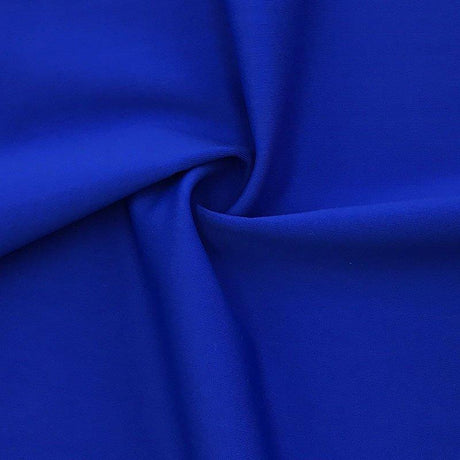
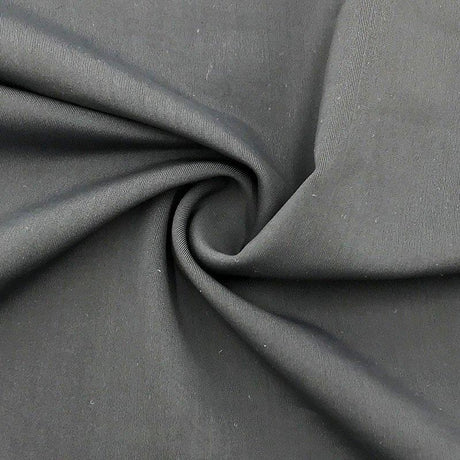
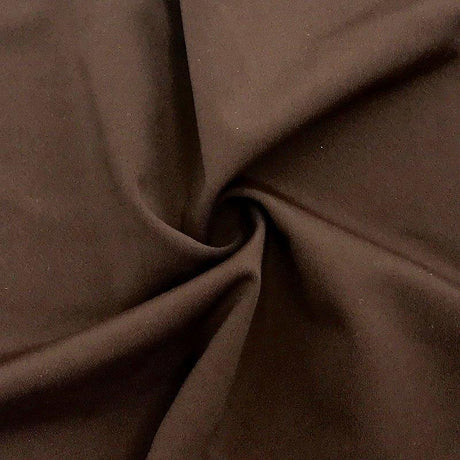
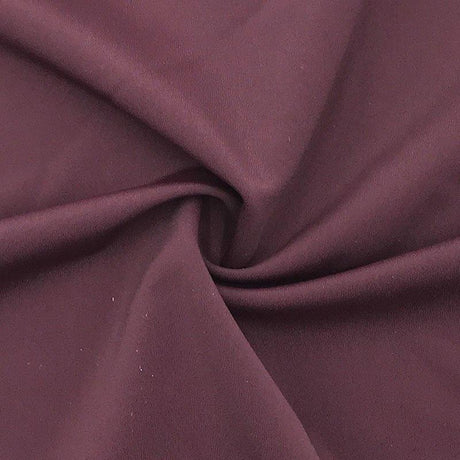
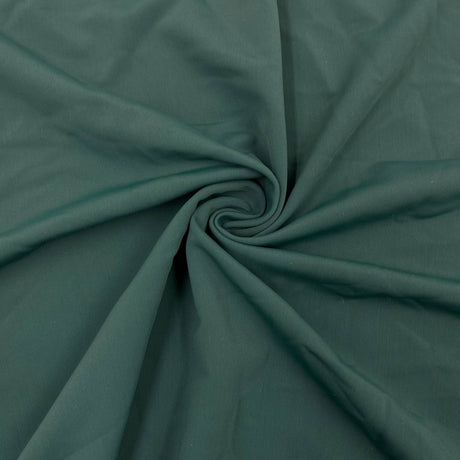
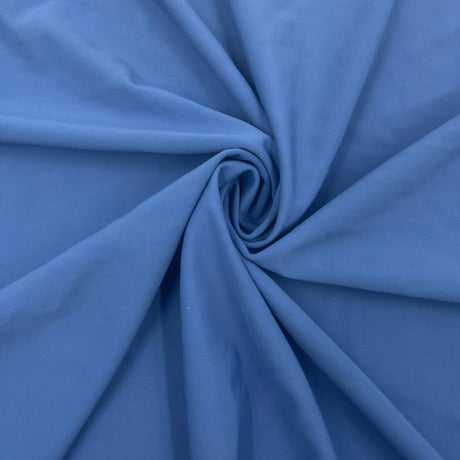
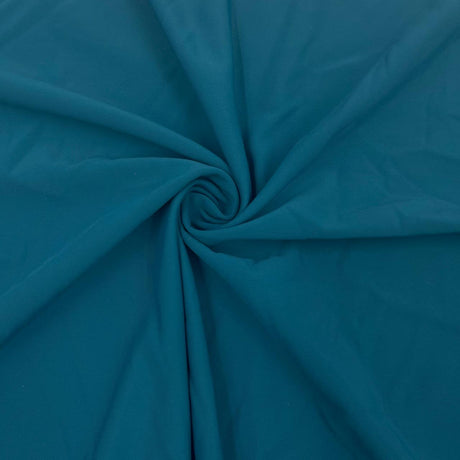
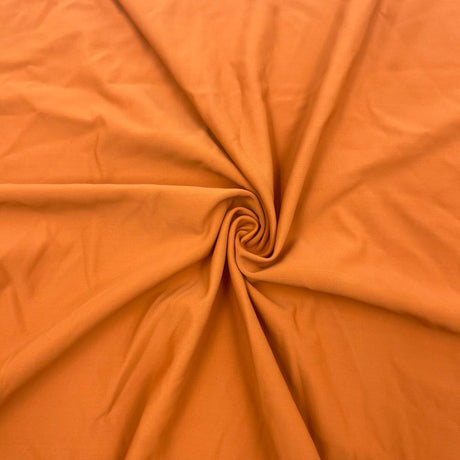
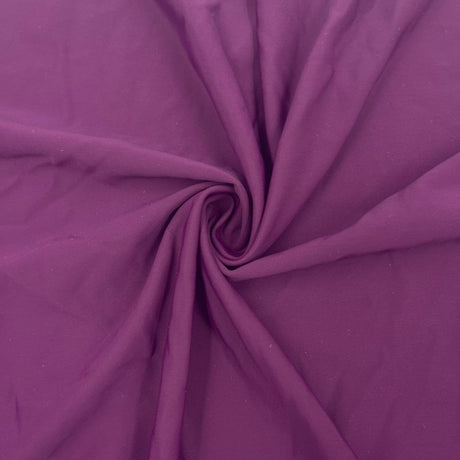
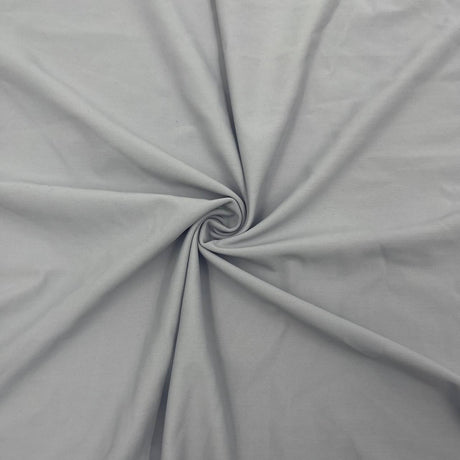
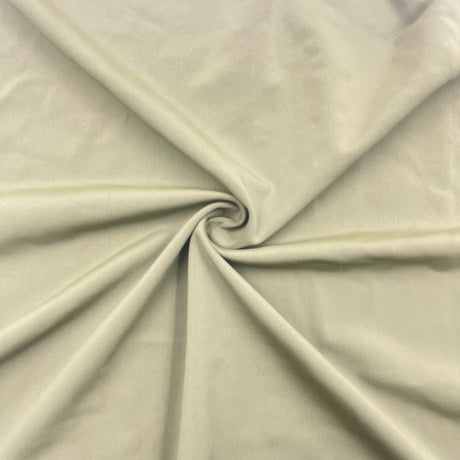
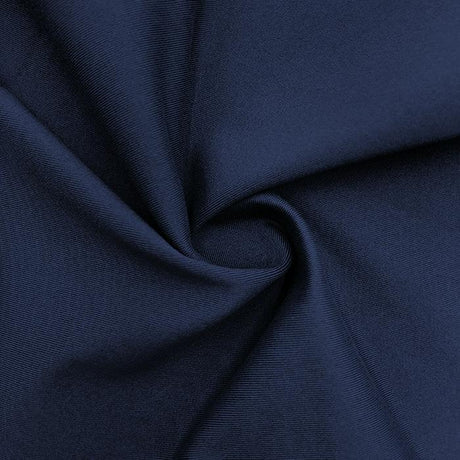
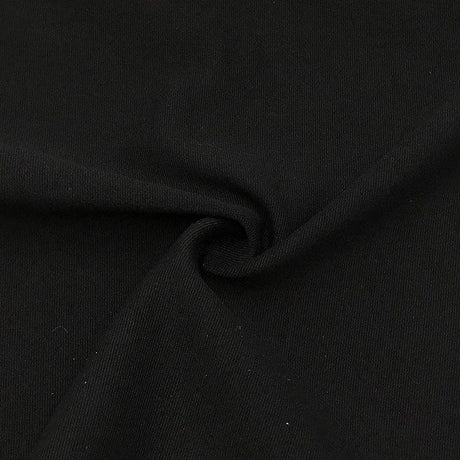
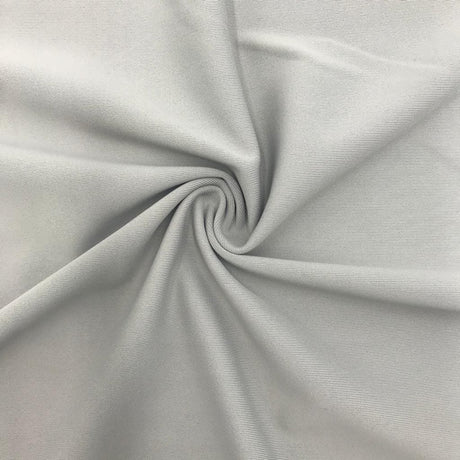
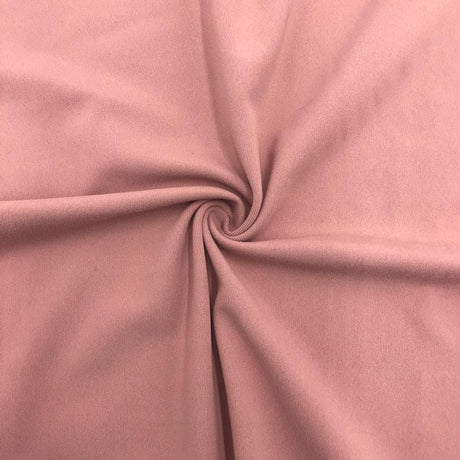
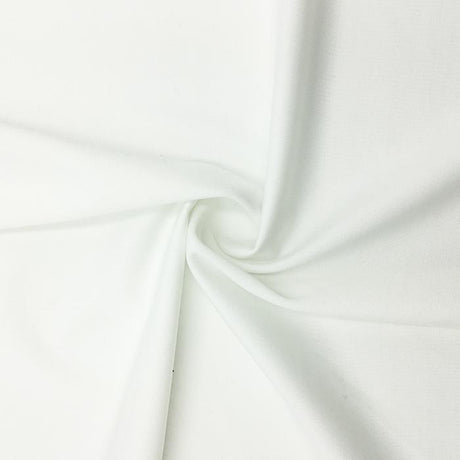
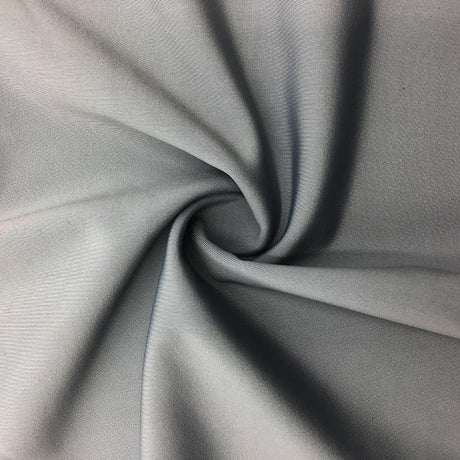
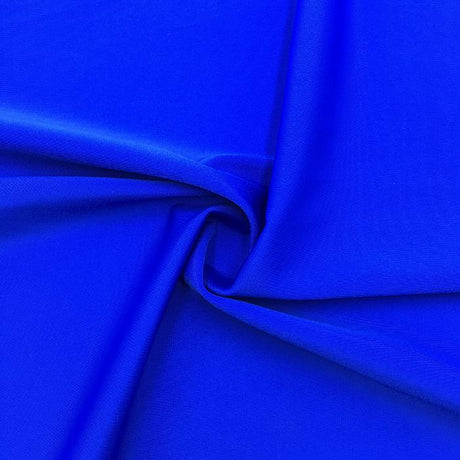
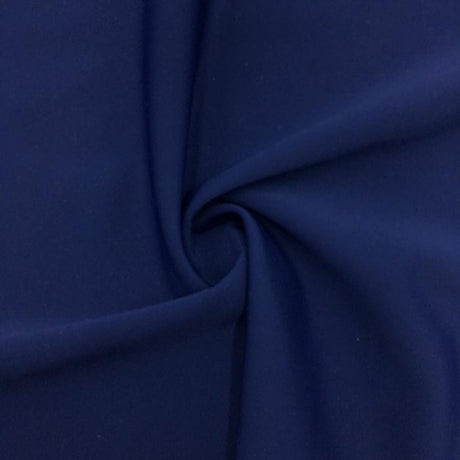
Many swimsuit wearers focus on style and outer fabric, but an often overlooked factor in comfort and fit is the swimsuit's lining. A poorly chosen lining can lead to irritation, sagging, or transparency, while the right lining makes a suit feel and fit just right. For a broader foundation on swimwear fabric properties before diving in, explore our swimwear fabric guide or browse our full fabric guides hub.
Swimwear lining is the thin, inner layer of fabric inside swimsuits. Its job is to reinforce the outer material, add coverage, and create a smooth, comfortable feel against the skin. For example, quality linings prevent a light-colored suit from turning see-through in water and stop rough seams from rubbing your skin.
Comfort Benefits of a Quality Swimsuit Lining
Soft Barrier Against Skin: A gentle, smooth lining acts as a buffer between your body and the swimsuit's outer fabric or seams. This prevents itching or chafing during swimming or sunbathing. High-end swimsuits feel soft inside because they use fine, silky linings.
Moisture & Dryness: A good lining helps with moisture management. Quick-drying lining fabrics won't stay soggy; they allow water to drain and evaporate faster. This means you won't be stuck in a damp suit for long, enhancing comfort post-swim.
Temperature & Breathability: Thin, breathable linings keep you from feeling clammy on hot days. They let air circulate and help your suit feel cooler against the skin. In contrast, a non-breathable or thick lining might trap heat and sweat, causing discomfort.
Confidence in Coverage: Knowing your suit has a reliable lining that prevents transparency (no see-through surprises when wet) lets you relax and feel at ease. You're comfortable because you're confidently covered.
The Lining's Role in Fit and Support
Maintaining Swimsuit Shape: The lining gives structure to a swimsuit. It acts like an internal stabilizer, helping the suit hold its shape when worn. This means less sagging or bagging out when the suit gets wet.
Consistent Stretch & Recovery: A lining that matches the stretch of the outer fabric ensures the suit moves with you without squeezing or gaping. A four-way stretch lining with a high spandex content will hug your body snugly but comfortably, then spring back into shape. Our stretch fabric types page covers how spandex percentage translates to real-world stretch percentages and recovery ratings – essential for matching lining stretch to outer swimwear fabric.
Extra Support in Key Areas: Some linings (like power mesh panels or thicker liner fabrics) provide gentle compression or support. They can subtly shape and support the bust, tummy, or bottom, improving fit for the wearer.
Preventing Fit Mishaps: Without a proper lining, swimsuits may stretch out more quickly or fit inconsistently when wet vs. dry. The lining helps control how much the suit can stretch on the body, so you don't end up with a droopy fit after a dip.
Types of Swimsuit Lining Materials
Nylon/Spandex Liners: Soft, Stretchy & Versatile
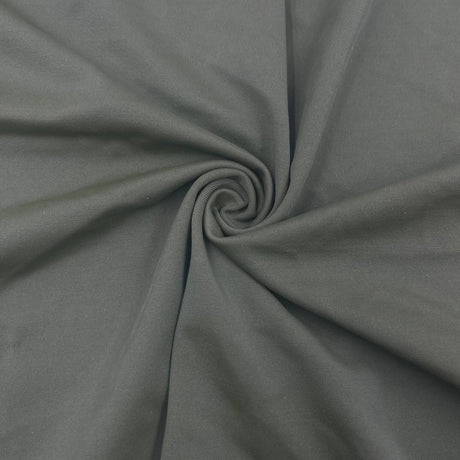
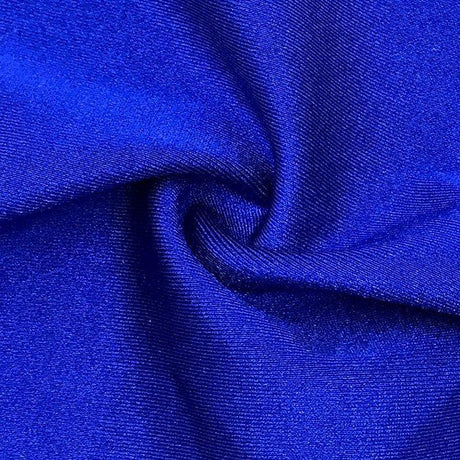
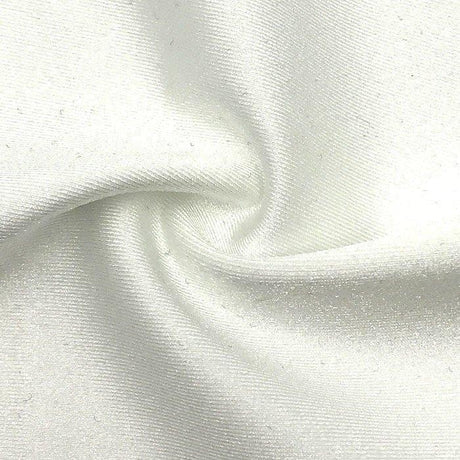
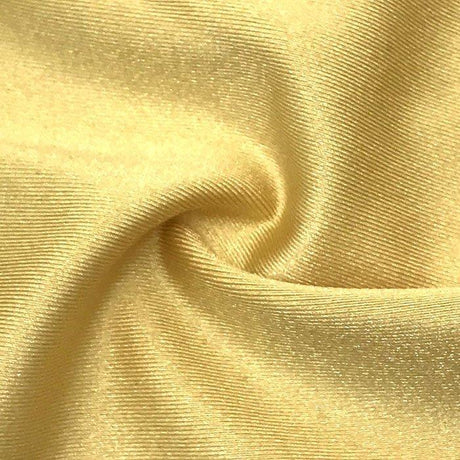
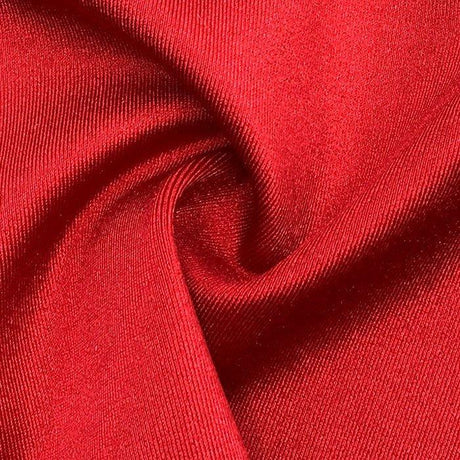
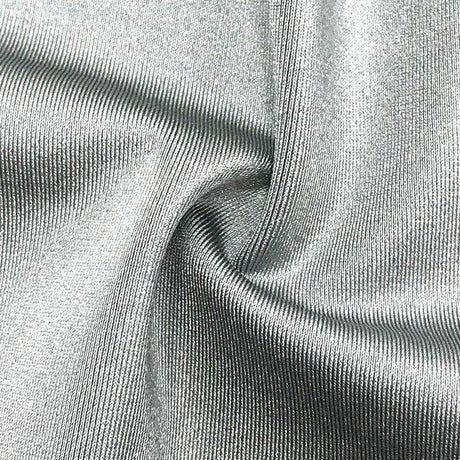
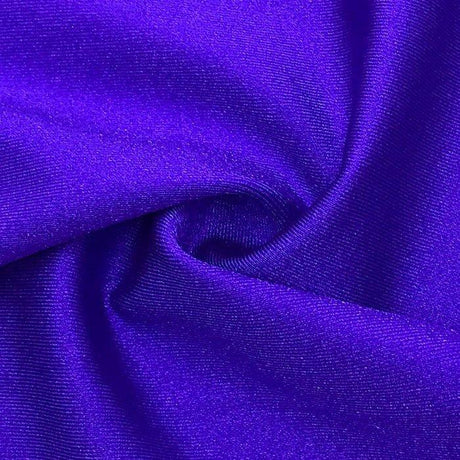
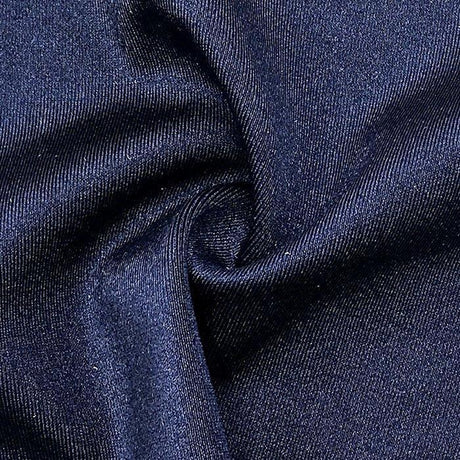
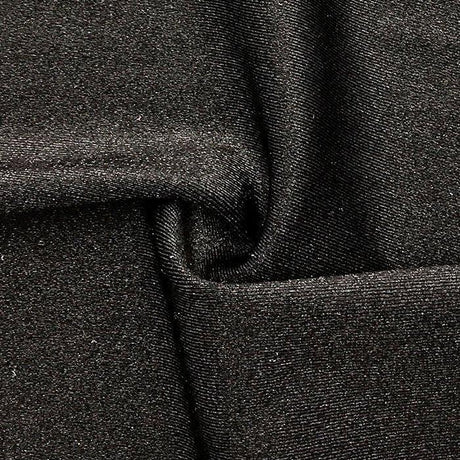
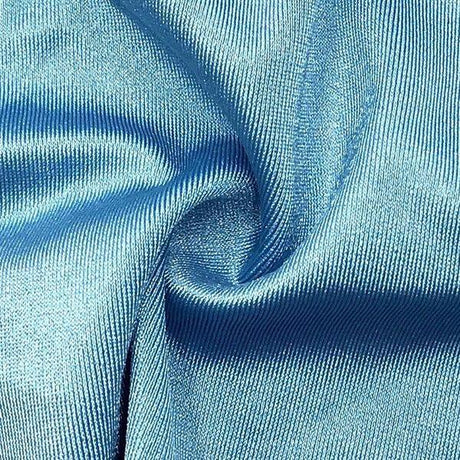
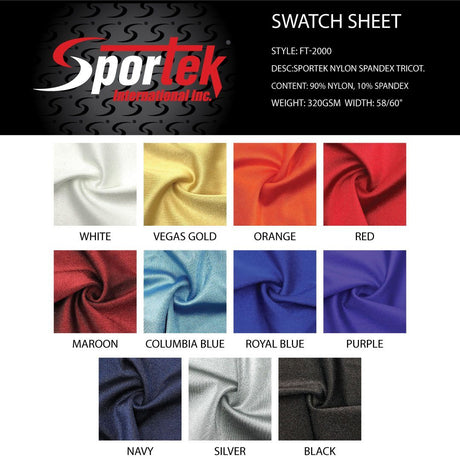
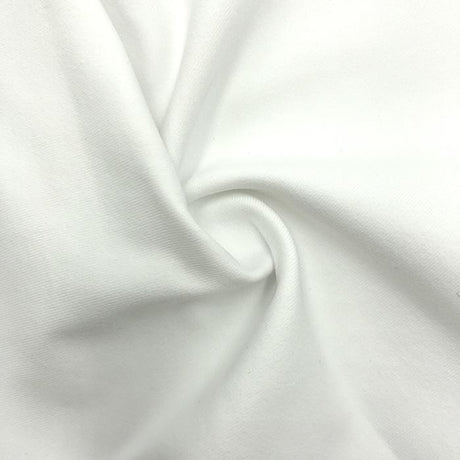
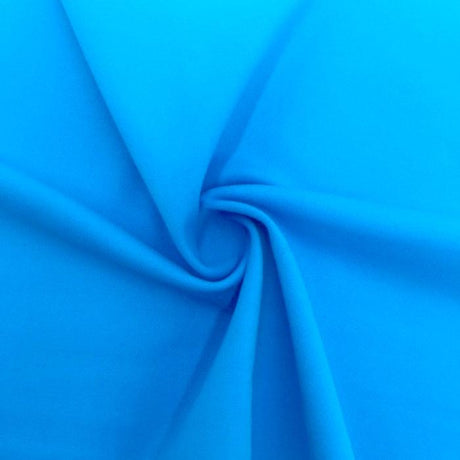
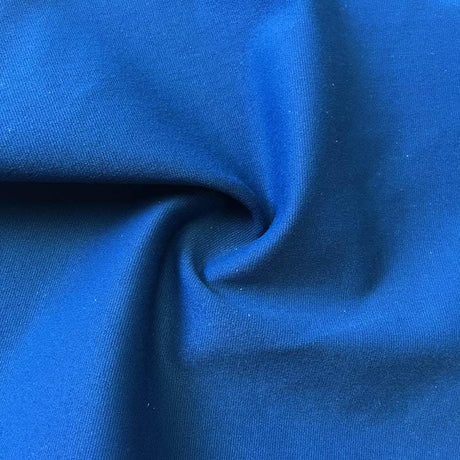
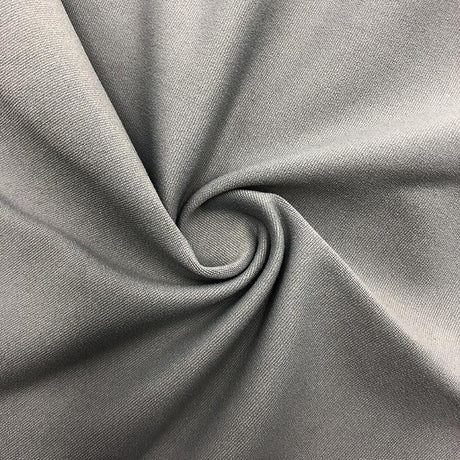
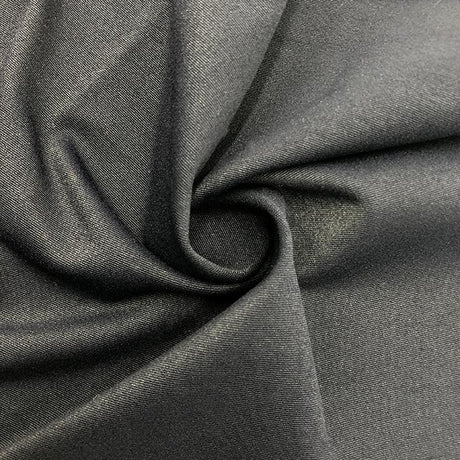
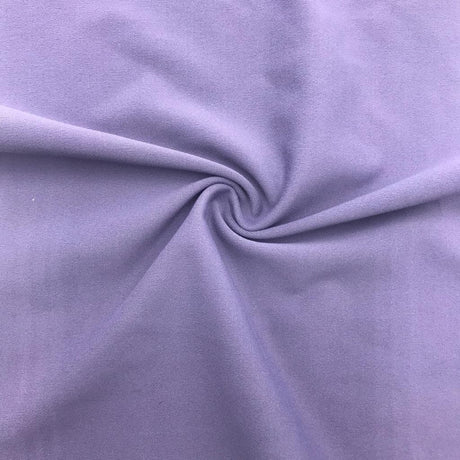
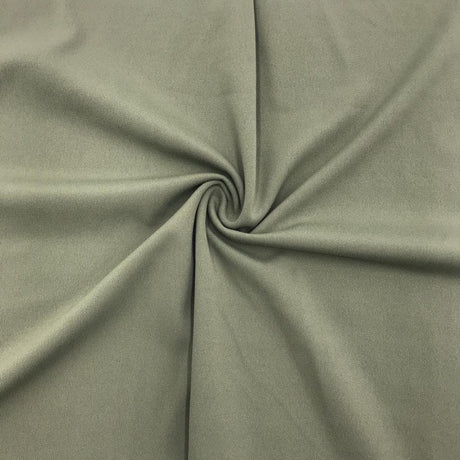
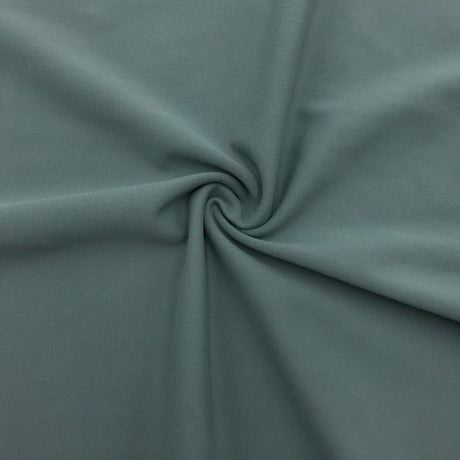
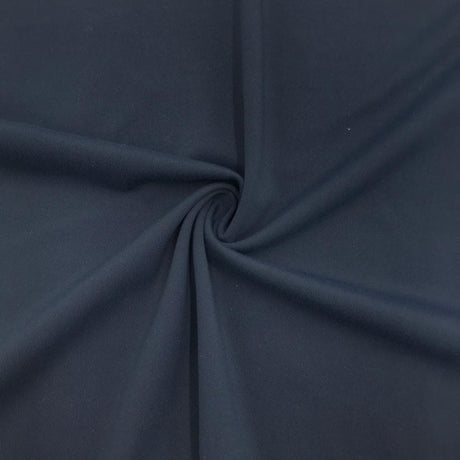
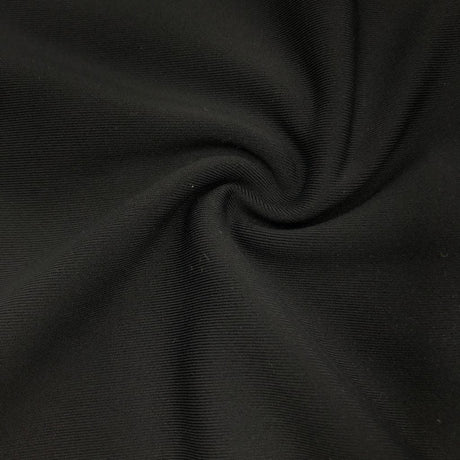
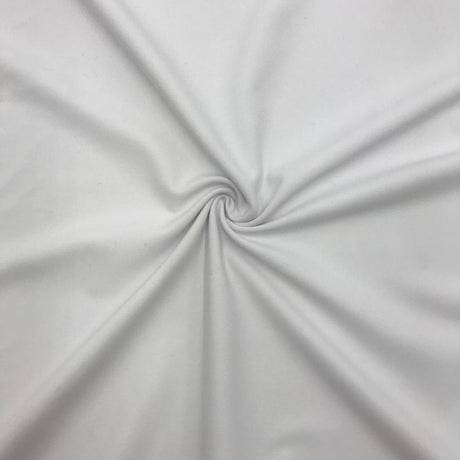
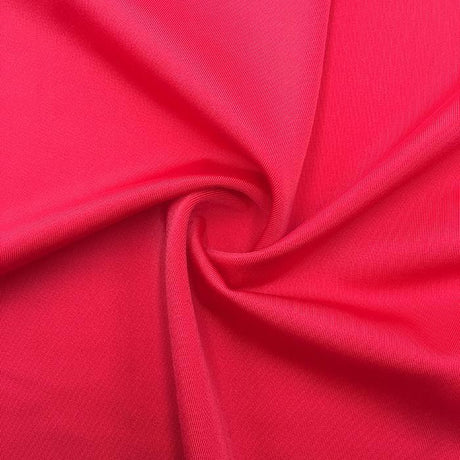
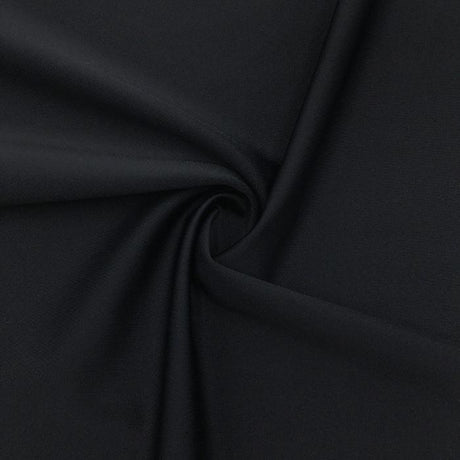
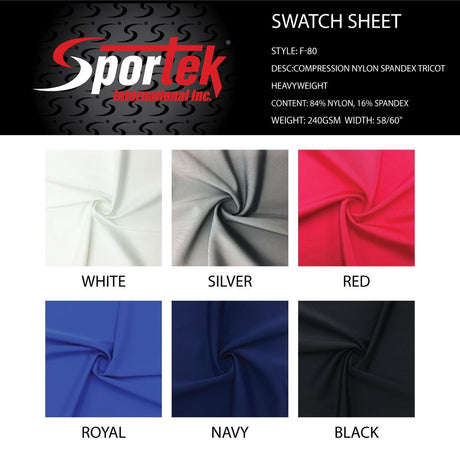
Description: The most popular swimsuit lining is a nylon (polyamide) blended with spandex (Lycra). Typically lightweight and very smooth, this tricot knit fabric has a silky feel.
Comfort: Nylon/spandex liners are praised for their soft, cool touch on the skin. They also tend to dry fairly quickly, preventing that heavy, wet feeling.
Fit: With 4-way stretch, these linings move and snap back with your body, ensuring a snug fit without restricting movement. They provide gentle support and help the swimsuit mold nicely to your shape.
Use Case: Ideal for all-around swimwear lining needs – from bikinis to one-pieces – thanks to their balance of comfort and performance. Our nylon-spandex fabric guide covers how nylon-spandex tricot constructions achieve the smooth hand feel, 4-way stretch, and quick-dry performance needed for quality swim linings.
Polyester/Spandex Liners: Chlorine-Resistant & Strong
Description: Polyester blended with spandex is another common lining fabric. It's similar in weight and stretch to nylon linings but uses polyester yarns.
Comfort: Modern poly/spandex linings can be very soft, though sometimes slightly less "silky" than nylon. They are still smooth and non-irritating for most wearers. They wick moisture and dry quickly, keeping the suit comfortable.
Fit: Polyester is durable and holds its shape well. These liners have excellent stretch and strong recovery, meaning they're great at maintaining a tight fit over time. They won't bag out even after many swims, which is key for consistent fit.
Use Case: Often used in athletic or chlorine-heavy settings (like training swimsuits) because polyester handles chlorine and UV exposure better. Our swimwear fabric guide covers chlorine resistance ratings across all common lining constructions and how to choose between them for different aquatic applications.
Mesh Linings: Lightweight & Breathable Support
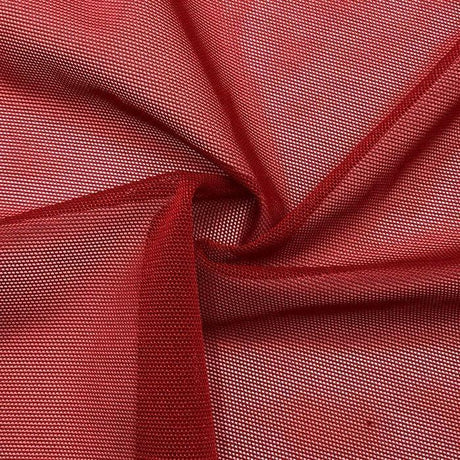
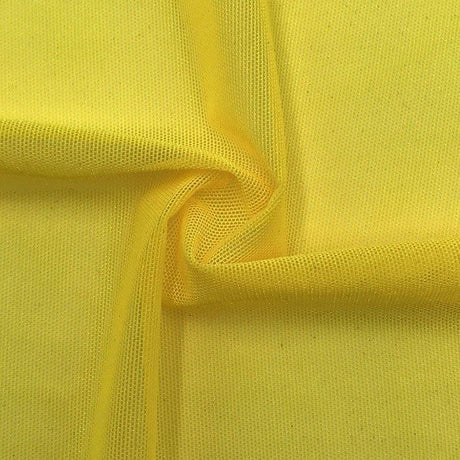
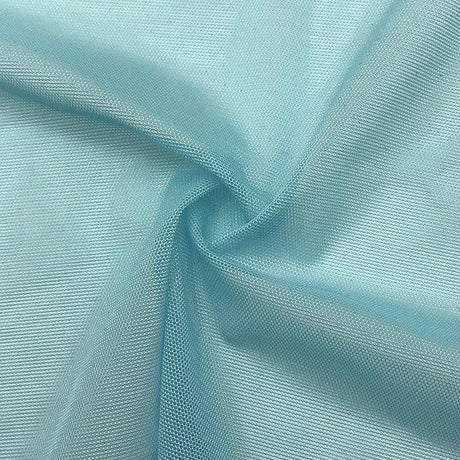
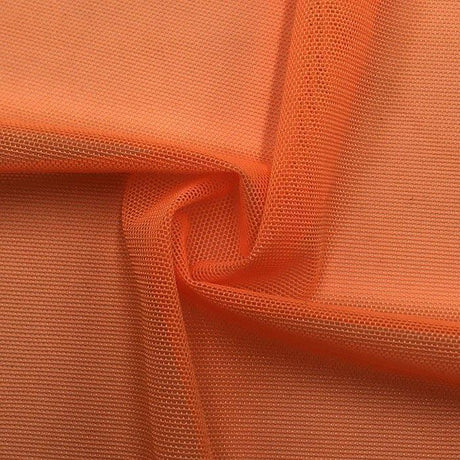
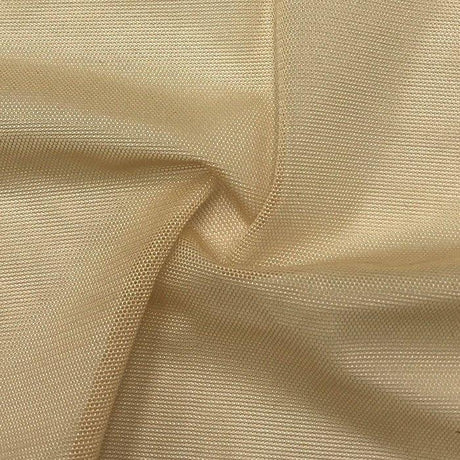
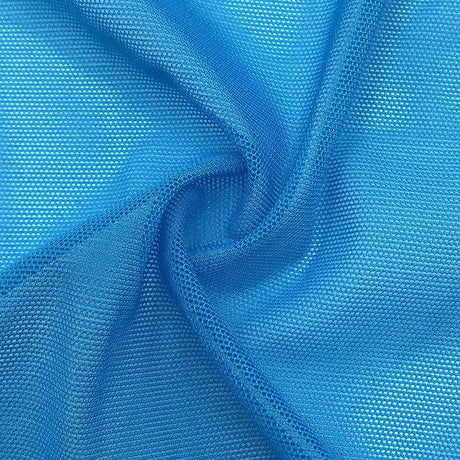
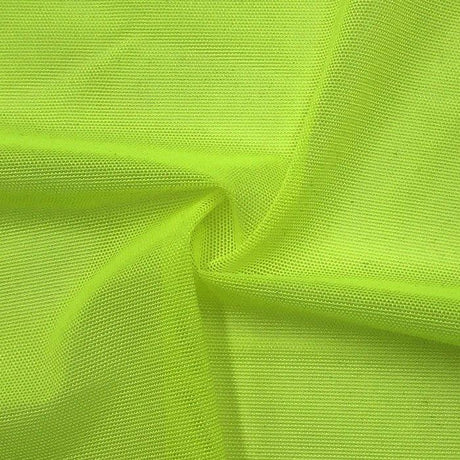
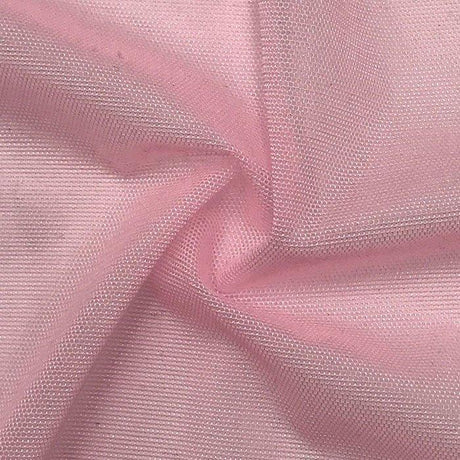
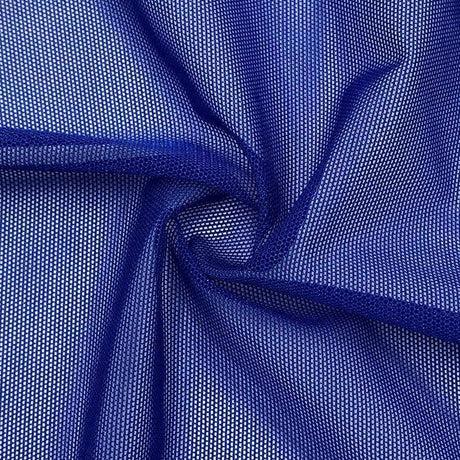
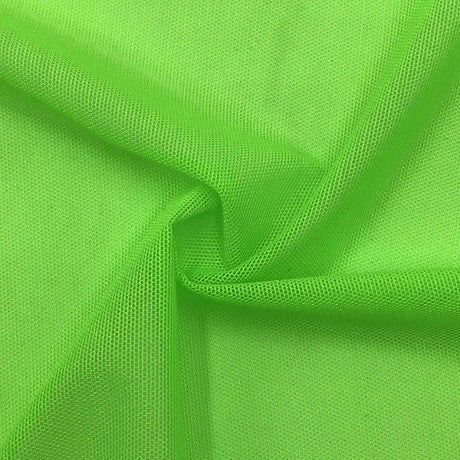
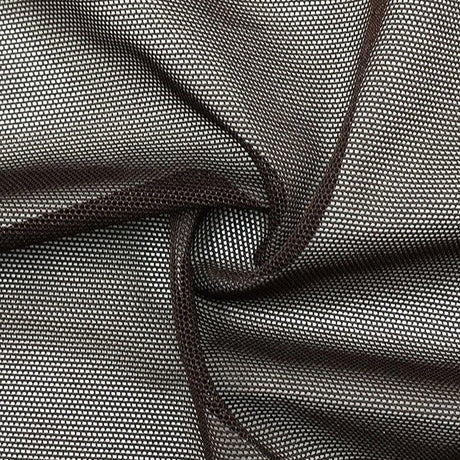
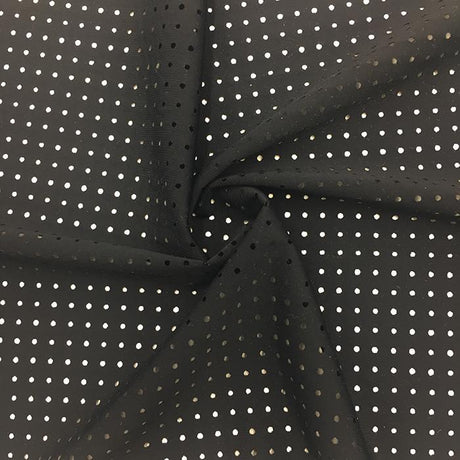
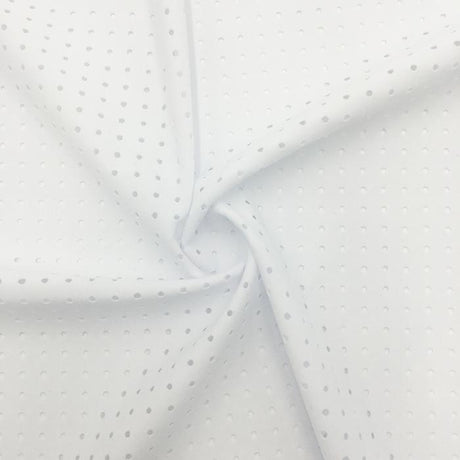
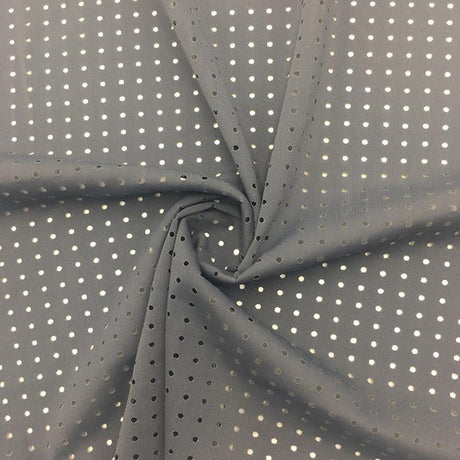
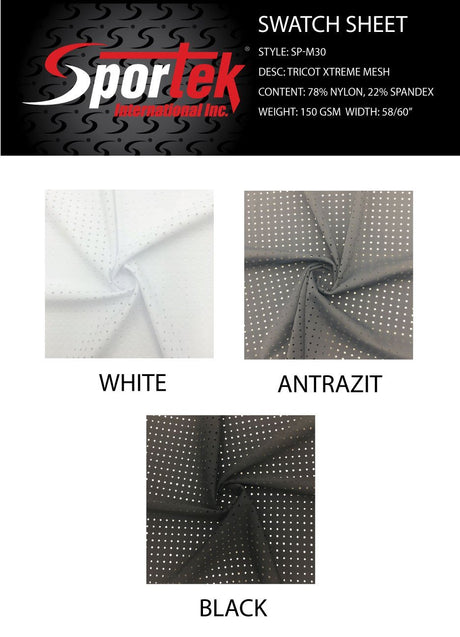
Description: Mesh lining is a fabric with a net-like structure (small holes). Common in men's swim trunks and some women's sports swimwear, mesh liners can be made of polyester or nylon and have a bit of stretch depending on the knit.
Comfort: The main comfort benefit of mesh is breathability. Water flows through easily and air dries it quickly. A soft mesh lining avoids the scratchiness associated with cheap netting – quality mesh is designed to be gentle and not irritate.
Fit: Mesh provides a loose support layer. It doesn't shape like solid fabric linings, but it offers support and coverage where needed. Mesh also prevents the outer shorts from ballooning with water by allowing quick drainage, which indirectly helps the shorts fit and move better in water.
Use Case: Great for swimwear that needs breathability and quick drying, or for adding a light support layer without bulk.
Cotton Blend Linings: Soft Inserts for Comfort
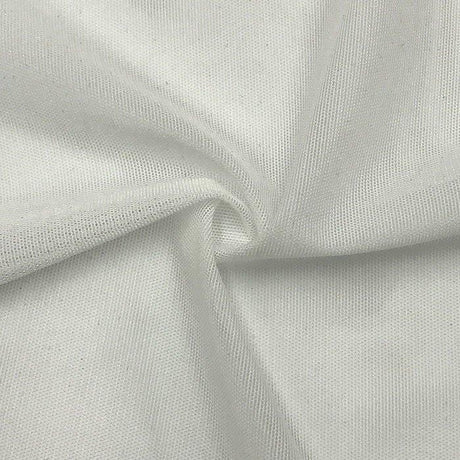
Description: While not used as the primary lining for most swimsuits, cotton-spandex blends occasionally appear in swimwear as special lining pieces. These are typically a soft, breathable jersey knit with gentle stretch.
Comfort: Cotton blend liners feel very soft and natural against the skin. Some swimsuit bottoms include a small cotton lining panel in the crotch area for breathability and hygiene.
Fit: Because cotton doesn't handle water as well (it can stay wet longer and lose shape when soaked), it's usually limited to small lining sections. Cotton blend inserts add comfort without significantly altering fit, but they lack the strong recovery of synthetic linings. Our cotton-spandex fabric guide covers how cotton-spandex blends compare in stretch behavior and recovery relative to synthetic alternatives.
Use Case: Use cotton blend lining sparingly in swimwear – for instance, as a modesty or comfort panel – rather than to line an entire suit.
Choosing the Right Lining Material for Your Swimsuit
Match the Stretch: Ensure the lining fabric stretches as much as your outer swim fabric. A liner with equal (or greater) stretch will move with you instead of restricting you. Check the spandex/Lycra percentage – ~10–20% Lycra content in the lining usually provides a good 4-way stretch and recovery that complements most swimwear fabrics.
Softness & Feel: Always feel the lining material with your hand. A high-quality lining should be silky-smooth, not scratchy. If it feels rough or plastic-like, it may cause irritation.
Quick-Drying & Breathability: Look for lightweight knit linings that won't hold water. A breathable lining prevents that cold, clammy feeling when you're out of the water. Our fabric weight guide covers how GSM affects moisture retention, breathability, and drying speed across all common lining constructions.
Durability (Chlorine/Salt Resistance): If longevity is a concern (for example, competitive swimwear or a suit you'll wear frequently in pools), consider a polyester-based lining or one labeled chlorine-resistant. This ensures the lining (and thus the fit of the suit) won't break down quickly. Our spandex care guide covers the science of chlorine degradation in elastane fibers – directly relevant to evaluating whether a lining's spandex content is suitable for heavy pool use.
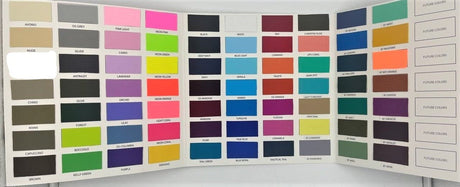
Color & Opacity: Choose a lining color that complements or matches the swimsuit. Always perform a "wet test" if possible – stretch the lining and outer fabric together to a light source to ensure nothing will show through when the suit is wet.
Common Swimsuit Lining Mistakes to Avoid
Using Non-Stretch or Low-Stretch Fabric: A common error for DIY swimwear makers is picking a pretty fabric as lining that doesn't stretch enough. This will seriously affect fit – the outer fabric may stretch on the body, but a stiff lining will dig in or cause the suit to pull oddly. Always use a lining with equal or greater stretch than the shell fabric.
Skipping the Lining: Without a lining, thin areas can turn transparent when wet, and seams or bra cups might rub directly on skin. The swimsuit may also lose shape faster.
Choosing Rough or Cheap Liners: A coarse mesh liner or a cheap, scratchy tricot can cause chafing and discomfort, especially in active swimwear. For instance, instead of an inexpensive stiff netting that might irritate, go for soft lining fabrics that have a smooth finish.
Mismatched Thickness: Using a very thick or heavy lining with a lightweight outer fabric (or vice versa) is a mistake that affects how the swimsuit sits on the body. Aim for a compatible weight – the lining should reinforce the suit without overwhelming it. Our fabric weight guide covers the GSM ranges that help you match lining weight to outer fabric weight in swimwear construction.
Neglecting Care for Lined Suits: Rinse your swimsuit in fresh water after each use to get rid of chlorine or salt, which protects the lining (and outer fabric) from premature wear. Avoid washing lined swimwear in hot water or machine-drying it. Our spandex care guide and fabric care guide cover complete laundering protocols for all common swimwear lining fabric types.
When to Use Mesh Linings vs. Traditional Linings
High-Activity Water Sports: A mesh liner in board shorts provides support but also allows water to flow through freely, so the shorts won't balloon or drag. In contrast, a fully lined short (with solid fabric) might trap water like a balloon. Use mesh when drainage and freedom of movement are top priorities.
Men's Swim Trunks: Traditional men's swim trunks almost always use a mesh brief liner instead of a full fabric lining. The mesh is there to hold everything in place modestly, but also to dry fast and prevent rashes.
Breathability Needs: In very hot climates or for swimwear that doubles as casual wear, a mesh lining keeps things cooler. Choose mesh when breathability is a major concern.
When Not to Use Mesh: Mesh linings are not as suitable for swimsuits where smoothness and full support are needed (e.g., a women's one-piece or bikini). Mesh can show texture through a tight swimsuit and doesn't shape the body as a tricot lining would. Use mesh liners for loose-fitting swim garments or specific support, and use solid linings for form-fitting swimwear.
When to Use Cotton Blend Linings in Swimwear
Sensitive Skin or Allergies: A swimsuit designer might add a cotton-spandex gusset (crotch lining) in women's swim bottoms. This natural fiber patch can feel softer and more breathable against delicate areas than synthetic might.
Modesty Panels & Special Cases: Cotton blend linings might be used in non-traditional swimwear or hybrid garments – such as maternity swimwear or post-surgery swimwear, where sensitive skin contact areas could benefit from a gentle cotton layer.
Cautions: Cotton takes longer to dry and can become heavy when wet. For a swimsuit that will spend hours in the pool or ocean, stick mostly to synthetics for the lining, perhaps only using cotton in a small, localized area.
Conclusion
A swimsuit's lining might be hidden, but it has a big impact on how the swimsuit feels and fits. The right lining will keep you comfortable (no rubbing or sogginess) and confident (secure fit and coverage) whenever you swim. Whether you're choosing a suit off the rack or crafting your own swimwear, paying attention to the lining is key to getting the best experience.
Ready to find the right lining for your swimwear project? Use our swimwear fabric guide for curated lining recommendations across all swimwear applications, our nylon-spandex fabric guide for full performance profiles of nylon-spandex tricot lining constructions, and our fabric weight guide and stretch fabric types page to evaluate technical specifications. Our how to sew stretch fabric guide covers all construction techniques for integrating linings cleanly into swimwear. Our spandex care guide and fabric care guide keep every finished suit performing at its best. Have questions? Our expert help and advice page and FAQ are always available. Sign up for SpandexByYard Rewards to earn points on every purchase – with the right lining in place, you'll enjoy your time at the pool or beach knowing your swimsuit has you covered.