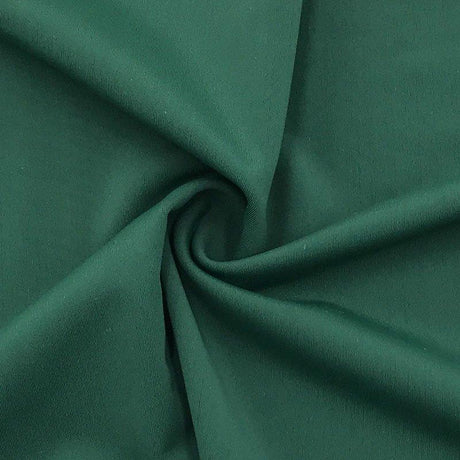
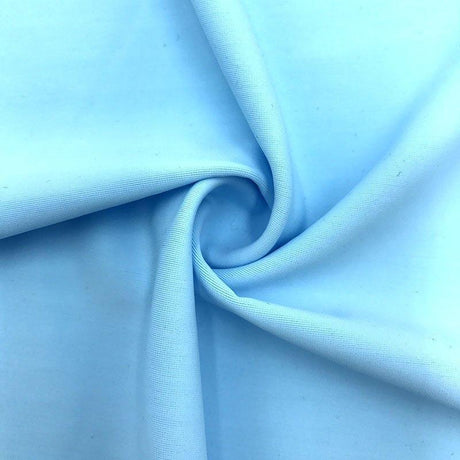
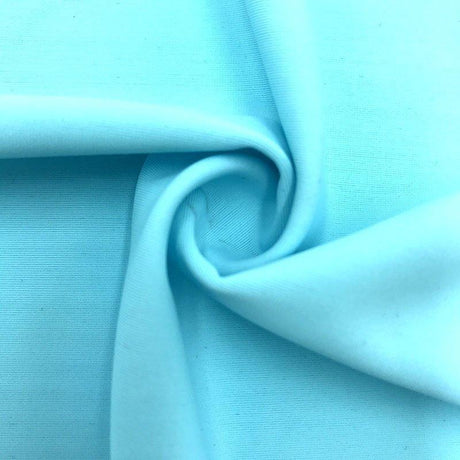
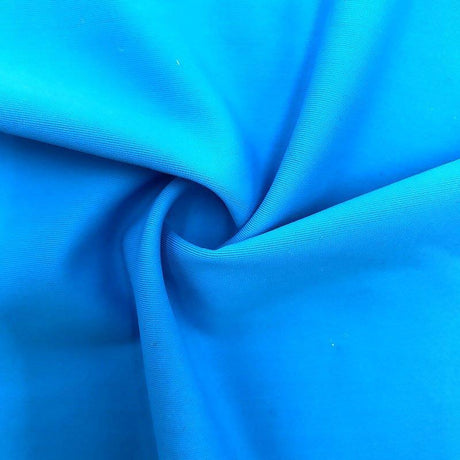
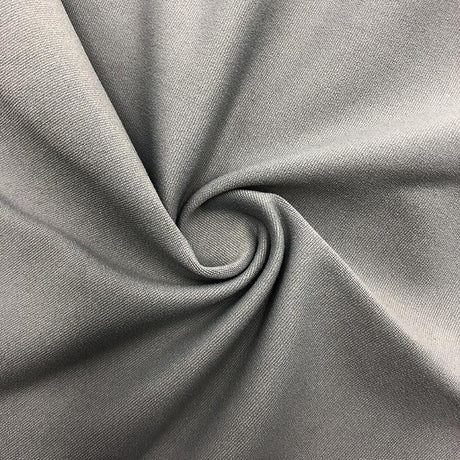
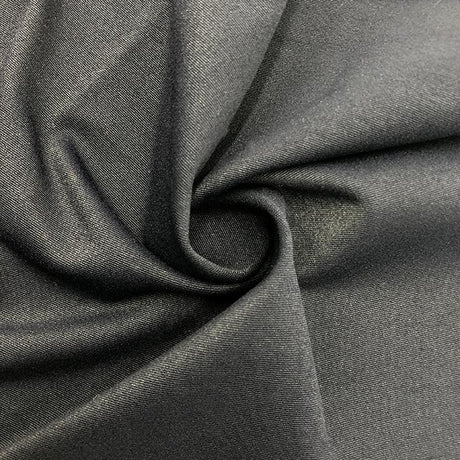
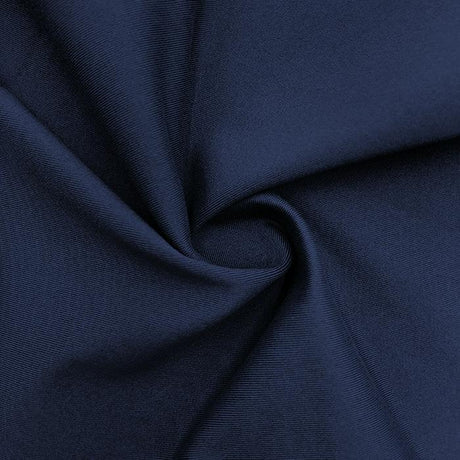
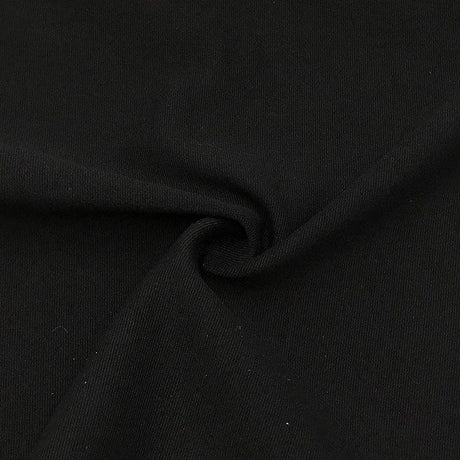
Most fleece base fabrics provide excellent warmth but little elasticity, often resulting in boxy fits or restricted movement. Incorporating stretch panel inserts into fleece garments solves this by enabling a closer fit and greater range of motion without sacrificing comfort. For a broader foundation on stretch fabric properties and fleece weight selection before diving in, explore our fabric weight guide and stretch fabric types page, or browse our full fabric guides hub.
Why Combine Fleece with Stretch Panels?
Fleece limitations: Traditional fleece is warm and soft but lacks stretch, which can restrict mobility or require oversizing the garment for movement. This can lead to a baggy silhouette and compromised fit.
Mobility solution: Strategic stretch inserts (e.g. at sides, underarms, or elbows) allow the garment to move with the wearer. The fleece body provides insulation while the flexible panels ensure unrestricted motion for activities like climbing or running.
Breathability improvement: Fleece can trap heat and perspiration. Adding lighter, more breathable stretch fabric in high-sweat zones vents excess heat. Our activewear fabric guide covers moisture-wicking and breathability ratings across all common performance knit constructions used in stretch panel applications.
Shape retention & durability: Elastic panels relieve strain on seams and help the garment maintain its shape. With resilient materials, the jacket or pullover can stretch during movement and return to form, reducing long-term sagging or elbow "bagging."
Key Fabric Specifications (GSM, Stretch %, Recovery, Breathability)
Weight (GSM): Consider the fleece weight (grams per square meter). Heavyweight fleece (≈300 GSM) offers more warmth but is bulkier and stiffer, whereas lightweight microfleece (100–200 GSM) is more flexible. Match panel weight to the fleece – a very thin stretch knit on a heavy fleece may cause uneven drape. Our fabric weight guide provides a full breakdown of how GSM affects compression, breathability, and durability across all common fabric constructions.
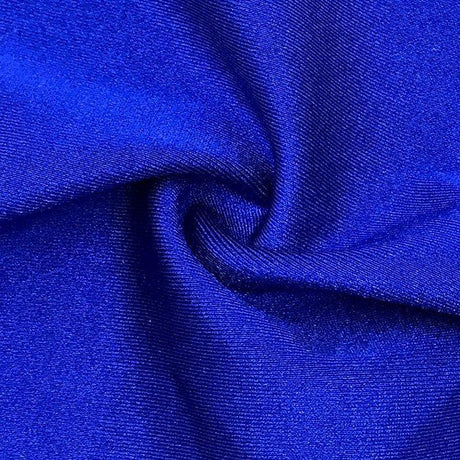
Stretch Percentage & Type: Evaluate how far the panel fabric can stretch (e.g. 20%, 50% stretch) and whether it's 2-way or 4-way stretch. Ensure the panel provides adequate give for the intended activity. A climbing jacket might require 4-way stretch in key areas, whereas casual wear may only need mild stretch for comfort. Our stretch fabric types page covers the full technical difference between 2-way and 4-way stretch constructions and how to verify true multidirectional stretch when evaluating panel fabrics.
Stretch Recovery: Opt for stretch panels that recover their shape quickly to prevent the garment from bagging out. High elastane (spandex) content (10% or more) or specialty power-stretch fabrics will snap back after extension, ensuring the piece keeps a tidy fit and lasts longer. Our stretch fabric types page covers how to measure and compare recovery ratings when evaluating stretch panel fabric samples.
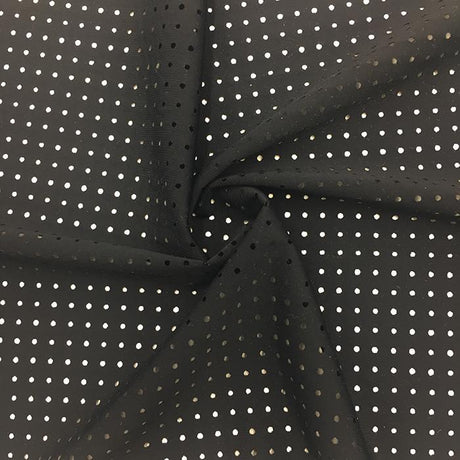
Breathability & Moisture Wicking: Check the airflow and moisture management of panel fabrics. Many stretch inserts are made from wicking knits that pull sweat away and allow it to evaporate. Selecting breathable panels (e.g. perforated or mesh-backed stretch materials) helps regulate body temperature during activity. Our fabric finishes guide covers moisture-wicking surface treatments and how to evaluate their durability across performance knit constructions.
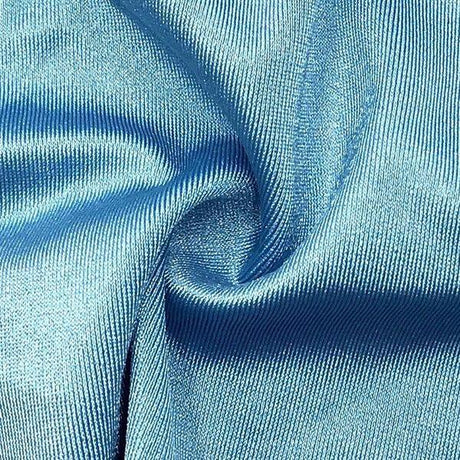
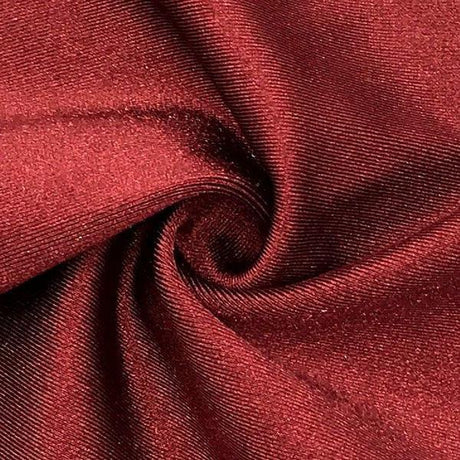
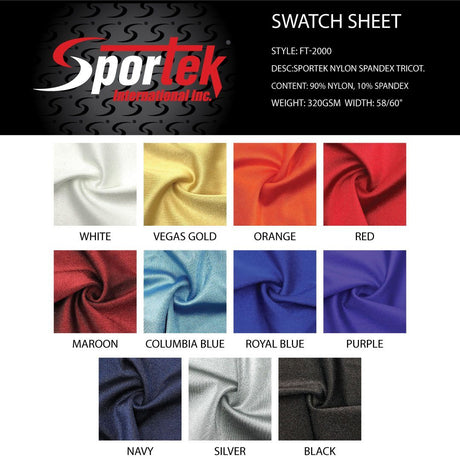
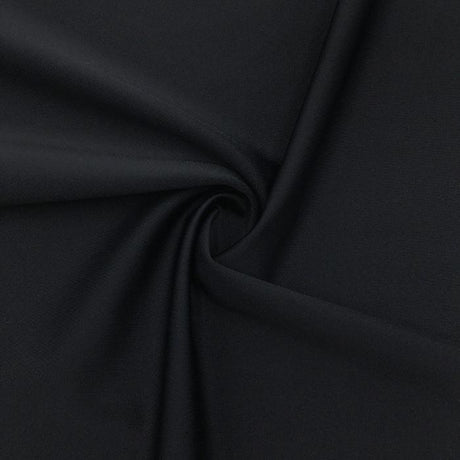
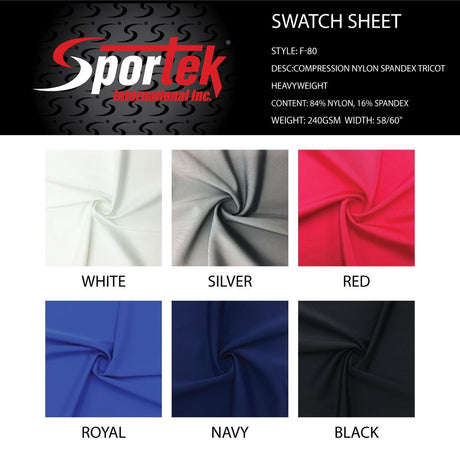
Material Composition: Fleece is usually polyester; stretch panels often come as polyester or nylon blends with spandex. Nylon-spandex blends tend to be very durable and snug, while poly-spandex blends may offer better moisture wicking and easier care. Our nylon-spandex fabric guide covers how nylon-spandex constructions compare to polyester-spandex in stretch, recovery, softness, and durability for panel applications.
How to Choose by End-Use
Hiking & Outdoor Jackets: Use a mid to heavy weight fleece for warmth and durable stretch nylon panels for shoulders, sides, or sleeves. This combo provides insulation while allowing arm lift and reach. Look for abrasion-resistant stretch (e.g. nylon face) so the jacket endures backpack straps and rough use. Breathable side vents or panels are ideal for long hikes to prevent overheating.
Base Layers & Midlayers: For next-to-skin pieces, opt for lighter fleece or grid-fleece with a high spandex content, or pair a thin fleece body with very stretchy inserts. Prioritize 4-way stretch and moisture-wicking properties for comfort. The result is a base layer that moves with you (no binding) and effectively pulls sweat away – perfect for skiing or running in cold weather.
Athleisure & Everyday Wear: Combine medium-weight fleece with stylish contrast stretch panels for comfort and fit. For example, a fleece hoodie might have spandex jersey side panels for a trim fit that still flexes during daily activities. Choose panels that are easy to work with and complement the fleece's texture. Our cotton-spandex fabric guide covers how cotton-spandex blends achieve the soft-touch stretch that makes them popular for casual athleisure panel applications.
Common Mistakes to Avoid
Mismatched Fabric Stretch/Weight: Avoid pairing a very stretchy, lightweight panel with a thick, non-stretch fleece (or vice versa). Incompatible stretch percentages can cause puckering, uneven stretching, or an odd fit. Always test the stretch ratio and drape of both fabrics together to ensure they behave well as one garment.
Poor Panel Placement or Sizing: Incorrectly placing stretch panels (for example, too small an insert at the underarm or an awkwardly shaped side panel) can limit the benefits. Panels should be positioned over high-movement areas and sized generously enough to actually add mobility. Symmetry and grainline direction matter too – panels should align with the body's movement for best effect.
Improper Sewing Technique: Treating stretch panels like regular woven fabric can lead to issues. Using a straight stitch (non-stretch stitch) or the wrong needle on stretchy inserts may cause seams to pop when the garment is worn. Likewise, not adjusting tension or using a differential feed on a serger can result in wavy, distorted seams. Always use stretch-appropriate stitches and stabilize or finish edges to accommodate the differing stretch of the two materials. Our how to sew stretch fabric guide covers complete needle selection, stitch type, machine settings, and edge finishing guidance for all common stretch knit and fleece construction scenarios.
When to Use Power Mesh Instead
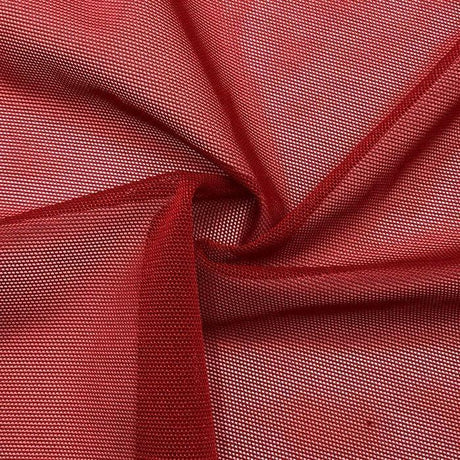
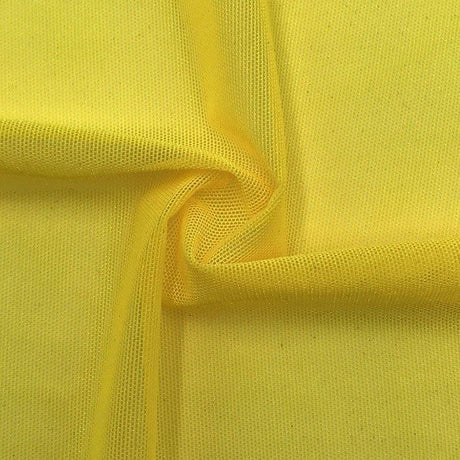
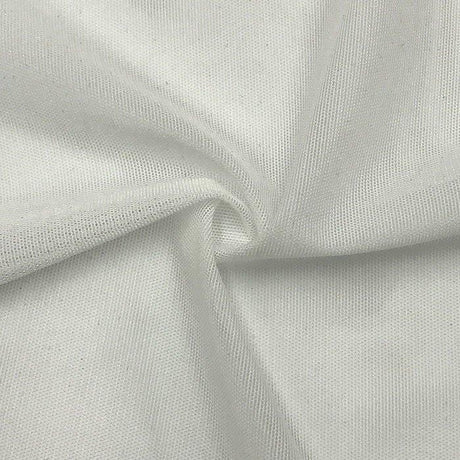
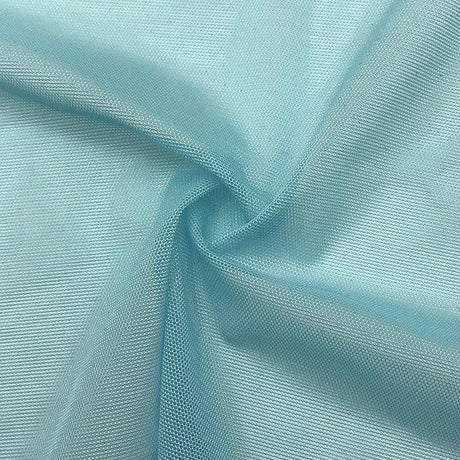
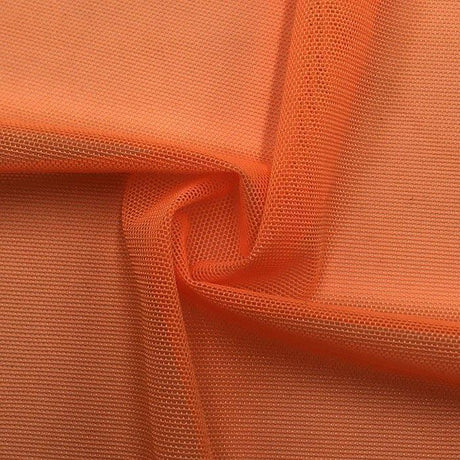
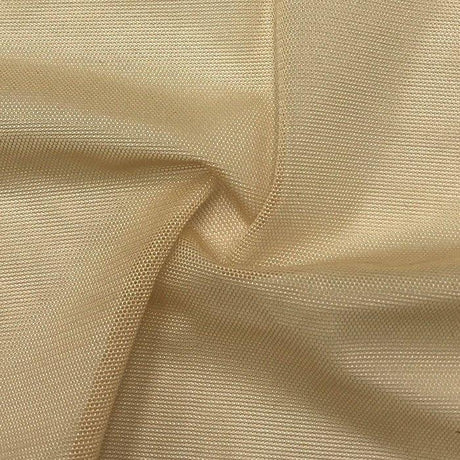
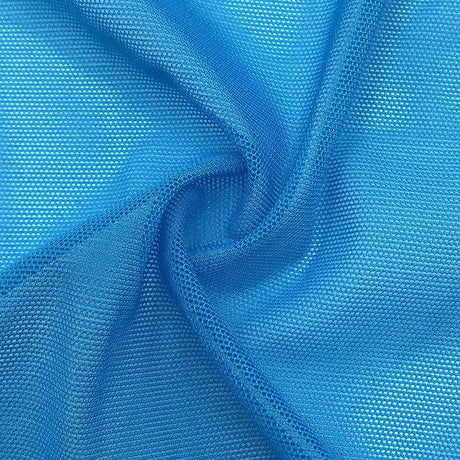
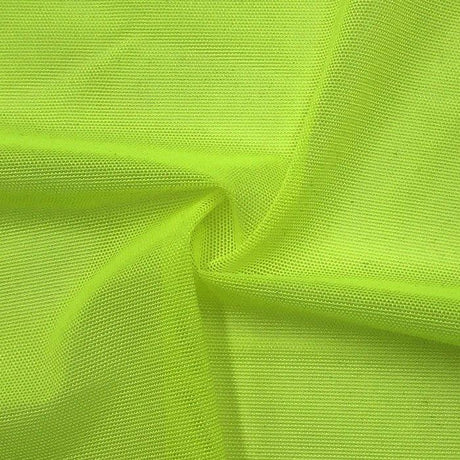
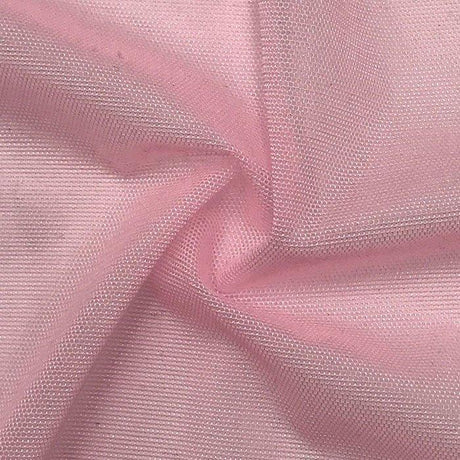
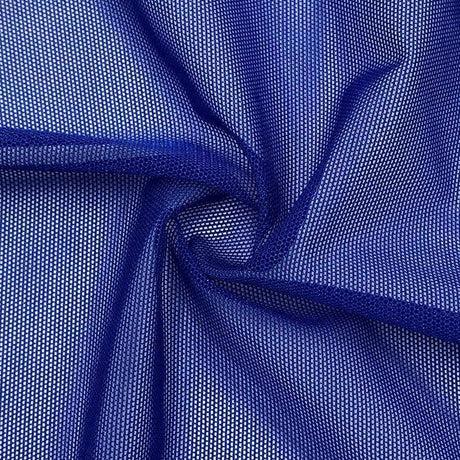
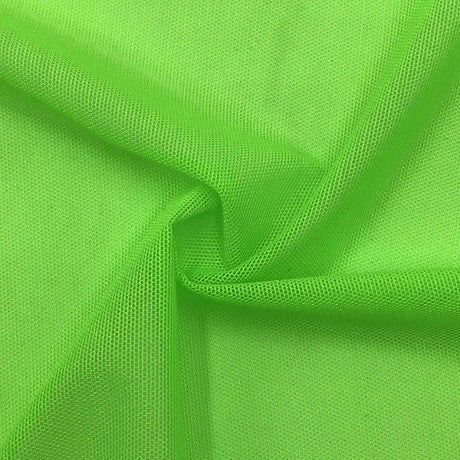
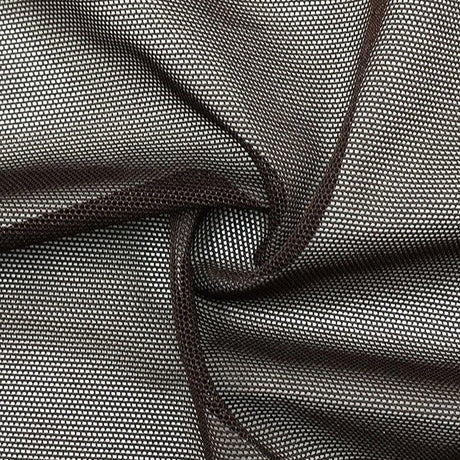
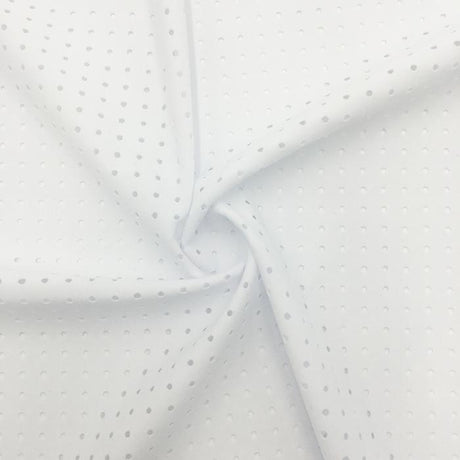
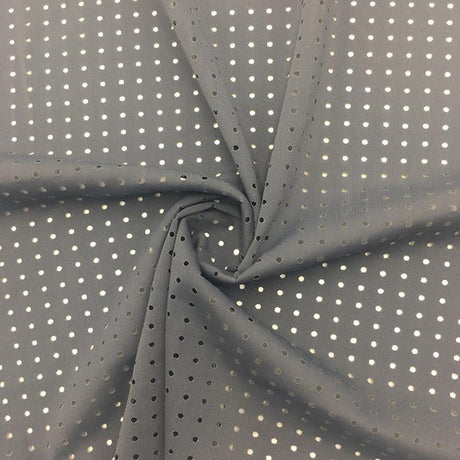
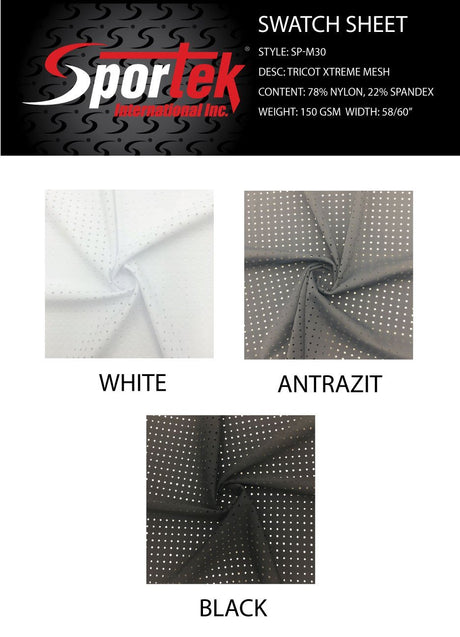
What is Power Mesh? A lightweight, highly stretchy mesh fabric known for its breathability. It has an open construction (small holes) that provides extreme airflow and a bit of compression. Power mesh panels are often used in athletic apparel for ventilation or support without bulk.
Softness & Warmth: Unlike fleece or solid stretch knits, power mesh offers little insulation and can be slightly rough or transparent. Solid stretch panels (like jersey or fleece with spandex) will feel cozier and add warmth, whereas mesh is all about function over comfort.
Breathability Advantage: Power mesh excels at ventilation. If maximum airflow is needed, consider incorporating breathable side panels made of power mesh in high-sweat zones (such as underarm gussets or back panels). These mesh inserts dump heat quickly during intense activity, far more than even thin solid stretch fabrics, keeping the wearer cool and dry. Our activewear fabric guide covers how power mesh panels are used in compression and ventilation applications across all common activewear categories.
Use-Case Recommendations: Use power mesh panels for high-intensity or warm-weather gear where shedding heat is a priority (e.g. running fleece with mesh vents). For cold-weather garments or those needing some structure, stick to regular stretch fleece inserts that provide both stretch and a bit of insulation. Also note that power mesh is less durable if exposed on the exterior – save it for low-abrasion areas or as a backing layer.
Conclusion
Pairing fleece with stretch panels allows you to create garments that combine the best of both fabrics – the warmth and structure of fleece with the flexibility and ventilation of performance knits. The result is a better fit and improved comfort, especially during movement.
Remember to weigh key factors like material weight, stretch percentage, recovery, and breathability when planning your project. By selecting the right combination for the intended end-use and employing sound sewing techniques, both professional manufacturers and DIY sewists can achieve durable, high-quality results.
Ready to find the right fabrics for your fleece-and-panel project? Use our fabric weight guide and stretch fabric types page to evaluate technical specifications, our nylon-spandex fabric guide and activewear fabric guide for curated panel fabric recommendations, and our how to sew stretch fabric guide for complete construction techniques. Our fabric care guide and spandex care guide keep every finished garment performing at its best. Have questions? Our expert help and advice page and FAQ are always available. Sign up for SpandexByYard Rewards to earn points on every purchase – armed with these tips and specifications, you can confidently design garments that offer superior fit, mobility, and overall functionality.