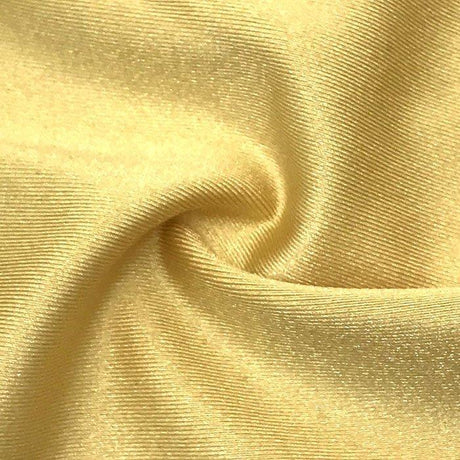
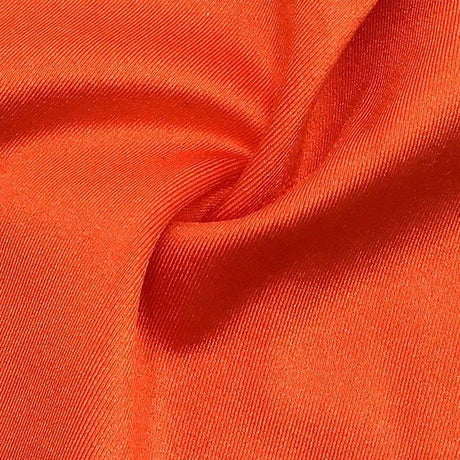
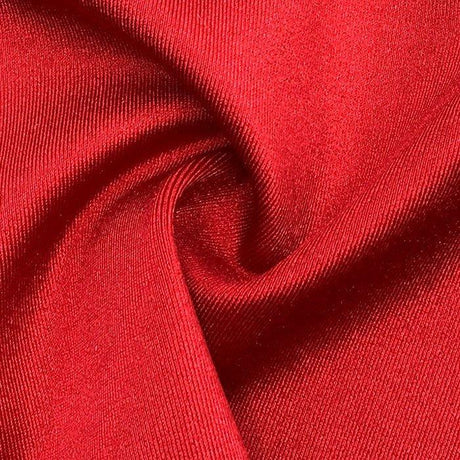
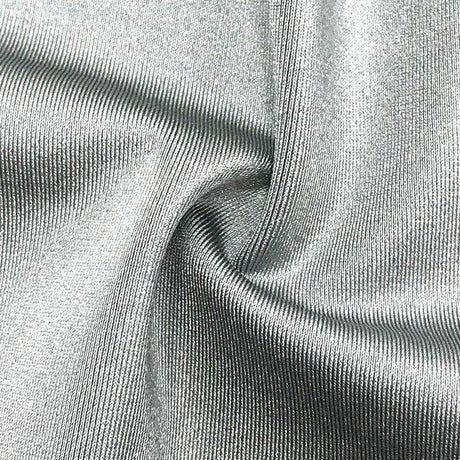
Introduction to Spandex and Its Technical Features
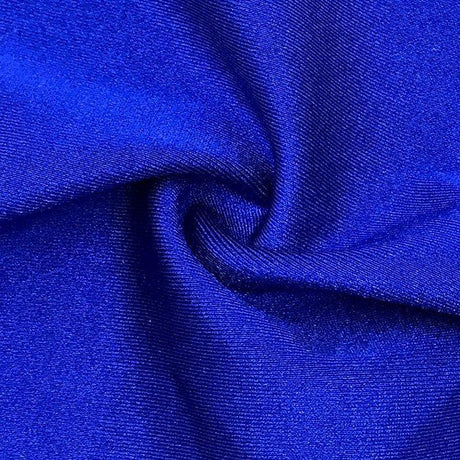
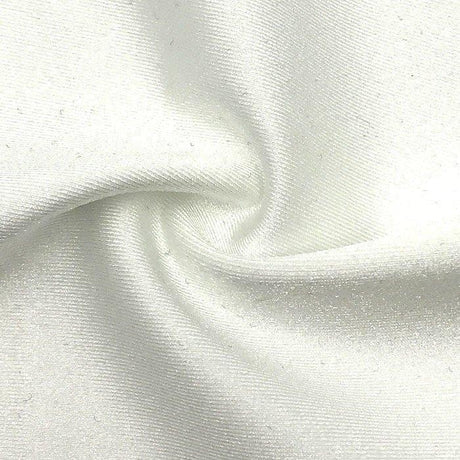
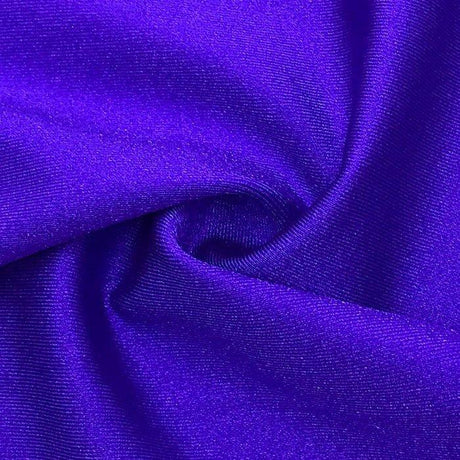
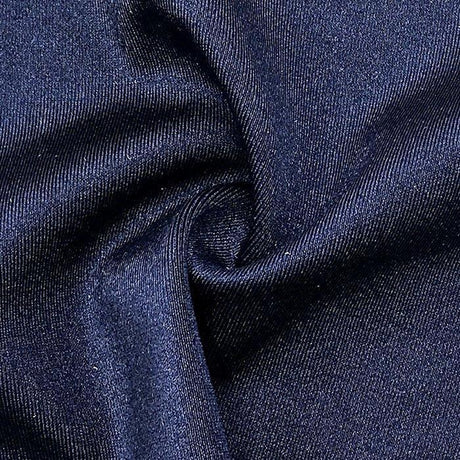
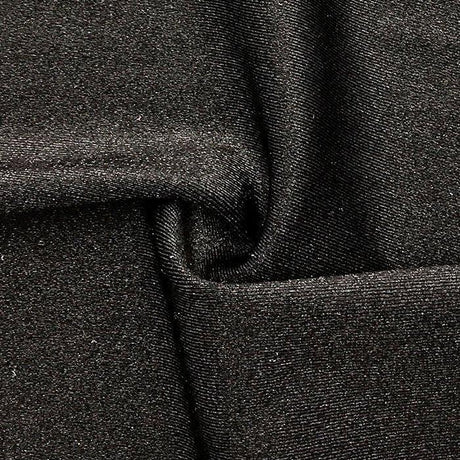
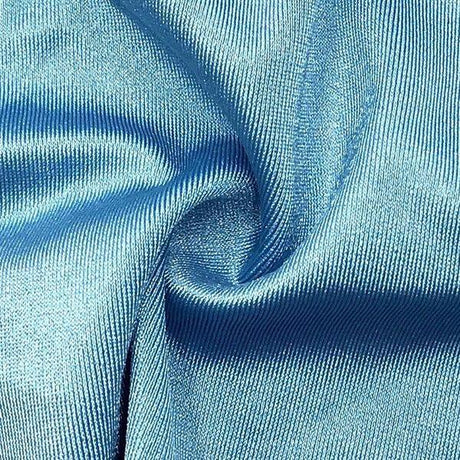
Spandex – also known as elastane or by the brand name Lycra – is a synthetic fiber celebrated for its unparalleled elasticity. First developed in 1958 by DuPont chemists, spandex is essentially a polyurethane-based elastomer that can stretch 5–7 times its original length and snap back without losing its shape. This impressive stretch is what gives spandex its name – an anagram of "expands." For a deeper technical foundation on spandex fiber construction and blend types, explore our stretch fabric types page or browse our full fabric guides hub.
The key features of spandex include exceptional stretch, high tensile strength, and quick recovery. A quality spandex yarn can be stretched up to five or more times its length and still return to its original form without permanent deformation. Spandex is usually incorporated as a blend (often 5–20%) with other fibers like cotton, nylon, or polyester, imparting its stretch to otherwise non-elastic textiles. Even a small percentage of spandex (for example, 2–5% in denim or jerseys) prevents fabric from losing shape and adds comfort for the wearer. In higher concentrations (15–25% in athletic knits), spandex provides powerful compression and support, contouring to the body like a second skin. Our nylon-spandex fabric guide and cotton-spandex fabric guide cover how spandex percentage affects stretch percentage, recovery ratings, and long-term elasticity across all common blend types.
Stretch Sequin Spandex: Construction, Uses, and Benefits
Stretch sequin spandex fabric combines sparkling sequins with a flexible spandex base, allowing for dramatic shine without sacrificing stretch. In construction, it typically features countless small sequins (shimmering plastic or metal discs) securely sewn or bonded onto a stretch knit backing that contains spandex. The backing is often a nylon or polyester power mesh infused with spandex, which provides a soft, flexible foundation for the sequins. Because of this spandex-rich base, many sequin fabrics offer 4-way stretch, meaning they can extend in both width and length, conforming to body curves and moving with the wearer.
The uses and benefits of stretch sequin spandex are far-reaching in performance and fashion contexts. This fabric is a favorite for dance costumes, cheer and gymnastics outfits, ice skating dresses, and theater or circus costumes – anywhere an audience needs to be wowed from afar. By leveraging a spandex base, these fabrics deliver glamour without restricting movement. A leotard or leggings made from 4-way stretch sequin fabric will allow performers to leap, stretch, and twist freely. In fashion, stretch sequin spandex appears in evening gowns, cocktail dresses, and statement pieces where a contouring, figure-hugging silhouette is desired along with high shine. Our dancewear fabric guide covers how stretch sequin and specialty spandex fabrics are used across all common dancewear and performance costume applications.
It should be noted that, as with any sequin material, designers typically line the garment or use soft binding at edges, since sequins can be abrasive against skin. Our how to sew stretch fabric guide covers the construction techniques, needle selection, and seam finishing methods needed when working with sequined stretch fabrics.
Other Innovative and Fashion-Forward Spandex Textiles
Holographic & Metallic Spandex: These fabrics pair spandex's flexibility with shiny foil or hologram surface finishes for an ultra-glamorous effect. A holographic spandex has an iridescent, color-shifting sheen that reflects a spectrum of colors under light, appearing almost futuristic. These eye-catching materials are built on a 4-way stretch spandex base, so the garment retains flexibility despite the flashy coating. From sci-fi or superhero costumes to high-fashion runway pieces, these fabrics deliver a modern, high-impact vibe. Our fabric finishes guide covers how metallic and holographic surface treatments are applied to spandex fabrics and how to evaluate the durability of different foil printing methods.
Printed and Patterned Spandex: Printed spandex is typically produced via digital printing or dye-sublimation on a spandex blend (often polyester/spandex, which takes prints vividly). This opens up huge creative possibilities: complex motifs or multicolor graphics can be achieved without stiff appliqués or paint, maintaining the fabric's soft hand and 4-way elasticity. Our sublimation page covers how sublimation printing bonds dye into polyester-spandex fibers to achieve permanent, saturated color that moves with the fabric, and our sublimation paper and sublimation transfer paper pages cover the complete printing workflow.
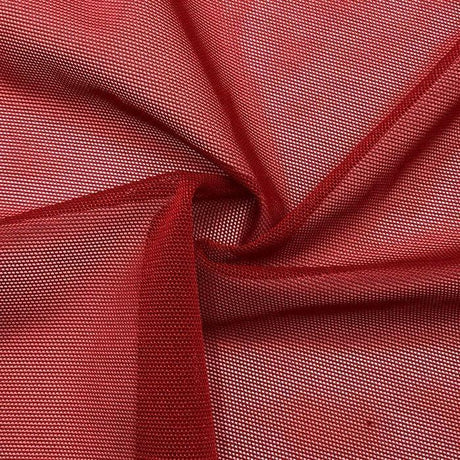
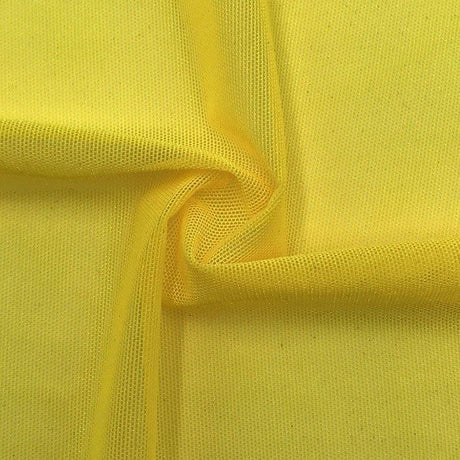
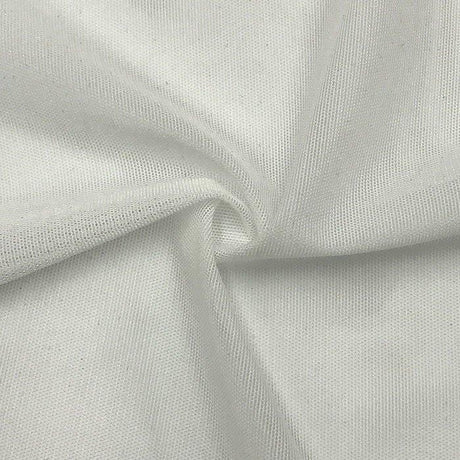
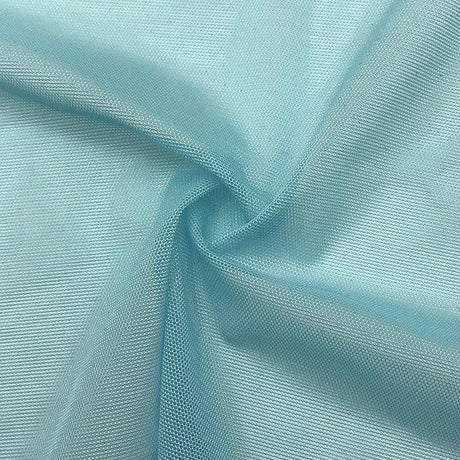
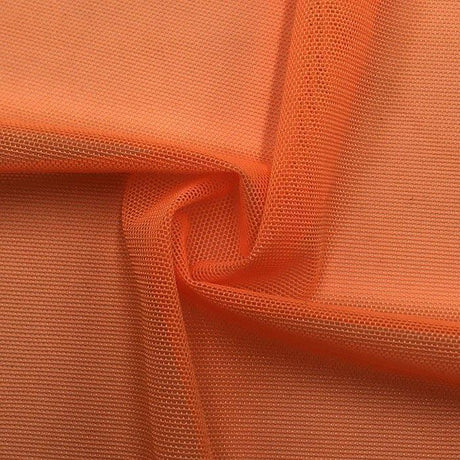
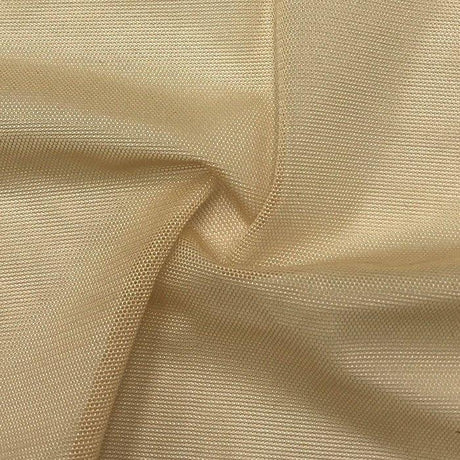
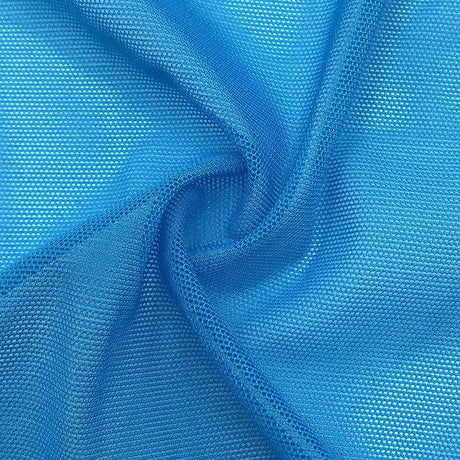
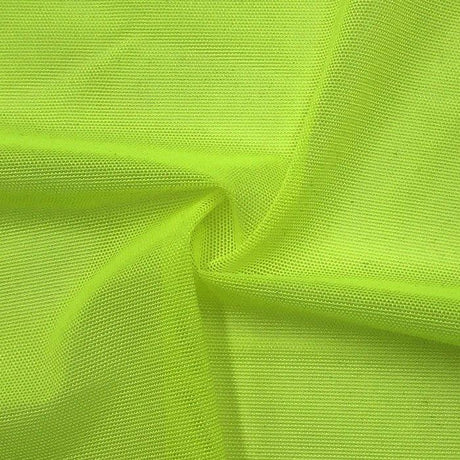
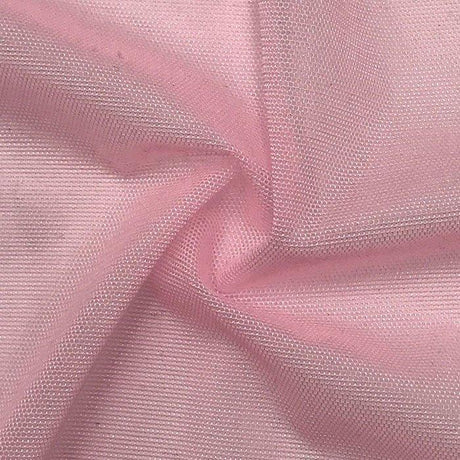
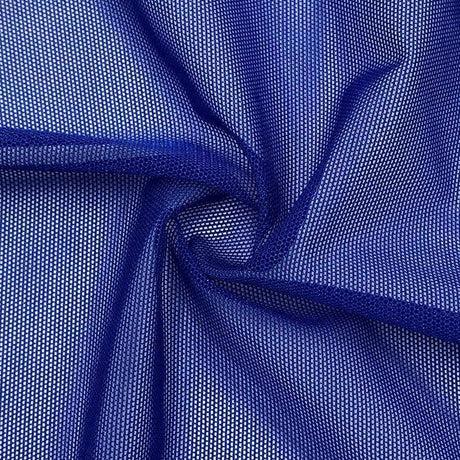
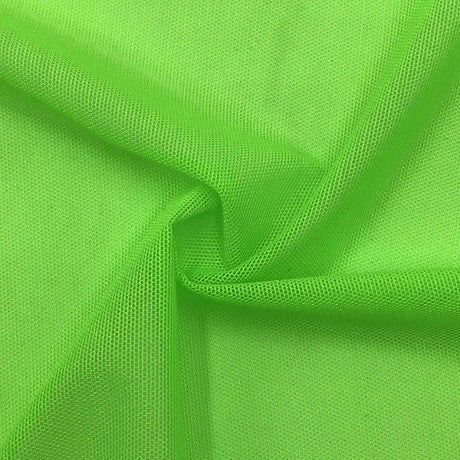
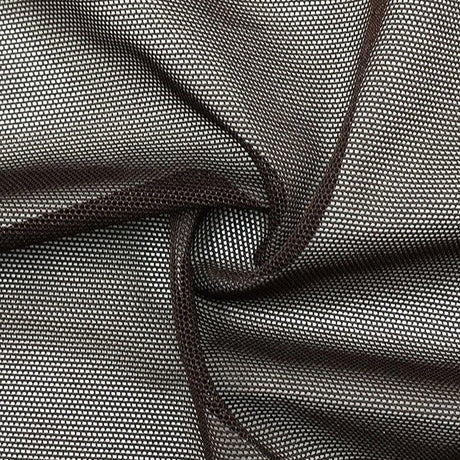
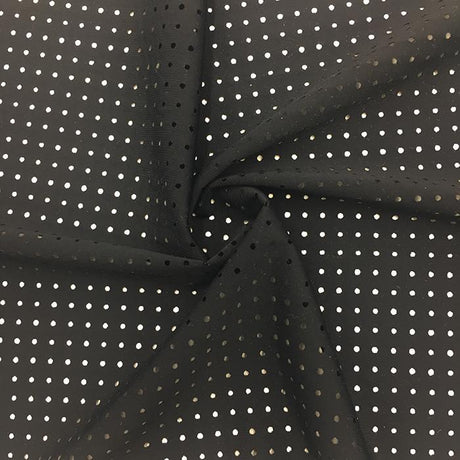
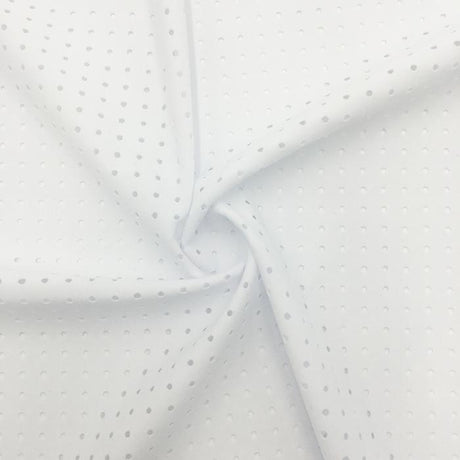
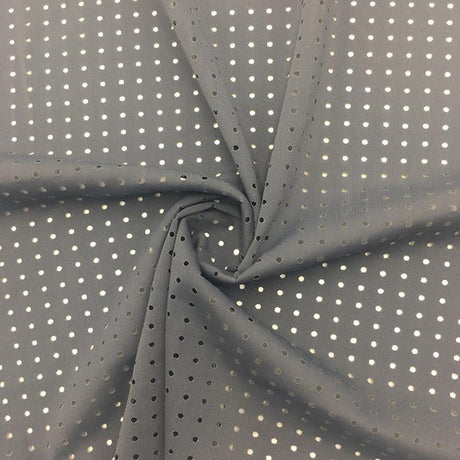
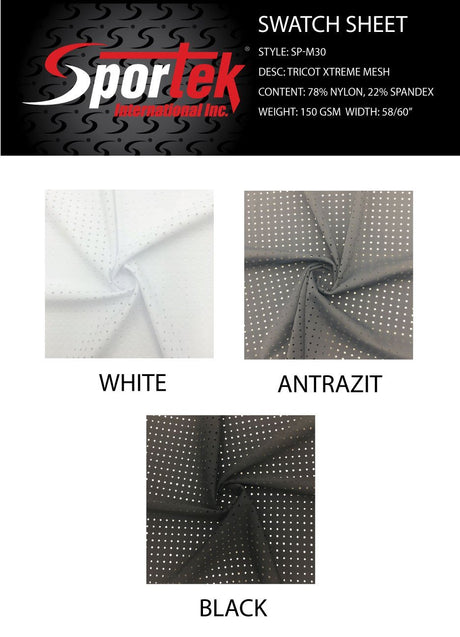
Stretch Lace and Mesh: Stretch lace fabric is made by knitting elastane into the lace pattern, yielding a decorative floral or geometric lace that can elongate and recover. Designers value stretch lace for its flattering fit and flexibility – it molds to the body rather than restricting it. Power mesh (a sheer net-like fabric with spandex) is widely used in performance apparel, providing ventilation or illusion effects in garments while offering 4-way stretch and breathability, perfect for sleeves, panels, or overlay layers that need to move with the body.
Stretch Velvet (Velour): Stretch velvet (often 90% polyester / 10% spandex) is a knit velvet that can have 2-way or mild 4-way stretch. It retains the plush, light-catching pile of traditional velvet but adds a smooth, flexible backing that hugs the body and moves easily. This makes stretch velvet highly popular for dance costumes, evening wear, and cosplay outfits that require both comfort and visual impact.
Eco-Friendly Spandex Innovations: Recycled spandex yarns have emerged as an eco-conscious alternative to virgin elastane. These are produced by reclaiming pre-consumer spandex waste and reprocessing them into new fibers. Designers focused on sustainability are beginning to incorporate recycled spandex blends in activewear and swimwear, demonstrating that high-performance stretch can align with eco-friendly practices.
Applications of Spandex in Fashion and Performance Apparel
High Fashion and Everyday Wear: In high-fashion design, spandex enables the creation of avant-garde silhouettes that still allow movement. In everyday streetwear, a touch of spandex is now standard. Jeans, trousers, and skirts often include a few percent elastane so that they hold shape and provide comfort when sitting or bending. Spandex's role in everyday fashion is to marry style with comfort, whether it's a sleek pencil skirt that stretches as you walk or a luxury designer piece that uses Lycra mesh for a second-skin effect.
Dancewear and Stage Costumes: Spandex is the undisputed hero of dance and performance costumes. Ballet, jazz, contemporary, and ballroom dance outfits all rely on high-stretch fabrics to allow a full range of motion. Leotards, unitards, leggings, and dance dresses are made of nylon-spandex blends that can expand and recover as the dancer leaps and twists. Spandex often underpins the elaborate decorative elements of stage costumes: designers will mount sequined fabric, stretch lace, or chiffon onto a spandex bodysuit, so that even the frilliest costume has a flexible skeleton and can withstand vigorous movement. Our dancewear fabric guide covers fabric selection across all common dancewear and performance costume applications.
Theatrical Costumes and Cosplay: Whether it's Hollywood superhero suits or fan-made cosplay costumes, spandex is the go-to material for achieving that authentic, form-fitting look. Cosplayers favor spandex for bodysuits, zentai suits, and morph suits because it creates a smooth "second skin" effect. Spandex's stretch means a costume can be put on or removed relatively easily and will accommodate various body shapes. In theater and film, costume designers use spandex for anything from dance ensembles in musicals to creature suits.
Activewear and Athletic Performance Apparel: Perhaps the most ubiquitous use of spandex is in the realm of sports and fitness clothing. Activewear, from yoga pants and running leggings to compression tops and athletic swimsuits, depend on spandex for their stretch and recovery. High-quality sportswear often incorporates 15–20% spandex in a knit with nylon or polyester to achieve a firm stretch with excellent recovery and durability. For example, competitive swimsuits and gymnastics leotards use special Lycra fibers that withstand chlorine and sweat while maintaining shape. Our activewear fabric guide covers compression performance benchmarks and moisture-wicking ratings across all common activewear fabric constructions. Our swimwear fabric guide covers chlorine resistance ratings and stretch performance across all common swimwear fabric constructions.
Fabric Sourcing Tips for Designers and Manufacturers
Know Your Fiber Blend and Spandex Percentage: Always ask about the exact fabric composition and how much spandex it contains. The non-spandex portion (e.g. polyester vs. nylon) affects the fabric's feel and performance – nylon/spandex blends tend to have a soft "buttery" hand, while polyester/spandex blends feel more slick or "technical." Ensure the supplier provides a breakdown and confirm it suits your end product. Our nylon-spandex fabric guide covers how nylon and polyester companion fibers compare in hand feel, moisture management, and durability at equivalent spandex percentages.
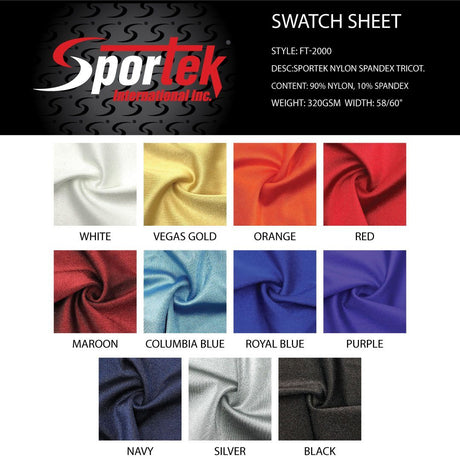
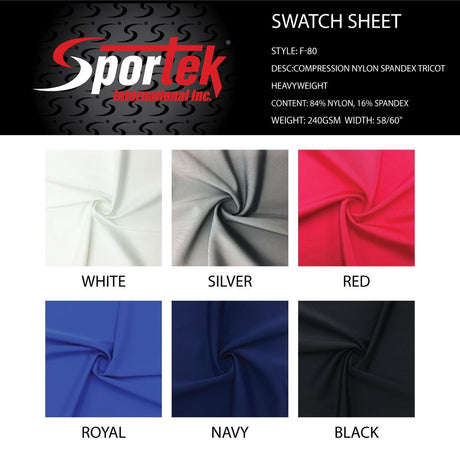
Check the Fabric Weight (GSM): The weight of the fabric, measured in grams per square meter, is crucial for understanding its thickness, durability, and opacity. A higher GSM generally means more coverage and resilience – squat-proof compression leggings are often 220–300 GSM to avoid any see-through issues. A lower GSM will be drapier and more breathable, ideal for flowy dancewear or summer athleisure tops. Our fabric weight guide provides a full breakdown of how GSM affects opacity, compression, breathability, and durability across all common spandex-blend constructions.
Evaluate Stretch and Recovery: It's not enough that a fabric stretches – it must also recover well. A quality spandex fabric typically offers significant 4-way stretch (often 50–100% extension in both directions) and bounces back to shape instantly. Suppliers should also specify if a fabric is 2-way or 4-way stretch, as this affects pattern layout and fit. Our stretch fabric types page covers the step-by-step stretch and recovery testing methodology in detail, including how to calculate stretch percentage from a home swatch test.
Assess Quality Certifications and Finishes: Check for fabric certifications such as OEKO-TEX® Standard 100 (ensures the textile is free from harmful substances) and Global Recycled Standard (for sustainable sourcing). Additionally, ask about any special fabric finishes: is it chlorine-resistant (important for swimwear), UV protective, or moisture-wicking? Our fabric finishes guide covers these surface treatments and how to evaluate their durability across performance spandex-blend constructions.
Request Samples and Do Your Own Testing: Before committing to a bulk purchase, get swatches or sample yardage of the spandex fabric. When you receive a sample, stretch it to the max to ensure it doesn't deform, wash it to check for color fastness or shrinkage, and see how it drapes and cuts. Our how to choose fabric guide covers what to evaluate when a physical swatch arrives, including stretch testing, opacity testing, and hand feel assessment. Have questions? Our expert help and advice page and FAQ are always available.
Communicate and Verify Supplier Reliability: Work with suppliers who understand your needs and communicate clearly. Discuss MOQ (Minimum Order Quantities) and lead times. A reputable spandex supplier will be ready to provide detailed answers and even technical guidance. Establishing a relationship with a reliable, knowledgeable supplier will make fabric sourcing smoother and give you confidence in the materials you're using.
Why SpandexByYard.com Is Your Go-To Source for Stretch Textiles
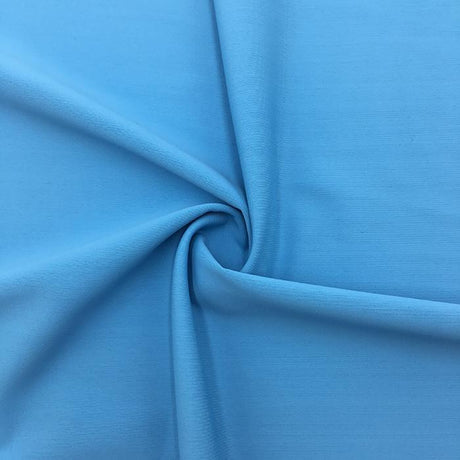
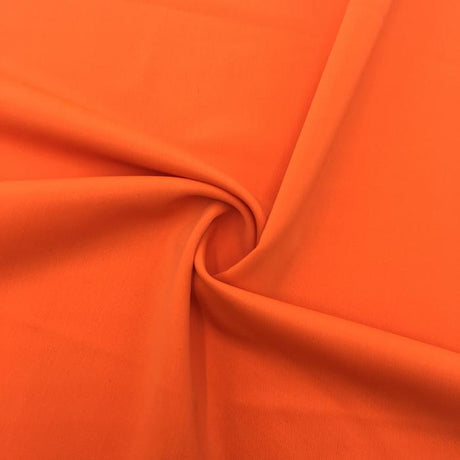
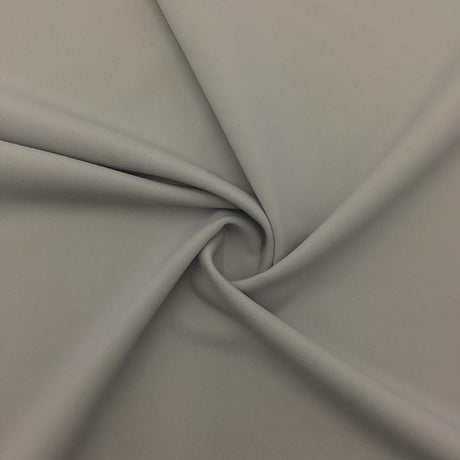
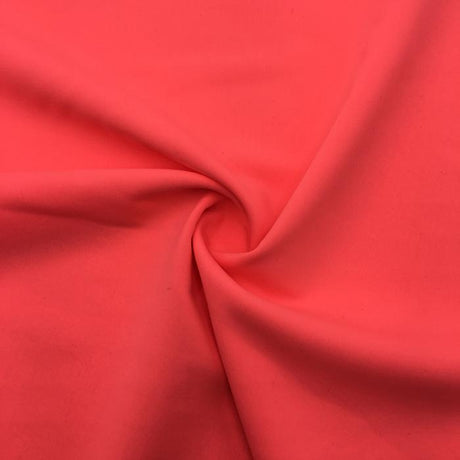
When it comes to obtaining high-quality stretch fabrics, SpandexByYard.com has positioned itself as a trusted one-stop source for designers and manufacturers alike. This specialty supplier offers an extensive catalog of spandex and spandex-blend textiles – from essentials like solid tricot knits and power mesh to specialty materials like stretch sequin, holographic, foil, velvet, and printed spandex. With more than 2,000 colors and prints in their inventory, you're virtually guaranteed to find the exact style you need for any project.
SpandexByYard supplies detailed specifications for every fabric – you can typically find the precise composition, weight (GSM), stretch percentages, and even suggested uses in the product descriptions. Their online resources (including our nylon-spandex fabric guide, swimwear fabric guide, activewear fabric guide, and dancewear fabric guide) cover everything from comparing different stretch constructions to care instructions, reflecting a commitment to helping customers succeed with their fabric choices.
Proper care extends the life of every spandex-blend garment. Our spandex care guide and fabric care guide cover complete laundering protocols for all common spandex-blend garment types. And don't forget to sign up for SpandexByYard Rewards to earn points on every purchase.
As you explore and source materials for your next project, remember that quality fabrics form the foundation of quality products. With spandex and its innovative derivatives, you have the freedom to design clothing that is as comfortable and functional as it is beautiful. Whether it's the show-stopping allure of stretch sequin spandex or the sleek power of a moisture-wicking Lycra blend, the right textile will elevate your design – and now you know exactly where to find it.