Cycling apparel isn’t just about sleek design – the fabric itself is a critical component of performance. From skin-tight racing jerseys to padded bib shorts, these garments rely on spandex fabric blends to deliver stretch, support, and comfort. Choosing the right spandex-based fabric for cycling wear can significantly impact moisture management, compression, durability, and overall ride experience. This article provides a technical guide to evaluating spandex fabrics for high-performance cycling apparel, comparing common blends and key properties like moisture-wicking, compression, stretch/recovery, UV resistance, abrasion resistance, breathability, and fabric weight. The goal is to help cyclists, gear manufacturers, and serious buyers understand how different spandex blends (nylon-spandex vs. polyester-spandex, etc.) influence performance, and what trade-offs to consider for optimal cycling gear.
Spandex Fabric in Cycling Apparel: The Basics
Spandex (elastane) – known by brand names like Lycra® – is the stretch engine of modern cycling clothing. It is an elastic fiber capable of stretching 5–8 times its original length and snapping back to shape, giving cycling wear its signature second-skin fit and preventing garments from sagging or bagging out. Pure spandex, however, is rarely used alone; it’s almost always blended with other fibers (like nylon or polyester) that contribute strength, moisture management, or other properties. In cycling apparel, the base fiber (nylon or polyester) makes up the majority of the fabric, while spandex typically comprises about 5–20% to provide the needed stretch and recovery.
Common Spandex Blends in Cycling Clothing: High-performance cycling kit mainly uses two types of spandex blends: nylon-spandex (also called polyamide-spandex) and polyester-spandex. Each blend has distinct characteristics suited to different parts of a cycling outfit:
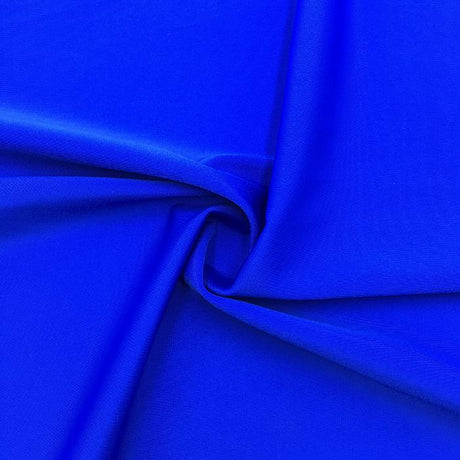
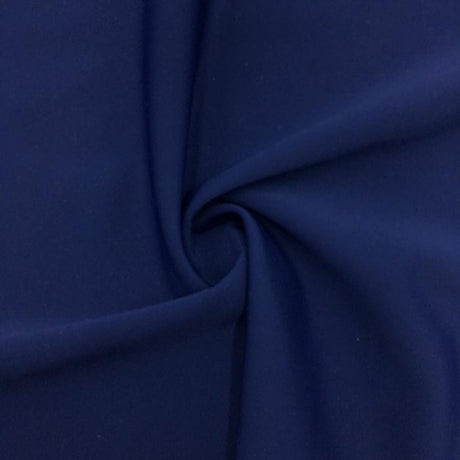
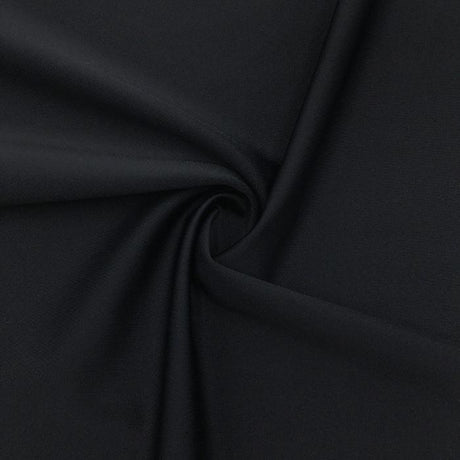
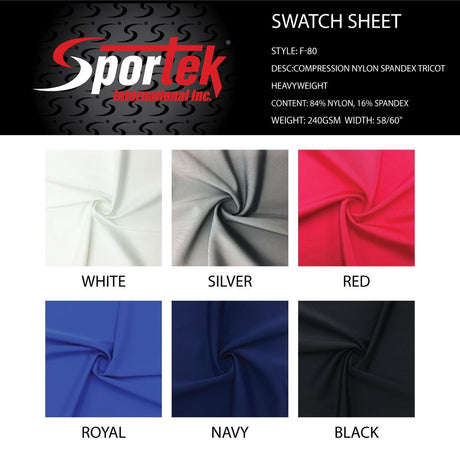
- Nylon-Spandex Blends: Often ~80–85% nylon and 15–20% spandex, this blend is ubiquitous in cycling shorts, tights, and form-fitting leg warmers. Nylon (a polyamide) is a tough synthetic fiber known for its exceptional tensile strength and abrasion resistance, as well as a naturally soft, smooth feel. When combined with spandex, nylon fabrics become highly elastic, durable, and supportive, which is ideal for compressive applications like bib shorts. Nylon-spandex materials tend to have a matte or slightly sheeny finish and can be knit densely enough to remain opaque even when stretched (important for modesty in cycling shorts). Premium nylon-based fabrics (often branded as Lycra® Power or using Cordura® Nylon Lycra for extra durability) are prized for being “flexible, durable, and moisture-wicking,” perfectly suited to the dynamic movements and stresses of cycling.
- Polyester-Spandex Blends: Often ~85–90% polyester and 10–15% spandex, this blend is the workhorse for cycling jerseys, summer arm/leg sleeves, and sometimes shorts. Polyester is another strong synthetic fiber, notable for its hydrophobic nature and excellent moisture management – it hardly absorbs water (polyester can absorb as little as ~1% of its weight in moisture), which means sweat is quickly moved to the fabric surface to evaporate. Polyester-spandex fabrics are lightweight, quick-drying, and colorfast, making them ideal for jerseys that keep you cool and can display vivid colors or prints (polyester holds dye exceptionally well for sublimation printing). These fabrics usually include a small percentage of spandex (or utilize mechanical stretch in the knit) to ensure a snug fit on the body. Modern high-tech polyester knits can be very soft (microfiber yarns or special finishing overcome the old “plastic” feel), though traditionally nylon feels more silky. Polyester’s natural UV resistance and ability to be engineered in ultra-fine yarns means many cycling jerseys are predominantly poly for minimal weight and fast moisture wicking.
- Other Blends (Less Common): Cotton-spandex is rarely used in serious cycling gear due to its tendency to absorb sweat and dry slowly (leading to a heavy, damp garment). Natural fiber blends, like merino wool with nylon-spandex, appear in some cycling base layers or winter jerseys for better odor control and insulation, but pure merino or cotton with spandex lack the quick-dry performance needed for intense rides. Thus, the focus for high-performance cycling wear remains on synthetic blends with spandex.
Nylon vs. Polyester Spandex: A Quick Comparison
To understand which spandex blend is right for a given cycling application, it helps to compare nylon-spandex vs. polyester-spandex properties side by side:
- Moisture Wicking: Polyester is superior at wicking sweat and stays drier, as it repels water and moves moisture to the surface quickly. Nylon also wicks moisture but can absorb a bit more, so it’s slightly less efficient than polyester in very sweaty conditions.
- Drying Speed: Polyester-spandex fabrics dry extremely fast (ideal for jerseys that get soaked in summer). Nylon-spandex dries faster than cotton but generally a tad slower than polyester.
- Softness & Feel: Nylon blends have a soft, “silky” hand feel against the skin, often described as buttery-smooth – great for shorts that contact the skin constantly. Polyester blends historically felt more coarse or “plastic,” but modern microfiber polyester and fabric brushing techniques have greatly improved their softness. Still, nylon usually retains a slight edge in luxe feel.
- Stretch & Recovery: Both blends rely on spandex for stretch. Nylon itself has some inherent elasticity and pairs with spandex to yield excellent 4-way stretch and recovery, meaning it easily conforms and snaps back to shape. Polyester is more dimensionally stable (less stretch on its own), so polyester-spandex fabrics depend entirely on spandex or knit structure for elasticity. In practice, both blends can offer great stretch if spandex content is sufficient, but high-compression garments often favor nylon blends for their combination of stretch and support.
- Abrasion Resistance & Strength: Nylon-spandex is the clear winner in durability under friction. Nylon has a higher tensile strength and abrasion resistance than polyester – roughly 20% better strength-to-weight ratio – which is why cycling shorts (subject to constant saddle friction) are typically nylon-based. Polyester is strong in static tension but tends to fuzz or pill slightly more under repeated rubbing (though high-quality poly knits mitigate this). For areas prone to wear, nylon’s robustness is invaluable.
- UV Resistance: Polyester has better resistance to UV light and maintains its integrity and color when exposed to sun longer. Nylon will degrade and lose strength with prolonged UV exposure unless specially treated. This is one reason many cycling jerseys (exposed to sun) use polyester, while shorts (usually covered by the saddle or not in direct sun as much) often use nylon. Some nylon blends intended for outdoor use include UV inhibitors or rely on darker dyes to absorb UV, but inherently polyester is more UV-stable.
- Odor Retention: Polyester is oleophilic (attracts oils), which means it can trap body oils and harbor odor-causing bacteria – leading to that infamous “gym clothes smell” if not treated. Nylon is less prone to holding odors (it’s less oil-attractive). As a result, many polyester cycling fabrics get antimicrobial treatments (e.g. silver ions) to prevent odor buildup. Nylon-spandex gear might stay fresher naturally, though any synthetic garment can eventually smell if not laundered.
- Weight & Bulk: Both fibers can be made into lightweight fabrics, but polyester is often engineered into ultra-light jerseys (with fine yarns or mesh) that nylon can’t easily match in weight. Polyester’s strength allows very thin, airy fabrics that still hold up (hence its dominance in featherweight summer jerseys). Nylon, being so strong, can achieve light weights too, but for a given durability target nylon fabrics might come out slightly heavier. In high-compression fabrics, weight is less of a concern – an 80/20 nylon/spandex at 250 g/m² provides serious support – whereas a polyester jersey might be 120 g/m² for breathability.
- Cost & Aesthetics: Nylon-spandex textiles typically cost more, given nylon’s premium feel and the complex knitting for high-density compression material. They often have a matte or subtle sheen, exuding a premium look. Polyester-spandex fabrics are generally more affordable and versatile for printing and graphics. They may have a bit of shine on cheaper jerseys, but modern ones can look quite high-end too. Cost may influence choice for mass-produced jerseys (poly being economical), whereas premium bib shorts justify nylon’s higher price for performance.
In summary, nylon-spandex blends excel in softness, strength, and compression (making them ideal for shorts/tights), while polyester-spandex blends excel in moisture-wicking, quick drying, and UV stability (making them ideal for jerseys and warm-weather gear). Many high-end cycling kits actually use both: for example, a nylon-spandex short for durability and muscle support, paired with a polyester-spandex jersey for cooling and light weight. Each fiber plays to its strengths.
Stretch, Compression, and Recovery
One of the defining features of cycling apparel is its exceptional stretch and form-fit. Without sufficient elasticity, a cycling kit would restrict pedaling and feel uncomfortable in an aero riding posture. Spandex (elastane) is responsible for this stretch, and even a small percentage can make a big difference. For instance, a cycling jersey material with just 4% spandex provides multi-directional stretch that a non-spandex fabric cannot match. High-quality race jerseys often have 4–8% elastane to give a bit of give for a second-skin fit, while maintaining mostly polyester content for breathability.
For cycling shorts and bibs, where compression and muscle support are desired, the spandex content is higher (often 15–20% spandex with 80–85% nylon). This yields a fabric that not only stretches to move with the pedaling legs, but also snaps back with strong recovery – crucial for compression. Compression in cycling wear helps by gently squeezing the muscles: this can reduce muscle vibration, support blood circulation, and may delay fatigue during long rides. A compressive short stays snug in place, reduces oscillation of muscles on rough roads, and gives a “supported” feel to the quadriceps and glutes.
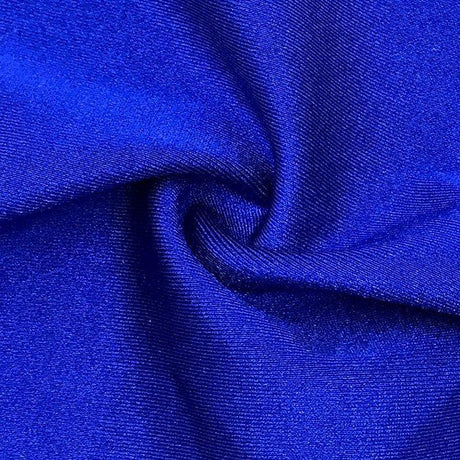
It’s important to note not all stretch is equal. High-performance cycling fabrics are engineered for 4-way stretch (stretchable in both horizontal and vertical directions) rather than just 2-way stretch. Four-way stretch allows unhindered movement in any direction – whether you’re out of the saddle on a climb or tucked in an aero descent. Knit fabrics (jersey and lycra short materials) inherently provide some stretch due to their looped structure, but adding spandex elevates it to the next level. Premium cycling shorts often use a warp-knit construction (tricot) with integrated elastane, which gives robust 4-way stretch and strong recovery (snap-back) for sustained compression. This ensures the shorts conform to the body like a second skin and don’t start sagging after hours in the saddle.
Stretch & Recovery Trade-offs: While more spandex generally means more stretch and compression potential, there is a point of diminishing returns. Extremely high elastane percentages (e.g. 30%+) can actually reduce a fabric’s breathability and are harder to manufacture. A fabric that is mostly spandex would be very rubbery and non-porous, trapping heat. Thus, designers balance elasticity with other factors. A common sweet spot is the ~20% spandex range for support garments – enough for excellent compression, but still allowing the base fiber (nylon) to provide structure and some air permeability. For jerseys, 5–10% spandex is usually sufficient for fit, keeping the fabric open enough to breathe.
The recovery aspect is just as crucial: good spandex blends have the power to rebound to their original shape quickly. This gives cycling apparel shape retention – e.g. your bib shorts won’t become baggy at the knees after a season of use, and your jersey won’t develop sagging pockets. Quality nylon-spandex blends are known for maintaining their shape even after repeated wear and wash cycles. Lower-quality stretch fabrics might feel supportive at first but can lose tension over time (a phenomenon riders dread when expensive shorts lose their tight fit). Thus, choosing a fabric with proven stretch durability (often coming from reputable mills or branded fibers like Lycra®) is important for longevity.
In summary, high stretch and recovery enable the freedom of movement and compression support that cyclists need. When evaluating a spandex fabric for cycling wear, look at the elastane percentage, stretch direction (4-way vs 2-way), and whether it’s labeled for compression. If possible, feel the fabric’s recovery by stretching it – it should snap back quickly and firmly. A well-chosen stretch fabric will improve both comfort and performance by eliminating restrictions and keeping muscles supported throughout the ride.
Moisture-Wicking and Quick Drying
Intense cycling leads to profuse sweating, so moisture management is a top priority in fabric selection. In a good cycling kit, the fabric actively pulls sweat off your skin and allows it to evaporate, rather than absorbing it and becoming soggy. This property is known as wicking. Synthetic fibers like polyester and nylon are inherently suited for this because they do not hold much water internally – for example, polyester can absorb only ~0.4% to 1% of its weight in water. Instead, moisture is channeled along fiber surfaces and through capillary action in the fabric knit to the outside of the garment. Once at the surface, sweat spreads out and evaporates quickly, cooling the rider and keeping the skin dry.
Among common fibers, polyester is the undisputed king of wicking. Its hydrophobic fibers actively repel water and drive sweat outward. As a result, polyester-spandex blends excel in high-sweat conditions. A polyester cycling jersey will typically dry remarkably fast – often within minutes of hard effort – which is ideal for preventing that clammy feeling on a long climb or during a cafe stop. Nylon-spandex blends also wick moisture away from the skin (nylon is moderately hydrophilic, but in thin yarns it still transports moisture well). However, nylon can hold a little more moisture inside the fiber than polyester, so it’s slightly less quick to dry. One source notes that nylon with a wicking finish can dry ~35% faster than untreated nylon, underscoring the importance of fabric treatments to boost performance.
Modern fabric engineering has further improved wicking: many cycling fabrics use special yarn shapes or dual-layer knits. For example, some polyester fibers have a channelled or cross-section shape (like CoolMax® fibers) that create micro-grooves to pull sweat more effectively than a round fiber. There are also fabrics with a bi-component structure – a hydrophilic inner layer that grabs moisture from the skin, bonded to a hydrophobic outer layer that rapidly spreads and releases that moisture. This design ensures that sweat is lifted off the skin and evaporated without soaking the garment. An example given is Canari’s ATLANTA fabric, which uses such a two-layer knit to keep the rider dry on long climbs.
The benefits of efficient wicking in cycling wear are significant: by keeping your skin dry, you not only stay more comfortable but also reduce the risk of chafing (since excess moisture can lead to friction and skin irritation). It also aids thermal regulation – a dry core is better cooled by evaporation in heat, and in cooler conditions, removing sweat prevents the chill that comes from wet fabric against the skin. In contrast, a non-wicking fabric like cotton would absorb sweat and stay wet for a long time, making the rider feel water-logged and cold once the sweating stops. That’s why you’ll rarely find cotton in cycling apparel beyond casual t-shirts: “cotton just holds sweat and stays wet,” whereas synthetics “wick moisture away and evaporate that moisture extremely quickly,” keeping you comfortable even on grueling rides.
When choosing spandex fabrics for cycling, prioritize those labeled with “moisture-wicking” or “quick-dry” features. Polyester-spandex blends usually meet this criterion by default; for nylon-spandex fabrics, check if the textile has a moisture management treatment (many nylon activewear fabrics are now treated to improve wicking). In practice, both nylon and polyester blends can be made to work – it’s the engineering of the knit and any finishes that often determine actual wicking performance more than the fiber alone. High-quality blends will advertise wicking, so look for terms like “CoolMax® polyester,” “MaxDry,” “Hydrophobic finish,” etc., which indicate the fabric is optimized to keep you dry.
Breathability and Ventilation
Hand-in-hand with wicking is breathability – the fabric’s ability to allow water vapor (and some airflow) to pass through it. For cycling apparel, breathability is crucial for dumping excess heat and preventing the “boil in the bag” feeling during hard efforts. A breathable fabric lets the sweat vapor you generate escape through the material instead of trapping it between your skin and the garment.
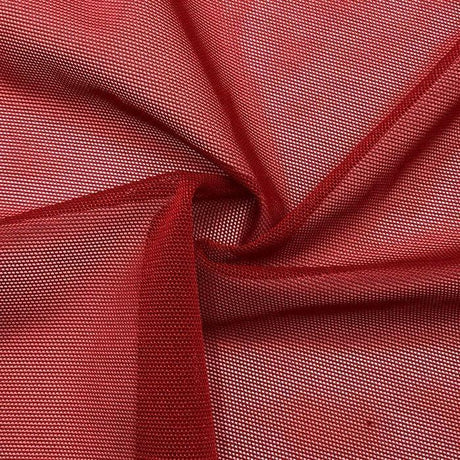
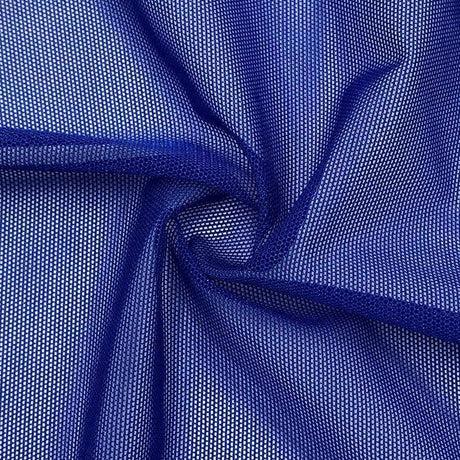
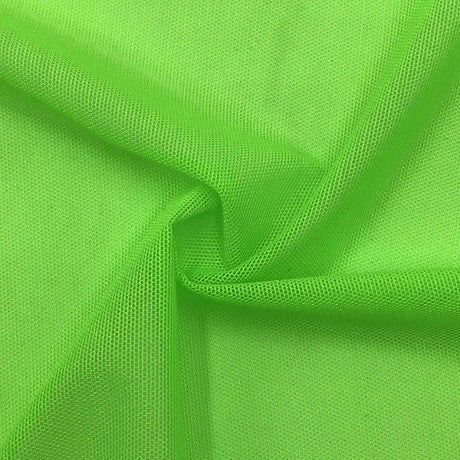
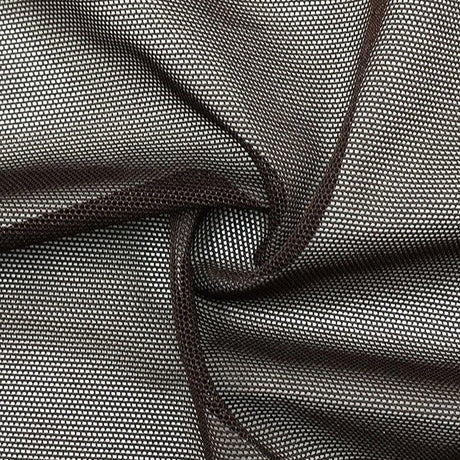
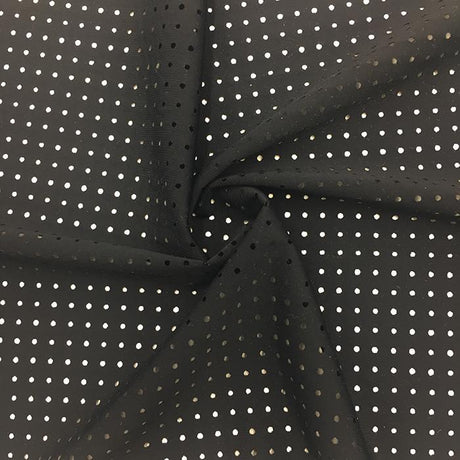
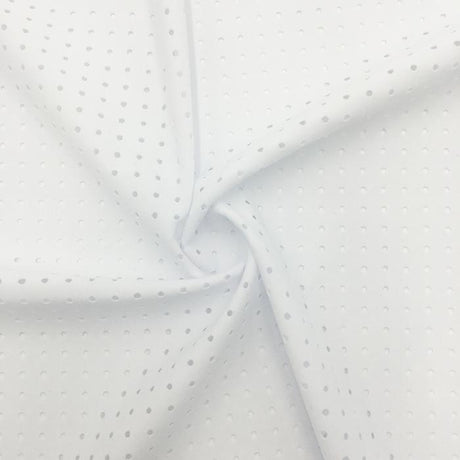
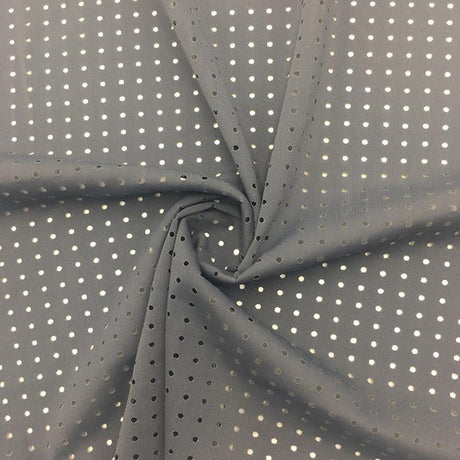
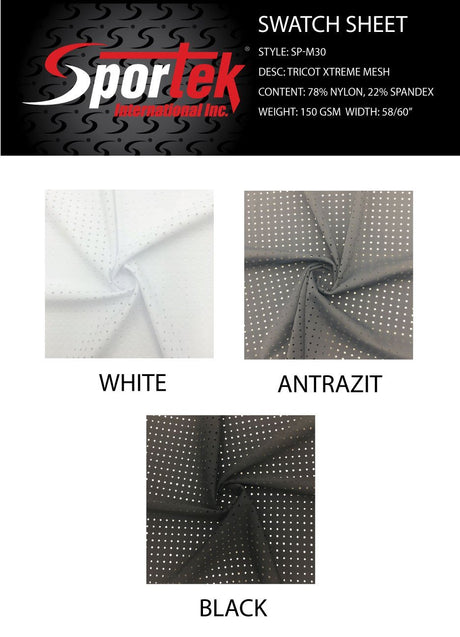
Several factors influence breathability: fiber type, knit structure, and fabric thickness. Generally, lighter and more open-knit fabrics breathe better. This is why summer cycling jerseys often incorporate mesh panels or lightweight fabrics in key areas. You’ll commonly see mesh under armpits, along side panels, or across the back of jerseys to allow heat to escape. Mesh is essentially a fabric with deliberate small holes, often made of a polyester-spandex blend, that greatly increases airflow. For instance, a full mesh jersey (used in extremely hot weather or indoor training) provides maximum ventilation, at the cost of sun protection and some durability. More typically, designers use targeted mesh: maybe a more solid front for UV protection and aerodynamics, but a breathable mesh back or sides to act as vents.
Even when a fabric isn’t open mesh, its knit pattern can enhance air permeability. Some cycling fabrics use a jacquard or piqué knit that creates a 3D texture (tiny waffle or channel patterns). These textures hold the fabric off the skin slightly and allow air channels for vapor to escape, improving comfort. A good example is Polartec® Delta, which mixes hydrophilic and hydrophobic yarns in a textured knit to increase airflow and even create a cooling sensation through controlled evaporation. The key idea is that by knitting the fabric cleverly, one can achieve breathability without large mesh holes – useful for maintaining coverage and UV protection while still venting sweat.
Fabric weight also plays a role: thin fabrics (lower GSM) tend to be more breathable simply because there’s less material impeding air passage. A lightweight jersey fabric (~100–150 g/m²) will feel airy and often you can almost see light through it when stretched, indicating it’s designed to not trap heat. In contrast, a heavier fabric (200+ g/m²) or one with a tighter knit will be warmer and less breathable – which might be intentional for thermal jerseys or wind-blocking purposes but is not what you want on a hot summer day. Cycling clothing for different seasons is thus tuned by weight: summer jerseys are paper-thin and highly breathable, whereas winter jerseys and tights use thicker, brushed fabrics that trade some breathability for insulation (yet they still try to wick sweat, as discussed earlier).
It’s worth noting that adding spandex slightly reduces breathability of a fabric because the elastane fibers are non-porous. A content of 5–20% spandex is usually fine and still leaves the knit mostly open for air, but extremely high spandex fabrics (like some waterproof stretch materials or heavy compression pieces) can feel less breathable. Designers mitigate this by keeping spandex to the necessary minimum and using knit constructions that create micro-pores between yarns.
When evaluating cycling fabric for breathability, consider the intended use: for a summer climbing jersey, you want the lightest, airiest fabric that still provides coverage (often polyester with maybe mesh zones). For a race skinsuit, you might accept a slightly less breathable but more aerodynamic fabric on the front panel (some are almost windproof for speed) but ensure there are vented sections elsewhere. Look for specifications like “high breathability,” “open knit,” “mesh panels,” or gauge (high-gauge knitting machines produce a very tight knit which might be less breathable but more aero). User feedback and testing can also reveal how well a fabric breathes in real conditions. Ultimately, breathability prevents overheating by continuously allowing moisture vapor to escape, so it’s a non-negotiable for comfort in cycling apparel.
UV Protection in Fabrics
Cyclists often spend long hours in direct sunlight, so UV protection is another factor to consider in fabric selection – both for the rider’s skin and for the fabric’s own longevity. Many synthetic fabrics inherently provide some UV protection, but the level can vary. In this arena, polyester has a natural advantage: it is generally more resistant to UV degradation than nylon. Prolonged sun exposure can cause nylon fibers to weaken and colors to fade faster, whereas polyester stands up better over time. This is one reason that brightly colored cycling jerseys and sun sleeves are typically polyester-based – they maintain their integrity and color even under intense sun.
For the rider’s skin, what matters is how much UV radiation penetrates the fabric. A thin, light-colored jersey may only offer minimal protection, while a dense, darker fabric can block much more. Some cycling apparel carries an ultraviolet protection factor (UPF) rating, indicating how much UV is blocked. For example, a UPF 50 fabric only allows 1/50th of UV through (blocking 98%). Fabrics achieve high UPF either by using tighter weaves/knits, thicker material, special fiber additives (like ceramic or titanium dioxide particles), or chemical treatments. Many manufacturers will list if a garment is UPF-rated. Even without a formal rating, you can infer that, say, a long-sleeve jersey made of thick material in dark colors will protect better than a white mesh jersey.
There are also advanced fabric treatments aimed at UV reflection. One known treatment is Coldblack®, commonly applied to dark textiles. It helps dark fabrics reflect more of the sun’s rays (UV and infrared) so they heat up less and effectively have a higher UPF than they normally would. Some cycling jerseys and shorts, especially in black (a common color for bib shorts), use such treatments to keep the rider cooler and the fabric more UV-stable.
It’s worth noting that spandex fibers themselves can be sensitive to UV over time – UV can cause elastane to break down and lose elasticity (ever had old shorts where the elastic fibers start coming out or fabric loses stretch? UV and chlorine exposure are common culprits). To combat this, high-quality blends intended for outdoor use may include UV inhibitors or use solution-dyed fibers (where the color is inherent in the fiber, helping with UV stability and colorfastness). Polyester, again, holds color well and is often solution-dyed or sublimation printed with excellent longevity.
Practical takeaways: If you’re making or choosing cycling apparel for long sunny rides, polyester-rich fabrics are a safe bet for jerseys due to UV resilience. For shorts, you might prefer nylon-spandex for stretch/abrasion reasons, but consider dark colors (which oddly can protect the skin better by absorbing UV before it reaches you) and look for any mention of UV treatment if you’ll be in harsh sun regularly. Also, coverage matters – no fabric can protect what it doesn’t cover, so long sleeves, high collars, or sun sleeves are part of the strategy for UV protection on long rides. Some cyclists wear thin UV sleeves in summer that are made of high-UPF elastic fabric to shield their arms without overheating – these are typically high-polyester or polyamide fabrics with dense knit and often a cooling treatment.
In sum, UV protection is an important aspect of cycling fabrics, particularly for jerseys and any gear exposed to sun. Polyester-spandex blends shine here for both protecting skin and resisting fiber damage. Always consider the sun exposure your garment will face – if it’s significant, lean toward fabrics and colors known for better UV performance, and look out for those UPF labels or treatments in quality cycling apparel fabrics.
Abrasion Resistance and Durability
Cycling apparel must endure a lot of repetitive friction and general wear and tear. Think about a pair of bike shorts: hours of pedaling means constant rubbing of the fabric against the saddle and between the thighs. Meanwhile, jerseys may rub against hydration packs or encounter the occasional scrape, and all pieces undergo frequent washing. Thus, durability and abrasion resistance are key when selecting a spandex fabric for cycling wear.
Fiber choice heavily influences durability. Here, nylon (polyamide) has a well-earned reputation for toughness. It has a higher tensile strength and abrasion resistance than polyester of similar weight. In practical terms, a quality nylon-spandex short can withstand a lot of friction before showing wear. High-end cycling shorts capitalize on this by using nylon blends in the seat and inner thigh areas – the zones of highest abrasion. For example, a typical premium short might be 80-85% nylon, 15-20% spandex in a warp-knit construction, which has been noted to “endure abrasion like a champ,” lasting through many hard seasons of riding. These fabrics resist pilling (the formation of fuzz balls) and thinning even under constant motion.
On the other hand, polyester-spandex fabrics are extremely durable in other ways – they resist stretching out, they don’t shrink or wrinkle, and they can be very strong too – but they are slightly more prone to abrasion wear (snags, pills) especially if the knit is loose or the fabric is very lightweight. That’s why you often see reinforced weaves or higher-denier fibers used in high-wear areas even on polyester garments. For example, some mountain biking jerseys and shorts use a mix of polyester and nylon fibers or a thicker yarn to increase abrasion resistance so they can survive encounters with branches or rough surfaces. In road cycling, certain skinsuits incorporate special fibers like Dyneema® (UHMWPE) or apply ceramic coatings in crash-prone areas (shoulders, hips) to lessen road-rash damage. These are niche solutions, but they underscore how critical abrasion resistance is in cycling apparel design.
The fabric construction also affects durability. Warp-knit tricot fabrics (commonly used for shorts) have tightly interlocked yarns that resist runs and tears better than loose knits. A densely knitted fabric (often described with terms like “high gauge” or brand names like Zaffiro, Shield Lycra) will hold up longer under friction than a lightweight, airy knit. That’s why premium shorts advertise high-density or “power” Lycra fabrics – they last longer and keep their compression. In contrast, a cheaper stretch fabric might start to pill or lose elasticity after a short time. So, when choosing fabric, consider not just fiber blend but also the knit type and density.
UV degradation and washing: Durability isn’t only about abrasion. Cycling clothes also face sun exposure and constant washing. UV light can break down fibers over time – again, polyester has an edge in resisting UV deterioration, so your polyester jersey is less likely to weaken or fade after a summer of rides compared to an untreated nylon item. As mentioned in the UV section, many jerseys are poly for this reason, or have added UV protection if nylon. Frequent washing tests a fabric’s ability to retain shape and stretch. Fortunately, synthetic blends like nylon-spandex and poly-spandex are generally very resilient to washing – they don’t shrink and a high-quality blend will retain its stretch for many wash cycles. (One caveat: high heat can damage elastane, so it’s best to hang-dry cycling clothes or use low heat to prolong their life.) Some natural fibers like merino wool are blended with nylon in cycling gear to improve durability for this reason – the nylon dramatically extends the life of the garment while merino provides other benefits.
Odor and hygiene also tie into durability in the sense of how the garment holds up over time. As noted, polyester can harbor odors, which doesn’t exactly damage the fabric but can effectively shorten the useful life of a jersey if it perpetually stinks. Manufacturers combat this with antimicrobial treatments (e.g. silver ion treatments, polygiene, etc.) applied to polyester-based fabrics. These inhibit bacterial growth and thus reduce odor buildup, meaning the jersey won’t smell as quickly and won’t need aggressive washing that could wear it out. Nylon is less prone to odor but may also be treated for hygiene in high-sweat applications. When selecting or making cycling apparel, considering whether the fabric has an anti-odor treatment is worthwhile, especially for base layers and jerseys.
In summary, choose nylon-spandex fabrics for areas where abrasion resistance is paramount (shorts, knee warmers, etc.), and polyester-spandex where moisture, color stability, or light weight are key (jerseys, etc.) – or use cleverly engineered combinations of both. High denier or reinforced textiles should be used for mountain biking or any scenario with rough wear. Always check fabric specs or vendor information for terms like “abrasion tested,” “durability,” “warp-knit,” or specific durability brand names. High-quality cycling fabrics may cost more, but they ensure your kit survives many epic rides without failing at the seams (or getting see-through thin!).
Fabric Weight, Thickness, and Technical Specs (GSM & Denier)
When evaluating spandex fabrics for cycling, you’ll encounter technical metrics like GSM and denier, which relate to the fabric’s weight and fiber thickness. These factors influence not only how a garment feels, but also its suitability for different conditions.
GSM (Grams per Square Meter): This is a measure of fabric weight (sometimes also given in ounces per square yard). It effectively tells you how heavy or dense the material is. In cycling apparel: - Lightweight fabrics (100–150 GSM) are used for things like summer jerseys, hot-weather base layers, or mesh panels. They feel thin, maximize cooling and reduce weight. A 120 g/m² jersey, for instance, will be extremely breathable and feel “airy” – great for July heat, though it may be less durable or more transparent. - Medium-weight fabrics (160–220 GSM) are common for all-purpose jerseys and many cycling shorts. Around 180–200 GSM in a knit with ~20% spandex can provide a nice mix of compression and coverage for shorts or bibs. Jerseys in the 150–180 GSM range strike a balance between durability and breathability for mild conditions. - Heavyweight fabrics (230–300 GSM) are found in thermal jerseys, winter tights, or compression-oriented shorts. For example, a fleece-lined winter tight might be 250–280 g/m², which adds warmth and opacity. Heavier weights generally mean thicker, warmer, and often more compressive (for shorts) material. As noted earlier, thermal cycling fabrics (with brushed interiors) can be 200–300 GSM yet still include wicking capability to manage sweat in cold weather without chilling the rider.
When choosing fabric weight, consider the climate and purpose: lighter GSM for hot weather and jerseys, higher GSM for cold weather and compressive support. Also consider that higher GSM fabrics tend to be more durable (more fibers per area to wear out) and usually ensure no see-through issues when stretched (important for cycling shorts – nobody wants a sheer backside when in the drops). Many premium short fabrics advertise being “opaque at X% stretch”, which comes from sufficient weight and knit density.
Denier (D): Denier is a measure of the thickness of individual fibers or filaments in the yarn, defined as the mass in grams per 9000 meters of fiber. A higher denier means a thicker fiber: - For example, a 20D yarn is extremely fine (common in ultra-light fabrics or linings), while a 200D yarn is very thick and robust (used in backpacks or heavy-duty areas). - In cycling apparel, you might not always see denier listed, but it’s implicitly there. Many high-stretch cycling knits use 30–70 denier yarns to balance strength and softness. A fabric described as “50D nylon, 40D spandex” would indicate moderately fine yarns. - High-denier reinforcements: Some gear uses, say, a 500D or 600D nylon in specific panels (as with some mountain bike shorts) – this is a very heavy fabric (the Sportek example mentioned 600 denier nylon for MTB paneling that endured 5,000 abrasion cycles with no failure). That’s not used in road Lycra shorts, but it shows how denier correlates with toughness. - Low denier, high gauge fabrics: On the flip side, a jersey might use ultra-fine polyester microfibers (e.g. 50D or even lower, especially if the yarn is split into microfilaments). Fine fibers can create a very soft and silky feel and allow tight knitting (higher gauge) for smoothness against the skin.
In essence, GSM tells you about the fabric’s overall heft, while denier tells you about fiber thickness. A combination of medium denier fibers in a tight knit can yield a high GSM, whereas thick fibers in a loose mesh might still be low GSM. For cyclists, GSM is more commonly cited since it directly relates to how the garment feels (light vs heavy). If you come across denier, know that higher denier usually means more durable but potentially less comfortable against skin if not managed (hence many fabrics use a blend of yarn sizes or wrap a high-denier core with a soft outer fiber).
Other technical specs you might encounter: - Fabric knit type: e.g. tricot, circular knit, interlock, warp-knit. Warp-knit tricot (often used in shorts) tends to be run-resistant and stable. Circular knits are common for seamless tubes (like buffs or knit sleeves). The knit type can subtly affect stretch and feel. - Fabric gauge: refers to the number of needles per inch on the knitting machine – higher gauge means more needles, yielding a tighter, smoother knit (often desirable for compression and print clarity). - Finish and Coatings: sometimes weight includes coatings (like a DWR adds a tiny bit of weight).
When selecting a spandex fabric by weight, think about the application: A lighter fabric will excel in reducing sweat and keeping you cool, while a thicker fabric will offer support, coverage, and possibly warmth. Serious cycling wardrobes often mix weights – e.g., lightweight jersey and heavier shorts in summer, or multiple layers of varying weight in winter. If you are sourcing fabric for manufacture, it’s wise to get swatches and feel the thickness; also stretch it to see if it thins out significantly when worn (lower GSM fabrics can become see-through at full stretch if not well made).
Technical Fabric Finishes and Innovations
Beyond fiber blends and basic properties, modern cycling fabrics can have special finishes and technologies that enhance performance:
- Moisture & Cooling Finishes: Some fabrics receive hydrophilic interior coatings or chemical treatments that further improve wicking (making sweat spread out faster). Others might embed phase-change materials or xylitol-based finishes that give a cooling sensation when wet (these are found in certain “cooling jerseys”). While not always advertised, terms like “CoolPlus finish” or “active wicking treatment” indicate the fabric has been optimized to handle sweat even better than the base fiber properties alone.
- Antimicrobial Treatments: As mentioned, to combat odor, many cycling fabrics – especially those high in polyester – incorporate antimicrobial agents. Common ones include silver ions, silver chloride (Polygiene®), or zinc pyrithione. There are also newer solutions like carbon-infused fibers or coffee ground woven fibers that naturally reduce odor. The presence of an antimicrobial means your jersey or short will resist bacteria growth and smell fresher over repeated uses. This is particularly useful in hot climates or for multi-day rides where you can’t wash kit daily.
- UV Protective Coatings: Beyond choosing UV-resistant fibers, some fabrics are treated to achieve a certain UPF rating. Ceramic particle coatings or titanium dioxide infused in the polymer are techniques to boost UPF. Coldblack® (as discussed) is more about reflecting heat, but also contributes to UV protection on dark fabrics. If UV is a concern, look for a stated UPF value; some summer arm sleeves boast UPF 50+ due to such treatments.
- DWR (Durable Water Repellent): For outerwear pieces like a wind vest or rain jacket, the fabric might have a DWR finish that causes water to bead up and roll off. In the context of spandex fabrics: a fully waterproof stretchy fabric would actually not be breathable, so DWR is usually reserved for things like a slightly stretchy softshell or a separate outer short for mountain biking. For example, baggy MTB shorts often use a DWR-treated nylon shell for mud-shedding, with a spandex liner short underneath. Road cycling clothes generally prioritize breathability over water resistance, except in specific rain gear.
- Brushed or Fleece Backing: Winter cycling fabrics often have a brushed interior (fleece-like) for insulation. This is achieved by gently brushing the inside surface of a nylon or polyester-spandex knit, raising a soft nap that traps warm air. These fabrics (sometimes called Thermal Lycra or Roubaix fabric) maintain stretch but add warmth for cold rides. They might be paired with a DWR on the outside for light water resistance, making them versatile for cool, damp conditions.
- Compression and Support Structures: Some high-compression fabrics undergo special heat-setting or resin treatments to increase their modulus (firmness) without adding bulk. Additionally, certain knits incorporate power zones – e.g., a tighter knit in specific areas for extra support. While much of this is down to material selection, the concept is that not all elastane is equal; a fabric labeled for compression might have been engineered (through yarn tension, knit pattern, finishing) to provide stronger compression at the same spandex percentage as a normal fabric.
- Eco-friendly Innovations: Sustainability is increasingly important. You can now find recycled polyester and nylon (from post-consumer plastics or fishing nets) blended with spandex to create eco-friendly cycling fabrics. For example, recycled polyester performs like virgin poly but lowers environmental impact. Some elastane is also recycled, and there's research into bio-based elastane. If your priorities include sustainability, look for fabrics marketed as “recycled” or “eco” spandex blends. They often have similar performance, though sometimes a bit higher cost.
- Hybrid Fabric Paneling: Not exactly a finish, but worth noting: many top-tier cycling garments use multiple fabrics strategically – for instance, a robust compressive fabric on quads, but a lighter stretch mesh behind the knees; or a wind-resistant front jersey panel with a breathable mesh back. When designing or evaluating a piece, consider if one fabric can do it all or if a combination is better. Often the “best” fabric for cycling wear is actually a thoughtful combination of fabrics, each chosen for a specific function in the garment.
Maintaining these advanced fabrics is also important. Always follow care instructions: typically cold wash, mild detergent, no fabric softener (which can clog wicking fibers), and hang dry. This preserves the special coatings and the spandex elasticity over time.
Conclusion: Matching Fabric to Cycling Needs
Choosing the right spandex fabric for cycling wear comes down to matching the fabric’s properties to the rider’s needs and the garment’s purpose. For high-performance cycling apparel, no single factor stands alone – you want a blend of stretch, moisture management, durability, and comfort. A competitive racer in a hot climate might prioritize a ultra-light polyester-spandex jersey with superior wicking and a compressive nylon-spandex short for muscle support. An all-season recreational rider might seek medium-weight fabrics that offer a bit of everything and last many washes.
By understanding the technical aspects – from the difference between nylon and polyester spandex blends to what terms like GSM, denier, and UPF mean – you can make more informed decisions. In summary, nylon-spandex fabrics provide unmatched stretch, compression, and abrasion resistance (great for shorts and tights), while polyester-spandex fabrics excel in keeping you dry, cool, and sun-protected (ideal for jerseys and warm-weather gear). Both can be engineered with advanced finishes to further enhance performance, whether it’s anti-odor, extra UV blocking, or water repellency for specific uses.
Ultimately, high-performance cycling apparel often uses a combination of fabrics, leveraging each material’s strengths in the areas it’s needed most. As a cyclist, gear maker, or savvy buyer, paying attention to these fabric choices will ensure you get apparel that not only feels good the first time you wear it, but continues to perform over many epic rides. The right spandex fabric, chosen with these essentials in mind, can make the difference between a ride marred by discomfort and one where you barely notice your kit at all – letting you focus on the ride ahead.