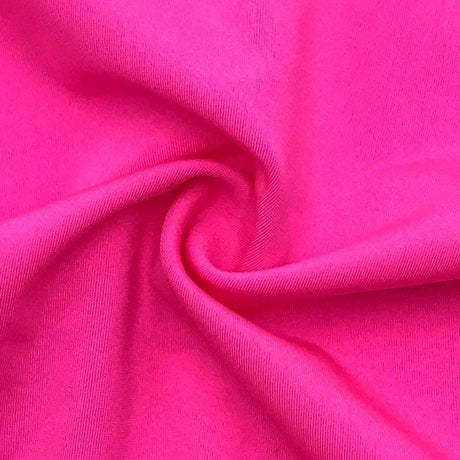
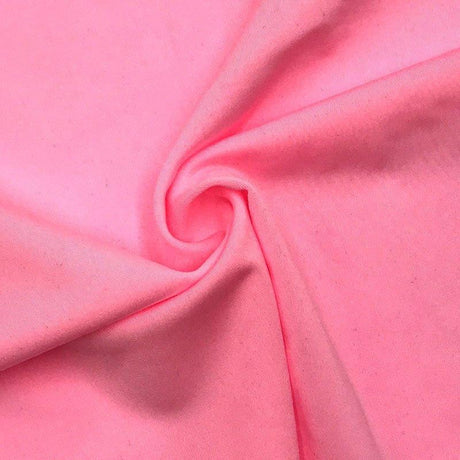
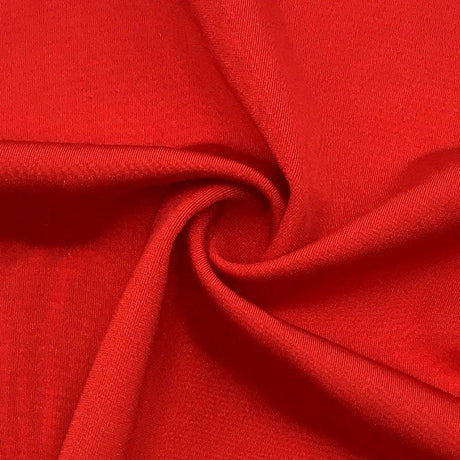
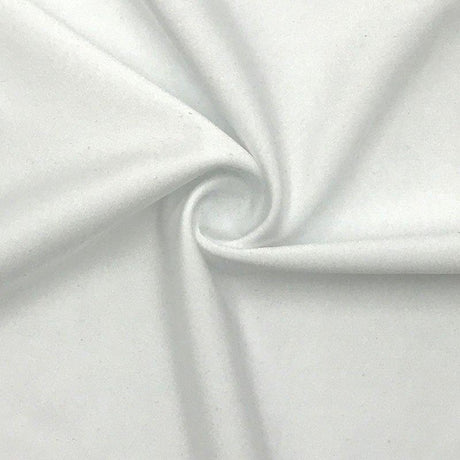
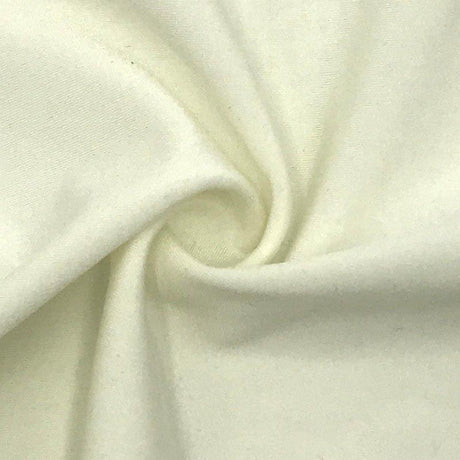
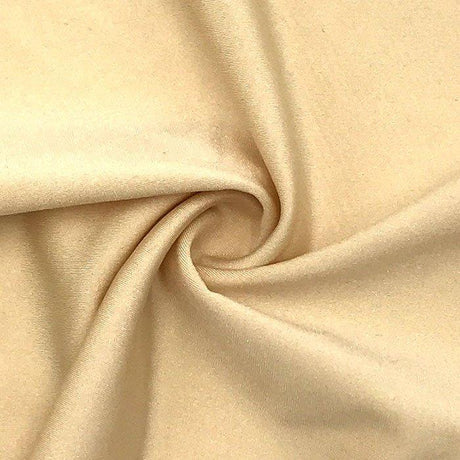
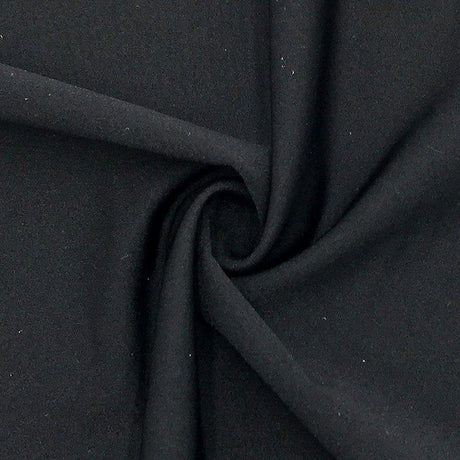
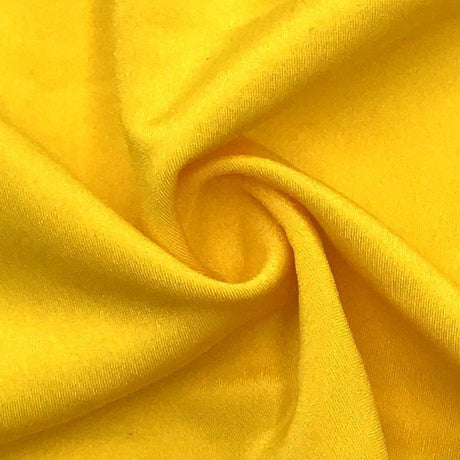
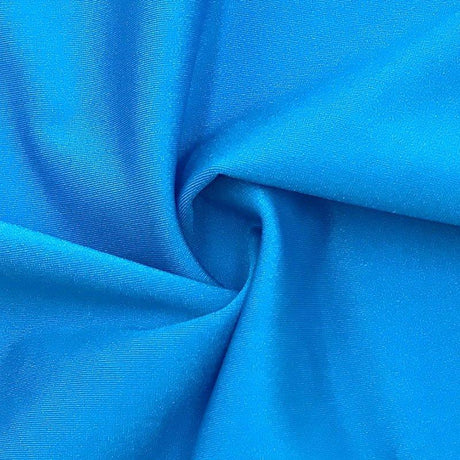
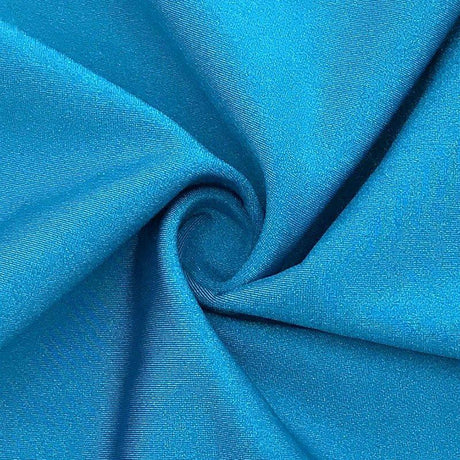
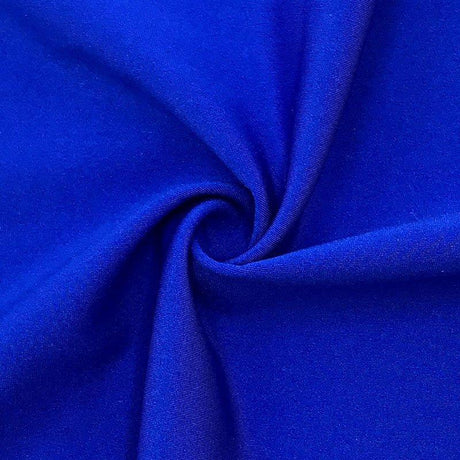
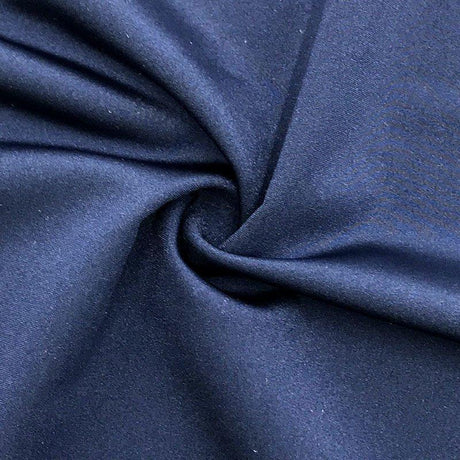
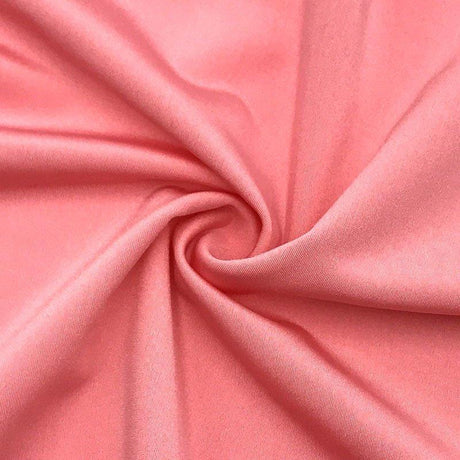
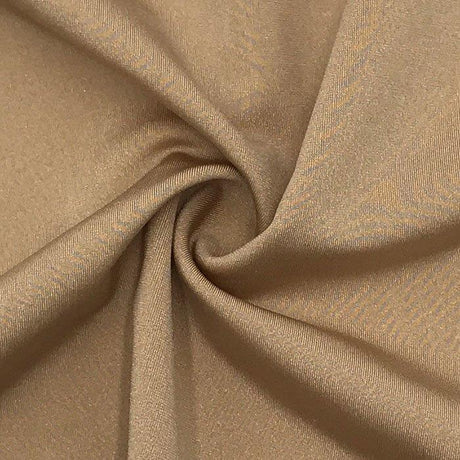
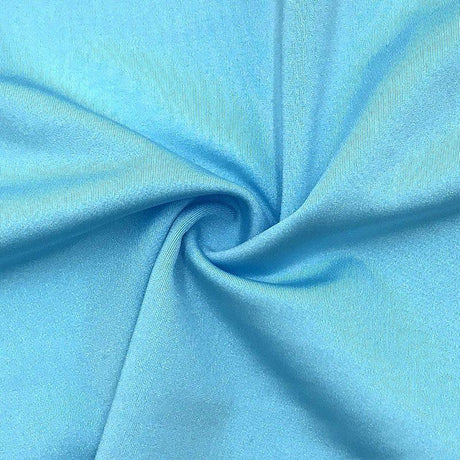
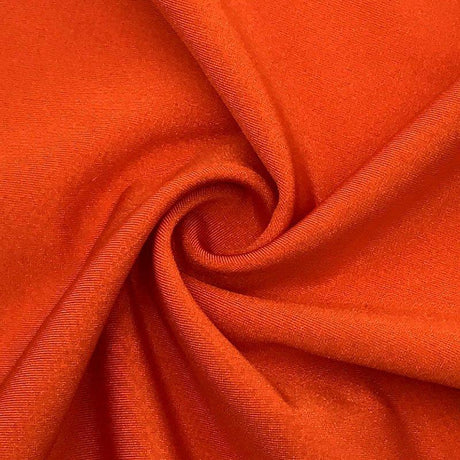
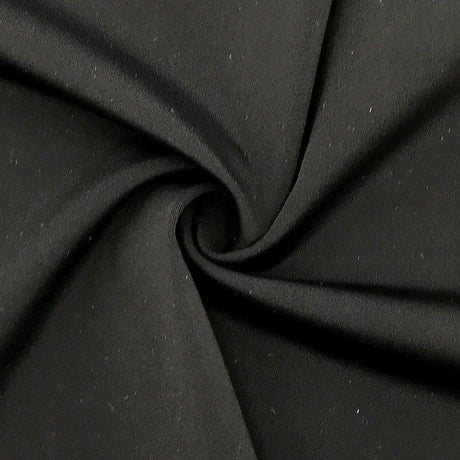
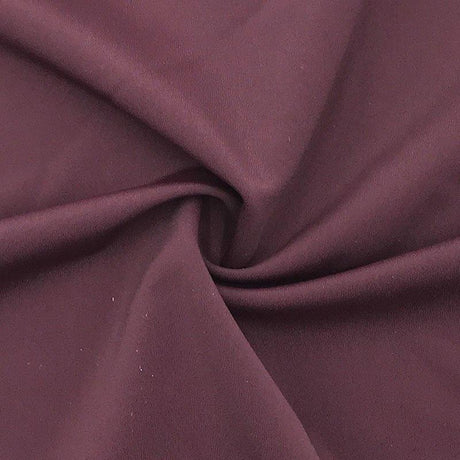
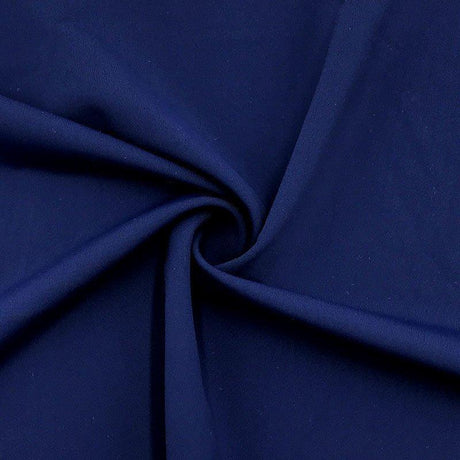
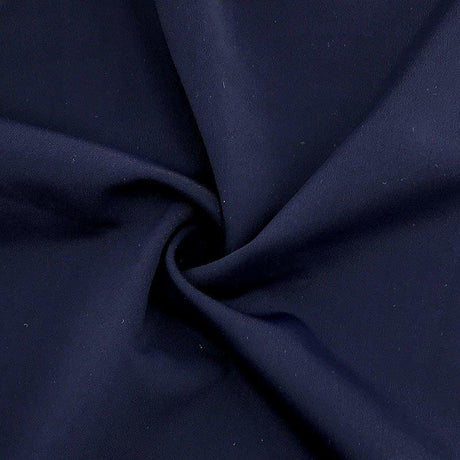
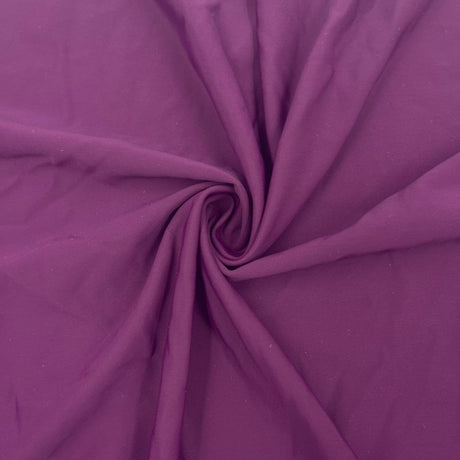
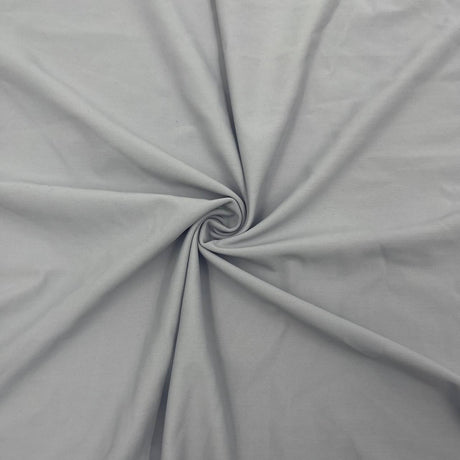
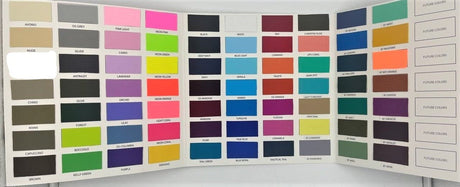
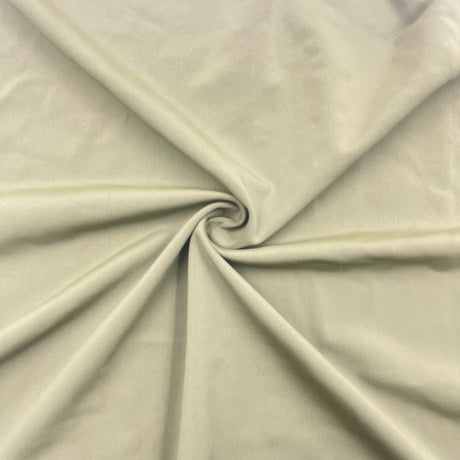
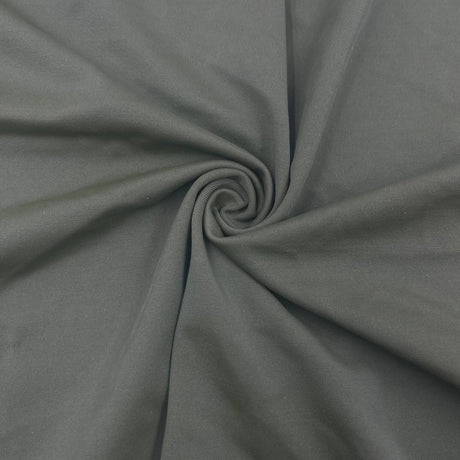
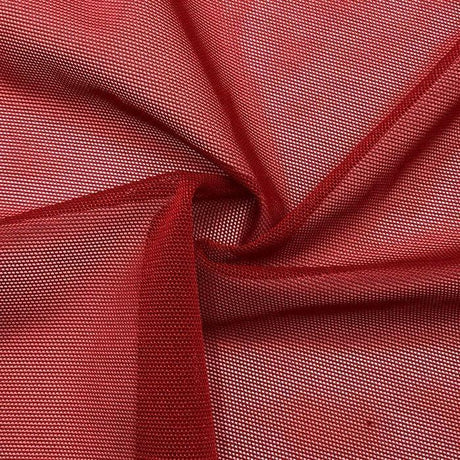
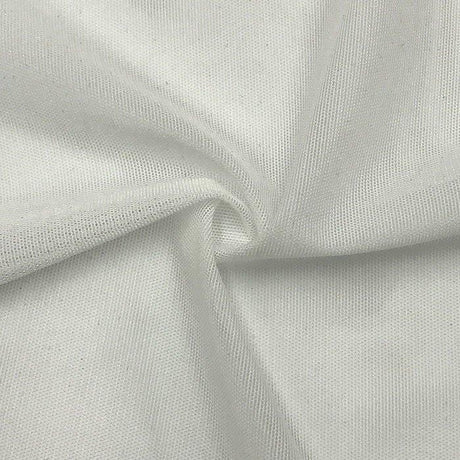
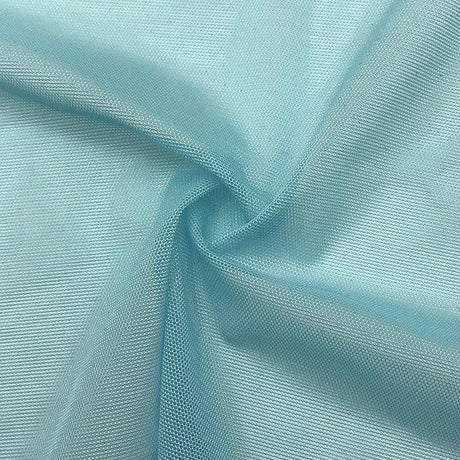
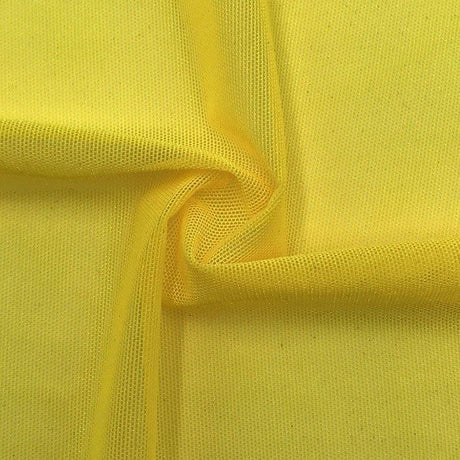
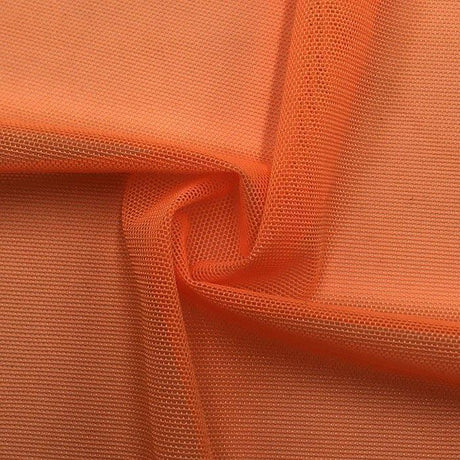
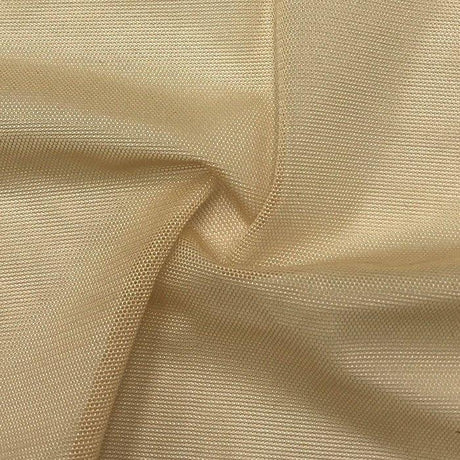
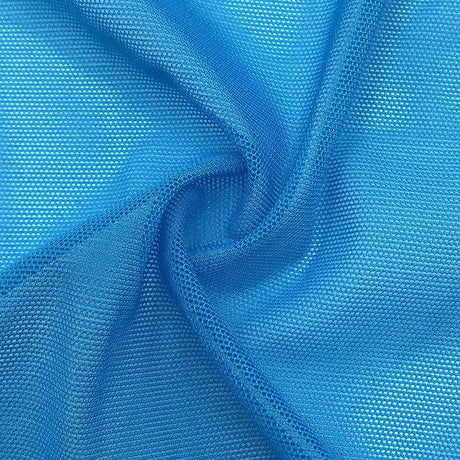
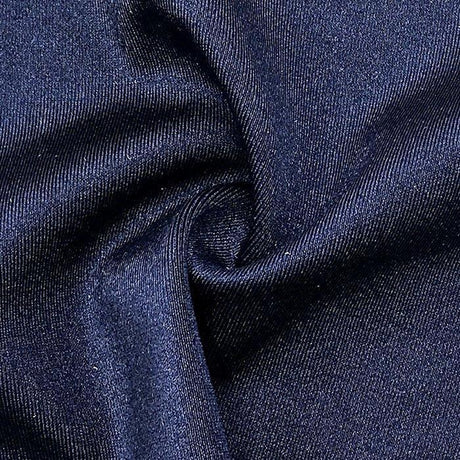
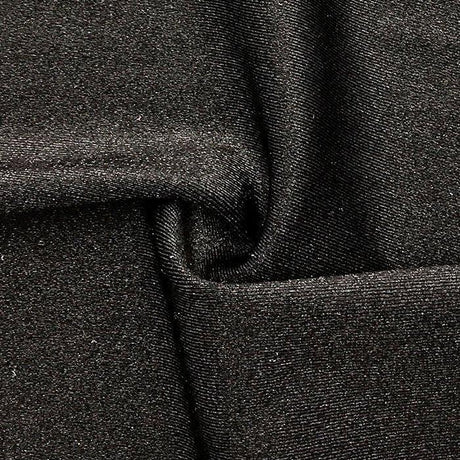
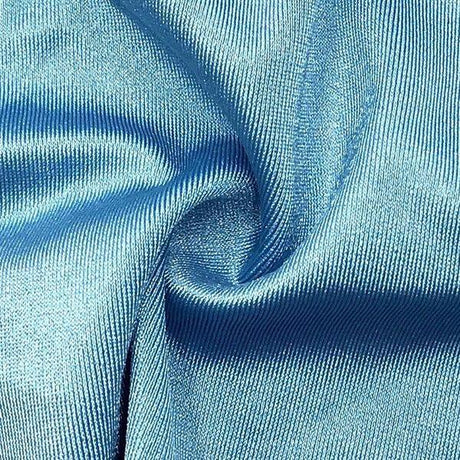
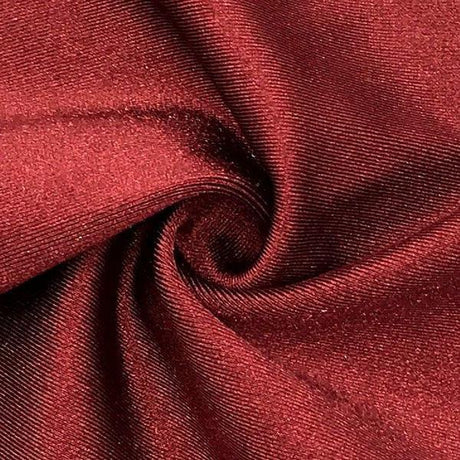
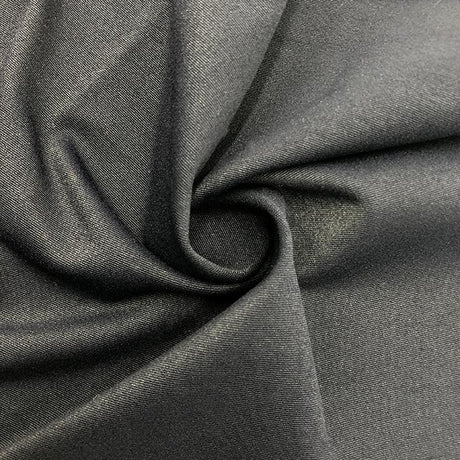
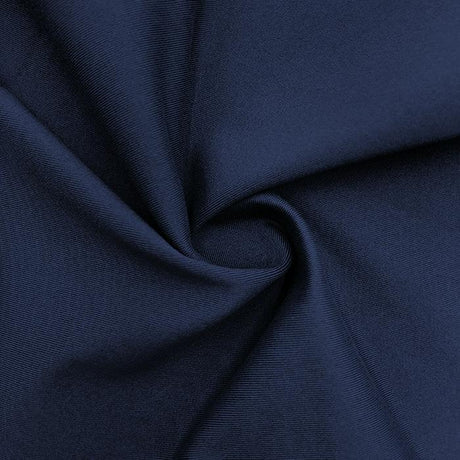
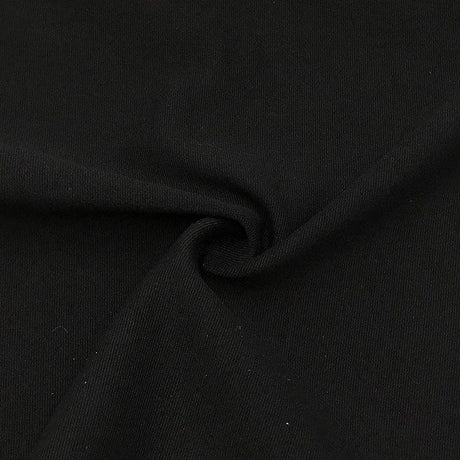
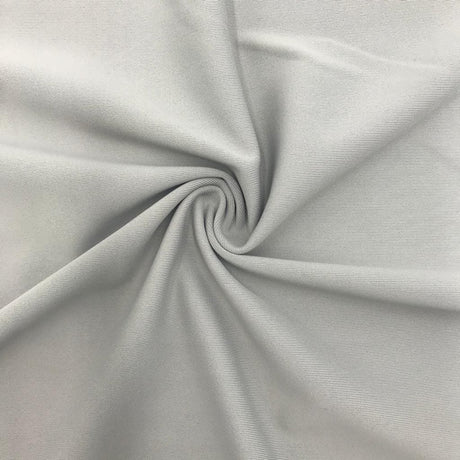
Sportswear isn't just about the outer fabric – what's on the inside counts too. The lining of a jacket, shorts, or hoodie can make a huge difference in comfort, performance, and durability. Whether it's staying cool during a run or adding a layer of softness, choosing the right lining material solves specific problems (like sweat or chafing) without adding bulk. For a broader foundation on stretch fabric properties and lining fabric options before diving in, explore our activewear fabric guide or browse our full fabric guides hub.
In performance activewear, linings are usually specialized knits or meshes designed to move with you and manage moisture. In this guide, we'll explore the most common sportswear lining types – breathable mesh, stretch mesh, and brushed tricot – and how to use them effectively.
Why Linings Matter in Sportswear
Purpose of Active Linings: Athletic linings serve functional goals: they improve comfort by placing a smooth or cushioned layer against your skin, prevent transparency in thin fabrics, add structural support, and manage sweat. For example, many running shorts include a built-in mesh brief that wicks moisture and increases airflow to keep you dry.
Key Benefits: A well-chosen sports lining provides breathability (letting sweat evaporate), stretch (moving with your body), and support or coverage as needed. It can also improve durability by reducing friction on the outer material. Our stretch fabric types page covers how spandex percentage translates to real-world stretch percentages and recovery ratings across all common lining constructions – essential for matching lining stretch to outer fabric.
Breathable Mesh Linings for Ventilation
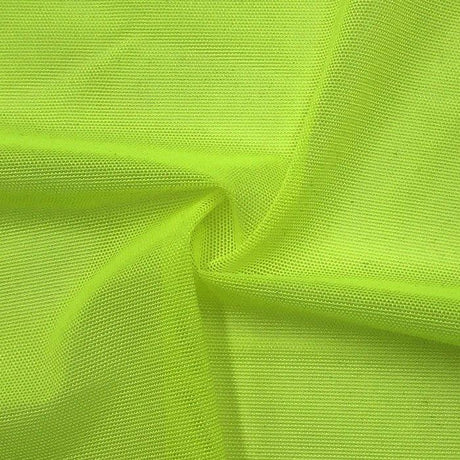
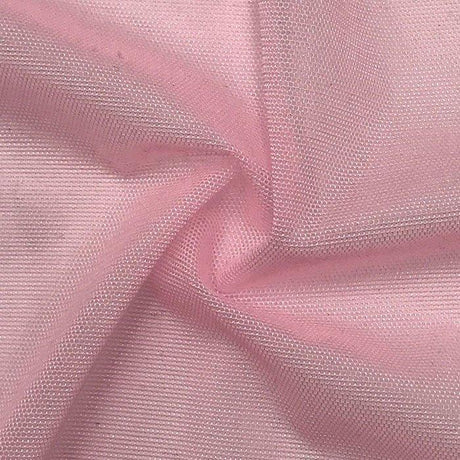
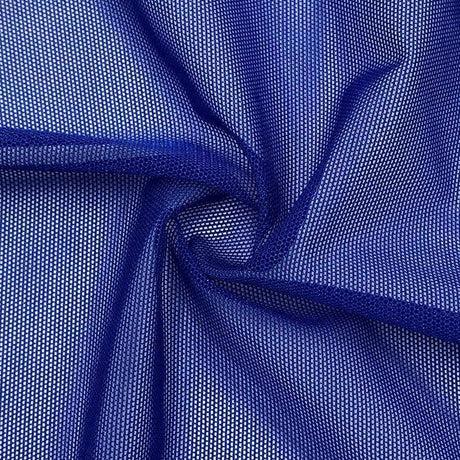
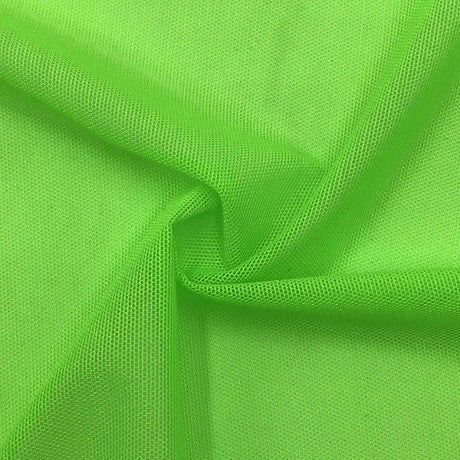
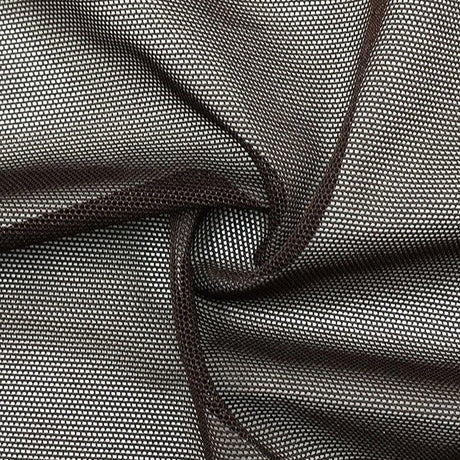
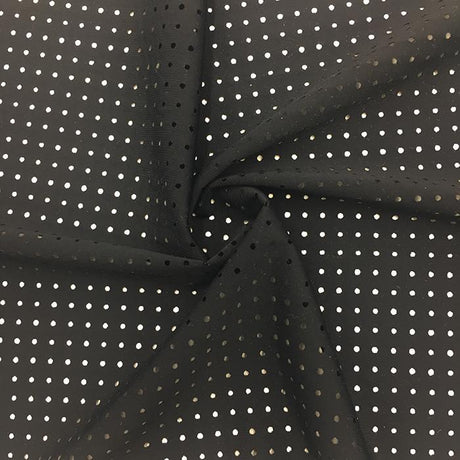
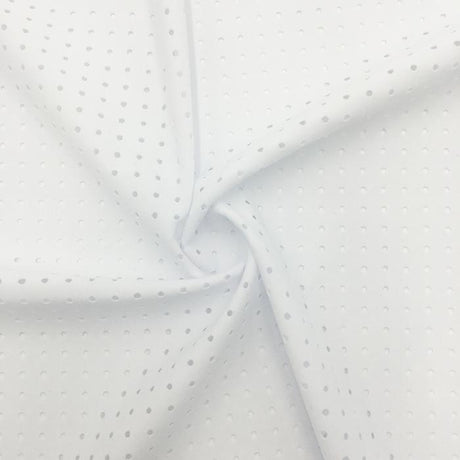
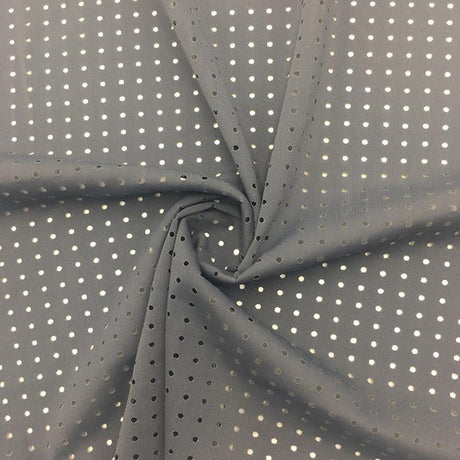
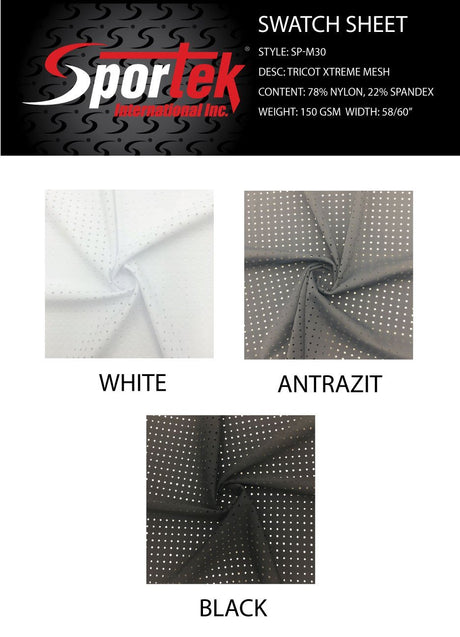
Mesh linings are among the most common in sportswear, known for their lightweight breathability. These linings are made of fabric with an open, net-like structure (tiny holes) that promote airflow and quick drying. Breathable mesh linings (often polyester or nylon mesh) are used in everything from basketball shorts to windbreaker jackets to keep athletes cool.
Characteristics & Benefits: Mesh lining fabric is incredibly breathable and quick-drying. It doesn't absorb much moisture; instead, it allows sweat to pass through so it can evaporate. Mesh is also very lightweight, adding minimal bulk. They work best for hot-weather gear, high-sweat zones, and layering systems in waterproof shells or coated fabrics.
Use Cases: Look for mesh linings in items like running shorts (the built-in brief), team jerseys, windbreakers, and rain jackets. Our fabric weight guide covers how GSM affects breathability, moisture retention, and drying speed across all common mesh lining constructions – useful for comparing standard athletic mesh to micro-mesh options.
Stretch Mesh Linings for Flexibility and Support
Stretch mesh is a special category of mesh fabric knitted with spandex (elastane) to provide significant elasticity. Also known as power mesh (in its stronger form), stretch mesh linings offer 4-way stretch and gentle compression while still being breathable. These are commonly made from a blend like nylon or polyester + 10–20% spandex, giving a net-like material that can move with your body and snap back into shape.
Why and Where to Use Stretch Mesh:
Sports Bras & Leggings: Often a layer of power mesh is used inside sports bras (like in the racerback or side panels) to add support without thick padding. In leggings or compression shorts, a stretch mesh panel might line the front waist area for a bit of tummy control or be inserted behind the knees for airflow. Our activewear fabric guide covers how power mesh panels are used in compression and ventilation applications across all common activewear categories.
Shapewear and Compression Gear: Stretch mesh (and its sturdier cousin "power net") is frequently used as an inner lining to provide gentle compression in areas that need shaping or extra muscle support. For example, a one-piece swimsuit might have a power mesh lining across the stomach to flatten and support the midsection without restricting movement. Our swimwear fabric guide covers how power mesh and power net linings are incorporated into swimwear construction for different support and shaping applications.
High-Stretch Outer Fabrics: If your outer fabric is very stretchy (like a 4-way stretch knit), using a non-stretch lining would be a big mistake – it would restrict movement. Instead, a stretch mesh or tricot lining is chosen so the lining and outer move together. This is common in yoga attire and dance costumes where full range of motion is critical. Our dancewear fabric guide covers lining selection across all common dancewear and performance costume applications.
Breathability with Benefits: Stretch mesh still has the tiny holes that allow sweat to escape, so you're not sacrificing ventilation by adding it. Stretch mesh comes in various weights – a heavier power mesh will feel firmer and less sheer (good for strong support), whereas a lighter stretch mesh will be more delicate and sheer (used more for subtle support or design accents).
Soft Brushed Tricot Linings for Comfort
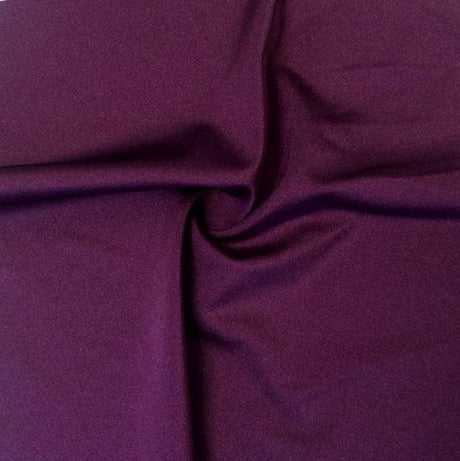
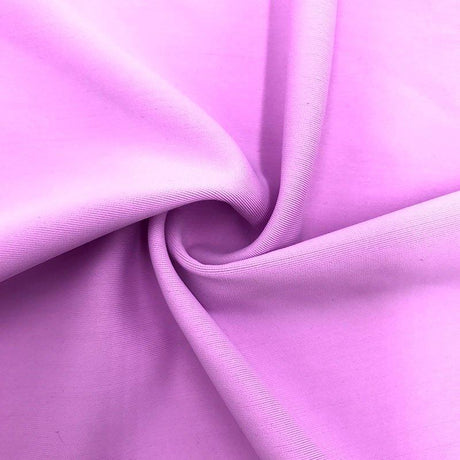
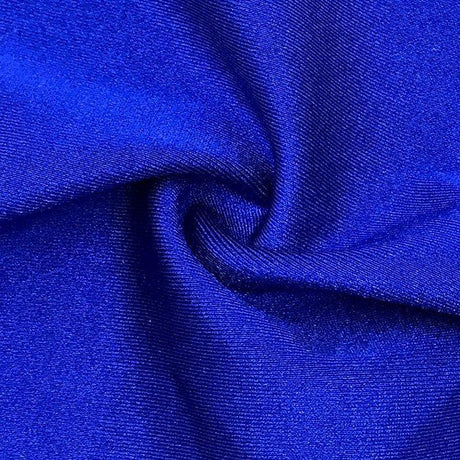
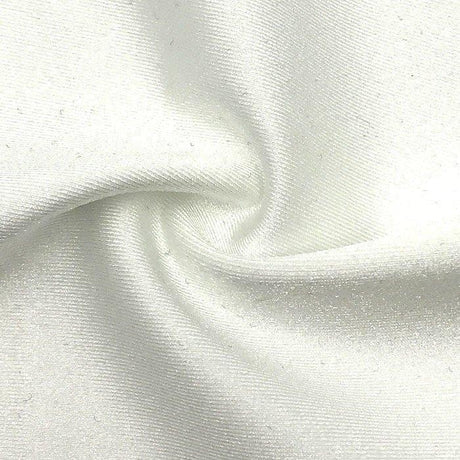
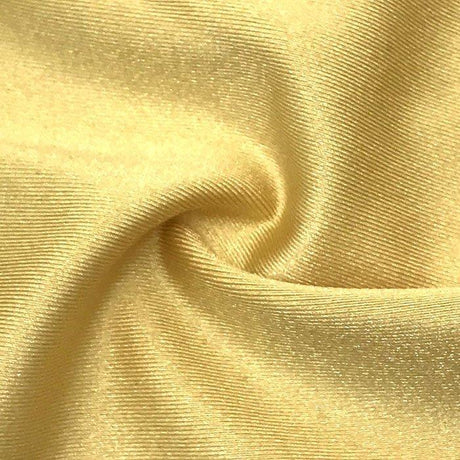
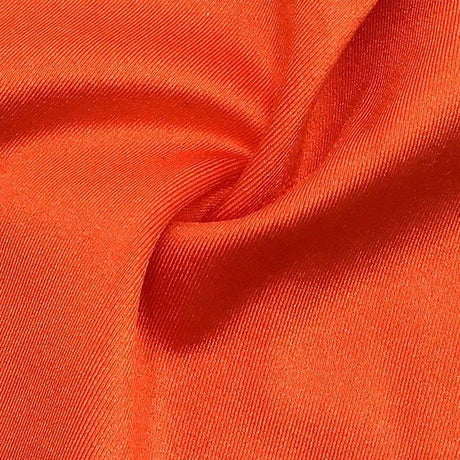
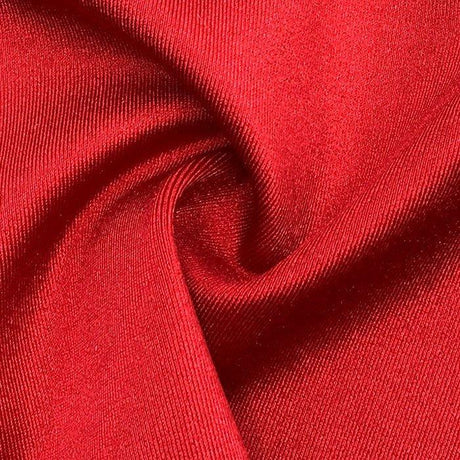
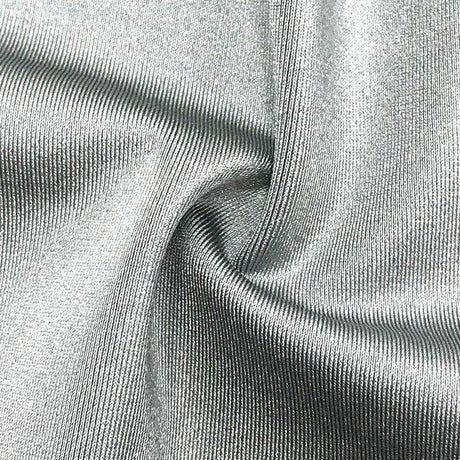
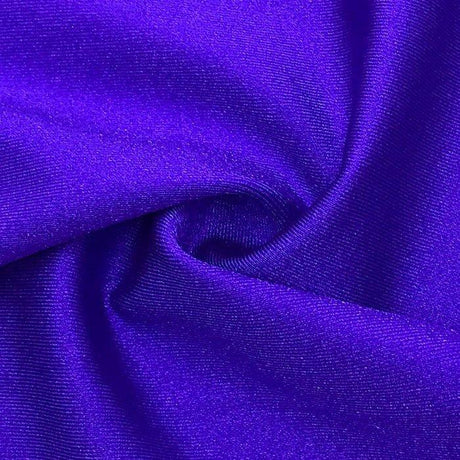
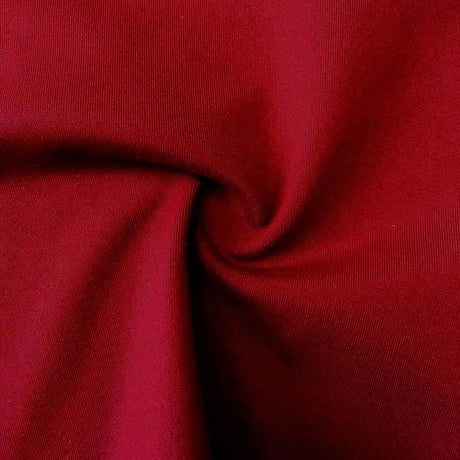
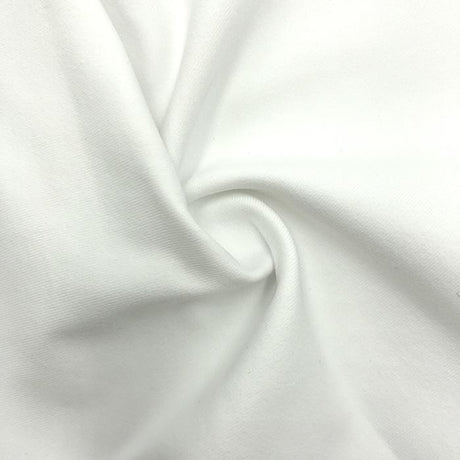
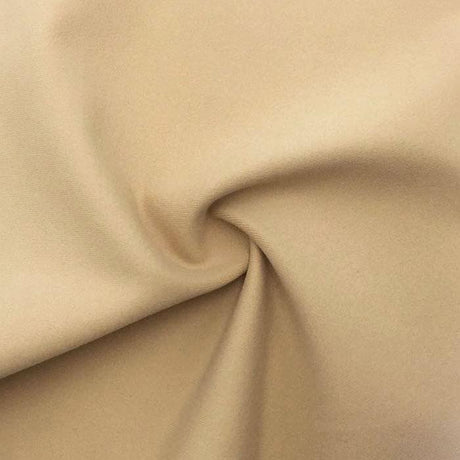
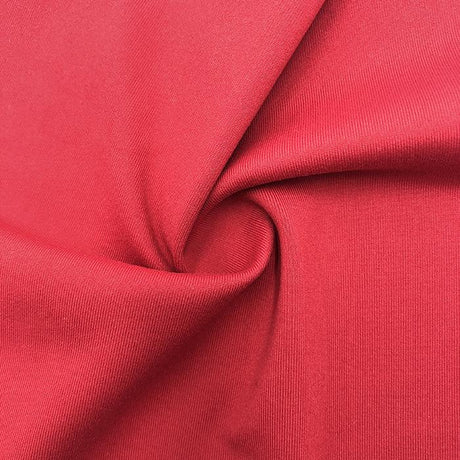
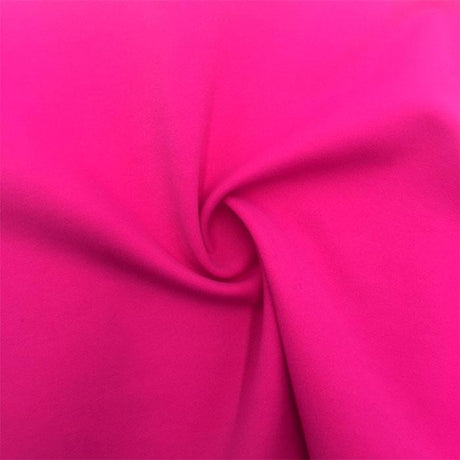
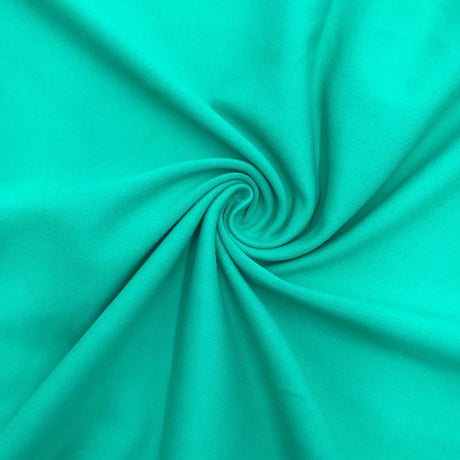
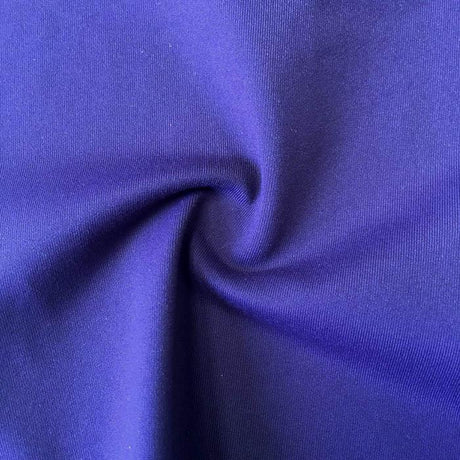
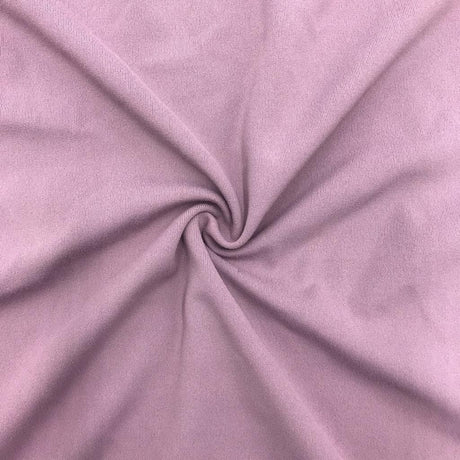
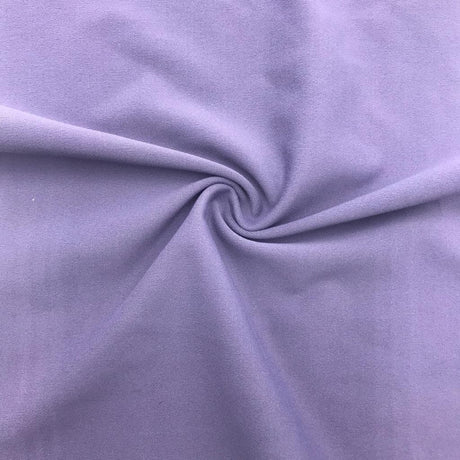
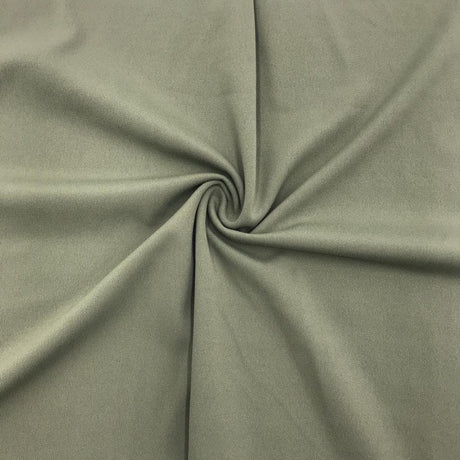
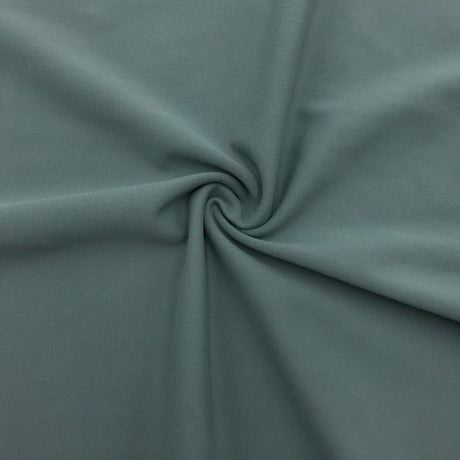
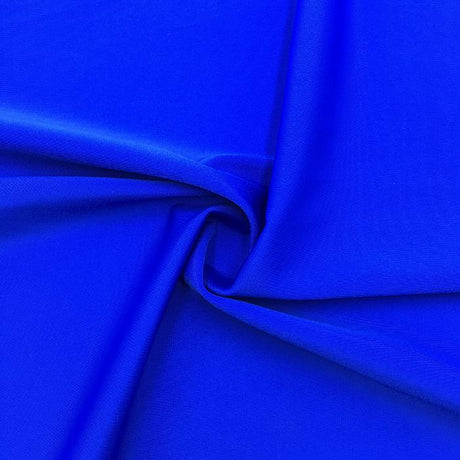
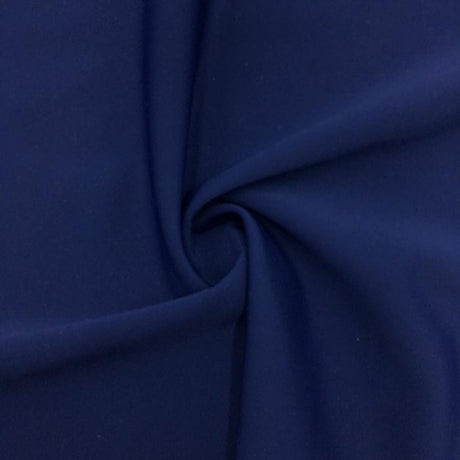
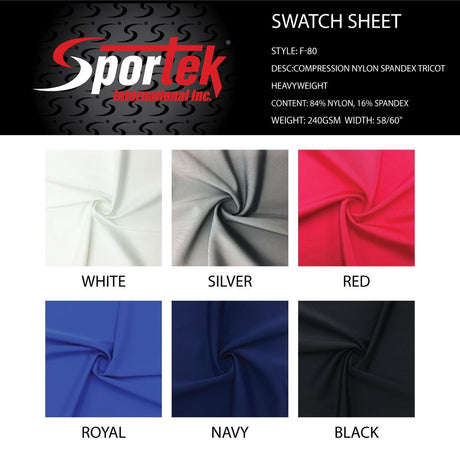
Tricot refers to a type of warp-knit fabric that is stretchy and smooth. Brushed tricot is a special variant where one side of this knit is brushed to create a soft, velvety nap (often called a "peach skin" feel). As a lining, brushed tricot is all about softness and a bit of insulation.
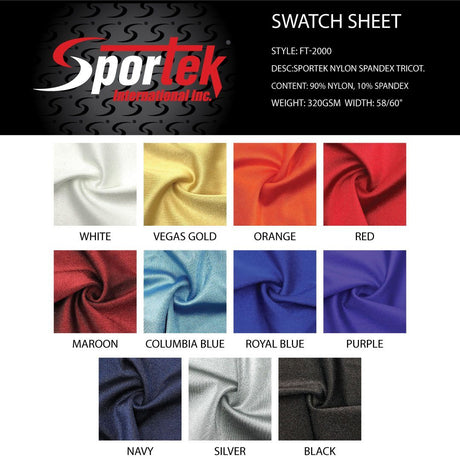
Characteristics: Brushed tricot is typically a polyester (or poly-spandex) knit that's been mechanically brushed to raise fibers. This gives it a warm, suede-like touch while still being breathable and quick to dry. It has 2-way or 4-way stretch depending on the knit and spandex content, and it's quite durable – it resists pilling and holds its shape well even with frequent use. Our nylon-spandex fabric guide covers how nylon-spandex tricot constructions achieve the smooth hand feel and 4-way stretch that defines quality lining fabric.
Best Uses:
Track Jackets and Warm-Up Suits: The inside of a quality track jacket might have a brushed tricot lining to add warmth and a luxurious feel against the arms. It's breathable enough to wick some sweat, but its main job is comfort.
Activewear Hoodies and Pants: Some athletic hoodies use brushed tricot as a lighter alternative to fleece, or in the hood/neck area for softness. Athletic pants may line the pocket interiors with tricot so your hands feel a soft touch.
Footwear and Accessories: You'll even find brushed tricot in places like the lining of gloves, inside helmet padding, or as ear band linings in winter headbands – anywhere you want a smooth, non-irritating surface. A bikini might also use a lightweight tricot lining for areas where coverage is needed.
Comfort vs. Performance: Brushed tricot linings do wick moisture but not as fast as mesh, and they have some stretch and support but not as much as power mesh. Their strength is next-to-skin comfort. Our fabric finishes guide covers moisture-wicking surface treatments and how to evaluate their durability across performance knit constructions including brushed tricot.
Other Lining Materials in Sportswear
Standard Nylon/Poly Tricot (Unbrushed): Even when not brushed, a plain lightweight tricot knit is a common swimwear lining because it's smooth, 4-way stretch, and quick-drying. In running shorts or workout leggings, a thin unbrushed tricot can serve as a crotch liner or brief – it adds coverage and comfort without bulk.
Microfiber Polyesters: Some athletic shorts feature a poly interlock lining (a smooth double-knit) instead of mesh. These tend to be a bit thicker and can add structure. The trade-off is slightly less breathability, but they're very durable (and often chlorine-resistant for swimwear).
Fleece and Knit Jersey Linings: For cold weather gear, microfleece linings or thermal jersey linings appear (think of a ski jacket with a fleece-lined body and mesh-lined sleeves for balance).
Antimicrobial & Specialty Linings: Newer activewear might boast linings made from bamboo charcoal blends or fabrics like CoolMax® polyester that are engineered to wick sweat and fight odor. These often come in mesh or tricot forms as well, but with special yarns or finishes to enhance performance.
How to Choose the Right Sportswear Lining Material
Match Stretch & Movement: Your lining should generally have equal or greater stretch than your outer fabric. If you have a stretchy outer shell but line it with a non-stretch woven, the garment will feel restrictive. Always test by tugging both layers – they should move in harmony. Our stretch fabric types page covers how to verify true 4-way stretch and compare stretch percentages when matching lining to outer fabric.
Moisture Management Needs: If the garment is for intense workouts or hot weather, a breathable, wicking lining is vital. Mesh and technical poly knits excel here by pulling sweat away and drying fast. For moderate activity or cooler weather, a soft tricot or jersey lining might suffice. Our fabric finishes guide covers moisture-wicking surface treatments and how to evaluate their durability across all common lining fabric constructions.
Support or Coverage: Determine if the lining needs to provide structure. A sports bra or compression tights will benefit from a power mesh lining panel to add support. If the lining is purely for comfort, you can opt for something like brushed tricot purely for the feel. Use lightweight smooth linings when you only need coverage, and use power mesh/net when you need extra support.
Environment & Climate: Consider where and when the garment will be used. Hot, humid conditions call for mesh or very lightweight lining to avoid heat buildup. Cold conditions may warrant a brushed or insulated lining. Our fabric weight guide covers how GSM affects insulation, breathability, and moisture retention across all common lining constructions.
Garment Construction & Layers: For linings sewn into seams (as underlayers), the lining must be thin and flexible enough not to cause bulk – this is where tricot and lightweight meshes shine. Our how to sew stretch fabric guide covers complete construction techniques for attaching and aligning multiple stretch fabric layers cleanly.
Common Mistakes to Avoid with Sportswear Linings
Restricting Movement with the Wrong Lining: This happens when the lining fabric doesn't match the stretch of the outer fabric. Always pair like with like in terms of stretch. If you must use a less stretchy lining (for support purposes), only use it in panels and not in areas requiring mobility.
Overheating the Athlete: Choosing a lining that's too heavy or not breathable for a high-sweat activity can lead to discomfort. Use mesh or lightweight knits for warm climates and intense workouts. Save the cozy linings for low-intensity or cold conditions.
Ignoring Moisture & Odor: Using a lining that absorbs and holds moisture (like a cotton knit) in a very sweaty scenario will get soggy and may cause chafing or odor buildup. Stick to technical fabrics (polyester, nylon blends) that are hydrophobic and engineered to wick moisture. Our spandex care guide and fabric care guide cover complete laundering protocols for all common activewear lining fabric types.
Unnecessary Bulk or Complexity: Only line where it improves the garment. If the main fabric can do the job on its own, you might skip the lining or use partial linings (like a gusset or front panel only). Design with purpose; don't line "just because."
Skimping on Quality: The lining experiences a lot of wear (it's directly against skin, enduring sweat, stretching, and frequent washing). Choose linings from reputable sources and consider performance specifications. A quality lining will prolong the life of the garment, not shorten it.
When to Use Soft Tricot Linings Instead of Mesh
For Moderate or Low-Sweat Activities: If the garment is for lifestyle or light activity rather than intense workouts, a tricot lining offers a nicer next-to-skin feel. A varsity-style track jacket that will be worn to class or around town doesn't need the extreme breathability of mesh – the cozy touch of brushed tricot provides comfort and a bit of warmth.
When Noise is a Factor: Some meshes can rustle noisily under fabrics because of their texture. Brushed tricot, being softer and more cloth-like, is virtually silent. For apparel where sound could be an issue (hunting gear, golf jackets), a tricot lining is a quieter choice.
If Skin Sensitivity or Chafing is a Concern: Individuals with sensitive skin might find even fine mesh a bit scratchy over long periods. Brushed tricot's "peach skin" finish is gentler for direct skin contact. Inside waistbands or collars, tricot is often used in place of mesh for a smoother touch.
Coverage and Modesty: Many swimsuits use a nude or white tricot lining in front instead of mesh, because it provides opacity and a uniform look (no mesh grid showing). Our swimwear fabric guide covers how tricot and mesh linings compare in opacity evaluation across all common swimwear applications.
Printing or Branding on Lining: If you want to add a logo print, size info, or design on the inside layer, a smooth tricot accepts prints much better than mesh.
In summary, choose soft tricot linings over mesh when comfort, quietness, and coverage are top priorities, and when maximum breathability is not the sole concern.
Conclusion
In the world of sportswear, linings may be hidden, but they are incredibly important. The right lining brings out the best in your outer fabric – keeping you cool when you sweat, supporting your muscles when you move, or simply making your garment more pleasant to wear. Mesh linings excel at breathability, stretch mesh adds a balance of support and ventilation, and brushed tricot delivers on comfort and warmth.
By considering factors like stretch compatibility, moisture-wicking, and the wearer's needs, you'll avoid common pitfalls and create activewear that feels just right. The goal is to make the lining work so seamlessly that the athlete never even notices it – they only notice how great they feel wearing the gear.
Ready to find the right lining for your activewear project? Use our activewear fabric guide for curated lining recommendations across all activewear applications, our nylon-spandex fabric guide for full performance profiles of nylon-spandex tricot lining constructions, and our fabric weight guide and stretch fabric types page to evaluate technical specifications. Our how to sew stretch fabric guide covers all construction techniques for integrating linings cleanly into activewear. Our spandex care guide and fabric care guide keep every finished garment performing at its best. Have questions? Our expert help and advice page and FAQ are always available. Sign up for SpandexByYard Rewards to earn points on every purchase – embrace these lining options as tools in your design toolbox, and you'll upgrade the performance of any sportswear piece from the inside out!