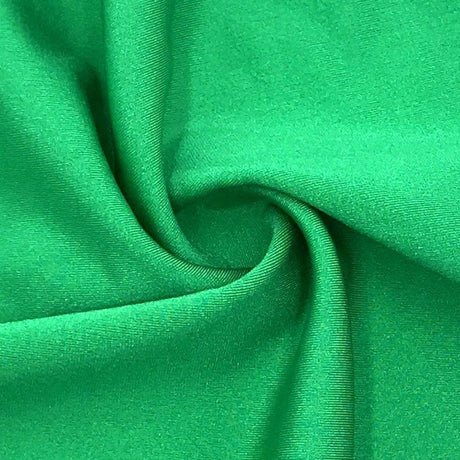
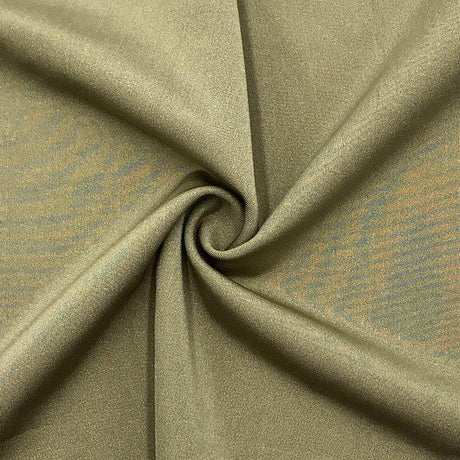
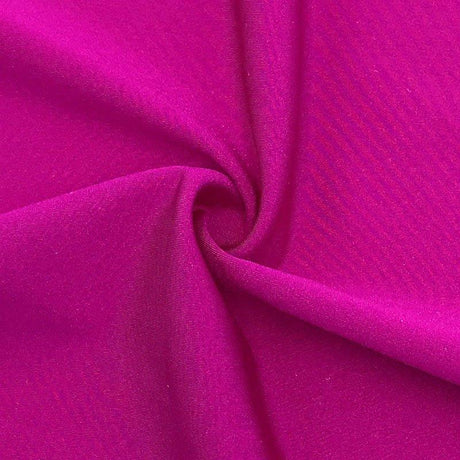
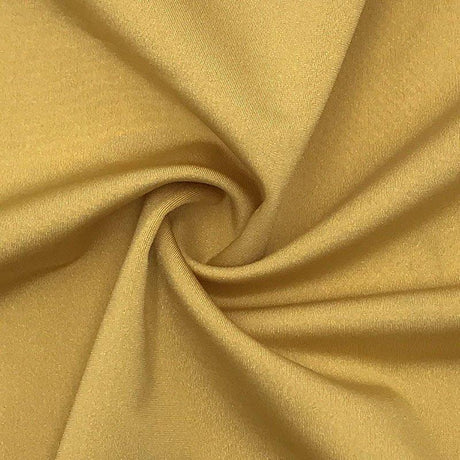
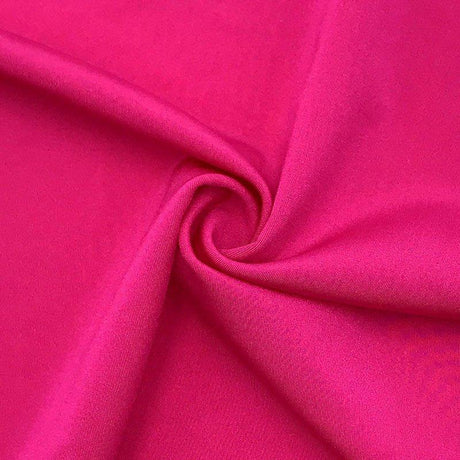
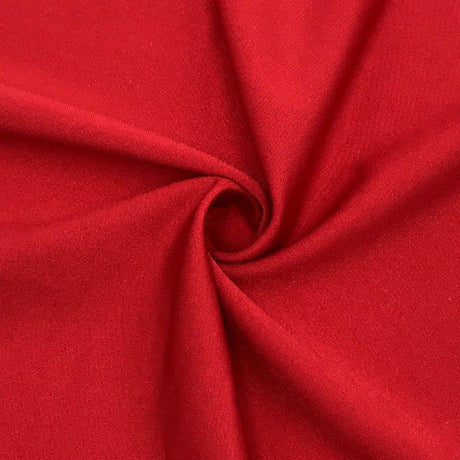
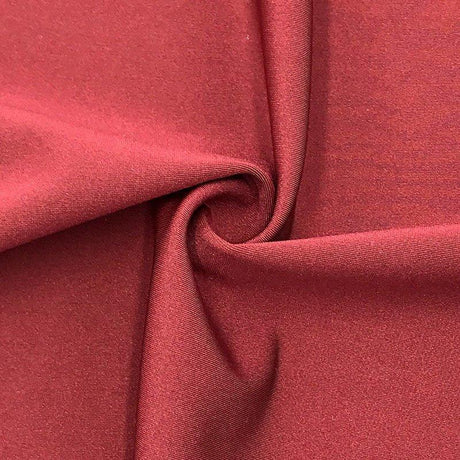
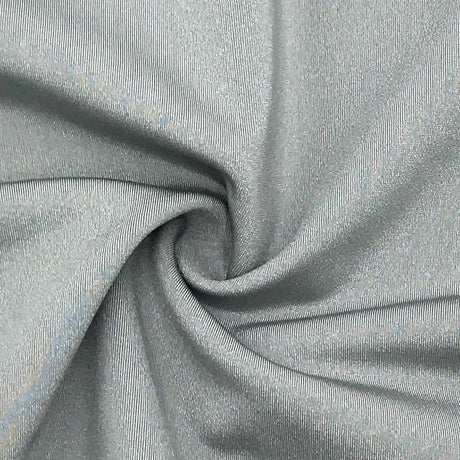
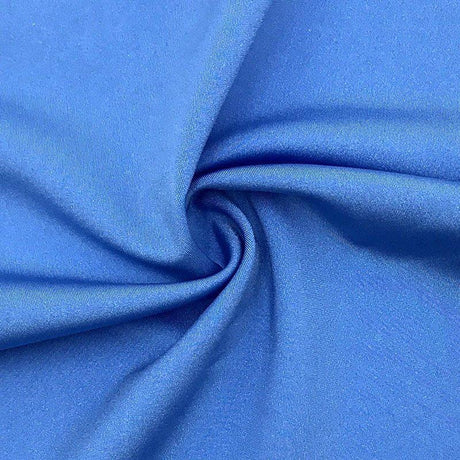
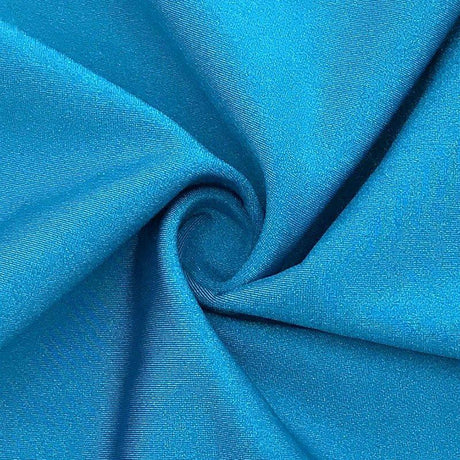
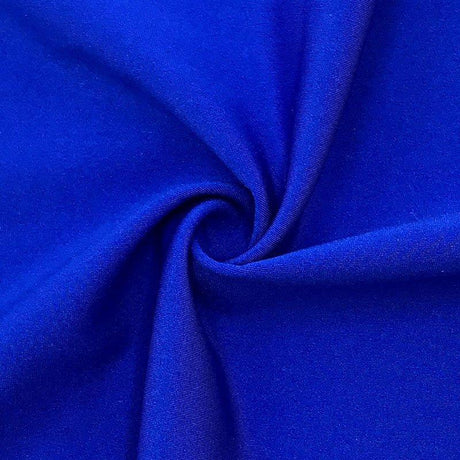
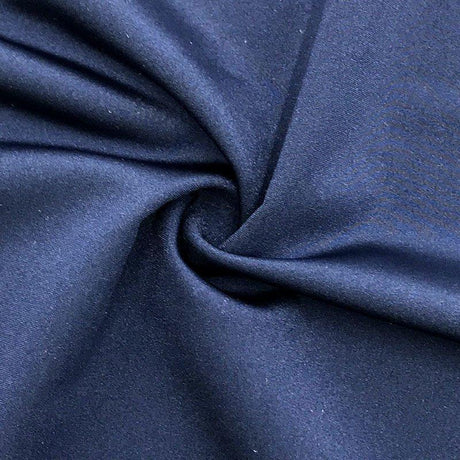
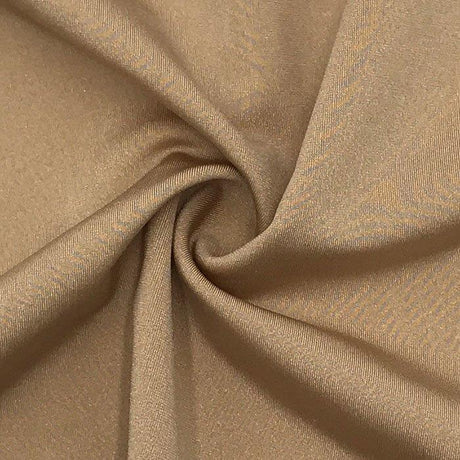
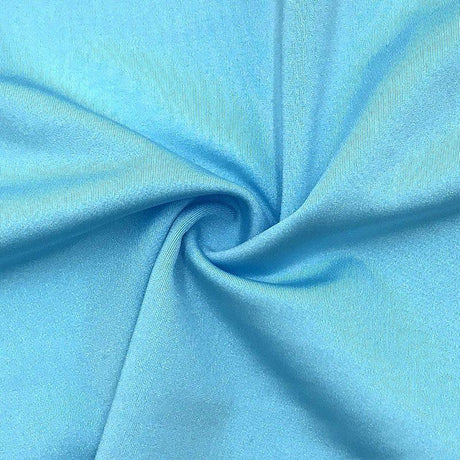
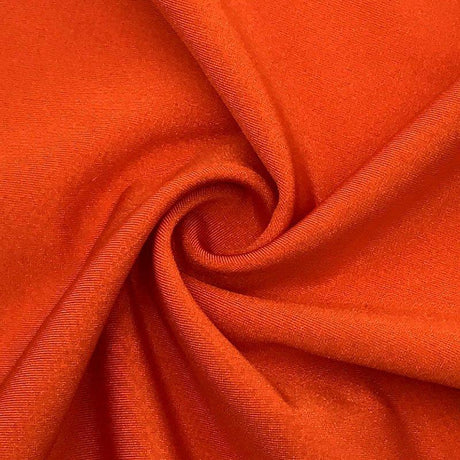
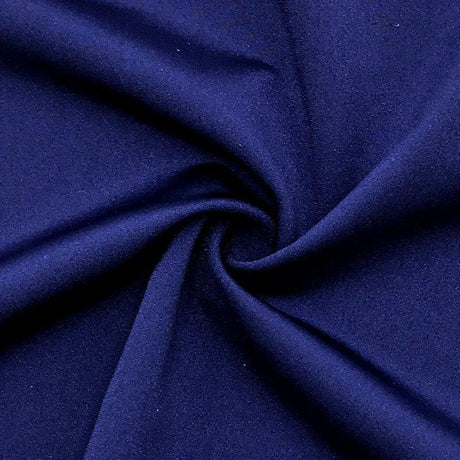
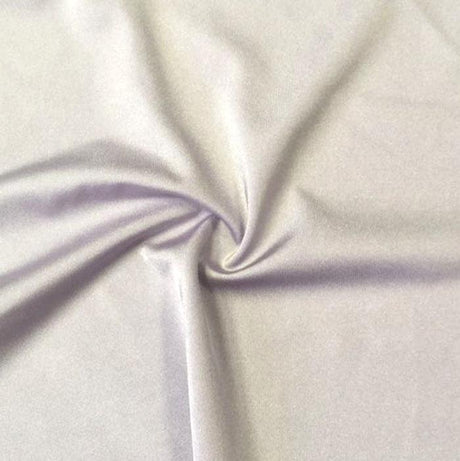
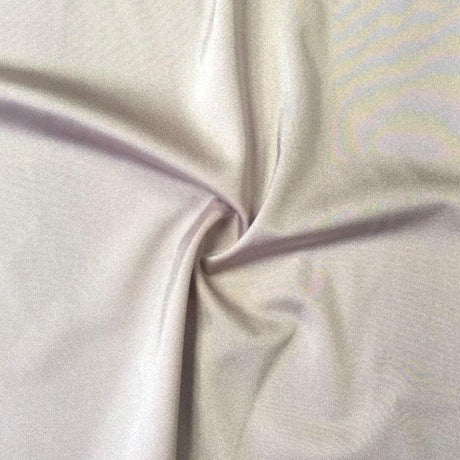
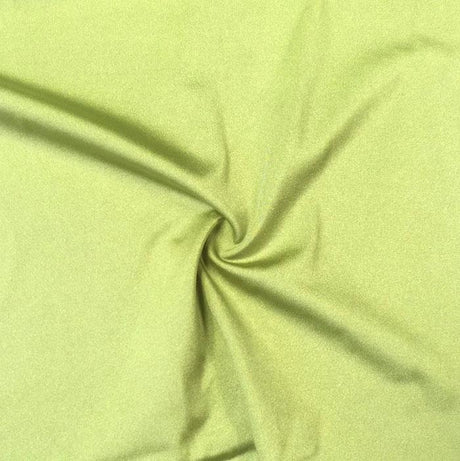
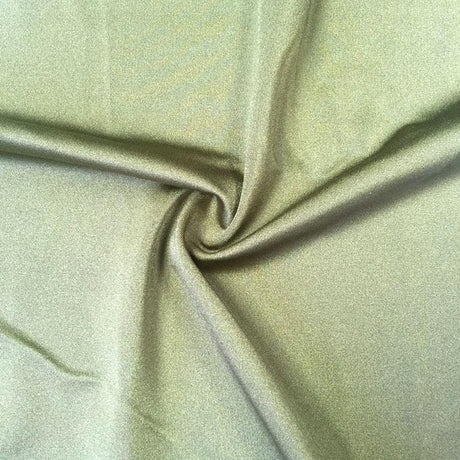
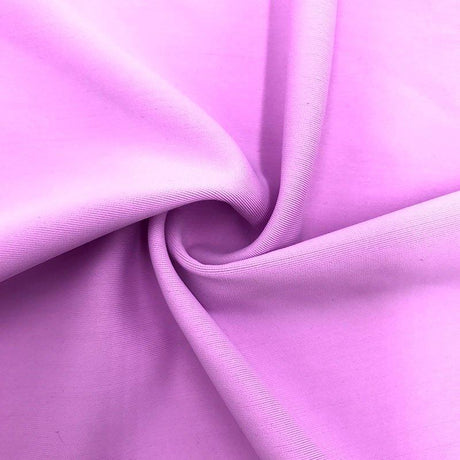
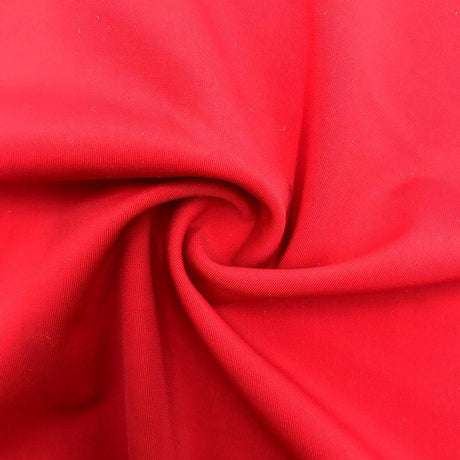
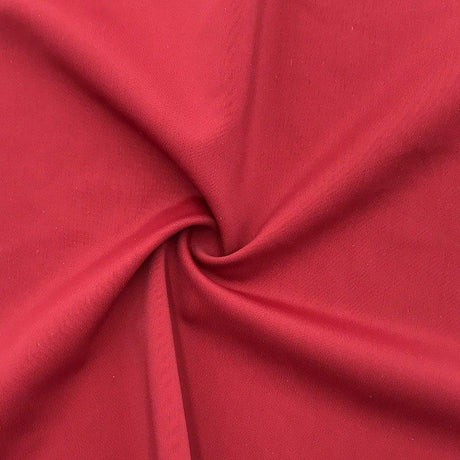
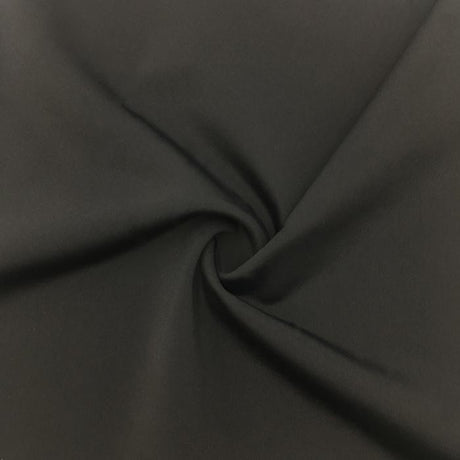
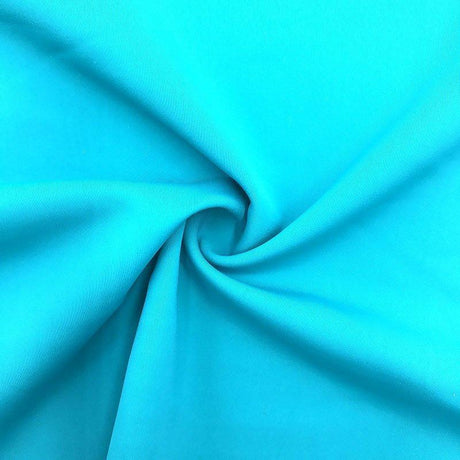
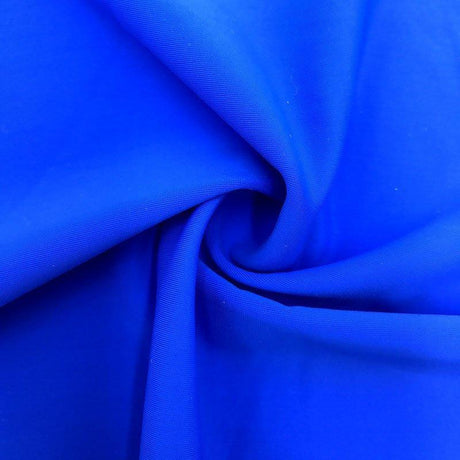
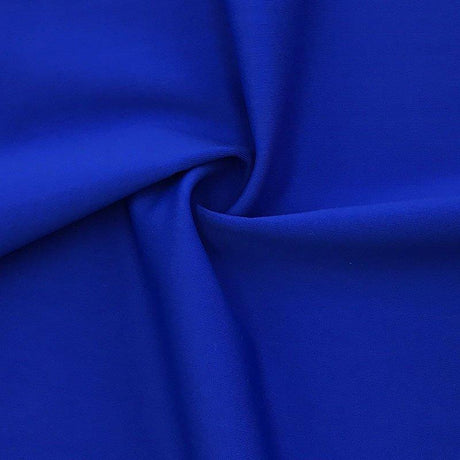
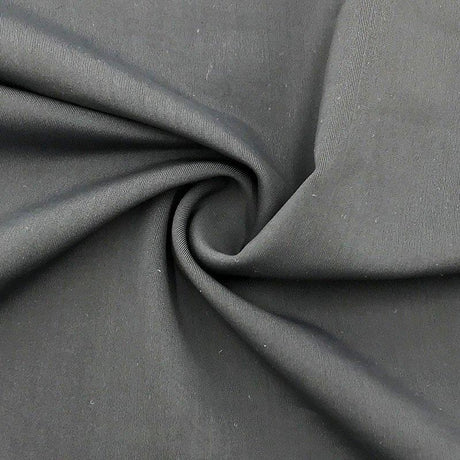
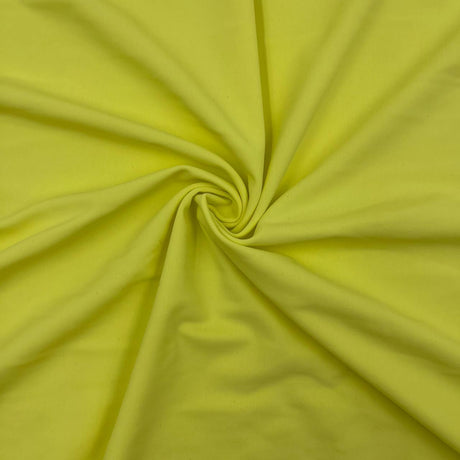
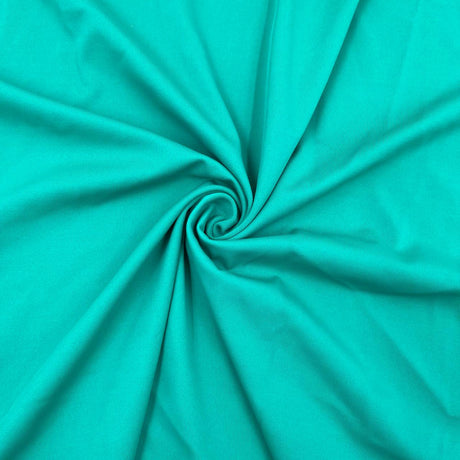
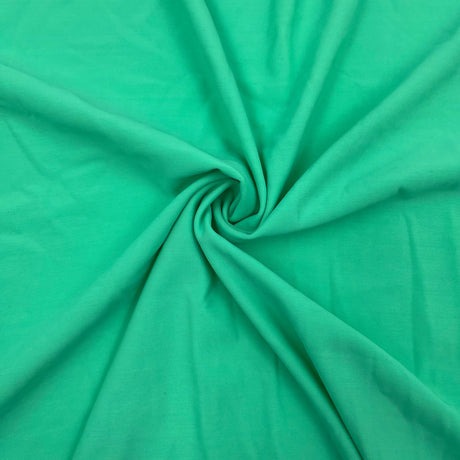
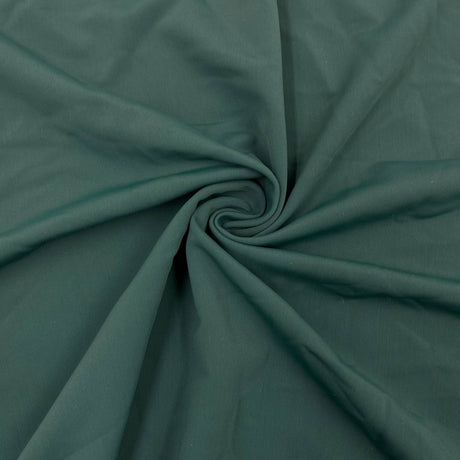
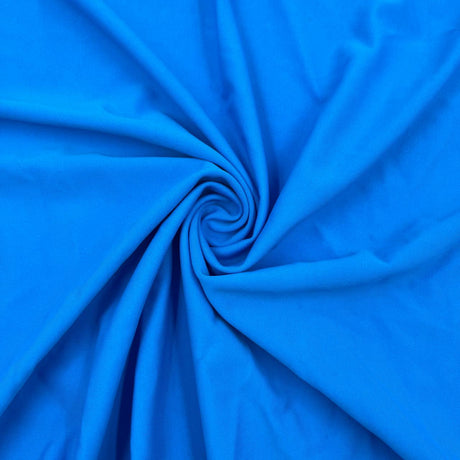
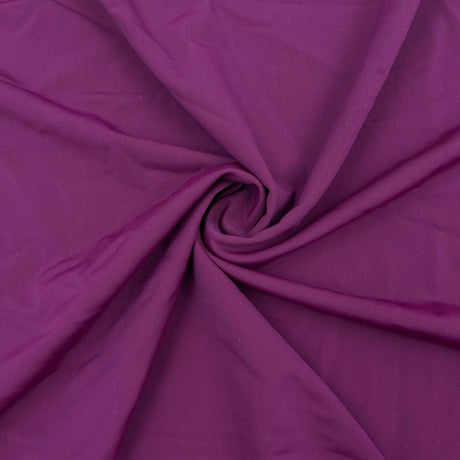
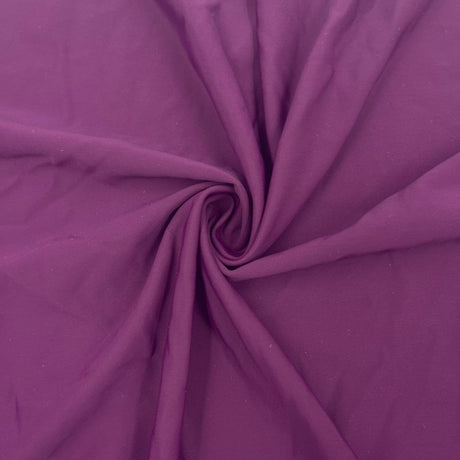
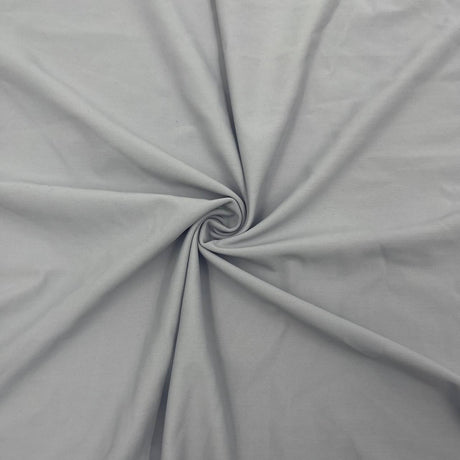
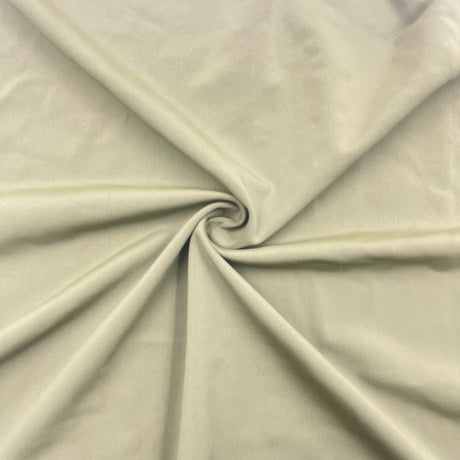
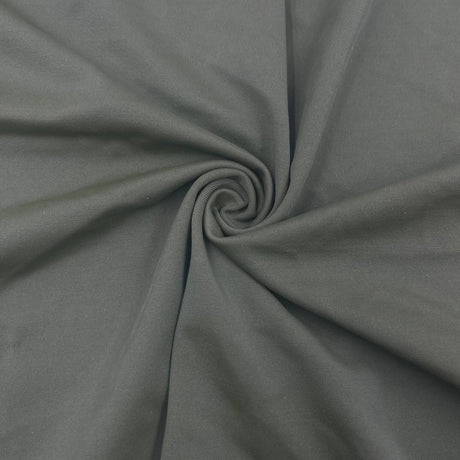
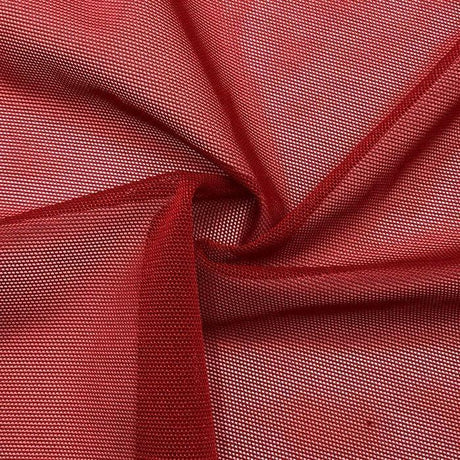
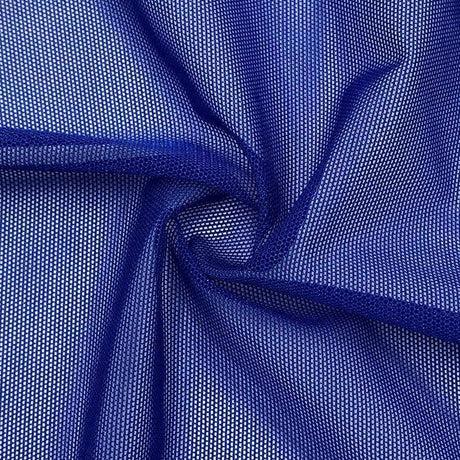
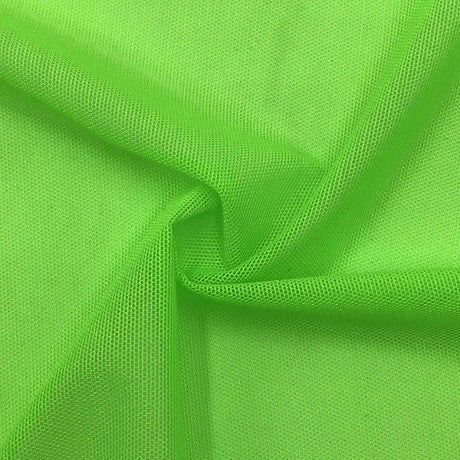
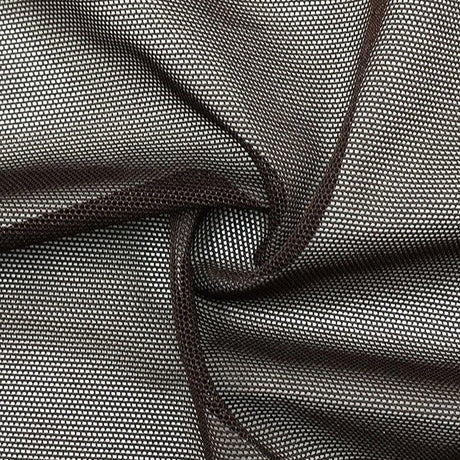
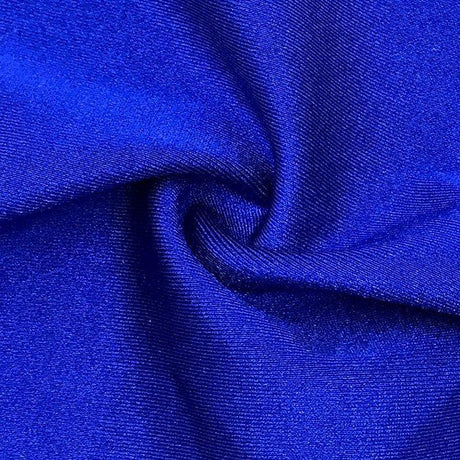
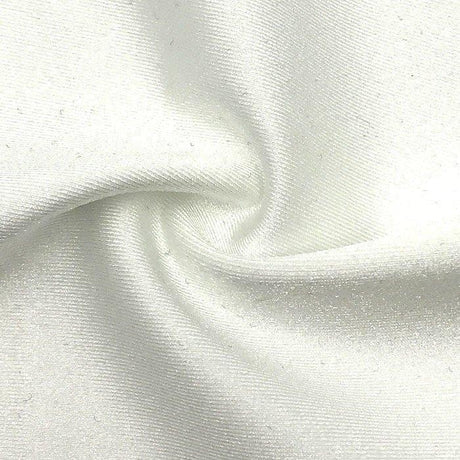
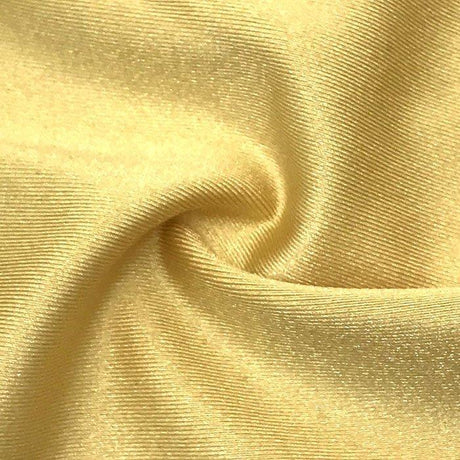
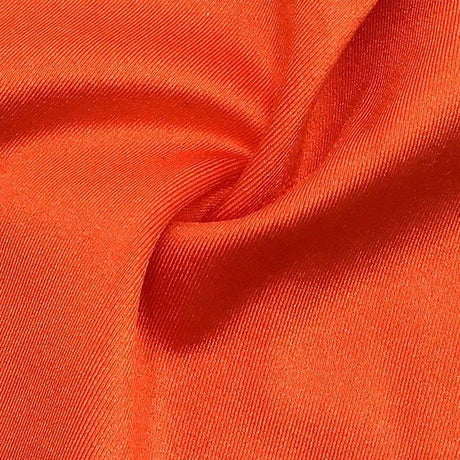
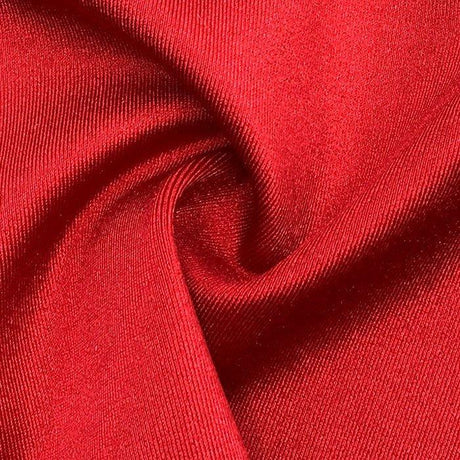
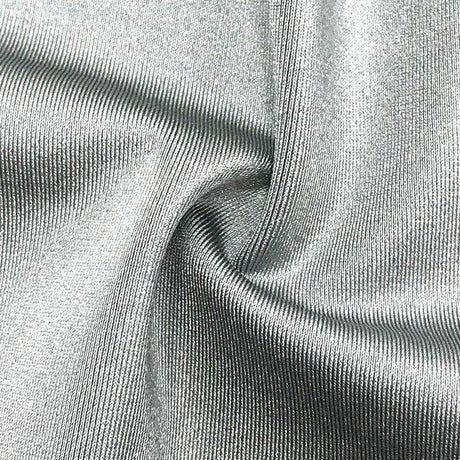
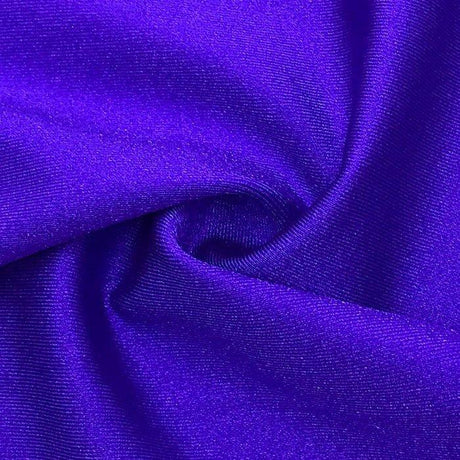
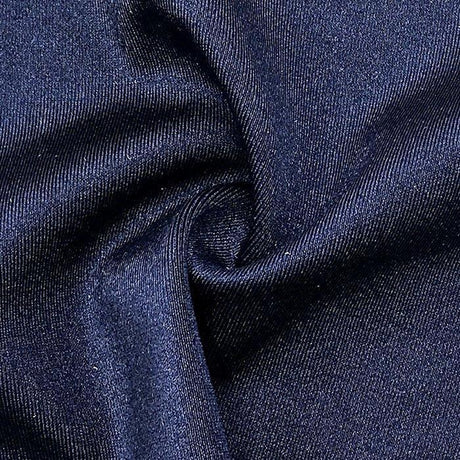
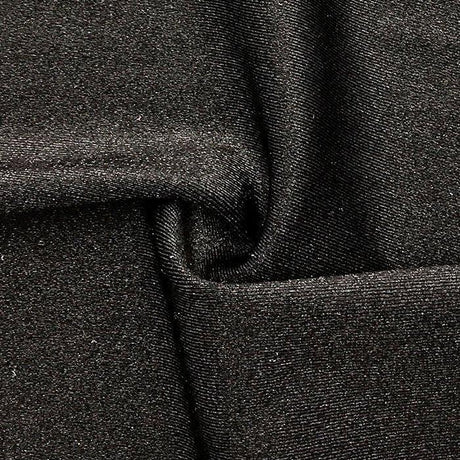
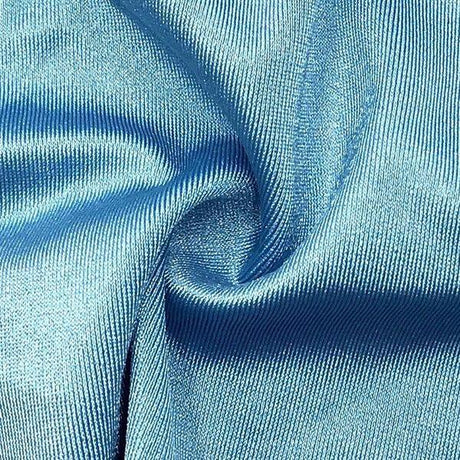
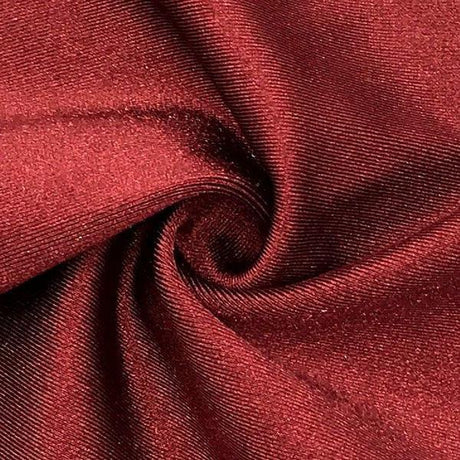
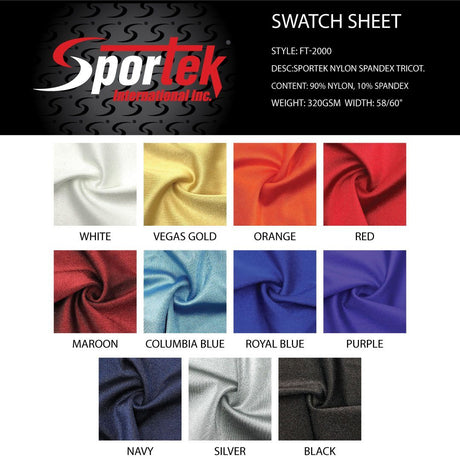
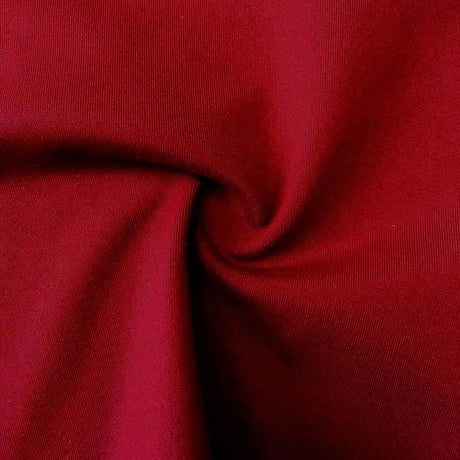
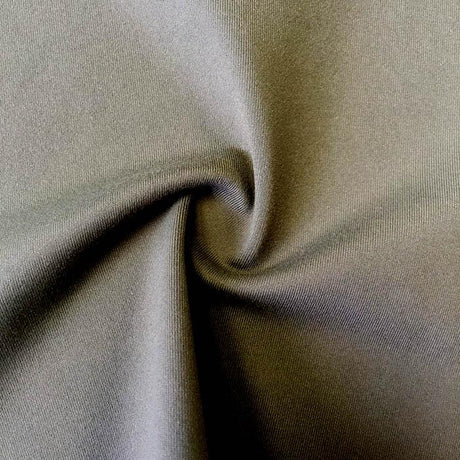
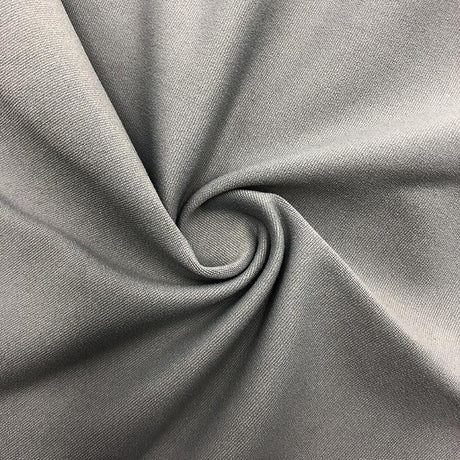
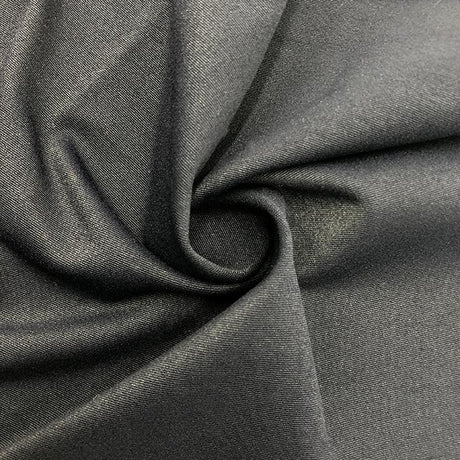
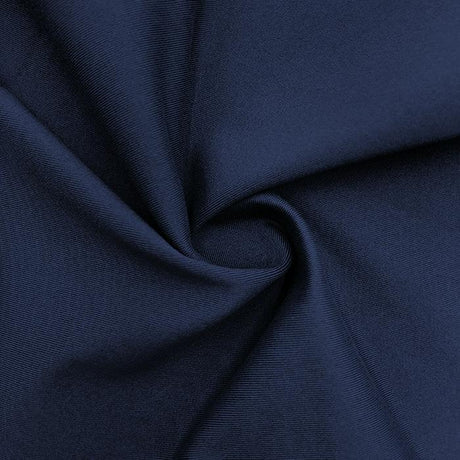
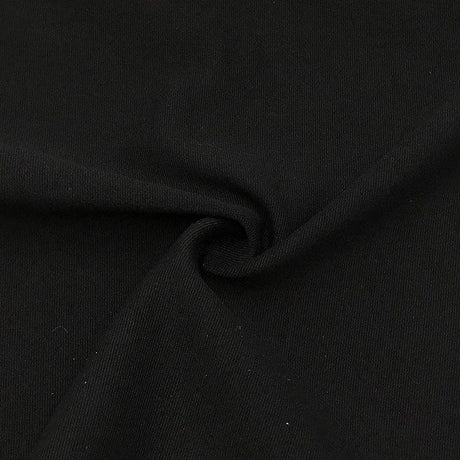
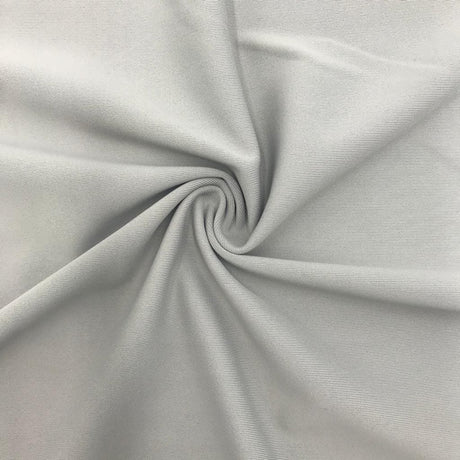
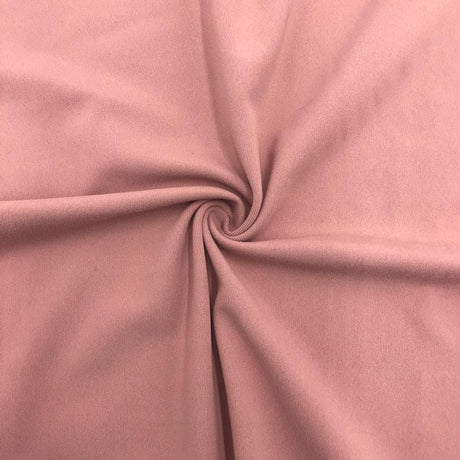
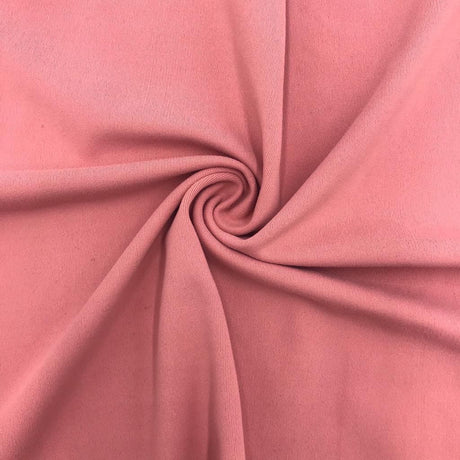
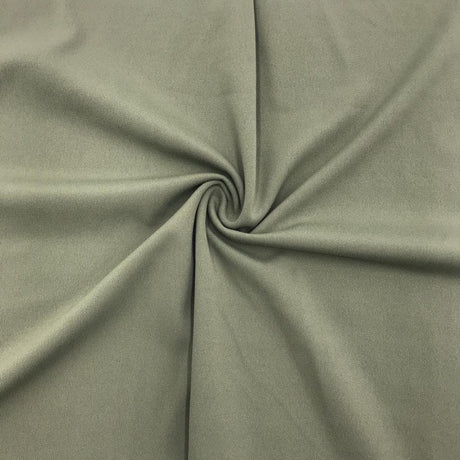
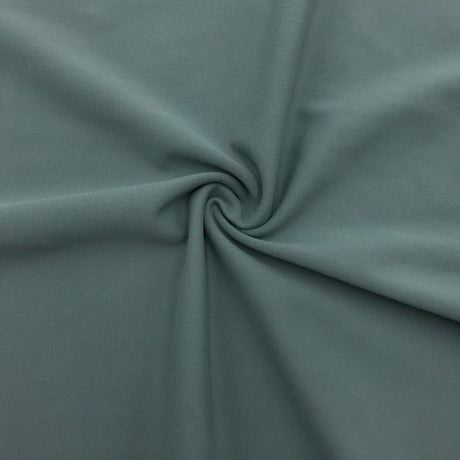
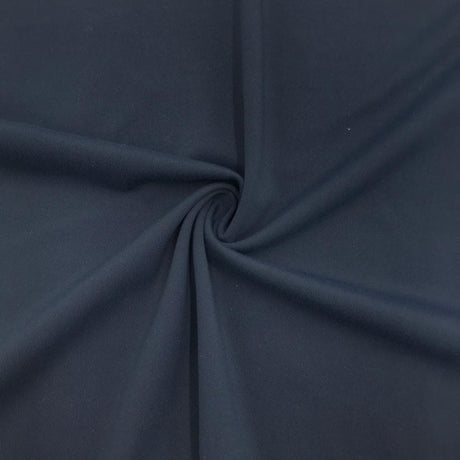
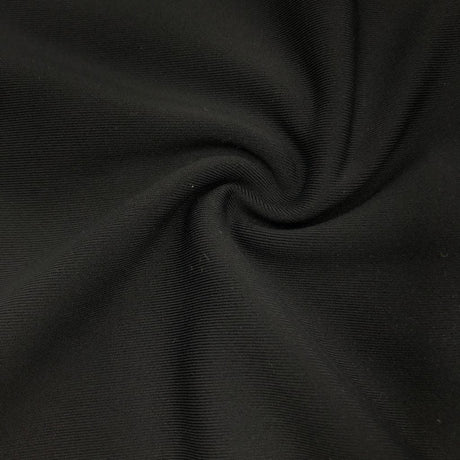
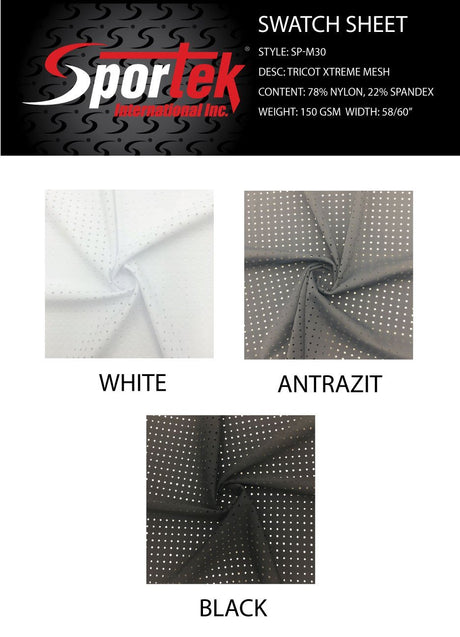
When choosing fabric for performance apparel, understanding the differences among spandex, nylon, Supplex, and PBT can be crucial. All four are synthetic fabrics used in athletic wear and swimwear, but each has unique strengths. Spandex (elastane) provides unrivaled elasticity, nylon (polyamide) is strong and versatile, Supplex is a specialized nylon engineered for a cotton-like softness, and PBT is a stretch polyester prized for its chlorine-resistant durability. Below we compare these materials across key factors – from stretch and recovery to moisture-wicking, durability, texture, cost, and common applications – to help designers, fabric buyers, and consumers choose the ideal swimwear or athletic fabric for their needs.
What Are These Fabrics Made Of?
- Spandex (Elastane): A stretchy, elastic synthetic fiber made from segmented polyurethane. Spandex can stretch 5–8 times its original length and spring back without losing shape. It’s usually blended into other materials (often 5–20%) to impart flexibility and a snug fit in garments.
- Nylon: A family of synthetic polymers known as polyamides, first developed by DuPont in the 1930s. Nylon fibers are lightweight, very strong, and abrasion-resistant. In apparel, nylon is often combined with spandex to create highly stretchable fabrics, and it provides a smooth, slightly shiny feel. Nylon remains a cornerstone of performance wear for its durability, flexibility, and light weight.
- Supplex: A trademarked nylon variant engineered by DuPont in the 1980s to have a cotton-like softness. Supplex is made from ultra-fine nylon filaments bundled into yarn, yielding a fabric much softer than standard nylon (about 26–36% softer by handfeel tests). It retains nylon’s strength but feels soft, flexible, and breathable. Supplex is typically knit with ~10–15% Lycra spandex for 4-way stretch comfort.
- PBT (Polybutylene Terephthalate): A type of polyester often called a “stretch polyester” fiber. PBT has natural elasticity (though not as high as spandex) and exceptional elastic recovery. It gained prominence in competitive swimwear due to its ability to provide stretch with minimal spandex and its remarkable resistance to chlorine and chemicals. A PBT fabric can endure hundreds of hours in chlorinated water while maintaining its strength and shape. It’s also lightweight and quick to dry, though a bit stiffer to the touch than nylon.
Stretch and Recovery
Stretch and recovery refer to a fabric’s ability to elongate and then snap back to its original shape. Here’s how each material compares in elasticity:
- Spandex: The gold standard for stretch – pure spandex can elongate 5–8× its length and still recover fully. Even a small percentage of spandex in a fabric yields excellent 4-way stretch. Spandex-blended textiles handle extreme movement and “bounce back” without sagging, offering superior elastic recovery and a supportive, compression fit.
- Nylon: By itself nylon has some inherent resilience, but when combined with elastane in a knit it provides excellent 4-way stretch and recovery. Nylon-spandex blends can stretch to accommodate dynamic movement and then snap back to shape without bagging. The nylon fiber is naturally springy, so these blends are prized for a snug fit with long-lasting elasticity.
- Supplex: Supplex nylon fabrics (always with some Lycra added) offer the same degree of stretch as regular nylon blends, but with even better recovery and shape retention. Supplex was engineered to hold its shape even after repeated stretching – garments won’t “bag out” or lose support over time. You get all the 4-way stretch needed for athletics or yoga, plus confidence that the fabric will spring back and stay supportive.
- PBT: PBT fibers have moderate inherent stretch (less than spandex) but outstanding recovery. High-PBT fabrics can elongate moderately and still return to form with >95% elastic recovery. This material provides compression and stretch without needing much spandex – it “instantly springs back” to shape even after rigorous use. PBT won’t stretch as far as a Lycra-heavy fabric, but it excels at not losing its elasticity. For example, athletic swimwear made with PBT keeps its tight fit and doesn’t become baggy over time, a testament to its resiliency.
Moisture Management and Breathability
Performance fabrics need to wick sweat and allow the skin to breathe. Here’s how each fiber handles moisture and airflow:
- Spandex: Spandex fibers are hydrophobic (they don’t absorb water), meaning they won’t hold sweat. In fabric blends, spandex is often described as breathable and moisture-wicking in the sense that it doesn’t trap moisture and dries quickly. However, spandex itself isn’t particularly air-permeable – high spandex content can make a garment less breathable. This is why spandex is usually a small percentage of a blend, paired with other fibers that actually carry sweat to the surface. The upside is that spandex doesn’t stay wet (it sheds moisture) and thus helps a garment dry faster.
- Nylon: Nylon is somewhat hydrophilic (it can absorb a small amount of moisture), but in athletic knits it effectively wicks sweat from the skin to the fabric’s outer surface, where it can evaporate. Nylon-blend activewear doesn’t tend to stay soaked; it dries quickly and helps keep you cool. Many sportswear brands favor nylon-spandex blends for this quick-drying, moisture-wicking performance, which prevents that heavy, clammy feeling during intense workouts. Nylon fabrics can also be quite breathable when made thin or mesh-like – they allow air flow, contributing to a cooler feel.
- Supplex: Supplex was designed with superior moisture management in mind. It actively pulls sweat off the body and spreads it across the fabric for rapid evaporation. During exercise, a Supplex shirt or legging wicks sweat away, helping you stay dry. It’s also highly quick-drying – Supplex can shed moisture far faster than cotton, so you won’t feel soggy during workouts. In terms of breathability, Supplex excels: the ultra-fine filaments create a soft, air-permeable knit that lets moisture vapor escape easily. Many users find that Supplex apparel doesn’t feel as stifling as some polyester gym wear; it’s often described as approaching the breathability of a natural fiber. The combination of moisture-wicking and ventilation means Supplex keeps you cool and comfortable even in hot, sweaty sessions.
- PBT: PBT fibers are extremely hydrophobic, even more so than nylon. They repel water rather than absorbing it, so a PBT fabric doesn’t really “wick” sweat into the fibers – instead, any moisture stays on the surface and can evaporate rapidly. This makes PBT garments inherently quick-drying and unlikely to feel waterlogged. In swimwear, for instance, a PBT suit stays light in the water and dries very quickly once out. The flip side is that PBT knit fabrics can be less breathable. Pure PBT competition swimsuits are typically knitted very tightly for compression, which means minimal air-permeability (though in water this isn’t an issue). For land activewear, PBT is often blended or engineered with some mesh structure to increase airflow, but generally it doesn’t breathe as freely as Supplex or cottony fabrics. In practical terms, PBT provides a dry wear (since it never holds moisture), but if used in a thick, tight knit it might feel warmer due to reduced air flow. It’s great for staying dry, but for maximum breathability, other fabrics have an edge.
Durability and Abrasion Resistance
Durability refers to how well a fabric withstands wear and tear (and factors like chlorine or UV exposure). Abrasion resistance is especially important for active gear that may rub against surfaces. Here’s how the materials compare:
- Spandex: Spandex is not very durable on its own. The fibers can degrade with prolonged exposure to heat, chlorine, sweat, and body oils – over time, high-spandex garments may lose elasticity or break if not cared for. In fact, pure spandex swimwear is impractical because it lacks durability and can even become transparent when wet. Spandex also has low abrasion resistance by itself (it can snap if scraped). For these reasons, spandex is always blended and usually comprises only a small portion of the fabric. The other fibers (like nylon or polyester) provide the structural strength, while spandex’s role is to impart stretch.
- Nylon: Nylon is well-known for its toughness. It has high tensile strength and outstanding abrasion resistance – nylon fabric was tough enough for WWII parachutes and remains a go-to for durability. In activewear, nylon can handle a lot of friction (running, sliding, gear contact) without tearing or wearing thin. However, nylon’s durability can be compromised by environmental factors: it is vulnerable to chlorine damage and will gradually weaken with long exposure to pool chlorine (a nylon swimsuit can lose ~40% of its strength after extended time in chlorinated water). Nylon is also somewhat susceptible to UV sunlight degradation over time. In general use though, a quality nylon-blend garment will last through many wash cycles and workouts before showing wear. Rinsing nylon swimwear after use and avoiding excessive sun drying can mitigate the chlorine/UV damage.
- Supplex: Supplex retains nylon’s legendary strength while improving on other aspects. It is exceptionally durable in active use, easily resisting abrasions, scuffs, and even small tears. Users often report that Supplex leggings or tops hold up to repeated high-intensity workouts and frequent laundering without thinning out or pilling. The fine filaments in Supplex reduce pilling compared to standard nylon, so the fabric stays smooth. Manufacturers tout that Supplex “combines the comfort of cotton with the durability of nylon,” and indeed it lives up to that – it doesn’t tear easily and handles friction well. Additionally, many Supplex fabrics are engineered with extra coatings (water-repellent, UV protective, etc.) which further enhance their ruggedness. In short, Supplex delivers a robust wear-life for athletic clothing, making it suitable for intensive training or outdoor use where you need both comfort and durability.
- PBT: Durability is where PBT truly shines, especially in harsh conditions. As a polyester-based fiber, it is highly resistant to physical wear: PBT fabrics don’t easily pill, snag, or abrade, even when rubbed against rough surfaces. This material can withstand repeated exposure to sweat, saltwater, sunscreen, and chlorine without breaking down. In competitive swimwear – where suits are in chlorinated pools daily – PBT outlasts nylon by a wide margin. It maintains its fiber strength and stretch for hundreds of hours of use, whereas a typical nylon-spandex suit might deteriorate much sooner. PBT textiles are often described as “unmatched in durability” for sports, retaining their support and shape over multiple seasons of heavy use. The only minor drawback to PBT’s toughness is a touch of stiffness; the fabric feels a bit rigid, which is part of why it’s so strong. But if maximum longevity (especially in chemically aggressive or high-wear environments) is the priority, PBT is the top performer among these fabrics.
Softness and Texture
How a fabric feels on the skin is crucial for comfort. Here’s a comparison of the softness and texture of each:
- Spandex: Spandex fibers themselves are rubbery and are not used alone as a full fabric (100% spandex garments are essentially unheard of). Instead, spandex is always blended into other yarns. The presence of spandex gives fabrics a smooth, elastic stretch and a form-fitting drape. High-spandex blends (like compression wear or dancewear with 20%+ spandex) tend to have a slick, shiny surface and a “tight” stretchy feel that hugs the body. Because spandex is usually only 5–20% of a fabric, the overall softness is determined by the dominant fiber (nylon, polyester, cotton, etc.). In summary, spandex contributes stretch and a gentle smoothness, but on its own it’s actually quite a sticky, plasticky fiber – which is why you always pair it with another, more comfortable fiber.
- Nylon: Standard nylon-spandex fabrics are typically smooth and slightly silky to the touch. Nylon has a cool, slick handfeel with a bit of sheen (think of the subtle shine on some yoga pants or leggings). Most wearers find nylon-based activewear quite comfortable: it’s lightweight and glides over the skin without much chafing. Nylon isn’t fuzzy or plush – it lacks the soft “fluff” of cotton – but high-quality nylon knits can feel very supple. In fact, many premium leggings and athletic tights use a high nylon content to achieve that luxurious, second-skin feel. On the downside, a very thin nylon fabric can feel a bit chilly or plasticky in cold conditions, and cheaper nylon might feel more slick than soft. Overall though, nylon offers a nice balance of smoothness and strength.
- Supplex: Supplex is all about comfort. It was engineered to provide a cotton-like soft touch that traditional nylon lacks. Supplex fabrics are often described as “buttery-soft” on the skin. The texture is matte (not shiny) and slightly brushed, lacking the slick, slippery feel of regular nylon. Many people compare Supplex’s touch to a soft cotton jersey – it’s cozy and gentle, almost “natural” feeling. This makes Supplex garments extremely comfortable for long wear; for example, Supplex yoga pants feel soft and non-plasticky, yet still lightweight and breathable. Another benefit is that Supplex retains this softness wash after wash (ordinary nylon can sometimes get harsher over time). If you prioritize a soft, pleasant texture in your activewear, Supplex delivers that while still performing like a technical fabric.
- PBT: PBT has a smoother, firmer texture that’s noticeably different from Supplex or high-nylon fabrics. It feels more like a traditional polyester – fairly smooth and flat, but with a crispness to it. Most PBT-based fabrics (like those used in competition swimsuits) have a slick, almost paper-like feel when dry and a very tight, compressive stretch on the body. They’re designed to hug muscles firmly (for compression and hydrodynamics) rather than to drape softly. Consequently, PBT is not as “cozy” as nylon or Supplex; it ranks lower on softness. Some modern PBT athletic fabrics are knitted in ways to improve softness a bit, but if you compare a PBT-heavy fabric to a Supplex fabric, the PBT one will feel stiffer and less cloth-like. In everyday wear, PBT wouldn’t be the top choice for comfort – it’s chosen for its performance merits (like chlorine resistance and support) over tactile softness.
Common Applications (Activewear, Swimwear, Underwear, etc.)
Each of these textiles shines in particular applications based on their properties. Here are some common uses for each:
- Spandex: Because of its exceptional stretch, spandex (always in blend form) is found in virtually all form-fitting apparel. In activewear, a small percentage of spandex gives yoga pants, running leggings, sports bras, and compression shorts the needed flexibility and shape retention. Athletic uniforms and dancewear also rely on spandex for freedom of movement. Swimwear fabric almost always contains spandex – most casual and competitive swimsuits are made from nylon or polyester blended with spandex to ensure a snug, adaptive fit. In underwear and lingerie, spandex provides the elastic stretch in everything from bra bands and straps to the waistbands of briefs and the leg elastic in panties. Even many jeans and dress pants now include a touch of spandex for comfort. Essentially, any garment that needs to stretch and recover will include spandex/elastane for its elasticity.
- Nylon: Nylon is an extremely versatile apparel fabric. In activewear, nylon-spandex blends are ubiquitous for leggings, workout tops, jackets, and athletic shorts – they offer a great balance of stretch, softness, and durability. Many premium leggings and compression garments use high nylon content for that smooth “second skin” feel. Nylon’s strength also makes it a popular choice for outdoor and sports gear that sees abrasion (e.g. hiking pants, running shorts, windbreakers, backpacks often use heavier nylon). In swimwear, nylon is common in fashion swim bikinis, one-piece suits, and rash guards, typically blended with spandex for fit and comfort. It gives swimwear a soft hand feel and takes color well (great for vibrant prints), though pure nylon swimsuits are best for occasional use due to the chlorine issue. Nylon is also widely used in lingerie and hosiery – for example, women’s stockings and sheer tights are usually nylon, and many satiny slips or bras use nylon fabrics for their smooth feel. Overall, nylon finds use anywhere a lightweight, strong, and slightly silky fabric is desired – from yoga pants and athletic leggings, to running tops, to satin lingerie.
- Supplex: Supplex shines in activewear where comfort is key. It’s a go-to material for yoga pants, gym leggings, athletic tops, and sports bras – essentially any athletic garment where a soft touch is desired. Fitness enthusiasts doing yoga, Pilates, or gym training often seek out Supplex-blend leggings because they move with you like a second skin without the plasticky feel. Athleisure apparel (casual wear that doubles as workout wear) also uses Supplex for its combination of comfort and performance. You’ll find Supplex in many high-end yoga lines, leggings for running or training, and even some dancewear or figure skating apparel where stretch and soft comfort matter. Outside of the gym, Supplex can appear in travel or outdoor clothing like lightweight hiking pants or jackets – often in a woven (non-stretch) form – because it’s durable, wind-resistant, and quick-drying (great for outdoorsy applications). You generally won’t see Supplex used in swimwear (chlorine can degrade it more easily than polyester), nor is it typical in basic underwear. Its sweet spot is really exercise attire and any scenario where you want “cotton comfort” with technical performance.
- PBT: PBT is specialized for performance swimwear and sports uniforms. Competitive swimmers and professional athletes favor PBT fabric for swimsuits because of its superior chlorine resistance and its ability to maintain a tight compression fit without relying on spandex. Most competition racing suits (e.g. jammers, tech suits, and elite one-piece swimsuits) are made from PBT/polyester blends – these suits can withstand daily swim practice in chlorinated pools and still hold their shape all season. PBT is also used in some athletic team apparel: for instance, competitive rowing or cycling skinsuits, and certain soccer or rugby uniforms, where the fabric needs to endure constant sweat, sun, and abrasion. The material’s resistance to sweat and frequent washing makes it appealing for team jerseys that must last. In general consumer activewear, PBT is less common due to its firmer feel – you won’t typically find PBT in yoga leggings or casual gym clothes, which prioritize softness. However, you might see PBT in specialized compression leggings or swim leggings designed for triathlons or water sports, where its durability in water is a huge asset. For underwear or everyday clothing, PBT is rarely used (it would be considered over-engineered for that purpose and not as comfortable as other options). It’s truly a fabric for high-performance needs like competitive swimwear and any application needing extreme chlorine and wear resistance.
Cost Comparison
The cost of these fabrics can influence decisions for designers and buyers. Generally:
- Spandex: Spandex fiber is relatively expensive to produce compared to standard fibers, so adding spandex will raise a fabric’s cost. High-spandex technical fabrics (e.g. compression gear with 20% Lycra) tend to be pricier than non-stretch fabrics. However, since spandex is usually a small percentage of the blend, it doesn’t dominate the cost – the base fabric (nylon or polyester) has a larger effect. In short, spandex is a premium component that adds value (stretch and comfort) but also adds some cost. Many consider it worth it for the performance benefits.
- Nylon: Nylon is moderately priced among synthetics – typically a bit more expensive than polyester, but cheaper than specialized performance fibers. As a benchmark, a nylon-spandex blend fabric might average around $4–$6 USD per meter wholesale. That makes it relatively affordable given its strength and versatility. Nylon’s price is one reason it’s so popular in activewear. Do note that certain specialty nylons (with extra coatings, or high-end branding like Cordura or Supplex) can cost more. But for standard activewear, nylon blends offer a good balance of performance and cost.
- Supplex: Being a branded, high-performance nylon, Supplex usually commands a premium over regular nylon. It’s considered a specialty athletic fabric, so its price per yard is higher than basic nylon or polyester. For example, retail prices for Supplex Lycra knit can be in the range of $15+ per yard, whereas a standard nylon-spandex might be under $10 per yard. One source notes that Supplex can be more expensive than other nylon fabrics (a consideration for budget-conscious buyers). For bulk purchasers, Supplex is often worth the extra cost due to its durability and comfort advantages, but it can impact profit margins. In summary, expect to pay more for Supplex – it’s a premium version of nylon aimed at high-end performance apparel.
- PBT: PBT-based fabrics are generally on the higher end of the price spectrum for swim/active textiles. They’re considered “premium” because of their exceptional longevity. Market averages put PBT fabric around $6–$8 USD per meter, which is higher than most nylon-spandex or poly-spandex blends. (By comparison, a polyester+spandex blend might be ~$5–$7 per meter.) This means competitive swimsuits made of PBT often cost more upfront, but they last much longer, potentially saving money over time. For teams and serious athletes, the investment in PBT pays off in durability. In contrast, cheaper swimwear fabrics (nylon/spandex) may need replacement more frequently. So, PBT’s cost is higher, but it delivers top value in environments that would destroy other fabrics quickly.
Summary Table (Optimized for Featured Snippet)

Below is a quick comparison table of Spandex vs Nylon vs Supplex vs PBT across key performance categories:
|
Property |
Spandex (Elastane) |
Nylon |
Supplex (Nylon) |
PBT Polyester |
|
Composition (Type) |
Elastomer fiber (polyurethane) |
Synthetic polyamide fiber |
Engineered micro-nylon (polyamide) |
Synthetic polyester (PBT polymer) |
|
Stretch & Recovery |
Extremely high stretch (up to ~500%); excellent recovery (springs back fully) |
High stretch when blended with spandex; resilient and elastic |
Excellent 4-way stretch (with spandex); superior shape retention (no bagging) |
Moderate inherent stretch; >95% elastic recovery, maintains compression |
|
Moisture-Wicking & Drying |
Hydrophobic (doesn’t absorb sweat); quick-drying, but relies on other fibers to wick |
Wicks sweat and dries fast; doesn’t stay soaked during workouts |
Highly moisture-wicking; spreads sweat out to evaporate; very quick-drying |
Hydrophobic and quick-drying; repels water (ideal for swim), but no absorbency |
|
Breathability |
Not breathable alone (usually only 5–20% of fabric) |
Generally breathable in lightweight knits; allows airflow |
Very breathable (cotton-like); allows moisture vapor to escape |
Moderate – often tightly knit for compression, so less airflow |
|
Durability & Resistance |
Low by itself (sensitive to heat, chlorine, UV); always blended for strength |
Very durable; high abrasion resistance; can weaken with long chlorine/UV exposure |
Excellent durability; resists abrasion & pilling; often fade-resistant and long-lasting |
Exceptional durability; chlorine-proof, salt/chemical resistant; maintains integrity over time |
|
Softness & Texture |
N/A alone (not used solo); adds smooth stretch to blends (base fabric determines softness) |
Smooth, slightly silky feel; can have a light sheen; not fuzzy |
Soft, matte, cotton-like feel (“buttery” on skin); no plasticky slickness |
Smooth but firm, crisp texture; not as soft as nylon or Supplex; tight, compressive feel |
|
Common Applications |
Added to all stretch apparel (activewear, swimwear, underwear, etc.) for elasticity (typically 5–20% of fabric) |
Activewear: leggings, shorts, jackets; Swimwear: fashion swimsuits, boardshorts; Lingerie: stockings, bras; also outdoor gear |
Activewear: yoga pants, gym leggings, sports bras (premium comfort); also some outdoor apparel (e.g. Supplex hiking pants, jackets) |
Swimwear: competitive swimsuits, racing jammers; Sports uniforms: water polo suits, endurance athletic gear (where chlorine/sweat resistance is key) |
|
Relative Cost |
Adds cost (spandex is a premium fiber, increases fabric price) |
Moderate – nylon/spandex blends ~$4–$6 per meter (wholesale average) |
Higher than standard nylon (Supplex is a specialty premium fabric) |
High – PBT fabrics ~$6–$8 per meter (premium performance material) |
Which Fabric Should You Choose?
With an understanding of each fabric’s traits, the best choice ultimately depends on your priorities and end use. For maximum stretch and form-fit, nothing beats spandex – virtually all athletic and swim garments will include it, so ensure your chosen fabric has the appropriate Lycra content. If your goal is supreme comfort and softness in activewear (for yoga, lounging, or all-day wear), a Supplex nylon blend or a high-nylon spandex fabric is ideal. Supplex/nylon gives that cotton-like touch with full performance stretch, making it perfect for yoga pants, leggings, and athleisure. On the other hand, if you need a garment to withstand harsh conditions – like a swimsuit that will see daily chlorinated pool use, or team uniforms that face lots of sweat and washing – then PBT polyester is the top choice. Serious swimmers often require technical fabrics that support performance: PBT is preferred for competition suits because it maintains muscle compression and resists chlorine breakdown over time. In high-impact sports apparel, both nylon and PBT blends have their place: go with Supplex/nylon for a softer stretch and feel, or choose a PBT/polyester fabric when chlorine, constant sun exposure, or maximum ruggedness are factors. In fact, many modern sports fabrics blend fibers to get the best of both worlds – for example, a fabric might use nylon (or Supplex) for comfort and spandex for stretch, combined with a bit of polyester or PBT for extra durability.
In summary, spandex vs nylon vs Supplex vs PBT isn’t about declaring a single “winner” – each excels in certain aspects. Spandex is the elastic enhancer, nylon (and Supplex) offer a balance of strength and comfort, and PBT offers endurance in tough environments. Your choice should be guided by the garment’s purpose: choose Supplex or a nylon-spandex blend for everyday activewear where comfort is key, and choose a PBT-polyester for swimwear or extreme durability needs. By weighing stretch, moisture, durability, softness, and cost, you can select the right synthetic fabric that will perform best for your project or wardrobe. With this complete comparison in mind, you’ll be equipped to make an informed decision for any active, swim, or performance textile need.