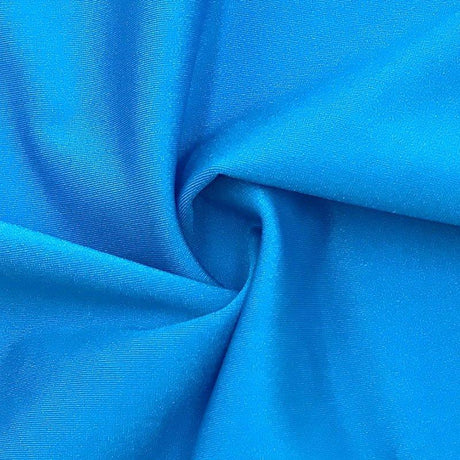
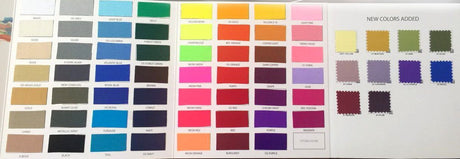
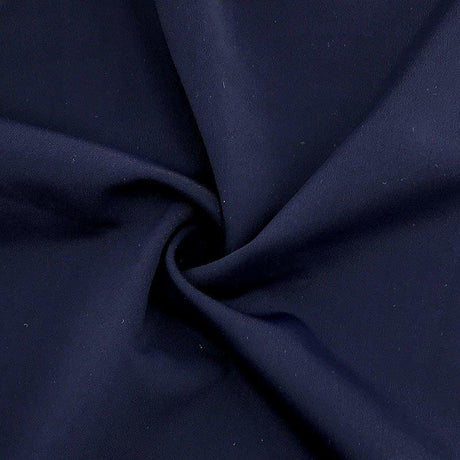
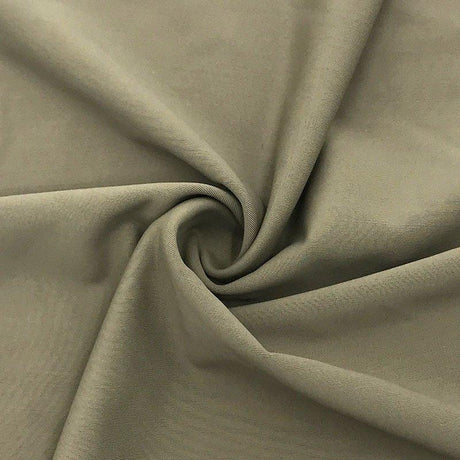
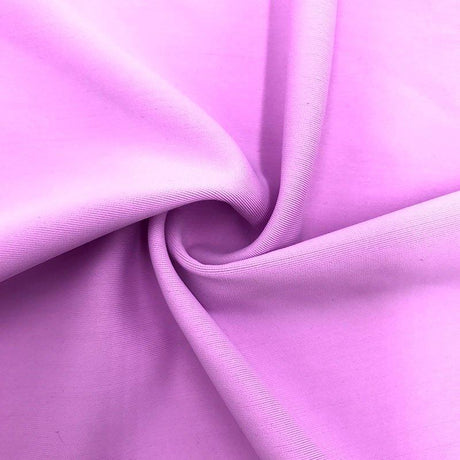
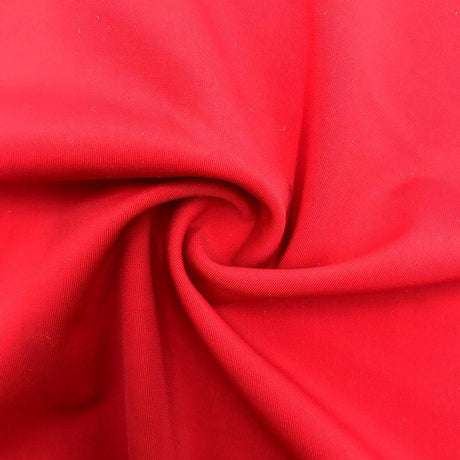
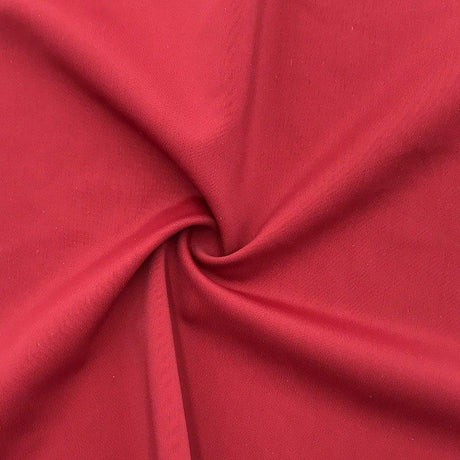
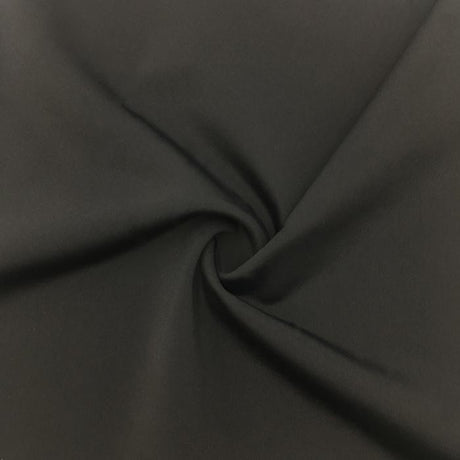
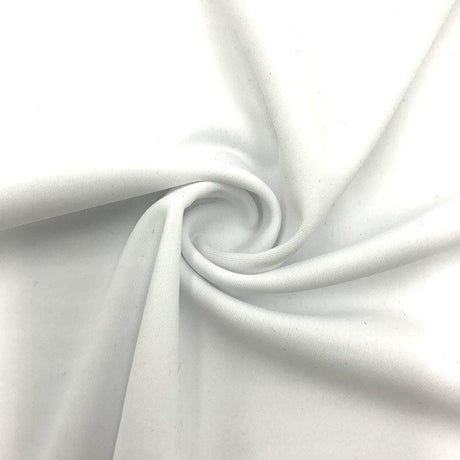
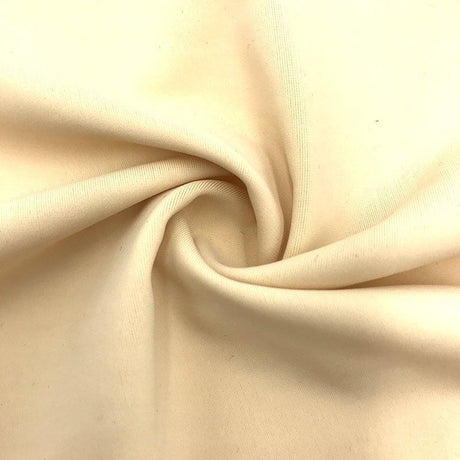
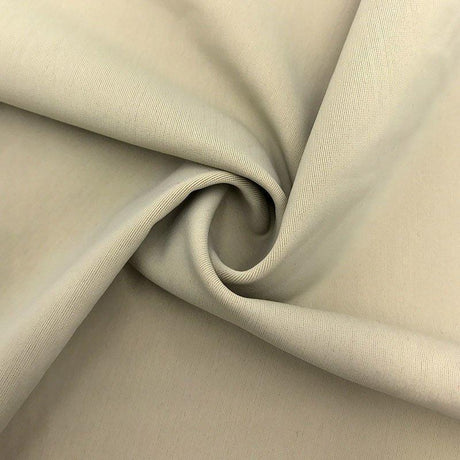
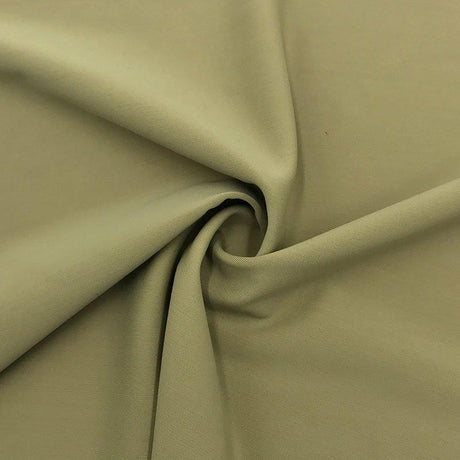
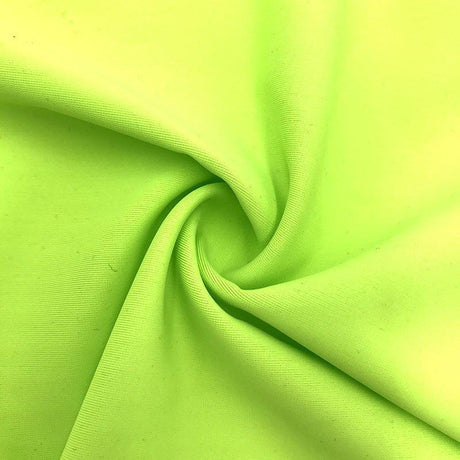
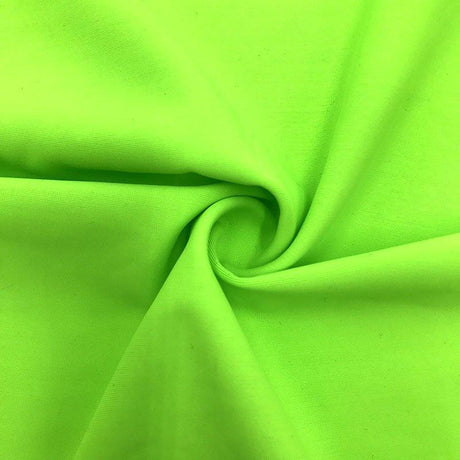
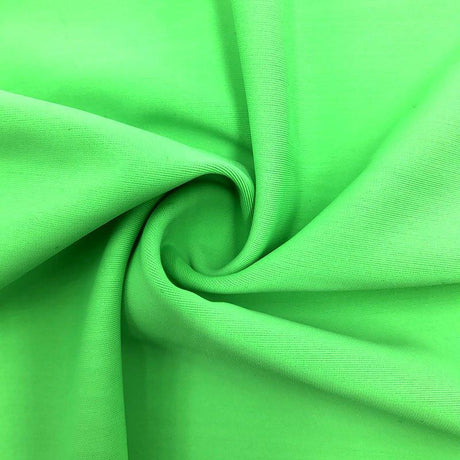
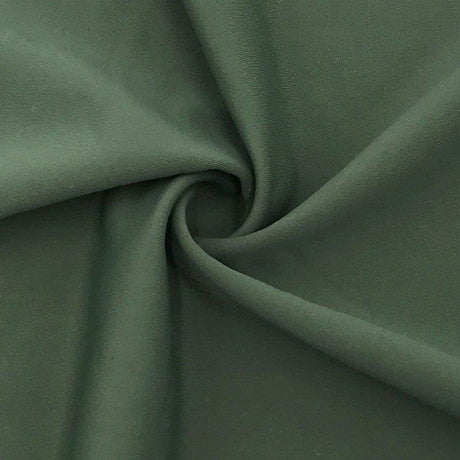
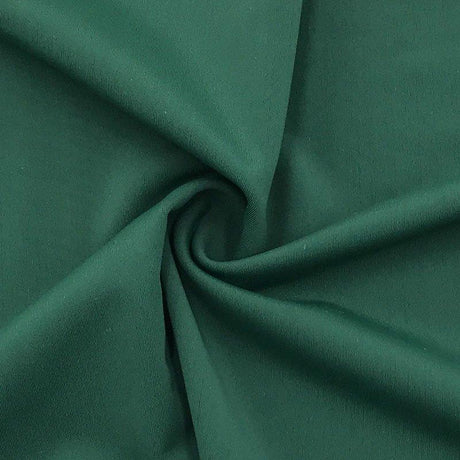
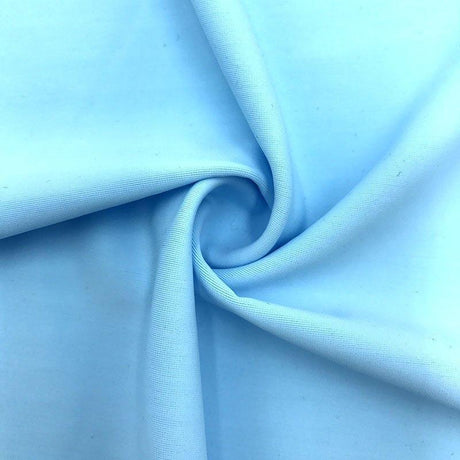
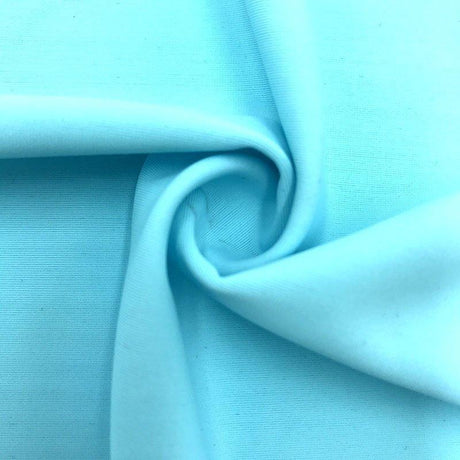
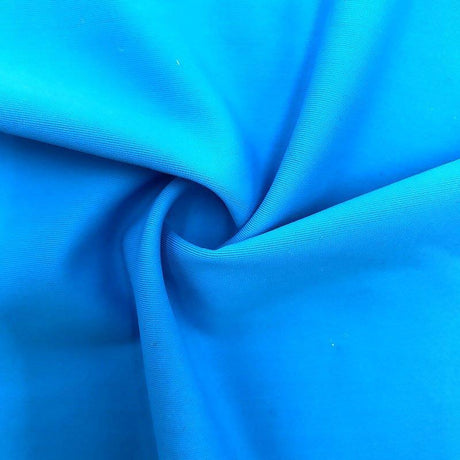
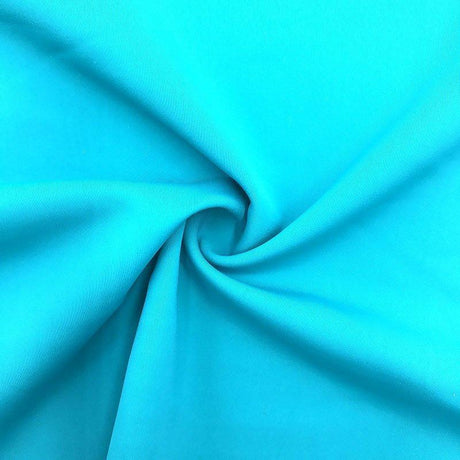
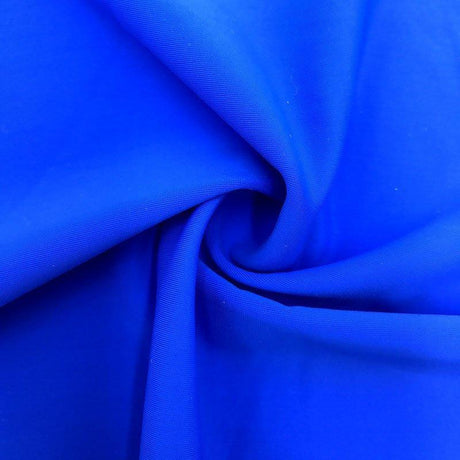
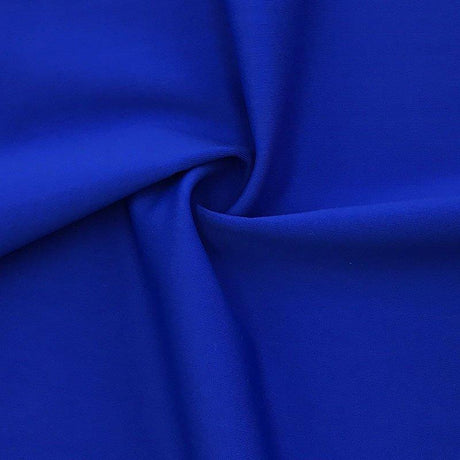
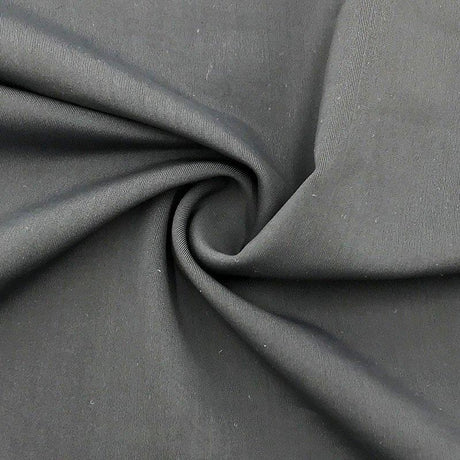
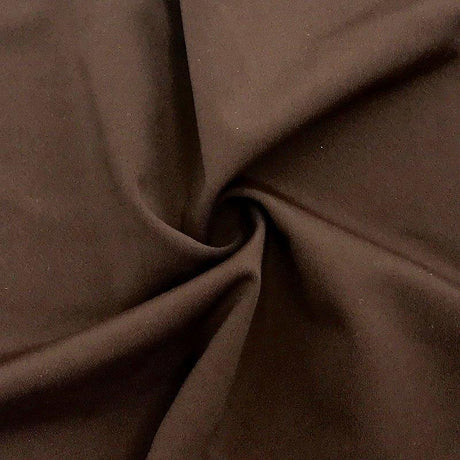
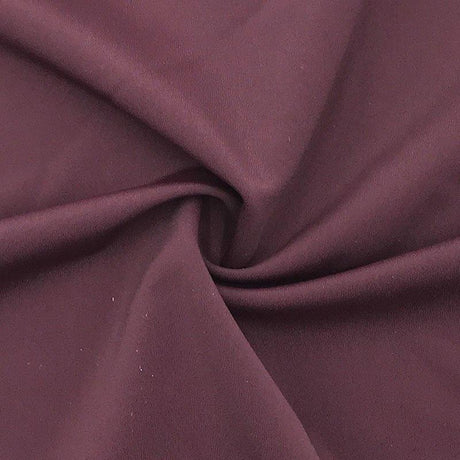
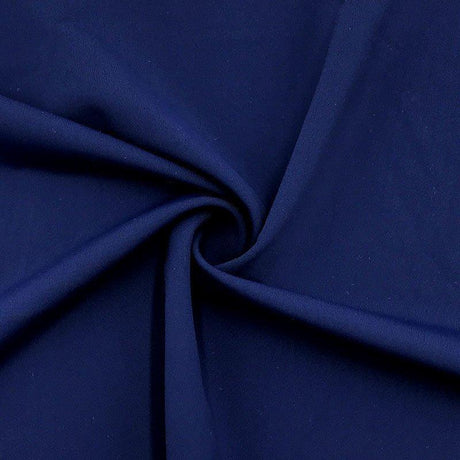
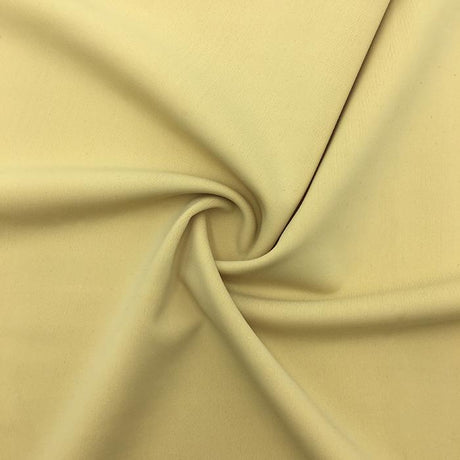
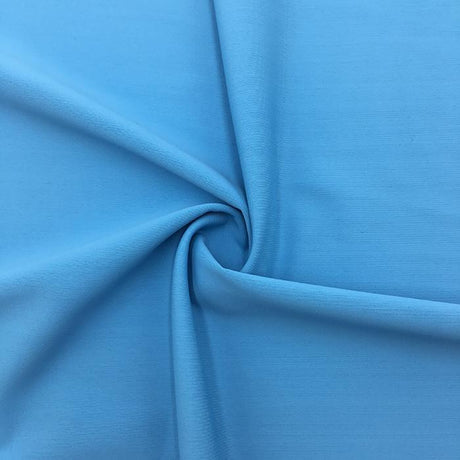
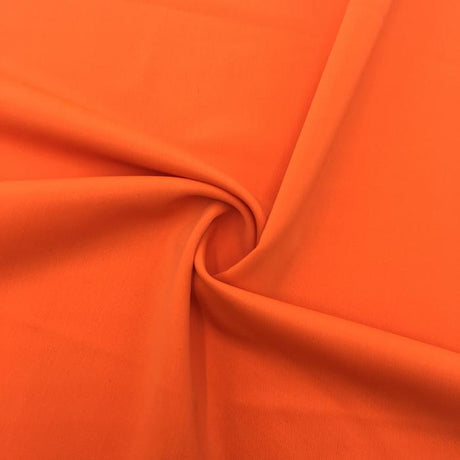
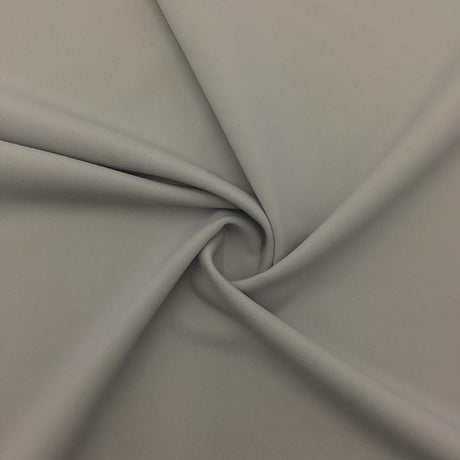
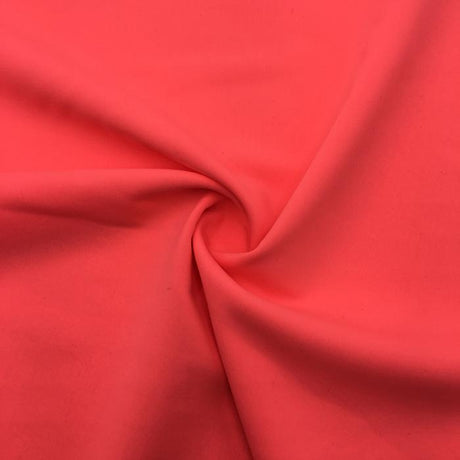
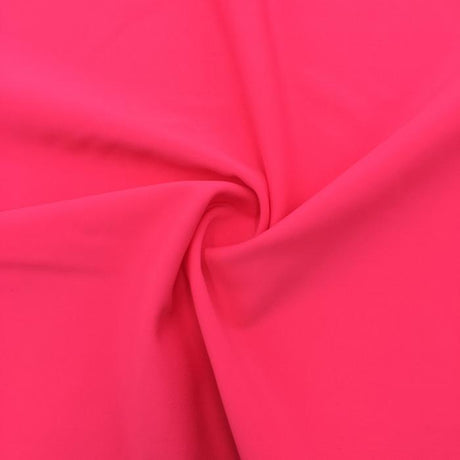
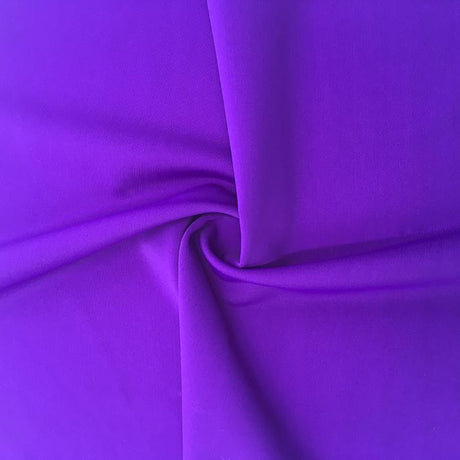
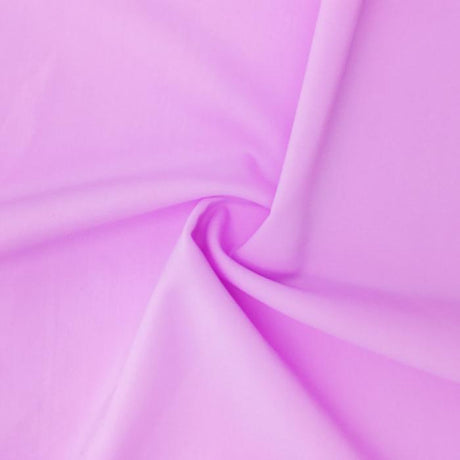
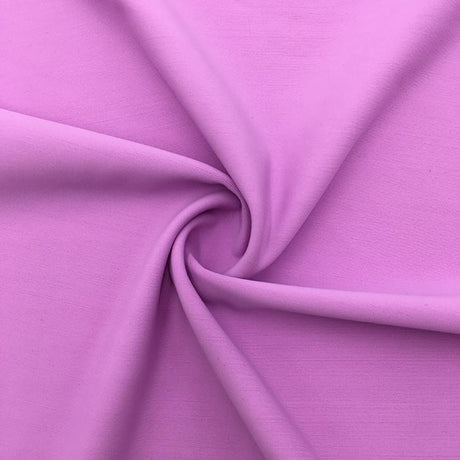
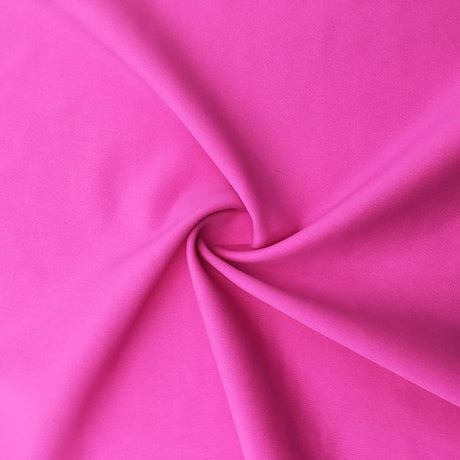
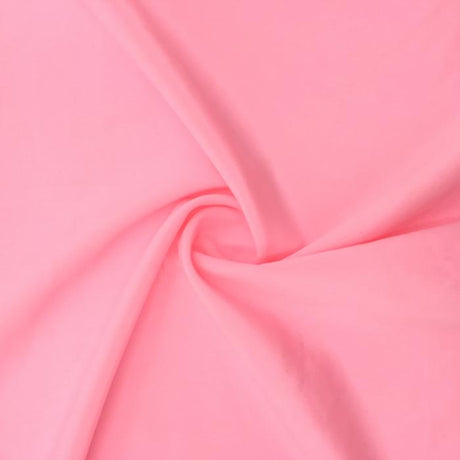
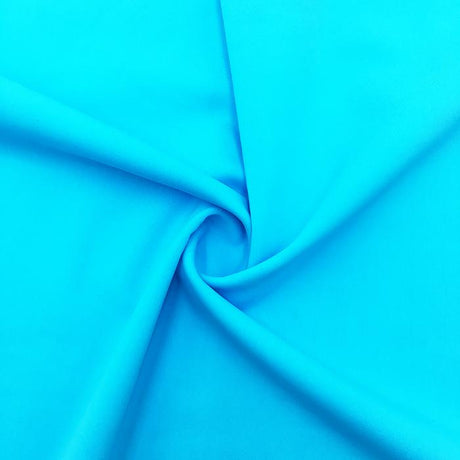
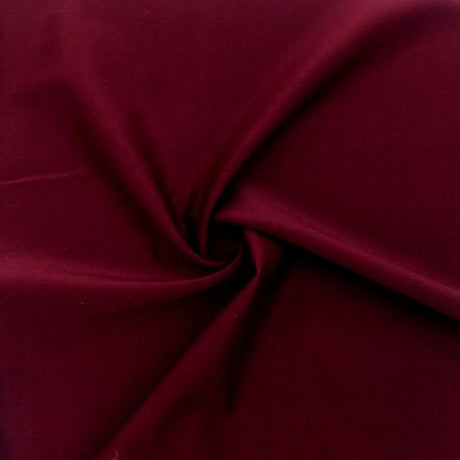
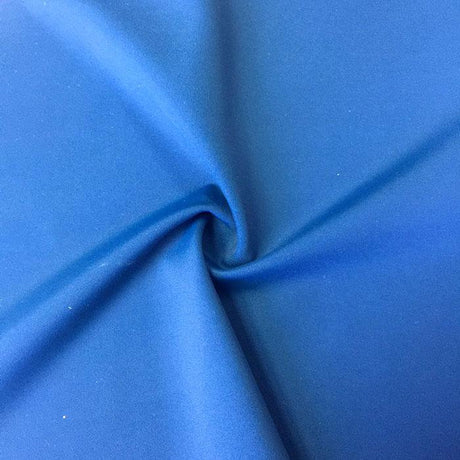
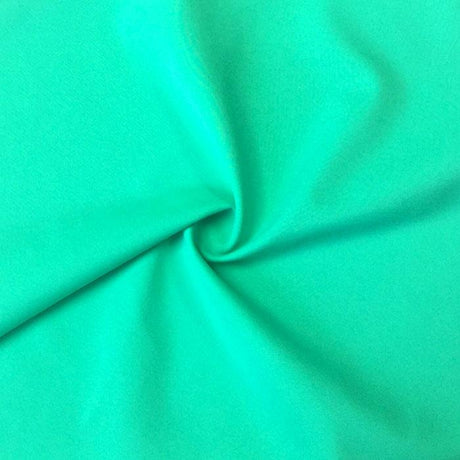
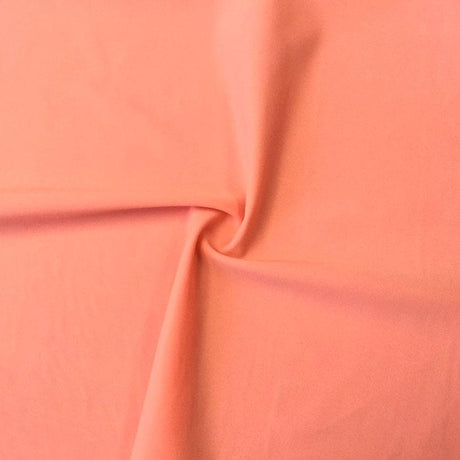
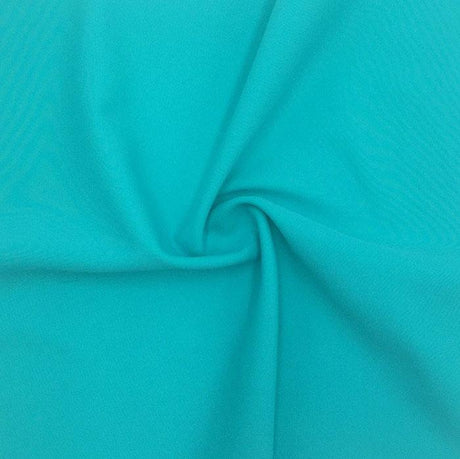
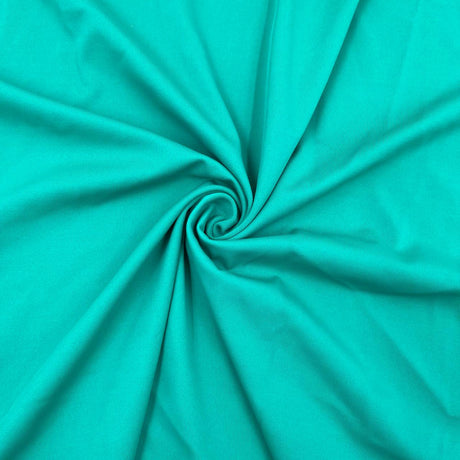
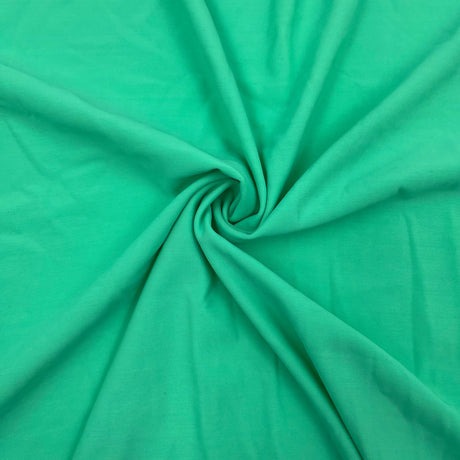
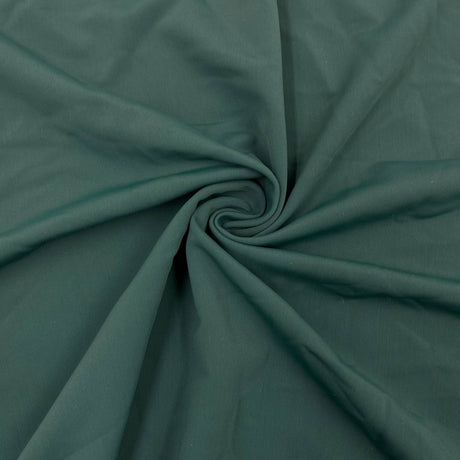
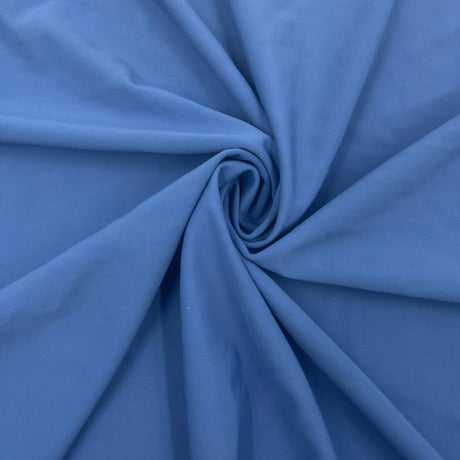
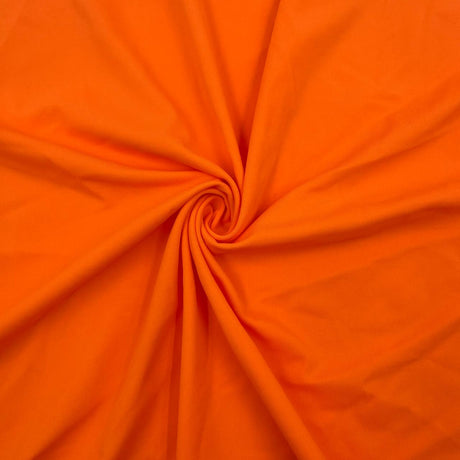
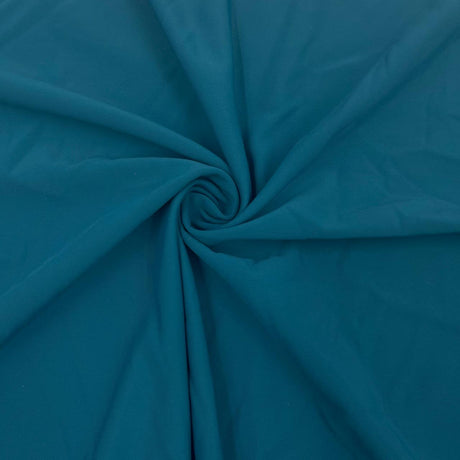
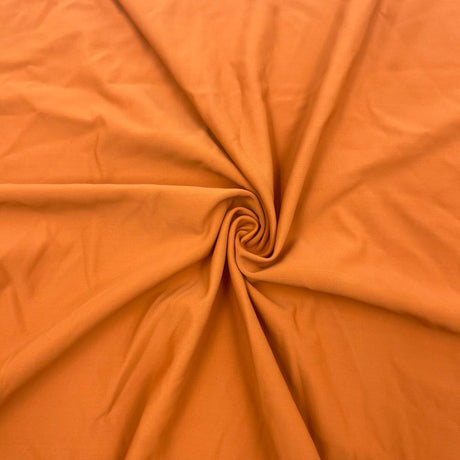
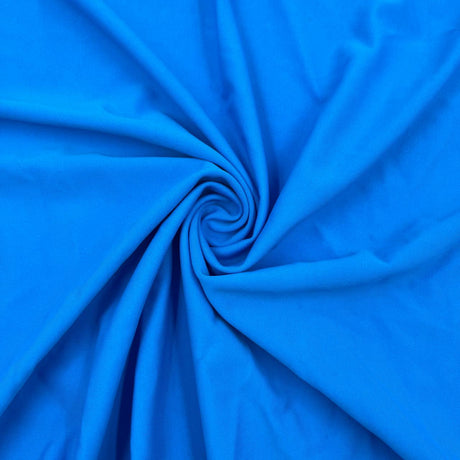
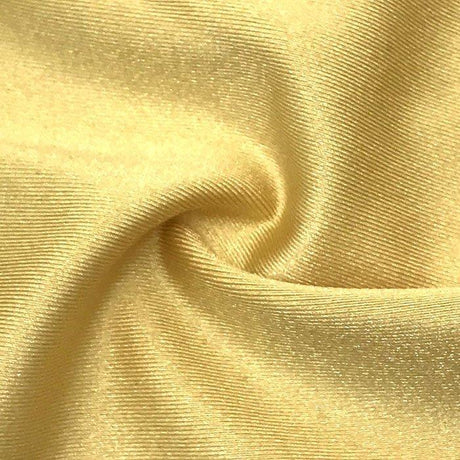
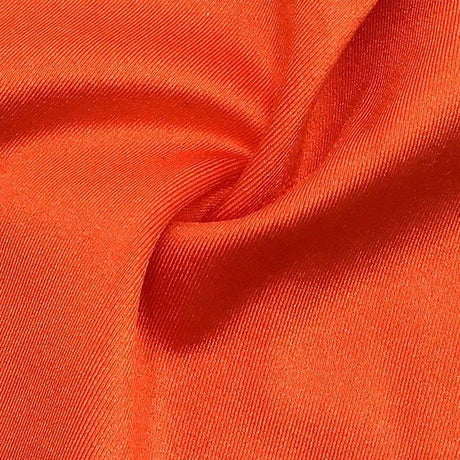
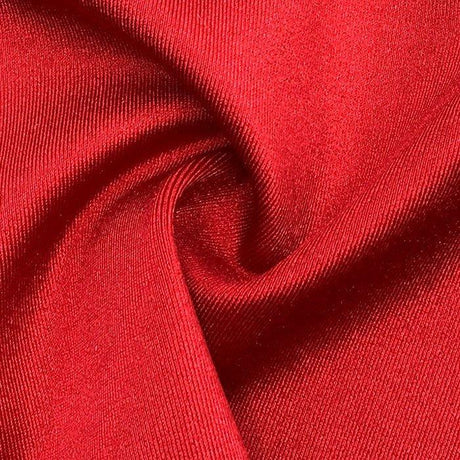
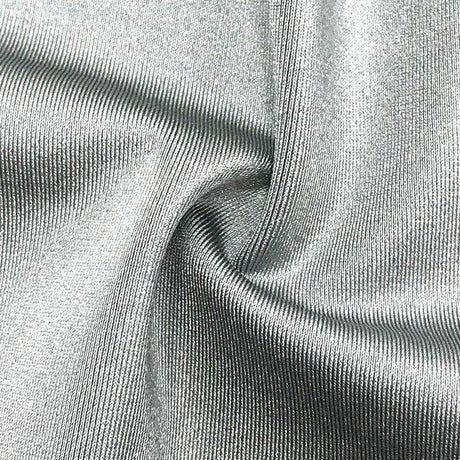
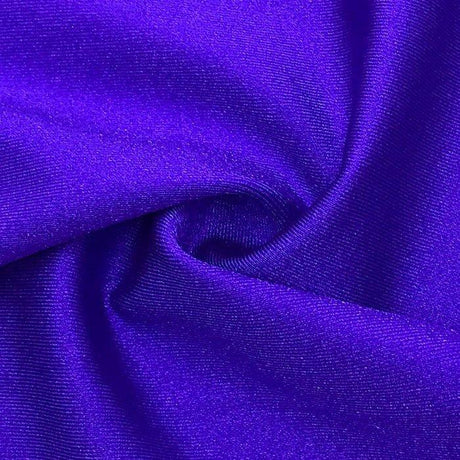
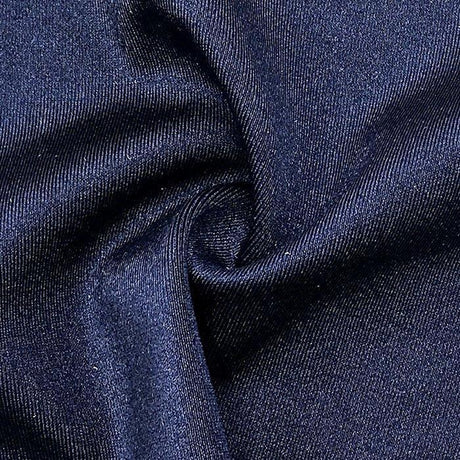
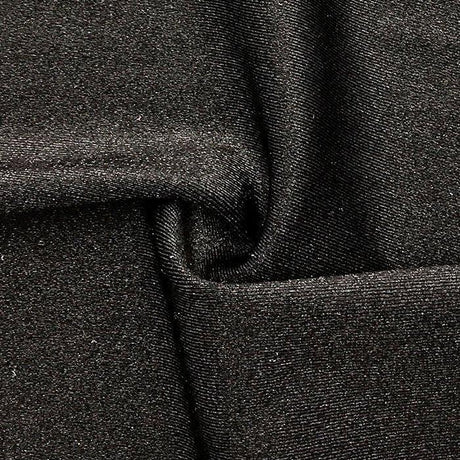
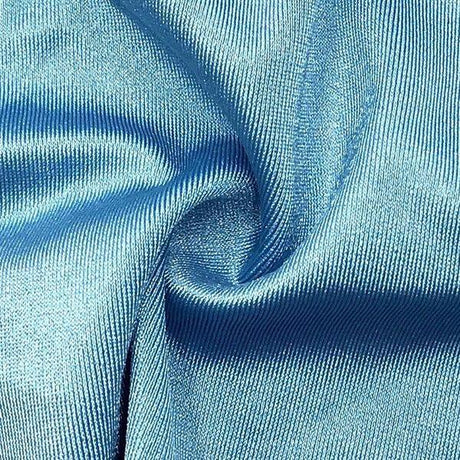
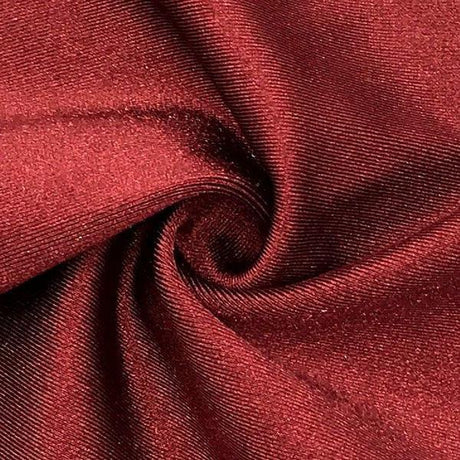
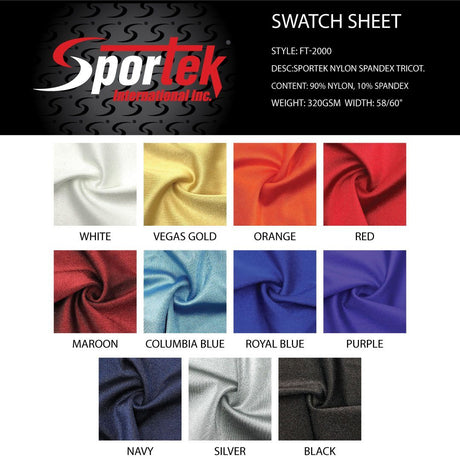
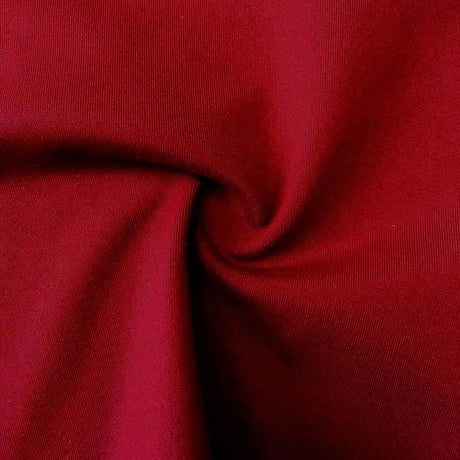
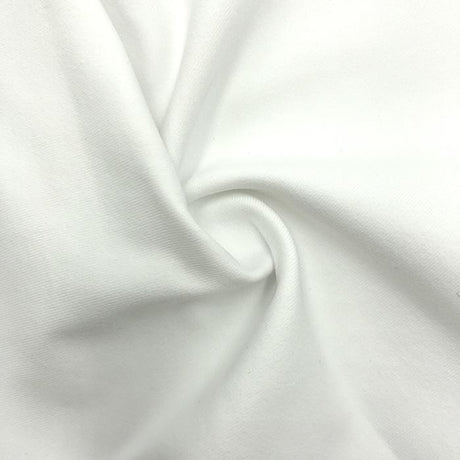
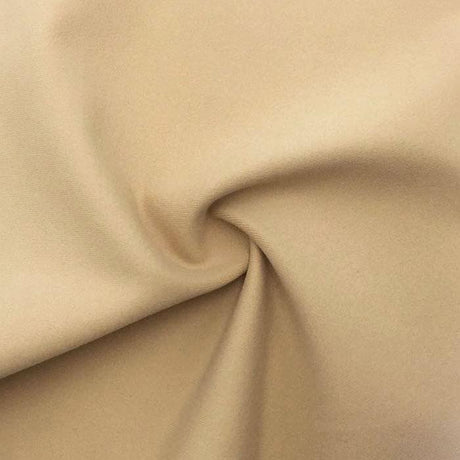
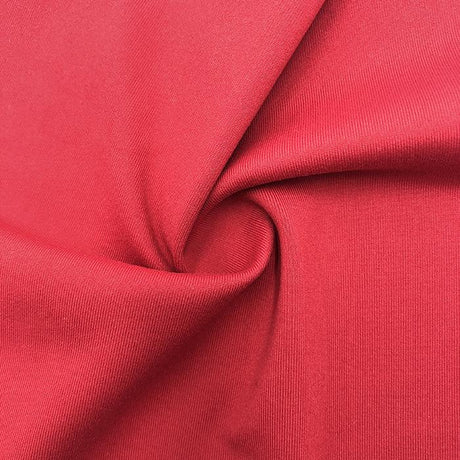
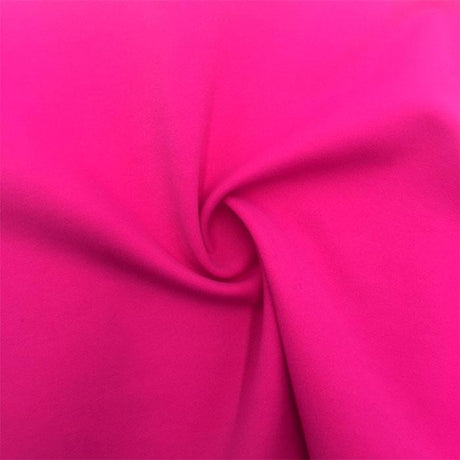
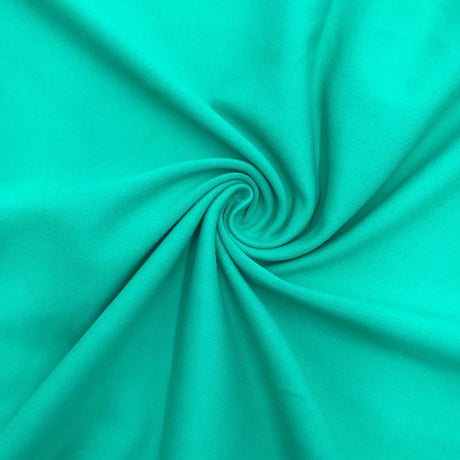
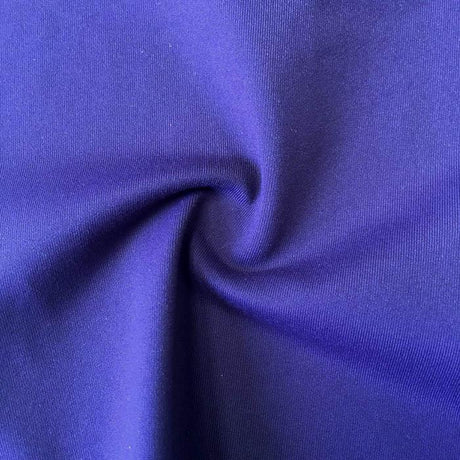
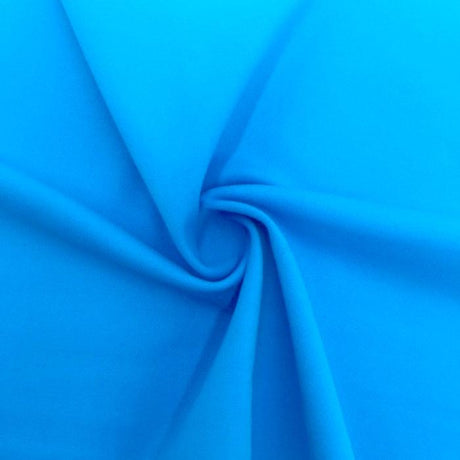
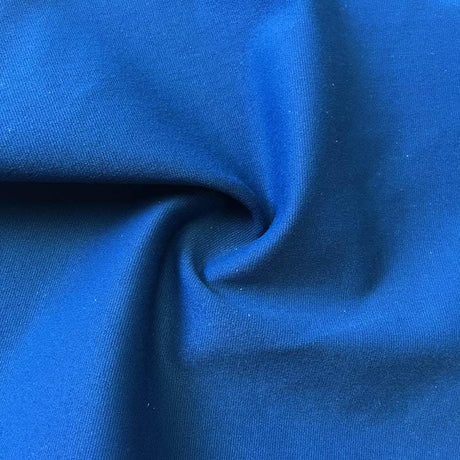
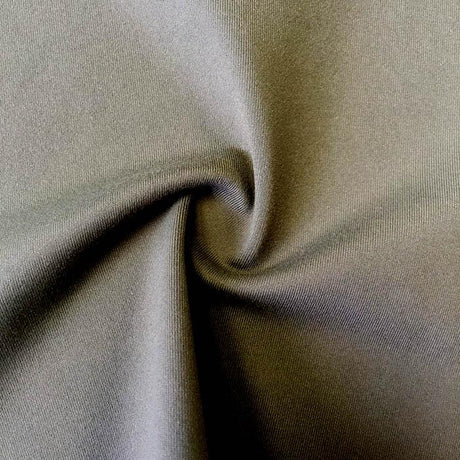
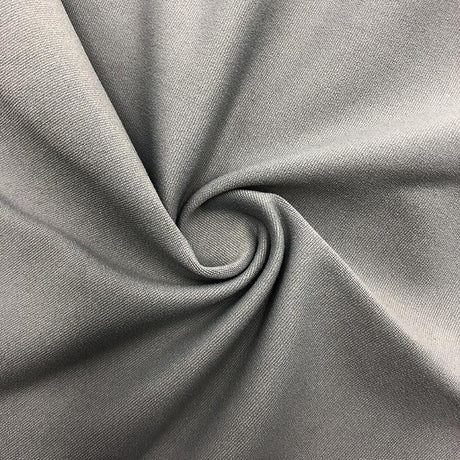
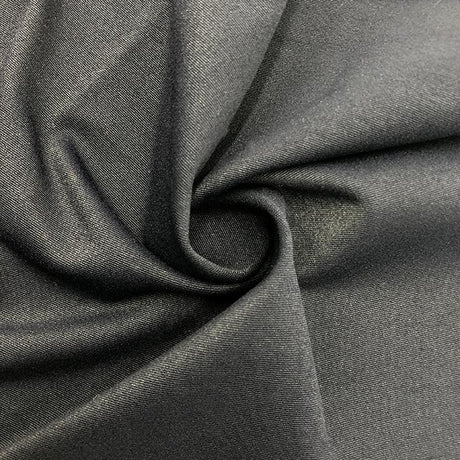
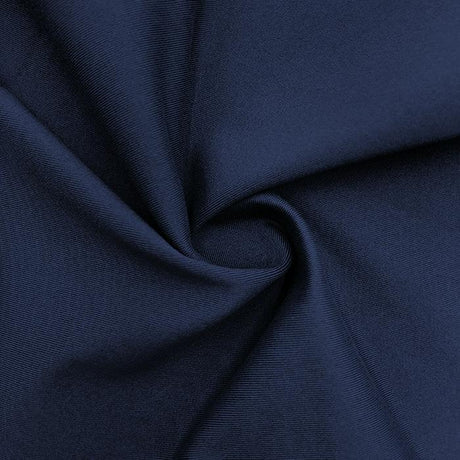
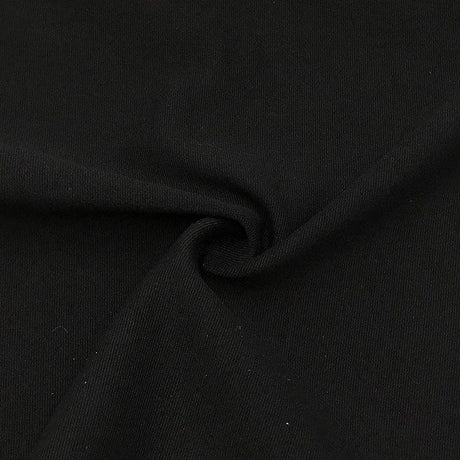
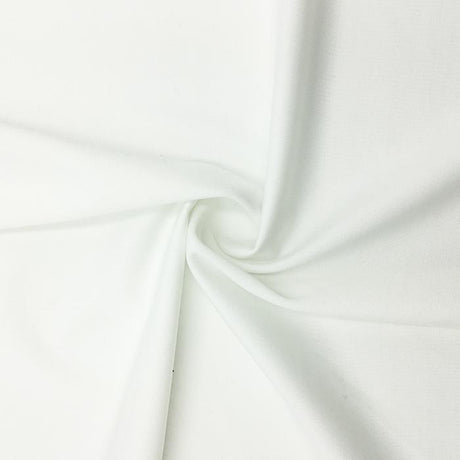
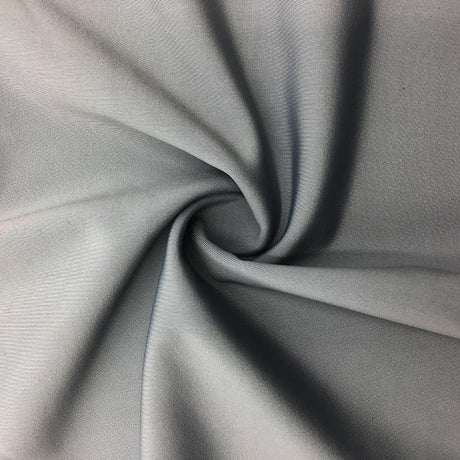
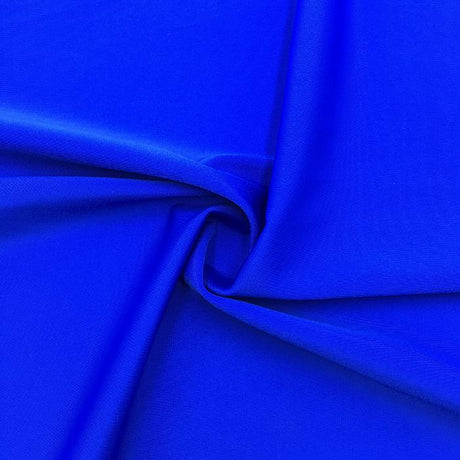
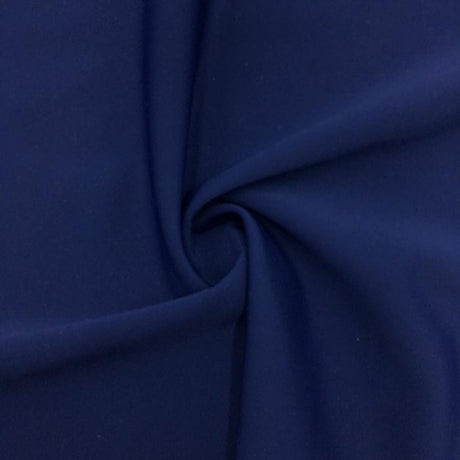
Selecting the right spandex fabric for a cosplay can make or break both the look and comfort of your costume. Spandex (also known as Lycra or elastane) is a go-to material for many cosplayers – especially for superheroes, anime or video game characters, and any design that requires a body-hugging, flexible outfit. In this guide, we’ll explain why spandex is so popular in cosplay, explore different types of spandex fabrics (matte, shiny, metallic, holographic, printed, mesh, etc.), compare key properties like stretch, opacity, weight, and breathability, and share tips on selecting and working with spandex. With the right knowledge, you can choose the perfect spandex that brings your character to life while ensuring comfort and durability.
Why Spandex is a Cosplay Favorite
Spandex has earned its place in cosplay for several key reasons:
- Stretch and Mobility: Spandex is extremely stretchy and elastic, which means it moves with your body. Cosplay costumes often have skintight designs that need to maintain their shape but still allow free movement. A quality spandex lets you pose, dance, or fight imaginary villains without tearing a seam. In fact, stretch fabrics help outfits stay true to their intended shape without restricting mobility, so you can wear them through long conventions or performances comfortably.
- Second-Skin Fit: This fabric creates a “second skin” effect. Spandex molds to your body like a bodysuit, perfect for superheroes and other characters with skintight outfits. It gives that sleek, form-fitting look that makes your cosplay appear more authentic to characters who wear catsuits or zentai suits. Spandex also comes in many finishes – from matte to high-gloss – allowing you to achieve the exact look your character demands, whether it’s a subtle fabric or a shiny armored appearance.
- Comfort and Wearability: Despite being form-fitting, spandex is generally comfortable because it’s lightweight and stretches with you. A well-made spandex outfit will flex as you run, jump, sit, or dance – a big plus for cosplay contests and long convention days. The material’s elasticity means it can fit a range of body shapes snugly and then “recover” its shape after stretching. Additionally, blends like nylon-spandex are known for strength and flexibility, offering a good balance of durability and comfort in cosplay wear.
- Visual Versatility: Spandex fabrics come in virtually any color and a variety of textures or sheens. This versatility is a huge boon to cosplayers. Whether you need the bold glossy shine of a comic-book superhero or the muted matte of a stealth suit, there’s likely a spandex to match. The material can also be layered or tailored to accommodate complex designs. In short, spandex helps achieve visual accuracy for characters while still being practical to wear.
Types of Spandex Fabrics for Cosplay
Not all spandex is the same. “Spandex” really refers to any fabric with a high elastane (stretch fiber) content, but it comes in many varieties and finishes. Here are some of the most popular types of spandex fabrics you might consider for cosplay costumes:
Matte vs. Shiny Spandex
One of the first decisions is whether you want a matte or shiny finish on your costume. Both have distinct looks and advantages:
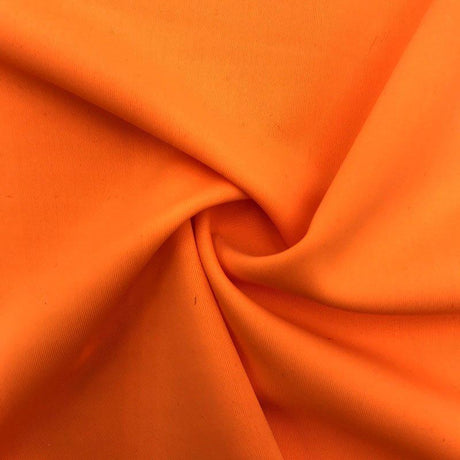
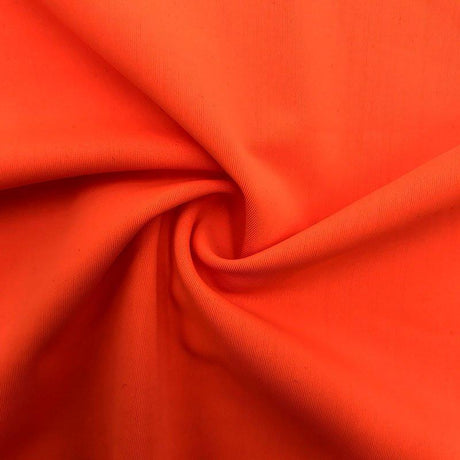
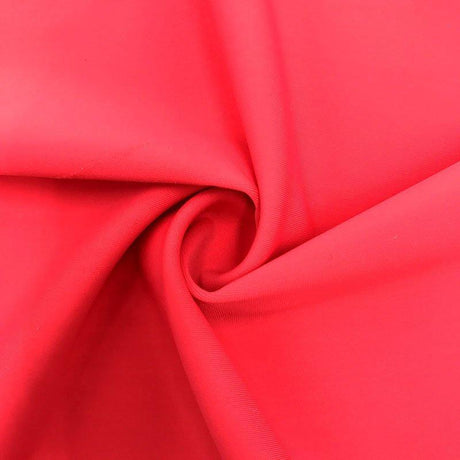
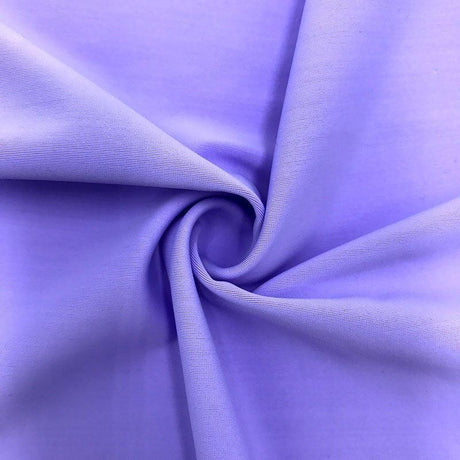
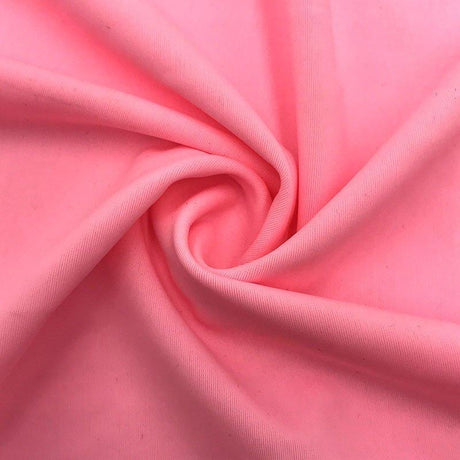
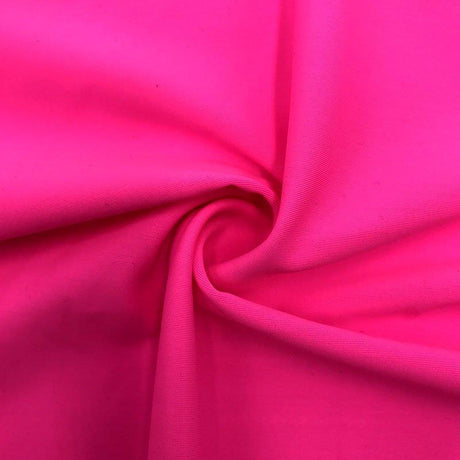
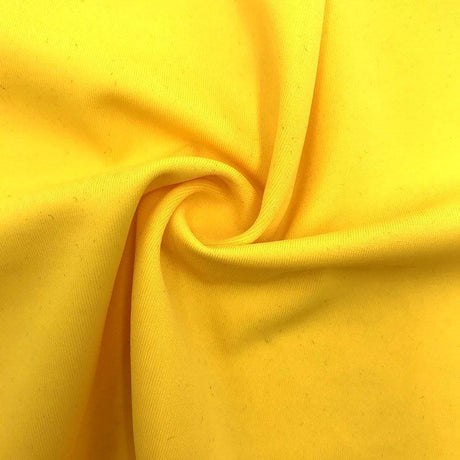
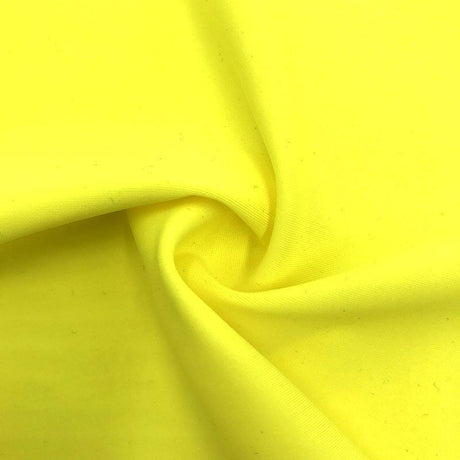
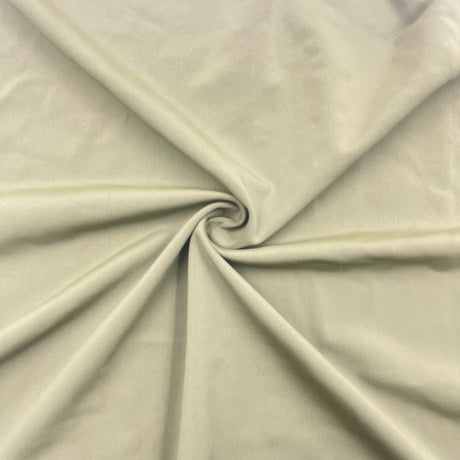
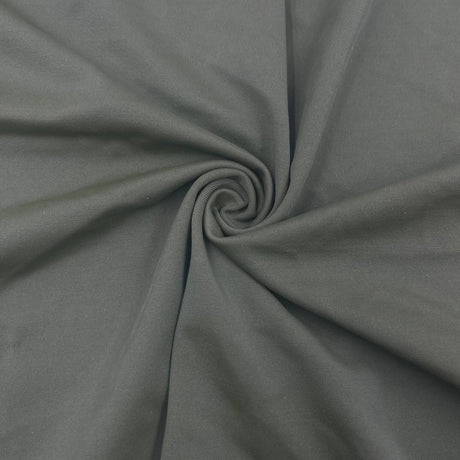
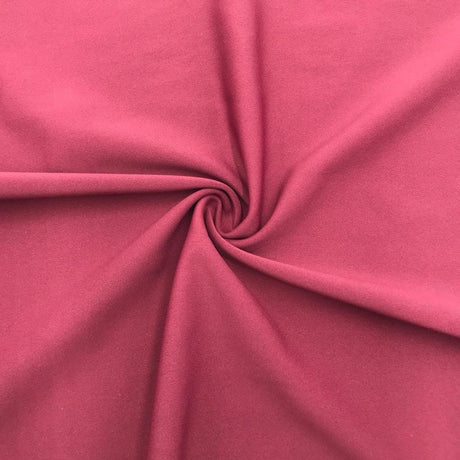
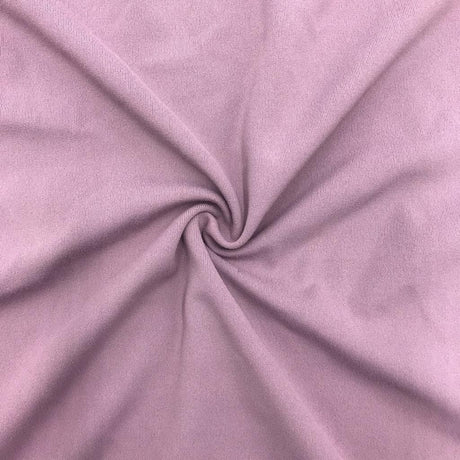
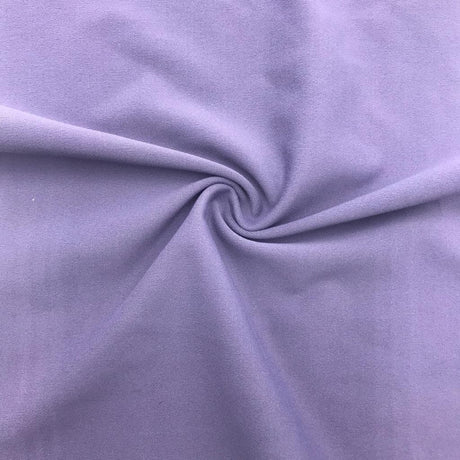
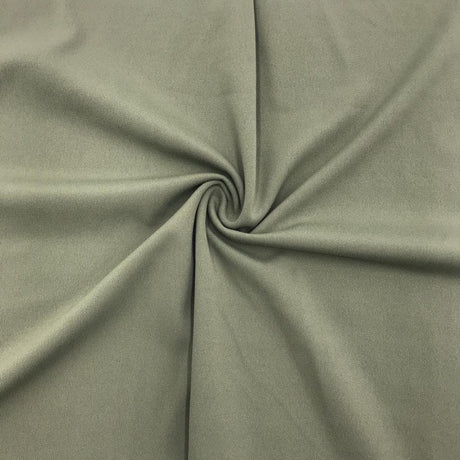
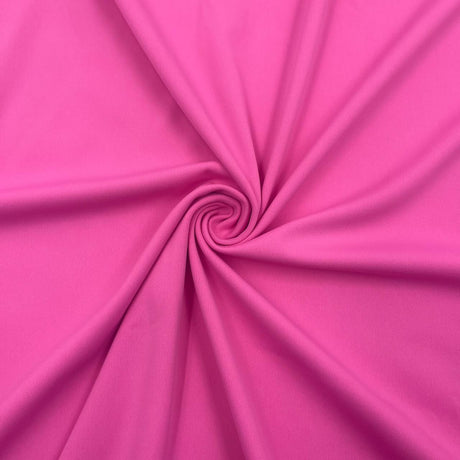
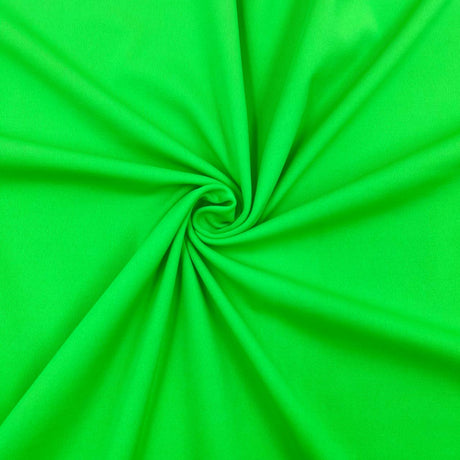
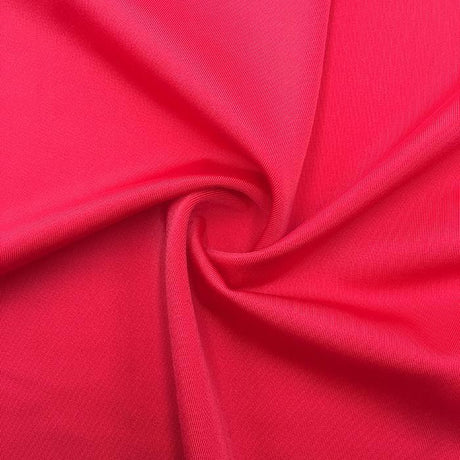
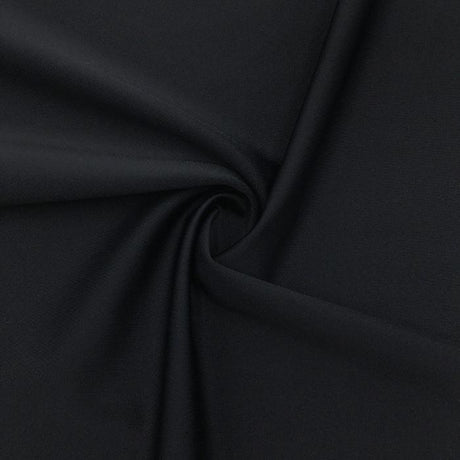
- Matte Spandex: Matte spandex has a non-reflective, smooth finish – it doesn’t shine under light. This gives a more understated, natural look. Many cosplayers choose matte spandex for a clean, timeless aesthetic that photographs well without glare. Matte fabric is also very flattering as it diffuses light (hiding minor imperfections or seam lines) and it tends to conceal wrinkles or bumps better than shiny fabric. It’s popular when you want a serious or realistic vibe rather than something flashy. An added practical benefit is that matte spandex fabrics (especially athletic “tricot” types) are often engineered for breathability and moisture-wicking, so they can be more comfortable in warm conditions.
- Shiny Spandex (Wet-Look): Shiny spandex – sometimes called “wet look” or “liquid” spandex – definitely makes a statement. This fabric has a glossy, reflective surface that immediately catches the eye. A shiny spandex bodysuit can look dynamic and futuristic, almost like it’s wet or metallic, which is fantastic for costumes that need a bit of glam or sci-fi flair. Under stage lights or camera flash, shiny spandex will gleam, making it ideal for performance-oriented costumes or characters known for bold outfits. Keep in mind that high-shine fabrics will highlight every curve and seam – sometimes even showing things like undergarment lines or body contours more than a matte fabric would. Also, heavily coated “liquid” spandex may be slightly less breathable, so consider ventilation if you’ll wear it for long periods.
Tip: If you can’t decide, think about your character’s look and practical needs. Matte spandex offers a subtle, professional look and tends to be forgiving to wear, whereas shiny spandex offers maximum visual impact and is great for flamboyant or theatrical looks. You can even mix them – for example, use matte spandex for the main suit and add shiny spandex accents or panels to make certain parts pop. The weight of the fabric also plays a role: a heavy-weight matte spandex gives a structured, substantial look, while a lightweight shiny spandex drapes more fluidly (almost like liquid on the body).
“Wet Look” Spandex
Wet look spandex deserves a special mention. This is essentially an ultra-shiny type of spandex that imitates the look of wet latex or leather. It’s usually a spandex fabric with a highly glossy, mirror-like coating on the surface. Cosplayers love wet-look spandex for outfits like black catsuits, slick superhero uniforms, or villain costumes where a leather or latex appearance is desired but you still need the comfort and stretch of fabric. It’s the closest thing to real latex in appearance – but far easier to sew and wear (real latex isn’t breathable at all and has no stretch unless very thin, plus it requires special glue instead of sewing).
A good wet-look spandex is typically 4-way stretch and will have that liquid shine without cracking when stretched. This material creates a very glamorous, futuristic aesthetic and highlights body lines, which is great for showing off muscle shading or a sleek silhouette on stage. One important consideration: the coating that gives it the wet shine can trap heat, making it less breathable than uncoated fabrics. In practice, a full-body wet-look suit can get sweaty, so look for versions advertised as “dance” or “swim” spandex which might include moisture-wicking treatments for performance use. Also, be gentle when sewing or pinning wet-look spandex – avoid puncturing it too much with pins (use clips or only pin in seam allowances) to prevent creating visible holes or cracks in the glossy coating.
Metallic and Holographic Spandex
For truly head-turning costumes, metallic and holographic spandex are fantastic options:
- Metallic Spandex: This refers to any spandex fabric that has a shimmering, reflective metal-like finish. It’s usually achieved by blending in metallic fibers or (more commonly) applying a special foil coating to the fabric’s surface. The result is a material that stretches like normal spandex but shines like metal. Metallic spandex comes in many colors – gold, silver, copper, red, you name it – often with a mirror-like or glossy foil look. It’s perfect for costumes that need a bit of armor-like glint or magical sparkle. For example, cosplayers often use metallic spandex for characters’ armor detailing, futuristic space suits, or flashy dance outfits. A big benefit of a quality metallic spandex is that it still retains good stretch and durability despite the coating. It tends to be very eye-catching under lights, emphasizing every motion with a shine. (One caution: avoid ironing metallic spandex – high heat can damage the foil coating, so always check care instructions!)
- Holographic Spandex: Holographic spandex is like metallic spandex taken to the next level. It features an iridescent, color-shifting sheen – as you move or the light changes, the fabric reflects different colors, producing a rainbow or “oil slick” effect. This multi-dimensional sparkle looks almost otherworldly. It’s a go-to for cosplays that need a futuristic or magical touch. Think of a mermaid tail with shifting scales, a space hero’s outfit that shimmers in rainbow hues, or a pop star costume with extra bling. Holographic spandex often has patterns too (like holographic glitter dots or geometric prints embedded in the finish) for even more visual interest. It’s slightly less traditional than plain metallic – you’d choose it when you really want to grab attention. Just like metallic spandex, good holographic fabrics are 4-way stretch and fairly durable, though the surface may feel a bit plastic-like due to the special coating.
Both metallic and holographic spandex are generally opaque (thanks to their coated surface) and photograph brilliantly under direct light. Do note that because of their reflective coatings, they may not be as breathable as plain spandex. Plan your costume’s lining or ventilation accordingly – for example, you might line a metallic bodysuit with a thin cotton or mesh layer, or just be prepared to take cooling-off breaks. On the plus side, these fabrics can really make a character stand out and feel “high level,” so they’re often worth the trade-off in comfort for that show-stopping look.
Printed Spandex Fabrics
Spandex doesn’t just come in solid colors or foils – you can also get printed spandex in endless designs and patterns. Printed spandex is typically a 4-way stretch fabric that has been printed with graphics using methods like dye-sublimation or digital printing. This is extremely useful for cosplay because it allows you to achieve complex designs without having to hand-paint or applique them. For example, you can find spandex pre-printed with galaxy nebula patterns, animal print, camouflage, florals, or even character-specific motifs. Many cosplayers take advantage of this by designing custom prints (for instance, a Spider-Man suit’s web pattern or a superhero’s unique texture) and having them printed onto spandex yardage.
One cosplayer noted the abundance of “galaxy and mermaid scale” prints available on spandex – these can add a lot of personality to a costume with zero extra effort in construction. If your character has a unique texture or emblem on their outfit (say, scales, stars, or logos), a printed spandex might save you a ton of time, since the detail is built into the fabric itself. There are even hybrid options like holographic prints (e.g. a snakeskin pattern in holographic foil) or metallic prints (foil stars or stripes on spandex) that give you both pattern and shine at once.
When choosing printed spandex, consider the scale of the print (will the pattern’s size look right on your body or might it be too large/small for a sleeve or pant leg?) and the base fabric color (prints on a light base may require lining if they stretch thin). Also, check how the print was made – dye-sublimated prints are usually best because the ink is embedded in the fibers, so the fabric retains its original softness and stretch. In contrast, some cheap printed spandex has a thick, plastic-y ink layer on top that can reduce stretch and may crack over time. Reputable cosplay fabric suppliers will often specify that their printed spandex remains flexible. Printed spandex often pairs well with solid colors – for instance, you might use a printed spandex for patterned leggings and a matching solid spandex for the top or accents, tying the costume together.
Sheer Mesh and Power Mesh
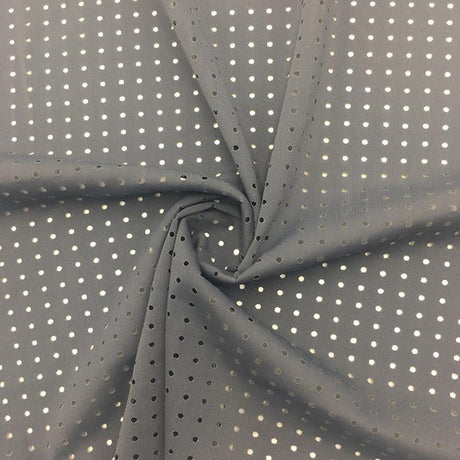
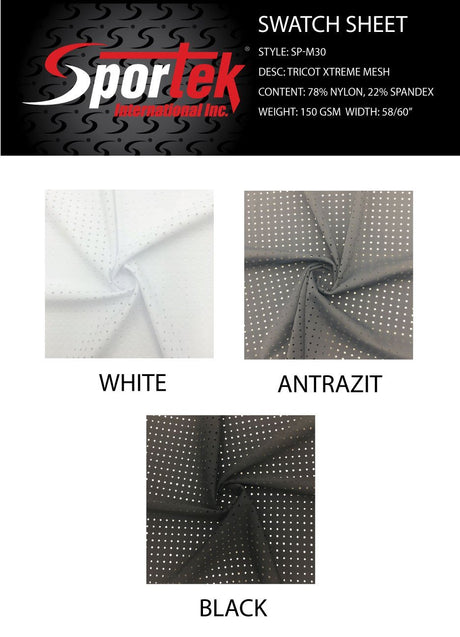
Spandex isn’t only found as thick, opaque material; it also comes in mesh form. Stretch meshes are fantastic for cosplay when you need translucent or breathable sections in a costume. Two common varieties are sheer stretch mesh and power mesh (power net):
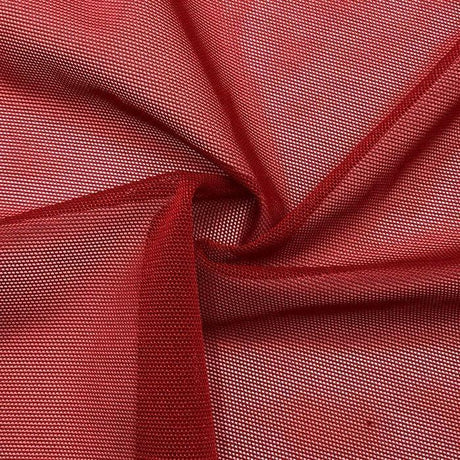
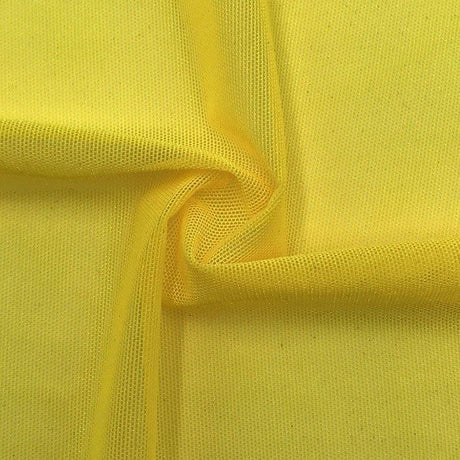
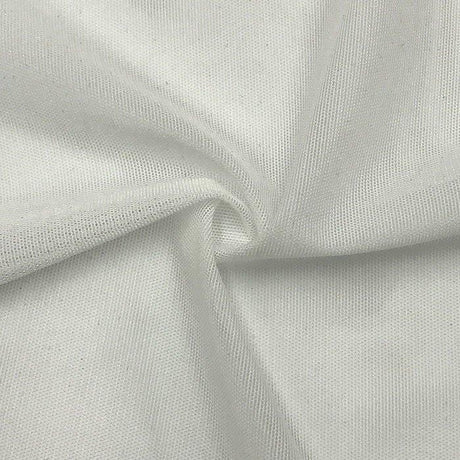
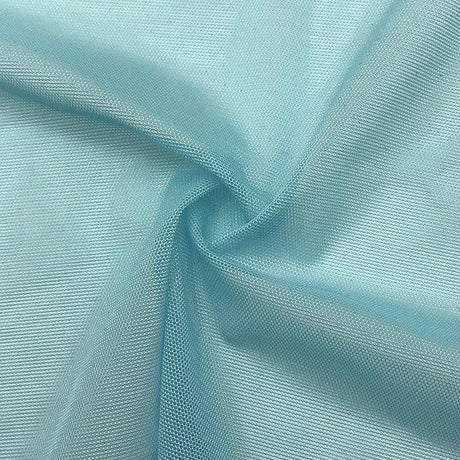
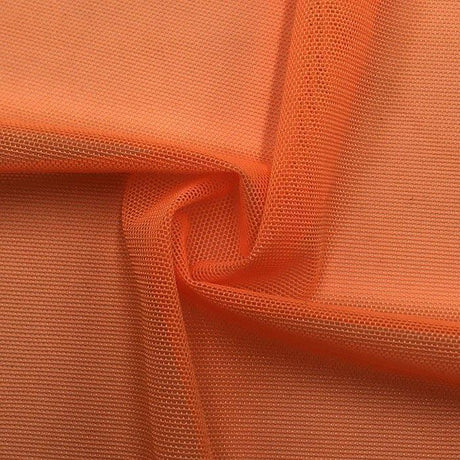
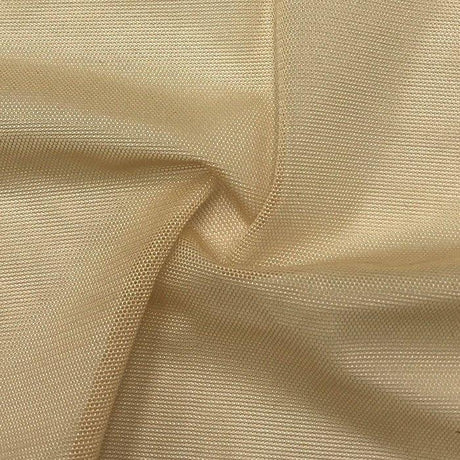
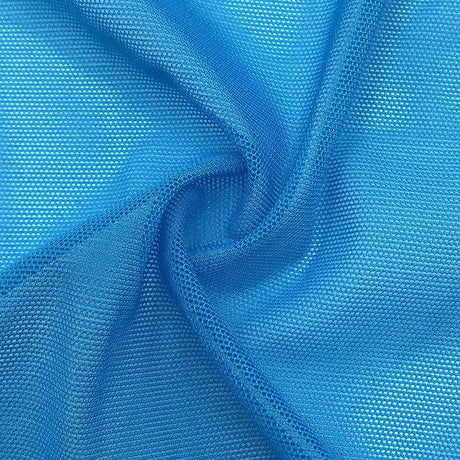
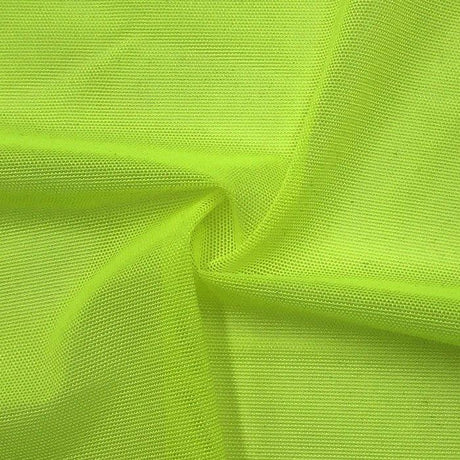
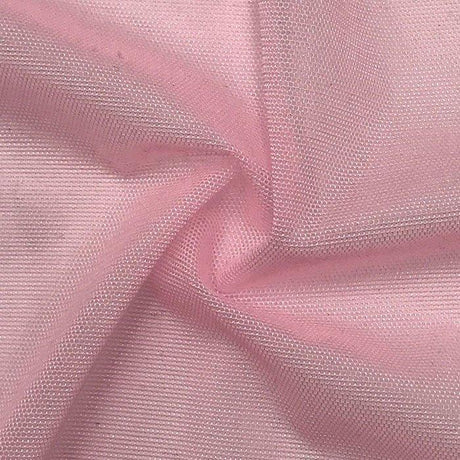
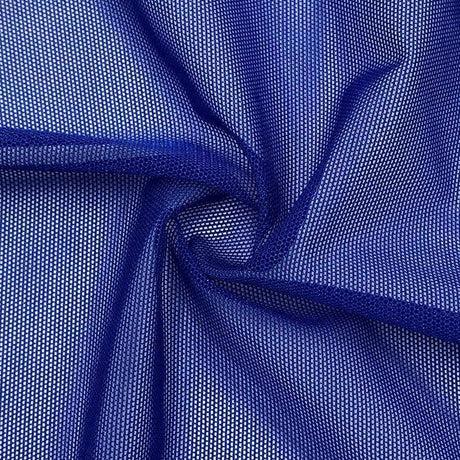
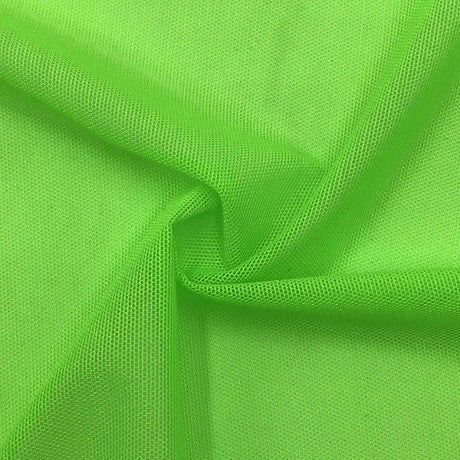
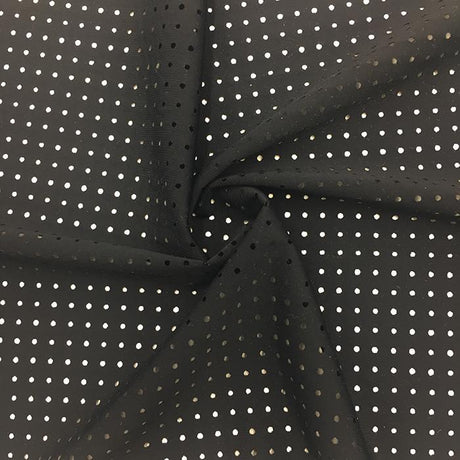
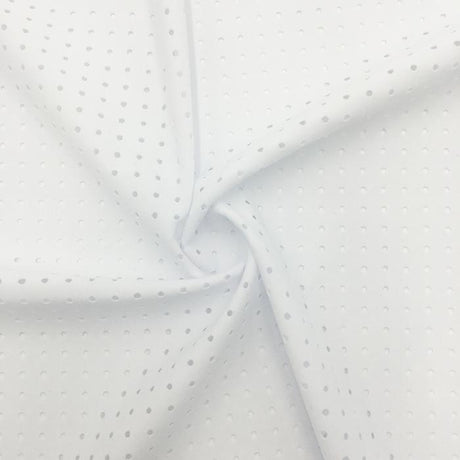
- Sheer Stretch Mesh: This is a lightweight, see-through spandex mesh, usually with 4-way stretch. Sheer mesh (often just called stretch mesh; “power net” is a term sometimes used for the stronger kind) is used for illusion panels, semi-transparent sleeves or yokes – anywhere you want a bit of transparency or a lighter look while still needing stretch. Many cosplay designs use nude-colored sheer mesh to create the illusion of “cut-outs” or risky necklines while still providing coverage and structure (for example, a deep plunge neckline might actually be filled in with nude mesh to keep it in place invisibly). You can also use mesh for areas that need extra ventilation – like behind knees or under arms on a bodysuit – because mesh breathes more than solid spandex. Sheer mesh comes in various colors (including skin tones and fun bright colors) and is typically very lightweight. Keep in mind it can be quite see-through; if you need just a hint of translucency rather than full visibility, you might layer two layers of mesh or opt for a slightly heavier power mesh for a bit more coverage.
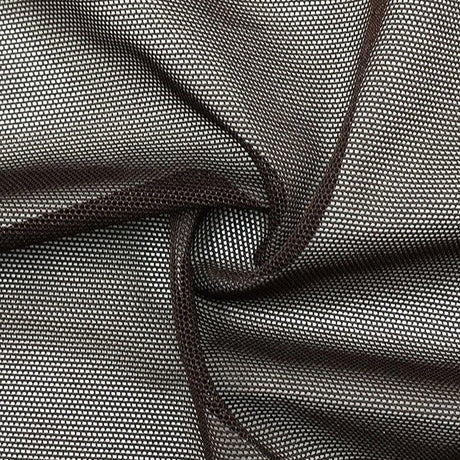
- Power Mesh (Power Net): Power mesh is a stronger, tighter-knit mesh made of spandex (elastane) blended with nylon or polyester. It has a similar micro-net appearance but is designed to provide support and stability in addition to stretch. Power mesh is often used as a lining in sportswear, swimwear, and dance costumes – for example, inside a dance leotard to provide tummy control, or as the base for sewing sequins and appliqués on a stretchy garment. In cosplay, you might use power mesh to line a bodysuit that needs a bit of compression or to reinforce areas like knees or elbows without losing stretch. It’s also great for semi-transparent costume pieces that still require some strength – for instance, a mesh that holds up a cape or supports armor pieces on the body. As one description notes, power mesh works well “for liners of clothing, inside lingerie, and as a decorative layer,” and it’s prized for being durable with lasting stretch and recovery. Despite being stronger and more supportive, power mesh is usually still somewhat sheer. It often has a higher spandex content (15–20%), making it very elastic but also resilient.
Both types of mesh can be found in dancewear or cosplay fabric sections of stores. When sewing with mesh, remember that it’s prone to snagging – use fresh fine needles and take care not to catch it on rough surfaces. The edges of mesh won’t fray (since it’s a knit), but they can curl or roll; some people like to fold-over hem or bind the edges for a neat finish if they’ll be visible. Mesh fabrics allow you to get creative by layering them over other fabrics too – for example, putting a patterned mesh over a contrasting color spandex can create a cool layered effect.
Nylon Spandex vs. Polyester Spandex
You’ll notice spandex fabrics are usually blends, typically either nylon/spandex or polyester/spandex. The type of base fiber can affect the fabric’s feel and performance:
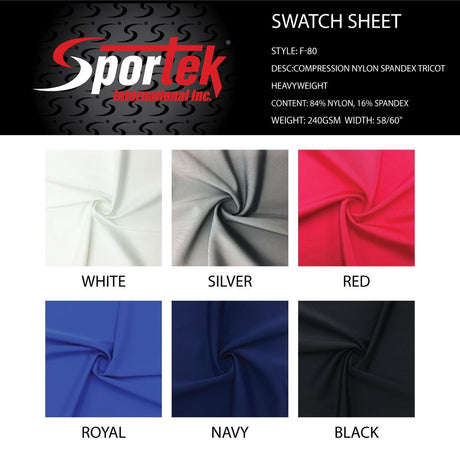
- Nylon Spandex: A blend of nylon (polyamide) and spandex is generally considered a premium quality stretch fabric. Nylon-spandex tends to be very soft and smooth to the touch, with excellent stretch and recovery. It’s also usually quite durable and can have a matte or only mildly shiny appearance. Nylon fibers are good at wicking away moisture, so nylon-based spandex fabric (like many athletic milliskin tricots) will often feel cooler and less clammy against the skin compared to polyester-based spandex. In short, nylon-spandex blends are known for their comfort and longevity – you’ll find them in high-end activewear, dancewear, and cosplay fabrics where a polished look and durability are desired.
- Polyester Spandex: Polyester-spandex blends are also very common and tend to be a bit more affordable. Poly-based spandex is slightly more resistant to color-fading and pilling over time, and it can take printing inks very well (many digitally printed spandex fabrics are on a polyester spandex base). Polyester spandex is often very smooth and can be made thinner and lighter than nylon spandex, which is why you frequently see it in lighter weight or cheaper cosplay fabrics. It can have a slippery feel and sometimes a bit more shine. One source notes that polyester spandex is generally thinner, lighter weight, and smoother than its nylon counterpart, making it popular for things like dye-sublimated printed designs. However, polyester doesn’t wick moisture as effectively, so a poly-spandex with a foil or vinyl finish might feel more plasticky and trap sweat more than a nylon-spandex would. In practice, both types can work for cosplay, but if you need maximum stretch comfort and can invest a bit more, nylon blends are often preferred, whereas poly blends are perfectly fine for prints or budget-friendly projects.
Understanding 2-Way vs. 4-Way Stretch
When shopping for spandex fabric, you’ll often see it labeled as 2-way stretch or 4-way stretch. This is crucial for cosplay because it affects how the fabric will behave on the body and whether it’s suitable for your pattern.
- 2-Way Stretch: (A term that’s a bit confusingly named). “2-way” stretch usually means the fabric stretches in one direction. Typically, it will stretch across the grain (selvage to selvage, the width of the fabric) but have little to no stretch along the length. Some specialty spandex fabrics are like this – for example, certain vinyl-coated or foiled spandex might stretch great around the body (horizontal stretch) but not vertically. If you have a 2-way stretch fabric, you must align the stretch in the direction you need most – usually around the body’s circumference (e.g. around your chest, waist, or thighs), since it won’t give the other way. A cosplay made with 2-way stretch will be less forgiving in fit; you might need zippers or openings to get into a tight 2-way garment because it won’t stretch as much to pull over your shoulders or hips.
- 4-Way Stretch: Four-way stretch means the fabric stretches in both directions – horizontally and vertically (and diagonally). Most true spandex fabrics intended for garments are 4-way stretch, including those used for swimwear, dancewear, and activewear. A 4-way stretch material can accommodate movement and form in all directions, which is ideal for a bodysuit that needs to stretch around your torso as well as lengthwise from shoulders to crotch.
Why does this matter? Cosplay sewing patterns often specify which type of stretch is required. If a pattern calls for 4-way stretch and you use a 2-way stretch fabric, you’ll likely end up with a piece that won’t stretch enough in one dimension, making it hard or impossible to wear. As one expert notes, if a pattern is made for 4-way, you can’t substitute 2-way without altering the pattern – it simply won’t fit right. On the other hand, if a pattern only needs 2-way stretch (say, just around the body), you can use a 4-way stretch fabric with no issue – the extra flexibility won’t hurt, it’s just overkill.
In general, 4-way stretch is more forgiving and is preferred for most form-fitting costumes like catsuits, leggings, gloves, or anything skin-tight, because it allows the fabric to adjust in both circumference and length as you move. When you bend your knee or elbow, a 4-way stretch fabric will stretch lengthwise over it instead of pulling down the whole garment. 2-way stretch fabrics can work for items like leggings, sleeves, or tube dresses where you only need stretch around the body, not vertically – but you must cut the pattern accordingly and the fit may be a bit more limited. Many cosplayers stick to 4-way spandex by default because it’s readily available and versatile. If you do end up with a special 2-way stretch material (perhaps a specific color in a stretch vinyl or a cool coated fabric), be prepared to add zippers or openings to get in and out of the costume, since it won’t have the same give when dressing.
(Quick tip: To test a fabric swatch, try stretching it in both directions. If it stretches both ways, it’s 4-way; if one direction is rigid, treat it as a 2-way. Always orient your pattern pieces so the stretch goes where it’s needed, usually around the body. And follow the pattern’s stretch requirements – this is one case where improvising can lead to a cosplay that doesn’t fit!)
Key Properties to Consider in Spandex
Beyond the type of spandex and its stretch, there are some important quality and practicality considerations when choosing a spandex for your cosplay. Keep these factors in mind:
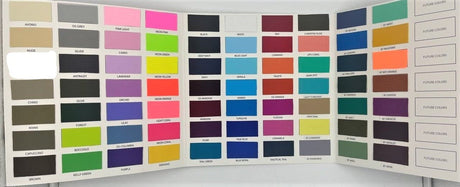
- Color Accuracy: Spandex fabrics come in a rainbow of colors, but getting the exact hue for your character can be tricky, especially when shopping online. Colors on a screen may differ from real life due to lighting or monitor settings. If you need a perfect color match (say, the precise shade of Superman’s blue or a particular skin tone), it’s wise to order a sample swatch before buying yards of fabric. This way you can see the true color and sheen in person. Also consider how the color looks under different lights – convention hall fluorescent lighting vs. outdoor sunlight can make the same fabric appear different. Additionally, note that some spandex (especially lighter colors or flesh tones) can be slightly translucent, showing darker tones or underwear beneath. Color accuracy isn’t just about hue but also about coverage – you might need to choose a slightly thicker or darker variant of a color to ensure it looks right and opaque when worn. If in doubt between two shades, ordering a little of each to compare (or asking for swatches) can save you from disappointment.
- Fabric Weight & Thickness: Spandex fabrics come in different weights, usually measured in ounces or GSM (grams per square meter). Heavier-weight spandex (for example, moleskin spandex) is thick, very opaque, and often has a firm, strong stretch. Lightweight spandex (like a thin milliskin tricot) is thinner, more drapey, and might be semi-opaque. The thickness can affect your cosplay in a few ways. A heavier spandex holds its shape more and can even smooth out your silhouette (acting almost like mild shapewear), whereas a thin spandex will contour to every detail and may require lining for modesty. For example, one cosplayer notes that a heavy spandex like moleskin is thick enough to not need a lining, while a thinner milliskin might require a lining to avoid transparency. Thicker fabrics can also hide things like seam allowances or undergarments better. On the flip side, a heavy spandex can be warmer to wear. Think about the climate of your event – if you’ll be outdoors in summer, a thick spandex suit might be very hot; you could opt for a medium weight and only double-layer in critical areas. Opacity tends to go hand-in-hand with weight: hold a stretch fabric up to the light and stretch it – if you can see light or your hand through it, it may turn see-through under strain. Always consider how the fabric behaves when stretched over a body; lighter colors and lighter weights are more likely to show undergarments or patterns underneath. If you fall in love with a thin fabric, you can flatline (double-layer) it with another lightweight layer of spandex to add coverage without losing stretch.
- Opacity and Lining: Nobody wants an unintentional see-through moment. With spandex, opacity is crucial – especially for light colors (white, yellow, pastels) which can sometimes reveal undergarments or even things like body paint/tattoos if the fabric isn’t opaque enough. To ensure modesty and accuracy, plan for lining or base layers when needed. For instance, white spandex leggings might need a second layer of white spandex, or at least nude dance tights underneath, so they’re not see-through in strong lighting. Some specialty spandex fabrics come with a built-in backing or lining layer (foil spandex often has a beige or white backing, for example) that adds opacity. When buying, check descriptions or reviews for notes like “not see-through” or the fabric weight (GSM) as hints to opacity. It’s noted in the cosplay community that many cheap, chain-store spandex fabrics tend to be “insanely sheer” and low quality, often requiring multiple layers. Investing in a better-quality spandex can save you the trouble of double-lining everything. If you do need to line a spandex garment, remember to use a stretchy lining (another layer of spandex or a nude power mesh) so you don’t lose functionality and stretch.
- Breathability: Spandex is a synthetic fiber, usually blended with nylon or polyester, which means it doesn’t “breathe” as well as natural fibers like cotton. A full spandex bodysuit can get warm and sweaty over time. However, modern spandex fabrics (especially those intended for sportswear) often include moisture-wicking or quick-dry features. For example, a nylon-spandex milliskin fabric will feel cool and smooth, whereas a poly-spandex with a foil coating might feel more plasticky and trap sweat. If you’re going to wear a full bodysuit for many hours, consider choosing a fabric marketed as athletic, dance, or breathable spandex. Matte spandex fabrics often advertise being more breathable (matte tricot spandex is noted for moisture-wicking in activewear), whereas vinyl or heavily coated wet-look finishes are less so. You can also plan small ventilation tricks into your costume: for example, integrate hidden mesh panels in high-sweat areas (like under arms or behind knees), or use a lighter weight fabric for parts that will be layered under others. Taking breaks out of a heavy spandex outfit helps too. Ultimately, remember that a convention day can be long and sweaty – balancing accuracy with comfort might mean the difference between a costume you keep wearing and one you retire early.
- Layering and Stretch: Cosplay often involves layering fabrics – maybe you have a spandex bodysuit with armor or clothing on top, or you’re layering a decorative mesh or lace over spandex. When layering spandex, keep stretch in mind. An important rule is to try to match the stretch of your materials. If you put a non-stretch layer over a stretch bodysuit, you’ll negate the flexibility of the spandex beneath. For example, stitching a thick non-stretch leather piece or a rigid ribbon directly onto a spandex catsuit will stop that area from stretching and could even cause ripples or popped seams. Instead, attach heavy decorations in a way that preserves stretch: use elastic trims, stretch appliqués, or only tack things down at a few points so the spandex can still move between them. Another approach is using multiple layers of spandex to achieve a certain look – e.g. a sheer colored mesh on top of a solid spandex can create a nuanced color or pattern. This can be very effective; just treat the two layers as one when sewing, and remember it will make the garment warmer and slightly thicker. Layering can also refer to wearing multiple spandex pieces (like a unitard under a garment for modesty, or a two-tone design where one colored bodysuit is worn over another in parts). Always test your layered combination to ensure you can still move freely. Pro tip: If you need to layer but maintain stretch, power mesh is your friend – it can serve as a base layer that other pieces mount on, keeping things flexible.
- Durability: Spandex is generally quite strong for what it is – the fibers are literally made to snap back to shape – but the fabric can still snag, run, or lose elasticity if abused. Check the quality: a higher spandex/elastane percentage (like 15–20% elastane, the rest being nylon/poly) often indicates a more resilient fabric that can handle tight fits without bagging. Some coated spandex (with glitter, foil, etc.) can lose sparkles or foil coating with heavy wear, so be mindful if the cosplay involves a lot of friction or scraping (for example, crawling on the floor in a dance routine can rub off cheap metallic coatings). If durability is a concern – say, the knees on a Sentai (Super Sentai/Power Rangers) suit that you’ll kneel in a lot, or the elbows of a costume that hits the floor – consider reinforcing from the inside with a second layer of spandex or choosing a heavier-weight fabric for those areas. Fortunately, spandex won’t fray at cut edges, so you don’t have to worry about unraveling, but you should still be careful of stretching stresses and snags. To prolong the life and color of your spandex costumes, wash them gently (cool water, mild detergent, preferably by hand or on a delicate cycle) and hang dry or lay flat to dry – avoid hot dryers which can weaken elastic fibers over time.
Best Spandex Choices for Different Costume Types
Spandex fabrics are used in a wide range of cosplay genres. Here are some recommendations and tips for choosing the right type of spandex based on common costume categories:
- Superhero Suits and Comic Characters: Superhero costumes (think Spider-Man, Superman, Captain Marvel, etc.) almost always rely on 4-way stretch spandex for that iconic second-skin fit and to allow dynamic movement. In fact, 4-way stretch is considered essential for form-fitting hero suits or unitards so the wearer can move freely without ripping seams. For most superheroes, a medium-weight milliskin tricot (nylon-spandex) is a popular choice – it’s smooth, has a nice 4-way stretch, and comes in vivid colors. Some heroes look best in a matte finish (e.g. Batman’s suit might use a gray matte spandex for a subdued, tactical look), while others benefit from a sheen (Superman’s blue could be a semi-shiny spandex to pop under light). If the character has printed details (webbing, logos, patterns), consider using printed spandex panels or sublimation printing to replicate those designs. For example, high-end Spider-Man cosplays often use dye-sublimated printed spandex fabric to capture the intricate suit patterns. Also pay attention to opacity – many hero suits are bright colors, so use a thick enough fabric or add a lining so nothing shows through when you pose. Heavy-duty moleskin spandex can be great for this; it’s a thicker, more durable spandex that some cosplayers use as a base for superhero suits because it holds up well and can smooth the body slightly. Just remember that a hero suit should balance visual accuracy vs. comfort: if you’ll perform acrobatics or wear it all day, opt for a breathable, high-quality spandex even if it costs a bit more.
- Anime and Video Game Characters: The category of “anime characters” is broad, but many anime or game costumes incorporate stretchy components. Characters with bodysuits or tight under-suits (for example, Rei and Asuka’s plug suits from Evangelion, or many My Hero Academia hero outfits) will similarly need 4-way stretch spandex for comfort. You might choose a shiny spandex for a futuristic anime suit or a bold magical-girl look, versus a matte spandex for something like a ninja or military-style character. Spandex is also great for creating form-fitting anime uniforms or bodysuit elements that have a sleek look (e.g., the base layer under armor in some JRPG designs). If the design involves a lot of pattern or texture (say, a bodysuit with geometric lines or color blocks), you can achieve this by sewing together different colors of spandex or by printing the design on spandex to save time. For anime characters who have parts of their outfit appearing to float or stick to the skin (common in stylized art), using flesh-toned mesh can create an “illusion” of pieces floating while actually being supported (for instance, illusion mesh sleeves can hold up seemingly disconnected armor pieces or props). The key for anime costumes is usually visual accuracy – spandex offers a way to get that exact color and tight fit that matches the character art. Just be mindful of the environment: if you’re cosplaying an anime character outdoors in summer, you might prioritize a lighter, breathable spandex (and maybe carry a jacket for when you’re not being photographed!).
- Cosplay Bodysuits and Zentai: Many cosplays involve full-body suits (zentai suits, morph suits, Kigurumi, etc., or characters like Deadpool, Catwoman, etc.). For any general bodysuit, you will want a 4-way stretch spandex with excellent recovery so it doesn’t sag over time. A medium-weight nylon-spandex is a great all-purpose choice for bodysuits because it’s soft on the skin and durable with wear. Make sure to check the opacity (especially for light colors or white bodysuits – you often need to line those or wear dance tights underneath). Bodysuits often have to stretch both vertically and horizontally (from torso length to around limbs), so verify that your fabric has good stretch in both directions. If the bodysuit needs to be shiny, you might go with a milliskin shiny tricot or even a wet-look spandex for maximum effect. If it needs to be matte, a matte milliskin or even a cotton spandex (for a more breathable but less slick option) could work, though cotton spandex has less recovery and isn’t typically as skin-tight looking. Always follow patterns designed for stretch fabrics when sewing a bodysuit – they usually assume 4-way stretch. And consider putting invisible zippers in the design (often hidden in the back or along seams) to help with getting in and out of the suit, especially if using a slightly less stretchy 2-way or a thick fabric.
- Armored or Foam-Armor Bases: When building armor cosplay (like knights, sci-fi armor, or anything with EVA foam armor pieces), cosplayers often wear a spandex bodysuit or undersuit beneath the armor. For these armor base suits, you’ll want something durable and comfortable that can support the weight of armor pieces. A heavier-weight matte spandex in a neutral color works well as an undersuit (for example, a thick black or gray spandex as the base for a Master Chief from Halo or a Mandalorian flight suit). Heavy spandex like moleskin or “scuba” knit can give a slightly structured look and resist tearing when you attach armor pieces to it. You might even use a textured spandex (some have embossed patterns or ribbing) to mimic techy or tactical suit designs. If your armor attachments are heavy, consider power mesh in certain areas or as an inner lining – it can add strength without compromising stretch. In fact, power mesh is great for reinforcing places like where you’ll sew on snaps or Velcro for armor, or for creating pockets to tuck armor straps, because it’s strong yet stretchy. Another trick: if parts of the undersuit will be visible and you want a high-tech vibe, you can layer a patterned mesh or net over a solid spandex to create depth (for instance, a hexagon mesh over a colored spandex to look like futuristic chainmail). Make sure any base suit you use is breathable (armor is hot enough as is!) – you can integrate mesh panels under armor pieces that won’t be seen, to serve as vents. For durability, also heed the earlier tip: reinforce high-stress points. Knees and elbows of an armor suit might have foam armor on top, but the spandex underneath still bears stress; using a second layer of spandex or an iron-on stretch interfacing on the inside can prevent blowouts. As noted earlier, some cosplayers will double up fabric for knees or choose a heavyweight “performance” spandex for these areas to ensure longevity.
- Dance or Performance Cosplay: If you plan on dancing or doing a performance in your cosplay (e.g. entering a masquerade skit, or cosplay as an idol group that does choreographed dances), you should choose spandex that is dancewear quality. Look for fabrics described as dance or activewear spandex, because these are made to withstand a lot of movement, sweat, and frequent use. They typically have better recovery and won’t lose their shape after a day of stretching. For dance-style cosplay, also consider the sheen: under stage lighting, a bit of shine or sparkle can highlight your movements. Metallic or holographic accents can look great on stage, but ensure the base fabric is robust (some cheaper metallic spandex intended for one-time costumes might start flaking after a couple of wears). Always check the product info or reviews – if a seller advertises a spandex as “great for one-time costume use,” that hints it might not hold up well long-term. Instead, fabrics marketed for dance, swim, or athletics are usually higher quality and meant for multiple wears and washes. Another consideration for dance is comfort and safety: make sure your spandex outfit allows a full range of motion (4-way stretch, gussets in the armpit or crotch if needed, etc.) and isn’t see-through under stage lights. You may want to line or wear nude base garments even if it looks fine, just to be safe under intense lighting. If your cosplay is like a dance costume (fringe, skirts, etc. attached to a spandex leotard), use a sturdy spandex for the leotard base and consider power mesh or elastic for any areas that need extra support (like flesh-tone mesh for illusion portions or to hold up pieces). In summary, treat a dance-heavy cosplay like you would actual dancewear: quality stretch fabric, secure stitching (zigzag or serged seams that can handle strain), and maybe some elastic reinforcements at openings so nothing slips during that big dance move.
Sewing and Care Tips for Spandex
Working with spandex fabrics can be a bit intimidating if you’re not used to sewing stretch material. However, with the right techniques, it’s absolutely manageable even on a basic home sewing machine. Here are some essential tips for cutting, sewing, and caring for your cosplay spandex:
- Use the Right Needle: Always sew spandex with a stretch needle or ballpoint needle in your sewing machine. These needles have a slightly rounded tip that slides between the knit fibers instead of piercing them, which prevents damage. Using a regular sharp needle on spandex can result in skipped stitches or even small holes, as a sharp point might cut the elastic fibers. Common sizes for stretch needles are 75/11 or 90/14 for most spandex weights. It’s also wise to start with a fresh needle for each project – sewing synthetics can dull needles faster, and a dull needle may snag the fabric.
- Choose Stretch-Friendly Stitches: A normal straight stitch will pop on spandex seams as soon as the fabric stretches. Instead, use a stitch that can stretch with the fabric. The easiest is a narrow zig-zag stitch (for example, width ~2–3 mm, length ~2.5 mm) which allows the seam to expand. Many modern machines also have specialty stretch stitches (like a “lightning bolt” stitch); those work too, though they sew slowly. If you have access to a serger/overlock machine, a 3- or 4-thread overlock stitch is perfect for spandex – it sews the seam and finishes the edge in one go, and the looping structure naturally stretches. But don’t worry if you don’t have a serger; plenty of cosplay and dance costumes are made with a simple zig-zag on a regular machine. For any topstitching or hemming, also use a stretchable stitch: a zig-zag or a twin-needle stitch (which creates two parallel straight stitches on top and a zig-zag on the back). A twin needle hem can mimic the look of a coverstitched finish and will stretch because of the zig-zag bobbin thread. The rule of thumb is no straight stitches on seams that need to stretch!
- Cutting Fabric Without Distortion: Spandex can be slippery and likes to shift or spring back when you cut it. To avoid distorted pieces, it’s often best to cut in a single layer of fabric (don’t fold the spandex if you can avoid it) on a flat surface. Use pattern weights to hold your pattern down instead of pins if possible. Many cosplayers swear by using a rotary cutter and mat for cutting spandex – this lets you slice through the fabric without lifting it, so you don’t stretch it out of shape as you cut. If you use scissors, take care to lift the fabric as little as necessary and make long, smooth cuts. You can even lay tissue paper under the fabric; cut through the paper and fabric together – the paper helps stabilize the spandex and you simply tear it away after cutting. If you must use pins, try to keep them within seam allowances and place them perpendicular to the edge; too many pins can make spandex recoil or bunch up, and pins will leave noticeable holes in some spandex (especially vinyl or coated ones) if placed outside the seam area.
- Sewing Techniques: When sewing seams, let the machine feed the fabric naturally – do not stretch or pull the spandex taut as you sew, or you’ll end up with wavy, “lettuce-edge” seams once it relaxes. If your machine has an adjustable presser foot pressure, loosening it can help the spandex feed more evenly without getting stuck or stretched by the foot. A walking foot attachment can also be a big help for sewing spandex; it uses an extra set of feed dogs to pull the top layer in sync with the bottom, preventing the layers from shifting or stretching unevenly. It’s always a good idea to sew some test scraps of your spandex to dial in the right stitch length, tension, and technique before sewing your actual costume – different spandex fabrics (especially ones with coatings or textures) can behave differently, so a quick test can save you a lot of seam ripping later. For very slippery fabrics or very thin meshes, the earlier tissue paper trick works for sewing as well: sandwich the spandex between sheets of tissue paper (one below, one above) and sew through the paper and fabric; the paper will prevent the fabric from getting chewed up by the machine or sucked into the feed dogs, and then you just tear the paper away from the seam afterwards.
- Finishing Edges: The nice thing about spandex is that it doesn’t fray – you can leave cut edges raw and they won’t unravel. However, raw edges can curl and don’t always look professional. Common ways to finish spandex edges (like hems on sleeves, legs, or necklines) include: a simple zig-zag stitch near the edge, a twin-needle hem (which gives a double-row of stitching on the outside that can stretch), or attaching a band of the same fabric. For example, you can cut a strip of spandex and fold it over the raw edge (like a binding) and stitch it on – spandex on spandex bindings tend to lie nice and flat and give a clean finish. If using a twin needle, be sure to slightly loosen the top tension so that the bobbin thread forms a bit of a zig-zag; this provides stretch in the hem and prevents the threads from breaking. Another pro tip: to prevent areas from stretching out over time, you can sew a thin clear elastic into certain seams or edges. For instance, sewing clear elastic along the inside of a shoulder seam or around a neckline will help it keep its shape and not bag out after multiple wears (this technique is borrowed from swimwear construction).
- Pressing and Ironing: Be careful with irons on spandex. High heat can melt or scorch spandex fibers (and will utterly ruin any holographic or metallic coatings). Always use the lowest iron setting that will work (typically the “synthetic” or nylon setting) and use a press cloth (a thin piece of cotton placed between the iron and the spandex) to protect the fabric. In many cases, you might not even need to iron seams – finger-pressing and then topstitching can often flatten a seam well enough. If you do need to flatten something, test on a scrap first and never leave the iron in one place for long. Steam can help, but again, use with caution on coated fabrics. Often simply wearing the costume will stretch out minor wrinkles, or a gentle warm iron on the wrong side with a press cloth can take out creases. When it comes to care, as mentioned, it’s best to wash spandex costumes gently (no high heat or harsh drying). Turn them inside out, use mild detergent, and air dry. Spandex will last longer and retain its elasticity if not exposed to high heat in the washer or dryer.
By understanding all these aspects – from the types of spandex fabrics available to the technicalities of stretch and sewing – you’ll be well-equipped to pick the perfect material for your next cosplay. Spandex is a fantastic fabric that opens up a world of creative possibilities, allowing us to transform into superheroes, warriors, and fantastical creatures while still being able to breathe and move. With careful selection and a bit of practice, you can achieve that screen-accurate look and stay comfortable throughout the day. Happy cosplaying, and may your fabric hunts be ever in your favor!