The Growing Demand for Custom Sportswear
Custom athletic apparel has evolved from a niche into a major trend in sports and fitness. From professional athletes to school teams and gym enthusiasts, everyone is seeking personalized gear that reflects their identity and performance needs. This surge in demand isn’t a passing fad but a lasting transformation in how sportswear is designed and consumed. Several factors fuel the rise of custom sportswear: teams want unique uniforms that build identity, athletes crave high-performance fabrics tailored to them, and today’s consumers see sportswear as both functional gear and a style statement. Technology has also played a big role – modern methods like digital sublimation printing and accessible design tools have made customization faster, more affordable, and more precise than ever.
The market outlook underscores this trend. Industry reports project the global sportswear market to grow around 7% annually in the coming years, with the custom segment “leading the charge”. Easy online ordering and on-demand production mean even small teams or independent designers can create custom uniforms with a few clicks. In short, there’s never been a better time to print your own sportswear – the demand is high and the barriers to entry are low.
Fabric Types Suitable for Sportswear Printing
Choosing the right performance fabric is the foundation of high-quality custom sportswear. Not all materials are equally suited for printing, especially when stretch and sweat are involved. Here are some of the top fabric types (featuring spandex blends) ideal for printing custom activewear:
- Polyester/Spandex Blends: This is the go-to fabric for most printed sportswear. Polyester provides strength, moisture-wicking, and vibrant color uptake, while spandex (elastane) adds 4-way stretch and recovery. A quality poly-spandex blend offers excellent shape retention and elasticity – the fabric stretches freely but snaps back without sagging. Polyester’s affinity for dyes makes it perfect for printing; it holds sublimation inks exceptionally well for vibrant, fade-resistant colors. From jerseys and leggings to compression tops, an 85/15 or 80/20 poly-spandex fabric gives you a durable, colorfast base for any design.
- Nylon/Spandex Blends: Nylon (polyamide) paired with spandex is another popular choice, especially for swimwear, yoga leggings, and high-performance compression wear. Nylon-spandex fabrics are known for a smooth, soft feel (“silky” against the skin) and even greater stretch in some cases. They are extremely strong and resistant to abrasion. In swim or endurance sports, nylon/spandex shines because it tolerates chlorine, saltwater, and UV exposure without breaking down. These blends also print well, though the printing method may differ – for example, dye-sublimation works only on the polyester component (more on that below). Still, you can screen print or use special transfer inks on nylon/spandex with excellent results. The key is its outstanding stretch and recovery, which ensures your printed tights or rash guards won’t become baggy over time.
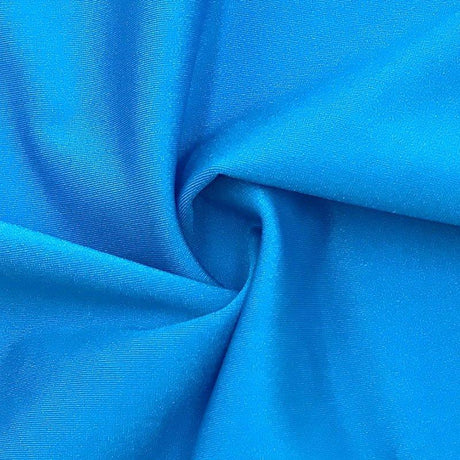
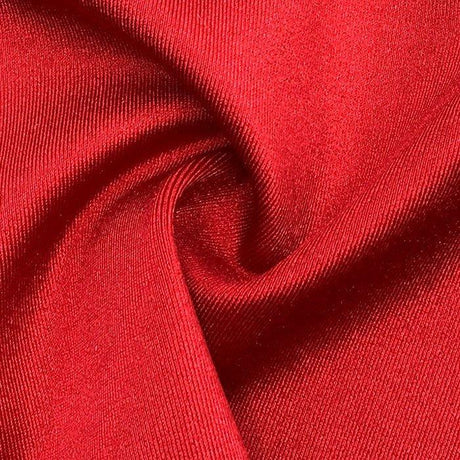
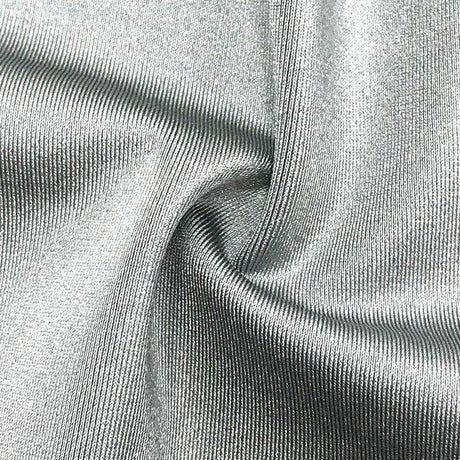
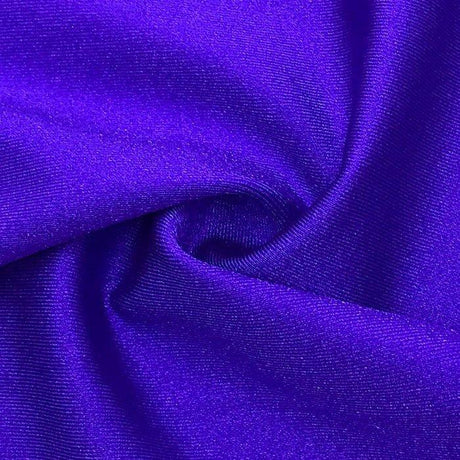
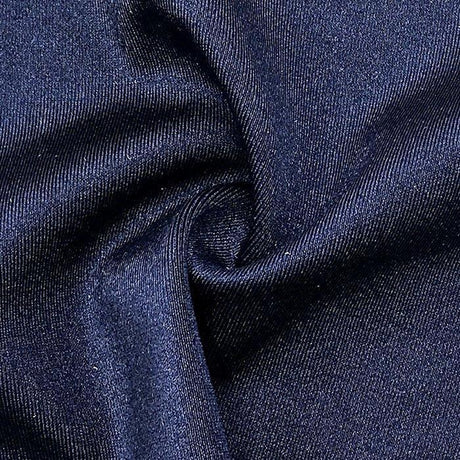
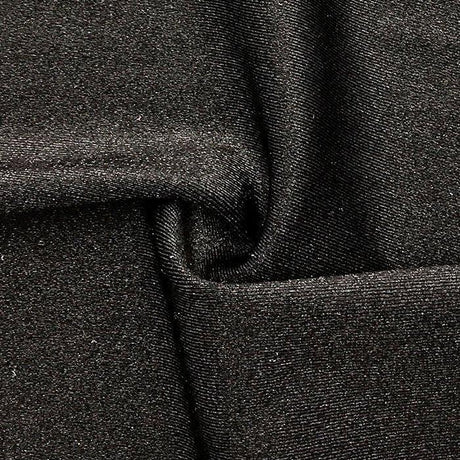
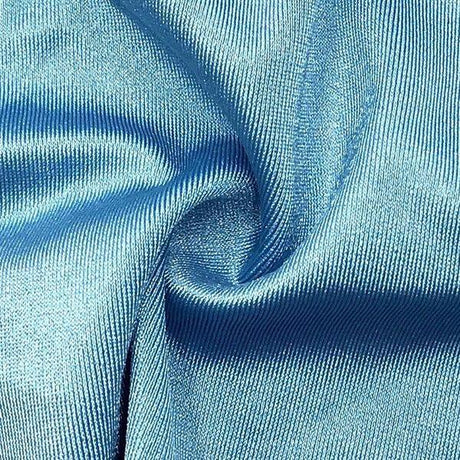
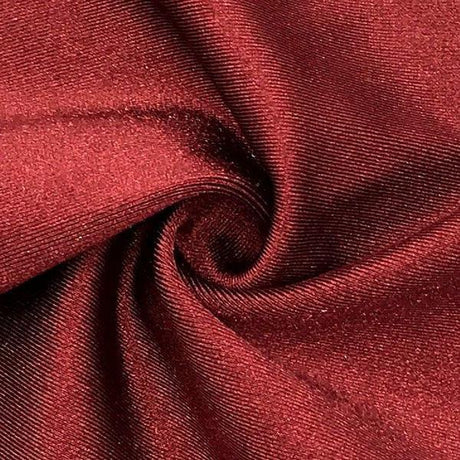
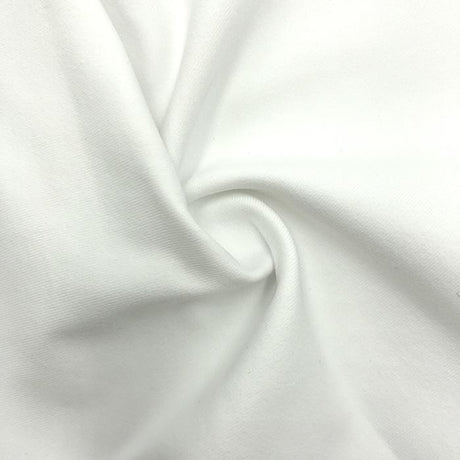
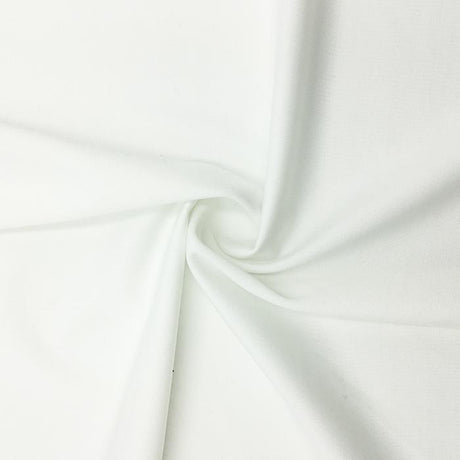
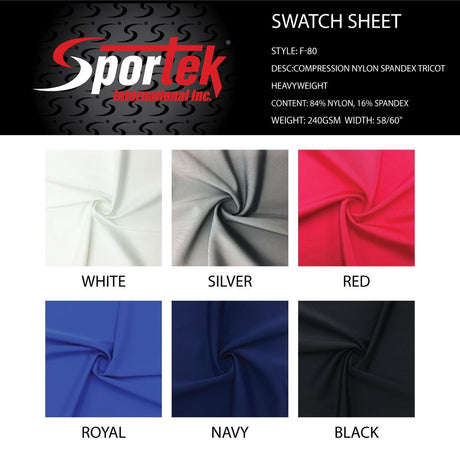
- Tricot Knits (Poly or Nylon Spandex): Tricot refers to a type of warp-knit fabric that is very common in activewear – think of the smooth, flexible fabric used in yoga pants, competitive swimwear, or soccer jerseys. Tricot fabrics made from polyester-spandex or nylon-spandex are highly printable and maintain performance. They offer outstanding elasticity, resilience, and a luxurious feel, making them ideal for both striking activewear and comfortable swimwear. Tricot has a flat, smooth face that takes prints nicely (including sublimation on polyester tricot) and a soft back that feels good on skin. Whether you’re printing vibrant patterns on yoga leggings or team logos on training tops, a spandex tricot provides the perfect balance of stretch, comfort, and print clarity. Many suppliers even offer PFP (Prepared For Print) tricot fabrics in white or light colors, which are optimized for printing bold, full-color designs.
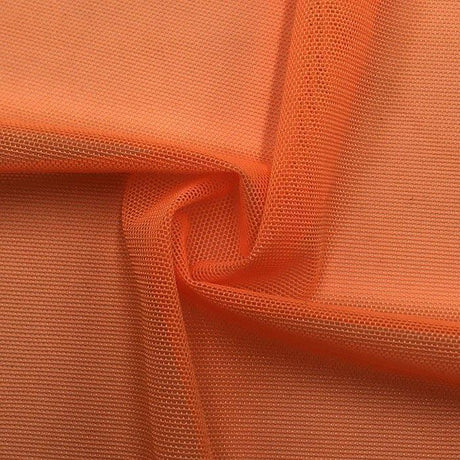
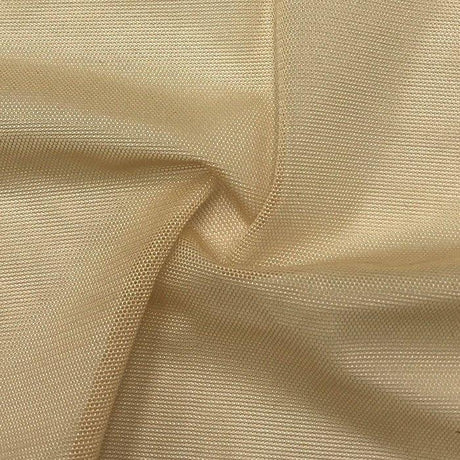
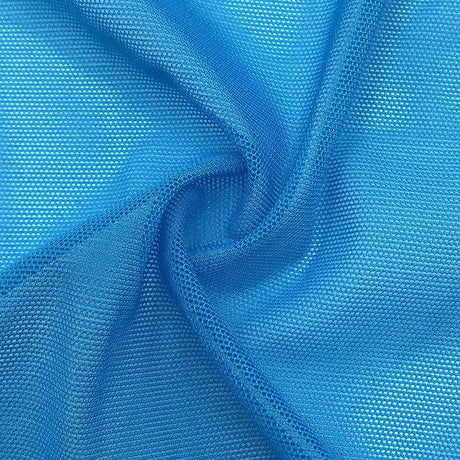
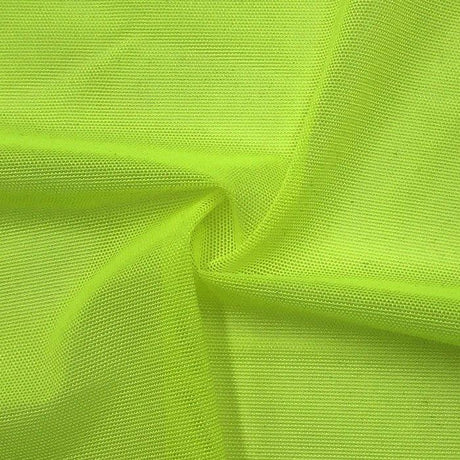
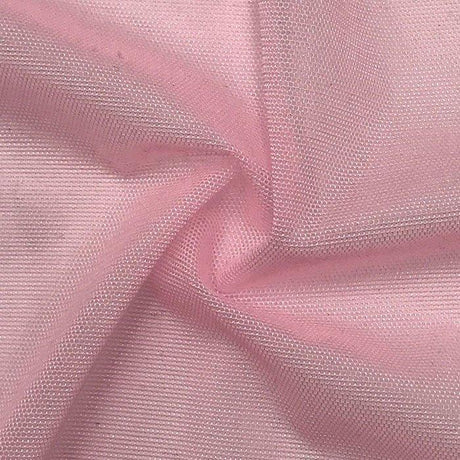
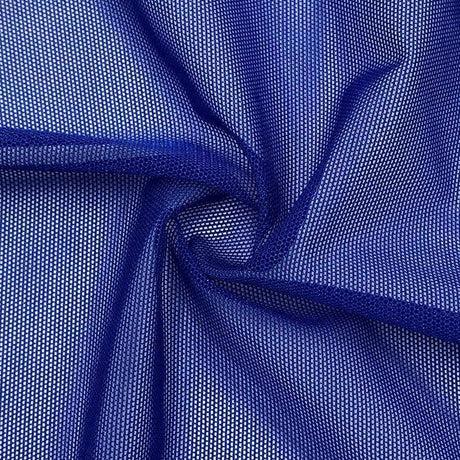
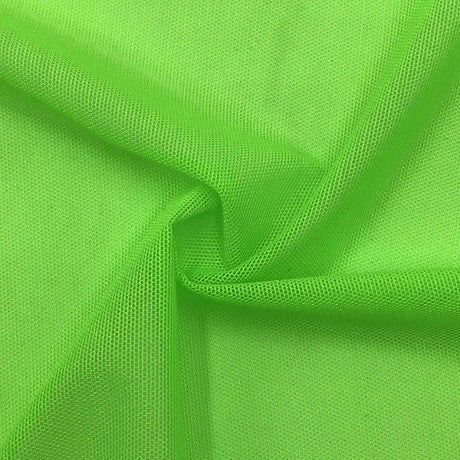
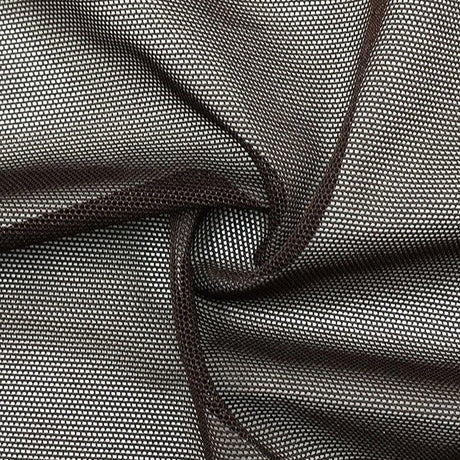
Other Fabric Options: While the above are most popular, there are other blends to consider. For instance, moisture-wicking meshes (often polyester or nylon with spandex) can be printed to create breathable panels in a garment. Some designers also use cotton/spandex for items like casual athleisure T-shirts or joggers – these are very soft and easy to DTG print or screen print, but cotton-blends won’t have the same sweat-wicking performance or color vibrancy as synthetics. In general, synthetic performance fabrics (poly or nylon based) with spandex are preferred for custom sportswear because they deliver the stretch, durability, and vivid colors that athletes and designers love.
Printing Methods for Spandex Sportswear
Once you have the fabric, the next step is choosing a printing method. Different print techniques work better for different fabric types and use-cases. Here’s an overview of common printing methods and how they pair with spandex-based sportswear fabrics:
- Dye Sublimation: Sublimation is a favorite for polyester or poly-spandex fabrics. It uses special inks and heat to infuse dye directly into the fibers, producing prints that are ultra-vibrant and permanent. The process is perfect for sportswear because the resulting print doesn’t add any thickness or stiffness – the fabric retains its full flexibility and the design will never crack or peel. In sublimation, you print your design on transfer paper, then heat-press it to a polyester-content fabric; the inks turn into gas and bond with the textile at a molecular level. The catch: sublimation only works on polyester (or polymers), so your fabric should be at least ~60% polyester for best results. It also requires a light-colored or white fabric base (since sublimation inks are translucent and there’s no “white” ink). When done right, sublimation yields sharp, vivid designs that won’t fade even after many washes – ideal for team uniforms that need to stay bold all season. If you plan to do all-over prints or multi-color graphics on leggings, jerseys, or swimwear, sublimation is often the best method for poly-spandex materials.
- Screen Printing: Screen printing is a classic method where ink (usually plastisol or water-based) is pressed through a stencil screen onto the fabric. It works on almost any fabric type, including polyester/spandex and nylon/spandex, but printing on stretchy sportswear requires some special techniques. Because spandex fabric can stretch a lot, a standard print could crack if the ink isn’t flexible. To solve this, screen printers use stretch additives in the ink – mixing in a small percentage (often 1–5%) of a stretch additive makes plastisol ink more pliable and elastic so it can move with the fabric without cracking. Another approach is to use specialized inks: for example, silicone-based inks have a soft, flexible feel and can stretch significantly (they won’t crack even on 4-way stretch leggings). Silicone inks also cure at a lower temperature (~270°F) which is gentler on spandex and polyester. (High heat can cause polyester dyes to sublimate or bleed – known as dye migration – so low curing temps are a big advantage.) If printing on nylon-spandex (common for swimwear), printers often add a nylon bonding agent to the ink to help it adhere to nylon’s slick surface. In short, screen printing can produce excellent results on stretch fabrics – like printing team logos or numbers on uniforms – as long as you use the right ink chemistry and curing process to maintain the fabric’s stretch and avoid any ink issues. The result is a bold, opaque design with a bit of texture, great for branding and simple graphics.
- Heat Transfer: Heat transfer printing covers methods like heat transfer vinyl (HTV) and printed transfer sheets that you press onto the fabric with a heat press. This method is accessible for small runs or one-off customization (for example, pressing names and numbers onto blank jerseys). It can be used on spandex fabrics, but caution is needed. Spandex fibers are heat-sensitive – high temperatures can damage them, causing melting or loss of elasticity. In fact, experts note that traditional heat transfer isn’t generally advised on spandex because of this risk. However, it is possible with the right materials and settings. The key is to use low-temperature application and products designed for performance fabrics. For instance, certain stretchable HTV products and screen-printed transfers can be applied at around 280–300°F to avoid scorching the material. You must also avoid stretching the garment while hot, as the design could distort. When done properly, heat transfers can add vibrant graphics (even reflective or metallic finishes) to activewear. Just be sure to test on a scrap first and follow the vinyl/transfer manufacturer’s guidelines for spandex. This method is best for small batches, simple logos, or personalization where investing in print equipment might not be practical.
- Direct-to-Garment (DTG) Printing: DTG is a digital inkjet printing method where a specialized printer sprays ink directly onto the fabric, allowing for full-color, highly detailed prints. DTG is popular for cotton t-shirts, but what about polyester or spandex sportswear? The short answer: standard DTG on 100% polyester/spandex is challenging. Most DTG inks are formulated for natural fibers like cotton, and they don’t bond as well to polyester’s slick, moisture-wicking fibers. Moreover, fabrics with a lot of stretch can make it hard for the ink to stay intact when the material is pulled. Some advances are being made (new poly-specific pretreatments and inks), but many printers still recommend using blends – for example, a 50/50 poly-cotton or tri-blend – if you want to DTG print a performance shirt. These blends absorb ink better than pure polyester, giving more reliable results. For high-spandex items like yoga pants, DTG is rarely used because the ink may crack when the fabric stretches. Dye-sublimation or DTF (direct-to-film) transfers are often preferred alternatives for photo-realistic designs on performance fabrics. In summary, unless you have specialized equipment and inks, DTG is best saved for cotton or blended tees. If you do attempt DTG on a poly-spandex garment, use a proper polyester pretreatment, keep designs on the less-stretchy areas, and be prepared for some trial and error.
Stretch Retention and Colorfastness: Why They Matter
High-quality custom sportswear isn’t just about looking good on day one – it’s about looking and feeling good after dozens of wears and washes. Two key fabric properties ensure this: stretch retention and colorfastness.
- Stretch retention refers to a fabric’s ability to stretch with your movements and recover back to its original shape. Spandex is famous for this. In fact, spandex fibers can stretch 5–8 times their length and snap right back, which prevents your gear from getting baggy. This “recovery” is critical in activewear – it keeps yoga pants from sagging at the knees, compression sleeves from sliding down, and sports bras supportive over time. A lower-quality stretch fabric might feel stretchy enough initially but, if it has poor recovery, it will gradually lose shape (you might notice a loose waistband or elbows/knees bulging out). That’s why when choosing fabric for printing, you should look at both the stretch and recovery. Many suppliers will list stretch percentage (e.g. “50% stretch in width, 75% in length”) and also use terms like “excellent recovery” in the specs. For your custom sportswear, always opt for fabrics that advertise strong elastic recovery – they’ll ensure the final product maintains a consistent fit and performance, even after intense use.
- Colorfastness is the other crucial factor – it measures how well a fabric’s color or print resists fading or running. Activewear goes through a lot: sweat, UV sunlight, frequent washing, maybe chlorine in pools. You don’t want those vibrant team colors or the crisp logo you printed to start dulling after a few workouts. Polyester/spandex fabrics are generally excellent on this front: polyester holds dyes exceptionally well, yielding vibrant, long-lasting colors that resist fading. That’s one reason sublimation-printed polyester jerseys can look nearly new after years of use – the dye is locked into the fiber. Nylon/spandex can also be very colorfast, especially if the nylon is solution-dyed or treated for UV resistance. When printing, ensure you use the right ink or transfer type for the fabric to avoid color bleeding. For example, if you heat-press a dark polyester too hot, the dye can sublimate and migrate into your print (causing unwanted tints). Using lower curing temperatures or bleed-blocking layers can prevent that. Overall, prioritizing colorfast fabrics and compatible printing methods means your custom sportswear will stay bold and sharp. There’s nothing worse than a brilliant graphic tee fading to a sad shadow of itself – with quality materials, your designs will remain eye-catching over many seasons.
Tips for Designers and Small Businesses Printing Sportswear
Designing and printing your own sportswear can be extremely rewarding. Whether you’re a small business launching an athletic line or a team coach making uniforms, keep these tips in mind for professional results:
- Choose “print-ready” fabrics: Start with fabrics that are known to accept your chosen printing method. For sublimation, use white or light-colored polyester-spandex fabric (ideally labeled PFP – Prepared For Print for dye sub). For screen printing or transfers on dark fabrics, consider materials with a tight knit and possibly a cotton or poly-cotton blend for easier ink adhesion. The right fabric makes a huge difference in print quality.
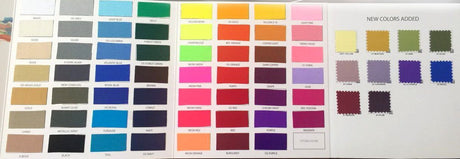
- Test with samples first: Always order swatches or a small yardage and do a test print before full production. This lets you check color vibrancy, ink adherence, and how the fabric handles the process. It’s much better to discover issues with a sample than after you’ve printed 50 pieces. SpandexByYard and other suppliers offer sample cuts, color cards, or even a dye sublimation fabric catalog so you can evaluate material quality and see how your graphics look on the real fabric.
- Use high-resolution and vector artwork: For best results, your design files should be high resolution (300 DPI or above) or vector format. This ensures crisp lines and details, especially when printing on stretchy fabric. Low-res images might blur or pixelate, and any fuzziness can be exaggerated once the material stretches. Sharp artwork gives a professional look to your custom sportswear.
- Account for stretch in your design placement: Think about how the garment will be worn. If you place a logo across the chest of a sports bra or across the backside of leggings, remember that it will stretch when worn. Test how your design looks when the fabric is extended – some graphic elements might distort. You may need to adjust the size or placement (for example, smaller graphics on high-stretch zones, larger ones on more stable areas) to maintain appearance when worn. Also avoid very intricate small details on extremely stretchy sections, as they could become less visible when the fabric expands.
- Avoid over-curing or overheating prints: If you’re using a heat press or dryer to cure prints, be mindful of temperature and time – especially with spandex blends. Excessive heat can not only damage the fabric’s elasticity but also cause printed colors to shift (e.g. sublimation ink bleeding or screen prints scorching). Follow the ink/transfer manufacturer’s recommended settings (often a quick press at lower temp for sensitive materials). Using a temperature gun to verify your press heat can be helpful. Basically, use just enough heat to fix the print and no more.
- Leverage expert resources: Don’t hesitate to seek advice from fabric or equipment suppliers. Many have technical support or guides for printing on their materials. For instance, a supplier might provide curing profiles for their polyester, or recommend a specific ink series for nylon. You can also find community forums and videos where others share tips on printing spandex, which can save you trial-and-error time. In short, learn from others’ experience to refine your process.
- Maintain a clean, static-free workspace: This is a minor tip but important if you’re doing your own sublimation or DTG. Performance fabrics can generate static and attract lint or dust, which may get between your transfer and the fabric or cause ink to mis-spray. Keep your printing area clean. Using a lint roller on garments before printing and an anti-static spray on polyester can eliminate stray fibers that might ruin a print. It’s these small details that ensure a flawless finish on the final product.
By following these tips, designers and small businesses can avoid common pitfalls and produce custom sportswear that looks and performs on par with big-brand apparel.
SpandexByYard: Your Source for Printable Performance Fabrics
Printed spandex fabrics, like the example above, combine bold designs with high-performance material – and SpandexByYard.com specializes in providing these printable fabrics by the yard.
When it comes to finding high-quality fabric for your DIY sportswear project, SpandexByYard.com has you covered. SpandexByYard is a supplier dedicated to stretch fabrics, offering a wide range of performance materials perfect for custom sportswear. If you need fabric that can handle vibrant prints and intense workouts, chances are they have it in stock.
Here are some ways SpandexByYard supports designers and makers of athletic apparel:
- Printable Fabric Selection: SpandexByYard carries specialty lines of fabric that are engineered for printing. For example, their Sublimation-Ready Tricot Fabric (a polyester/spandex blend) has a smooth texture and exceptional stretch specifically to ensure sharp, long-lasting prints when using dye-sublimation. They offer white and light-colored fabrics ideal as a blank canvas for your designs, from lightweight jersey knits for team uniforms to thicker compression material for leggings. This means you can get the same kind of base fabrics that major sportswear brands use, but on a small scale for your own printing needs.
- High-Performance and Niche Fabrics: Beyond basics, SpandexByYard has a variety of printable performance fabrics to match any project. Need a moisture-wicking mesh for football jerseys? A shiny tricot for swimwear? A heavy spandex fleece for winter running gear? They have collections for each, all with spandex for stretch. Notably, their catalog includes nylon-spandex tricot (great for wet printing and swimwear) with the kind of elasticity and resilience that activewear demands. By sourcing from SpandexByYard, you can experiment with advanced materials like recycled eco-friendly spandex, metallic foil spandex, or compression power mesh, all in quantities as small as a few yards.
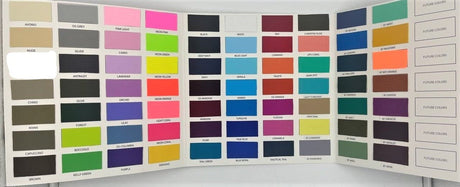
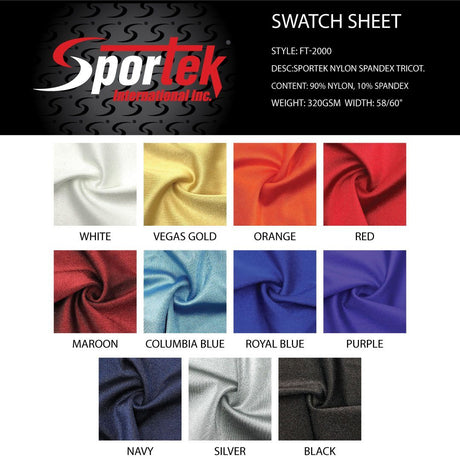
- Sample Ordering and Guidance: For designers who want to touch and see the fabric before committing, SpandexByYard provides color cards and sample packs. You can obtain a PFP Fabric Catalog (Prepared For Print catalog) which contains swatches of various sublimation-ready fabrics – an invaluable tool to plan your printing and ensure color accuracy. They also have Spandex Packs (assorted sample cuts) so you can test stretch and print techniques on different materials. This level of transparency and support helps you confidently choose the right fabric. Moreover, their website features an Expert Help & Advice section and in-depth blog guides on topics like stretch testing and blend selection, reflecting a commitment to customer success. If you have questions about which fabric is best for a certain sport or printing method, SpandexByYard is there to help.
- Flexible Purchasing (Wholesale or By-Yard): As the name implies, you can buy most of their fabrics by the yard, which is perfect for small businesses and prototypes. There’s no huge minimum order – you can get just what you need for a custom batch of team jerseys or a limited edition run of yoga tops. And if you do scale up, they offer wholesale pricing for larger orders (typically one full roll). This means SpandexByYard can grow with your business: you can sample and start small, but also rely on them if you hit it big and need bulk material for mass production. Consistent availability and wholesale options ensure you won’t outgrow your fabric source.
In essence, SpandexByYard.com makes it easy to source high-quality spandex fabrics for printing without the usual hurdles. You get the same advanced textiles used by major sportswear companies, but with the convenience of online ordering and quantities that suit independent creators. By using their fabrics, you ensure your custom prints have a professional foundation – the material will be up to the task of vivid printing, stretching during activity, and enduring many wash cycles.
Optimize for Success: Printing your own sportswear is a blend of creativity and technical know-how. With the growing demand for custom sports apparel, having the right fabric supplier is as important as having a great design. SpandexByYard provides the printable performance fabrics and expertise that give designers, small businesses, and teams a competitive edge. When you combine top-notch fabric (that won’t let you down in stretch or color) with the appropriate printing method, you can produce custom athletic wear that rivals anything on the market. Whether it’s personalized team uniforms, branded activewear for your fitness line, or one-off creations, you now have the knowledge and resources to make it happen. Embrace the trend of custom sportswear – with high-quality spandex fabric and proper printing, your designs can hit the field or gym in style, durability, and full color.