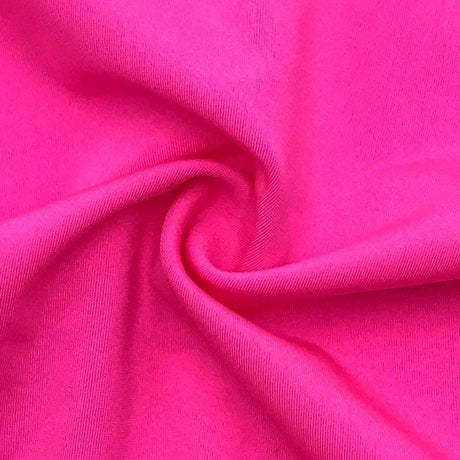
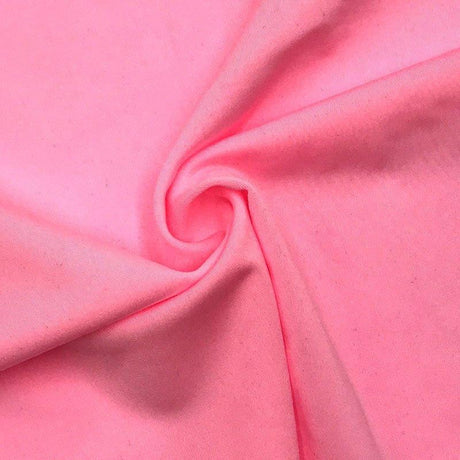
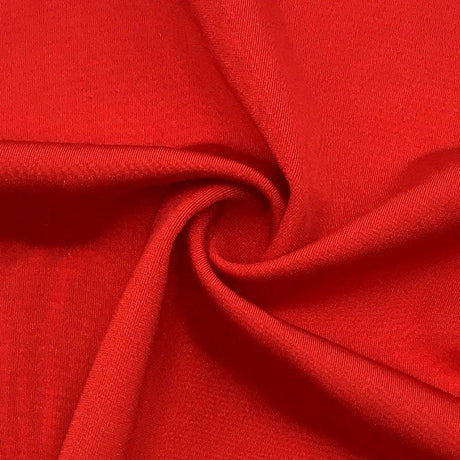
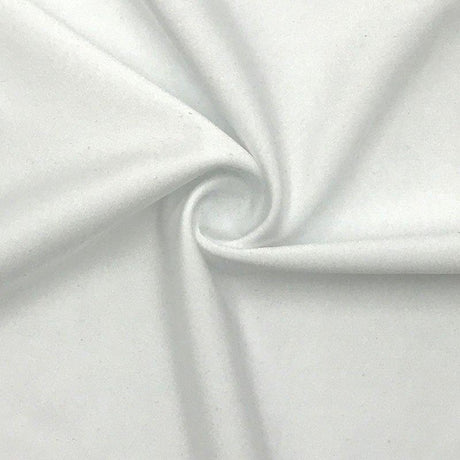
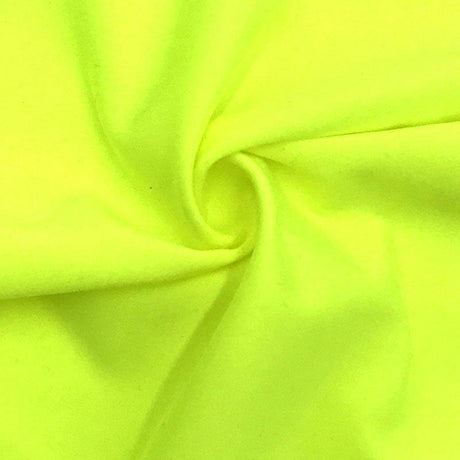
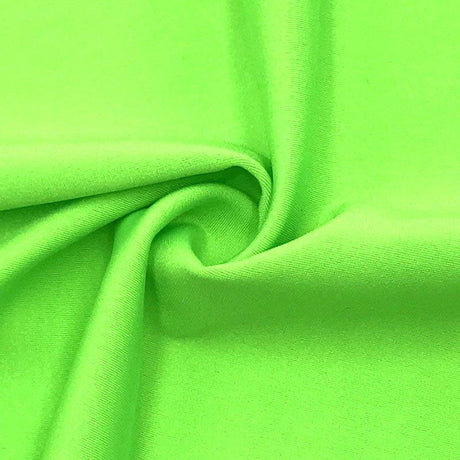
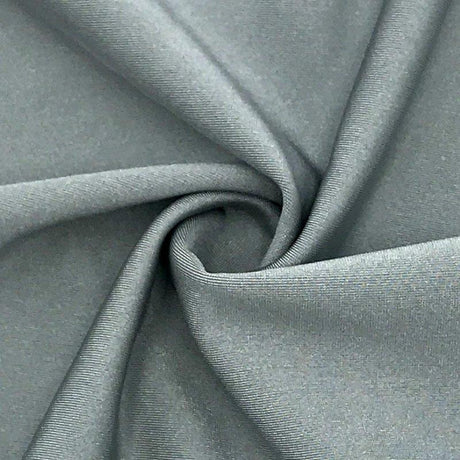
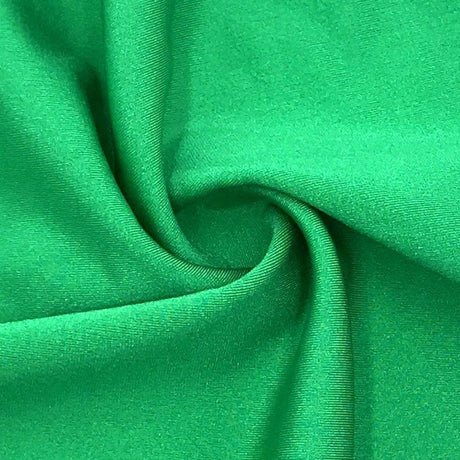
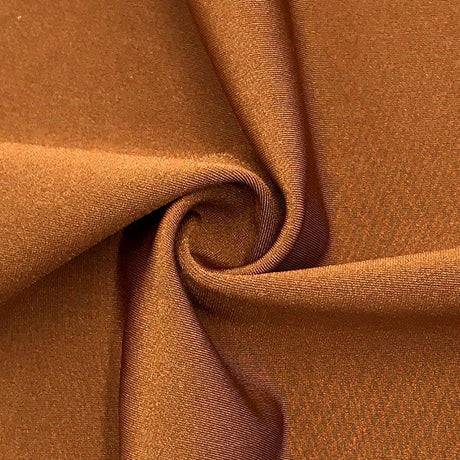
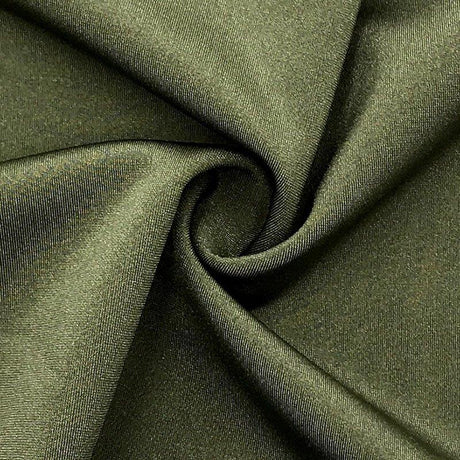
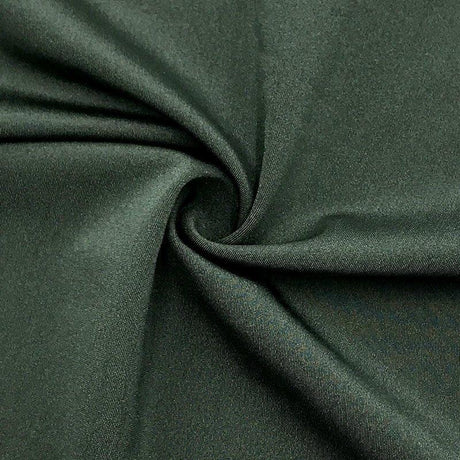
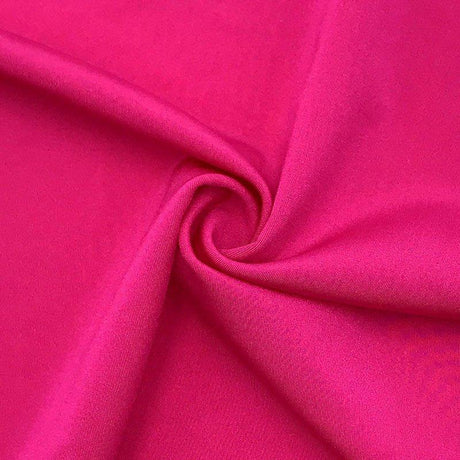
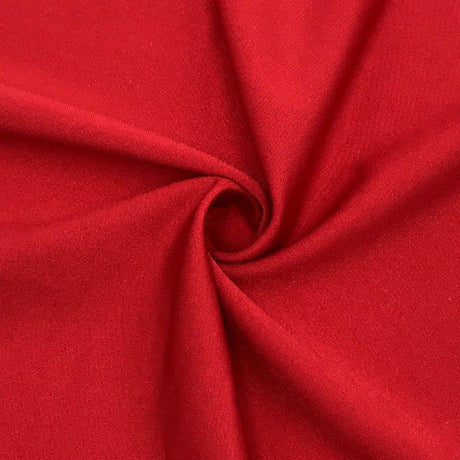
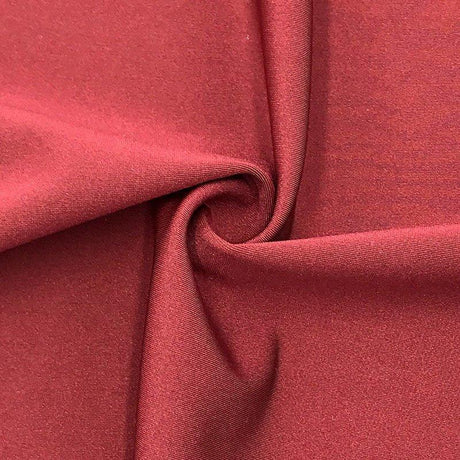
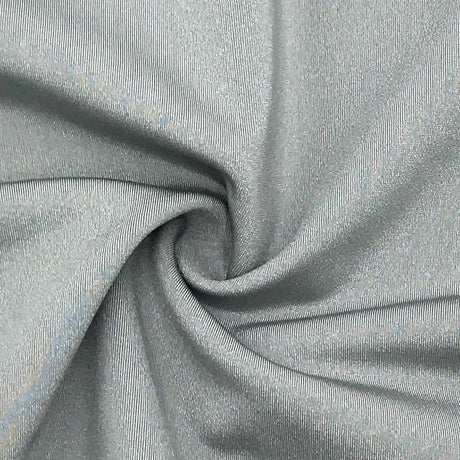
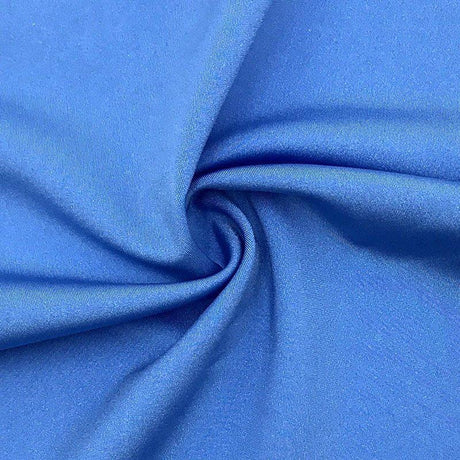
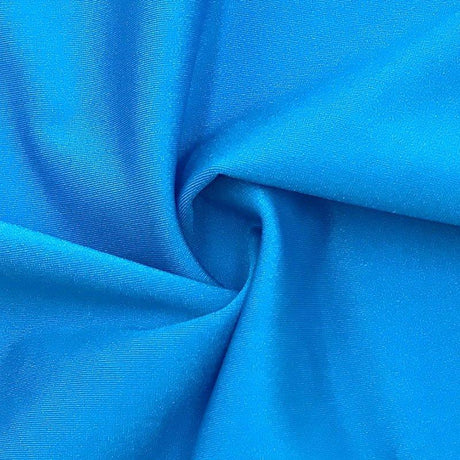
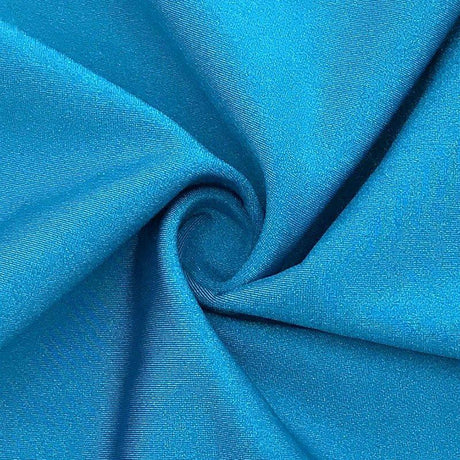
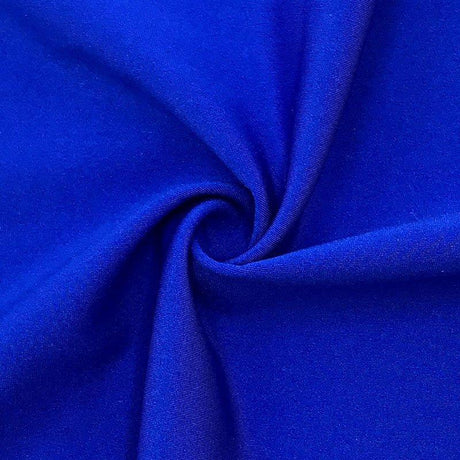
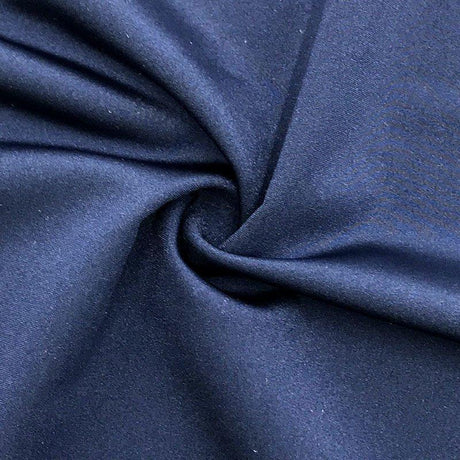
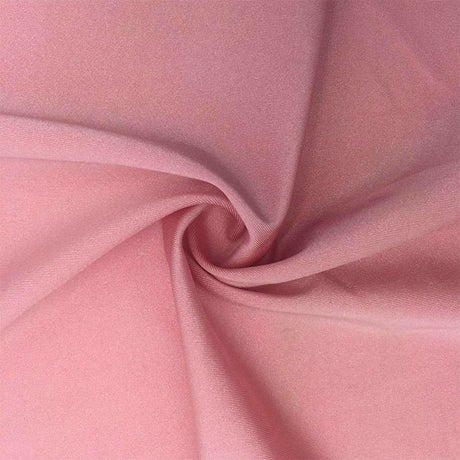
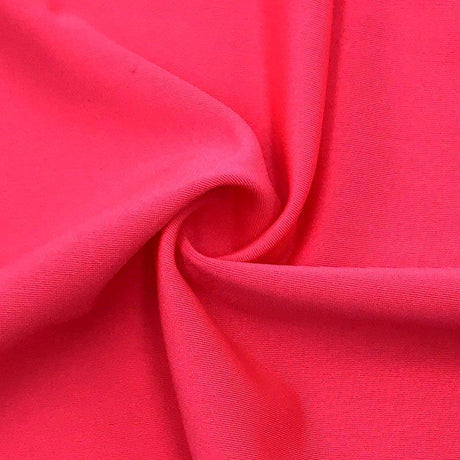
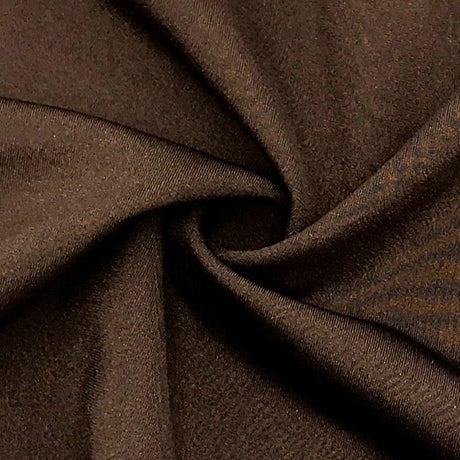
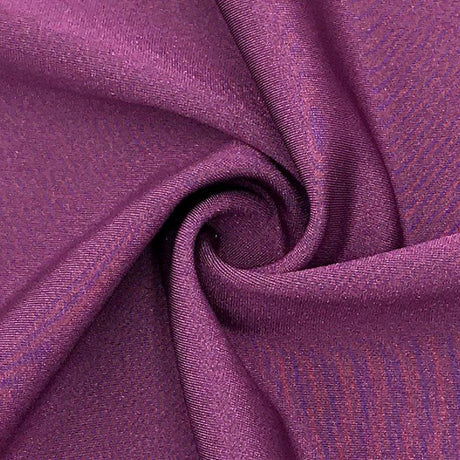
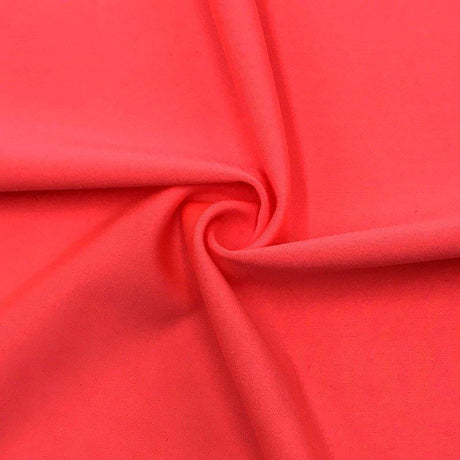
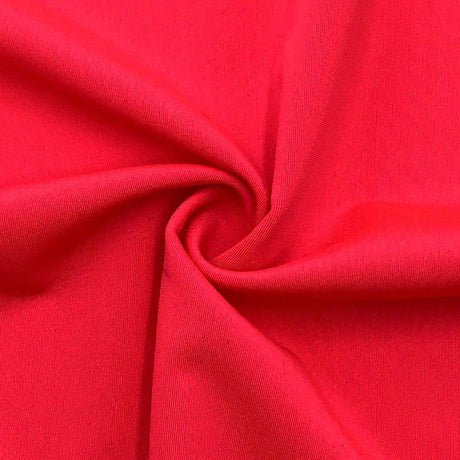
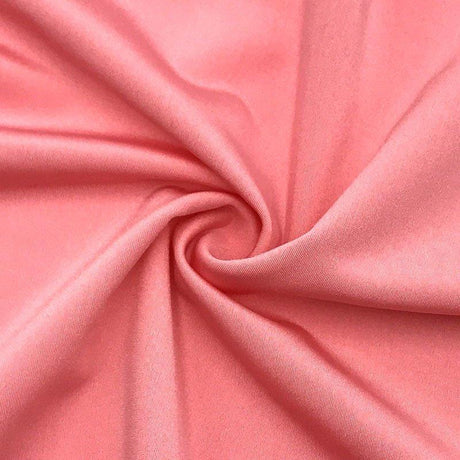
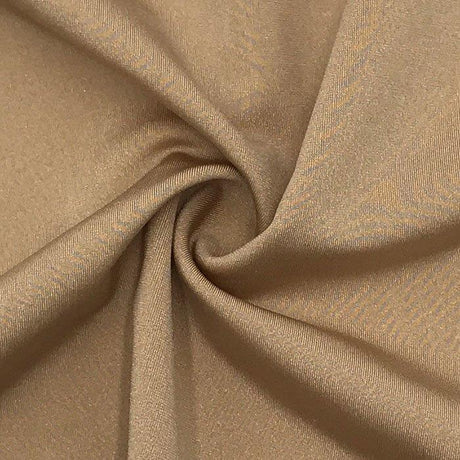
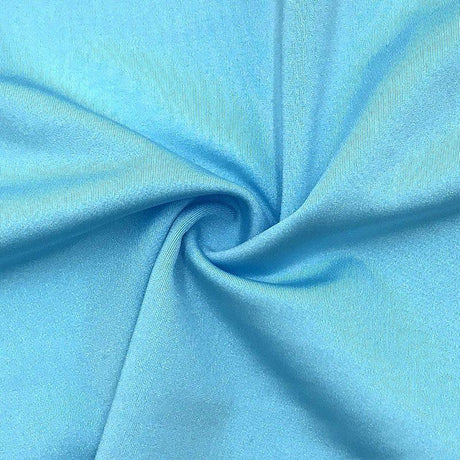
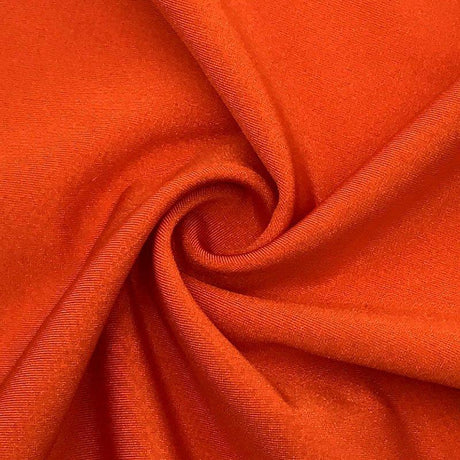
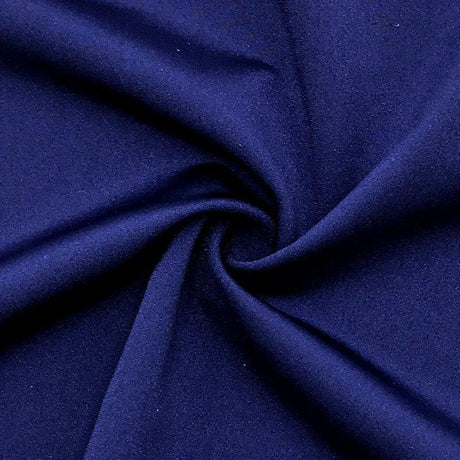
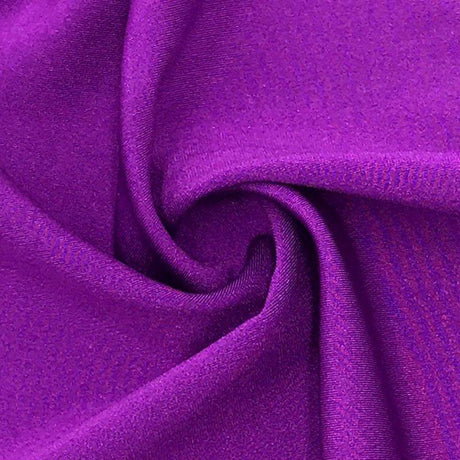
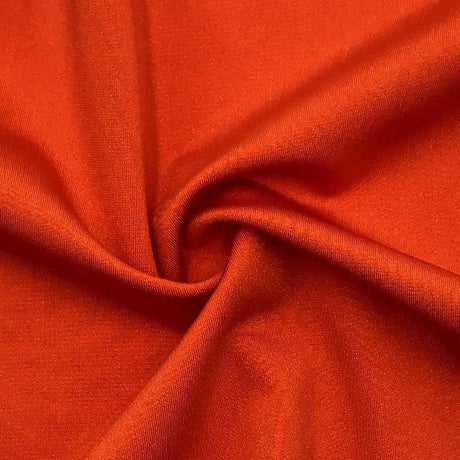
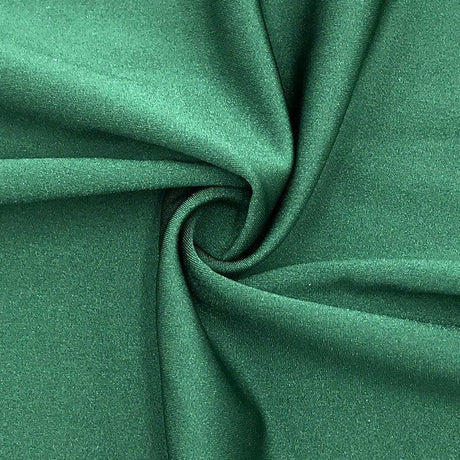
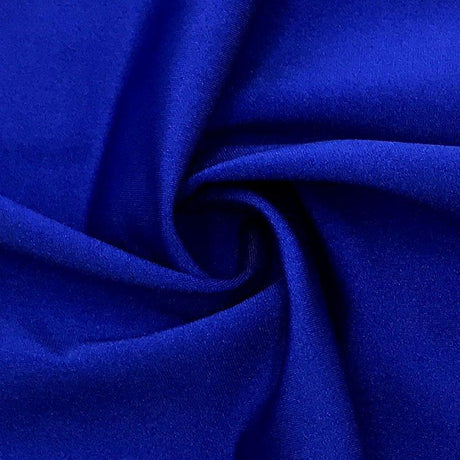
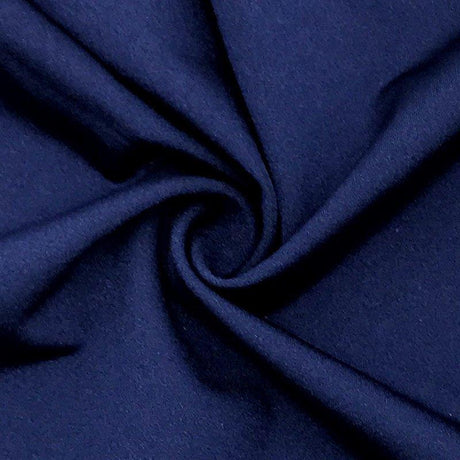
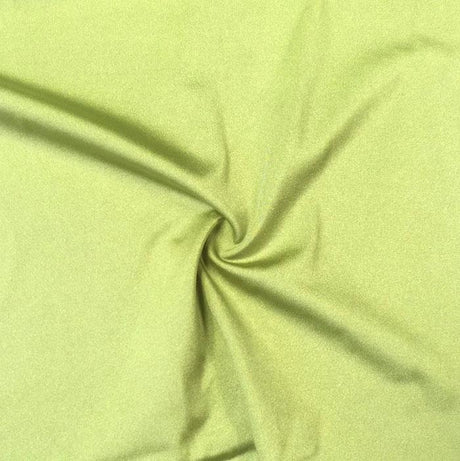
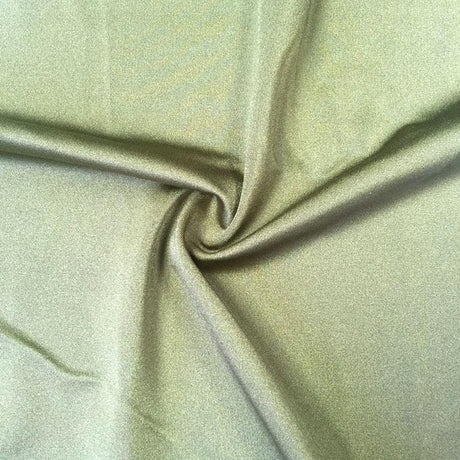
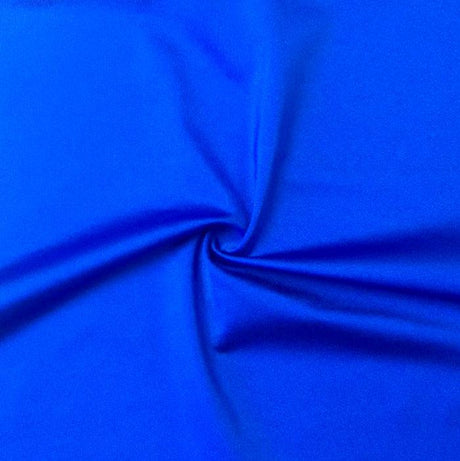
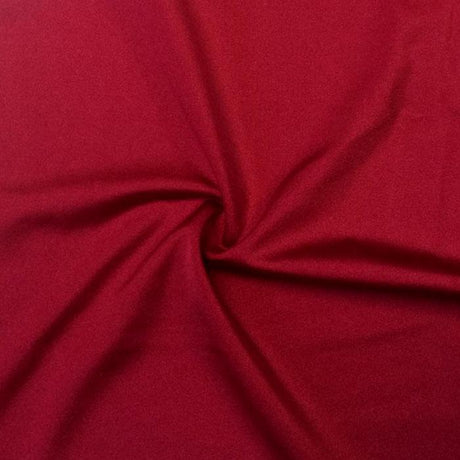
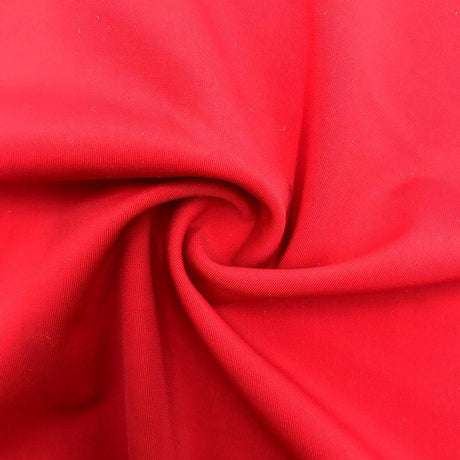
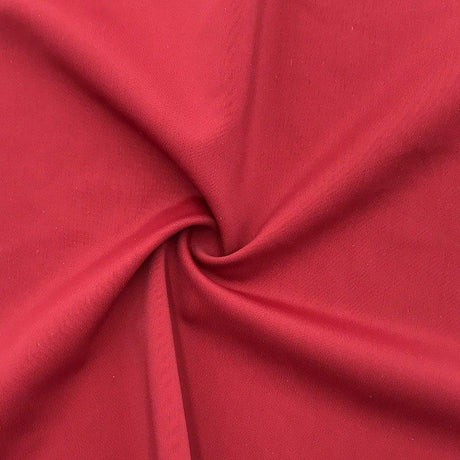
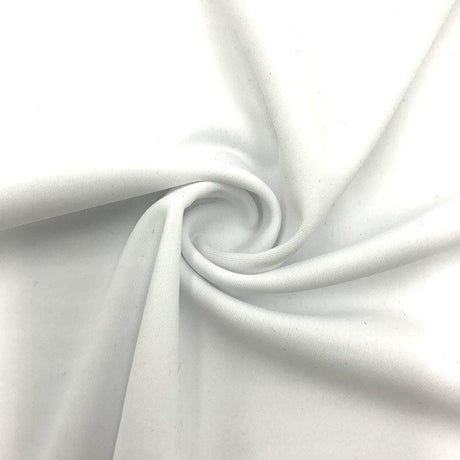
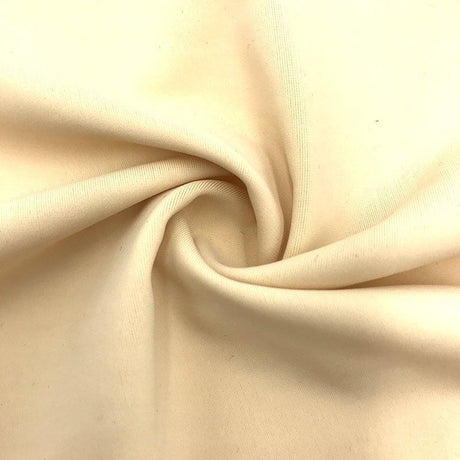
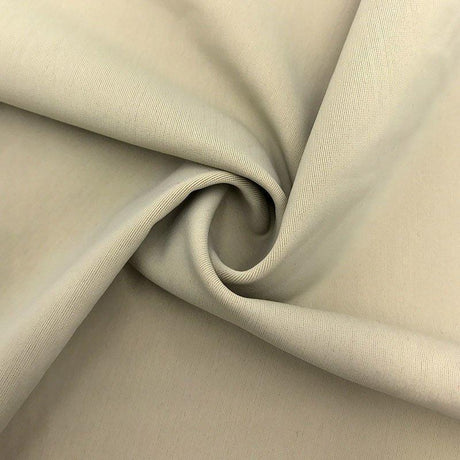
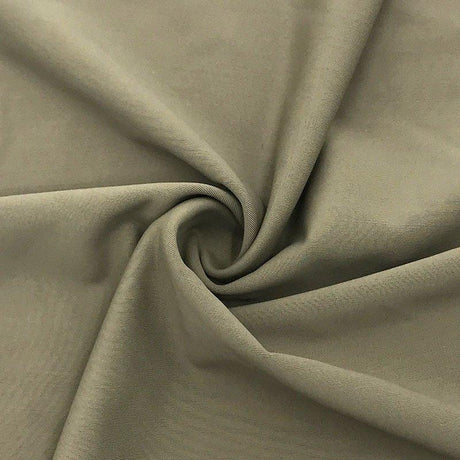
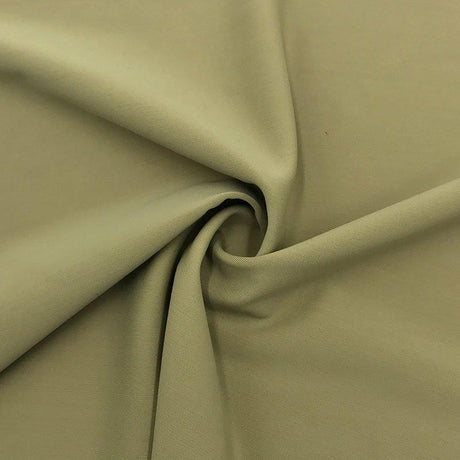
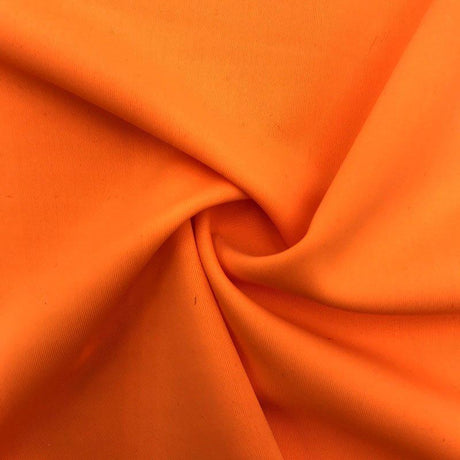
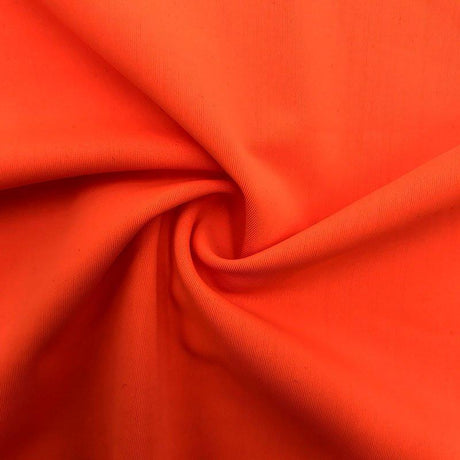
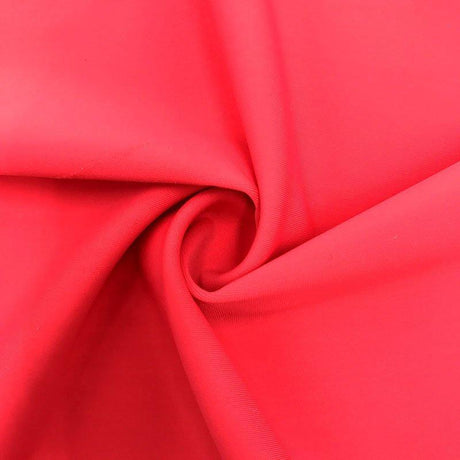
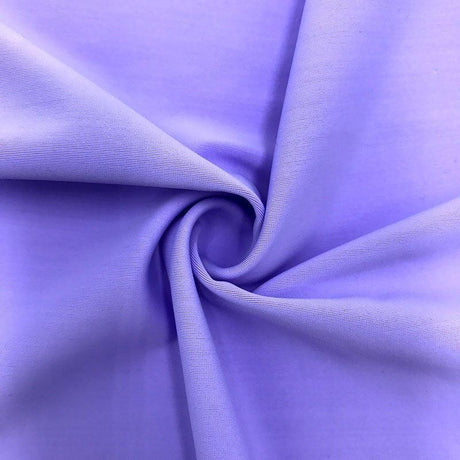
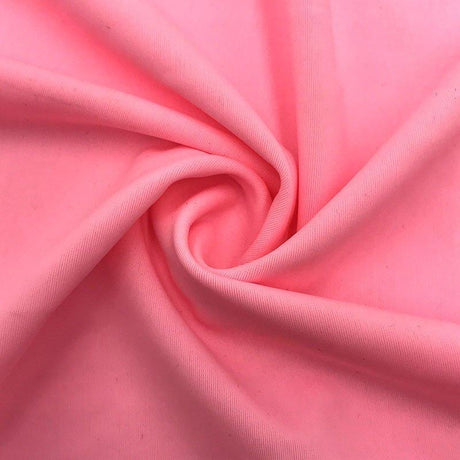
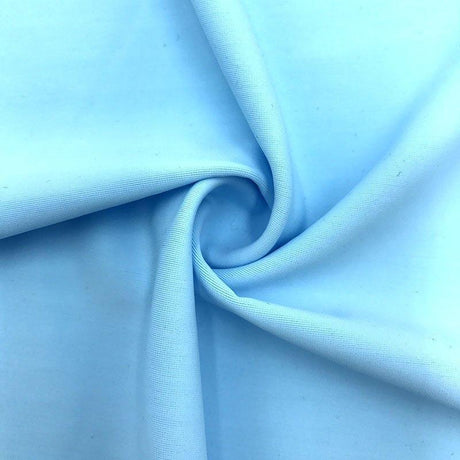
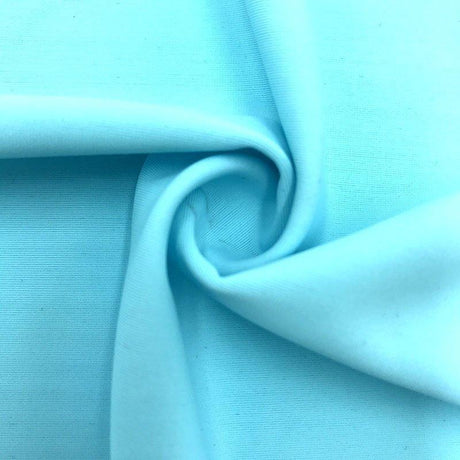
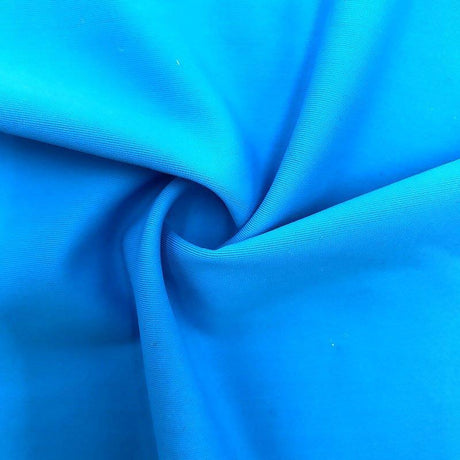
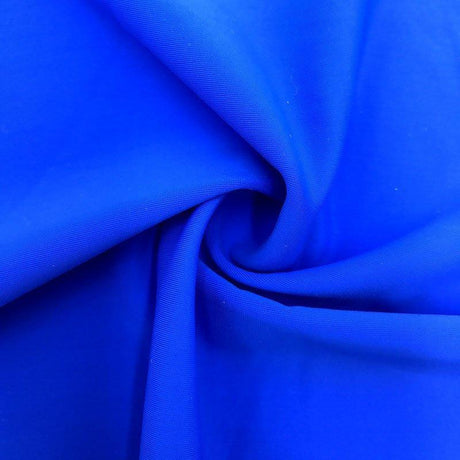
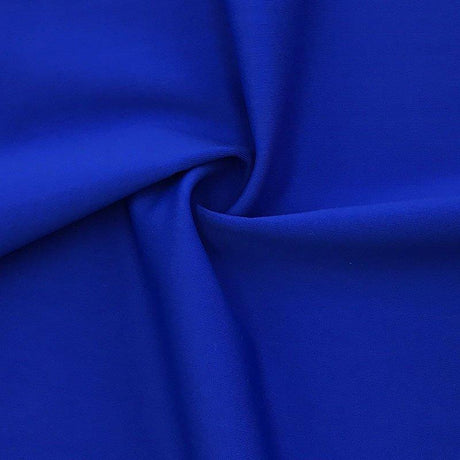
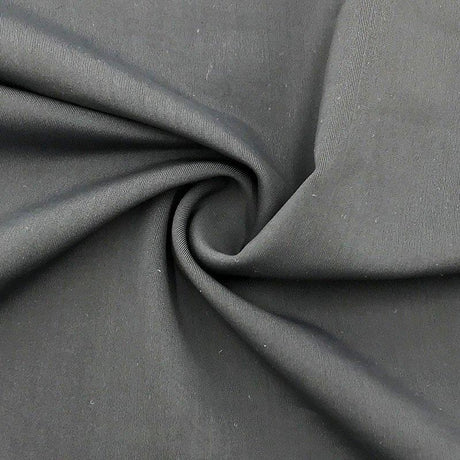
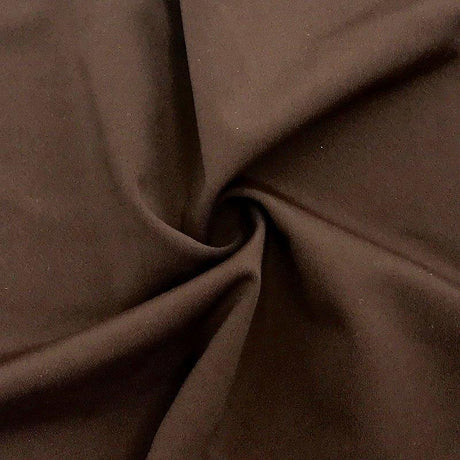
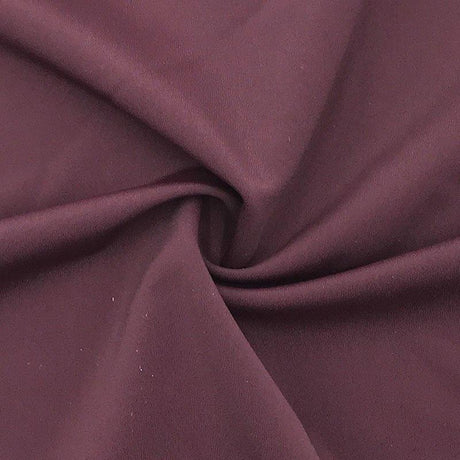
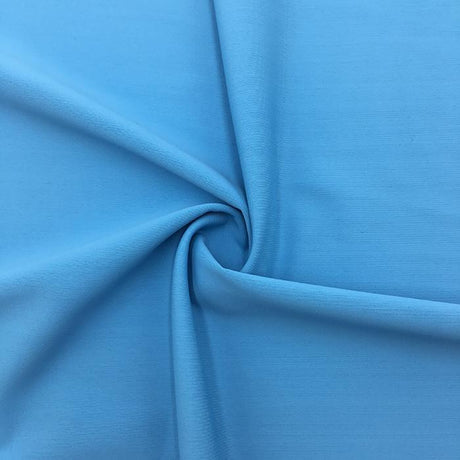
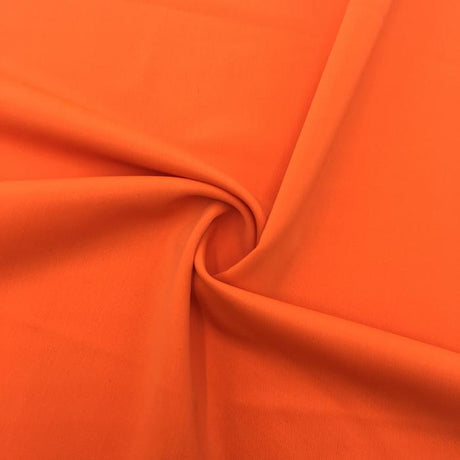
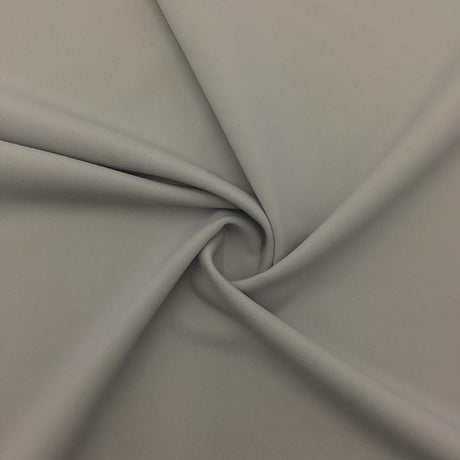
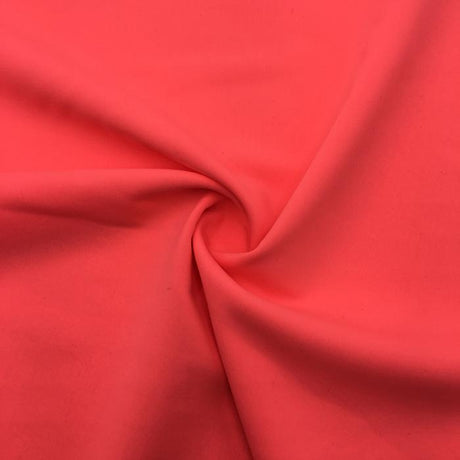
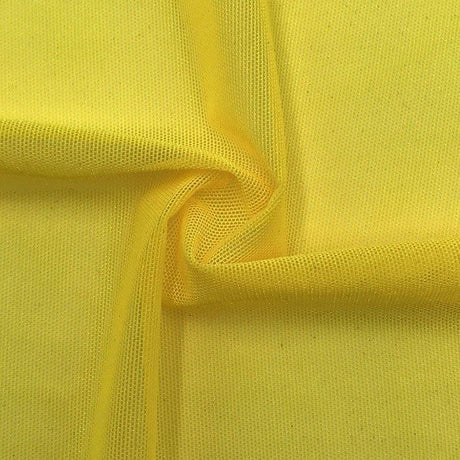
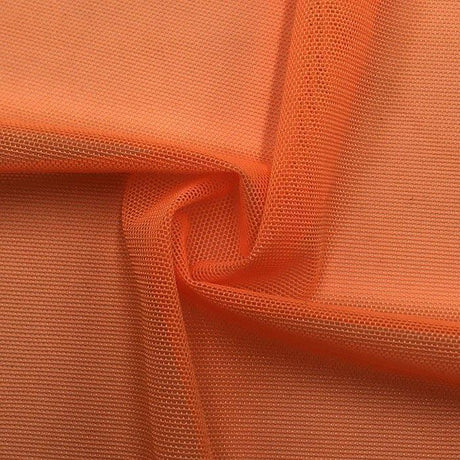
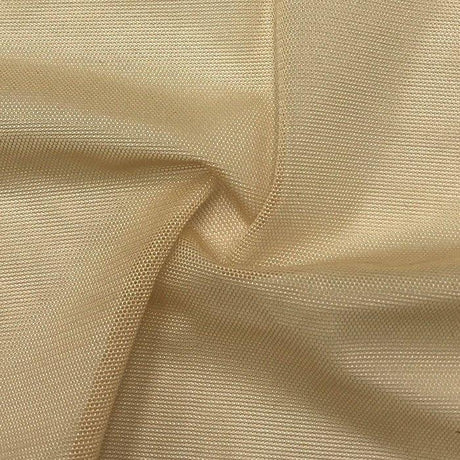
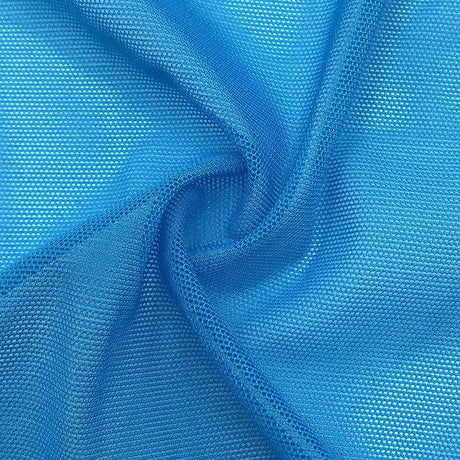
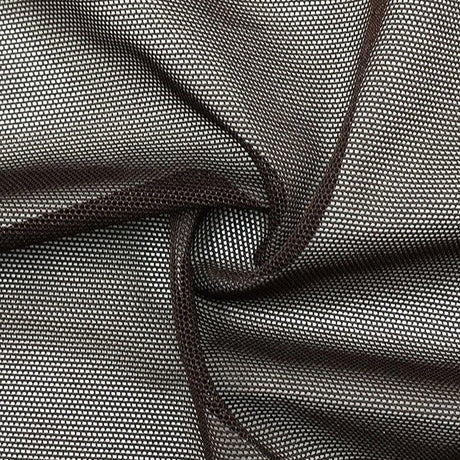
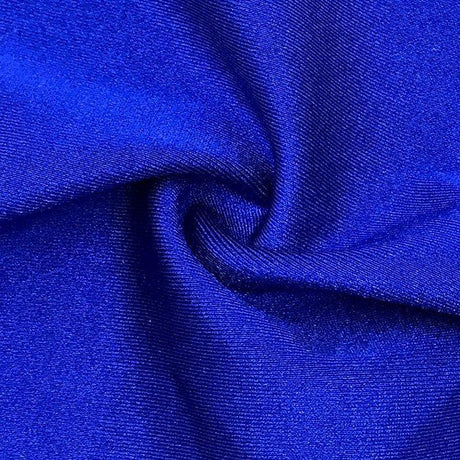
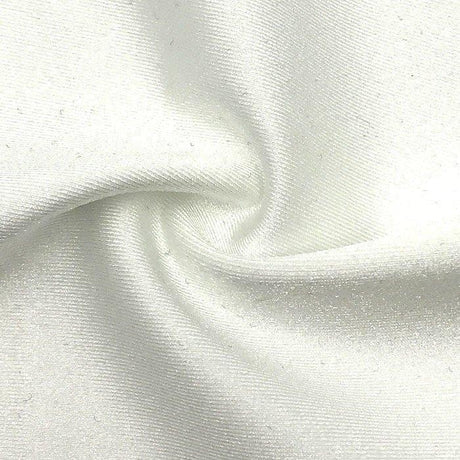
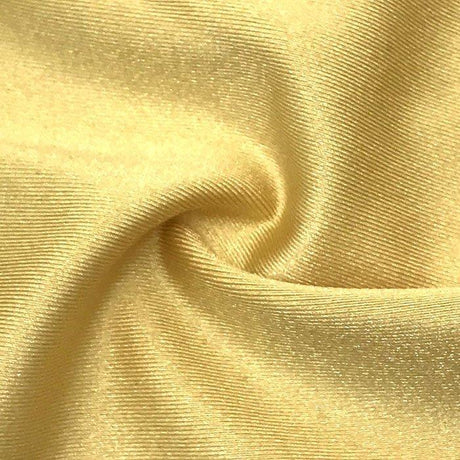
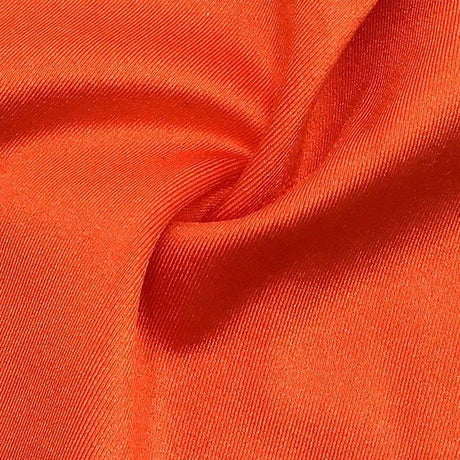
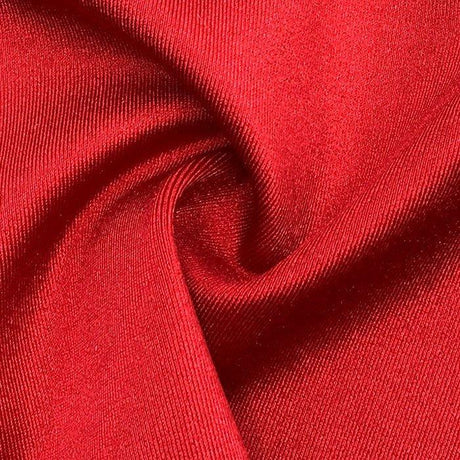
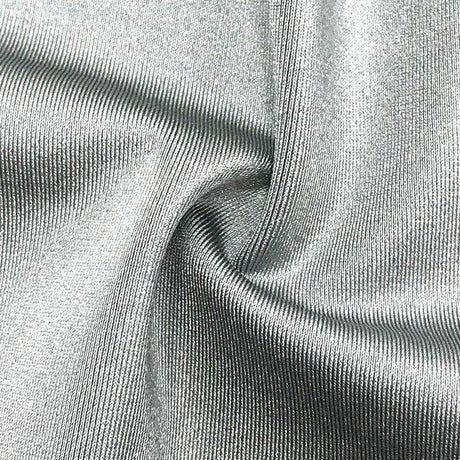
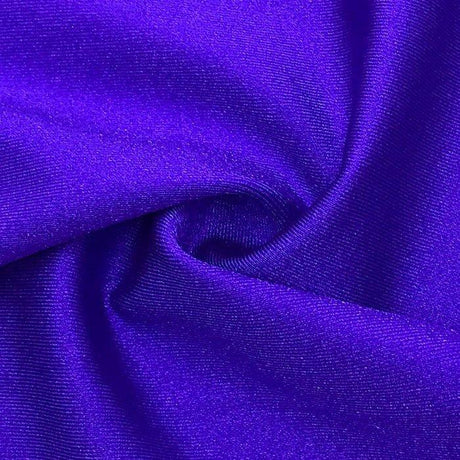
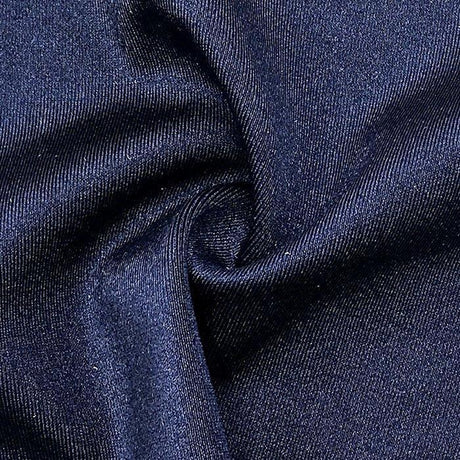
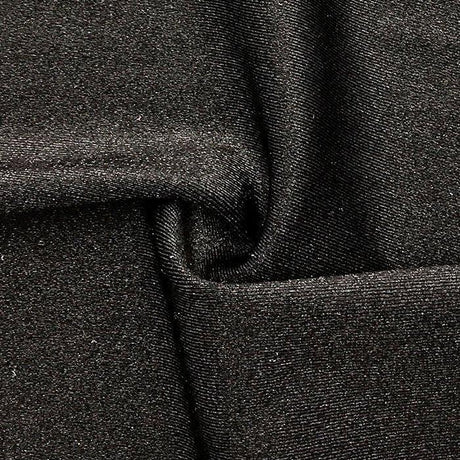
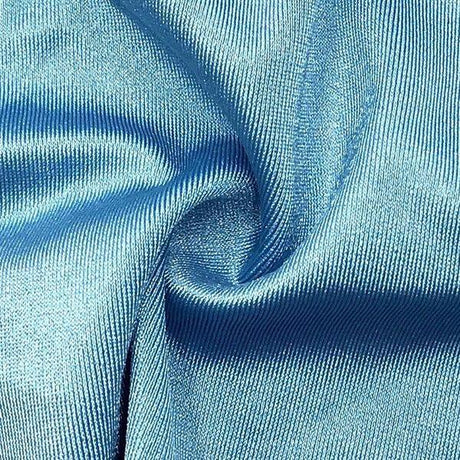
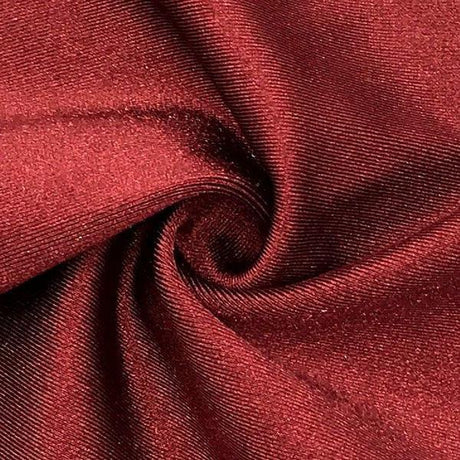
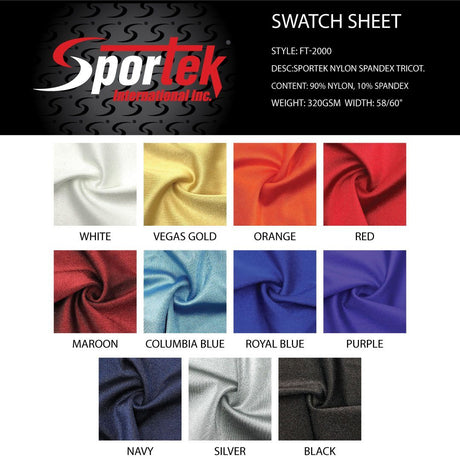
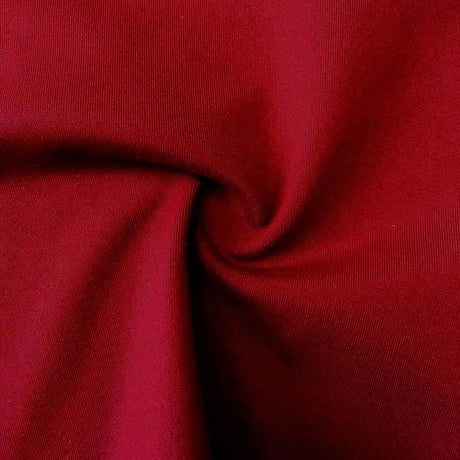
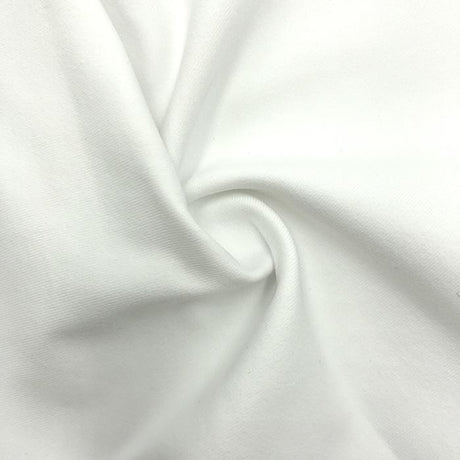
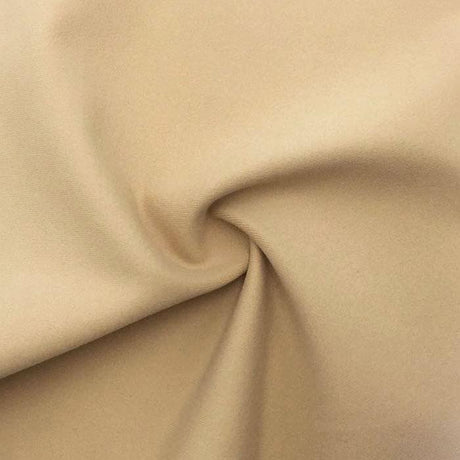
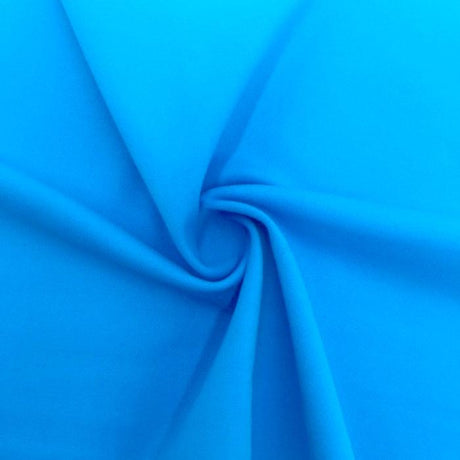
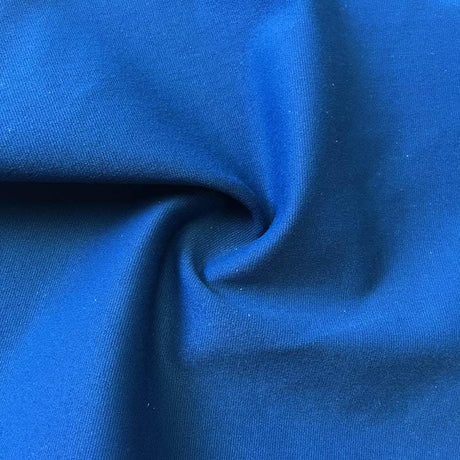
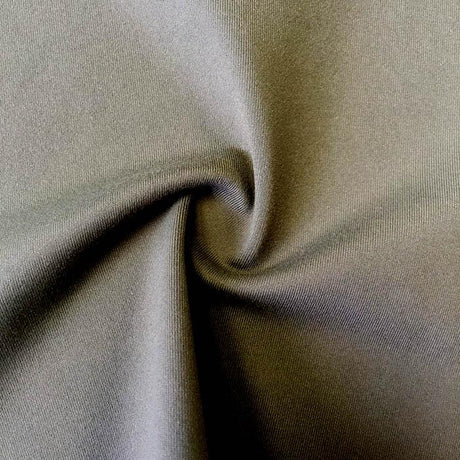
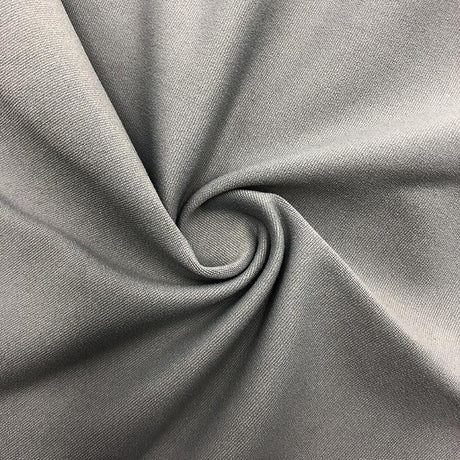
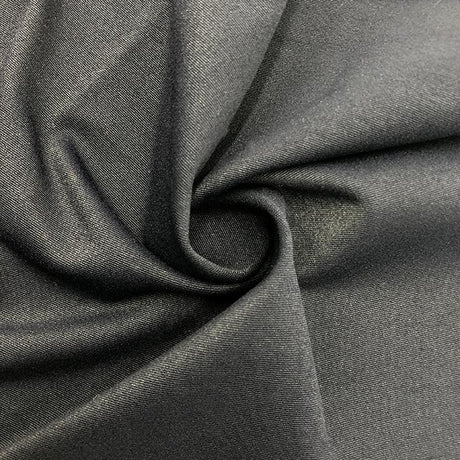
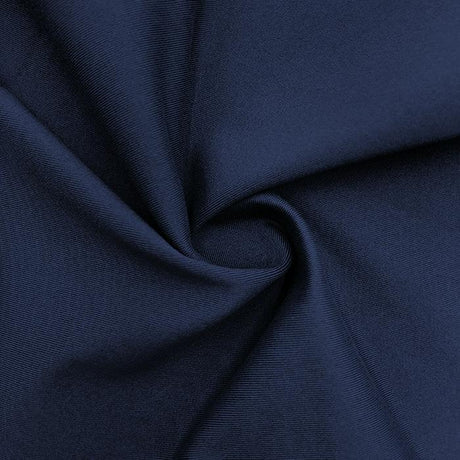
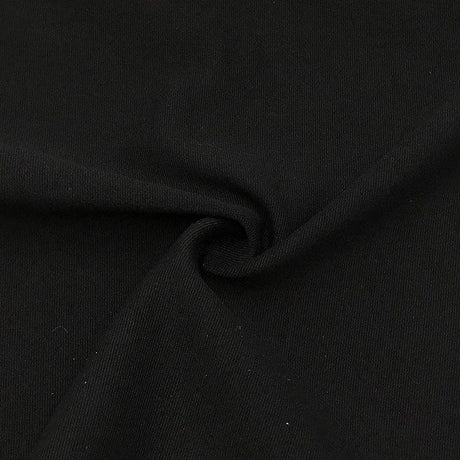
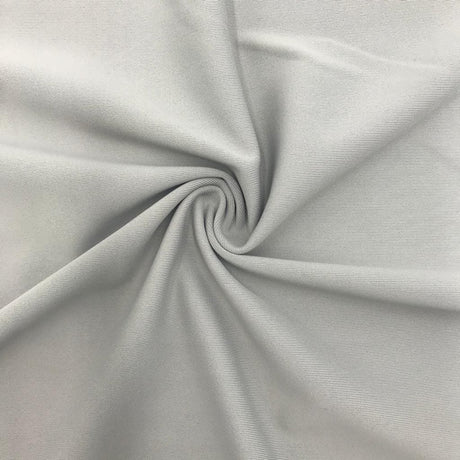
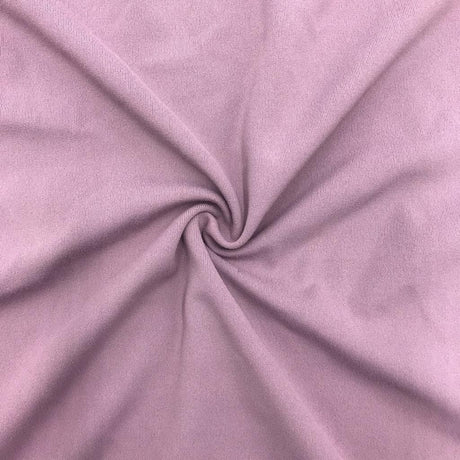
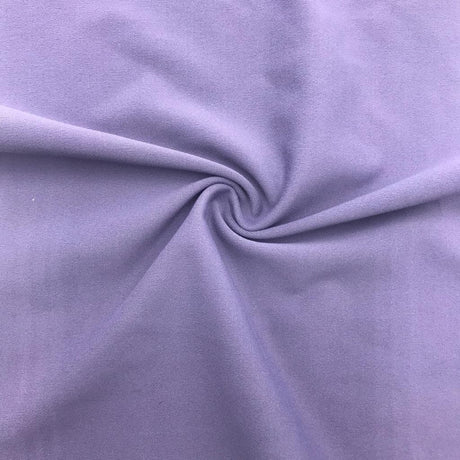
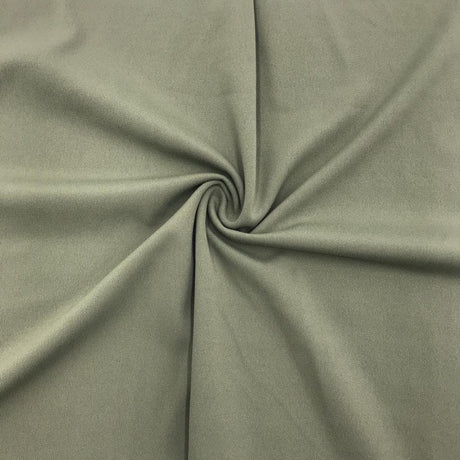
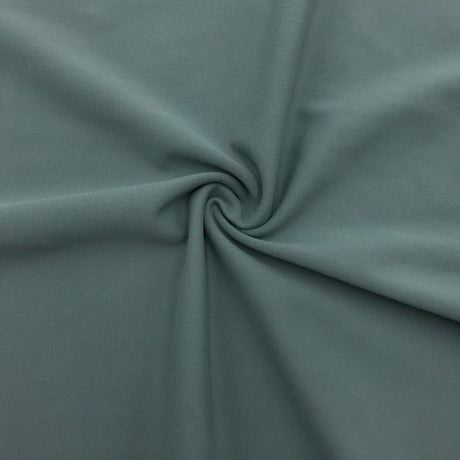
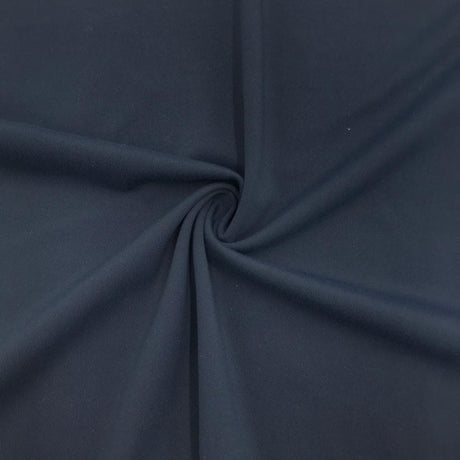
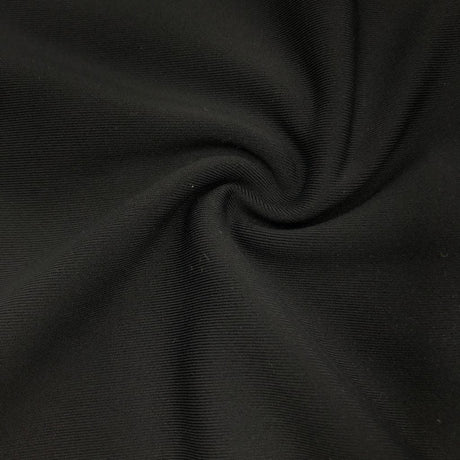
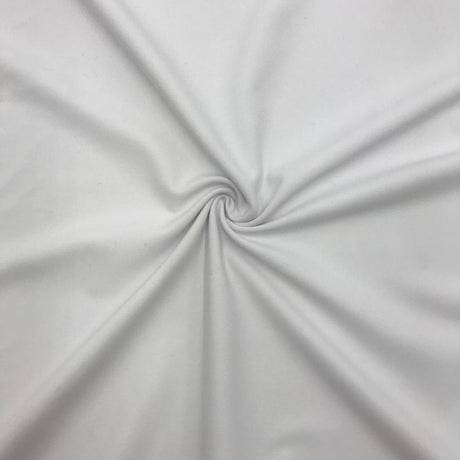
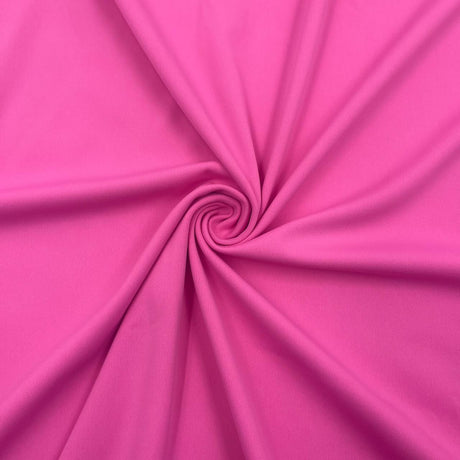
Rash guards and swim shirts are specialized waterwear garments designed for protection and performance. A rash guard (or rash vest) is an athletic swim top made of spandex combined with nylon or polyester, originally meant to guard the skin against abrasion and sunburn. A swim shirt, by contrast, is a looser-fitting sun protection shirt for casual swimming or beach use. Both face demanding conditions – constant stretch, exposure to UV rays, saltwater or chlorine – so choosing the right fabric is critical. The wrong material can lead to a top that sags, fades, or loses shape, whereas the right fabric will withstand chemicals and sun while keeping its fit. Fabric selection is thus a technical decision grounded in function: the goal is to find a textile that balances stretch, recovery, and durability for the intended use. For a broader foundation before diving in, explore our swimwear fabric guide or browse our full fabric guides hub.
Understanding Fabric Performance for Waterwear
Rash guards are form-fitting by design – they rely on fabrics with significant stretch and recovery (elastic "memory" to return to shape). Most use a 4-way stretch knit that moves with the body in all directions, thanks to a high spandex (elastane) content. This distinguishes them from regular T-shirt knits. For example, rash guard material with ~15–20% spandex can stretch up to 300% of its length before losing tension, ensuring a "second skin" fit that won't restrict motion. Equally important is recovery: quality polyester/spandex blends can recover ~98% of their original shape after stretching, whereas some nylon-blend fabrics may start to permanently stretch out after a dozen intense uses. Our stretch fabric types page explains how to evaluate recovery ratings and stretch percentages across the most common swim fabric constructions.
In addition to flexibility, waterwear fabrics must endure harsh elements. Chlorine in pools, salt in ocean water, and intense UV sunlight all degrade textiles over time. Heat, salt, and UV exposure can break down spandex fibers – when that happens, the fabric's snap-back recovery suffers and it may lose its elasticity. That's why performance swim fabrics often include protective treatments or specialty fibers. Standard surf rash guards (usually nylon/spandex) feel soft and stretchy but will degrade if exposed to pool chlorine frequently. In contrast, fabrics engineered for lap swimming or aqua aerobics are often polyester-based or use chlorine-resistant elastane to withstand hundreds of hours in the pool. Our fabric finishes guide covers chlorine-resistant coatings and UV-protective treatments and how they interact with different fiber types.
UV protection is also a factor: an untreated lightweight knit might only provide minimal UPF on its own, so many rash guard fabrics are woven tighter or treated to achieve UPF 50+ ratings for serious sun defense. Polyester has an advantage here with a fiber structure that inherently blocks more UV. In summary, high-performance rash guard material must deliver 4-way stretch with strong recovery, chlorine/salt resistance, and UV stability. For most surf and swim shirts, the choice comes down to spandex-blended synthetics – and understanding the differences between nylon vs. polyester-based fabrics is key. Our nylon-spandex fabric guide covers how nylon-spandex compares to polyester-spandex in stretch, recovery, and long-term durability for swim applications.
Technical Specifications That Matter
When evaluating rash guard or swim shirt fabric, pay close attention to a few technical specs that speak to performance and feel. Below is a comparison of typical rash guard fabric vs. swim shirt fabric characteristics:
| Spec | Rash Guard Fabric (Performance Fit) | Swim Shirt Fabric (Casual Fit) |
|---|---|---|
| Composition | ~80–90% nylon or polyester + 10–20% spandex | ~85–100% polyester + 0–15% spandex (often little to no spandex) |
| Fabric Weight (GSM) | ~180–200 GSM (medium-weight, supportive) | ~120–150 GSM (lighter, T-shirt like) |
| Stretch & Fit | 4-way stretch, tight compression fit (snug "second skin") | 2-way or limited stretch, relaxed loose fit (like a tee) |
| Typical Use | Active sports: surfing, diving, paddling (minimal drag) | Recreational: snorkeling, beach play, pool lounging (comfort over performance) |
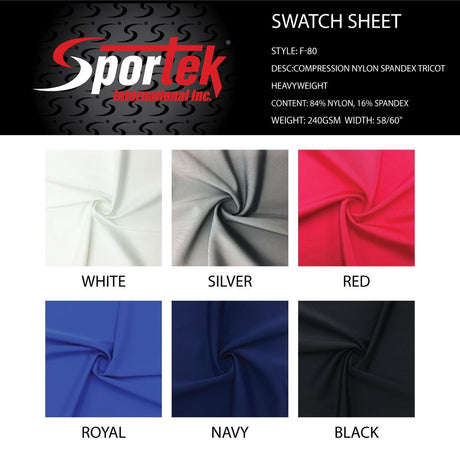
As the table shows, rash guard fabrics nearly always contain a significant spandex percentage (for elasticity) and are heavier and more tightly knitted than casual swim shirts. A typical rash guard material might be an 82% polyester/18% spandex tricot at ~200 GSM, which feels firm and supportive, whereas a swim tee could be 100% polyester at 140 GSM, feeling more like a regular shirt. The higher GSM and spandex content give rash guards their compressive fit and opacity. Our fabric weight guide provides a full breakdown of GSM ranges and how weight affects opacity, support, and performance across swim fabric types.
Nylon-spandex vs. polyester-spandex is a choice you'll encounter frequently. Nylon blends are typically a bit softer and can offer ~12–15% more elasticity than equivalent poly blends, giving that ultra-supple, second-skin feel great for surfing or jiu-jitsu. However, polyester blends excel in chlorine and UV resistance and have fantastic shape retention. Many quality rash guard fabrics use polyester/spandex around 85/15 for durability, while others use nylon/spandex (say 80/20) for maximum stretch. Our nylon-spandex fabric guide covers this comparison in full detail, and our swimwear fabric guide walks through how to apply these distinctions to specific garment types.
How to Choose the Best Fabric for Rash Guards
Choosing the best fabric comes down to matching the material's qualities to your specific use case and preferences. Our how to choose fabric guide provides a structured decision framework that complements the considerations below:
Activity & Environment: High-impact water sports like surfing, kitesurfing, or competitive swimming call for performance textiles. A compression-fit rash guard can reduce water resistance ~15–20% compared to loose fabric, so choose a robust 4-way stretch fabric that won't shift or billow. For casual sun protection while snorkeling or lounging, a lighter, more breathable swim shirt fabric could suffice. Factor in environment: regular pool swimmers should opt for polyester-based or chlorine-safe blends, whereas for ocean use, traditional nylon/spandex surf fabrics are fine (just rinse salt out afterward). Our swimwear fabric guide covers chlorine-resistant options and ocean-use recommendations side by side.
Fit & Silhouette: Compression rash guards (often used in surfing, MMA, or competition) require fabrics with higher spandex content and medium-heavy weight to provide muscle support and snug coverage. Look for ~18% or more spandex and possibly a "muscle compression" labeled fabric. For a looser swim shirt style, a lighter fabric with minimal spandex (or a mechanical stretch knit) will give a T-shirt-like drape. Heavier fabrics (~200+ GSM) feel more supportive and hold shape, while lighter ones drape more but can cling when wet. Our fabric weight guide makes it easy to cross-reference GSM with intended fit and coverage requirements.
Colorfastness & Prints: Polyester spandex blends are generally preferred for vibrant prints and are excellent for dye-sublimation printing, producing crisp, permanent graphics. Many printed rash guard fabrics use poly-based material because the colors resist fading and the print doesn't wash out. Our sublimation guide and sublimation transfer paper resources cover how to create custom swim-ready graphics on polyester stretch fabrics. If your design involves bold prints or you need guaranteed colorfastness in chlorine/sun, lean toward a polyester swim fabric or ensure the nylon is specifically labeled for print/UV stability.
Hand Feel & Comfort: Nylon/spandex is known for a softer, silkier handfeel, whereas polyester/spandex, while greatly improved in modern textiles, can feel slightly firmer. If you have sensitive skin or are making kids' rash guards, you might prefer a fabric with a higher nylon content for comfort. Our expert help and advice page is available if you need guidance on specific fabric options for sensitive skin or specialty applications.
Quick Checklist – Key Questions to Ask When Evaluating Rash Guard Fabric:
- Will it be used in chlorine pools, saltwater, or both? (Ensure the fabric is chlorine-resistant for heavy pool use)
- Does it offer UV protection? (Look for a UPF rating like 50+, especially for sun shirts – see our fabric finishes guide)
- How much stretch and support does it provide? (Is it 4-way stretch? What's the spandex %? See stretch fabric types)
- Is the fit intended to be tight or loose? (Choose appropriate weight and spandex content – see fabric weight guide)
- Are you printing or using light colors? (Consider polyester blends for better colorfastness and opacity – see sublimation)
Common Mistakes to Avoid When Working with Rash Guard Fabrics
Using Non-Chlorine-Resistant Fabric for Swim Team/Pool Use: One of the biggest errors is using a standard surf rash guard fabric (often a nylon/spandex blend) for a product that will see heavy pool use. Regular elastane will degrade quickly in chlorinated water, causing the garment to lose stretch and elasticity. Use 100% polyester or chlorine-safe spandex blends for any gear intended for frequent pool swimming. Fabrics labeled for chlorine resistance (e.g. with Xtra Life Lycra® or PBT fiber) are a must for longevity in the pool. Our swimwear fabric guide covers chlorine-resistant fabric options in detail.
Choosing the Wrong Fabric Weight for the Job: A mistake some make is picking a fabric that's too lightweight for a tight-fitting rash guard – the result can be a top that is see-through when stretched or that lacks the desired compression support. If you're making a form-fitting rashie in a light color, err on the side of a heavier knit (~200–220 GSM) or add a lining for coverage. Conversely, using an overly thick or rubbery fabric for a relaxed-fit sun shirt could make it unnecessarily hot and restrictive. Our fabric weight guide provides clear GSM guidance matched to rash guard vs. swim shirt applications.
Sewing with the Wrong Needles or Stitch: Rash guard fabric (with high spandex content) is very stretchy, so using a regular sewing machine needle and straight stitch is a recipe for popped seams. Always use a ballpoint or stretch needle that slips between knit fibers instead of piercing them. Use a stretch stitch or narrow zigzag stitch if not serging – a normal straight stitch will break as soon as the fabric stretches. Our how to sew stretch fabric guide covers needle selection, stitch settings, and feeding techniques for high-spandex swim fabrics in detail.
Using the Wrong Thread: For swimwear you should avoid cotton thread at all costs. Chlorine and UV light will deteriorate cotton thread quickly, potentially causing seams to fail. Use a polyester thread for all construction – polyester thread is strong, has a bit of give, and resists chlorine and sun damage. For serging, many professionals use woolly nylon in the loopers, as this fluffy nylon thread has extra stretch and creates soft, flexible seams. Our how to sew stretch fabric guide covers thread pairing recommendations for swim and rash guard construction.
Poor Care and Handling of the Fabric: The most common care mistake is tossing rash guards in the dryer – high heat literally bakes the spandex, causing it to lose elasticity permanently. Always air-dry stretch swimwear. Never wring them forcefully, as this can distort the fibers. Rinse your rash guard in cool fresh water after each use and use a mild detergent when washing. Our spandex care guide covers heat sensitivity and chlorine-related care requirements for elastane-blend fabrics, and our fabric care guide provides complete laundering protocols for swimwear.
When to Use Alternative Fabric Types
Polyester vs. Nylon – Durability vs. Softness: If your priority is absolute durability (for example, outfitting a swim team or producing uniforms that must endure daily training), a polyester-spandex fabric is often the best choice. Polyester blends are acclaimed for their ability to resist chlorine degradation and UV fading – swimsuits made of 100% polyester or poly/PBT can last multiple times longer in chlorinated water than those with standard nylon-spandex. On the flip side, if soft feel and high stretch are top priorities (for casual beach wear or for someone with sensory concerns), a nylon-spandex might be preferable for its smoother, silkier touch and slightly superior elasticity. Our nylon-spandex fabric guide compares these two blends in full detail across stretch, recovery, handfeel, and chlorine resistance.
Recycled or Sustainable Options: Sustainability is increasingly important in fabric selection. Recycled polyester or nylon swim fabrics now perform on par with virgin fibers. Labels like Repreve® (recycled polyester) or Econyl® (regenerated nylon) offer the same stretch and resilience with a much lower environmental footprint. Recycled poly retains all the chlorine and UV resistance advantages of standard polyester – you don't have to sacrifice performance to choose a greener option. Our fabric guides hub covers sustainable fiber options and their performance characteristics for swim applications.
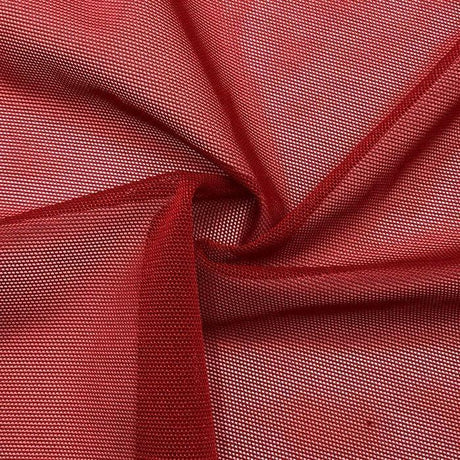
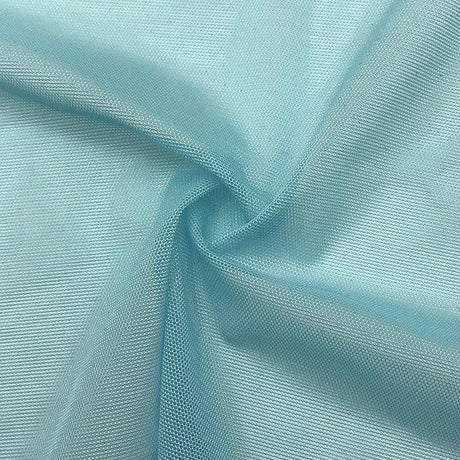
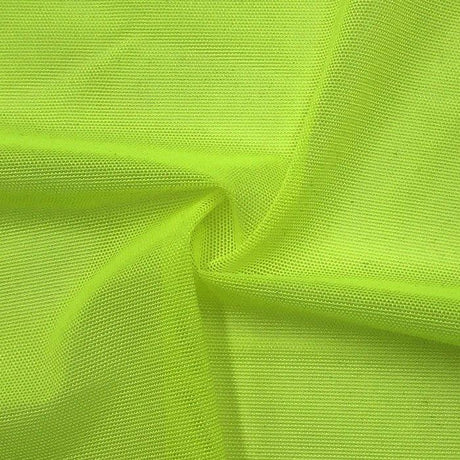
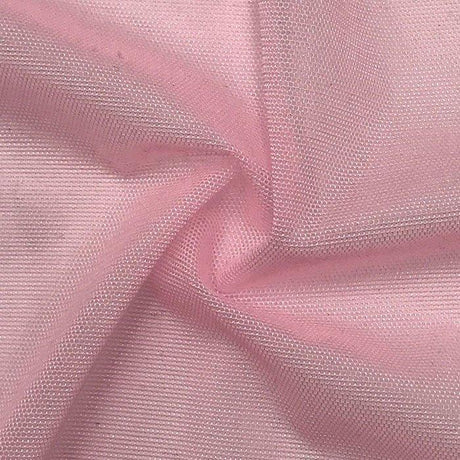
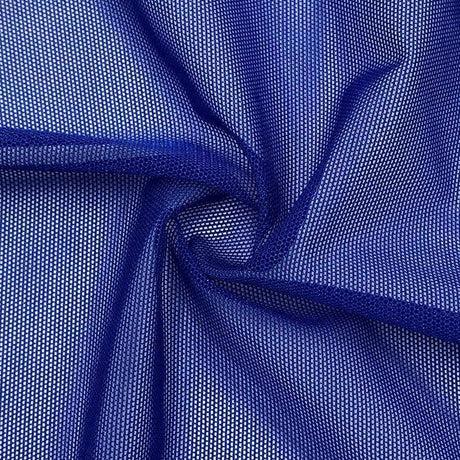
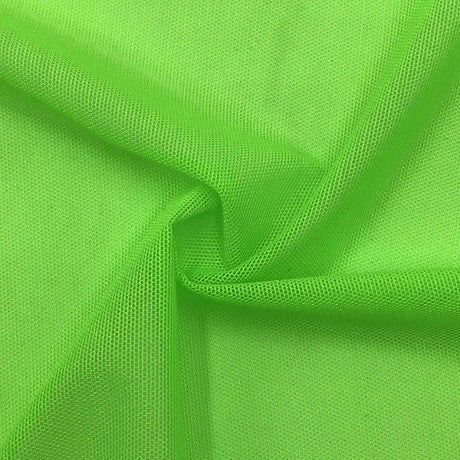
Specialty Knits (PBT, Mesh, etc.): For a completely chlorine-proof solution (for a swim club that trains daily), PBT polyester blends are an option. PBT is a type of polyester that can stretch (usually 2-way) without needing spandex and is highly chlorine resistant. Some competitive swim rash guards or skins are made of 100% poly/PBT and last a long time in pool water. Another alternative is using power net or mesh panels in certain areas – for example, a rash guard might use a spandex power mesh lining in the front for extra compression or a mesh underarm panel for ventilation. Our stretch fabric types page covers power mesh constructions and how they compare to standard swim knits for use as lining and panel applications.
Aesthetics: Matte vs. Shiny: Nylon-spandex usually has a slight sheen, giving rash guards that shiny finish associated with surf shirts. Polyester can be either matte or shiny depending on yarn and knit. Colors can appear differently too: nylon's smooth fibers often make colors pop brightly; polyester might have a bit more texture. Neither is "better," but it's a stylistic choice. For custom-printed rash guards, our sublimation guide and sublimation paper resources cover how to achieve vivid, wash-stable graphics on both fiber types.
If you need personalized guidance on fabric selection for a specific rash guard or swim shirt project, our expert help and advice page connects you with knowledgeable staff, and our FAQ page answers common ordering and specification questions.
Conclusion
In summary, the best fabric for a rash guard or swim shirt is one that meets the wearer's performance needs while standing up to the environmental stresses it will face. For most, a quality polyester/spandex or nylon/spandex blend with 4-way stretch and a weight around 180–200 GSM hits the sweet spot – offering a balance of flexibility, coverage, and durability. Lean toward poly-spandex if maximum chlorine and UV resistance or printability is required, and toward nylon-spandex if you value a softer handfeel and extreme stretch. Ensure the fabric has good recovery so it won't bag out after use, and check for enhancements like UPF ratings or chlorine-proof elastane if those are relevant to your use.
Ready to find the right fabric for your project? Explore our swimwear fabric guide for curated rash guard fabric recommendations, use our stretch fabric types page and fabric weight guide to compare your options, and visit our how to sew stretch fabric guide when you're ready to start constructing. Our spandex care guide and fabric care guide will keep your finished pieces performing beautifully season after season. Sign up for SpandexByYard Rewards to earn points on every purchase – because the right fabric makes every wave worth it.