Choosing the correct fabric weight is one of the most important yet misunderstood steps in creating stretch garments. From home sewists to professional apparel manufacturers, many struggle to find the right balance between fabric thickness, stretch, and performance. When the fabric weight is poorly matched to the garment's purpose, the results can be disappointing – leggings may become see-through, bodysuits may lack support, or swimwear may feel stiff and uncomfortable.
Fabric weight, commonly measured in grams per square meter (GSM), plays a direct role in how a stretch garment looks, feels, and performs on the body. It affects opacity, support, drape, durability, and even comfort in different climates. Finding the "just right" weight – neither too light nor too heavy – is essential for garments such as bodysuits, leggings, and swimwear, which rely heavily on elasticity and recovery. For a broader foundation before diving in, explore our fabric guides hub or visit our how to choose fabric guide for a structured decision framework.
Educational Foundation: What Is Fabric Weight (GSM) and Why It Matters
Understanding GSM
Fabric weight is typically expressed as GSM, or grams per square meter. This measurement indicates how much a square meter of fabric weighs. A higher GSM means the fabric is denser and heavier, while a lower GSM indicates a lighter, thinner material. Because GSM is standardized, it allows accurate comparisons between different fabrics regardless of fiber type or weave.
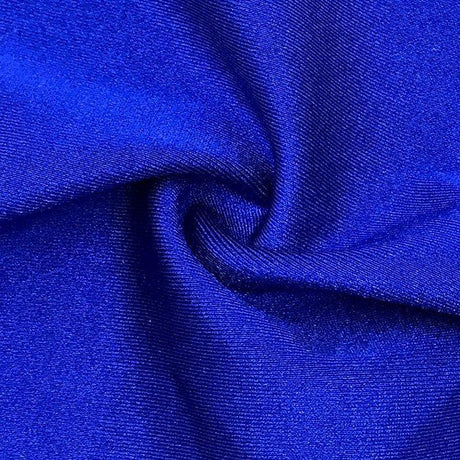
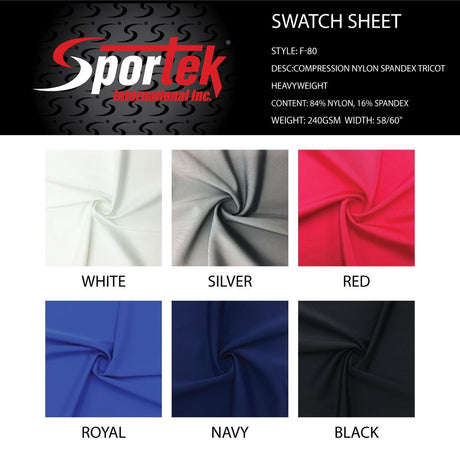
In stretch fabrics, GSM provides valuable insight into how substantial a material will feel. For example, a 300 GSM spandex knit feels thick, firm, and supportive, while a 150 GSM knit feels lightweight and fluid. Both fabrics stretch, but their behavior in a finished garment is very different. Our stretch fabric types page explains how GSM interacts with stretch percentage and recovery ratings across the most common activewear knit constructions.
Heavy vs. Light Stretch Fabrics
Heavier stretch fabrics generally offer more structure, opacity, and compression. They tend to feel supportive and hold their shape well, making them suitable for garments that require coverage or control. Lighter stretch fabrics have a softer drape and greater flexibility but may become translucent when stretched and offer less support. Our activewear fabric guide covers how weight ranges translate to real-world performance across leggings, sports bras, and other form-fitting garments.
Key Performance Factors Influenced by Fabric Weight
Opacity and Coverage: Lower-GSM stretch fabrics, particularly those under approximately 150 GSM, can appear semi-sheer when stretched over the body. Higher-GSM fabrics are usually more opaque, which is especially important for leggings and swimwear. Our swimwear fabric guide covers opacity requirements for swim applications and how lining affects coverage at different GSM levels.
Support and Drape: High-GSM fabrics typically provide more compression and support, but they drape less fluidly. Low-GSM fabrics drape easily and feel light against the skin, though they provide minimal shaping or hold. Our dancewear fabric guide covers how drape and support interact in performance costuming where both movement and silhouette matter.
Breathability and Warmth: Lightweight stretch knits allow more airflow and feel cooler, making them suitable for warm weather or layering. Heavier fabrics trap more heat and can feel warmer, which may be beneficial or undesirable depending on the garment's use. Our activewear fabric guide covers breathability ratings across weight ranges for performance applications.
Durability: Fabrics with a higher GSM usually withstand repeated stretching, wear, and washing more effectively. Lighter fabrics may be more prone to pilling or loss of elasticity over time. Our fabric finishes guide covers anti-pilling treatments and other surface finishes that can extend the lifespan of lighter-weight stretch fabrics.
The Takeaway
Understanding GSM makes it easier to predict how a stretch fabric will behave. Lower GSM fabrics result in lightweight, breathable garments, while higher GSM fabrics create sturdy, opaque, and supportive pieces. The ideal choice depends on the intended function of the garment. Our how to choose fabric guide walks through this decision framework systematically for all common stretch garment types.
Technical Comparison: Stretch Fabric Weight Chart
Before examining specific garment types, it is helpful to compare common stretch fabrics side by side. Bodysuits, leggings, and swimwear all require high elasticity, yet they differ in weight, fiber composition, and performance characteristics.
| Garment Type | Typical GSM | Stretch | Common Composition |
|---|---|---|---|
| Bodysuit (Dancewear Tricot) | ~200 GSM | ~75% 4-way stretch | 80% Nylon / 20% Spandex |
| Leggings (Activewear Knit) | ~220 GSM | ~50% 4-way stretch | 85% Polyester / 15% Spandex |
| Swimwear (Tricot Lycra) | ~250 GSM | ~60% 4-way stretch | 80% Nylon / 20% Spandex |
The chart highlights several trends. Swimwear fabrics tend to be the heaviest to ensure opacity and support, particularly when wet. Legging fabrics usually fall into a mid-weight range, balancing comfort with coverage. Bodysuit fabrics vary widely depending on whether the garment prioritizes flexibility, fashion, or compression. Although all of these fabrics stretch significantly, heavier materials typically provide stronger recovery and hold due to higher fiber density. For a full breakdown of how fiber composition interacts with GSM, visit our nylon-spandex fabric guide and our stretch fabric types page.
Choosing the Right Fabric Weight by Project
Bodysuits
Bodysuits serve many purposes, from dance and athletic wear to everyday fashion and shapewear. Performance-oriented bodysuits often rely on higher-GSM fabrics, usually between 200 and 300 GSM, to maintain opacity and support during movement. These fabrics provide a secure, compressive fit that stays in place. Our dancewear fabric guide covers fabric weight recommendations for dance and performance bodysuits in detail.
Fashion bodysuits designed for casual wear or layering generally use mid-weight fabrics around 150 to 200 GSM. These materials offer comfort and breathability while remaining sufficiently opaque for daily use. Shapewear bodysuits typically use heavier fabrics within the same upper range as performance wear, relying on dense knits and higher spandex content to create smoothing and compression.
Regardless of weight, successful bodysuit fabrics combine stretch with strong recovery. A fabric that stretches easily but fails to return to its original shape will not perform well, even at a higher GSM. Our stretch fabric types page explains how to evaluate recovery ratings when comparing bodysuit fabric options.
Leggings
Leggings usually perform best in the mid-weight range of approximately 180 to 250 GSM. Fabrics at the lower end of this range provide a soft, second-skin feel that works well for yoga or lounging. As GSM increases toward 220–250, leggings become more supportive and reliably opaque, which is preferred for gym wear and high-movement activities. Our activewear fabric guide covers legging fabric recommendations across weight ranges and end-use applications.
Fabric composition also influences how weight is perceived. A 250 GSM cotton-spandex fabric feels heavier and warmer than a nylon-spandex fabric at the same GSM. Technical activewear leggings often use nylon or polyester blends around 230–250 GSM to balance durability, moisture management, and compression. Our nylon-spandex fabric guide and cotton-spandex fabric guide compare these two popular legging blends in full detail.
Stretch recovery remains just as important as weight. Adequate elastane content ensures that leggings retain their shape over time rather than sagging at the knees or waistband. Our spandex care guide covers how to preserve elastane recovery through repeated laundering, which directly affects how long leggings maintain their intended weight and performance.
Swimwear
Swimwear generally requires heavier stretch fabrics than everyday apparel. Most quality swim fabrics fall between 200 and 250 GSM, with competitive swimwear sometimes reaching 300 GSM. Heavier fabrics resist transparency and maintain their shape when exposed to water. Our swimwear fabric guide covers chlorine-resistant fabric options, opacity requirements, and GSM recommendations for recreational vs. competitive swim applications.
Many swimsuits combine an outer fabric with a lining to increase coverage and support without excessive bulk. This layered approach allows designers to use a slightly lighter outer fabric while still achieving opacity. High elastane content and 4-way stretch are essential, ensuring the garment moves with the body and recovers after swimming. Our stretch fabric types page explains how 4-way stretch construction interacts with GSM in swim fabric performance.
Different swimwear applications influence fabric choice. Competitive suits prioritize compression and performance, while fashion swimwear may allow more flexibility in weight when supported by lining and design features. Our swimwear fabric guide walks through these distinctions with fabric-specific recommendations for each application.
Common Mistakes to Avoid
Selecting a fabric weight that does not suit the garment's purpose is the most frequent issue. Lightweight fabrics used where coverage is required often lead to transparency, while overly heavy fabrics can restrict movement. Our how to choose fabric guide helps you match GSM to garment function before you commit to purchasing.
Focusing solely on GSM without considering stretch quality is another common oversight. Inadequate recovery can cause sagging even in heavier materials. Always evaluate stretch percentage and recovery alongside GSM. Our stretch fabric types page explains how to read and compare these specs when selecting fabric.
Improper stitching techniques or unsuitable needles can compromise seams in stretch fabrics regardless of weight. Our how to sew stretch fabric guide covers needle selection, stitch choice, and tension settings matched to fabric weight and spandex content.
Neglecting linings in garments that require extra coverage – such as swimwear – can lead to disappointing results even when the outer fabric GSM seems adequate. Our swimwear fabric guide covers lining selection and layering strategies for opacity and support.
Improper care, including high heat or harsh detergents, can quickly degrade the elasticity of high-spandex fabrics at any GSM. Our spandex care guide and fabric care guide cover laundering best practices that preserve both GSM integrity and elastane recovery over time.
When Alternative Stretch Fabrics Make Sense
Cotton-spandex blends offer comfort and breathability, making them suitable for casual bodysuits or everyday leggings in the 180–220 GSM range. However, they are not ideal for swimwear or high-sweat activities due to reduced recovery when wet. Our cotton-spandex fabric guide explains when cotton blends are appropriate and what construction adjustments they require at different GSM levels.
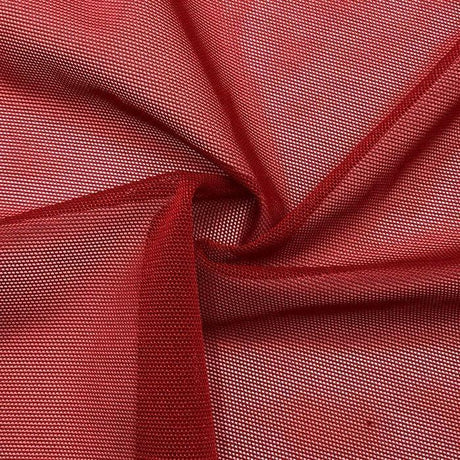
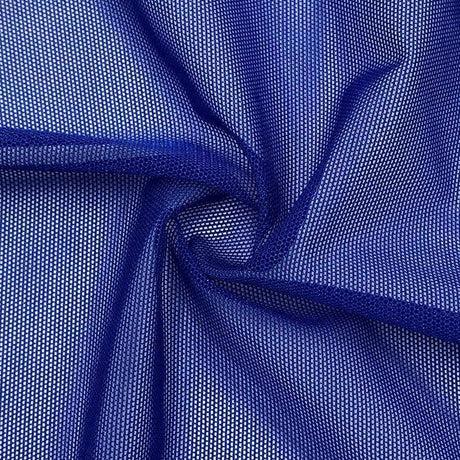
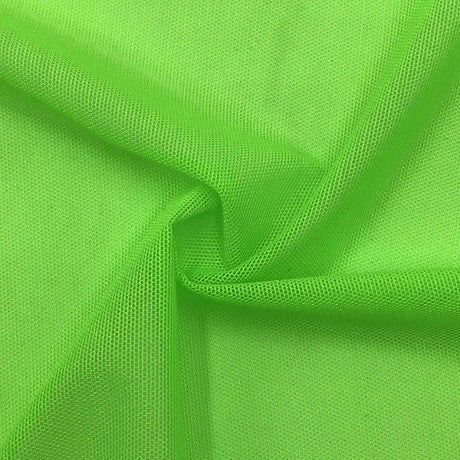
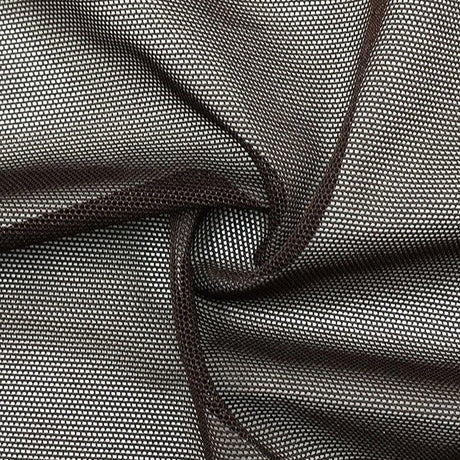
Stretch mesh and power mesh serve well as design elements, linings, or breathable panels. These fabrics are lightweight and flexible but lack the strength and opacity required for primary garment construction. Our stretch fabric types page covers power mesh constructions and how they compare to standard performance knits for use as lining and panel applications.
Other alternatives, such as Supplex nylon or bamboo blends, provide different tactile and performance benefits, though their stretch and recovery should always be evaluated carefully before use in bodysuits, leggings, or swimwear. Our nylon-spandex fabric guide covers Supplex and other nylon-based alternatives in detail. If you need help evaluating a specific fabric option for your project, our expert help and advice page connects you with knowledgeable staff, and our FAQ page answers common ordering and specification questions.
Conclusion
Fabric weight plays a defining role in the success of stretch garments. GSM directly influences opacity, support, comfort, and durability in bodysuits, leggings, and swimwear. By understanding recommended weight ranges and how they interact with fiber content and stretch recovery, designers and makers can avoid common pitfalls and achieve more reliable results.
Armed with this knowledge, selecting fabric becomes a deliberate and confident process rather than a guessing game. When the right fabric weight is chosen, the finished garment not only fits better but also performs as intended and lasts longer – an outcome every apparel project aims to achieve.
Ready to put this into practice? Use our stretch fabric types page and how to choose fabric guide to compare your options, reference our activewear fabric guide, swimwear fabric guide, and dancewear fabric guide for garment-specific recommendations, and keep our fabric care guide and spandex care guide handy once your project is complete. Sign up for SpandexByYard Rewards to earn points on every purchase – because the right GSM makes all the difference.