Nylon Spandex vs Polyester Spandex for Swimwear: Which Fabric Is Better?

Choosing the right swimwear fabric affects comfort, stretch, durability, and overall performance. Two of the most common options are nylon spandex and polyester spandex. Both are widely used in swimwear and activewear, but each has distinct strengths depending on your project. Understanding how they differ will help you match the perfect material to your design—whether you are sewing premium resort bikinis, competition suits, or print-heavy fashion pieces. This guide breaks down the pros and cons of each so you can buy with confidence when you shop swimwear fabric by the yard.
Nylon Spandex vs Polyester Spandex at a Glance
| Feature | Nylon Spandex | Polyester Spandex |
|---|---|---|
| Hand feel | Soft, smooth, luxurious | Slightly firmer, sleek |
| Stretch & recovery | Excellent 4-way stretch | Very good, holds shape |
| Color retention | Good | Excellent |
| Chlorine & UV resistance | Moderate | High |
| Drying speed | Fast | Very fast |
| Best for | Premium fashion swimwear | Printed & performance swimwear |
Why Nylon Spandex Is Popular
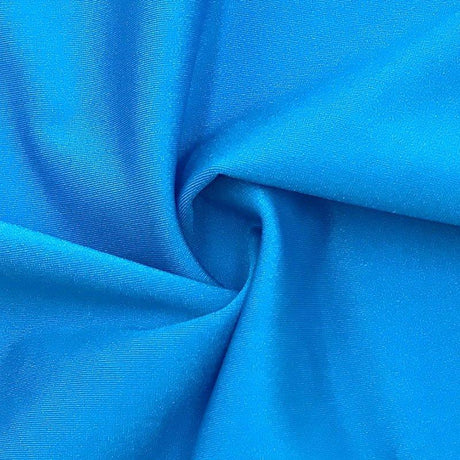
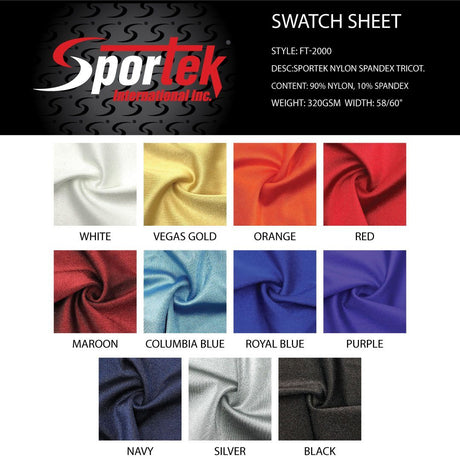
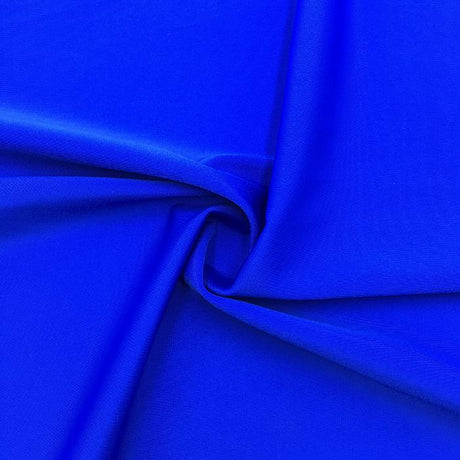
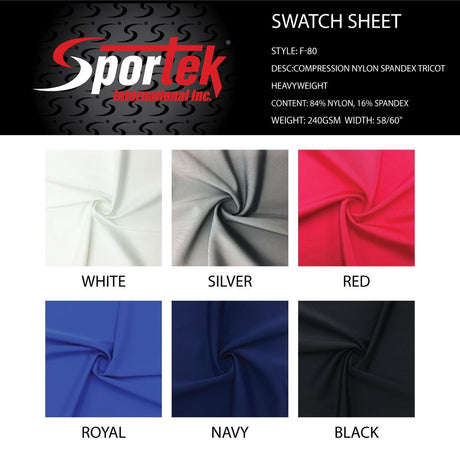
Nylon spandex is known for its soft hand feel and smooth finish. It provides excellent stretch and recovery while creating a comfortable, body-skimming fit that feels luxurious against the skin. This is the fabric many designers reach for when they want a high-end look and a buttery-soft texture.
- Soft and smooth texture
- Excellent 4-way stretch
- Comfortable, second-skin fit
- Beautiful drape that flatters the body
- Popular for premium and fashion swimwear
Because of its refined feel and natural sheen, nylon spandex is the go-to for boutique bikinis, resort wear, and any suit where comfort and a luxurious appearance are top priorities. Browse our nylon spandex fabric collection to see the range, and read the dedicated nylon spandex fabric guide for a closer look at weights and uses.
Benefits of Polyester Spandex
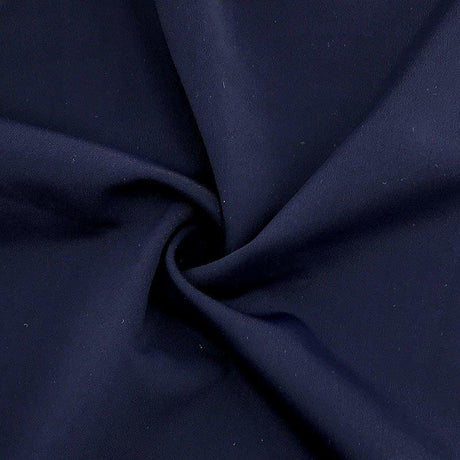
Polyester spandex trades a touch of softness for outstanding durability and color performance. It absorbs very little water, resists fading from sun and chlorine, and grips dye and prints exceptionally well—making it a workhorse fabric for suits that see heavy, repeated use.
- Excellent color retention that resists fading
- Durable, long-lasting performance
- Strong moisture management and quick drying
- Superior print and pattern clarity
- Common in both activewear and swimwear
If your designs lean toward bold, vibrant prints or need to survive frequent pool and beach days, polyester-based knits are hard to beat. They are also the standard choice for sublimation printing, since polyester fibers bond permanently with sublimation dyes. For that workflow, explore our sublimation spandex tricot, and for ready-made designs, our printed spandex collection offers bold patterns and crisp, long-lasting color.
The Key Differences Explained
Both fabrics offer reliable four-way stretch and a flattering fit, so the decision usually comes down to four practical factors.
Softness and comfort. Nylon spandex wins here. Its smoother fiber gives swimwear that signature silky, luxurious hand feel that customers love against the skin.
Color and print performance. Polyester spandex holds the edge. It resists fading and reproduces prints with sharper detail and richer saturation, which is why it dominates patterned and sublimated swimwear.
Durability and chlorine resistance. Polyester is more resilient against the chlorine, salt, and UV exposure that break fabrics down over time, making it the smarter pick for competitive swimmers and anyone in the water regularly.
Moisture and drying. Both dry quickly, but polyester absorbs less water and dries even faster, while nylon offers a slightly more comfortable, supple feel when wet. To dig deeper into how fiber and construction affect performance, our stretch fabric types and spandex fabric guide resources are well worth a read.
Which Fabric Works Best for Swimwear?
There is no single winner—the best choice depends on your design goals. For luxury softness and comfort, many designers prefer nylon spandex, especially for fashion-forward bikinis and resort one-pieces where feel and drape matter most. For printed fabrics and long-term color performance, polyester spandex can be a strong option, particularly for competition suits, rash guards, and vibrant patterned collections.
Many swimwear brands use both depending on the piece. A common approach is to build a premium fashion line in nylon spandex while producing performance and printed styles in polyester. Both also overlap heavily with adjacent categories, so the same fabrics power activewear fabric, dancewear fabric, and athleisure fabric projects. If you are still weighing your options, our how to choose fabric guide and the focused swimwear fabric guide walk through everything from weight to lining.
Don't Forget Weight, Lining, and Care
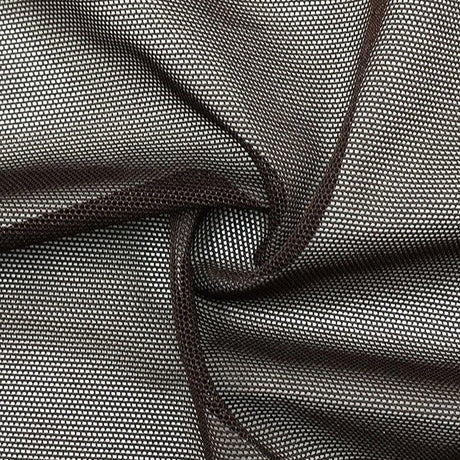
Whichever fiber you choose, a few finishing details determine how professional your suit looks and how long it lasts. Aim for a swim-appropriate weight so the fabric stays fully opaque when wet—our fabric weight guide explains the ideal range. Add structure and opacity with quality lining from our power mesh and lining collection, and protect your finished pieces by following the fabric care guide to keep colors and elastic in top condition. New to working with these knits? The step-by-step tips in our guide to sewing stretch fabric will save you time and frustration.
Shop Swimwear Fabric by the Yard
Explore our collection of swimwear fabric by the yard for bikinis, activewear, beachwear, and custom projects. Whether you prefer the soft luxury of nylon spandex or the bold, durable performance of polyester, you will find the right weight, stretch, and finish for your line. You can also explore our printed spandex collection for striking patterns, or check out the latest colors and prints in our new arrivals. Still not sure which fabric fits your project? Reach out through our expert help and advice page and we will point you in the right direction.