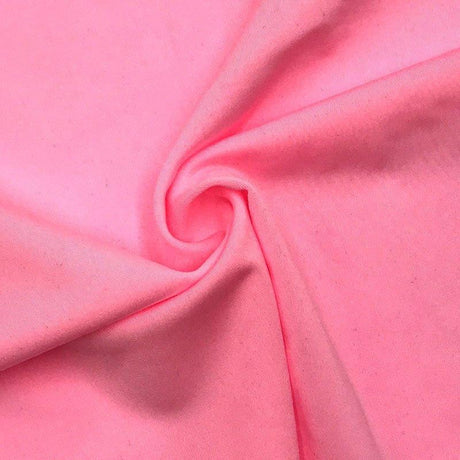
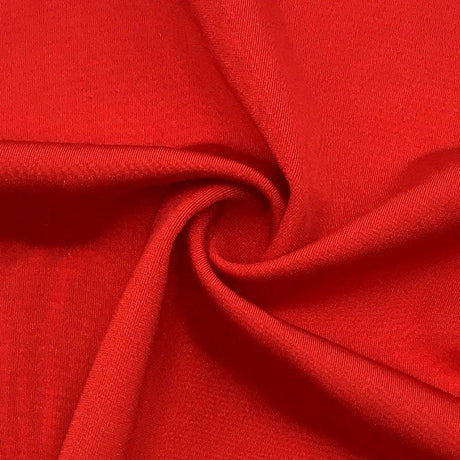
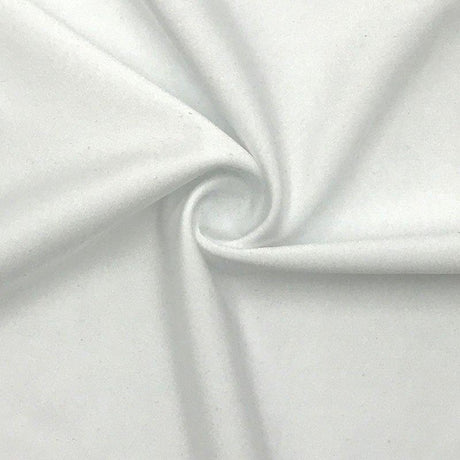
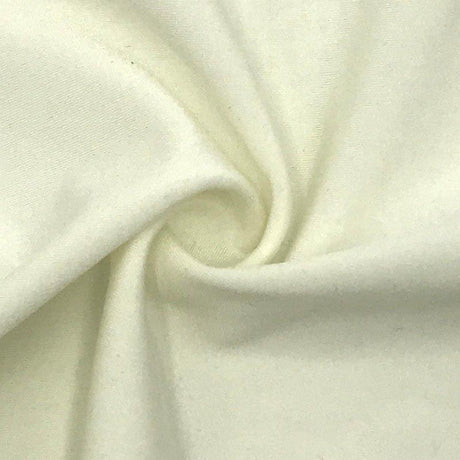
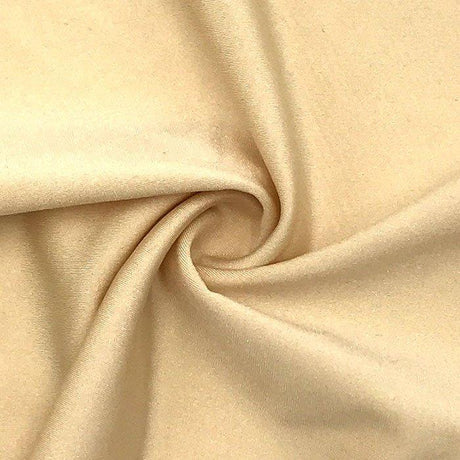
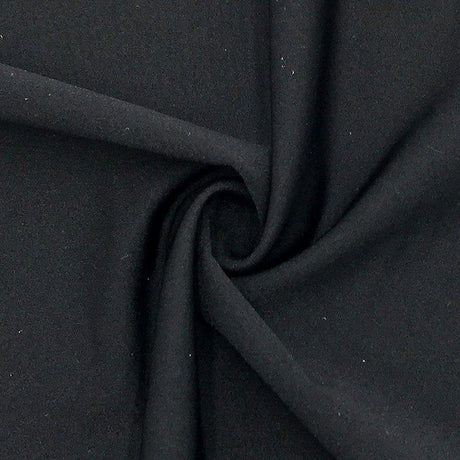
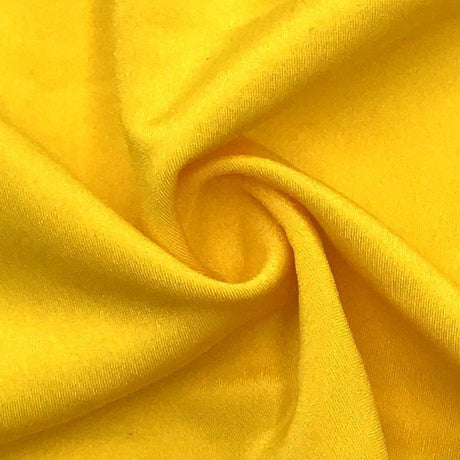
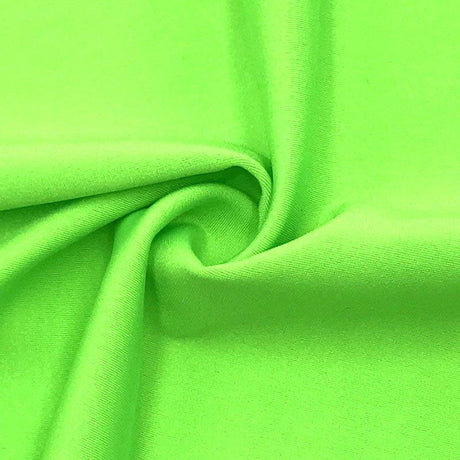
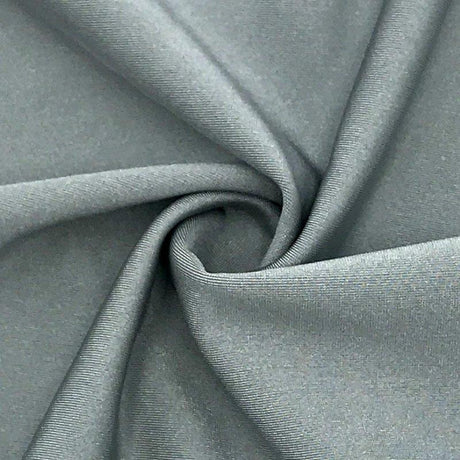
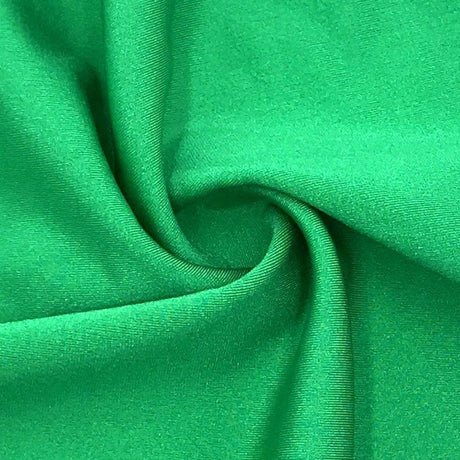
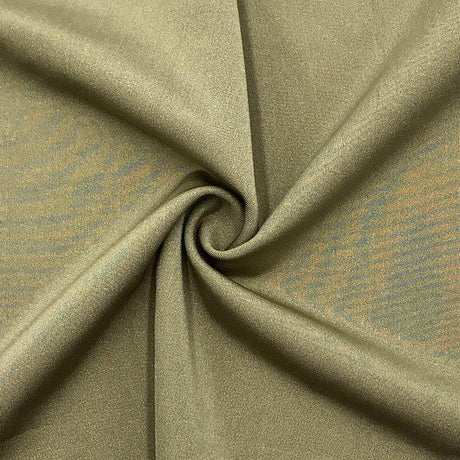
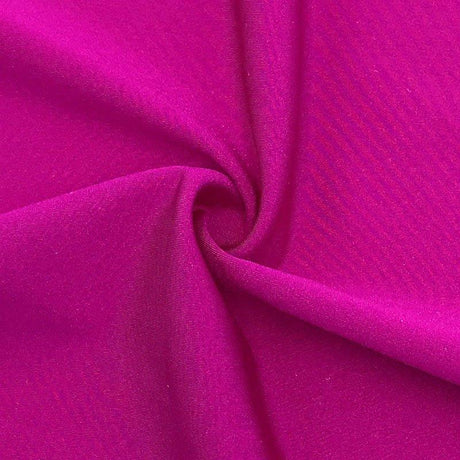
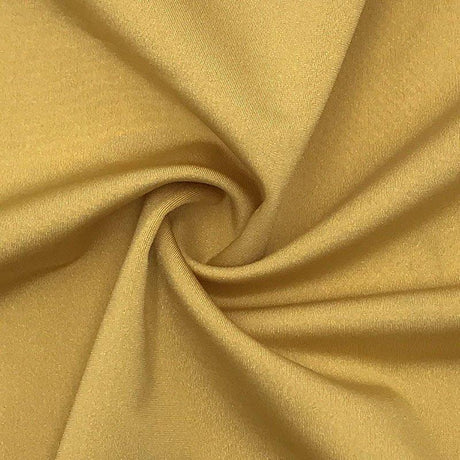
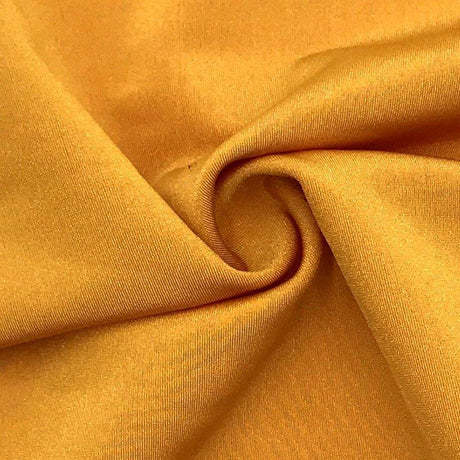
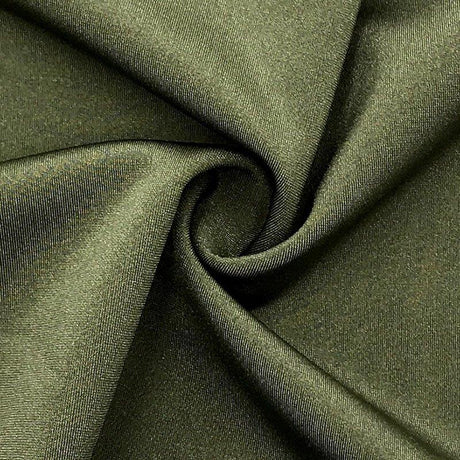
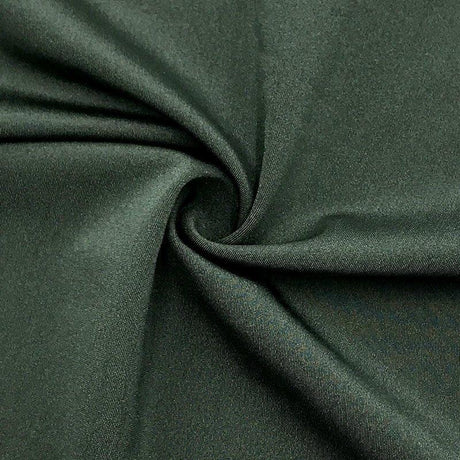
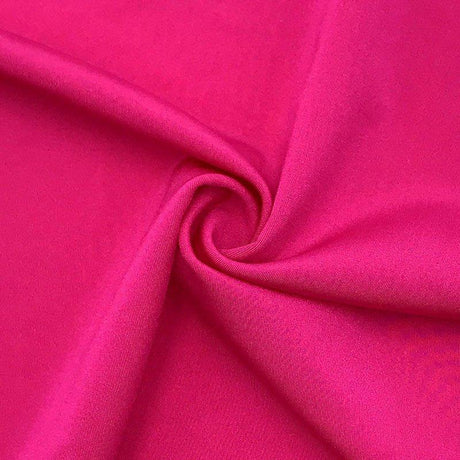
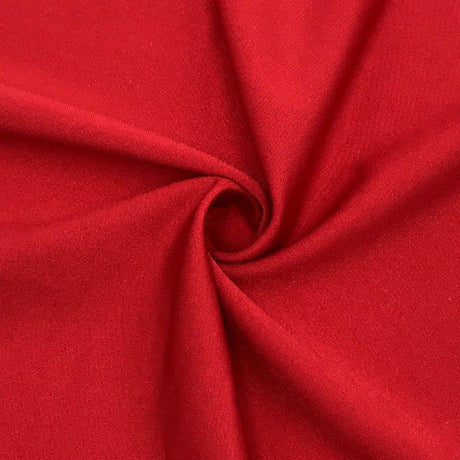
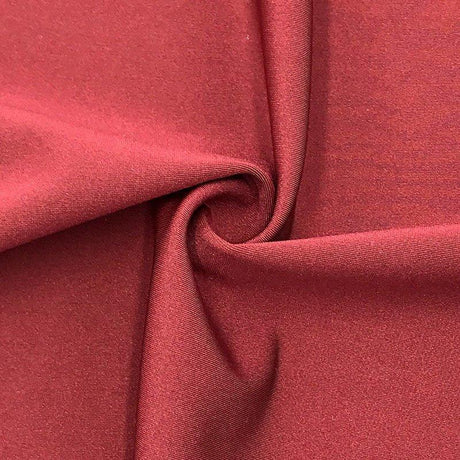
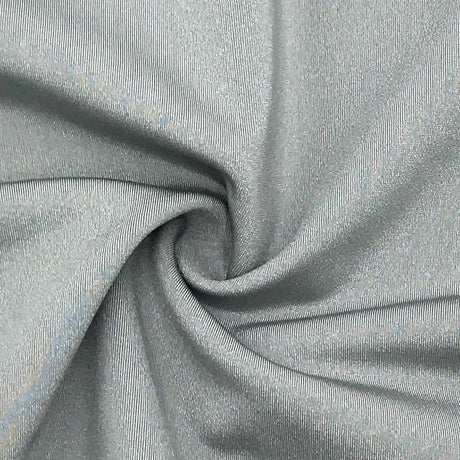
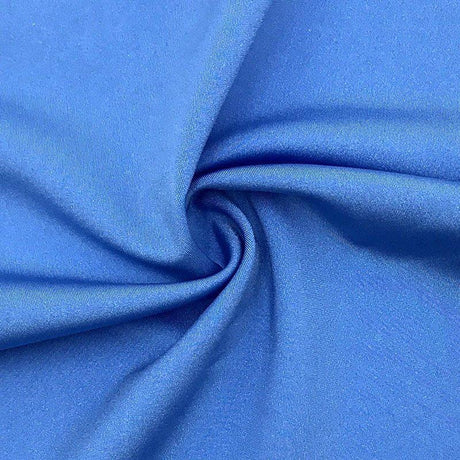
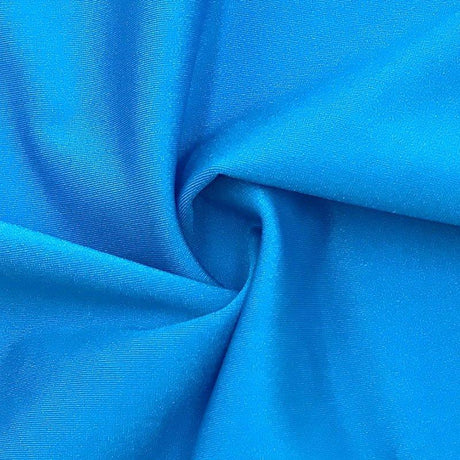
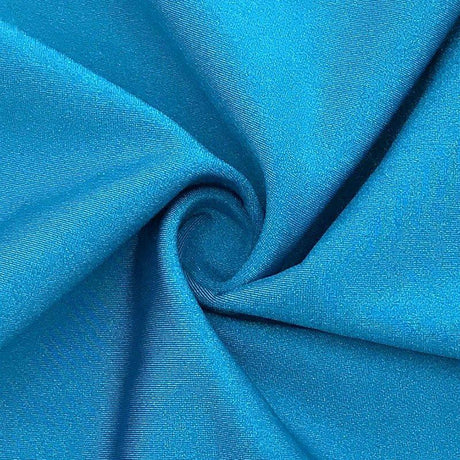
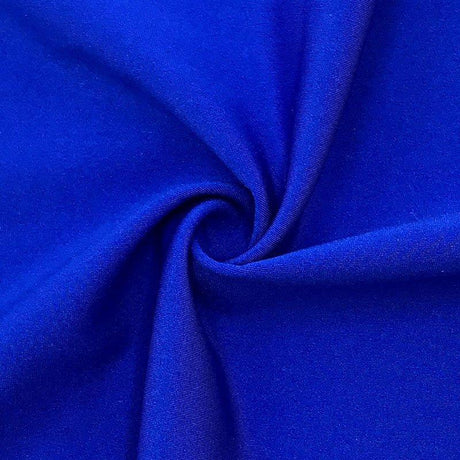
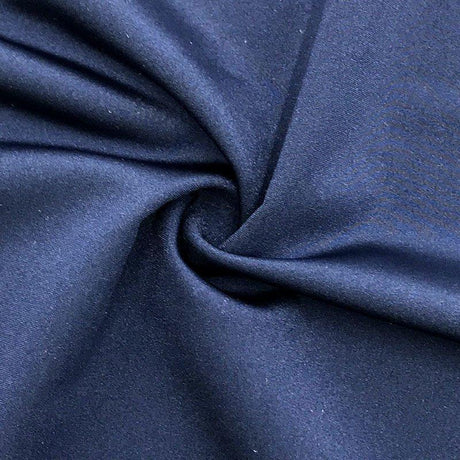
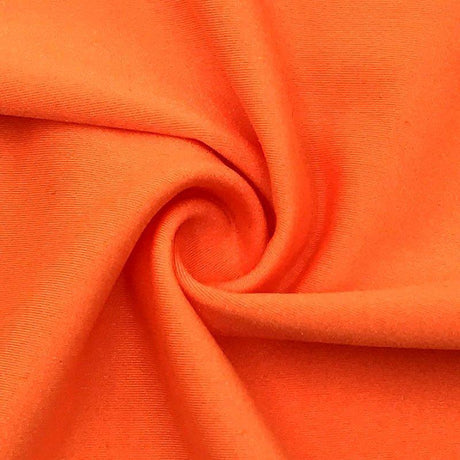
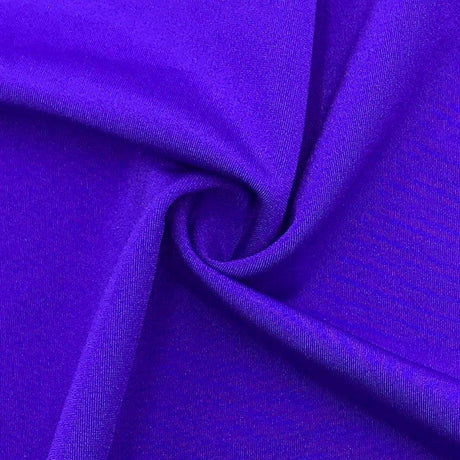
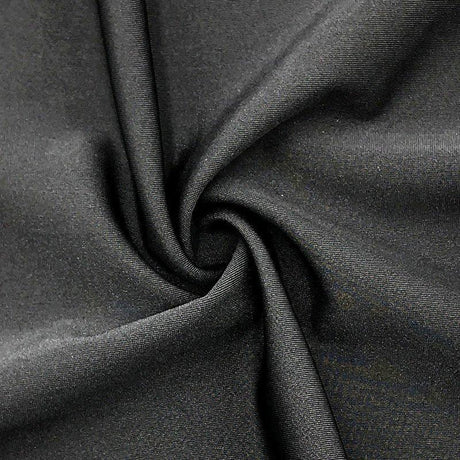
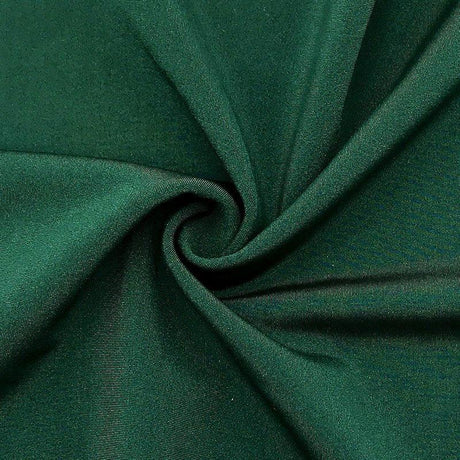
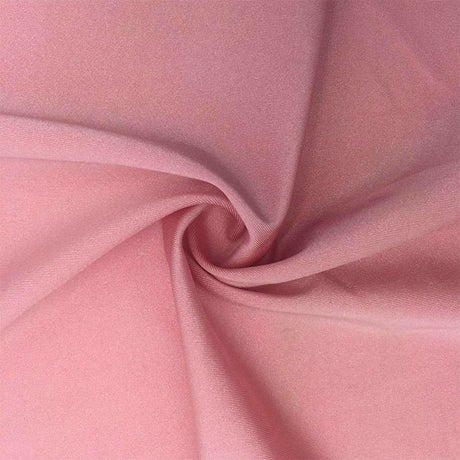
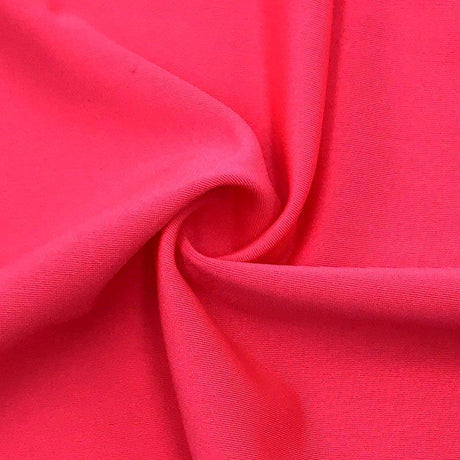
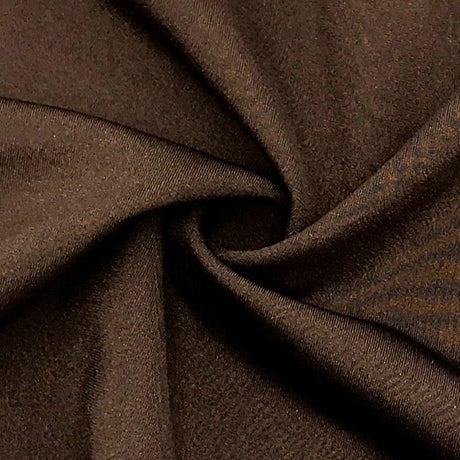
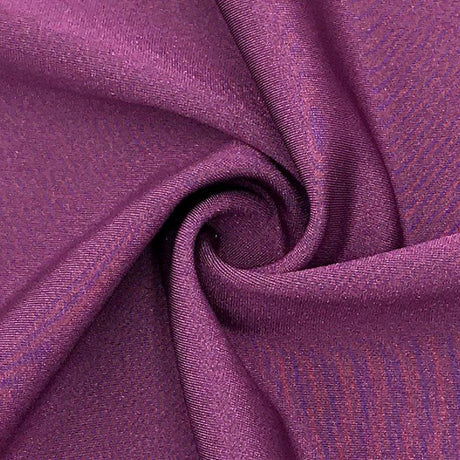
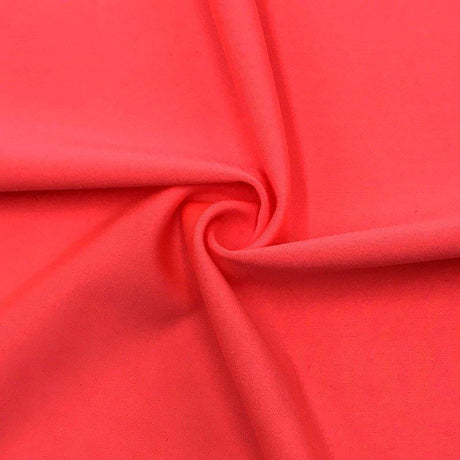
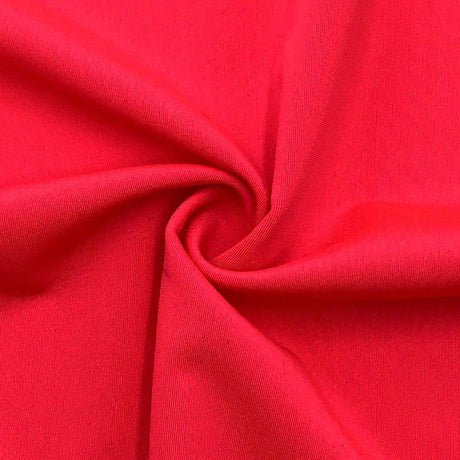
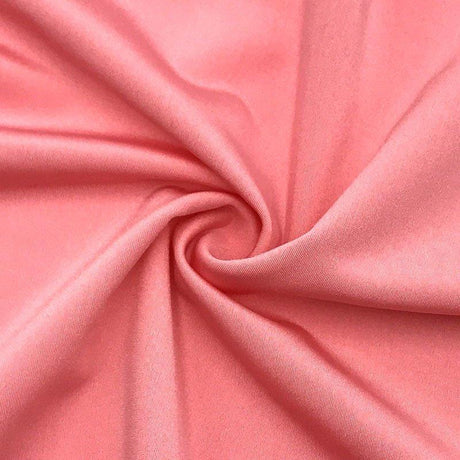
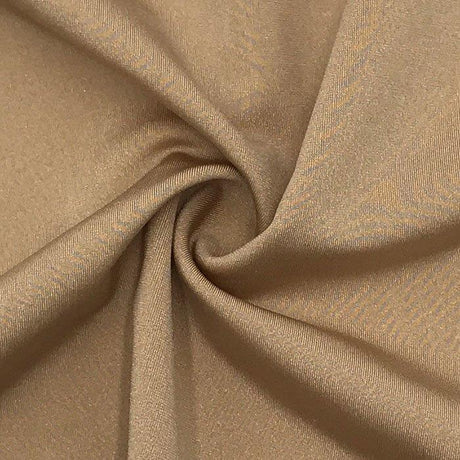
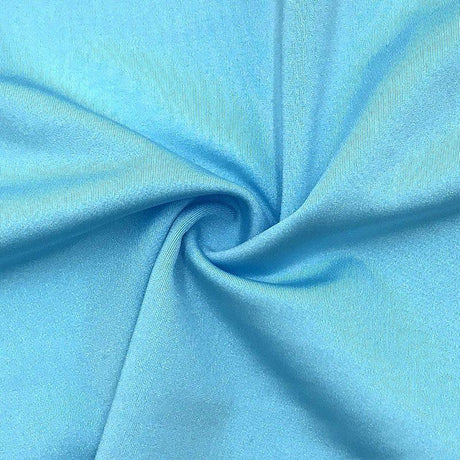
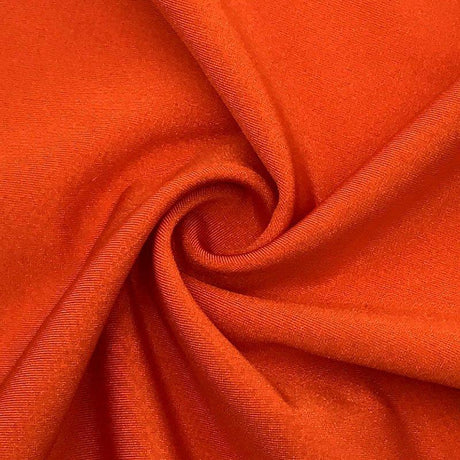
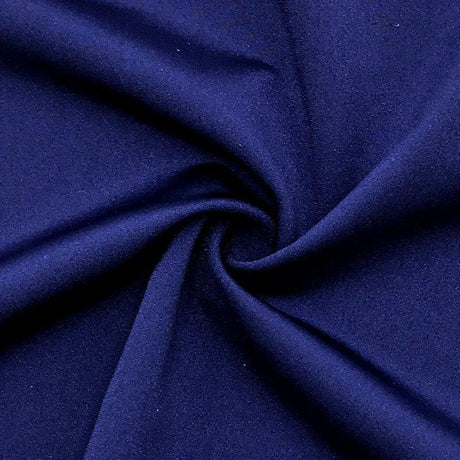
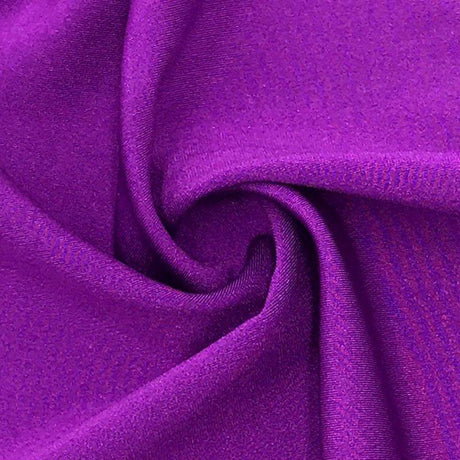
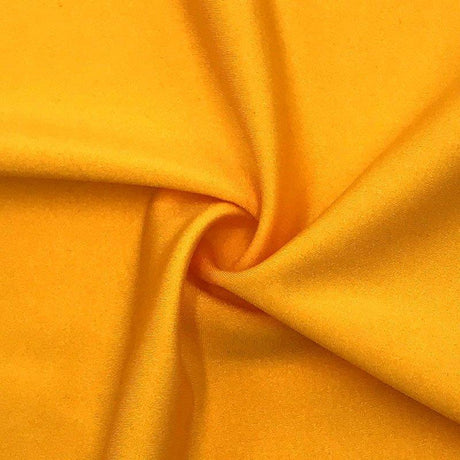
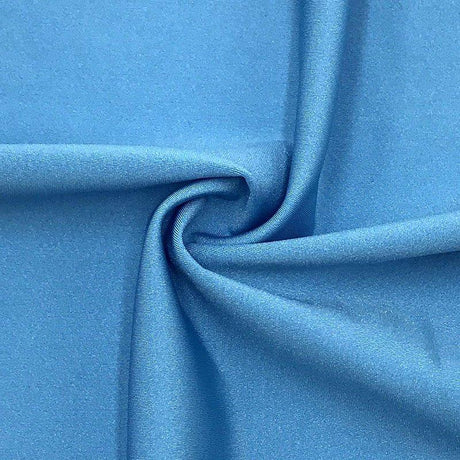
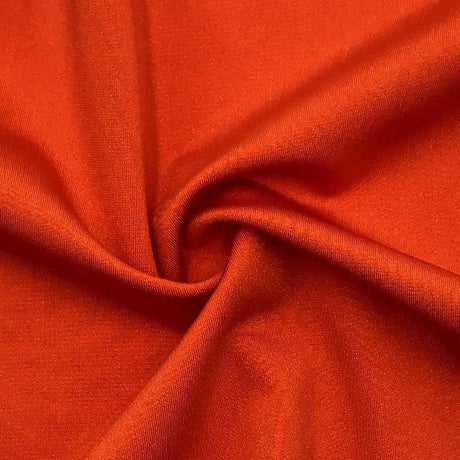
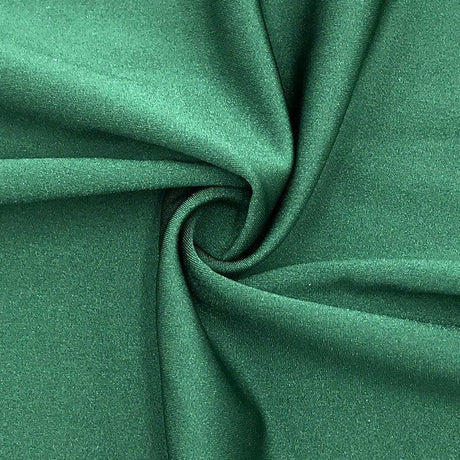
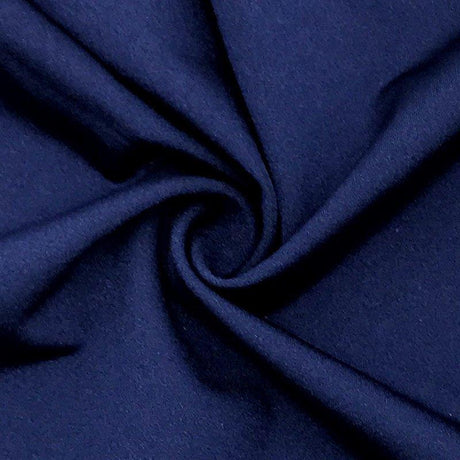
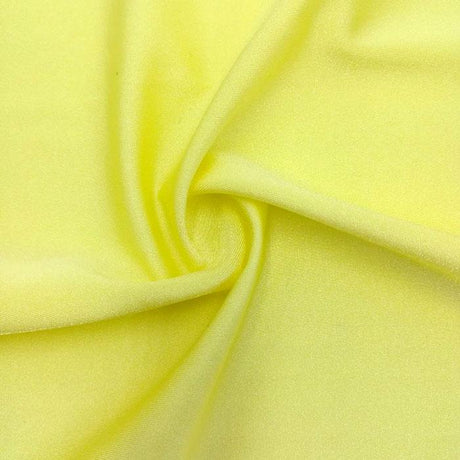
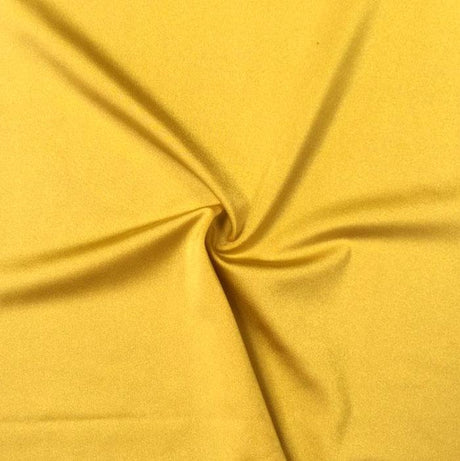
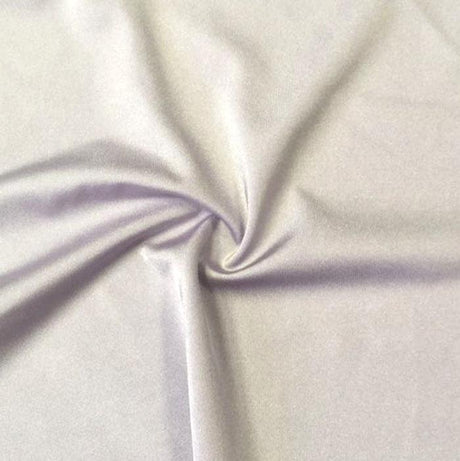
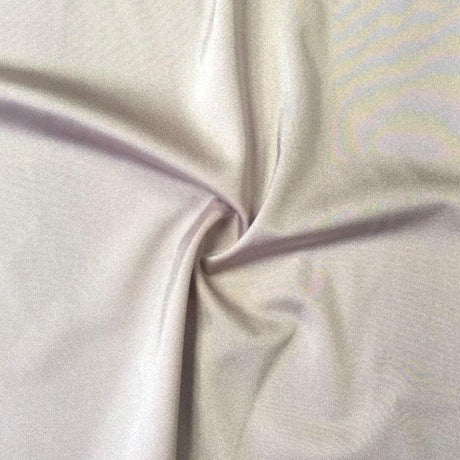
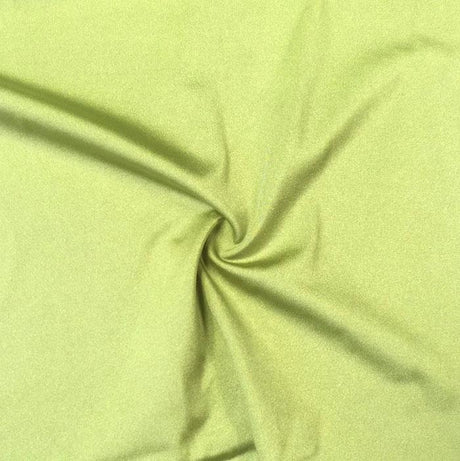
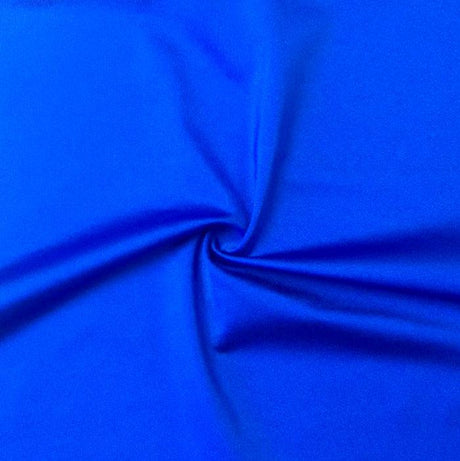
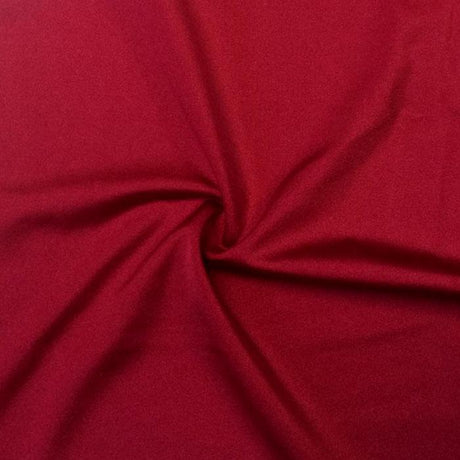
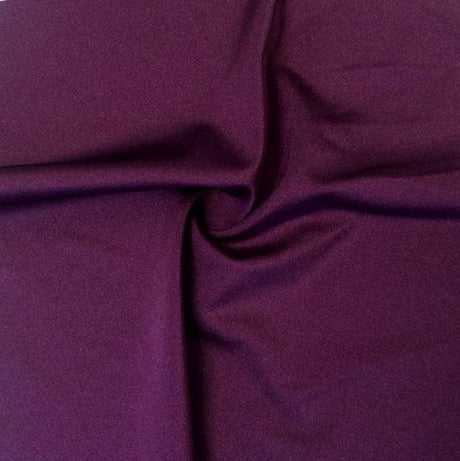
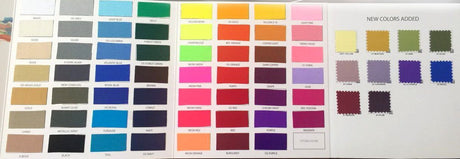
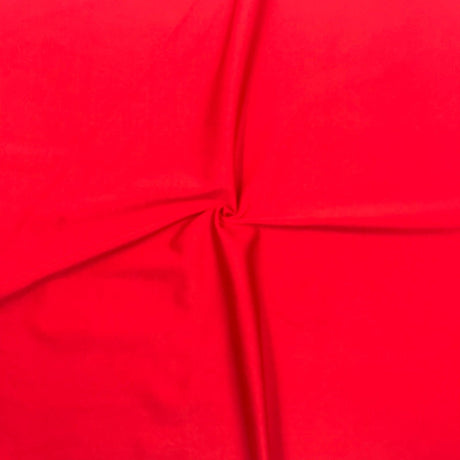
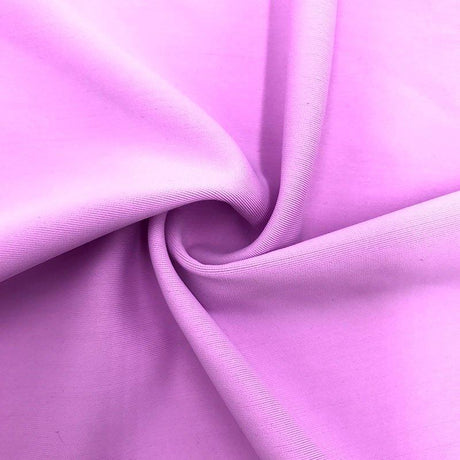
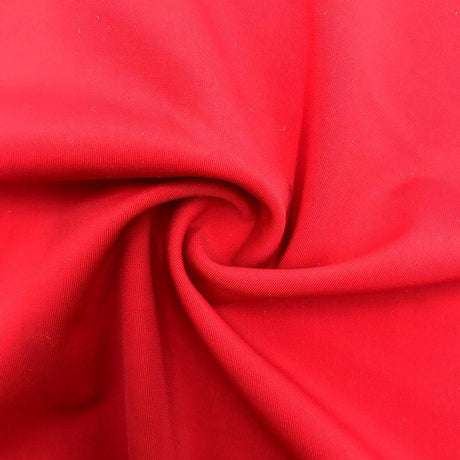
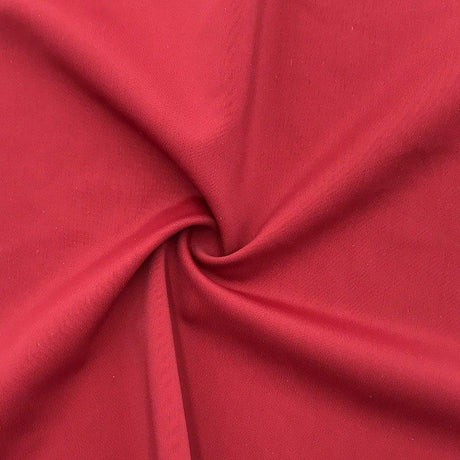
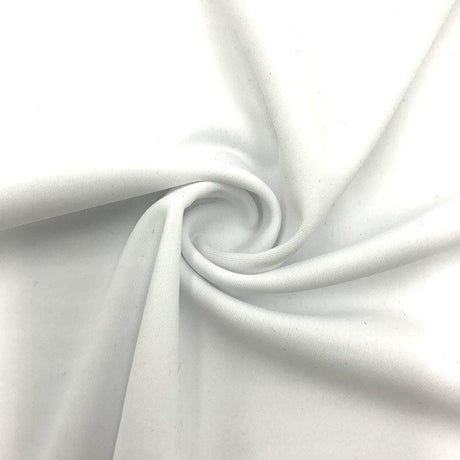
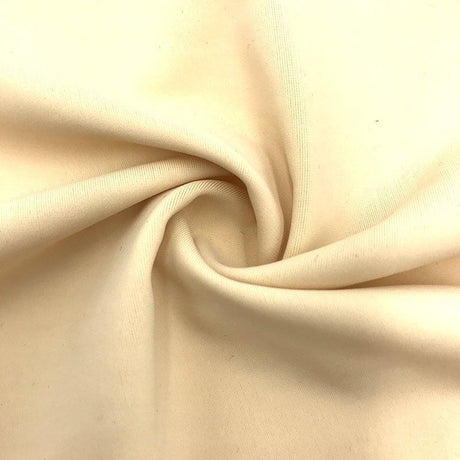
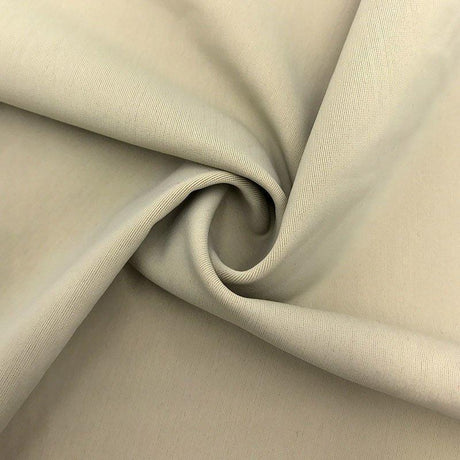
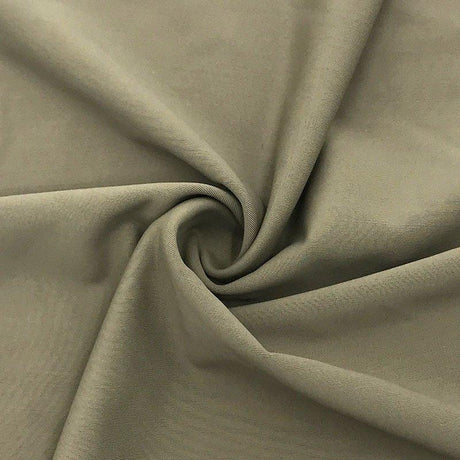
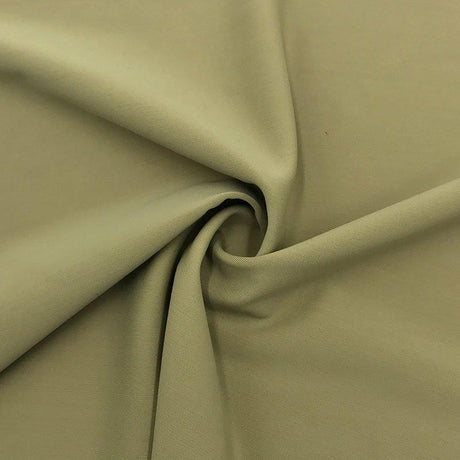
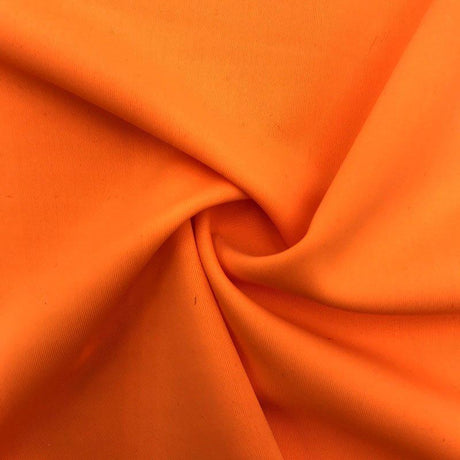
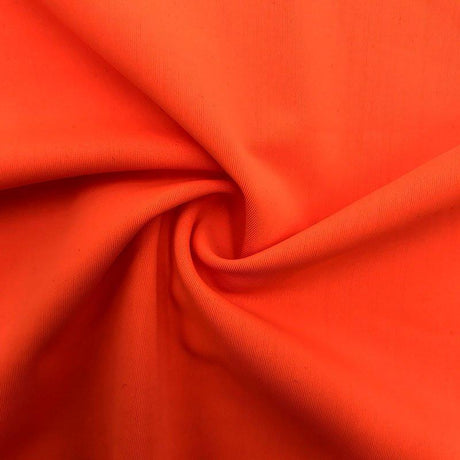
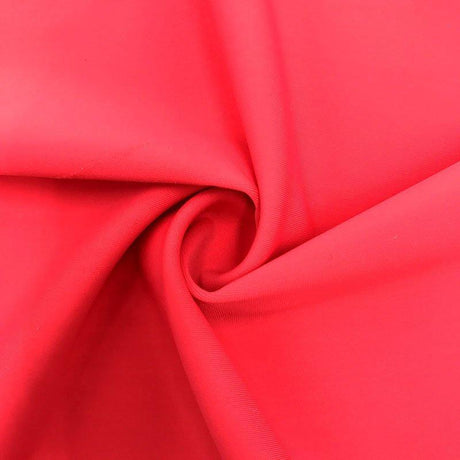
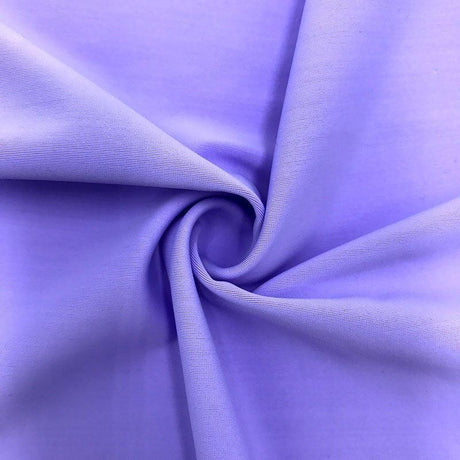
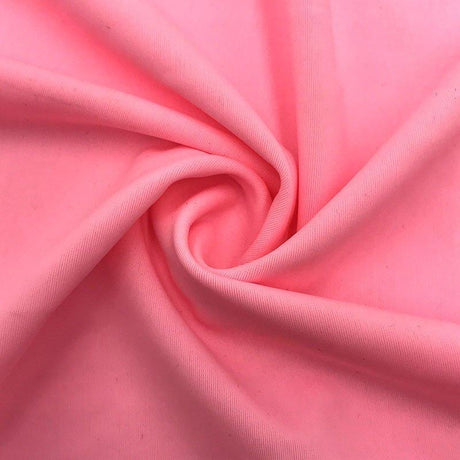
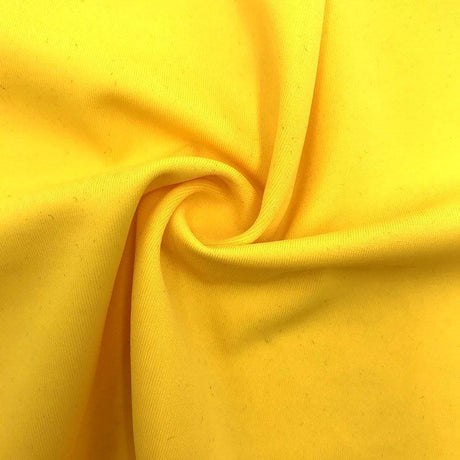
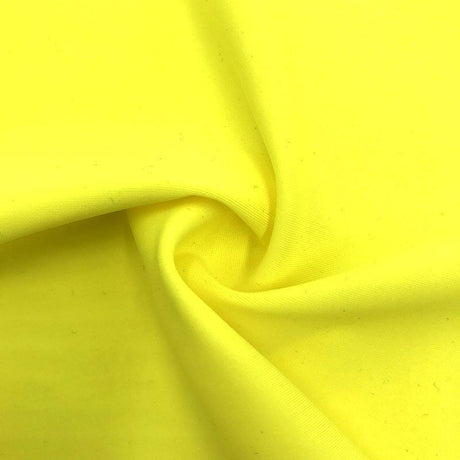
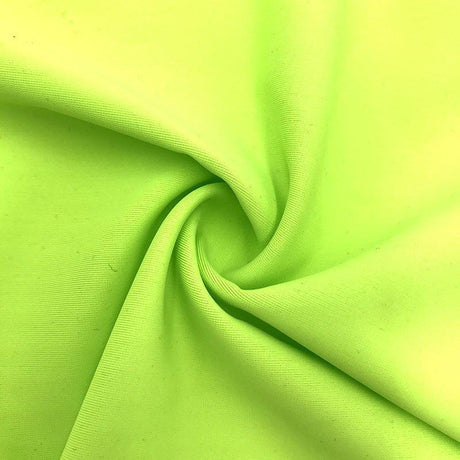
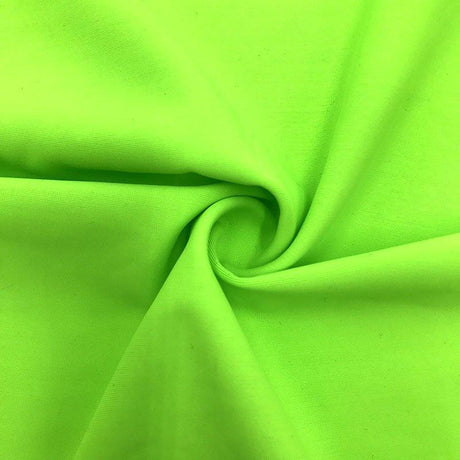
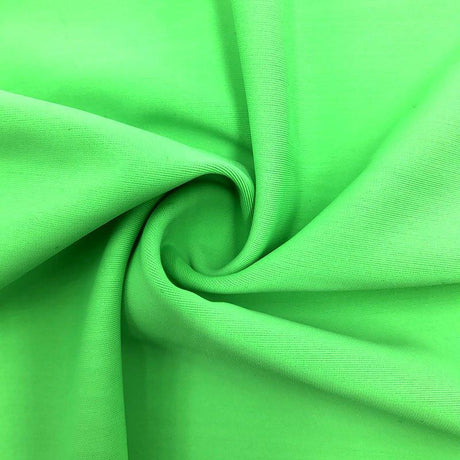
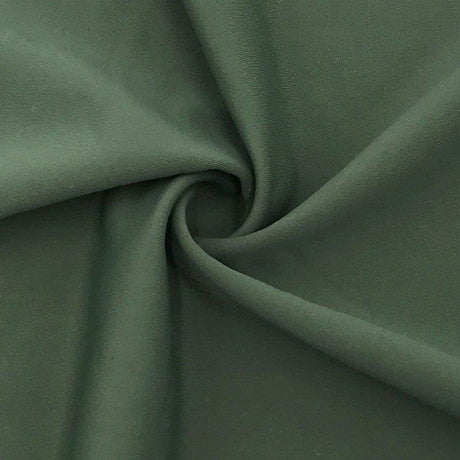
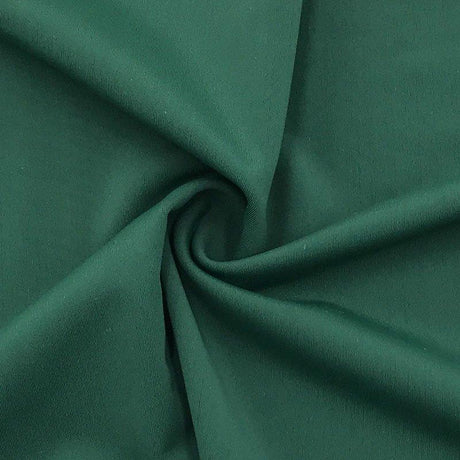
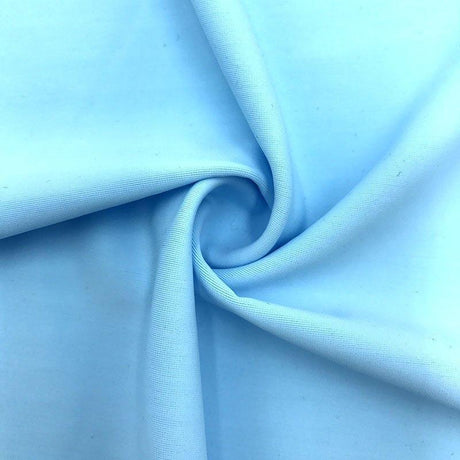
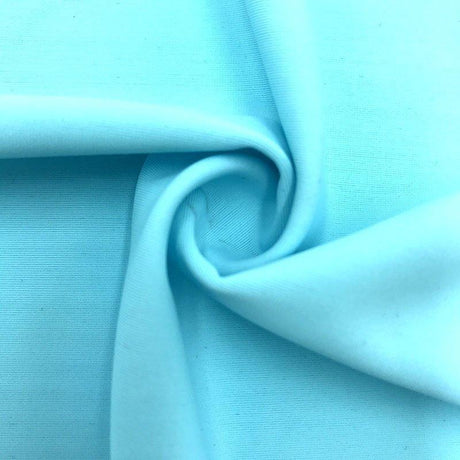
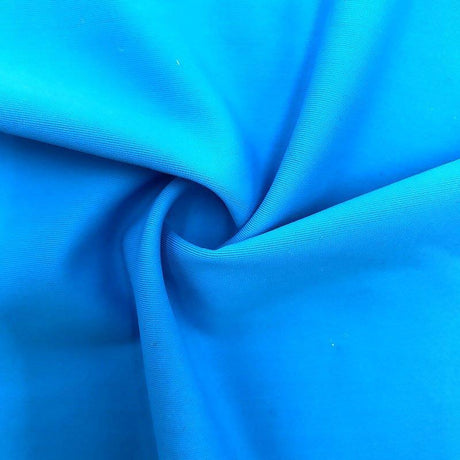
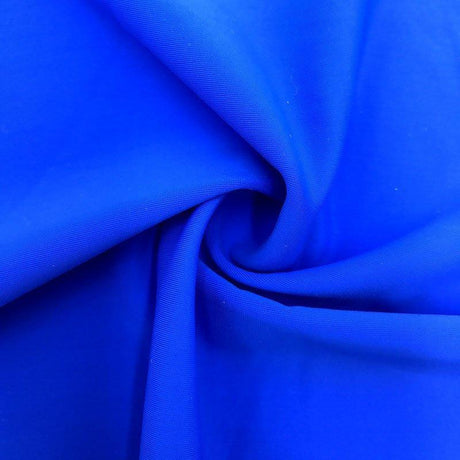
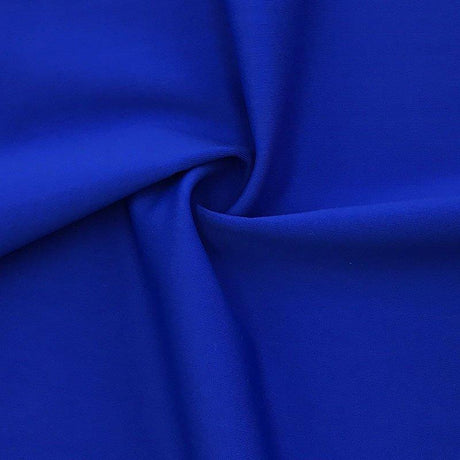
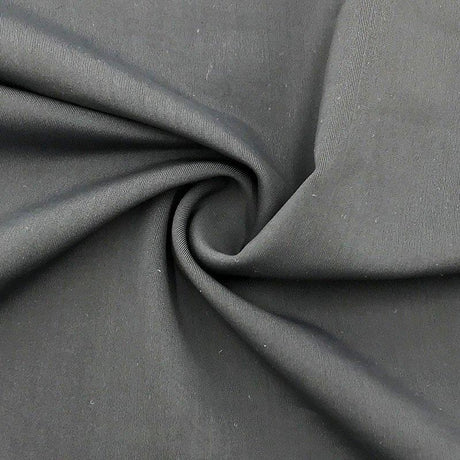
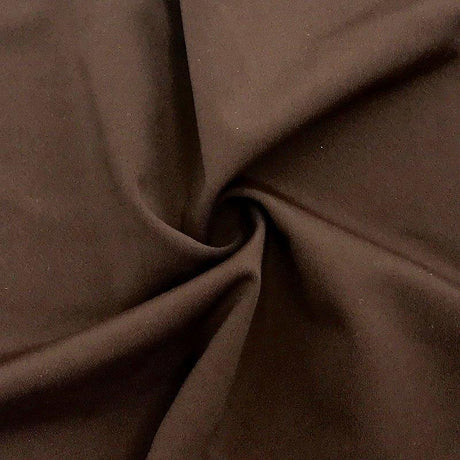
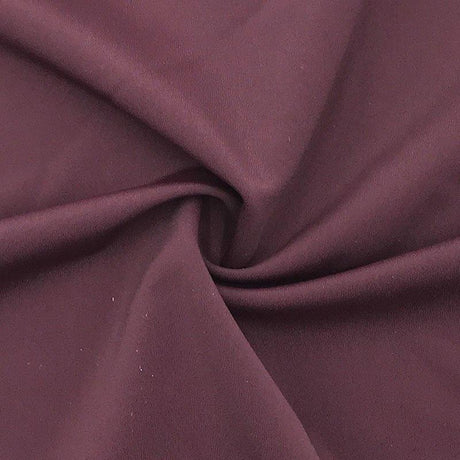
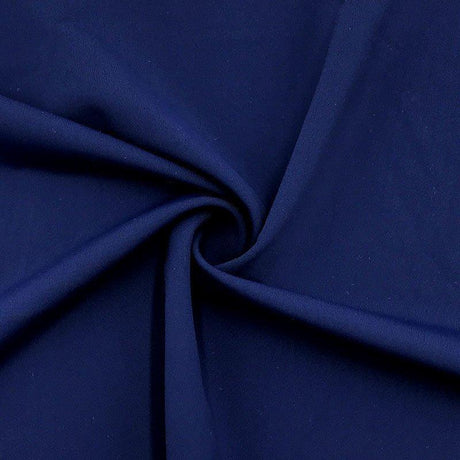
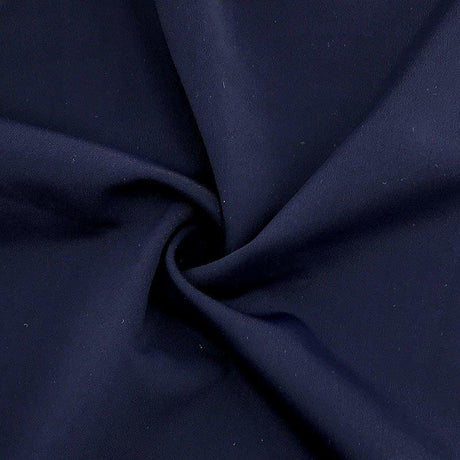
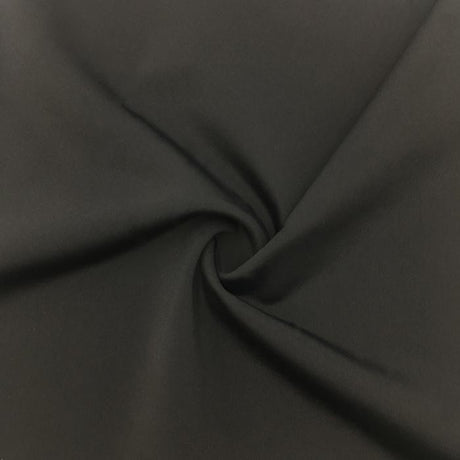
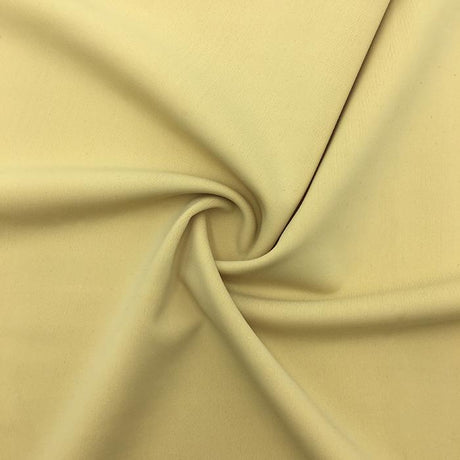
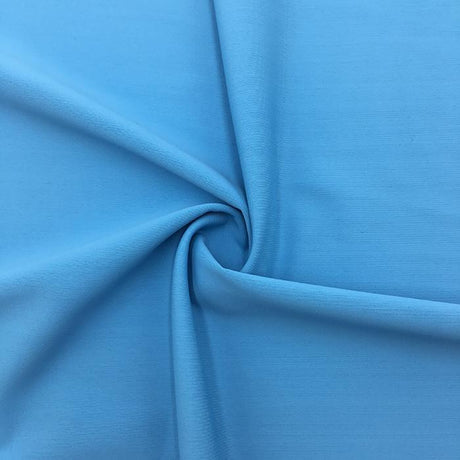
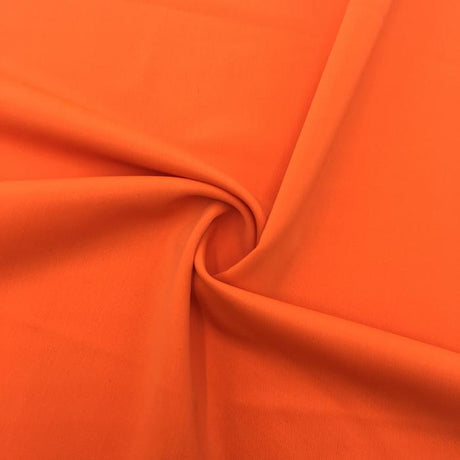
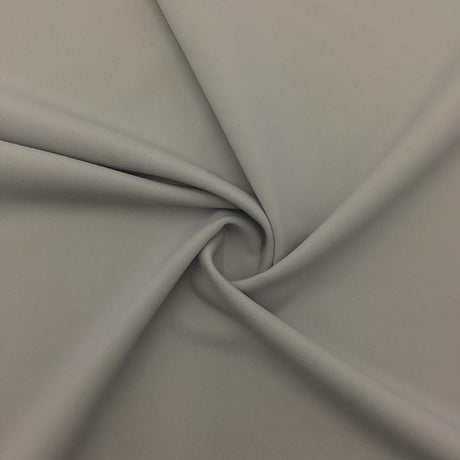
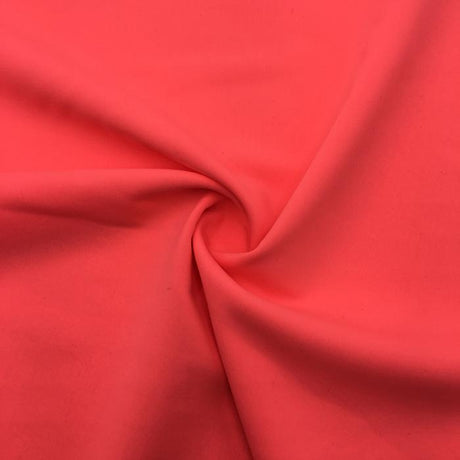
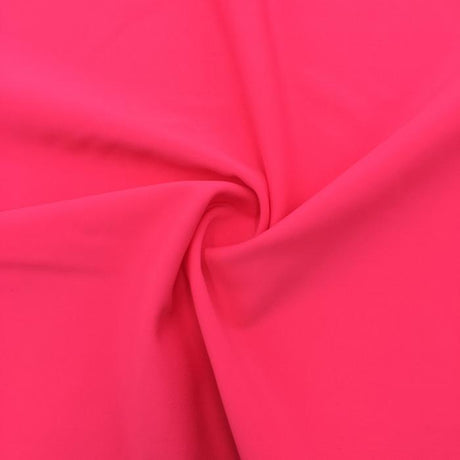
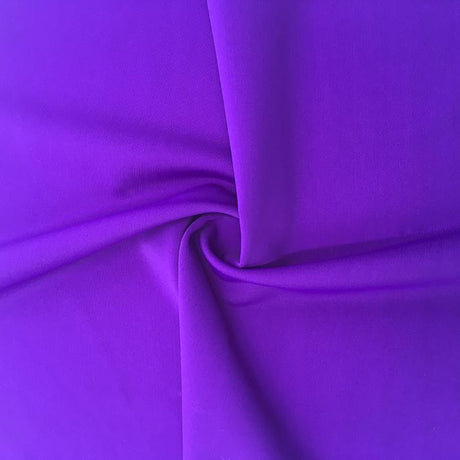
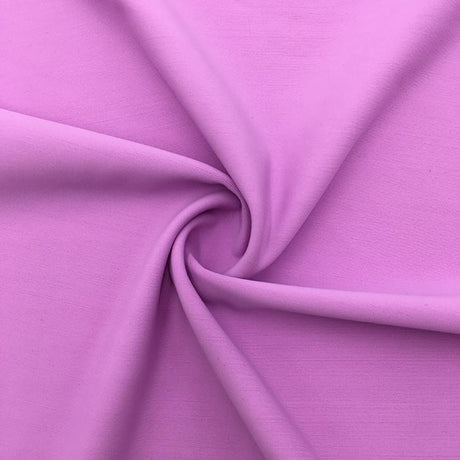
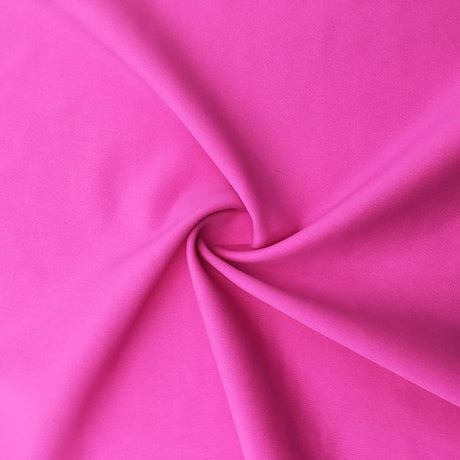
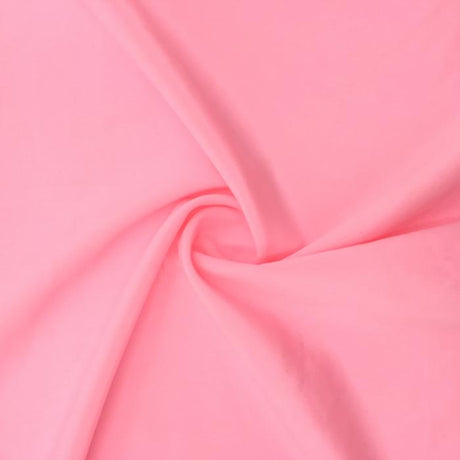
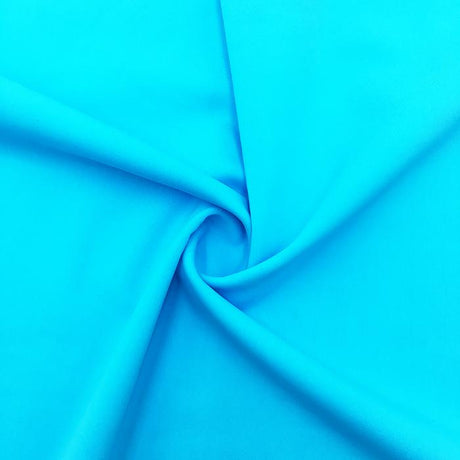
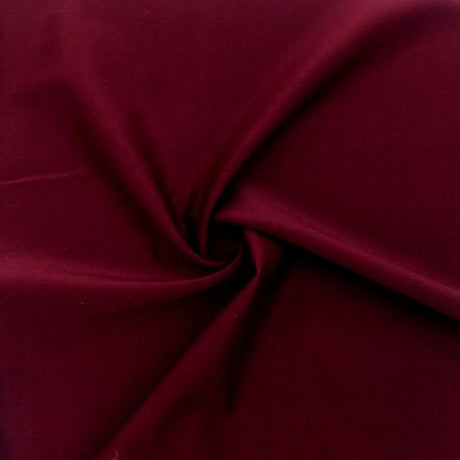
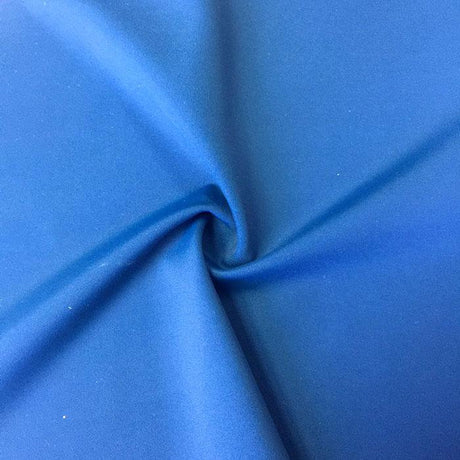
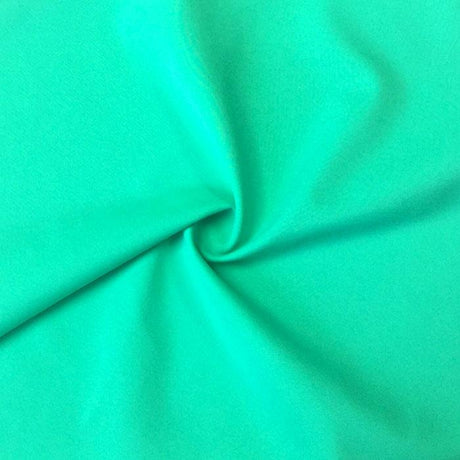
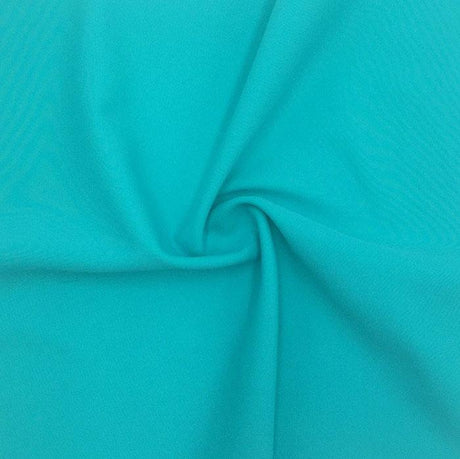
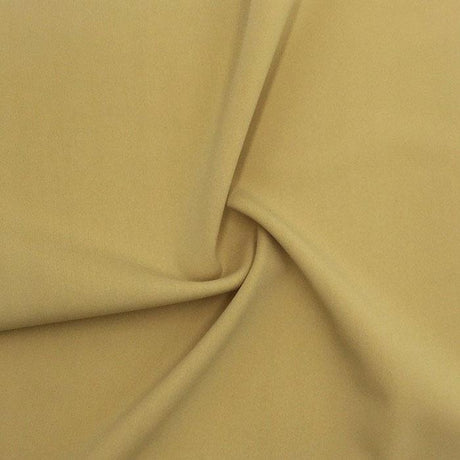
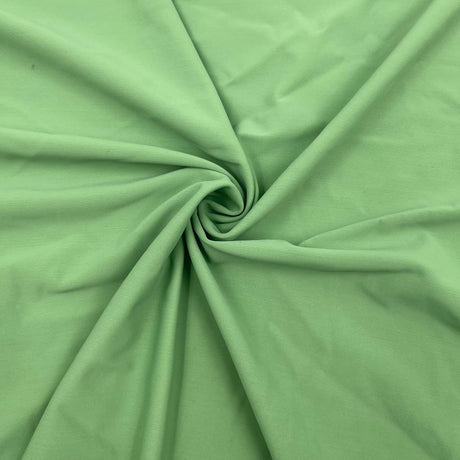
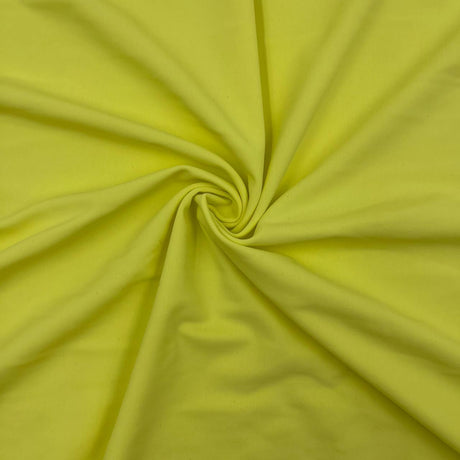
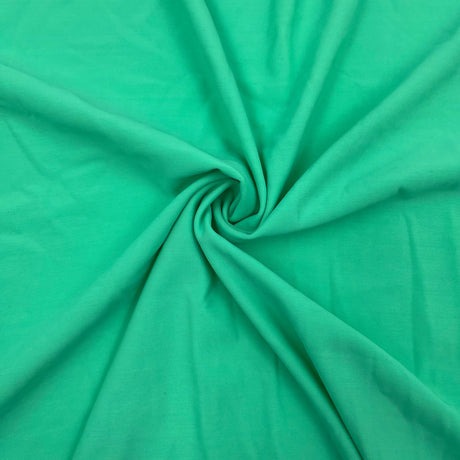
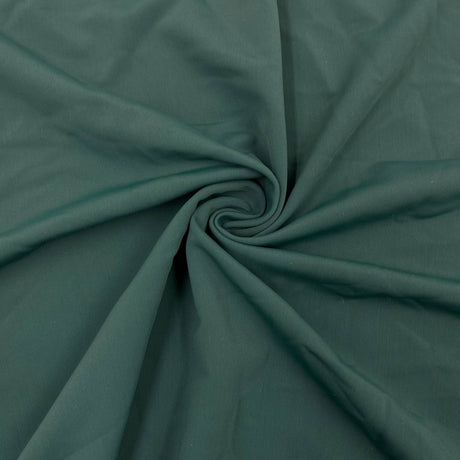
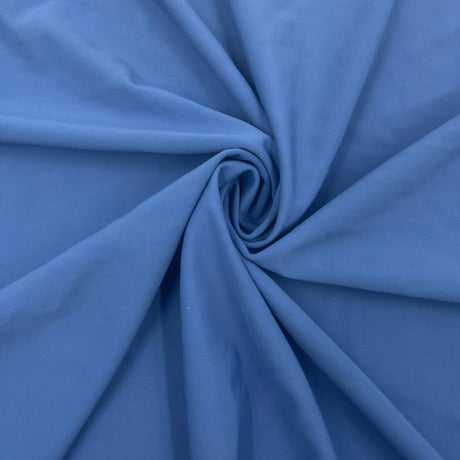
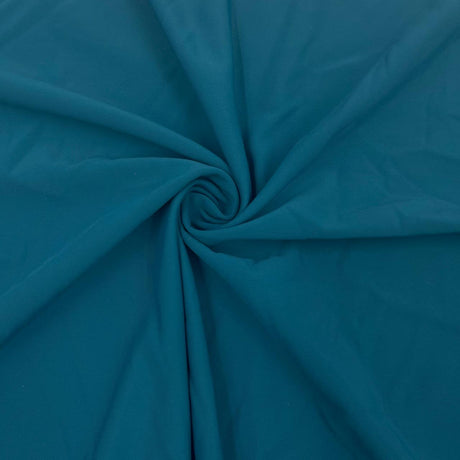
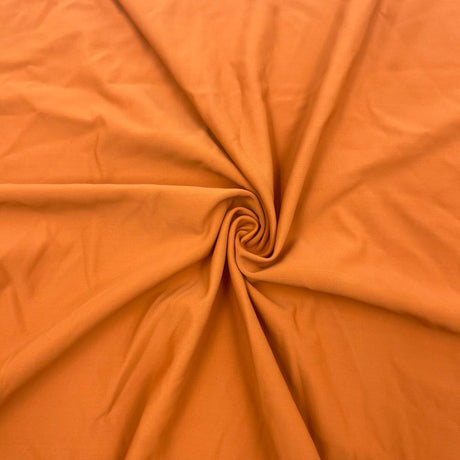
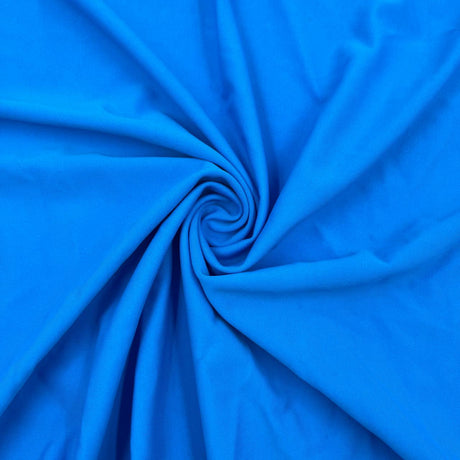
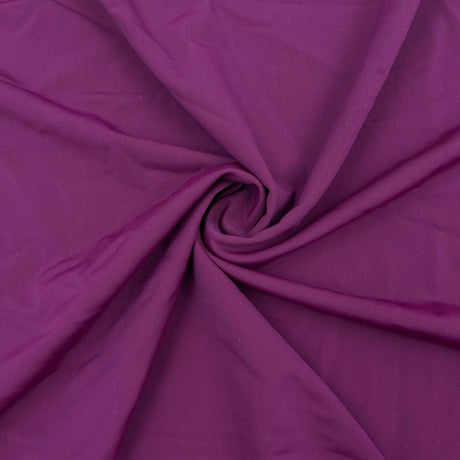
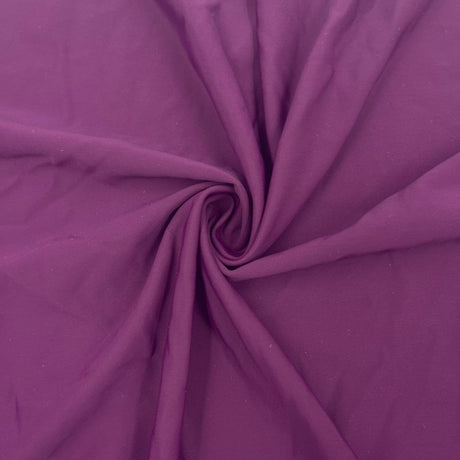
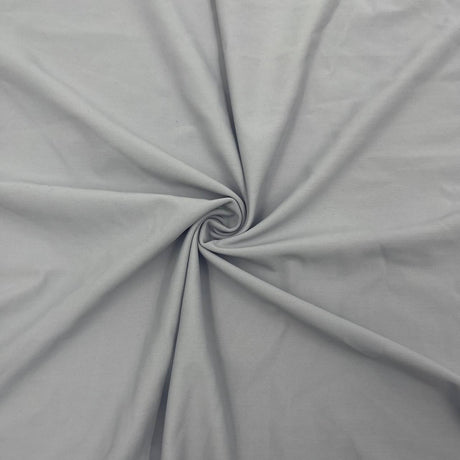
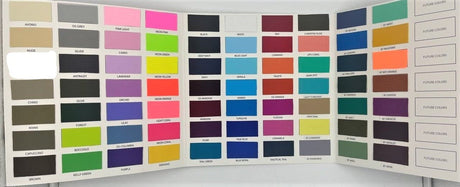
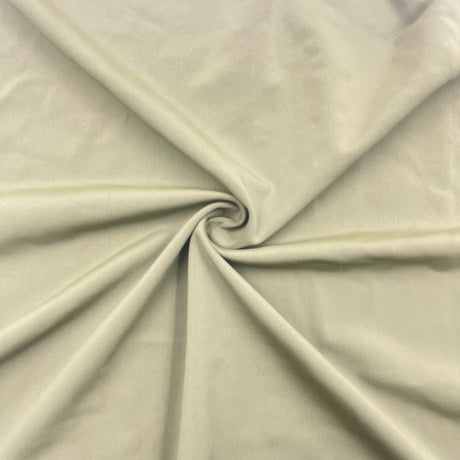
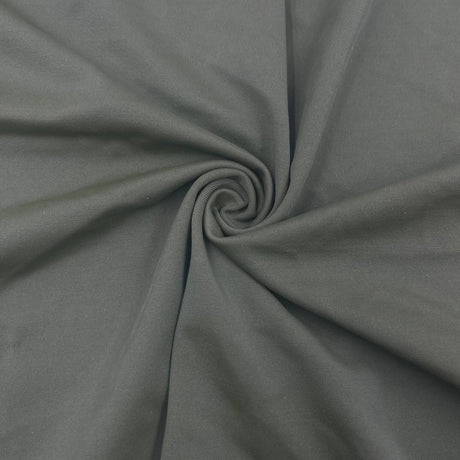
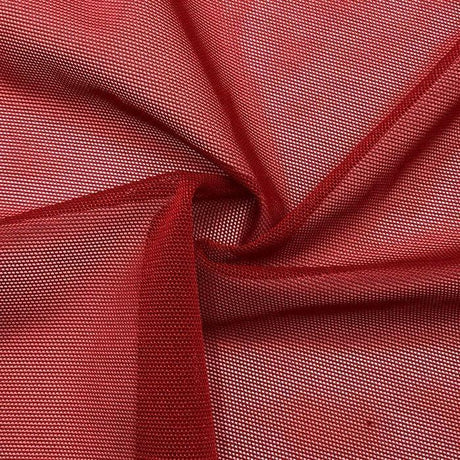
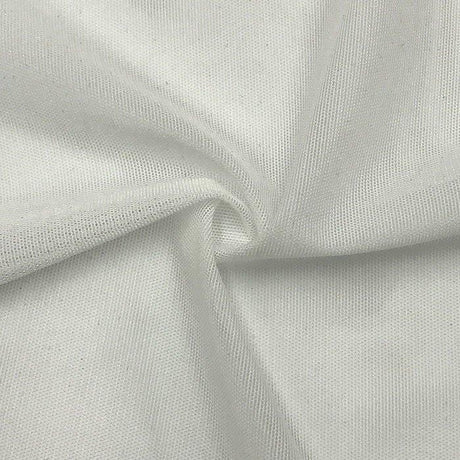
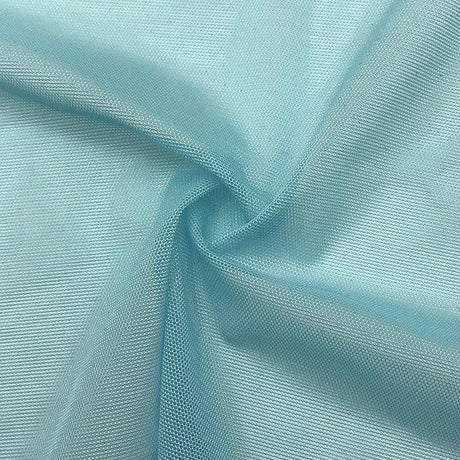
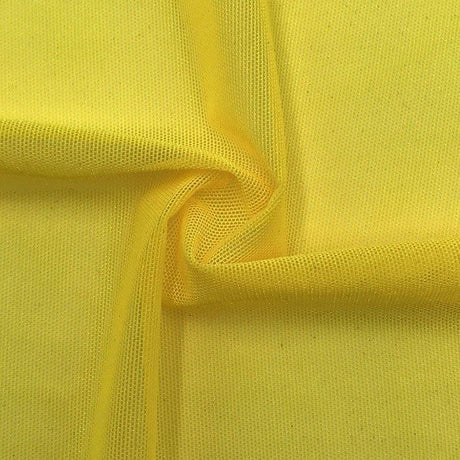
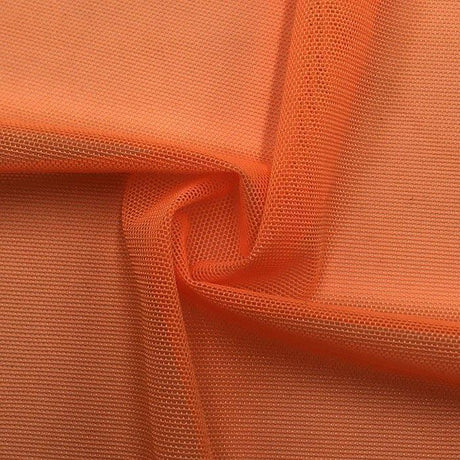
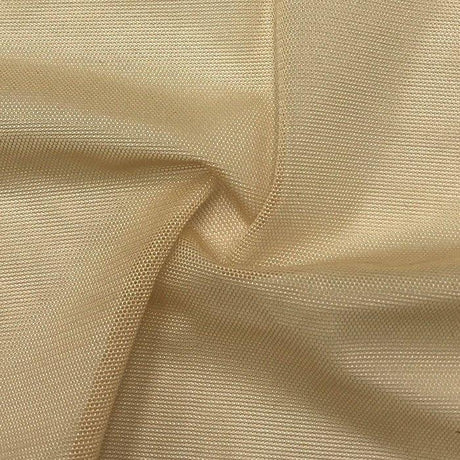
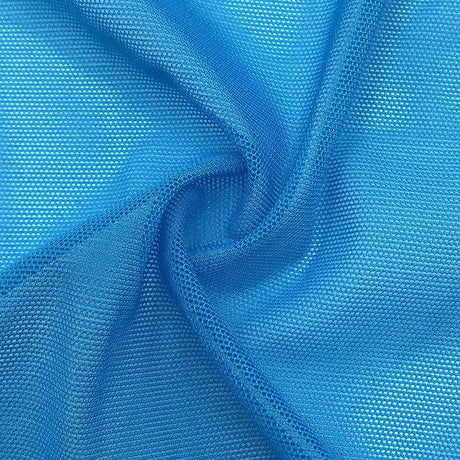
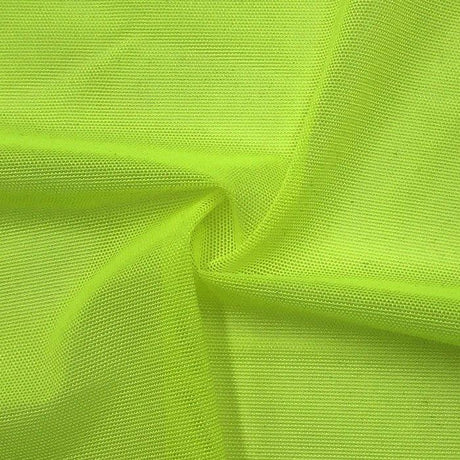
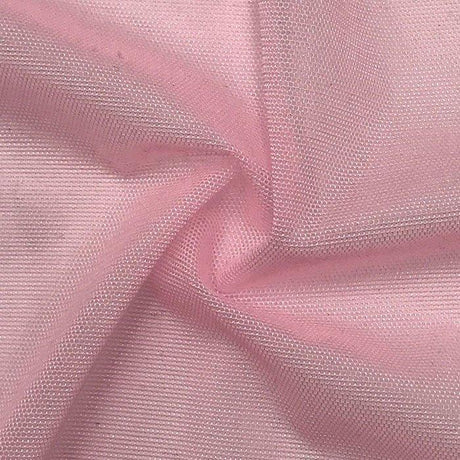
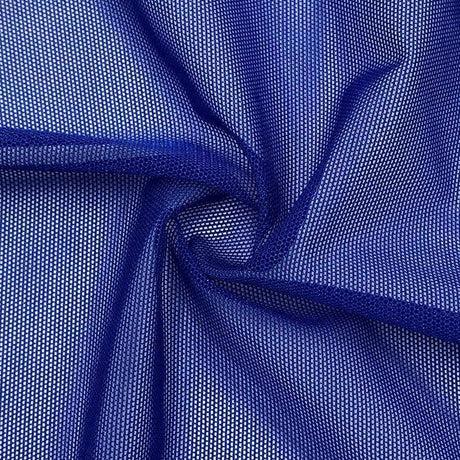
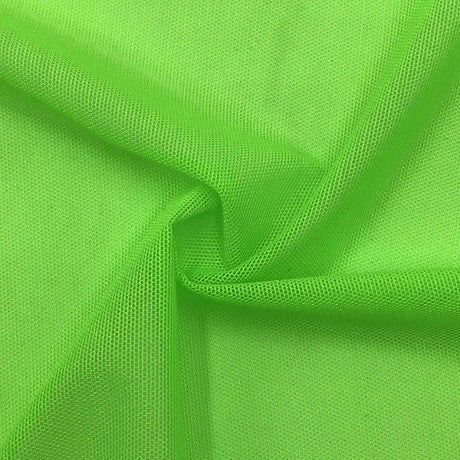
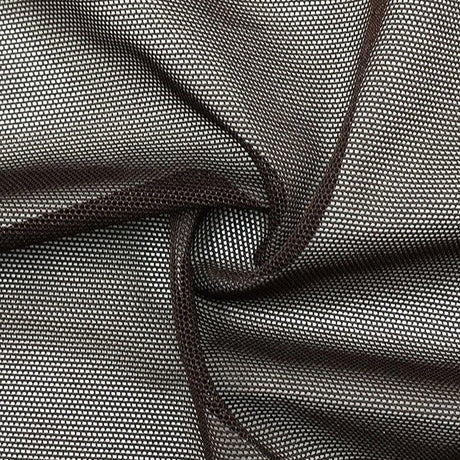
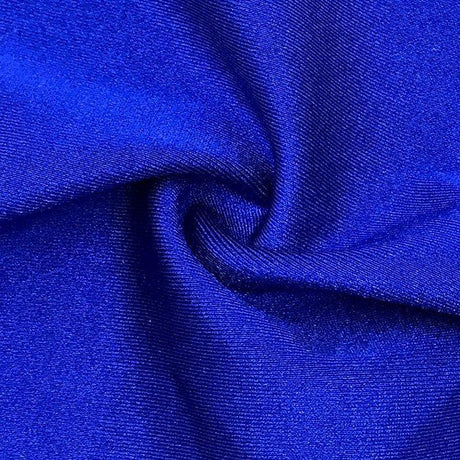
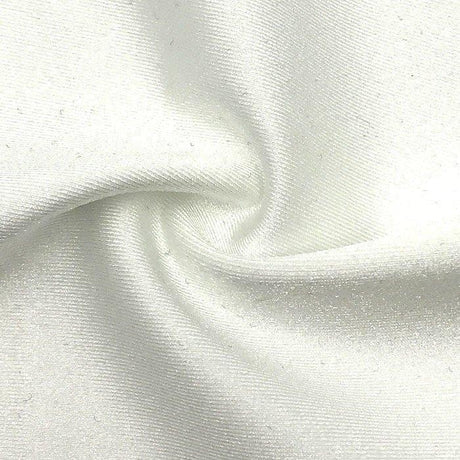
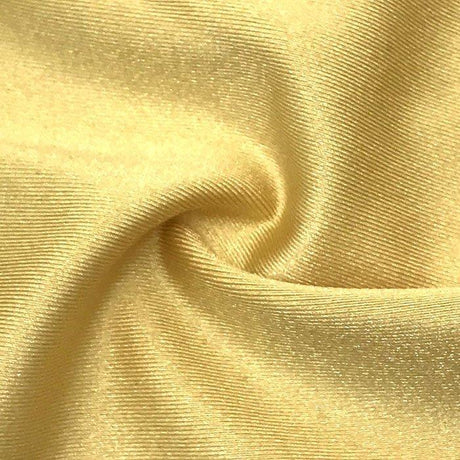
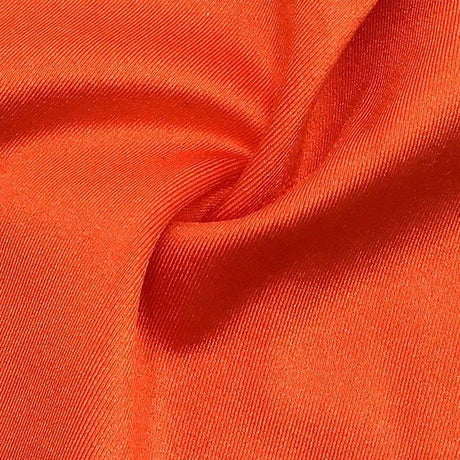
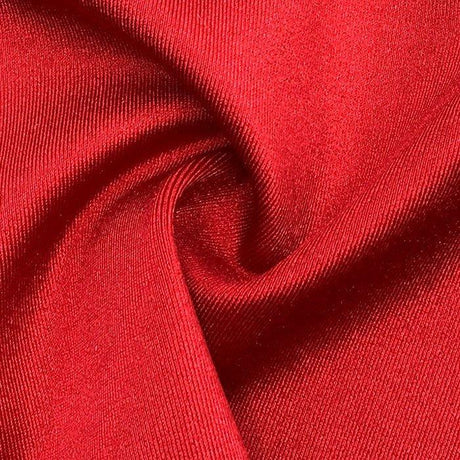
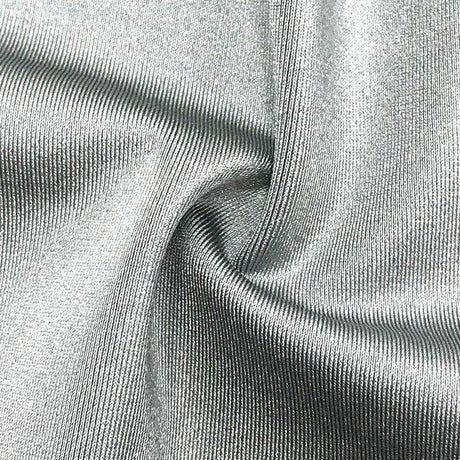
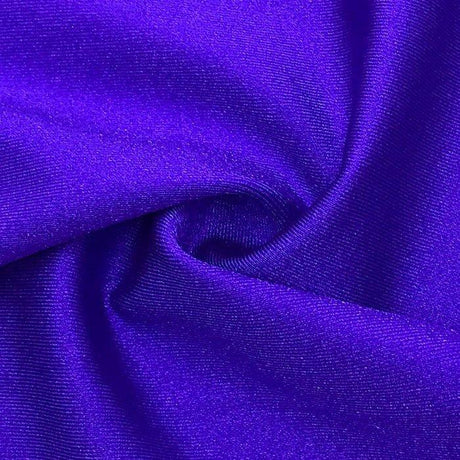
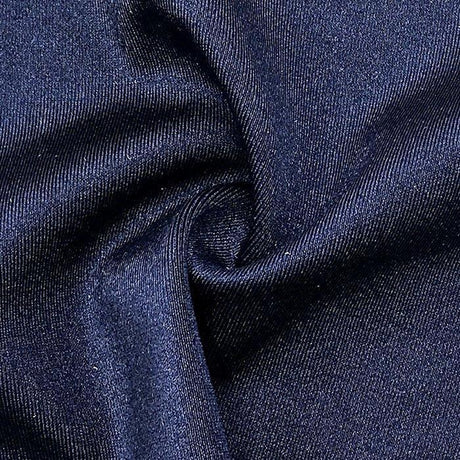
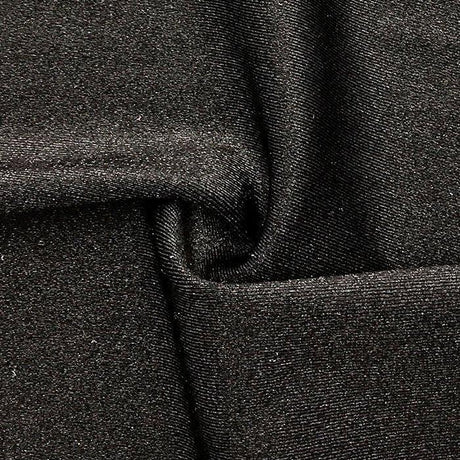
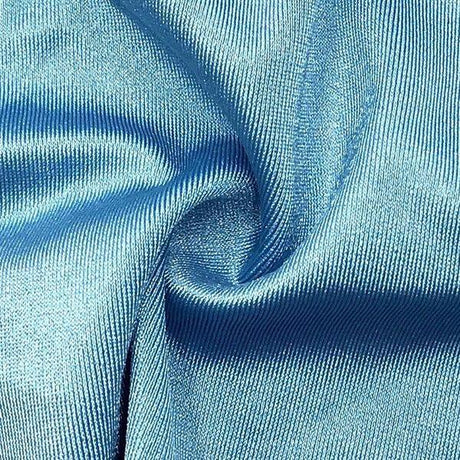
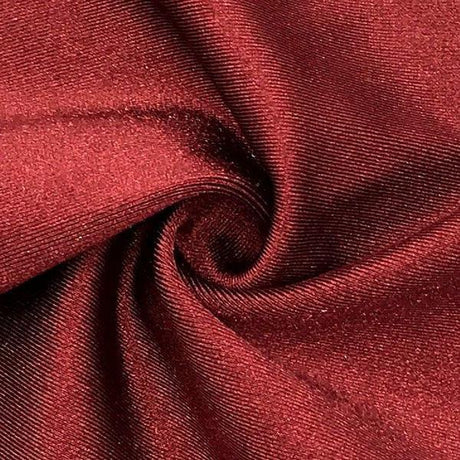
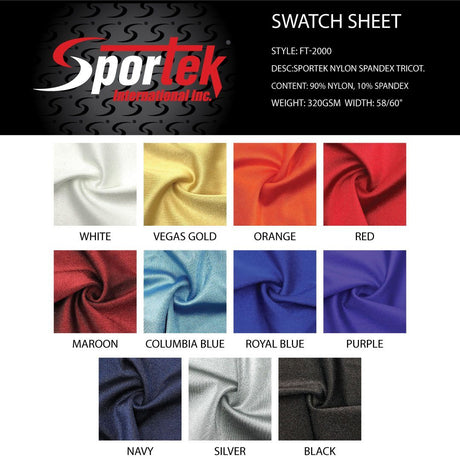
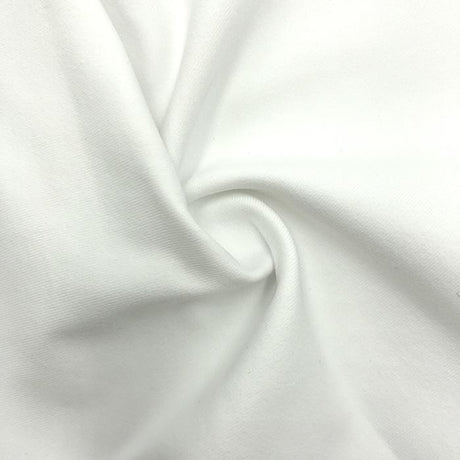
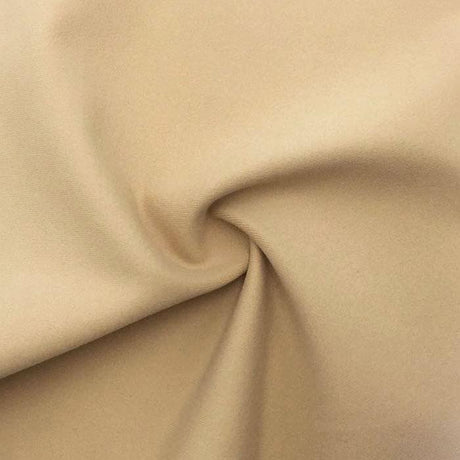
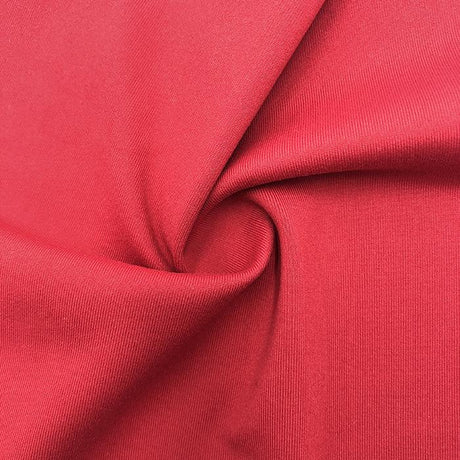
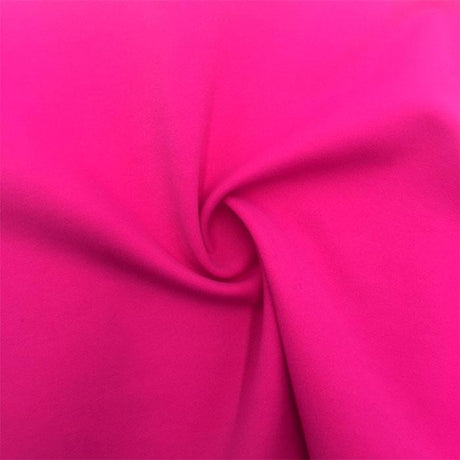
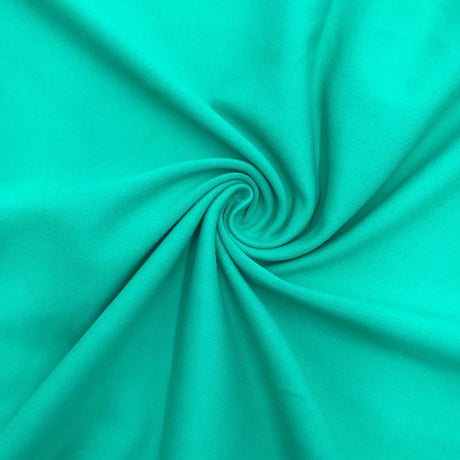
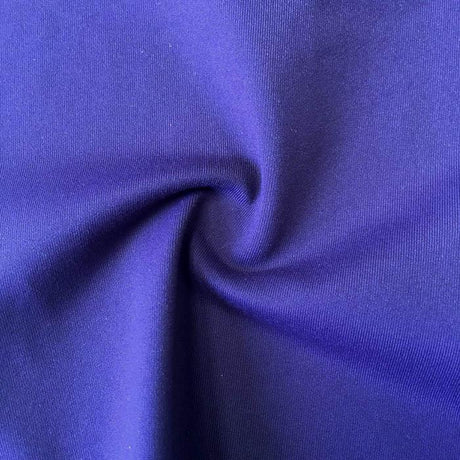
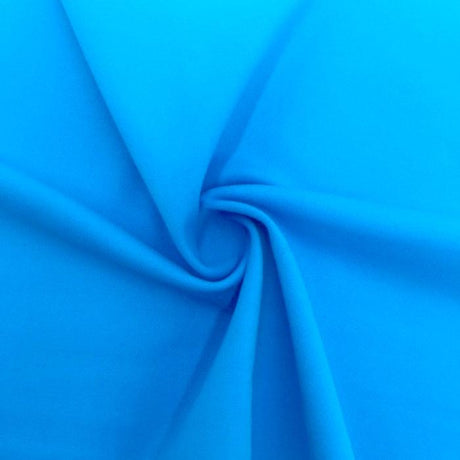
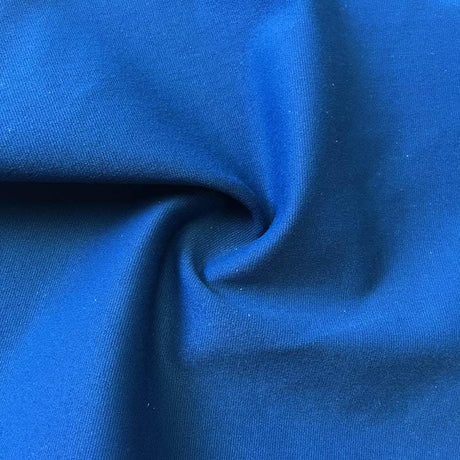
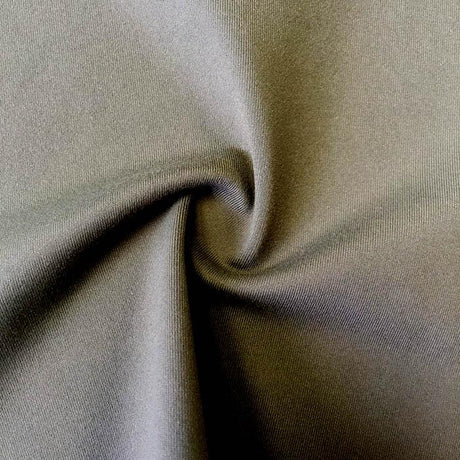
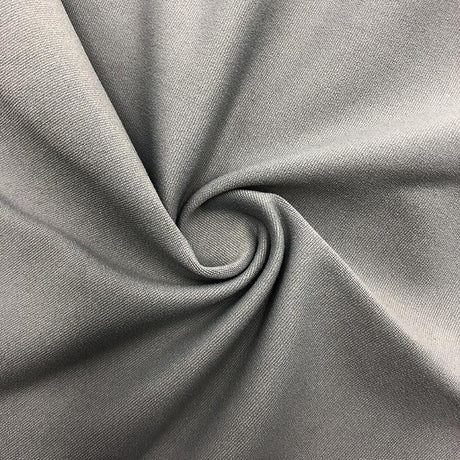
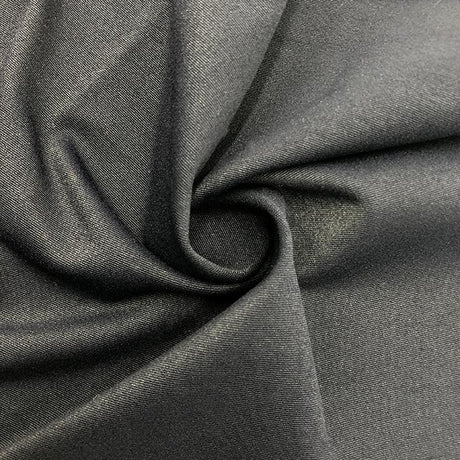
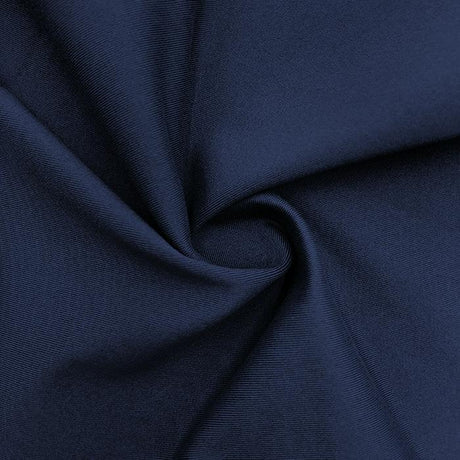
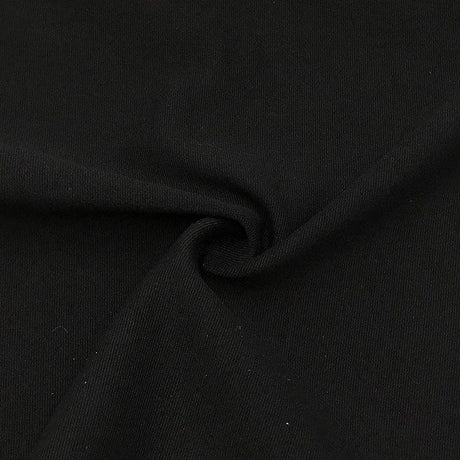
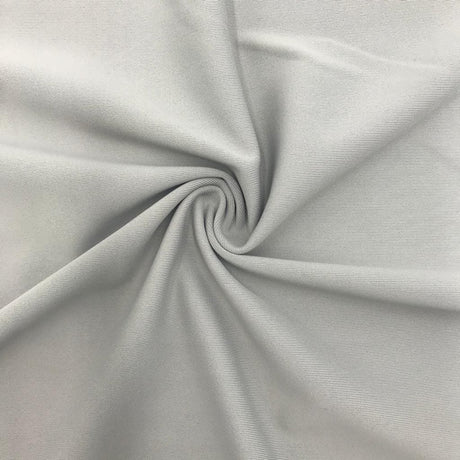
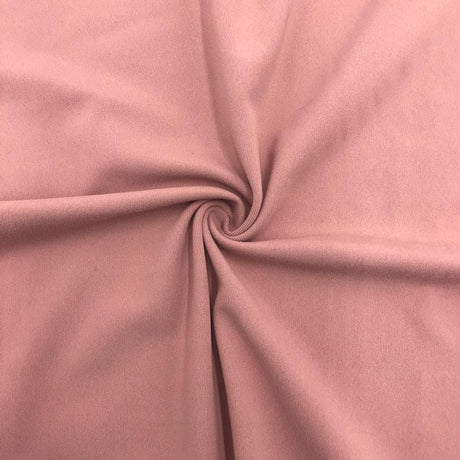
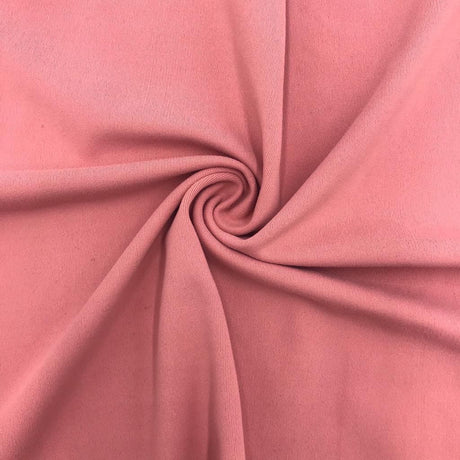
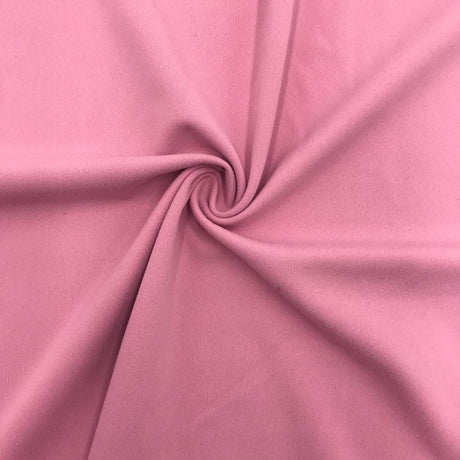
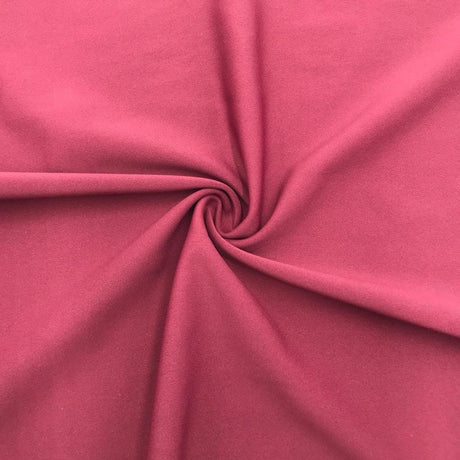
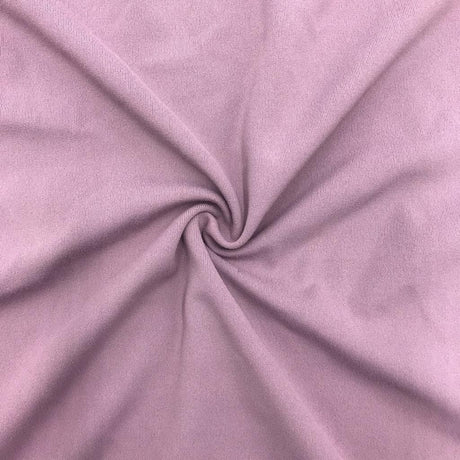
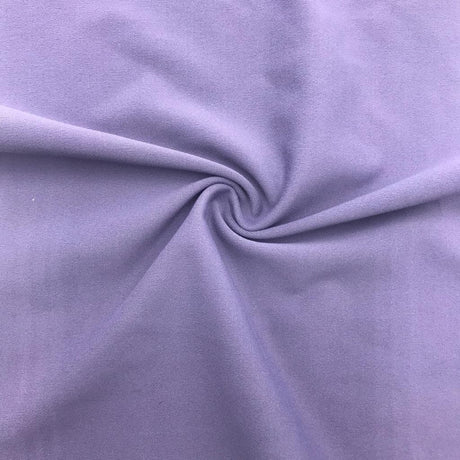
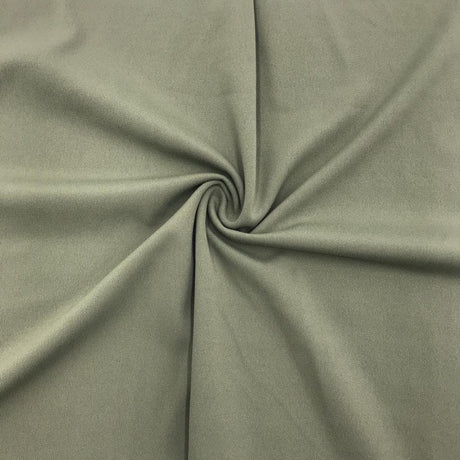
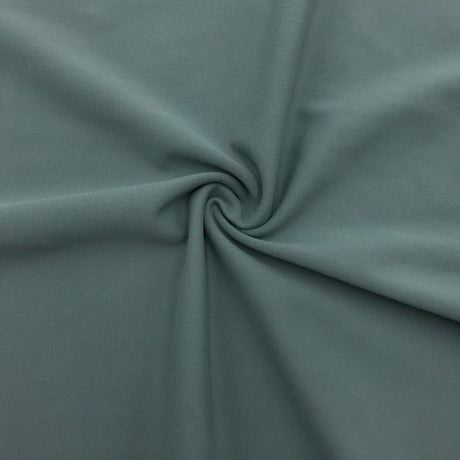
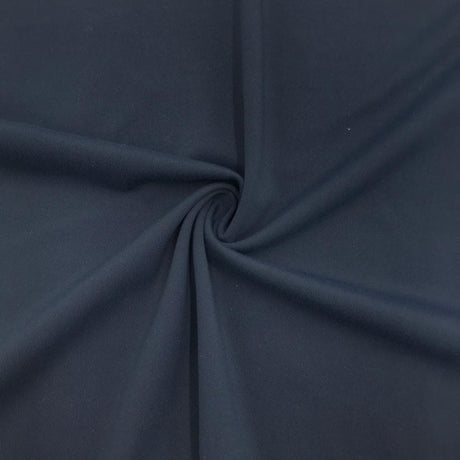
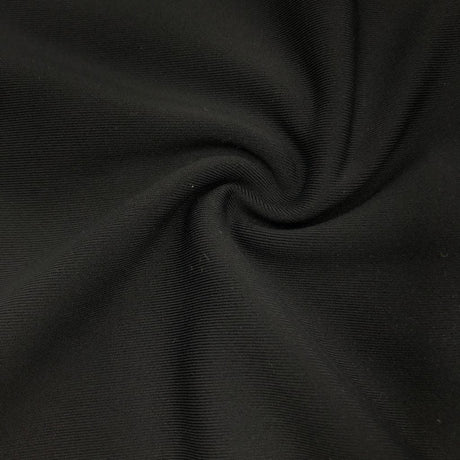
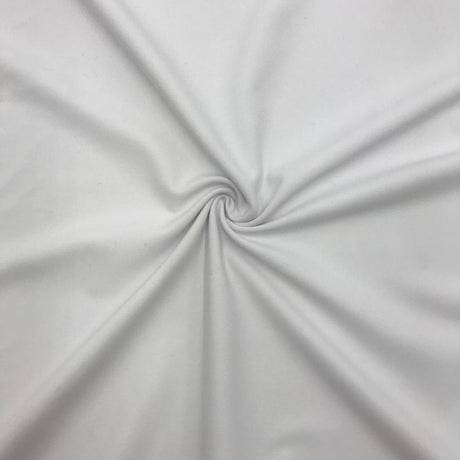
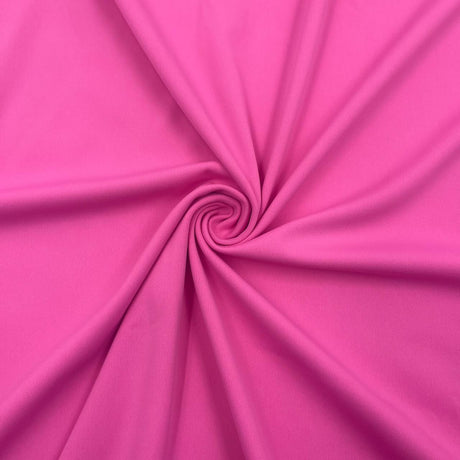
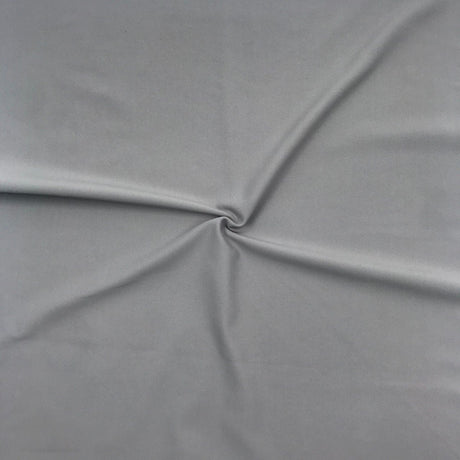
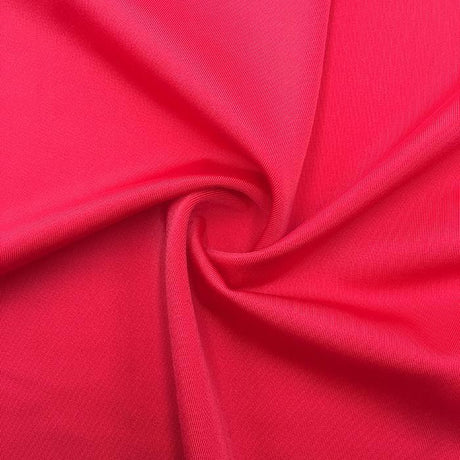
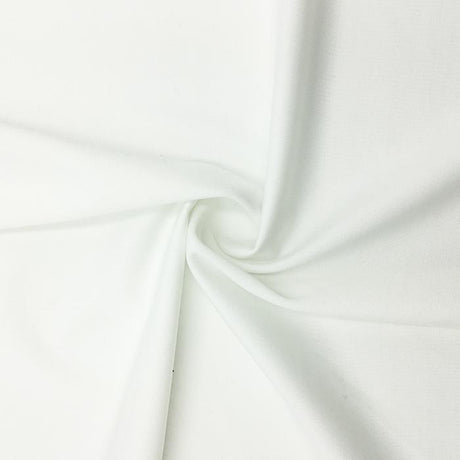
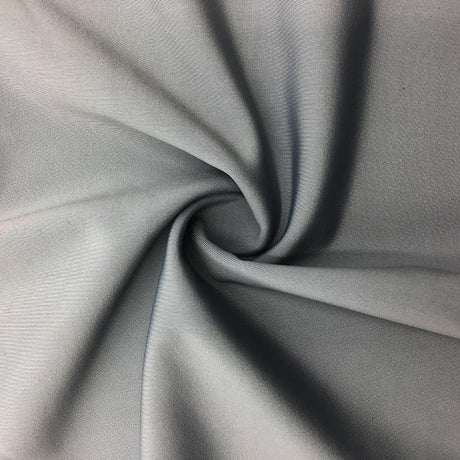
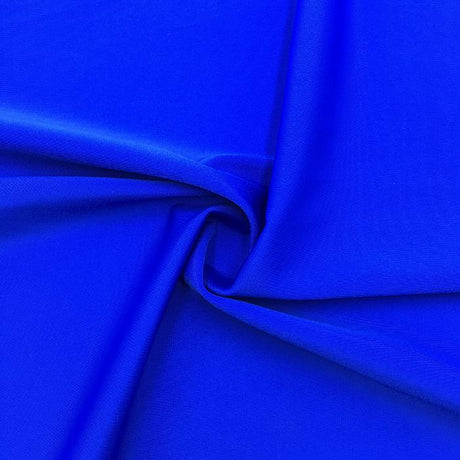
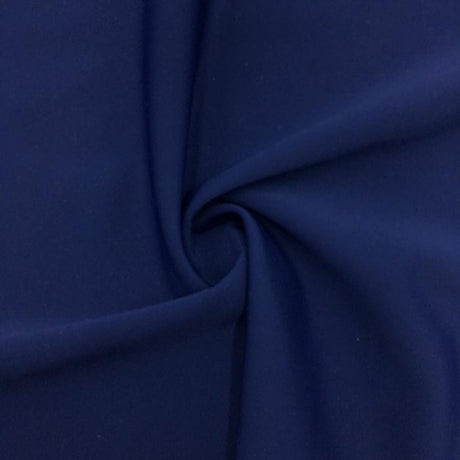
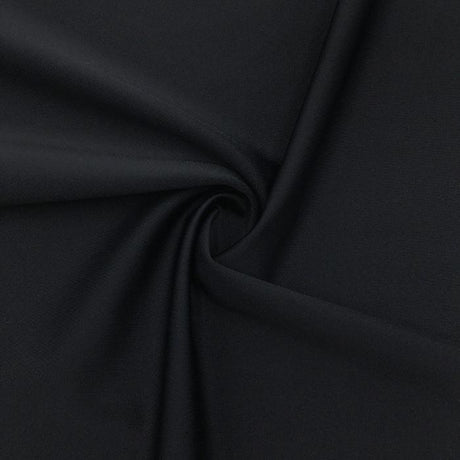
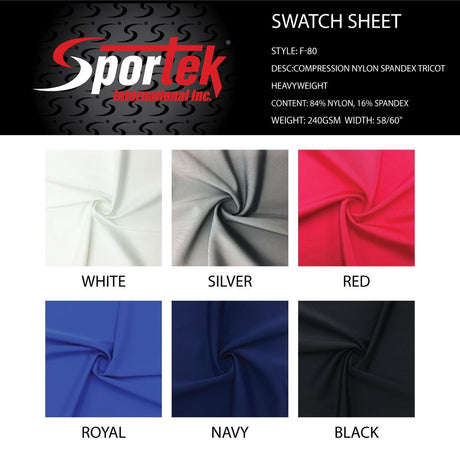
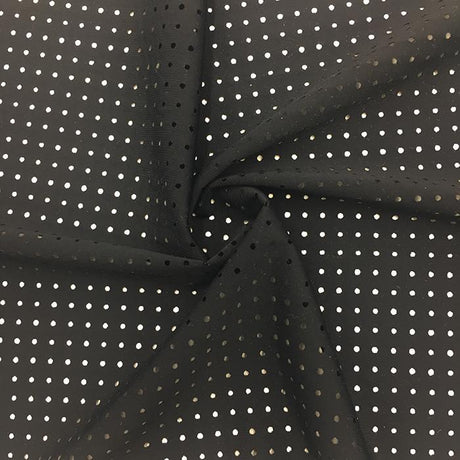
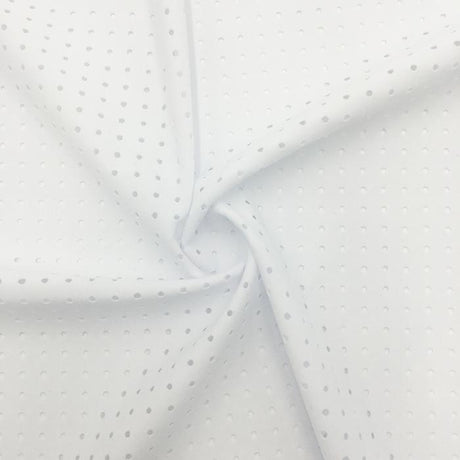
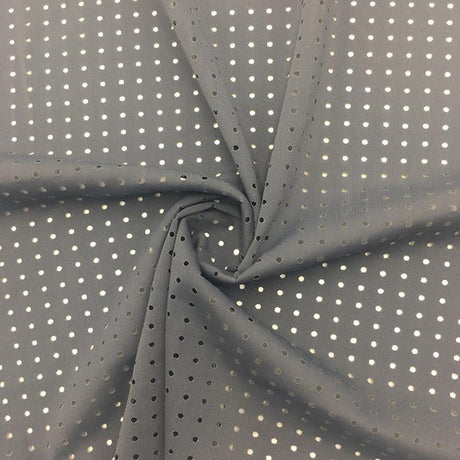
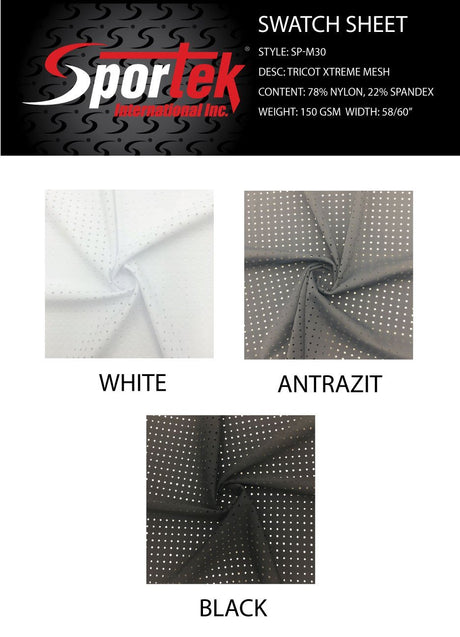
Nylon spandex fabric for swimwear refers to the popular blend of nylon (a type of polyamide) and spandex (elastane) used in most modern swimsuits. This combination yields a four-way stretch material that moves with the body and snaps back to shape, offering a comfortable, form-fitting wear. In fact, nylon-spandex blends (often about 80% nylon and 20% spandex) dominate the swimwear market for their ability to “hug your body really well” while maintaining strength. A common question is whether this nylon-spandex swimwear fabric is any different from Lycra. The short answer is no – Lycra is essentially just a brand name for spandex. In this article, we’ll clear up the Spandex vs. Lycra confusion, explain why the classic 80/20 nylon-spandex ratio is so widely used, and share tips on identifying quality nylon spandex material for swimsuits.
Spandex vs. Lycra: Clearing the Confusion
Many people use “spandex” and “Lycra” interchangeably when talking about stretch fabrics, which can cause confusion. The reality is that spandex (known as elastane in Europe) is the generic name for the stretchy fiber, whereas Lycra is a brand name – a trademarked type of spandex originally developed by DuPont. In other words, Lycra is to spandex what Kleenex is to tissues; due to extensive marketing and high quality, “Lycra” became a synonym for spandex over time. Crucially, all Lycra is spandex, but not all spandex is Lycra.
So, is nylon spandex swimwear fabric different from Lycra? Not in substance. If a swimsuit is advertised as Lycra swimwear, it usually means the fabric is a nylon-spandex blend that includes Lycra-brand spandex fibers for elasticity. Whether the label says “20% Lycra®” or “20% spandex”, the function is the same – that 20% portion is the stretchy elastane component giving the suit its snap and stretch. The only difference is branding: Lycra® (now made by The Lycra Company) is a premium spandex known for excellent stretch recovery and durability. A garment made with genuine Lycra tends to have superior snap-back and resistance to chlorine, UV, and wear compared to one made with a lower-grade spandex. In summary, nylon-spandex fabric and nylon-Lycra fabric refer to the same type of material – the presence of Lycra just signals a high-quality spandex in the mix, not a different fiber altogether.
Ideal Ratios: Why 80% Nylon / 20% Spandex is Common
If you check the tag on almost any standard swimsuit, you’ll likely see something like “80% Nylon, 20% Spandex.” This 80/20 nylon-spandex ratio has become the industry standard for swimwear, striking an ideal balance between stretch and support. At roughly 20% spandex, the fabric achieves excellent four-way elasticity and “snap-back” recovery – it can stretch and conform to the body, then spring back to its original shape without sagging. That level of spandex (elastane) content is what gives swimwear its form-fitting, second-skin quality. Meanwhile, the ~80% nylon provides a sturdy yet soft foundation: nylon fibers add strength, abrasion resistance, and a smooth touch, so the suit can hold up to movement, sand, and sun while feeling gentle on the skin. In combination, nylon for durability + spandex for stretch yields a fabric that is comfortable, “hugs the body really well”, and retains its shape in and out of the water.
Another reason 80/20 is so common comes down to performance trade-offs. Increasing the spandex percentage above ~20% can make a fabric stretchier, but there are diminishing returns and potential downsides. For example, 25% spandex or more isn’t usually necessary for swimwear – going too high can make the material more delicate or prone to UV/chlorine damage without much added benefit in stretch. Conversely, using much less spandex (say 10–15%) would reduce the elasticity noticeably, leading to a looser fit and poorer recovery. Around 15–25% spandex is considered optimal for swim fabrics: enough to ensure excellent flexibility, but not so much that the garment becomes overly fragile. In practice, designers may tweak the ratio slightly for different purposes – e.g. an 85/15 blend for a slightly firmer, more compression-fit swimsuit, or 75/25 for extra stretchy fashion pieces – but ~80/20 remains the go-to mix for most bikinis and one-pieces. It provides that “sweet spot” of comfortable stretch, support, and longevity that works for the average wearer.
Historically, this ratio became dominant after the invention of Lycra/spandex revolutionized swimwear in the mid-20th century. Stretchy nylon-spandex material quickly outperformed old swim fabrics (like cotton or wool), enabling the sleek, body-hugging swimwear styles we know today. The enduring popularity of 80/20 blends is a testament to how well it meets swimmers’ needs – offering both flexibility and strength, along with quick-drying lightness and a smooth, attractive look. In short, 80% nylon / 20% spandex is common because it simply works exceptionally well for swimwear, balancing comfort, fit, and durability.
How to Identify Quality Nylon Spandex
Not all nylon-spandex fabrics are created equal. Quality can vary based on the grade of fibers, knit construction, treatments, and fiber ratios. Whether you’re sourcing fabric by the yard or evaluating a finished swimsuit, here are some key ways to identify a high-quality nylon spandex blend:
- Stretch and Recovery: High-quality swim fabric has four-way stretch (able to extend both widthwise and lengthwise) and snaps back to its original shape immediately. Try pulling the material in both directions – it should feel strong as it stretches, and once you release, it should return to size without staying loose or baggy. Poor recovery (if the fabric stays warped or doesn’t rebound) is a tell-tale sign of low-grade material.
- Weight and Opacity: Check the thickness or density of the fabric. Premium nylon-spandex is usually medium-weight – for instance, most fashion swimwear fabrics are around 180–200 g/m² (grams per square meter). This weight provides good coverage and support: the fabric won’t be see-through and has a snug, substantive feel. If a fabric is very thin or flimsy (say, 150 g/m² or lighter), it may become noticeably transparent when stretched or wet – a red flag for swimwear. To test opacity, hold a swatch up to the light and stretch it; high-quality material should remain opaque or only minimally translucent, whereas cheap fabric will show a lot of light and lose coverage. Heavier fabrics (200+ g/m²) can be very durable and offer more compression (as in competition swimwear), but for everyday swim fashion, an appropriately dense ~190 g/m² nylon-spandex is ideal.
- Softness and Feel: Touch the fabric. A good nylon-spandex blend will feel smooth, soft, and slightly cool to the touch. It should drape nicely and not have a plasticky, sticky, or rough texture. Inferior blends often feel stiff, scratchy, or overly shiny in a plastic way. The surface of quality swim fabric is evenly knit and refined, without obvious loose fibers or an oily/waxy feel. Essentially, if it feels silky and comfortable against your skin (dry or wet), that’s a mark of good quality.
- Spandex Percentage: Look at the fiber content label or specifications. As mentioned, around 15–20% spandex is normal for swimwear. If a suit or fabric has a very low elastane content (e.g. only 5–10% spandex), it likely won’t have the robust stretch and recovery needed for a lasting snug fit. Low spandex percentage can be a sign of a cheaper or less elastic material (or a fabric intended for other uses). For swimwear, you want that sweet spot of elasticity – too little spandex and the garment may lack compression and lose shape quickly】. Always ensure the blend includes a healthy amount of spandex (again, roughly one-fifth of the composition) to get the quality “stretch” experience.
- Branded Fiber or Treatments: Clues in the product description can indicate higher quality. For example, if the fabric or swimsuit tag mentions Lycra® (the brand) or phrases like “Xtra Life Lycra”, Creora® HighClo™, or chlorine-resistant spandex, that suggests the manufacturer used a premium elastane fiber engineered for durability. Lycra Xtra Life, for instance, is a type of spandex designed to resist chlorine and heat damage, lasting longer in pool conditions. Fabrics with these branded fibers typically maintain their stretch and color much longer than generic spandex. Similarly, look for notes about UV protection or chlorine-resistant treatments on nylon-spandex fabric – quality swimwear textiles often are treated to improve chlorine, salt, and UV resilience, which prolongs the garment’s life. A high-end nylon-spandex will be described as fade-resistant, chlorine-safe, etc., whereas a lower quality one might omit these details.
In summary, quality nylon spandex fabric for swimwear will feel substantial yet soft, stretch easily in all directions with quick recovery, and contain sufficient spandex (elastane) for a secure fit. It will also typically have been made with premium fibers or finishes to withstand sun, salt, and chlorinated water over time. By paying attention to the feel, weight, stretch, and labels (fiber content and any brand names), you can distinguish a long-lasting swimsuit fabric from one that might lose shape or deteriorate quickly. Armed with this knowledge, you can confidently select nylon-spandex blends that will ensure your swimwear is comfortable, flattering, and durable season after season.