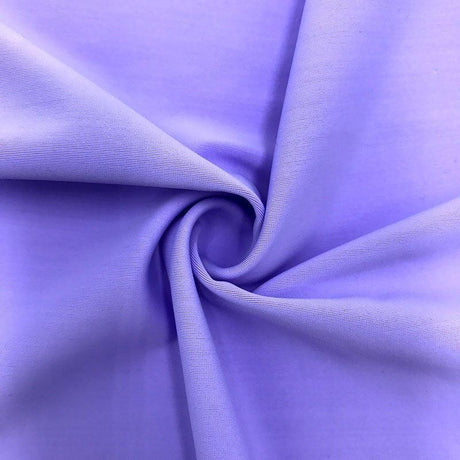
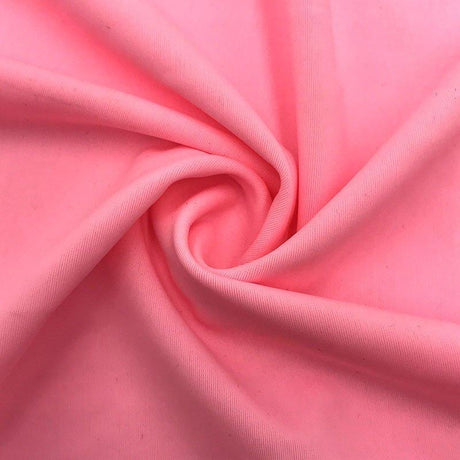
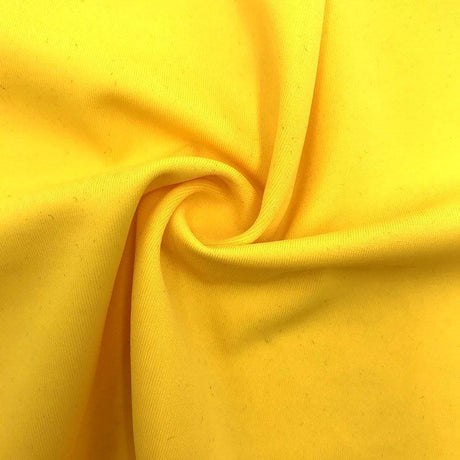
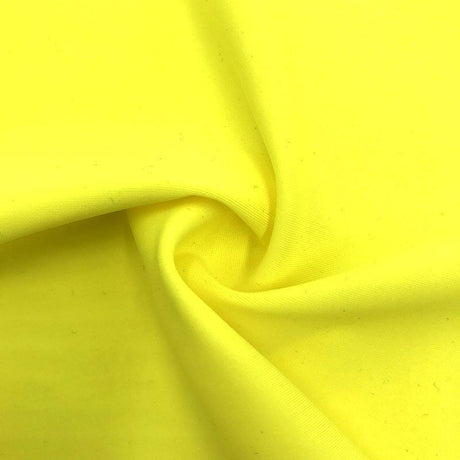
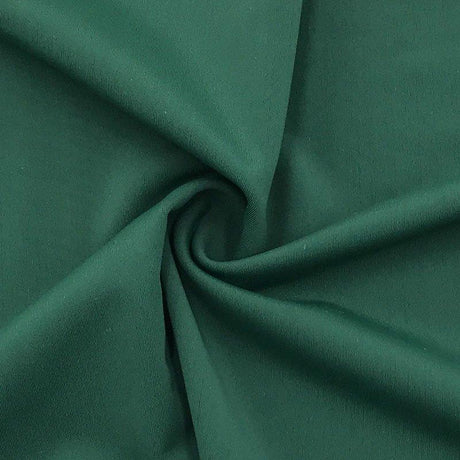
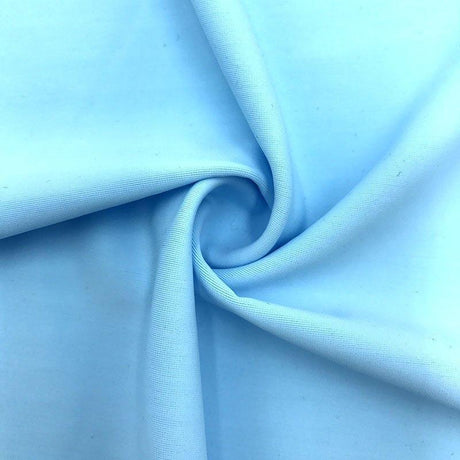
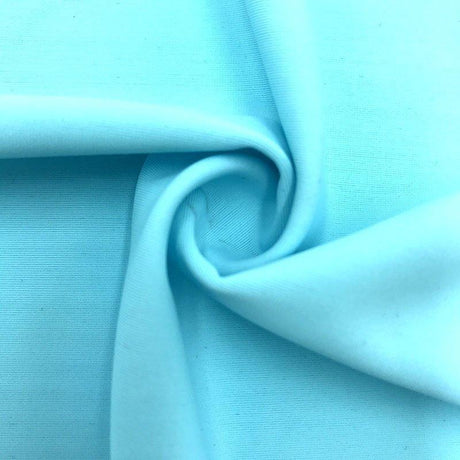
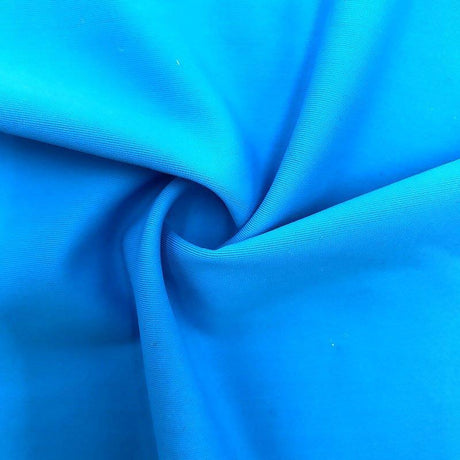
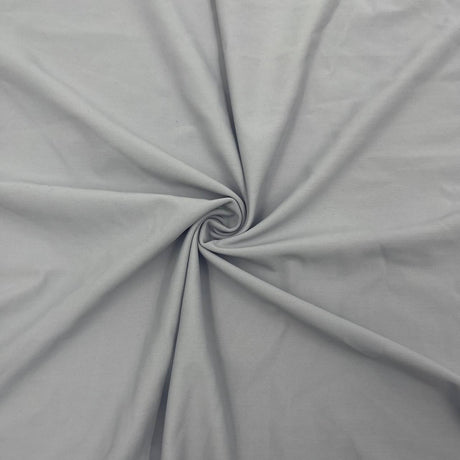
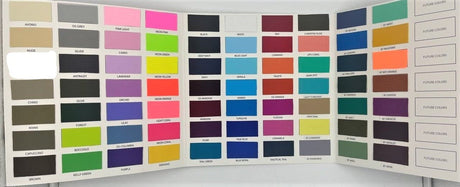
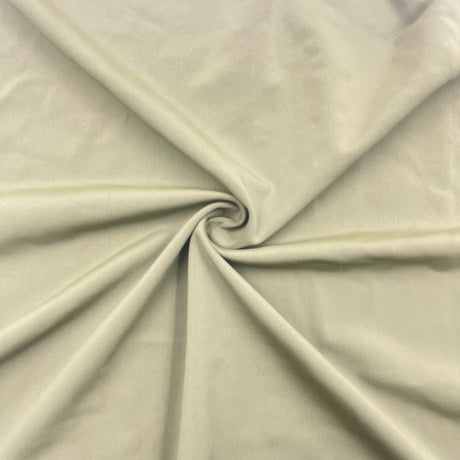
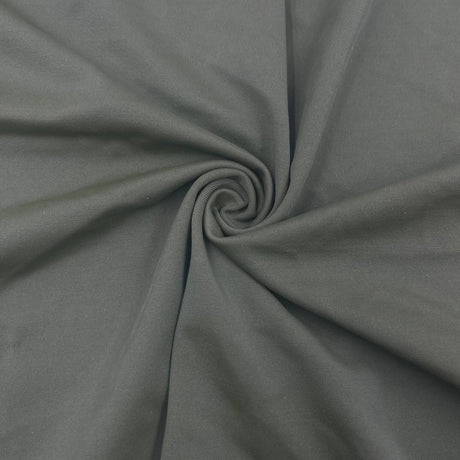
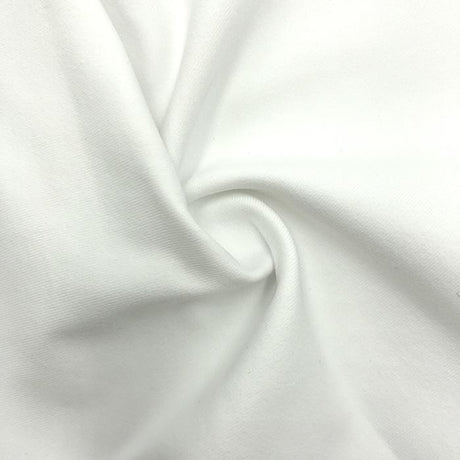
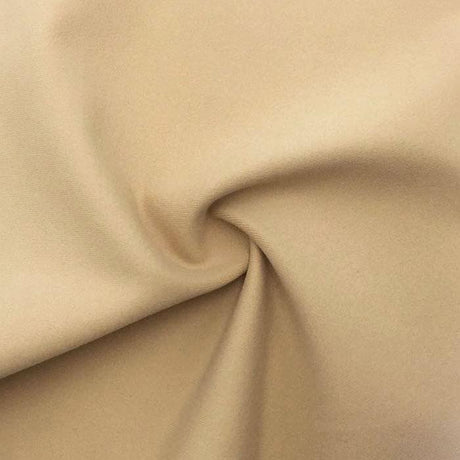
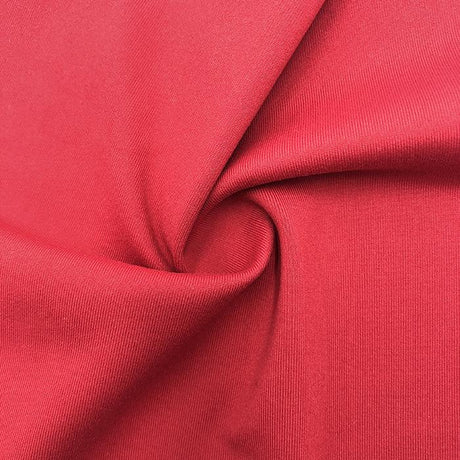
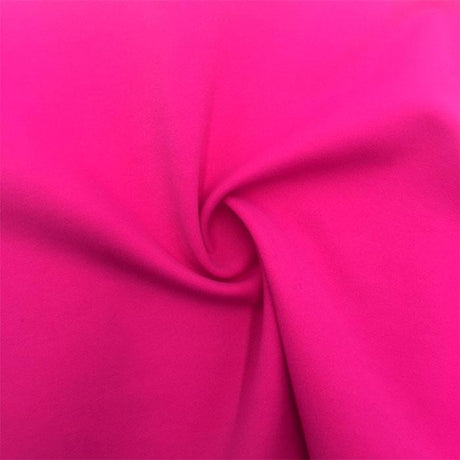
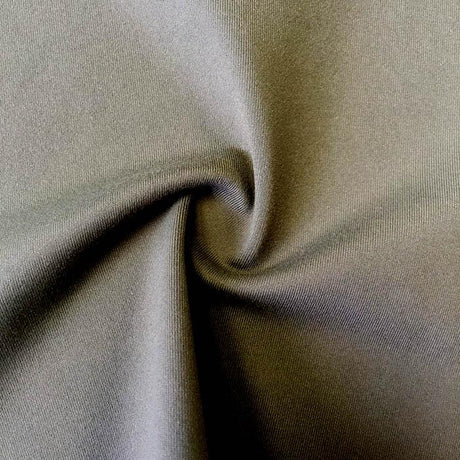
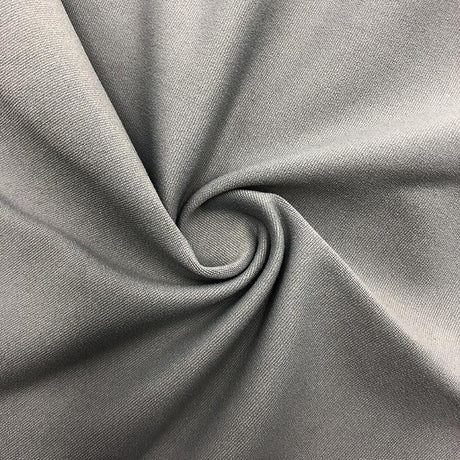
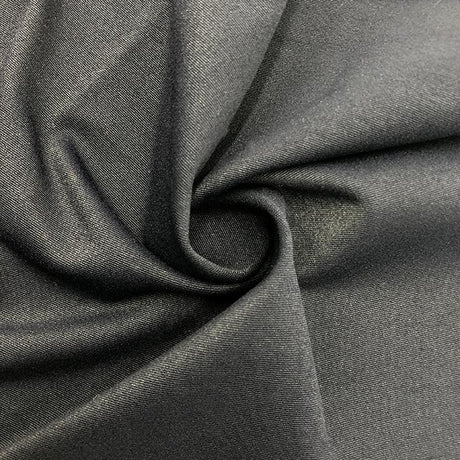
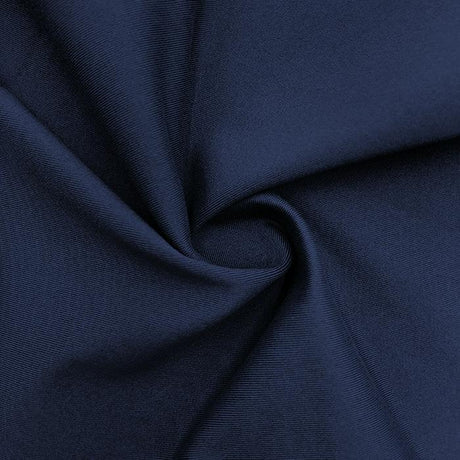
Leggings are essential in both athletic and everyday wardrobes. Yet common problems like knees bagging out, waistbands rolling down, and fabric losing shape after wear continue to frustrate consumers. In most cases, the issue is not the pattern — it is the fabric. For a broader foundation on stretch fabric properties before diving in, explore our activewear fabric guide or browse our full fabric guides hub.
Whether you are a professional apparel manufacturer or a DIY home sewer, understanding fabric performance — including stretch, recovery, compression, and stability — is critical. Selecting the right material ensures leggings stay supportive, snug, and durable over time.
Common Legging Problems and Their Causes
Knee Bagging and Seat Sagging: Knee bagging happens when fabric stretches during movement but fails to return to its original shape. Over time, this creates visible looseness in high-stress areas. This is usually caused by poor stretch recovery or low elastane content.
Waistbands Rolling Down: A rolling waistband often results from insufficient fabric recovery, lack of elastic reinforcement, or narrow or poorly structured waistband construction. Without proper support, the waistband cannot withstand movement.
Fabric Losing Shape After Wear: When fabric lacks structural stability or is overstretched beyond its capacity, fibers fatigue. This leads to permanent distortion and reduced compression.
Why Some Legging Fabrics Fail
Poor Stretch Recovery: Fabrics with low spandex content or low-quality elastic fibers stretch but do not bounce back. This leads to baggy knees, loose seat areas, and reduced overall support. Choosing fabrics containing 15–20% high-quality elastane or Lycra ensures the material snaps back into shape after repeated movement. Our stretch fabric types page covers how spandex percentage translates to real-world stretch percentages and recovery ratings across all common blend types.
Inadequate Fabric Weight and Stability: Very lightweight or loosely knit fabrics lack structure. They may feel soft initially but often become see-through when stretched, slide down during wear, or lose shape over time. Stable knit structures such as interlock or tricot provide better dimensional stability than lightweight jersey fabrics. Our fabric weight guide provides a full breakdown of how GSM affects opacity, compression, and durability across all common spandex-blend constructions.
Weak Waistband Construction: A waistband made solely from fashion fabric without elastic or structural reinforcement will not maintain its shape. Waistbands need proper internal support to resist folding and rolling.
Overstretching Beyond Fabric Limits: Using fabric beyond its stretch capacity — whether due to tight sizing or high-impact movement — can permanently damage elastic fibers. Matching stretch percentage to garment design is essential.
Technical Specifications to Consider
Fabric Weight (GSM): Fabric weight affects durability, opacity, and compression. 250–300 GSM is ideal for performance and compression leggings. 200–250 GSM is suitable for moderate workouts and everyday wear. Below 200 GSM is lightweight and comfortable but more prone to wear and transparency. Heavier fabrics generally offer better support and longevity. Our fabric weight guide covers the GSM ranges that correspond to different compression levels and durability ratings across all common legging fabric constructions.
Stretch and Recovery Performance: High-quality leggings require balanced 4-way stretch and excellent recovery. Look for fabrics that stretch both widthwise and lengthwise, contain 15–20% elastane for athletic wear, and snap back immediately after stretching. Our stretch fabric types page covers the step-by-step stretch and recovery testing methodology in detail, including how to calculate stretch percentage from a home test.
How to Test Recovery: Stretch a fabric swatch firmly and release it. If it remains elongated or rippled, recovery is insufficient for performance leggings.
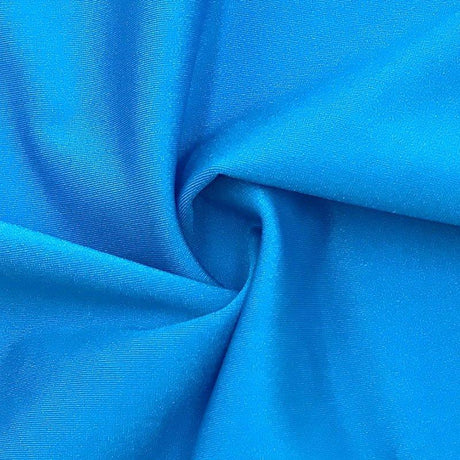
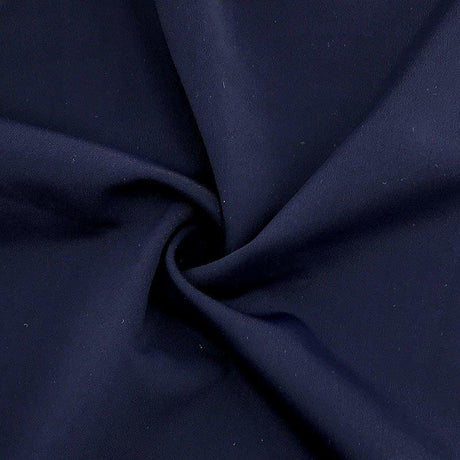
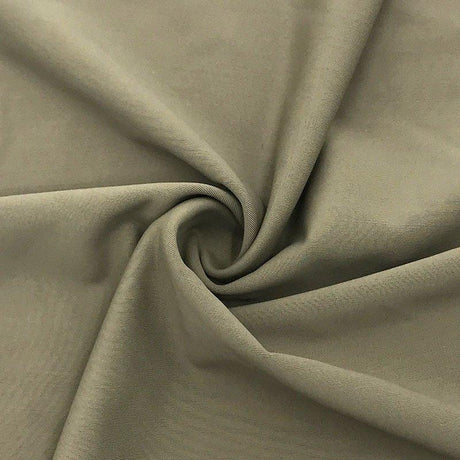
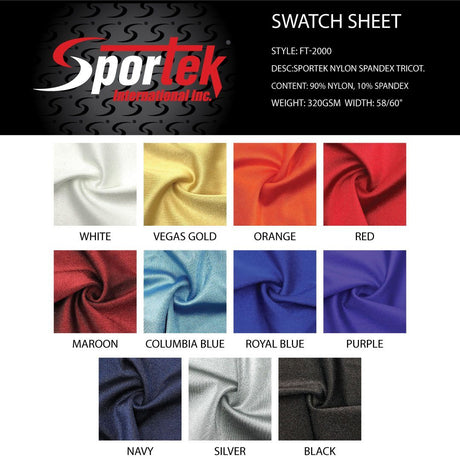
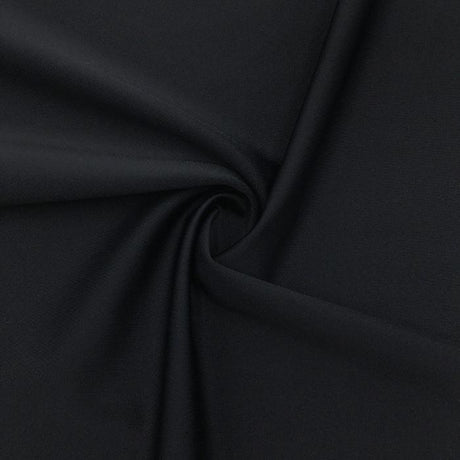
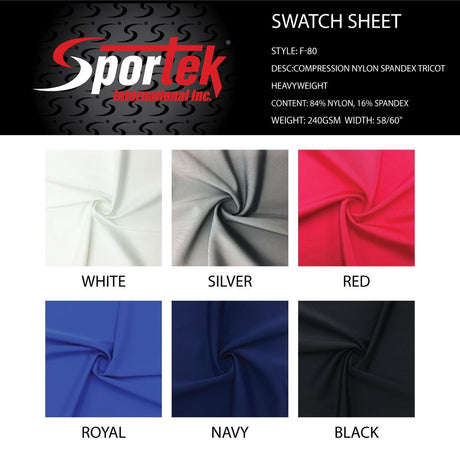
Fabric Stability: Stable fabrics maintain their structure under repeated stress. Recommended compositions include nylon-spandex blends, poly-spandex blends, and power knits. Cotton-spandex blends, while soft, tend to bag out faster due to cotton's limited natural recovery. Our nylon-spandex fabric guide covers how nylon-spandex constructions achieve the combination of smooth hand feel, strength, and 4-way stretch that defines quality performance legging fabric. Our cotton-spandex fabric guide covers how cotton-spandex blends compare in stretch behavior and recovery for casual legging applications.
Choosing Legging Fabric by Project Type
Yoga and Studio Leggings: For yoga or studio use, prioritize soft 4-way stretch, medium fabric weight, breathability, and strong recovery. Nylon/Lycra blends with moderate compression allow full mobility while preventing knee distortion.
Compression and Performance Leggings: For high-intensity training, select heavier-weight fabrics, choose 20% elastane when possible, and use power knit or supplex materials. These fabrics are designed to maintain compression during intense movement. Waistbands should also be reinforced for maximum stability. Our activewear fabric guide covers compression performance benchmarks across all common activewear fabric constructions.
Casual and Lounge Leggings: For everyday comfort, choose mid-weight fabrics, ensure at least 8–10% spandex, and prioritize softness and ease of care. Double-brushed polyester and interlock knits offer comfort while maintaining moderate shape retention.
Smart Construction Techniques for Long-Lasting Leggings
Use Proper Stretch Stitches: Use overlock or serger seams, zigzag or stretch stitch, ballpoint needle, and stretch thread when available. Straight stitches restrict movement and can cause seam breakage. Our how to sew stretch fabric guide covers complete needle selection, stitch type, machine settings, and edge finishing guidance for all common legging construction scenarios.
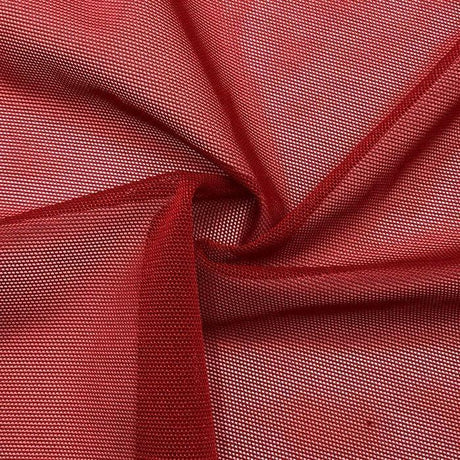
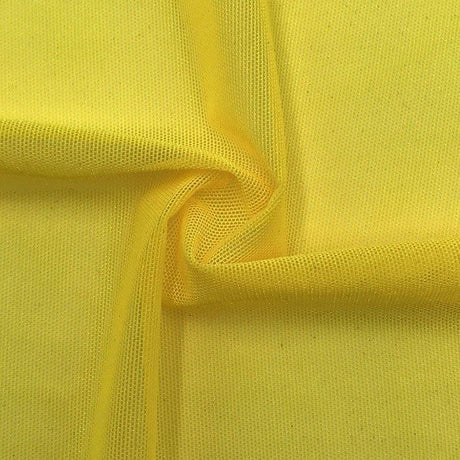
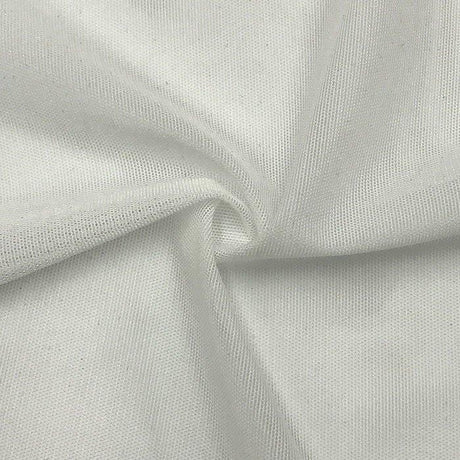
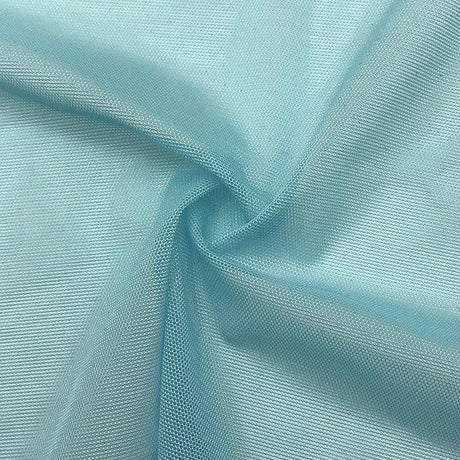
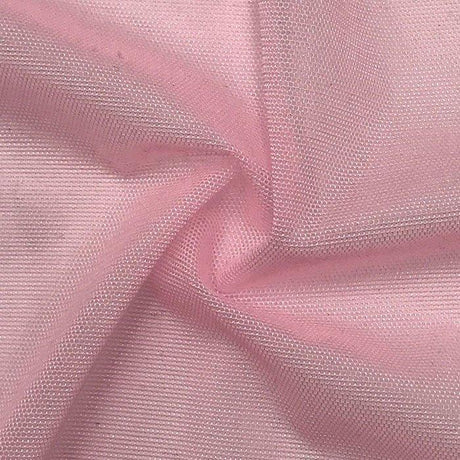
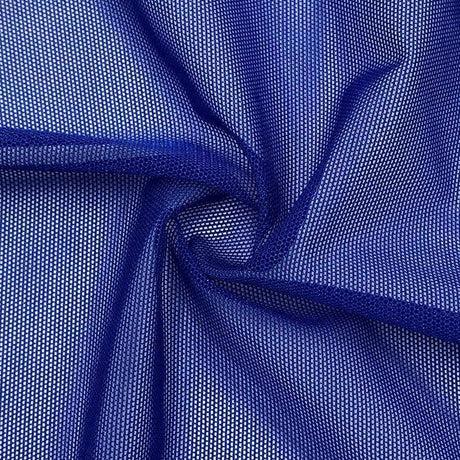
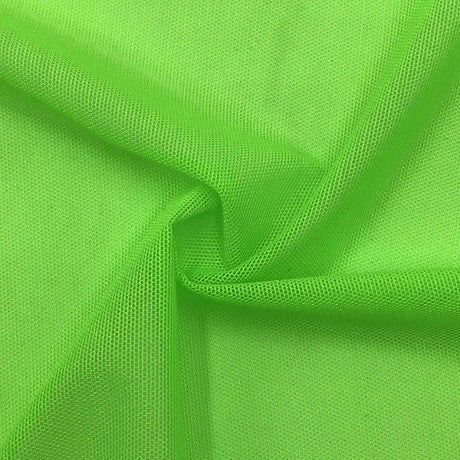
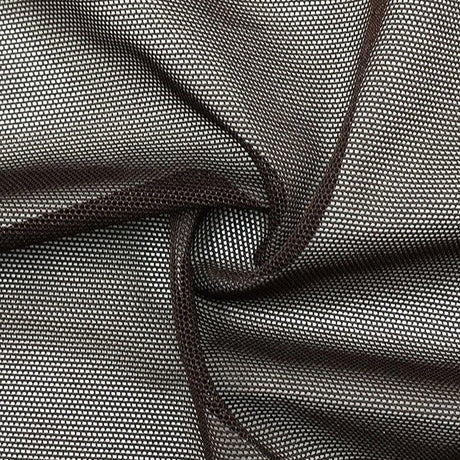
Reinforce the Waistband: To prevent rolling, insert high-quality elastic, use wide waistband construction, and add power mesh lining for additional structure. Power mesh provides lightweight support without sacrificing stretch.
Strengthen High-Stress Areas: Use flatlock seams for durability, add clear elastic in waist or crotch seams, and reduce seam bulk for comfort. Stabilizing stress points extends garment lifespan.
Common Mistakes to Avoid:
- Choosing low-recovery fabrics
- Using 100% cotton jersey for leggings
- Ignoring required stretch percentages
- Skipping recovery testing
- Failing to reinforce waistbands
- Using non-stretch stitches
- Overstretching fabric while sewing
Our spandex care guide and fabric care guide cover the laundering protocols that preserve elastane recovery through repeated washing — because even the best fabric will degrade prematurely without proper care.
Conclusion
The performance and longevity of leggings depend largely on fabric selection. Choosing the correct weight, ensuring dimensional stability, and prioritizing high-recovery stretch options will prevent knee bagging, waistband rolling, fabric fatigue, and loss of compression. Combined with proper construction techniques, this knowledge empowers both professional apparel manufacturers and DIY home sewers to create leggings that maintain their shape, stay supportive, and deliver lasting performance.
Ready to find the right legging fabric for your project? Use our stretch fabric types page and fabric weight guide to evaluate technical specifications, our nylon-spandex fabric guide and activewear fabric guide for curated fabric recommendations, and our how to sew stretch fabric guide for complete construction guidance. Our spandex care guide and fabric care guide keep every finished garment performing at its best. Have questions? Our expert help and advice page and FAQ are always available. Sign up for SpandexByYard Rewards to earn points on every purchase — because understanding fabric performance is the foundation of leggings that truly perform.