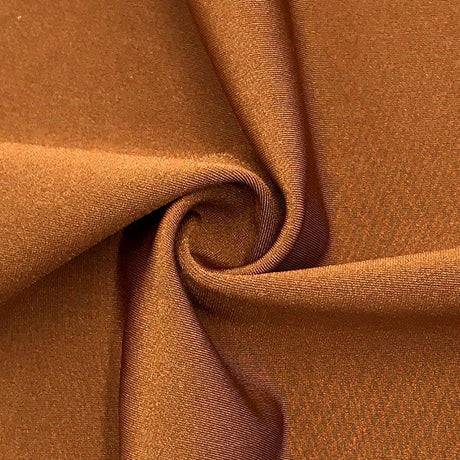
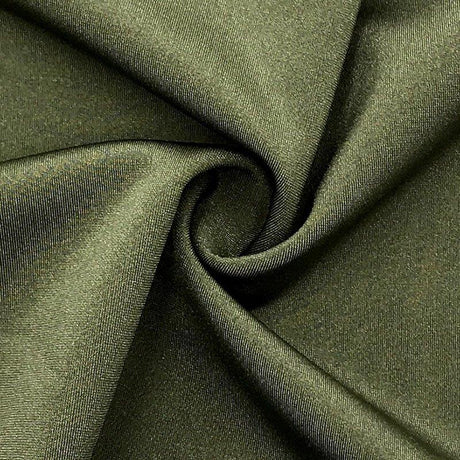
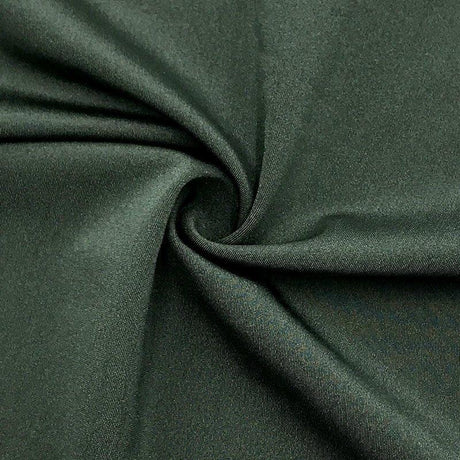
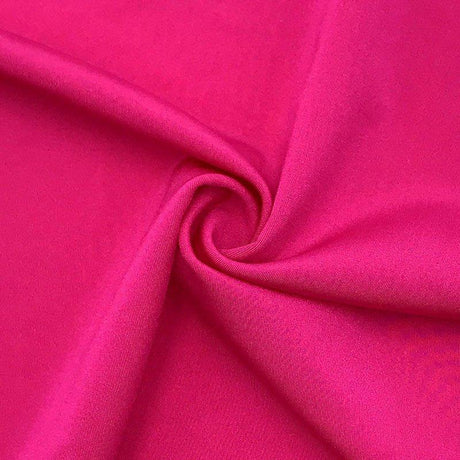
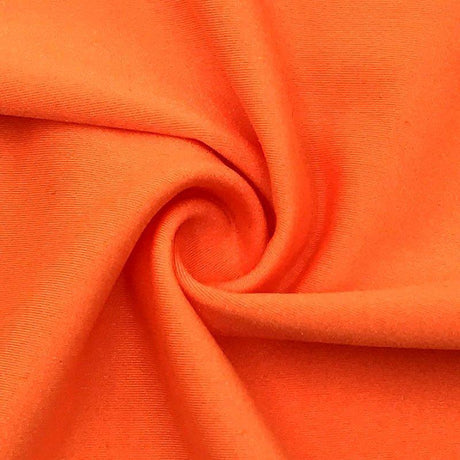
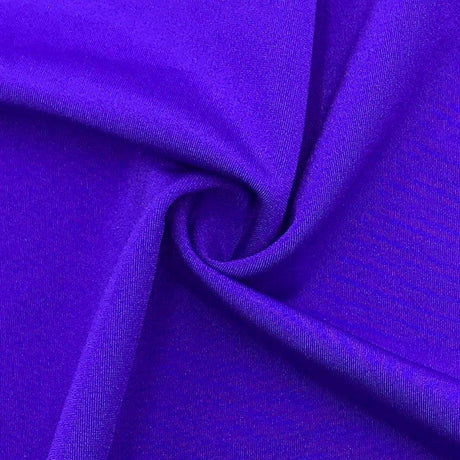
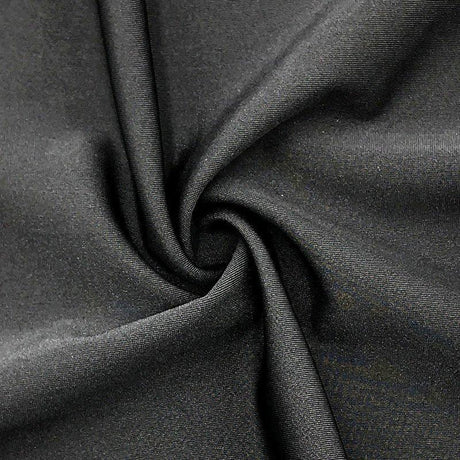
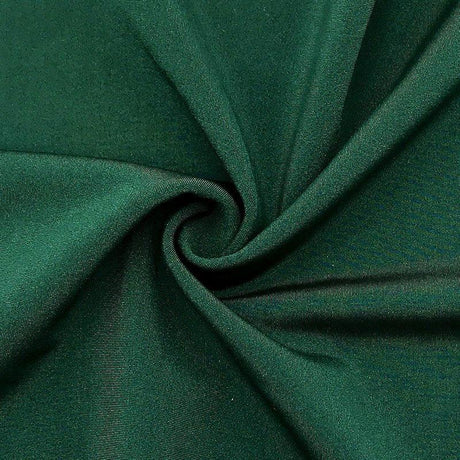
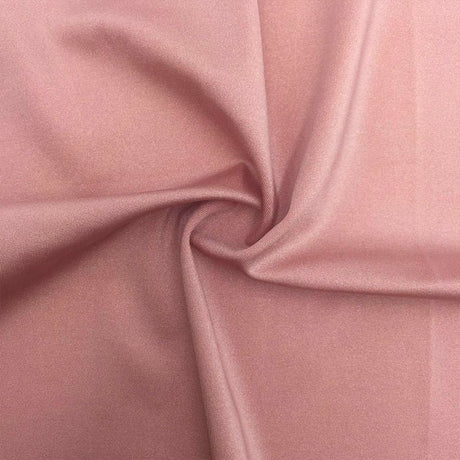
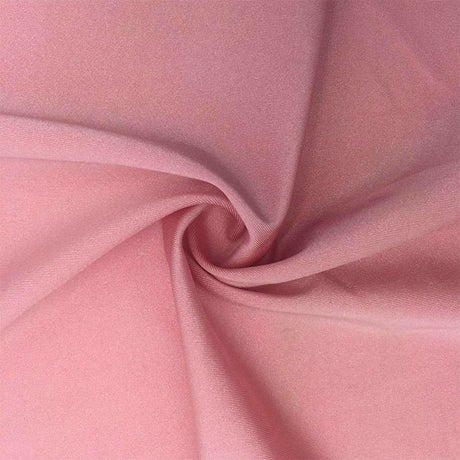
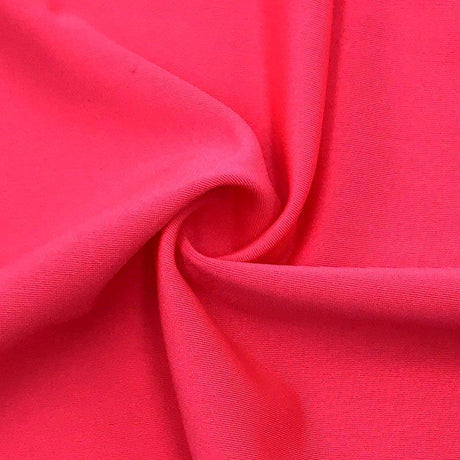
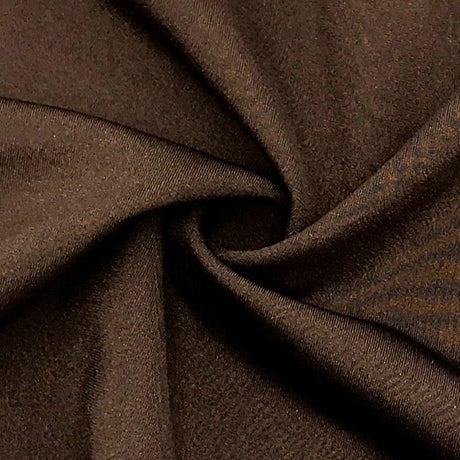
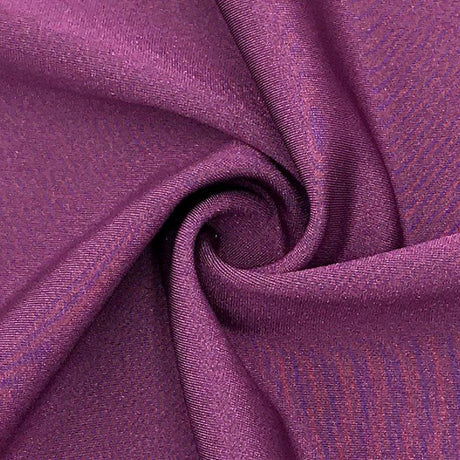
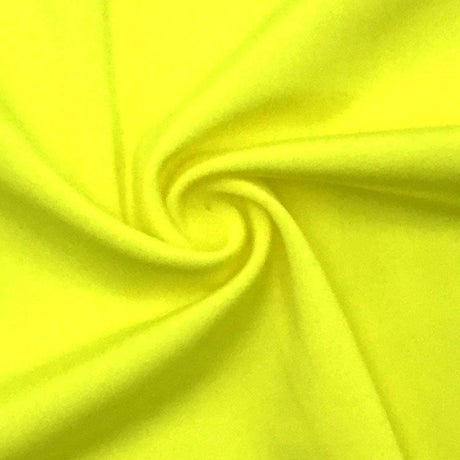
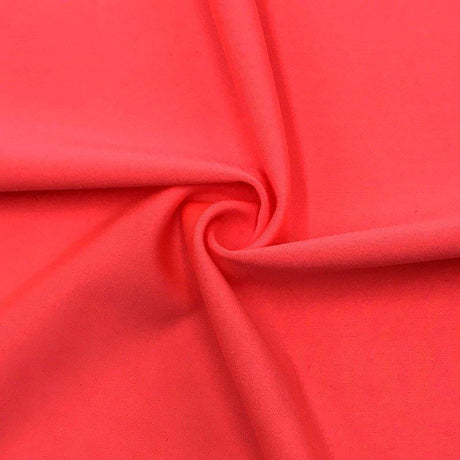
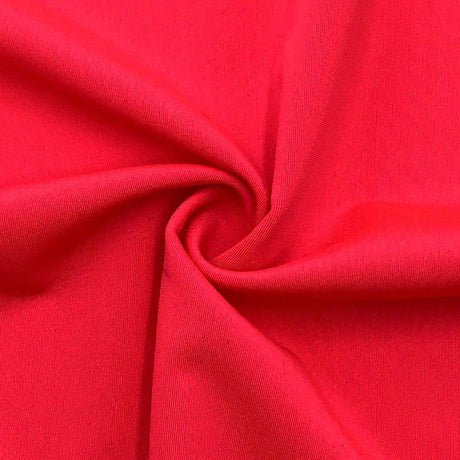
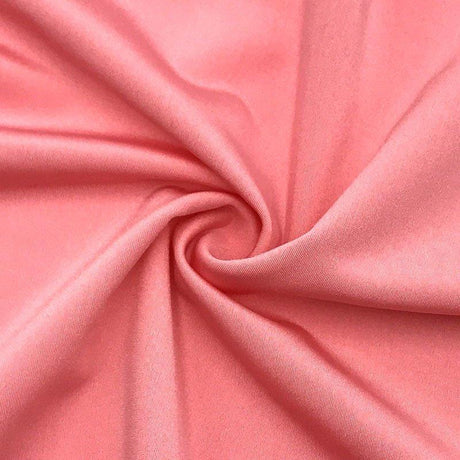
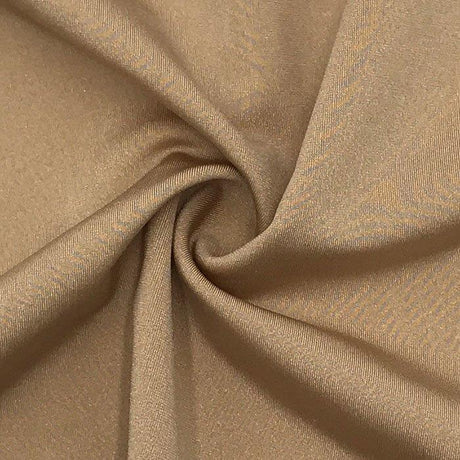
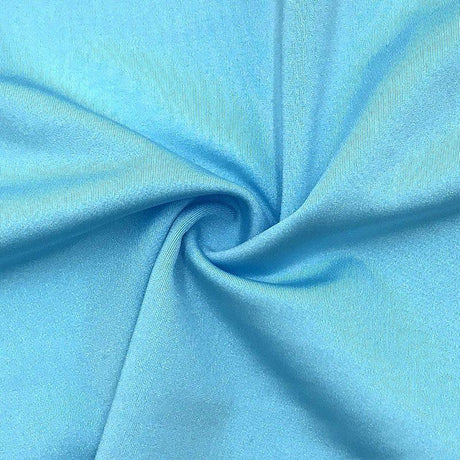
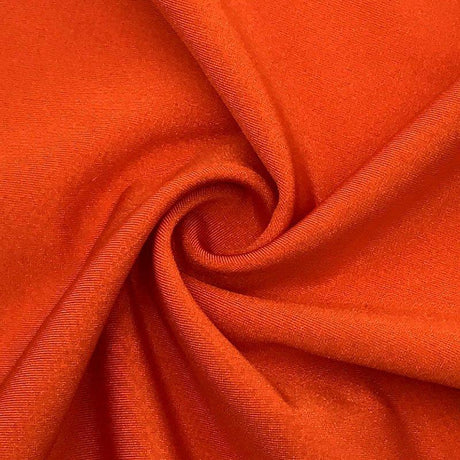
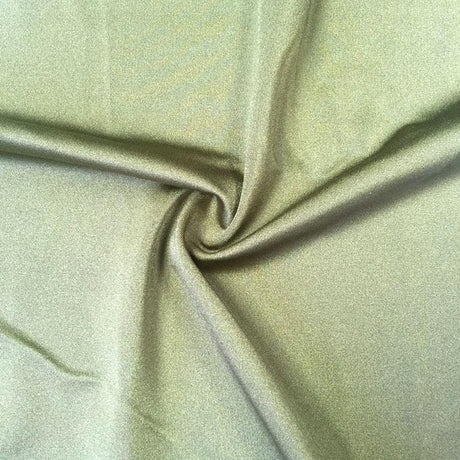
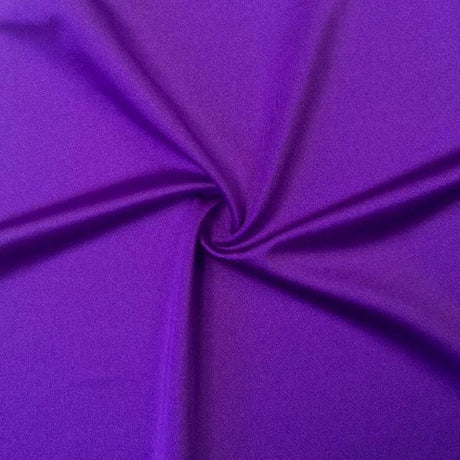
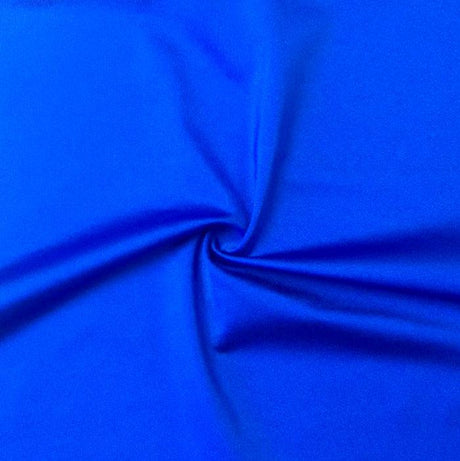
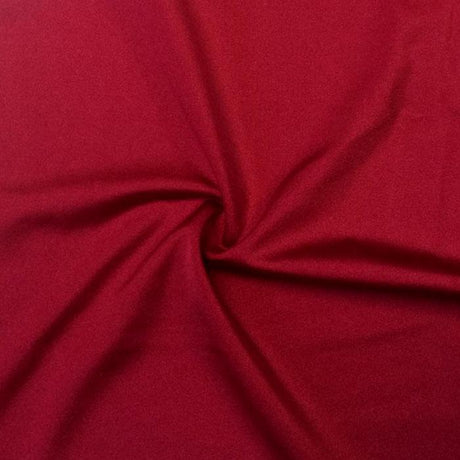
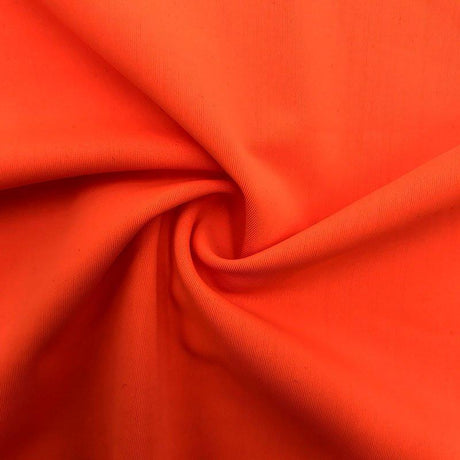
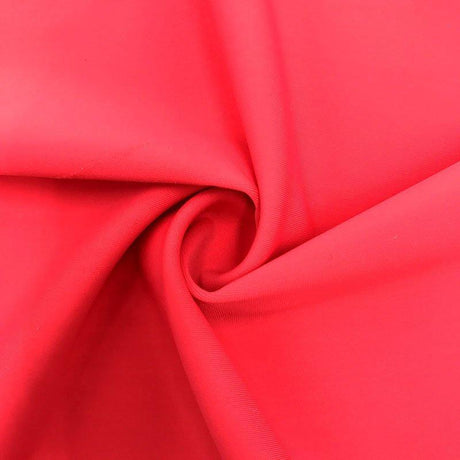
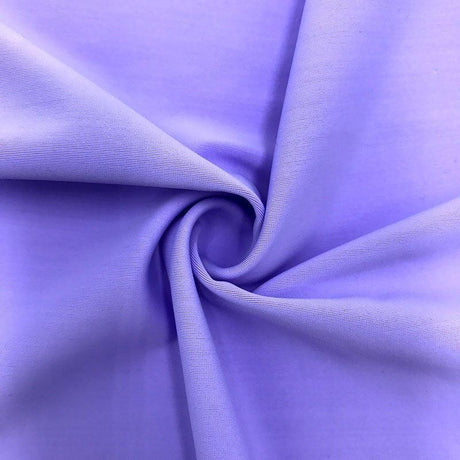
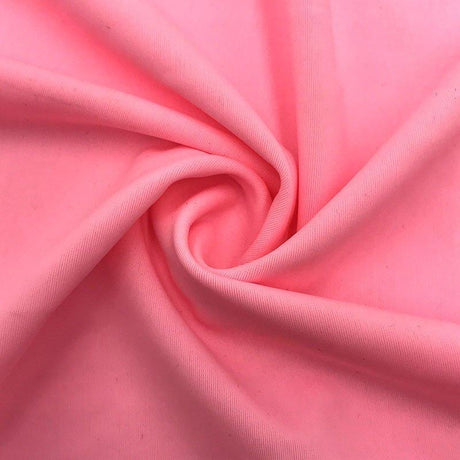
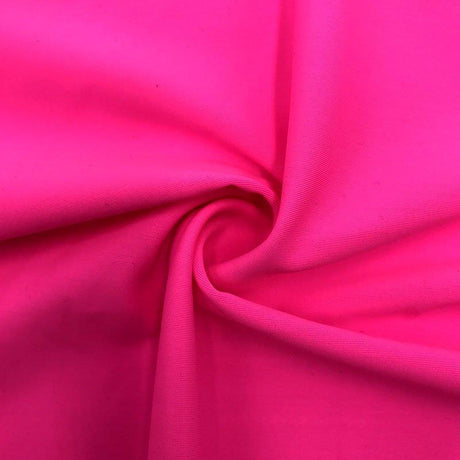
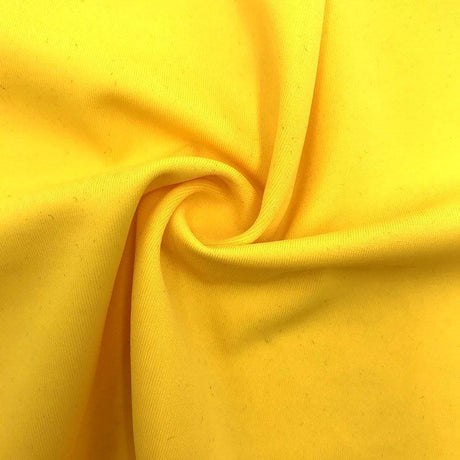
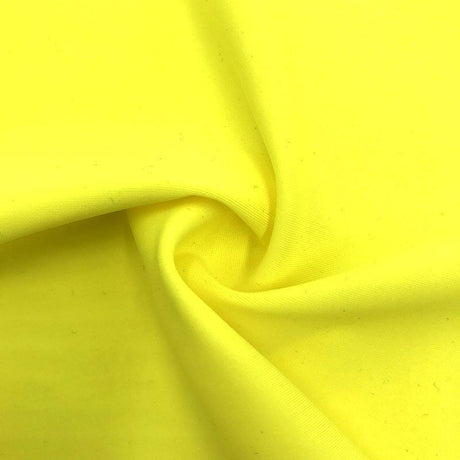
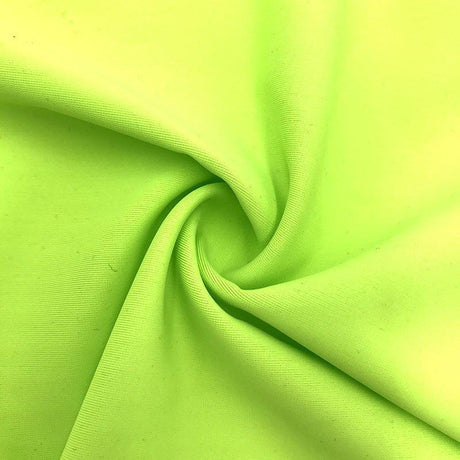
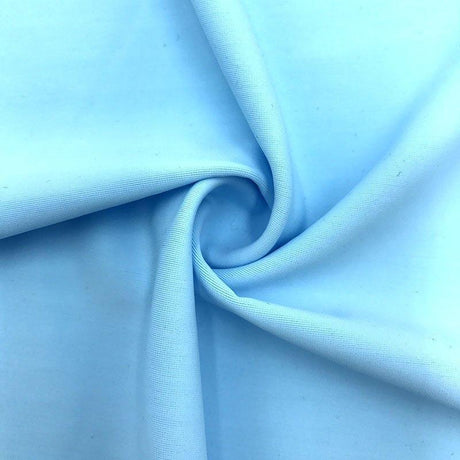
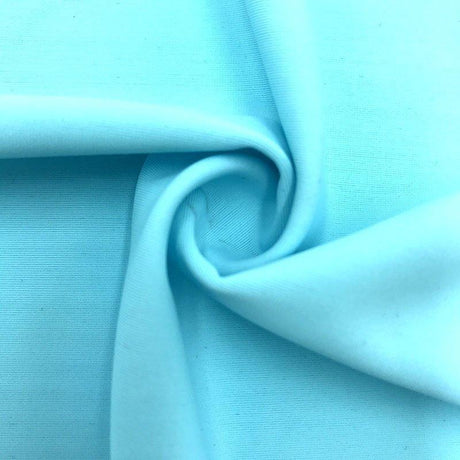
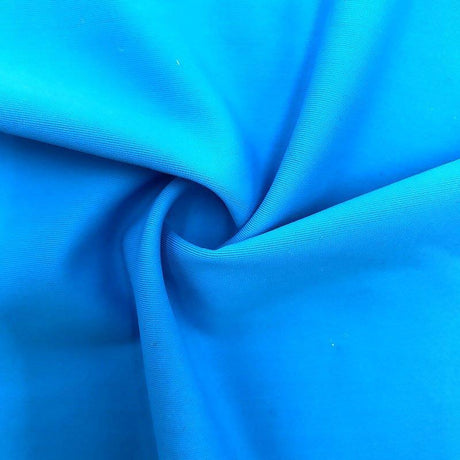
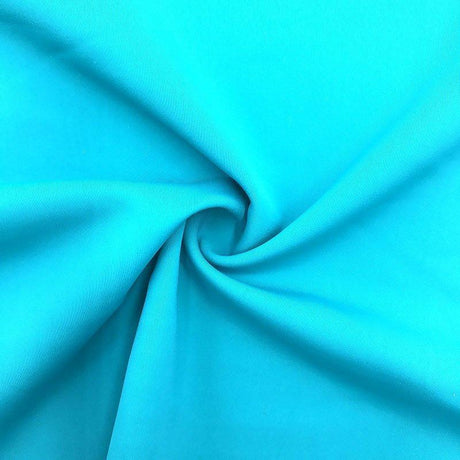
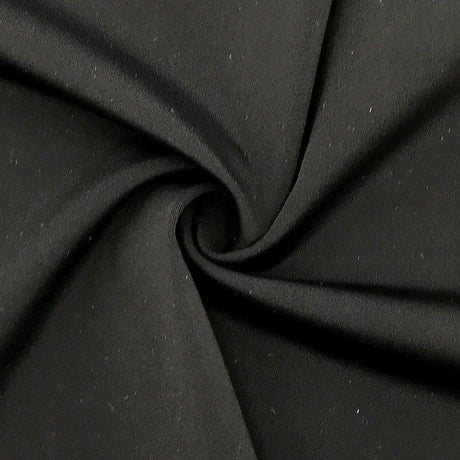
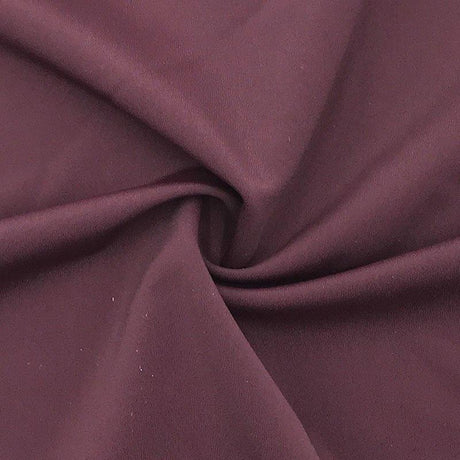
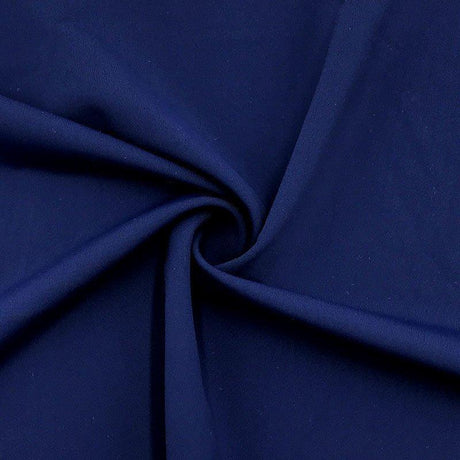
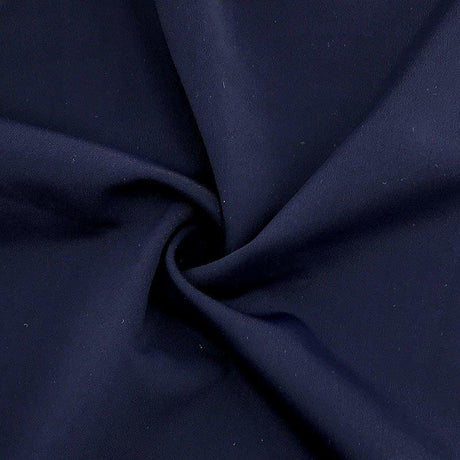
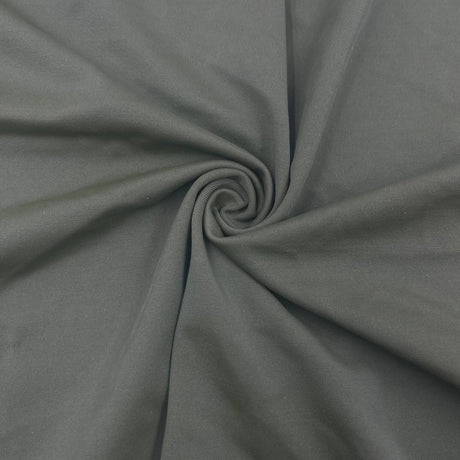
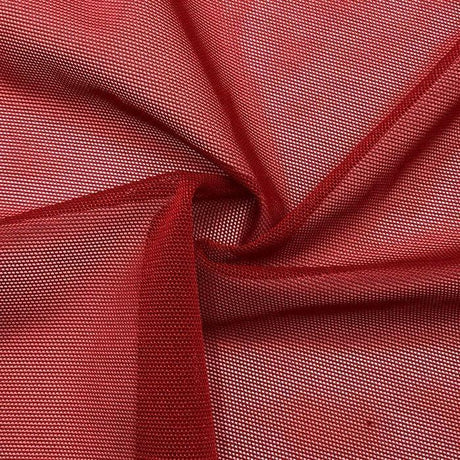
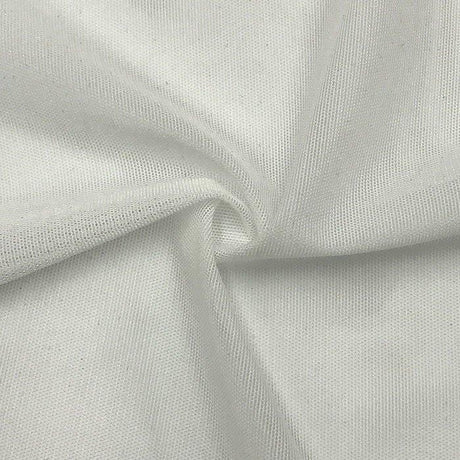
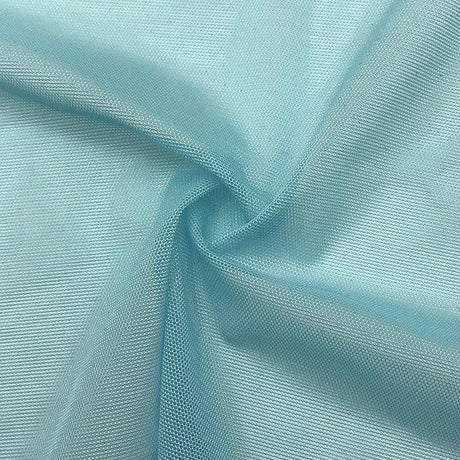
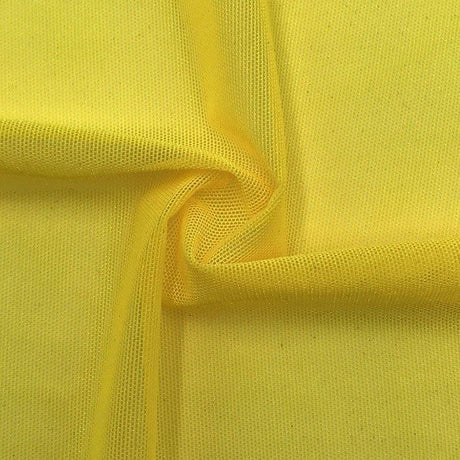
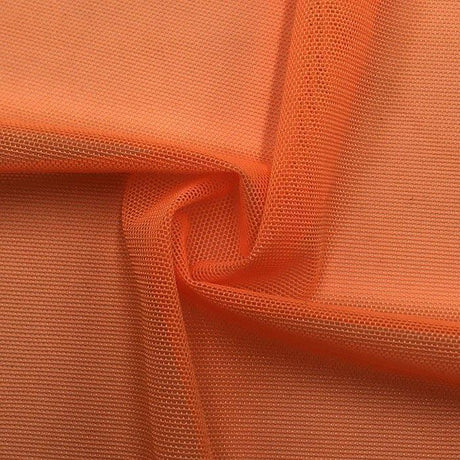
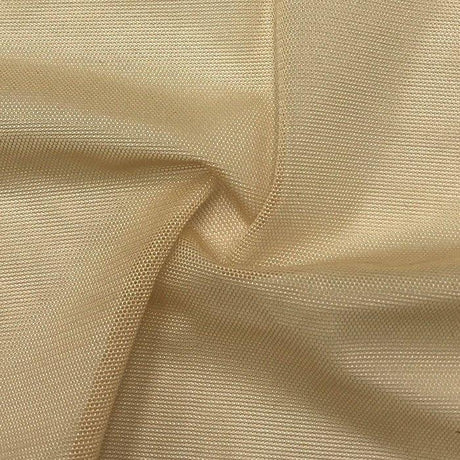
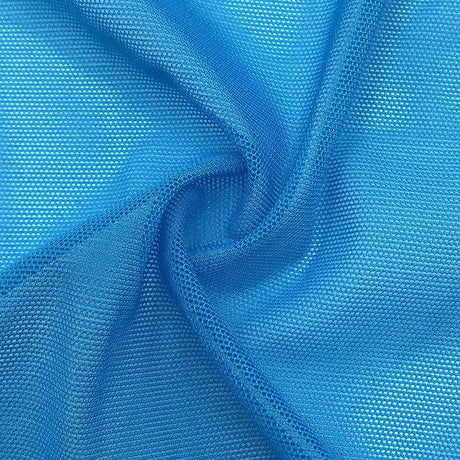
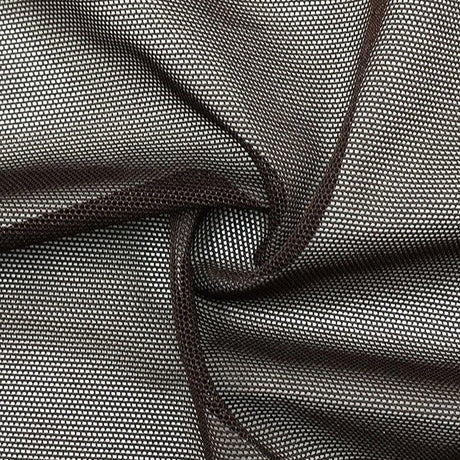
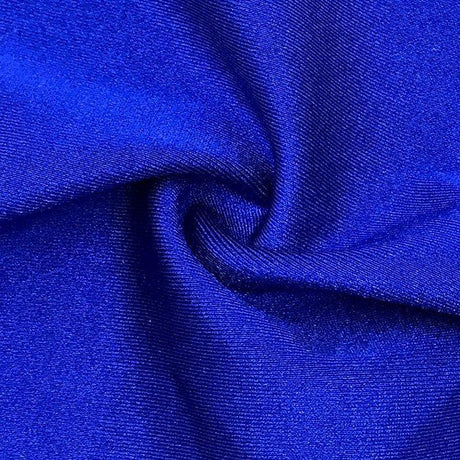
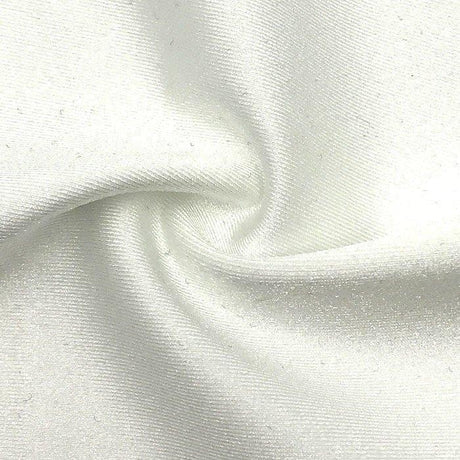
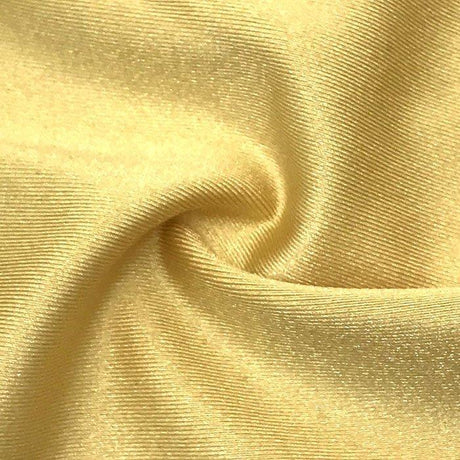
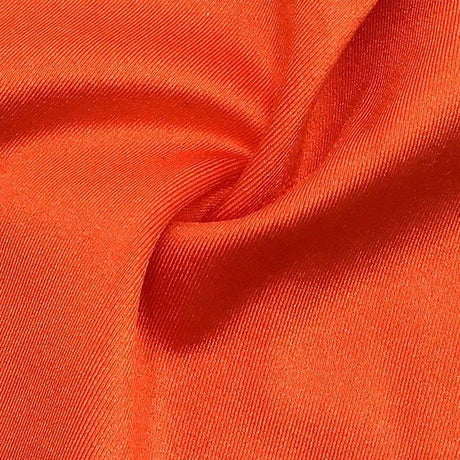
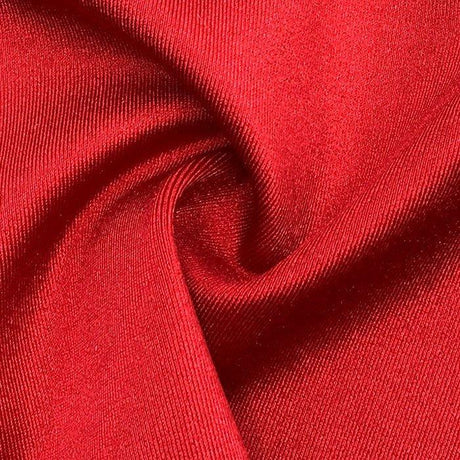
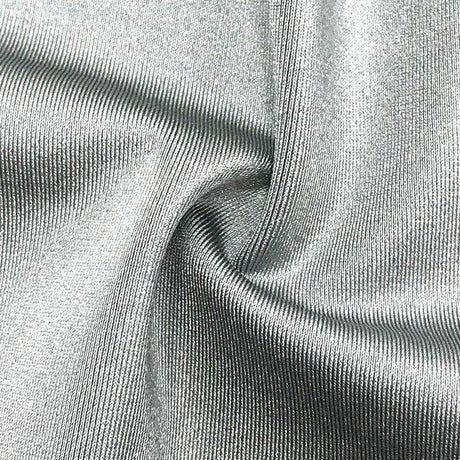
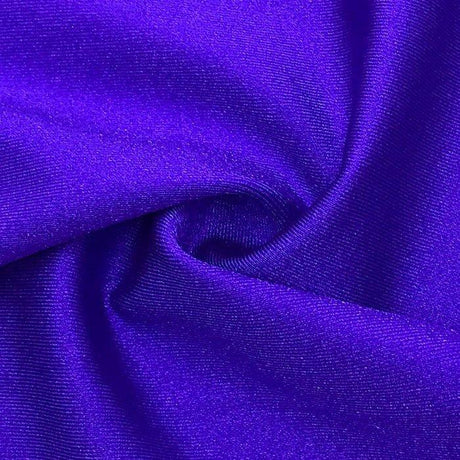
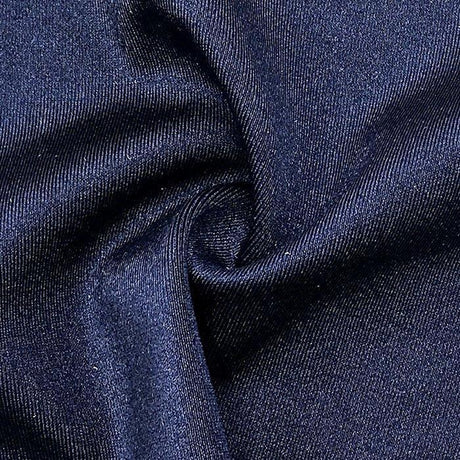
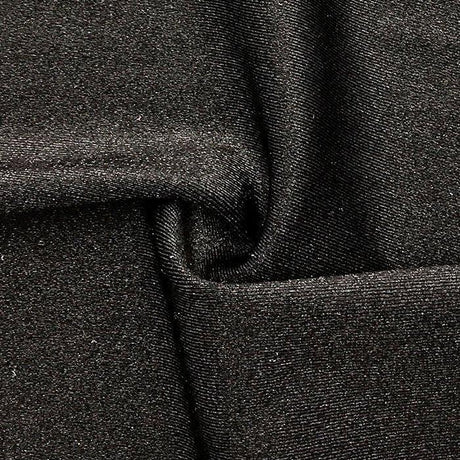
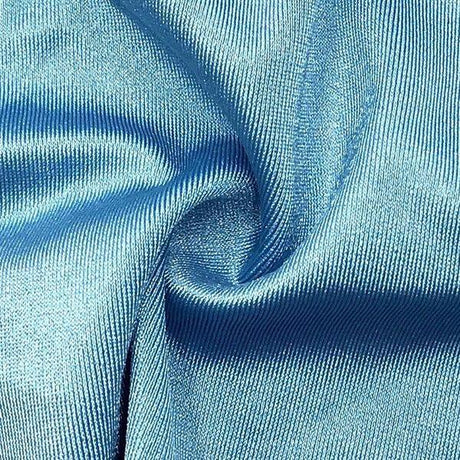
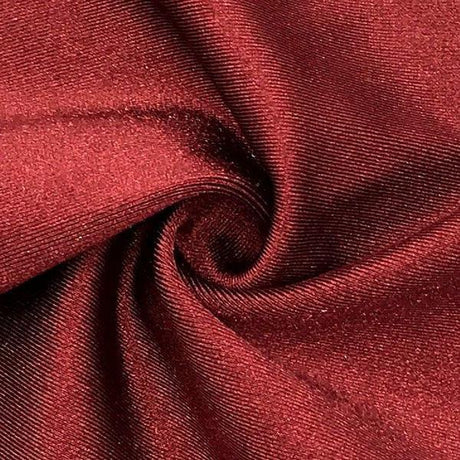
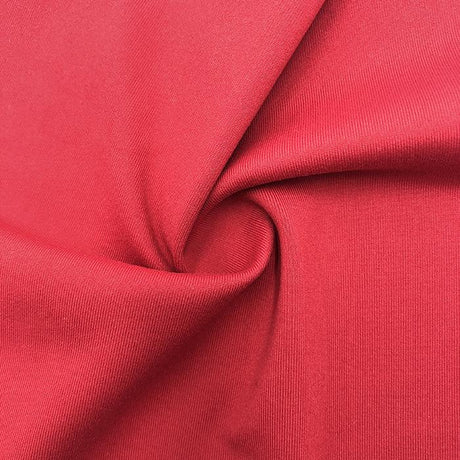
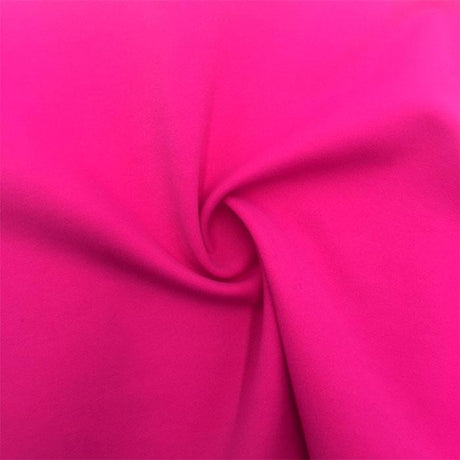
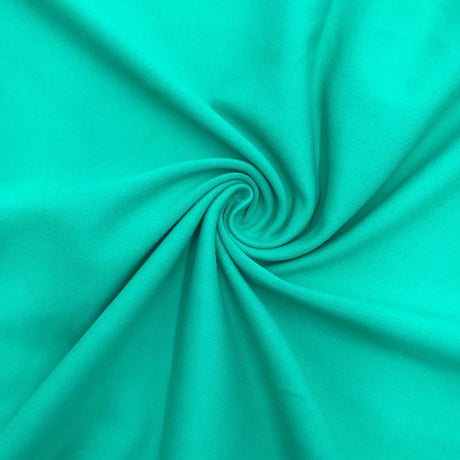
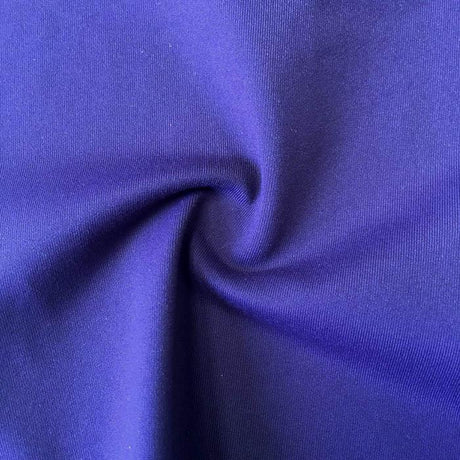
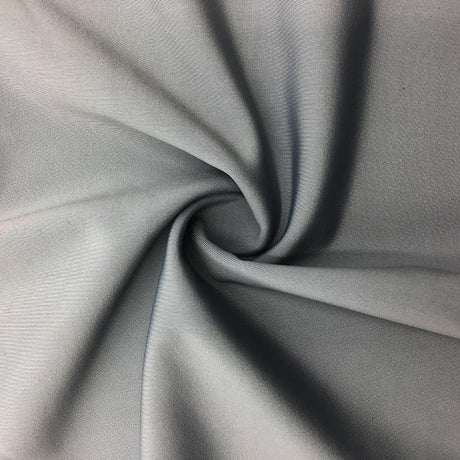
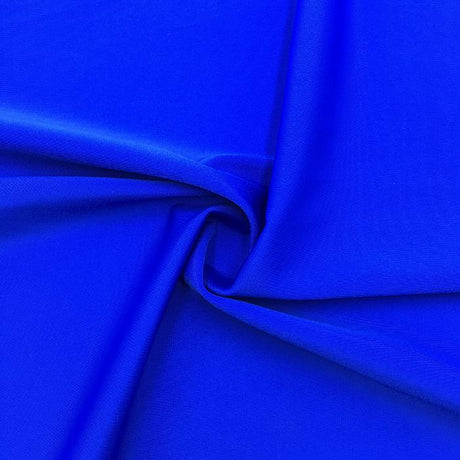
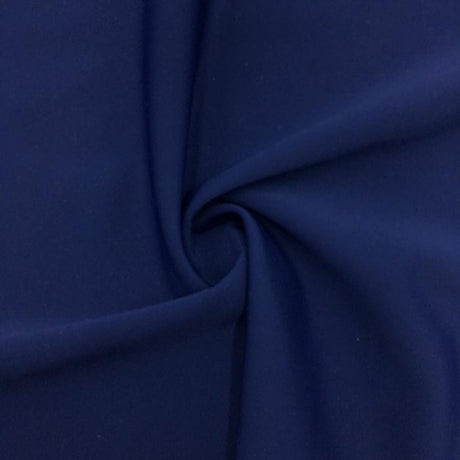
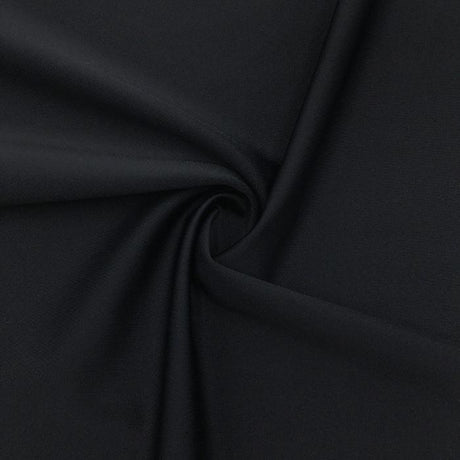
Activewear fabrics are engineered for performance, using stretchy elastane blends and technical finishes to wick sweat. But these high-tech materials require the right care to stay effective. Improper washing can break down elastic fibers and dyes – leading to saggy fits and faded colors long before their time. Whether you're a professional apparel manufacturer or just washing your favorite leggings at home, understanding how laundering affects fabric is key. In this guide, we'll explain why typical washing habits can ruin stretch performance and colorfastness, and how to keep activewear looking (and fitting) like new. For a broader foundation on performance textiles, visit our activewear fabric guide or explore our full fabric guides hub.
Why Care Matters: Performance fabrics are designed differently from regular clothes, with spandex yarns for stretch and specialty dyes. Hot water, harsh detergents, or high-heat drying can degrade elastane and wash out color, robbing your workout gear of its compression and vibrancy. By learning proper activewear care – from pre-wash prep to drying – you'll preserve the stretch recovery, color intensity, and lifespan of your garments. Let's dive into how activewear fabrics behave and the best practices to maintain them.
Educational Section – Understanding Activewear Fabric Behavior
Moisture-Wicking Synthetics vs. Natural Fiber Blends
Activewear is typically made from synthetic fibers (like polyester or nylon) often blended with spandex for stretch. These synthetics are hydrophobic, meaning they wick moisture away from your skin and dry quickly, unlike cotton which absorbs sweat. Nylon-spandex blends are praised for being durable, smooth, and excellent at moisture-wicking – our nylon-spandex fabric guide covers their full performance characteristics. Polyester-spandex blends tend to be more affordable and are also quick-drying, plus slightly more resistant to fading and pilling.
In contrast, natural fiber blends (like cotton or bamboo rayon mixed with elastane) handle moisture differently. Cotton fibers soak up sweat, which can leave a garment feeling damp and heavy until fully dried. Bamboo-derived viscose is very absorbent as well – it can hold liquid and dry much slower than wool or synthetics, often becoming saggy when wet. Our cotton-spandex fabric guide explains when cotton blends make sense and what care adjustments they require. The key is matching your care approach to the fabric: synthetics need routines that protect their wicking coatings (avoiding fabric softener that can clog them), whereas cotton blends might need extra care to prevent shrinkage or mildew if left damp too long. Our fabric finishes guide explains how wicking coatings and other technical treatments are applied and how to preserve them through laundering.
Stretch Mechanics and Fiber Memory
The terrific stretch in your leggings or sports bra comes from elastane fibers (e.g. Lycra or spandex) woven into the fabric. Spandex can stretch 5–6 times its length and snap back due to its polyurethane chains acting like tiny springs. This "fiber memory" gives activewear its compression fit and recovery. However, elastane is sensitive: heat and UV light are its enemies. High temperatures can break the chemical bonds in spandex, causing it to lose elasticity and not spring back. Likewise, ultraviolet radiation causes photodegradation of spandex – the polymer chains start to break, leading to permanent stretch loss (think leggings that bag out at the knees). Once those bonds are damaged, the loss of stretch is irreversible.
This is why you should never use hot water or hot dryers on elastane-rich clothing and avoid long sun exposure when line-drying. Our spandex care guide covers everything you need to know about preserving elastane through washing and drying. Quality spandex blends are designed to have excellent recovery, meaning they return to shape without sagging – but that only lasts if you treat them gently. For a technical breakdown of stretch types and recovery ratings across common activewear constructions, see our stretch fabric types page.
Common Issues: Pilling, Dye Bleed, Sagging
Activewear sees a lot of friction and sweat, which can lead to these common fabric issues:
Pilling: Those little fuzz balls are caused by fiber breakage and tangling on the surface. Abrasion is the primary cause of pilling. Synthetics like polyester can pill if the yarn fibers snap, and cotton blends are especially prone because of their shorter, fuzzier fibers. Overloading a washer or mixing heavy, coarse items (like denim or towels) with your Lycra tights will accelerate pilling through increased friction.
Dye Bleed/Fading: Colorfastness varies by fiber and dye type. Polyester is usually dyed with disperse dyes that are quite wash-fast, whereas nylon and cotton may bleed or fade more if not properly fixed. Hot water and strong detergent can strip dyes out, causing vibrant colors to dull quickly. Dark or saturated colors might bleed onto lighter items if washed together, especially in warm water. Always wash new, deeply colored gear separately the first few times to avoid dye transfer.
Sagging/Loss of Shape: This relates to the stretch memory above – if elastane fibers are damaged, garments start to lose shape. Often the culprits are heat exposure, chlorine, or the cumulative stress of wear. Repeatedly machine-drying yoga pants or using bleach will embrittle the elastic threads, resulting in a loose, saggy fit. Proper care can delay these issues significantly. Our fabric care guide covers all three of these common problems and how to address them across different fabric types.
Technical Specifications
To choose the best care and understand durability, it helps to know how common activewear fabrics compare. Below is a comparison of typical activewear fabric types and their properties. For a full explanation of GSM ranges and what they mean for performance and durability, visit our fabric weight guide.
| Fabric Type & Content | Weight (GSM) | Stretch % (4-way) | Stretch Recovery | Dye Retention | Notes |
|---|---|---|---|---|---|
| Polyester 85% / Spandex 15% | ~250 GSM (mid-weight) | 50–70% stretch | Excellent | High: polyester holds color well; minimal fading. | Durable and hydrophobic. Resists pilling better than nylon. Common in leggings and tops. |
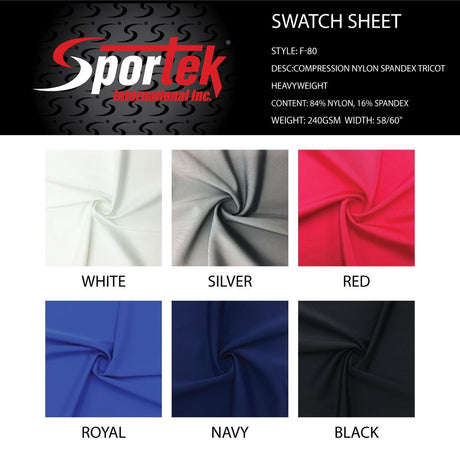
| Nylon 80% / Spandex 20% | ~220 GSM (mid-weight) | 60–80% stretch | Excellent | Moderate: deep colors can fade more over time. | Very smooth, soft feel and superb moisture-wicking. Often used in high-end yoga pants, swimwear. |
| Cotton 90% / Spandex 10% | ~180 GSM (jersey knit) | ~20–30% stretch | Good initially; cotton can "bag out" until washed | Moderate: can fade or bleed if washed hot. | Soft and breathable, but holds moisture. Tends to shrink ~5% if not pre-washed. |
| Bamboo (Viscose) 95% / Spandex 5% | ~250 GSM (heavy knit) | ~30–50% stretch | Fair: loses structure when wet | Moderate: bright but can pill/fade with wear. | Extremely soft; drapes well. Weaker when wet – prone to pilling and sagging over time. |
| 100% Polyester (no spandex) | ~100–150 GSM (lightweight) | Minimal stretch (mechanical only) | n/a (no elastic fiber) | High: colors stay vivid; poly doesn't bleed much. | Very durable and quick-drying. Used in loose fit jerseys or mesh. |
The above data shows why care needs differ. A poly/spandex blend has great color retention and stretch, but high heat can still wreck the spandex component. A mostly cotton blend will feel nice but is prone to shrinkage and needs cold water and air drying to avoid distortion. Knowing the fiber content of your garment is the first step to choosing the right wash method. Our how to choose fabric guide can help you match fiber content to end use before you even start sewing or sourcing.
How to Wash Activewear Fabric
Washing your activewear correctly is the single most important step to preserve its stretch and color. Below is a quick checklist of Do's and Don'ts for home laundering workout clothes. For fabric-specific laundering advice, see our spandex care guide and fabric care guide.
Do: Wash in cold (or cool) water. Hot water can severely damage elastane fibers and accelerate color fading. A cold wash is sufficient to clean sweat and prevents shrinkage in both synthetics and cotton blends.
Do: Turn garments inside out. Washing inside-out protects the outer surface from abrasion and helps keep colors bright. The interior gets cleaned, and the delicate exterior or printed designs won't rub as much against other items.
Do: Use a mild detergent (preferably sports-formulated). Choose a gentle, enzyme-free or sport-specific detergent made for synthetics. Strong detergents with heavy enzymes, optical brighteners, or bleach can break down elastic fibers and dull the fabric's finish. A liquid detergent is often better than powder for activewear – it dissolves fully and is less abrasive on the fabric surface. If dealing with very sweaty gear, a pre-soak in cool water with a bit of white vinegar can help neutralize odors without harsh chemicals.
Do: Use a gentle cycle (or hand wash for delicates). The machine's agitation can be rough on high-stretch clothing. Select the delicate or gentle cycle which uses slower spin speeds. Put items like sports bras or leggings in a mesh laundry bag to shield them from zippers or rougher fabrics. Hand washing is the ultimate gentle method – just avoid wringing the garments; squeeze water out softly. Our how to sew stretch fabric guide also covers how seam and stitch construction affects how delicately garments need to be handled during care.
Don't: Use fabric softener or dryer sheets. Fabric softeners leave a residue that clogs moisture-wicking fabrics and can lock in odors. The waxy coating they deposit will also inhibit stretch by making fibers stick and less flexible. If you want extra softness or odor control, use a half-cup of white vinegar in the rinse cycle instead – it acts as a natural softener and odor eliminator without harming fibers.
Don't: Bleach your activewear. Chlorine bleach is extremely damaging to elastane and certain dyes – it can yellow and eat away spandex fibers, causing immediate loss of elasticity. For stain removal, opt for gentle alternatives (like baking soda or a sports stain pre-treater) that won't destroy the fabric's stretch.
Don't: Mix with abrasive items. Wash your activewear separately from rough fabrics like jeans, towels, or garments with velcro and zippers. Rough surfaces act like sandpaper and will cause pilling or snagging. Ideally, do a dedicated activewear load.
Don't: Use high heat in the dryer. After washing, air drying is strongly recommended. High dryer heat is the number one culprit for elastic fiber damage, causing shrinkage and brittleness in spandex. Even a single hot dry cycle can significantly reduce a garment's stretch recovery. If you must use a dryer, tumble dry on low or no-heat (air fluff), and remove items while slightly damp to finish air-drying.
Following the above do's and don'ts will dramatically extend the life of your activewear. In summary: cold wash, gentle cycle, minimal chemicals, and no heat are the golden rules. Always check the care label on the garment as well – if it says "hand wash only" or "lay flat to dry," take it seriously to avoid ruining the item.
Manufacturer Considerations
If you're an apparel manufacturer or designer, fabric care knowledge is crucial during production. Our expert help and advice page is available if you need guidance on fabric selection or production preparation at scale.
Pre-Wash and Pre-Shrinking: It's wise to pre-wash fabrics or sample garments before bulk production. Many natural or cellulosic fabrics (cotton, bamboo blends) have residual shrinkage – cotton knits can shrink 5–7% in a first wash. Running a pre-shrink wash on rolls of fabric ensures your final product won't surprise customers by shrinking a size smaller. Pre-washing also helps remove any excess surface dye (preventing later color bleed) and can improve fabric hand feel. Our fabric care guide covers pre-washing protocols for all common performance fabric types.
Colorfastness and Durability Testing: To uphold quality, perform lab tests for colorfastness and dimensional stability on your fabrics. Common standards include AATCC 135 (home laundering shrinkage test) and ISO 6330/5077 for measuring fabric shrinkage after washing. Acceptable shrinkage tolerance is usually under ~3–5% for activewear garments. For color, tests like AATCC 61 or ISO 105-C06 measure colorfastness to washing. You want to see high grades (ideally 4 or 5 on a 5-point scale for color change) so that colors stay vibrant through many washes. High-quality activewear should pass these tests for multiple cycles – as premium Lycra blends often do.
Industrial Wash Simulations: Manufacturers sometimes perform accelerated wash tests simulating many home launderings in a short time. This can involve harsher conditions to see how a fabric endures and predict if leggings will pill or lose elasticity after a year of use. If a particular fabric shows poor results (excessive growth, pilling, etc.), you might reconsider the material or add finishing treatments. Our fabric finishes guide covers anti-pilling and other performance coatings available for activewear textiles.
Care Labeling and Consumer Education: As a brand, it's in your interest to provide clear care instructions to your customers. Use standard care label symbols and add any special notes ("Do not use fabric softener," "Hang dry only") consistent with what your testing and fabric type indicate. Not only does this prevent returns ("my leggings stretched out!"), it also builds trust that you're committed to product longevity. Our FAQ page answers common questions about fabric specifications and ordering that can help inform your production planning.
How to Choose the Right Washing Method
Performance Leggings (Poly/Nylon Spandex): Turn them inside out and machine wash cold on gentle. Use a sport-active detergent for deep cleaning of body oils, but avoid any bleach or softener. Washing leggings in a mesh laundry bag is smart if you wash them with other clothes. Air-dry leggings by hanging from the waistband or laying flat; avoid direct sun to prevent fading and elastic degradation. Our nylon-spandex fabric guide goes into detail on why nylon-spandex blends are particularly sensitive to heat and how to preserve their recovery long-term.
Sports Bras and Compression Tops: Hand washing is ideal for sports bras to preserve their shape and support. If using a machine, always fasten clasps and place them in a lingerie mesh bag on the delicate cycle. Reshape cups by hand and lay flat or hang to air dry. Never put sports bras in a hot dryer – it will rapidly weaken the elasticity and can warp foam pads. Treat sports bras like delicate lingerie with extra respect for their elastic components, and they'll retain their support longer. Our spandex care guide covers elastic preservation in structured garments in detail.
Hybrid Cotton or Natural-Blend Activewear: Cotton blends can usually tolerate gentle machine washing, but always use cold water to prevent shrinking and color fading. Wash inside out and with like materials. A gentle liquid detergent works, and air dry or tumble dry low – removing items while slightly damp and laying flat will prevent shrinkage and preserve the fit. Our cotton-spandex fabric guide covers the specific care needs of cotton-elastane blends and how they differ from pure synthetic constructions.
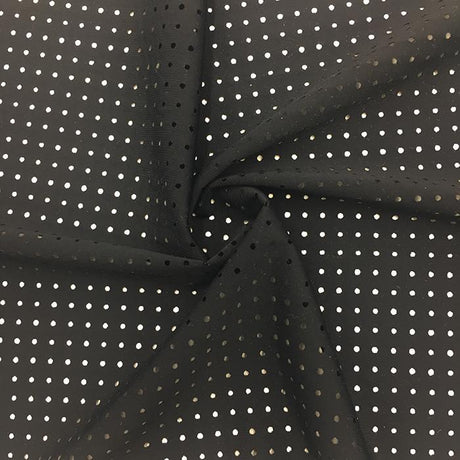
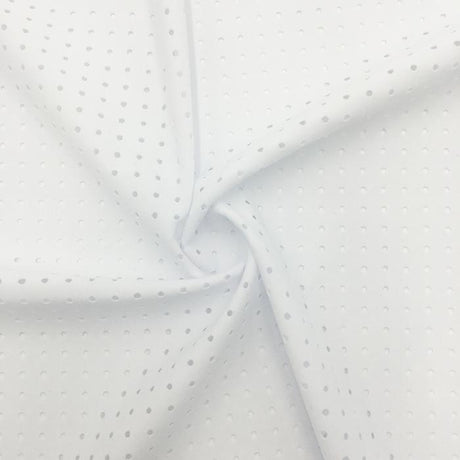
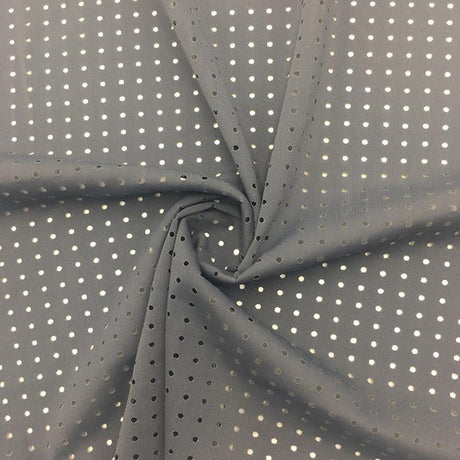
Specialized Garments (Mixed Construction): Some activewear pieces have mixed materials (e.g. a running jacket with stretch panels, or leggings with mesh inserts). For these, default to the most delicate component. If leggings have mesh cutouts or laser-cut holes, put them in a laundry bag and do a cold delicate wash. In all cases, when in doubt, hand wash. For expensive or intricately constructed activewear, hand washing and air drying can save you from accidentally ruining a favorite piece.
Common Mistakes to Avoid
Using Fabric Softener or Dryer Sheets: Softeners deposit a waxy film that reduces wicking and locks in odors. That film also interferes with stretch by gumming up fibers. Use white vinegar or nothing at all; your rinse water will naturally soften the fabric as it removes detergent. Our fabric finishes guide explains exactly how softener residue interacts with wicking and stretch coatings.
Over-Drying in High Heat: Putting your leggings or sports tee in a hot dryer is one of the worst things you can do. Over-drying "bakes" the fibers – once moisture is gone, heat attacks both the elastic segments and the dyes, leading to faded colors, weakened stretch, shrinkage, cracked logos, and weakened glued seams. If you must use a dryer, use the lowest possible heat and take the clothes out while a bit damp to finish by air.
Washing Too Often (Overwashing): Every wash cycle means mechanical agitation plus chemical exposure. If you wore a pair of athletic shorts for a light walk and they aren't sweaty, air them out and wear again before washing. Use refresh techniques like spraying with a fabric refresher or a vinegar spritz to extend between washes. The key: wash when dirty, but don't create needless wear and tear. Our fabric care guide includes guidance on when and how often to launder different types of performance garments.
Ignoring Care Labels: Those little symbols on your garment aren't decorative – they're there because the manufacturer knows what the fabric can handle. Ignoring a "hand wash only" label on an expensive compression top might result in stretched-out elastic or detached gel grips. Following the label is especially crucial for swimwear, triathlon suits (which may require rinsing after use due to chlorine), or Merino wool activewear (which often says lay flat to dry). Our swimwear fabric guide covers chlorine-specific care requirements in depth.
When to Use an Alternative Fabric
Persistent Odor or Moisture Issues: If your gear still retains odor no matter how carefully you wash, consider fabrics with natural antimicrobial properties. Merino wool resists odor buildup remarkably well due to its protein structure and lanolin, meaning clothes won't stink even after repeated wears. Bamboo viscose is frequently marketed as odor-resistant and breathable – but be aware it's usually a form of rayon, which isn't inherently antimicrobial unless processing retains bamboo's natural antibacterial agents or a chemical treatment is added. Our fabric finishes guide covers antimicrobial treatments and how long they typically last through washing cycles.
Longevity vs. Performance Stretch: Maybe you value a garment that lasts for years over one that has maximum stretch performance. Loose-fitting training shorts in 100% polyester plain weave can last practically forever and dry in a flash – since they have no elastic fiber to degrade, you avoid the risk of stretch loss completely. Some outdoor enthusiasts choose nylon pants with mechanical stretch (woven stretch) instead of Lycra content, because nylon's inherent strength means they'll endure rough use longer without fiber failure. Our stretch fabric types page compares mechanical stretch constructions with elastane-based stretch for exactly this kind of decision.
Comparing Bamboo, Modal, and Others: Modal is loved for its ultra-soft feel and breathability. It drapes well and doesn't trap sweat as much as pure cotton. However, Modal and its cousin Tencel share rayon's downsides: not as resilient to abrasion, can pill or fuzz over time, and weakens when wet. Polypropylene is another alternative for certain activewear – extremely hydrophobic and quick-drying, though it can't tolerate high heat (it will melt), so it's specialized. Wool blends (like merino with 5–10% spandex) offer some stretch and much better odor control, and often a longer lifespan in terms of shape retention. Our activewear fabric guide covers all of these alternatives with performance comparisons across key criteria.
When to Switch It Up: If you notice you're replacing a particular item frequently due to wear, it might be time to invest in a different fabric or higher quality. Paying more upfront for quality nylon-spandex with extra-life Lycra could mean the pants will survive hundreds of wash cycles. Or switching from synthetic to a merino blend shirt could solve chronic odor issues and let you wash less frequently. There's nothing wrong with using different fabrics for different purposes – high-stretch compression gear for competition, easier-care gear for daily training. Our how to choose fabric guide helps you evaluate these trade-offs systematically. If you're still unsure which direction to go, our expert help and advice team is happy to help.
Conclusion
Proper fabric care is the secret to making your activewear last in both form and function. Whether you're a manufacturer sending garments out into the world or an individual investing in quality workout clothes, the goals are the same: preserve the stretch, protect the color, and extend the garment's life. By focusing on stretch preservation (cold wash, no high heat), color retention (mild detergent, inside-out wash, no bleach), and overall durability (minimizing friction and chemical damage), you can significantly slow the aging of activewear.
For professionals, incorporating these principles through pre-production testing, clear care labeling, and pre-treating fabrics ensures your products meet high customer expectations for longevity. For everyday athletes and consumers, treating your gear with an expert touch – a bit of extra sorting, using the right products, and patience to hang dry – will keep your leggings supportive and your tops vibrant for many more workouts to come.
Ready to put this knowledge to work? Explore our activewear fabric guide for curated fabric recommendations, use our fabric care guide and spandex care guide as ongoing references, and visit our fabric guides hub for the full library of performance textile resources. Check our FAQ page for common ordering questions, and sign up for SpandexByYard Rewards to earn points on every purchase. Your clothes will thank you with continued performance, wear after wear.