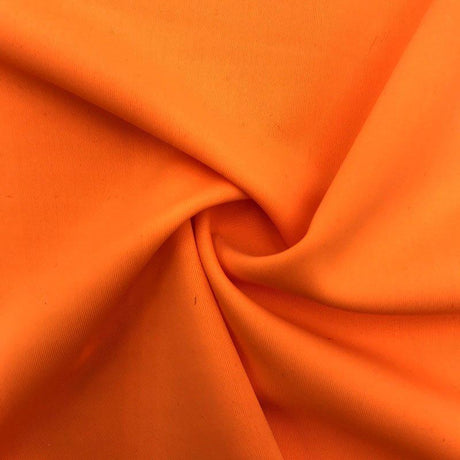
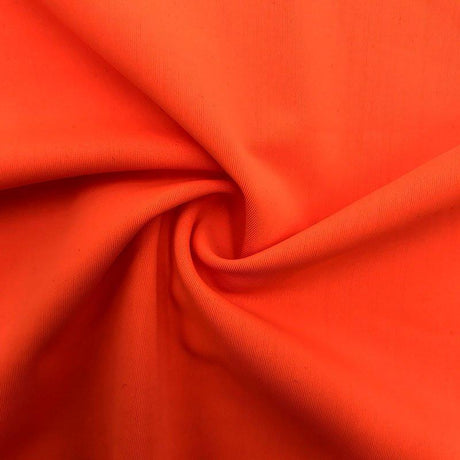
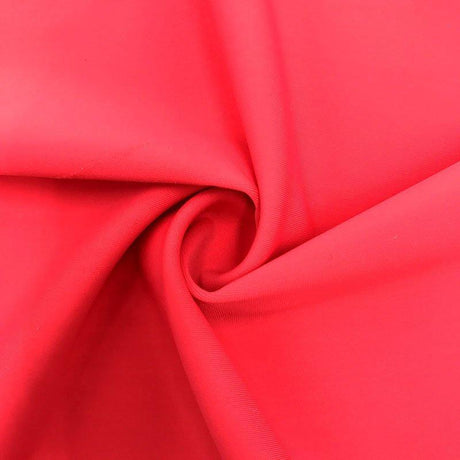
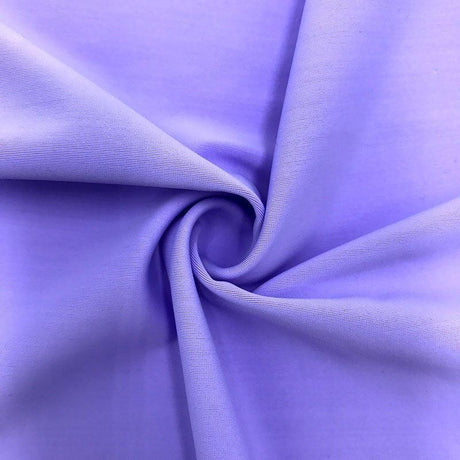
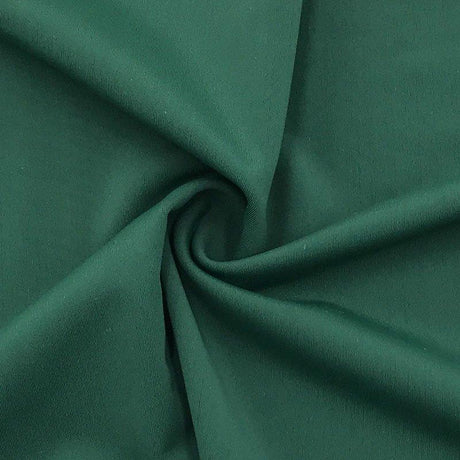
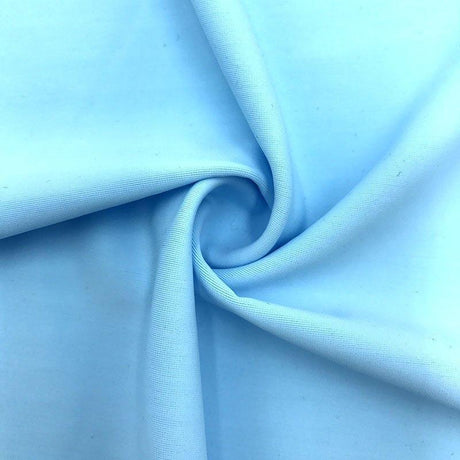
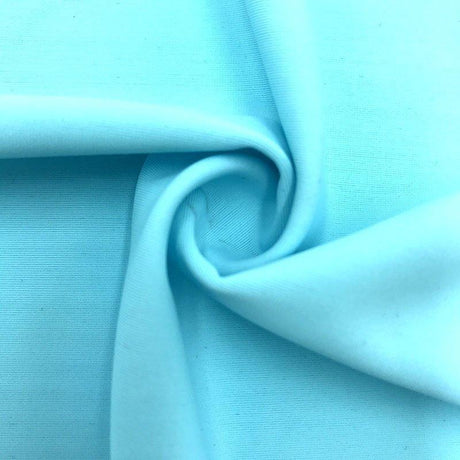
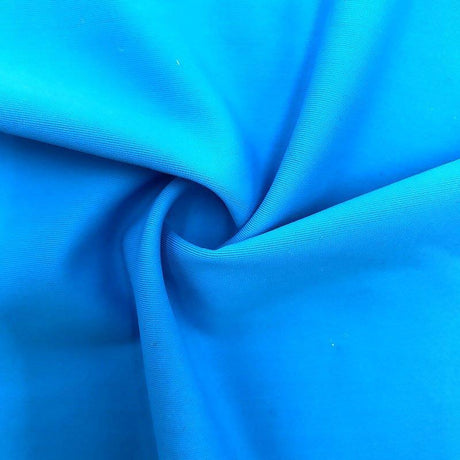
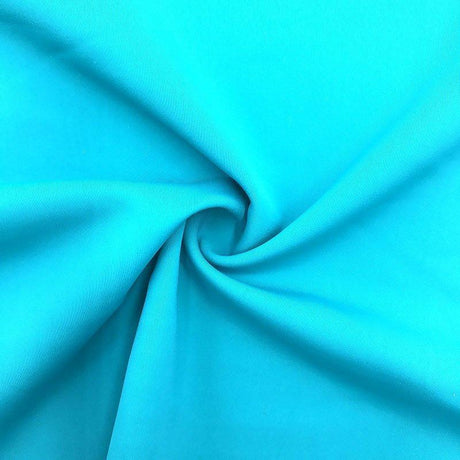
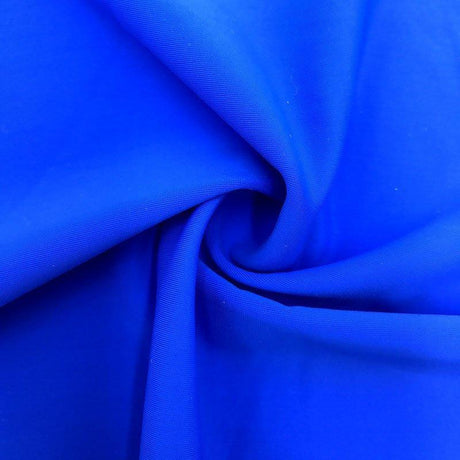
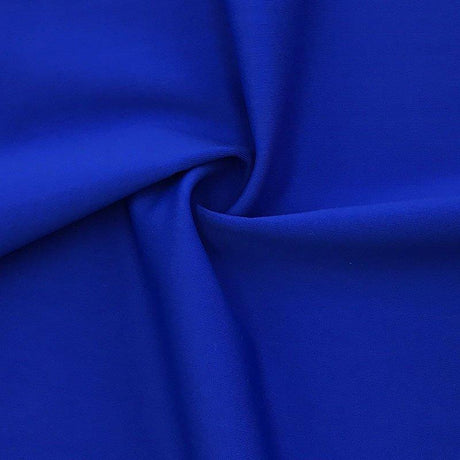
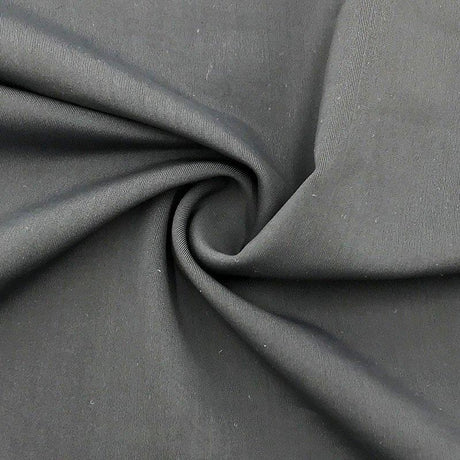
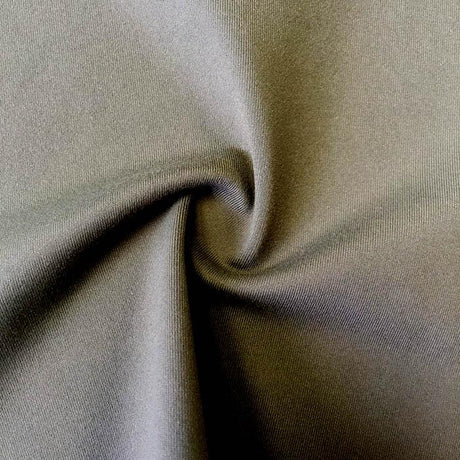
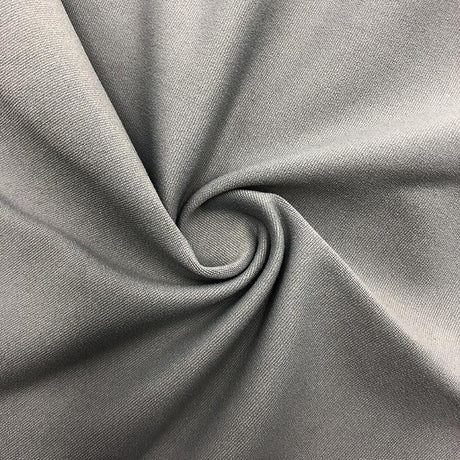
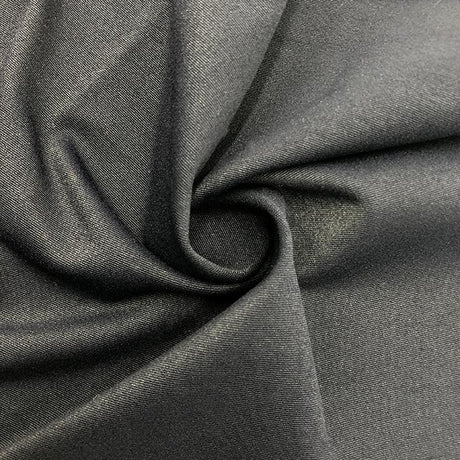
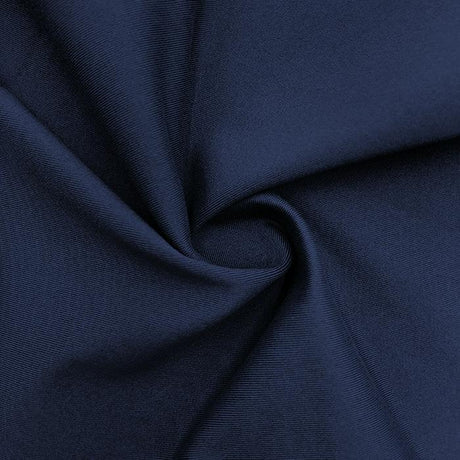
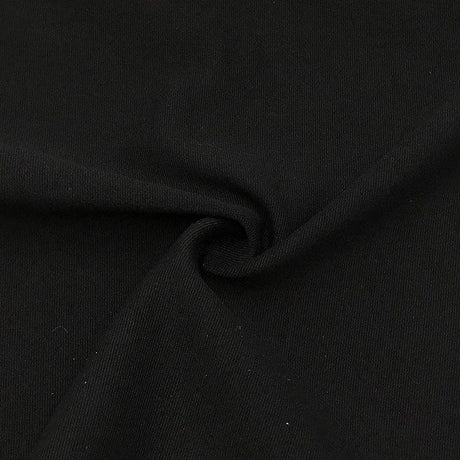
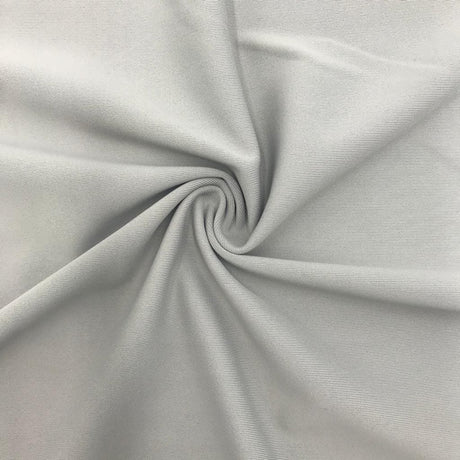
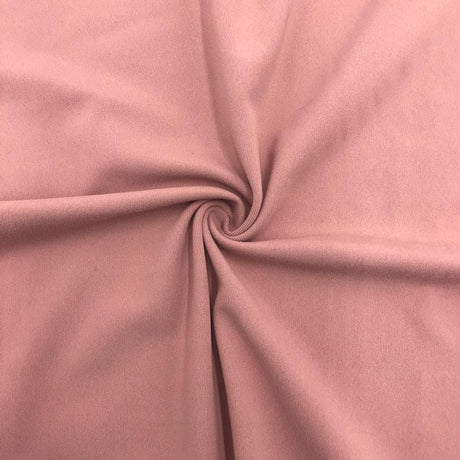
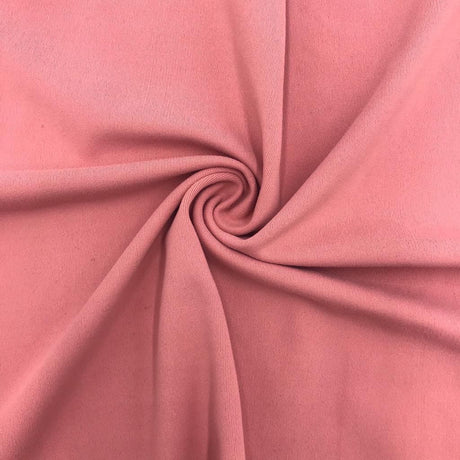
Nothing ruins a beach day like a swim skirt or cover-up that sticks to you when wet. Water can turn the wrong fabric into a damp, body-hugging mess, which is uncomfortable and unflattering.
Need for Lightweight & Quick-Dry: The solution is choosing fabrics designed for the beach – materials that are lightweight, fast-drying, and breathable so they drape nicely instead of glueing to your skin. For apparel makers and DIYers, picking the right fabric means cover-ups that look stylish by the pool and won't cling after a swim. Our swimwear fabric guide is a great starting point, and our full fabric guides hub covers everything from fiber types to finishing treatments.
Preview of Solutions: In this guide, we'll cover why cover-up fabrics cling, what technical specs to look for (like stretch and GSM), and which fabric types (from sporty mesh to elegant rayon blends) keep your swim skirts flowy and comfortable.
What Causes Cling in Wet Cover-Ups
Water Adhesion & Surface Tension: When fabric gets wet, water creates an adhesive bond between the cloth and your skin. The wet fabric isn't air-permeable, forming a suction effect that makes it stick like glue. Essentially, surface tension causes the material to grab onto you until the water evaporates.
Poor Ventilation: Many cover-ups that cling lack airflow. With no air circulating, moisture stays trapped and the fabric can't billow or dry quickly. This trapped moisture increases that suction effect. Fabrics like closed-weave knits with no breathability will tend to cling more when damp because the water can't escape easily. Our fabric finishes guide explains how surface treatments like hydrophobic coatings and moisture-wicking finishes can help combat this.
Lack of Stretch Recovery: Materials without good elasticity or recovery will bag out and sag when saturated. Cotton without spandex can lose shape when wet. If a fabric stretches out and doesn't spring back, it ends up hanging heavily – often clinging to any curves. Good stretch recovery helps a cover-up snap back to shape instead of drooping and sticking to you. Our stretch fabric types page explains recovery ratings and how to compare them across different constructions.
Importance of Fabric Technology in Swimwear
Performance Finishes: Modern fabric technology offers solutions to the wet-cling issue. Hydrophobic coatings and moisture-wicking treatments can reduce water absorption. These fabrics actively repel water or spread it out to evaporate faster, so your cover-up doesn't stay soaked. Our fabric finishes guide covers the full spectrum of performance coatings available for swim and activewear textiles.
Quick-Dry Synthetics: Swimwear fabrics (nylon or polyester blends) are engineered to handle water. They're typically lightweight, fast-drying, and durable – perfect for active days. Such materials dry out quickly after you leave the pool, preventing prolonged clinging. Our nylon-spandex fabric guide dives deep into why this blend is a go-to for swim applications.
Stretch & Recovery Tech: High-quality swim fabrics incorporate 2-way or 4-way stretch (often with spandex). This not only improves comfort and range of motion, but also ensures the garment maintains its shape when wet. A blend like nylon-spandex gives an ideal mix of flexibility and strength, so a wet cover-up can move with you and then recover instead of sagging. For a full breakdown of 2-way vs. 4-way stretch constructions, visit our stretch fabric types page.
UV and Chlorine Resistance: While not directly about cling, many swim fabrics include UV-protective or chlorine-resistant fibers. These technical enhancements mean your cover-up fabric can perform in sun and water without breaking down, all while still feeling light and non-clingy. Polyester-spandex blends are known for great chlorine resistance and durability – our swimwear fabric guide covers chlorine-resistant options in detail.
Technical Specifications: Fabrics for Swim Cover-Ups
Weight (GSM): Pay attention to fabric weight (grams per square meter). Lighter fabrics (say 70–150 GSM) dry faster and float more freely, whereas heavy fabrics hold more water. A gauzy 100 GSM knit will shed water and feel airy, but a 300 GSM French terry will get heavy and cling. Our fabric weight guide provides a full breakdown of GSM ranges and how weight affects drape, dry time, and performance in swim applications.
Stretch (2-Way vs. 4-Way): Determine how much stretch your project needs. 4-way stretch fabrics (stretching in both width and length) like tricot knit allow freedom of movement and better fit for wrap skirts, and they won't restrict you when wet. 2-way stretch or non-stretch wovens can work for loose-fit cover-ups, but if they get wet they might limit mobility. In general, a 4-way stretch swim fabric with spandex offers the best flexibility and shape retention for active cover-ups. See our stretch fabric types page for a side-by-side comparison.
Recovery & Durability: Stretch recovery is critical – this is the fabric's ability to snap back after stretching. Materials with a higher spandex percentage (e.g. 10–20%) have better recovery. This prevents that dreaded limp, clingy drape when the cover-up is soaked. Also look for durability specs: chlorine-resistant or saltwater-friendly fibers (like polyester) will keep the fabric resilient longer. Our swimwear fabric guide outlines which fibers hold up best in pool and ocean environments.
Fiber Composition: The fiber makeup plays a huge role in cling. Synthetic blends (nylon, polyester with spandex) are generally preferred for swim cover-ups because they don't absorb much water and dry quickly. Natural fibers (cotton, rayon, linen) breathe well when dry, but they soak up water and will cling and dry slowly if drenched. A poly/spandex chiffon or jersey will outperform a cotton knit in the battle against cling. Our how to choose fabric guide walks through fiber comparisons in detail to help you make the right call for your specific project.
How to Choose Based on Project Type
Flowy Beach Skirt: If you're making a loose, flowy swim skirt, opt for a thin woven or knit that has a beautiful drape. Fabrics like lightweight polyester chiffon, rayon challis, or cotton voile create that breezy silhouette. Ensure it's quick-drying and soft, so it won't stick to wet skin. A slight crinkle texture (like gauze) can also help keep the fabric off your skin. Our fabric weight guide can help you identify the right GSM range for a flowing, non-clingy skirt silhouette.
Performance Swim Wrap: For a wrap or sarong that might double as activewear (e.g. for swimming or sports), choose a sporty fabric. Nylon-spandex tricot or stretch mesh are great since they have 4-way stretch, dry fast, and won't inhibit movement. A water-repellent treatment or a fabric marketed as "swim knit" could be ideal here for zero cling. Our fabric finishes guide explains water-repellent coatings and which fabrics they're typically applied to.
Sheer vs. Opaque Styles: Your fabric choice also depends on the style's coverage. For a sheer overlay effect, meshes or crochet lace are popular – they allow airflow and any water passes right through (so minimal cling). For a more opaque cover-up (like a dress or shorts), look for thin but tightly woven fabrics or lightweight knits that provide coverage without bulk. For example, a microfiber poly knit can be opaque yet still thin enough to dry quickly. Our swimwear fabric guide covers opacity considerations for different swim garment styles.
DIY Home Sewing: Home sewists should also consider the sewability of the fabric. Very lightweight or slippery fabrics (silk chiffon, lightweight knits) can be tricky to sew. If you're new to sewing swim cover-ups, a medium-lightweight jersey or a linen/rayon blend might be easier to handle while still giving good results. Always use the right needle (ballpoint for knits) and stitch type (stretch stitch or serger) so you don't damage the material's stretch – that way it retains its non-cling qualities. Our how to sew stretch fabric guide covers everything from needle selection to seam finishing for swim and stretch materials.
Production Apparel Lines: For manufacturers designing a cover-up line, consistency and performance testing are key. You might source technical fabrics that are lab-tested for moisture wicking, UV protection, and stretch recovery. A good supplier will provide data on GSM, stretch %, and shrinkage so you can predict how the garment will behave. If you have questions about sourcing or specifications, our expert help and advice page connects you with knowledgeable staff, and our FAQ page covers common ordering questions.
Recommended Fabrics & Performance Benefits
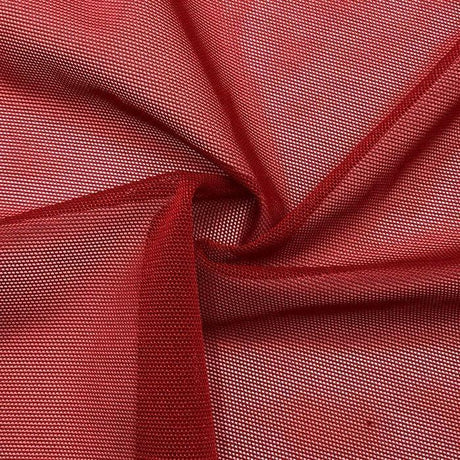
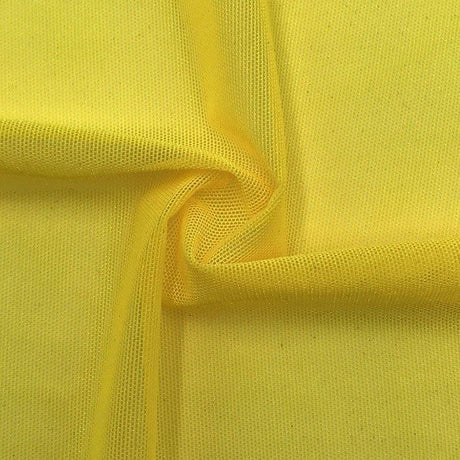
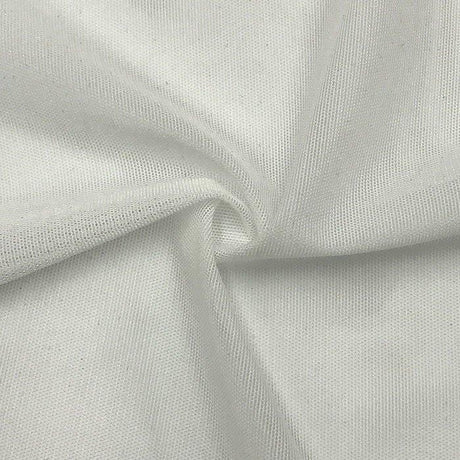
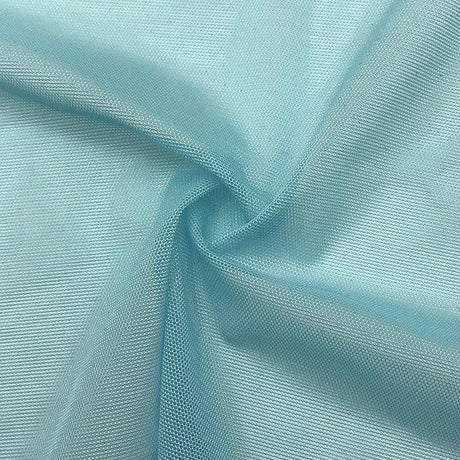
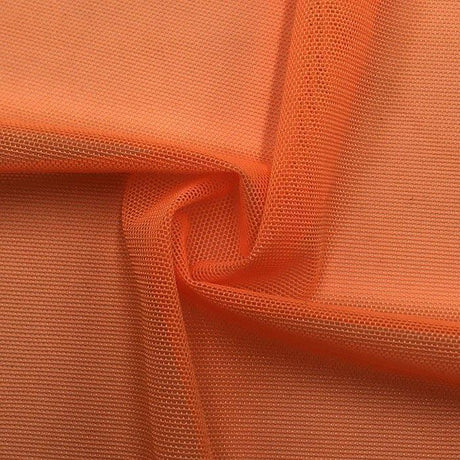
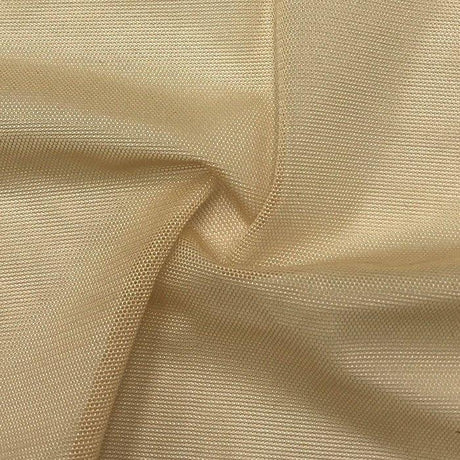
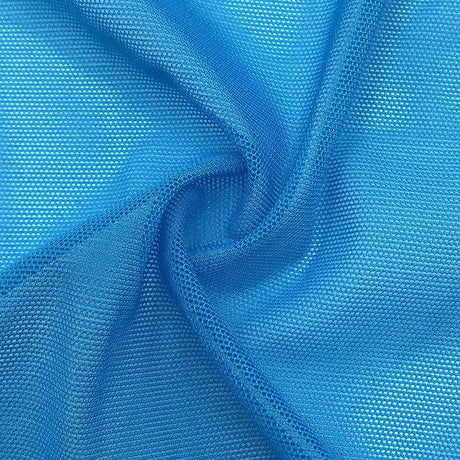
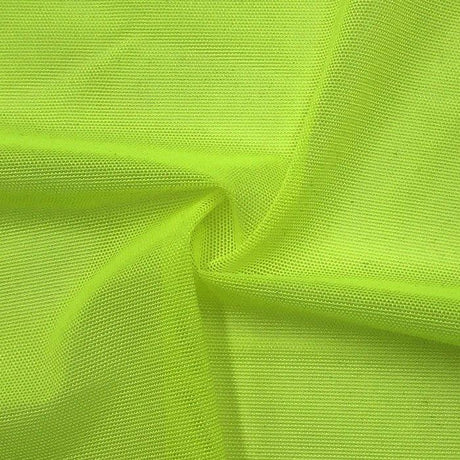
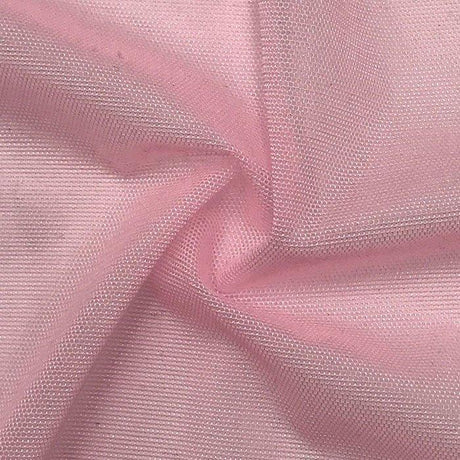
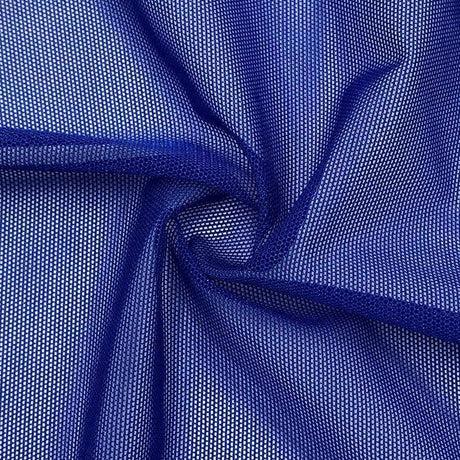
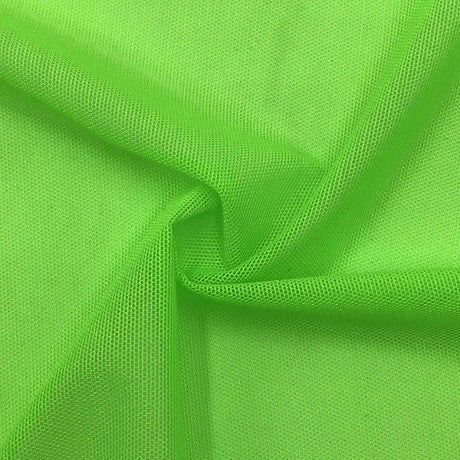
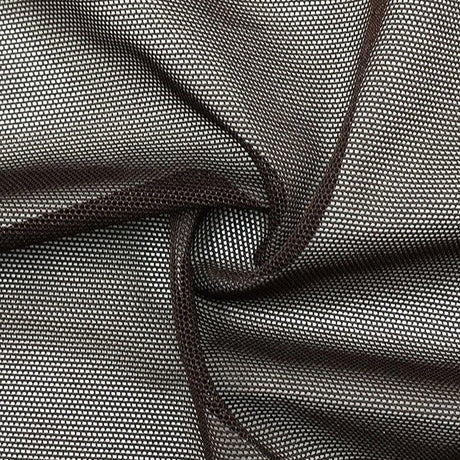
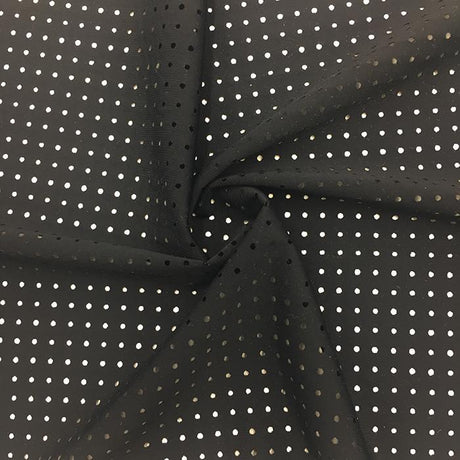
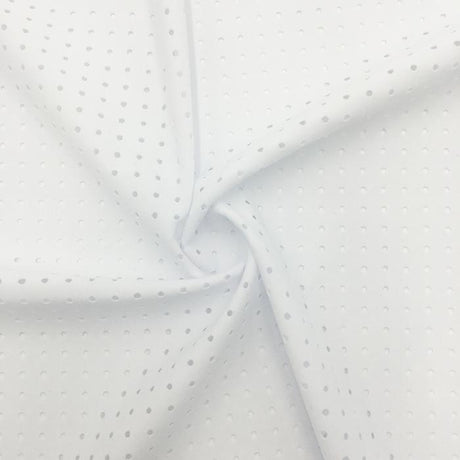
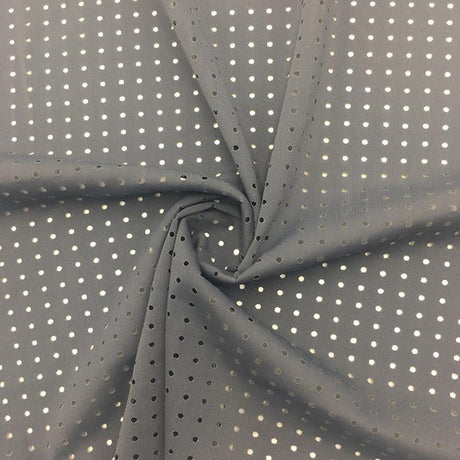
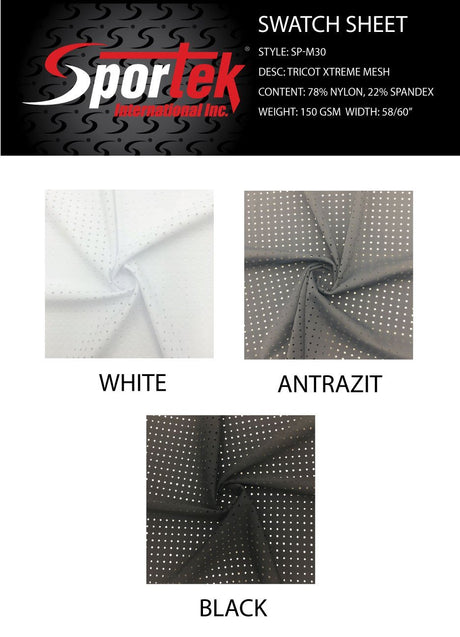
Polyester Mesh Blends (Power Mesh): A go-to choice for non-clingy cover-ups is mesh. Mesh fabrics (often polyester or nylon mesh with spandex) have an open structure that lets water drip right through and air flow freely. This means even if you wrap a mesh sarong over a wet suit, it won't plaster to you. Look for a soft power mesh or athletic mesh – these offer a bit of stretch, are quick to dry, and add a stylish translucent layer. Think: a mesh overlay skirt that stays airy instead of suctioning to your legs. Our stretch fabric types page covers power mesh construction and stretch ratings in detail.
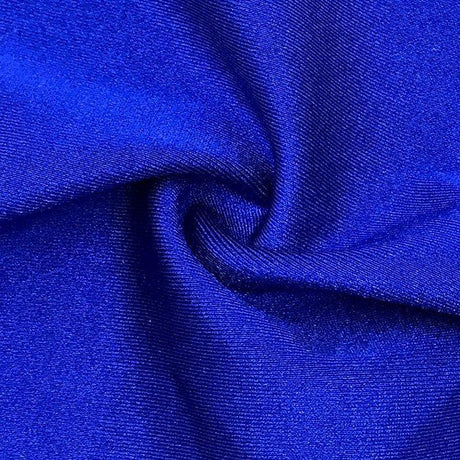
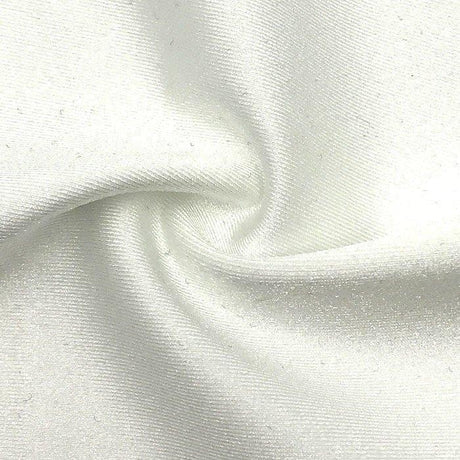
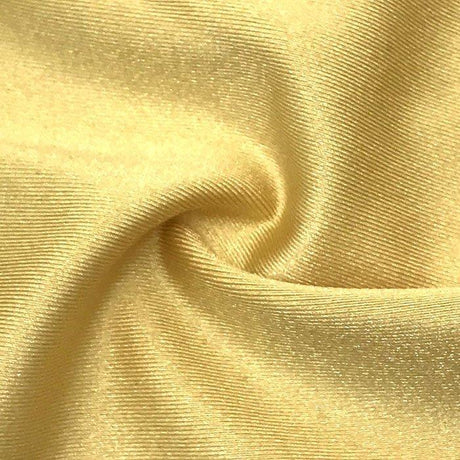
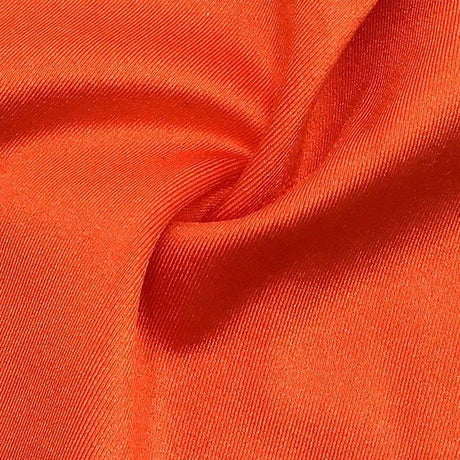
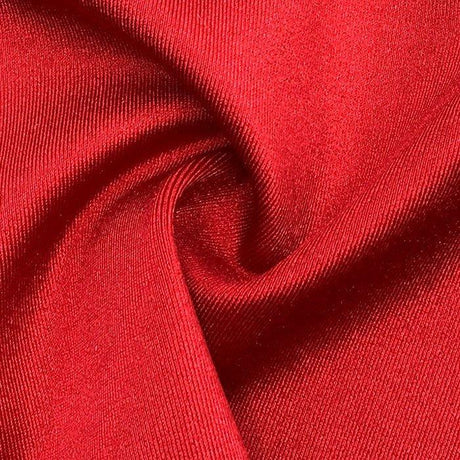
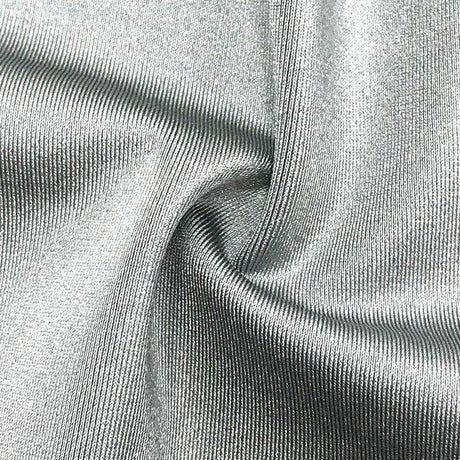
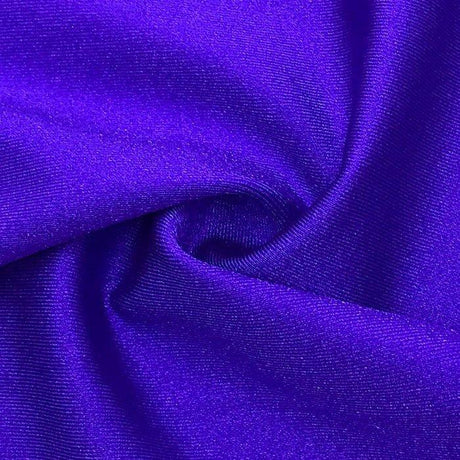
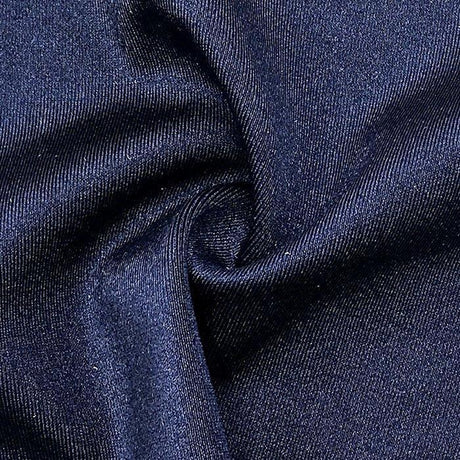
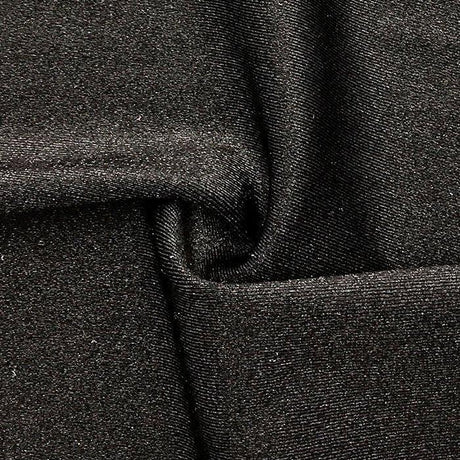
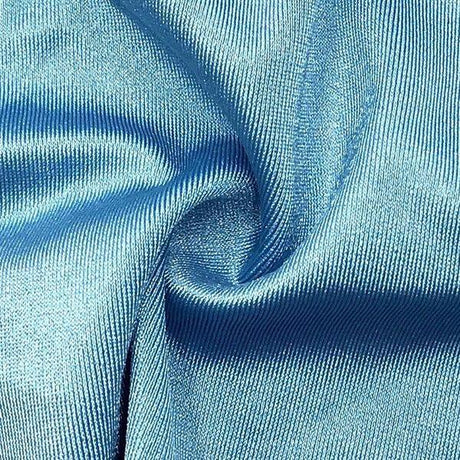
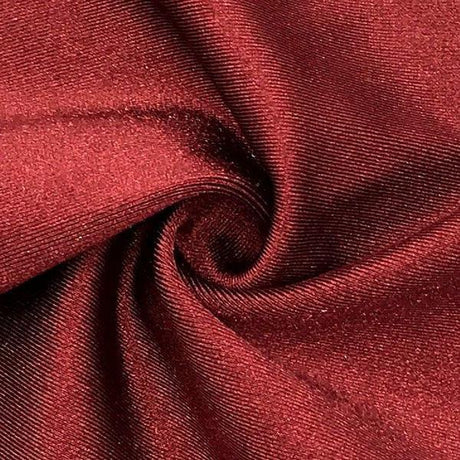
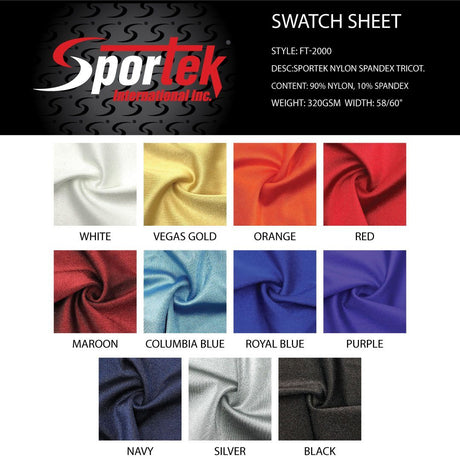
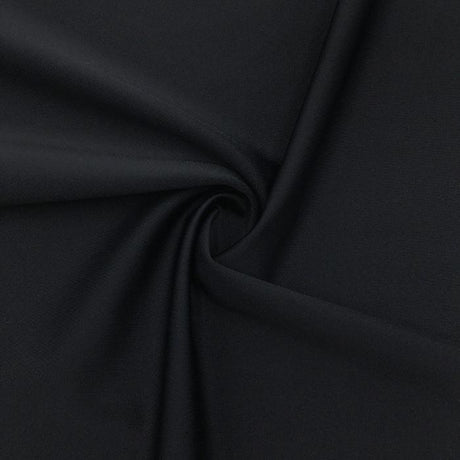
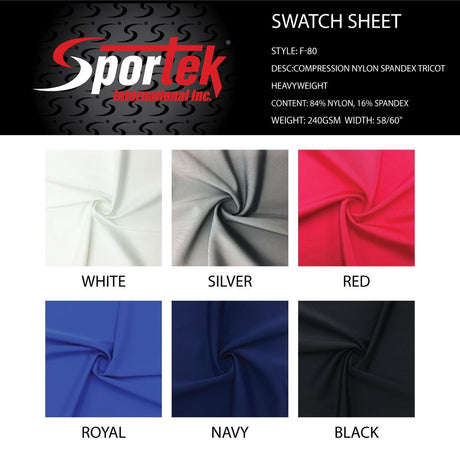
Nylon/Spandex Tricot: This is the same type of fabric used in many swimsuits, making it excellent for swim skirts and fitted cover-ups. It's a 4-way stretch knit that's smooth, lightweight, and engineered to be fast-drying. A quality nylon-spandex tricot has great shape retention (no sagging when wet) and feels soft against the skin. It allows you to actually swim in your cover-up if needed, without feeling like you're wearing a heavy wet blanket. Many swim leggings or skirted swimsuits use this fabric for its non-cling, quick-dry properties. Our nylon-spandex fabric guide covers tricot constructions and their performance characteristics in full.
Microfiber Polyester: Microfiber is an ultra-fine denier polyester that can mimic the feel of silk or high-end rayon but with the benefits of synthetic. A microfiber woven (or jersey) makes an excellent cover-up fabric because it dries in a flash and has a lovely drape. A microfiber sarong will feel buttery and lightweight, and it tends to skim over the body rather than stick. Microfiber is also less likely to wrinkle, and it's durable against sun and saltwater. Our activewear fabric guide covers microfiber polyester constructions and how they compare to standard knits for swim-adjacent applications.
Lightweight Nylon Taffeta or Parachute Fabric: These are very thin, plain-weave fabrics often used in board shorts or activewear. A super-light nylon taffeta as a skirt or shorts can be almost water-shedding – droplets tend to roll off rather than soak in. While not as common for fashion cover-ups, innovative designers might use these materials to create sporty, quick-dry pieces that transition from water to land easily. Our fabric finishes guide covers water-shedding surface treatments that can be applied to fabrics like these.
Moisture-Wicking Knits: Some knit fabrics (usually poly or poly/spandex) come with moisture-wicking technology common in athletic shirts. For a more coverage garment like a t-shirt style cover-up or hoodie, using a wicking jersey means it will pull moisture off your skin and spread it out to dry. This keeps the fabric from feeling soaked in one spot and clinging. Our activewear fabric guide covers moisture-wicking knit constructions and how wicking technology is rated and tested.
Common Mistakes to Avoid
Choosing Fabric That's Too Heavy: A common mistake is picking a heavy or thick fabric (like dense cotton or bulky knits) because it seems luxurious. In reality, heavy fabrics retain a ton of water. A thick cotton beach towel material as a skirt will become waterlogged and cling to your body. Always err on the side of lighter weight for cover-ups – you can add layers for opacity if needed rather than thickness. Our fabric weight guide makes it easy to identify which GSM range is appropriate for swim cover-up applications.
Not Pre-Washing & Testing: Skipping the pre-wash can lead to surprises later. Some fabrics shrink or change texture after the first wash. If your cover-up fabric shrinks unevenly, it might tighten and cling more in certain areas. Always wash and dry your fabric as you plan to launder the final garment. Also, do a test dunk – wet a swatch of the fabric, then let it dry on a surface to see how it behaves. Our fabric care guide and spandex care guide cover pre-washing protocols for all common swim fabric types.
Overstretching/Distorting During Sewing: When sewing stretch fabrics, handling is key. If you pull or stretch the fabric excessively as it goes through the machine, the seams can warp and the fabric may lose some recovery – causing ripples or areas that bag out and cling oddly when wet. Use the proper techniques: an even feed, maybe a walking foot or differential feed on a serger, to keep the fabric's integrity. Our how to sew stretch fabric guide covers all the techniques needed to sew swim and stretch fabrics without distorting their recovery.
Ignoring Finish & Drape: Sometimes the finish of the fabric affects cling. A very sticky-feeling rubbery finish (like some PU-coated fabrics or cheap polyesters) might grab the skin when wet. Smooth, silky finishes or those with a slight texture tend to be better. Similarly, if you choose a fabric with poor drape (too stiff), it won't flow away from the body. Always assess the drape by holding the fabric up or wrapping it around a mannequin – it should fall in soft folds rather than hang stiffly. Our fabric finishes guide helps you identify which surface treatments affect drape and skin contact.
When to Use Alternative Fabrics
Embracing Natural Fibers (Cotton, Rayon, Linen): There are situations where you might choose natural materials for cover-ups, despite their tendency to cling when wet. A breezy cotton gauze kaftan or a linen beach shirt offers unbeatable breathability and a relaxed look – perfect for dry wear or minimal water contact, say, reading under an umbrella or walking the boardwalk. The comfort and aesthetic of natural fibers can outweigh the performance drawbacks when you're not planning to get them soaked. Our cotton-spandex fabric guide explains when cotton blends are a smart choice and what care adjustments they require near water.
Trade-Offs of Naturals vs. Synthetics: Cotton and rayon will absorb a lot of water (they can feel almost like a wet towel on the skin) and they dry much slower than synthetics. Linen also absorbs moisture, though it tends to release it a bit faster than cotton and can feel cool even when damp. None of these have the stretch or recovery of swim fabrics, so if they do get wet they might bag out or cling to curves until fully dry. Essentially, natural fibers prioritize breathability and feel, while synthetics prioritize performance. Our how to choose fabric guide walks through this trade-off framework systematically.
Best Uses for Alternatives: Use these fabrics for cover-ups intended for style and comfort out of the water. A rayon challis wrap might be chosen for its beautiful print and drape for a pool party – you'd remove it before swimming. Or a cotton crochet dress gives a boho vibe and light sun coverage; it's fine if it gets a little wet, but you know it might stay damp longer. These materials shine in low-moisture, high-style scenarios.
Comparison – Synthetics vs. Naturals: Synthetics (poly/nylon) might dry in minutes and won't wrinkle, whereas a cotton or linen could take an hour to fully dry and may look crumpled after packing. Also consider longevity: chlorinated pool water and UV rays are harsher on untreated naturals than on modern swim fabrics. In production, some brands blend cotton with polyester for cover-ups to get a bit of both worlds – the comfort of cotton with improved dry time. Our swimwear fabric guide includes a full comparison of synthetic vs. natural fiber behavior in swim and beach applications.
Conclusion
Key Traits Recap: The best fabric for swim cover-ups is one that stays light and non-clingy when wet. Look for keywords like "quick-dry," "moisture-wicking," or "water-repellent" on fabric labels. A bit of stretch (and good recovery) goes a long way to keep the cover-up fitting well wet or dry. Opt for fabrics with a soft, flowing drape so they naturally fall away from the body rather than stick. Our fabric weight guide and stretch fabric types page are your best references for evaluating these properties before purchasing.
Balancing Function & Style: Ultimately, you want a fabric that marries function with the style you're going for. For a sporty swim skirt, a high-performance nylon-spandex makes sense. For a luxe resort cover-up, maybe a semi-sheer poly chiffon or a rayon-linen blend for elegance. Just remember to consider how it handles water – your cover-up should enhance your swimwear, not become a soggy second skin.
Empowering Your Choice: Whether you're an apparel manufacturer sourcing materials or a DIY enthusiast shopping for a sewing project, knowledge is power. Request fabric samples and do your own wet test. Stretch them, soak them, see how fast they dry. Explore our swimwear fabric guide for curated recommendations, use our how to choose fabric guide to narrow down your options, and check our fabric care guide to keep your finished pieces performing beautifully wash after wash. Have questions along the way? Our expert help and advice page and FAQ are always available. And don't forget to sign up for SpandexByYard Rewards to earn points on every purchase. No more post-swim cling – just carefree, functional fashion by the water!