When choosing fabrics for cold-weather activewear, a key question arises: brushed lining or fleece? Professional apparel designers and DIY enthusiasts alike face this textile dilemma. Each option promises warmth, but they differ in weight, texture, and performance.
This guide offers an expert, concise comparison of brushed-lined materials versus fleece fabrics. We'll define each, examine technical differences (from GSM to breathability), and guide you on selecting the right fabric for winter running, yoga, or everyday loungewear. For a broader foundation before diving in, explore our activewear fabric guide or browse our full fabric guides hub. By understanding these factors, you can make an informed choice without guesswork or costly mistakes.
Educational Background: Definitions & Properties
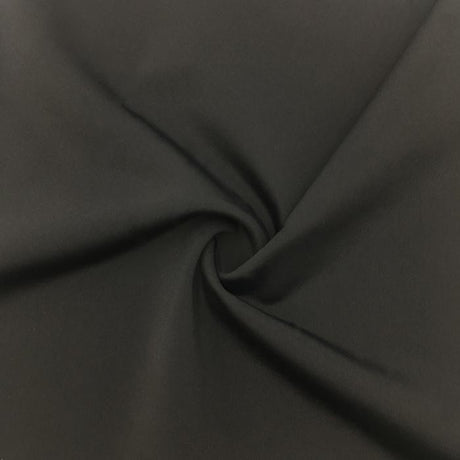
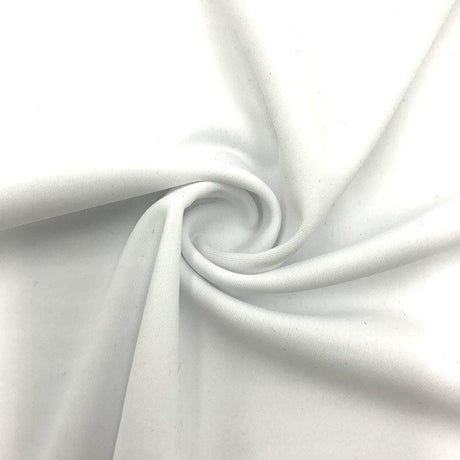
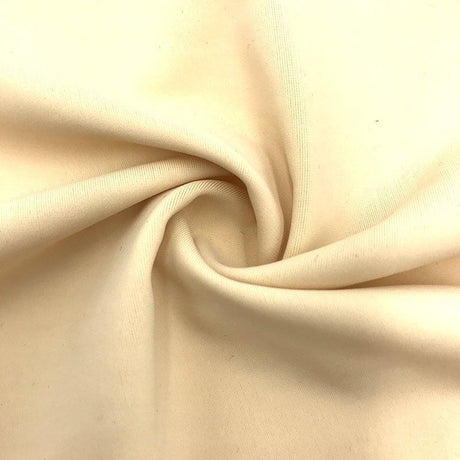
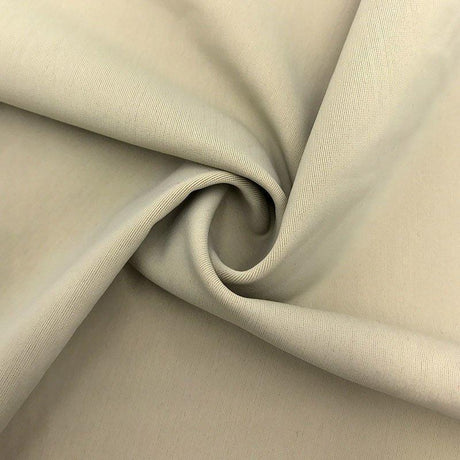
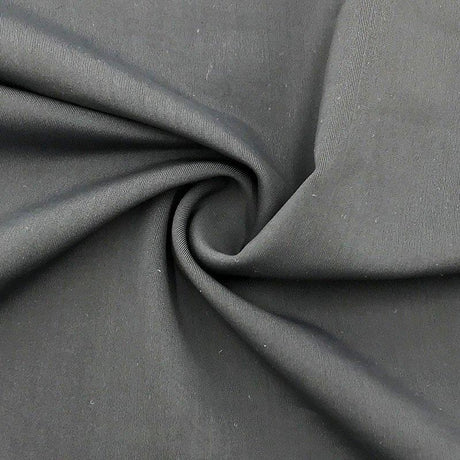
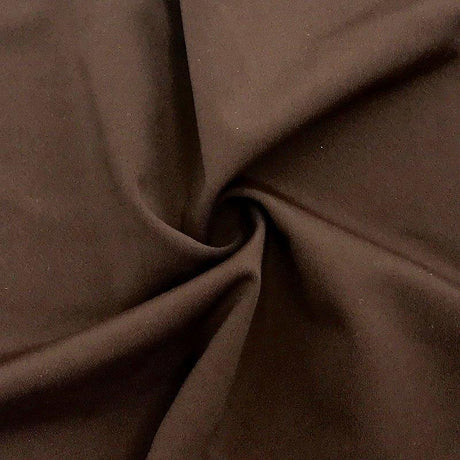
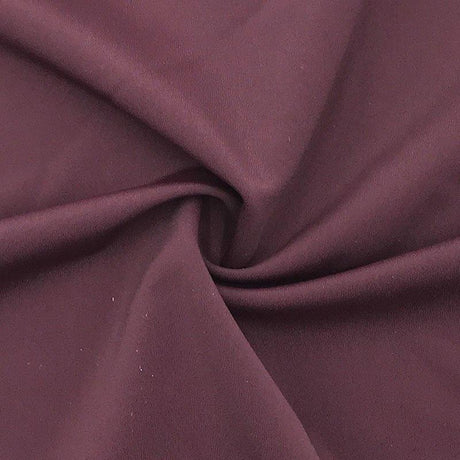
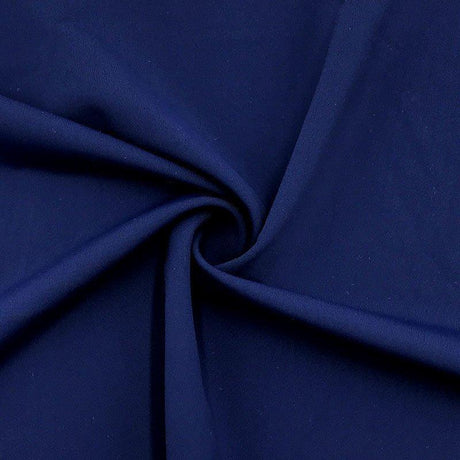
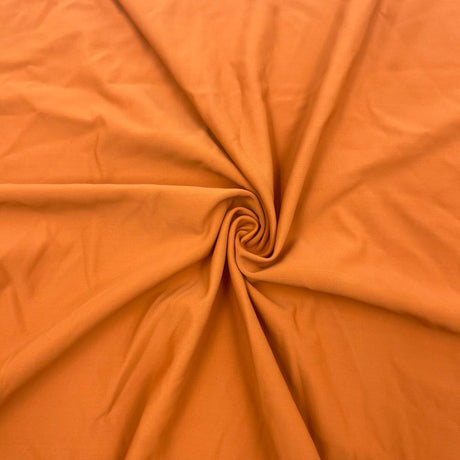
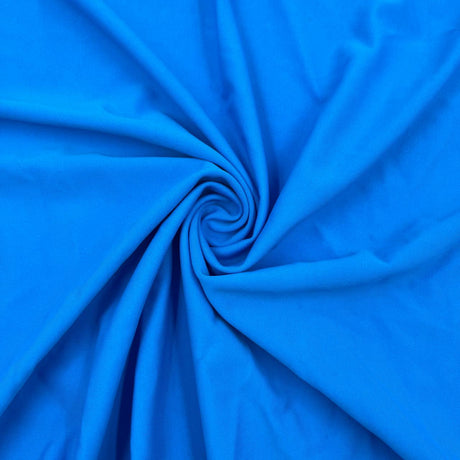
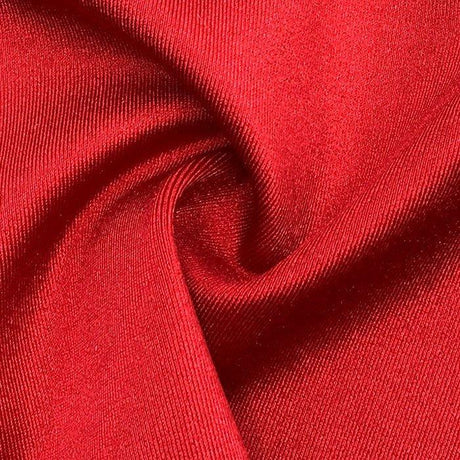
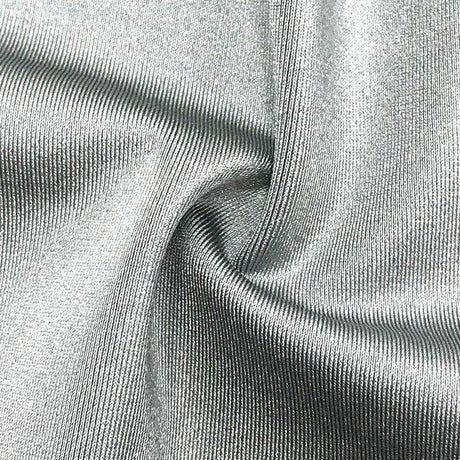
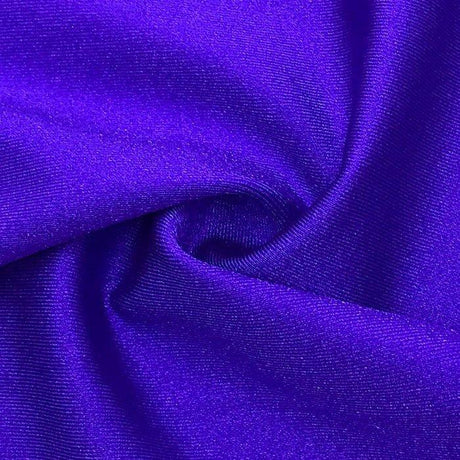
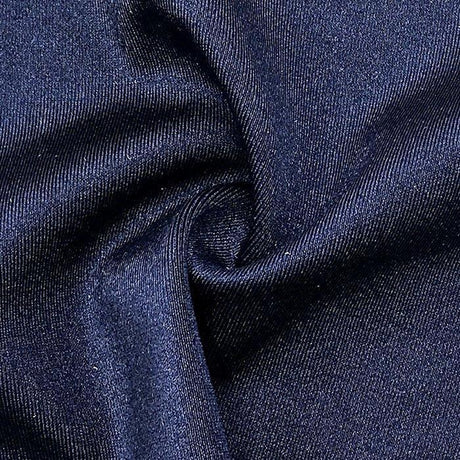
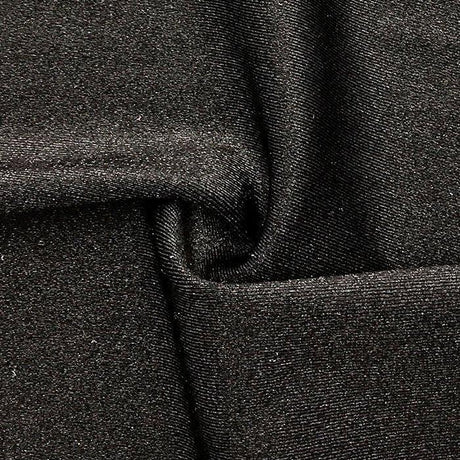
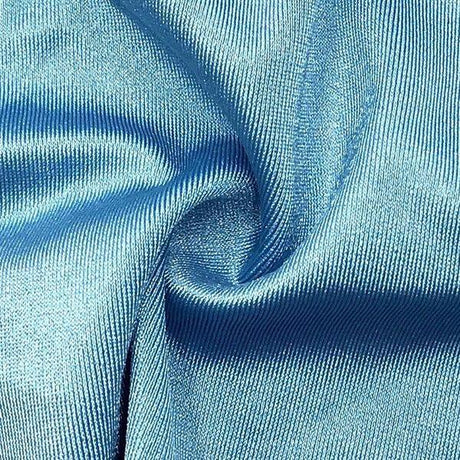
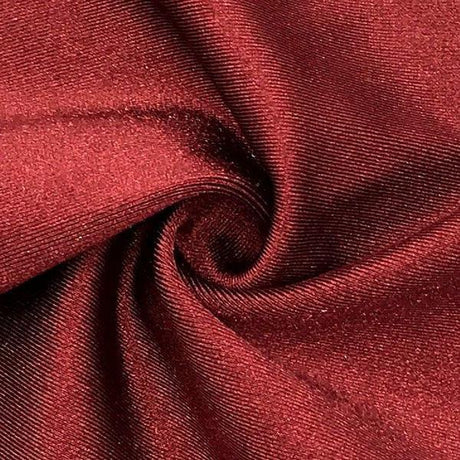
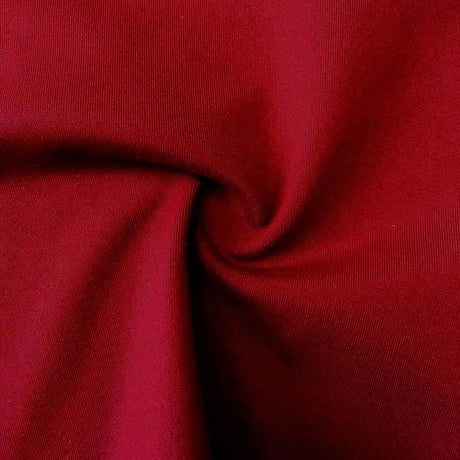
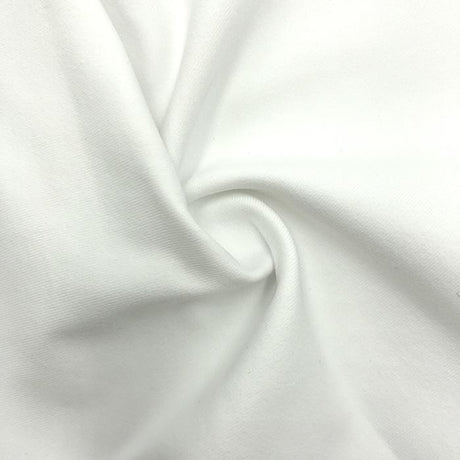
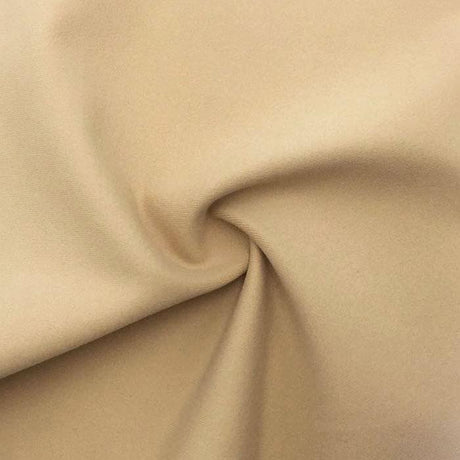
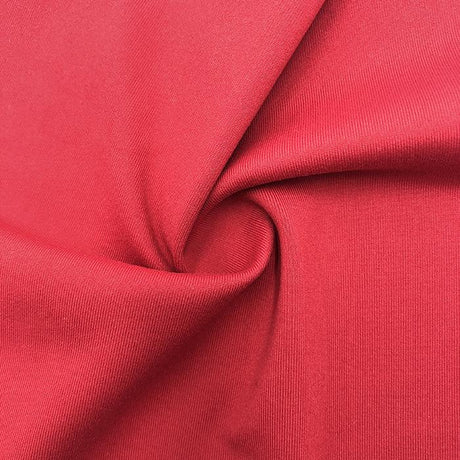
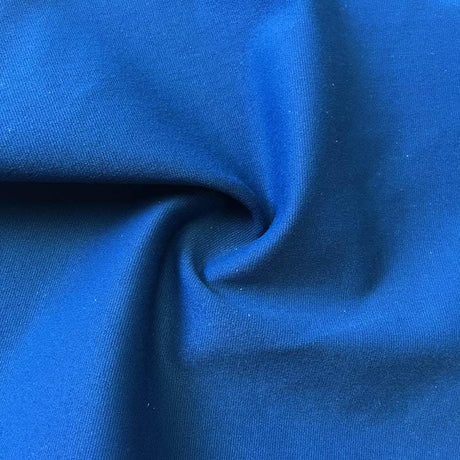
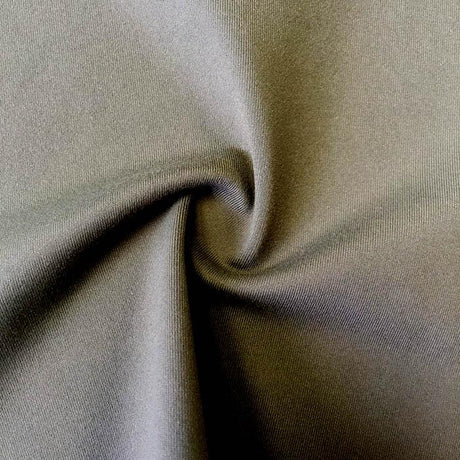
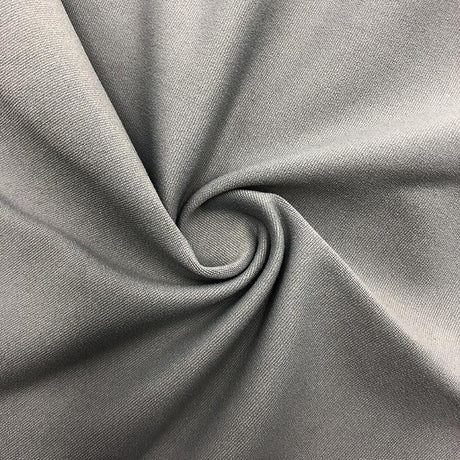
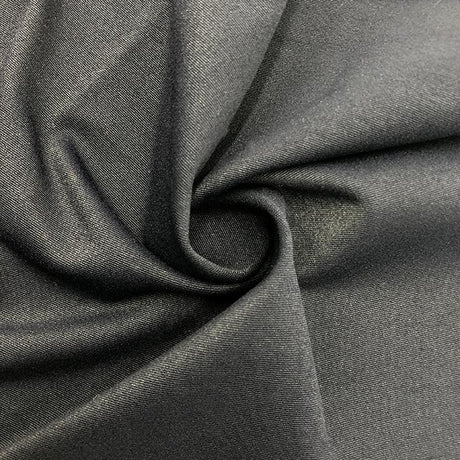
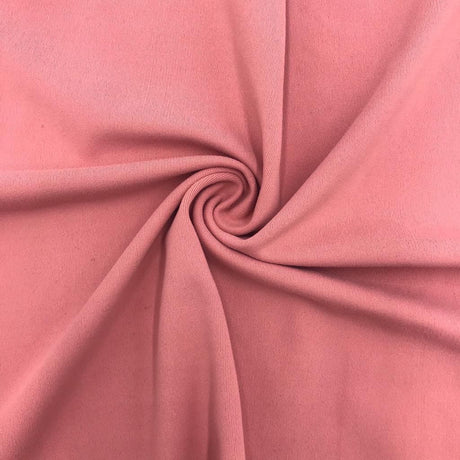
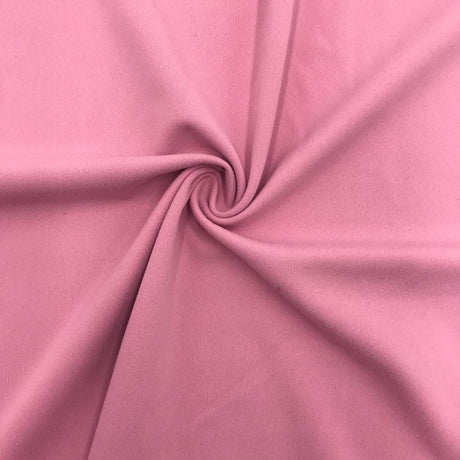
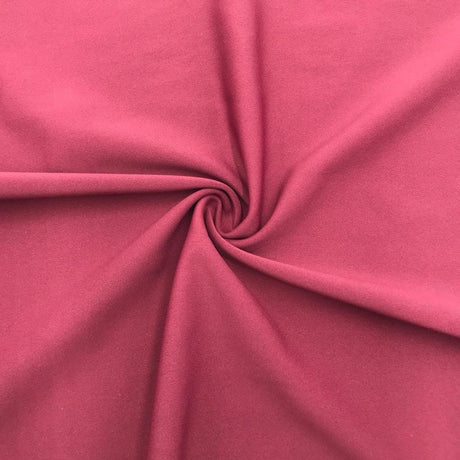
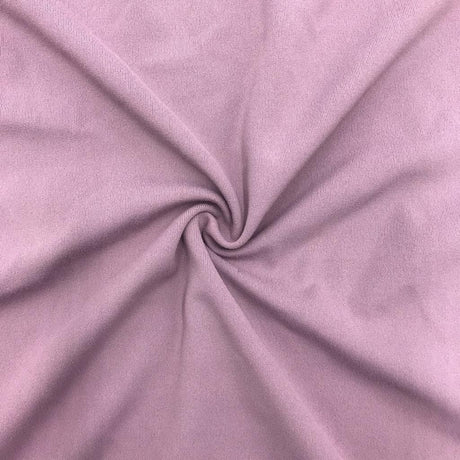
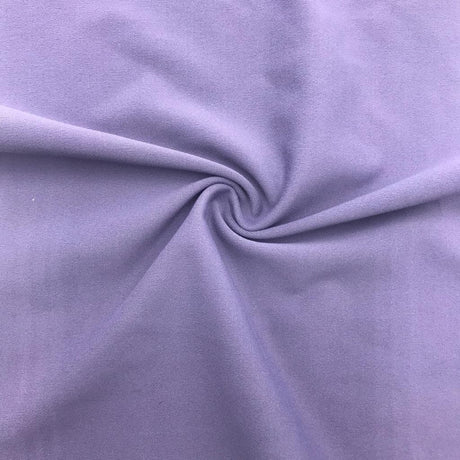
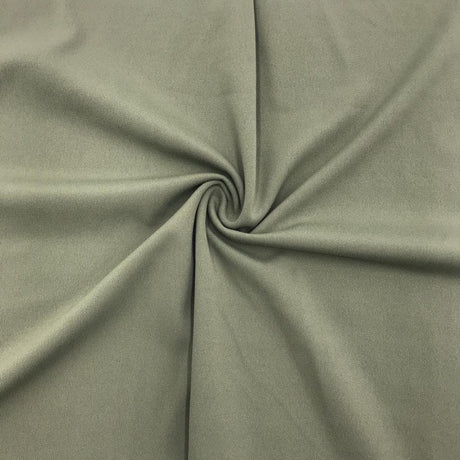
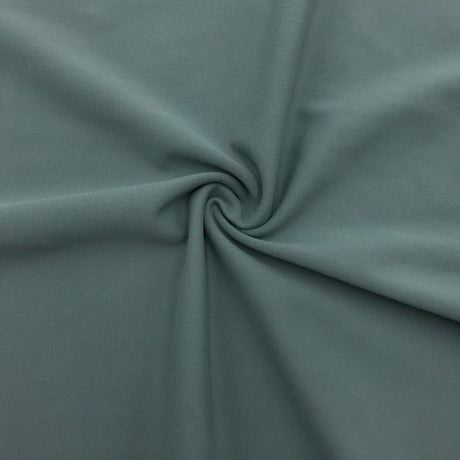
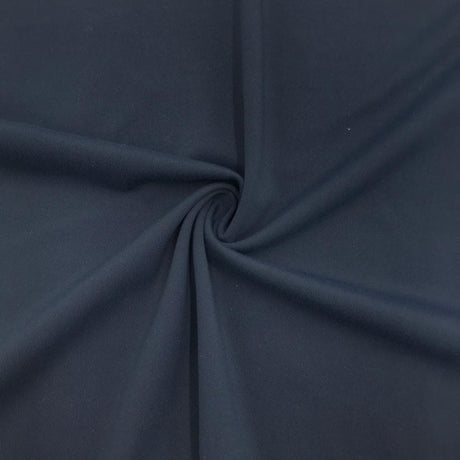
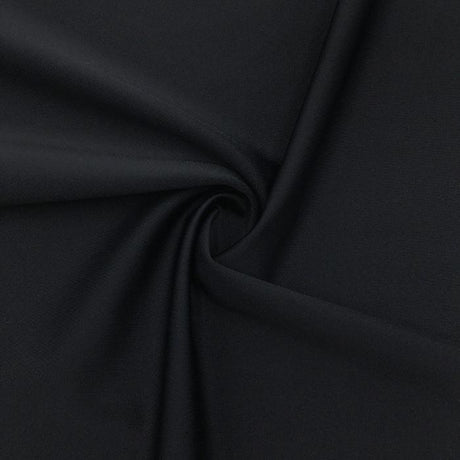
Brushed Lining (Brushed Fabric): A fabric finishing technique where the surface fibers are mechanically rubbed to create a soft nap. This raised fuzzy layer gives a plush feel and improves insulation by trapping air. Brushing can be applied to knits or wovens in cotton, polyester, or blends, often on the garment's inner side for warmth and comfort. Our fabric finishes guide covers the full range of surface treatments, including brushing techniques and how they affect performance.
Fleece Fabric: A knitted textile engineered for warmth. Fleece is typically made of polyester (sometimes cotton or blends) and constructed with loops on one or both sides. In manufacturing, these loops are brushed or sheared to form a deep pile, resulting in a thick, fluffy surface. This pile traps heat effectively – fleece was created as a lightweight synthetic alternative to wool – and the knit base provides inherent stretch and quick drying.
Softness & Warmth: Both fabrics are used to make garments feel cozy against the skin. Brushed linings have short, dense fibers, creating a subtle, fine fuzz that adds moderate warmth without much bulk. Fleece, with its higher loft pile, generally offers greater insulation due to the thicker layer of air it can trap. A thin brushed jersey will be less insulating than a thick microfleece of the same weight.
Breathability: Because brushing fills the surface with fluff, a fully brushed fabric can be slightly less breathable than its unbrushed counterpart. However, breathability also depends on fiber: a cotton-brushed lining will breathe more but hold sweat, whereas a polyester fleece repels water (hydrophobic) yet can feel less breathable. Our fabric finishes guide explains how surface treatments interact with breathability across different fiber types.
Typical Composition: Brushed lining can start from virtually any base material. For activewear, common choices are polyester-spandex knits (for stretch) or cotton/poly blends. Fleece is historically associated with 100% polyester for its light weight and quick-dry properties, but cotton fleece (sweatshirt fleece) and poly-cotton fleeces are also popular. Fiber content influences performance: cotton-blend fleece is very soft but can absorb moisture, while all-poly fleece won't absorb sweat. Our stretch fabric types page compares spandex-blended brushed knits and fleece-backed constructions side by side.
Both fabric types come in many variants. Manufacturers can choose from various brushed lining options (from lightly brushed tricots to double-brushed stretchy jerseys) and a spectrum of fleece fabric options (from thin microfleece to heavy polar fleece) to meet specific design needs. If you're unsure which construction suits your project, our how to choose fabric guide walks you through the decision step by step.
Technical Comparison: Warmth, Durability, Breathability, GSM & Stretch
| Fabric Type | Typical GSM Range | Typical Stretch % | Common Composition | Notes |
|---|---|---|---|---|
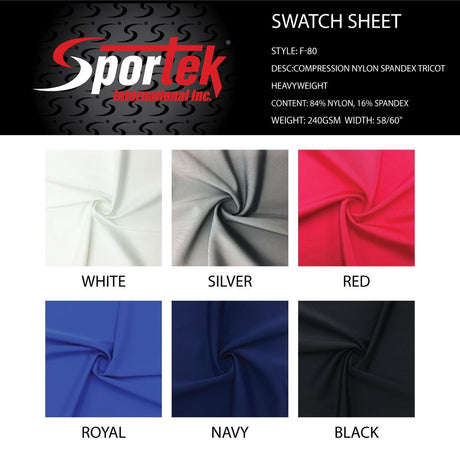
| Brushed Knit (Leggings/Yoga Fabric) | ~180–300 GSM | High (4-way stretch) | Polyester + Spandex (≈8–15%) | Soft "buttery" feel, good warmth without bulk, ideal for activewear. |
| Fleece (Microfleece → Polar Fleece) | ~150–350+ GSM | Low–Moderate (mostly 2-way) | Polyester (≈100%) or poly blends | Highest warmth-to-weight, but can feel thicker and less breathable. |
| Fleece-Lined Leggings | ~250–320 GSM | Moderate | Poly/Spandex outer + fleece inner | Much warmer and thicker than brushed leggings of similar base fabric. |
| Brushed Cotton (Sweatshirt/Thermal Knit) | ~220–320 GSM | Low–Moderate | Cotton + polyester blends | Warm and soft but absorbs sweat and can feel heavy when damp. |
| French Terry (Loopback Knit Alternative) | ~200–280 GSM | Moderate–High | Cotton/poly + small % spandex | Warmth + breathability without heavy brushing; good for layering. |
For a detailed explanation of how GSM affects warmth, opacity, and durability across all fabric types, visit our fabric weight guide. To compare stretch ratings and recovery across brushed knits, fleece, and French terry, see our stretch fabric types page.
Common Mistakes to Avoid
Ignoring Fabric Care: Mistakes in care can ruin these fabrics. Using high heat can damage or melt polyester fleece and make brushed fibers rough. Always follow care labels: typically cold wash, gentle cycle, and low-heat or air dry. Avoid ironing fleece directly, and don't use fabric softener on moisture-wicking fleece as it can coat fibers and reduce performance. Our fabric care guide covers laundering best practices for both brushed and fleece constructions, and our spandex care guide specifically addresses elastane-blend brushed knits used in leggings and yoga wear.
Using the Wrong Sewing Techniques: Both brushed and fleece fabrics can be tricky to sew. Fleece is thick and can stretch; use a ballpoint or stretch needle and longer stitches. It also creates a lot of lint – clean your machine often. Brushed knits are thinner but can be slippery; a walking foot can help. Pre-wash fabrics (especially cotton blends) to account for any shrinkage before cutting. Our how to sew stretch fabric guide covers needle selection, stitch settings, and construction techniques for both fabric types in detail.
Overestimating Warmth: A common error is assuming a lightly brushed garment will be as warm as a heavy fleece one. If you're gearing up for freezing temperatures, don't rely on a thin brushed lining alone – you may need a thicker layer or to combine layers. Conversely, don't overdo fleece for high-intensity workouts; you might overheat. Match the fabric weight to the actual conditions. Our fabric weight guide makes it easy to cross-reference GSM with intended temperature range and activity level.
Neglecting Breathability: Focusing only on warmth can backfire if the activity is high intensity. It's a mistake to pick the coziest fleece-lined jacket for a run, only to end up drenched in sweat. Balance warmth with ventilation. Many modern activewear designs include breathable panels – a brushed front for warmth and an unbrushed, mesh, or lighter back for airflow. Our activewear fabric guide covers paneling strategies and fabric combinations for managing breathability in cold-weather performance gear.
Choosing Low-Quality Fabric: Not all fleeces and brushed fabrics are equal. Cheap fleece pills very quickly and can lose warmth as it sheds fibers. Similarly, a low-grade brushed knit might have an uneven nap or pill after one wash. Invest in anti-pill fleece or high-quality brushed fabrics for better longevity. If you have questions about specific fabric quality or need help comparing options, our expert help and advice page connects you with knowledgeable staff who can guide your selection.
When to Use an Alternative Fabric
French Terry (Loopback Fleece): Consider French terry for situations where you need some warmth and softness but with more breathability. French terry has soft loops on the inside instead of a full brush; it provides a light insulating layer and is very breathable and durable. It's great for mid-weight hoodies, joggers, or transitional activewear. Unlike poly fleece, 100% cotton French terry gets softer over time without losing structure. Choose this when you want comfort and longevity, or for a premium look – many high-end brands prefer heavy cotton French terry to polyester fleece for a structured, upscale feel. Our fabric guides hub includes resources on French terry construction and how it compares to brushed and fleece alternatives.
Ponte Knit: Ponte de Roma is a stable double-knit fabric (often a rayon/nylon/spandex blend) known for its thickness and stretch. It's not fuzzy like fleece, but it's warm and structured. Ponte is ideal for garments like leggings or casual jackets where you want a smooth, firm fabric that flatters the body while providing warmth. It doesn't pill easily and has a more presentable finish, making it suitable for athleisure pieces that might be worn to the office or out to dinner. Use ponte when you need coverage, warmth, and a bit of compression with a polished look – for example, winter riding leggings or comfy office-appropriate pants. Our how to choose fabric guide can help you decide when ponte is the right call over brushed or fleece options.
Thermal Knits & Others: There are other fabric options for warm activewear beyond brushing and fleece. Waffle-knit thermals have a grid texture that traps heat and wicks moisture – great for base layers. Wool blends (merino wool jerseys) can be excellent for cold-weather training gear, offering natural insulation and odor resistance superior to polyester, though usually pricier. Softshell fabrics (bonded layers with fleece on one side and a smooth face on the other) provide windproofing in addition to warmth. Our fabric finishes guide covers bonded and coated constructions like softshell in detail. For a ski mid-layer, a breathable stretch fleece is common, but for the outer layer a water-resistant softshell or insulated knit might be better – understanding these distinctions is exactly what our activewear fabric guide is designed to help with.
Conclusion
Brushed linings and fleece fabrics each have their strengths, and the better choice truly depends on your activewear application. Brushed fabrics offer softness and moderate warmth without bulk – perfect for activities where range of motion and layering matter – while fleece delivers maximum coziness and insulation when conditions demand it. By considering technical factors like durability, breathability, stretch, and the specific use case, you can confidently select the fabric that will keep you or your customers warm, comfortable, and ready for action.
Ready to get started? Browse our activewear fabric guide for curated cold-weather fabric recommendations, use our how to choose fabric guide to narrow down your options, and check our fabric weight guide to match GSM to your intended conditions. Our FAQ page answers common ordering and shipping questions, and our expert help and advice team is always on hand if you need a second opinion. Sign up for SpandexByYard Rewards to earn points on every purchase and make your next cold-weather project even more rewarding.