Activewear designers (from professional manufacturers to DIY sewists) often need to add support and structure to stretchy garments without sacrificing comfort or flexibility.
Standard stretch fabrics alone can sometimes lack the compression or stability needed in areas like waistbands, tummy panels, or bra bands. This leads to challenges in keeping garments snug and supportive during high activity.
Problem/Need: How can we reinforce critical garment areas (waist, bust, etc.) while maintaining breathability and stretch? Power mesh offers a solution by providing a lightweight, breathable support layer. For a broader foundation before diving in, explore our activewear fabric guide or browse our full fabric guides hub.
What is Power Mesh? (Structure & Function)
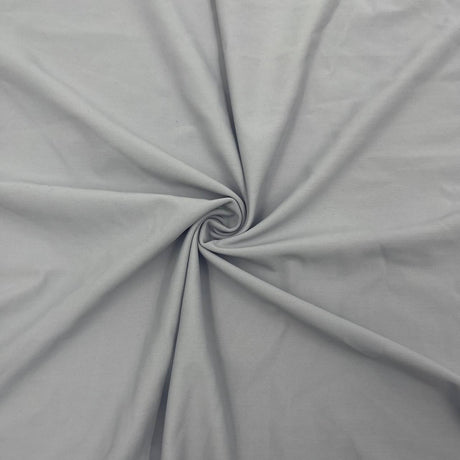
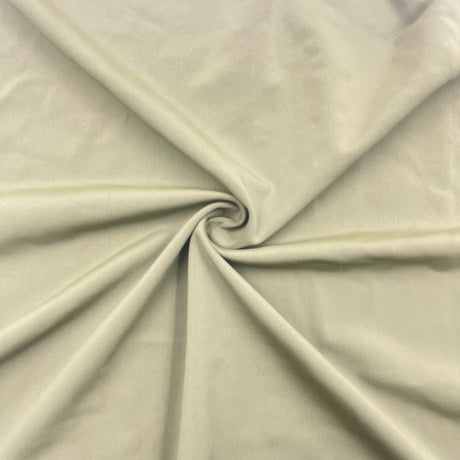
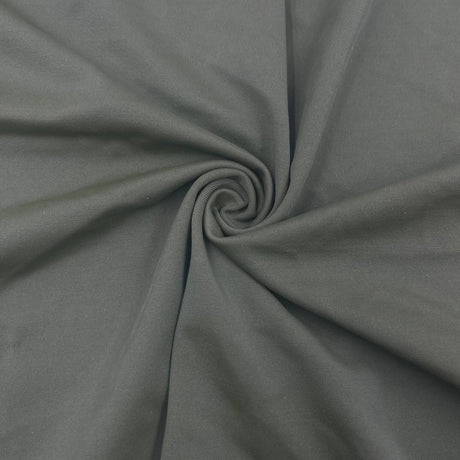
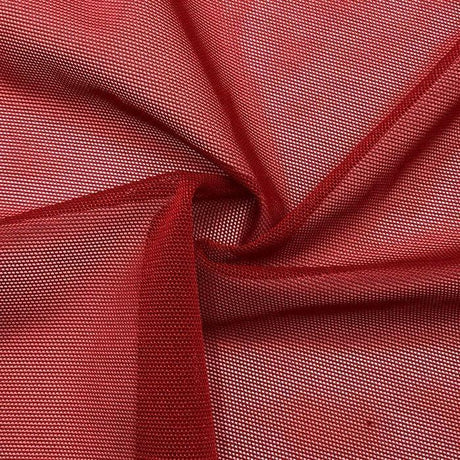
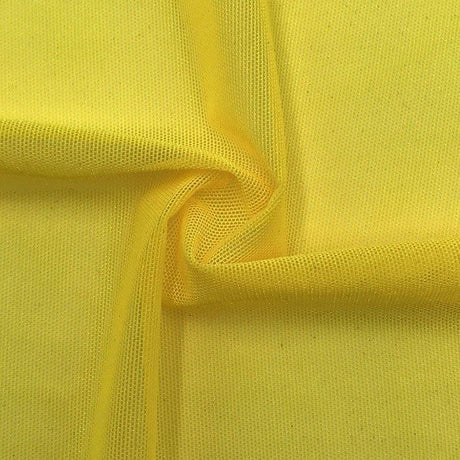
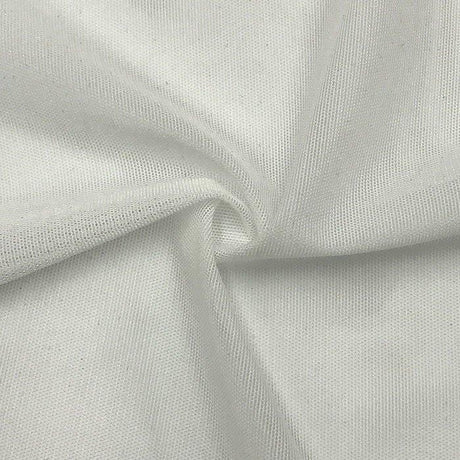
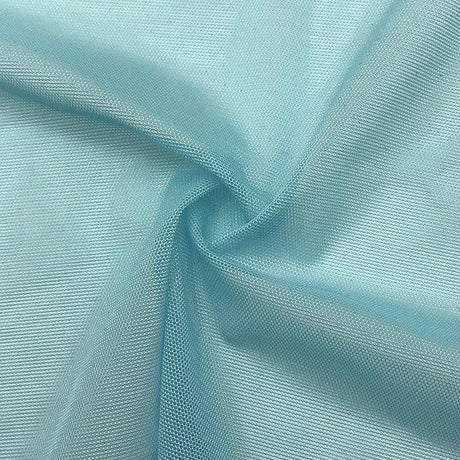
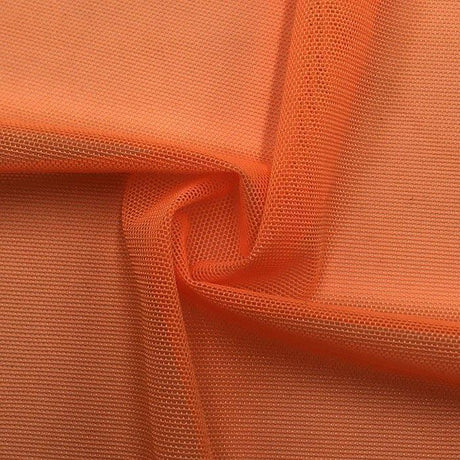
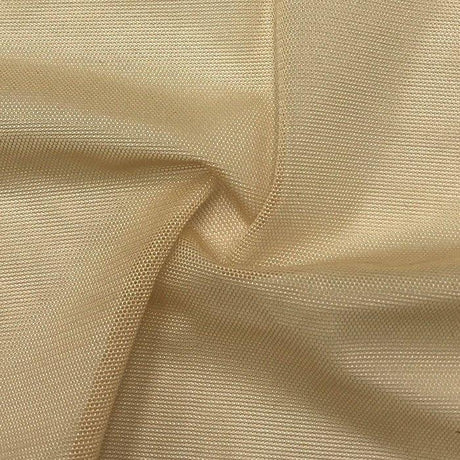
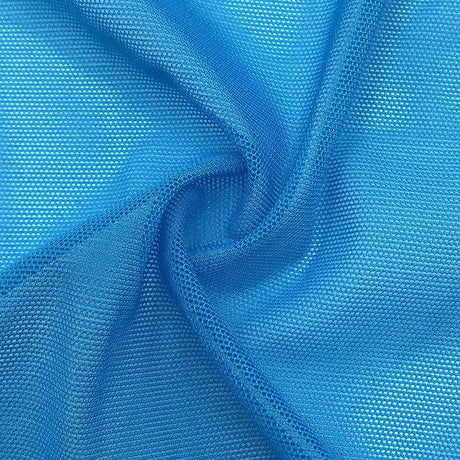
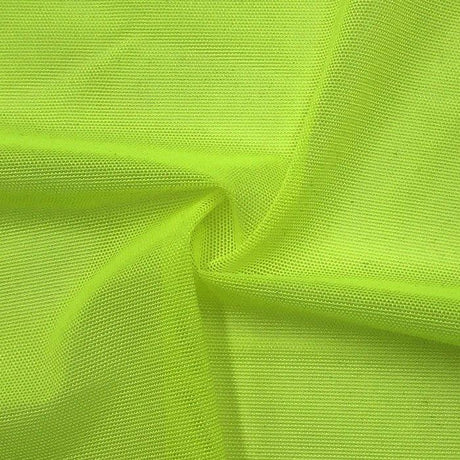
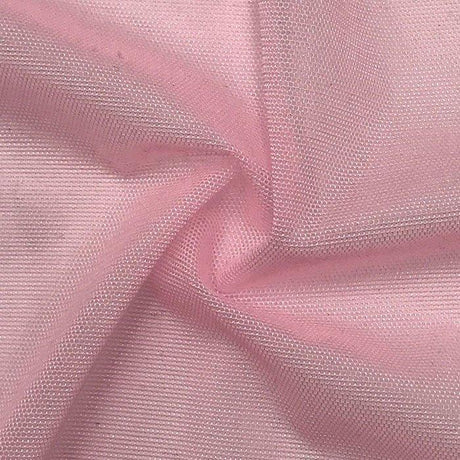
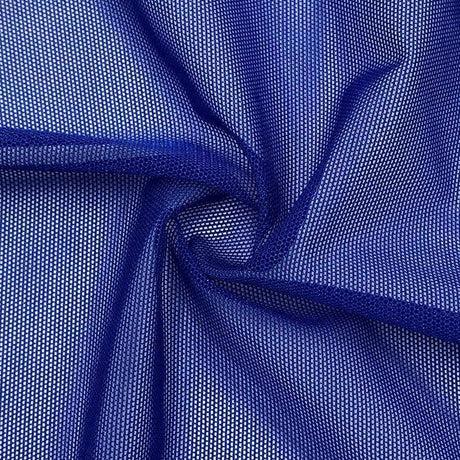
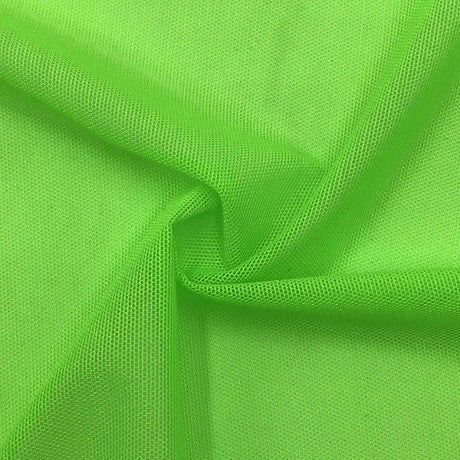
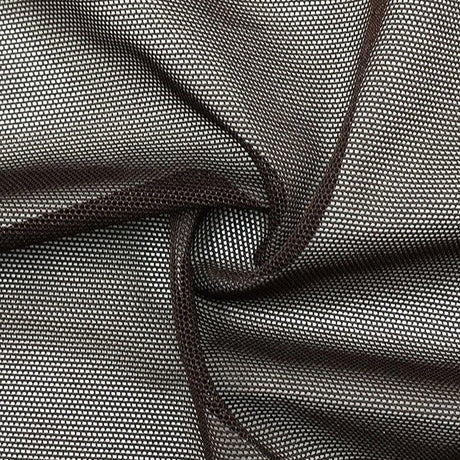
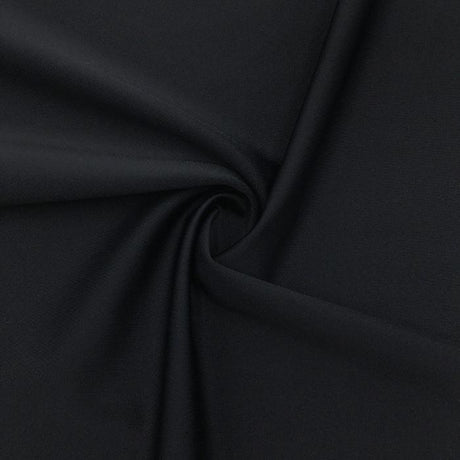
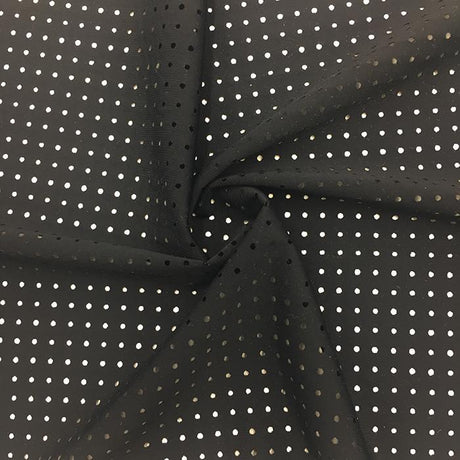
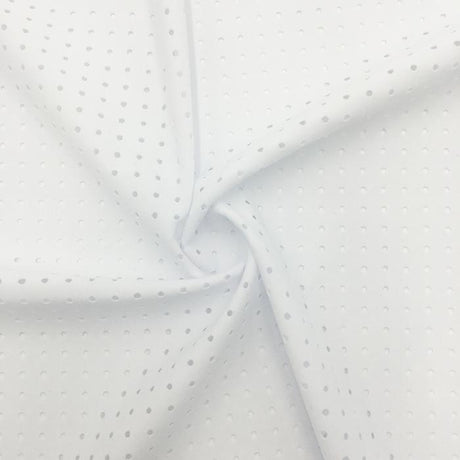
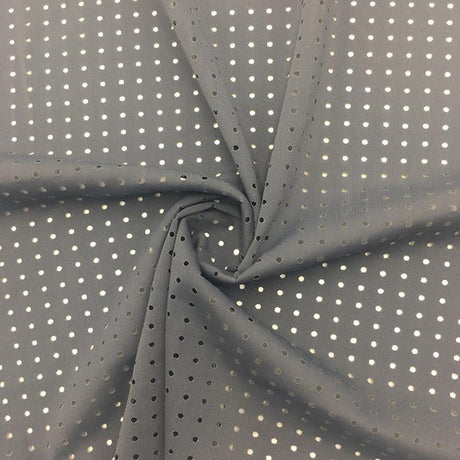
Definition: Power mesh is a specialized stretch mesh fabric known for its balance of flexibility and support. It has a sheer, net-like appearance (tiny holes for airflow) but is engineered with spandex for significant stretch.
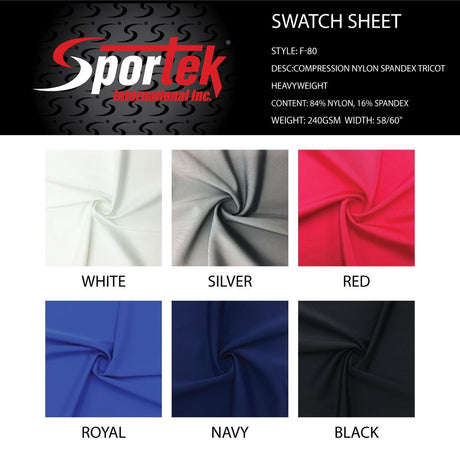
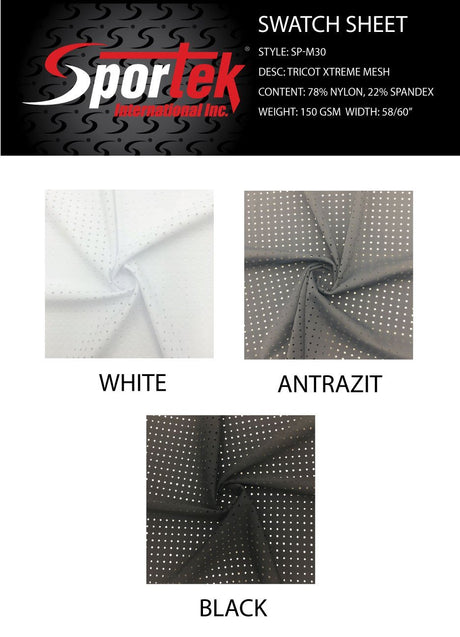
Composition: Typically made of a synthetic base (often ~80–90% nylon or polyester) blended with 10–20% elastane (spandex). This gives it 4-way stretch, meaning it can extend in both width and length. Our nylon-spandex fabric guide covers how nylon-spandex constructions like power mesh compare to other performance knit types in stretch, recovery, and durability.
Structure: Constructed via warp knitting, creating an interlocked open knit pattern. This mesh structure provides controlled stretch and durability – it can be designed to be firmer in one direction for support while still stretching in the other. Our stretch fabric types page explains how warp knit constructions compare to other knit structures in terms of stretch percentage and recovery ratings.
Function: The combination of spandex and knit structure allows power mesh to mold to the body and "snap back" to its original shape (excellent recovery). It delivers gentle compression or support without the bulk of rigid fabrics, making it ideal as a lining or panel in active garments.
Technical Specifications of Power Mesh
Fabric Weight (GSM): Power mesh is lightweight, often around 90–100 GSM. Despite its light weight, it's very strong for its mass. Some heavier power mesh variants can reach 120–150 GSM for extra support. Our fabric weight guide provides a full breakdown of GSM ranges and how weight affects compression level, breathability, and durability across all common mesh constructions.
Stretch Percentage: Offers 4-way stretch capability – a typical power mesh with ~10% spandex may stretch ~20% vertically and ~30–35% horizontally. High spandex content and knit construction enable it to move with the body. Our stretch fabric types page explains how to read and compare stretch percentages and recovery ratings when evaluating mesh options.
Composition: Commonly 80% nylon / 20% spandex (or polyester/spandex blends). Nylon-based power mesh tends to be softer and has excellent recovery; polyester variants may be used for chlorine resistance (e.g., in swimwear) at slight cost to softness. Our nylon-spandex fabric guide covers these two blends in full detail for activewear and swimwear applications.
Breathability: High breathability due to the mesh's open structure – the tiny holes allow airflow and quick moisture evaporation, keeping the wearer cool. This makes power mesh ideal for ventilated panels in activewear. Our activewear fabric guide covers breathability ratings across mesh and solid performance fabric constructions.
Recovery & Durability: Notable for excellent recovery – it springs back to shape after stretching and resists deformation over time. Quality power mesh retains elasticity even after repeated use, so support areas won't sag prematurely. Our spandex care guide covers how to preserve elastane recovery through laundering to maintain long-term support performance.
Use-Case Guidance: Key Applications for Power Mesh
Waistbands
Support in Waistbands: Power mesh is often used as a hidden inner layer in waistband construction (e.g., inside a high-rise legging's waist) to provide compression and prevent the band from stretching out. This tummy control panel helps hold the midsection snugly without adding bulk to the waistband's appearance.
Stability: Adding a strip or full panel of power mesh inside the waistband stabilizes the garment, keeping it from rolling down during movement. The mesh's grip and recovery ensure the waistband stays fitted to the body during workouts.
Usage Tips: Cut the power mesh to match the waistband shape and slightly smaller width to provide tension. Layer it between the outer fabric and lining or back the waistband facing with mesh. For heavy-duty support (e.g., maternity or medical belts), consider doubling the mesh layer or using a sturdier cousin (power net). Our how to sew stretch fabric guide covers waistband construction techniques including mesh layering, basting, and seam finishing for clean, supportive results.
Panels
Integrated Panels for Compression: Power mesh panels are strategically inserted in garments for targeted support. A front tummy panel in compression leggings or swimwear can be lined with power mesh to flatten the midsection and provide shaping. This yields a smoothing effect without restricting flexibility.
Ventilation Panels: In activewear design, power mesh is also used in side or back panels of tops and leggings for breathability. Mesh inserts behind knees, along thighs, or in racerback panels increase airflow and reduce weight while still enduring the stretch of movement. These panels keep athletes cooler during intense workouts. Our activewear fabric guide covers ventilation panel strategies and fabric combinations for managing breathability in performance garments.
Aesthetic & Functional Balance: Designers use mesh panels not just for function but style – sheer mesh cut-outs on leggings or bras add visual interest. When adding mesh panels, ensure the stretch direction of the mesh aligns with the garment's stretch and movement. Finish seams carefully (e.g., use binding or coverstitch) to prevent the mesh from fraying or curling at the edges. Our how to sew stretch fabric guide covers seam finishing techniques for mesh panels including coverstitch, binding, and serger options.
Sports Bras
Support Linings: Sports bras often incorporate power mesh or power net in specific zones to enhance support. A common technique is lining the bra band or cup interior with power mesh to add strength without extra bulk. For example, the inner wings (sides/back) of a sports bra might be two layers of power mesh or a heavier power net for bounce control and stability. This helps the bra hold shape during high-impact activity. Our activewear fabric guide covers fabric construction recommendations for different sports bra impact levels.
Breathability & Comfort: Using power mesh in bra panels (like a mesh racerback or front panel) can improve ventilation for the wearer. The mesh's softness (especially nylon-blend mesh) also provides a smooth layer against skin, reducing chafing. It offers a bit of give and molds to body curves, which is important for comfort in bras.
Construction Tips: When sewing power mesh into bras, use stretch stitches (zigzag or serger) to accommodate extension. For maximum support, you can double-layer the mesh or combine it with an elastic underband. Align any directional stretch of the mesh horizontally around the body for bra bands (since that's where stretch is most needed for donning and comfort). For even more support in plus-size or high-impact bras, a switch to power net (firmer, higher GSM mesh) may be warranted in the band area. Our how to sew stretch fabric guide covers stretch stitch selection, elastic application, and double-layer techniques for sports bra construction.
How to Choose the Right Power Mesh for Your Project
Match Project Requirements: Select your power mesh based on the end use. Consider the environment: a yoga garment might prioritize soft feel and breathability, whereas swimwear demands chlorine resistance, and a sports bra demands maximum support. Our how to choose fabric guide walks through this decision framework systematically for all common activewear applications. Our swimwear fabric guide covers chlorine-resistant mesh options specifically for aquatic applications.
Weight & Strength: Choose the appropriate mesh weight (GSM) for the level of support needed. Lightweight power mesh (~90 GSM) is ideal for modest support or large ventilation panels, offering comfort and flexibility. Heavy power mesh (130–150 GSM) provides firmer compression and is suited for shapewear, tummy-control leggings, or structured bra bands. For extreme support, you may even opt for power net (180+ GSM) in key areas. Our fabric weight guide makes it easy to cross-reference GSM with compression level and end-use requirements.
Fiber & Finish: If making swimwear or any project exposed to chlorine, consider a polyester-spandex power mesh or one labeled chlorine-resistant. Nylon-based meshes are generally softer on the skin, so they work well for bras or any application where comfort against skin is a priority. Our nylon-spandex fabric guide covers how to choose between nylon and polyester mesh blends based on end-use environment. Our fabric finishes guide covers chlorine-resistant coatings and moisture-wicking treatments available for power mesh fabrics.
Project Examples:
- For intensive shaping needs (e.g. compression leggings, girdles, or cinchers), use a stronger mesh or multiple layers. Our activewear fabric guide covers high-compression fabric options and layering strategies.
- For bra-making or delicate stretch apparel, a softer high-stretch material may be preferable for comfort. Our stretch fabric types page covers bra-friendly stretch fabric options and how they compare to power mesh for support applications.
- Always pair your mesh with a compatible main fabric. Ensure the mesh's stretch and recovery matches or exceeds that of your outer fabric to avoid restriction. Our stretch fabric types page explains how to test and compare stretch compatibility between lining and outer fabrics.
Common Mistakes to Avoid with Power Mesh
Mismatched Stretch: Using a power mesh that doesn't stretch as much as the outer fabric is a common error. This can cause the garment to fit poorly or restrict movement. Always match 4-way stretch linings with 4-way stretch outer materials (mesh should have equal or greater stretch). Our stretch fabric types page explains how to verify stretch compatibility between mesh and outer fabric before cutting.
Improper Cutting & Grain Direction: Cutting power mesh without regard to its greatest stretch can lead to panels that don't perform. Identify the direction of greatest stretch in the mesh and align it to where the garment needs flexibility (e.g., horizontal stretch around a body circumference). Also, let the mesh relax when cutting; don't stretch it taut on the table, or your piece will end up smaller than intended once it relaxes. Our how to sew stretch fabric guide covers grain alignment and cutting techniques for stretch mesh fabrics.
Using the Wrong Stitch or Needle: Treat power mesh like what it is – a knit. A common mistake is using a straight stitch or a universal sharp needle, which can cause skipped stitches or fabric runs. Use a ballpoint or stretch needle and a zigzag or serger stitch so the seams can stretch. Our how to sew stretch fabric guide covers needle selection, stitch settings, and serger setup for power mesh construction.
Layering Issues: Simply layering multiple mesh pieces without proper basting or alignment can result in shifting, uneven support, or a bulky seam. If doubling up power mesh for extra hold, baste layers together first and ensure grain/stretch is aligned. Also, avoid over-layering to the point the mesh loses breathability. Always enclose or finish edges to prevent uncomfortable flaps or rolling between layers.
Care Neglect: Power mesh is durable but can be damaged by high heat or rough handling. Don't wash on high heat or aggressively iron; excessive heat can weaken spandex fibers. Use gentle, cold wash cycles and air dry or low-heat tumble to prolong elasticity. Our spandex care guide covers heat sensitivity and laundering best practices for elastane-blend mesh fabrics, and our fabric care guide provides complete care protocols for activewear with mesh components.
When to Use Alternative Fabrics Instead of Power Mesh
Power Mesh vs. Power Net: Power net is a heavier, sturdier mesh often used for very high-support applications. Use power net when maximum compression or support is needed (e.g., medical compression garments, firm shapewear panels, bra bands for plus sizes) and use power mesh for moderate support with more comfort and flexibility. Power net typically has higher GSM (180–300) and a tighter knit, resulting in less stretch but a firmer hold. A power mesh at 130 GSM might be perfect for a tummy panel in a swimsuit (strong yet pliable), whereas a 200 GSM power net would be chosen for a longline sports bra or waist cincher that demands serious reinforcement. Our fabric weight guide covers how GSM ranges translate to compression level across mesh and net constructions.
Regular Stretch Mesh or Tricot Lining: Not every project requires the strength of power mesh. If your goal is only decorative or light support, a standard stretch mesh (lighter, more drapey) could suffice. For a fashion legging with sheer calf panels, a light stretch mesh works for style rather than compression. Conversely, if you mainly need a lining for coverage (with no compression), a lightweight nylon tricot lining might be preferable – it's opaque, smooth, and stretches, but doesn't have the firm power of power mesh. Our stretch fabric types page covers standard stretch mesh and tricot lining constructions and when they're appropriate alternatives to power mesh.
When to Skip Power Mesh: In some cases, using power mesh might be overkill or even detrimental – for instance, in a flowy yoga top where stretch and drape are more important than support, adding power mesh could make it too stiff. In such scenarios, consider other support methods (like elastic casings or interfacing) that might integrate more gently. Our fabric finishes guide covers interfacing and stabilization options that provide structure without the compression of power mesh.
Conclusion
Summary of Benefits: Power mesh is a game-changing material for activewear sewing, offering a rare combination of support, stretch, and breathability. By understanding its technical specs and proper usage, you can leverage it to solve common garment challenges (sagging waistbands, lack of support in bra panels, etc.) with confidence.
Whether you're a professional apparel manufacturer ensuring quality at scale or a DIY enthusiast aiming for a polished finish, knowing how to choose and implement power mesh will elevate your projects. Armed with this knowledge, you can now select the right power mesh for your specific activewear needs – remembering that the right fabric choice makes all the difference in performance gear.
Ready to get started? Explore our activewear fabric guide for curated mesh recommendations, use our fabric weight guide and stretch fabric types page to compare your options, and visit our how to sew stretch fabric guide for step-by-step construction techniques. Our spandex care guide and fabric care guide will keep your finished garments performing at their best wash after wash. Have questions about which mesh is right for your project? Our expert help and advice page and FAQ are always available. Sign up for SpandexByYard Rewards to earn points on every purchase – because the right support fabric makes every garment perform its best.