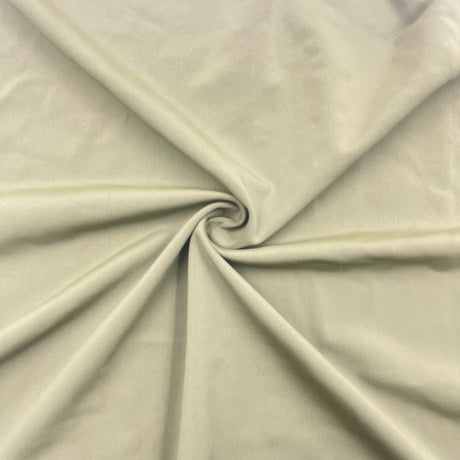
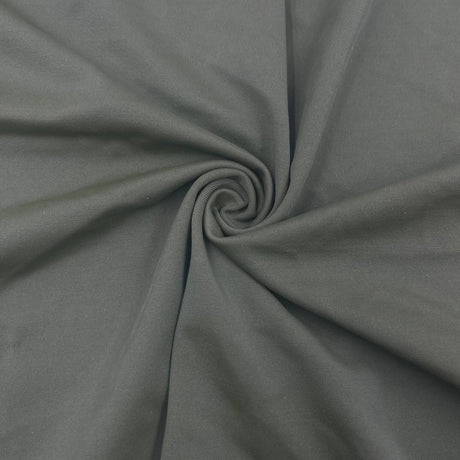
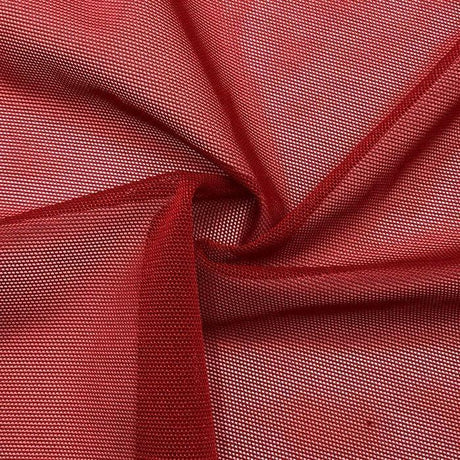
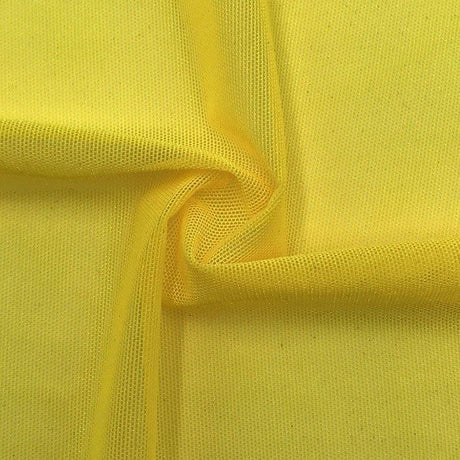
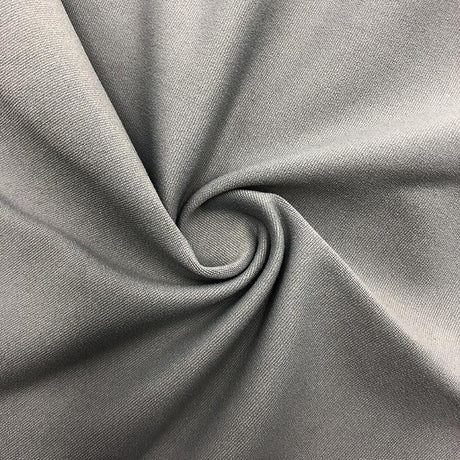
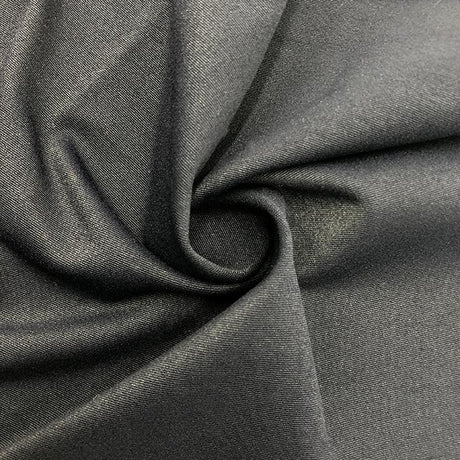
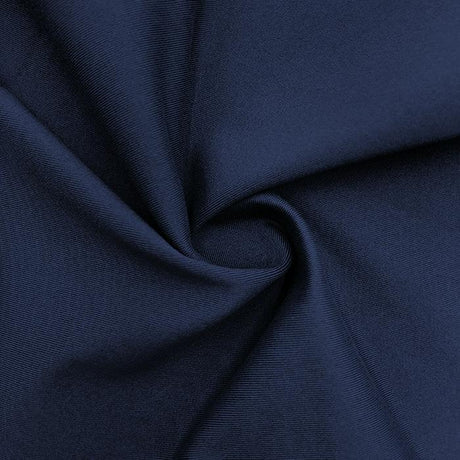
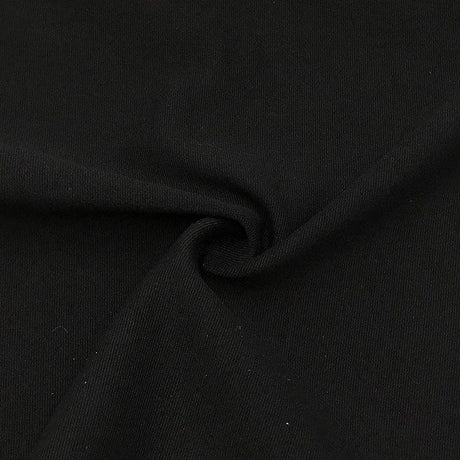
Summer Fabric Dilemma: Choosing between bamboo and cotton stretch fabrics is a common challenge for apparel makers when designing breathable summer clothing. Each offers distinct benefits in comfort and performance, making the decision not always straightforward.
This guide will compare bamboo vs. cotton stretch fabric in depth – from technical specs to cooling ability – to help you make an informed choice. We'll cover what each fabric is, how they differ in feel (especially in hot weather), and which projects each is best suited for. For a broader foundation before diving in, explore our fabric guides hub or visit our how to choose fabric guide for a structured decision framework.
What Is Bamboo Stretch Fabric?
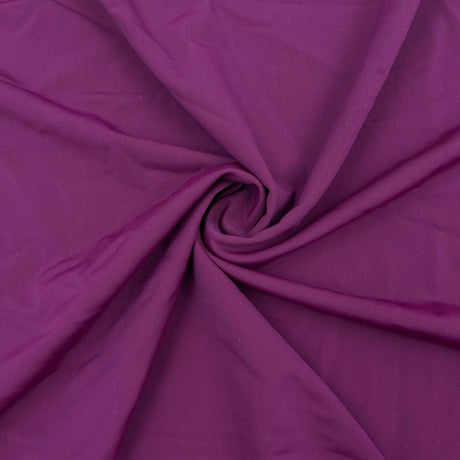
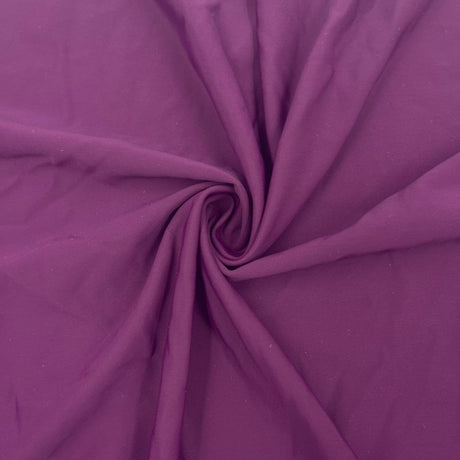
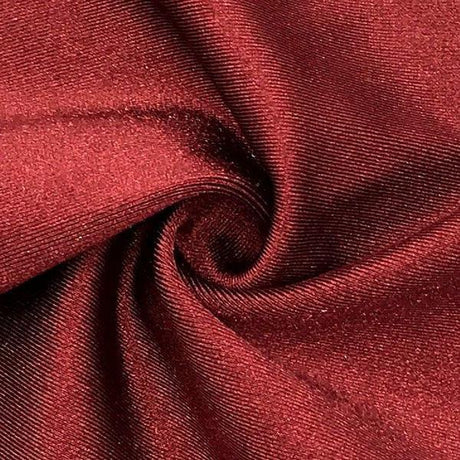
Definition & Composition: Bamboo stretch fabric refers to textiles made from bamboo-derived fibers combined with elastane (spandex) for stretch. Typically it's a bamboo viscose (regenerated cellulose from bamboo pulp) mixed with about 5–10% spandex to give it elasticity. The result is a knit fabric that offers both the natural qualities of bamboo and the flexibility of spandex. Our stretch fabric types page covers bamboo-spandex constructions and how they compare to other stretch knit options in terms of recovery and end-use suitability.
Key Characteristics: Bamboo fibers produce an exceptionally soft, smooth fabric with a slight sheen. The fiber's structure is naturally round and contains microscopic gaps, lending bamboo fabric a silky touch and excellent moisture absorption. It's often praised for being buttery soft, drapey, and gentle on sensitive skin.
Performance Properties: Bamboo stretch fabrics are known for their breathability and moisture-wicking abilities. The bamboo fiber can absorb sweat quickly and evaporate it, helping wearers stay dry. It also has natural antimicrobial properties (thanks to a bio-agent called bamboo kun), which means it resists odor buildup during wear. These traits make bamboo-spandex blends popular for activewear, yoga outfits, and summer garments where staying cool and fresh is a priority. Our activewear fabric guide covers moisture management ratings across bamboo and other performance fabric types.
Typical Uses: Due to its softness and comfort, bamboo stretch knit is common in garments like yoga pants, leggings, t-shirts, underwear, baby clothing, and loungewear. It provides a luxurious feel and is often marketed as an eco-conscious alternative to cotton, appealing to those looking for sustainable yet high-performance materials.
What Is Cotton Stretch Fabric?
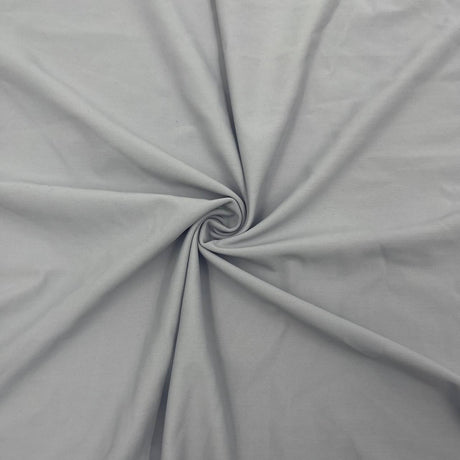
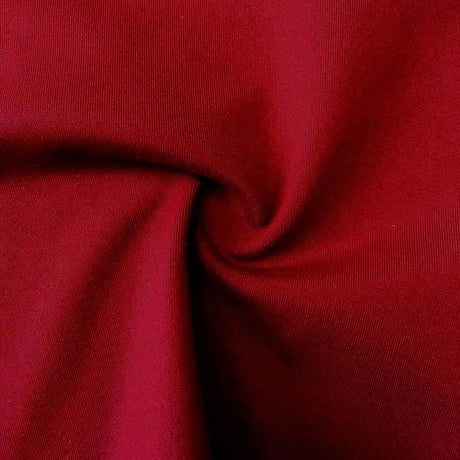
Definition & Composition: Cotton stretch fabric is made from natural cotton fibers spun into yarns and blended with a small percentage of elastane (spandex) to add stretch. A very common composition is around 90–95% cotton with 5–10% spandex (often referred to as cotton Lycra). The spandex gives traditionally non-stretchy cotton a comfortable elasticity. Our cotton-spandex fabric guide covers cotton-spandex blend constructions in full detail, including how spandex percentage affects stretch, recovery, and care requirements.
Key Characteristics: Cotton fibers are short, fluffy staples that, when spun, create a soft, breathable, and durable textile. Cotton has a matte, familiar look and a slightly textured feel due to its twisted fiber shape. It is prized for its natural comfort – it's soft against the skin (often getting softer with wear and wash), and highly breathable, allowing air to flow through the fabric easily. Stretch cotton fabrics maintain that comfort while adding flexibility and recovery.
Performance Properties: Cotton is excellent at absorbing moisture (sweat), though it holds it in the fibers rather than wicking it away quickly. The added spandex provides stretch and helps garments move with the body. Cotton-spandex blends are also quite durable – they can withstand frequent washing and high heat better than many other fibers, making them easy-care for daily wear. Our fabric care guide covers laundering best practices for cotton-spandex blends to preserve both shape and softness through repeated washing.
Typical Uses: You'll find cotton stretch fabrics in a wide range of clothing: everyday t-shirts and tops, stretch denim jeans, leggings, casual dresses, children's wear, and loungewear basics. It's a versatile staple in both home sewing and mass apparel production because it's easy to sew, widely available, and comfortable for most people.
Technical Specifications Compared
Fabric Weight (GSM): Bamboo and cotton stretch fabrics can differ in their grams per square meter. Bamboo-based jerseys tend to be slightly heavier for the same thickness of fabric – a typical bamboo/spandex jersey might weigh around 230–240 GSM, whereas an equivalent cotton/spandex jersey could be closer to 150–180 GSM. Bamboo fiber itself is heavier, so bamboo knits often have a higher GSM while still feeling airy. Cotton can range widely in weight (lightweight summer cotton jerseys ~140 GSM up to heavier French terry or fleece). Our fabric weight guide provides a full breakdown of GSM ranges and how weight affects breathability, drape, and performance across both bamboo and cotton knit constructions.
Stretch & Recovery: Both bamboo stretch and cotton stretch fabrics usually contain 5–10% elastane, giving them a comparable stretch percentage. With a similar spandex content, both fabrics can offer 2-way or 4-way stretch that might extend 50% or more beyond their resting length. The main difference is that bamboo fabrics sometimes have a slightly slinkier stretch (due to their drape), whereas cotton's stretch might feel a touch more robust. The recovery (ability to spring back without sagging) depends on spandex quality and percentage – higher elastane (e.g. 8–10%) often means better recovery. Our stretch fabric types page explains how to compare stretch percentages and recovery ratings across bamboo and cotton-spandex constructions.
Fiber Content & Composition: Bamboo stretch is typically composed of bamboo viscose (a regenerated cellulose fiber from bamboo) plus spandex. Cotton stretch is cotton fiber plus spandex. Both can also be blended with other fibers (e.g. polyester, modal, or even with each other). For instance, some fabrics are bamboo-cotton blends with spandex to marry the advantages of both fibers. Our cotton-spandex fabric guide covers blended constructions and when combining bamboo and cotton makes sense for specific applications.
Other Technical Notes: In terms of shrinkage, both bamboo viscose and cotton can shrink if not prewashed; it's wise to prewash both types of stretch fabric before cutting your patterns. Our fabric care guide covers pre-washing protocols for both fiber types. Durability-wise, cotton has higher tensile strength (it can handle pulling and abrasion better), whereas bamboo viscose is slightly less resilient on its own but this can be mitigated by blending with cotton or using high-quality yarns. Our spandex care guide covers how to preserve elastane recovery through laundering for both bamboo and cotton-spandex blends.
Which Feels Cooler in Summer and Why?
Breathability vs. Moisture-Wicking: Cotton is highly breathable – it allows air to circulate and cool you down, especially in dry heat or when the fabric is a loose weave. Bamboo excels at moisture-wicking – it can pull sweat away from the skin and let it evaporate faster. In humid summer conditions, bamboo's quick evaporation means you stay drier and therefore cooler, whereas cotton might become damp and clingy as it soaks up sweat.
Fiber Microstructure & Thermal Regulation: The microscopic structure of bamboo vs. cotton fibers plays a key role in how cool the fabrics feel. Bamboo viscose fibers are hollow or have micro-gaps, which allows them to release heat and moisture more rapidly, creating a "cool touch" sensation. Cotton fibers are solid and twisted in shape, which makes cotton fabrics slightly less efficient at dissipating heat (they rely more on airflow). Bamboo is engineered for coolness by structure, while cotton cools by breathability.
Measured Cooling Effect: Research has shown that bamboo fabric can reduce skin surface temperature more quickly than cotton. One study found bamboo viscose absorbed sweat 8 times faster and dried 35% quicker than cotton, reducing that sticky feeling in high humidity. Wearers in hot, humid conditions often describe bamboo clothing as feeling "fresh" for longer, whereas cotton gets saturated. In dry heat, however, cotton performs well since the sweat it holds can evaporate into the air and cool you.
Moisture, Heat & Odor Control: Bamboo's superior moisture control also gives it an edge in keeping you cooler by avoiding the prolonged dampness that causes discomfort. Additionally, bamboo stretch fabric naturally resists odor because it's inhospitable to bacteria growth. Cotton itself has no inherent antimicrobial properties and can hold on to sweat smell until washed. Our activewear fabric guide covers moisture management and odor control ratings across both fiber types for performance applications.
Breathable Comfort: That said, cotton shouldn't be counted out for summer. The breathability of cotton stretch fabrics (especially in lighter weights or looser knits) provides a steady comfort. In summary, bamboo stays cool by actively removing moisture and heat, whereas cotton keeps you cool by letting your skin breathe. Both have their place, but in humid, sweaty conditions bamboo is likely to feel cooler, while in hot, dry conditions cotton's airflow can suffice.
Choosing the Right Fabric for Your Project
When deciding between bamboo and cotton stretch fabric, consider the end-use of your project. Our how to choose fabric guide walks through this decision framework systematically for all common garment types.
Activewear and Athleisure
Need for Performance: For workout gear, yoga wear, or any high-sweat activity, bamboo stretch fabric often outperforms cotton in comfort. Its moisture-wicking and quick-drying nature means it won't feel as heavy or clingy during intense exercise. Garments like leggings, athletic tops, or sports bras made from bamboo-spandex will help keep skin dry and resist odors during workouts. Our activewear fabric guide covers bamboo-spandex and cotton-spandex performance comparisons for activewear applications.
Considerations: Cotton stretch can work for light activewear (like casual yoga pants or dancewear) if you prefer a natural feel, but pure cotton tends to get damp and stay damp with heavy sweat. Many athletic garments use blends for this reason – for instance, a bamboo-cotton blend with spandex can offer a balance of durability and moisture control. Our cotton-spandex fabric guide covers how blending bamboo and cotton affects performance for light activewear applications.
Pro Tip: If breathability and quick drying are top priority, some performance fabrics mix polyester or nylon with spandex for even more sweat-wicking ability. Our nylon-spandex fabric guide covers these synthetic alternatives for high-intensity sports or very humid conditions. However, for a natural-fiber feel with performance perks, bamboo-spandex is a strong choice for summer activewear.
Loungewear and Casual Wear
Comfort is King: Bamboo stretch fabric shines in loungewear by offering a silky drape and cool touch, making items like lounge tees or knit shorts feel luxuriously cool on the skin. Cotton stretch fabrics are also a staple for casual wear – a cotton/spandex knit is sturdy, easy to sew, and holds its shape a bit better (cotton has more structure). Our fabric weight guide helps identify the right GSM range for different loungewear silhouettes in both bamboo and cotton constructions.
Blend for Best of Both: Often the ideal solution in loungewear is a blend. A bamboo-cotton stretch blend can give you the softness and breathability of bamboo with the resilience of cotton, meaning the garment is less likely to stretch out or pill but still has that cool, soft touch. Our cotton-spandex fabric guide covers bamboo-cotton blend options and how fiber ratios affect feel, structure, and care requirements.
Kidswear and Babywear
Softness & Sensitivity: For children's clothing, especially babywear, bamboo-spandex knit is superbly soft and hypoallergenic, which can be wonderful for babies or kids with sensitive skin. Bamboo's natural antimicrobial trait means less odor and potentially fewer washes needed for sweat – a plus for active kids.
Durability & Care: Children's garments also need to withstand lots of wear and frequent laundering. Cotton is robust, holds up well to repeated washing (including high temperatures if sanitation is needed), and is less prone to small holes or tears from rough use. For everyday kids' play clothes, cotton stretch fabrics might be the practical choice because they can handle the abuse of playgrounds and frequent cleaning. Our fabric care guide covers high-temperature laundering protocols for cotton-spandex blends in kidswear applications.
Best of Both Worlds: Many baby and kidswear designers opt for blends, such as bamboo-cotton jerseys with a bit of spandex. This gives a nice compromise: some of the silky softness and thermal regulating benefits of bamboo, along with the ruggedness and easy-care nature of cotton. For something like a baby swaddle or a toddler's pajamas (where comfort is paramount), bamboo or a blend is ideal, whereas for a toddler's play t-shirt, a cotton-spandex fabric might hold up better to stains and scrapes.
Common Mistakes to Avoid When Sewing with Stretch Fabrics
Using the Wrong Needle: A frequent pitfall is using a standard sharp needle on stretch fabrics. This can lead to skipped stitches or tiny holes. Always use a ballpoint or stretch needle when sewing bamboo or cotton knits – it will slide between the fibers instead of piercing them, resulting in cleaner stitches. Our how to sew stretch fabric guide covers needle selection, stitch settings, and machine setup for all common bamboo and cotton stretch constructions.
Ignoring Tension and Stitch Type: Sewing stretch fabrics with a regular straight stitch can cause seams to break when the fabric stretches. Use a stretch-friendly stitch – such as a narrow zigzag or an overlock stitch – which will stretch with the fabric. Test and adjust your machine's thread tension and presser foot pressure on scrap fabric to prevent puckering or stretching out the seam. Our how to sew stretch fabric guide covers tension settings and stitch type recommendations for both bamboo and cotton-spandex knits.
Not Prewashing the Fabric: Both bamboo and cotton stretch fabrics can shrink after the first wash (bamboo viscose especially can have some shrinkage). Not prewashing can result in your finished garment becoming too small after laundering. Always prewash and dry your fabric as you intend to treat the final garment. Our fabric care guide covers pre-washing protocols for both bamboo and cotton stretch fabrics.
Stretching the Fabric While Sewing: Another common mistake is unintentionally pulling or stretching the fabric as it goes through the machine. This can cause wavy, distorted seams. Let the feed dogs move the fabric and avoid overstretching – consider using a walking foot or differential feed on a serger to manage the stretch. Our how to sew stretch fabric guide covers differential feed adjustment and presser foot recommendations for clean, flat seams on stretch knits.
Skipping Stabilization Where Needed: Certain areas (like shoulder seams on a knit top, or the crotch seam of leggings) benefit from stabilization to prevent stretching out over time. Using a small strip of clear elastic or stay tape while sewing those seams can maintain shape. Our fabric finishes guide covers stabilization treatments and interfacing options compatible with bamboo and cotton stretch fabrics.
Wrong Cutting Technique: Use a rotary cutter if possible, and don't let the fabric hang off the edge of your cutting table (its own weight can stretch it and distort your pattern pieces). A common error is rough handling that stretches the knit during cutting, leading to pieces that don't match up correctly.
When to Use an Alternative Fabric
High-Performance Activewear or Swimwear: If you're sewing something like competitive sportswear, swim leggings, or dancewear that requires exceptional stretch recovery, nylon-spandex or polyester-spandex blends might be more suitable. These synthetic blends are extremely durable, dry very fast, and can handle lots of sweat and chlorinated water. Our nylon-spandex fabric guide and swimwear fabric guide cover these synthetic alternatives and their performance characteristics in depth.
Maximal Stretch and Support: For projects needing strong compression or support (like shapewear, yoga pants that need to hold shape, or high-stress athletic gear), synthetic performance fabrics shine. Nylon-spandex has a slicker hand feel but offers great support and longevity. Polyester-spandex is highly resistant to moisture and tends to be lighter weight. Our activewear fabric guide covers high-compression synthetic options for demanding performance applications.
Elegant Drape or Specialty Feel: Perhaps you want something even drapier or silkier than bamboo, or with a different texture. Rayon blends (such as modal or Tencel blends with spandex) can offer fantastic drape and coolness similar to bamboo. They are also regenerated cellulose fibers like bamboo viscose, often derived from wood pulp. These can be great for fashion-forward garments or luxury loungewear where you want a smooth, flowing appearance.
Sustainability and Recycled Options: If your focus is on eco-friendly performance, consider recycled polyester (rPET) blends. They're good for outdoor gear, athleisure, or accessories like swimwear where using bamboo or cotton might not be as practical. Our fabric guides hub covers sustainable fiber options and their performance characteristics across a range of applications.
Balancing Qualities with Blends: Many modern fabrics blend natural and synthetic fibers to hit the sweet spot of performance. If bamboo or cotton alone isn't meeting a particular requirement of your project, an alternative or blended fabric might be the answer. Our stretch fabric types page covers the full range of stretch constructions – from pure bamboo and cotton blends to synthetic and hybrid options – to help you find the right match for any project. If you need personalized guidance, our expert help and advice page connects you with knowledgeable staff who can help evaluate your options.
Conclusion
Summing Up the Differences: Bamboo vs. cotton stretch fabric – each has clear strengths. Bamboo stretch fabric offers superior moisture wicking, a cooler feel in muggy weather, and unparalleled softness. Cotton stretch fabric brings tried-and-true breathability, sturdy comfort, and proven durability through countless washes. There isn't a one-size-fits-all winner; the "best" fabric truly depends on the context of use.
Key Considerations for Decision: When selecting between the two, consider the climate (humid vs. dry heat), the activity level (casual wear vs. intense exercise), and the feel you want (silky vs. classic). Also weigh practical factors: Does the garment need to endure heavy wear? (favor cotton or a blend) Do you need maximum cooling and odor control? (lean bamboo) Are you aiming for a sustainable angle? (bamboo or organic cotton could be a factor). Our how to choose fabric guide walks through all of these trade-offs systematically.
Empowering Your Choice: The goal is to ensure you feel confident in your fabric choice. Both bamboo and cotton stretch fabrics can produce wonderful, comfortable summer clothing. If you're still undecided, blends are an option to get the best of both worlds. Ready to get started? Explore our fabric weight guide and stretch fabric types page to compare your options, use our how to sew stretch fabric guide when you're ready to start constructing, and keep our fabric care guide and spandex care guide handy to preserve your finished garments through every wash. Have questions? Our expert help and advice page and FAQ are always available. Sign up for SpandexByYard Rewards to earn points on every purchase – happy sewing and stay cool this summer!